Enzyme
Subcategories of "Enzyme"
- Carbonic Anhydrase(196 products)
- Hydroxylase(36 products)
- MPO(2 products)
- Reductase(51 products)
- Tyrosinase(71 products)
Found 3620 products of "Enzyme"
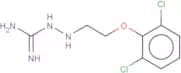
Guanoclor
CAS:Guanoclor (VATENSOL) (INN), also known as guanochlor, is a sympatholytic drug. It is known to bind to non-adrenergic sites in pig kidney membranes.
Formula:C9H12Cl2N4OPurity:98.79%Color and Shape:SolidMolecular weight:263.12α-Arbutin
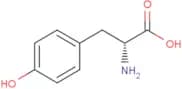
CAS:α-Arbutin (4-hydroxyphenyl-D-lucopyranoside) is a synthetic and functional active ingredient for skin lightening.Formula:C12H16O7Purity:99.82% - 99.94%Color and Shape:Solid PowderMolecular weight:272.25D-Tyrosine
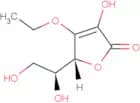
CAS:D-Tyrosine inhibits melanin production and biofilm formation, promoting biofilm dispersal without hindering bacterial growth.Formula:C9H11NO3Purity:99.86%Color and Shape:White CrystalsMolecular weight:181.193-O-Ethyl-L-ascorbic acid
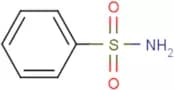
CAS:3-O-Ethyl-L-ascorbic acid is a cosmetic tyrosinase inhibitor with whitening ability and is a stabilized vitamin C derivative.Formula:C8H12O6Purity:97.35% - 99.99%Color and Shape:White To Very Pale Yellow Crystalline Powder Solid PowderMolecular weight:204.18Benzenesulfonamide
CAS:Benzenesulfonamide (Benzosulfonamide) ia an inhibitor of carbonic anhydrases.Formula:C6H7NO2SPurity:99.42% - 99.99%Color and Shape:White Crystalline PowderMolecular weight:157.19Telotristat
CAS:Telotristat, active metabolite of LX1606, is an oral tryptophan hydroxylase inhibitor with potential antiserotonergic effects.Formula:C25H22ClF3N6O3Purity:99.70%Color and Shape:SolidMolecular weight:546.93Ref: TM-T21506
5mg46.00€10mg62.00€25mg119.00€50mg187.00€100mg304.00€200mg424.00€1mL*10mM (DMSO)52.00€Necrostatin-1
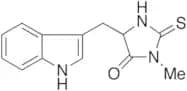
CAS:Controlled ProductApplications Necroptosis is a regulated caspase-independent cell death mechanism that results in morphological features resembling necrosis. Necrostatin-1 is an inhibitor of RIP1 kinase that prevents the death of TNF-α-treated FADD-deficient Jurkat cells. Necrostatin-1 has been used to investigate the pathological importance of necroptosis in ischemic brain injury and myocardial infarction.
References Foresti, R., et al: J. Biol. Chem., 272, 18411 (1997); Cardenas, A., et al.: J. Neurochem., 74, 2041 (2000); Degterev, et al.: Nat. Chem. Biol., 1, 112 (2005); Hitomi, J., et al.: Cell, 135, 1311 (2008);Formula:C13H13N3OSColor and Shape:NeatMolecular weight:259.33CDK2 Protein, Human, Recombinant (His)
CDK2 is a member of the Ser/Thr protein kinase family.Color and Shape:Lyophilized PowderMolecular weight:35 kDa (predicted); 33 kDa (reducing conditions)Ref: TM-TMPY-04542
5µg95.00€10µg153.00€20µg245.00€50µg486.00€100µg837.00€200µg1,468.00€500µg3,037.00€PfLDH Protein, P. falciparum, Recombinant (His)
Plasmodium falciparum lactate dehydrogenase (PfLDH) is a key enzyme for energy generation of malarial parasites and is considered to be a potential antimalarialPurity:96.1%Color and Shape:Lyophilized PowderMolecular weight:34.9 kDa (predicted)HER3/ERBB3 Protein, Human, Recombinant (His)
HER3/ERBB3 Protein, Human, Recombinant (His) is expressed in HEK293 mammalian cells with His tag.Purity:SDS-PAGE: 98.5%; SEC-HPLC: 97.6%Color and Shape:Lyophilized PowderMolecular weight:70.2 kDa (predicted); 100-110 kDa (reducing condition, due to glycosylation)TPSAB1 protein, Cynomolgus, Recombinant (His)
TPSAB1, namely tryptase alpha/beta-1, is a serine protease with trypsinlike activity.Color and Shape:Lyophilized PowderMolecular weight:28.57kDa (predicted). The protein migrates to 30-33kDa based on Tris-Bis PAGE result.ENPP3 Protein, Canine, Recombinant (His)
Ectonucleotide pyrophosphatase-phosphodiesterase 3 (ENPP3), a protein detected in the human uterus, has been found to play an important role in the developmentColor and Shape:Lyophilized PowderMolecular weight:96.19 kDa (predicted). Due to glycosylation, the protein migrates to 110-130 kDa based on Tris-Bis PAGE result.COX-2 Protein, Human, Recombinant (His)
PTGS2, also known as COX-2, is s component of Prostaglandin-endoperoxide synthase (PTGS).Purity:92.1% - > 90 % as determined by SDS-PAGEColor and Shape:Lyophilized PowderMolecular weight:68.5 kDa (predicted); 66 kDa (reducing conditions)Ref: TM-TMPY-01736
5µg162.00€10µg250.00€20µg400.00€50µg743.00€100µg1,190.00€200µg1,848.00€500µg3,518.00€(R)-Trolox
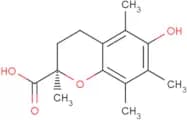
CAS:(R)-Trolox is a selective tyrosinase inhibitor used in food, cosmetics, and pharmaceutical products.Formula:C14H18O4Purity:99.88%Color and Shape:SolidMolecular weight:250.29Urokinase/uPA Protein, Rat, Recombinant (His)
Urokinase/uPA Protein, Rat, Recombinant (His) is expressed in HEK293 mammalian cells with His tag.Purity:> 95 % as determined by SDS-PAGE - > 95 % as determined by SDS-PAGEColor and Shape:Lyophilized PowderMolecular weight:47.3 kDa (predicted)EUCODIS® Lipase 013, screening grade, recombinant, from microbial sources - EL013
Lipase 13 recombinantly expressed in E. coli comes in a spray-dried formulation. It has its pH optimum at 6-8 and temp. optimum at 35-45°C. Lipases belong to the family of esterases and naturally act on triglycerides at lipid-water interfaces catalyzing hydrolytic reactions, esterifications and transesterification reactions in industrial and food applications. Lipase 13 was shown to hydrolyze p-Nitrophenyl esters of butyrate (87 % activity compared to octanoate), octanoate (100 %), palmitate (44 %), stearate (21 %) and arachidate (2 %).Y. lipolytica Lipase, from Yarrowia lipolytica - ELYL01
Lipases belong to the family of esterases and naturally act on triglycerides at lipid-water interfaces. Lipases/esterases can be used as versatile tools in hydrolytic reactions, esterifications and transesterification reactions in industrial and food applications. The lipase from the yeast Y. lipolytica has a temperature optimum in the 30 - 40 °C range and pH optimum between pH 7 and 8.
Peroxidase, from horseradish
CAS:Catalyst for signal development in immunoassaysColor and Shape:PowderMolecular weight:44,000.00 g/molAmylase protein (Porcine)
Alpha Amylase (Amylase, α-Amylase, 1,4-α-D-glucan glucanohydrolase, glycogenase, PPA; systematic name 4-α-D-glucan glucanohydrolase; EC 3.2.1.1, CAS Number [9000-90-2]) is an enzyme that catalyzes hydrolysis of large polysaccharides into smaller fragments. Alpha amylase targets alpha bonds of 1→4 glycosidic linkages of poly- and oligosaccharides with three or more D-glucose units. One unit of Alpha Amylase will catalyze the hydrolysis of 1.0 μmol of 2-chloro-4-nitrophenyl-α-D-maltotrioside to yield 2-chloro-4-nitrophenol per minute at 37°C. Porcine pancreatic Alpha Amylase is supplied as lyophilized, off-white to white powder, lyophilized from tris chloride and mannitol, pH 7.2. Activity is ≥70U/mL, specific activity ≥100 U/mg protein. Store at -20°C on arrival.Purity:Min. 95%α-Chymotrypsin, freeze-dried, from bovine pancreas
CAS:Please enquire for more information about alpha-Chymotrypsin, freeze-dried, from bovine pancreas including the price, delivery time and more detailed product information at the technical inquiry form on this pageFormula:CrO4PPurity:Min. 1200 Usp U/MgMolecular weight:146.97 g/mol(R)-Mandelonitrile lyase
CAS:(R)-Mandelonitrile lyase (systematic name mandelonitrile benzaldehyde-lyase (hydrogen cyanide-forming), other names are D-oxynitrilase, D-alpha-hydroxynitrile lyase, (R)-oxynitrilase, oxynitrilase, mandelonitrile benzaldehyde-lyase, ydroxynitrile lyase; EC 4.1.2.10) is the enzyme that catalyzes the following reaction:mandelonitrile ⇌ hydrogen cyanide + benzaldehydeOne unit of (R)-mandelonitrile lyase will convert 1.0 μmol of mandelonitrile per minute under optimal conditions.Purity:Min. 95%α Amylase, powder
CAS:Alpha Amylase, powder, is an enzyme preparation that acts as a catalyst for the hydrolysis of starch, breaking it down into simpler sugars like maltose and glucose. This enzyme is derived from microbial or fungal sources, commonly via fermentation processes using strains of bacteria or fungi specifically optimized for enzyme production.α-L-Iduronidase, recombinant, lyophilised
CAS:PAIRED PRODUCTS AVAILABLE:Purity:Corresponds To RequirementsColor and Shape:PowderLipase CR 03
CAS:Lipase CR 03 is an industrial-grade enzyme product that is derived from microbial sources, specifically engineered for robust and efficient catalytic activity. The enzyme is extracted utilizing advanced fermentation techniques that capitalize on the prolific nature of specific strains known for lipase production. Its mode of action involves the hydrolysis of ester bonds in triglycerides, converting them into free fatty acids and glycerol. This catalytic process is critical in various biochemical pathways and industrial reactions.o-Glycosidase from streptococcus pneumoniae
CAS:o-Glycosidase (O-Glycanase, endo-a-acetylgalactosaminidase, endo-a-N-acetylgalactosaminidase; EC 3.2.1.97) is an enzyme that specifically removes N-acetylgalactosamine disaccharides, that were attached to serine's or threonine's side-chain oxygen (hence o-Glycosidase). One unit of o-Glycosidase will hydrolyze 1.0 mmole of of substrate per minute at 37 °C and pH 5.0.Purity:Min. 95%Lipase immo Kit 01
CAS:Lipase immo Kit 01 is an advanced biochemical tool designed for the immobilization of lipase, an enzyme commonly sourced from microorganisms. This innovative kit utilizes a sophisticated immobilization matrix to enhance enzyme stability and reusability. By binding the enzyme to a solid support, the kit facilitates repeated and continuous use in various reactions without significant loss of activity.Color and Shape:PowderPhospholipase D 040 food grade
CAS:Test sample of Cymit Quimica's Phospholipase D 040 Halal and Kosher Food grade bulk enzyme (EPLD840.6). With one of the most competitive activity rates on the global market and manufactured in Europe, this enzyme is perfect for use in food, diagnostic, therapeutic and nutraceutical industries worldwide. Phospholipase D is an enzyme that is expressed in almost all types of organisms and whose activity can be harnessed to synthesize critical raw materials, for example phosphatidylserine. Phosphatidylserine has shown itself to be an important functional ingredient in reducing cognitive dysfunction and dementia in the field of nutraceuticals. As a Halal and Kosher food grade enzyme, Cymit Quimica's Phospholipase D is an excellent candidate for a diverse variety of food industry applications. Furthermore our enzyme can be used in diagnostic assays, creating first-class drug delivery systems and APIs. Product is a lyopholised solidEUCODIS® Peroxidase 13, from bacterial, fungal and plant origin, recombinant - EP013
Peroxidase 013 belongs to the class of the heme-family peroxidases and can be utilized for catalyzing oxidation/epoxidation of unsaturated C-C bonds, N- or S-oxidation, ether cleavage and alcohol/aldehyde oxidation reactions. The Peroxidase 12 has a temperature optimum in the 20 - 40 °C range and pH optimum between pH 5 and 8.Xanthine oxidase
CAS:Xanthine oxidase is an enzyme that catalyzes the hydroxylation of hypoxanthine to xanthine and xanthine to uric acidPurity:Min. 95%Color and Shape:PowderSialic acid aldolase - crystalline
CAS:Sialic acid aldolase - crystalline is a purified enzyme product, which is typically derived from microbial sources, such as certain bacteria, that have evolved to metabolize sialic acids. This enzyme catalyzes a reversible aldol reaction between sialic acid and pyruvate, facilitating the cleavage or formation of sialic acid from N-acetylmannosamine and pyruvate. By breaking the carbon-carbon bond in sialic acid, sialic acid aldolase plays a critical role in the degradation and biosynthesis pathways of sialic acid, which are key factors in numerous biological processes.
Color and Shape:PowderCreatinine amidohydrolase, 150 units/mg solid, 250 U
CAS:Creatinine amidohydrolase (also sometimes reffered as creatininase, EC 3.5.2.10) is an enzyme that catalyses the following reaction: creatinine + H2O ⇌ creatine One unit of creatinine amidohydrolase will produce 1.0 µmole of creatine at pH 7.5 and 37 °C.Purity:Min. 95%EUCODIS® Lipase 056, screening grade, recombinant, from microbial sources - EL056
Lipase 56 recombinantly expressed in E. coli comes in a spray-dried formulation. It has its pH optimum at 8 and temp. optimum at 40-50°C. Lipases belong to the family of esterases and naturally act on triglycerides at lipid-water interfaces catalyzing hydrolytic reactions, esterifications and transesterification reactions in industrial and food applications. Lipase 56 was shown to hydrolyze p-Nitrophenyl esters of butyrate (79 % activity compared to octanoate), octanoate (100 %), laurate (51 %), palmitate (29 %), stearate (15 %), arachidate (0.2 %) and behenate (0.1 %).Urokinase
CAS:Urokinase (urokinase-type plasminogen activator, uPA; EC 3.4.21.73) is as serine protease. Its physiological substrate is plasminogen. Urokinase converts plasminogen into an active enzyme, plasmin, which is also a serine protease. In its active form plasmin plays an important role in dissolving blood clots. Despite its name, Urokinase is not a kinase.Formula:C21H25BrN2O3Purity:(%) Min. 85%Lysozyme, lyophilized powder, min 45000 FIP U/mg
CAS:Lysozyme, lyophilized powder, min 45000 FIP U/mg, is an enzymatic product derived primarily from egg white. It is a versatile and potent enzyme known for its ability to hydrolyze the β(1-4) glycosidic bonds in the peptidoglycan layer of bacterial cell walls. This mechanism of action is particularly effective against Gram-positive bacteria due to the accessibility of their peptidoglycan layer.Color and Shape:White PowderSARS-CoV-2 main protease
CAS:The main protease Mpro is a key protein in the lifecycle of the SARS-CoV-2 virus. Mpro cleaves the viral polyproteins at the C-terminal end of a glutamine residue in recognition sequences containing Leu-Gln-(Ser, Ala, Gly) motifs (Rut et al, 2020). As SARS-CoV-2 MPro has no closely related homologues in humans, it represents an attractive drug target (Ullrich and Nitsche, 2020). In summary, the Mpro protease is a chymotrypsin-like cysteine protease, requires homodimerisation for proteolytic activity, cleaves the viral polyproteins in 11 distinct sites, exclusively after a glutamine residue. A fluorogenic substrate for Mpro assays is Ac-Abu-Tle-Leu-Gln-AMC.The protein amount or better its concentration in solution is quantified using either A280 (absorption at 280 nm with its specific absorption coefficient) or using the Bradford assay (uses the dye Coomassie Brilliant Blue). Both of these methods quantify the total amount of protein in a sample, no matter what the oligomerization state is.Purity:(Sds-Page) Min. 80%Color and Shape:LyophilisateTrypsin, technical grade, freeze-dried
CAS:Trypsin (EC 3.4.21.4) is a protease that hydrolyses proteins by cleaving the peptide bond at the carboxyl side of the positively charged amino acid (Lysine or Arginine). Trypsin belongs to a family of serine proteases, as it has a serine in its active site. Trypsin can be inhibited by using trypsin inhibitor Alpha 1 Antitrypsin.Purity:Min. 98%Carboxypeptidase P
CAS:Carboxypeptidase P (EC 3.4.17.16, also Membrane Pro-Xaa carboxypeptidase, microsomal carboxypeptidase) is a C-terminal exopeptidase, that preferentially cuts at C-terminal amino acid next to proline: ~-Pro-X → ~-Pro + X.Formula:C8H17N2O5PMolecular weight:252.2 g/molSucrose phosphorylase (from leuconostoc mesenteroides)
CAS:Sucrose phosphorylase (sucrose glucosyltransferase, disaccharide glucosyltransferase, systemic name Sucrose:orthophosphate α-D-glucosytransferase; EC 2.4.1.7) is an enzyme that catalyzes the following reaction:sucrose + Pi ⇌ D-fructose + α-D-glucose-1-phosphateOne unit of Sucrose phosphorylase will produce 1.0 μmole of D-fructose per minute in the presence of sucrose and phosphate under optimum conditions.Purity:Min. 95%EUCODIS® Lipase 070, screening grade, recombinant, from microbial sources - EL070
Lipase 70 recombinantly expressed in E. coli comes in a spray-dried formulation. It has its pH optimum at 6-8 and temp. optimum at 35-45°C. Lipases belong to the family of esterases and naturally act on triglycerides at lipid-water interfaces catalyzing hydrolytic reactions, esterifications and transesterification reactions in industrial and food applications. Lipase 70 was shown to hydrolyze p-Nitrophenyl esters of butyrate (100 % activity), octanoate (62 %), laurate (15 %), palmitate (4 %), stearate (3 %), arachidate (2 %) and behenate (0.2 %).Immobilized lipase
CAS:Lipases belong to the family of esterases and naturally act on triglycerides at lipid-water interfaces. Lipases/esterases can be used as versatile tools in hydrolytic reactions, esterifications and transesterification reactions in industrial and food applications. Immobilized lipases can be utilized in various reaction types, and are optimal for all reactions in organic solvents or solvent-free systems.
Color and Shape:PowderEUCODIS® Lipase 070 immobilized, screening grade, recombinant, from microbial sources, covalent immobilization, or immobilization by absorption - EL070-I
Lipases belong to the family of esterases and naturally act on triglycerides at lipid-water interfaces. Lipases/esterases can be used as versatile tools in hydrolytic reactions, esterifications and transesterification reactions in industrial and food applications. The immobilized Lipase 070 has a temperature optimum at 45 °C and pH optimum between pH 5 and 8, and is covalently immobilized on a polymer resin. Immobilized lipases can be utilized in various reaction types, and are optimal for all reactions in organic solvents or solvent-free systems.LacBuster™-S bulk for plates (β-lactamase)
CAS:This product shows beta-lactamase activity against clinically relevant beta-lactam antibiotics such as penicillins, carbapenems and cephalosporins. This product may be of particular interest for laboratory teams who require the sterility testing of biological specimens or for environmental monitoring applications.
Creatinine deiminase
CAS:Creatinine deiminase (EC 3.5.4.21) in an enzyme that catalyzes the following reaction: Creatinine + H2O → N-Methylhydantoin + NH3 One unit of creatinine deiminase will hydrolyze 1.0 µmole of creatinine to N-methylhydantoin and ammonia per minute at pH 7.5 and 37°C.Formula:C20H32O3SHypoxanthine phosphoribosyltransferase, liquid
CAS:Please enquire for more information about Hypoxanthine phosphoribosyltransferase, liquid including the price, delivery time and more detailed product information at the technical inquiry form on this pageLacBuster™-S 1000 (β-lactamase)
CAS:LacBuster™-S 1000 is an enzymatic product derived from microbial sources, specifically engineered for precision and efficiency. It is a beta-lactamase, which catalyzes the hydrolysis of the beta-lactam ring found in beta-lactam antibiotics such as penicillins and cephalosporins, rendering them inactive. The enzyme achieves this by breaking the amide bond within the beta-lactam ring, a critical structural component necessary for antibiotic activity.Dextran dextrinase, liquid
CAS:Please enquire for more information about Dextran dextrinase, liquid including the price, delivery time and more detailed product information at the technical inquiry form on this pagePhosphoribosyl pyrophosphate synthase, liquid
CAS:Please enquire for more information about Phosphoribosyl pyrophosphate synthase, liquid including the price, delivery time and more detailed product information at the technical inquiry form on this pageEsterase, from porcine liver, ≥15 units/mg
CAS:Porcine liver esterase (EC 3.1.1.1) is an enzyme that catalyses ester hydrolysis, producing a fatty acid and an alcohol. One unit of esterase will hydrolyze 1.0 μmole of ethyl butyrate to butyric acid and ethanol per min at pH 8.0 and 25 °C. Ethyl butyrate is available here.LacBuster™-S 5000 (β-lactamase)
CAS:LacBuster™-S 5000 is an enzymatic product, specifically a beta-lactamase, which originates from microbial sources known for their ability to produce enzymes that break down antibiotics. This product functions by hydrolyzing the beta-lactam ring of relevant antibiotics, thereby neutralizing their antibacterial activity.Isoamylase 5MU, from Pseudomonase sp., recombinant, lyophilized - EIA01
Isoamylase (also known as debranching enzyme, systemic name glycogen α-1,6-glucanohydrolase; EC 3.2.1.68) is an enzyme from the family of carbohydrolases acting specifically on α-1,6-glucosidic branch linkages in polysaccharides such as amylopectin or glycogen, but rarely hydrolyzes such bonds in pullulan. Isoamylase has been obtained from P. amyloderamosa and has a temperature optimum in the 30 – 40 °C range and pH optimum between pH 3 and 4.