Organometallic Ligands
In this category, you will be able to find a large number of organometallic molecules used as ligands in biomolecules. These organometallic ligands can be used in organic chemistry and synthesis in the laboratory. They play a critical role in forming coordination complexes and catalyzing various chemical reactions. At CymitQuimica, we offer a diverse selection of high-quality organometallic ligands to support your research and industrial needs.
Subcategories of "Organometallic Ligands"
- Buchwald Ligands(22 products)
- DPEN(4 products)
- DPHEN(4 products)
- JOSIPHOS(4 products)
- Phosphine(497 products)
- Porphirines(75 products)
Found 2887 products of "Organometallic Ligands"
Sort by
Purity (%)
0
100
|
0
|
50
|
90
|
95
|
100
1,2-Dihydro-4,5-bis(1-methyl-1H-indol-3-yl)-3H-pyrazol-3-one
CAS:<p>1,2-Dihydro-4,5-bis(1-methyl-1H-indol-3-yl)-3H-pyrazol-3-one is a synthetic organic compound, which is typically derived through a multistep chemical synthesis process involving the condensation of indole derivatives with pyrazolones. The mode of action for this compound involves interaction with biological targets that may include enzymes or receptors, leading to modulation of specific pathways important in cellular processes.</p>Formula:C12H12N4O4SPurity:Min. 95%Molecular weight:308.32 g/mol14:0-06:0 NBD pg
CAS:<p>14:0-06:0 NBD PG is a synthetic phospholipid conjugate, specifically a fluorescently labeled phosphatidylglycerol, which is synthesized in the laboratory. The NBD (nitrobenzoxadiazole) group, attached to the fatty acyl chain, provides a fluorescent label. This product serves as a versatile tool to study membrane dynamics and lipid behavior due to its fluorescent characteristics.</p>Formula:C32H56N5O13PPurity:Min. 95%Molecular weight:749.79 g/molAZD 7762 Hydrochloride
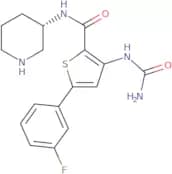
CAS:<p>AZD 7762 Hydrochloride is a small-molecule inhibitor, which is a synthetic compound designed to target specific molecular pathways. It is manufactured as a hydrochloride salt for increased stability and solubility. The product principally acts by inhibiting checkpoint kinases, specifically Chk1 and Chk2, which play critical roles in the DNA damage response pathway. By inhibiting these kinases, AZD 7762 disrupts the cell cycle checkpoint control, leading to the accumulation of DNA damage in cancer cells, ultimately inducing apoptosis.</p>Formula:C17H19FN4O2S·HClPurity:Min. 95%Molecular weight:362.42 g/molc24 Ceramide (d18:1/24:0)
CAS:<p>C24 Ceramide (d18:1/24:0) is a sphingolipid molecule, which is a fundamental component of cell membranes. This specific ceramide is derived from the lipid class known for its critical role in maintaining the integrity and functionality of the stratum corneum. The structure comprises a long-chain sphingoid base, d18:1, linked to a saturated 24-carbon fatty acid, 24:0, facilitating its incorporation into the lipid bilayer.</p>Formula:C42H83NO3Purity:Min. 95%Molecular weight:650.11 g/molTelratolimod
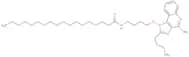
CAS:<p>Telratolimod, also known as 3M-052, is a lass of vaccine adjuvant that activates TLR7 and 8. It is a lipid-modified derivative of resiquimod (R848) featuring an 18-carbon fatty acyl chain that increases hydrophobicity, enhances retention at immune activation sites, and limits systemic diffusion. This lipidation also facilitates incorporation into delivery platforms such as emulsions and liposomes.As a vaccine adjuvant, 3M-052 has demonstrated potent and durable antibody and T-cell responses in HIV vaccine formulations when combined with PLGA nanoparticles or alum.</p>Formula:C36H59N5O2Purity:Min. 95%Molecular weight:593.9 g/molRo 31-8220 mesylate
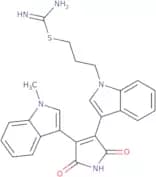
CAS:<p>Ro 31-8220 mesylate is a synthetic compound, which is a potent, selective inhibitor predominantly sourced from rational drug design techniques targeting the phosphodiesterase enzyme family. With its mode of action centered around the inhibition of protein kinase C (PKC) and other related kinases, Ro 31-8220 mesylate disrupts downstream signaling pathways, impacting cellular processes such as proliferation, differentiation, and apoptosis.</p>Formula:C25H23N5O2S·CH3SO3HPurity:Min. 95%Molecular weight:553.65 g/molTGR5 Receptor Agonist
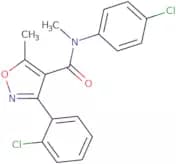
CAS:<p>TGR5 Receptor Agonist is a synthetic compound designed to activate the G protein-coupled bile acid receptor 1, commonly known as TGR5. This receptor is largely expressed in various tissues, including liver, brown adipose tissue, and the gastrointestinal tract. TGR5 agonists are derived through chemical synthesis, enabling precise modulation of biological pathways. The mechanism of action involves activation of the TGR5 receptor, which leads to downstream signaling cascades that enhance energy expenditure, improve insulin sensitivity, and exert anti-inflammatory effects.</p>Formula:C18H14Cl2N2O2Purity:Min. 95%Molecular weight:361.22 g/molMutant EGFR inhibitor
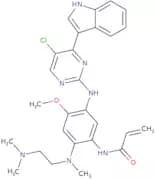
CAS:<p>Mutant EGFR inhibitor is a targeted therapeutic agent, which is a pharmaceutical compound originating from advanced drug discovery platforms. Its mode of action involves the selective inhibition of epidermal growth factor receptor (EGFR) proteins that carry specific mutations, such as L858R or exon 19 deletions, often implicated in tumorigenesis. By binding to the ATP-binding site of the mutant EGFR, this inhibitor prevents the phosphorylation cascade necessary for downstream signaling, effectively blocking pathways involved in cell proliferation and survival.</p>Formula:C27H30ClN7O2Purity:Min. 95%Molecular weight:520.03 g/molCM037
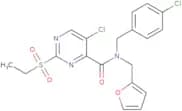
CAS:<p>CM037 is a small-molecule inhibitor, which is synthetically derived with a primary mode of action involving the selective inhibition of a specific kinase pathway. This inhibition is achieved through competitive binding at the ATP-binding site, leading to a reduction in downstream signaling events that are crucial for cell proliferation and survival. CM037 effectively alters cellular processes, making it a valuable tool in researching cellular signaling dynamics.</p>Formula:C21H25N3O3S2Purity:Min. 95%Molecular weight:431.57 g/molp-Nitroblebbistatin
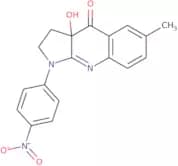
CAS:Controlled Product<p>p-Nitroblebbistatin is a photostable small-molecule inhibitor, which is derived from the original compound blebbistatin. It acts specifically on non-muscle myosin II ATPase, inhibiting its activity without affecting other myosin isoforms or closely related ATPases.</p>Formula:C18H15N3O4Purity:Min. 95%Molecular weight:337.3 g/molHSP90 Inhibitor, CCT018159
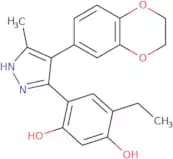
CAS:<p>HSP90 Inhibitor, CCT018159, is a synthetic chemical compound which targets HSP90, a molecular chaperone involved in the proper folding of proteins. This inhibitor is designed and synthesized through chemical methods based on structure-activity relationship studies. It operates by binding to the ATP-binding domain of HSP90, thereby inhibiting its function. This disruption in HSP90 activity leads to the degradation of client proteins that are crucial for cancer cell survival and proliferation.</p>Formula:C20H20N2O4Purity:Min. 95%Molecular weight:352.38 g/molSB 204070
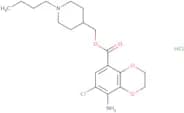
CAS:<p>SB 204070 is a potent and selective antagonist of the endothelin ETA receptor, which is a type of protein that plays a critical role in various physiological processes. Derived from a chemical synthesis source, this compound interacts with the endothelin system, which is involved in the modulation of vascular tone and cellular proliferation. Its mode of action involves competitive inhibition of the ETA receptor, reducing the physiological effects mediated by endothelins.</p>Formula:C19H28Cl2N2O4Purity:Min. 95%Molecular weight:419.3 g/molVincristine-d3 sulfate
CAS:Controlled Product<p>Vincristine-d3 sulfate is a labeled compound, which is a deuterium-labeled form of vincristine. It originates from Catharanthus roseus (Madagascar periwinkle), where it is derived as an indole alkaloid. This compound is chemically modified to include deuterium atoms, which serve as traceable markers, facilitating the study of its pharmacokinetics and metabolism.</p>Formula:C46H55D3N4O14SPurity:Min. 95%Molecular weight:926.05 g/molZJ 43
CAS:ZJ 43 is an advanced biochemical compound that serves as a precision-targeted reagent, specifically designed for cellular and molecular biology applications. Derived from synthetic organic chemistry techniques, it features a high degree of purity and specificity, allowing it to interact with cellular proteins without significant off-target effects.Formula:C12H20N2O7Purity:Min. 95%Molecular weight:304.3 g/molSF2523
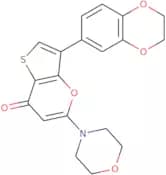
CAS:<p>Please enquire for more information about SF2523 including the price, delivery time and more detailed product information at the technical inquiry form on this page</p>Formula:C19H17NO5SPurity:Min. 95%Molecular weight:371.41 g/mol9-Octadecanoyloxy-octadecanoic acid
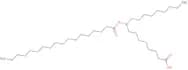
CAS:<p>9-Octadecanoyloxy-octadecanoic acid is a complex lipid, specifically a structured triglyceride. It is synthesized through esterification processes involving naturally sourced fatty acids such as stearic acid. This compound functions through its unique lipid structure, influencing cellular membrane interactions and potentially modulating lipid metabolism pathways. Its structural integrity allows for specific interactions within biological membranes, offering potential implications in altering membrane fluidity and permeability.<br><br>The applications of 9-Octadecanoyloxy-octadecanoic acid span research in biochemistry and pharmacology, focusing on the study of lipid behavior in cellular environments. It is utilized in experimental models to assess lipid-based delivery systems, as well as to explore the effects of structured lipids on metabolic processes. The compound aids in enhancing our understanding of lipid utilization and endocrine responses, providing a critical tool for investigations into lipid-related disorders and their potential therapeutic interventions.</p>Formula:C36H70O4Purity:Min. 95%Molecular weight:566.9 g/molPhotoclick sphingosine
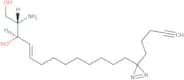
CAS:<p>Photoclick Sphingosine is a chemically modified lipid analog, specifically designed for advanced biological research applications. It is synthesized from naturally occurring sphingosine, a component integral to sphingolipids found in cell membranes. The product incorporates a light-activated azide group, enabling precise spatio-temporal control over its chemical reactivity when exposed to specific wavelengths of light.</p>Formula:C19H33N3O2Purity:Min. 95%Molecular weight:335.48 g/molIKK Inhibitor III, BMS-345541
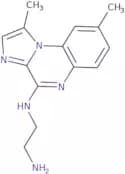
CAS:<p>IKK Inhibitor III, BMS-345541, is a selective small-molecule inhibitor, which is synthesized through chemical processes within specialized laboratories. This compound specifically targets the IκB kinase (IKK) enzymes, inhibiting their function in the NF-κB signaling pathway. By binding to the ATP-binding site of the IKK complex, BMS-345541 effectively prevents the phosphorylation and degradation of IκB proteins. This interruption leads to reduced NF-κB activation, thereby modulating the expression of various genes involved in inflammatory and immune responses.</p>Formula:C14H17N5·2C2HF3O2Purity:Min. 95%Molecular weight:483.36 g/mol(3S)-1-Cyano-N-[5-(4-morpholinyl)-2-thiazolyl]-3-pyrrolidinecarboxamide
CAS:<p>(3S)-1-Cyano-N-[5-(4-morpholinyl)-2-thiazolyl]-3-pyrrolidinecarboxamide is a small molecule pharmaceutical compound that acts as a kinase inhibitor. Originating from advanced synthetic chemistry efforts, it is designed to modulate specific cellular pathways through its interaction with protein kinases. Its mode of action involves binding to the ATP-binding site of target kinases, thereby inhibiting their phosphorylation activity and subsequent signal transduction pathways.</p>Formula:C13H17N5O2SPurity:Min. 95%Molecular weight:307.37 g/molZAP 180013
CAS:<p>ZAP 180013 is an advanced enzymatic reagent, which is derived from a recombinant source with specificity for targeted protein modification. It operates through a unique mechanism of action that involves the precise cleavage of peptide bonds at target sites identified by a specific amino acid sequence. This specificity allows for minimal off-target effects, making it a reliable tool in proteomics.</p>Formula:C19H17Cl2N3O4SPurity:Min. 95%Molecular weight:454.3 g/mol




![(3S)-1-Cyano-N-[5-(4-morpholinyl)-2-thiazolyl]-3-pyrrolidinecarboxamide](/_next/image/?url=https%3A%2Fstatic.cymitquimica.com%2Fproducts%2F3D%2Fthumb-webp%2FVAD05066.webp&w=3840&q=75)