Organometallic Ligands
In this category, you will be able to find a large number of organometallic molecules used as ligands in biomolecules. These organometallic ligands can be used in organic chemistry and synthesis in the laboratory. They play a critical role in forming coordination complexes and catalyzing various chemical reactions. At CymitQuimica, we offer a diverse selection of high-quality organometallic ligands to support your research and industrial needs.
Subcategories of "Organometallic Ligands"
- Buchwald Ligands(22 products)
- DPEN(4 products)
- DPHEN(4 products)
- JOSIPHOS(4 products)
- Phosphine(497 products)
- Porphirines(75 products)
Found 2887 products of "Organometallic Ligands"
Sort by
Purity (%)
0
100
|
0
|
50
|
90
|
95
|
100
AS2717638
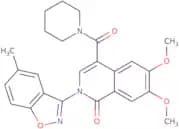
CAS:<p>AS2717638 is a synthetic small molecule inhibitor, which is originally derived from natural compounds found in Streptomyces bacteria. Its mode of action involves the targeted inhibition of specific enzymes responsible for regulating DNA replication. This precision targeting disrupts aberrant cellular processes, making it an important tool in the study of cancer biology and cellular proliferation.</p>Formula:C25H25N3O5Purity:Min. 95%Molecular weight:447.5 g/molAP C5
CAS:<p>AP C5 is an antimicrobial peptide, which is a biologically-derived molecule with potent bactericidal properties. It originates from natural or synthetic sources, often designed to mimic peptides found in diverse organisms such as amphibians, insects, or mammals that possess innate immune responses.</p>Formula:C16H13N5Purity:Min. 95%Molecular weight:275.31 g/molRhodamine B hydrazide
CAS:<p>Rhodamine B hydrazide is a fluorescent chemical probe, which is synthetically derived from Rhodamine B, a xanthene dye. This compound functions primarily as a reactive oxygen species (ROS) detector, facilitated by its unique molecular structure that allows it to selectively respond to oxidative environments.</p>Formula:C28H32N4O2Purity:Min. 95%Molecular weight:456.6 g/molAgomelatine (L(+)-tartaric acid)
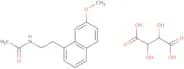
CAS:Controlled Product<p>Agomelatine (L(+)-tartaric acid) is a synthetic antidepressant, which is derived from chemical synthesis. It acts primarily by serving as an agonist at melatonin MT1 and MT2 receptors and as an antagonist at 5-HT2C serotonin receptors. This dual mechanism of action is particularly significant as it helps regulate sleep-wake cycles and mood by re-establishing normal circadian rhythms.</p>Formula:C19H23NO8Purity:Min. 95%Molecular weight:393.4 g/molCSF1R-IN-1
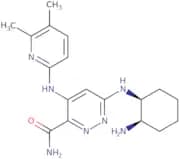
CAS:<p>CSF1R-IN-1 is a small molecule inhibitor, which is derived from synthetic chemical processes designed to selectively target the colony-stimulating factor 1 receptor (CSF1R) tyrosine kinase. The primary mode of action of CSF1R-IN-1 involves the inhibition of the CSF1R signaling pathway. This pathway is crucial for the regulation of the development and function of macrophages, which are vital for immune response and homeostasis. By selectively binding to the ATP-binding site of CSF1R, CSF1R-IN-1 effectively blocks the receptor's activity, thus reducing unwanted macrophage-mediated inflammation and proliferation.</p>Formula:C25H20F3N5O2Purity:Min. 95%Molecular weight:479.5 g/molCaspase-3/7 Inhibitor I
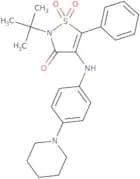
CAS:<p>Caspase-3/7 Inhibitor I is a chemical compound used predominantly in biochemical research, particularly in the study of apoptosis. It is a synthetic, reversible inhibitor derived from known peptide inhibitors of caspase enzymes. The inhibitor functions by blocking the active sites of caspase-3 and caspase-7 enzymes, halting their protease activity, which is crucial in the execution phase of apoptosis.</p>Formula:C14H16N2O5SPurity:Min. 95%Molecular weight:324.35 g/molBelvarafenib
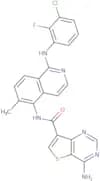
CAS:<p>Belvarafenib is a targeted therapeutic compound categorized as a novel RAF kinase inhibitor. It is sourced through chemical synthesis, designed specifically to target and inhibit aberrant kinase activity in cancer cells. The mode of action involves the selective inhibition of the RAF protein kinases, particularly BRAF, which play a pivotal role in the MAPK/ERK signaling pathway. By interrupting this signal transduction cascade, Belvarafenib effectively halts the proliferation of cancerous cells harboring specific BRAF mutations.</p>Formula:C23H16ClFN6OSPurity:Min. 95%Molecular weight:478.93 g/molDasotraline
CAS:<p>Dasotraline is a dopamine and norepinephrine reuptake inhibitor (DNRI), which is a small-molecule pharmaceutical developed for potential therapeutic use. This compound originates from synthetic chemical processes designed to modulate neurotransmitter activity within the central nervous system. The mode of action of dasotraline involves the inhibition of dopamine and norepinephrine transporters. By blocking the reuptake of these neurotransmitters, dasotraline increases their extracellular concentrations, thereby enhancing dopaminergic and noradrenergic signaling.</p>Formula:C16H15Cl2NPurity:Min. 95%Molecular weight:292.2 g/molRO9021
CAS:<p>RO9021 is a synthetic peptide, which is derived from bacterial lipoproteins, with a mechanism of action that targets and modulates specific inflammatory pathways. This peptide interacts with cell surface receptors, such as Toll-like receptors (TLRs), to inhibit the signaling cascades that lead to the production of pro-inflammatory cytokines. By acting on these crucial pathways, RO9021 effectively reduces inflammation and can modulate immune responses.</p>Formula:C18H25N7OPurity:Min. 95%Molecular weight:355.44 g/molTauro-β-muricholic acid sodium
CAS:<p>Tauro-β-muricholic acid sodium is a bile acid derivative, which is naturally sourced from mammalian bile. It plays a crucial role in the regulation of bile acid metabolism by modulating the activity of nuclear receptors in the liver and intestine. This compound acts by inhibiting farnesoid X receptor (FXR) signaling, a nuclear receptor that regulates bile acid synthesis, lipid metabolism, and glucose homeostasis. By influencing these pathways, Tauro-β-muricholic acid sodium is an important tool for scientists studying liver function, cholesterol metabolism, and intestinal microbiome interactions.</p>Formula:C26H44NNaO7SPurity:Min. 95%Molecular weight:537.7 g/molDiprovocim-1
CAS:<p>Diprovocim-1 is an immunological adjuvant, which is a synthetic compound designed to enhance the body's immune response to an antigen. This compound is crafted through chemical synthesis, representing a class of molecules that actively engage the immune system's receptors to boost the efficacy of vaccines. Diprovocim-1 functions by stimulating Toll-like receptors on immune cells, thereby enhancing the activation and proliferation of antigen-presenting cells. This mode of action is critical for augmenting the body’s adaptive immune response, leading to a more robust and sustained immunity.</p>Formula:C56H56N6O6Purity:Min. 95%Molecular weight:909.1 g/molDiabzi sting agonist-1
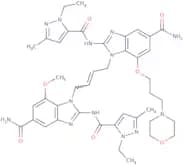
CAS:<p>Please enquire for more information about Diabzi sting agonist-1 including the price, delivery time and more detailed product information at the technical inquiry form on this page</p>Formula:C42H51N13O7Purity:Min. 95%Molecular weight:849.9 g/molCY-09
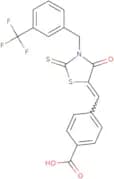
CAS:<p>CY-09 is a fluorescent probe-based cell assay system, which is a synthetic compound designed for biomedical research. The product is developed from a combination of advanced chemical synthesis methods and molecular engineering, allowing precise interactions with cellular processes. CY-09 operates via a fluorescence-based detection mechanism, providing a highly specific and sensitive means to observe intracellular events.</p>Formula:C19H12F3NO3S2Purity:Min. 95%Molecular weight:423.43 g/molNutlin carboxylic acid
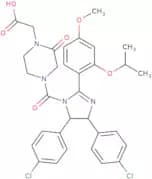
CAS:<p>Nutlin carboxylic acid is a small molecule inhibitor, which is derived from synthetic sources targeting the p53-MDM2 interaction with high specificity and efficacy. It functions by binding to the MDM2 protein, effectively preventing it from interacting with the tumor suppressor protein p53. This inhibition stabilizes and activates p53, leading to cell cycle arrest and apoptosis in cancerous cells.</p>Formula:C32H32Cl2N4O6Purity:Min. 95%Molecular weight:639.5 g/molPyrisoxazole
CAS:<p>Pyrisoxazole is a synthetic fungicide, which is a man-made chemical compound used to inhibit fungal growth. It functions by targeting and disrupting the synthesis of essential components of the fungal cell membrane, specifically inhibiting ergosterol biosynthesis, which is crucial for maintaining cell integrity and function. Pyrisoxazole is utilized primarily in agricultural settings to protect crops from various fungal pathogens. By preventing the invasion and spread of fungi, it helps in maintaining crop yield and quality. Its efficacy against a wide range of fungi makes it a valuable tool in integrated pest management strategies, ensuring sustainable agricultural practices. The ability to selectively target fungal cells while sparing plant and animal cells is a notable characteristic, underscoring its specificity and utility in crop protection.</p>Formula:C16H17ClN2OPurity:Min. 95%Molecular weight:288.77 g/molACT 335827
CAS:<p>Please enquire for more information about ACT 335827 including the price, delivery time and more detailed product information at the technical inquiry form on this page</p>Formula:C31H38N2O5Purity:Min. 95%Molecular weight:518.64 g/molA 331440 Dihydrochloride
CAS:<p>A 331440 Dihydrochloride is a potent and selective NMDA receptor antagonist, which is a synthetic compound with notable binding affinity for modulating excitatory synaptic transmission. This product is derived from chemical synthesis, designed specifically for research applications involving neuronal signaling pathways. Its mode of action involves blocking the ion channels associated with NMDA receptors, thereby inhibiting the flow of calcium ions across the cell membrane.</p>Formula:C22H29Cl2N3OPurity:Min. 95%Molecular weight:422.4 g/molHMN-176
CAS:<p>HMN-176 is a synthetic antifungal compound, which is an indolocarbazole derivative sourced from a natural alkaloid framework. This product exhibits its mode of action by inhibiting fungal cell division, specifically through interference with microtubule polymerization. This mechanism effectively disrupts the mitotic process, leading to cell cycle arrest and subsequent fungal cell death.</p>Formula:C20H18N2O4SPurity:Min. 95%Molecular weight:382.43 g/molMDL-29951
CAS:<p>Please enquire for more information about MDL-29951 including the price, delivery time and more detailed product information at the technical inquiry form on this page</p>Formula:C12H9Cl2NO4Purity:Min. 95%Molecular weight:302.11 g/molRWJ 52353
CAS:<p>RWJ 52353 is a synthetic small molecule, which is an investigational drug developed through medicinal chemistry techniques aimed at targeting metabolic pathways. With a specific mode of action that involves inhibiting key enzymes involved in metabolic processes, it modulates biological pathways associated with energy homeostasis.</p>Formula:C11H10N2SPurity:Min. 95%Molecular weight:202.28 g/mol3-[1,1′-Biphenyl]-2-yl-5-(1-methyl-1H-pyrazol-4-yl)furo[3,2-b]pyridine
CAS:<p>3-[1,1′-Biphenyl]-2-yl-5-(1-methyl-1H-pyrazol-4-yl)furo[3,2-b]pyridine is a chemical compound designed for use in scientific research, particularly within the field of biochemistry and pharmacology. This compound is typically synthesized through organic chemical processes involving biphenyl and furo[3,2-b]pyridine derivatives. It is known for its specific binding affinity and interaction with certain biological targets, which makes it significant in the investigation of cellular pathways and receptor activities.</p>Formula:C23H17N3OPurity:Min. 95%Molecular weight:351.4 g/molAC 186
CAS:<p>AC 186 is a synthetic small-molecule inhibitor, which is derived from targeted chemical synthesis with specificity for protein modulation. The compound acts by competitively binding to the active site of the target protein, disrupting its interaction with other biomolecules, and thereby inhibiting its biological activity. This mechanism of action allows for the selective modulation of signaling pathways and cellular processes, making AC 186 a valuable tool for in-depth biochemical studies.</p>Formula:C18H17F3OPurity:Min. 95%Molecular weight:306.3 g/molRo 67-7476
CAS:<p>Ro 67-7476 is a synthetic compound that functions as a potent, non-peptide antagonist for the cholecystokinin-A (CCK-A) receptor. The source of this compound is chemical synthesis, utilizing advanced organic chemistry techniques to specifically target the CCK-A receptor with high affinity and selectivity. The mode of action involves the competitive inhibition of the natural ligand binding to the CCK-A receptor, thereby modulating the physiological responses mediated through this receptor pathway.</p>Formula:C17H18FNO2SPurity:Min. 95%Molecular weight:319.39 g/molJTV-519 hemifumarate
CAS:<p>JTV-519 hemifumarate is a calcium sensitizer, which is a pharmaceutical agent designed to improve cardiac contractility. It is derived from a synthetic process focusing on modulating calcium dynamics within cardiac cells. By binding to and stabilizing the ryanodine receptor (RyR2), JTV-519 hemifumarate enhances calcium release from the sarcoplasmic reticulum during the cardiac cycle. This action leads to an increase in the sensitivity of cardiac myofilaments to calcium without increasing intracellular calcium concentration, thereby improving myocardial contractility without the pro-arrhythmic effects associated with increased calcium transients.</p>Formula:C25H32N2O2S·5C4H4O4Purity:Min. 95%Molecular weight:482.63 g/molPsi-7977-13C-d3
CAS:<p>Psi-7977-13C-d3 is a stable isotope-labeled compound, a modified version of sofosbuvir, which is a well-known nucleotide analog. It is synthesized to incorporate carbon-13 and deuterium, making it useful for pharmacokinetic studies. The isotopic labeling allows researchers to trace the metabolic pathways and disposition of the drug in biological systems with high precision.</p>Formula:C22H31FN3O9PPurity:Min. 95%Molecular weight:535.5 g/molIsavuconazole-d4
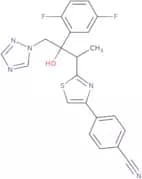
CAS:<p>Isavuconazole-d4 is a deuterated antifungal agent specifically designed as an isotopically labeled analog of Isavuconazole, a triazole antifungal. This product is sourced from the chemical modification of Isavuconazole, where deuterium atoms replace certain hydrogen atoms. The introduction of deuterium enhances the mass for analytical precision without altering pharmacological activity, making it ideal for rigorous scientific studies.</p>Formula:C22H17F2N5OSPurity:Min. 95%Molecular weight:441.5 g/molMM 11253
CAS:<p>MM 11253 is a sophisticated biotechnological research reagent, which is derived from a combination of recombinant DNA technology and protein engineering techniques. Its mode of action involves specific binding to nucleic acid sequences, thus enabling precise manipulation and analysis of genetic material. By leveraging its specific binding properties, MM 11253 can be used to facilitate various genetic studies, including gene expression analysis, DNA sequencing, and genomic mapping.</p>Formula:C28H30O2S2Purity:Min. 95%Molecular weight:462.67 g/molStylopine hydrochloride
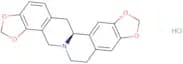
CAS:<p>Stylopine hydrochloride is an isoquinoline alkaloid, which is a naturally occurring compound primarily extracted from plants in the Papaveraceae family, such as Papaver and Corydalis species. Its mode of action involves the inhibition of certain enzymes and modulation of calcium channels, which are critical in the regulation of various biochemical pathways.</p>Formula:C19H18ClNO4Purity:Min. 95%Molecular weight:359.8 g/molAZ876
CAS:<p>Please enquire for more information about AZ876 including the price, delivery time and more detailed product information at the technical inquiry form on this page</p>Formula:C24H29N3O3SPurity:Min. 95%Molecular weight:439.57 g/molPs-1145 dihydrochloride
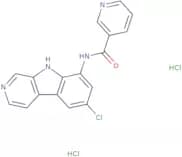
CAS:<p>PS-1145 dihydrochloride is a synthetic chemical compound that acts as a selective inhibitor of the enzyme IκB kinase β (IKK-β). This compound is typically derived through complex chemical synthesis techniques in laboratory environments. PS-1145 targets the NF-κB signaling pathway by directly binding to IKK-β, thereby inhibiting its activity. This inhibition prevents the phosphorylation and subsequent degradation of IκB proteins, which in turn retains NF-κB in the cytoplasm and prevents its transcriptional activity in the nucleus.</p>Formula:C17H13Cl3N4OPurity:Min. 95%Molecular weight:395.7 g/molAG 1406
CAS:<p>AG 1406 is a small molecule that modulates the expression of genes that are involved in nerve function. The protein-protein interactions of AG 1406 were examined using a microarray and cytoscape. This agent was found to interact with nuclear factor-kappa B, which is an inflammatory pathway that is activated by cytokines and stress. AG 1406 also interacts with metal surfaces, such as those present on glyphosate, to produce an inhibitory effect on the growth of plants.</p>Formula:C16H18N2OPurity:Min. 95%Molecular weight:254.33 g/mol18:1 (N12) Coenzyme A
CAS:<p>18:1 (N12) Coenzyme A is a lipid molecule, which is a derivative of oleic acid conjugated to coenzyme A. It is synthesized from natural sources through enzymatic processes involving oleic acid, a monounsaturated fatty acid, and coenzyme A, a crucial cofactor in various biochemical pathways. The mechanism of action for 18:1 (N12) Coenzyme A involves its participation as an acyl carrier in the enzymatic synthesis and oxidation of fatty acids. As a result, it plays an essential role in fatty acid metabolism, influencing lipid biosynthesis and energy production.</p>Formula:C39H77N10O17P3SPurity:Min. 95%Molecular weight:1,083.07 g/molDeruxtecan
CAS:<p>an ADC drug-linker conjugate composed of an DX-8951 derivative (Exatecan) and a maleimide-GGFG peptide linker.</p>Formula:C52H56FN9O13Purity:Min. 95%Molecular weight:1,034.1 g/molBiricodar dicitrate (vx-710 dicitrate)
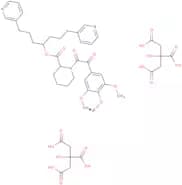
CAS:<p>Biricodar dicitrate (vx-710 dicitrate) is a chemosensitizing agent, which is a synthetic compound designed to modulate drug resistance mechanisms. It is sourced from research efforts aimed at overcoming multidrug resistance in cancer. Biricodar dicitrate acts by inhibiting members of the ATP-binding cassette (ABC) transporter family, particularly P-glycoprotein (P-gp) and multidrug resistance-associated proteins (MRPs). These transporters typically efflux chemotherapeutic agents out of cancer cells, thereby reducing drug accumulation and efficacy.</p>Formula:C46H57N3O21Purity:Min. 95%Molecular weight:988 g/mol18:0 Lyso pi
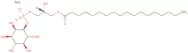
CAS:<p>18:0 Lyso PI is a lysophosphatidylinositol, which is a lipid molecule, specifically a type of phosphoinositide. It is derived from natural sources of phospholipids, often found within cell membranes. The mode of action involves participating in cellular signaling pathways, acting as a precursor or mediator in the phosphoinositide cycle. This cycle is crucial for regulating various cellular processes, including signal transduction, cell differentiation, and membrane trafficking.</p>Formula:C27H56NO12PPurity:Min. 95%Molecular weight:617.71 g/mol2'-((2-(4-Methoxyphenyl)acetamido)methyl)-N-(2-(pyridin-3-yl)ethyl)-[1,1'-biphenyl]-2-carboxamide
CAS:<p>2'-((2-(4-Methoxyphenyl)acetamido)methyl)-N-(2-(pyridin-3-yl)ethyl)-[1,1'-biphenyl]-2-carboxamide is a synthetic compound characterized by its biphenyl carboxamide structure. It is derived through organic synthesis involving the strategic assembly of methoxyphenyl, pyridine, and carboxamide moieties.</p>Formula:C30H29N3O3Purity:Min. 95%Molecular weight:479.6 g/moltert-Butyl 4-[(3-phenyl-1,2,4-oxadiazol-5-yl)methyl]piperidine-1-carboxylate
CAS:Controlled Product<p>Tert-Butyl 4-[(3-phenyl-1,2,4-oxadiazol-5-yl)methyl]piperidine-1-carboxylate is a synthetic organic compound typically used in the field of chemical research. It belongs to the class of oxadiazole derivatives, which are known for their diverse chemical and pharmacological properties. The source of this compound is through systematic organic synthesis methods, involving multi-step reactions that strategically build the complex molecular structure.</p>Formula:C19H25N3O3Purity:Min. 95%Molecular weight:343.4 g/molCilengitide trifluoroacetate
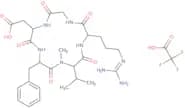
CAS:<p>Cilengitide trifluoroacetate is a cyclic pentapeptide, which is a synthetic compound originally derived from natural peptides. Its source lies in the laboratory synthesis of cyclic RGD (Arg-Gly-Asp) peptides, which are known for their ability to interact with specific integrins on cell surfaces. Cilengitide selectively targets integrin αvβ3 and αvβ5, modulating cell adhesion and signaling pathways that are crucial in tumor angiogenesis, cancer growth, and metastasis.</p>Formula:C29H41F3N8O9Purity:Min. 95%Molecular weight:702.68 g/molGSK2850163
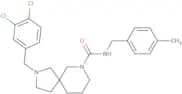
CAS:<p>GSK2850163 is a small-molecule inhibitor, which is derived synthetically. It functions by selectively targeting bromodomains, which are protein interaction modules that recognize acetylated lysine residues. This action disrupts the interaction between bromodomains and acetylated histones, thereby influencing gene expression. Such selective targeting allows for modulation of transcriptional programs that can be aberrant in various diseases.</p>Formula:C24H29Cl2N3OPurity:Min. 95%Molecular weight:446.4 g/molLY 2922470
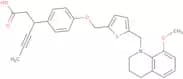
CAS:<p>LY 2922470 is an investigational compound, which is a small molecule inhibitor, derived from synthetic chemical sources, with specific activity against certain kinase enzymes. The mode of action of LY 2922470 involves binding to the ATP pocket of the targeted kinases, thereby inhibiting their phosphorylation activity, which is crucial in signaling pathways that regulate cell proliferation and survival.</p>Formula:C28H29NO4SPurity:Min. 95%Molecular weight:475.6 g/molAuglurant
CAS:<p>Please enquire for more information about Auglurant including the price, delivery time and more detailed product information at the technical inquiry form on this page</p>Formula:C16H12FN5O2Purity:Min. 95%Molecular weight:325.3 g/mol1-Deoxysphinganine-d3
CAS:Controlled Product<p>1-Deoxysphinganine-d3 is an isotopically labeled sphingolipid analog, which is a synthetic derivative of naturally occurring sphingoid bases. It is derived through a process of selective deuterium labeling, replacing hydrogen atoms with deuterium at three specific positions. This modification allows for its use in precise mass spectrometric studies due to the distinct mass difference imparted by deuterium. Its mode of action involves mimicking sphingolipid metabolic pathways, enabling the investigation of sphingolipid-associated functions in cells without influencing the biological activity as a substrate in enzymatic reactions.</p>Formula:C18H36D3NOPurity:Min. 95%Molecular weight:288.53 g/molTCS 2510
CAS:<p>TCS 2510 is a chemical compound, specifically a selective inhibitor, derived from synthetic organic chemistry. This compound exhibits its functional mechanism through targeted interaction with specific enzymes or proteins, thereby modulating their biological activity. The mode of action typically involves binding to the active site or allosteric site, resulting in altered enzyme activity, which can aid in elucidating pathways and biological processes.</p>Formula:C21H29N5O2Purity:Min. 95%Molecular weight:383.49 g/molPD-1-IN-1
CAS:<p>PD-1-IN-1 is an inhibitor targeting the programmed cell death protein 1 (PD-1), a key immune checkpoint receptor. This product is chemically synthesized, ensuring a high degree of purity and specific activity. The mode of action involves the blockade of the PD-1 pathway, thereby inhibiting the interaction between PD-1 on T cells and its ligands, PD-L1 and PD-L2, on other cells. This interruption enhances T cell activity and prevents immune evasion by tumors or infected cells, making it a vital tool in immuno-oncology research.</p>Formula:C12H20N6O7Purity:Min. 95%Molecular weight:360.32 g/molFR 171113
CAS:<p>FR 171113 is a synthetic chemical compound classified as a novel antimicrobial agent, which is derived from intricate laboratory synthesis processes. The compound acts primarily by disrupting bacterial cell wall synthesis, interfering with essential processes that sustain the bacterial cell structure, leading to eventual cell lysis.</p>Formula:C19H11Cl3N2O4SPurity:Min. 95%Molecular weight:469.73 g/molBrm/brg1 atp inhibitor-1
CAS:<p>Brm/BRG1 ATP Inhibitor-1 is a small-molecule inhibitor specifically developed to target the ATPase activity of the Brm and BRG1 proteins, which are core components of the SWI/SNF chromatin remodeling complexes. These complexes are vital for modulating chromatin structure to regulate gene expression in eukaryotic cells. The source of the Brm/BRG1 ATP Inhibitor-1 is synthetic chemical synthesis, designed to interfere with the ATP-dependent activity of the SWI/SNF complex.</p>Formula:C11H9F3N4O2SPurity:Min. 95%Molecular weight:318.28 g/molAtagabalin
CAS:<p>Atagabalin is a novel pharmaceutical compound, which is derived from marine biological sources. Its primary mode of action involves the inhibition of the alpha-2-delta subunit of voltage-gated calcium channels. This mechanism modulates synaptic transmission, leading to reduced neuronal excitability.</p>Formula:C10H19NO2Purity:Min. 95%Molecular weight:185.26 g/molJNJ-632
CAS:<p>JNJ-632 is an investigational therapeutic agent, specifically a small molecule degrader, which is derived from synthetic chemical processes. The product is designed to selectively induce the degradation of specific proteins associated with cancer proliferation. This is achieved through a targeted protein degradation mechanism, wherein JNJ-632 binds to the target protein and recruits an E3 ubiquitin ligase, leading to ubiquitination and subsequent proteasomal degradation of the target protein.</p>Formula:C18H19FN2O4SPurity:Min. 95%Molecular weight:378.42 g/molSW155246
CAS:<p>SW155246 is a synthetic chemical compound, classified as a small-molecule inhibitor, which is derived from advanced organic synthesis techniques. Its mode of action involves the selective inhibition of specific enzymatic pathways, thereby modulating the activity of targeted proteins within cellular environments. This precision allows researchers to dissect and understand intricate biochemical processes.</p>Formula:C16H11ClN2O5SPurity:Min. 95%Molecular weight:378.79 g/molJNJ-40418677
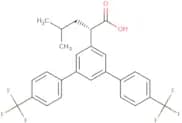
CAS:<p>JNJ-40418677 is a small-molecule pharmaceutical compound that functions as a highly selective phosphodiesterase 10A (PDE10A) inhibitor. It is developed from synthetic chemical sources and is designed to modulate intracellular signaling pathways by targeting the PDE10A enzyme. The mode of action involves inhibition of PDE10A, which is predominantly expressed in the striatum—a brain region linked to motor control and cognitive functions. By inhibiting PDE10A, JNJ-40418677 increases the levels of cyclic nucleotides (cAMP and cGMP) within neurons, which can enhance dopaminergic and glutamatergic signaling pathways.</p>Formula:C26H22F6O2Purity:Min. 95%Molecular weight:480.44 g/mol










![3-[1,1′-Biphenyl]-2-yl-5-(1-methyl-1H-pyrazol-4-yl)furo[3,2-b]pyridine](/_next/image/?url=https%3A%2Fstatic.cymitquimica.com%2Fproducts%2F3D%2Fthumb-webp%2FWXC20576.webp&w=3840&q=75)





![2'-((2-(4-Methoxyphenyl)acetamido)methyl)-N-(2-(pyridin-3-yl)ethyl)-[1,1'-biphenyl]-2-carboxamide](/_next/image/?url=https%3A%2Fstatic.cymitquimica.com%2Fproducts%2F3D%2Fthumb-webp%2FYUA57753.webp&w=3840&q=75)
![tert-Butyl 4-[(3-phenyl-1,2,4-oxadiazol-5-yl)methyl]piperidine-1-carboxylate](/_next/image/?url=https%3A%2Fstatic.cymitquimica.com%2Fproducts%2F3D%2Fthumb-webp%2FXGC44493.webp&w=3840&q=75)