


Organometallic Ligands
In this category, you will be able to find a large number of organometallic molecules used as ligands in biomolecules. These organometallic ligands can be used in organic chemistry and synthesis in the laboratory. They play a critical role in forming coordination complexes and catalyzing various chemical reactions. At CymitQuimica, we offer a diverse selection of high-quality organometallic ligands to support your research and industrial needs.
Subcategories of "Organometallic Ligands"
- Buchwald Ligands(22 products)
- DPEN(4 products)
- DPHEN(4 products)
- JOSIPHOS(4 products)
- Phosphine(497 products)
- Porphirines(75 products)
Found 2887 products of "Organometallic Ligands"
Sort by
Purity (%)
0
100
|
0
|
50
|
90
|
95
|
100
MS402
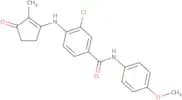
CAS:<p>MS402 is a biological control agent derived from a naturally occurring entomopathogenic fungus, which targets specific agricultural pests through a parasitic mode of action. Upon application, this microorganism adheres to the host insect’s cuticle, penetrating it and proliferating within the body. Subsequently, the pest is incapacitated, which results in its death, thereby mitigating pest populations in crop environments.</p>Formula:C20H19ClN2O3Purity:Min. 95%Molecular weight:370.8 g/molPy1
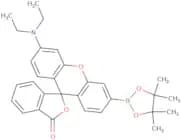
CAS:<p>Py1 is a biopesticide, which is a product derived from natural sources with a focus on sustainable agriculture. It is designed to harness the bioactive compounds produced by certain microbial strains. This biopesticide functions through a multifaceted mode of action, primarily targeting specific physiological and biochemical pathways within pest organisms, thereby inhibiting their growth and reproduction.</p>Formula:C30H32BNO5Purity:Min. 95%Molecular weight:497.39 g/mol18:1 Dansyl ps
CAS:<p>18:1 Dansyl ps is a fluorescent lipid probe, which is a synthetic derivative of phosphatidylserine. It is labeled with a dansyl group, providing unique fluorescent properties. This product is sourced from synthetic lipid modification processes, allowing for precise incorporation of the fluorescent moiety into the lipid structure. The mode of action of 18:1 Dansyl ps involves its integration into lipid bilayers, where its fluorescent properties can be used to investigate membrane dynamics, interactions, and organization.</p>Formula:C54H95N4O12PSPurity:Min. 95%Molecular weight:1,055.39 g/molGSK-J1 sodium
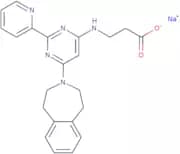
CAS:<p>GSK-J1 sodium is a small molecule inhibitor, which is a chemically synthesized compound with a specific mode of action targeting histone demethylases, particularly the JMJD3 and UTX enzymes. These enzymes are part of the Jumonji family and are involved in the demethylation of histone H3 on lysine 27 (H3K27), a critical process in the regulation of gene expression.</p>Formula:C22H22N5NaO2Purity:Min. 95%Molecular weight:411.4 g/molS55746
CAS:<p>Please enquire for more information about S55746 including the price, delivery time and more detailed product information at the technical inquiry form on this page</p>Formula:C43H42N4O6Purity:Min. 95%Molecular weight:747.28 g/molHO-3867
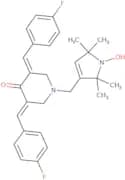
CAS:<p>HO-3867 is a synthetic small molecule, which is a derivative of curcumin, designed to enhance its therapeutic potential. Curcumin, a natural compound found in turmeric, is known for its anti-inflammatory and anticancer properties; however, its application is limited due to poor bioavailability and rapid systemic elimination. HO-3867 is engineered to overcome these limitations with structural modifications, improving its stability and bioavailability.</p>Formula:C28H30F2N2O2Purity:Min. 95%Molecular weight:464.55 g/molPSB-SB1202
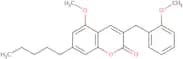
CAS:<p>PSB-SB1202 is a biosurfactant, which is a surface-active substance produced by microorganisms. It is derived from microbial cultures, specifically engineered to secrete compounds capable of reducing surface tension. This reduction in surface tension results from the amphiphilic nature of the biosurfactant molecules, consisting of hydrophilic and hydrophobic components that interact with diverse interfaces, including those in soil and water systems.</p>Formula:C23H26O4Purity:Min. 95%Molecular weight:366.4 g/molL 454560
CAS:<p>L 454560 is a synthetic chemical compound, which serves as a pharmacological agent. This compound is derived from laboratory-synthesized processes and characterized through rigorous analytical chemistry techniques to ensure purity and consistency. Its mode of action involves interaction with specific biochemical pathways, where it acts as an inhibitor or modulator to influence certain cellular or systemic responses. This mode of action is critical for its efficacy in designed applications.</p>Formula:C31H29N3O5S2Purity:Min. 95%Molecular weight:587.7 g/molN2,N3-Bis(3-ethynylphenyl)quinoxaline-2,3-diamine
CAS:<p>N2,N3-Bis(3-ethynylphenyl)quinoxaline-2,3-diamine is a quinoxaline derivative, which is a compound synthesized for use in advanced materials and chemical research. This compound is sourced through organic synthesis, involving the functionalization of quinoxaline cores with ethynylphenyl groups. Its mode of action is based on its ability to participate in π-conjugation and engage in electronic interactions, making it of significant interest for the development of electronic and optoelectronic materials.</p>Formula:C24H16N4Purity:Min. 95%Molecular weight:360.41 g/molAZD 8186
CAS:<p>AZD 8186 is a selective small-molecule inhibitor, which is sourced from synthesized chemical compounds, specifically designed to target the phosphoinositide 3-kinase (PI3K) pathway. This inhibitor functions by selectively inhibiting the PI3K isoforms, primarily PI3Kβ and PI3Kδ, which play critical roles in multiple cell signaling pathways related to growth, survival, and proliferation.</p>Formula:C24H25F2N3O4Purity:Min. 95%Molecular weight:457.5 g/mol14:0-12:0 NBD pa
CAS:<p>14:0-12:0 NBD PA is a fluorescent phospholipid analog, which is a synthetic lipid derived from phosphatidic acid. It features a nitrobenzoxadiazole (NBD) moiety covalently attached to the acyl chain, making it a powerful tool to study biomembrane properties and lipid-protein interactions. The mode of action involves its ability to integrate into lipid bilayers, where the NBD group provides a fluorescent signal when illuminated with specific wavelengths. This enables visualization and tracking of lipid dynamics in real-time.</p>Formula:C35H62N5O11PPurity:Min. 95%Molecular weight:759.87 g/molRG7834
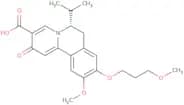
CAS:<p>RG7834 is an investigational biochemical compound, classified as a small molecule inhibitor. It is derived from synthetic sources utilizing advanced chemical synthesis techniques to ensure high specificity and potency. The mode of action of RG7834 involves selective targeting and inhibition of specific molecular pathways, which are critical in various cellular mechanisms. This inhibitory activity enables researchers to closely examine the impacts on genetic transcription and cellular responses.</p>Formula:C22H27NO6Purity:Min. 95%Molecular weight:401.45 g/molAX-024
CAS:<p>AX-024 is a novel synthetic compound, which is a derivative of small-molecule inhibitors with origins in targeted drug development. This compound functions primarily through the inhibition of specific cellular enzymes involved in the proliferation of cancer cells. By targeting these enzymes, AX-024 disrupts key signaling pathways crucial for tumor growth and survival, leading to cellular apoptosis.<br><br>The applications of AX-024 are predominantly in oncology, where it is being investigated for its efficacy in treating various types of cancer. Ongoing preclinical and clinical studies focus on its potential to be used as a monotherapy or in combination with existing chemotherapeutic agents to enhance overall therapeutic outcomes. Researchers are particularly interested in its ability to selectively target cancer cells while minimizing damage to normal cells, thereby reducing the side effects commonly associated with traditional cancer treatments. The development of AX-024 represents a strategic advancement in precision medicine, aiming to provide more effective and personalized treatment options for cancer patients.</p>Formula:C21H22FNO2Purity:Min. 95%Molecular weight:339.4 g/molYM 230888
CAS:<p>YM 230888 is a synthetic compound, which is an enzymatic inhibitor derived through a series of complex organic synthesis processes. Its mode of action involves selective binding to the active site of target enzymes, thereby inhibiting their catalytic activity and modulating biochemical pathways. This feature makes it a powerful tool for probing enzyme functions and exploring therapeutic potential.</p>Formula:C19H28N4OSPurity:Min. 95%Molecular weight:360.5 g/molTaxol F
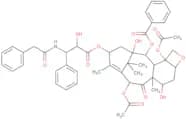
CAS:<p>Taxol F is an antineoplastic product, which is derived both from natural sources and through synthetic production processes. Taxol, also known as paclitaxel, was originally extracted from the bark of the Pacific yew tree (Taxus brevifolia). However, due to the demand and sustainability concerns, it is now also produced through semi-synthetic methods involving precursor compounds extracted from renewable sources such as the European yew.</p>Formula:C48H53NO14Purity:Min. 95%Molecular weight:867.9 g/molDeleobuvir
CAS:<p>Deleobuvir is a non-nucleoside inhibitor, which is a synthetic chemical compound designed to target specific viral enzymes. This product is derived from meticulous pharmaceutical research aimed at addressing the challenges of Hepatitis C virus (HCV) infections. Its mode of action involves binding to the non-catalytic sites of the NS5B polymerase, an enzyme essential for the HCV RNA replication process. By inhibiting this enzyme, Deleobuvir effectively disrupts the replication cycle of the virus within the host cells.</p>Formula:C34H33BrN6O3Purity:Min. 95%Molecular weight:653.6 g/molLY2409881 trihydrochloride
CAS:<p>LY2409881 trihydrochloride is a small molecule inhibitor, which is synthetically derived through chemical processes. It functions as a selective inhibitor of IKKβ (IκB kinase β), an enzyme involved in the NF-κB signaling pathway. By inhibiting IKKβ, LY2409881 effectively impedes the phosphorylation and subsequent degradation of IκB, resulting in the suppression of NF-κB activity.</p>Formula:C24H32Cl4N6OSPurity:Min. 95%Molecular weight:594.43 g/molIlorasertib hydrochloride
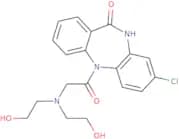
CAS:<p>Ilorasertib hydrochloride is a selective multi-targeted kinase inhibitor, which is derived from meticulous synthetic chemistry processes aimed at producing potent therapeutic agents. With a primary mechanism of action that involves the inhibition of several key kinases, Ilorasertib hydrochloride acts to disrupt critical signaling pathways essential for cancer cell proliferation and survival. This mechanistic approach involves the targeting of enzymes such as cyclin-dependent kinases (CDKs) and VEGFR, which are pivotal in various cancerous processes.</p>Formula:C25H22ClFN6O2SPurity:Min. 95%Molecular weight:525 g/molSiltenzepine
CAS:<p>Please enquire for more information about Siltenzepine including the price, delivery time and more detailed product information at the technical inquiry form on this page</p>Formula:C19H20ClN3O4Purity:Min. 95%Molecular weight:389.8 g/molTFMB-(S)-2HG
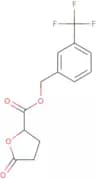
CAS:<p>TFMB-(S)-2HG is a small molecule inhibitor, derived synthetically, which functions as a competitive antagonist of the α-ketoglutarate-dependent dioxygenases. This compound was originally designed to mimic the oncometabolite 2-hydroxyglutarate, thereby interfering with the normal enzymatic activity within the citric acid cycle and other related pathways. Its mode of action involves binding to the active site of target enzymes, displacing the α-ketoglutarate substrate, and subsequently inhibiting their catalytic activity.</p>Formula:C13H11F3O4Purity:Min. 95%Molecular weight:288.22 g/molML 382
CAS:<p>ML 382 is an advanced chemical compound, which is a synthetic small molecule derived from a complex organic chemistry process. It acts primarily through modulation of specific enzymatic pathways, enabling precise control over biochemical reactions.</p>Formula:C18H20N2O4SPurity:Min. 95%Molecular weight:360.4 g/molTUG-1375
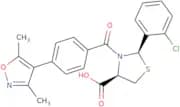
CAS:<p>TUG-1375 is a highly selective, potent antagonist of the GPR40 (FFAR1) receptor, which is a G-protein-coupled receptor predominantly expressed in pancreatic β-cells. This receptor plays a critical role in mediating free fatty acid-induced insulin secretion. TUG-1375 is sourced from advanced chemical synthesis techniques that ensure both purity and specificity.</p>Formula:C22H19ClN2O4SPurity:Min. 95%Molecular weight:442.92 g/molMMAF sodium
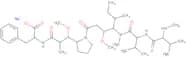
CAS:<p>MMAF sodium is a highly specialized payload used in the development of antibody-drug conjugates (ADCs). It is derived from the synthetic modification of the cytotoxic agent monomethyl auristatin F, which itself originates from dolastatin 10, a compound produced by marine organisms. The mechanism of action of MMAF sodium involves the inhibition of tubulin polymerization. This disruption of the microtubule network effectively halts cell division, leading to apoptosis in rapidly dividing cancer cells.</p>Formula:C39H64N5NaO8Purity:Min. 95%Molecular weight:753.9 g/molAT406 (SM-406)
CAS:<p>AT406 (SM-406) is a small molecule inhibitor, which is synthesized in the laboratory through chemical methods. It functions by targeting and inhibiting specific proteins involved in the regulation of apoptosis, particularly the IAP (Inhibitor of Apoptosis Proteins) family. By binding to these proteins, AT406 disrupts their activity, thereby promoting apoptotic pathways that are otherwise suppressed in cancer cells.</p>Formula:C32H43N5O4Purity:Min. 95%Molecular weight:561.71 g/molp38 MAP Kinase Inhibitor VI, JX401
CAS:<p>**p38 MAP Kinase Inhibitor VI, JX401** is a potent and selective small molecule inhibitor, which is synthesized through precise chemical processes involving advanced organic synthesis techniques. Featuring a high specificity for p38 MAP kinase, this inhibitor works by blocking the ATP-binding site of the kinase, thereby obstructing its catalytic activity. This inhibition impedes the downstream signaling pathways that are crucial for inflammatory responses, cell differentiation, and apoptosis, making it an invaluable tool in research contexts.</p>Formula:C21H25NO2SPurity:Min. 95%Molecular weight:355.49 g/molSS-208
CAS:<p>SS-208 is an advanced chemical compound used for de-icing applications, which is synthesized from a proprietary blend of glycol-based components. Its mode of action involves disrupting the hydrogen bonds in ice, effectively lowering the freezing point and facilitating the melting process. By altering the crystalline structure of the ice, SS-208 provides a rapid and efficient means of ice removal.</p>Formula:C13H11Cl2N3O4Purity:Min. 95%Molecular weight:344.15 g/mol1-(Phenylsulfonyl)-1H-pyrrolo[2,3-b]pyridine-3-carboxylic acid
CAS:<p>1-(Phenylsulfonyl)-1H-pyrrolo[2,3-b]pyridine-3-carboxylic acid is a highly specialized chemical compound, utilized primarily in the realm of biochemical and pharmaceutical research. This compound is synthesized through meticulous chemical processes, involving the integration of a phenylsulfonyl group with a pyrrolo-pyridine framework, which contributes to its unique structural properties.</p>Formula:C14H10N2O4SPurity:Min. 95%Molecular weight:302.31 g/molAbz-Ala-Pro-Glu-Glu-Ile-Met-Arg-Arg-Gln-EDDnp
CAS:Controlled Product<p>Abz-Ala-Pro-Glu-Glu-Ile-Met-Arg-Arg-Gln-EDDnp is a synthetic fluorogenic peptide substrate, which is designed for use in biochemical and cellular assays. Originating from laboratories focused on peptide chemistry, it serves as a sensitive tool to study enzyme kinetics, particularly proteases, due to its specific sequence tailored to certain proteolytic activities.</p>Formula:C61H93N21O19SPurity:Min. 95%Molecular weight:1,456.6 g/molSJA710-6
CAS:<p>SJA710-6 is a synthetic compound, which is a chemically engineered substance designed for scientific research. The source of this compound is a laboratory synthesis, wherein specific chemical reactions are utilized to create a molecule with potentially unique biological properties. The mode of action of SJA710-6 involves targeting particular cellular pathways, which could include pathways related to cellular signaling, metabolism, or gene expression. This precise targeting mechanism allows researchers to dissect complex biological processes and to explore the compound's effects at a molecular level.</p>Formula:C22H20BrFN4Purity:Min. 95%Molecular weight:439.3 g/molJNJ 10191584
CAS:<p>JNJ 10191584 is a chemical compound that functions as a selective adrenergic receptor antagonist, developed through synthetic organic chemistry processes. This compound primarily affects the adrenergic system by blocking specific adrenergic receptors in the central nervous system. Its mode of action involves the inhibition of receptor activity, which modulates neurotransmitter release and influences various physiological responses.</p>Formula:C13H15ClN4OPurity:Min. 95%Molecular weight:278.74 g/molHuman parainfluenza virus type 3, fusion protein, fragment 454-488, acetylated
CAS:<p>Human parainfluenza virus type 3, fusion protein, fragment 454-488, acetylated is a synthetic peptide, which is derived from the fusion protein of the Human Parainfluenza Virus Type 3 (HPIV-3). This fragment is produced through chemical synthesis and is acetylated to mimic the natural post-translational modifications that can occur in viral proteins, enhancing its stability and preserving its biological activity.</p>Formula:C183H294N54O59Purity:Min. 95%Molecular weight:4,194.62 g/mol4-[3-(4-Fluorophenyl)-1-methyl-1H-pyrazol-4-yl]furo[3,4-b]pyridin-5(7H)-one
CAS:<p>4-[3-(4-Fluorophenyl)-1-methyl-1H-pyrazol-4-yl]furo[3,4-b]pyridin-5(7H)-one is a heterocyclic compound, which is synthesized through a series of organic reactions involving pyrazole and furanylpyridine derivatives. This compound is characterized as a small molecule, which is often explored in medicinal chemistry for its potential pharmacological properties.</p>Formula:C17H12FN3O2Purity:Min. 95%Molecular weight:309.3 g/mol16:0-06:0 NBD pg
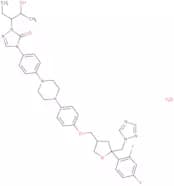
CAS:<p>16:0-06:0 NBD PG is a fluorescently labeled phosphatidylglycerol analog, which is sourced from synthesized lipid molecules conjugated with a nitrobenzoxadiazole (NBD) fluorophore. The mode of action involves incorporation into lipid bilayers where the NBD moiety emits fluorescence upon excitation at specific wavelengths. This emission can be detected and measured, allowing scientists to explore the dynamics and organization of lipid membranes.</p>Formula:C34H60N5O13PPurity:Min. 95%Molecular weight:777.84 g/molPosaconazole hydrate
CAS:<p>Posaconazole hydrate is an antifungal agent, which is a triazole derivative synthesized for the pharmaceutical industry. It functions by inhibiting the enzyme lanosterol 14α-demethylase, crucial in ergosterol biosynthesis, an essential component of fungal cell membranes. This disruption in ergosterol production leads to increased membrane permeability and ultimately the death of the fungal cells.</p>Formula:C37H44F2N8O5Purity:Min. 95%Molecular weight:718.8 g/molSenazodan
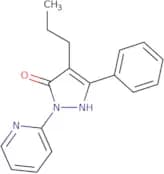
CAS:<p>Please enquire for more information about Senazodan including the price, delivery time and more detailed product information at the technical inquiry form on this page</p>Formula:C15H14N4OPurity:Min. 95%Molecular weight:266.3 g/molElacestrant
CAS:Controlled Product<p>Elacestrant is a selective estrogen receptor degrader (SERD), which is a synthetic small-molecule compound specifically engineered to target and bind to estrogen receptors. Its primary mechanism of action involves the degradation and downregulation of these receptors, thereby impeding the proliferative signaling pathways that are driven by estrogen in hormone receptor-positive breast cancer cells.</p>Formula:C30H38N2O2Purity:Min. 95%Molecular weight:458.6 g/molVU591
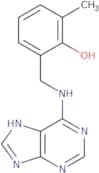
CAS:<p>VU591 is a molecular probe, which is a synthetic chemical compound designed for research purposes. It originates from a series of high-throughput screening processes aimed at identifying modulators of X-linked inhibitor of apoptosis proteins (XIAP). The mode of action of VU591 involves binding to the XIAP, thereby disrupting its interaction with caspases, essential components in cellular apoptosis pathways. By modulating XIAP, VU591 can serve as an effective tool in studying apoptosis regulation and its implications in diseases where cell death is dysregulated, such as cancer. It is commonly utilized in laboratory settings to elucidate the molecular mechanisms governing apoptosis and to investigate potential therapeutic strategies targeting XIAP-mediated pathways, offering valuable insights for developing anti-cancer treatments.</p>Formula:C16H12N6O5Purity:Min. 95%Molecular weight:368.3 g/mol2-(((9H-Purin-6-yl)amino)methyl)-6-methylphenol
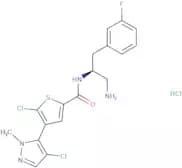
CAS:<p>2-(((9H-Purin-6-yl)amino)methyl)-6-methylphenol is a purine derivative, which belongs to a class of compounds extensively studied for their roles in biochemical and pharmaceutical contexts. This synthetic compound is derived from integrating a purine base with a phenolic structure, providing dual functionalities that may interact with various biological targets.</p>Formula:C13H13N5OPurity:Min. 95%Molecular weight:255.28 g/molAfuresertib hydrochloride
CAS:<p>Afuresertib hydrochloride is a small-molecule inhibitor, which is synthesized as a targeted therapeutic agent. It is specifically designed to inhibit the activity of AKT kinase, a crucial component in the PI3K/AKT/mTOR signaling pathway. This pathway is frequently deregulated in various cancers, contributing to tumor growth, survival, and resistance to conventional therapies.</p>Formula:C18H18Cl3FN4OSPurity:Min. 95%Molecular weight:463.78 g/molMitopq
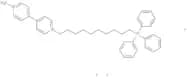
CAS:Controlled Product<p>Mitopq is a novel mitochondrial-targeting compound, which is synthesized through advanced biochemical engineering, designed to localize specifically within the mitochondria of eukaryotic cells. Its source is rooted in sophisticated organic synthesis techniques that allow for precision delivery and targeted engagement with mitochondrial components.</p>Formula:C39H46I3N2PPurity:Min. 95%Molecular weight:954.5 g/molKDS-0071
CAS:<p>KDS-0071 is a novel antibiotic compound, which is derived from a fermentation process involving specific strains of actinobacteria. With a unique mechanism of action, it targets bacterial cell wall synthesis, effectively inhibiting the growth and proliferation of Gram-positive and select Gram-negative bacteria. KDS-0071 disrupts the cross-linking of peptidoglycan layers, leading to cell lysis and death of susceptible bacterial cells.</p>Formula:C22H23FN4O3SPurity:Min. 95%Molecular weight:442.5 g/molApx-115 free
CAS:<p>Apx-115 is a small molecule compound, which acts as a selective inhibitor derived from pharmacological synthesis with targeted cellular mechanisms. It functions through the inhibition of specific enzymatic pathways that regulate oxidative stress responses and inflammation pathways in cells. The precise mode of action includes modulating the activity of enzymes involved in redox signaling, potentially impacting the regulation of reactive oxygen species (ROS) and associated cellular processes.</p>Formula:C17H17N3OPurity:Min. 95%Molecular weight:279.34 g/mol2-[[5-[4-(Dimethylsulfamoyl)phenyl]-8-methyl-2-oxo-1,6,7,9-tetrahydropyrrolo[3,2-H]isoquinolin-3-ylidene]amino]oxy-4-hydroxybutanoic acid
CAS:<p>2-[[5-[4-(Dimethylsulfamoyl)phenyl]-8-methyl-2-oxo-1,6,7,9-tetrahydropyrrolo[3,2-H]isoquinolin-3-ylidene]amino]oxy-4-hydroxybutanoic acid is a synthetic isoquinoline derivative, often investigated in the field of medicinal chemistry and cancer pharmacology. This compound is typically synthesized through complex organic reactions involving the modification of isoquinoline skeletons, commonly used as scaffolds for designing biologically active molecules.</p>Formula:C24H28N4O7SPurity:Min. 95%Molecular weight:516.6 g/molRo 22-5112
CAS:<p>Ro 22-5112 is an investigational pharmaceutical compound primarily characterized as an adrenergic receptor modulator. It is synthetically derived and designed to interact with specific adrenergic receptors within the human body. The mode of action of Ro 22-5112 involves binding to these receptors, leading to the modulation of adrenergic signaling pathways. This interaction can influence various physiological responses such as heart rate, vascular resistance, and neurotransmitter release.</p>Formula:C20H30O4Purity:Min. 95%Molecular weight:334.45 g/molKif15-IN-2
CAS:<p>Kif15-IN-2 is a chemical inhibitor that specifically targets the kinesin-12 family protein Kif15. It is derived from small molecule libraries through structure-based design and medicinal chemistry processes. The mode of action of Kif15-IN-2 involves the disruption of Kif15's motor function, which is crucial for the proper formation and function of the mitotic spindle during cell division. This inhibition disrupts microtubule dynamics, thereby affecting cell proliferation.</p>Formula:C20H20N6O4SPurity:Min. 95%Molecular weight:440.48 g/molN2-[2-[4-[(2-Naphthalenylcarbonyl)amino]phenyl]acetyl]-L-arginyl-L-isoleucyl-L-α-aspartyl-N-[(2S)-2-methylbutyl]-L-argininamide
CAS:<p>N2-[2-[4-[(2-Naphthalenylcarbonyl)amino]phenyl]acetyl]-L-arginyl-L-isoleucyl-L-α-aspartyl-N-[(2S)-2-methylbutyl]-L-argininamide is a synthetic peptide drug, which is a product of advanced chemical synthesis processes. It functions as a selective inhibitor, targeting specific proteolytic enzymes involved in pathological conditions. The molecular structure allows it to engage in precise interactions with target enzymes, thereby modulating biological pathways and offering therapeutic potential.</p>Formula:C46H66N12O8Purity:Min. 95%Molecular weight:915.09 g/molTB5
CAS:<p>TB5 is a synthetic peptide that is derived from the naturally occurring Thymosin Beta-4, a protein peptide involved in various cellular processes. It works by binding to actin, a protein essential for cellular structure and movement, promoting cell migration and proliferation. This mechanism aids in accelerated wound healing, tissue repair, and anti-inflammatory responses.</p>Formula:C15H14BrNOSPurity:Min. 95%Molecular weight:336.25 g/molHsp70, His tagged human
CAS:<p>Hsp70, His tagged human, is a recombinant protein, which is derived from human cells and engineered with a hexahistidine (His) tag. It is part of the Heat Shock Protein 70 family, known for its crucial role in cellular stress response. The His tag facilitates purification and detection via affinity chromatography, making it a convenient tool for research applications.</p>Purity:Min. 95%TC-G 1008
CAS:<p>TC-G 1008 is a small-molecule inhibitor, which is synthesized from pharmaceutical-grade compounds with high specificity and potency. It functions by selectively targeting and modulating signaling pathways within cells, particularly those related to the regulation of inflammatory responses and cellular metabolism.</p>Formula:C18H19ClN6O2SPurity:Min. 95%Molecular weight:418.9 g/mol3-[5-[(Dipropylamino)methyl]-1,2,4-oxadiazol-3-yl]-8-fluoro-5-methyl-4H-imidazo[1,5-a][1,4]benzodiazepin-6-one
CAS:<p>3-[5-[(Dipropylamino)methyl]-1,2,4-oxadiazol-3-yl]-8-fluoro-5-methyl-4H-imidazo[1,5-a][1,4]benzodiazepin-6-one is a synthetic compound characterized as a benzodiazepine derivative. This chemical entity is produced via intricate organic synthesis involving the integration of multiple functional groups to yield a structure with promising pharmacological activities. Its primary mode of action involves modulation of the central nervous system through interaction with GABA receptor subtypes. This interaction enhances inhibitory neurotransmission, resulting in anxiolytic, anticonvulsant, and muscle relaxant effects.</p>Formula:C21H25FN6O2Purity:Min. 95%Molecular weight:412.5 g/mol












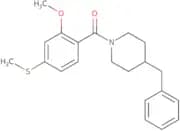
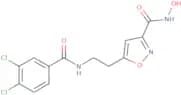
![1-(Phenylsulfonyl)-1H-pyrrolo[2,3-b]pyridine-3-carboxylic acid](/_next/image/?url=https%3A%2Fstatic.cymitquimica.com%2Fproducts%2F3D%2Fthumb-webp%2FVJA06480.webp&w=3840&q=75)
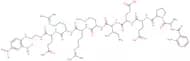
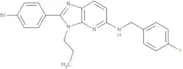


![4-[3-(4-Fluorophenyl)-1-methyl-1H-pyrazol-4-yl]furo[3,4-b]pyridin-5(7H)-one](/_next/image/?url=https%3A%2Fstatic.cymitquimica.com%2Fproducts%2F3D%2Fthumb-webp%2FBF184006.webp&w=3840&q=75)




![2-[[5-[4-(Dimethylsulfamoyl)phenyl]-8-methyl-2-oxo-1,6,7,9-tetrahydropyrrolo[3,2-H]isoquinolin-3-y…](/_next/image/?url=https%3A%2Fstatic.cymitquimica.com%2Fproducts%2F3D%2Fthumb-webp%2FVJA06359.webp&w=3840&q=75)


![N2-[2-[4-[(2-Naphthalenylcarbonyl)amino]phenyl]acetyl]-L-arginyl-L-isoleucyl-L-α-aspartyl-N-[(2S)-…](/_next/image/?url=https%3A%2Fstatic.cymitquimica.com%2Fproducts%2F3D%2Fthumb-webp%2FZEA83345.webp&w=3840&q=75)

![3-[5-[(Dipropylamino)methyl]-1,2,4-oxadiazol-3-yl]-8-fluoro-5-methyl-4H-imidazo[1,5-a][1,4]benzodi…](/_next/image/?url=https%3A%2Fstatic.cymitquimica.com%2Fproducts%2F3D%2Fthumb-webp%2FXGA40717.webp&w=3840&q=75)