Organometallic Ligands
In this category, you will be able to find a large number of organometallic molecules used as ligands in biomolecules. These organometallic ligands can be used in organic chemistry and synthesis in the laboratory. They play a critical role in forming coordination complexes and catalyzing various chemical reactions. At CymitQuimica, we offer a diverse selection of high-quality organometallic ligands to support your research and industrial needs.
Subcategories of "Organometallic Ligands"
- Buchwald Ligands(22 products)
- DPEN(4 products)
- DPHEN(4 products)
- JOSIPHOS(4 products)
- Phosphine(497 products)
- Porphirines(75 products)
Found 2887 products of "Organometallic Ligands"
Sort by
Purity (%)
0
100
|
0
|
50
|
90
|
95
|
100
SR8278
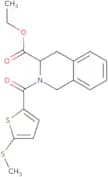
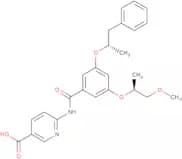
CAS:<p>SR8278 is a synthetic, chemical compound that functions as a highly selective inverse agonist of the Rev-Erb nuclear receptors, which is derived from extensive biochemical research. It operates by binding to these orphan nuclear receptors, Rev-Erbα and Rev-Erbβ, inhibiting their activity. This antagonistic action disrupts the regulation of circadian rhythms, metabolism, and inflammatory responses that these receptors typically control. This modulation occurs at the transcriptional level, where SR8278 interferes with gene expression governed by Rev-Erb receptors.</p>Formula:C18H19NO3S2Purity:Min. 95%Molecular weight:361.48 g/molAMD 070 Hydrochloride
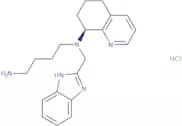
CAS:<p>an orally active, reversible and selective CXCR4 (CD184, fusin) antagonist</p>Formula:C21H28ClN5Purity:Min. 95%Color and Shape:PowderMolecular weight:385.93 g/molMRTX849
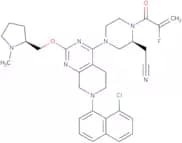
CAS:<p>MRTX849 is a small molecule inhibitor, which is derived through rational drug design targeting specific oncogenic mutations. It acts as a covalent inhibitor that selectively targets the KRAS G12C mutation, a prevalent alteration in various cancers such as non-small cell lung cancer and colorectal cancer. The mode of action involves binding to the mutated KRAS G12C protein, locking it in an inactive GDP-bound state, thereby inhibiting downstream signaling pathways crucial for tumor cell proliferation and survival.</p>Formula:C32H35ClFN7O2Purity:Min. 95%Molecular weight:604.12 g/molPAF (C16)
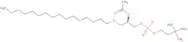
CAS:<p>PAF, short for Platelet-activating factor, is a mediator of platelet aggregation and a ligand for PAF receptors. It has roles in many other leukocyte functions around inflammation and immune response, as well as, chemotaxis and vasuclar changes. The PAF signaling system can trigger significant inflammatory and thrombotic cascades, and has been show to have roles in septic shock.</p>Formula:C26H54NO7PPurity:Min. 95%Molecular weight:523.68 g/molABT 494
CAS:<p>Inhibitor of Janus kinase JAK-1</p>Formula:C17H19F3N6OPurity:Min. 95%Molecular weight:380.37 g/molIrdabisant
CAS:<p>Irdabisant is a novel small-molecule therapeutic, which functions as a histamine H3 receptor antagonist or inverse agonist. This compound is chemically synthesized and designed to target the central nervous system. The mode of action involves the selective inhibition of presynaptic H3 receptors, which are primarily responsible for modulating the release of histamine and other neurotransmitters such as acetylcholine, norepinephrine, and dopamine. By inhibiting these receptors, Irdabisant enhances neurotransmitter release, facilitating improved synaptic transmission.</p>Formula:C18H23N3O2Purity:Min. 95%Molecular weight:313.39 g/molSildenafil
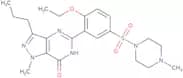
CAS:<p>Sildenafil is a pharmaceutical compound, which is a synthetic product derived from chemical processes. It functions as a selective inhibitor of the enzyme phosphodiesterase type 5 (PDE5). By inhibiting PDE5, sildenafil increases cyclic guanosine monophosphate (cGMP) levels within the smooth muscle cells of the corpus cavernosum. This leads to smooth muscle relaxation and vasodilation, allowing increased blood flow and facilitating penile erection in the presence of sexual stimulation.</p>Formula:C22H30N6O4SPurity:Min. 95%Color and Shape:PowderMolecular weight:474.58 g/molCanertinib dihydrochloride
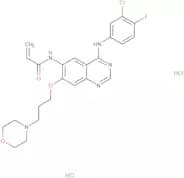
CAS:<p>Inhibitor of EGFR, HER2 and HER4 tyrosine kinases</p>Formula:C24H25ClFN5O3·2HClPurity:Min. 95%Molecular weight:558.86Dimethicone ~2000 (polydimethylsiloxane)
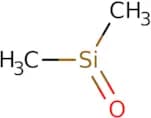
CAS:<p>Dimethicone ~2000 is a type of polydimethylsiloxane, which is a synthetic, organosilicon compound. This product is derived from silicon, oxygen, and organic groups, typically through the hydrolysis of dimethyldichlorosilane. Its primary mode of action involves forming a hydrophobic, flexible barrier on surfaces, which minimizes water evaporation and provides lubrication.</p>Formula:(C2H6OSi)nPurity:Min. 95%Molecular weight:74.15 g/molMLN 8237
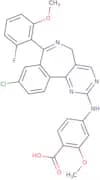
CAS:<p>Antagonist of Aurora A serine/threonine protein kinase; antineoplastic</p>Formula:C27H20ClFN4O4Purity:Min. 95%Color and Shape:PowderMolecular weight:518.92 g/molYK11
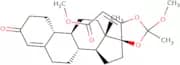
CAS:Controlled Product<p>YK11 is a synthetic gene-selective androgen receptor modulator, which is derived from steroidal structures and designed to modulate specific pathways. This compound is characterized by its unique ability to act as a partial agonist/antagonist at the androgen receptor, with a focus on inhibiting the activity of myostatin, a regulatory protein that limits muscle growth.</p>Formula:C25H34O6Purity:Min. 95%Molecular weight:430.53 g/molAuristatin E
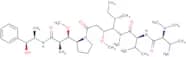
CAS:<p>Auristatin E is a synthetic analog that functions as a potent microtubule-disrupting agent, derived from dolastatin 10, a natural product isolated from marine organisms. It acts by inhibiting microtubule dynamics, leading to cell cycle arrest and subsequent apoptosis in tumor cells. This mechanism disrupts crucial cellular processes, particularly in rapidly dividing cancer cells.</p>Formula:C40H69N5O7Purity:Min. 95%Molecular weight:732.01 g/molPeroxy Orange 1
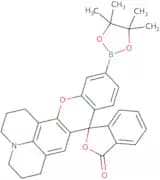
CAS:<p>Peroxy Orange 1 is an advanced cleaning agent, which is a hydrogen peroxide-based product enriched with surfactants and orange oil extracts. This formulation originates from a blend of both synthetic and natural sources, integrating the oxidizing power of hydrogen peroxide with the cleaning efficacy of citrus oils.</p>Formula:C32H32BNO5Purity:Min. 95%Molecular weight:521.4 g/molJNJ 10397049
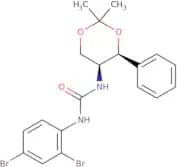
CAS:<p>JNJ 10397049 is a pharmacological compound categorized as a selective T-type calcium channel blocker, which is a synthetic compound designed for specific targeting of calcium channels. The product functions by inhibiting T-type calcium channels, which are voltage-gated ion channels involved in the regulation of intracellular calcium levels. This inhibition leads to a decrease in calcium influx, modulating neuronal excitability and reducing excessive neuronal firing.</p>Formula:C19H20Br2N2O3Purity:Min. 95%Molecular weight:484.18 g/molLanabecestat
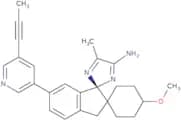
CAS:<p>Lanabecestat is an investigational drug, classified as a beta-secretase (BACE) inhibitor, which is derived from synthetic chemical processes. Its mode of action involves inhibiting the enzyme beta-secretase, which plays a crucial role in the amyloidogenic pathway by cleaving amyloid precursor protein (APP) into amyloid-beta peptides. The accumulation of these peptides is a hallmark of Alzheimer's disease pathology.</p>Formula:C26H28N4OPurity:Min. 95%Color and Shape:PowderMolecular weight:412.53 g/molc26 Carnitine-d9
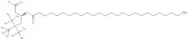
CAS:Controlled Product<p>C26 Carnitine-d9 is a stable isotopically labeled form of carnitine, which is a quaternary ammonium compound naturally synthesized from amino acids lysine and methionine in the human body. Its isotopic labeling with deuterium enhances its application in various analytical techniques while retaining the biological properties of natural carnitine. The mode of action involves carnitine's essential role in the transport of long-chain fatty acids into the mitochondrial matrix for β-oxidation, facilitating energy production. C26 Carnitine-d9 is used primarily in metabolic research and diagnostics, particularly in studying fatty acid metabolism, assessing metabolic disorders, and quantifying carnitine levels in biological samples through techniques such as mass spectrometry. Its stable isotopic label allows for precise tracking and quantitation, offering insights into metabolic pathways and biochemical assays crucial for understanding metabolic functions and potential dysfunctions.</p>Formula:C33H56D9NO4Purity:Min. 95%Molecular weight:548.93 g/molAzilsartan medoxomil
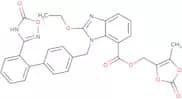
CAS:<p>Azilsartan medoxomil is an antihypertensive drug, which is a prodrug of the angiotensin II receptor blocker azilsartan. It is synthesized through a chemical process involving the modification of the medoxomil ester, converting it into its active form upon absorption in the gastrointestinal tract. The primary mode of action of azilsartan medoxomil involves selective antagonism of the angiotensin II type 1 (AT1) receptor. By blocking the effects of angiotensin II—a potent vasoconstrictor—azilsartan medoxomil effectively reduces vascular resistance, leading to decreased blood pressure.</p>Formula:C30H24N4O8Purity:Min. 95%Color and Shape:White PowderMolecular weight:568.53 g/molUrolithin M7
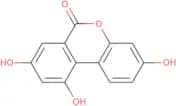
CAS:<p>Urolithin M7 is a metabolite, which is derived from the transformation of ellagitannins, compounds found predominantly in pomegranates, berries, and nuts. This transformation occurs via intestinal microbiota, which convert ellagitannins into various urolithins, including Urolithin M7. Its mode of action involves influencing cellular processes, potentially modulating mitochondrial function and autophagy pathways. The action mechanisms are being explored for their roles in enhancing cell viability and metabolic health.</p>Formula:C13H8O5Purity:Min. 95%Molecular weight:244.2 g/molSB743921 HCl
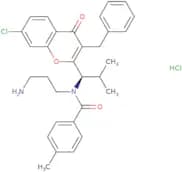
CAS:<p>SB743921 HCl is a synthetic small-molecule compound, which is a derivative of the well-known kinesin spindle protein (KSP) inhibitors. Originating from sophisticated medicinal chemistry, it acts by selectively binding to the KSP, a motor protein essential for the mitotic spindle formation during cell division.</p>Formula:C31H33N2O3·HClPurity:Min. 95%Molecular weight:553.52 g/molUprifosbuvir
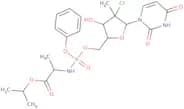
CAS:<p>Uprifosbuvir is an investigational antiviral compound, which is a nucleotide analog prodrug of uridine. It functions by targeting the hepatitis C virus (HCV) NS5B RNA-dependent RNA polymerase, an essential enzyme for viral RNA replication. As an uridine nucleotide analog, Uprifosbuvir interferes with the viral replication process by incorporating itself into the viral RNA, leading to chain termination.</p>Formula:C22H29ClN3O9PPurity:Min. 95%Molecular weight:545.9 g/molLY 294002
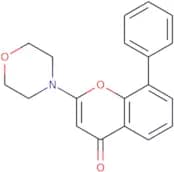
CAS:<p>First generation PI 3-kinase inhibitor</p>Formula:C19H17O3NPurity:Min. 95%Color and Shape:White To Off-White SolidMolecular weight:307.12084GLP-1 (1-37) (human, bovine, guinea pig, mouse, rat) trifluoroacetate salt
CAS:<p>GLP-1 (1-37) (human, bovine, guinea pig, mouse, rat) trifluoroacetate salt is a posttranslational modification of the endogenous human hormone GLP-1. It is a synthetic form of this hormone that has been modified to allow for improved stability and solubility. This peptide is found in the pancreatic alpha cells and intestinal L cells and stimulates the release of insulin from pancreatic beta cells. GLP-1 (1-37) (human, bovine, guinea pig, mouse, rat) trifluoroacetate salt has also been shown to increase glucose uptake by muscle tissue as well as stimulate the release of incretin hormones such as glucagon-like peptide 1 and gastric inhibitory polypeptide. GLP-1 (1-37) (human, bovine, guinea pig, mouse, rat) trifluoroacetate salt</p>Formula:C186H275N51O59Purity:Min. 95%Molecular weight:4,169.48 g/molc18:1 Ceramide (d17:1/18:1(9Z))
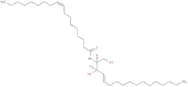
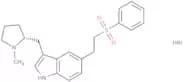
CAS:<p>C18:1 Ceramide (d17:1/18:1(9Z)) is a sphingolipid, which is originally sourced from plant or synthetic lipid precursors. Ceramides are integral components of the cellular lipid bilayer and are crucial for maintaining the integrity and function of the skin barrier. Their mode of action involves participating in cell signaling pathways that regulate cellular differentiation, proliferation, and apoptosis.</p>Formula:C35H67NO3Purity:Min. 95%Molecular weight:549.91 g/molEletriptan hydrobromide
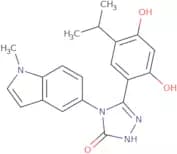
CAS:<p>Agonist of 5-HT1B/D serotonin receptors; anti-migraine medication</p>Formula:C22H26N2O2S•HBrPurity:Min. 95%Color and Shape:PowderMolecular weight:481.45 g/molGanetespib
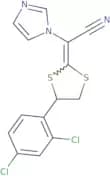
CAS:<p>Heat shock protein 90 (HSP90) inhibitor</p>Formula:C20H20N4O3Purity:Min. 95%Color and Shape:White PowderMolecular weight:364.4 g/mol(S)-Luliconazole
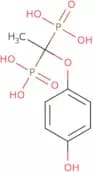
CAS:<p>(S)-Luliconazole is an antifungal agent that is synthesized from an imidazole compound. This compound is biphenyl in structure and is often derived through chiral synthesis techniques to isolate the (S)-enantiomer, which is the active form that enhances pharmacological effects. Its mode of action involves inhibiting the enzyme lanosterol 14α-demethylase, an essential component in fungal cell membrane synthesis. This inhibition disrupts the production of ergosterol, a critical sterol in fungal membranes, ultimately leading to increased membrane permeability and cell death.</p>Formula:C14H9Cl2N3S2Purity:Min. 95%Molecular weight:354.3 g/molL 690330
CAS:<p>Inositol monophosphatase (IMPase) inhibitor</p>Formula:C8H12O8P2Purity:Min. 95%Molecular weight:298.12 g/molTaranabant
CAS:<p>Inverse agonist of cannabinoid receptor CB1R. Taranabant was studied for its effect on smoking cessation and inducing weight loss. Serious adverse effects associated with this compound prevented further development as a drug in the clinic.</p>Formula:C27H25ClF3N3O2Purity:Min. 95%Color and Shape:SolidMolecular weight:515.95 g/molGKA 50
CAS:<p>Glucokinase activator</p>Formula:C26H28N2O6Purity:Min. 95%Color and Shape:White PowderMolecular weight:464.51 g/molSMN-C3
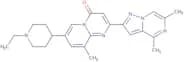
CAS:<p>SMN-C3 is a synthetic compound designed specifically as a targeted therapeutic agent. It is derived through advanced chemical synthesis techniques, utilizing a meticulous approach to optimize efficacy and specificity. The mode of action of SMN-C3 involves precise interaction with select molecular targets, thereby modulating biological pathways with high specificity. This interaction is designed to alter the course of disease processes, offering potential therapeutic benefits.</p>Formula:C24H28N6OPurity:Min. 95%Molecular weight:416.5 g/molMethyl-d3-magnesium iodide solution, 1.0 M in diethyl ether
CAS:Controlled Product<p>Methyl-d3-magnesium iodide solution, 1.0 M in diethyl ether, is a specialized organometallic reagent used extensively in synthetic chemistry. This compound is a labeled Grignard reagent, where the methyl group is fully deuterated. It is sourced through the synthesis involving the reaction of deuterated methyl iodide with magnesium in an anhydrous diethyl ether solvent.</p>Formula:CD3IMgPurity:Min. 95%Molecular weight:169.26 g/molFlavopiridol hydrochloride
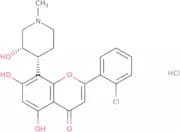
CAS:<p>Inhibitor of CKD1, CDK2, and CDK4 serine/threonine kinases</p>Formula:C21H21Cl2NO5Purity:Min. 95%Color and Shape:Light (Or Pale) Tan SolidMolecular weight:438.3 g/molAvocadene acetate
CAS:<p>Avocadene acetate is a synthetic compound, which is a pharmacologically active ester synthesized in laboratories. It is derived from acetic acid and specialized organic compounds, tailored for specific biochemical interactions. Its mode of action involves the modulation of various enzymatic pathways, potentially impacting cellular functions and metabolic processes, although the exact mechanisms may vary depending on the application and target system.</p>Formula:C19H36O4Purity:Min. 95%Molecular weight:328.5 g/molKUNB31
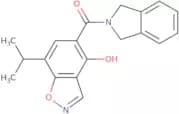
CAS:<p>KUNB31 is a synthetic enzyme inhibitor, which is an engineered compound designed to interfere with the activity of specific enzymes in various biochemical pathways. This product is synthesized through a series of complex chemical reactions, ensuring high specificity and activity against target enzymes. Its mode of action involves binding to the active sites of enzymes, thereby preventing substrates from interacting and altering enzymatic activity.</p>Formula:C19H18N2O3Purity:Min. 95%Molecular weight:322.4 g/molAR-13324 mesylate
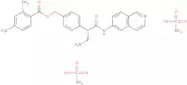
CAS:<p>AR-13324 mesylate is a pharmaceutical compound, which is a selective Rho kinase inhibitor derived from chemical synthesis with a specific mode of action targeting the modulation of aqueous humor outflow in the eye. Structurally, it is designed to inhibit the Rho-associated protein kinase (ROCK) pathway, which plays a crucial role in controlling various cellular functions including contraction, motility, proliferation, and apoptosis, specifically affecting the trabecular meshwork and uveoscleral pathway in ocular tissues.</p>Formula:C29H31N3O6SPurity:Min. 95%Molecular weight:549.64 g/molWM 1119
CAS:<p>Selective and potent inhibitor of lysine acetyltransferases KAT6A and KAT6B with IC50 values in low nanomolar range. The compound is a reversible competitor of acetyl coenzyme A domain of KAT6A/B enzymes. It inhibits MYST-catalysed histone acetylation and was shown to arrest lymphoma progression in mice models. The compound opened the door to a new class of cancer therapeutics that could potentially direct the cancer cells in senescence or permanent dormancy.</p>Formula:C18H13F2N3O3SPurity:Min. 95%Color and Shape:White/Off-White SolidMolecular weight:389.38 g/molZM 241385
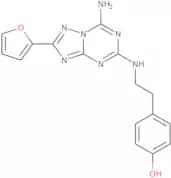
CAS:<p>A2A adenosine receptor antagonist</p>Formula:C16H15N7O2Purity:Min. 95%Color and Shape:PowderMolecular weight:337.34 g/mol(±)-Carazolol-d7
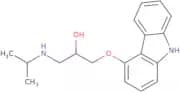
CAS:<p>(±)-Carazolol-d7 is a deuterated beta-adrenergic receptor antagonist, often used for pharmacological and biochemical studies. This isotopically labeled compound is a synthetic derivative of carazolol, sourced through precise deuterium exchange techniques designed to ensure high isotopic purity.</p>Formula:C18H22N2O2Purity:Min. 95%Molecular weight:305.4 g/molPergolide mesylate
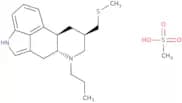
CAS:Controlled Product<p>D1 and D2 dopamine agonist</p>Formula:C20H30N2O3S2Purity:Min. 95%Color and Shape:White To Off-White SolidMolecular weight:410.6 g/molCalcium Dobesilate Hydrate
CAS:<p>Calcium Dobesilate Hydrate is a pharmaceutical compound, which is a synthesized chemical derived from dobesilic acid. It functions primarily as a vasoprotective agent, reducing vascular permeability and stabilizing capillary walls by inhibiting platelet aggregation and the release of free radicals. This results in decreased capillary fragility and improved blood flow in microcirculatory systems.</p>Formula:C12H10CaO10S2·xH2OPurity:Min. 95%Molecular weight:418.4 g/molKT-474
CAS:<p>KT-474 is an oral small molecule protein degrader, which is derived from targeted protein degradation technology. This compound functions as an investigational agent specifically designed to degrade IRAK4, a key kinase involved in the signaling pathways of pro-inflammatory cytokines such as IL-1 and IL-18, which are crucial in the regulation of innate and adaptive immunity. The mode of action is based on hijacking the cell's ubiquitin-proteasome system to selectively bind to and degrade IRAK4, thereby reducing inflammation at the molecular level.</p>Formula:C44H49F2N11O6Purity:Min. 95%Molecular weight:865.93 g/mol9''-Methyl salvianolate B
CAS:<p>9''-Methyl salvianolate B is a naturally derived phenolic acid compound, specifically a methylated derivative, extracted from the roots of Salvia miltiorrhiza. This plant, commonly known as Danshen, is widely used in traditional Chinese medicine. The compound’s primary source involves a meticulous extraction and purification process aimed at isolating its bioactive constituents.</p>Formula:C37H32O16Purity:Min. 95%Molecular weight:732.65 g/molNeostigmine methyl sulfate
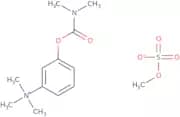
CAS:<p>Inhibitor of acetylcholinesterase</p>Formula:C13H22N2O6SPurity:Min. 95%Color and Shape:PowderMolecular weight:334.39 g/molTNO155
CAS:<p>TNO155 is an innovative therapeutic agent, commonly classified as a small-molecule inhibitor, which is derived from rational drug design based on precision oncology principles. Its mode of action involves selective inhibition of a specific protein tyrosine phosphatase, which plays a critical role in cellular signaling pathways that are often dysregulated in cancer. This inhibition effectively disrupts aberrant signaling, thereby suppressing tumor cell proliferation and inducing apoptosis in malignant cells.</p>Formula:C18H24ClN7OSPurity:Min. 95%Molecular weight:421.9 g/molChlorpropamide
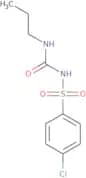
CAS:<p>Hypoglycemic agent</p>Formula:C10H13ClN2O3SPurity:Min. 95%Color and Shape:White Off-White PowderMolecular weight:276.74 g/molSparstolonin B
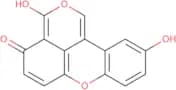
CAS:<p>Sparstolonin B is a natural anti-inflammatory compound, which is derived from the Chinese herb *Sparganium stoloniferum*. It primarily functions as a selective antagonist of Toll-like receptors 2 and 4 (TLR2 and TLR4), thereby inhibiting the activation of these pathways which are crucial in mediating inflammatory responses.</p>Formula:C15H8O5Purity:Min. 95%Color and Shape:PowderMolecular weight:268.22 g/molDoramapimod
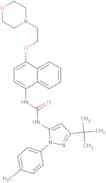
CAS:<p>p38α MAP kinase inhibitor; JNK2α2 protein kinase inhibitor</p>Formula:C31H37N5O3Purity:Min. 95%Color and Shape:PowderMolecular weight:527.66 g/molMethotrexate disodium
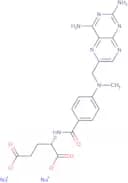
CAS:<p>Methotrexate is a drug that suppresses the immune system by inhibiting the production of white blood cells. It is used in the treatment of a number of diseases, including some cancers and autoimmune diseases such as rheumatoid arthritis and psoriasis. Methotrexate is metabolized to its active form, methotrexate, by an enzyme called dihydrofolate reductase (DHFR). The DHFR inhibitor activity of methotrexate blocks the synthesis of folate-dependent enzymes and prevents DNA synthesis in rapidly dividing cells. Methotrexate has been used in combination with other drugs to treat cancer. Methotrexate has also been shown to have antifungal properties against opportunistic fungal infections.</p>Formula:C20H20N8Na2O5Purity:Min. 95%Color and Shape:PowderMolecular weight:498.4 g/molBifluranolum
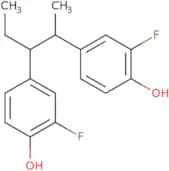
CAS:<p>Bifluranolum is a synthetic nonsteroidal antiandrogen, which is synthesized in laboratory settings and not derived from natural sources. Its mode of action involves competitive inhibition of androgen receptors. By occupying these receptor sites, Bifluranolum inhibits the binding of endogenous androgens, effectively blocking their physiological actions. This property makes it a valuable tool in studies related to androgen-dependent biological processes.</p>Formula:C17H18F2O2Purity:Min. 95%Molecular weight:292.32 g/molTariquidar
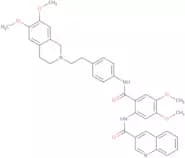
CAS:<p>Potent P-glycoprotein (P-gp) inhibitor</p>Formula:C38H38N4O6Purity:Min. 97 Area-%Color and Shape:PowderMolecular weight:646.73 g/mol