Organic Halides
In this category, you can find organic molecules containing one or more halogen atoms in their structure. These organic halides include brominated, iodinated, chlorinated, and cyclic halide compounds. Organic halides are widely used in organic synthesis, pharmaceuticals, agrochemicals, and materials science due to their reactivity and ability to undergo a variety of chemical transformations. At CymitQuimica, we offer a comprehensive selection of high-quality organic halides to support your research and industrial applications, ensuring reliable and effective performance in your synthetic and analytical projects.
Subcategories of "Organic Halides"
Found 20440 products of "Organic Halides"
Sort by
Purity (%)
0
100
|
0
|
50
|
90
|
95
|
100
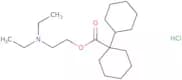
2-Diethylaminoethyl 1-cyclohexylcyclohexane-1-carboxylate hydrochloride
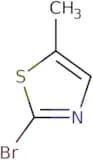
CAS:2-Diethylaminoethyl 1-cyclohexylcyclohexane-1-carboxylate hydrochloride is a methyltransferase inhibitor that blocks the synthesis of monoethyl ether, which is used to synthesize dicyclomine. It has been shown to be effective in vitro against biological samples such as rat liver and blood cells. 2-Diethylaminoethyl 1-cyclohexylcyclohexane-1-carboxylate hydrochloride also has been shown to have a pharmacological effect on rats with bowel disease, congestive heart failure, and crystalline cellulose. The chemical structure of 2-Diethylaminoethyl 1-cyclohexylcyclohexane-1-carboxylate hydrochloride is similar to that of phosphorus pentoxide, which makes it difficult for this drug to cross the blood brain barrier.Formula:C19H36ClNO2Purity:Min. 95%Molecular weight:345.95 g/mol2-Bromo-5-methyl-1,3-thiazole
CAS:<p>2-Bromo-5-methyl-1,3-thiazole (2BMT) is a heterocyclic compound that is used as a chemical intermediate for the synthesis of drugs and other organic compounds. 2BMT is synthesized by a two step process from 2-methylbenzothiazole. This compound has been shown to inhibit the enzyme acetylcholinesterase, which produces acetylcholine at nerve endings and in the brain. The monoclonal antibody binding affinity of 2BMT has also been shown to be greater than that of neonicotinoid pesticides.</p>Formula:C4H4BrNSPurity:Min. 95%Molecular weight:178.05 g/mol3-Chlorobenzenesulfonyl chloride
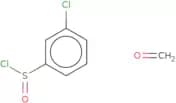
CAS:<p>3-Chlorobenzenesulfonyl chloride is a versatile building block that is used in the preparation of complex compounds. 3-Chlorobenzenesulfonyl chloride is also a reagent, speciality chemical, and useful scaffold for the synthesis of high quality chemical products. It can be used as a starting material to produce a variety of organic molecules with diverse functional groups. 3-Chlorobenzenesulfonyl chloride is commercially available from companies such as Sigma Aldrich, TCI America, and Acros Organics.</p>Formula:C6H4Cl2O2SPurity:Min. 95%Color and Shape:Colourless To Yellow LiquidMolecular weight:211.07 g/mol1-(4-Chlorophenyl)-3-phenyl-1H-pyrazole-5-carboxylic acid
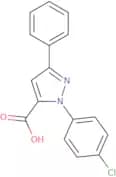
CAS:Controlled Product<p>Please enquire for more information about 1-(4-Chlorophenyl)-3-phenyl-1H-pyrazole-5-carboxylic acid including the price, delivery time and more detailed product information at the technical inquiry form on this page</p>Formula:C16H11ClN2O2Purity:Min. 95%Color and Shape:PowderMolecular weight:298.72 g/mol(2S)-2-Amino-2-[(5S)-3-chloro-4,5-dihydroisoxazol-5-Yl]acetic acid
CAS:<p>(2S)-2-Amino-2-[(5S)-3-chloro-4,5-dihydroisoxazol-5-Yl]acetic acid is an inhibitor of the enzyme glutathione reductase (GR) and cytochrome P450. GR activates glutathione in cells to form a powerful antioxidant that protects against oxidative stress. (2S)-2-Amino-2-[(5S)-3-chloro-4,5-dihydroisoxazol-5-Yl]acetic acid inhibits GR and cytochrome P450 activity, leading to increased oxidative stress and neuronal death. This drug has been shown to have inhibitory properties on bowel disease by reducing the production of proinflammatory cytokines IL1β and TNFα. The compound also exhibits anti tumor response against mouse tumors by inducing apoptosis and inhibiting cell proliferation. The compound targets intracellular targets</p>Formula:C5H7ClN2O3Purity:Min. 95%Color and Shape:White PowderMolecular weight:178.57 g/mol3-(Bromomethyl)-1-methyl-1H-indazole
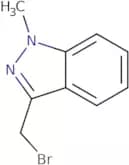
CAS:Controlled ProductPlease enquire for more information about 3-(Bromomethyl)-1-methyl-1H-indazole including the price, delivery time and more detailed product information at the technical inquiry form on this pageFormula:C9H9BrN2Purity:Min. 95%Molecular weight:225.09 g/mol4-Iodobenzotrifluoride
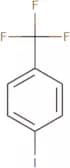
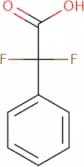
CAS:<p>4-Iodobenzotrifluoride is a ligand that reacts with aluminium to form a cross-coupling reaction. 4-Iodobenzotrifluoride is used as a reagent in the synthesis of functional groups. The reaction mechanism for this process includes nucleophilic attack of the electrophilic aluminum, followed by protonation and reductive elimination. This process also occurs in nature when dimethyl fumarate is oxidized by molecular oxygen to produce 4-iodobenzotrifluoride.</p>Formula:C7H4F3IPurity:Min. 95%Molecular weight:272.01 g/molalpha,alpha-Difluorophenylacetic acid
CAS:<p>Please enquire for more information about alpha,alpha-Difluorophenylacetic acid including the price, delivery time and more detailed product information at the technical inquiry form on this page</p>Formula:C8H6F2O2Purity:Min. 95%Molecular weight:172.13 g/mol1-(4-Fluorophenyl)pyrazole-4-boronic acid
CAS:<p>Please enquire for more information about 1-(4-Fluorophenyl)pyrazole-4-boronic acid including the price, delivery time and more detailed product information at the technical inquiry form on this page</p>Formula:C9H8BFN2O2Purity:Min. 95%Molecular weight:205.98 g/mol3-Chloro-N-methylpropan-1-amine HCl
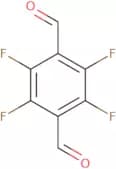
CAS:<p>Please enquire for more information about 3-Chloro-N-methylpropan-1-amine HCl including the price, delivery time and more detailed product information at the technical inquiry form on this page</p>Formula:C4H11Cl2NPurity:Min. 95%Molecular weight:144.04 g/molTetrafluoroterephthaldehyde
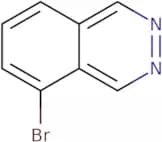
CAS:<p>Tetrafluoroterephthaldehyde (TFPA) is a reactive aldehyde that can be synthesized in the laboratory by the reaction of trifluoromethanesulfonic acid with an aromatic hydrocarbon or ester compound. TFPA has been used to study the synthesis of supramolecular assemblies and supramolecular chemistry. The radiation-induced formation of TFPA is a useful method for the synthesis of polymers, and the thermal expansion of TFPA is high enough to be used as a thermometer. TFPA has shown chemical stability in both acidic and alkaline media, as well as resistance to radiation and oxidation. TFPA also has a high boiling point, making it useful for desolvation during gas chromatography experiments.</p>Formula:C8H2F4O2Purity:Min. 95%Color and Shape:PowderMolecular weight:206.09 g/mol5-Bromophthalazine
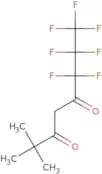
CAS:<p>5-Bromophthalazine is a hydrazine that has planar, two-dimensional molecular geometry. It forms hemihydrates with hydrogen bonds and has the chemical formula CHBrN. This compound has been shown to inhibit the growth of bacteria such as Mycobacterium tuberculosis by inhibiting RNA synthesis. 5-Bromophthalazine is also active against fungi and plants.</p>Formula:C8H5BrN2Purity:Min. 95%Molecular weight:209.04 g/mol2,2-Dimethyl-6,6,7,7,8,8,8-heptafluoro-3,5-octanedione
CAS:<p>2,2-Dimethyl-6,6,7,7,8,8,8-heptafluoro-3,5-octanedione is a bidentate ligand for metal ions. It has been shown to be effective in the synthesis of nanocrystals and the activation energy for the reaction has been determined to be 70.4 kJ/mol. 2DMMHFO can be used as a precursor for the growth of silicon films by chemical vapor deposition and other techniques. The molecule has also been shown to bind with metal ions such as Cu(II) and Fe(III), which may be due to its ability to chelate these metals. 2DMMHFO has been used as an efficient catalyst in asymmetric epoxidation reactions with high enantioselectivity.</p>Formula:C10H11F7O2Purity:Min. 95%Molecular weight:296.18 g/mol2,2',4,5,5'-Pentachlorobiphenyl
CAS:Controlled Product2,2',4,5,5'-Pentachlorobiphenyl is an environmental pollutant that is not naturally produced. It has been detected in animal tissues and faeces, as well as human tissues and faeces. The metabolite 2,4,5-trichlorophenol has been found to be a precursor of this compound. 2,2',4,5,5'-Pentachlorobiphenyl can persist in the environment for centuries and is difficult to detect because it does not react with many detection methods. This compound has been shown to alter the structure of DNA molecules in animals by inducing mutations in their offspring. The compound also induces changes in the structure of DNA molecules in tissue samples and alters protein synthesis.br>Formula:C12H5Cl5Purity:Min. 95%Molecular weight:326.43 g/mol2,6-Difluorobenzyl chloride
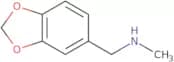
CAS:<p>2,6-Difluorobenzyl chloride is a dihedral molecule that can be synthesized from an amide and a chlorinating agent. It is used in the chromatographic method to separate β-unsaturated ketones from their corresponding acid chloride. The 2,6-difluorobenzyl chloride was prepared by condensation of the corresponding acid chloride with phenol in an organic solvent. The validation of this reaction system was done using a chromatographic method on β-unsaturated ketones and chloride gas. The hydrogen chloride gas was bubbled through an ice water bath, generating chlorine gas which was then passed over the sample. The resulting 2,6-difluorobenzyl chloride was identified by its functional groups</p>Formula:C7H5ClF2Purity:Min. 95%Color and Shape:Clear To Light (Or Pale) Yellow SolidMolecular weight:162.5 g/mol(1,3-Benzodioxol-5-ylmethyl)methylamine hydrochloride
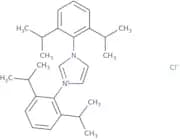
CAS:Controlled Product(1,3-Benzodioxol-5-ylmethyl)methylamine hydrochloride (BZMA) is a drug that has been used in research to study the role of serotonin in psychological effects and as a marker for fingerprinting. BZMA is a synthetic compound that is structurally similar to drugs like amphetamine and MDMA. It is not known to have any recreational use. BZMA can be detected using matrix-assisted laser desorption/ionization mass spectrometry. This technique requires a sample containing less than 1% impurities, which are usually silicon compounds or other ions.Formula:C9H11NO2Purity:Min. 95%Molecular weight:165.19 g/mol1,3-Bis(2,6-diisopropylphenyl)imidazolium chloride
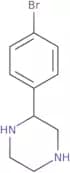
CAS:<p>1,3-Bis(2,6-diisopropylphenyl)imidazolium chloride is an organic compound that is used as a solvent. It was originally synthesized by reacting triethyl orthoformate with 2,6-diisopropylaniline. This reaction formed the corresponding imidazolium salt. The synthesis of this compound was later improved by using ring-opening polymerization of glycolide and furfural. 1,3-Bis(2,6-diisopropylphenyl)imidazolium chloride is mainly used to extract estradiol from urine samples in clinical laboratories.</p>Formula:C27H37ClN2Purity:Min. 95%Color and Shape:White PowderMolecular weight:425.05 g/mol2-(4-Bromophenyl)piperazine
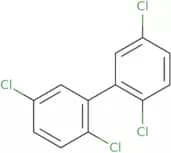
CAS:<p>Please enquire for more information about 2-(4-Bromophenyl)piperazine including the price, delivery time and more detailed product information at the technical inquiry form on this page</p>Formula:C10H13BrN2Purity:Min. 95%Molecular weight:241.13 g/mol2,2',5,5'-Tetrachlorobiphenyl
CAS:Controlled Product<p>2,2',5,5'-Tetrachlorobiphenyl (PCB) is a biphenyl that has been shown to cause toxicity and oxidative injury in liver cells. PCB interacts with mitochondrial membrane potential by binding to adenine nucleotide and dinucleotide phosphate. This interaction leads to the release of reactive oxygen species, which damages cells by causing oxidative injury. The mechanism of this interaction is not well understood, but it is hypothesized that PCB may bind to the electron transport chain. PCB may also be toxicologically active through its ability to induce cancer gene therapy by inhibiting the activity of a tumor suppressor protein called p53.</p>Formula:C12H6Cl4Purity:Min. 95%Molecular weight:291.99 g/molTetrakis[N-tetrachlorophthaloyl-(S)-tert-leucinato]dirhodium Bis(ethyl Acetate) Adduct
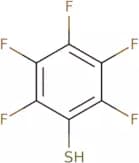
CAS:<p>Please enquire for more information about Tetrakis[N-tetrachlorophthaloyl-(S)-tert-leucinato]dirhodium Bis(ethyl Acetate) Adduct including the price, delivery time and more detailed product information at the technical inquiry form on this page</p>Formula:C56H40Cl16N4O16Rh2·C8H16O4Purity:Min. 95%Molecular weight:1,974.2 g/molPentafluorobenzenethiol
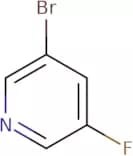
CAS:<p>Pentafluorobenzenethiol is an organosulfur compound that is synthesized by the nucleophilic attack of deuterium on a hydrogenated aliphatic hydrocarbon. It is a colorless liquid with a characteristic low boiling point and high volatility. Pentafluorobenzenethiol has been shown to react with chelate rings and to form irreversible oxidation products. This chemical has analytical applications in the determination of potassium, sodium, and lithium in water samples; it also has semiconductor properties. The diameter of pentafluorobenzenethiol is 6.2 Å, which makes it a low energy aromatic hydrocarbon that can be easily transported through porous media.</p>Formula:C6HF5SPurity:Min. 95%Color and Shape:Colorless Clear LiquidMolecular weight:200.13 g/mol3-Bromo-5-fluoropyridine
CAS:<p>3-Bromo-5-fluoropyridine is a synthetic dyestuff that is used in the production of dyes and pigments. It has an analogous structure to 3-amino-5-bromopyridine, which is used as a medicine for treating epilepsy. 3-Bromo-5-fluoropyridine reacts with acetoacetate or ethyl acetoacetate to form methylated products, such as 3-(4'-hydroxyphenyl)propionate. This compound can be synthesized by halogenation with bromine or chlorination followed by hydrolysis. The synthesis of 3-bromo-5-fluoropyridine from 3-amino-5-bromopyridine involves a series of reactions, including diazonium salt formation, followed by bromination and reduction to produce the desired product.</p>Formula:C5H3BrFNPurity:Min. 95%Color and Shape:PowderMolecular weight:175.9 g/mol4-Fluoro methamphetamine hydrochloride
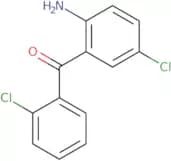
CAS:Controlled Product4-Fluoro methamphetamine hydrochloride is a psychoactive substance that can be detected by the use of a gas chromatograph. It is a formic acid derivative of methamphetamine, which is found in methanolic solution. The drug is used as an illicit recreational drug and can be used to treat ADHD and narcolepsy. 4-Fluoro methamphetamine hydrochloride is also used as a research chemical. The detection of this substance in urine samples can be done by the use of chromatography, with confirmation by mass spectrometry or gas chromatography-mass spectrometry.Formula:C10H15ClFNPurity:Min. 95%Molecular weight:203.68 g/mol2-Amino-2',5-dichlorobenzophenone
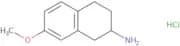
CAS:<p>2-Amino-2',5-dichlorobenzophenone (2,5-DCP) is a molecule with a chromatographic retention time of 23.8 minutes. 2,5-DCP has been detected in human urine samples using the chemical ionization technique as well as the Nova-Pak C18 column and an acetic acid/methanol mobile phase. This compound has been used as a standard for the detection of benzodiazepine drugs such as diazepam and flunitrazepam in urine samples by gas chromatography. 2,5-DCP has also been used in analytical toxicology to detect lormetazepam and lorazepam metabolites in human urine samples.</p>Formula:C13H9Cl2NOPurity:Min. 95%Color and Shape:Off-White PowderMolecular weight:266.12 g/mol7-Methoxy-1,2,3,4-tetrahydronaphthalen-2-ylamine hydrochloride
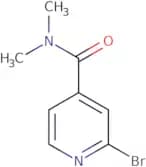
CAS:Controlled ProductPlease enquire for more information about 7-Methoxy-1,2,3,4-tetrahydronaphthalen-2-ylamine hydrochloride including the price, delivery time and more detailed product information at the technical inquiry form on this pageFormula:C11H15NO•HClPurity:Min. 95%Molecular weight:213.7 g/mol2-Bromo-N,N-dimethylisonicotinamide
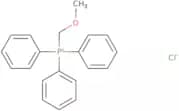
CAS:<p>Please enquire for more information about 2-Bromo-N,N-dimethylisonicotinamide including the price, delivery time and more detailed product information at the technical inquiry form on this page</p>Formula:C8H9BrN2OPurity:Min. 95%Molecular weight:229.07 g/mol(Methoxymethyl) triphenylphosphonium chloride
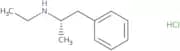
CAS:<p>Methoxymethyl triphenylphosphonium chloride (MMTPC) is a chemical compound that has been used in vitro as an inhibitor of microbial growth. MMTPC has been shown to be effective against a number of bacterial strains, including methicillin-resistant Staphylococcus aureus and Mycobacterium tuberculosis. This agent inhibits the synthesis of proteins and nucleic acids, which may lead to cell death by inhibiting protein synthesis or by preventing DNA synthesis. MMTPC has been shown to be effective for the treatment of congestive heart failure, coronary heart disease, and autoimmune diseases. It also binds to receptors on cells that are involved in the inflammatory response, such as cytokines and leukocytes.</p>Formula:C20H20ClOPPurity:Min. 95%Color and Shape:White PowderMolecular weight:342.8 g/mol(S)-N-Ethyl amphetamine hydrochloride
CAS:Controlled Product<p>Please enquire for more information about (S)-N-Ethyl amphetamine hydrochloride including the price, delivery time and more detailed product information at the technical inquiry form on this page</p>Formula:C11H18ClNPurity:Min. 95%Molecular weight:199.72 g/molPotassium chlorate
CAS:Controlled Product<p>Potassium chlorate is a strong oxidizing agent and a salt of potassium and chlorate. Potassium chlorate is used as an oxidizer in fireworks, propellants, and for the treatment of wastewater. It can also be used to generate chlorine dioxide, which is used as a disinfectant. Potassium chlorate has been shown to have genotoxic effects on rat liver cells, which may be due to its ability to induce transcriptional regulation by altering DNA methylation status. Chronic exposure to high concentrations of potassium chlorate can cause apical necrosis in rats. This type of necrosis is caused by the accumulation of potassium ions that lead to a disruption in membrane integrity. Chlorates are also known to cause chronic renal toxicity via oxidative stress mechanisms.</p>Formula:ClKO3Purity:Min. 95%Color and Shape:White SolidMolecular weight:122.55 g/mol2-Amino-6-chloropyrazine
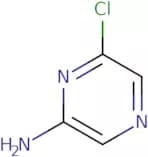
CAS:<p>2-Amino-6-chloropyrazine (2ACP) is an inhibitor that binds to the active site on human protein kinase C (PKC). It has been shown to inhibit PKC by hydrogen bonding with the hydroxide ion, which blocks its catalytic activity. 2ACP has been studied for its potential use in treating cancer and for inhibiting amine oxidases, which are enzymes associated with inflammation and chronic obstructive pulmonary disease. The inhibition of these enzymes may help to reduce stenosis in the lungs or other organs. 2ACP also has been shown to have antimycobacterial activity against Mycobacterium tuberculosis, M. avium complex, and M. leprae by inhibiting DNA synthesis and RNA synthesis. 2ACP inhibits the kinase receptor on the cell membrane that phosphorylates a water molecule into a chlorine atom, which then reacts with hydrogen peroxide to form free radicals that can kill bacteria</p>Formula:C4H4ClN3Purity:Min. 95%Molecular weight:129.55 g/mol4-Amino-3,5-difluorobenzonitrile
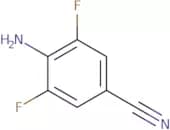
CAS:<p>4-Amino-3,5-difluorobenzonitrile is a fine chemical used as a building block in research chemicals, reagent, and speciality chemical. It is versatile and can be used as a reaction component in the synthesis of complex compounds with various applications. CAS No. 110301-23-0 is an important intermediate for the synthesis of organic compounds and pharmaceuticals. 4-Amino-3,5-difluorobenzonitrile is also used as a scaffold for the synthesis of organic compounds.</p>Formula:C7H4F2N2Purity:Min. 95%Color and Shape:PowderMolecular weight:154.12 g/mol2-Chloro-5-methoxyaniline
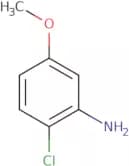
CAS:<p>2-Chloro-5-methoxyaniline is a primary amine that has structural isomers. It is also a lactam with an aromatic ring. 2-Chloro-5-methoxyaniline can be used as a cytotoxic compound. It can inhibit the uptake of unlabeled chemical ionization by cells and has been shown to have potent inhibition of brain uptake in rats. 2-Chloro-5-methoxyaniline has been shown to be effective against Alzheimer's disease in clinical studies. Chemical ionization mass spectrometry has demonstrated that this compound binds to the molecule acetylcholine, which is involved in the neurotransmitter system.</p>Formula:C7H8ClNOPurity:Min. 95%Color and Shape:Colourless To Yellow To Brown Solid Or Liquid (May Vary)Molecular weight:157.6 g/molPotassium vinyltrifluoroborate
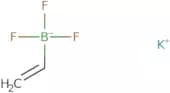
CAS:<p>Potassium vinyltrifluoroborate is a salt that contains the inorganic anion potassium and the organic ligand vinyltrifluoroborate. It is used as an electrolyte in electrochemical cells, such as fuel cells, to increase power output by increasing the conductivity of the electrolyte. This compound has been shown to be effective against chronic kidney disease and infectious diseases such as HIV and malaria. Potassium vinyltrifluoroborate also has anti-cancer properties due to its ability to inhibit cellular proliferation and induce apoptosis in cancer cells. The mechanism of action of this drug is still unclear but may be due to its ability to inhibit proteases, such as ns3 protease found in human erythrocytes.</p>Formula:C2H3BF3KPurity:Min. 95%Color and Shape:PowderMolecular weight:133.95 g/molN-Methyl-5H-dibenzo[a,d]cycloheptene-5-propylamine hydrochloride
CAS:Controlled Product<p>N-Methyl-5H-dibenzo[a,d]cycloheptene-5-propylamine hydrochloride (NMBPD) is a drug with anti-inflammatory properties that belongs to the class of tricyclic antidepressants. It has been shown to have synergistic effects with synthetic matrix in vitro. This drug also has receptor activity and can be used to treat infectious diseases such as HIV and tuberculosis. NMBPD is excreted in the urine, which can lead to kidney fibrosis. The drug is metabolized by α1-acid glycoprotein, which may be related to its potential adverse effects on the liver and kidneys. The analytical method for quantification of NMBPD includes gas chromatography with mass spectrometry detection (GC/MS).</p>Formula:C19H22ClNPurity:Min. 95%Color and Shape:PowderMolecular weight:299.84 g/molFluorescein-sp-biotin
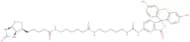
CAS:<p>Fluorescein-sp-biotin is a biotinylated derivative of fluorescein. The conjugate is used to measure the amount of free d-biotin in samples. Fluorescein-sp-biotin binds to streptavidin, which has a high affinity for biotin, and then emits light at an excitation wavelength of 488 nm when excited with a laser. The intensity of the emitted light is proportional to the concentration of free d-biotin in the sample. The following product descriptions have been generated from this information: Rifapentine Rifapentine is an anti-tuberculosis drug that belongs to the class of rifamycins. It is the most active of the rifamycins for the treatment of tuberculosis. Rifapentine inhibits bacterial growth by binding to DNA-dependent RNA polymerase, thereby preventing transcription and replication.</p>Formula:C42H50N6O8S2Purity:Min. 95%Molecular weight:831.01 g/mol4-(Methylsulfonyl)phenylhydrazine hydrochloride
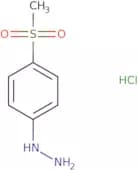
CAS:<p>4-(Methylsulfonyl)phenylhydrazine hydrochloride is a sulfone that is used as a radiopharmaceutical agent. It can be used in the diagnosis of Alzheimer's disease and other neurodegenerative diseases. 4-(Methylsulfonyl)phenylhydrazine hydrochloride binds to carbonic anhydrase I and II, which are membrane-bound enzymes that catalyze the reversible hydration of carbon dioxide. This inhibition leads to increased blood pressure and decreased production of platelets, which can lead to thrombocytopenia. The inhibitory potency of 4-(methylsulfonyl)phenylhydrazine hydrochloride on Cox-1 and Cox-2 has been shown to be similar to that of aspirin, but it is more selective for Cox-2.</p>Formula:C7H10N2O2S•HClPurity:Min. 95%Color and Shape:PowderMolecular weight:222.69 g/mol2-Chloro-4-(tributylstannyl)thiazole
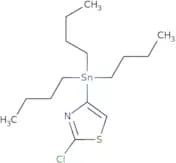
CAS:Controlled Product<p>Please enquire for more information about 2-Chloro-4-(tributylstannyl)thiazole including the price, delivery time and more detailed product information at the technical inquiry form on this page</p>Purity:Min. 95%Methyl 3-bromoindole-6-carboxylate
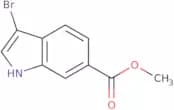
CAS:<p>Please enquire for more information about Methyl 3-bromoindole-6-carboxylate including the price, delivery time and more detailed product information at the technical inquiry form on this page</p>Formula:C10H8BrNO2Purity:Min. 95%Molecular weight:254.08 g/molRU 58841
CAS:<p>RU 58841 is a non-steroidal anti-androgen, which is a chemical compound sourced through synthetic processes in pharmaceutical laboratories. It functions by selectively binding to androgen receptors in the hair follicles, thereby inhibiting the action of androgens such as dihydrotestosterone (DHT). This mode of action prevents DHT from activating the receptor, which is a critical factor in the miniaturization of hair follicles.</p>Formula:C17H18F3N3O3Purity:Min. 95%Molecular weight:369.34 g/mol2-Cyclopentyl-4-chlorophenol
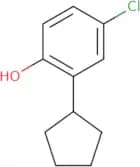
CAS:<p>2-Cyclopentyl-4-chlorophenol is a synthetic fatty acid that is used as an antiviral agent. It inhibits the synthesis of fatty acids by inhibiting the conversion of 2,4-dienoyl CoA to 3-hydroxyacyl CoA. 2-Cyclopentyl-4-chlorophenol has been shown to be effective against a number of test organisms, including bacteria such as staphylococcus and virus such as herpes simplex virus. 2-Cyclopentyl-4-chlorophenol inhibits viral protein synthesis by blocking the action of host enzymes required for this process. The target cell for this drug is the host cell infected with a virus. This drug also has antihelminthic properties and can be used to treat parasitic infections caused by schistosoma haematobium and clonorchis sinensis worms. 2CPCP's structural formula is shown below:</p>Formula:C11H13ClOPurity:Min. 95%Molecular weight:196.67 g/mol(5-Chloropyridin-3-yl)boronic acid
CAS:<p>Please enquire for more information about (5-Chloropyridin-3-yl)boronic acid including the price, delivery time and more detailed product information at the technical inquiry form on this page</p>Formula:C5H5BClNO2Purity:Min. 95%Molecular weight:157.36 g/mol1-(3-Chlorobenzyl)piperazine
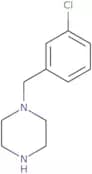
CAS:Controlled Product1-(3-Chlorobenzyl)piperazine (1CBPZ) is a selective and reversible inhibitor of ns3 protease, which plays an important role in plant resistance. 1CBPZ was found to be effective in controlling the growth of certain bacteria. It also has been shown to be useful for the prevention of liver lesions caused by casein in rats. 1CBPZ has optical properties that are sensitive to boron nitride and can be used as a control analysis for experiments involving this material. This chemical has been shown to inhibit the reaction mechanism of ns3 protease and is being used as an experimental model for studying this enzyme. The detection time for 1CBPZ is 3 hours, which makes it more energy efficient than other compounds.Formula:C11H15ClN2Purity:Min. 95%Molecular weight:210.7 g/mol2-Bromopentane
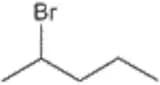
CAS:2-Bromopentane is a thiourea that is synthesized from bromoethane, an enthalpic reaction. The elimination reactions of 2-bromopentane are the reverse of the addition reactions. This product has been shown to be useful in an imaging technique that utilizes the viscosity of solids and liquids. 2-Bromopentane has also been shown to have a high rate of dehalogenase activity, which can be used for the removal of halogens from organic compounds. This product can undergo chromatographic analysis at temperatures up to 150°C and with high concentrations (>1 M).Formula:C5H11BrPurity:90%MinMolecular weight:151.04 g/molHeptafluorobutyric anhydride
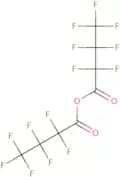
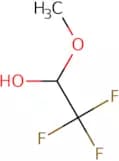
CAS:<p>Heptafluorobutyric anhydride (HFBA) is a chemical compound that can be used as a reagent in analytical methods. It is used to prepare derivatives of amines, such as ethyl heptafluorobutyric acid, which are used in plant physiology studies. HFBA has been found to be useful for the detection of gamma-aminobutyric acid (GABA) and amines in wastewater samples by plasma mass spectrometry. The derivative of the molecule, 3-heptafluoropropionic acid, can be used as an antimicrobial agent against bacteria and fungi. The hydroxyl group on the molecule allows it to penetrate fatty acids and water molecules with high permeability. HFBA is also used as a reagent for preparing monoclonal antibodies by conjugating it with bovine serum albumin.</p>Formula:C8F14O3Color and Shape:Clear LiquidMolecular weight:410.06 g/molTrifluoroacetaldehyde methyl hemiacetal
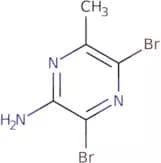
CAS:<p>Trifluoroacetaldehyde methyl hemiacetal is a chemical compound that inhibits protein synthesis by binding to the ribosomal RNA in microsomes isolated from rat liver. Trifluoroacetaldehyde methyl hemiacetal has been shown to be a bifunctional inhibitor of progesterone receptor, which is an important component of the cell membrane and has been implicated in cancer and bone resorption. Trifluoroacetaldehyde methyl hemiacetal is also effective at inhibiting desflurane-induced anesthesia in rats.</p>Formula:C3H5F3O2Purity:Min. 95%Color and Shape:Clear LiquidMolecular weight:130.07 g/mol3,5-Dibromo-6-methylpyrazin-2-amine
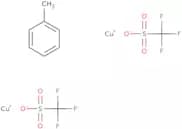
CAS:<p>Please enquire for more information about 3,5-Dibromo-6-methylpyrazin-2-amine including the price, delivery time and more detailed product information at the technical inquiry form on this page</p>Formula:C5H5Br2N3Purity:Min. 95%Molecular weight:266.92 g/molCopper(I) trifluoromethanesulfonate toluene complex
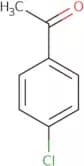
CAS:Controlled Product<p>Toluene complex</p>Formula:C9H8Cu2F6O6S2Purity:Min. 95%Molecular weight:517.37 g/mol4'-Chloroacetophenone
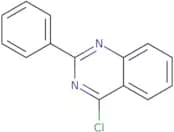
CAS:<p>4'-Chloroacetophenone is a chemical substance that is used in the synthesis of other substances. It has been shown to be an effective tool for cell-specific reactions, such as methyl ketones and benzaldehyde. 4'-Chloroacetophenone reacts with hydrochloric acid and palladium complexes to produce electron reduction, which leads to the activation of methyl ketones. This reaction provides a method for synthesizing molecules with a carbonyl group. The isolated yield of this reaction is dependent on the reaction solution temperature and concentration. The mechanism of this reaction appears to be Suzuki coupling reaction.</p>Formula:C8H7ClOPurity:Min. 95%Color and Shape:Clear Colourless To Pale Yellow LiquidMolecular weight:154.59 g/mol4-Chloro-2-phenylquinazoline
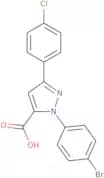
CAS:<p>4-Chloro-2-phenylquinazoline is a ligand that inhibits the growth of bacteria by binding to their DNA. It has a molecular weight of 242.6 g/mol, and can be synthesized in two steps from 2-phenylaniline and o-chloroacetophenone. The pharmacokinetic properties of this compound have been studied using magnetic nanoparticles. 4-Chloro-2-phenylquinazoline has been shown to inhibit cancer cells and also has anti-inflammatory properties, which may be due to its ability to inhibit prostaglandin synthesis. This ligand binds to the nitrogen nucleophiles on the bacterial cell wall (e.g., trichophyton mentagrophytes) and prevents them from reacting with chlorine atoms in the environment, thus inhibiting bacterial growth.</p>Formula:C14H9ClN2Purity:Min. 95%Color and Shape:White PowderMolecular weight:240.69 g/mol1-(4-Bromophenyl)-3-(4-chlorophenyl)-1H-pyrazole-5-carboxylic acid
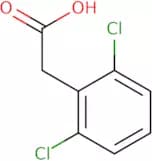
CAS:Controlled Product<p>Please enquire for more information about 1-(4-Bromophenyl)-3-(4-chlorophenyl)-1H-pyrazole-5-carboxylic acid including the price, delivery time and more detailed product information at the technical inquiry form on this page</p>Formula:C16H10BrClN2O2Purity:Min. 95%Molecular weight:377.62 g/mol2,6-Dichlorophenylacetic acid
CAS:<p>2,6-Dichlorophenylacetic acid is an inhibitor of the enzyme acetylcholinesterase. It has been shown to be effective in a number of functional assays and is efficient at inhibiting the uptake of 2,6-dichlorobenzoic acid in cells. The inhibition of this enzyme by 2,6-dichlorophenylacetic acid may be due to its protonation and binding to the active site. This binding prevents the release of the acetylcholine molecule that has been bound to the enzyme's active site. This results in increased levels of acetylcholine in the synaptic cleft, leading to an increase in neurotransmitter activity, which can have a variety of effects on neuronal function. 2,6-Dichlorophenylacetic acid also inhibits cell proliferation and induces apoptosis (programmed cell death) in Caco-2 cells by inhibiting protein synthesis.</p>Formula:C8H6Cl2O2Purity:Min. 95%Color and Shape:White Off-White PowderMolecular weight:205.04 g/mol5-(4-Fluorophenyl)-3-isoxazolecarboxylic acid
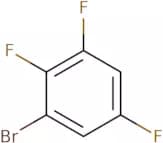
CAS:<p>5-(4-Fluorophenyl)-3-isoxazolecarboxylic acid is a high quality reagent with CAS No. 33282-24-5. It is a complex compound that is useful as an intermediate for the synthesis of various fine chemicals. 5-(4-Fluorophenyl)-3-isoxazolecarboxylic acid also has a number of uses in the synthesis of speciality chemicals, research chemicals, and versatile building blocks for organic chemistry. As a reaction component, it can be used to synthesize compounds with different functional groups on their molecules.</p>Formula:C10H6FNO3Purity:Min. 95%Color and Shape:White/Off-White SolidMolecular weight:207.16 g/mol1-bromo-2,3,5-trifluorobenzene
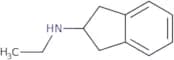
CAS:<p>1-bromo-2,3,5-trifluorobenzene (1,2,3-BTFB) is a chemical substance that is used for bromination. It has been shown to be a selective agent for the removal of nitrogen compounds in wastewater. 1,2,3-BTFB can be used to remove pollutants from the environment without causing an increase in pollution levels. It can also be used as a diazotizing agent and a high selectivity reagent.</p>Formula:C6H2BrF3Purity:Min. 95%Molecular weight:210.98 g/molN-2,3-Dihydro-1H-inden-2-yl-N-ethylamine hydrochloride
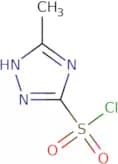
CAS:Controlled Product<p>Please enquire for more information about N-2,3-Dihydro-1H-inden-2-yl-N-ethylamine hydrochloride including the price, delivery time and more detailed product information at the technical inquiry form on this page</p>Formula:C11H15NPurity:Min. 95%Molecular weight:161.24 g/mol5-Methyl-4H-1,2,4-triazole-3-sulfonyl chloride
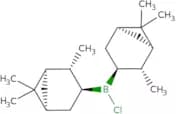
CAS:<p>Please enquire for more information about 5-Methyl-4H-1,2,4-triazole-3-sulfonyl chloride including the price, delivery time and more detailed product information at the technical inquiry form on this page</p>Formula:C3H4ClN3O2SPurity:Min. 95%Color and Shape:White PowderMolecular weight:181.6 g/mol(+)-B-Chlorodiisopinocampheylborane - 60-65% in Hexane
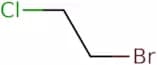
CAS:<p>(+)-B-Chlorodiisopinocampheylborane is a chiral organoboron reagent that can be used for the enantioselective synthesis of amines. It is prepared from the reaction of chlorodiphenyl borane with (+)-diaminobenzene in hexane. The product can be purified by column chromatography or recrystallization. (+)-B-Chlorodiisopinocampheylborane can also be used in the synthesis of other compounds, such as pyrroles and pantolactones. It is an excellent catalyst for the dehydration of primary amines to give unsymmetrical ketones. This reagent has been shown to be effective in asymmetric hydrogenation reactions, such as the reduction of chiral secondary alcohols, and is also capable of catalyzing aldol reactions.</p>Formula:C20H34BClPurity:Min. 95%Color and Shape:Clear LiquidMolecular weight:320.75 g/mol1-Bromo-2-chloroethane
CAS:Controlled Product<p>1-Bromo-2-chloroethane is a chemical compound with the molecular formula CH3BrCl. It is used as a fumigant, an intermediate in organic synthesis, and a precursor to other chemicals. 1-Bromo-2-chloroethane is produced by the reaction of hydrogen chloride with ethylene and methyl ethyl ether. This chemical has been extensively studied for its conformational properties, which are dependent on the presence of a hydrogen bond. The molecule has two conformations, one in which the two bromine atoms are on opposite sides of the carbon atom and another in which they are not. 1-Bromo-2-chloroethane is also used as an intermediate in organic synthesis and can be converted to other chemicals such as chloral hydrate or ethylene diamine.</p>Purity:Min. 95%2'-Chloro-2-bromoacetophenone
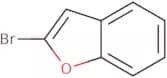
CAS:<p>2'-Chloro-2-bromoacetophenone is a compound that belongs to the class of methyl ketones. It is known to have a high transfer hydrogenation activity and has been used in the synthesis of phenacyl, which is an important biomolecular. It also has a low toxicity and does not irritate skin or mucous membranes. 2'-Chloro-2-bromoacetophenone can be used as an antiarrhythmic agent for respiratory disorders. This compound can be used for formylation reactions, such as those found in microbial metabolism, due to its ability to transfer hydrogen from organic compounds.</p>Formula:C8H6BrClOPurity:Min. 95%Molecular weight:233.49 g/mol2-Bromobenzofuran
CAS:<p>2-Bromobenzofuran is a compound that has been shown to have antioxidant properties and can be used for the treatment of chronic kidney disease, hepatitis, and degenerative diseases. It has nitrogen atoms in its structure that are reactive with oxygen, which may cause the release of picolinic acid (PA), a compound that has been shown to have anti-inflammatory properties. 2-Bromobenzofuran is an alkynyl group that binds to receptors such as serotonin and dopamine. This group also has carbonyl groups, which can form adducts with amines. The piperazine ring in 2-bromobenzofuran is activated by reaction with hydroxyl groups.</p>Formula:C8H5BrOPurity:Min. 95%Molecular weight:197.03 g/mol(R)-(-)-Bromo dragonfly hydrochloride
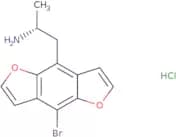
CAS:Controlled Product<p>Please enquire for more information about (R)-(-)-Bromo dragonfly hydrochloride including the price, delivery time and more detailed product information at the technical inquiry form on this page</p>Formula:C13H13BrClNO2Purity:Min. 95%Molecular weight:330.6 g/molEthenesulfonyl chloride
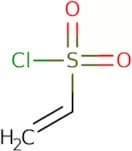
CAS:<p>Ethenesulfonyl chloride is a chemical that is used as an inhibitor of amine oxidases in the treatment of inflammatory and autoimmune diseases. It also inhibits the formation of reactive oxygen species by inhibiting intracellular amines, which are required for the generation of reactive oxygen species. Ethenesulfonyl chloride is a nucleophile that reacts with protons from water to form a hydroxyl group, which can then react with chlorine atoms to form hydrogen chloride. This reaction results in the release of heat, which may be useful for killing bacteria or other microbes.</p>Formula:C2H3ClO2SPurity:Min. 95%Molecular weight:126.56 g/mol2-(2-Bromophenyl)ethanamine
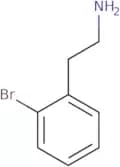
CAS:Controlled Product<p>2-(2-Bromophenyl)ethanamine is a new and efficient method for the amination of imines with methyl groups. This process involves the use of catalytic amounts of N-bromosuccinimide (NBS) in the presence of 2,6-lutidine to form a cyclic imine intermediate. The reaction is carried out at room temperature and the yield can be as high as 99%. The reaction shown here is an example of an asymmetric amination reaction.</p>Formula:C8H10BrNPurity:Min. 95%Color and Shape:Colorless Clear LiquidMolecular weight:200.08 g/molDiisopropylammonium dichloroacetate
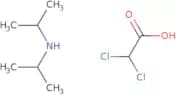
CAS:Controlled Product<p>Diisopropylammonium dichloroacetate (DADCA) is a chemical that inhibits the metabolism of glucose. It has been shown to have a hypoglycemic effect in rats and is being investigated as a treatment for metabolic disorders such as diabetes and obesity. DADCA has also been shown to reduce liver lesions in animals with chronic viral hepatitis, and has been found to be effective in reducing tumor growth in mice. This drug can also be used to treat bowel disease by reducing the amount of ammonia released by bacteria. DADCA may also have physiological effects on humans, including an increase in blood pressure and fever, although these effects have not yet been studied.</p>Purity:Min. 95%WAY 316606
CAS:<p>WAY 316606 is a potent, orally administered small molecule that inhibits the Wnt signaling pathway by blocking the action of β-catenin. It has been shown to have potential for treating eye disorders, including age-related macular degeneration. This drug also has potential for treatment of cell and nervous system diseases such as Alzheimer's disease and Huntington's disease. WAY 316606 inhibits the transcriptional activity of the β-catenin/Tcf4 complex by binding to it and preventing its translocation into the nucleus. In addition, WAY 316606 prevents downstream activation of genes regulated by β-catenin signaling, including c-myc and cyclin D1. This drug also blocks growth factor receptor tyrosine kinases and monoclonal antibodies that activate these receptors.</p>Formula:C18H19F3N2O4S2Purity:Min. 95%Molecular weight:448.48 g/mol1-N-Boc-4-bromopiperidine
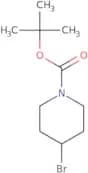
CAS:<p>1-N-Boc-4-bromopiperidine is a Grignard reagent that is used for the preparation of amines. It can be prepared by reacting 1-bromo-4-methylpiperidine with magnesium metal in an ether solution. This compound has been shown to be efficient for the synthesis of biologically active molecules, such as dihydropyridones and isoquinolines. This product may cause skin irritation.</p>Formula:C10H18BrNO2Purity:Min. 95%Color and Shape:White To Light (Or Pale) Yellow Solid Or Liquid (May Vary)Molecular weight:264.16 g/mol5-Bromo-1-ethyl-1H-1,2,4-triazole
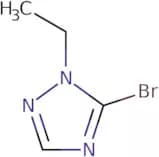
CAS:<p>Please enquire for more information about 5-Bromo-1-ethyl-1H-1,2,4-triazole including the price, delivery time and more detailed product information at the technical inquiry form on this page</p>Formula:C4H6BrN3Purity:Min. 95%Molecular weight:176.01 g/molLithium difluoro(oxalato)borate
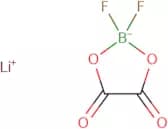
CAS:<p>Lithium difluoro(oxalato)borate is an electron-microscopic corrosion inhibitor that belongs to the class of ester compounds. It is a solid compound that has been shown to be efficacious against oxidation products. The efficiency of this compound is dependent on the concentration and purity of lithium difluoro(oxalato)borate and the type of metal, such as steel or aluminum. Lithium difluoro(oxalato)borate can be used in rechargeable batteries, due to its transport properties, high salt tolerance, and low self-discharge rate. This compound has been shown to have functional groups that are capable of interacting with hydrogen fluoride in an organic solution.</p>Formula:C2BF2O4•LiPurity:Min. 95%Molecular weight:143.77 g/molLithium tetrakis(pentafluorophenyl)borate ethyl etherate
CAS:Controlled Product<p>Lithium tetrakis(pentafluorophenyl)borate ethyl etherate is a lithium salt of the etherate ester of pentafluorophenylboronic acid (B(C6F5)3). The complex is an electron donor and ligand, which can stabilize the high-energy intermediate state in the reaction. Lithium tetrakis(pentafluorophenyl)borate ethyl etherate reacts with magnesium to form a magnesium salt and ethylene. This product can be used as a co-catalyst for coupling reactions, such as the synthesis of cyclic compounds from alkenes.</p>Formula:C24BF20·(C4H10O)2·LiPurity:Min. 95%Molecular weight:760.11 g/molIodoethane-d5
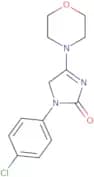
CAS:Controlled Product<p>Iodoethane-d5 is a chromatographic reagent that is used for the determination of bond cleavage reactions. The reaction yield for bond cleavage reactions with iodoethane-d5 has been determined to be approximately 50%. Iodoethane-d5 is used in magnetic resonance spectroscopy, where it has been shown to be an effective probe for the measurement of proton and resonance mass. Iodoethane-d5 can also be used as a pharmacokinetic marker. It has been found that iodoethane-d5 is better than ethane at calculating pharmacokinetic parameters such as volume of distribution and clearance.</p>Formula:CD3CD2IPurity:Min. 95%Color and Shape:Colourless LiquidMolecular weight:160.99 g/mol1-(4-Chlorophenyl)-1,5-dihydro-4-(4-morpholinyl)-2H-imidazol-2-one
CAS:<p>1-(4-Chlorophenyl)-1,5-dihydro-4-(4-morpholinyl)-2H-imidazol-2-one is a fatty acid. It has been shown to have clinical relevance in the treatment of epilepsy. The effective dose for this drug is unknown, but it is believed to be between 100 and 200mg per day. Benzalkonium chloride, which is used as a preservative in food products, may interfere with the absorption of 1-(4-chlorophenyl)-1,5-dihydro-4-(4-morpholinyl)-2H-imidazol-2-one. This drug should not be used by pregnant women or children. Long term efficacy studies are unavailable for this drug. Controlled release preparations are available for this medication that can help improve compliance with dosing requirements. Benzodiazepine binding sites are found in the central nervous system and benzodiazepines may bind to</p>Formula:C13H14ClN3O2Purity:Min. 95%Molecular weight:279.72 g/mol2-Amino-1-tetralone hydrochloride
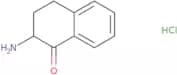
CAS:Controlled Product<p>Please enquire for more information about 2-Amino-1-tetralone hydrochloride including the price, delivery time and more detailed product information at the technical inquiry form on this page</p>Formula:C10H11NO·HClPurity:Min. 95%Color and Shape:PowderMolecular weight:196.65 g/mol2-Amino-5,6-dichlorobenzothiazole
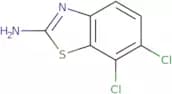
CAS:<p>2-Amino-5,6-dichlorobenzothiazole is an aminobenzothiazole derivative that has been shown to have antibacterial activity. It is a hydrophobic molecule with a skeleton consisting of alternating amines and carboxylic acids. 2-Amino-5,6-dichlorobenzothiazole binds to the fatty acid ester component of bacterial cell walls by hydrogen bonding or ionic interactions, disrupting the integrity of the cell wall and inhibiting the growth of bacteria. 2-Amino-5,6-dichlorobenzothiazole can be used to decolorize dyes and textiles that have been stained by oily materials. It is also used as a surfactant in personal care products such as shampoos and conditioners.</p>Formula:C7H4Cl2N2SPurity:Min. 95%Molecular weight:219.09 g/mol1H,1H-Tridecafluoroheptyl Iodide
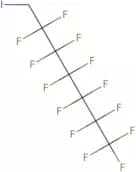
CAS:<p>Please enquire for more information about 1H,1H-Tridecafluoroheptyl Iodide including the price, delivery time and more detailed product information at the technical inquiry form on this page</p>Formula:C7H2F13IPurity:Min. 95%Molecular weight:459.97 g/mol2-(4-fluorophenyl)-n-methylethanamine
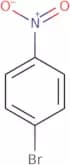
CAS:Controlled Product<p>Please enquire for more information about 2-(4-fluorophenyl)-n-methylethanamine including the price, delivery time and more detailed product information at the technical inquiry form on this page</p>Formula:C9H12FNPurity:Min. 95%Molecular weight:153.2 g/mol1-Bromo-4-nitrobenzene
CAS:<p>1-Bromo-4-nitrobenzene is a bromonitrile that is used to synthesize optical sensors. It is an intermediate in the synthesis of 1,5-dibromo-4-nitrobenzane, which was used as a model system for the reaction mechanism of coupling reactions. The coupling of 1-bromo-4-nitrobenzane with hydrochloric acid and palladium catalysts leads to the formation of a diazonium salt. This reaction can be analyzed by looking at the nitro group and the halides in the molecule. The nitro group reacts with ammonia to form an aminonitrile and water. Halides react with ammonia to form ammonium salts and hydrogen halides. Diazonium salts are then generated by adding nitrous acid (HNO2) or hydroxylamine (NHOH) to these compounds. Finally, transfer reactions are carried out by heating 1</p>Formula:C6H4BrNO2Purity:Min. 95%Molecular weight:202.01 g/molClonidine hydrochloride
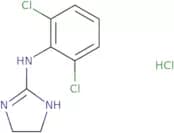
CAS:<p>Clonidine hydrochloride is a drug used in the treatment of hypertension and other cardiac diseases. It belongs to the class of drugs called centrally acting alpha-2 adrenergic agonists. Clonidine hydrochloride is also used for its antihypertensive effects in patients with neurogenic orthostatic hypotension, diabetic neuropathy, and glomerular filtration rate. The long-term efficacy and safety profile of clonidine hydrochloride has been established in clinical trials that have shown it to be effective in reducing symptoms of chronic pain and opioid withdrawal, as well as improving quality of life. Clonidine hydrochloride may be administered orally or transdermally. Clonidine binds to both alpha-1 and alpha-2 adrenergic receptors, which are responsible for vasoconstriction, inhibition of renin secretion from the kidneys, decreased sympathetic nerve activity, and increased parasympathetic nerve activity. This drug also has a protective effect on bone cancer cells</p>Formula:C9H9Cl2N3•HClPurity:Min. 95%Color and Shape:PowderMolecular weight:266.55 g/molSodium chlorite
CAS:<p>Sodium chlorite is a disinfectant that is used to reduce the number of bacteria in the air, water, and surfaces. It is acidic and has been shown to be effective against infectious diseases such as tuberculosis, cholera, and malaria. Sodium chlorite can be produced through the oxidation of sodium chloride by chlorite ion at high temperatures. The optimum concentration for sodium chlorite is 10-15%. This agent can also be used as an analytical method for determining the presence of organic compounds that are difficult to measure by other methods. Laser ablation coupled with mass spectrometry is one example of this technique. Sodium chlorite can also be used to treat wastewater and inhibits oxidative injury in cells.</p>Formula:NaClO2Purity:Min. 95%Color and Shape:White To Yellow SolidMolecular weight:90.44 g/mol(E)-Deschlorophenyl fluoxastrobin
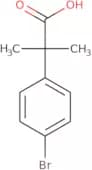
CAS:<p>(E)-Deschlorophenyl fluoxastrobin is a synthetic fungicide, which is derived from the strobilurin class of compounds, originally sourced from natural fungal metabolites. It functions by inhibiting mitochondrial respiration in fungal cells through disruption of the cytochrome bc1 complex, specifically at the Qo site. This mode of action effectively curtails the energy supply of the pathogen, leading to its death, and is integral in managing resistance issues known to occur with other fungicide groups.</p>Formula:C15H13FN4O5Purity:Min. 95%Molecular weight:348.29 g/mol2-(4-Bromophenyl)-2,2'-dimethylacetic acid
CAS:<p>2-Bromo-2-(4-bromophenyl)-2,2'-dimethylacetic acid (2bpd) is the sodium salt of 2-(4-bromophenyl)-2,2'-dimethylacetic acid. It is a metabolite of terfenadine and thionyl chloride. 2bpd has been shown to be an inhibitor of the histamine H1 receptor. This drug is also a brominated derivative of 2-amino-2-methyl-1-propanol, which has been shown to be an inhibitor of the histamine H1 receptor.</p>Formula:C10H11BrO2Purity:Min. 95%Molecular weight:243.1 g/molL-Tryptophanamide hydrochloride
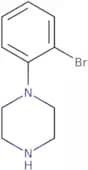
CAS:<p>L-Tryptophanamide hydrochloride is a fluorescent compound that belongs to the amides. It has been shown to have invertase activity and be hydrated in both isooctane and water. L-Tryptophanamide hydrochloride also has an anxiolytic effect on mice, which may be due to its ability to inhibit the production of serotonin at synapses by blocking the enzyme tryptophan hydroxylase. The drug is used for the treatment of anxiety disorders, including generalized anxiety disorder (GAD) and posttraumatic stress disorder (PTSD). This drug has a molecular profile that can be detected by fluorescence spectrometry, with an enhancement factor of 1.5-2.5.</p>Formula:C11H14ClN3OPurity:Min. 95%Molecular weight:239.7 g/mol1-(2-Bromophenyl)piperazine
CAS:Controlled Product<p>1-(2-Bromophenyl)piperazine is a drug that inhibits the activity of dehydrogenase, an enzyme that catalyzes the oxidation of NADH to NAD. It has been shown to inhibit other enzymes as well, such as those involved in the synthesis of amino acids and nucleic acids. 1-(2-Bromophenyl)piperazine has shown potential as a therapeutic agent for Parkinson's disease. This drug is being tested in clinical trials for its efficacy in treating a variety of diseases, including metabolic and cardiovascular disorders, hepatobiliary diseases, and neurodegenerative diseases.</p>Formula:C10H13BrN2Purity:Min. 95%Molecular weight:241.13 g/molN-Methyl-N-[(1-methyl-1H-benzimidazol-2-yl)methyl]amine hydrochloride
CAS:Controlled Product<p>Please enquire for more information about N-Methyl-N-[(1-methyl-1H-benzimidazol-2-yl)methyl]amine hydrochloride including the price, delivery time and more detailed product information at the technical inquiry form on this page</p>Formula:C10H13N3Purity:Min. 95%Molecular weight:175.23 g/mol3-Bromo-4H-1,2,4-triazole
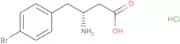
CAS:3-Bromo-4H-1,2,4-triazole is a triazole that is soluble in water. It has been shown to be an effective inhibitor of the enzyme DNA gyrase at low temperatures (4 degrees Celsius). 3-Bromo-4H-1,2,4-triazole has been analysed by spectroscopic methods and found to possess vibrational and annular spectra. The tautomers of this substance are also known to exist.Formula:C2HBrN3Purity:Min. 95%Color and Shape:PowderMolecular weight:146.95 g/mol4-Bromo-D-beta-homophenylalanine hydrochloride
CAS:Please enquire for more information about 4-Bromo-D-beta-homophenylalanine hydrochloride including the price, delivery time and more detailed product information at the technical inquiry form on this pageFormula:C10H12BrNO2·HClPurity:Min. 95%Molecular weight:294.57 g/molcis-[2-(2,4-Dichlorophenyl)-2-(1H-imidazol-1-ylmethyl)-1,3-dioxolan-4-yl]methyl p-tolylsulfonate
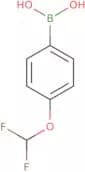
CAS:<p>Please enquire for more information about cis-[2-(2,4-Dichlorophenyl)-2-(1H-imidazol-1-ylmethyl)-1,3-dioxolan-4-yl]methyl p-tolylsulfonate including the price, delivery time and more detailed product information at the technical inquiry form on this page</p>Formula:C21H20Cl2N2O5SPurity:Min. 95%Molecular weight:483.37 g/mol4-(Difluoromethoxy)phenylboronic acid
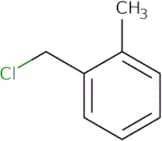
CAS:<p>Please enquire for more information about 4-(Difluoromethoxy)phenylboronic acid including the price, delivery time and more detailed product information at the technical inquiry form on this page</p>Formula:C7H7BF2O3Purity:Min. 95%Molecular weight:187.94 g/mol2-Methylbenzyl chloride
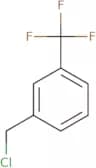
CAS:<p>2-Methylbenzyl chloride is a reactive compound that has been shown to have inhibitory properties against cancer cells. It is an aromatic compound that is synthesized by the reaction of benzene and methyl chloride. This chemical appears as a white solid at room temperature. 2-Methylbenzyl chloride has been shown to have antimicrobial properties, which are due to its ability to react with fatty acids. The addition of 2-methylbenzyl chloride to fatty acid esters leads to the formation of hydroxylated derivatives, which are reactive and inhibit the growth of bacteria and fungi. This chemical also reacts with carbon disulphide, hydrogen chloride, and chloride in the presence of light or heat. The metabolic profiles of this chemical have not been well characterized, but it has been shown to be reactive with Mcf-7 cells.br>br> The following product details are for a product called "3DCTKP." br>br</p>Formula:C8H9ClPurity:Min. 95%Color and Shape:Clear LiquidMolecular weight:140.61 g/mol3-(Trifluoromethyl)benzyl chloride
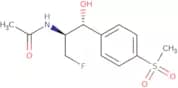
CAS:<p>3-(Trifluoromethyl)benzyl chloride is a chloromethylating agent that reacts with magnesium to form a magnesium chloride solution. 3-(Trifluoromethyl)benzyl chloride is also used in the synthesis of pharmaceuticals, pesticides, and dyes. The reaction produces small amounts of chlorinated byproducts such as chloride, which can be found in wastewater. This chemical has been shown to have adverse effects on the environment through its release into waterways or the atmosphere.</p>Formula:C8H6ClF3Purity:Min. 95%Color and Shape:Clear LiquidMolecular weight:194.58 g/molDideschloro florfenicol
CAS:Controlled Product<p>Please enquire for more information about Dideschloro florfenicol including the price, delivery time and more detailed product information at the technical inquiry form on this page</p>Formula:C12H16FNO4SPurity:Min. 95%Molecular weight:289.32 g/mol1-(2-Chlorobenzyl)piperazine
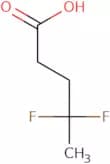
CAS:Controlled Product<p>1-(2-Chlorobenzyl)piperazine is a drug that binds to the adenosine receptor with high affinity. It has been shown to produce a bell-shaped dose-response curve, meaning that at low doses it increases the activity of adenosine receptors and at high doses it decreases the activity of these receptors. 1-(2-Chlorobenzyl)piperazine is an atypical agonist for this receptor because it does not have the typical skeleton structure of other drugs that bind to this receptor. It is also used as a research tool in assays to study the effects of drugs on adenosine receptors.</p>Formula:C11H15ClN2Purity:Min. 95%Molecular weight:210.7 g/mol4,4-Difluorpentanoic acid
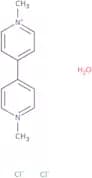
CAS:<p>4,4-Difluorpentanoic acid is an intermediate in the synthesis of amantadine hydrochloride. It is also used as a food additive to inhibit proteolytic enzymes and to produce alkyl esters. 4,4-Difluorpentanoic acid can be used as a competitive inhibitor of serine proteases and cysteine proteases. The compound binds reversibly to the active site of these enzymes and inhibits their activity by competing with the natural substrate for binding. This compound is often used in combination with other protease inhibitors such as phenylmethanesulfonyl fluoride or N-phenylmaleimide.</p>Formula:C5H8F2O2Purity:Min. 95%Molecular weight:138.11 g/mol1,1'-Dimethyl-4,4'-bipyridinium dichloride hydrate
CAS:<p>1,1'-Dimethyl-4,4'-bipyridinium dichloride hydrate is a bipyridine with a divalent chloride. It has been shown to have synergic effects in the presence of dextran sulfate and paraquat. This compound has good photochemical properties, which are used for wastewater treatment and surface methodology. 1,1'-Dimethyl-4,4'-bipyridinium dichloride hydrate also has toxicological studies that show it does not cause any cellular toxicity or mitochondrial membrane potential changes. It also reduces potassium dichromate toxicity in glomerular filtration rate studies. This compound can be used as an analytical method for other bipyridines.</p>Formula:C12H14Cl2N2•(H2O)xPurity:Min. 95%Color and Shape:PowderMolecular weight:257.16 g/mol2-Amino-5-chloropyridine
CAS:<p>2-Amino-5-chloropyridine is an organic compound that is a metabolite of nicotinic acid. 2-Amino-5-chloropyridine has been detected in urine samples and can be extracted from urine with hydrochloric acid. It can also be prepared by the reaction of picolinic acid and malonic acid, which are both found in the human body. The compound has been shown to have pharmacokinetic properties, including a half life of approximately 1 hour and a volume of distribution of 0.3 L/kg. 2-Amino-5-chloropyridine has also been shown to have structural analysis and binding properties with hydrogen bonding interactions. The structure was determined by X-ray crystal structures, which revealed the presence of a reactive group p2 and the absence of any other reactive groups. 2-Amino-5-chloropyridine is used as an analytical method for fluorescence detection in combination</p>Purity:Min. 95%Color and Shape:White To Off-White SolidMolecular weight:128.56 g/molQuaternary ammonium compounds, bis(hydroxyethyl) methyltallow alkyl, chlorides, salts with bentonite
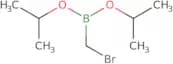
CAS:<p>Please enquire for more information about Quaternary ammonium compounds, bis(hydroxyethyl) methyltallow alkyl, chlorides, salts with bentonite including the price, delivery time and more detailed product information at the technical inquiry form on this page</p>Purity:Min. 95%Diisopropyl(bromomethyl)boronate
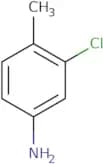
CAS:<p>Diisopropyl(bromomethyl)boronate is a reagent used in organic synthesis. It is an alkynyl boronic ester that reacts with alkenes to form new carbon-carbon bonds. Diisopropyl(bromomethyl)boronate can be used for the asymmetric synthesis of α,β-unsaturated carbonyl compounds and other oxidations of aldehydes and ketones. This reagent has been shown to have a high yield, solvents are not required for its preparation, and it is stable at room temperature. Diisopropyl(bromomethyl)boronate also reacts with haloalkanes and argon gas to generate organoboranes.</p>Formula:C7H16BBrO2Purity:Min. 95%Molecular weight:222.92 g/mol3-Chloro-4-methylaniline
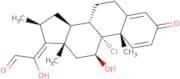
CAS:<p>3-Chloro-4-methylaniline is a chemical compound with a chlorinated aromatic ring. It is a metabolite of the herbicide atrazine, which has been found to produce toxic effects in humans and animals. 3-Chloro-4-methylaniline has been shown to disrupt energy metabolism in mammalian cells through its interaction with mitochondrial respiratory chain complexes I and II. This compound has also been found to cause tubule cell death in the kidneys of rats, as well as liver lesions in mice.</p>Formula:C7H8ClNPurity:Min. 95%Molecular weight:141.60 g/molBeclomethasone-21-Aldehyde
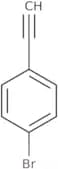
CAS:Controlled Product<p>Please enquire for more information about Beclomethasone-21-Aldehyde including the price, delivery time and more detailed product information at the technical inquiry form on this page</p>Formula:C22H27ClO4Purity:Min. 95%Color and Shape:PowderMolecular weight:390.9 g/mol4-Bromophenylacetylene
CAS:<p>4-Bromophenylacetylene is a molecule that can be activated by nucleophilic attack, which is the process of reacting with a nucleophile. It is used in clinical studies to determine the activity of pancreatic lipase in humans and animals. 4-Bromophenylacetylene has been shown to have a high degree of regiospecificity, meaning that it only reacts with certain carbon atoms on the molecule, and not all of them. This allows for selective reactions to take place. 4-Bromophenylacetylene also reacts with amines, which are organic molecules containing nitrogen and hydrogen, through an X-ray absorption process. X-ray absorption is defined as an x-ray photon being absorbed by an electron in a molecule, causing the electron to change its energy level and state. The energy level and state changes are characterized by x-ray emission spectroscopy (XES).</p>Formula:C8H5BrPurity:Min. 95%Molecular weight:181.03 g/molBis(2,2,2-Trifluoroethyl)amine
CAS:<p>Bis(2,2,2-trifluoroethyl)amine is a colorless liquid that is soluble in water. It has a molecular weight of 122.11 and a boiling point of 217°C. Bis(2,2,2-trifluoroethyl)amine reacts with tetramethylammonium to form a dimer. The reaction is reversible and the bis(2,2,2-trifluoroethyl)amine can be regenerated by the addition of fluoride or an acid such as hydrochloric acid or sulfuric acid. Bis(2,2,2-trifluoroethyl)amine has an anion that can accept a proton from another molecule. This anion is also known as the bisulfite ion which reacts with hydrogen peroxide to form bisulfate and water.</p>Formula:C4H5F6NPurity:Min. 95%Color and Shape:PowderMolecular weight:181.08 g/mol(-)-B-Chlorodiisopinocampheylborane, 65% heptane solution
CAS:<p>(-)-B-Chlorodiisopinocampheylborane is a synthetic compound that belongs to the class of diketones. It has been used in asymmetric synthesis, metathesis reactions, and as a catalyst for the preparation of chiral compounds. (-)-B-Chlorodiisopinocampheylborane can be synthesized from trifluoromethylation using chlorodiphenylsilane and sodium borohydride in heptane. This agent has been shown to be effective for the production of β-unsaturated ketones by reaction with carbonyl groups. The reaction produces a racemic mixture of enantiomers, which are isomers that are not identical but have the same chemical formula and similar physical properties. (-)-B-Chlorodiisopinocampheylborane can also be used as an intermediate for the synthesis of latanoprost lactol, which is a prostaglandin</p>Formula:C20H34BClPurity:Min. 95%Color and Shape:Clear LiquidMolecular weight:320.75 g/mol

![(2S)-2-Amino-2-[(5S)-3-chloro-4,5-dihydroisoxazol-5-Yl]acetic acid](/_next/image/?url=https%3A%2Fstatic.cymitquimica.com%2Fproducts%2F3D%2Fthumb-webp%2FFA17203.webp&w=3840&q=75)




![Tetrakis[N-tetrachlorophthaloyl-(S)-tert-leucinato]dirhodium Bis(ethyl Acetate) Adduct](/_next/image/?url=https%3A%2Fstatic.cymitquimica.com%2Fproducts%2F3D%2Fthumb-webp%2FFT60020.webp&w=3840&q=75)

![N-Methyl-5H-dibenzo[a,d]cycloheptene-5-propylamine hydrochloride](/_next/image/?url=https%3A%2Fstatic.cymitquimica.com%2Fproducts%2F3D%2Fthumb-webp%2FFN76683.webp&w=3840&q=75)











![N-Methyl-N-[(1-methyl-1H-benzimidazol-2-yl)methyl]amine hydrochloride](/_next/image/?url=https%3A%2Fstatic.cymitquimica.com%2Fproducts%2F3D%2Fthumb-webp%2FFM117084.webp&w=3840&q=75)

![cis-[2-(2,4-Dichlorophenyl)-2-(1H-imidazol-1-ylmethyl)-1,3-dioxolan-4-yl]methyl p-tolylsulfonate](/_next/image/?url=https%3A%2Fstatic.cymitquimica.com%2Fproducts%2F3D%2Fthumb-webp%2FFD21680.webp&w=3840&q=75)