Organic Halides
In this category, you can find organic molecules containing one or more halogen atoms in their structure. These organic halides include brominated, iodinated, chlorinated, and cyclic halide compounds. Organic halides are widely used in organic synthesis, pharmaceuticals, agrochemicals, and materials science due to their reactivity and ability to undergo a variety of chemical transformations. At CymitQuimica, we offer a comprehensive selection of high-quality organic halides to support your research and industrial applications, ensuring reliable and effective performance in your synthetic and analytical projects.
Subcategories of "Organic Halides"
Found 20437 products of "Organic Halides"
Sort by
Purity (%)
0
100
|
0
|
50
|
90
|
95
|
100
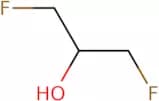
1,3-Difluoro-2-propanol
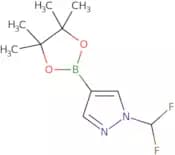
CAS:<p>1,3-Difluoro-2-propanol is a hydrogen bond donor. It is used as an animal repellent and insecticide. It has been shown to be effective against the larvae of mosquitoes and flies. 1,3-Difluoro-2-propanol has also been found to be effective against some fungi, although it is not active against bacteria. The octanol/water partition coefficient (log Kow) of 1,3-difluoro-2-propanol is -0.86. 1,3-Difluoro-2-propanol has been shown to inhibit biochemical reactions in animals by inhibiting ATPase and phosphate uptake in mitochondria. This inhibition leads to the accumulation of metabolites such as lactic acid and pyruvic acid which are responsible for the symptoms seen with exposure to this chemical. 1,3-Difluoro-2-propanol has also been shown</p>Formula:C3H6F2OPurity:Min. 99 Area-%Color and Shape:Colorless Clear LiquidMolecular weight:96.08 g/mol1-(difluoromethyl)-4-(4,4,5,5-tetramethyl-1,3,2-dioxaborolan
CAS:<p>Please enquire for more information about 1-(difluoromethyl)-4-(4,4,5,5-tetramethyl-1,3,2-dioxaborolan including the price, delivery time and more detailed product information at the technical inquiry form on this page</p>Formula:C10H15BF2N2O2Purity:Min. 95%Molecular weight:244.05 g/mol3-Nitrobenzyl bromide
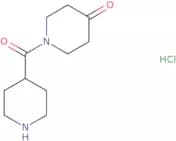
CAS:<p>3-Nitrobenzyl bromide (3NB) is a lectin that binds to the carbohydrate moieties of glycoproteins. It has been shown to inhibit protease activity and be an inhibitor of nitro group formation by reacting with sodium carbonate. 3NB has also been used in sample preparation for monoclonal antibody production. 3-Nitrobenzyl bromide can be used as a probe for hydrogen bonds, which may be due to its ability to form an intermolecular hydrogen bond with other molecules. 3NB inhibits fatty acid synthesis and cardiac contractile function, which is likely due to its inhibitory properties on hydrogen bonding.</p>Formula:C7H6BrNO2Purity:Min. 95%Color and Shape:Off-White PowderMolecular weight:216.03 g/mol1-(Piperidine-4-carbonyl)piperidin-4-one hydrochloride
CAS:Controlled Product<p>Please enquire for more information about 1-(Piperidine-4-carbonyl)piperidin-4-one hydrochloride including the price, delivery time and more detailed product information at the technical inquiry form on this page</p>Formula:C11H19ClN2O2Purity:Min. 95%Molecular weight:246.73 g/mol1-Chloroundecane
CAS:<p>1-Chloroundecane is an organic compound that has been used as a disinfectant and an oxidizing agent. It can be prepared by the chlorination of undecane, or by the oxidation of 1-chloro-1,2-butadiene with sodium dichromate. 1-Chloroundecane is a white crystalline solid that melts at 8°C. The compound does not have any known medical use. It can be used for sample preparation in analytical chemistry, as well as for surface disinfection and deodorization. 1-Chloroundecane has been shown to inhibit cell growth in culture and to have antioxidant properties.</p>Formula:C11H23ClPurity:Min. 95%Color and Shape:Clear LiquidMolecular weight:190.75 g/mol2-Bromo-N,N-dimethylethanamine hydrobromide
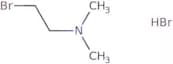
CAS:<p>2-Bromo-N,N-dimethylethanamine hydrobromide is a quaternary ammonium salt that is used as an excipient in pharmaceutical formulations. It has been used to prepare conjugates for clinical diagnostics and can be used as a substrate in phosphorus pentoxide assays. This product is also an intermediate in the synthesis of paracyclophanes, which are stereoisomers of cyclopentane. 2-Bromo-N,N-dimethylethanamine hydrobromide has been shown to have anti-inflammatory properties and may be useful for the treatment of respiratory diseases. The drug also has potential in the treatment of Alzheimer's disease due to its ability to inhibit β-amyloid aggregation.</p>Formula:C4H11Br2NPurity:Min. 95%Color and Shape:White PowderMolecular weight:232.94 g/mol2-Bromoallyl alcohol
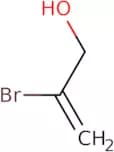
CAS:<p>2-Bromoallyl alcohol is a halogenated aromatic hydrocarbon that is an analyte in the chemical analysis of soil. It is also used as a reagent for the debromination of 2-bromopropane and as a dehalogenating agent for the removal of bromine from organic compounds. 2-Bromoallyl alcohol can be distilled at high temperatures, but it will volatilize if heated to 80°C or higher. It has been reported that 2-bromoallyl alcohol was found to be present in all replicates analyzed. The recovery of this compound ranged from 83% to 114%. 2-Bromoallyl alcohol is used as a reagent in organic synthesis, such as in palladium catalyzed couplings with boronic acids and esters. This compound may also be used to synthesize N-(2-hydroxyethyl)hydroxylamines by reacting with sodium hydroxide</p>Formula:C3H5BrOPurity:Min. 95%Molecular weight:136.98 g/molTetrafluoroterephthalonitrile
CAS:<p>Tetrafluoroterephthalonitrile is a hydroxyl group-containing organic chemical compound with the molecular formula (CF)CO. It has been used in analytical chemistry as a reagent for the determination of peptide binding constants and disulfide bonds. Tetrafluoroterephthalonitrile binds to nucleophilic sites on proteins, such as the pim-1 protein, and can be used to transport other molecules across cell membranes. In addition, it has been used to produce polymers for use in analytical chemistry. This chemical is also able to bind with magnetic particles under constant pressure conditions, which makes it useful for optical sensor applications. Tetrafluoroterephthalonitrile is a hydroxyl group-containing organic chemical compound with the molecular formula (CF)CO. It has been used in analytical chemistry as a reagent for the determination of peptide binding constants and disulfide bonds. Tetrafluoroterephthal</p>Formula:C8F4N2Purity:Min. 95%Molecular weight:200.09 g/mol4-Methoxyphenyl chloroformate
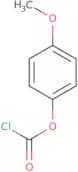
CAS:<p>4-Methoxyphenyl chloroformate is a reactive chemical that can be used to synthesize amides, esters, and anhydrides. It reacts with nucleophiles such as chloride or hydroxide to form an intermediate product. This intermediate product then reacts with the desired molecule to form the desired final product. 4-Methoxyphenyl chloroformate has shown selectivity for binding to opioid receptors, including mu and delta subtypes. This chemical may be used in the synthesis of antibiotic drugs that have similar receptor subtypes. 4-Methoxyphenyl chloroformate also has been shown to modulate G protein signaling pathways in cells, which may lead to improved pharmacokinetic properties.</p>Formula:C8H7ClO3Purity:Min. 95%Color and Shape:Clear LiquidMolecular weight:186.59 g/mol2-(1-Adamantyl)pyrrolidine hydrochloride
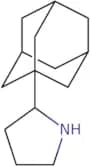
CAS:<p>Please enquire for more information about 2-(1-Adamantyl)pyrrolidine hydrochloride including the price, delivery time and more detailed product information at the technical inquiry form on this page</p>Formula:C14H23NPurity:Min. 95%Molecular weight:205.34 g/molBromoform - Stabilized with ethanol
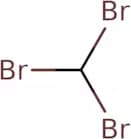
CAS:<p>Bromoform is a colorless, sweet-smelling liquid that was formerly used as an industrial solvent and disinfectant. Bromoform is a potent liver toxin and has been implicated in the development of liver cancer. In animal studies, bromoform causes significant genotoxic effects, including DNA single-strand breaks and chromosomal aberrations. Bromoform also inhibits the activity of enzymes involved in lipid metabolism, which may be due to its ability to bind to proteins in the cell membrane and alter their function. Bromoform is absorbed through the lungs or gastrointestinal tract after inhalation or ingestion. It undergoes rapid metabolism by oxidation followed by conjugation with glutathione, which renders it non-toxic and allows for its elimination from the body.</p>Formula:CHBr3Purity:Min. 95%Color and Shape:Clear LiquidMolecular weight:252.73 g/mol4-Methoxy-3-(trifluoromethyl)aniline
CAS:<p>4-Methoxy-3-(trifluoromethyl)aniline is a benzene derivative that is stabilized by the methoxy and trifluoromethyl groups. The crystal structure of 4-methoxy-3-(trifluoromethyl)aniline has been determined to be orthorhombic, with space group Pbca and lattice constants a=6.541(2), b=8.829(2), c=5.744(1) Å at 100 K. This compound has a benzene ring with four methyl substituents on the phenyl ring, two of which are located on the para position. The molecule also contains two O atoms in positions 1 and 2, as well as two F atoms in positions 3 and 4.</p>Formula:C8H8F3NOPurity:Min. 95%Molecular weight:191.15 g/molDechlorane A
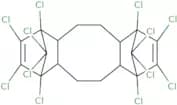
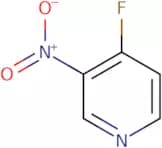
CAS:<p>Dechlorane A is a polymeric matrix that binds to calcium ions and alters the energy metabolism of cells. It has been shown to have physiological effects in rats, such as axonal growth and transcriptomic analysis. Dechlorane A is not absorbed by the human body and has shown low bioavailability. It is used in wastewater treatment plants to remove diphenyl ethers from water, which are toxic to aquatic life.</p>Formula:C18H12Cl12Purity:Min. 95%Color and Shape:PowderMolecular weight:653.72 g/mol4-Fluoro-3-nitropyridine
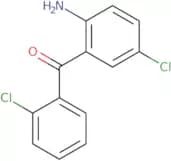
CAS:<p>4-Fluoro-3-nitropyridine is a reactive chemical that can react with alcohols, amines, and amino acids. It has been shown to have absorption spectra in the ultraviolet region of the light spectrum. 4-Fluoro-3-nitropyridine is also a pyridine derivative.</p>Formula:C5H3FN2O2Purity:Min. 95%Color and Shape:Off-White PowderMolecular weight:142.09 g/mol2-Amino-2',5-dichlorobenzophenone
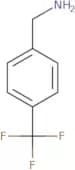
CAS:<p>2-Amino-2',5-dichlorobenzophenone (2,5-DCP) is a molecule with a chromatographic retention time of 23.8 minutes. 2,5-DCP has been detected in human urine samples using the chemical ionization technique as well as the Nova-Pak C18 column and an acetic acid/methanol mobile phase. This compound has been used as a standard for the detection of benzodiazepine drugs such as diazepam and flunitrazepam in urine samples by gas chromatography. 2,5-DCP has also been used in analytical toxicology to detect lormetazepam and lorazepam metabolites in human urine samples.</p>Formula:C13H9Cl2NOPurity:Min. 95%Color and Shape:Off-White PowderMolecular weight:266.12 g/mol4-(Trifluoromethyl)benzyl amine
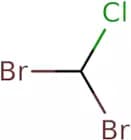
CAS:<p>4-(Trifluoromethyl)benzyl amine is a nucleophilic reagent that is used for the asymmetric synthesis of chiral amines. The reaction mechanism involves the nucleophilic attack of the trifluoromethyl group on an electron-deficient carbon atom of a substrate, followed by elimination of hydrogen fluoride. The trifluoromethyl group also acts as a light emitter when irradiated with UV light. 4-(Trifluoromethyl)benzyl amine is able to produce carbonyl groups through irreversible oxidation and has been shown to inhibit cancer cell proliferation in vitro and in vivo. This compound can be found as white crystals and has a polymorphic nature.</p>Formula:C8H8F3NPurity:Min. 95%Color and Shape:PowderMolecular weight:175.15 g/molDibromochloromethane (stabilized with ethanol)
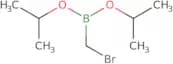
CAS:<p>Dibromochloromethane (DBCM) is a chemical that is used as a solvent and cleaning agent. It was found to be genotoxic, with the potential to cause cancer in humans. DBCM causes cardiac effects in animals, including arrhythmias and an increase in heart rate. DBCM is not volatile and has a low vapor pressure, which makes it hazardous if inhaled or ingested. DBCM can also cause renal toxicity and liver injury in rats. Dibromochloromethane has been shown to have a toxic effect on the heart, lungs, kidneys and liver when administered at high doses in animals. It has been shown to damage DNA by causing mutations or cross-linking with DNA strands.</p>Formula:CHBr2ClPurity:Min. 95%Molecular weight:208.28 g/molDiisopropyl(bromomethyl)boronate
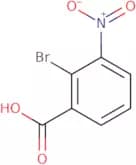
CAS:<p>Diisopropyl(bromomethyl)boronate is a reagent used in organic synthesis. It is an alkynyl boronic ester that reacts with alkenes to form new carbon-carbon bonds. Diisopropyl(bromomethyl)boronate can be used for the asymmetric synthesis of α,β-unsaturated carbonyl compounds and other oxidations of aldehydes and ketones. This reagent has been shown to have a high yield, solvents are not required for its preparation, and it is stable at room temperature. Diisopropyl(bromomethyl)boronate also reacts with haloalkanes and argon gas to generate organoboranes.</p>Formula:C7H16BBrO2Purity:Min. 95%Molecular weight:222.92 g/mol2-Bromo-3-nitrobenzoic acid
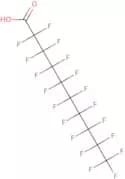
CAS:<p>2-Bromo-3-nitrobenzoic acid is a reactive chemical used as an antibacterial agent. It inhibits the growth of staphylococcus by inhibiting the synthesis of DNA and protein, which are required for cell division. 2-Bromo-3-nitrobenzoic acid is also effective against mammalian cells, but not against bacteria that grow in a thionyl environment. The chemical reacts with chloride to form 2-bromo-3-chlorobenzoic acid, which can be converted to mercaptoacetic acid by means of reduction with sodium dithionite. Mercaptoacetic acid inhibits bacterial growth by blocking the synthesis of proteins necessary for cell division. 2-Bromo-3-nitrobenzoic acid is synthesized from bromine and nitric acid, while mercaptoacetic acid is synthesized from bromine and acetic anhydride.</p>Formula:C7H4BrNO4Purity:Min. 95%Color and Shape:PowderMolecular weight:246.02 g/molNonadecafluorodecanoic acid
CAS:<p>Nonadecafluorodecanoic acid (NDFA) is a fatty acid that has been shown to be an effective solvent for wastewater treatment. This product has been found to have a matrix effect on mouse tumor cells, as well as enzyme activities in vitro. NDFA has also been shown to have acute toxicities in mice and genotoxic activity in vitro. NDFA is not carcinogenic and does not react with DNA, but does cause mutagenic effects such as single-stranded breaks, double-stranded breaks, or cross-linkages between DNA strands. The molecular weight of NDFA is 216 g/mol and the melting point is -52°C. It can be detected by electrochemical detector at concentrations of 0.1 ppm and by optical sensor at concentrations of 1 ppm. The analytical method used for NDFA quantification is gas chromatography/mass spectrometry (GC/MS).</p>Formula:C10HF19O2Purity:Min. 95%Color and Shape:PowderMolecular weight:514.08 g/mol2'-Chloro-2-bromoacetophenone
CAS:<p>2'-Chloro-2-bromoacetophenone is a compound that belongs to the class of methyl ketones. It is known to have a high transfer hydrogenation activity and has been used in the synthesis of phenacyl, which is an important biomolecular. It also has a low toxicity and does not irritate skin or mucous membranes. 2'-Chloro-2-bromoacetophenone can be used as an antiarrhythmic agent for respiratory disorders. This compound can be used for formylation reactions, such as those found in microbial metabolism, due to its ability to transfer hydrogen from organic compounds.</p>Formula:C8H6BrClOPurity:Min. 95%Molecular weight:233.49 g/molL-Glutamic acid γ-tert-butyl ester α-amide hydrochloride
CAS:<p>Please enquire for more information about L-Glutamic acid gamma-tert-butyl ester alpha-amide hydrochloride including the price, delivery time and more detailed product information at the technical inquiry form on this page</p>Formula:C9H18N2O3·HClPurity:Min. 95%Molecular weight:238.71 g/mol4-Bromoisoquinoline
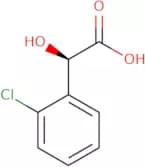
CAS:<p>4-Bromoisoquinoline is an aryl halide that can be used in the cross-coupling reaction with other aryl halides. It has been shown to have anticancer activity and to inhibit the growth of tumour cell lines in vitro. This compound is also efficient for inhibiting leukemia cells. 4-Bromoisoquinoline has been shown to have an inhibitory effect on cancer cells through the inhibition of DNA synthesis and RNA transcription, as well as by inducing apoptosis. The mechanism of action may be due to its ability to bind to aromatic hydrocarbons and halides, which leads to thermodynamic changes and vibrational energy transfer.</p>Formula:C9H6BrNPurity:Min. 95%Molecular weight:208.05 g/mol(R)-2-Chloromandelic acid
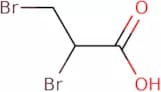
CAS:<p>(R)-2-Chloromandelic acid is an organic compound with the formula CHClCOH. It is a mandelonitrile, which is a benzene ring fused to a nitrile. It has an optimal reaction at acidic pH and in organic solvents and is enantiopure. The cell lysis of Escherichia coli can be achieved by this compound, as seen through the use of acid dehydrogenase. (R)-2-Chloromandelic acid has been shown to inhibit platelet aggregation, making it an antiplatelet agent. This product can be synthesized using methods such as the enantioselective synthesis of clopidogrel or the asymmetric synthesis of D-mandelic acid methyl ester. The isolated yield for (R)-2-Chloromandelic acid is about 45%.</p>Formula:C8H7ClO3Purity:Min. 95%Color and Shape:SolidMolecular weight:186.59 g/mol2,3-Dibromopropanoic acid
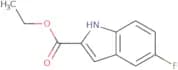
CAS:<p>2,3-Dibromopropanoic acid is a carcinogenic chemical that has been shown to cause liver tumors in rats. It is a nucleophile that reacts with amide groups to form an amide bond. The analytical method for 2,3-dibromopropanoic acid is gas chromatography with flame ionization detection. Its structural formula is CHBrCHBrCOH. It has a carbonyl group and acidic properties, as well as a chloride ion present on the molecule. 2,3-Dibromopropanoic acid is an anxiolytic drug that has been shown to have health effects such as drowsiness and headache.</p>Formula:C3H4Br2O2Purity:Min. 95%Color and Shape:PowderMolecular weight:231.87 g/molEthyl 5-fluoroindole-2-carboxylate
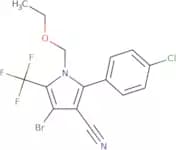
CAS:<p>Ethyl 5-fluoroindole-2-carboxylate is a cytotoxic compound that belongs to the class of organic compounds called aryl rings. It has been shown to inhibit tumor growth in vitro and in vivo through the inhibition of protein synthesis. The molecular docking studies have shown that this compound binds to the enzyme SMMC-7721 cell, which is involved in DNA transcription and replication. It also inhibits activity of other enzymes, such as kinases and phosphatases, which are involved in cellular processes such as proliferation and differentiation. Ethyl 5-fluoroindole-2-carboxylate may be used for the treatment of blood cancer or monosugar diseases, such as diabetes mellitus or hyperlipidemia.</p>Formula:C11H10FNO2Purity:Min. 95%Molecular weight:207.2 g/molChlorfenapyr
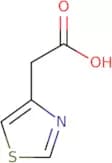
CAS:<p>Chlorfenapyr is a polymerase chain inhibitor that binds to the terminal residues of the protein. It is used as an insecticide, and has been shown to be effective against insects such as termites, ants, cockroaches, and fleas. Chlorfenapyr prevents synthesis of proteins by binding to the ribosomes at the site where amino acids are joined together to form a new protein. This binding prevents translation and leads to cell death. Chlorfenapyr also inhibits certain mammalian enzymes, including kidney bean trypsin inhibitor, which may be due to its ability to bind with these proteins in both bound and free forms.</p>Formula:C15H11BrClF3N2OPurity:Min. 95%Color and Shape:White PowderMolecular weight:407.61 g/mol1,3-Thiazol-4-ylacetic acid hydrochloride
CAS:<p>1,3-Thiazol-4-ylacetic acid hydrochloride is an antimicrobial agent that has been shown to be active against Gram-negative bacteria. It is an acidic compound that hydrolyzes in water to produce a carboxylic acid and an alcohol. 1,3-Thiazol-4-ylacetic acid hydrochloride has been used in pharmaceutical preparations as an antimicrobial and blood platelet aggregating agent. It also inhibits the coagulation of blood platelets and the aggregation of platelets. The mechanism for this may involve the interference with phospholipid biosynthesis or with the cytochrome P450 enzyme system involved in the metabolism of arachidonic acid into prostaglandins.</p>Formula:C5H5NO2SPurity:Min. 95%Molecular weight:143.16 g/molN-[4-Amino-3-(trifluoromethyl)phenyl]-2-methylpropanamide
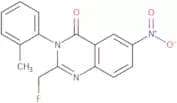
CAS:<p>Please enquire for more information about N-[4-Amino-3-(trifluoromethyl)phenyl]-2-methylpropanamide including the price, delivery time and more detailed product information at the technical inquiry form on this page</p>Formula:C11H13F3N2OPurity:Min. 95%Molecular weight:246.23 g/mol2-(Fluoromethyl)-3-(2-methylphenyl)-6-nitro-3H-quinazolin-4-one
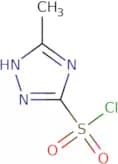
CAS:Controlled Product<p>Please enquire for more information about 2-(Fluoromethyl)-3-(2-methylphenyl)-6-nitro-3H-quinazolin-4-one including the price, delivery time and more detailed product information at the technical inquiry form on this page</p>Formula:C16H12FN3O3Purity:Min. 95%Molecular weight:313.28 g/mol5-Methyl-4H-1,2,4-triazole-3-sulfonyl chloride
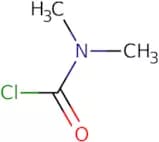
CAS:<p>Please enquire for more information about 5-Methyl-4H-1,2,4-triazole-3-sulfonyl chloride including the price, delivery time and more detailed product information at the technical inquiry form on this page</p>Formula:C3H4ClN3O2SPurity:Min. 95%Color and Shape:White PowderMolecular weight:181.6 g/molDimethylcarbamoyl chloride
CAS:<p>Dimethylcarbamoyl chloride is a chemical that is used as an ionization reagent in analytical chemistry. It is a colorless liquid with a neutral pH, boiling point of 73 °C, and density of 1.01 g/mL. Dimethylcarbamoyl chloride can be used to synthesize acylated amines and carbonyls for use in pharmaceuticals, polymers, dyes and other chemicals. The chlorine atom can also be substituted with other halogens. The compound has been shown to be chemically stable and resistant to oxidation by catalysts such as oxygen or hydrogen peroxide. Dimethylcarbamoyl chloride is mainly used as an analytical tool for the detection of carbonyl groups in molecules using chemical ionization (CI). Dimethylcarbamoyl chloride has also been shown to have anti-cancer properties due to its effects on choroidal neovascularization (a condition associated with eye diseases) by inhibiting vascular endothelial growth</p>Formula:C3H6ClNOPurity:Min. 95%Color and Shape:Colourless To Pale Yellow LiquidMolecular weight:107.54 g/molMyristoyl chloride
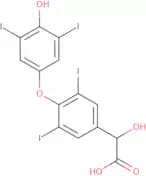
CAS:<p>Myristoyl chloride is an antimicrobial agent that belongs to the group of cationic surfactants. It has been shown to be active against bacteria and fungi, but not against viruses. Myristyl chloride has been used in a number of industries, including food production and processing, for its ability to inhibit microbial growth in acidic environments. This chemical also has anti-inflammatory properties and can be used as a topical treatment for inflammatory diseases such as psoriasis or atopic dermatitis.</p>Formula:C14H27ClOPurity:Min. 95%Color and Shape:Colourless To Pale Yellow LiquidMolecular weight:246.82 g/mol3,5,3',5' -Tetraiodo thyromandelic acid
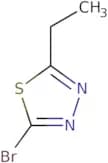
CAS:<p>Please enquire for more information about 3,5,3',5' -Tetraiodo thyromandelic acid including the price, delivery time and more detailed product information at the technical inquiry form on this page</p>Formula:C14H8I4O5Purity:Min. 95%Color and Shape:PowderMolecular weight:763.83 g/mol2-Bromo-5-ethyl-1,3,4-thiadiazole
CAS:<p>Please enquire for more information about 2-Bromo-5-ethyl-1,3,4-thiadiazole including the price, delivery time and more detailed product information at the technical inquiry form on this page</p>Formula:C4H5BrN2SPurity:Min. 95%Molecular weight:193.07 g/mol5-Iodo-2,3-dihydro-1H-inden-2-amine hydrochloride hydrate
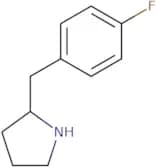
Controlled Product<p>Please enquire for more information about 5-Iodo-2,3-dihydro-1H-inden-2-amine hydrochloride hydrate including the price, delivery time and more detailed product information at the technical inquiry form on this page</p>Formula:C9H13ClINOPurity:Min. 95%Molecular weight:313.56 g/mol2-(4-Fluoro-benzyl)pyrrolidine
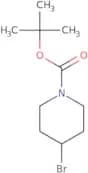
CAS:Controlled Product<p>Please enquire for more information about 2-(4-Fluoro-benzyl)pyrrolidine including the price, delivery time and more detailed product information at the technical inquiry form on this page</p>Formula:C11H14FNPurity:Min. 95%Molecular weight:179.23 g/mol1-N-Boc-4-bromopiperidine
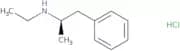
CAS:<p>1-N-Boc-4-bromopiperidine is a Grignard reagent that is used for the preparation of amines. It can be prepared by reacting 1-bromo-4-methylpiperidine with magnesium metal in an ether solution. This compound has been shown to be efficient for the synthesis of biologically active molecules, such as dihydropyridones and isoquinolines. This product may cause skin irritation.</p>Formula:C10H18BrNO2Purity:Min. 95%Color and Shape:White To Light (Or Pale) Yellow Solid Or Liquid (May Vary)Molecular weight:264.16 g/mol(R)-N-Ethyl amphetamine hydrochloride
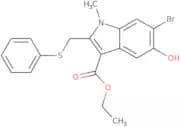
CAS:Controlled Product<p>Please enquire for more information about (R)-N-Ethyl amphetamine hydrochloride including the price, delivery time and more detailed product information at the technical inquiry form on this page</p>Formula:C11H18ClNPurity:Min. 95%Molecular weight:199.72 g/molEthyl 6-bromo-5-hydroxy-1-methyl-2-(phenylsulfanylmethyl)indole-3-carboxylate
CAS:Controlled Product<p>Please enquire for more information about Ethyl 6-bromo-5-hydroxy-1-methyl-2-(phenylsulfanylmethyl)indole-3-carboxylate including the price, delivery time and more detailed product information at the technical inquiry form on this page</p>Purity:Min. 95%2-Bromo-1-methyl-1H-imidazole
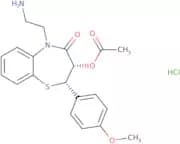
CAS:<p>Please enquire for more information about 2-Bromo-1-methyl-1H-imidazole including the price, delivery time and more detailed product information at the technical inquiry form on this page</p>Formula:C4H5BrN2Purity:Min. 95%Molecular weight:161 g/molN,N-Didesmethyl diltiazem hydrochloride
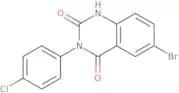
CAS:<p>Please enquire for more information about N,N-Didesmethyl diltiazem hydrochloride including the price, delivery time and more detailed product information at the technical inquiry form on this page</p>Formula:C20H23ClN2O4SPurity:Min. 95%Molecular weight:422.93 g/mol6-Bromo-3-(4-chlorophenyl)quinazoline-2,4(1H,3H)-dione
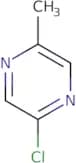
CAS:Controlled Product<p>Please enquire for more information about 6-Bromo-3-(4-chlorophenyl)quinazoline-2,4(1H,3H)-dione including the price, delivery time and more detailed product information at the technical inquiry form on this page</p>Formula:C14H8BrClN2O2Purity:Min. 95%Molecular weight:351.58 g/mol2-Chloro-5-methylpyrazine
CAS:<p>Please enquire for more information about 2-Chloro-5-methylpyrazine including the price, delivery time and more detailed product information at the technical inquiry form on this page</p>Formula:C5H5ClN2Purity:Min. 95%Molecular weight:128.56 g/molStannous chloride anhydrous
CAS:<p>Stannous chloride anhydrous is a particle with a particle size of 3-6 microns and a melting point of 8°C. It has been shown in toxicity studies to be non-toxic to rats and rabbits when administered orally. Stannous chloride anhydrous is a coordination compound that contains stannous ion, which is coordinated by four sulfur atoms and two nitrogen atoms. The molecule can also have different geometries depending on the solvent used; for example, in trifluoroacetic acid, it adopts a trigonal bipyramidal geometry. Stannous chloride anhydrous has been shown to inhibit enzymes such as pepsin, chymotrypsin, and trypsin. This inhibition may be due to its ability to bind covalently with these enzymes.</p>Formula:Cl2SnPurity:Min. 95%Color and Shape:PowderMolecular weight:189.62 g/molN-Bromosuccinimide
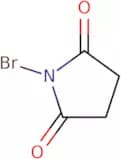
CAS:<p>N-Bromosuccinimide is a reactive chemical that is used in the manufacture of pharmaceutical preparations. It reacts with methyl ketones to form bromoketones, which can be detected by the chemiluminescence method. Although there is no direct evidence for the mechanism of this reaction, it is thought that there are two possible pathways. The first pathway involves a series of reactions involving activated methylene compounds and quinoline derivatives, while the second pathway involves transfer reactions from n-dimethyl formamide to lysine residues in proteins. The second pathway has been shown to be dominant in aerobacter aerogenes.</p>Formula:C4H4BrNO2Color and Shape:White To Yellow SolidMolecular weight:177.99 g/molCyclobutanecarboxylic acid chloride
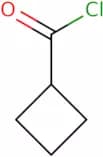
CAS:<p>Cyclobutanecarboxylic acid chloride is an acyl halide that is a reactive chemical intermediate. Cyclobutanecarboxylic acid chloride reacts with naphthalene to produce cyclobutane, which can undergo a Friedel-Crafts reaction to form a benzene ring. The compound also has been shown to inhibit the growth of human cervical carcinoma cells by inhibiting the production of growth factors and interferon, as well as by inducing apoptosis. Cyclobutanecarboxylic acid chloride has been used in the treatment of infectious diseases such as tuberculosis, leprosy, and malaria. This drug was originally synthesized for use as a protein inhibitor, but it has not been found to be active in this application.</p>Formula:C5H7ClOPurity:Min. 95%Color and Shape:Clear LiquidMolecular weight:118.56 g/mol2-Chloro-4,6-dimethoxypyrimidine
CAS:<p>2-Chloro-4,6-dimethoxypyrimidine is a synthetic compound that is a triazolopyrimidine derivative. It has been shown to have significant antifungal activity against cryptococcus neoformans in toxicity studies. 2-Chloro-4,6-dimethoxypyrimidine is an amine that can be used as a fungicide or pesticide due to its toxicity and effectiveness against fungi. 2-Chloro-4,6-dimethoxypyrimidine has a molecular weight of 196 and contains three functional groups: chlorine, hydrogen chloride, and pyridinium. This compound also has the ability to form covalent bonds with organic molecules such as chloromethyl groups on proteins.</p>Formula:C6H7ClN2O2Purity:Min. 95%Color and Shape:Off-White To Yellow SolidMolecular weight:174.58 g/mol5-Bromo-6-methylpyrimidine-2,4(1H,3H)-dione
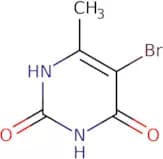
CAS:<p>5-Bromo-6-methylpyrimidine-2,4(1H,3H)-dione is an immunosuppressive drug that belongs to the class of hydantoins. It can be used to treat a variety of diseases associated with immunodeficiency including AIDS. 5-Bromo-6-methylpyrimidine-2,4(1H,3H)-dione inhibits viral replication by alkylating nucleotides and DNA synthesis at the GTPase level. The amide group in the molecule is responsible for this property. Kinetics studies have shown that the rate of hydrolysis of 5-bromo-6-methylpyrimidine-2,4(1H,3H)-dione depends on the pH and temperature of solution.</p>Formula:C5H5BrN2O2Purity:Min. 95%Molecular weight:205.01 g/mol3-Chloro-1H-indole-2-carbaldehyde
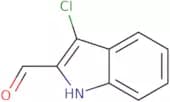
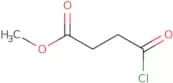
CAS:<p>3-Chloro-1H-indole-2-carbaldehyde is a bifunctional reagent that can be used to form amides. It reacts with primary and secondary amines, as well as dialkyl and methylene amines, to produce the corresponding chloro-, phenylhydrazine-, or nitrosoaminoureas. This reaction is intramolecular and yields the desired product in high yield. The reactant can also be used as a chloride source. 3-Chloro-1H-indole-2-carbaldehyde is manufactured by reacting phenylhydrazine with chloroacetic acid in an organic solvent at room temperature (25°C).</p>Formula:C9H6ClNOPurity:Min. 95%Molecular weight:179.6 g/molMethyl 4-chloro-4-oxobutanoate
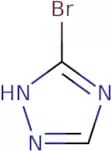
CAS:<p>Methyl 4-chloro-4-oxobutanoate is a chemical compound that is used as a medicine. It has been shown to have an affinity for the human immunodeficiency virus (HIV) and can be used to treat HIV infection. Methyl 4-chloro-4-oxobutanoate is also used in other types of medicines, such as those for treating high blood pressure and heart disease. This chemical binds to the receptors on cells that are responsible for regulating blood pressure and heart rate, which leads to inhibition of cyclic guanosine monophosphate (cGMP) production. Methyl 4-chloro-4-oxobutanoate inhibits the activity of lipolytic enzymes, which break down fats into smaller units, by binding at the active site of these enzymes. It also binds to chloride ions and prevents them from being released from cells, which causes a rise in intracellular chloride levels. This increase in chloride</p>Formula:C5H7ClO3Purity:Min. 95%Color and Shape:Clear LiquidMolecular weight:150.56 g/mol3-Bromo-1H-1,2,4-triazole
CAS:<p>3-Bromo-1H-1,2,4-triazole belongs to the group of annular azoles. It has been found in the form of two tautomers: 1H-1,2,4-triazole and 2H-1,2,4-triazole. 3-Bromo-1H-1,2,4-triazole has been synthesized at low temperatures (below -30°C) as a result of coordination with bromine atoms. This triazole has also been analysed using x ray diffraction and vibrational spectroscopy. The chemical analyses have shown that 3-bromo 1H-1,2,4 triazole is not stable at high temperatures and decomposes into a mixture of the two tautomers. Tautomeric analysis showed that the 1H form is more stable than the 2H form.</p>Formula:C2H2BrN3Purity:95%NmrColor and Shape:PowderMolecular weight:147.96 g/mol(2-Iodophenyl)(2,3,6,7-tetrahydro-1H,5H-benzo[ij]quinolizin-9-yl)methanone
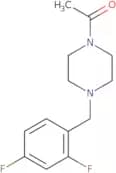
<p>2-Iodophenyl)(2,3,6,7-tetrahydro-1H,5H-benzo[ij]quinolizin-9-yl)methanone is a high quality reagent that can be used as a useful intermediate and building block in the synthesis of complex compounds.</p>Formula:C19H18INOPurity:Min. 95 Area-%Molecular weight:403.26 g/mol1-Acetyl-4-(2,4-difluorobenzyl)piperazine
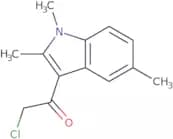
CAS:Controlled Product<p>Please enquire for more information about 1-Acetyl-4-(2,4-difluorobenzyl)piperazine including the price, delivery time and more detailed product information at the technical inquiry form on this page</p>Formula:C13H16F2N2OPurity:Min. 95%Molecular weight:254.28 g/mol2-Chloro-1-(1,2,5-trimethyl-1H-indol-3-yl)ethanone
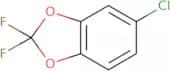
CAS:Controlled Product<p>Please enquire for more information about 2-Chloro-1-(1,2,5-trimethyl-1H-indol-3-yl)ethanone including the price, delivery time and more detailed product information at the technical inquiry form on this page</p>Formula:C13H14ClNOPurity:Min. 95%Molecular weight:235.71 g/mol5-Chloro-2,2-difluoro-1,3-benzodioxole
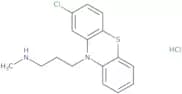
CAS:<p>5-Chloro-2,2-difluoro-1,3-benzodioxole (5CFD) is an antifungal agent that is used to treat bowel disease. It inhibits the synthesis of DNA and RNA by binding to the enzyme RNA polymerase. 5CFD is also used as a precursor for diazonium salt analogs, which are used in antibacterial agents. The analogs are synthesized using deuterated 5CFD. This drug has been shown to have antitumor activity against human cervical carcinoma cells in culture.</p>Formula:C7H3ClF2O2Purity:Min. 95%Molecular weight:192.55 g/molDemethyl chlorpromazine hydrochloride
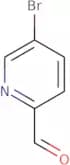
CAS:<p>Chlorpromazine is a phenothiazine antipsychotic drug that is used to treat schizophrenia and other mental disorders. It is also used in the treatment of nausea, vomiting, and hiccups. Chlorpromazine binds to the D2 receptor in the brain, which blocks dopamine from binding to this receptor. In addition to its effects on dopamine receptors, chlorpromazine also inhibits phosphodiesterase activity and n-oxide formation. These effects are thought to be responsible for chlorpromazine's ability to inhibit tumor growth and prolong survival in some cancer patients. Chlorpromazine has been shown to inhibit filamentous fungi by inhibiting kinesin-like proteins that are essential for cell division. This drug also has low potency against cyclic nucleotide phosphodiesterases (PDEs) and may act as an inhibitor of PDE4B1 which is involved in the inflammatory response.</p>Formula:C16H18Cl2N2SPurity:Min. 95%Color and Shape:White/Off-White SolidMolecular weight:341.3 g/mol5-Bromopyridine-2-carbaldehyde
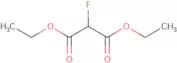
CAS:<p>5-Bromopyridine-2-carbaldehyde is a water soluble organic molecule that has been shown to inhibit the mitochondrial respiratory chain. It is a structural analog of the natural substrate for mitochondrial cytochrome c oxidase, 5-aminolevulinic acid. This compound has been shown to be selective against cancer cells and has anti-viral properties. The photophysical properties of 5-bromopyridine-2-carbaldehyde have been studied extensively. The fluorescence quantum yield of this molecule in aqueous solution is 0.06%.</p>Formula:C6H4BrNOPurity:Min. 95%Color and Shape:White PowderMolecular weight:186.01 g/molDiethyl fluoromalonate
CAS:<p>Diethyl fluoromalonate is a chemical that can be used to generate fluoroacetic acid. It has been shown to be an effective inhibitor of the growth of resistant mutants in vitro with magnetic resonance spectroscopy. The mechanism of action is not known, but it may involve the formation of a carbonyl group due to elimination of hydrogen fluoride. Diethyl fluoromalonate also reacts with malonic acid to form an aryl halide, which can then react with nitrogen atoms in cells and produce reactive oxygen species. This chemical has been shown to have anti-inflammatory effects in rats.</p>Formula:C7H11FO4Purity:Min. 95%Molecular weight:178.16 g/mol[1-(4-Chlorobenzyl)-1H-benzimidazol-2-yl]methanol
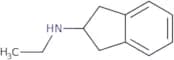
CAS:Controlled Product<p>Please enquire for more information about [1-(4-Chlorobenzyl)-1H-benzimidazol-2-yl]methanol including the price, delivery time and more detailed product information at the technical inquiry form on this page</p>Formula:C15H13ClN2OPurity:Min. 95%Molecular weight:272.73 g/molN-2,3-Dihydro-1H-inden-2-yl-N-ethylamine hydrochloride
CAS:Controlled Product<p>Please enquire for more information about N-2,3-Dihydro-1H-inden-2-yl-N-ethylamine hydrochloride including the price, delivery time and more detailed product information at the technical inquiry form on this page</p>Formula:C11H15NPurity:Min. 95%Molecular weight:161.24 g/mol2-Iodo-4-nitroanisole
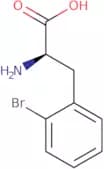
CAS:<p>2-Iodo-4-nitroanisole is a reagent that catalyzes the labeling of proteins with iodine. The reaction is anomalously slow in the presence of bovine serum albumin and results in an increase in the amount of labeled protein. This reagent can also be used to study the kinetics of reactions involving nitrous oxide. The rate of reaction is dependent on the concentration of hydrogen ions, which is why this reagent is often used in assays that have acidic conditions. 2-Iodo-4-nitroanisole can also be used to label lysine residues on proteins by reacting with nitrous oxide and dinitrogen tetroxide, which react at high rates when they are mixed together.</p>Formula:C7H6INO3Purity:Min. 95%Molecular weight:279.03 g/mol2-Bromo-D-phenylalanine
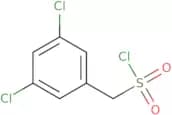
CAS:<p>2-Bromo-D-phenylalanine is a precursor of l-DOPA, which is an amino acid that is used in the synthesis of dopamine. It is also used as a diagnostic agent for bladder cancer, where it is taken up by bladder cells and converted to radioactive 2-bromo-3′-deoxyuridine. This radioactive compound can be detected with a high performance liquid chromatography (HPLC) system. In addition, 2-Bromo-D-phenylalanine has been shown to inhibit the acid transporter in tumor cells, making it useful as an oncologic drug. 2 bromo d phenylalanine inhibits the acid transporter in tumor cells, making it useful as an oncologic drug</p>Formula:C9H10BrNO2Purity:Min. 95%Color and Shape:White To Off-White SolidMolecular weight:244.09 g/mol(3,5-Dichlorophenyl)methanesulfonyl chloride
CAS:<p>Please enquire for more information about (3,5-Dichlorophenyl)methanesulfonyl chloride including the price, delivery time and more detailed product information at the technical inquiry form on this page</p>Formula:C7H5Cl3O2SPurity:Min. 95%Molecular weight:259.54 g/molTetrabutylphosphonium 2H,2H-perfluorodecanoate
CAS:Controlled Product<p>Please enquire for more information about Tetrabutylphosphonium 2H,2H-perfluorodecanoate including the price, delivery time and more detailed product information at the technical inquiry form on this page</p>Formula:C16H36P•C10H2F17O2Purity:Min. 95%Color and Shape:PowderMolecular weight:736.53 g/mol(Pyrimidin-4-ylmethyl)amine dihydrochloride
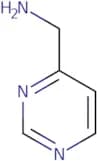
CAS:<p>Pyrimidin-4-ylmethyl)amine dihydrochloride is a drug that belongs to the class of drugs known as kinase inhibitors. Pyrimidin-4-ylmethyl)amine dihydrochloride inhibits the kinase activity of Jak3, which is involved in regulating inflammation and immune response. This inhibitor has been shown to be effective against chronic inflammatory diseases such as asthma, psoriasis, and rheumatoid arthritis. Pyrimidin-4-ylmethyl)amine dihydrochloride has an affinity for ATP binding sites and can be used to regulate kinase activity by competing with ATP for these binding sites.</p>Formula:C5H7N3Purity:Min. 95%Molecular weight:109.13 g/mol5-Chloro bupropion fumarate
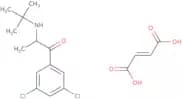
CAS:Controlled Product<p>Please enquire for more information about 5-Chloro bupropion fumarate including the price, delivery time and more detailed product information at the technical inquiry form on this page</p>Formula:C17H21Cl2NO5Purity:Min. 95%Molecular weight:390.26 g/molLithium tetrachloroaluminate
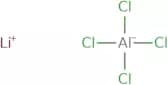
CAS:<p>Lithium tetrachloroaluminate is a compound that consists of lithium, copper, and aluminum. It has an average particle diameter of about 1 micrometer. Lithium tetrachloroaluminate can be used as a catalyst for the reduction of inorganic and organic solutes. This compound is soluble in water and organic solvents, which may be due to its ionic nature. Lithium tetrachloroaluminate can be used as a rechargeable battery electrode material because it has a high capacity for storing lithium ions. The reaction with chloride ions produces chlorine gas, which is corrosive and toxic under certain conditions.</p>Formula:LiAlCl4Purity:(%) Min. 98%Color and Shape:White PowderMolecular weight:175.73 g/mol2,2,2-Trifluoroethyl Formate
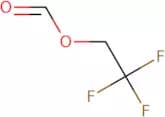
CAS:<p>2,2,2-Trifluoroethyl Formate is an organic compound that can be used as a fuel in diesel engines. It is a colorless liquid with a boiling point of -14.5°C and a molecular weight of 60.06 g/mol. 2,2,2-Trifluoroethyl Formate is not soluble in water and has very low solubility in other organic solvents. This compound has been shown to have antiviral and antibacterial properties against hepatitis C virus and infectious diseases such as tuberculosis and malaria. 2,2,2-Trifluoroethyl Formate also has the ability to inhibit the activity of enzymes such as ns3 protease and amines oxidases. The vibrational spectra show that the molecule’s structure includes at least one β-unsaturated ketone moiety with an acyclic bond on the second carbon from the end of the chain (C2). This structure also contains</p>Formula:C3H3F3O2Purity:Min. 95%Molecular weight:128.05 g/mol3-Chloro-4-cyanophenylboronic acid
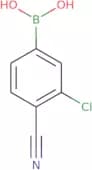
CAS:Controlled Product<p>Please enquire for more information about 3-Chloro-4-cyanophenylboronic acid including the price, delivery time and more detailed product information at the technical inquiry form on this page</p>Formula:C7H5BClNO2Purity:Min. 95%Molecular weight:181.38 g/mol3-Aminobenzotrifluoride
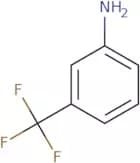
CAS:<p>3-Aminobenzotrifluoride is a chemical substance that can be used as an intermediate in the synthesis of pharmaceuticals. It is an aryl halide and has been shown to react with hydrogen fluoride, hydrochloric acid, nitrous acid, and trifluoroacetic acid to produce 3-aminobenzotrifluoride derivatives. This product is not readily bioavailable due to its low solubility in water and high lipophilicity. The preparation of 3-aminobenzotrifluoride requires a sample preparation step such as diazonium salt or diphenyl ether. Magnetic resonance spectroscopy has been used to identify the chemical structures of 3-aminobenzotrifluoride derivatives.</p>Formula:C7H6F3NPurity:Min. 95%Color and Shape:Colorless Clear LiquidMolecular weight:161.12 g/mol(3-Chlorophenyl)acetyl chloride
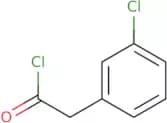
CAS:<p>3-Chlorophenylacetic acid is a formamide that can be used in the synthesis of amines and phosphoinositides. It is also an intermediate in the preparation of dimethylformamide. 3-Chlorophenylacetic acid has been shown to cause cell dysfunction at high doses, but not at lower concentrations. The biological properties of this compound are similar to those of other formamidines and amines. 3-Chlorophenylacetic acid has been shown to catalyze the conversion of benzoic acid into benzoate, which is used as a preservative in foods, drugs, and cosmetics. This compound also inhibits the formation of heterocyclic amines during cooking by reacting with amino compounds, such as creatinine or ammonia.</p>Formula:C8H6Cl2OPurity:Min. 95%Color and Shape:Clear LiquidMolecular weight:189.04 g/mol5-Chloro-2-Fluorobenzotrifluoride
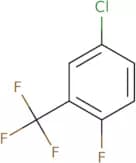
CAS:<p>Please enquire for more information about 5-Chloro-2-Fluorobenzotrifluoride including the price, delivery time and more detailed product information at the technical inquiry form on this page</p>Formula:C7H3ClF4Purity:Min. 95%Color and Shape:Clear LiquidMolecular weight:198.55 g/molrac-cis-2,3-dichloro sertraline hydrochloride
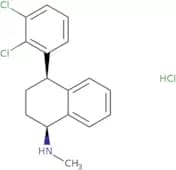
CAS:<p>Please enquire for more information about rac-cis-2,3-dichloro sertraline hydrochloride including the price, delivery time and more detailed product information at the technical inquiry form on this page</p>Formula:C17H18Cl3NPurity:Min. 95%Molecular weight:342.69 g/mol2-Methyl-4-(trifluoromethoxy)bromobenzene
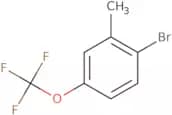
CAS:<p>Please enquire for more information about 2-Methyl-4-(trifluoromethoxy)bromobenzene including the price, delivery time and more detailed product information at the technical inquiry form on this page</p>Formula:C8H6BrF3OPurity:Min. 95%Color and Shape:Clear LiquidMolecular weight:255.03 g/molFerric chloride hexahydrate
CAS:<p>Ferric chloride hexahydrate is a chemical compound that has the formula FeCl3·6H2O. It is composed of iron, chlorine, and water. Ferric chloride hexahydrate is used in wastewater treatment to remove organic compounds from the water. Ferric chloride hexahydrate reacts with sodium carbonate to form sodium citrate and ferrous chloride: FeCl3 + Na2CO3 → Fe(CO)2 + NaCl + 3H2O The reaction between ferric chloride hexahydrate and potassium dichromate produces the following products: FeCl3 + K2CrO4 → FeCrO4 + 2KCl In addition, ferric chloride hexahydrate can be used as an oxidizing agent in organic synthesis. The reaction mechanism for this process occurs when ferric chloride hexahydrate is mixed with a fatty acid such as octanoic acid: FeCl3 + C8H18</p>Formula:Cl3Fe·6H2OPurity:Min. 95%Color and Shape:Yellow PowderMolecular weight:270.29 g/mol2-Fluoro-5-methoxyaniline
CAS:<p>2-Fluoro-5-methoxyaniline is a high quality reagent that is used as an intermediate in the synthesis of various complex compounds. The CAS number for this chemical is 62257-15-2 and it has been shown to be useful as a building block for the synthesis of fine chemicals, speciality chemicals, and research chemicals with many different uses. It is also a versatile building block that can be used in reactions involving amines, alcohols, thiols, and nitriles. 2-Fluoro-5-methoxyaniline may also be used as a reaction component in organic syntheses.</p>Formula:C7H8FNOPurity:Min. 95%Color and Shape:PowderMolecular weight:141.14 g/molL-Prolinol 2-chlorotrityl resin
<p>Please enquire for more information about L-Prolinol 2-chlorotrityl resin including the price, delivery time and more detailed product information at the technical inquiry form on this page</p>Purity:Min. 95%Desethyl chloroquine
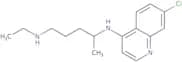
CAS:<p>Desethyl chloroquine is a drug that is used to treat malaria and other infectious diseases. It is an antimalarial drug that has been shown to be effective in the treatment of malaria and related diseases such as toxoplasmosis, amebiasis, trypanosomiasis, and leishmaniasis. Methods for the preparation of desethyl chloroquine are described in the analytical section. To measure the concentration of desethyl chloroquine in blood, it is recommended to collect a sample of blood by venipuncture or fingerstick. The concentration-time curve in blood can be analyzed using a fluorescence detector and LC-MS/MS method. When analyzing pharmacokinetic properties, it is important to take into account the matrix effect due to human serum proteins. Desethyl chloroquine has potent inducers that affect its pharmacokinetics and metabolism, including CYP3A4 enzymes and glutathione reductase.</p>Formula:C16H22ClN3Purity:Min. 95%Color and Shape:Slightly Yellow PowderMolecular weight:291.82 g/mol(R)-Dragonfly N-trifluoroacetamide
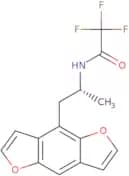
CAS:Controlled Product<p>Please enquire for more information about (R)-Dragonfly N-trifluoroacetamide including the price, delivery time and more detailed product information at the technical inquiry form on this page</p>Formula:C15H12F3NO3Purity:Min. 95%Molecular weight:311.26 g/mol9-Chloro triamcinolone acetonide
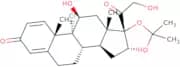
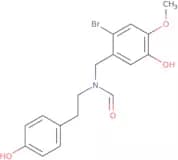
CAS:<p>Please enquire for more information about 9-Chloro triamcinolone acetonide including the price, delivery time and more detailed product information at the technical inquiry form on this page</p>Formula:C24H31ClO6Purity:Min. 95%Molecular weight:450.95 g/molN-(p-Hydroxyphenethyl)-N-(2-bromo-5-hydroxy-4-methoxybenzyl)formamide
CAS:Controlled Product<p>N-(p-Hydroxyphenethyl)-N-(2-bromo-5-hydroxy-4-methoxybenzyl)formamide is an anticancer drug that belongs to the class of phenethyl derivatives. It is a radiosensitizer that inhibits DNA and RNA synthesis, leading to cancer cell death. The drug has been shown to have a chiral center and two enantiomers, with the (S)-enantiomer being more active than the (R)-enantiomer. N-(p-Hydroxyphenethyl)-N-(2-bromo-5-hydroxy-4-methoxybenzyl)formamide has been shown to be effective in animal models for brain tumors and breast cancer cells. It has also been shown to be effective against leukemia cells, which are resistant to other treatments. N-(p-Hydroxyphenethyl)-N-(2-bromo-5-hydroxy-4</p>Formula:C17H18BrNO4Purity:Min. 95%Molecular weight:380.23 g/mol3-Amino-5-bromopyridine
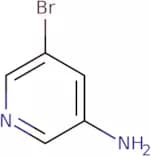
CAS:<p>3-Amino-5-bromopyridine (3ABP) is a linker for the synthesis of cisplatin. It has been shown to have strong bactericidal activity against Escherichia coli and Staphylococcus aureus. 3ABP is cytotoxic to both renal proximal tubule cells and ring-opening cells, which are found in the kidney. It is also an inhibitor of nicotinic acetylcholine receptors (nAChRs), which are proteins that control nerve cell communication. 3ABP's pharmacokinetic properties make it suitable as a linker for cisplatin, as it has good oral bioavailability, low systemic toxicity, and high tissue selectivity.</p>Formula:C5H5BrN2Purity:Min. 98 Area-%Molecular weight:173.01 g/mol3,6-Dichlorobenzo[b]thiophene-2-carboxylic acid
CAS:<p>3,6-Dichlorobenzo[b]thiophene-2-carboxylic acid is an extracellular metabolite that is involved in the metabolism of muscle. It is produced as a byproduct of the reaction catalyzed by dehydrogenase, which converts 3,6-dichlorobenzo[b]thiophene to 2-carboxybenzothiophene. This compound has been shown to inhibit the enzyme histidine carboxylate synthetase, which is involved in branched-chain amino acid synthesis. The enzyme can be inhibited by either a wild type or an analog of 3,6-dichlorobenzo[b]thiophene-2-carboxylic acid.</p>Formula:C9H4Cl2O2SPurity:Min. 95%Molecular weight:247.1 g/mol1-(3-Chloropropyl)theobromine
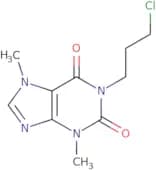
CAS:Controlled Product<p>1-(3-Chloropropyl)theobromine is the reaction product of acetylacetone with carbonate and water. It is a high-yielding remedy for cerebral thrombosis and other alkali burns. The chemical formula for 1-(3-chloropropyl)theobromine is C10H14ClO2. It is soluble in water, which makes it an excellent antidote for alkali burns. Acetylacetone reacts with carbonate to produce the alkanol, which then reacts with water to form 1-(3-chloropropyl)theobromine. This chemical has been found to be an effective treatment for cerebral thrombosis and other alkali burns due to its ability to react with both water and blood clots.</p>Formula:C10H13ClN4O2Purity:Min. 95%Molecular weight:256.69 g/molIndicine hydrochloride
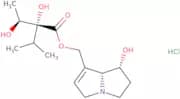
CAS:<p>Indicine hydrochloride is a lasiocarpine derivative that has been shown to cause hepatotoxicity in animals and humans. The mechanism of action of indicine hydrochloride is unclear, but it may be due to the reactive nature of the molecule. Indicine hydrochloride also induces micronucleus formation and metabolic damage in human liver cells. The metabolite formation of indicine hydrochloride is not well understood, but it may be due to its reactive nature or impurities. Indicine hydrochloride can induce micronuclei formation and cellular damage in human liver cells.</p>Formula:C15H25NO5•HClPurity:Min. 95%Color and Shape:PowderMolecular weight:335.82 g/mol2,3,5-Trichloropyridine
CAS:<p>2,3,5-Trichloropyridine is a chemical compound that reacts with chlorine and hydroxide to form hydrogen chloride and sodium hydroxide. It is used in the wastewater treatment process as an oxidizing agent for the removal of organic compounds from water. 2,3,5-Trichloropyridine is also used as a chlorinating agent for various purposes such as the production of acrylonitrile or the destruction of hazardous wastes. The reaction products are hydrochloric acid and sodium carbonate. This substance may react with nucleophiles to form more reactive species such as nitronium ions.</p>Formula:C5H2Cl3NPurity:Min. 95%Molecular weight:180.925289,12-Diiodo-1,2-carborane
CAS:Controlled Product<p>Please enquire for more information about 9,12-Diiodo-1,2-carborane including the price, delivery time and more detailed product information at the technical inquiry form on this page</p>Formula:I2C2B10H10Purity:Min. 95%Molecular weight:396.02 g/mol2-Dimethylaminoisopropyl chloride hydrochloride
CAS:<p>2-Dimethylaminoisopropyl chloride hydrochloride is a fluorescent molecule that emits light at wavelengths of 370-430 nm. It has a number of uses, such as detecting the presence or absence of chloride ions in water samples, determining the composition of petroleum products, and measuring the concentration of sodium ions in electrolytes. 2-Dimethylamino-1-propanesulfonic acid chloride hydrochloride can be used to identify the transition metal (Cu) in a sample, because it absorbs light at wavelengths below 450 nm.</p>Formula:C5H12ClN·HClPurity:Min. 95%Color and Shape:White to off-white solid.Molecular weight:158.07 g/mol2,2,3,3,4,4-Hexafluoro-1,5-pentanediol
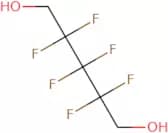
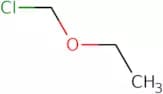
CAS:Controlled Product<p>2,2,3,3,4,4-Hexafluoro-1,5-pentanediol is a colorless liquid with a boiling point of 155°C. It is soluble in water and has an odor similar to that of hexane. 2,2,3,3,4,4-Hexafluoro-1,5-pentanediol is used as a chemical intermediate for the production of sodium salts and quaternary ammonium compounds. This substance can be obtained by reacting butanediol with hydrofluoric acid or trifluoromethanesulfonic acid. The most common use of 2,2,3,3,4,4-hexafluoro-1,5-pentanediol is in the synthesis of amines. It also has been used as a solvent for electroplating metals and as a high boiling point solvent in organic reactions. This compound exhibits nucleophilic properties with amines and can</p>Formula:C5H6F6O2Purity:Min. 95%Molecular weight:212.09 g/molChloromethyl ethyl ether
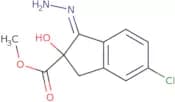
CAS:<p>Chloromethyl ethyl ether is a trifluoroacetic acid derivative that is used as a solvent. It reacts with radiation and forms the highly reactive hydroxyl radical. Chloromethyl ethyl ether can be used to destroy brain infarction from radiation treatment, although it has no use in clinical medicine. Chloromethyl ethyl ether also has high values for transport properties and is resistant to hydrolysis by acids. This compound is synthesized by reacting chloroethanol with methyl chloroformate in the presence of hydrochloric acid. The biological properties of chloromethyl ethyl ether are not well understood; however, it has been shown to bind with receptors on cells and inhibit protein synthesis.</p>Formula:C3H7ClOPurity:Min. 95%Molecular weight:94.54 g/mol5-Chloro-2-hydroxy-2-methoxycarbonyl-1-indanone
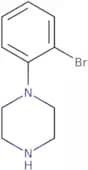
CAS:<p>Please enquire for more information about 5-Chloro-2-hydroxy-2-methoxycarbonyl-1-indanone including the price, delivery time and more detailed product information at the technical inquiry form on this page</p>Formula:C11H9ClO4Purity:Min. 95%Molecular weight:240.64 g/mol1-(2-Bromophenyl)piperazine
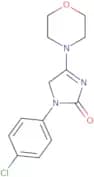
CAS:Controlled Product<p>1-(2-Bromophenyl)piperazine is a drug that inhibits the activity of dehydrogenase, an enzyme that catalyzes the oxidation of NADH to NAD. It has been shown to inhibit other enzymes as well, such as those involved in the synthesis of amino acids and nucleic acids. 1-(2-Bromophenyl)piperazine has shown potential as a therapeutic agent for Parkinson's disease. This drug is being tested in clinical trials for its efficacy in treating a variety of diseases, including metabolic and cardiovascular disorders, hepatobiliary diseases, and neurodegenerative diseases.</p>Formula:C10H13BrN2Purity:Min. 95%Molecular weight:241.13 g/mol1-(4-Chlorophenyl)-1,5-dihydro-4-(4-morpholinyl)-2H-imidazol-2-one
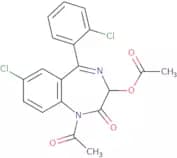
CAS:<p>1-(4-Chlorophenyl)-1,5-dihydro-4-(4-morpholinyl)-2H-imidazol-2-one is a fatty acid. It has been shown to have clinical relevance in the treatment of epilepsy. The effective dose for this drug is unknown, but it is believed to be between 100 and 200mg per day. Benzalkonium chloride, which is used as a preservative in food products, may interfere with the absorption of 1-(4-chlorophenyl)-1,5-dihydro-4-(4-morpholinyl)-2H-imidazol-2-one. This drug should not be used by pregnant women or children. Long term efficacy studies are unavailable for this drug. Controlled release preparations are available for this medication that can help improve compliance with dosing requirements. Benzodiazepine binding sites are found in the central nervous system and benzodiazepines may bind to</p>Formula:C13H14ClN3O2Purity:Min. 95%Molecular weight:279.72 g/mol1-Acetyl-3-(acetyloxy)-7-chloro-5-(2-chlorophenyl)-1,3-dihydro-2H-1,4-benzodiazepin-2-one
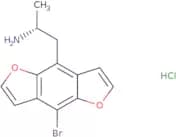
CAS:Controlled Product<p>Please enquire for more information about 1-Acetyl-3-(acetyloxy)-7-chloro-5-(2-chlorophenyl)-1,3-dihydro-2H-1,4-benzodiazepin-2-one including the price, delivery time and more detailed product information at the technical inquiry form on this page</p>Formula:C19H14Cl2N2O4Purity:Min. 95%Molecular weight:405.23 g/mol(R)-(-)-Bromo dragonfly hydrochloride
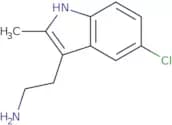
CAS:Controlled Product<p>Please enquire for more information about (R)-(-)-Bromo dragonfly hydrochloride including the price, delivery time and more detailed product information at the technical inquiry form on this page</p>Formula:C13H13BrClNO2Purity:Min. 95%Molecular weight:330.6 g/mol2-(5-chloro-2-methyl-1H-indol-3-yl)ethanamine
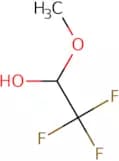
CAS:Controlled Product<p>Please enquire for more information about 2-(5-chloro-2-methyl-1H-indol-3-yl)ethanamine including the price, delivery time and more detailed product information at the technical inquiry form on this page</p>Formula:C11H13ClN2Purity:Min. 95%Molecular weight:208.69 g/molTrifluoroacetaldehyde methyl hemiacetal
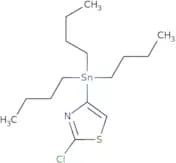
CAS:<p>Trifluoroacetaldehyde methyl hemiacetal is a chemical compound that inhibits protein synthesis by binding to the ribosomal RNA in microsomes isolated from rat liver. Trifluoroacetaldehyde methyl hemiacetal has been shown to be a bifunctional inhibitor of progesterone receptor, which is an important component of the cell membrane and has been implicated in cancer and bone resorption. Trifluoroacetaldehyde methyl hemiacetal is also effective at inhibiting desflurane-induced anesthesia in rats.</p>Formula:C3H5F3O2Purity:Min. 95%Color and Shape:Clear LiquidMolecular weight:130.07 g/mol2-Chloro-4-(tributylstannyl)thiazole
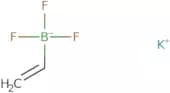
CAS:Controlled Product<p>Please enquire for more information about 2-Chloro-4-(tributylstannyl)thiazole including the price, delivery time and more detailed product information at the technical inquiry form on this page</p>Purity:Min. 95%Potassium vinyltrifluoroborate
CAS:<p>Potassium vinyltrifluoroborate is a salt that contains the inorganic anion potassium and the organic ligand vinyltrifluoroborate. It is used as an electrolyte in electrochemical cells, such as fuel cells, to increase power output by increasing the conductivity of the electrolyte. This compound has been shown to be effective against chronic kidney disease and infectious diseases such as HIV and malaria. Potassium vinyltrifluoroborate also has anti-cancer properties due to its ability to inhibit cellular proliferation and induce apoptosis in cancer cells. The mechanism of action of this drug is still unclear but may be due to its ability to inhibit proteases, such as ns3 protease found in human erythrocytes.</p>Formula:C2H3BF3KPurity:Min. 95%Color and Shape:PowderMolecular weight:133.95 g/mol






![N-[4-Amino-3-(trifluoromethyl)phenyl]-2-methylpropanamide](/_next/image/?url=https%3A%2Fstatic.cymitquimica.com%2Fproducts%2F3D%2Fthumb-webp%2FFA17485.webp&w=3840&q=75)





![(2-Iodophenyl)(2,3,6,7-tetrahydro-1H,5H-benzo[ij]quinolizin-9-yl)methanone](/_next/image/?url=https%3A%2Fstatic.cymitquimica.com%2Fproducts%2F3D%2Fthumb-webp%2FI-7660.webp&w=3840&q=75)
![[1-(4-Chlorobenzyl)-1H-benzimidazol-2-yl]methanol](/_next/image/?url=https%3A%2Fstatic.cymitquimica.com%2Fproducts%2F3D%2Fthumb-webp%2FFC135813.webp&w=3840&q=75)

![3,6-Dichlorobenzo[b]thiophene-2-carboxylic acid](/_next/image/?url=https%3A%2Fstatic.cymitquimica.com%2Fproducts%2F3D%2Fthumb-webp%2FFD57151.webp&w=3840&q=75)