Organic Halides
Subcategories of "Organic Halides"
Found 20442 products of "Organic Halides"
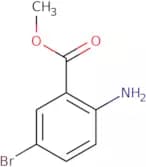
2-Amino-5-bromobenzoic acid methyl ester
CAS:2-Amino-5-bromobenzoic acid methyl ester is a small molecule with antiviral potency. It has a dipole moment and can form hydrogen bonds. 2-Amino-5-bromobenzoic acid methyl ester inhibits the PDE5 enzyme, which is an enzyme that breaks down cGMP. This inhibition of PDE5 leads to the increase in cGMP, which causes blood vessels to relax and widen. As a result, 2-amino-5-bromobenzoic acid methyl ester has been shown to decrease high blood pressure and improve heart function.Formula:C8H8BrNO2Purity:Min. 95%Color and Shape:PowderMolecular weight:230.06 g/molRef: 3D-FA70737
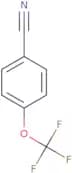
Discontinued productp-(Trifluoromethoxy)benzonitrile
CAS:p-(Trifluoromethoxy)benzonitrile is an organic compound that reacts with electron-rich molecules to form a covalent bond. It has been shown to be reactive in abiotic conditions and can be used as a probe for electron transfer reactions. p-Trifluoromethoxybenzonitrile undergoes a reaction mechanism in which the carbonyl group first reacts with an electron donor, such as acetonitrile, to form an unstable intermediate. This intermediate then reacts with a second electron-rich molecule to form the product. p-Trifluoromethoxybenzonitrile also has been shown to react efficiently with benzonitrile and produce the desired product in one step.
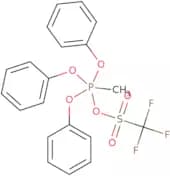
Formula:C8H4F3NOPurity:Min. 95%Color and Shape:Clear LiquidMolecular weight:187.12 g/molMethyltriphenoxyphosphonium Trifluoromethanesulfonate
CAS:Controlled ProductMethyltriphenoxyphosphonium Trifluoromethanesulfonate is a reagent for the synthesis of alkenes, ethers, nitriles, esters and alkanes. It is also used to synthesize heterocycles. Methyltriphenoxyphosphonium Trifluoromethanesulfonate can be used to synthesise a wide variety of organic compounds. It reacts with electrophiles such as alcohols, amines and carboxylic acids to produce the corresponding ethers, nitriles, esters or alkanes. This reagent can also be used in many different cross-coupling reactions such as Suzuki-Miyaura reaction or Sonogashira reaction.
Formula:C20H18F3O6PSPurity:Min. 95%Molecular weight:474.39 g/mol1-((2,5-dichlorophenyl)sulfonyl)-5-methylthio-1,2,4-triazole-3-ylamine
CAS:Please enquire for more information about 1-((2,5-dichlorophenyl)sulfonyl)-5-methylthio-1,2,4-triazole-3-ylamine including the price, delivery time and more detailed product information at the technical inquiry form on this pagePurity:Min. 95%Ref: 3D-FD169994
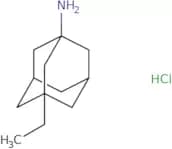
Discontinued product3-Ethyl 1-adamantanamine hydrochloride
CAS:3-Ethyl 1-adamantanamine hydrochloride is a versatile building block that is used as a research chemical. It is a reagent and speciality chemical, as well as an intermediate in the production of other compounds. 3-Ethyl 1-adamantanamine hydrochloride can be used as a high quality building block for the synthesis of other compounds. It has been shown to be useful in the synthesis of complex compounds.Formula:C12H21N•HClPurity:Min. 95%Color and Shape:White PowderMolecular weight:215.76 g/molRef: 3D-FE66590
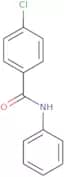
Discontinued product4-Chlorobenzanilide
CAS:4-Chlorobenzanilide is an efficient method for the synthesis of aryl chlorides. 4-Chlorobenzanilide is used as an antibacterial agent in the treatment of intestinal infections, and has been shown to have a suppressive effect on cancer. 4-Chlorobenzanilide inhibits bacterial growth by binding to DNA-dependent RNA polymerase, thereby preventing transcription and replication. It also has an antibacterial activity that is mediated by the desulfurisation of sulfhydryl groups present in amides.
Formula:C13H10ClNOPurity:Min. 95%Color and Shape:SolidMolecular weight:231.68 g/mol2-[Methyl[(tridecafluorohexyl)sulphonyl]amino]ethyl acrylate
CAS:Please enquire for more information about 2-[Methyl[(tridecafluorohexyl)sulphonyl]amino]ethyl acrylate including the price, delivery time and more detailed product information at the technical inquiry form on this page
Formula:C12H10F13NO4SPurity:80%MinColor and Shape:PowderMolecular weight:511.26 g/molRef: 3D-FM96258
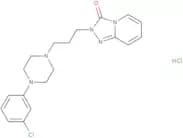
Discontinued productTrazodone hydrochloride
CAS:Controlled ProductTrazodone is an antidepressant that acts as a serotonin reuptake inhibitor. It has been shown to be effective in the treatment of depression and anxiety, and is also used to treat other conditions such as insomnia, chronic pain, and cancer-related symptoms. Trazodone is thought to have anti-inflammatory effects in some cases due to its ability to inhibit prostaglandin synthesis. Trazodone has a number of drug interactions, including with sedatives and other antidepressants. It can also cause drowsiness and dizziness, which may increase the risk for accidents or falls. Trazodone hydrochloride can be taken with food if stomach upset occurs.
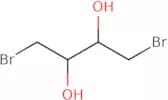
Formula:C19H23Cl2N5OPurity:Min. 97 Area-%Color and Shape:White PowderMolecular weight:408.32 g/mol1,4-Dibromo-2,3-butandiol
CAS:1,4-Dibromo-2,3-butandiol is a halogenated butandiol.
Formula:C4H8Br2O2Purity:Min. 95%Color and Shape:PowderMolecular weight:248.11 g/molRef: 3D-FD04539
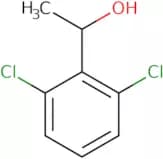
Discontinued product2,6-Dichlorophenylmethyl carbinol
CAS:2,6-Dichlorophenylmethyl carbinol is a synthetic oxidant that can be used in the oxidation of alcohols. It is used to convert alcohols into aldehydes and ketones with magnesium as a catalyst. 2,6-Dichlorophenylmethyl carbinol has been shown to be effective in the oxidation of cyclohexanone and styrene. It also has been shown to undergo homologation reactions, which are useful for the synthesis of natural products.
!--Formula:C8H8Cl2OPurity:Min. 95%Color and Shape:PowderMolecular weight:191.05 g/molRef: 3D-FD70403
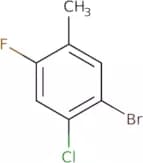
Discontinued product5-Bromo-4-chloro-2-fluorotoluene
CAS:5-Bromo-4-chloro-2-fluorotoluene is a chemical reagent that is used as a building block in organic synthesis. It has been shown to be useful in the preparation of complex compounds, useful intermediates, and fine chemicals. 5-Bromo-4-chloro-2-fluorotoluene is also useful in the preparation of speciality chemicals and research chemicals. This compound can be used as a versatile building block in reactions.
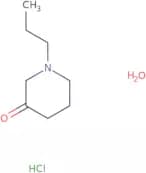
Formula:C7H5BrClFPurity:Min. 80%Color and Shape:Clear LiquidMolecular weight:223.47 g/mol1-Propyl-3-piperidone hydrochloride hydrate
CAS:1-Propyl-3-piperidone hydrochloride hydrate is a high quality chemical that can be used as a reagent in organic synthesis. It is an intermediate for the production of pharmaceuticals, agrochemicals, and other chemicals. 1-Propyl-3-piperidone hydrochloride hydrate is also a versatile building block with many uses as a reaction component. This compound has been shown to have antiulcer properties and may also have potential as an analgesic.Formula:C8H15NO·HCl·H2OPurity:Min. 95%Color and Shape:PowderMolecular weight:195.69 g/molRef: 3D-FP67040
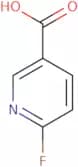
Discontinued product6-Fluoronicotinic acid
CAS:6-Fluoronicotinic acid is a compound class that is biosynthesized from picolinic acid. It has been found to have biological properties such as the ability to form positrons and spiroindolines. 6-Fluoronicotinic acid can be synthesized by solid-phase synthesis and analyzed using vibrational spectroscopy. This compound class is also a radionuclide, which means it can be used in positron emission tomography (PET) scans of the human body. 6-Fluoronicotinic acid has been shown to bind to cardiac tissue and cancer cells, making it an effective drug for treating these diseases.
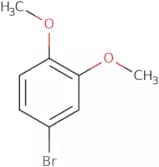
Formula:C6H4FNO2Purity:Min. 95%Color and Shape:PowderMolecular weight:141.1 g/mol4-Bromoveratrole
CAS:4-Bromoveratrole is a triphenylene with a molecular weight of 454.42 g/mol and a melting point of 90°C. It has been shown that this molecule binds to the receptor for acetylcholine, which is found in the central nervous system and on muscles. The binding of 4-bromoveratrole to this receptor leads to the release of chloride ions from the cell, which increases the activity of acetylcholine. The detection sensitivity of 4-bromoveratrole in solution was determined by adding malonic acid or hydrochloric acid, which led to an increase in fluorescence intensity. This molecule also has fatty acid and hydroxyl groups that have been shown to have anti-inflammatory properties.
Formula:C8H9BrO2Purity:Min. 95%Color and Shape:Clear LiquidMolecular weight:217.06 g/molRef: 3D-FB54906
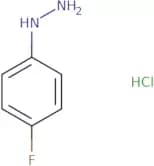
Discontinued product4-Fluorophenylhydrazine hydrochloride
CAS:4-Fluorophenylhydrazine HCl is a chemical compound with the molecular formula C8H4FO2N. It is a white crystalline solid that is soluble in water and alcohol. 4-Fluorophenylhydrazine HCl is commonly used as an intermediate in the synthesis of other compounds. The functional groups present on 4-fluorophenylhydrazine are methyl and hydroxyl groups, which are derived from the starting material, phenol. This synthetic process starts by reacting sodium hydrogen with methylating agents such as polyalthenol or hydrochloric acid to produce the desired product. In addition, it has been shown to have antiinflammatory activity and can inhibit tumour cell lines in vitro.Formula:C6H7FN2·HClPurity:Min. 95%Color and Shape:Red PowderMolecular weight:162.59 g/molRef: 3D-FF00409
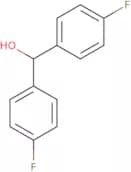
Discontinued product4,4'-Difluorobenzhydrol
CAS:4,4'-Difluorobenzhydrol is an inhibitor of the dopamine reuptake transporter. It is a fluorescent derivative of 4-fluorobenzhydrol and has a piperazine group as an analog to 4-fluoropiperazine. The reaction rate of the drug was determined in vitro by measuring fluorescence intensity over time. The analog is more potent than the original molecule and has a longer half-life in the body. Phase liquid chromatography was used to analyze the drugs in vivo studies. Coatings containing this agent are under development for use as anticaries agents.
Formula:C13H10F2OPurity:Min. 98%Color and Shape:White To Off-White To Light Brown SolidMolecular weight:220.21 g/molRef: 3D-FD38587
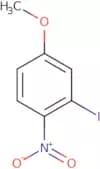
Discontinued product4-Nitro-3-iodoanisole
CAS:4-Nitro-3-iodoanisole is a bauerine that is used as a ligand in asymmetric catalysis. It is an atropisomeric compound, meaning it can exist in two different forms. The two forms of 4-nitro-3-iodoanisole are identical except for the orientation of the axial ligands on opposite sides of the molecule. The axial ligands on one form are biphenyl and nitrous oxide, while the axial ligands on the other form are nitrous oxide and biphenyl. 4-Nitro-3-iodoanisole has been used to catalyze reactions such as alkylation and coupling reactions with a variety of substrates, including β-carbolines, phenols, and amines.
Formula:C7H6INO3Purity:Min. 95%Color and Shape:PowderMolecular weight:279.03 g/molRef: 3D-FN67687
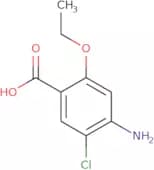
Discontinued product4-Amino-5-chloro-2-ethoxybenzoic acid
CAS:4-Amino-5-chloro-2-ethoxybenzoic acid is a phenoxy compound that is synthesized in the laboratory. The chemical structure of this compound has been studied using high performance liquid chromatography and it was found to have pharmacokinetic properties that are consistent with those of other drugs in its class. This drug is being developed as an anti-depressant, targeting the 5HT4 receptor. The bioactive metabolite of 4-amino-5-chloro-2-ethoxybenzoic acid is 4-(4′ hydroxybutyl)phenol, which has been shown to be a potent inhibitor of phosphodiesterase activity.
Formula:C9H10ClNO3Purity:Min. 95%Color and Shape:White Off-White PowderMolecular weight:215.63 g/molRef: 3D-FA71234
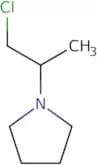
Discontinued product1-(2-Chloro-1-methylethyl)pyrrolidine hydrochloride
CAS:1-(2-Chloro-1-methylethyl)pyrrolidine hydrochloride is a versatile building block that can be used in the synthesis of fine chemicals, complex compounds, research chemicals, reagents and specialty chemicals. This compound is also useful as a building block for the synthesis of pharmaceuticals and chemical products. 1-(2-Chloro-1-methylethyl)pyrrolidine hydrochloride is a high quality chemical that can be used as a reaction component or scaffold for the synthesis of new chemical entities.Formula:C7H15Cl2NPurity:Min. 95%Color and Shape:PowderMolecular weight:184.1 g/molRef: 3D-FC116878
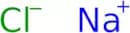
Discontinued productSodium chloride
CAS:Sodium chloride is a chemical compound that belongs to the group of inorganic salts. It is an important electrolyte, which regulates fluid balance and pH levels. Sodium chloride has been used as a model system for polymerase chain reactions and has been shown to inhibit the growth of malignant cells in the brain under constant pressure. The reaction solution may be pre-treated with hydrogen fluoride to remove interfering impurities prior to addition of sodium chloride. This process can be used for an in vitro method, where the reaction solution is exposed to plasma mass spectrometry or laser ablation before being analyzed for drug interactions with plasma mass spectrometry or electrochemical impedance spectroscopy. Sodium chloride can cause water vapor to form when it reacts with hydrochloric acid, producing hydrogen gas and hydrochloric acid.
Formula:NaClColor and Shape:PowderMolecular weight:58.44 g/molRef: 3D-FS30573
Discontinued productEthyl dichlorophosphate
CAS:Controlled ProductEthyl dichlorophosphate is a chemical compound that inhibits the production of influenza virus by binding to the cap-dependent endonuclease. It also binds to the nitrogen atoms in guanine, which blocks the activity of phosphorodichloridate, an enzyme that cleaves DNA at the phosphate bonds. Ethyl dichlorophosphate has been shown to inhibit inflammation and protect against oxidative stress in human cells.
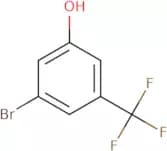
Formula:C2H5CI2O2PPurity:Min. 95%Molecular weight:192.94 g/mol3-Bromo-5-(trifluoromethyl)phenol
CAS:3-Bromo-5-(trifluoromethyl)phenol is a versatile building block that is used as a scaffold for synthesis of complex compounds. It can be used as a reaction component in the synthesis of valuable chemical products, such as fine chemicals and research chemicals. 3-Bromo-5-(trifluoromethyl)phenol is also useful for the production of speciality chemicals. This chemical has been shown to have high quality and can be used as a reagent in organic synthesis.
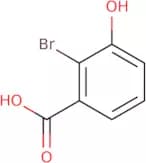
Formula:C7H4BrF3OPurity:Min. 95%Color and Shape:Colorless Clear LiquidMolecular weight:241.01 g/mol2-Bromo-3-hydroxybenzoic acid
CAS:2-Bromo-3-hydroxybenzoic acid is an inhibitor of HIV protease that has potent antiviral activity. It inhibits the enzyme responsible for the cleavage of the gag and pol polyproteins in HIV, preventing the formation of new virus particles. 2-Bromo-3-hydroxybenzoic acid is orally bioavailable and can be used as a prodrug for other benzamides or urethanes with antiviral potency. This drug is a cyclic inhibitor that binds to the hydrophobic pocket on the surface of HIV protease and prevents it from functioning as an enzyme.
Formula:C7H5BrO2Purity:Min. 95%Color and Shape:PowderMolecular weight:201.02 g/molRef: 3D-FB33765
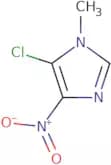
Discontinued product5-Chloro-1-methyl-4-nitroimidazole
CAS:5-Chloro-1-methyl-4-nitroimidazole (5C1MI) is a fatty acid that is synthesized by the reaction of phosphorus pentachloride and an aliphatic hydrocarbon. It has been shown to be effective in treating women with breast cancer. 5C1MI blocks the activity of a protein called HER2, which promotes tumor growth. The drug has been shown to cause an increase in the number of circulating lymphocytes and natural killer cells, as well as an increase in the production of antibodies in mice. These effects are likely caused by 5C1MI's ability to inhibit the proliferation of T cells and B cells. 5C1MI has also been shown to have a high solubility in water and low solubility in lipids, which makes it suitable for administration via intravenous injection.
Formula:C4H4ClN3O2Purity:Min. 95%Color and Shape:PowderMolecular weight:161.55 g/molRef: 3D-FC19985
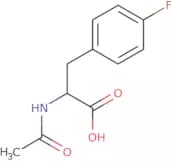
Discontinued productN-Acetyl-DL-p-fluorophenylalanine
CAS:N-Acetyl-DL-p-fluorophenylalanine is a chemical compound that can be used as a research chemical, or in the synthesis of other compounds. It is a reactive ingredient and can be used as a reagent. N-Acetyl-DL-p-fluorophenylalanine belongs to the class of speciality chemicals and can be used as an intermediate in the synthesis of other compounds. This compound has been found to be useful for the production of fine chemicals and complex compounds.
Formula:C11H12FNO3Purity:Min. 95%Color and Shape:PowderMolecular weight:225.22 g/mol(-)-Scopolamine N-butyl bromide
CAS:(-)-Scopolamine N-butyl bromide is an anti-cholinergic drug that is used for the diagnosis and treatment of bowel diseases. It has been shown to be effective in two different animal models of bowel disease, one of which was induced by dextran sulfate sodium. (-)-Scopolamine N-butyl bromide has been shown to decrease motility and increase tone in the colon, as well as reduce the severity of diarrhea in animals with experimental colitis. It also has a sedative effect on the gastrointestinal tract that may be due to its ability to bind to acetylcholine receptors.
Formula:C21H30NO4BrPurity:Min. 98 Area-%Color and Shape:White PowderMolecular weight:440.37 g/molRef: 3D-FS10191
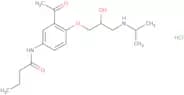
Discontinued productAcebutolol hydrochloride
CAS:Controlled ProductAcebutolol is a non-selective beta-blocker that is used for the treatment of hypertension and other conditions. It inhibits the ryanodine receptor and prevents calcium release, which has been shown to be responsible for the contraction of cardiac muscle. Acebutolol also inhibits phosphodiesterase, which leads to increased levels of cyclic adenosine monophosphate (cAMP) in cells. In addition, acebutolol has been shown to inhibit the production of inflammatory mediators by inhibiting prostaglandin synthesis. The most common adverse effects include drowsiness, dizziness, fatigue, and headache. Acebutolol hydrochloride can be found in wastewater as a result of its use in humans and animals. This drug can be detected in wastewater using solid phase microextraction followed by gas chromatography/mass spectrometry (GC/MS).
Formula:C18H28N2O4•HClPurity:Min. 95%Color and Shape:PowderMolecular weight:372.89 g/molRef: 3D-FA16907
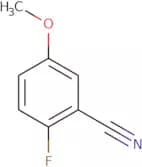
Discontinued product2-Fluoro-5-methoxybenzonitrile
CAS:2-Fluoro-5-methoxybenzonitrile is a metal catalyst that has been shown to be effective in the synthesis of various organic compounds. The use of ultrasound can increase the yields of reactions involving 2-fluoro-5-methoxybenzonitrile. 2-Fluoro-5-methoxybenzonitrile has also been demonstrated as a pharmacological agent with a number of potential applications. It inhibits the activity of phosphodiesterase 4, which may lead to an improved therapeutic profile for conditions such as asthma and erectile dysfunction. 2-Fluoro-5-methoxybenzonitrile is also used in photochemical reactions, where it acts as an inhibitor to prevent the formation of undesired products.
Formula:C8H6FNOPurity:Min. 95%Color and Shape:PowderMolecular weight:151.14 g/molRef: 3D-FF64148
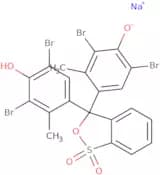
Discontinued productBromocresol green, sodium salt
CAS:Bromocresol green is a dye that is used in biological assays to measure the kinetics of fluorescence. It is a type of tryptophan-releasing compound that releases a yellowish-green light when it absorbs light at wavelengths between 350 and 450 nm. Bromocresol green has been quantified by measuring the intensity of the fluorescence emission as a function of time. This can be done visually or using an instrument called a fluorometer, which detects changes in light intensity over time. Bromocresol green can be used to detect the presence of amino acid residues in proteins through protonation reactions with their tryptophan residues and subsequent quenching with acetonitrile. The bromocresol green dye is also used in lithographic printing, where it serves as an acceptor for electrons from an arene (aromatic hydrocarbon). This process generates energy for lithography and also provides contrast between regions with different electron densities.
Formula:C21H14Br4O5SNaColor and Shape:PowderMolecular weight:721 g/molRef: 3D-FB01465
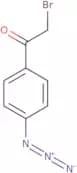
Discontinued productp-Azidophenacyl bromide
CAS:p-Azidophenacyl bromide is an enzyme form that catalyzes the hydrolysis of azides, such as nitrobenzene. It is chemically stable and can be used in human serum. The enzyme form has been shown to hydrolyze DNA with high specificity and low background. p-Azidophenacyl bromide also has antiviral properties against herpes simplex virus because it inhibits the synthesis of viral DNA. This enzyme form also binds to benzyl groups on the surface of cell membranes, which are part of a ternary complex formation with lysine residues and hydroxyl groups. p-Azidophenacyl bromide is present in mitochondria and cytochrome plasma mass spectrometry has shown that it is a mitochondrial cytochrome.
Formula:C8H6BrN3OPurity:Min. 95%Color and Shape:PowderMolecular weight:240.06 g/mol6-Fluoro-5-Methyl-2-[(5-Methyl-1H-Imidazol-4-Yl)Methyl]-2,3,4,5-Tetrahydro-1H-Pyrido[4,3-b]Indol-1-One
CAS:Controlled Product6-Fluoro-5-Methyl-2-[(5-Methyl-1H-Imidazol-4-Yl)Methyl]-2,3,4,5-Tetrahydro-1H-Pyrido[4,3-b]Indol-1-One is a drug that belongs to the class of fatty acid esters. It has been shown to be effective in clinical trials for the treatment of symptoms of dry eye syndrome. 6FMETI has a low safety profile and does not cause any adverse effects in humans. The drug can be administered by intravenous injection or oral administration and has a long elimination half life of 36 hours. 6FMETI is metabolized by hydrolysis to its active form, 5FMTI, which is then conjugated with glucuronic acid or methyl glutaryl coenzyme A to form an inactive metabolite. This drug also has good pharmacokinetic properties
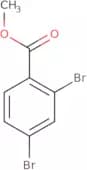
Formula:C17H17FN4OPurity:Min. 95%Molecular weight:312.34 g/molMethyl 2,4-dibromobenzoate
CAS:Methyl 2,4-dibromobenzoate is used as a coupling agent in organic chemistry. It is a reactive intermediate that can be used to carry out oxidative cyclizations. This compound is also an efficient catalyst for the amination of ketones and aryl bromides with palladium catalysis. Methyl 2,4-dibromobenzoate may also be used to achieve the oxidative cyclization of electron-deficient alkenes with palladium catalysts.
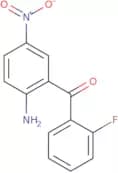
Formula:C8H6Br2O2Purity:Min. 95%Color and Shape:PowderMolecular weight:293.94 g/mol2-Amino-5-nitro-2'-fluorobenzophenone
CAS:2-Amino-5-nitro-2'-fluorobenzophenone is a prodrug that is activated by thiourea, a chemical agent that is used to break down the drug. It is an anti-inflammatory drug that acts as a selective COX inhibitor and has been shown to be effective in vivo against primary tumors. 2-Amino-5-nitro-2'-fluorobenzophenone has also been shown to have antiangiogenic properties and has been used to treat inflammatory diseases such as arthritis and psoriasis. This drug can be radiolabeled with carbon, fluorine, or iodine isotopes for use in positron emission tomography (PET) imaging of primary tumors. The drug binds to response elements on cells through electrostatic interactions between the molecular orbitals of the 2 amino groups and the nucleophilic centers of these molecules.
Formula:C13H9FN2O3Purity:Min. 95%Color and Shape:PowderMolecular weight:260.22 g/molRef: 3D-FA17637
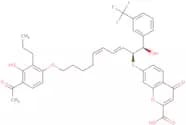
Discontinued productIralukast
CAS:Iralukast is a leukotriene receptor antagonist that blocks the bronchoconstrictor response. It is used in the treatment of bronchial asthma, chronic obstructive pulmonary disease, and bowel diseases such as ulcerative colitis. Iralukast is not absorbed into the bloodstream and therefore does not inhibit the production of the inflammatory mediators that are responsible for these diseases. Iralukast binds to receptors on cells lining the airways, preventing activation of cells by leukotrienes, which are released by mast cells in response to an allergen or irritant. This binding prevents the release of inflammatory mediators from mast cells and reduces bronchial reactivity. Iralukast also has been shown to inhibit the enzyme activity of phospholipase A2 (PLA2), which has been implicated in inflammatory bowel disease.
Formula:C38H37F3O8SPurity:Min. 95%Molecular weight:710.216121-(Aminomethyl)cyclopropanecarboxamide hydrochloride
CAS:1-(Aminomethyl)cyclopropanecarboxamide hydrochloride is a versatile building block that can be used in the synthesis of complex compounds. It has been shown to be an excellent reagent for the synthesis of novel pharmaceuticals and speciality chemicals. This compound is also a useful intermediate for the preparation of high-quality products and can be used as a reaction component or scaffold in synthesis.Formula:C5H10N2O·HClPurity:Min. 95%Color and Shape:White PowderMolecular weight:150.61 g/molRef: 3D-FA135607
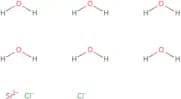
Discontinued productStrontium chloride hexahydrate
CAS:Strontium chloride hexahydrate is a chemical compound that belongs to the group of strontium compounds. It is used as an injection solution and reaction solution, and has been shown to have a beneficial effect on liver lesions in mice. Strontium chloride hexahydrate can be injected intravenously or intraperitoneally to treat patients with hypercalcemia or hypophosphatemia. This drug also has a toll-like receptor (TLR) agonistic effect, which may be due to its ability to stimulate the production of proinflammatory cytokines such as IL-1β, IL-6, IL-8, and TNF-α in macrophages. The optimum concentration for this drug is 1 mmol/L. Strontium chloride hexahydrate binds to plasma proteins through ionic interactions with chloride ions. This binding makes it difficult for the drug to pass through cell membranes, which limits its effectiveness.
Formula:SrCl2•(H2O)6Purity:Min 99%Color and Shape:Colorless PowderMolecular weight:266.62 g/molRef: 3D-FS31553
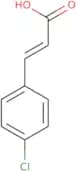
Discontinued product4-Chlorocinnamic acid
CAS:4-Chlorocinnamic acid is a malonic acid derivative and one of the cinnamic acid derivatives that has been shown to inhibit many chemical reactions. It inhibits the production of tyrosinase, which is an enzyme that catalyzes the conversion of tyrosinase to 4-hydroxycinnamic acid. 4-Chlorocinnamic acid also inhibits the growth of Candida glabrata in vitro. The effect on candida is due to its ability to inhibit the production of hydroxyl group and aromatic hydrocarbon, both of which are required for candida's survival. 4-Chlorocinnamic acid binds with aryl halide and neutral ph, preventing it from reacting with other substances.
Formula:C9H7ClO2Purity:Min. 95%Color and Shape:PowderMolecular weight:182.6 g/molMetoclopramide hydrochloride hydrate
CAS:Dopamine (D2) receptor antagonist; 5-HT4 serotonin receptor agonist
Formula:C14H22ClN3O2·HCl·H2OColor and Shape:White Off-White PowderMolecular weight:354.27 g/molRef: 3D-FA61507
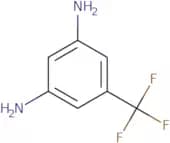
Discontinued product5-(Trifluoromethyl)benzene-1,3-diamine
CAS:5-(Trifluoromethyl)benzene-1,3-diamine is a chemical compound that is used in the synthesis of coatings and magnetic resonance imaging contrast agents. It can be used as a crosslinker for polymers, such as amides, in order to improve their hardness and strength. The synthesis of 5-(trifluoromethyl)benzene-1,3-diamine is done by reacting hydrogen chloride with magnesium oxide in an organic solvent. The product can then be reacted with other compounds to produce different products. One such compound is benzotrifluoride, which can be used to synthesize fluorinated coatings and monomers. The final product can also be reacted with sodium formate to produce a constant.
Formula:C7H7F3N2Purity:Min. 98 Area-%Color and Shape:PowderMolecular weight:176.14 g/molRef: 3D-FT104978
Discontinued productIsopropyl ethylphosphonochloridate
CAS:Controlled ProductPlease enquire for more information about Isopropyl ethylphosphonochloridate including the price, delivery time and more detailed product information at the technical inquiry form on this page
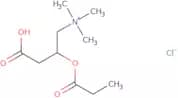
Formula:C5H12FO2PPurity:Min. 95%(+/-)-Propionylcarnitine chloride
CAS:Propionylcarnitine chloride is a prodrug that is hydrolyzed to propionyl-l-carnitine, its active form. Propionylcarnitine chloride has been shown to improve the activity of propionyl-l-carnitine in patients with bowel disease, congestive heart failure and other conditions. It binds to the carboxyl group of propionyl-CoA and inhibits carnitine biosynthesis by inhibiting the enzyme carnitine acetyltransferase. Propionylcarnitine chloride is also used as a diagnostic agent for muscle diseases because it can be detected in erythrocytes and plasma. The diagnosis can be confirmed by measuring the concentration of carnitine in blood samples from different body parts (e.g., trigeminal nerve).
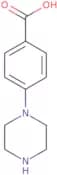
Formula:C10H20NO4•ClPurity:Min. 95%Color and Shape:White PowderMolecular weight:253.72 g/mol4-(Piperazin-1-yl)benzoic acid hydrochloride
CAS:4-(Piperazin-1-yl)benzoic acid hydrochloride is a chemical intermediate that is used in the synthesis of pharmaceuticals. It has been shown to be a useful scaffold, and can be used as a reaction component and building block in the synthesis of complex compounds. 4-(Piperazin-1-yl)benzoic acid hydrochloride is also versatile, as it has been shown to be an intermediate for the synthesis of fine chemicals.Formula:C11H14N2O2•HClPurity:Min. 95%Color and Shape:PowderMolecular weight:242.7 g/molRef: 3D-FP70902
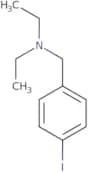
Discontinued productN,N-Diethyl-N-(4-iodobenzyl)amine
CAS:N,N-Diethyl-N-(4-iodobenzyl)amine is a high quality and versatile building block that is used as a reagent, speciality chemical, or intermediate. The compound has been found to be useful in the synthesis of complex compounds. It can also be used as a reaction component for various organic synthesis reactions. N,N-Diethyl-N-(4-iodobenzyl)amine is commercially available from Sigma Aldrich with CAS No. 914636-94-5.
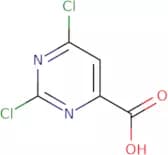
Formula:C11H16INPurity:Min. 95%Color and Shape:PowderMolecular weight:289.16 g/mol2,6-Dichloropyrimidine-4-carboxylic acid
CAS:2,6-Dichloropyrimidine-4-carboxylic acid is a pyrimidine that can be used as a starting material for the synthesis of other compounds. It is an intermediate in the manufacture of anilines and pyrimidines. 2,6-Dichloropyrimidine-4-carboxylic acid is also used in the production of dyes and agrochemicals.Formula:C5H2Cl2N2O2Purity:Min. 95%Color and Shape:White PowderMolecular weight:192.99 g/molRef: 3D-FD147587
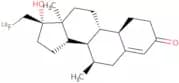
Discontinued product20-Fluoromibolerone
CAS:Controlled Product20-Fluoromibolerone is a fluorinated analogue of the natural hormone mibolerone. It has been shown to have affinity for prostate tissue and to be selective for cancer cells in vivo, when injected into rats. The uptake of 20-fluoromibolerone into tissues is very high, with preferential accumulation in the liver, kidney and prostate. This drug is metabolized by sulfation and excreted in the urine as sulfate and positron. 20-Fluoromibolerone also has been shown to have a strong affinity for bone, which may be due to its ability to accumulate in bone tissue.
Formula:C20H29FO2Purity:Min. 95%Molecular weight:320.44 g/mol2-Amino-5-iodobenzoic acid ethyl ester
CAS:2-Amino-5-iodobenzoic acid ethyl ester is a chemical reagent that is used to prepare 2-chloro-5-iodobenzoic acid. It can be prepared by the hydrolysis of 2,4,6-trinitrobenzene with an aqueous solution of sodium hydroxide. The iodination reaction proceeds in two steps: (1) chlorination of methyl anthranilate with chlorine and (2) addition of the resultant product to 2,4,6-trinitrobenzene. In the first step, methyl anthranilate reacts with chlorine to form 2-chloro-5-iodobenzoic acid ethyl ester and hydrogen chloride gas. In the second step, this product reacts with 2,4,6-trinitrobenzene to form 2-amino 5 -iodobenzoic acid ethyl ester and nitrogen gas
Formula:C9H10INO2Purity:Min. 95%Color and Shape:PowderMolecular weight:291.09 g/mol3-((4,5-dichloroimidazolyl)methyl)-4-bromo-2-methyl-1-phenyl-3-pyrazolin-5-one
CAS:Please enquire for more information about 3-((4,5-dichloroimidazolyl)methyl)-4-bromo-2-methyl-1-phenyl-3-pyrazolin-5-one including the price, delivery time and more detailed product information at the technical inquiry form on this page
Purity:Min. 95%Ref: 3D-FD169753
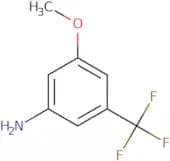
Discontinued product3-Methoxy-5-(trifluoromethyl)aniline
CAS:3-Methoxy-5-(trifluoromethyl)aniline is a chemical building block that is used in the preparation of pharmaceuticals, agrochemicals, dyes, and other chemicals. 3-Methoxy-5-(trifluoromethyl)aniline is also a versatile intermediate that can be used to produce heterocyclic compounds. 3-Methoxy-5-(trifluoromethyl)aniline has been found to be high quality and useful for many reactions. It is an important compound for research use because it can be used as a reagent or scaffold for complex compounds.
Formula:C8H8F3NOPurity:Min. 95%Color and Shape:PowderMolecular weight:191.15 g/molRef: 3D-FM70659
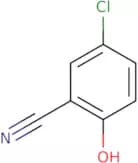
Discontinued product5-Chloro-2-hydroxybenzonitrile
CAS:5-Chloro-2-hydroxybenzonitrile is a liquid crystal compound that is used for the enhancement of phototransformation. It has been shown to be capable of absorbing light and transferring energy to electron acceptors, such as chloride ions, which react with the excited state. 5-Chloro-2-hydroxybenzonitrile shows a single band in the visible region on an absorption spectrum, which may be due to its molecular structure or anisotropy. The frequency of this compound's vibration is in the range of 3200 - 3600 cm^{-1}.
Formula:C7H4ClNOPurity:Min. 95%Color and Shape:PowderMolecular weight:153.57 g/molRef: 3D-FC67694
Discontinued productCreatine zinc chloride
CAS:Creatine zinc chloride is a basic protein that is metabolized to creatinine and guanidinoacetate. Creatine zinc chloride has been shown to inhibit the mitochondrial membrane potential, leading to the inhibition of cardiac muscle contraction and myocardial infarct size. Creatine zinc chloride also has physiological functions in energy metabolism, cytosolic calcium regulation, and glomerular filtration rate. Creatine zinc chloride may be used for the treatment of metabolic disorders, such as obesity and diabetes mellitus type II.
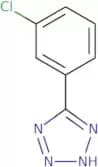
Formula:C4H9N3O2·ZnCl2Purity:Min. 99%Color and Shape:PowderMolecular weight:267.43 g/mol5-(3-Chlorophenyl)-2H-tetrazole
CAS:The synthesis of 5-(3-chlorophenyl)-2H-tetrazole, a new heterocyclic compound, was accomplished in an efficient and simple way by condensation of piperazine with amines using acidic catalysis. This reaction is catalyzed by the use of nonmetal halides as additives and can be performed in organic solvents. The synthesis of 5-(3-chlorophenyl)-2H-tetrazole has been shown to be possible with various azides and halides. Furthermore, this compound has been found to contain functional groups such as nitro, nitrile, carboxylic acid, phenolic hydroxyl group, and amino.
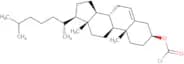
Formula:C7H5ClN4Purity:Min. 95%Color and Shape:PowderMolecular weight:180.59 g/molCholesterol chloroformate
CAS:Controlled ProductCholesterol chloroformate is a cholesterol derivative that has been shown to have good solubility in water. It is a white crystalline solid that is insoluble in ether, benzene, and chlorinated hydrocarbons. The compound has been used as a phase-transition temperature indicator and has been shown to be more resistant to degradation by enzymes than steric interactions. Cholesterol chloroformate is also an intermediate for the synthesis of other compounds such as cholesteryl sulfate and dextran sulfate. This compound binds to the Toll-like receptor 4 (TLR4) on cells, triggering an inflammatory response and activating the immune system. Cholesterol chloroformate can be used to study tumor cell growth by inhibiting mitosis in mouse tumors with subcutaneous injections of this agent.
Formula:C28H45ClO2Purity:Min. 95%Molecular weight:449.11 g/mol5-Amino-1,3-dimethyl-1,3-dihydro-2H-benzimidazol-2-one dihydrochloride
CAS:5-Amino-1,3-dimethyl-1,3-dihydro-2H-benzimidazol-2-one dihydrochloride (5ADMB) is a high quality reagent that is used as a complex compound. It has been shown to be useful in the synthesis of various compounds and is a fine chemical that can be used as a building block. 5ADMB has also been shown to be an excellent scaffold for the synthesis of benzo[b]thiophenes. This compound is also useful as a research chemical or specialty chemical. 5ADMB can be used in organic syntheses as a versatile building block and it reacts with nucleophiles such as alcohols and amines to form substituted derivatives. It has an appearance of white solid powder and its CAS number is 1986846-08-5.
Formula:C9H11N3O·2HClPurity:Min. 95%Color and Shape:PowderMolecular weight:250.12 g/molRef: 3D-FA120120
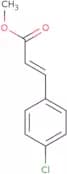
Discontinued productMethyl 4-chlorocinnamate
CAS:Methyl 4-chlorocinnamate is an aryl chloride that is synthesized by the reaction of methoxyethyl chloride with cinnamic acid derivatives. It has bacteriostatic activity against a variety of bacteria species, including staphylococcus and candida glabrata. Methyl 4-chlorocinnamate reacts with amine groups in proteins to form amides, which are strong inhibitors of protein synthesis. This compound also inhibits the growth of Candida glabrata by inhibiting phosphonates, which are essential for cell division.
Formula:C10H9ClO2Purity:Min. 95%Molecular weight:196.63 g/molRef: 3D-FM71222
Discontinued productAllylpentafluorobenzene
CAS:Allylpentafluorobenzene is a monomer that can be used in coatings and polymers. It has a reactive functional group that reacts with phosphorus pentoxide to form a polymerization initiator. The polymerization initiator then reacts with other functional groups, such as 3-mercaptopropionic acid, to produce polymers. The diameter of these polymers is around 2 nm and they are hybridized. These polymers are able to absorb light efficiently, which makes them useful for energy efficiency applications. Allylpentafluorobenzene has been shown to react with iron oxides and phosphorus pentoxide in the presence of air to form an iron oxide-allylpentafluorobenzene complex. This complex is more stable than the original allylpentafluorobenzene, which decreases its reactivity with oxygen.
Formula:C9H5F5Purity:Min. 95%Color and Shape:Clear LiquidMolecular weight:208.13 g/molRef: 3D-FA75665
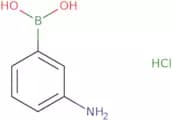
Discontinued product(3-Aminophenyl)boronic acid hydrochloride
CAS:3-Aminophenylboronic acid hydrochloride is a chemical compound that is used for analytical chemistry, bioconjugate chemistry, and clinical diagnostics. The compound binds to model proteins with high affinity and specificity. 3-Aminophenylboronic acid hydrochloride has been shown to have low binding constants with polyols, which make it ideal for use in cell culture. 3-Aminophenylboronic acid hydrochloride has a pK of 2.7 at pH 7.4, making it acidic at this pH. The compound also has a pK of 9.3 at pH 4.5, making it neutral at this pH. 3-Aminophenylboronic acid hydrochloride is an electrochemically active molecule and can be used as an electrode material in electrochemical impedance spectroscopy experiments.
Formula:C6H9BClNO2Purity:Min. 95%Color and Shape:PowderMolecular weight:173.4 g/molRef: 3D-FA139811
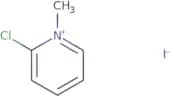
Discontinued product2-Chloro-1-methylpyridinium iodide
CAS:2-Chloro-1-methylpyridinium iodide (2CMPI) is a water-soluble, colorless, and odorless substance that is used as an analytical reagent. 2CMPI reacts with amines and pyridines to form chloromethylpyridine and hydroxymethylpyridine respectively, which can be analyzed by FTIR spectroscopy. The sensitivity of this reaction is affected by the matrix, but can be increased by adding dibutyltin oxide or amide. 2CMPI has been shown to have physiological activities in some animal models of metabolic disorders such as diabetes mellitus.
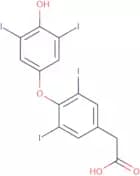
Formula:C6H7ClINPurity:Min. 97 Area-%Color and Shape:Yellow PowderMolecular weight:255.48 g/mol3,5,3',5'-Tetraiodothyroacetic acid
CAS:3,5,3',5'-Tetraiodothyroacetic acid (T4) is a thyroid hormone that can be found in the blood and has been shown to have angiogenic properties. T4 has been shown to bind to integrin receptors on endothelial cells and stimulate the proliferation of these cells. This hormone also has pro-apoptotic activity, inducing programmed cell death in cancer cells. T4 is used as a model system for studying the molecular pathogenesis of thyroid cancer. T4 is also able to inhibit DNA polymerase activity, which may be responsible for its ability to inhibit tumor growth.
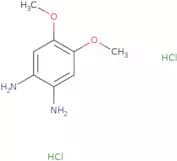
Formula:C14H8I4O4Purity:Min. 95%Color and Shape:White PowderMolecular weight:747.83 g/mol4,5-Dimethoxy-1,2-phenylenediamine hydrochloride
CAS:Produces fluorescent benzimidazole derivatives; detects aromatic aldehydes
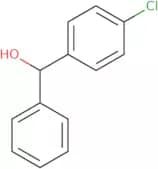
Formula:C8H14N2O2•xHClPurity:Min. 98%Color and Shape:Purple PowderMolecular weight:241.11 g/mol4-Chlorodiphenylcarbinol
CAS:The asymmetric synthesis of 4-chlorodiphenylcarbinol is an efficient method that uses a simple, inexpensive, and environmentally friendly reagent. The reaction proceeds in the presence of hydrochloric acid and sodium hydroxide solution. The reaction mechanism is the same as for the preparation of other chiral alcohols. The stereoselective preparation method is based on the use of glycol esters or trifluoroacetic acid to produce enantiomerically pure 4-chlorodiphenylcarbinol, which can be used as a precursor for pharmaceuticals, pesticides, and dyes.
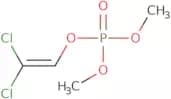
Formula:C13H11ClOPurity:Min. 95%Color and Shape:PowderMolecular weight:218.68 g/molDichlorvos - 70%
CAS:Dichlorvos is a pesticide that has been used to control insects since the 1950s. It also has genotoxic activity and can induce oxidative injury in biological samples. Dichlorvos is an octyl phenol with a molecular weight of 228.3 g/mol, which is classified as a non-volatile solid. The insecticide has been shown to cause neuronal death and squamous cell carcinoma in mice. Dichlorvos may have some natural compound origins and it can be found in water vapor and chromatographic analysis. This chemical reacts with oxygen to form oxides, chloroform, carbon dioxide and hydrogen chloride gas. Dichlorvos is not stable at high temperatures or under ultraviolet light, so it must be stored in dark containers at low temperatures.
Formula:C4H7Cl2O4PPurity:Min. 95%Color and Shape:Clear LiquidMolecular weight:220.98 g/molRef: 3D-FD21706
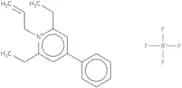
Discontinued productN-Propyl-1-ene-2,6-diethyl-4-phenylpyridinium tetrafluoroborate
CAS:N-Propyl-1-ene-2,6-diethyl-4-phenylpyridinium tetrafluoroborate (NPEEDPBF) is a fine chemical that has been used as a building block in research and industrial chemistry. The synthesis of NPEEDPBF typically involves the reaction of diethyl phenylpyridinium bromide with n propyl iodide. It can be used as a reagent for organic syntheses and as an intermediate for other compounds. NPEEDPBF is also a versatile building block for complex compounds.Formula:C18H22N•BF4Purity:Min. 95%Molecular weight:339.18 g/molRef: 3D-FP145686
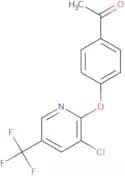
Discontinued product2-(4-Acetophenoxy)-3-chloro-5-trifluoromethyl pyridine
CAS:Please enquire for more information about 2-(4-Acetophenoxy)-3-chloro-5-trifluoromethyl pyridine including the price, delivery time and more detailed product information at the technical inquiry form on this pageFormula:C14H9ClF3NO2Purity:Min. 95%Color and Shape:PowderMolecular weight:315.67 g/molRef: 3D-FA168837
Discontinued product4-Fluorostyrene
CAS:Styrene is a monomer that can be polymerized with other monomers to form polymers. Styrene is used in the manufacture of polystyrene, which has a variety of uses, such as for food packaging and insulation. 4-Fluorostyrene is a monomer that can be polymerized with other styrenes to form polystyrene. 4-Fluorostyrene is also used as a catalyst in the production of ethylene and copolymers. This monomer has been shown to initiate polymerization reactions because it has two unsaturated bonds. Styrene and 4-fluorostyrene have been observed by spectroscopy to have similar electronic structures.
Formula:C8H7FPurity:Min. 95%Color and Shape:Colorless Clear LiquidMolecular weight:122.14 g/molRef: 3D-FF64413
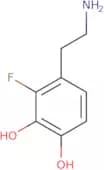
Discontinued product3-Fluoro-Dopamine
CAS:Controlled Product3-Fluoro-Dopamine is a fluorinated catecholamine that is used in research as a radioligand and in animal models. It has been shown to be an agonist of β-adrenergic receptors and to have a safety profile similar to that of dopamine. 3-Fluoro-Dopamine has been shown to increase the uptake of dopamine in rat striatal membranes, which may be due to its affinity for β-adrenergic receptors.
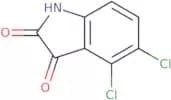
Formula:C8H10FNO2Purity:Min. 95%Molecular weight:171.17 g/mol4,5-Dichloroisatin
CAS:4,5-Dichloroisatin is a versatile building block that can be used as a reagent for research and as a speciality chemical. It is also useful in the synthesis of complex compounds. 4,5-Dichloroisatin is a high quality compound with a CAS number of 1677-47-0. This compound is not intended for use in humans or animals.
Formula:C8H3Cl2NO2Purity:Min. 95%Color and Shape:Yellow PowderMolecular weight:216.02 g/molRef: 3D-FD70415
Discontinued productChloroacetaldehyde (40% aq.)
CAS:Chloroacetaldehyde is a reactive compound that is found in wastewater. It can be used to remove other pollutants from the water. Chloroacetaldehyde has been shown to be toxic and may cause cancer, but it also has been used as a model system for studying energy metabolism. This substance is toxic because it reacts with cellular components such as proteins and DNA by cross-linking them. The cytosolic Ca2+ concentration increases when chloroacetaldehyde binds to cellular proteins, which affects cell physiology and the production of MMP-9.
Formula:ClCH2CHOPurity:Min. 95%Color and Shape:Clear LiquidMolecular weight:78.5 g/molRef: 3D-FC01835
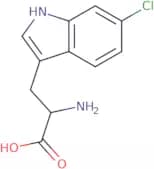
Discontinued product6-Chloro-D,L-tryptophan
CAS:6-Chloro-D,L-tryptophan is a chemical intermediate that is used in the production of pharmaceuticals. It is a precursor to the amino acid tryptophan and has been shown to inhibit protein synthesis in human macrophages and microglia cells. In addition, this compound has been shown to inhibit the uptake of tryptophan by human macrophages and thp-1 cells. This drug also inhibits the activity of aminotransferase enzymes, which are involved in the metabolism of tryptophan. 6-Chloro-D,L-tryptophan has enantiomeric purity and is an aryl halide with chlorine as its functional group. It can form 3-hydroxyanthranilic acid when it reacts with acid or an acidifying agent. 6-Chloro-D,L-tryptophan has been shown to inhibit the herpes simplex virus (HSV
Formula:C11H11ClN2O2Purity:Min. 95%Molecular weight:238.67 g/molRef: 3D-FC20216
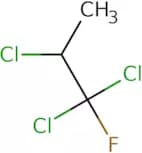
Discontinued product1,1,2-Trichloro-1-fluoropropane
CAS:Controlled Product1,1,2-Trichloro-1-fluoropropane is a solvent used in the production of fluorinated organic compounds. It is used as an intermediate for the manufacture of refrigerants and aerosol propellants. 1,1,2-Trichloro-1-fluoropropane has been shown to have a significant impact on the environment due to its high volatility and solubility. The emission of this chemical into the atmosphere can deplete ozone levels and cause damage to vegetation. This chemical also has a high vapor pressure and can be fatal if inhaled or absorbed through the skin. In addition, 1,1,2-Trichloro-1-fluoropropane is toxic to aquatic life because it is soluble in water and accumulates in fatty tissues of living organisms.
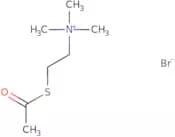
Formula:C3H4Cl3FPurity:Min. 95%Molecular weight:165.42 g/molAcetylthiocholine bromide
CAS:Acetylthiocholine bromide is a lipase inhibitor that has been shown to be nontoxic in doses as high as 250 mg/kg. Acetylthiocholine bromide has an acetylcholinesterase-inhibiting effect, which makes it a potential drug for the treatment of Alzheimer's disease and other neurological disorders. Acetylthiocholine bromide is also used in the detection of acetylcholine in biological samples, such as serum and urine. The surface-enhanced Raman (SERS) technique is used to detect the presence of acetylthiocholine bromide. This technique uses gold nanoparticles deposited on a substrate to increase the intensity of Raman scattering from molecules adsorbed on the surface. Inhibition of acetylcholinesterase by acetylthiocholine bromide leads to increased levels of acetylcholine and prevents its breakdown by cholinesterases. This leads
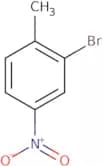
Formula:C7H16BrNOSPurity:Min. 95%Color and Shape:White Off-White PowderMolecular weight:242.18 g/mol2-Bromo-4-nitrotoluene
CAS:2-Bromo-4-nitrotoluene (2BNT) is a mononitro substituted aromatic compound and a potent inhibitor of protein synthesis. It has been shown to have antimalarial activity, but it is not known to what extent the inhibition of protein synthesis contributes to its anti-malarial activity. 2-Bromo-4-nitrotoluene is also used in the preparation of imatinib, an anticancer drug that inhibits the growth of certain types of cancer cells. It can also be used as an inhibitor in vibrational spectroscopy.
Formula:C7H6BrNO2Purity:Min. 97.5%Color and Shape:PowderMolecular weight:216.03 g/molRef: 3D-FB02111
Discontinued productAmodiaquine
CAS:Amodiaquine is a drug that belongs to the class of antimalarial agents. It is used for the treatment and prevention of malaria caused by erythrocytic forms of Plasmodium falciparum. Amodiaquine has shown synergistic effects with other drugs, such as sulfadoxine and pyrimethamine, for the treatment of malaria due to P. falciparum. The mechanism of action of amodiaquine is not well understood, but it may involve inhibition of the Toll-like receptor. Amodiaquine has been shown to inhibit polymerase chain reaction in a concentration-dependent manner and also inhibits polymorphonuclear leucocytes, which are important in innate immunity. In addition, amodiaquine is a hypoglycemic agent and can be used for the treatment of bowel disease.
Formula:C20H22ClN3OPurity:Min. 95%Color and Shape:Off-White PowderMolecular weight:355.86 g/molRef: 3D-FC17879
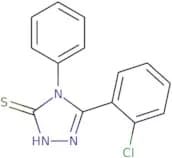
Discontinued product3-(2-chlorophenyl)-4-phenyl-1,2,4-triazoline-5-thione
CAS:Please enquire for more information about 3-(2-chlorophenyl)-4-phenyl-1,2,4-triazoline-5-thione including the price, delivery time and more detailed product information at the technical inquiry form on this pagePurity:Min. 95%Ref: 3D-FC169104
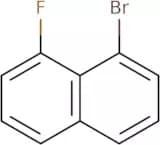
Discontinued product1-Bromo-8-fluoronaphthalene
CAS:1-Bromo-8-fluoronaphthalene is a versatile compound that has various applications in the field of research and medicine. It is commonly used as a building block for the synthesis of different compounds, including misoprostol, a medication used to prevent stomach ulcers. Additionally, 1-Bromo-8-fluoronaphthalene has been found to enhance the growth factor effect of allopregnanolone, a neurosteroid with potential therapeutic benefits.
Formula:C10H6BrFPurity:Min. 95%Color and Shape:Clear LiquidMolecular weight:225.06 g/molRef: 3D-FB78506
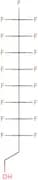
Discontinued product1H,1H,2H,2H-Heptadecafluoro-1-decanol
CAS:Controlled ProductHeptadecafluoro-1-decanol is a chemical substance that has been used in wastewater treatment and as an odorant. It is also found naturally in human liver, heart tissue, and adrenocortical carcinoma. Heptadecafluoro-1-decanol can be chemically synthesized by the reaction of 1H,1H,2H,2H-heptadecafluorodecane with hydrogen fluoride. This chemical substance is known for its ability to bind to fatty acids and other organic compounds on the surface of water droplets. The hydroxyl groups on this molecule are able to form hydrogen bonds with water molecules, which may lead to increased surface tension. Heptadecafluoro-1-decanol has been shown to have anti-inflammatory properties in humans.
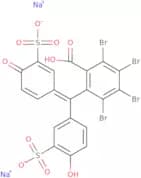
Formula:C10H5F17OPurity:Min. 95%Color and Shape:White To Light (Or Pale) Yellow SolidMolecular weight:464.12 g/molSulfobromophthalein disodium salt hydrate
CAS:Sulfobromophthalein disodium salt hydrate is a fluorescent chemical that is used as a marker for renal function. It is most commonly used to assess the function of proximal tubules in the kidney and to assess the presence of cancer cells in various tissues. The uptake of sulfobromophthalein by the renal proximal tubules can be measured with an assay involving caco-2 cells. Multidrug resistance-associated protein (MRP) and other efflux pumps are expressed in these cells, which limits the amount of drug that can be absorbed into the cell. MRP also plays a role in multidrug resistance by pumping drugs back out of cells into the extracellular fluid, preventing them from being reabsorbed into circulation. This causes higher concentrations of drugs to accumulate inside the cell, leading to apoptosis. Sulfobromophthalein has been shown to attenuate cancer progression, as well as reduce multidrug resistanceFormula:C20H8Br4O10S2·2Na·xH2OColor and Shape:White PowderMolecular weight:838 g/mol3-Hydroxypiperidine hydrochloride
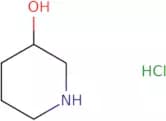
CAS:3-Hydroxypiperidine hydrochloride is a synthetic compound that inhibits the enzyme acetylcholinesterase, which breaks down the neurotransmitter acetylcholine. The specificity of this inhibitor has been shown to be high in human urine samples. 3-Hydroxypiperidine hydrochloride can be used as a tethering agent in exploratory assays. This drug also has an effect on chemokine production and citric acid levels in the urine.
Formula:C5H11NO•HClPurity:Min. 95%Color and Shape:PowderMolecular weight:137.61 g/molRef: 3D-FH29361
Discontinued product3-Hydroxybenzamidine hydrochloride
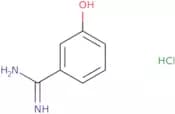
CAS:3-Hydroxybenzamidine hydrochloride is a fine chemical with the formula C6H5NH2CH2COOH. It is a versatile building block that is used as a reagent, speciality chemical, or reaction component in organic synthesis. 3-Hydroxybenzamidine hydrochloride has been shown to be useful as an intermediate for producing other compounds, such as pharmaceuticals and dyes.
Formula:C7H8N2O·ClHPurity:Min. 95%Color and Shape:PowderMolecular weight:172.61 g/mol7-Chloro-5-(2-fluorophenyl)-1,3-dihydro-2H-1,4-benzodiazepin-2-one
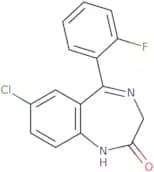
CAS:Controlled Product7-Chloro-5-(2-fluorophenyl)-1,3-dihydro-2H-1,4-benzodiazepin-2-one is a GABA receptor antagonist that is used in the treatment of anxiety. It is an analogue of cinolazepam, which has been shown to inhibit the binding of gamma aminobutyric acid (GABA) to its receptors in human serum and urine samples. Cinolazepam was found to be more potent than 7-chloro-5-(2-fluorophenyl)-1,3-dihydro-2H-1,4 benzodiazepin 2 one in blocking the binding of GABA to its receptor. This drug has also been tested on geriatric patients with high levels of anxiety and found to be well tolerated.Formula:C15H10ClFN2OPurity:Min. 98 Area-%Color and Shape:White PowderMolecular weight:288.7 g/mol4-Iodo-2-methylanisole
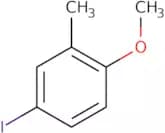
CAS:4-Iodo-2-methylanisole (4IM) is a naphthalene that is regiospecifically eliminated after activation by nitrate in an acidic medium. The hydrochloride salt of 4IM, koenigicine, has been shown to produce estrogen levels in the female rat similar to those produced by 17β-estradiol. The synthesis of 4IM involves the nitration of 2-methylanisole followed by iodine oxidation. This reaction produces a mixture of mono-, di-, and tri-iodonapthalenes. The product obtained from this reaction is purified with column chromatography or recrystallization.
Theory predicts that 4IM will be oxidized to 4-iodo-2,6-dimethylanisole by terpene oxidants such as acetonitrile or ozone.Formula:C8H9IOPurity:Min. 95%Color and Shape:PowderMolecular weight:248.06 g/molRef: 3D-FI64636
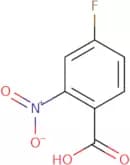
Discontinued product4-Fluoro-2-nitrobenzoic acid
CAS:4-Fluoro-2-nitrobenzoic acid is a dianion that is used to synthesize organic compounds. It can be prepared in two steps from nitrobenzene and hydrochloric acid. 4-Fluoro-2-nitrobenzoic acid has been shown to have excellent yields in the synthesis of various carboxylic acids, such as thiabendazole, and it also enhances the transfer of proton. The electron configuration for 4-fluoro-2-nitrobenzoic acid is [Ne]3s23p4, which is an important factor in its reactivity. This chemical compound has been shown to have acidic properties that are catalyzed by protonation.
Formula:C7H4FNO4Purity:Min. 95%Color and Shape:White PowderMolecular weight:185.11 g/molRef: 3D-FF70787
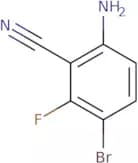
Discontinued product2-Cyano-3-fluoro-4-bromo aniline
CAS:2-Cyano-3-fluoro-4-bromo aniline is a plant growth regulator that can be used to prevent and control the spread of viral diseases in plants. 2-Cyano-3-fluoro-4-bromo aniline inhibits the replication of influenza virus strains by binding to the viral coat protein. It also has been shown to inhibit proteolytic enzymes when applied as a coating on particles. The main mechanism of this compound is through its ability to bind to regulatory proteins, which prevents them from binding with other regulatory proteins and activating transcription factors. The expression profile suggests that this compound may regulate the expression of genes involved in plant development, cell division, and response to stress.
Formula:C7H4BrFN2Purity:Min. 95%Color and Shape:PowderMolecular weight:215.02 g/molRef: 3D-FC30099
Discontinued product3,3',5-Triiodo thyroacetic acid
CAS:3,3',5-Triiodo thyroacetic acid is a synthetic thyroid hormone that acts as a thyroid hormone receptor agonist. It binds to the thyroid hormone receptor, leading to the activation of other transcription factors and increased synthesis of proteins. 3,3',5-Triiodo thyroacetic acid has been shown to increase the metabolic rate in rats by increasing the expression of epidermal growth factor in skin cells and signal transduction in nerve cells. This drug also causes an increase in transcriptional regulation and protein synthesis. 3,3',5-Triiodo thyroacetic acid does not have any known side effects or toxicity.
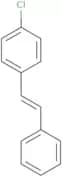
Formula:C14H9I3O4Purity:Min. 95%Color and Shape:White Off-White PowderMolecular weight:621.93 g/moltrans-4-Chlorostilbene
CAS:Trans-4-chlorostilbene is a debromination agent that has been used to enhance the production of epoxides. It is an isomer of stilbene, which is a bicyclic molecule with two phenyl rings joined by a double bond. Trans-4-chlorostilbene belongs to the group of stereoselective agents, meaning that it reacts preferentially with one isomer over the other. This compound has a second-order rate constant for its reaction with epoxides and also undergoes thermal isomerization, which means that it changes from trans form to cis form when heated. Trans-4-chlorostilbene has acidic properties and can be used in both acidic and neutral pH environments. This compound also reacts with boric acid to create boron complexes and reacts with water molecules to produce hydrogen gas, although it does not react with air or oxygen.
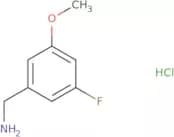
Formula:C14H11ClPurity:Min. 95%Color and Shape:PowderMolecular weight:214.69 g/mol3-Fluoro-5-methoxybenzylamine hydrochloride
CAS:3-Fluoro-5-methoxybenzylamine hydrochloride is a chemical building block that can be used in organic synthesis. It is a versatile building block and can be used to synthesize complex compounds. 3-Fluoro-5-methoxybenzylamine hydrochloride is used as a reaction component and reagent for the production of pharmaceuticals, agricultural chemicals, and other organic compounds. It has CAS number 1158269-22-7 and can be found in the Chemical Abstract Services database.
Formula:C8H10FNO•HClPurity:Min. 95%Color and Shape:Clear LiquidMolecular weight:191.63 g/molRef: 3D-FF67172
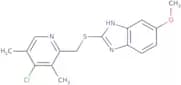
Discontinued product4-Desmethoxy-4-chloro omeprazole sulfide
CAS:4-Desmethoxy-4-chloro omeprazole sulfide is a versatile building block in the synthesis of new chemical compounds. The compound can be used as a reagent, speciality chemical, or reaction component and is suitable for use in research or as a building block. 4-Desmethoxy-4-chloro omeprazole sulfide is a valuable intermediate that can be used in the synthesis of many useful scaffolds. CAS No. 220757-74-4
Formula:C16H16ClN3OSPurity:Min. 95%Color and Shape:Off-white to light pink to pink solid.Molecular weight:333.84 g/molRef: 3D-FD21223
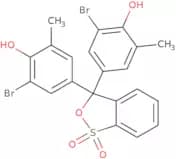
Discontinued productBromocresol purple
CAS:Bromocresol purple is a hydrophilic dye that has applications in indicating pH and measuring serum albumin concentrations.
Formula:C21H16Br2O5SPurity:Min. 95%Color and Shape:PowderMolecular weight:540.22 g/mol5-Amino-4-oxopentanoic acid benzyl ester hydrochloride
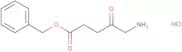
CAS:Please enquire for more information about 5-Amino-4-oxopentanoic acid benzyl ester hydrochloride including the price, delivery time and more detailed product information at the technical inquiry form on this page
Formula:C12H15NO3·HClPurity:Min. 97%Color and Shape:PowderMolecular weight:257.71 g/molRef: 3D-FA52258
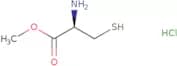
Discontinued productMecysteine hydrochloride
CAS:Mecysteine hydrochloride is a stable complex of mecysteine and hydrochloric acid. It is an ester that is formed from the reaction of methionine and hydrochloric acid in the presence of sodium citrate. This drug has been used as a skin treatment for ichthyosis, atopic dermatitis, and other skin disorders. Mecysteine hydrochloride has also been shown to be effective against symptoms caused by oxidative stress, such as swelling, redness, pain, or itching. Mecysteine hydrochloride may act by reducing the production of reactive oxygen species (ROS) and increasing antioxidant enzymes in human serum.
Formula:C4H9NO2S•HClPurity:Min. 98 Area-%Color and Shape:PowderMolecular weight:171.65 g/molRef: 3D-FM25033
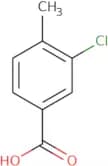
Discontinued product3-Chloro-4-toluic acid
CAS:3-Chloro-4-toluic acid is a quinone, which is derived from 3,4-dichlorotoluene. It has been shown to bind to nuclear receptors and act as a retinoic acid linker. This compound is also used in the synthesis of organic compounds by desorption in an acidic environment, followed by methyl esterification with an alcohol. 3-Chloro-4-toluic acid can be converted into zirconium chloride or hydrotalcite through chlorination or hydrochlorination. The resulting product can be used for dispersive solid-phase extraction methods.
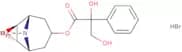
Formula:C8H7ClO2Purity:Min. 95%Color and Shape:PowderMolecular weight:170.59 g/molAnisodine hydrobromide
CAS:Anisodine hydrobromide is a compound that modulates transcriptional regulation. It has been shown to inhibit the proliferation of cultured human renal proximal cells and to reduce the development of kidney fibrosis in rats. Anisodine also inhibits locomotor activity and improves sample preparation in a statistically significant way. Anisodine hydrobromide has not been found to be toxic at doses up to 2000 mg/kg, which is its highest dose studied so far. The study used an experimental model of neurotrophic factors, soybean extract and fluorescein angiography with LC-MS/MS method as the analytical technique.
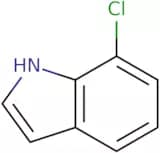
Formula:C17H22BrNO5Purity:Min. 98%Color and Shape:PowderMolecular weight:400.26 g/mol7-Chloroindole
CAS:7-Chloroindole is a potent compound that inhibits bacterial growth. It has been shown to inhibit the growth of tumour cell lines at submicromolar concentrations, with an IC50 of 0.5 µM. 7-Chloroindole also strongly inhibits the growth of Staphylococcus aureus, with an IC50 of 0.1 µM. This compound does not cause cell death by caspase-independent pathways, but rather induces a dry weight increase and surface methodology changes in cells treated with this compound. 7-Chloroindole belongs to the class of compounds known as carotenoids and has been shown to have a neutral pH optimum. It is formed through an enzymatic reaction involving two molecules of malonyl-CoA and one molecule each of acetate and chlorophyllide a.
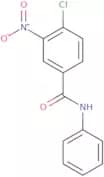
Formula:C8H6ClNColor and Shape:PowderMolecular weight:151.59 g/mol4-Chloro-3-nitrobenzanilide
CAS:4-Chloro-3-nitrobenzanilide is a versatile building block for the preparation of complex compounds. It is used as a reagent in research and as a speciality chemical for the production of high quality fine chemicals. This compound can be used as a reaction component or scaffold to synthesize other compounds. 4-Chloro-3-nitrobenzanilide is a useful intermediate in organic synthesis because it has many functional groups that are easy to modify, making it easy to synthesize new compounds.
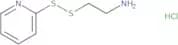
Formula:C13H9ClN2O3Purity:Min. 95%Color and Shape:PowderMolecular weight:276.67 g/mol(S)-2-Pyridylthio cysteamine hydrochloride
CAS:(S)-2-Pyridylthio cysteamine hydrochloride is a cell-permeant, basic, thiol-containing compound that is currently being investigated as an anticancer agent. It has been shown to inhibit the growth of tumor cells in vitro and in vivo. This drug binds to the disulfide bonds of proteins, which leads to the formation of a stable covalent bond between two protein molecules. (S)-2-Pyridylthio cysteamine hydrochloride also inhibits cell proliferation by interfering with the production of epidermal growth factor. This drug can be used for cancer treatment by binding to the mitochondria and inhibiting ATP synthesis, leading to apoptosis. The uptake of this drug is dependent on its interaction with basic proteins in the plasma membrane, which may be due to its ability to induce epidermal growth factor (EGF) production in cultured cells.Formula:C7H11ClN2S2Purity:Min. 97 Area-%Color and Shape:White PowderMolecular weight:222.76 g/molSolriamfetol
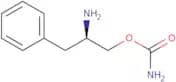
CAS:Controlled ProductSolriamfetol is a drug that belongs to the class of psychostimulants. It is used as an adjunct in the treatment of major depressive disorder, and has been shown to be clinically relevant in patients with major depression. Solriamfetol has been shown to have long-term efficacy and stable doses, which may be due to its chemical stability. It also has dose-dependent effects on dopamine release in the striatum, which can lead to increased symptoms of depression. The drug has also been shown to increase cardiac rate, even at stable doses and does not affect renal function. This may be because solriamfetol does not undergo oxidative injury or cause decreased glomerular filtration rate (GFR).
Formula:C10H14N2O2Purity:Min. 95%Color and Shape:PowderMolecular weight:194.23 g/molRef: 3D-FY143183
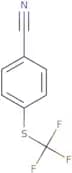
Discontinued product4-(Trifluoromethylthio)benzonitrile
CAS:4-(Trifluoromethylthio)benzonitrile is a chemical that is used as a scaffold in the synthesis of other chemicals. It can be used as a building block for complex compounds and as a starting material for research chemicals. This chemical has been reported to have high purity and quality, and it has been found to be useful as an intermediate. 4-(Trifluoromethylthio)benzonitrile is also versatile and can be used as an intermediate for organic synthesis or as a reagent in chemical reactions. It has CAS number 332-26-3.
Formula:C8H4F3NSPurity:Min. 95%Color and Shape:Off-White PowderMolecular weight:203.19 g/molRef: 3D-FT70606
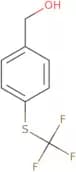
Discontinued product4-(Trifluoromethylthio)benzyl alcohol
CAS:4-(Trifluoromethylthio)benzyl alcohol (4TFABA) is a chemical that is used as a reagent in organic synthesis. It can be used to synthesize a variety of compounds, including pharmaceuticals and agrochemicals. 4TFABA has been found to be an excellent building block for the synthesis of complex molecules. It is also widely used as a reaction component in high-quality research chemicals, such as chiral ligands and heteroaryl ligands.
Formula:C8H7F3OSPurity:Min. 95%Color and Shape:PowderMolecular weight:208.2 g/molPerfluoro-N-Methylmorpholine
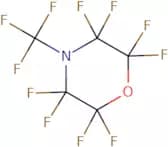
CAS:Perfluoro-N-Methylmorpholine (PMM) is a perfluorinated solvent with high boiling point, which makes it suitable for high temperature and pressure applications. PMM is an acyl halide that can be used as a solvent or in the synthesis of other perfluorinated compounds. The cyclic structure of PMM provides stability and high yields. The oxidation resistance of PMM allows it to be used in harsh environments. Cleavage products from PMM are not toxic, making this compound environmentally friendly. PMM can be used in organic chemistry as a solvent for reactions involving dialkylamino groups, such as the production of cyclic compounds. It can also be used in the synthesis of perfluorinated polymers as well as in the manufacture of coatings, foams, lubricants, and surfactants.
Formula:C5F11NOPurity:Min. 95%Color and Shape:Clear LiquidMolecular weight:299.04 g/molTributyl(trifluoroethenyl)stannane
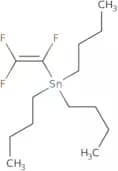
CAS:Controlled ProductTributyl(trifluoroethynyl)stannane is a drug that has immunosuppressive activity. It is used to treat certain cancers, including chronic lymphocytic leukemia and rheumatoid arthritis. Tributyl(trifluoroethynyl)stannane has been shown to inhibit the production of cytokines and other inflammatory mediators by macrophages, which may be due to its ability to inhibit DNA synthesis.
Formula:C14H27F3SnPurity:Min. 95%Molecular weight:371.07 g/mol6-Chloro-3-indolyl 1,3-diacetate
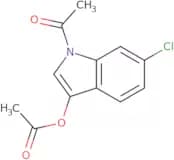
CAS:6-Chloro-3-indolyl 1,3-diacetate is an aglycone that is used as a chromogenic substrate for the detection of bacteria. It reacts with specific enzymes in the bacterial cell wall to produce a red or pink color. 6-Chloro-3-indolyl 1,3-diacetate is used as a diagnostic tool to identify bacteria and has been shown to be excreted in urine.
Formula:C12H10ClNO3Purity:Min. 95%Color and Shape:Yellow To Light Brown SolidMolecular weight:251.67 g/mol


![2-[Methyl[(tridecafluorohexyl)sulphonyl]amino]ethyl acrylate](/_next/image/?url=https%3A%2Fstatic.cymitquimica.com%2Fproducts%2F3D%2Fthumb-webp%2FFM96258.webp&w=3840&q=75)


![6-Fluoro-5-Methyl-2-[(5-Methyl-1H-Imidazol-4-Yl)Methyl]-2,3,4,5-Tetrahydro-1H-Pyrido[4,3-b]Indol-1…](/_next/image/?url=https%3A%2Fstatic.cymitquimica.com%2Fproducts%2F3D%2Fthumb-webp%2FFF102588.webp&w=3840&q=75)