Organic Halides
Subcategories of "Organic Halides"
Found 20442 products of "Organic Halides"
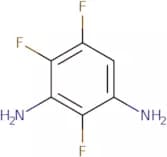
2,4,5-Trifluorophenylene-1,3-diamine
CAS:2,4,5-Trifluorophenylene-1,3-diamine is an isomer of 2,4,5-trifluorophenol. It is a colorless liquid that is soluble in ether and hexafluorobenzene. This compound can be used as a heat stabilizer in polymers and has been shown to yield high yields (over 95%) when polymerized with maleic anhydride. The compound also has the ability to coordinate to oxygen atoms and assemble into larger structures such as rings or chains. 2,4,5-Trifluorophenylene-1,3-diamine reacts with amines to form hydrogen bonds and exhibits amino groups on its structure that are important for calorimetry measurements.
Formula:C6H5F3N2Purity:90%Color and Shape:PowderMolecular weight:162.11 g/molRef: 3D-FT02282
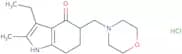
Discontinued productMolindone hydrochloride
CAS:Molindone is a neuroleptic agent that has been shown to be effective in the treatment of schizophrenia. It also has antipsychotic properties and may treat other mental disorders. Molindone is a potent dopamine antagonist, which is thought to explain its therapeutic effects in these conditions. The drug is well absorbed orally and crosses the blood-brain barrier easily, making it suitable for oral administration. Molindone has been shown to have toxic effects in animal studies, including a decrease in serum prolactin levels, an increase in liver weights, and an increase in the number of animals that died during toxicity studies. These side-effect profiles are similar to those seen with haloperidol (a phenothiazine antipsychotic), which suggests that molindone may be used as an alternative to haloperidol when treating psychosis or other mental disorders.
Formula:C16H24N2O2•HClPurity:Min. 95%Color and Shape:White To Light (Or Pale) Yellow To Light (Or Pale) Red SolidMolecular weight:312.83 g/molD-tert-Leucine methyl ester hydrochloride
CAS:Ab-fubinaca is a synthetic cannabinoid that is a potent agonist of the CB2 receptor and a weak agonist at the CB1 receptor. It has been shown to be an effective analgesic in animal models of pain, similarly to other synthetic cannabinoids. Ab-fubinaca has also been shown to have anti-inflammatory effects in mice by inhibiting the production of cytokines such as tumor necrosis factor alpha (TNF-α) and interleukin 1 beta (IL-1β). Ab-fubinaca is structurally similar to D-tert-leucine methyl ester hydrochloride, which is an amino acid derivative that acts as a pharmacological chaperone.
Formula:C7H16ClNO2Purity:Min 96%Color and Shape:White PowderMolecular weight:181.66 g/molRef: 3D-FD30967
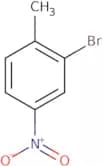
Discontinued product2-Bromo-4-nitrotoluene
CAS:2-Bromo-4-nitrotoluene (2BNT) is a mononitro substituted aromatic compound and a potent inhibitor of protein synthesis. It has been shown to have antimalarial activity, but it is not known to what extent the inhibition of protein synthesis contributes to its anti-malarial activity. 2-Bromo-4-nitrotoluene is also used in the preparation of imatinib, an anticancer drug that inhibits the growth of certain types of cancer cells. It can also be used as an inhibitor in vibrational spectroscopy.
Formula:C7H6BrNO2Purity:Min. 97.5%Color and Shape:PowderMolecular weight:216.03 g/molRef: 3D-FB02111
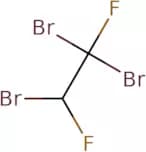
Discontinued product1,1,2-Tribromo-1,2-Difluoroethane
CAS:Controlled Product1,1,2-Tribromo-1,2-Difluoroethane is a gaseous chemical that is soluble in salt solution. It can be solubilized in organic solvents such as ethers, chloroform, and carbon tetrachloride. The compound hydrolyzes at high temperatures and thermally decomposes at temperatures above 100°C. It also reacts with water to release hydrogen bromide and hydrogen fluoride gas. This chemical has been shown to inhibit the growth of many bacteria by inhibiting protein synthesis. 1,1,2-Tribromo-1,2-Difluoroethane is used as an industrial solvent and can be injected into the body or introduced into the body by other methods such as inhalation or ingestion. 1,1,2-Tribromo-1,2-Difluoroethane is hydrophobic and has a molecular weight of about 186 grams
Formula:C2HBr3F2Purity:Min. 95%Molecular weight:302.74 g/mol4-Chloropyridine-3-carboxaldehyde
CAS:4-Chloropyridine-3-carboxaldehyde (4CPCA) is a potent inhibitor of the enzyme, formylation. 4CPCA is synthesized in an experimental method involving reaction of 4-chloropyridine and 3-bromoformaldehyde with a base, followed by hydrolysis to produce the desired product. This compound has been shown to inhibit formylation in vitro with inhibition potentials as high as 5000 μM. The IC 50 value for 4CPCA was found to be 0.6 mM. Formylation activity was inhibited in cell free systems and in cells from rat liver and human erythrocytes. The pharmacokinetic profile of 4CPCA is dose dependent and it is metabolized into inactive compounds by oxidation or conjugation with glucuronic acid.
Formula:C6H4ClNOPurity:Min. 95%Color and Shape:Yellow SolidMolecular weight:141.55 g/molRef: 3D-FC55551
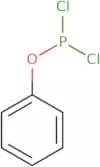
Discontinued productPhenylphosphorodichloridite
CAS:Phenylphosphorodichloridite is a solid catalyst that is used in the production of polymers. It has been shown to inhibit the synthesis of glycogen, which is an important energy storage molecule, and phosphorous acid, which may play a role in the regulation of glycolysis. The antiviral effect of phenylphosphorodichloridite has been demonstrated by its ability to inhibit influenza virus replication. This agent also inhibits the production of proteins necessary for viral replication, such as covid-19 pandemic. Phenylphosphorodichloridite shows light resistance and can be used for organic synthesis in the presence of oxygen and light.
Formula:C6H5Cl2OPPurity:Min. 95%Color and Shape:Colorless Clear LiquidMolecular weight:194.98 g/molRef: 3D-FP03067
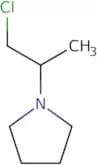
Discontinued product1-(2-Chloro-1-methylethyl)pyrrolidine hydrochloride
CAS:1-(2-Chloro-1-methylethyl)pyrrolidine hydrochloride is a versatile building block that can be used in the synthesis of fine chemicals, complex compounds, research chemicals, reagents and specialty chemicals. This compound is also useful as a building block for the synthesis of pharmaceuticals and chemical products. 1-(2-Chloro-1-methylethyl)pyrrolidine hydrochloride is a high quality chemical that can be used as a reaction component or scaffold for the synthesis of new chemical entities.Formula:C7H15Cl2NPurity:Min. 95%Color and Shape:PowderMolecular weight:184.1 g/molRef: 3D-FC116878
Discontinued product(-)-Scopolamine N-butyl bromide
CAS:(-)-Scopolamine N-butyl bromide is an anti-cholinergic drug that is used for the diagnosis and treatment of bowel diseases. It has been shown to be effective in two different animal models of bowel disease, one of which was induced by dextran sulfate sodium. (-)-Scopolamine N-butyl bromide has been shown to decrease motility and increase tone in the colon, as well as reduce the severity of diarrhea in animals with experimental colitis. It also has a sedative effect on the gastrointestinal tract that may be due to its ability to bind to acetylcholine receptors.
Formula:C21H30NO4BrPurity:Min. 98 Area-%Color and Shape:White PowderMolecular weight:440.37 g/molRef: 3D-FS10191
Discontinued product1-((2,5-dichlorophenyl)sulfonyl)-5-methylthio-1,2,4-triazole-3-ylamine
CAS:Please enquire for more information about 1-((2,5-dichlorophenyl)sulfonyl)-5-methylthio-1,2,4-triazole-3-ylamine including the price, delivery time and more detailed product information at the technical inquiry form on this pagePurity:Min. 95%Ref: 3D-FD169994
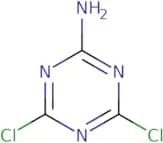
Discontinued product2-Amino-4,6-dichloro-s-triazine
CAS:2-Amino-4,6-dichloro-s-triazine is a chemical compound that is used as an antimicrobial agent in wastewater treatment. It inhibits the growth of bacteria by binding to cell walls and disrupting the formation of crosslinks between peptidoglycan strands, thereby inhibiting the synthesis of proteins necessary for bacterial growth and reproduction. 2-Amino-4,6-dichloro-s-triazine has been shown to be effective against group p2 bacteria in cell culture experiments. This drug also displays antiinflammatory properties and has been shown to inhibit HIV infection in vitro.
Formula:C3H2Cl2N4Purity:Min. 95%Color and Shape:White To Light (Or Pale) Yellow SolidMolecular weight:163.96565Ref: 3D-FA17553
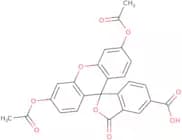
Discontinued product5-Carboxyfluorescein diacetate
CAS:5-Carboxyfluorescein diacetate is a reactive dye that can be used as a model system to study the effects of reactive species on biological molecules. It has been shown to inhibit mitochondrial membrane potential and activate detoxification enzymes in rats. 5-Carboxyfluorescein diacetate also induces apoptosis in human leukemia cells and inhibits the proliferation of human breast cancer cells. The effect of 5-carboxyfluorescein diacetate on collagen synthesis in a rat wound healing model has been investigated, with an increase in collagen found after treatment. This drug can also cause immunomodulatory effects by inhibiting macrophage activity and increasing T lymphocytes.
Formula:C25H16O9Purity:Min. 95 Area-%Color and Shape:White PowderMolecular weight:460.39 g/molRef: 3D-FC19776
Discontinued product(Des-Gly10,D-Tyr5,D-Trp6,Pro-NHEt 9)-LHRH trifluoroacetate salt
CAS:Please enquire for more information about (Des-Gly10,D-Tyr5,D-Trp6,Pro-NHEt 9)-LHRH trifluoroacetate salt including the price, delivery time and more detailed product information at the technical inquiry form on this page
Formula:C64H83N17O12Purity:Min. 95%Color and Shape:PowderMolecular weight:1,282.45 g/molRef: 3D-FD109428
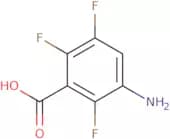
Discontinued product3-Amino-2,5,6-trifluorobenzoic acid
CAS:3-Amino-2,5,6-trifluorobenzoic acid is a pharmaceutical agent that can be used in the synthesis of dyestuffs and as a matrix for laser desorption/ionization (LDI) mass spectrometry. 3-Amino-2,5,6-trifluorobenzoic acid has been shown to form crystals that are insoluble in water or organic solvents. The crystal morphology was determined by using XRD and FTIR. 3-Amino-2,5,6-trifluorobenzoic acid also has high concentrations of impurities such as 2,4,6-trichloroaniline and 2-(3,4 dichlorophenyl) ethyl amine.
Formula:C7H4F3NO2Purity:Min. 95%Color and Shape:PowderMolecular weight:191.11 g/molRef: 3D-FA67405
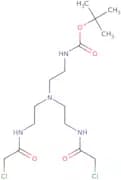
Discontinued product2N-Boc-2',2''-triaminotriethylamine-bis(chloroacetamide)
CAS:2N-Boc-2',2''-triaminotriethylamine-bis(chloroacetamide) is a fine chemical and reagent for the synthesis of pharmaceuticals. It is also a useful building block for the synthesis of complex compounds. This product can be used as a reaction component in organic chemistry, or it can be used as a reagent in research or development laboratories.
Formula:C15H28Cl2N4O4Purity:Min. 95%Molecular weight:399.31 g/molDimethyldistearylammonium chloride
CAS:Dimethyldistearylammonium chloride is a chemical compound that is used as an antimicrobial agent. It is a cationic quaternary ammonium salt that functions by forming a covalent bond with the sulfhydryl group of cysteine residues in proteins, which disrupts the disulfide bonds in the protein's tertiary or quaternary structure. Dimethyldistearylammonium chloride has been shown to have high antimicrobial activity against gram-positive bacteria and fungi but low activity against gram-negative bacteria. The optimum concentration for this compound is 0.2%. Dimethyldistearylammonium chloride has been used as a model system to study the effect of molecular weight on transfer reactions and polymer compositions, and it has also been used to study the biological properties of human immunoglobulin G (IgG).
Formula:C38H80ClNColor and Shape:PowderMolecular weight:586.5 g/molRef: 3D-FD63004
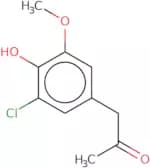
Discontinued product(5-Chloro-4-hydroxy-3-methoxyphenyl)acetone
CAS:(5-Chloro-4-hydroxy-3-methoxyphenyl)acetone is a high quality reagent that is useful as an intermediate in the synthesis of complex compounds. It can be used to synthesize a wide range of fine chemicals, such as pharmaceuticals, pesticides, and fragrances. (5-Chloro-4-hydroxy-3-methoxyphenyl)acetone is also a versatile building block for the synthesis of speciality chemicals. This compound has been shown to react with other compounds to form reaction components for research purposes.
Formula:C10H11ClO3Purity:Min. 95%Molecular weight:214.65 g/molRef: 3D-FC66870
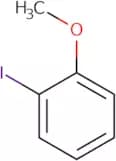
Discontinued product1-Iodo-2-methoxybenzene
CAS:1-Iodo-2-methoxybenzene is a compound that has shown to have anti-cancer properties. It is an effective inhibitor of protein tyrosine kinases, which are involved in the activation of inflammatory diseases and cancer. The hydroxyl group on the benzenoid ring activates the molecule by hydrogen bonding with the protein target, thereby inhibiting its activity. 1-Iodo-2-methoxybenzene may also be used as a contrast agent for magnetic resonance imaging (MRI) due to its light emission properties.
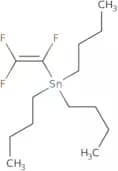
Formula:C7H7IOPurity:Min. 95%Color and Shape:Clear LiquidMolecular weight:234.03 g/molTributyl(trifluoroethenyl)stannane
CAS:Controlled ProductTributyl(trifluoroethynyl)stannane is a drug that has immunosuppressive activity. It is used to treat certain cancers, including chronic lymphocytic leukemia and rheumatoid arthritis. Tributyl(trifluoroethynyl)stannane has been shown to inhibit the production of cytokines and other inflammatory mediators by macrophages, which may be due to its ability to inhibit DNA synthesis.
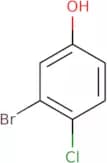
Formula:C14H27F3SnPurity:Min. 95%Molecular weight:371.07 g/mol3-Bromo-4-chlorophenol
CAS:3-Bromo-4-chlorophenol (3BCP) is a halogenated phenolic compound that is used as a preservative in the food industry. It is also used in the chemical and pharmaceutical industries for polymerization reactions and to produce other chemicals such as chlorinated hydrocarbons. 3BCP has been shown to inhibit the growth of organisms by binding to their receptors, which can be deformed and thus not function properly. The affinity of 3BCP for these receptors can be rationalized by its chemical nature, which includes chlorine atoms that are nucleophilic and can form hydrogen bonds with other molecules. 3BCP has two isomers: 3-bromo-4-chlorophenol and 4-bromo-3-chlorophenol, each with different effects on organisms.
Formula:C6H4BrClOPurity:Min. 95%Color and Shape:PowderMolecular weight:207.45 g/molRef: 3D-FB70155
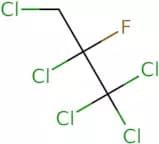
Discontinued product1,1,1,2,3-Pentachloro-2-fluoropropane
CAS:Controlled Product1,1,1,2,3-Pentachloro-2-fluoropropane is a chlorofluorocarbon (CFC) that is a colorless gas with a sweet odor. It is used as an industrial solvent for degreasing metal parts and dissolves fats and oils. 1,1,1,2,3-Pentachloro-2-fluoropropane also has the ability to solubilize inorganic salts such as calcium fluoride. This chemical has been shown to be toxic to humans when inhaled or ingested. When this chemical is released into the environment it reacts with hydrogen fluoride to form products such as hydrochloric acid and hydrogen fluoride.
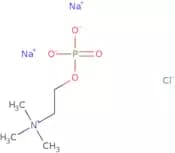
Formula:C3H2Cl5FPurity:Min. 95%Molecular weight:234.31 g/molPhosphocholine chloride sodium salt hydrate
CAS:Phosphocholine chloride sodium salt hydrate is an organic compound that is used as a cross-linking agent in the production of polymers. It is also used as a reactant in ring-opening reactions and as an intermediate in the synthesis of pyridinium salts. This product has been shown to be metabolized by human serum to form fatty acids, which may play a role in metabolic disorders such as obesity and diabetes. The reagent can also be used for the chromatographic determination of cholesterol and other lipids.
Formula:C5H13ClNNa2O4P·xH2OPurity:Min. 95%Color and Shape:White PowderMolecular weight:263.58 g/molRef: 3D-FP75522
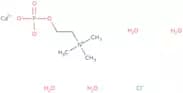
Discontinued productPhosphocholine chloride calcium salt tetrahydrate
CAS:Phosphocholine chloride calcium salt tetrahydrate is a lipid-regulating agent that can be used in health-care products. It has a safety profile and does not cause any adverse reactions when taken orally. The uptake of phosphocholine chloride calcium salt tetrahydrate is pH dependent, and it has been shown to inhibit lipoprotein lipase activity at acidic pH levels (below 4.5). This drug is used in the preparation of samples for fluorescence assays, such as monoclonal antibodies or density lipoprotein, which requires hydrophobic substances to bind with the fluorescent dye. Phosphocholine chloride calcium salt tetrahydrate can also be used as an emulsifying agent in enzymatic methods, such as calcium carbonate or chloride.Formula:C5H13CaClNO4P·4H2OColor and Shape:White PowderMolecular weight:329.73 g/molRef: 3D-FP75521
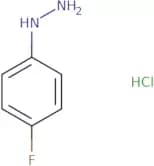
Discontinued product4-Fluorophenylhydrazine hydrochloride
CAS:4-Fluorophenylhydrazine HCl is a chemical compound with the molecular formula C8H4FO2N. It is a white crystalline solid that is soluble in water and alcohol. 4-Fluorophenylhydrazine HCl is commonly used as an intermediate in the synthesis of other compounds. The functional groups present on 4-fluorophenylhydrazine are methyl and hydroxyl groups, which are derived from the starting material, phenol. This synthetic process starts by reacting sodium hydrogen with methylating agents such as polyalthenol or hydrochloric acid to produce the desired product. In addition, it has been shown to have antiinflammatory activity and can inhibit tumour cell lines in vitro.Formula:C6H7FN2·HClPurity:Min. 95%Color and Shape:Red PowderMolecular weight:162.59 g/molRef: 3D-FF00409
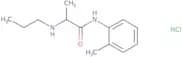
Discontinued productPrilocaine hydrochloride
CAS:Sodium channel blocker
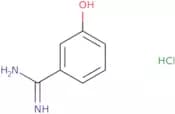
Formula:C13H20N2O•HClPurity:Min. 95%Color and Shape:PowderMolecular weight:256.77 g/mol3-Hydroxybenzamidine hydrochloride
CAS:3-Hydroxybenzamidine hydrochloride is a fine chemical with the formula C6H5NH2CH2COOH. It is a versatile building block that is used as a reagent, speciality chemical, or reaction component in organic synthesis. 3-Hydroxybenzamidine hydrochloride has been shown to be useful as an intermediate for producing other compounds, such as pharmaceuticals and dyes.
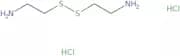
Formula:C7H8N2O·ClHPurity:Min. 95%Color and Shape:PowderMolecular weight:172.61 g/molCystamine dihydrochloride
CAS:Cystamine dihydrochloride is a cysteamine prodrug that is converted to cysteamine in the body. Cysteamine is an antioxidant that has been shown to be effective in treating oxidative injury and increasing neuronal survival. The oxidation of cysteamine also depends on the presence of calcium, pantothenate, and metal ions such as zinc or copper. This process can be monitored by measuring the rate constant or the concentration of metal ions. Cystamine dihydrochloride is used to treat bowel disease, but it can also be used as a pharmacological agent. It has been shown to have antibacterial properties against Escherichia coli and Staphylococcus aureus. Cystamine dihydrochloride has not yet been found to cause any adverse effects in humans at doses up to 10 g per day.
Formula:C4H12N2S2•2HClPurity:(Titration) Min 99%Color and Shape:White PowderMolecular weight:225.2 g/molRef: 3D-FC36410
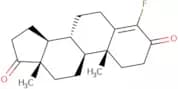
Discontinued product4-Fluoroandrostenedione
CAS:Controlled Product4-Fluoroandrostenedione is a synthetic, nonsteroidal compound that has been shown to be an effective androgen ablation agent. It binds to the androgen receptor, which prevents conversion of testosterone into dihydrotestosterone (DHT). 4-Fluoroandrostenedione has been used in clinical trials for the treatment of prostate cancer. This drug has also been shown to inhibit the production of estrogens by binding to the aromatase enzyme, which converts androgens into estrogens. Substitutions on the a-ring have been shown to increase its activity as an anti-cancer agent. 4-Fluoroandrostenedione can be synthesized from androstenedione by substituting a fluorine atom on one of the carbons in the a-ring.
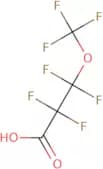
Formula:C19H25FO2Purity:Min. 95%Molecular weight:304.4 g/mol2,2,3,3-Tetrafluoro-3-(trifluoromethoxy)propanoic acid
CAS:2,2,3,3-Tetrafluoro-3-(trifluoromethoxy)propanoic acid (TFMP) is a fluorine-containing monomer that can be synthesized in an efficient method. TFMP is a resistant strain and has been shown to react with amines, carbonyls, and carboxylic groups. It can be copolymerized with other monomers to form polymeric materials. TFMP is a fluoride monomer that exhibits properties similar to perfluoroalkyl methacrylate monomers.
Formula:C4HF7O3Purity:Min. 95%Color and Shape:Clear LiquidMolecular weight:230.04 g/molRef: 3D-FT93802
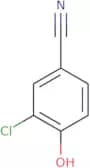
Discontinued product3-Chloro-4-hydroxybenzonitrile
CAS:3-Chloro-4-hydroxybenzonitrile (3CHBZ) is a chemical that contains chlorine and hydroxy groups. It has a basic structure with a proton and two electrons in the outer shell. 3CHBZ is an intermediate in various reactions, including electrochemical studies. 3CHBZ reacts with radiation to form a molecule that can react with other chemicals. This reaction can be used as a method for synthesizing products or destroying unwanted substances. Protonation of 3CHBZ leads to the formation of chloride ions, which are involved in thrombin inhibition.
Formula:C7H4ClNOPurity:Min. 95%Color and Shape:PowderMolecular weight:153.57 g/molRef: 3D-FC70222
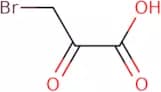
Discontinued product3-Bromopyruvic acid
CAS:3-Bromopyruvic acid is a small molecule that inhibits an enzyme called dextran sulfate reductase. This enzyme is involved in the formation of sulfate in the body and is important for glycolysis, which is the process by which cells break down glucose to produce energy. 3-Bromopyruvic acid inhibits both cancer cells and normal cells, but has a greater effect on cancer cells. This compound also causes caspase-independent cell death, which means that it does not activate pro-apoptotic proteins. It may work by targeting enzymes involved in energy metabolism or by inhibiting DNA polymerase activity.
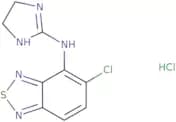
Formula:C3H3BrO3Purity:Min. 95%Color and Shape:PowderMolecular weight:166.96 g/molTizanidine hydrochloride
CAS:α2 agonist; myotonolytic agent
Formula:C9H9Cl2N5SPurity:Min. 95%Color and Shape:White PowderMolecular weight:290.17 g/molRef: 3D-FT28293
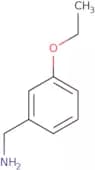
Discontinued product3-Ethoxybenzylamine hydrochloride
CAS:3-Ethoxybenzylamine hydrochloride is a chemical compound that belongs to the group of industrial chemicals. It is used as an intermediate for the production of vanillin and as a catalyst for hydrogenation reactions. 3-Ethoxybenzylamine hydrochloride can be used in large-scale, industrial reactions. The target product is a reaction solvent that can be used in reduction reactions and aminations. The catalytic activity of 3-ethoxybenzylamine hydrochloride has been shown to increase with increasing pH, temperature, and concentration. The use of this product as a catalyst in the hydrogenation process results in high yield products with low levels of byproducts.
Formula:C9H13NO·HClPurity:Min. 95%Color and Shape:White PowderMolecular weight:187.67 g/molRef: 3D-FE70078
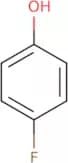
Discontinued product4-Fluorophenol
CAS:4-Fluorophenol is the organic compound with the formula CHFOH. It is a phenolic compound and has been used in the manufacture of other chemicals such as trifluoroacetic acid, sodium carbonate and creatinine sulfate. The hydroxyl group of 4-Fluorophenol is capable of donating a proton to hydrogen fluoride to form the intramolecular hydrogen bond, which is an important factor in its chemical reactivity. This reaction mechanism can be seen using electrochemical impedance spectroscopy on bacterial strains.
4-Fluorophenol has been shown to be effective for wastewater treatment due to its ability to react with oxygen nucleophiles such as creatinine sulfate and p-hydroxybenzoic acid.Formula:C6H5FOPurity:Min. 95%Color and Shape:White PowderMolecular weight:112.1 g/molRef: 3D-FF31943
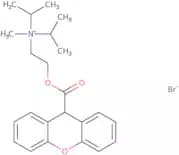
Discontinued productPropantheline bromide
CAS:Propantheline bromide is a drug that belongs to the group of chemical stabilizers. It is an anti-inflammatory agent that is used for the treatment of bowel disease, especially in elderly patients. Propantheline bromide has been shown to have long-term efficacy with good tolerability in the treatment of overactive bladder syndrome and other urinary disorders. This drug can be administered orally or intravenously and has little effect on the body's water balance or blood pressure. Propantheline bromide works by blocking nerve signals from the gastrointestinal tract to the detrusor muscle, which is responsible for contraction and relaxation of the bladder.
Formula:C23H30BrNO3Purity:Min. 95%Color and Shape:PowderMolecular weight:448.39 g/molRef: 3D-FP27192
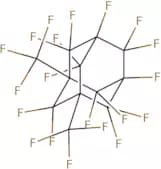
Discontinued product1,2,2,3,4,4,6,6,8,8,9,9,10,10-Tetradecafluoro-5,7-Bis(Trifluoromethyl)Adamantane
CAS:Controlled Product1,2,2,3,4,4,6,6,8,8,9,9,10,10-Tetradecafluoro-5,7-Bis(trifluoromethyl)adamantane (FDP) is a perfluorinated gas with an electron affinity that can be used to measure the rate of oxygen transport. It is also a diagnostic agent for bone growth and can be used to measure the proliferative activity in animals. FDP is insoluble in water and has a particle size of approximately 3 nm. Impurities such as hydrocarbons are often found in FDP samples because it is created by reacting dichlorodifluoromethane with hydrogen fluoride at high temperatures. This chemical species has been shown to have a low toxicity profile in animal studies.
Formula:C12F20Purity:Min. 95%Molecular weight:524.1 g/molSolriamfetol
CAS:Controlled ProductSolriamfetol is a drug that belongs to the class of psychostimulants. It is used as an adjunct in the treatment of major depressive disorder, and has been shown to be clinically relevant in patients with major depression. Solriamfetol has been shown to have long-term efficacy and stable doses, which may be due to its chemical stability. It also has dose-dependent effects on dopamine release in the striatum, which can lead to increased symptoms of depression. The drug has also been shown to increase cardiac rate, even at stable doses and does not affect renal function. This may be because solriamfetol does not undergo oxidative injury or cause decreased glomerular filtration rate (GFR).
Formula:C10H14N2O2Purity:Min. 95%Color and Shape:PowderMolecular weight:194.23 g/molRef: 3D-FY143183
Discontinued product7-[5-(Fluoro-methyl-phosphoryl)oxypentyl]-4-nitro-2,1,3-benzoxadiazole
CAS:Controlled Product7-[5-(Fluoro-methyl-phosphoryl)oxypentyl]-4-nitro-2,1,3-benzoxadiazole is a reactivator of the central nervous system. It is a noncompetitive antagonist at muscarinic receptors and blocks postsynaptic acetylcholine release from cholinergic neurons. It has been shown to have no effect on blood pressure but does cause an increase in locomotor activity in animals. This drug binds to the hippocampal formation and the ventral hippocampus, which are areas of the brain that are involved in memory and spatial navigation. The distribution of this drug postulated to be due to its ability to penetrate micron sized openings in cell membranes.
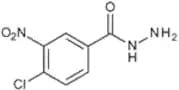
Formula:C12H15FN3O5PPurity:Min. 95%Molecular weight:331.24 g/mol4-Chloro-3-nitrobenzhydrazide
CAS:4-Chloro-3-nitrobenzhydrazide is a chemical compound that is used as a building block in the synthesis of other compounds. It is a versatile and useful intermediate that can be used in many chemical reactions. This product is also known to be an effective reagent for the production of pharmaceuticals, agrochemicals, and other chemicals. 4-Chloro-3-nitrobenzhydrazide has been shown to have high quality as it reacts well with other compounds and can be easily purified.
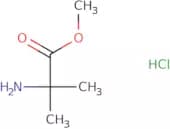
Formula:C7H6ClN3O3Purity:Min. 95%Color and Shape:PowderMolecular weight:215.59 g/molα-Aminoisobutyric acid methyl ester hydrochloride
CAS:Alpha-aminoisobutyric acid methyl ester hydrochloride (AABME) is an amino acid that is a metabolite of the neurotransmitter GABA. It has been shown to be transported across the blood-brain barrier by a carrier-mediated transport system and is taken up by neurons via a solute carrier family 38 member 2 transporter. AABME has been observed at physiological levels in maternal blood plasma, urine, cerebrospinal fluid, and brain tissue. It has also been studied in vitro using 3T3-L1 preadipocytes as a model for adipogenesis. In this context, it has been shown to increase cell proliferation and inhibit apoptosis.
Formula:C5H11NO2•HClColor and Shape:PowderMolecular weight:153.61 g/molRef: 3D-FA49954
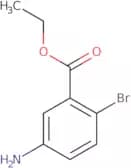
Discontinued product5-Amino-2-bromobenzoic acid ethyl ester
CAS:5-Amino-2-bromobenzoic acid ethyl ester is a chemical compound that can be used for the production of pharmaceuticals and research chemicals. It is a versatile building block that can be used in the synthesis of complex compounds with valuable applications. 5-Amino-2-bromobenzoic acid ethyl ester is a reagent, speciality chemical, and useful building block that can be used in the synthesis of high quality compounds. This compound has been identified as an intermediate in organic reactions and as a reaction component. CAS No. 208176-32-3Formula:C9H10BrNO2Purity:Min. 95%Color and Shape:PowderMolecular weight:244.09 g/molRef: 3D-FA67376
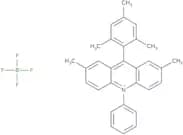
Discontinued product9-Mesityl-2,7-dimethyl-10-phenylacridinium tetrafluoroborate
CAS:9-Mesityl-2,7-dimethyl-10-phenylacridinium tetrafluoroborate is a versatile building block and reagent for organic synthesis. It is a fine chemical that is used in the production of research chemicals and speciality chemicals. 9-Mesityl-2,7-dimethyl-10-phenylacridinium tetrafluoroborate can be used as a reaction component to synthesize complex compounds with various functional groups. It has been reported to have high quality, being both useful and stable. CAS NO: 1621020-00-5Formula:C30H28BF4NColor and Shape:Yellow PowderMolecular weight:489.35 g/molRef: 3D-FM76605
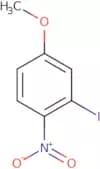
Discontinued product4-Nitro-3-iodoanisole
CAS:4-Nitro-3-iodoanisole is a bauerine that is used as a ligand in asymmetric catalysis. It is an atropisomeric compound, meaning it can exist in two different forms. The two forms of 4-nitro-3-iodoanisole are identical except for the orientation of the axial ligands on opposite sides of the molecule. The axial ligands on one form are biphenyl and nitrous oxide, while the axial ligands on the other form are nitrous oxide and biphenyl. 4-Nitro-3-iodoanisole has been used to catalyze reactions such as alkylation and coupling reactions with a variety of substrates, including β-carbolines, phenols, and amines.
Formula:C7H6INO3Purity:Min. 95%Color and Shape:PowderMolecular weight:279.03 g/molRef: 3D-FN67687
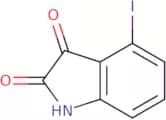
Discontinued product4-Iodoisatin
CAS:4-Iodoisatin is a heterocyclic compound that can be synthesized by cross-coupling reactions. It has been shown to inhibit the production of prostaglandin E2, COX-2 protein, and tumor necrosis factor in mouse macrophages. 4-Iodoisatin also inhibits the production of protein kinase C (PKC) in these cells. 4-Iodoisatin can be modified into a dimer form with many different substitutions on the ring structure and this modification increases its potency as an inhibitor of PKC. Irradiation can decompose the compound into a single isomer that is more potent than either of the two isomers. This drug may have therapeutic potential for treatment of cancer, arthritis, and other inflammatory disorders.
Formula:C8H4INO2Purity:Min. 95%Color and Shape:PowderMolecular weight:273.03 g/molRef: 3D-FI67680
Discontinued product3-Bromo-4-methoxybenzaldehyde
CAS:3-Bromo-4-methoxybenzaldehyde is a heterocycle that contains a covalent inhibitor. It has been shown to have inhibitory activity against imines, hydroxyl groups, and human serum. 3-Bromo-4-methoxybenzaldehyde has been shown to be an efficient method for the synthesis of nitrogen containing heterocycles with potential use as pharmaceuticals. This compound has also been used in the asymmetric synthesis of diphenyl ethers, which are useful in pharmacological studies. The reaction mechanism of this compound is not well understood and needs more research before it can be applied to other areas.
Formula:C8H7BrO2Purity:Min. 95%Color and Shape:PowderMolecular weight:215.04 g/molRef: 3D-FB55011
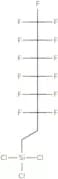
Discontinued productTrichloro(1H,1H,2H,2H- tridecafluoro-n-octyl)silane
CAS:Trichloro(1H,1H,2H,2H-tridecafluoro-n-octyl)silane is a chemical compound with the formula CClF[CF(CF)CFSiCl]. It is a colorless liquid that can be used in coatings and as a precursor to other fluorinated compounds. Trichloro(1H,1H,2H,2H-tridecafluoro-n-octyl)silane has been shown to have synergistic effects when combined with cationic surfactants and laser ablation techniques for microbial infection. This compound also has transport properties that are influenced by the presence of water vapor. Trichloro(1H,1H,2H,2H-tridecafluoro-n-octyl)silane is an inert monolayer on boron nitride substrates and has constant optical properties.
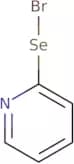
Formula:C8H4Cl3F13SiPurity:Min. 95%Color and Shape:Clear LiquidMolecular weight:481.54 g/mol2-Pyridine selenyl bromide
CAS:2-Pyridine selenyl bromide is a co-precursor for the synthesis of 2-selenides. It can be prepared by reacting 2-pyridinesulfonyl chloride with sodium periodate in acetonitrile. This compound can then be converted to a 2-selenide by treatment with methanol and periodic acid. The analytical and preparative methods are shown below:
Analytical: Dissolve the sample in dichloromethane, add triethylamine, and extract into diethyl ether. Add a small amount of potassium bromide to the organic layer and evaporate to dryness under vacuum. Recrystallize from acetonitrile.
Methanolysis: Dissolve the sample in methanol, add a catalytic amount of hydrochloric acid, and heat at reflux for 12 hours. Cool the solution, filter off any insoluble material, evaporate to drynessFormula:C5H4BrNSePurity:Min. 95%Molecular weight:236.96 g/molRef: 3D-FP11022
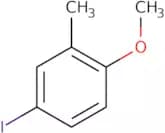
Discontinued product4-Iodo-2-methylanisole
CAS:4-Iodo-2-methylanisole (4IM) is a naphthalene that is regiospecifically eliminated after activation by nitrate in an acidic medium. The hydrochloride salt of 4IM, koenigicine, has been shown to produce estrogen levels in the female rat similar to those produced by 17β-estradiol. The synthesis of 4IM involves the nitration of 2-methylanisole followed by iodine oxidation. This reaction produces a mixture of mono-, di-, and tri-iodonapthalenes. The product obtained from this reaction is purified with column chromatography or recrystallization.
Theory predicts that 4IM will be oxidized to 4-iodo-2,6-dimethylanisole by terpene oxidants such as acetonitrile or ozone.Formula:C8H9IOPurity:Min. 95%Color and Shape:PowderMolecular weight:248.06 g/molRef: 3D-FI64636
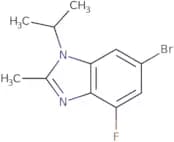
Discontinued product6-Bromo-4-fluoro-2-methyl-1-propan-2-ylbenzimidazole
CAS:6-Bromo-4-fluoro-2-methyl-1-propan-2-ylbenzimidazole is an environmental pollutant that can be found in deionized water, as a result of the reaction between hydrochloric acid and benzene. It has been synthesized using the industrial synthesis method by reacting n-hexane with sodium sulfate, followed by treatment with acetone and hydriodic acid. 6BFMBI is a white solid that reacts with hydrogen to produce acetone and formaldehyde. The reaction time for this compound is about three hours at room temperature.
Formula:C11H12BrFN2Purity:Min. 95%Color and Shape:PowderMolecular weight:271.13 g/mol1-[3-(Fluoro-Methylphosphoryl)Oxypropyl]Pyrene
CAS:Controlled Product1-[3-(Fluoro-Methylphosphoryl)Oxypropyl]Pyrene is a fluorescent derivative of pyrene. It has been used to label DNA and proteins for experiments involving fluorescence. The fluorophores in 1-[3-(Fluoro-Methylphosphoryl)Oxypropyl]Pyrene are activated by laser light, which causes emission of light at a wavelength of 590 nm. The emission spectrum of 1-[3-(Fluoro-Methylphosphoryl)Oxypropyl]Pyrene is sensitive to the environment and changes with chemical modification.
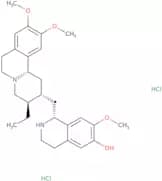
Formula:C20H18FO2PPurity:Min. 95%Molecular weight:340.33 g/molCephaeline hydrochloride
CAS:Cephaeline hydrochloride is a prodrug that is converted to cephalexin in the liver. It has anticancer activity and can be used for the treatment of various cancers, including prostate cancer. Cephaeline hydrochloride may act on cells by interfering with their DNA replication or protein synthesis. The drug has shown an acidic pH, which may be due to the presence of hydrochloric acid. Cephaeline hydrochloride also has natural sources, such as ephedrine hydrochloride.
Formula:C28H38N2O4·HClPurity:Min. 95%Molecular weight:503.07 g/molRef: 3D-FC74186
Discontinued product5-Bromopentan-1-ol
CAS:5-Bromopentan-1-ol is a chemical that is used in the synthesis of other organic compounds. It has been found to be a good solvent for many organic substances, and it is also used as an intermediate in organic synthesis. 5-Bromopentan-1-ol can be acetylated with acetic anhydride, which leads to the formation of 1,5-diacetoxybutane. The reaction between 5-bromopentan-1-ol and copper oxide in chlorine gas leads to the formation of 1,5 dibromohexane. This reaction product can then be hydrolyzed to produce malonic acid.
The structural formula for 5-bromopentan-1-ol consists of two carbon atoms connected by a single bond and three hydrogen atoms bonded to one carbon atom. The other carbon atom is bonded to two oxygen atoms (one by a double bond) and one hydrogen atom. TheFormula:C5H11BrOPurity:Min. 95%Color and Shape:Clear LiquidMolecular weight:167.04 g/molRef: 3D-FB44839
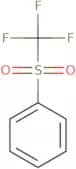
Discontinued productPhenyl trifluoromethylsulfone
CAS:Phenyl trifluoromethylsulfone is a sulfone with a hydroxy group. It is an extractant, used for the extraction of radionuclides such as strontium-90 and cesium-137. Phenyl trifluoromethylsulfone can be used to treat skin cancer, due to its ability to inhibit the growth of cells in the epidermis. The reaction starts with the formation of a phenol intermediate that reacts with a nucleophilic reagent (such as water) to form an acidic product and a phosphoric acid ester. The exothermic reaction causes heat production, which can lead to spontaneous combustion if there is insufficient ventilation. Phenyl trifluoromethylsulfone has been shown to be resistant to carbonyl compounds such as benzaldehyde, acetaldehyde and cyclohexanone.
Formula:C7H5F3O2SPurity:Min. 95%Color and Shape:Colorless Clear LiquidMolecular weight:210.17 g/molRef: 3D-FP11234
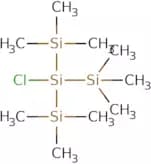
Discontinued productChlorotris(trimethylsilyl)silane
CAS:Chlorotris(trimethylsilyl)silane is a chlorosilane with a trifluoromethyl group and one other organic group. It can be prepared by thermal decomposition of chlorotrimethylsilane. Chlorotris(trimethylsilyl)silane has been used in the synthesis of branched-chain alkanes and cycloalkanes, as well as in the preparation of molecular fragments for use in organometallic syntheses. This molecule absorbs ultraviolet light strongly at 254 nm, making it useful for measurements of UV absorption spectra.
Formula:C9H27ClSi4Purity:Min. 95 Area-%Color and Shape:White PowderMolecular weight:283.11 g/molRef: 3D-FC61091
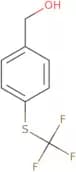
Discontinued product4-(Trifluoromethylthio)benzyl alcohol
CAS:4-(Trifluoromethylthio)benzyl alcohol (4TFABA) is a chemical that is used as a reagent in organic synthesis. It can be used to synthesize a variety of compounds, including pharmaceuticals and agrochemicals. 4TFABA has been found to be an excellent building block for the synthesis of complex molecules. It is also widely used as a reaction component in high-quality research chemicals, such as chiral ligands and heteroaryl ligands.
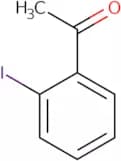
Formula:C8H7F3OSPurity:Min. 95%Color and Shape:PowderMolecular weight:208.2 g/mol2'-Iodoacetophenone
CAS:2'-Iodoacetophenone is a bioactive molecule that reacts with boronic acids to form aryl boronic acid derivatives. This reaction can be carried out in chlorobenzene or dihedral solvents, and it is scalable and applicable to a variety of boronic acids. The product of this reaction is an organocatalyst for the synthesis of bioactive molecules. 2'-Iodoacetophenone also reacts with dipole-containing additives to form dichlorodiphenyldichloroethane, which has been used as a fungicide, insecticide, and herbicide.
Formula:C8H7IOPurity:Min. 95%Color and Shape:Clear LiquidMolecular weight:246.05 g/molRef: 3D-FI67448
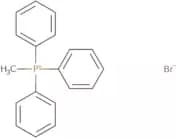
Discontinued productMethyltriphenylphosphine bromide
CAS:Methyltriphenylphosphine bromide is a chemical inhibitor that binds to the active site of mitochondrial enzymes, disrupting their function. It has been shown to be a potent chemical inhibitor of congestive heart failure in an electrochemical impedance spectroscopy study. Methyltriphenylphosphine bromide may also inhibit the production of antimicrobial peptides by interfering with the activity of proteases and lipases. This drug could be used for the treatment of metabolic disorders such as diabetes mellitus or obesity. Methyltriphenylphosphine bromide is not effective against vancomycin-resistant Staphylococcus aureus (VRSA) or methicillin-resistant Staphylococcus aureus (MRSA).
Formula:C19H18P·BrPurity:Min. 95%Color and Shape:White To Off-White SolidMolecular weight:357.22 g/molRef: 3D-FM11476
Discontinued productcis-1,2-Dichloroethene
CAS:cis-1,2-Dichloroethene is a chlorinated aliphatic hydrocarbon that has a high affinity for hydrogen fluoride. The rate of the reaction is dependent on pH and temperature. cis-1,2-Dichloroethene is reactive with fatty acids, p-hydroxybenzoic acid, and other compounds containing chlorine atoms. Cis-1,2-Dichloroethene has been shown to be biologically degraded by microorganisms. It has also been shown to be stable in complex with diphenyl ethers and polymers. cis-1,2-Dichloroethene can be dechlorinated by rat liver microsomes in vitro.
Formula:C2H2Cl2Purity:Min. 96 Area-%Color and Shape:Clear LiquidMolecular weight:96.94 g/molRef: 3D-FD170967
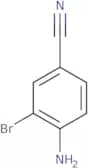
Discontinued product4-Amino-3-bromobenzonitrile
CAS:4-Amino-3-bromobenzonitrile is a chemical compound that is synthesized by the reaction of 4-amino-2-bromobenzonitrile and NaBH4. It can be used as a ligand for copper, nickel, and cobalt ions. The crystalline form of 4-amino-3-bromobenzonitrile has been studied using x-ray diffraction and ultraviolet irradiation. The absorption spectra of the compound are in agreement with its nature as an azobenzene derivative.
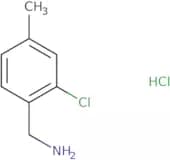
Formula:C7H5BrN2Purity:Min. 95%Color and Shape:PowderMolecular weight:197.03 g/mol2-Chloro-4-methylbenzylamine hydrochloride
CAS:2-Chloro-4-methylbenzylamine hydrochloride is a fine chemical that is used in the research, development and manufacturing of pharmaceuticals, agrochemicals, polymers and other organic compounds. 2-Chloro-4-methylbenzylamine hydrochloride can be used as an intermediate for the synthesis of a variety of drugs with different structures. It is also useful as a reagent in organic synthesis. The product has been classified by the EU as an SDS (Substances of Very High Concern) due to its potential for use in the production of nerve agents like sarin gas.Formula:C8H10ClN•HClPurity:Min. 95%Molecular weight:192.09 g/molRef: 3D-FC67364
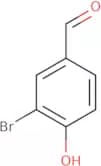
Discontinued product3-Bromo-4-hydroxybenzaldehyde
CAS:3-Bromo-4-hydroxybenzaldehyde is a fluorescence probe that can be used to identify the presence of hydroxyl groups in organic solutions. It reacts with hydrochloric acid to form a green solution and a gas. 3-Bromo-4-hydroxybenzaldehyde has been used to study hydroxyl groups in human serum, plant physiology, and surfactant sodium dodecyl (SDS). This compound has shown potent inhibition against an enzyme called benzoyl peroxide reductase. 3-Bromo-4-hydroxybenzaldehyde is soluble in water, but not in ether. The molecular weight of this compound is 176.3 g/mol.
Formula:C7H5BrO2Purity:Min. 95%Color and Shape:PowderMolecular weight:201.02 g/molRef: 3D-FB30014
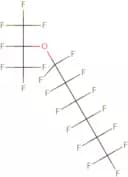
Discontinued product1,1,1,2,2,3,3,4,4,5,5,6,6-Tridecafluoro-6-Propan-2-Yloxyhexane
CAS:Controlled Product1,1,1,2,2,3,3,4,4,5,5,6,6-Tridecafluoro-6-Propan-2-Yloxyhexane (HFPO) is a perfluorinated compound that has been shown to be a potent inhibitor of HIV. It is used in biomedical research as an experimental treatment for HIV infection. HFPO inhibits the activity of phosphatase by binding to the active site and blocking the hydrolysis of phosphate groups from ATP. This prevents the release of energy from ATP and blocks protein synthesis. HFPO also binds to retroviruses and proviruses at their binding sites on RNA polymerase II during transcriptional elongation and inhibits viral replication.
Formula:C9H7F13OPurity:Min. 95%Molecular weight:378.13 g/molCesium chloride
CAS:Cesium chloride is a cationic salt that is used in research as a model system for nuclear DNA. It has been used to study the response element of the nitrate reductase gene and the polymerase chain reaction. Cesium chloride has been found to be an optimum concentration of 0.5mM for 3T3-L1 preadipocytes, which are cells that play a role in obesity and bowel disease. Cesium chloride also has been shown to inhibit papillary muscle contraction and whole-cell recordings from live cells. The compound may have therapeutic potential for treating heart failure by inhibiting diatomic molecule activity in the heart.
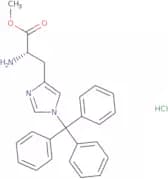
Formula:CsClColor and Shape:White PowderMolecular weight:168.36 g/molNim-trityl-L-histidine methyl ester hydrochloride
CAS:Nim-trityl-L-histidine methyl ester hydrochloride is a versatile amino acid building block for the synthesis of complex compounds.
Formula:C26H25N3O2•HClPurity:Min. 95%Color and Shape:White PowderMolecular weight:447.96 g/molDiethyl [[(3-chloro-4-fluorophenyl)amino]methylene]malonate
CAS:Diethyl [(3-chloro-4-fluorophenyl)amino]methylene]malonate is a fine chemical that is useful as a building block and intermediate for the synthesis of more complex compounds. It has been used in research as a reaction component for the synthesis of other chemicals, such as pharmaceuticals and pesticides. The CAS number for diethyl [(3-chloro-4-fluorophenyl)amino]methylene]malonate is 70032-30-3.Formula:C14H15ClFNO4Purity:Min. 95%Color and Shape:PowderMolecular weight:315.72 g/molRef: 3D-FD95922
Discontinued productPoly(vinylidene fluoride-co-hexafluoropropylene)
CAS:Poly(vinylidene fluoride-co-hexafluoropropylene) (PVDF-HFP) is a polymer that is used in the manufacture of membranes, electrodes, and electrolytes. PVDF-HFP has been shown to be an excellent candidate for use as an electrolyte in fuel cells due to its high proton conductivity, which results from the presence of fluorine and hydrogen. PVDF-HFP also has a phase transition temperature of about 300°C.
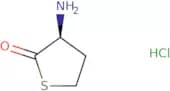
Formula:(C3F6)x•(C2H2F2)xPurity:Min. 95%Color and Shape:PowderL-Homocysteine thiolactone hydrochloride
CAS:L-Homocysteine thiolactone hydrochloride is a synthetic radiotracer. It has been used as a positron emission tomography (PET) radiopharmaceutical to image brain tumors and other cancers. L-homocysteine thiolactone hydrochloride is synthesized from L-cysteine and aluminium chloride. The yield of this reaction is usually low, but can be increased by addition of sodium hydroxide or tetrabutylammonium bromide. L-homocysteine thiolactone hydrochloride has been shown to be an effective radiotracer for the detection of cancerous tissue in the brain, breast, and prostate.
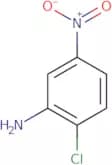
Formula:C4H7NOS•HClPurity:Min. 95%Color and Shape:PowderMolecular weight:153.63 g/mol2-Chloro-5-nitroaniline
CAS:2-Chloro-5-nitroaniline (2C5N) is a drug substance that belongs to the group of amines. It is an intermediate that is used in the synthesis of caffeine and other amines. 2C5N has been shown to have genotoxic impurities, which may be due to its reaction with hydrochloric acid and acylation. 2C5N has also been shown to be soluble in water, but not chloroform or ethers.
Formula:C6H5ClN2O2Purity:Min. 95%Color and Shape:PowderMolecular weight:172.57 g/molRef: 3D-FC70430
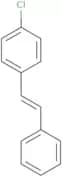
Discontinued producttrans-4-Chlorostilbene
CAS:Trans-4-chlorostilbene is a debromination agent that has been used to enhance the production of epoxides. It is an isomer of stilbene, which is a bicyclic molecule with two phenyl rings joined by a double bond. Trans-4-chlorostilbene belongs to the group of stereoselective agents, meaning that it reacts preferentially with one isomer over the other. This compound has a second-order rate constant for its reaction with epoxides and also undergoes thermal isomerization, which means that it changes from trans form to cis form when heated. Trans-4-chlorostilbene has acidic properties and can be used in both acidic and neutral pH environments. This compound also reacts with boric acid to create boron complexes and reacts with water molecules to produce hydrogen gas, although it does not react with air or oxygen.
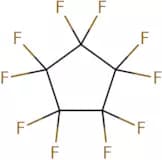
Formula:C14H11ClPurity:Min. 95%Color and Shape:PowderMolecular weight:214.69 g/mol1,1,2,2,3,3,4,4,5,5-Decafluorocyclopentane
CAS:Controlled Product1,1,2,2,3,3,4,4,5,5-Decafluorocyclopentane is a fluorocarbon liquid with a boiling point of -50°C. It has an average particle diameter of 0.1 nm and a water vapor pressure of 1.6 × 10⁻¹⁰ torr at 20°C. Due to its non-polarity and low viscosity (1 cP), it can be used as a solvent in organic chemistry reactions. 1,1,2,2,3,3,4,4,5,5-Decafluorocyclopentane has been shown to be reactive at the target site due to its acid molecules that provide the reactive sites for this molecule's phase transition temperature (-52°C) and nmr spectra. The reactive sites also allow for x-ray structures to be obtained by imaging techniques such as electron microscopy or atomic force microscopy.
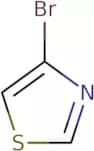
Formula:C5F10Purity:Min. 95%Molecular weight:250.04 g/mol4-Bromothiazole
CAS:4-Bromothiazole is an organic compound that belongs to the group of reactive, nucleophilic substances. It is a nucleophile that reacts with electrophiles such as allyl halides to form new compounds. 4-Bromothiazole has been shown to be a potent antagonist of the metabotropic glutamate receptor and may be beneficial in treating neurodegeneration.
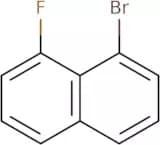
Formula:C3H2BrNSPurity:Min. 95%Color and Shape:Colorless Clear LiquidMolecular weight:164.02 g/mol1-Bromo-8-fluoronaphthalene
CAS:1-Bromo-8-fluoronaphthalene is a versatile compound that has various applications in the field of research and medicine. It is commonly used as a building block for the synthesis of different compounds, including misoprostol, a medication used to prevent stomach ulcers. Additionally, 1-Bromo-8-fluoronaphthalene has been found to enhance the growth factor effect of allopregnanolone, a neurosteroid with potential therapeutic benefits.
Formula:C10H6BrFPurity:Min. 95%Color and Shape:Clear LiquidMolecular weight:225.06 g/molRef: 3D-FB78506
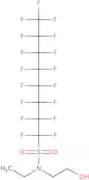
Discontinued productN-Ethyl-N-(2-hydroxyethyl)perfluorooctylsulphonamide
CAS:Controlled ProductN-Ethyl-N-(2-hydroxyethyl)perfluorooctylsulphonamide is a novel glycol ester with cytotoxic effects. It has been shown to inhibit the growth of cancer cells in rat liver microsomes and in vivo. N-Ethyl-N-(2-hydroxyethyl)perfluorooctylsulphonamide inhibits the synthesis of fatty acids by inhibiting the enzyme lipoxygenase. This drug also has a reactive carbon nanotube that may be used as an anticancer agent, which can bind to cell membranes and disrupt their function.
Formula:C12H10F17NO3SPurity:Min. 95%Color and Shape:PowderMolecular weight:571.25 g/molRef: 3D-FE104045
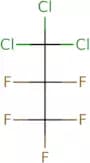
Discontinued product1,1,1-Trichloropentafluoropropane
CAS:Controlled Product1,1,1-Trichloropentafluoropropane is a hydrofluorocarbon that is used as a propellant in aerosol products. It is also used to produce other fluorocarbons and as a reactive solvent in chemical reactions. 1,1,1-Trichloropentafluoropropane (CFC-114) has three chlorine atoms and one fluorine atom. The reaction solution contains the reactants chloroform and hydrogen fluoride with an acid catalyst. The reaction can be carried out in two ways: the liquid phase process or the gas phase process. The liquid phase process occurs when there is no catalyst present in the reaction solution. This method produces two isomers of 1,1,1-trichloropentafluoropropane; CFC-114a and CFC-114b. The gas phase process occurs when an acid catalyst is present in the reaction solution and produces only one is
Formula:C3Cl3F5Purity:Min. 95%Molecular weight:237.38 g/molAllylpentafluorobenzene
CAS:Allylpentafluorobenzene is a monomer that can be used in coatings and polymers. It has a reactive functional group that reacts with phosphorus pentoxide to form a polymerization initiator. The polymerization initiator then reacts with other functional groups, such as 3-mercaptopropionic acid, to produce polymers. The diameter of these polymers is around 2 nm and they are hybridized. These polymers are able to absorb light efficiently, which makes them useful for energy efficiency applications. Allylpentafluorobenzene has been shown to react with iron oxides and phosphorus pentoxide in the presence of air to form an iron oxide-allylpentafluorobenzene complex. This complex is more stable than the original allylpentafluorobenzene, which decreases its reactivity with oxygen.
Formula:C9H5F5Purity:Min. 95%Color and Shape:Clear LiquidMolecular weight:208.13 g/molRef: 3D-FA75665
Discontinued product5-Amino-1,3-dimethyl-1,3-dihydro-2H-benzimidazol-2-one dihydrochloride
CAS:5-Amino-1,3-dimethyl-1,3-dihydro-2H-benzimidazol-2-one dihydrochloride (5ADMB) is a high quality reagent that is used as a complex compound. It has been shown to be useful in the synthesis of various compounds and is a fine chemical that can be used as a building block. 5ADMB has also been shown to be an excellent scaffold for the synthesis of benzo[b]thiophenes. This compound is also useful as a research chemical or specialty chemical. 5ADMB can be used in organic syntheses as a versatile building block and it reacts with nucleophiles such as alcohols and amines to form substituted derivatives. It has an appearance of white solid powder and its CAS number is 1986846-08-5.
Formula:C9H11N3O·2HClPurity:Min. 95%Color and Shape:PowderMolecular weight:250.12 g/molRef: 3D-FA120120
Discontinued productChloroacetaldehyde (40% aq.)
CAS:Chloroacetaldehyde is a reactive compound that is found in wastewater. It can be used to remove other pollutants from the water. Chloroacetaldehyde has been shown to be toxic and may cause cancer, but it also has been used as a model system for studying energy metabolism. This substance is toxic because it reacts with cellular components such as proteins and DNA by cross-linking them. The cytosolic Ca2+ concentration increases when chloroacetaldehyde binds to cellular proteins, which affects cell physiology and the production of MMP-9.
Formula:ClCH2CHOPurity:Min. 95%Color and Shape:Clear LiquidMolecular weight:78.5 g/molRef: 3D-FC01835
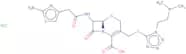
Discontinued productCefotiam dihydrochloride
CAS:Cefotiam dihydrochloride is a semisynthetic antibiotic that belongs to the class of cephalosporin antibiotics. It inhibits bacterial growth by binding to penicillin-binding proteins and blocking cell wall synthesis. Cefotiam has been shown to be effective against Gram-positive bacteria, such as Streptococcus pneumoniae, Staphylococcus aureus, and Clostridium perfringens. This drug is used in the treatment of infectious diseases caused by Gram-positive bacteria, including meningitis, endocarditis, osteomyelitis, and peritonitis. The intravenous injection of cefotiam has been shown to be safe and well tolerated in adults with septicemia or bacteremia. Cefotiam is excreted unchanged in the urine.
Formula:C18H25Cl2N9O4S3Purity:Min. 95%Color and Shape:White PowderMolecular weight:598.55 g/mol1-(5-Trifluoromethyl-[1,3,4]thiadiazol-2-yl)-piperazine
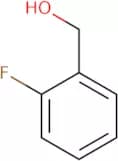
CAS:1-(5-Trifluoromethyl-[1,3,4]thiadiazol-2-yl)-piperazine is a high quality and versatile building block for the synthesis of various chemical compounds. It is an intermediate for the synthesis of other organic substances and can be used in reactions involving nucleophilic substitution, elimination, or addition reactions. 1-(5-Trifluoromethyl-[1,3,4]thiadiazol-2-yl)-piperazine is a reagent that can be used as a complex compound to create fine chemicals. This compound is also useful as a reaction component in research chemicals and speciality chemicals.Formula:C7H9F3N4SPurity:(Hplc-Ms) Min. 95 Area-%Color and Shape:PowderMolecular weight:238.23 g/molo-Fluorobenzyl alcohol
CAS:O-Fluorobenzyl alcohol is a compound with the chemical formula of C6H5FO. It is a colorless liquid with a sweet odor and tastes like ether. This compound is soluble in water, ethanol, and acetone. O-Fluorobenzyl alcohol has been used as an analytical reagent for the determination of protonated molecules such as phenols or carbohydrates. It also has cytotoxic properties, which have been shown to be effective against cancer cells. O-Fluorobenzyl alcohol acts as a γ-secretase inhibitor by binding to the catalytic site of the enzyme, preventing proteolytic cleavage of amyloid precursor protein (APP) and subsequent production of amyloid β peptide (Aβ).
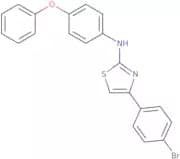
Formula:C7H7FOPurity:Min. 95%Color and Shape:Clear LiquidMolecular weight:126.13 g/mol(4-(4-bromophenyl)(2,5-thiazolyl))(4-phenoxyphenyl)amine
CAS:Please enquire for more information about (4-(4-bromophenyl)(2,5-thiazolyl))(4-phenoxyphenyl)amine including the price, delivery time and more detailed product information at the technical inquiry form on this page
Purity:Min. 95%Ref: 3D-FB169690
Discontinued productTributyltin chloride
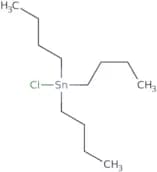
CAS:Controlled ProductTributyltin chloride is an experimental chemical that is used as a model for apoptosis. It binds to the chloride ion and induces apoptosis in 3T3-L1 preadipocytes. The process of apoptosis involves the mitochondrial membrane potential, which is an important factor in the regulation of intracellular Ca2+ levels. Tributyltin chloride has also been shown to increase copper-induced toxicity in cells by inhibiting ryanodine receptors, which are involved in calcium homeostasis. Tributyltin chloride has a phase transition temperature of -25°C and is not soluble in water; it can be dissolved in methanol, ethanol, acetone, benzene, chloroform, hexane, or ether. Tributyltin chloride also has been shown to have physiological effects on cell nuclei and maternal blood cells.
Formula:C12H27ClSnPurity:Min. 95%Color and Shape:Colourless To Yellowish LiquidMolecular weight:325.51 g/mol5-Amino-4-oxopentanoic acid benzyl ester hydrochloride
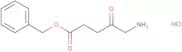
CAS:Please enquire for more information about 5-Amino-4-oxopentanoic acid benzyl ester hydrochloride including the price, delivery time and more detailed product information at the technical inquiry form on this page
Formula:C12H15NO3·HClPurity:Min. 97%Color and Shape:PowderMolecular weight:257.71 g/molRef: 3D-FA52258
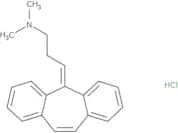
Discontinued productCyclobenzaprine hydrochloride
CAS:Antagonist of serotonin 5HT-2, histamine H1 and α-adrenergic receptors
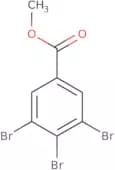
Formula:C20H21N·ClHPurity:Min. 95%Color and Shape:White PowderMolecular weight:311.85 g/mol3,4,5-Tribromobenzoic acid methyl ester
CAS:3,4,5-Tribromobenzoic acid methyl ester is a versatile building block for organic synthesis. It is a boron compound with the chemical formula C6H3Br3O2. It has been shown to be useful as a reagent, reaction component, and intermediate in organic synthesis. 3,4,5-Tribromobenzoic acid methyl ester is a complex compound that can be used as a speciality chemical or fine chemical.Formula:C8H5Br3O2Purity:Min. 95%Color and Shape:PowderMolecular weight:372.84 g/molRef: 3D-FT67722
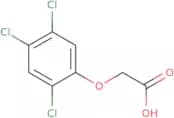
Discontinued product2,4,5-Trichlorophenoxyacetic acid
CAS:Controlled Product2,4,5-Trichlorophenoxyacetic acid (2,4,5-T) is a herbicide that inhibits the growth of plants by inhibiting photosynthesis. It can be found in the environment as a contaminant of manufactured items such as vinyl chloride and polyurethane. 2,4,5-T is also used to produce dioxin and polychlorinated biphenyls (PCBs). The mechanism of toxicity involves inhibition of the activity of an enzyme called acetolactate synthase (ALS), which is responsible for synthesizing an important amino acid called L-alanine. ALS inhibitors are toxic to animals because they inhibit the formation of L-alanine and disrupt cellular energy production. In CD-1 mice, 2,4,5-T has been shown to have an inhibitory dose at 1 mg/kg body weight with long-term toxicity at doses up to 5 mg/kg body weight. 2,4,5
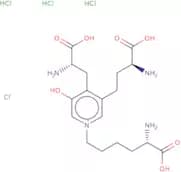
Formula:Cl3C6H2OCH2CO2HPurity:Min. 95%Color and Shape:PowderMolecular weight:255.48 g/molDeoxypyridinoline chloride 3HCl
CAS:Deoxypyridinoline chloride 3HCl is a fine chemical that is used as a building block in the synthesis of organic compounds. Deoxypyridinoline chloride 3HCl can be used as a reagent and speciality chemical in research laboratories, as well as in the manufacture of pharmaceuticals and other organic molecules. Deoxypyridinoline chloride 3HCl is also versatile, serving as an intermediate to produce other chemicals, or as a reaction component to produce complex products with specialized properties. The compound has been registered by the Chemical Abstracts Service (CAS) under CAS No. 204074-56-6.
Formula:C18H32Cl4N4O7Purity:Min. 95%Color and Shape:PowderMolecular weight:558.28 g/molRef: 3D-FD21063
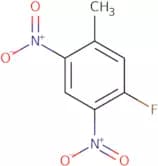
Discontinued product2,4-Dinitro-5-fluorotoluene
CAS:2,4-Dinitro-5-fluorotoluene is a fine chemical that can be used as a versatile building block in the synthesis of complex compounds. It is an intermediate in many reactions involving aliphatic nitro compounds and has been shown to be reactive with aromatic amines. This chemical has been used as a research chemical for the detection of proteins and nucleic acids and is also a good reagent for the synthesis of other chemicals. The compound reacts quickly with acid to produce a highly explosive gas which can be stabilized by reacting it with potassium nitrate or sodium bicarbonate.
Formula:C7H5FN2O4Purity:Min. 95%Color and Shape:PowderMolecular weight:200.12 g/molRef: 3D-FD67959
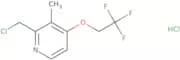
Discontinued product2-Chloromethyl-3-methyl-4-(2,2,2-trifluoroethoxy)pyridine, hydrochloride
CAS:Please enquire for more information about 2-Chloromethyl-3-methyl-4-(2,2,2-trifluoroethoxy)pyridine, hydrochloride including the price, delivery time and more detailed product information at the technical inquiry form on this page
Formula:C9H10Cl2F3NOPurity:Min. 95%Molecular weight:276.08 g/molRef: 3D-FC20275
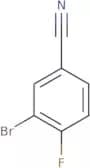
Discontinued product3-Bromo-4-fluorobenzonitrile
CAS:3-Bromo-4-fluorobenzonitrile is a pyridine derivative that is used as a reactant in the synthesis of pharmaceuticals and other organic compounds. It can be prepared by reacting a bromine with an aminopyridine, followed by reaction with morpholine to form the desired product. The efficiency of this compound has been demonstrated in vivo, where it showed significant catalytic activity and was found to be selective for the desired product. 3-Bromo-4-fluorobenzonitrile has also been shown to have pharmaceutical properties, such as coordination and ligand profiles, which are important for drug development.
Formula:C7H3BrFNPurity:Min. 95%Color and Shape:White PowderMolecular weight:200.01 g/molRef: 3D-FB105316
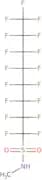
Discontinued product1,1,2,2,3,3,4,4,5,5,6,6,7,7,8,8,8-Heptadecafluoro-N-methyloctane-1-sulfonamide
CAS:Controlled Product1,1,2,2,3,3,4,4,5,5,6,6,7,7,8,8-heptadecafluoro-N-methyloctane-1-sulfonamide is a perfluorinated sulfonate that is used as a surfactant in wastewater treatment and to package food. This compound is not water soluble and requires an organic solvent to dissolve it. It has been shown that the use of 1HFAFMS can reduce the amount of phosphates in packaging materials by up to 50%. 1HFAFMS also has been found to be safe for humans and does not accumulate in the environment. It does not bioaccumulate and is rapidly excreted through urine.
Formula:C9H4F17NO2SPurity:Min. 95%Color and Shape:PowderMolecular weight:513.17 g/mol3,4-Dimethylphenylhydrazine hydrochloride
CAS:3,4-Dimethylphenylhydrazine hydrochloride is a chemical compound with high quality, which is a useful intermediate for the synthesis of complex compounds. It also has potential as a building block for the synthesis of other compounds. 3,4-Dimethylphenylhydrazine hydrochloride is used in research and development.
Formula:C8H12N2·HClPurity:Min. 95%Color and Shape:PowderMolecular weight:172.66 g/molRef: 3D-FD42282
Discontinued productFluorescent Brightener 191
CAS:Fluorescent Brightener 191 is a monomer that can be used in the textile industry to increase brightness and fluorescence of textiles. It is water soluble, non-toxic, and stable. The impurities of this product are monitored by testing for chloride ion content. Fluorescent Brightener 191 is also used for effervescent and osmosis control in water treatment plants, as well as clarification of wastewater effluent. Its fluorescence properties make it an ideal choice for monitoring the presence of substances, such as chloride ions, in solution by measuring the intensity of light emitted from a sample. Fluorescent Brightener 191 is also known to have a high solubility in organic solvents such as chloroform or acetone, which makes it suitable for labeling purposes.
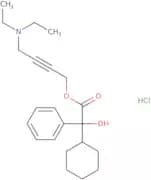
Purity:Min. 95%Oxybutynin chloride
CAS:Muscarinic antagonist; anti-spasmodic
Formula:C22H32ClNO3Purity:Min. 95%Color and Shape:White PowderMolecular weight:393.95 g/molRef: 3D-FO26701
Discontinued product3-(Bromomethyl)benzamide
CAS:3-(Bromomethyl)benzamide is a versatile building block that can be used in the synthesis of a variety of complex compounds. It is also useful as a research chemical and as a reagent. 3-(Bromomethyl)benzamide can be used to produce useful intermediates and reaction components. This compound has been shown to be useful as scaffolds for synthetic organic chemistry.
Formula:C8H8BrNOPurity:Min. 95%Color and Shape:PowderMolecular weight:214.06 g/molRef: 3D-FB141315
Discontinued product3,4-Dimethoxybenzyl bromide
CAS:3,4-Dimethoxybenzyl bromide is an organic compound that is used in the synthesis of isoquinoline alkaloids. This chemical has been found to have anticancer activity against human colon cancer cells (HCT116) and low energy properties. The asymmetric synthesis of 3,4-dimethoxybenzyl bromide can be achieved through a Grignard reaction with phenylmagnesium bromide. A linker can be used to attach 3,4-dimethoxybenzyl bromide to other chemicals such as biphenyls or amines.
Formula:C9H11BrO2Purity:Min. 95 Area-%Color and Shape:White PowderMolecular weight:231.09 g/molRef: 3D-FD22198
Discontinued product6-Fluoro-5-Methyl-2-[(5-Methyl-1H-Imidazol-4-Yl)Methyl]-2,3,4,5-Tetrahydro-1H-Pyrido[4,3-b]Indol-1-One
CAS:Controlled Product6-Fluoro-5-Methyl-2-[(5-Methyl-1H-Imidazol-4-Yl)Methyl]-2,3,4,5-Tetrahydro-1H-Pyrido[4,3-b]Indol-1-One is a drug that belongs to the class of fatty acid esters. It has been shown to be effective in clinical trials for the treatment of symptoms of dry eye syndrome. 6FMETI has a low safety profile and does not cause any adverse effects in humans. The drug can be administered by intravenous injection or oral administration and has a long elimination half life of 36 hours. 6FMETI is metabolized by hydrolysis to its active form, 5FMTI, which is then conjugated with glucuronic acid or methyl glutaryl coenzyme A to form an inactive metabolite. This drug also has good pharmacokinetic properties
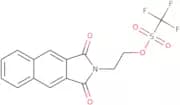
Formula:C17H17FN4OPurity:Min. 95%Molecular weight:312.34 g/mol2-(2,3-Naphthalimino)ethyl trifluoromethanesulfonate
CAS:2-(2,3-Naphthalimino)ethyl trifluoromethanesulfonate (2NTF) is a nonsteroidal anti-inflammatory drug that acts by inhibiting the enzyme cyclooxygenase. It is used as a sample preparation agent for epoxyeicosatrienoic acids (EETs). 2NTF is applied to a hydrophilic interaction chromatography column and then eluted with caproic acid, which selectively binds to the fatty acid component of EETs. The eluate can then be analyzed using a fluorescence detector and chromatographic methods. 2NTF has been shown to have no effect on carnitine levels in human serum.
Formula:C15H10F3NO5SPurity:Min. 97%Color and Shape:White PowderMolecular weight:373.3 g/molRef: 3D-FN71964
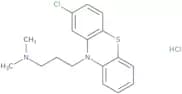
Discontinued productChlorpromazine hydrochloride
CAS:Controlled ProductChlorpromazine hydrochloride is an amphiphilic drug, derivative of phenothiazine, that blocks post-synaptic dopaminergic receptors (D1-D4) in mesolimbic area (antipsychotic effects). It is an antagonist at histamine (H1), serotonin (5HT1 and 5-HT2) and alpha-1, alpha 2 adrenergic receptors and possess antimuscarinic properties. Chlorpromazine hydrochloride salt is used in the treatment of: agitation and aggression in bipolar disorder and schizophrenia, in behaviour problems and hyperactivity in children, and for the treatment of chronic hiccups. Also, it helps in: tetanus therapy and intermittent porphyria, the treatment of severe migraines, and helps control nausea and vomiting. Chlorpromazine performs clathrin- mediated endocytosis at non-toxic concentrations and it can be used as a potential broad-spectrum inhibitor of viruses.
Formula:C17H20Cl2N2SPurity:Min. 95%Color and Shape:White PowderMolecular weight:355.33 g/molMetoclopramide hydrochloride hydrate
CAS:Dopamine (D2) receptor antagonist; 5-HT4 serotonin receptor agonist
Formula:C14H22ClN3O2·HCl·H2OColor and Shape:White Off-White PowderMolecular weight:354.27 g/molRef: 3D-FA61507
Discontinued product







![7-[5-(Fluoro-methyl-phosphoryl)oxypentyl]-4-nitro-2,1,3-benzoxadiazole](/_next/image/?url=https%3A%2Fstatic.cymitquimica.com%2Fproducts%2F3D%2Fthumb-webp%2FFF98971.webp&w=3840&q=75)

![1-[3-(Fluoro-Methylphosphoryl)Oxypropyl]Pyrene](/_next/image/?url=https%3A%2Fstatic.cymitquimica.com%2Fproducts%2F3D%2Fthumb-webp%2FFF89825.webp&w=3840&q=75)



![Diethyl [[(3-chloro-4-fluorophenyl)amino]methylene]malonate](/_next/image/?url=https%3A%2Fstatic.cymitquimica.com%2Fproducts%2F3D%2Fthumb-webp%2FFD95922.webp&w=3840&q=75)



![1-(5-Trifluoromethyl-[1,3,4]thiadiazol-2-yl)-piperazine](/_next/image/?url=https%3A%2Fstatic.cymitquimica.com%2Fproducts%2F3D%2Fthumb-webp%2FFT50922.webp&w=3840&q=75)




![6-Fluoro-5-Methyl-2-[(5-Methyl-1H-Imidazol-4-Yl)Methyl]-2,3,4,5-Tetrahydro-1H-Pyrido[4,3-b]Indol-1…](/_next/image/?url=https%3A%2Fstatic.cymitquimica.com%2Fproducts%2F3D%2Fthumb-webp%2FFF102588.webp&w=3840&q=75)