Organic Halides
Subcategories of "Organic Halides"
Found 20442 products of "Organic Halides"
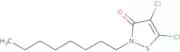
4,5-Dichloro-2-octyl-isothiazolone
CAS:4,5-Dichloro-2-octyl-isothiazolone is a biocide that inhibits the growth of marine organisms. It prevents fouling by binding to the cell surface of bacteria and algae cells and interfering with their energy metabolism. The compound also has anti-fouling effects because it binds to the cell surface and interferes with the function of enzymes involved in nutrient uptake. 4,5-Dichloro-2-octyl-isothiazolone is not toxic to humans but can cause acute toxicity in aquatic organisms. It is commonly used as an antifoulant agent in paints, coatings, adhesives, and other industrial products.
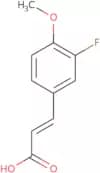
Formula:C11H17Cl2NOSPurity:Min. 98 Area-%Color and Shape:Beige PowderMolecular weight:282.23 g/mol3-Fluoro-4-methoxycinnamic acid
CAS:3-Fluoro-4-methoxycinnamic acid is a template for the synthesis of azido compounds. Azide is a versatile functional group that can be used in many chemical reactions. 3-Fluoro-4-methoxycinnamic acid can be used to synthesize various azido products by reacting with hydrogen gas and an appropriate nucleophile, such as acrylic acid or ammonia. This reaction is called the "hydrogenating" reaction because it involves the addition of hydrogen. The target product can be synthesized by adding an appropriate electrophile, such as sodium azide, to the starting material in a solvent such as methylene chloride.Formula:C10H9FO3Purity:Min. 95%Color and Shape:PowderMolecular weight:196.18 g/mol1-Palmitoyl-2-ω-(2-Diazo-3,3,3-Trifluoropropionyloxy)Lauroyl-Sn-Glycero-3-Phosphocholine
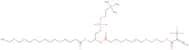
CAS:1-Palmitoyl-2-omega-(2-Diazo-3,3,3-Trifluoropropionyloxy)Lauroyl-Sn-Glycero-3-Phosphocholine is a potential therapy for pulmonary fibrosis. It is an admixture of two phospholipids containing the fatty acid palmitic acid and omega-(2,3,3,3,-trifluoroethoxy)acetyl lauroylglycerophosphocholine. The molecule is activated by carbon monoxide (CO), which converts it to a form that can be taken up by cells. CO has been shown to inhibit the growth of cells in culture and in animal models of pulmonary fibrosis. Treatment with the molecule also inhibits production of galacturonic acid and oligosaccharides from lysophosphatidylethanolamine and its derivatives.Formula:C39H71F3N3O10PPurity:Min. 95%Molecular weight:829.96 g/molDefluoro atorvastatin acetonide tert-butyl ester
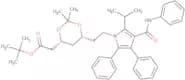
CAS:Please enquire for more information about Defluoro atorvastatin acetonide tert-butyl ester including the price, delivery time and more detailed product information at the technical inquiry form on this pageFormula:C40H48N2O5Purity:Min. 95%Color and Shape:PowderMolecular weight:636.82 g/mol3-Iodobenzamide
CAS:3-Iodobenzamide is a metalloporphyrin that is used as a research tool. It has been shown to inhibit the tyrosine kinase activity of the BCR-ABL protein and to induce apoptosis in chronic myeloid leukemia cells. 3-Iodobenzamide binds to the dopamine D2 receptor, which leads to inhibition of adenylate cyclase and decreased levels of cAMP. The binding affinity of 3-iodobenzamide for dopamine receptors and its ability to inhibit cAMP production make it an ideal candidate for use in studies on striatal membrane preparations and homogenates.Formula:C7H6INOPurity:Min. 95%Color and Shape:PowderMolecular weight:247.03 g/mol2-Chloroheptafluoropropane
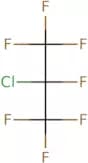
CAS:Controlled Product2-Chloroheptafluoropropane is a gaseous chemical that is used as a refrigerant. It has been shown to react with hydrogen fluoride and chlorine in the liquid phase at temperatures below -78°C, producing cyanogen chloride. 2-Chloroheptafluoropropane is also known to react with gamma-aminobutyric acid in xenopus oocytes to produce chloride ions. 2-Chloroheptafluoropropane can be recycled, which reduces the need for new resources for the production of the chemical. The use of 2-chloroheptafluoropropane as a refrigerant lowers the operating temperature and saves energy costs, while reducing emissions of ozone-depleting chemicals.Formula:C3ClF7Purity:Min. 95%Molecular weight:204.47 g/mol1-(4-Amino-3,5-dichloro-phenyl)-2-ethanone
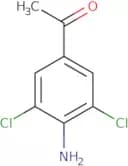
CAS:1-(4-Amino-3,5-dichloro-phenyl)-2-ethanone is a beta-adrenergic agent. It has been used as a stable isotope label for the study of the pharmacokinetics and metabolism of drugs in humans. In addition, it has been shown to have a good stability profile in acidic solutions and can be easily converted to other derivatives by simple chemical methods. The compound's UV spectrum is linear with respect to concentration over the range from 0.1 to 1 mg/mL, with maxima at 227 nm and 254 nm. This compound has been characterized using analytical methods such as diffraction, spectroscopy, and chromatography.
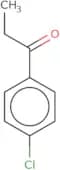
Formula:C8H7Cl2NOPurity:Min. 95%Color and Shape:PowderMolecular weight:204.05 g/mol4'-Chloropropiophenone
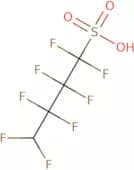
CAS:4'-Chloropropiophenone is a synthetic, non-proteinaceous binding agent that is used in the reduction of benzene and carbonyl compounds. It can be prepared by reacting cyanoborohydride with amines in an acid-binding process. The reaction can be catalyzed by chloride or oxime. 4'-Chloropropiophenone binds to the carbonyl group of carbonyl compounds and forms a tetrahedral intermediate with the chloride ion. This intermediate is then reduced by an oxidant such as chromium trioxide, resulting in the formation of a new compound with a chloride substituent.Formula:C9H9ClOPurity:Min. 98%Color and Shape:White PowderMolecular weight:168.62 g/mol1,1,2,2,3,3,4,4-Octafluorobutane-1-sulphonic acid
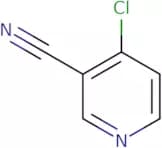
CAS:1,1,2,2,3,3,4,4-Octafluorobutane-1-sulphonic acid is a fine chemical that is used as a reactive intermediate in the synthesis of more complex compounds. It has been shown to be useful in the synthesis of 1H-benzo[d]imidazole derivatives and 2-(trifluoromethyl)thiophenes. This compound has also been used as a reaction component for the preparation of other chemicals such as tetrafluoroethylene oxide. 1,1,2,2,3,3,4,4-Octafluorobutane-1-sulphonic acid is a versatile building block that can be used to create high quality reagents and research chemicals.Formula:C4H2F8O3SPurity:Min. 95%Color and Shape:Clear LiquidMolecular weight:282.11 g/mol4-Chloronicotinonitrile
CAS:4-Chloronicotinonitrile is a 4-cyanopyridine compound that is used in the palladium-catalyzed cross-coupling reaction to produce aryl chlorides. The reaction mechanism involves the formation of an organopalladium species through a palladium-catalyzed cross-coupling reaction and subsequent nucleophilic attack by an electrophile, resulting in the formation of an intermediate organopalladium species. The chlorine atom on 4-chloronicotinonitrile can be substituted with other reactive groups such as bromine, iodine, or sulfur. This substitution can lead to isomerization of the product and may affect yields. 4-Chloronicotinonitrile has been shown to cause severe skin burns when exposed to radiation.
Formula:C6H3ClN2Purity:Min. 95%Color and Shape:PowderMolecular weight:138.55 g/mol3-Chloro-2-pyrazine-carboxylic acid
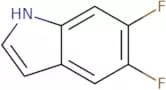
CAS:3-Chloro-2-pyrazinecarboxylic acid is a nucleophilic compound that is synthetically produced and has antimicrobial properties. It is an active component of the drug 3,4 dichloro-2-pyrazinecarboxylic acid (DCP). This agent binds to the chloride ion in bacterial cells, which inactivates the enzyme adenosine triphosphatase that is essential for maintaining cellular homeostasis. 3-Chloro-2-pyrazinecarboxylic acid has been shown to be active against a number of Gram positive and Gram negative bacteria, including Staphylococcus epidermidis, Streptococcus pneumoniae, and Pseudomonas aeruginosa. It also has antibacterial activity against mycobacteria such as Mycobacterium tuberculosis and Mycobacterium avium complex.Formula:C5H3ClN2O2Purity:Min. 95%Color and Shape:Off-White To Light Brown SolidMolecular weight:158.54 g/mol5,6-Difluoroindole
CAS:5,6-Difluoroindole is a chemical compound that has been studied in biological and chemical research. It is an analog of the neurotransmitter serotonin, which binds to the 5-HT2C receptor and activates phospholipase C (PLC) to produce inositol triphosphate (IP3). This compound may be useful for the treatment of neurodegenerative diseases such as Alzheimer's disease. 5,6-Difluoroindole has been shown to block the activity of acetylcholinesterase (AChE), which is an enzyme that breaks down acetylcholine. This leads to an increase in acetylcholine levels and a decrease in AChE activity. The reaction mechanism for this process is not known.Formula:C8H5NF2Color and Shape:PowderMolecular weight:153.13 g/mol3-Fluoro-L-phenylalanine
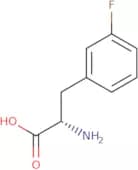
CAS:3-Fluoro-L-phenylalanine is a fluorinated analog of the amino acid phenylalanine. It is an endophytic fungus that has been found in the leaves of wheat and rice plants. 3-Fluoro-L-phenylalanine is synthesized by 4-fluoro-l-phenylalanine, a plant metabolite, through the addition of a fluoride ion. This molecule can be used to produce gels with high glass transition temperatures. The synthesis of 3-fluoro-L-phenylalanine and its derivatives can be studied using NMR spectroscopy because these molecules are acidic and have low energy levels.Formula:C9H10FNO2Purity:Min. 95%Color and Shape:White/Off-White SolidMolecular weight:183.18 g/mol(5-Bromo-2-methoxyphenyl)acetonitrile
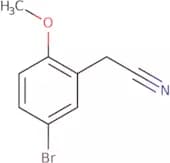
CAS:5-Bromo-2-methoxyphenyl)acetonitrile is a chemical building block that can be used in the synthesis of complex compounds. It is a versatile intermediate that can be used as a reagent in organic reactions. This compound has been shown to be useful as a reaction component and is a high quality product. 5-Bromo-2-methoxyphenyl)acetonitrile has CAS number 7062-40-0 and is listed on the Chemical Abstracts Service (CAS).Formula:C9H8BrNOPurity:Min. 95%Molecular weight:226.07 g/mol4,5-Diamino-6-chloropyrimidine
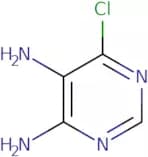
CAS:4,5-Diamino-6-chloropyrimidine is a glycosidic compound that has been used for the optimization of drug targets. It has been shown to have antimalarial activity against Plasmodium falciparum in vitro and in vivo. 4,5-Diamino-6-chloropyrimidine binds to the amine groups on nucleotides, specifically purines (adenine and guanine), and amidates the 6-chloropurine ring. This makes it a potential candidate for use in chemotherapy. The structure of 4,5-diamino-6-chloropyrimidine was determined by NMR and mass spectroscopy analysis.Formula:C4H5ClN4Purity:Min. 95%Molecular weight:144.56 g/mol2,4-Dichloro-α-(chloromethyl)benzyl alcohol
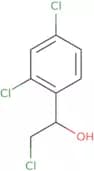
CAS:2,4-Dichloro-alpha-(chloromethyl)benzyl alcohol is an enantiopure compound that belongs to the class of acetylating agents. This drug is used in organic chemistry as a hydrophobic reagent to acetylate hydrophobic or electron-deficient carbon centers. It reacts with alcohols in the presence of aluminium and catalysts such as pyridine, 2,6-lutidine, or benzoyl chloride. The reaction time is dependent on the substrate binding and the kinetic effect. 2,4-Dichloro-alpha-(chloromethyl)benzyl alcohol has been shown to be an antifungal agent against Candida albicans. It has also been shown to be a chiral compound that can inhibit the growth of fungi by inhibiting the enzyme alcohol dehydrogenase which controls cellular levels of NADH2 and NAD+.Formula:C8H7Cl3OPurity:Min. 95%Color and Shape:SolidMolecular weight:225.5 g/mol2-(1-Adamantyl)-4-bromophenol
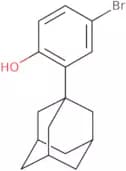
CAS:2-(1-Adamantyl)-4-bromophenol is a synthetic polymer that is used in the production of film. It has been used to produce chromatographic films, which are used for the separation and purification of organic compounds. 2-(1-Adamantyl)-4-bromophenol is also used to manufacture ion-exchange resins, which are used for the separation and purification of ions in water. 2-(1-Adamantyl)-4-bromophenol has been shown to be carcinogenic when administered orally to rats, causing human colon carcinoma. It also causes pleural mesothelioma when administered intrapleurally in rats. This chemical has been shown to have anti-inflammatory properties due to its ability to inhibit prostaglandin synthesis.Formula:C16H19BrOPurity:Min. 95%Color and Shape:PowderMolecular weight:307.23 g/molDimethyl [2-oxo-3-[3-(trifluoromethyl)phenoxy]propyl]phosphonate
CAS:Please enquire for more information about Dimethyl [2-oxo-3-[3-(trifluoromethyl)phenoxy]propyl]phosphonate including the price, delivery time and more detailed product information at the technical inquiry form on this page
Formula:C12H14F3O5PPurity:Min. 95%Color and Shape:Clear Liquid PowderMolecular weight:326.21 g/mol5-Chlorosalicylic acid
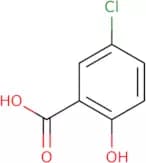
CAS:5-Chlorosalicylic acid is an inhibitor of the enzyme carbonic anhydrase. It is used for the treatment of gout, rheumatoid arthritis, and osteoarthritis. This compound has been shown to be a genotoxic agent, which may result in mutagenic or carcinogenic effects. 5-Chlorosalicylic acid inhibits the growth of probiotic bacteria. It also has anti-inflammatory properties and can be used as a proton donor in organic synthesis reactions. 5-Chlorosalicylic acid is a metabolite of acetylsalicylic acid (ASA) that forms when ASA undergoes oxidative deamination in the liver. 5-Chlorosalicylic acid is also formed during metabolism of nonsteroidal anti-inflammatory drugs (NSAIDs).Formula:C7H5ClO3Purity:Min. 95%Color and Shape:White Off-White PowderMolecular weight:172.57 g/mol3-Bromocarbazole
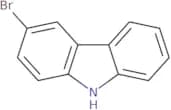
CAS:3-Bromocarbazole is a fluorophore that can be used as a fluorescence probe. It has high optical properties and low energy, making it ideal for analytical methods such as fluorescence resonance or iodination reaction. 3-Bromocarbazole binds to the bacterial receptor and is able to inhibit the growth of bacteria in human serum. This compound can also be used to differentiate bacterial strains based on their dry weight. 3-Bromocarbazole is a new chemical entity with many potential applications in medicine, biology, and chemistry.Formula:C12H8BrNPurity:Min. 98 Area-%Color and Shape:Yellow PowderMolecular weight:246.1 g/mol(1,5-Cyclooctadiene)bis(methyldiphenylphosphine) iridium(I) hexafluorophosphate
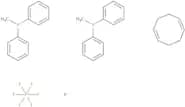
CAS:(1,5-Cyclooctadiene)bis(methyldiphenylphosphine) iridium(I) hexafluorophosphate is an organometallic compound that is a reagent for the synthesis of β-unsaturated aldehydes. It can be used in organic solvents such as diethyl ether and hexanes to transvinylate anion with methanol or ethylene glycol to produce propenyl alcohols. (1,5-Cyclooctadiene)bis(methyldiphenylphosphine) iridium(I) hexafluorophosphate has been found to be insoluble in water, alcohols, and acetals.
Formula:C34H38F6IrP3Purity:Min. 97%Color and Shape:PowderMolecular weight:845.79 g/mol2,6-Dichlorostyrene, stabilised with 0.1% 4-tert-butylcatechol
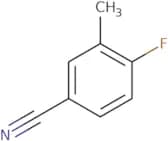
CAS:The 2,6-Dichlorostyrene stabilised with 0.1% 4-tert-buylcatechol (2,6-DC) is a primary alcohol with an inelastic molecule. It has been shown to be a good solvent for the analytical method of solute and chloride. The compound can also be used as a monomer in the synthesis of polystyrene. The 2,6-Dichlorostyrene stabilised with 0.1% 4-tert-buylcatechol has been used in copolymerization reactions at temperatures ranging from -10 to 50 degrees Celsius, which are known to produce copolymers that are soluble and elastomeric.Formula:C8H6Cl2Purity:Min. 95%Color and Shape:Clear LiquidMolecular weight:173.04 g/mol4-Fluoro-3-methylbenzonitrile
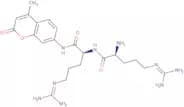
CAS:4-Fluoro-3-methylbenzonitrile (FMN) is a cytostatic agent that inhibits the growth of cancer cells by inhibiting the kinase activity. FMN has been shown to be an effective inhibitor of a number of kinases, including protein kinase C and cAMP-dependent protein kinase. The biological activity of FMN has been demonstrated in both cell culture and animal models. As with other chemotherapeutic agents, the evolution of resistance to FMN is a major concern for its use as a cancer treatment drug.Formula:C8H6FNPurity:Min. 95%Color and Shape:PowderMolecular weight:135.14 g/molH-Arg-Arg-AMC hydrochloride salt
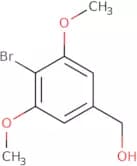
CAS:H-Arg-Arg-AMC hydrochloride salt is a proteolytic inhibitor that binds to the active site of aminopeptidases and prevents their proteolytic activity. This inhibition leads to increased muscle mass in juveniles, as well as higher concentrations of magnesium ions in sarcoplasmic and myofibrillar proteins. H-Arg-Arg-AMC hydrochloride salt also has an inhibitory effect on ion exchange and chloride transport in muscle cells. The biochemical effects of this drug are due to its ability to inhibit the aminopeptidase enzymes, which play a role in the metabolism of amino acids.Formula:C22H33N9O4Purity:Min. 95%Color and Shape:PowderMolecular weight:487.56 g/mol4-Bromo-3,5-dimethoxybenzyl alcohol
CAS:4-Bromo-3,5-dimethoxybenzyl alcohol is a bromoarene that can be used as a ligand in coupling reactions. It has been shown to be an efficient coupling partner for the synthesis of triphylla, featuring a skeleton of chelating 4-bromo-3,5-dimethoxybenzyl alcohol.Formula:C9H11BrO3Purity:Min. 95%Color and Shape:PowderMolecular weight:247.09 g/mol5-Fluoro-2-(trifluoromethyl)pyridin-4-amine
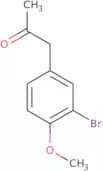
CAS:5-Fluoro-2-(trifluoromethyl)pyridin-4-amine is a fine chemical that is used to create other organic compounds. This compound is an intermediate in the production of pharmaceuticals, pesticides, and herbicides. It can also be used as a reagent or a speciality chemical in research. 5-Fluoro-2-(trifluoromethyl)pyridin-4-amine can be used as a reaction component to synthesize other compounds and has been shown to have versatile functions as a building block for complex molecules. This compound is not classified by the Chemical Abstract Service (CAS) and does not have any reported toxic effects on humans.Formula:C6H4F4N2Purity:Min. 95 Area-%Color and Shape:PowderMolecular weight:180.1 g/mol(5-Bromo-4-methoxyphenyl)acetone
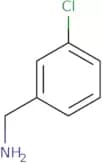
CAS:5-Bromo-4-methoxyphenyl)acetone (BMA) is a versatile building block that is used in the production of fine chemicals, research chemicals, and reagents. It has been shown to be a useful scaffold for the synthesis of complex compounds. BMA is also an intermediate for the production of other chemicals. This chemical has been shown to have high quality with a wide range of uses as a reaction component or useful scaffold.Formula:C10H11BrO2Purity:Min. 95%Molecular weight:243.1 g/mol3-Chlorobenzylamine
CAS:3-Chlorobenzylamine is a model system for the study of the metabolism of human pathogens. It has been shown to have cytostatic effects in sarcoma cells and pain-relieving properties in animal models. 3-Chlorobenzylamine inhibits the replication of HIV, herpes virus, and adenosine receptor antagonists. This drug has also been found to be an effective anticancer agent. 3-Chlorobenzylamine is structurally similar to other anticancer agents such as methotrexate, mercaptopurine, and pyrimidine analogs.Formula:C7H8ClNPurity:Min. 95%Molecular weight:141.6 g/mol3-(4'-Bromo[1,1'-biphenyl]-4-yl)-1,2,3,4-tetrahydro-1-naphthalenol
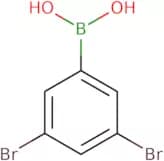
CAS:3-(4'-Bromo[1,1'-biphenyl]-4-yl)-1,2,3,4-tetrahydro-1-naphthalenol is a chemical compound that belongs to the group of bromonaphthalenes. It has been used as a reaction component in organic synthesis and as a reagent for detection of DNA binding. 3-(4'-Bromo[1,1'-biphenyl]-4-yl)-1,2,3,4-tetrahydro-1-naphthalenol can be used as a building block for complex compounds with speciality applications. The compound is an intermediate in the production of pharmaceuticals such as selective estrogen receptor modulators.Formula:C22H19BrOPurity:Min. 95%Color and Shape:PowderMolecular weight:379.29 g/mol3,5-Dibromophenylboronic acid
CAS:3,5-Dibromophenylboronic acid is a boronic acid with the chemical formula B(OH)Br. The boron atom in this molecule has a unique electron configuration that allows it to form strong bonds with other atoms and molecules. This reactive compound can be used as a ligand in cross-coupling reactions or to modify an organic molecule by coupling it to another molecule. 3,5-Dibromophenylboronic acid is typically used as a precursor for the synthesis of nanomaterials and can be synthesized from monomers at temperatures ranging from -78°C to 80°C.Formula:C6H5BBr2O2Purity:Min. 95%Molecular weight:279.72 g/mol6-Fluorovitamin D3
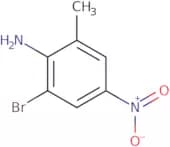
CAS:6-Fluorovitamin D3 is a synthetic analog of vitamin D3, which is a modified form of the naturally occurring hormone known as cholecalciferol. This molecule is typically derived through chemical synthesis, incorporating a fluorine atom at a specific position on the vitamin D3 structure. The introduction of the fluorine atom is designed to enhance the stability of the compound and potentially alter its biological activity.Formula:C27H43FOPurity:Min. 95%Molecular weight:402.63 g/mol2-Bromo-6-methyl-4-nitroaniline
CAS:2-Bromo-6-methyl-4-nitroaniline is a fine chemical that is used in the preparation of other chemicals and as a reagent. It can be used as an intermediate for organic synthesis, such as the conversion of 2-bromoindole to indoxyl, or as a building block for the preparation of more complex compounds. This chemical is also versatile in that it can be used in reactions with different reactants, including amines, carboxylic acids, thiols, and alcohols.Formula:C7H7BrN2O2Purity:Min. 95%Color and Shape:PowderMolecular weight:231.05 g/molIsobutyl 3,5-diamino-4-chlorobenzoate
CAS:Isobutyl 3,5-diamino-4-chlorobenzoate is a compound that can be used as an inhibitor in the reaction process of dehalogenation. It is a low-temperature compound that crystallizes with isobutyl, which can be recycled and hydrogen gas. Isobutyl 3,5-diamino-4-chlorobenzoate absorbs nitrogen gas at high pressure and has a molecular weight of 146.Formula:C11H15ClN2O2Purity:Min. 95%Color and Shape:Brown PowderMolecular weight:242.7 g/mol1,10-Dichlorodecane
CAS:1,10-Dichlorodecane is a synthetic cationic surfactant with an antimicrobial effect. It has been shown to inhibit the growth of bacteria in urine samples at concentrations of less than 1 mg/mL. The inhibitory effect on bacterial growth is due to the strong interaction between the chloride ions and the ionic surfactant, which causes a decrease in the surface tension of water and disturbs cell membranes. 1,10-Dichlorodecane also inhibits the growth of other bacteria such as Staphylococcus aureus and Pseudomonas aeruginosa. This product can be used as a broad-spectrum antimicrobial agent against Gram-positive and Gram-negative bacteria.Formula:C10H20Cl2Purity:Min. 95%Color and Shape:Clear LiquidMolecular weight:211.17 g/mol4-[3-(Trifluoromethyl)diazirin-3-yl]benzoic acid N-hydroxysuccinimide ester
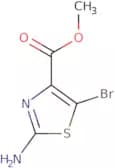
CAS:4-[3-(Trifluoromethyl)diazirin-3-yl]benzoic acid N-hydroxysuccinimide ester is a complex molecule that belongs to the group of reagents, useful intermediates, and speciality chemicals. This compound is a high quality chemical that is an excellent building block for the synthesis of other compounds. It is also a versatile building block and can be used in reactions that require a building block with electron-withdrawing properties. 4-[3-(Trifluoromethyl)diazirin-3-yl]benzoic acid N-hydroxysuccinimide ester has been shown to be useful in the synthesis of fluoroquinolones and other pharmaceuticals.Formula:C13H8F3N3O4Purity:Min. 95%Color and Shape:White PowderMolecular weight:327.22 g/mol2-Amino-5-bromothiazole-4-carboxylic acid methyl ester
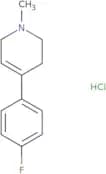
CAS:2-Amino-5-bromothiazole-4-carboxylic acid methyl ester is a reagent that can be used as a building block for the synthesis of complex compounds. It is also an intermediate in the synthesis of other chemical compounds with therapeutic potential. 2-Amino-5-bromothiazole-4-carboxylic acid methyl ester is a fine chemical, which is useful for research purposes. The CAS number for this product is 850429-60-6.Formula:C5H5BrN2O2SPurity:Min. 95%Color and Shape:PowderMolecular weight:237.08 g/mol4-(4-Fluorophenyl)-1,2,3,6-tetrahydro-1-methylpyridine hydrochloride (1:1)
CAS:4-(4-Fluorophenyl)-1,2,3,6-tetrahydro-1-methylpyridine hydrochloride (1:1) is a neuroleptic drug that has analgesic and antihistaminic effects. It is an alkylthio compound that inhibits serotonin release from the pre-synaptic neuron. 4-(4-Fluorophenyl)-1,2,3,6-tetrahydro-1-methylpyridine hydrochloride (1:1) also blocks the uptake of dopamine by nerve cells in the brain and prevents its conversion to norepinephrine. This medicine acts as an antagonist for both alpha and beta receptors because it binds to the benzene ring of these neurotransmitters. The alpha receptor antagonist properties of this drug are due to its ability to prevent norepinephrine from binding with alpha receptors on muscle cells. The beta receptor antagonist properties are due to its abilityFormula:C12H14FN•HClPurity:Min. 95%Color and Shape:PowderMolecular weight:227.71 g/molDimethyl(methylthio)sulfonium Tetrafluoroborate
CAS:Dimethyl(methylthio)sulfonium Tetrafluoroborate (DMTSBF) is a synthetic, activated, nucleophilic reagent that has the ability to cleave disulfide bonds in proteins. DMTSBF is used for the synthesis of fatty acids and other organic compounds. It can also be used as an analytical reagent for determining the blood group of proteins. The chloride ion is necessary for this reaction. DMTSBF reacts with a nucleophile (e.g., hydroxyl, amine, thiol) to form a new bond and release sodium carbonate and silver trifluoromethanesulfonate.
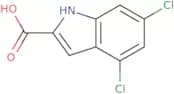
Formula:C3H9BF4S2Purity:Min. 95%Color and Shape:PowderMolecular weight:196.04 g/mol4,6-Dichloroindole-2-carboxylic acid
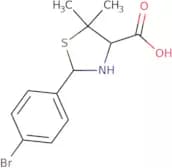
CAS:4,6-Dichloroindole-2-carboxylic acid (DCI) is a potential drug candidate for the treatment of neurological disorders. DCI binds to glutamate receptors, which are involved in many neurological diseases. It has been shown to inhibit glutamate dehydrogenase and thus block the production of glutamate from glucose. DCI also prevents neuronal death caused by excessive levels of glutamate and inhibits the activation of N-methyl-D-aspartate (NMDA) receptors. This drug is currently being investigated as a therapy for inflammatory diseases such as multiple sclerosis and Alzheimer's disease. One study has shown that DCI may be useful for treating cerebellar granule cells in a model system. It has been found to inhibit glycogen synthase kinase 3, which is an enzyme involved in signaling pathways that regulate cell growth and survival.Formula:C9H5Cl2NO2Purity:Min. 95%Color and Shape:White PowderMolecular weight:230.05 g/mol2-(4-Bromophenyl)-5,5-dimethyl-1,3-thiazolidine-4-carboxylic acid
CAS:2-(4-Bromophenyl)-5,5-dimethyl-1,3-thiazolidine-4-carboxylic acid is a fine chemical that can be used as a building block for research chemicals. It can also be used as an intermediate in the synthesis of complex compounds. 2-(4-Bromophenyl)-5,5-dimethyl-1,3-thiazolidine-4-carboxylic acid has been shown to react with various groups including hydroxyls and amines, making it a versatile compound. This compound is synthesized by condensation of 4 bromobenzene with 5,5 dimethyllithium and the subsequent reaction with thiourea. The product is purified by recrystallization from ethanol.Formula:C12H14BrNO2SPurity:Min. 95%Color and Shape:PowderMolecular weight:316.21 g/mol2-Fluoro-6-methoxybenzoic acid
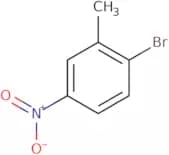
CAS:2-Fluoro-6-methoxybenzoic acid is a monocarboxylic acid that is synthesized from 2,6-dichlorobenzoic acid by a mediated, synthetic sequence. This compound can be used as a substrate for kinetic analyses of the transport of carboxylic acids across cellular membranes. The uptake of 2-fluoro-6-methoxybenzoic acid is expressed in the apical surface membrane of Caco2 cells. Kinetic studies indicate that this compound reacts rapidly with butyllithium to form an enamine intermediate. The enamine intermediate then reacts with either water or methanol to produce a final product, depending on the reaction time.Formula:C8H7FO3Purity:Min. 95%Color and Shape:PowderMolecular weight:170.14 g/mol2-Bromo-5-nitrotoluene
CAS:2-Bromo-5-nitrotoluene is a monosubstituted aromatic compound with a pKa of -2.5. The hydroxyl group on the ring makes this compound acidic, and it will readily react with an electrophile to form an addition product. 2-Bromo-5-nitrotoluene undergoes reductive elimination to form 2-aminoethanol, which is more stable than the nitroso group. The mechanism of this reaction involves labile intermediates that are sensitive to light and heat. The frequency data for 2-bromo-5-nitrotoluene can be found in the table below: 2H NMR (400 MHz, CDCl) δ 7.60 (d, J=8 Hz, 1H), 7.50 (dd, J=8 Hz, 1H), 3.80 (s, 3H). 1H NFormula:C7H6BrNO2Purity:Min. 95%Color and Shape:PowderMolecular weight:216.03 g/mol10-O-2,2-Dichloroethoxycarbonyl docetaxel
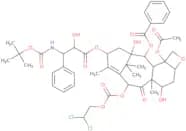
CAS:10-O-2,2-Dichloroethoxycarbonyl docetaxel is a fine chemical that is useful for the preparation of complex compounds, scaffolds and reaction components. It is a versatile building block that can be used as an intermediate in the synthesis of more complex molecules. This compound has been shown to be an effective agent against cancer cells. The structures of 10-O-2,2-Dichloroethoxycarbonyl docetaxel and docetaxel are shown below.Formula:C46H55Cl2NO16Purity:Min. 95%Color and Shape:White PowderMolecular weight:948.83 g/mol3,5-Diiodo-4-hydroxyphenylpropionic acid
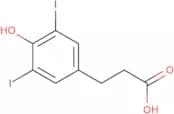
CAS:3,5-Diiodo-4-hydroxyphenylpropionic acid (DIPPA) is a nucleophilic compound that inhibits the catechol-O-methyltransferase enzyme and is used to treat cardiac disease. It has been shown to improve ventricular function in congestive heart failure patients. DIPPA binds to the hydroxyl group of the enzyme's active site and competitively inhibits the binding of catechol or o-methoxybenzaldehyde. This prevents the methylation of catecholamines, which are important for cardiac function. The mechanism of action for DIPPA is similar to that of other drugs that have been found to be effective in treating congestive heart failure such as propranolol or amiodarone.
Formula:C9H8I2O3Molecular weight:417.97 g/mol4-Sulfonamidophenylhydrazine hydrochloride
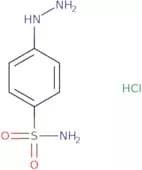
CAS:4-Sulfonamidophenylhydrazine hydrochloride is an in vitro antifungal agent with a diazonium salt structure. It is used as a chemical intermediate to synthesize other pharmaceuticals, such as nonsteroidal anti-inflammatory drugs and antimicrobial agents. 4-Sulfonamidophenylhydrazine hydrochloride has been shown to inhibit the production of Cox-2, which is associated with inflammation and cancer. The drug also exhibits antiinflammatory activity due to its ability to inhibit prostaglandin synthesis. 4-Sulfonamidophenylhydrazine hydrochloride exhibits high affinity for human serum albumin and can be used as an indicator for the presence of carbonic acid or carbonyl groups in organic compounds.Formula:C6H9N3O2S·HClPurity:Min. 95%Molecular weight:223.68 g/mol4-Bromophenylhydrazine hydrochloride
CAS:4-Bromophenylhydrazine hydrochloride is a hydroxylated phenylhydrazine derivative that is used as an inhibitor of the enzyme tyrosinase. It has been shown to have significant antiproliferative activity against various cancer cell lines in vitro. 4-Bromophenylhydrazine hydrochloride has undergone extensive chemical study and its molecular structure has been elucidated by means of computational methods. The compound inhibits human tyrosinase by cleaving the C-C bond between the hydroxyl group and the phenyl ring, inhibiting tyrosinase activity and preventing melanin production. This process is reversible, so it can be used to maintain skin pigmentation at a desired level. 4-Bromophenylhydrazine hydrochloride also inhibits other enzymes that are related to pigment production, such as chymotrypsin and trypsin.Formula:C6H7BrN2•HClPurity:Min. 95%Molecular weight:223.5 g/mol6-Epidoxycycline hydrochloride
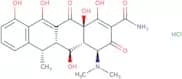
CAS:6-Epidoxycycline hydrochloride is a synthetic antibiotic that is prepared by the condensation of divinylbenzene and 6-aminopenicillanic acid. It has been found to have good antibacterial activity against Gram-positive bacteria. 6-Epidoxycycline hydrochloride has also been shown to be active against Gram-negative bacteria, but not as potent as other antibiotics in this class. The compound has been found to be stable in plasma and urine samples, but can react with acetonitrile. This reaction can lead to impurities that interfere with the analysis of the sample by chromatography. The compound has not been well studied for its side effects or toxicology, but it is thought to have similar effects to other members of this class of antibiotics.Formula:C22H24N2O8·HClPurity:Min. 90 Area-%Color and Shape:White PowderMolecular weight:480.9 g/mol7,8,9,10-Tetrahydro-8-(trifluoroacetyl)-6,10-methano-6H-pyrazino[2,3-h][3]benzazepine
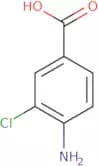
CAS:7,8,9,10-Tetrahydro-8-(trifluoroacetyl)-6,10-methano-6H-pyrazino[2,3-h][3]benzazepine is a chemical compound that is used as a reagent in the synthesis of other compounds. It is an intermediate for the production of fine chemicals and useful scaffolds. This compound has been shown to be a versatile building block for a variety of reactions. 7,8,9,10-Tetrahydro-8-(trifluoroacetyl)-6,10-methano-6H-pyrazino[2,3-h][3]benzazepine also has CAS number 230615-70-0 and can be found on the Chemical Abstracts Service Registry Number.Formula:C15H12F3N3OPurity:Min. 98 Area-%Color and Shape:Slightly Yellow PowderMolecular weight:307.27 g/mol4-Amino-3-chlorobenzoic acid
CAS:4-Amino-3-chlorobenzoic acid is a white solid with a molecular weight of 170.1 g/mol, melting point of 158.5°C and boiling point of 267°C. It has the molecular formula C6H5ClNO2 and the IUPAC name 4-(aminomethyl)-3-chlorobenzoic acid. The chemical structure of this compound is shown in Figure 1.
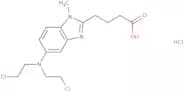
Formula:C7H6ClNO2Purity:Min. 95%Color and Shape:PowderMolecular weight:171.58 g/molBendamustine hydrochloride
CAS:DNA alkylator; purine analogFormula:C16H22Cl3N3O2Purity:Min. 98 Area-%Color and Shape:White PowderMolecular weight:394.72 g/mol



![Dimethyl [2-oxo-3-[3-(trifluoromethyl)phenoxy]propyl]phosphonate](/_next/image/?url=https%3A%2Fstatic.cymitquimica.com%2Fproducts%2F3D%2Fthumb-webp%2FFD46172.webp&w=3840&q=75)


![3-(4'-Bromo[1,1'-biphenyl]-4-yl)-1,2,3,4-tetrahydro-1-naphthalenol](/_next/image/?url=https%3A%2Fstatic.cymitquimica.com%2Fproducts%2F3D%2Fthumb-webp%2FFB164965.webp&w=3840&q=75)



![4-[3-(Trifluoromethyl)diazirin-3-yl]benzoic acid N-hydroxysuccinimide ester](/_next/image/?url=https%3A%2Fstatic.cymitquimica.com%2Fproducts%2F3D%2Fthumb-webp%2FFT28476.webp&w=3840&q=75)



![7,8,9,10-Tetrahydro-8-(trifluoroacetyl)-6,10-methano-6H-pyrazino[2,3-h][3]benzazepine](/_next/image/?url=https%3A%2Fstatic.cymitquimica.com%2Fproducts%2F3D%2Fthumb-webp%2FFT11986.webp&w=3840&q=75)