Organic Halides
Subcategories of "Organic Halides"
Found 20442 products of "Organic Halides"
tert-Butyl diphenylchlorosilane
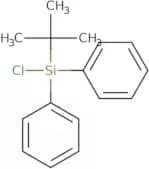
CAS:Tert-butyl diphenylchlorosilane is a chemical compound that belongs to the group of organosilicon compounds. It is used for the preparation of various organosilicon compounds, such as trifluoroacetic acid, which is used in analytical chemistry. The synthesis of tert-butyl diphenylchlorosilane starts with the reaction between hydrochloric acid and sodium citrate. This yields a phosphate bond and a hydroxyl group. In order to form the desired product, tert-butyl diphenylchlorosilane, this intermediate is reacted with trifluoroacetic acid in an asymmetric synthesis to yield the desired product. The reaction mechanism of this process involves hydrogen chloride as an electrophile attacking the carbonyl carbon atom in trifluoroacetic acid, leading to an elimination reaction. This elimination reaction results in two possible products: tert-butyl acetate or tert-butyl chlorosFormula:C16H19ClSiPurity:Min. 97 Area-%Color and Shape:Clear LiquidMolecular weight:274.87 g/molHeptadecafluoro-N,N-Bis(2-Hydroxyethyl)Octanesulphonamide
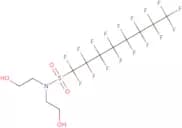
CAS:Controlled ProductHeptadecafluoro-N,N-Bis(2-Hydroxyethyl)Octanesulphonamide is a lubricant that is used in the manufacture of polyester films. It is insoluble and has excellent compressive properties. This compound is soluble in both organic solvents and water, and can be applied as a transfer agent or to obviate the need for a separate lubricant. Heptadecafluoro-N,N-Bis(2-Hydroxyethyl)Octanesulphonamide is an inorganic material that does not react with other materials. It also has good deformation resistance and low hardness. The particle size of this compound is between 5 and 10 microns.Formula:C12H10F17NO4SPurity:Min. 95%Molecular weight:587.25 g/molMagnesium chloride hexahydrate
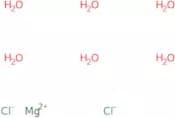
CAS:Magnesium chloride hexahydrate is a chemical compound with the formula MgCl2·6H2O. It is used as an electrolyte in wastewater treatment and for the production of magnesium metal. The optimum concentration for this chemical is between 0.1-0.3 mol/L, which can be found in nature. Magnesium chloride hexahydrate is also used as a component in dextran sulfate, which is an additive to prevent clumping of particles suspended in water or other liquids. This compound has been shown to affect the activity of enzymes such as xylanase, protease, and amylase. Magnesium chloride hexahydrate has a phase transition temperature of 40 °C and can form coordination geometry structures with copper(II) ions at high temperatures.Formula:MgCl2·6H2OColor and Shape:PowderMolecular weight:203.3 g/mol(2,4-Dichlorophenoxy)acetic acid methyl ester
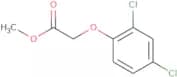
CAS:2,4-Dichlorophenoxyacetic acid methyl ester is a herbicide that inhibits the growth of plants by inhibiting photosynthesis. It is an organic compound with a molecular weight of 168.2 g/mol. This product has been shown to biodegrade in soil and water, as well as be non-persistent in the environment. 2,4-Dichlorophenoxyacetic acid methyl ester is also a pesticide that kills plants by blocking the synthesis of chlorophyll and other plant pigments. This product can be used on trees and shrubs for control of broadleaf weeds and grasses.Formula:C9H8Cl2O3Purity:Min. 95%Color and Shape:PowderMolecular weight:235.06 g/molClomipramine hydrochloride
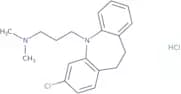
CAS:Controlled ProductClomipramine hydrochloride is the hydrochloride salt form of clomipramine, an amphiphilic drug, derivative of dibenzazepine. It is presumed that this tricyclic compound affects serotonin uptake in the brain increasing thus the activity of serotonin. Also, clomipramine reduces the re-uptake of norepinephrine (active metabolite desmethylclomipramine) and binds to alpha-adrenergic, histaminergic, and cholinergic receptors (side effects). Clomipramine is antidepressant, used to treat obsessive compulsive disorder, panic disorders and cataplexy. Clomipramine is shown to modulate immune activation, shows constant anti-inflammatory properties at therapeutic concentrations by consistently decreasing pro- inflammatory cytokines. Clomipramine could be a good candidate to counteract SARS-CoV-2 infection worsening thanks to its high penetration in the brain and its anti-inflammatory effects.Formula:C19H24Cl2N2Purity:Min. 95%Color and Shape:SolidMolecular weight:351.31 g/mol4-Amino-5-chloro-2,3-dihydro-N-[1-(3-methoxypropyl)-4-piperidinyl]-7-benzofurancarboxamide
CAS:The drug 4-Amino-5-chloro-2,3-dihydro-N-[1-(3-methoxypropyl)-4-piperidinyl]-7-benzofurancarboxamide (BZP) is a histamine H2 receptor antagonist. It binds to the histamine H2 receptor in the stomach and duodenum, thereby blocking stomach acid production. BZP has been shown to be effective for treating symptoms of constipation or diarrhoea caused by inflammatory bowel disease or abdominal surgery. BZP also reduces the risk of relapse after surgery but does not affect long term efficacy. This drug is not available in the United States and has significant interactions with other drugs and symptoms including constipation, bowel disease, long term efficacy, and analytical method.Formula:C18H26ClN3O3Purity:Min. 95%Color and Shape:White PowderMolecular weight:367.87 g/molEthyl chloroacetate
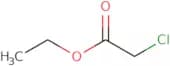
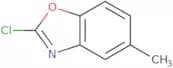
CAS:Used in the preparation of 5-member heterocyclesFormula:C4H7ClO2Purity:Min. 95%Color and Shape:Colorless Clear LiquidMolecular weight:122.55 g/mol2-Chloro-5-methyl-1,3-benzoxazole
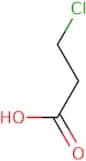
CAS:2-Chloro-5-methyl-1,3-benzoxazole (CMB) is a regioselective synthetic intermediate that can be used to synthesize other compounds. It is produced by the reaction of chloromethyl methyl ether with anhydrous magnesium chloride in the presence of a solvent such as THF or diethyl ether. CMB can also be prepared by the reaction of 2,4,6-trichlorobenzoyl chloride with magnesium metal and a solvent such as THF or diethyl ether. This intermediate can be used in cross-coupling reactions with Grignard reagents to produce different compounds.Formula:C8H6ClNOPurity:Min. 95 Area-%Color and Shape:PowderMolecular weight:167.59 g/mol3-Chloropropionic acid
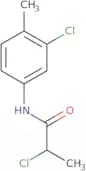
CAS:3-Chloropropionic acid is a non-toxic organic compound that exhibits significant cytotoxicity against many bacterial strains. It is a white solid, which is soluble in water and has no odor. 3-Chloropropionic acid can be synthesized by the reaction of malonic acid with ethylene diamine or by the reaction of bromoacetic acid with sodium salts. The optimum pH for this reaction is 6.5 to 7.5 and the optimum temperature is 25°C to 30°C. This compound has been shown to inhibit the synthesis of fatty acids in bacteria, which may be due to its hydroxyl group. 3-Chloropropionic acid reacts with trifluoroacetic acid, giving an ester product, which can then be hydrolyzed back to 3-chloropropionic acid. This chemical also has a physiological function as an intermediate in the synthesis of other chemicals such as biotin and pantothenFormula:C3H5ClO2Purity:Min. 95%Color and Shape:PowderMolecular weight:108.52 g/mol2-Chloro-N-(3-chloro-4-methylphenyl)propanamide
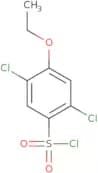
CAS:Please enquire for more information about 2-Chloro-N-(3-chloro-4-methylphenyl)propanamide including the price, delivery time and more detailed product information at the technical inquiry form on this pageFormula:C10H11Cl2NOPurity:Min. 95%Molecular weight:232.11 g/mol2,5-Dichloro-4-ethoxybenzenesulfonyl chloride
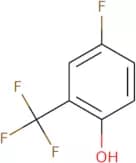
CAS:2,5-Dichloro-4-ethoxybenzenesulfonyl chloride is a chlorosulfonyl reagent that is used in the synthesis of organic compounds. It can be used as a building block, a research chemical, or an intermediate compound. This material has been shown to be useful in the synthesis of many different types of compounds and it provides a versatile scaffold for chemical reactions. The reaction component has shown high quality and was obtained from a reliable source.Formula:C8H7Cl3O3SPurity:Min. 95 Area-%Color and Shape:PowderMolecular weight:289.56 g/mol4-Fluoro-2-(trifluoromethyl)phenol
CAS:4-Fluoro-2-(trifluoromethyl)phenol is a reactive compound that can be used for the synthesis of a variety of functionalized molecules. It is prepared by a cross-coupling reaction with an organometallic reagent and a chloride such as methylene chloride or chloroform. The 4-fluoro group on the phenol provides the desired electrophilic character to react with electron rich nucleophiles, such as an allylbenzene or styrene. The product of this reaction is an alkylating agent that has been shown to have signalling properties, operational capabilities, and fabricating benefits.Formula:C7H4F4OPurity:Min. 95%Color and Shape:PowderMolecular weight:180.1 g/mol6-Chloroisatin
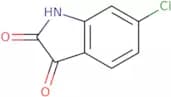
CAS:6-Chloroisatin is a potent inhibitor of bacterial growth that binds to the 50S ribosomal subunit. It has been shown to have strong inhibitory activity against tuberculosis and sulphamethoxazole-resistant strains of Mycobacterium tuberculosis. 6-Chloroisatin inhibits bacterial growth by binding to the 50S ribosomal subunit, thereby preventing protein synthesis and cell division. The electron deficient form of 6-chloroisatin reacts with the electron rich sulphamethoxazole by displacement of chloride ion from the sulphonamide ring, forming a regiospecific product that inhibits bacterial respiration. This reaction system is inhibited by activated carbon, which may be a potential therapeutic strategy for patients with drug resistant tuberculosis.
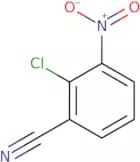
Formula:C8H4ClNO2Purity:Min. 95%Molecular weight:181.58 g/mol2-Chloro-3-nitrobenzonitrile
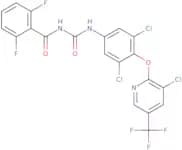
CAS:2-Chloro-3-nitrobenzonitrile is a high quality, reagent, and complex compound that is useful as an intermediate for the synthesis of fine chemicals. It has CAS No. 34662-24-3 and can be obtained from chemical suppliers worldwide. The compound is also useful as a building block for the synthesis of pharmaceuticals and other speciality chemicals. 2-Chloro-3-nitrobenzonitrile is a versatile building block that can be used in organic reactions to produce research chemicals such as derivatives of indole or phenol compounds.Formula:C7H3ClN2O2Purity:Min. 95%Color and Shape:PowderMolecular weight:182.56 g/molChlorfluazuron
CAS:Chlorfluazuron is a pesticide that inhibits the activity of an enzyme, amino transferase, which is involved in nitrogen metabolism. Chlorfluazuron has been shown to be effective against a wide range of insects and weeds. It is used for the control of pests on crops such as cotton, soybean, corn, sorghum, wheat, rice and vegetables. Chlorfluazuron also has a synergistic effect with other pesticides such as carbaryl and pyrethroid.
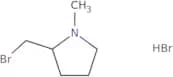
Formula:C20H9Cl3F5N3O3Purity:Min. 95%Color and Shape:PowderMolecular weight:540.65 g/mol2-(Bromomethyl)-1-methylpyrrolidine HBr
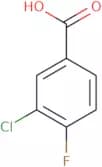
CAS:2-(Bromomethyl)-1-methylpyrrolidine HBr is a high quality, reagent grade compound that belongs to the category of complex compounds. It is an intermediate for the production of fine chemicals and speciality chemicals. 2-(Bromomethyl)-1-methylpyrrolidine HBr has been found to be a useful scaffold for the synthesis of various bioactive molecules, including pharmaceuticals, natural products and agrochemicals. This compound is also a versatile building block that can be used in reactions in order to produce high quality compounds.Formula:C6H12BrN·HBrPurity:Min. 95%Color and Shape:PowderMolecular weight:258.98 g/mol3-Chloro-4-fluorobenzoic acid
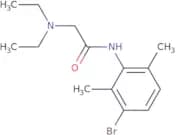
CAS:3-Chloro-4-fluorobenzoic acid is a prodrug that is converted to fluvoxamine maleate, its active form, by esterases. It is an inhibitor of the enzyme nitric oxide synthase and is used in the treatment of cancer. 3-Chloro-4-fluorobenzoic acid has been shown to inhibit cellular growth and proliferation in cancer cells. The molecular modeling study showed that 3-chloro-4-fluorobenzoic acid binds to the kinesin motor domain in a manner similar to fluvoxamine maleate but has a lower inhibitory potency than fluvoxamine maleate. Nonetheless, it was found that 3-chloro-4-fluorobenzoic acid could be used as a prodrug for fluvoxamine maleate.Formula:C7H4ClFO2Purity:Min. 95%Color and Shape:PowderMolecular weight:174.56 g/mol3-Bromo lidocaine
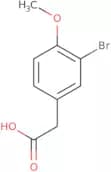
CAS:3-Bromo lidocaine is a useful building block for the synthesis of complex compounds. It is a chemical intermediate that is used in the manufacture of pharmaceuticals and other organic chemicals. 3-Bromo lidocaine has a CAS number of 1044658-01-6, which identifies it as a reagent that can be used in organic synthesis. It is an important reaction component with high quality and versatility, making it an excellent choice for research chemical or speciality chemical purposes.Formula:C14H21BrN2OPurity:Min. 95%Color and Shape:PowderMolecular weight:313.23 g/mol3-Bromo-4-methoxyphenylacetic acid
CAS:3-Bromo-4-methoxyphenylacetic acid is a benzyl ester of hydroxybenzoic acid. It is used as a synthetic precursor for the synthesis of curare and related compounds. 3-Bromo-4-methoxyphenylacetic acid was first synthesized in 1869 by German chemist Wilhelm Koenigs and has been widely used as a synthetic intermediate in organic chemistry. This compound can be prepared from bromobenzene, methoxybenzene, and acetic acid in the presence of dimethyl ether or nitrite. 3-Bromo-4-methoxyphenylacetic acid is also used to produce nitromethane, an alkylating agent that reacts with amines, alcohols, thiols, and sulfides to form N-substituted nitro compounds.
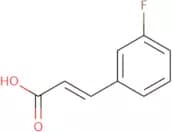
Formula:C9H9BrO3Purity:Min. 95%Color and Shape:PowderMolecular weight:245.07 g/mol3-Fluorocinnamic acid
CAS:3-Fluorocinnamic acid is an organic compound that belongs to the class of amides. It reacts with metal ions such as copper, silver, or gold. 3-Fluorocinnamic acid has a constant boiling point and can be used in the preparation of cinnamic acid derivatives. 3-Fluorocinnamic acid also has redox potential and is used as a substrate in enzyme preparations. 3-Fluorocinnamic acid can be synthesized by hydrolysis of malonic acid and metal salts with hydrochloric acid, which then reacts with triticum aestivum. The product is purified by recrystallization from water. This compound inhibits the reaction that converts lactose into glucose and galactose, leading to the production of lactic acid from milk.
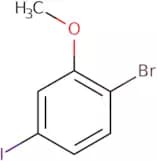
Formula:C9H7FO2Purity:Min. 98 Area-%Color and Shape:PowderMolecular weight:166.15 g/mol2-bromo-5-iodoanisole
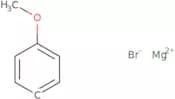
CAS:2-bromo-5-iodoanisole (BIA) is an aryl halide that undergoes electrophilic substitution reactions. It has been used as a chlorinating agent to produce monochlorobenzene, dichlorobenzene, and trichlorobenzene. 2-bromo-5-iodoanisole can also be used to synthesize butyllithiums and mesylates. These compounds are bifunctional, meaning they can act as both an electrophile and a nucleophile in substitution reactions. When 2-bromo-5-iodoanisole reacts with methoxy groups, it forms the highly reactive fluorine compound which then activates the aromatic heterocycles. 2-bromo-5-iodoanisole is labile, meaning that it easily undergoes hydrolysis or other chemical reactions. This reactivity makes 2BIA useful for organic synthesis because it canFormula:C7H6BrIOPurity:Min. 95%Color and Shape:PowderMolecular weight:312.93 g/mol4-Methoxyphenylmagnesium bromide - 0.5M solution in THF
CAS:4-Methoxyphenylmagnesium bromide - 0.5M solution in THF is a cytotoxic agent that binds to the estrogen receptor, which is involved in breast cancer cell proliferation and differentiation. It is an azide that has been shown to react with hydrochloric acid to form an amide. This reaction may be stereoselective and involve dehydration of the amine group. The mechanism of this reaction involves the formation of a trifluoroacetic acid derivative, which undergoes unsaturated alkyl halogenation followed by chloride ion attack on the double bond. 4-Methoxyphenylmagnesium bromide - 0.5M solution in THF has been shown to inhibit the proliferation of human MCF-7 breast cancer cells, as well as other estrogen receptor modulators such as amines and trifluoroacetic acid.Formula:C7H7BrMgOPurity:Min. 95%Color and Shape:PowderMolecular weight:211.34 g/molApelin-17 trifluoroacetate
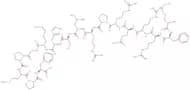
CAS:Apelin-17 trifluoroacetate is a reaction component, reagent and useful scaffold for the synthesis of complex compounds. It is a high quality, research chemical that is used in the synthesis of fine chemicals. Apelin-17 trifluoroacetate has versatile building block and can be used as a useful intermediate or as a speciality chemical. It also has high reactivity and is soluble in organic solvents.
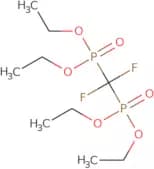
Formula:C96H156N34O20S•C2HF3O2Purity:Min. 95%Color and Shape:PowderMolecular weight:2,252.57 g/molTetraethyl difluoromethylenebisphosphonate
CAS:Tetraethyl difluoromethylenebisphosphonate (Tefd) reacts with nucleophiles, such as alcohols and amines, to form tetraethyl pyrophosphate (TEPP), which is a powerful phosphorylating agent. TEPP has been used for the efficient synthesis of esters and amides from alcohols and amines, respectively. Tefd is also used in the synthesis of pyrophosphates from carboxylic acids.Formula:C9H20F2O6P2Purity:Min. 95%Color and Shape:Clear colourless to yellow oil.Molecular weight:324.2 g/mol3-Fluoro-4-hydroxyphenylpropanenitrile
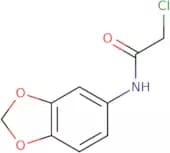
CAS:3-Fluoro-4-hydroxyphenylpropanenitrile is a reagent and building block for chemical synthesis, with potential applications in the manufacture of pharmaceuticals, agrochemicals, and fine chemicals. 3-Fluoro-4-hydroxyphenylpropanenitrile is an important intermediate or building block in organic synthesis due to its versatility and variety of reactions. In particular, it can be used as a starting material for the synthesis of new compounds or as a building block in complex syntheses. 3-Fluoro-4-hydroxyphenylpropanenitrile has been reported to be useful in the preparation of many complex molecules including fluoroquinolones, nitrile oxides, and azole antifungals.Formula:C9H8FNOPurity:Min. 95%Color and Shape:PowderMolecular weight:165.16 g/molN-1,3-Benzodioxol-5-yl-2-chloroacetamide
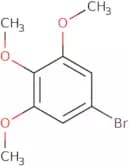
CAS:Please enquire for more information about N-1,3-Benzodioxol-5-yl-2-chloroacetamide including the price, delivery time and more detailed product information at the technical inquiry form on this pageFormula:C9H8ClNO3Purity:Min. 95%Molecular weight:213.62 g/mol1-Bromo-3,4,5-trimethoxybenzene
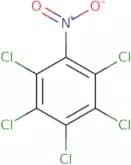
CAS:1-Bromo-3,4,5-trimethoxybenzene is a brominated molecule that is used in the synthesis of other organic compounds. It inhibits protein synthesis by inhibiting the production of ribosomes and is toxic to cancer cells. It has been shown to have inhibitory properties against the growth of k562 cells, which are leukemia cells. The mechanism by which 1-bromo-3,4,5-trimethoxybenzene inhibits protein synthesis is not fully understood. However, it has been found that this compound inhibits DNA polymerase activity and prevents RNA polymerase from transcribing genetic information from DNA to mRNA. This may be due to its ability to act as a diazonium salt or an n-dimethyl formamide substrate. In addition, 1-bromo-3,4,5-trimethoxybenzene can be hydrolyzed into trimethoxybenzene and bFormula:C9H11BrO3Purity:Min. 98 Area-%Color and Shape:PowderMolecular weight:247.09 g/molPentachloronitrobenzene
CAS:Pentachloronitrobenzene is a chemical that belongs to the group of nitrobenzenes. It is used as a biochemical reagent in enzyme assays, including methyl transferase, matrix effect, and chinese herb. Pentachloronitrobenzene can be used to detect single nucleotide polymorphisms (SNPs) in genes. The compound is also used as an analytical method for measuring acute toxicities and enzyme activities. In addition, pentachloronitrobenzene has been shown to have antibacterial properties against a wild-type strain of Escherichia coli with fluorescence probe.
Formula:C6Cl5NO2Purity:Min. 95%Color and Shape:PowderMolecular weight:295.33 g/mol8-Chloro-5,10-dihydro-11H-dibenzo[b,e][1,4]-diazepin-11-one
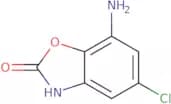
CAS:8-Chloro-5,10-dihydro-11H-dibenzo[b,e][1,4]-diazepin-11-one is a polycyclic multicyclic compound that has stable properties. It is an atypical antipsychotic and antidepressant with high stability. This drug can be prepared by the process of optimization of reaction time and is an orthogonal molecule to typical antipsychotics. 8CBDD can be used in the preparation of atypical antipsychotics and antidepressants.Formula:C13H9ClN2OPurity:Min. 95%Color and Shape:PowderMolecular weight:244.68 g/mol7-Amino-5-chloro-2(3H)-benzoxazolone
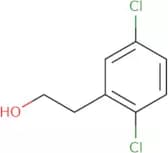
CAS:7-Amino-5-chloro-2(3H)-benzoxazolone is a high quality, versatile building block that has been used in the synthesis of many complex compounds. It has been used as an intermediate for the synthesis of reagents and fine chemicals. 7-Amino-5-chloro-2(3H)-benzoxazolone can be used as a speciality chemical and research chemical. CAS No. 889884-60-0.Formula:C7H5ClN2O2Purity:Min. 95%Molecular weight:184.58 g/mol2-(2,5-Dichlorophenyl)ethanol
CAS:2-(2,5-Dichlorophenyl)ethanol (2,5-DCPE) is an organic chemical that is used as a building block for the synthesis of fine chemicals and pharmaceuticals. 2,5-DCPE can be used as a reactant in synthesizing more complex compounds. It reacts with many different functional groups to form covalent bonds. The compound has been shown to have high quality and has been characterized by nuclear magnetic resonance spectroscopy and mass spectroscopy.
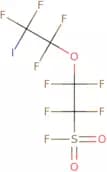
Formula:C8H8Cl2OPurity:Min. 95%Color and Shape:PowderMolecular weight:191.05 g/molTetrafluoro-2-(tetrafluoro-2-iodoethoxy)ethanesulfonyl fluoride
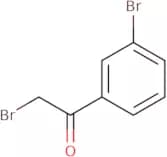
CAS:Tetrafluoro-2-(tetrafluoro-2-iodoethoxy)ethanesulfonyl fluoride (TFEI) is a fluorinated solvent that has been used in the manufacture of organic thin films. TFEI is a colorless liquid with a strong, unpleasant odor. It is soluble in water and has a boiling point of about 140°C. TFEI possesses good thermal stability and can be used as an etchant for silicon or glass surfaces. TFEI is also capable of dissolving polymers such as polyimide, polyamide, polyethylene terephthalate, and polystyrene. TFEI has been shown to be highly toxic to bacteria and fungi and can be used as an antimicrobial agent in household cleaners, paints, adhesives, varnishes, plastics, textiles, and other industrial products.Formula:C4F9IO3SPurity:Min. 95%Color and Shape:Clear LiquidMolecular weight:426 g/mol2-Bromo-3'-bromoacetophenone
CAS:2-Bromo-3'-bromoacetophenone is a chemical compound that can be used as an oxidant in organic synthesis. It is a brominated phenol derivative, which undergoes bond cleavage to produce benzoylbenzene and acetone. The reaction is mediated by potassium permanganate in the presence of oxygen. X-ray crystallography and crystallography have been used to identify the molecular structure of 2-bromo-3'-bromoacetophenone. The yield for this reaction is high and can be increased by using solvents such as ethanol or tetrahydrofuran and a reaction time of 1 hour at 100°C.Formula:C8H6Br2OPurity:Min. 90%Molecular weight:277.94 g/molN,N'-4,4'-Bis(benzyl-2-boronic acid)-bipyridinium dibromide
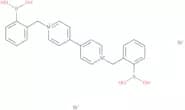
CAS:N,N'-4,4'-Bis(benzyl-2-boronic acid)-bipyridinium dibromide is a high quality reagent that can be used as an intermediate for the synthesis of complex organic compounds. It is a complex compound that contains boronic acid and bipyridinium moieties. N,N'-4,4'-Bis(benzyl-2-boronic acid)-bipyridinium dibromide is useful in the synthesis of fine chemicals and speciality chemicals. It has versatile building block properties and can be used as a reaction component in many chemical reactions.Formula:C24H24B2N2O4Br2Purity:Min. 95%Color and Shape:PowderMolecular weight:585.89 g/mol3-Chloro-4-hydroxycinnamic acid
CAS:3-Chloro-4-hydroxycinnamic acid is a coelicolor biosynthetic precursor that is synthesized from 4-hydroxycinnamic acid and chlorinated. It can be used for the synthesis of aminocoumarin moieties and other prenylated molecules. 3-Chloro-4-hydroxycinnamic acid has been shown to be an effective inhibitor of streptomyces coelicolor, which is a type of bacterium that produces antibiotics. The gene responsible for the biosynthesis of 3-chloro-4-hydroxycinnamic acid has also been identified in streptomyces clorobiocin, which is another type of bacterium that produces antibiotics.Formula:C9H7ClO3Purity:Min. 95%Color and Shape:PowderMolecular weight:198.6 g/mol4-Amino-2-chlorophenol
CAS:4-Amino-2-chlorophenol is an aminophenol that is used in the production of acetate, which is used in the manufacture of acetic acid. It is also used as a building block for organic synthesis. 4-Amino-2-chlorophenol reacts with acetyl chloride to form chloracetyl chloride, which can then be reacted with piperonyl butoxide to form 2-(4'-aminophenyl)-4,6-dichloropyridine. This reaction is catalyzed by hydrogen chloride and hydrogen bond formation with urea nitrogen. 4-Amino-2-chlorophenol has been shown to have long-term toxicity in animal studies and may be toxic when inhaled or ingested.Formula:C6H6ClNOPurity:Min. 95%Color and Shape:PowderMolecular weight:143.57 g/molPalmitoyl-DL-carnitine chloride
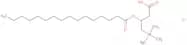
CAS:Palmitoyl-DL-carnitine chloride is a fatty acid that is an important component of cellular membranes. It has been shown to inhibit the growth of cancer cells in rats and mice by increasing the concentration of diacylglycerol in the cell membrane, which leads to increased formation of procyanidins. Palmitoyl-DL-carnitine chloride can also be used as an absorption enhancer for drugs and other compounds. The compound can be used to deliver drugs or other substances into cells, such as Caco-2 cells, for therapeutic purposes. Palmitoyl-DL-carnitine chloride has been shown to increase the production of ornithine in cultured mouse fibroblasts, which may be due to its ability to enhance cellular carnitine levels.
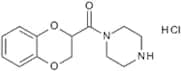
Formula:C23H46ClNO4Purity:Min. 95%Color and Shape:PowderMolecular weight:436.07 g/molN-(1,4-Benzodioxan-2-carbonyl)-piperazine hydrochloride
CAS:Please enquire for more information about N-(1,4-Benzodioxan-2-carbonyl)-piperazine hydrochloride including the price, delivery time and more detailed product information at the technical inquiry form on this pageFormula:C13H16N2O3•HClPurity:Min. 95%Color and Shape:PowderMolecular weight:284.74 g/molOspemifene
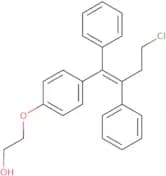
CAS:Controlled Product2-[4-[(1Z)-4-Chloro-1,2-diphenyl-1-buten-1-yl]phenoxy]ethanol is a selective estrogen receptor modulator that has been shown to inhibit the growth of breast cancer cells in mice. It binds to the estrogen receptor (ER) and inhibits its transcriptional activity by competing with estradiol for binding. 2-[4-[(1Z)-4-Chloro-1,2-diphenyl-1-buten-1-yl]phenoxy]ethanol can be used as a postmenopausal hormonal therapy in women who are at an increased risk for breast cancer. This drug has been shown to have genotoxic activity and may cause dyspareunia and carcinogenic potential.Formula:C24H23ClO2Purity:Min. 95%Color and Shape:PowderMolecular weight:378.89 g/molMethyl (1R,2S,3S,5S)-3-(4-Fluorophenyl)-8-[(E)-3-Iodoprop-2-Enyl]-8-Azabicyclo[3.2.1]Octane-2-Carboxylate
CAS:Controlled ProductMethyl (1R,2S,3S,5S)-3-(4-fluorophenyl)-8-[(E)-3-iodoprop-2-enyl]-8-azabicyclo[3.2.1]octane-2-carboxylate is an imaging agent that is used to diagnose and treat bowel diseases. It has pharmacokinetic properties that allow for a more accurate diagnosis of eye disorders and bowel disease. Methyl (1R,2S,3S,5S)-3-(4-fluorophenyl)-8-[(E)-3-iodoprop-2-enyl]-8-azabicyclo[3.2.1]octane-2-carboxylate is a DPPIV inhibitor that modulates the dopamine transporter in the brain by binding to its extracellular site of action on dopamine transporter proteins and blocking the reuptake of dopamine into the presFormula:C18H21FINO2Purity:Min. 95%Molecular weight:429.27 g/molS-(Trifluoromethyl)-L-homocysteine
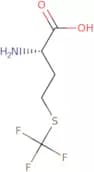
CAS:S-(trifluoromethyl)-L-homocysteine is a chemical compound that belongs to the group of antimicrobial agents. It is an inhibitor of bacterial growth and can be used to treat infectious diseases caused by bacteria. S-(Trifluoromethyl)-L-homocysteine inhibits the synthesis of methionine by binding to corynebacterium glutamicum and preventing the formation of methionine from homocysteine. This compound has shown structural analysis in wild-type strains and synthetase mutations, which have revealed its hydrogen bonding interactions with trifluoroacetic acid and ph optimum. Chemical stability has also been demonstrated for this compound in the presence of various acids, bases, alcohols, and oxidizing agents.
Formula:C5H8F3NO2SPurity:Min. 95%Color and Shape:White PowderMolecular weight:203.18 g/molIR-775 chloride
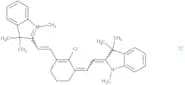
CAS:IR-775 chloride is a fluorescent agent that can be used for both diagnostic and therapeutic purposes. It is used in the detection of cells, proteins, and nucleic acids. IR-775 chloride has a hydrophobic nature, which allows it to bind to molecules that are hydrophobic themselves. It can also be used as a ligand for the attachment of other molecules with complementary properties, such as β-cyclodextrin, which is an example of a heterobifunctional molecule. This property gives IR-775 chloride an advantage over other fluorescent agents due to its ability to transport molecules through cell membranes. The diameter of IR-775 chloride is approximately 10 nm, making it useful in microscopy techniques such as fluorescence microscopy and confocal microscopy.Formula:C32H36Cl2N2Purity:Min. 98 Area-%Color and Shape:Green PowderMolecular weight:519.55 g/mol2-Bromobenzoyl chloride
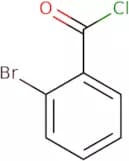
CAS:2-Bromobenzoyl chloride (2BB) is an aromatic hydrocarbon that can be used to synthesize a variety of organic compounds. 2BB has been shown to have cytotoxic activity in vitro, but it is not yet known what the mechanism of action is. In addition, 2BB binds to DNA and RNA, and it has been used as a reagent for the synthesis of phenyl groups. The compound also reacts with copper or carbonate ions to form bromocarbenes or chlorocarbenes respectively. 2BB is also used for the Friedel-Crafts reaction, Suzuki coupling reaction, and acylation reactions.
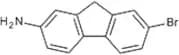
Formula:C7H4BrClOPurity:Min. 95%Molecular weight:219.46 g/mol7-Bromo-9H-fluoren-2-amine
CAS:7-Bromo-9H-fluoren-2-amine is a constant analog of the naturally occurring hormone progesterone. It is used in biological studies as a fluorescence probe for the study of progesterone receptor. 7-Bromo-9H-fluoren-2-amine has been shown to have efficient absorption and emission spectra, as well as photophysical properties. This compound has been shown to enhance the fluorescence of other molecules, such as amines, which may be due to its ability to act as an energy transfer agent. This chemical has also been shown to be pharmacokinetically active and increase the fluorescence emissions from cells in culture.
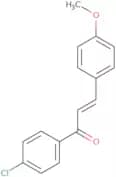
Formula:C13H10BrNPurity:Min. 95%Molecular weight:260.13 g/mol4'-Chloro-4-methoxychalcone
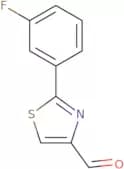
CAS:4'-Chloro-4-methoxychalcone is a dihedral molecule that has been studied by laser spectroscopy. The wavelength and efficiency of the laser have been shown to be dependent on the chalcone's dipole moment. Chalcones are also used in the synthesis of other compounds, such as benzene, which is an aromatic hydrocarbon. Chalcones are used as optical brighteners in detergents and soaps and can also be used to induce evaporation of organic solvents. 4'-Chloro-4-methoxychalcone is used as an intermediate in crystal x-ray diffraction studies.Formula:C16H13ClO2Purity:Min. 95%Color and Shape:PowderMolecular weight:272.73 g/mol2-(3-Fluorophenyl)thiazole-4-carbaldehyde
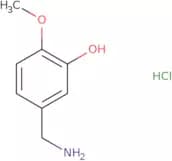
CAS:Please enquire for more information about 2-(3-Fluorophenyl)thiazole-4-carbaldehyde including the price, delivery time and more detailed product information at the technical inquiry form on this pageFormula:C10H6FNOSPurity:Min. 95%Color and Shape:PowderMolecular weight:207.23 g/mol3-Hydroxy-4-methoxybenzylamine hydrochloride
CAS:3-Hydroxy-4-methoxybenzylamine hydrochloride is a vanilloid receptor 1 (VR1) antagonist. It has been shown to inhibit the growth of prostate cancer cells in cell-based assays and to have potential as a therapeutic for prostate cancer patients with high triglycerides. 3-Hydroxy-4-methoxybenzylamine hydrochloride is also an inhibitor of guanosine, which is involved in the production of energy. It has been shown to enhance the antitumor effects of cetuximab, an antibody that targets the epidermal growth factor receptor (EGFR). 3-Hydroxy-4-methoxybenzylamine hydrochloride is soluble in water and can be used as a solvent for other compounds. 3-Hydroxy-4-methoxybenzylamine hydrochloride is also known by its chemical name, N-(3,4 dimethylphenyl)-Formula:C8H12ClNO2Purity:Min. 95%Color and Shape:PowderMolecular weight:189.64 g/mol3-[4-(trifluoromethoxy)phenyl]propanoicacid
CAS:3-[4-(trifluoromethoxy)phenyl]propanoic acid (TFPA) is a versatile building block that can be used as a reagent and research chemical. TFPA has the potential to be used as a useful intermediate in the synthesis of complex compounds and useful scaffolds. It also has been shown to have high quality, which makes it an excellent choice for use in reactions. This compound is also useful for creating speciality chemicals.Formula:C10H9F3O3Color and Shape:PowderMolecular weight:234.17 g/mol5,6-Dichloroindole
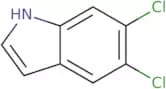
CAS:5,6-Dichloroindole is a chemical compound that contains a functional group with acidic properties. The compound has been shown to inhibit the activity of bafilomycin A1, which is an inhibitor of vacuolar ATPase. This inhibition leads to an increase in intracellular phosphate levels and an accumulation of lysosomal membrane proteins. 5,6-Dichloroindole has also been found to inhibit bone resorption in gramine-fed rats. It also has anti-inflammatory effects and inhibits the growth of zoobotryon pinnatum cells and algal cells. 5,6-Dichloroindole can be used as a molecular descriptor for predicting the presence or absence of bryozoan species in a sample.Formula:C8H5Cl2NColor and Shape:PowderMolecular weight:186.04 g/molHydrochlorothiazide
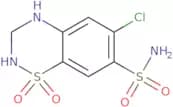
CAS:Controlled ProductHydrochlorothiazide is a thiazide-sensitive NaCl cotransporter inhibitor. Due to its diuretic properties, hydrochlorothiazide can inhibit the transport of sodium chloride in the distal tubule in the nephron and, as a consequence, the concentration of Na is decreased. In combination with other substances, such as captopril, hydrochlorothiazide acts an antihypertensive to reduce high blood pressure.Formula:C7H8ClN3O4S2Purity:Min. 98 Area-%Color and Shape:White PowderMolecular weight:297.74 g/mol

![4-Amino-5-chloro-2,3-dihydro-N-[1-(3-methoxypropyl)-4-piperidinyl]-7-benzofurancarboxamide](/_next/image/?url=https%3A%2Fstatic.cymitquimica.com%2Fproducts%2F3D%2Fthumb-webp%2FFA27248.webp&w=3840&q=75)
![8-Chloro-5,10-dihydro-11H-dibenzo[b,e][1,4]-diazepin-11-one](/_next/image/?url=https%3A%2Fstatic.cymitquimica.com%2Fproducts%2F3D%2Fthumb-webp%2FFC20115.webp&w=3840&q=75)


![Methyl (1R,2S,3S,5S)-3-(4-Fluorophenyl)-8-[(E)-3-Iodoprop-2-Enyl]-8-Azabicyclo[3.2.1]Octane-2-Carb…](/_next/image/?url=https%3A%2Fstatic.cymitquimica.com%2Fproducts%2F3D%2Fthumb-webp%2FFM102777.webp&w=3840&q=75)
![3-[4-(trifluoromethoxy)phenyl]propanoicacid](/_next/image/?url=https%3A%2Fstatic.cymitquimica.com%2Fproducts%2F3D%2Fthumb-webp%2FFT154405.webp&w=3840&q=75)