


Organic Halides
Subcategories of "Organic Halides"
Found 20442 products of "Organic Halides"
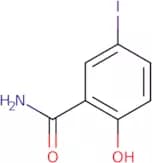
5-Iodosalicylamide
CAS:5-Iodosalicylamide is a chemical building block. 5-Iodosalicylamide can be reacted with appropriately functionalised aromatic compounds to afford the corresponding anilides, which have been shown to exhibit anti-fungal and bactericidal properties.
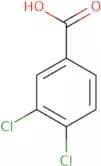
Formula:C7H6INO2Purity:Min. 95%Color and Shape:PowderMolecular weight:263.03 g/mol3,4-Dichlorobenzoic acid
CAS:3,4-Dichlorobenzoic acid (3,4-DCBA) is a compound with the molecular formula C6H2Cl2O2. It is a white solid that has been shown to inhibit the growth of bacteria in tissue culture. 3,4-Dichlorobenzoic acid can be used as a biocide in wastewater treatment because it has a high solubility and low toxicity, and it inhibits the growth of bacteria by binding to hydrogen bonding interactions. 3,4-Dichlorobenzoic acid also inhibits the synthesis of 1-hydroxy-2-naphthoic acid, which is an intermediate in bacterial dioxygenases.Formula:C7H4Cl2O2Purity:Min. 98 Area-%Color and Shape:PowderMolecular weight:191.01 g/molMethyl 2-amino-4-(trifluoromethyl)benzoate
CAS:Methyl 2-amino-4-(trifluoromethyl)benzoate is a non-steroidal anti-inflammatory drug that is structurally related to anthranilic acid. It has been shown to reduce the proliferation of human breast cancer cells in vitro. This drug inhibits the activity of cellular senescence, which has been implicated in aging and cancer progression. Methyl 2-amino-4-(trifluoromethyl)benzoate binds to receptor sites on the cell nucleus and prevents the binding of ligands to these receptors, thereby inhibiting transcriptional activity. This compound also increases cell sensitivity to radiation and chemotherapeutic agents by preventing DNA repair mechanisms from functioning properly. Methyl 2-amino-4-(trifluoromethyl)benzoate inhibits the production of reactive oxygen species by inducing oxidative stress in cells and may inhibit protein synthesis through its ability to bind tightly to proteins.Formula:C9H8F3NO2Purity:Min. 95%Color and Shape:Slightly Yellow PowderMolecular weight:219.16 g/molDL-alanine-β-naphthylamide hydrochloride
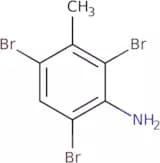
CAS:DL-Alanine-beta-naphthylamide hydrochloride is a fine chemical that is used as a building block for other compounds. It can be used in the synthesis of complex compounds and as a reagent to synthesize speciality chemicals and research chemicals. DL-Alanine-beta-naphthylamide hydrochloride is also a versatile building block that can be used as an intermediate in organic reactions or as a reaction component. This compound has CAS No. 74144-49-3 and is soluble in water.Formula:C13H15ClN2OPurity:Min. 95%Color and Shape:PowderMolecular weight:250.72 g/mol3-Amino-2,4,6-tribromotoluene
CAS:3-Amino-2,4,6-tribromotoluene is a reactive organic compound that is a highly flammable additive. It has been used as an oxidizing agent in the production of polymeric materials and as a catalyst in the vulcanization of rubber. 3-Amino-2,4,6-tribromotoluene can react with hydrogen peroxide to form bromophenols and hydrochloric acid. When heated or exposed to light, 3-amino-2,4,6-tribromotoluene can produce toxic fumes such as hydrogen bromide and phosphorus pentoxide. This substance has been shown to be toxic to animals and humans if ingested or inhaled.Formula:C7H6Br3NPurity:Min. 95%Color and Shape:PowderMolecular weight:343.84 g/mol2-Chloro-N-(3,5-dichlorophenyl)acetamide
CAS:2-Chloro-N-(3,5-dichlorophenyl)acetamide is a stabilized, crystalline compound. It has a planar structure with an amide bond and hydrogen bonds. The 2-chloro group is bonded to the nitrogen atom of the acetamide group. The 3,5-dichlorophenyl group is bonded to the carbon atom of the acetamide group. The chlorine atoms are in a planar configuration with adjacent chlorine atoms forming a skeletal arrangement. This chemical is used as an intermediate for other compounds.
Formula:C8H6Cl3NOPurity:Min. 95%Molecular weight:238.5 g/mol5-Fluoro-N,N-Dimethyl-1H-Indole-3-Ethanamine
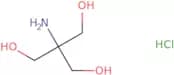
CAS:Controlled Product5-Fluoro-N,N-Dimethyl-1H-Indole-3-Ethanamine is a psychedelic drug with affinity for the serotonin 5HT2A receptor. It has been shown to interact with a diversity of ion channels and transporters. The affinity of 5FEDME for the 5HT2C receptor may also be normalizing. This drug has been shown to be an agonist at the 5HT2A receptor, which may contribute to its psychedelic effects.Formula:C12H15FN2Purity:Min. 95%Molecular weight:206.26 g/molTRIS hydrochloride
CAS:Tris-HCl is the same as Tris base with the addition of HCl. It is used as a buffering agent to prepare buffer solutions.
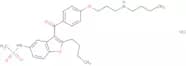
Formula:C4H11NO3•HClColor and Shape:PowderMolecular weight:157.6 g/molDesbutyl dronedarone hydrochloride
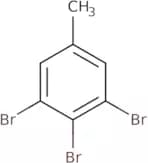
CAS:Desbutyl dronedarone hydrochloride is a reaction component that can be used as a reagent for organic synthesis, or in the preparation of other compounds. It is also a useful scaffold for designing new compounds, and has been found to be high quality and research chemical. Desbutyl dronedarone hydrochloride can be used as an intermediate in the production of complex compounds, such as fine chemicals. This compound can undergo many reactions to form different products and is versatile enough to serve as a building block for many different types of molecules.Formula:C27H37ClN2O5SPurity:Min. 95%Color and Shape:White PowderMolecular weight:537.11 g/mol3,4,5-Tribromotoluene
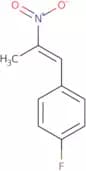
CAS:3,4,5-Tribromotoluene is a halogenated toluene with three bromine atoms. It can be used for the synthesis of indole derivatives using a variety of reactions, including intermolecular cycloaddition and trikentrins. 3,4,5-Tribromotoluene has been shown to undergo efficient and regioselective cross-coupling reactions with indoles to produce butenylindoles. These reactions are often used in the synthesis of natural products such as benzylisoquinoline alkaloids that are useful in medicine.Formula:C7H5Br3Purity:Min. 95%Color and Shape:PowderMolecular weight:328.83 g/mol1-(4-Fluorophenyl)-2-nitropropene
CAS:1-(4-Fluorophenyl)-2-nitropropene is a versatile building block that is used in the synthesis of a wide range of complex chemical compounds. This compound is also found to be useful as a key component in the synthesis of pharmaceuticals, research chemicals, and other fine chemicals. 1-(4-Fluorophenyl)-2-nitropropene can be used as a reagent for organic reactions, and it has been shown to react with amines to form nitrosoamines. This compound is an intermediate in the synthesis of 4-fluoroaniline, which has various industrial applications. The chemical formula for 1-(4-Fluorophenyl)-2-nitropropene is C8H6FO3N3O2.Formula:C9H8FNO2Purity:Min. 95%Color and Shape:PowderMolecular weight:181.16 g/mol2,2,3,3-Tetrafluoro-1-propanol
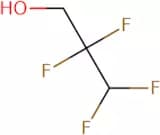
CAS:2,2,3,3-Tetrafluoro-1-propanol is a solvent that has been used in the manufacture of polymers. It can be distilled from sodium trifluoroacetate at high pressure and temperature to give a constant boiling point. 2,2,3,3-Tetrafluoro-1-propanol is transported by gas or liquid diffusion. The kinetic energy of the molecules increases with increasing temperature and pressure; however, it does not have an appreciable chemical reaction with oxygen or ozone. This chemical has been used as a photoinitiator to polymerize cationic monomers such as trifluoroacetic acid and acrylamide. 2,2,3,3-Tetrafluoro-1-propanol has also been shown to react with water vapor to form hydrogen fluoride and hydrofluoric acid.
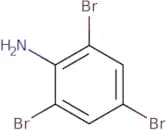
Formula:C3H4F4OPurity:Min. 98 Area-%Color and Shape:Clear LiquidMolecular weight:132.06 g/mol2,4,6-Tribromoaniline
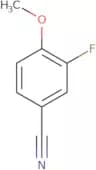
CAS:2,4,6-Tribromoaniline is a carbofuran derivative that belongs to the class of aryl chlorides. It is an intermediate in the synthesis of phenylarsonic acid and has been used as a chemical intermediate in the production of dyes. Oxidation products are obtained by using acid catalysts such as sulfuric acid or phosphoric acid. This compound can be synthesized from 2-bromoaniline and bromine. 2,4,6-Tribromoaniline is reactive with electrophiles such as halides and orthophosphoric acid and can form monomers such as 2,4-dibromophenylamine. This substance has been identified by chromatography science and thermodynamic data. Reaction products have been identified as 2,4-dibromophenylarsonic acid or 2,6-dibromophenylarsonic acid.Formula:C6H4Br3NPurity:Min. 95%Molecular weight:329.81 g/mol3-Fluoro-4-methoxybenzonitrile
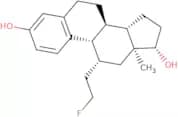
CAS:3-Fluoro-4-methoxybenzonitrile is a ferroelectric liquid crystal chiral molecule. It can be synthesized industrially by the reaction of 3-fluoro-4-methoxybenzoyl chloride with sodium methoxide. The synthesis is scalable and leads to high yields. 3-Fluoro-4-methoxybenzonitrile has been used in the synthesis of other ferroelectric liquid crystals, such as 4-(3′,5′-diiodophenyl)pentaerythritol triacrylate and 3,5′-(1H,1′H) -dibenzothiophene. This compound also displays nematic phase behavior at room temperature when in contact with a nematic director. Polarization data for this substance are available from experiments on thin films.Formula:C8H6FNOPurity:Min. 95%Color and Shape:PowderMolecular weight:151.14 g/mol(8S,9S,11R,13S,14S,17S)-11-(2-Fluoroethyl)-13-Methyl-6,7,8,9,11,12,14,15,16,17-Decahydrocyclopenta[a]Phenanthrene-3,17-Diol
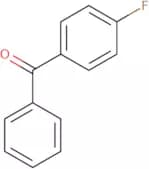
CAS:Controlled Product(8S,9S,11R,13S,14S,17S)-11-(2-Fluoroethyl)-13-Methyl-6,7,8,9,11,12,14,15,16,17-Decahydrocyclopenta[a]Phenanthrene-3,17-Diol is a light emitting diode (LED) that emits light in the near infrared spectrum. This LED is composed of a single layer of CdTe nanowires and has an emission wavelength of 760 nm. It also has a high quantum efficiency and low energy requirements for fabrication. The lifetime of this device is also long and its optical properties are stable over time. This device can be used to replace traditional incandescent bulbs or to emit light in specific wavelengths for biomedical applications.Formula:C20H27FO2Purity:Min. 95%Molecular weight:318.43 g/mol4-Fluorobenzophenone
CAS:4-Fluorobenzophenone belongs to a class of compounds called aryl halides. They are monomers that form polymers with ether linkages. The chemical biology of 4-fluorobenzophenone has been studied, revealing its uptake and high values in the nmr spectra. This compound is nucleophilic, which means it will react with electrophiles such as hydroxyl groups to form ether bonds. 4-Fluorobenzophenone is also able to react with nitrogen atoms, forming diphenyl ethers.
Formula:C13H9FOPurity:Min. 95%Color and Shape:PowderMolecular weight:200.21 g/molCyclizine hydrochloride
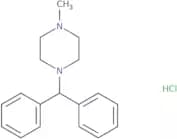
CAS:Controlled ProductCyclizine hydrochloride is a histamine H1 receptor antagonist that has been shown to have antioxidative properties. It is used to treat infectious diseases such as influenza, herpes, and malaria. Cyclizine hydrochloride has also been shown to have antimicrobial resistance and can be used for the treatment of autoimmune diseases such as lupus erythematosus. The drug binds to the histamine H1 receptor on the surface of certain cells in the body and blocks the action of histamine, which is a chemical messenger that causes allergic reactions. This binding prevents activation of mast cells or basophils, thereby preventing release of inflammatory mediators such as leukotrienes and prostaglandins. Cyclizine hydrochloride is available in oral tablet form or nasal spray form.Formula:C18H23ClN2Purity:Min 98%Color and Shape:White PowderMolecular weight:302.84 g/molN-(2,3-Dichlorophenyl)piperazine hydrochloride
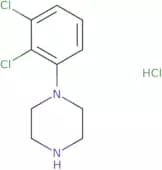
CAS:Controlled ProductN-(2,3-Dichlorophenyl)piperazine hydrochloride is a synthetic compound that is also known as DDPP. It is a 5-HT1A and 5-HT2A receptor agonist, which means that it binds to these receptors and stimulates them. DDPP has been shown to have antidepressant effects in animal models of depression, but it has not been tested for its therapeutic potential in humans. DDPP is an acidic compound with molecular weight of 222.4 g/mol and melting point of 174°C. The impurities of this compound are identified as hydrogen chloride (HCl), chloride (Cl−), and homologues.Formula:C10H13Cl3N2Purity:Min. 95%Color and Shape:White to off-white solid.Molecular weight:267.58 g/mol1,1,1,2,2,3,4,4,5,5,5-Undecafluoro-3-(Trifluoromethyl)Pentane
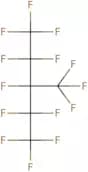
CAS:Controlled Product1,1,1,2,2,3,4,4,5,5,5-Undecafluoro-3-(trifluoromethyl)pentane is a fluorocarbon that is used as an intermediate in the production of other fluorocarbons. It is synthesized by the pyrolysis of toluene at high temperature and pressure in the presence of fluoride. The hexamer isomerizes to the tetramer at room temperature and pressure. The pentamer can be cyclized under high temperature and pressure conditions to form the diazotised cyclobutene ring with a cyclised pentamer.Formula:C6F14Purity:Min. 95%Molecular weight:338.04 g/mol2-Chloro-5-nitrobenzaldehyde
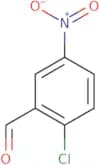
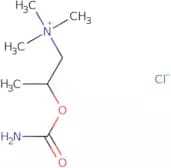
CAS:2-Chloro-5-nitrobenzaldehyde (2CNB) is an antibacterial agent that has been shown to be effective against a number of bacterial species. It is a nucleophilic compound and reacts with the sulfhydryl group in cysteine. 2CNB also reacts with the thiol group of proteins, which are involved in many cellular processes. 2CNB has industrial uses, such as for the production of cyclohexanone and cyclopentanone. The structures of 2CNB and its homologues have been studied by 13CNMR spectroscopy, which provides information about the type of bonds present in the molecule and their lengths.Formula:C7H4ClNO3Purity:Min. 95%Color and Shape:PowderMolecular weight:185.56 g/molBethanechol chloride
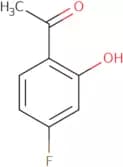
CAS:Bethanechol chloride is an ester of bethanechol and phosphorus oxychloride. It has been used as a cholinergic agent to treat urinary infections and other disorders in which the bladder muscles are not working properly. Bethanechol chloride functions by increasing the activity of the group P2 receptors in the hippocampus, which can increase cytosolic calcium levels. The drug is absorbed when applied topically or taken orally, with absorption being greater when applied topically. Bethanechol chloride has shown little toxicity in animals, but has been shown to cause headache, nausea, vomiting, diarrhea, abdominal pain and cramps, dry mouth and throat, thirstiness, dizziness, drowsiness or fatigue after oral administration.Formula:C7H17ClN2O2Purity:Min. 95%Color and Shape:PowderMolecular weight:196.67 g/mol4'-Fluoro-2'-hydroxyacetophenone
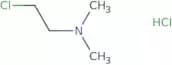
CAS:4'-Fluoro-2'-hydroxyacetophenone is a chemical that is used as an antibacterial agent. It inhibits the growth of bacteria by interfering with microbial metabolism and inhibiting the synthesis of proteins, DNA, RNA and cell wall components. 4'-Fluoro-2'-hydroxyacetophenone has been shown to be active against P. aeruginosa, Enterococci and other bacterial strains. The compound also reduces the number of viable cells in culture supernatants from these bacteria. The mechanism of action of 4'-fluoro-2'-hydroxyacetophenone is not known but may be related to its ability to form covalent bonds with carbonyl groups present in enzymes or protein structures. The compound can also spontaneously combust when heated to decomposition. This combustion releases fluorine gas which could cause environmental pollution if released into the atmosphere during its manufacture or use.Formula:C8H7FO2Purity:Min. 95%Color and Shape:PowderMolecular weight:154.14 g/molN,N-Dimethylaminoethyl chloride HCl
CAS:Controlled ProductN,N-Dimethylaminoethyl chloride HCl is a reactive compound that inhibits the amine binding site on chitosan. It is used for the preparation of chitosan quaternary ammonium salts and esters. N,N-Dimethylaminoethyl chloride HCl has an inhibitory effect on both chitosan and suzuki coupling reactions. This compound also has a safety profile similar to other halides such as chlorine and hydrogen chloride.Formula:C4H10ClN·HClPurity:Min. 98%Molecular weight:144.04 g/molN-(2,5-dimethylphenyl)(3-chlorobenzo[b]thiophen-2-yl)formamide
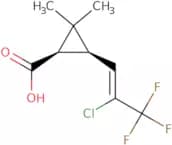
CAS:Please enquire for more information about N-(2,5-dimethylphenyl)(3-chlorobenzo[b]thiophen-2-yl)formamide including the price, delivery time and more detailed product information at the technical inquiry form on this pagePurity:Min. 95%cis-3-(2-Chloro-3,3,3-trifluoro-1-propenyl)-2,2-dimethyl-cyclopropanecarboxylic acid
CAS:Cis-3-(2-Chloro-3,3,3-trifluoro-1-propenyl)-2,2-dimethyl-cyclopropanecarboxylic acid is a synthetic pyrethroid insecticide that is used in pest control. It has been detected in urine samples at concentrations of up to 10 ng/mL and has been found to be an enantiomer of the natural pyrethroid cis-3-(2,2,2-trifluoroethoxy)-2,2-dimethylcyclopropanecarboxylic acid. Cis-3-(2-Chloro-3,3,3-trifluoro-1-propenyl)-2,2,-dimethylcyclopropanecarboxylic acid is also known as "RIVM" and has been shown to have high detection rates for naphthalene. This compound is acidic and can be hydro
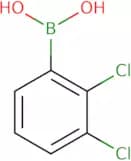
Formula:C9H10ClF3O2Purity:Min. 95%Color and Shape:White PowderMolecular weight:242.62 g/mol2,3-Dichlorophenylboronic acid
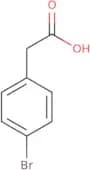
CAS:2,3-Dichlorophenylboronic acid is a boron-containing compound. It is a substrate for the enzyme phosphatase and has been shown to inhibit the activity of the SHP2 protein kinase in vitro. This inhibition can lead to programmed cell death via apoptosis and necrosis. 2,3-Dichlorophenylboronic acid has also been shown to inhibit the growth of erythromycin resistant bacteria. The two isomers are not equally active. Dichloro(phenyl)boronic acid (1) is more potent than dichlorobis(phenyl)boronic acid (2).Formula:C6H5BCl2O2Purity:Min. 97.5 Area-%Color and Shape:White PowderMolecular weight:190.82 g/mol(4-Bromophenyl)acetic acid
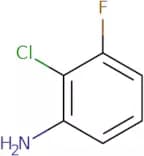
CAS:4-Bromophenylacetic acid is a monocarboxylic acid that has been identified as an inhibitor of phosphatase. It also has an inhibitory effect on microbial infection and can be used for the synthesis of amides and cationic surfactants. 4-Bromophenylacetic acid has shown to have a high affinity for humans, which may be due to its glucuronide conjugate, isolated yield, and plant physiology. This molecule is able to undergo electrochemical studies due to its electrophilic nature.Formula:C8H7BrO2Purity:Min. 95%Color and Shape:PowderMolecular weight:215.04 g/mol2-Chloro-3-fluoroaniline
CAS:2-Chloro-3-fluoroaniline is a chemical compound that is used as a reagent, solvent, and building block in the synthesis of many other compounds. 2-Chloro-3-fluoroaniline can be used in the chemical industry to produce high quality research chemicals. This compound is also useful as an intermediate for the synthesis of pharmaceuticals and pesticides. The CAS number for this compound is 21397-08-0.Formula:C6H5ClFNPurity:Min. 95%Color and Shape:Clear LiquidMolecular weight:145.56 g/mol6-Fluorogramine
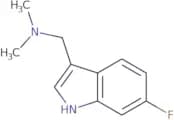
CAS:6-Fluorogramine is a synthetic compound that is metabolized by drug-metabolizing enzymes to form 6-fluorohydroxymethyltetrahydrofolate. This intermediate is then hydrolyzed to form 6-hydroxymethyltetrahydrofolate and monohydroxy methylene tetrahydrofolate. The reaction yield for this reaction is about 60%. 6-Fluorohydroxymethyltetrahydrofolate can also be converted to paraformaldehyde and dimethylamine, which are used in the synthesis of other compounds. The positional isomer of 6-fluoromethylenetetrahydropterin (6FMTP) can be synthesized from 6-fluoroformaldehyde and paraformaldehyde.
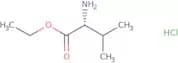
Formula:C11H13FN2Purity:Min. 95%Molecular weight:192.23 g/molD-Valine ethyl ester hydrochloride
CAS:D-Valine ethyl ester hydrochloride is a reagent that is used in the synthesis of complex compounds. It can be used as an intermediate for fine chemicals and research chemicals, or as a building block for versatile building blocks. D-Valine ethyl ester hydrochloride can also be used in reactions to form other compounds, such as pharmaceuticals.Formula:C7H15NO2·HClPurity:Min. 95%Color and Shape:PowderMolecular weight:181.66 g/mol1-Bromo-2,6-dimethyl benzene
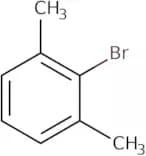
CAS:1-Bromo-2,6-dimethyl benzene is a functional compound that has been used in the synthesis of palladium complexes with different types of ligands. It also has optical properties, such as its high boiling point and low solubility in water. The bromine atom in 1-bromo-2,6-dimethylbenzene can be replaced by other halogens or hydrogen. This allows for a variety of reactions to occur on the molecule, including cross coupling reactions and nucleophilic substitution reactions. 1-Bromo-2,6-dimethylbenzene has been used to synthesize ethyl acetate as well as other organic compounds. The ethyl group can be replaced by other alkyl groups or halides to produce different products. The reaction is catalyzed by a suzuki coupling reaction.Formula:C8H9BrPurity:Min. 97 Area-%Color and Shape:Clear LiquidMolecular weight:185.06 g/mol4-Fluoro-2-hydroxybenzoic acid methyl ester
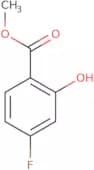
CAS:4-Fluoro-2-hydroxybenzoic acid methyl ester is a chemical compound that is used as a synthetic intermediate in the synthesis of drugs. 4-Fluoro-2-hydroxybenzoic acid methyl ester can be prepared by reductive amination of an acyl chloride with an amine, followed by reaction with methanol. This chemical intermediate is used in the synthesis of the BCL-2 inhibitor venetoclax, which inhibits cell growth and induces apoptosis in lymphoma cells. 4-Fluoro-2-hydroxybenzoic acid methyl ester also has been shown to inhibit the activity of amidating enzymes and transferases, suggesting it may have potential as an anti-inflammatory drug.Formula:C8H7FO3Purity:Min. 95%Color and Shape:PowderMolecular weight:170.14 g/mol4-(Maleimidomethyl)cyclohexane-1-carboxyl-hydrazide trifluoroacetic acid
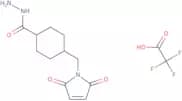
CAS:4-(Maleimidomethyl)cyclohexane-1-carboxyl-hydrazide trifluoroacetic acid is a versatile building block that is useful as a reagent and scaffold in many chemical reactions. It is used in the synthesis of complex compounds, research chemicals, and speciality chemicals. 4-(Maleimidomethyl)cyclohexane-1-carboxyl-hydrazide trifluoroacetic acid has been shown to be a high quality compound with uses as a reaction component and useful scaffold.Formula:C12H17N3O3·CF3CO2HPurity:Min. 95%Color and Shape:White PowderMolecular weight:365.31 g/molMethyl 2,4-dichlorobenzoate
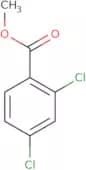
CAS:Methyl 2,4-dichlorobenzoate is an organic chemical that contains chloride and a carboxylic acid group. It is used as a reagent in analytical chemistry. Methyl 2,4-dichlorobenzoate reacts with aldehydes to produce the corresponding alcohols. The reaction is catalyzed by activated charcoal. The yield of transfer reactions are high, and the products are usually high molecular weight compounds. Methyl 2,4-dichlorobenzoate reacts with fluorescence.
Formula:C8H6Cl2O2Purity:Min. 95%Color and Shape:Clear LiquidMolecular weight:205.04 g/mol3-Amino-4-bromophenol
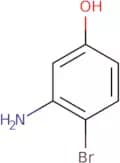
CAS:3-Amino-4-bromophenol is an industrial chemical that is used in the diazotization and reduction reactions. 3-Amino-4-bromophenol can be synthesized by reacting hydrazine with iron oxide and nitrite in a condition of acetone and sodium nitrite. The product yield for this reaction is about 90%. 3-Amino-4-bromophenol crystallizes from acetone as a white powder.Formula:C6H6BrNOPurity:Min. 95%Molecular weight:188.02 g/mol2-Bromo-4-(trifluoromethyl)benzyl alcohol
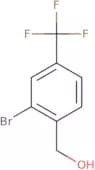
CAS:2-Bromo-4-(trifluoromethyl)benzyl alcohol is a versatile building block that can be used as a reactant in organic synthesis. It is also a useful intermediate and building block for complex compounds. This compound has been used as a reagent in the preparation of 2,2'-dipyridyldisulfide, which was shown to have potent antiproliferative activity against human cancer cells.Formula:C8H6BrF3OPurity:Min. 95%Molecular weight:255.03 g/mol5-Bromoindole-3-carboxaldehyde
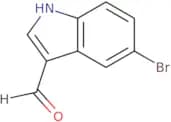
CAS:5-Bromoindole-3-carboxaldehyde is a water molecule that has been crystallized in the form of an amide. It is a chemical substance with asymmetric synthesis and significant antifungal activity. 5-Bromoindole-3-carboxaldehyde is active against some strains of the fungus Candida albicans and has been shown to inhibit the growth of kidney cells. This molecule also binds to the neurokinin 1 receptor and is used as a probe for fluorescence studies. The efficient method for synthesizing 5-Bromoindole-3-carboxaldehyde includes using silico analysis to confirm the structure on a computer, then performing an asymmetric synthesis with an acid catalyst to produce this compound.
Formula:C9H6BrNOPurity:Min. 98 Area-%Color and Shape:PowderMolecular weight:224.05 g/mol3,5-Diiodo-4(4'-methoxyphenoxy)benzoic acid
CAS:3,5-Diiodo-4-(4'-methoxyphenoxy)benzoic acid is a chemical intermediate that has been used in the synthesis of pharmaceuticals and agricultural chemicals. It is a versatile building block that can be used to produce pharmaceuticals, such as diazepam and bromazepam, and other useful compounds. 3,5-Diiodo-4-(4'-methoxyphenoxy)benzoic acid is a fine chemical with high quality and speciality chemical. It has been extensively researched for its usefulness as a reagent for organic synthesis reactions.
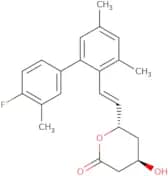
Formula:C14H10I2O4Purity:Min. 95%Color and Shape:PowderMolecular weight:496.04 g/mol(4α,6β(E))-DL-6-(2-(4'-Fluoro-3,3',5-trimethyl(1,1'-biphenyl)-2-Yl)ethenyl)tetrahydro-4-hydroxy-2H-pyran-2-one
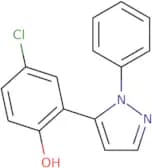
CAS:Controlled Product(4alpha,6beta(E))-DL-6-(2-(4'-Fluoro-3,3',5-trimethyl(1,1'-biphenyl)-2-Yl)ethenyl)tetrahydro-4-hydroxy-2H-pyran-2-one is a pharmacological agent that binds to and inhibits the HMG CoA reductase enzyme. This enzyme plays a role in the production of cholesterol, which is used to form bile acids and steroid hormones. The ring structure of (4alpha,6beta(E))-DL-6-(2-(4'-Fluoro-3,3',5-trimethyl(1,1'-biphenyl)-2--Yl)ethenyl)tetrahydro -4hydroxy -2H pyran 2 one allows for it to bind to the active site of the reductase enzymeFormula:C22H23FO3Purity:Min. 95%Molecular weight:354.41 g/mol5-(5-Chloro-2-hydroxyphenyl)-1-phenylpyrazole
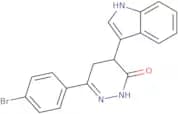
CAS:5-(5-Chloro-2-hydroxyphenyl)-1-phenylpyrazole is a useful intermediate for the synthesis of complex compounds. It is also used as a reagent and a speciality chemical in research. 5-(5-Chloro-2-hydroxyphenyl)-1-phenylpyrazole has a CAS number of 36124-03-5. This chemical is soluble in organic solvents such as benzene, chloroform, dichloromethane, tetrahydrofuran, and toluene.Formula:C15H11ClN2OPurity:Min. 95%Color and Shape:PowderMolecular weight:270.71 g/mol3-(4-bromophenyl)-5-indol-3-yl-1H,4H,5H-1,2-diazin-6-one
CAS:Please enquire for more information about 3-(4-bromophenyl)-5-indol-3-yl-1H,4H,5H-1,2-diazin-6-one including the price, delivery time and more detailed product information at the technical inquiry form on this pagePurity:Min. 95%2,6-Difluoronitrobenzene
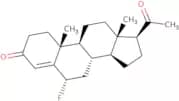
CAS:2,6-Difluoronitrobenzene is a compound that is classified as an aromatic amine. It has been shown to be a potential antiviral drug for the treatment of pandemic covid-19. Covid-19 virus is a respiratory syncytial virus that causes serious disease in infants and young children, with symptoms including fever, runny nose, cough and difficulty breathing. 2,6-Difluoronitrobenzene inhibits the viral membrane fusion by competing with the receptor activity of the virus. This drug also has anti-inflammatory effects on muscle cells by inhibiting proliferation and decreasing cytokines such as TNF-α and IL-1β.Formula:C6H3F2NO2Purity:Min. 95%Color and Shape:Red Clear LiquidMolecular weight:159.09 g/mol6-α-Fluoro-Pregn-4-ene-3,20-dione
CAS:Controlled Product6-alpha-Fluoro-Pregn-4-ene-3,20-dione is a polymer that belongs to the class of polymers. It is a three component polymer composed of vinyl acetate, vinyl chloride and ethylene. 6-alpha-Fluoro-Pregn-4-ene-3,20-dione is used as a monomer in the production of polypropylene and polyethylene. This polymer has shown to have good mechanical properties such as strength and toughness.Formula:C21H29FO2Purity:Min. 95%Molecular weight:332.45 g/mol(4-(tert-Butyl)phenyl)hydrazine hydrochloride
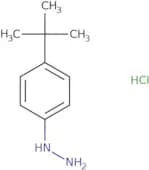
CAS:4-(tert-Butyl)phenylhydrazine hydrochloride (BPHH) is a chemical compound that has been used as a synthetic precursor to indole. It has been shown to be synthesized from cycloheptanone and sulfuric acid, with the addition of hydrazine hydrochloride and sodium acetate. BPHH can also be synthesized from 4-nitrobenzaldehyde and hydrazine sulfate, which is then reacted with ethanolamine.Formula:C10H16N2•HClPurity:Min. 95%Color and Shape:Light brown powder.Molecular weight:200.71 g/mol3-Chloro-5-hydroxybenzoic acid
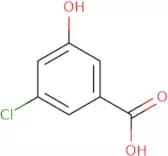
CAS:3-Chloro-5-hydroxybenzoic acid is a fluorescent compound that has been used to study insulin resistance in rats. Using fluorescence resonance energy transfer, this study found that 3-chloro-5-hydroxybenzoic acid increases insulin sensitivity and decreases blood pressure levels. It is hypothesized that the observed effects are due to an increase in the uptake of 3,5-dihydroxybenzoic acid into cells, which helps regulate the release of nitric oxide from afferent arterioles. Increased nitric oxide leads to vasodilation and increased uptake of glucose by muscle cells. This mechanism may be responsible for the observed decrease in blood pressure and improved insulin sensitivity.
Formula:C7H5ClO3Purity:Min. 95%Color and Shape:PowderMolecular weight:172.56 g/mol4-Chloro-2-methylbenzyl alcohol
CAS:4-Chloro-2-methylbenzyl alcohol is an organic compound that has a sensor and hydroxyl group. It is used in pest control as an insecticide. 4-Chloro-2-methylbenzyl alcohol has been shown to be effective against ants, cockroaches, and other insects. There are multiple instabilities of this compound, including low oxygen stability when exposed to air, which may lead to the degradation of this chemical. Impurities in 4-chloro-2-methylbenzyl alcohol may also lead to its instability as it reacts with alkali metals at high temperatures. The instability of 4-chloro-2-methylbenzyl alcohol can be reduced by storing it at low temperatures or by adding cryogenic substances such as liquid nitrogen or carbon dioxide gas.Formula:C8H9ClOPurity:Min. 95%Molecular weight:156.61 g/mol2,6-Dichlorobenzylamine
CAS:2,6-Dichlorobenzylamine (2,6-DCBA) is a potent inhibitor of creatine kinase. It has been shown to be a potent inhibitor of the enzyme in muscle cells. 2,6-DCBA binds to the phosphoryl group of creatine kinase and inhibits its activity. This inhibitory effect on muscle cells causes fatigue and weakness during exercise. 2,6-DCBA also inhibits the enzyme cytosolic creatine kinase from eukaryotes and may be a potential inhibitor for treating Duchenne muscular dystrophy.
Formula:C7H7Cl2NPurity:Min. 95%Color and Shape:Clear LiquidMolecular weight:176.04 g/molN-Bromophthalimide
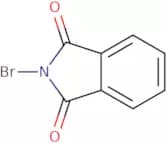
CAS:N-Bromophthalimide is a hydrogen bond acceptor that is used in pharmaceutical preparations. It has been shown to be an effective cationic surfactant, which may be due to its ability to form ionic bonds with phosphotungstic acid and nitrogen atoms. N-Bromophthalimide also has reactive properties and can react with serotonin reuptake inhibitors. The reaction mechanism of this compound is not fully understood, but it has been shown to have a redox potential that is greater than the standard electron donor sodium bromide.Formula:C8H4BrNO2Purity:Min. 95%Molecular weight:226.03 g/mol6-Chloro-2-nitrobenzoic acid
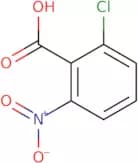
CAS:6-Chloro-2-nitrobenzoic acid is an organic compound with the formula C6H3ClNO2. It is a white crystalline powder that reacts readily with water to form a dilute solution. The reaction yield of 6-chloro-2-nitrobenzoic acid can be increased by heating the solution to dehydrate it, and this can be done at room temperature or higher. The reaction time can also be shortened by adding more chloride ions to the solution. This organic compound has two isomers, one of which is stable and the other which is unstable. The unstable isomer can be removed by recrystallizing the product from a solvent such as dicloxacillin or potassium chloride.Formula:C7H4ClNO4Purity:Min. 95%Molecular weight:201.56 g/mol2-Amino-N-[2-(5-methoxy-1H-indol-3-yl)ethyl]acetamide hydrochloride
CAS:2-Amino-N-[2-(5-methoxy-1H-indol-3-yl)ethyl]acetamide hydrochloride is a magnetic compound that has been shown to be an effective cancer antigen. It is a derivative of the amino acid sequence of α,β-unsaturated fatty acids and can be used as a dietary supplement. 2-Amino-N-[2-(5-methoxy-1H-indol-3-yl)ethyl]acetamide hydrochloride has been shown to bind to fatty acid receptors on the surface of antigen presenting cells (APCs). It also activates the immune system by activating APCs, which leads to the production of cytokines and chemokines. This compound has also been shown to stimulate T cells in culture, leading to activation and proliferation of tumor cells.Formula:C13H17N3O2·HClPurity:Min. 95%Color and Shape:PowderMolecular weight:283.75 g/mol





![N-(2,5-dimethylphenyl)(3-chlorobenzo[b]thiophen-2-yl)formamide](/_next/image/?url=https%3A%2Fstatic.cymitquimica.com%2Fproducts%2F3D%2Fthumb-webp%2FFD169538.webp&w=3840&q=75)




![2-Amino-N-[2-(5-methoxy-1H-indol-3-yl)ethyl]acetamide hydrochloride](/_next/image/?url=https%3A%2Fstatic.cymitquimica.com%2Fproducts%2F3D%2Fthumb-webp%2FFA116384.webp&w=3840&q=75)