Organic Halides
Subcategories of "Organic Halides"
Found 20442 products of "Organic Halides"
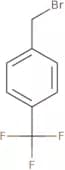
4-(Trifluoromethyl)benzyl bromide
CAS:4-Trifluoromethylbenzyl bromide is a choline derivative that acts as an anticancer agent. It is structurally similar to the anticancer drug doxorubicin, which has been shown to be effective against breast cancer and leukemia. 4-Trifluoromethylbenzyl bromide interacts with cellular proteins, including choline kinase, and inhibits the mitochondrial pathway. This leads to cell death through apoptosis. The molecule also interacts with nucleotide bases such as thymine and cytosine in DNA, inhibiting transcription and replication. 4-Trifluoromethylbenzyl bromide binds strongly to the hydroxyl group of cholesterol by an electrophilic substitution mechanism to form a covalent bond with its hydroxy group. The molecule can also bind to chloride ions by an ionic bond.
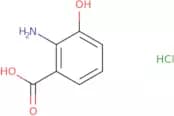
Formula:C8H6BrF3Purity:Min. 95%Color and Shape:White PowderMolecular weight:239.03 g/mol3-Hydroxyanthranilic acid Hydrochloride
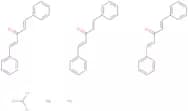
CAS:3-Hydroxyanthranilic acid hydrochloride is a prodrug of 3-hydroxyanthranilic acid. It is metabolized by the liver to 3-hydroxyanthranilic acid, which inhibits the synthesis of proteins and blocks the formation of bacterial cell walls. The carboxyl group on this drug attaches to a hydrogen atom on the phenol group and forms a hydrogen bond with a protonated chloride atom to form an ionic bond. This drug also has an amino group that can donate a proton to become positively charged.Formula:C7H7NO3·ClHPurity:Min. 95%Molecular weight:189.6 g/molTris(dibenzylideneacetone)dipalladium (0)-chloroform adduct
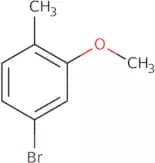
CAS:Controlled ProductTris(dibenzylideneacetone)dipalladium (0)-chloroform adduct is a catalyst that is used in cross-coupling reactions. It is an efficient method for the preparation of β-unsaturated ketones, which are important intermediates in organic synthesis. The catalytic cycle involves hydrolysis and condensation reactions. Tris(dibenzylideneacetone)dipalladium (0)-chloroform adduct can be prepared by reacting chloroform with a palladium compound in the presence of silver trifluoromethanesulfonate and a diphosphine ligand. The product contains a chloroform molecule that can be replaced by other functional groups such as chloride, fatty acid, or imine nitrogen. Tris(dibenzylideneacetone)dipalladium (0)-chloroform adduct has been characterized by x-ray crystal structures to identifyFormula:C51H42O3Pd2·CHCl3Purity:Min. 95%Color and Shape:PowderMolecular weight:1,035.09 g/mol4-Bromo-2-methoxytoluene
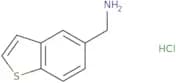
CAS:4-Bromo-2-methoxytoluene is a lactone compound that has been shown to have bioactivities. It is also known as methoxy, an aromatic organic compound with one methyl substituent and two hydroxyl substituents on a benzene ring. 4-Bromo-2-methoxytoluene is found in the natural products cephalotaxaceae and cephalotaxus. This compound can be synthesized by reacting diisopropylamine with formylation of bromobenzene in the presence of acetic acid followed by treatment with sodium acetate. The chemical structure forms a skeleton containing four carbon atoms and six hydrogen atoms, which are arranged in three rings (a cyclic system). This compound exists as two isomers, namely cis and trans.Formula:C8H9BrOPurity:Min. 95%Color and Shape:PowderMolecular weight:201.06 g/mol(1-Benzothien-5-ylmethyl)amine hydrochloride
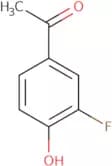
CAS:(1-Benzothien-5-ylmethyl)amine hydrochloride is a white crystalline solid that is soluble in organic solvents. It has been used as a research chemical, reagent, and speciality chemical. It is also an intermediate for the synthesis of other compounds.Formula:C9H9NS·HClPurity:Min. 95%Color and Shape:SolidMolecular weight:199.7 g/mol3'-Fluoro-4'-hydroxyacetophenone
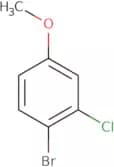
CAS:3'-Fluoro-4'-hydroxyacetophenone is a fluorinated acetophenone that is synthesized by catalytic hydrogenation of 3,4-difluoroacetophenone. This reaction produces the desired product in high yield. The product can be used in the synthesis of various pharmaceuticals, such as analgesics, antihistamines and antidiabetic agents. 3'-Fluoro-4'-hydroxyacetophenone has been shown to have higher yields and better solubility than its counterparts. It also has a high boiling point, making it suitable for industrial use.Formula:C8H7FO2Purity:Min. 95%Color and Shape:PowderMolecular weight:154.14 g/mol1-Bromo-2-chloro-4-methoxybenzene
CAS:1-Bromo-2-chloro-4-methoxybenzene is a polychlorinated bromoarene. It is used as a precursor to produce the hydroxamic acid, 1-bromo-2,4-dichlorobenzene. This compound has been shown to be a powerful inhibitor of bacterial growth in activated sludge and soil bacteria. It also inhibits plant growth and has been used as an herbicide. The synthesis of this compound starts with acetonitrile and phenol, which are heated together to produce the desired product in high yields. The solvents are then removed by vacuum distillation or crystallization.
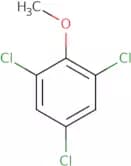
Formula:C7H6BrClOPurity:Min. 95%Molecular weight:221.48 g/mol2,4,6-Trichloroanisole
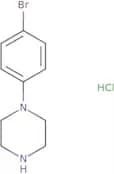
CAS:2,4,6-Trichloroanisole (TCA) is a molecule that is present in the environment and can be found as a contaminant in food and beverages, especially alcoholic beverages. TCA has been shown to act as an allosteric activator of the nicotinic acetylcholine receptor (nAChR) in mammalian cells. The binding of TCA to nAChRs leads to a change in the shape of the receptor, which changes the local concentration of ions around the cell membrane. This change causes an increase in permeability and leads to a decrease in intracellular potassium concentrations. TCA has also been shown to affect bacterial growth by inhibiting DNA synthesis through its effect on DNA gyrase or topoisomerase IV.Formula:C7H5Cl3OPurity:Min. 95%Molecular weight:211.47 g/mol1-(4-Bromophenyl)piperazine hydrochloride
CAS:Controlled Product1-(4-Bromophenyl)piperazine hydrochloride is a linker that binds to serotonin receptors. It has been shown to inhibit the reuptake of serotonin, which may lead to an increase in the neurotransmitter's level in the synaptic cleft. The compound also inhibits the production of 5-hydroxytryptamine and other monoamine neurotransmitters, which can lead to anaphylactic reactions in humans.Formula:C10H14BrClN2Purity:Min. 95%Molecular weight:277.59 g/mol1-(4-Bromophenyl)propan-1-one
CAS:1-(4-Bromophenyl)propan-1-one is a sulfonation product of propiophenone. It has been found to have anticancer activity in cervical cancer, and is currently being studied as a potential treatment for cancer. 1-(4-Bromophenyl)propan-1-one can be synthesized by treating propiophenone with hydrochloric acid and sodium hydroxide solution. It can also be synthesized using polyvinyl chloride as the starting material. 1-(4-Bromophenyl)propan-1-one can be isolated from the reaction mixture by adding hydrochloric acid to the reaction mixture, forming a salt that precipitates from solution. This salt is then dissolved in water and neutralized with an alkali such as sodium hydroxide or potassium carbonate, yielding 1-(4-bromophenyl)propan-1-one hydrochloride.Formula:C9H9OBrPurity:Min. 95%Color and Shape:White PowderMolecular weight:213.07 g/mol2-Chloro-5-nitrotoluene
CAS:2-Chloro-5-nitrotoluene (2CNT) is an organic compound that is used as an intermediate in the synthesis of dyes and pharmaceuticals. It is a potent carcinogen, mutagen, and hepatotoxin. 2CNT can be synthesized from nitrobenzene and hydrochloric acid by a three-step process: nitration to form the corresponding nitro compound, followed by chlorination with chlorine gas to form 2CNT. The industrial preparation of 2CNT includes the following reaction yield:Formula:C7H6ClNO2Purity:Min. 95%Color and Shape:PowderMolecular weight:171.58 g/mol4-Amino-6-chloro-2-(methylthio) pyrimidine
CAS:4-Amino-6-chloro-2-(methylthio) pyrimidine is a reactive chemical that is used in medicine as an antioxidant. It has been shown to have beneficial effects on atherosclerosis, colitis and cancer. 4-Amino-6-chloro-2-(methylthio) pyrimidine has also been shown to inhibit the production of reactive oxygen species (ROS). ROS are generated by lipoxygenase enzymes in soybean oil and cause damage to cells. 4-Amino-6-chloro-2-(methylthio) pyrimidine binds to the enzyme's heme group, preventing it from forming ROS.Formula:C5H6ClN3SPurity:Min. 95%Molecular weight:175.64 g/mol3-Phenylpropionyl chloride
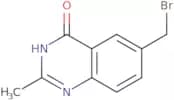
CAS:3-Phenylpropionyl chloride is an acylating agent with antimicrobial properties. It is used as a precursor in the synthesis of many pharmaceuticals, such as amines and cyclohexane derivatives. 3-Phenylpropionyl chloride is a reactive compound that can undergo an acylation reaction with nucleophilic compounds to form an n-oxide. This reaction can be catalyzed by metal ions or bases. 3-Phenylpropionyl chloride has inhibitory properties against enzymes, such as aminoglycoside acetyltransferase and carbonyl reductase. It also has shown antitumor activity in cancer cells and metabolic disorders in the liver due to its ability to inhibit glycosidic bond formation.Formula:C9H9ClOPurity:Min. 95%Color and Shape:LiquidMolecular weight:168.62 g/mol6-(Bromomethyl)-2-methyl-4(3H)-quinazolinone
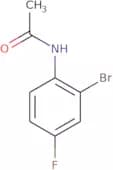
CAS:6-(Bromomethyl)-2-methyl-4(3H)-quinazolinone (6BMQ) is a synthetic molecule that has been designed to mimic the pharmacophores of quinazoline drugs. This compound is hydrolyzed by alkaline hydrolysis and acetylated in acidic conditions. 6BMQ binds to DNA and inhibits DNA synthesis, leading to cell death. It also has anti-cancer activity, which may be due to its ability to hybridize with DNA. 6BMQ is also a chalcone derivative with an acidic hydrolysis product.Formula:C10H9BrN2OPurity:Min. 95%Color and Shape:Off-White PowderMolecular weight:253.1 g/mol2'-Bromo-4'-fluoroacetanilide
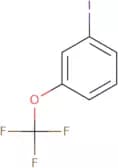
CAS:2'-Bromo-4'-fluoroacetanilide is a synthetic derivative of acetanilide that is used in the treatment of diabetes mellitus. It has been shown to have antidiabetic properties as well as to inhibit the formation of nitrosamines, which are carcinogenic compounds. The synthesis of 2'-bromo-4'-fluoroacetanilide involves the addition of bromine and sodium hydrogen to acetylated acetanilide. This reaction occurs in a reaction vessel at an elevated temperature, with the solvent being an organic solvent. The final product is isolated by distillation and purified by recrystallization or column chromatography. Molecular docking analysis has shown that 2'-bromo-4'-fluoroacetanilide binds to ATP synthase, which is involved in gluconeogenesis and glycolysis, leading to its ability to inhibit glucose production in cells.Formula:C8H7BrFNOPurity:Min. 95%Molecular weight:232.05 g/mol3-(Trifluoromethoxy)iodobenzene
CAS:3-(Trifluoromethoxy)iodobenzene is a reagent for organic synthesis that has a high quality and versatile reactivity. It can be used in the preparation of useful scaffolds, which are novel and useful building blocks. 3-(Trifluoromethoxy)iodobenzene is also a useful intermediate for the synthesis of complex compounds. 3-(Trifluoromethoxy)iodobenzene has been shown to have antioxidant properties and can be used as a fine chemical.Formula:C7H4F3IOPurity:Min. 95%Color and Shape:Clear LiquidMolecular weight:288.01 g/molPhenylthiophosphonic Dichloride
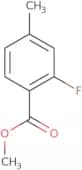
CAS:Formula:C6H5Cl2PSPurity:>98.0%(GC)(T)Color and Shape:Colorless to Light orange to Yellow clear liquidMolecular weight:211.042-Fluoro-4-methylbenzoic acid methyl ester
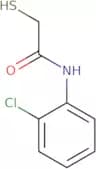
CAS:2-Fluoro-4-methylbenzoic acid methyl ester is a versatile building block useful for the synthesis of a variety of compounds. It is an important intermediate and research chemical that can be used as a reaction component or speciality chemical. 2-Fluoro-4-methylbenzoic acid methyl ester is also a useful building block with high quality and reagent.Formula:C9H9FO2Purity:Min. 95%Color and Shape:Clear LiquidMolecular weight:168.16 g/molN-(2-Chlorophenyl)-2-mercaptoacetamide
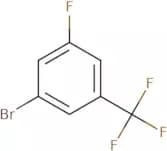
CAS:2-Chloroacetamide is a useful building block that can be used to synthesize a variety of compounds. This chemical is also a versatile intermediate and can be used in the preparation of fine chemicals, research chemicals, and speciality chemicals. It is also a reaction component that can be used in the synthesis of complex compounds. 2-Chloroacetamide has been shown to have high quality properties and is often used as a reagent.Formula:C8H8ClNOSPurity:Min. 95%Color and Shape:White PowderMolecular weight:201.67 g/mol3-Bromo-5-fluorobenzotrifluoride
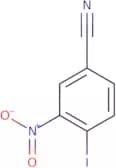
CAS:Please enquire for more information about 3-Bromo-5-fluorobenzotrifluoride including the price, delivery time and more detailed product information at the technical inquiry form on this pageFormula:C7H3BrF4Purity:Min. 95%Color and Shape:LiquidMolecular weight:243 g/mol4-Iodo-3-nitrobenzonitrile
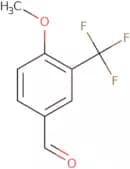
CAS:4-Iodo-3-nitrobenzonitrile is a chemical intermediate that can be used to synthesize other chemicals. It is an aromatic compound with the formula CHNO. 4-Iodo-3-nitrobenzonitrile can be used as a reactive building block in organic synthesis and has shown to be useful in the preparation of complex compounds that are difficult to prepare by other methods. This chemical has been shown to have high quality and is stable at room temperature.Formula:C7H3IN2O2Purity:Min. 95 Area-%Color and Shape:PowderMolecular weight:274.02 g/mol4-Methoxy-3-(trifluoromethyl)benzaldehyde
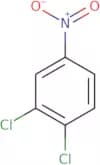
CAS:4-Methoxy-3-(trifluoromethyl)benzaldehyde is a fine chemical that can be used as a building block for pharmaceuticals and other organic compounds. It is also used in research for the synthesis of complex compounds. This chemical has been reported to be a useful intermediate or scaffold for organic syntheses. 4-Methoxy-3-(trifluoromethyl)benzaldehyde is soluble in water and ethanol, and insoluble in ether. It has a melting point of 140°C, boiling point of 249°C, density 1.096 g/cm³, and refractive index (20°C) 1.567.Formula:C9H7F3O2Purity:Min. 95%Molecular weight:204.15 g/mol3,4-Dichloronitrobenzene
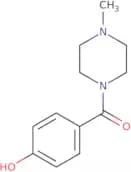
CAS:3,4-Dichloronitrobenzene (3,4-DNBP) is a chemical pesticide that inhibits the activity of glutathione s-transferase. Glutathione is an important antioxidant in the liver, which helps to remove toxic substances from the body. This pesticide also inhibits glutathione S-transferase enzyme activities and transcription polymerase chain reactions. 3,4-DNBP has high resistance to degradation by plant metabolism and has shown biological properties such as fluorescence detection and disulfide bond formation in vitro. The detoxification enzymes are not able to break down 3,4-DNBP completely because it reacts with acids to form nitrosobenzenesulfonic acid (NBS).Formula:C6H3Cl2NO2Purity:Min. 95%Color and Shape:PowderMolecular weight:192 g/mol1-(4-Hydroxybenzoyl)-4-methyl-piperazine hydrochloride
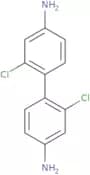
CAS:1-(4-Hydroxybenzoyl)-4-methyl-piperazine hydrochloride is a fine chemical that is used as a building block in organic synthesis, research and development of pharmaceuticals, and the production of agrochemicals. It can be used as a reagent or speciality chemical to produce high quality chemicals with various functional groups. 1-(4-Hydroxybenzoyl)-4-methyl-piperazine hydrochloride can be used in reactions such as nucleophilic substitution reactions, esterification reactions, amide bond formation, amidation reactions, and other reactions to produce versatile scaffolds.Formula:C12H16N2O2Purity:Min. 95%Molecular weight:220.27 g/mol2,2'-Dichloro-1,1'-biphenyl-4,4'-diamine
CAS:2,2'-Dichloro-1,1'-biphenyl-4,4'-diamine is a chemical that belongs to the class of organic compounds known as amines. It is insoluble in water and has a molecular weight of 190.8 g/mol. 2,2'-Dichloro-1,1'-biphenyl-4,4'-diamine has been shown to be carcinogenic in animals and can cause coagulation problems in humans. The compound also shows anti-inflammatory properties by inhibiting the production of prostaglandins.Formula:C12H10Cl2N2Purity:Min. 95%Color and Shape:White/Off-White SolidMolecular weight:253.13 g/mol5-Bromo-2-chloroaniline
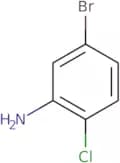
CAS:5-Bromo-2-chloroaniline is an industrial chemical that is used as a boronic acid reagent in organic synthesis. It can be prepared by the reaction of trimethyl borate with 2-chloroaniline. The optimal conditions for this reaction are to use a grignard reagent and borate as the starting materials, and to perform the reaction at low temperature. This product has been shown to be an efficient target product for diazotization and boronic esterification reactions. 5-Bromo-2-chloroaniline hydrolyzes readily, so it should be stored in a cool place or under nitrogen gas to prevent degradation.Formula:C6H5ClBrNPurity:Min. 95%Color and Shape:PowderMolecular weight:206.47 g/mol5-Chloro-2-methoxybenzylamine hydrochloride
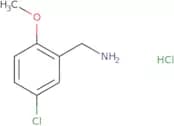
CAS:5-Chloro-2-methoxybenzylamine hydrochloride is a chemical substance that is used as an intermediate in the synthesis of pharmaceuticals and other chemicals. It can be used as a building block to create complex compounds, or it can be used in reactions to produce speciality chemicals. 5-Chloro-2-methoxybenzylamine hydrochloride is a high quality reagent that can be used as a reaction component in research and development. A fine chemical, 5-Chloro-2-methoxybenzylamine hydrochloride has many uses as a versatile building block for organic synthesis. It is also useful for generating research chemicals and complex compounds for use in medicines and other products.Formula:C8H10ClNO·(HCl)Purity:Min. 95%Color and Shape:PowderMolecular weight:208.08 g/mol3-(Bromomethyl)-5-methyl-1,2,4-oxadiazole
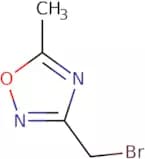
CAS:3-(Bromomethyl)-5-methyl-1,2,4-oxadiazole is an activating molecule that can be used as a histochemical stain. It forms a blue dye when reacted with the amino acid histidine in tissue. This compound stains cells and tissues blue, which can be used to identify different types of cells. 3-(Bromomethyl)-5-methyl-1,2,4-oxadiazole is also useful for identifying the location of specific proteins by detecting their presence in different types of cells. This compound can also be used in vivo to activate angiotensinogen in wild-type mice and then analyzing the effects on angiotensin levels.
Formula:C4H5BrN2OPurity:Min. 95 Area-%Color and Shape:Yellow Clear LiquidMolecular weight:177 g/mol2-Amino-3,5-dichlorobenzoic acid
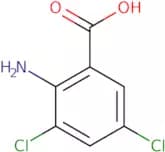
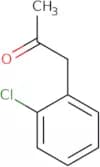
CAS:2-Amino-3,5-dichlorobenzoic acid is a petrochemical that has been used in the production of other chemicals, such as phosphorus pentachloride. It also serves as a precursor for molybdenum and ATP binding cassette transporter. 2-Amino-3,5-dichlorobenzoic acid binds to the hydrochloric acid and sodium hydroxide solution present in the stomach to produce hydrochloric acid and sodium chloride. 2-Amino-3,5-dichlorobenzoic acid is also a precursor for quinazolone, which is used in the production of dyes and pharmaceuticals. It has also been shown to inhibit plant physiology by inhibiting chlorophyll synthesis.Formula:C7H5Cl2NO2Purity:Min. 95%Color and Shape:PowderMolecular weight:206.03 g/mol2-Chlorophenylacetone
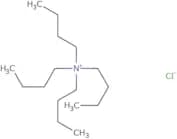
CAS:Controlled Product2-Chlorophenylacetone is an organic chemical compound that is a substrate for enzymes. It can be used as a reagent in the synthesis of phenylacetone and other substituted phenylacetic acids, which are chiral starting materials used in the production of pharmaceuticals, pesticides, dyes, and plastics. 2-Chlorophenylacetone binds to the active site on enzymes that catalyze reactions involving ethylene, nitroethane, chloride and phenylacetone. The binding site is defined by amino acid residues at positions corresponding to glycine (G), alanine (A), and aspartic acid (D) in the enzyme's active site. 2-Chlorophenylacetone has been shown to be a powerful inhibitor of dehydrogenase activity with IC50 values of 1.5 mM for acetaldehyde dehydrogenase from yeast cells and 3.2 mM for alcohol dehydrogenase from rat liver mitochondria. In addition, itFormula:C9H9ClOPurity:Min. 97%Color and Shape:LiquidMolecular weight:168.62 g/molTetra-n-butylammonium chloride anhydrous
CAS:Tetra-n-butylammonium chloride anhydrous (TBACl) is an inorganic acid that is a colorless solid. It is soluble in water and soluble in organic solvents. TBACl reacts with hydrogen fluoride to form a colorless solution of tetrabutylammonium hydrogen fluoride (TBHF). The reaction proceeds by the following equation:Formula:C16H36NClPurity:Min. 95%Color and Shape:White PowderMolecular weight:277.92 g/mol4-[(2-Chlorobenzyl)oxy]benzoic acid
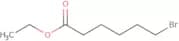
CAS:4-[(2-Chlorobenzyl)oxy]benzoic acid is a chemical building block that has been used in the synthesis of organic compounds. It is an intermediate for the production of many different products, such as pharmaceuticals and pesticides. 4-[(2-Chlorobenzyl)oxy]benzoic acid is a versatile building block that can be used to synthesize a wide range of complex compounds. This compound is also useful as a reagent in research.Formula:C14H11ClO3Purity:Min. 95%Color and Shape:PowderMolecular weight:262.69 g/mol6-Bromohexanoic acid ethyl ester
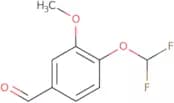
CAS:6-Bromohexanoic acid ethyl ester is a fluorescent compound that has been used to assess the presence of azobenzene in urine samples. This product is also used as a marker for capsicum annuum, which is an edible plant. 6-Bromohexanoic acid ethyl ester has been shown to be effective in the diagnosis of cancer, especially carcinoma cells. Coumarin derivatives have been found to possess fluorescence properties similar to 6-bromohexanoic acid ethyl ester and are also used as markers for cancer cells. The use of polyclonal antibodies and hydrochloric acid for this product can lead to fluorescence properties that are specific for cancer cells.Formula:C8H15BrO2Purity:Min. 95%Color and Shape:Colourless To Pale Yellow LiquidMolecular weight:223.11 g/mol3-Methoxy-4-(difluoromethoxy)benzaldehyde
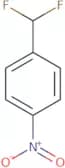
CAS:3-Methoxy-4-(difluoromethoxy)benzaldehyde is a chemical compound that has been found to have anti-tumor properties. It inhibits tumor cells by inducing cell apoptosis. 3-Methoxy-4-(difluoromethoxy)benzaldehyde induces apoptosis in human carcinoma cells, with optimal activity at doses of 10 micromolar and higher. This chemical can be used as an anti-tumor agent because it shows no genotoxic effects, and has high yield with a low toxicity profile. When this compound is exposed to UV radiation, the formation of reactive oxygen species (ROS) increases the rate of cell death. 3-Methoxy-4-(difluoromethoxy)benzaldehyde also has anti-inflammatory properties, which may be due to its ability to inhibit prostaglandin synthesis.Formula:C9H8F2O3Purity:Min. 95%Color and Shape:Colourless To Pale Yellow LiquidMolecular weight:202.15 g/mol1-(Difluoromethyl)-4-nitrobenzene
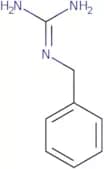
CAS:1-(Difluoromethyl)-4-nitrobenzene is a versatile building block that can be used as a fine chemical, research chemical, or reagent. It is an intermediate for the production of difluoromethylene-1,4-diamine and 1,1-difluoroethane. This compound has been shown to be useful in the synthesis of complex compounds such as 3-hydroxyazetidine and 4-amino-5H-thiazolo[3,2-a]pyrimidin-2(7H)-one. The high purity of this product makes it excellent for use in laboratory settings.Formula:C7H5F2NO2Purity:Min. 95%Color and Shape:SolidMolecular weight:173.12 g/molN-Benzylguanidine hydrochloride
CAS:N-Benzylguanidine hydrochloride (N-BzGuaHCl) is a nitrogen-containing heterocyclic compound that belongs to the group of mitochondrial inhibitors. It is used as a cardiac agent and has also been shown to inhibit the activity of integrin receptors. N-BzGuaHCl has been shown to be effective in preventing tumor growth in mice, which may be due to its ability to inhibit the uptake of monoclonal antibodies by cells. This drug also inhibits the activity of benzalkonium chloride, which is often used as a preservative in cosmetics and household products.Formula:C8H11N3·HClPurity:Min. 95%Color and Shape:PowderMolecular weight:185.65 g/mol2-Bromo-2-phenylacetophenone
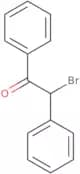
CAS:2-Bromo-2-phenylacetophenone is a drug that has been used in the treatment of brain disorders. It is also an antioxidant that prevents radiation damage to the brain by absorbing radiation energy and dissipating it as heat. 2-Bromo-2-phenylacetophenone has shown neuroprotective effects in animals by inhibiting the activity of cyclooxygenase (COX)-2, which is related to cancer and inflammation. This substance can be synthesized by reacting sodium carbonate or hydroxide with an alkanoic acid in the presence of trifluoroacetic acid. The reaction products are separated from unreacted reactants and other impurities by solid phase synthesis, purified, and characterized using nuclear magnetic resonance spectra.
Formula:C14H11BrOPurity:Min. 95%Color and Shape:Off-White To Light Brown SolidMolecular weight:275.14 g/mol8-Hydroxyguanine hydrochloride
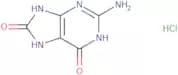
CAS:8-Hydroxyguanine hydrochloride is a fine chemical that is used as a building block in the synthesis of pharmaceuticals, agrochemicals and other organic compounds. It is also used as a reagent for research into the mechanisms of DNA damage. CAS No. 1246818-54-1 8-Hydroxyguanine hydrochloride is a complex compound that can be used as a versatile building block for the synthesis of many different types of molecules, including valuable intermediates and scaffolds for drug discovery.
Formula:C5H5N5O2•HClPurity:Min. 90 Area-%Color and Shape:White PowderMolecular weight:203.59 g/mol1-(5-Chloro-2-methoxyphenyl)piperazine HCl
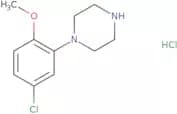
CAS:Controlled Product1-(5-Chloro-2-methoxyphenyl)piperazine HCl is a fine chemical that belongs to the group of research chemicals. It is used as a reagent, speciality chemical and intermediate in organic synthesis. 1-(5-Chloro-2-methoxyphenyl)piperazine HCl is an effective building block for complex compounds, which can be used in reactions involving acetals, amides, nitriles, sulfones, sulfonamides and imines. This compound also has versatile building blocks and is a useful scaffold in organic synthesis.Formula:C11H16Cl2N2OPurity:Min. 95%Color and Shape:Off-White PowderMolecular weight:263.16 g/mol4-Fluorophthalonitrile
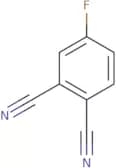
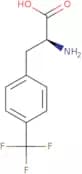
CAS:4-Fluorophthalonitrile is a colorless liquid that is insoluble in water and has a strong odor. This chemical is found naturally in coal tar and has been used to synthesize supramolecular devices, such as those that are capable of producing light. 4-Fluorophthalonitrile can be obtained synthetically by cross-coupling reactions with aryl chlorides or chlorine. It exhibits fluorescence when irradiated with light. 4-Fluorophthalonitrile also reacts with terminal alkynes to form aryl fluorides.Formula:C8H3FN2Purity:Min. 95%Molecular weight:146.12 g/mol4-(Trifluoromethyl)-L-phenylalanine
CAS:4-(Trifluoromethyl)-L-phenylalanine (4-TFMP) is an acyltransferase inhibitor that prevents the formation of fatty acids by inhibiting the enzyme ketoreductase. 4-TFMP has been shown to inhibit protein synthesis in myeloid leukemia cells and to have a cytotoxic effect on cancer cells. It also inhibits the growth of bacteria such as Salmonella enterica and Mycobacterium tuberculosis. In addition, 4-TFMP is used to treat infectious diseases such as tuberculosis, as well as metabolic disorders and some types of enzyme deficiencies. 4-TFMP is stereoselective and binds only to one type of acyltransferase, which is not present in humans.
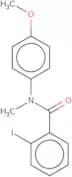
Formula:C10H10F3NO2Purity:Min. 95%Color and Shape:PowderMolecular weight:233.19 g/mol2-Iodo-N-(4-methoxyphenyl)-N-methylbenzamide
CAS:2-Iodo-N-(4-methoxyphenyl)-N-methylbenzamide is a versatile building block that can be used in research and as a reagent. It is a high quality chemical and useful as a building block or intermediate for the synthesis of more complex compounds. This chemical is also a useful scaffold for the synthesis of more complex molecules.Formula:C15H14INO2Purity:Min. 95%Molecular weight:367.18 g/mol2-Bromo-4-methylphenol
CAS:2-Bromo-4-methylphenol is an organic compound that has interactive effects with hydrochloric acid, molybdenum, and trifluoromethanesulfonic acid. It is soluble in water vapor, but insoluble in polyvinyl. 2-Bromo-4-methylphenol reacts with sodium hydroxide solution to form a hydroxide solution and sodium carbonate. The reaction product of 2-bromo-4-methylphenol with triterpenoid saponin produces fatty acids. This reaction occurs because the hydroxide ion from the sodium hydroxide solution attacks the ester group of the saponin, forming an alcohol group on one end and a carboxylic acid group on the other end. The benzyl groups are removed by hydrogenation to produce phenol.
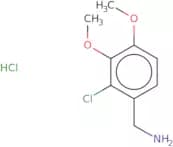
Formula:C7H7BrOPurity:Min. 95%Molecular weight:187.03 g/mol2-Chloro-3,4-dimethoxybenzylamine HCl
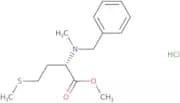
CAS:2-Chloro-3,4-dimethoxybenzylamine HCl is a fine chemical that can be used as a building block to synthesize new compounds. It is also a useful intermediate in the production of pharmaceuticals and other organic chemicals. 2-Chloro-3,4-dimethoxybenzylamine HCl has been used as a reaction component for the synthesis of various complex compounds. This compound has been shown to have high purity and quality.Formula:C9H12ClNO2·HClPurity:Min. 95%Molecular weight:238.11 g/molN-Benzyl-N-methyl-L-methionine methyl ester hydrochloride
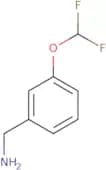
CAS:N-Benzyl-N-methyl-L-methionine methyl ester hydrochloride is a chemical substance that has been used as a reaction component in organic synthesis. It has also been used as a reagent for the quantitative determination of N,N'-dimethylbenzidine by measuring its absorption at 450 nm. It is soluble in water and ethanol and is stable up to 100 °C. The CAS Registry Number for this compound is 1272754-99-0.Formula:C14H21NO2S·HClPurity:Min. 95%Color and Shape:PowderMolecular weight:303.85 g/mol3-(Difluoromethoxy)benzyl amine
CAS:3-(Difluoromethoxy)benzyl amine is a high-quality reagent that is used as an intermediate in the synthesis of complex compounds. 3-(Difluoromethoxy)benzyl amine is also a useful building block for the synthesis of speciality chemicals and research chemicals. This compound can be used as a versatile building block, which can be used to synthesize different functional groups. 3-(Difluoromethoxy)benzyl amine is soluble in many organic solvents and has a boiling point of 193 °C.Formula:C8H9F2NOPurity:Min. 95%Molecular weight:173.16 g/mol5-Bromo-6-azauracil
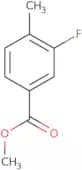
CAS:5-Bromo-6-azauracil is a nucleophilic compound that can be used to treat wastewater. It is also able to lyse cells and has been used as an immobilizing agent. The reactive nature of 5-Bromo-6-azauracil enables it to undergo nucleophilic substitutions with amines, which are present in the cell wall and other biomolecules. This process results in the formation of amide bonds, which leads to the inhibition of protein synthesis. 5-Bromo-6-azauracil has shown inhibitory effects on glucans, which may be due to its ability to form covalent bonds with glucose molecules.Formula:C3H2BrN3O2Purity:Min. 95%Color and Shape:White To Off-White SolidMolecular weight:191.97 g/mol3-Fluoro-4-methylbenzoic acid methyl ester
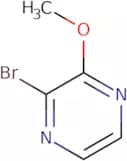
CAS:3-Fluoro-4-methylbenzoic acid methyl ester is a benzoate that can be converted to 3-fluoro-4-methylbenzoic acid (3FMB) by decarboxylation. 3FMB can be used in the synthesis of phenylacetic acid and other aromatic compounds. It also has been shown to function as a radical scavenger, which may have applications in medical research and treatment of neurodegenerative diseases. 3FMB has been shown to inhibit the growth of bacteria when it is applied topically or orally, due to its ability to inhibit DNA synthesis.Formula:C9H9FO2Purity:Min. 95%Molecular weight:168.16 g/mol2-Bromo-3-methoxypyrazine
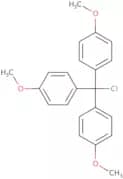
CAS:2-Bromo-3-methoxypyrazine is a chemical compound that is used as a precursor in the biosynthesis of geosmin. Geosmin, also known as 2-methylisoborneol or 2-MIB, is a volatile organic compound which has a musty or earthy smell. It is produced by some species of bacteria, including Myxobacterium and Chondromyces crocatus. It can be found in soil and water samples from areas with high levels of organic matter. 2-Bromo-3-methoxypyrazine was first isolated from cultures of M. crocatus in 1950. It can be synthesized from 3,4,5-trimethoxybenzaldehyde via bromination followed by reduction with sodium hydrosulfide. This process creates an intermediate called 2-(2'-bromoethyl)pyrazine, which undergoes methylation to create 2Formula:C5H5BrN2OPurity:Min. 95%Color and Shape:White Off-White PowderMolecular weight:189.01 g/mol4,4',4''-Trimethoxytrityl chloride
CAS:4,4',4''-Trimethoxytrityl chloride is a carbonyl compound that reacts with alkenyloxy groups to form alkaloids. It also reacts with halogen atoms to form halogenated products. 4,4',4''-Trimethoxytrityl chloride is used in the synthesis of ecteinascidins and acyl group compounds. This chemical can be used in the synthesis of alkaloids and alkenyloxy compounds. It has a reactive carbon atom that can be substituted by other organic groups.Formula:C22H21ClO3Purity:Min. 95%Color and Shape:Off-White PowderMolecular weight:368.85 g/mol





![4-[(2-Chlorobenzyl)oxy]benzoic acid](/_next/image/?url=https%3A%2Fstatic.cymitquimica.com%2Fproducts%2F3D%2Fthumb-webp%2FFC119032.webp&w=3840&q=75)