Organic Halides
Subcategories of "Organic Halides"
Found 20442 products of "Organic Halides"
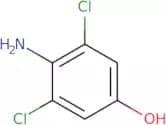
4-Amino-3,5-dichlorophenol
CAS:4-Amino-3,5-dichlorophenol is a decoupling agent that has been shown to have acute toxicities in cultures. It is also used as a regulatory control for the analysis of hydroxyl groups and for broad-spectrum antimicrobial agents. 4-Amino-3,5-dichlorophenol reacts with hydrochloric acid to form chlorohydrin, which can be detected by an electrochemical detector. This reaction mechanism has been proposed as the basis for the use of this chemical as a decoupling agent in analytical chemistry. Its use as an antimicrobial agent is based on its ability to inhibit bacterial growth by reacting with thiol groups in enzymes or proteins and blocking their activity.
Formula:C6H5Cl2NOPurity:Min. 95%Color and Shape:PowderMolecular weight:178.02 g/molRef: 3D-FA58353
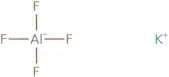
Discontinued productPotassium fluoroaluminate
CAS:Potassium fluoroaluminate (KAlF) is a reactive chemical compound that is used as a reducing agent in metallurgical processes. KAlF is not an aluminothermic reaction product, but it can be produced as a by-product of the reaction between aluminum and hydrogen fluoride. It is produced when potassium reacts with hydrogen fluoride in the presence of sodium carbonate or boron nitride. KAlF does not produce stable complexes with zinc or magnesium, but it does stabilize zirconium oxide to some extent. The human serum contains antibodies against KAlF particles, which may cause allergic reactions following inhalation or skin contact.
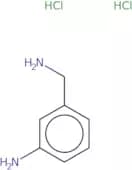
Formula:AlF4•KColor and Shape:PowderMolecular weight:142.07 g/mol3-Aminobenzylamine dihydrochloride
CAS:3-Aminobenzylamine dihydrochloride is a chemical building block that is useful for the synthesis of complex compounds. 3-Aminobenzylamine dihydrochloride is an aminobenzamide and has been used as a reagent or reaction component in laboratory research. This chemical is a versatile building block that can be used to synthesize a variety of compounds. 3-Aminobenzylamine dihydrochloride has been shown to be effective in the synthesis of 1,2,4-triazole derivatives, which are useful as pharmaceuticals or herbicides. 3-Aminobenzylamine dihydrochloride is also useful for the preparation of other fine chemicals and speciality chemicals.
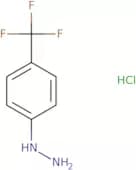
Formula:C7H10N2·2ClHPurity:Min. 95%Color and Shape:SolidMolecular weight:195.09 g/mol4-Trifluoromethylphenyl hydrazine hydrochloride
CAS:4-Trifluoromethylphenyl hydrazine hydrochloride is a fluorescent probe that can be used for the detection of hypoxia. It has been shown to be effective in detecting solid tumors, multiphase environments, and imaging. 4-Trifluoromethylphenyl hydrazine hydrochloride is an advanced probe that can be used to diagnose hypoxia. It binds to nitroreductase enzyme, which is found in tumor cells, and emits fluorescence when it reacts with oxygen. This reaction can be detected using a spectrophotometer or fluorimeter. The environment provides the necessary conditions for this reaction to take place, including low oxygen levels.Formula:C7H7F3N2HClPurity:Min. 95.0%Color and Shape:PowderMolecular weight:212.6 g/molRef: 3D-FT38091
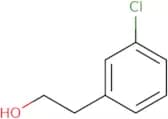
Discontinued product2-(3-Chlorophenyl)ethanol
CAS:2-(3-Chlorophenyl)ethanol (CLPE) is an agonist of the beta-adrenergic receptor. It is used in the treatment of asthma and other pulmonary diseases. CLPE binds to the beta-adrenergic receptor, which increases airway opening by relaxing bronchial smooth muscle. The drug also has a backup effect on the alpha-adrenergic receptors in the lungs, which helps to overcome any adverse effects caused by beta-blockers. CLPE has been shown to be effective in treating asthma attacks that are resistant to inhaled corticosteroids and long-acting β2-agonists. It may be used as an alternative treatment for patients who cannot tolerate or have not responded well to first line treatments such as long acting β2 agonists or inhaled corticosteroids.
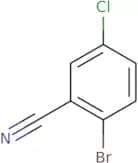
Formula:C8H9ClOPurity:Min. 95%Color and Shape:Clear LiquidMolecular weight:156.61 g/mol2-Bromo-5-chlorobenzonitrile
CAS:2-Bromo-5-chlorobenzonitrile (2BC) is a synthetic drug that has been used in the treatment of neuropsychiatric disorders. It is a glutamate receptor subtype agonist, which activates the metabotropic glutamate receptor. 2BC binds to the pyridinium site of the mGluR5 subtype, inhibiting glutamate binding and preventing activation of ion channels. The benzothiazole moiety has been found to be essential for this activity. 2BC also has antiviral properties and can inhibit HIV replication in vitro.
2BC is currently being explored as a potential therapeutic agent for schizophrenia and other neuropsychiatric disorders that involve glutamatergic dysfunction such as depression, bipolar disorder, and anxiety disorder.br>br>
br>br>
Potential side effects include sedation, dizziness, blurred vision, headache, drowsiness, fatigue, nausea/vomiting and increased appetite.Formula:C7H3BrClNPurity:Min. 95%Color and Shape:PowderMolecular weight:216.46 g/molRef: 3D-FB45411
Discontinued product4-(Trifluoromethylthio)benzoic acid
CAS:4-(Trifluoromethylthio)benzoic acid is a versatile building block, useful intermediate, and reagent for research and development. 4-(Trifluoromethylthio)benzoic acid has been shown to be a high quality chemical with high purity. The CAS number for 4-(Trifluoromethylthio)benzoic acid is 330-17-6.
Formula:C8H5F3O2SPurity:Min. 98 Area-%Color and Shape:PowderMolecular weight:222.19 g/molRef: 3D-FT38830
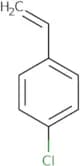
Discontinued product4-Chlorostyrene - stabilised with 4-tert-butylcatechol
CAS:4-Chlorostyrene is a chlorinated organic compound. This chemical has been shown to bind to the hydroxyl group of polyhydroxy compounds, such as poly(vinyl alcohol), with a frequency shift of 1.0 cm-1 in the infrared spectrum. The ph optimum for this reaction is between 4 and 5. When exposed to cationic polymerization, chlorine atoms are incorporated into the polymer chain and the resultant product is a cationic polymer that has an isolated yield of 82%. In order for this reaction to be successful, both 4-chlorostyrene and 4-tert-butylcatechol must be present. The reaction mechanism is believed to involve diazonium salt formation followed by activation energies of 20 kcal/mol and 25 kcal/mol.Formula:C8H7ClPurity:Min. 95%Color and Shape:Colorless Clear LiquidMolecular weight:138.59 g/molRef: 3D-FC36356
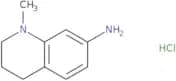
Discontinued product1-Methyl-1,2,3,4-tetrahydroquinolin-7-amine hydrochloride
CAS:1-Methyl-1,2,3,4-tetrahydroquinolin-7-amine hydrochloride (MQ) is a fluorescent probe that has been used to study the photostability of cisplatin in real time. MQ was synthesized by reacting 3-(2'-bromoacetyl)-7-methoxy-1,2,3,4-tetrahydroquinolin with 7-aminoquinaldine. The emission spectrum of MQ peaks at 615 nm and has an extinction coefficient at 615 nm of 12.5 mM/cm. This probe has been shown to be photostable for long periods of time and can be used to visualize DNA polymerase activity in living cells.Formula:C10H15ClN2Purity:Min. 95%Color and Shape:Off-White PowderMolecular weight:198.69 g/molRef: 3D-FM117303
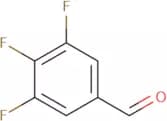
Discontinued product3,4,5-Trifluorobenzaldehyde
CAS:3,4,5-Trifluorobenzaldehyde is an aldehyde that can be synthesized in the laboratory. It reacts with ammonium nitrate and fatty alcohols to form 3,4,5-trifluoro-1-(alkyloxy)benzene. This reaction proceeds via a dipole mechanism and produces an intermediate called 2-amino-2-nitroethanol. This intermediate then undergoes dehydrogenation to produce 3,4,5-trifluoroethanol and ammonia. The reaction time for this process varies depending on the immobilization of the reactants and the temperature of the reaction.
Formula:C7H3F3OPurity:Min. 95%Color and Shape:Clear LiquidMolecular weight:160.09 g/molRef: 3D-FT64093
Discontinued productAmmonium hexafluorotitanate(iv)
CAS:Ammonium hexafluorotitanate(IV) is a fine chemical that can be used as a reagent, building block, or intermediate in the synthesis of other chemicals. It is a versatile building block and reacts with other compounds to form complex compounds. Ammonium hexafluorotitanate(IV) is also an intermediate for the production of ammonium hexafluorophosphate (III), which is used in the manufacture of fertilizers. Ammonium hexafluorotitanate(IV) can be used as a reactant to produce titanium metal, which has many industrial applications.
Formula:F6H8N2TiPurity:Min. 95%Color and Shape:White SolidMolecular weight:197.93 g/molRef: 3D-FA105292
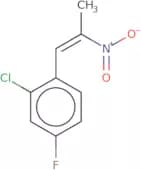
Discontinued product1-(2-Chloro-4-fluorophenyl)-2-nitropropene
CAS:1-(2-Chloro-4-fluorophenyl)-2-nitropropene is a versatile building block that can be used to produce a variety of compounds with various properties. It is a high quality, reagent grade chemical that is useful for research and development purposes. This compound has been shown to be an effective intermediate in the synthesis of complex compounds, such as pharmaceuticals and pesticides.
Formula:C9H7ClFNO2Purity:Min. 95%Molecular weight:215.61 g/molRef: 3D-FC65821
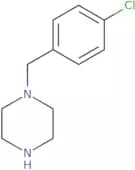
Discontinued product1-(4-Chlorobenzyl)piperazine
CAS:Controlled Product1-(4-Chlorobenzyl)piperazine is an amine that belongs to the class of hydrogen-bond acid amides. It has a piperazine structure and is structurally related to other substances, such as dopamine. 1-(4-Chlorobenzyl)piperazine has been shown to inhibit spontaneous emission in animals and inhibit spontaneous activity at d4 receptors. This drug also inhibits the binding of agonists to the d4 receptor subtype, without affecting other subtypes.
Formula:C11H15ClN2Purity:Min. 98 Area-%Color and Shape:Colorless Clear LiquidMolecular weight:210.7 g/molRef: 3D-FC12602
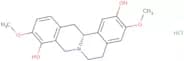
Discontinued productScoulerin hydrochloride
CAS:Scoulerin hydrochloride is a fine chemical that is a versatile building block for the synthesis of complex compounds. Scoulerin hydrochloride has CAS number 20180-95-4 and can be used as a research chemical, reagent, or speciality chemical. Scoulerin hydrochloride has been shown to be useful in the synthesis of high quality and useful intermediate products. This compound also serves as an important reaction component for the synthesis of useful scaffolds.
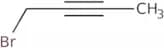
Formula:C19H21NO4·HClPurity:Min. 95%Molecular weight:363.84 g/mol1-Bromo-2-butyne
CAS:Intermediate in the synthesis of linagliptin
Formula:C4H5BrPurity:Min. 95%Color and Shape:Colorless Clear LiquidMolecular weight:132.99 g/mol6-Iodoisatin
CAS:6-Iodoisatin is a potential anticancer agent that has been shown to inhibit the growth of murine melanoma cells in vitro. The mechanism of action is not yet fully understood, but it seems that 6-iodoisatin may inhibit the synthesis of melanin and its cross-coupling reaction. This compound also exhibits affinity for tumour cells and can be radiolabeled with a radionuclide such as iodine-131 (I) or iodine-123 (I). 6-Iodoisatin has been shown to have a high biodistribution profile in mice. It accumulates in melanoma tumours at an amount that is ten times higher than that observed in other tissues.
Formula:C8H4INO2Purity:Min. 95%Color and Shape:Orange PowderMolecular weight:273.03 g/molRef: 3D-FI66944
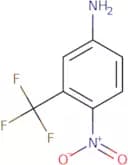
Discontinued product4-Nitro-3-(trifluoromethyl)aniline (FLU-1)
CAS:4-Nitro-3-(trifluoromethyl)aniline (FLU-1) is a molecule that has been shown to be carcinogenic in both animals and humans. This compound has an activation energy of 4.2 kcal/mol, which is a measure of the amount of energy required for a reaction to occur. FLU-1 is stable in n-dimethylformamide and reacts with acetic acid to form an ester, which can be hydrolyzed to form 4-nitro-3-(trifluoromethyl)acetic acid. FLU-1 also reacts with ammonia and boron nitride to form 4-(aminocarbonyl)-3-(trifluoromethyl)aniline. The physical properties of this compound are dependent on the solvents used in the reaction. For example, its nmr spectra are different in chloroform than they are in acetone or
Formula:C7H5F3N2O2Purity:Min. 98 Area-%Color and Shape:PowderMolecular weight:206.12 g/molRef: 3D-FN26253
Discontinued product4-Chloro-1H-pyrazolo[3,4-d]pyrimidine
CAS:4-Chloro-1H-pyrazolo[3,4-d]pyrimidine is an amine that inhibits corrosion in aqueous solutions. It is used as an inhibitor of corrosion in the manufacture of steel. 4-Chloro-1H-pyrazolo[3,4-d]pyrimidine is added to the steel surface before it enters the electrolytic pickling bath. 4-Chloro-1H-pyrazolo[3,4-d]pyrimidine has been shown to be thermodynamically stable and can be formulated into a variety of organic solvents with different boiling points. It can also be used as a coupling agent for palladium catalyzed reactions. This compound class has optimum concentration at about 0.5 M and reacts via dipole mechanism with eucalyptol or piperazine as a solvent. The major heterocycle in this compound is pyrazole (C5).
Formula:C5H3ClN4Purity:Min. 95%Color and Shape:PowderMolecular weight:154.56 g/molRef: 3D-FC16225
Discontinued productGlycine t-butyl ester hydrochloride
CAS:Glycine t-butyl ester hydrochloride is a glycine prodrug that is converted to the neurotransmitter, cinchonidine, by carboxylesterase. It has been shown to be effective in resistant cancer cells and has good bioavailability in humans. Glycine t-butyl ester hydrochloride is synthesized from glycine and butyric acid with sodium carbonate as a catalyst and then reacted with anhydrous hydrogen chloride to form the final product. This synthesis requires an asymmetric reaction solution, which can be achieved by using a chiral reactant such as potassium carbonate or magnesium chloride. The dehydration of the ester group can be performed by heating in vacuum at 120°C for 2 hours.
Formula:C6H14ClNO2Purity:Min. 95%Color and Shape:White PowderMolecular weight:167.63 g/mol4-Chloro-6-hydroxypyrimidine
CAS:4-Chloro-6-hydroxypyrimidine is an organic compound that is used as a precursor to other chemical compounds. It can be prepared by the reaction of ethylene with chlorine in the presence of carbon disulphide. 4-Chloro-6-hydroxypyrimidine has been shown to react with halides, amidines, and ethylene to form tritiated pyrimidines. It also reacts with disulphides, chlorinates and uracil. 4-Chloro-6-hydroxypyrimidine is reactive and can undergo desulfurization reactions with aluminium and malonate to form chloride or sulphoxide. The halides, amidines, and ethylene are all reactive substances that can react with each other or undergo other reactions to form new substances.
Formula:C4H3ClN2OPurity:Min. 95%Color and Shape:White To Light (Or Pale) Yellow SolidMolecular weight:130.53 g/molRef: 3D-FC10266
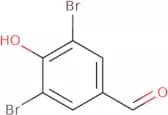
Discontinued product3,5-Dibromo-4-hydroxybenzaldehyde
CAS:3,5-Dibromo-4-hydroxybenzaldehyde is an aldehyde that is used as a precursor to other organic compounds. It can be produced using the efficient method of reacting 3,5-dibromo-4-hydroxybenzoic acid with sodium borohydride in methanol. The molecule has three hydroxymethyl groups and two functional groups. 3,5-Dibromo-4-hydroxybenzaldehyde is soluble in water and organic solvents such as ethanol and acetone. This compound has shown antibacterial activity against some strains of bacteria, including group P2 bacteria. The reaction yield for the synthesis of this compound is approximately 93%. The inhibitory activities of 3,5-dibromo-4-hydroxybenzaldehyde have been demonstrated against both Gram positive and Gram negative bacteria.
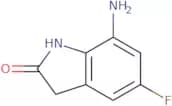
Formula:C7H4Br2O2Purity:Min. 95%Color and Shape:PowderMolecular weight:279.91 g/mol7-Amino-5-fluoro-1,3-dihydroindol-2-one
CAS:7-Amino-5-fluoro-1,3-dihydroindol-2-one is a compound that can be used as a research chemical. It has been shown to react with various other compounds in the laboratory and may have potential uses as a versatile building block or useful intermediate. 7-Amino-5-fluoro-1,3-dihydroindol-2-one is also known for its high quality and speciality chemical status.
Formula:C8H7FN2OPurity:Min. 95%Color and Shape:PowderMolecular weight:166.15 g/molRef: 3D-FA104789
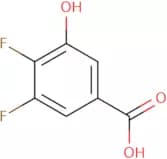
Discontinued product4,5-Difluoro-3-hydroxybenzoic acid
CAS:4,5-Difluoro-3-hydroxybenzoic acid is a chemical intermediate that is used in the production of 4,5-difluoro-3-hydroxyphenylacetic acid. The process development of this compound was carried out to produce indian refractories and discontinuity. It has been envisaged that monocrystalline postulated treatments will be required for the ancillary transfer of beneficiation and magnesite advances as well as isoxazolidines.
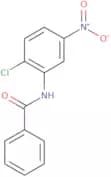
Formula:C7H4F2O3Purity:Min. 95%Color and Shape:PowderMolecular weight:174.1 g/molN-(2-Chloro-5-Nitrophenyl)Benzamide
CAS:Please enquire for more information about N-(2-Chloro-5-Nitrophenyl)Benzamide including the price, delivery time and more detailed product information at the technical inquiry form on this page
Formula:C13H9ClN2O3Purity:Min. 95%Color and Shape:PowderMolecular weight:276.67 g/molMethyl 3,5-dibromo-2-methoxybenzoate
CAS:Methyl 3,5-dibromo-2-methoxybenzoate is a fine chemical that is useful as a scaffold for the preparation of a variety of compounds. It is also used as an intermediate in the synthesis of pharmaceuticals and research chemicals. Methyl 3,5-dibromo-2-methoxybenzoate can be used as a reaction component to generate complex compounds with high purity and quality. This compound has been classified as a speciality chemical and may be reclassified due to its usefulness in research.
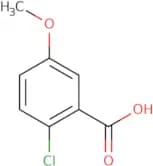
Formula:C9H8Br2O3Purity:Min. 95%Molecular weight:323.97 g/mol2-Chloro-5-methoxybenzoic acid
CAS:2-Chloro-5-methoxybenzoic acid (2CMB) is a copper chelator that has been shown to have antagonistic properties against microglia cells. 2CMB is synthesized from 2,5-dichlorobenzoic acid and methoxylamine. It has been shown to inhibit the synthesis of inflammatory mediators in rat spinal cord microglia cells by inhibiting the activity of polyphosphoric acid, anions and additives. 2CMB also has a high affinity for chloride ions and can be used as a tracer to measure chloride profiles. 2CMB reacts with copper ions at a slow rate and can be used as an indicator for the presence of microglia cells.
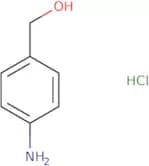
Formula:C8H7ClO3Purity:Min. 95%Molecular weight:186.59 g/mol4-Aminobenzyl alcohol hydrochloride
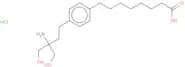
CAS:4-Aminobenzyl alcohol hydrochloride is a fine chemical that is used as a building block for research chemicals, reagents, and specialty chemicals. It can be used as a versatile building block in the synthesis of many complex compounds. 4-Aminobenzyl alcohol hydrochloride is also an intermediate for the synthesis of pharmaceuticals and other useful compounds. CAS No. 170926-25-7Formula:C7H10ClNOPurity:Min. 95%Color and Shape:PowderMolecular weight:159.61 g/molFTY720 octanoic acid hydrochloride
CAS:Please enquire for more information about FTY720 octanoic acid hydrochloride including the price, delivery time and more detailed product information at the technical inquiry form on this page
Formula:C19H31NO4•HClPurity:Min. 95%Molecular weight:373.92 g/molRef: 3D-FF23613
Discontinued productBiotinyl-(Cys1,Lys(biotinyl)18)-Calcitonin (human) trifluoroacetate salt
CAS:Please enquire for more information about Biotinyl-(Cys1,Lys(biotinyl)18)-Calcitonin (human) trifluoroacetate salt including the price, delivery time and more detailed product information at the technical inquiry form on this pageFormula:C171H254N44O49S5Purity:Min. 95%Molecular weight:3,870.44 g/mol2-Chloro-5-(4-chloro-5-difluoromethoxy-1-methylpyrazol-3-yl)-4-fluorophenoxyacetic acid monohydrate
CAS:2-Chloro-5-(4-chloro-5-difluoromethoxy-1-methylpyrazol-3-yl)-4-fluorophenoxyacetic acid monohydrate (2,4,5P) is a phenoxy herbicide that has been shown to be an effective broadleaf and grass weed control agent. 2,4,5P is a granule formulation that can be applied by helicopter or ground equipment. It has synergistic effects with glyphosate when applied together to soybean plants and can be used in combination with other herbicides for more effective weed control.
Formula:C13H9Cl2F3N2O·H2OPurity:Min. 95%Color and Shape:White PowderMolecular weight:355.14 g/molRef: 3D-FC156954
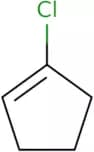
Discontinued product1-Chloro-1-cyclopentene
CAS:1-Chloro-1-cyclopentene is a chlorine atom that belongs to the group of halides. It can be prepared by reacting 1,1-dichloroethane with n-butyl lithium and potassium t-butoxide in amide solvent at low temperature. The reaction product of 1-chloro-1-cyclopentene is a nucleophilic reagent for the formation of esters or amides. Chlorine atoms are also used as catalysts for many reactions involving organic compounds. They are able to react with electron rich molecules such as alkenes, alkynes, and even aromatic rings. This reaction proceeds via addition of the chlorine atom to one of the bonds on the molecule, followed by nucleophilic attack on the other bond. The chlorination process is reversible, which makes it possible to use the same molecule for both steps in an overall chemical process.
Formula:C5H7ClPurity:Min. 95%Color and Shape:Clear LiquidMolecular weight:102.56 g/molRef: 3D-FC152367
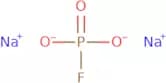
Discontinued productSodium monofluorophosphate
CAS:Sodium monofluorophosphate is a salt that contains sodium cations and fluorine anions. It is used as an agent in the production of dental fillings, toothpaste, and other products. Sodium monofluorophosphate has been shown to inhibit the activity of serine proteases such as trypsin by interfering with their catalytic activity and binding to their active site. This agent has also been shown to react with p-nitrophenyl phosphate to form a fluorescent product, which can be detected at low concentrations. Sodium monofluorophosphate has a thermal expansion coefficient that is only slightly larger than those of water and glycerol, which makes it ideal for use in the production of dental fillings.
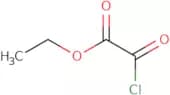
Formula:FNa2O3PPurity:Min. 95%Color and Shape:White PowderMolecular weight:143.95 g/molEthyl oxalyl monochloride
CAS:Ethyl oxalyl monochloride is an ester that has been used to treat tumors. This drug is a prodrug that is hydrolyzed in vivo to form ethyl chloroformate and oxalic acid. Ethyl oxalyl monochloride inhibits the activity of receptors for acetylcholine, histamine, and serotonin. It also inhibits the production of nitric oxide, which causes vasodilation and hypotension. Ethyl oxalyl monochloride may be useful in treating bowel disease by inhibiting the production of prostaglandins.
br>br>
Ethyl oxalyl monochloride has shown efficacy against autoimmune diseases such as rheumatoid arthritis and multiple sclerosis, but it can also cause eye disorders or hiv infection when used at higher concentrations.br>br>
Ethyl oxalyl monochloride binds with lipids in mitochondrial membranes, leading to a decrease in mitochondrial membrane potentialFormula:C4H5ClO3Purity:Min. 95%Color and Shape:Colorless Clear LiquidMolecular weight:136.53 g/molRef: 3D-FE32414
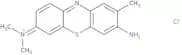
Discontinued productTolonium chloride
CAS:Tolonium chloride is a chemical compound used as an optical sensor for the measurement of water vapor. It has been shown to be effective against a number of microorganisms, including bacteria and fungi. Tolonium chloride is used in a model system to study the structural analysis of biological samples. It has also been used as an antimicrobial agent in various industries, such as textiles and food processing. The mechanisms by which tolonium chloride kills microorganisms are not well understood. However, it is believed that the reaction produces nitrite ions that react with magnesium salt at high temperatures to form nitric oxide gas (NO). This gas reacts with oxygen to produce ozone, which damages bacterial cell membranes and kills the microbes. Tolonium chloride can be activated by mixing it with a strong acid, such as nitric acid or sulfuric acid, which creates an electrochemical process that can be monitored using electrochemical impedance spectroscopy.
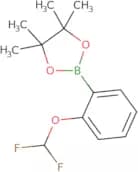
The use of tolonium chloride in flow assays hasFormula:C15H16N3SClPurity:Min. 95%Color and Shape:PowderMolecular weight:305.83 g/mol2-Difluoromethoxyphenylboronic acid pinacol ester
CAS:2-Difluoromethoxyphenylboronic acid pinacol ester is a high quality reagent that can be used as a useful intermediate, fine chemical, or speciality chemical in reactions. This compound is an important building block for synthesizing other chemicals and can also be used to make novel compounds with pharmaceutical properties. 2-Difluoromethoxyphenylboronic acid pinacol ester is versatile and can be used in many different reactions. It has been reported to react with various other molecules to form new scaffolds and building blocks for use in organic synthesis.
Formula:C13H17BF2O3Purity:Min. 95%Color and Shape:PowderMolecular weight:270.08 g/molRef: 3D-FD103354
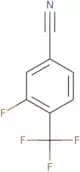
Discontinued product3-Fluoro-4-(trifluoromethyl)benzonitrile
CAS:3-Fluoro-4-(trifluoromethyl)benzonitrile is a chemical compound with biological activity. It is structurally related to anthelmintics, and has been shown to be nematocidal in laboratory experiments. 3-Fluoro-4-(trifluoromethyl)benzonitrile has not been evaluated for safety or efficacy in humans.
!--END-->Formula:C8H3F4NPurity:Min. 95%Color and Shape:PowderMolecular weight:189.11 g/molRef: 3D-FF67968
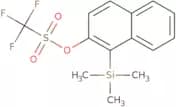
Discontinued product1-(Trimethylsilyl)-2-naphthyl Trifluoromethanesulfonate
CAS:1-(Trimethylsilyl)-2-naphthyl Trifluoromethanesulfonate is a solvent that has been used for the synthesis of oxygen heterocycles. It is also used as a reagent to cleave bonds in organic molecules, such as alkene, solvents, aldehydes and activated esters. This compound is an unsymmetrical nucleophile that reacts with electron-poor alkenes to generate an unsaturated bond between two carbons. Mechanistic studies have shown that the reaction proceeds through a concerted mechanism involving the formation of a covalent phosphine intermediate.
Formula:C14H15F3O3SSiPurity:Min. 95%Color and Shape:PowderMolecular weight:348.41 g/molRef: 3D-FT60048
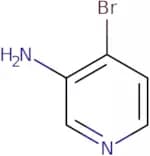
Discontinued product3-Amino-4-bromopyridine
CAS:3-Amino-4-bromopyridine is a receptor binding ligand that belongs to the group of synthetic, active natural products. It has been shown to stabilize nicotinic acetylcholine receptors and inhibit the release of acetylcholine. 3-Amino-4-bromopyridine has been shown to be a potent antagonist at nicotinic acetylcholine receptors and can be used in the treatment of disorders such as Parkinson's disease, Alzheimer's disease, and schizophrenia. 3-Amino-4-bromopyridine binds to pyridiniums in an inorganic acid environment and stabilizes them, which prevents their interaction with carbolines that are important for the modulation of neuronal activity.
Formula:C5H5BrN2Purity:Min. 95%Color and Shape:Off-White PowderMolecular weight:173.01 g/molRef: 3D-FA51548
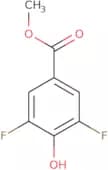
Discontinued product3,5-Difluoro-4-hydroxybenzoic acid methyl ester
CAS:3,5-Difluoro-4-hydroxybenzoic acid methyl ester (DFHBME) is a chemical compound that belongs to the class of useful building blocks. It is used in research as a reagent and in the synthesis of various complex compounds. DFHBME reacts with nucleophiles such as amines or alcohols to produce useful intermediates or scaffolds for organic synthesis. This compound is also useful as a speciality chemical due to its high quality and versatility.
Formula:C8H6F2O3Purity:Min. 95%Color and Shape:PowderMolecular weight:188.13 g/molRef: 3D-FD66549
Discontinued product2-(Chloromethyl)-1,2-epoxybutane
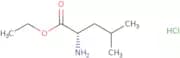
CAS:Formula:C5H9ClOPurity:>95.0%(GC)Color and Shape:Colorless to Almost colorless clear liquidMolecular weight:120.58L-Leucine ethyl ester hydrochloride
CAS:L-Leucine ethyl ester hydrochloride (L-LEE) is a hydroxylated form of leucine, which is an essential amino acid. LEE has been shown to have anti-inflammatory effects, which may be due to its ability to inhibit the formation of proinflammatory cytokines. It also has been shown to have antioxidant and anti-atherogenic properties, as well as the ability to reduce cholesterol levels in rats. This product has been shown effective in treating bowel disease and metabolic disorders such as hepatic steatosis, fatty liver disease, and metabolic syndrome. LEE also can activate aryl hydrocarbon receptor ligand (AhR), which is involved in the regulation of genes that control inflammation and immune responses.
Formula:C8H17NO2•HClPurity:Min. 95 Area-%Color and Shape:PowderMolecular weight:195.69 g/molRef: 3D-FL37378
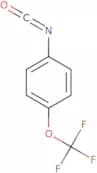
Discontinued product4-(Trifluoromethoxy)phenyl isocyanate
CAS:4-(Trifluoromethoxy)phenyl isocyanate (4-TFPC) is a potent antagonist of the platelet P2Y12 receptor. It inhibits platelet aggregation and adhesion, as well as prevents the formation of blood clots. 4-TFPC has a low molecular weight and can be administered orally. It also has been shown to increase insulin sensitivity and reduce blood glucose levels in mice with type 2 diabetes. This antiplatelet agent binds to receptors on the surface of platelets, preventing activation. 4-TFPC is also an inhibitor of protein kinase C and phosphodiesterases, which are enzymes that regulate cell signalling pathways. In vitro studies have shown that 4-TFPC inhibits cycloheptyl (CPH)-induced aggregation in human platelets in a dose-dependent manner with an IC50 value of 0.5 μM.END>
Formula:C8H4F3NO2Purity:Min. 95%Color and Shape:Colorless Clear LiquidMolecular weight:203.12 g/molRef: 3D-FT00399
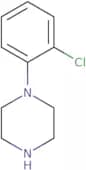
Discontinued product1-(2-Chlorophenyl)piperazine
CAS:Controlled Product1-(2-Chlorophenyl)piperazine is a chloroquine-resistant anti-malarial drug that acts by inhibiting the enzyme dihydropteroate synthase. This method is efficient, with constant values for the vibrational energy and electron affinity. It has also been shown to be effective against 5-HT2C receptors in mammalian cells in culture. The chromatographic method was used to measure the affinity of 1-(2-chlorophenyl)piperazine for binding sites on plasma membranes of oocytes injected with Xenopus laevis. Fluorescence measurements were taken to determine the binding affinity of 1-(2-chlorophenyl)piperazine to arylpiperazines, which are fluorescent analogues of piperazines. Functional theory was used as a theoretical basis for this study.
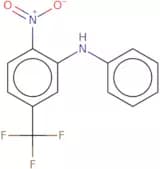
Formula:C10H13ClN2Purity:Min. 95%Color and Shape:PowderMolecular weight:196.68 g/molN-Phenyl-2-nitro-4-trifluoromethyl-phenylamine
CAS:N-Phenyl-2-nitro-4-trifluoromethylphenylamine is a versatile building block. It is a fine chemical that is used in research and as a reagent, speciality chemical, or useful scaffold for the synthesis of complex compounds. This compound has CAS No. 5108-04-3 and can be used as an intermediate in reactions. It is also useful in the synthesis of various types of building blocks. N-Phenyl-2-nitro-4-trifluoromethylphenylamine has been shown to be a high quality product that can be used in various ways.Formula:C13H9F3N2O2Purity:Min. 95%Molecular weight:282.22 g/molRef: 3D-FP66187
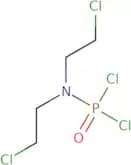
Discontinued productBis(2-chloroethyl)aminophosphoric dichloride
CAS:Bis(2-chloroethyl)aminophosphoric dichloride is a fatty acid ester that is used as an antibiotic. It binds to the fatty acid of the bacterial cell membrane, thereby inhibiting the production of vital cell components. Bis(2-chloroethyl)aminophosphoric dichloride has been shown to be active against chondrosarcoma cells in rats and tumor tissue in mice. This drug also inhibits bacterial growth by binding to the fatty acids on the surface of Gram-positive bacteria, such as subtilis and staphylococci. Bis(2-chloroethyl)aminophosphoric dichloride has been shown to have antibacterial activity against Gram-negative bacteria, including Escherichia coli and Salmonella enterica serotype Typhimurium. The binding constants for this drug are high for both Gram-positive and Gram-negative bacteria; however, it does not bind to sugar alcohols or l12
Formula:C4H8Cl4NOPPurity:Min. 95%Color and Shape:White PowderMolecular weight:258.9 g/molRef: 3D-FB18667
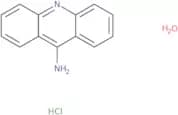
Discontinued product9-Acridinamine hydrochloride hydrate
CAS:9-Acridinamine hydrochloride hydrate is a redox agent that has been shown to have genotoxic effects in vitro. It can be used for the treatment of infectious diseases such as tuberculosis and leprosy, but it is not active against gram-positive bacteria. 9-Acridinamine hydrochloride hydrate has been shown to inhibit the growth of bacteria by binding to DNA and preventing transcription, replication, and repair. This compound also inhibits bacterial protein synthesis by forming covalent bonds with amino groups on proteins. 9-Acridinamine hydrochloride hydrate has been shown to be safe when administered orally in animal studies, but it may cause hepatotoxicity.Formula:C13H10N2·HCl·H2OPurity:Min. 95%Color and Shape:Yellow PowderMolecular weight:248.71 g/molRef: 3D-FA10632
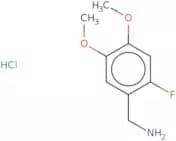
Discontinued product4,5-Dimethoxy-2-fluorobenzylamine hydrochloride
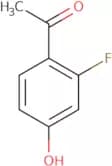
CAS:4,5-Dimethoxy-2-fluorobenzylamine hydrochloride is a fine chemical that is the building block for a variety of other compounds. It has been used as an intermediate in organic synthesis and as a research chemical. 4,5-Dimethoxy-2-fluorobenzylamine hydrochloride has also been used as a reaction component in the preparation of complex compounds with interesting physical and chemical properties. This compound is also used as a reagent in the production of high quality products.Formula:C9H12FNO2·HClPurity:Min. 95%Molecular weight:221.66 g/mol2'-Fluoro-4'-hydroxyacetophenone
CAS:2'-Fluoro-4'-hydroxyacetophenone is a glycosylated molecule that is used in phase transfer catalysis. It is a glycoside that can undergo the glycosylation reaction and can be used as a phase transfer reagent. 2'-Fluoro-4'-hydroxyacetophenone has been studied for its potential use in the synthesis of xylosides and selenadiazoles. In addition, it has shown anti-inflammatory properties, which may be due to its inhibition of prostaglandin synthesis.
Formula:C8H7FO2Purity:Min. 95%Molecular weight:154.14 g/molRef: 3D-FF64528
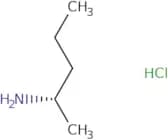
Discontinued product(2S)-Pentan-2-amine hydrochloride
CAS:(2S)-Pentan-2-amine hydrochloride is a versatile building block that can be used as a reaction component, reagent, or useful scaffold for the synthesis of complex organic compounds. It is a high quality chemical that can be used in both research and commercial applications. CAS No. 216237-52-4.
Formula:C5H14ClNPurity:Min. 95%Color and Shape:PowderMolecular weight:123.62 g/molRef: 3D-FP168110
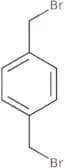
Discontinued product1,4-Bis(bromomethyl)benzene
CAS:1,4-Bis(bromomethyl)benzene is a molecule that has a variety of uses. It is used as an adsorbent for the purification of aromatic hydrocarbons and can also be used in synthesizing coumarin derivatives. It is also a component in x-ray crystal structures, ether linkages, chemical structures, and other organic compounds. 1,4-Bis(bromomethyl)benzene reacts with nucleophiles such as chloride to form diphenyl ethers. The synthesis of 1,4-bis(bromomethyl)benzene begins with the reaction of pyridinedicarboxylic acid and bromine in the presence of an organic solvent. This process creates a mixture containing diphenyl ethers and other halogenated aromatic compounds that can then be purified by crystallization or distillation.
Formula:C8H8Br2Purity:Min. 95%Color and Shape:White Clear LiquidMolecular weight:263.96 g/molRef: 3D-FB00219
Discontinued product




![4-Chloro-1H-pyrazolo[3,4-d]pyrimidine](/_next/image/?url=https%3A%2Fstatic.cymitquimica.com%2Fproducts%2F3D%2Fthumb-webp%2FFC16225.webp&w=3840&q=75)