Organic Halides
Subcategories of "Organic Halides"
Found 20442 products of "Organic Halides"
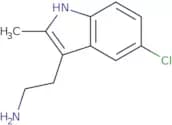
2-(5-chloro-2-methyl-1H-indol-3-yl)ethanamine
CAS:Controlled ProductPlease enquire for more information about 2-(5-chloro-2-methyl-1H-indol-3-yl)ethanamine including the price, delivery time and more detailed product information at the technical inquiry form on this pageFormula:C11H13ClN2Purity:Min. 95%Molecular weight:208.69 g/molTriethanolamine hydrochloride
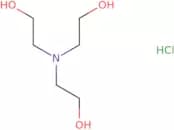
CAS:Controlled ProductTriethanolamine hydrochloride, widely known as TEA-HCl, is a buffer used in biochemistry to maintain a stable pH in the range of 7.3 to 8.3 during processes like protein extraction and purification. They are also used in enzyme assays.
Formula:C6H15NO3·HClPurity:Min. 95%Color and Shape:PowderMolecular weight:185.65 g/molRef: 3D-FT46965
Discontinued productN-[1,1'-Biphenyl]-4-yl-9,9-dimethyl-9H-fluoren-2-amine
CAS:N-Biphenyl-4-yl-9,9-dimethyl-9H-fluoren-2-amine is a fluorescent probe that is used in fluorescence spectroscopy, chemiluminescence detection, and electron spin resonance. It has been shown to be selective for metal ions such as Cu(II), Fe(III), and Mn(II) in the presence of thioacetal. The probe can be synthesized by reacting 4-(phenylazo)benzoic acid with 9,9'-dimethoxybiphenyl. In addition to being a probe, N-Biphenyl-4-yl-9,9'-dimethyl-9H -fluoren 2 amine has been used as an herbal medicine to treat cancer and other diseases in China.
Formula:C27H23NPurity:Min. 95%Molecular weight:361.48 g/mol(5-Chloropyridin-3-yl)boronic acid
CAS:Please enquire for more information about (5-Chloropyridin-3-yl)boronic acid including the price, delivery time and more detailed product information at the technical inquiry form on this page
Formula:C5H5BClNO2Purity:Min. 95%Molecular weight:157.36 g/molRef: 3D-FC160837
Discontinued productSilver hexafluoroantimonate(V)
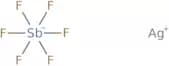
CAS:Silver hexafluoroantimonate is a polymeric matrix that is used for its reaction mechanism. The hydroxyl group on the surface of the silver hexafluoroantimonate reacts with hydrochloric acid to produce hydrogen fluoride and an ionic silver chloride complex. Silver hexafluoroantimonate can also be synthesized by cationic polymerization, which involves a coordination complex between the metal and the nitrogen atoms. This coordination geometry allows for hydrogen bonding interactions.
Formula:AgSbF6Purity:Min. 95%Color and Shape:White PowderMolecular weight:343.62 g/molChloro[2-(di-tert-butylphosphino)-2',4',6'-triisopropyl-1,1'-biphenyl][2-(2-aminoethyl)phenyl)]palladium(II)
CAS:Controlled ProductChloro[2-(di-tert-butylphosphino)-2',4',6'-triisopropyl-1,1'-biphenyl][2-(2-aminoethyl)phenyl)]palladium(II) is a molecule that inhibits the adenosine receptor in autoimmune diseases and cancer. It also has an inhibitory effect on the membrane transport of glucose, glucosan, and aziridine. This drug can be used to treat inflammatory diseases such as diabetes, asthma, and inflammatory bowel disease. The geometric isomers of this molecule are not identical in shape or size and can have different effects on the body.
Formula:C37H55ClNPPdPurity:Min. 95%Molecular weight:686.69 g/molRef: 3D-FC156938
Discontinued productPhenyltrimethylammonium tribromide
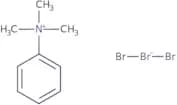
CAS:Phenyltrimethylammonium tribromide is a quaternary ammonium compound that is used in combination preparations. It is an inhibitor of the replication of RNA and DNA, and modulates enzyme activity. Phenyltrimethylammonium tribromide has been shown to be a potent inhibitor of nicotinic acetylcholine receptors, which are important for nerve transmission. This drug also has been shown to inhibit the replication of HIV-1 and other viruses in vitro. Phenyltrimethylammonium tribromide can be synthesized by reacting epoxides with benzalkonium chloride or other quaternary ammonia compounds. The structural formula for phenyltrimethylammonium tribromide can be viewed here: br> C8H17N+Br− br> C6H5N+(CH3)3+Br− br>
Formula:C9H14Br3NPurity:Min. 95%Molecular weight:375.93 g/molRef: 3D-FP59809
Discontinued productQuinoline-6-sulfonyl chloride
CAS:Please enquire for more information about Quinoline-6-sulfonyl chloride including the price, delivery time and more detailed product information at the technical inquiry form on this page
Formula:C9H6ClNO2SPurity:Min. 95%Molecular weight:227.67 g/molTrichlorfon
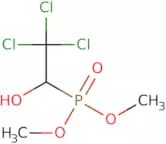
CAS:Controlled ProductTrichlorfon is a surfactant sodium dodecyl that is used as a pharmacological agent. It is an organophosphate insecticide that inhibits the enzyme cholinesterase and acts as an acetylcholinesterase inhibitor. Trichlorfon has also been shown to inhibit the activity of GSH-px, which is important in the metabolism of xenobiotics and oxidative stress. Trichlorfon has been used in treatment trials for infectious diseases such as malaria. The drug has been shown to have acute toxicities, such as seizures, coma, and respiratory arrest. These side effects are primarily due to its effects on central nervous system functions, including inhibition of acetylcholine receptors and muscarinic receptors, which are involved in basic physiological processes like muscle control and breathing. This drug also affects complex enzymes such as protein synthesis and DNA synthesis.
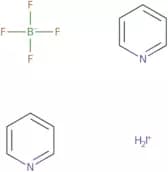
Formula:C4H8Cl3O4PPurity:Min. 95%Molecular weight:257.44 g/molBis(pyridine)iodonium tetrafluoroborate
CAS:Bis(pyridine)iodonium tetrafluoroborate is a reagent that can be used to iodinate organic compounds. It is prepared by the reaction of pyridine with iodine and bromine in tetrafluoroboric acid. Bis(pyridine)iodonium tetrafluoroborate is an active compound that can be used for amino acid analysis, optical properties, and functional groups. This compound also can be used for magnetic resonance analysis, palladium-catalyzed coupling, and synthetic reactions. Bis(pyridine)iodonium tetrafluoroborate has been found to have radiation transport properties and a strong reactivity towards acids.
Formula:C10H10BF4IN2Purity:Min. 95%Molecular weight:371.91 g/molRef: 3D-FB50720
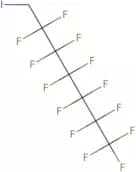
Discontinued product1H,1H-Tridecafluoroheptyl Iodide
CAS:Please enquire for more information about 1H,1H-Tridecafluoroheptyl Iodide including the price, delivery time and more detailed product information at the technical inquiry form on this page
Formula:C7H2F13IPurity:Min. 95%Molecular weight:459.97 g/molRef: 3D-FT60516
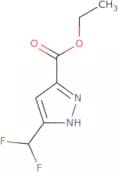
Discontinued productEthyl 3-(difluoromethyl)-1H-pyrazole-5-carboxylate
CAS:Please enquire for more information about Ethyl 3-(difluoromethyl)-1H-pyrazole-5-carboxylate including the price, delivery time and more detailed product information at the technical inquiry form on this pageFormula:C7H8F2N2O2Purity:Min. 95%Color and Shape:PowderMolecular weight:190.15 g/molRef: 3D-FE133779
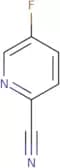
Discontinued product2-Cyano-5-fluoropyridine
CAS:2-Cyano-5-fluoropyridine is a potential antitubercular agent that has shown penetrability in the central nervous system and activity against Mycobacterium tuberculosis. It is orally active at low doses, and has been shown to be an effective inhibitor of mycobacterial growth and lipid synthesis. In addition, this compound also has antimycobacterial activity against M. avium complex and M. ulcerans, and is a potent inhibitor of β-amyloid aggregation.
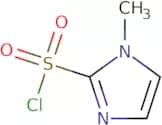
Formula:C6H3FN2Purity:Min. 95%Molecular weight:122.1 g/mol1-Methylimidazole-2-sulfonyl chloride
CAS:1-Methylimidazole-2-sulfonyl chloride is a synthetic estrogen that is used for the treatment of estrogen deficiency in women. It has been shown to increase plasma estradiol levels and reduce plasma testosterone levels. This drug is not active at physiological levels, but was found to have biological relevance when administered at higher doses. 1-Methylimidazole-2-sulfonyl chloride has been found to be effective in the treatment of cancer in humans, with a specific effect on breast cancer cells.
Formula:C4H5ClN2O2SPurity:Min. 95%Molecular weight:180.61 g/molRef: 3D-FM158781
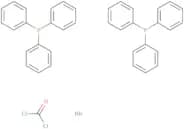
Discontinued productCarbonylbis(triphenylphosphine)rhodium(I) Chloride
CAS:Controlled ProductCarbonylbis(triphenylphosphine)rhodium(I) Chloride is a carbonyl compound that is prepared by reacting alcohols with diethyl ether in the presence of rhodium chloride. It is used as a reagent for alkylation, recrystallization, and purification of organic compounds. Carbonylbis(triphenylphosphine)rhodium(I) Chloride has been used to synthesize formaldehyde from ethylene glycol and formaldehyde-based resins. It also has been used as a catalyst in the conversion of aliphatic hydrocarbons to alcohols. This compound is insoluble in water and crystallizes yellow when dried.
Formula:C37H30ClOP2RhPurity:Min. 95%Molecular weight:690.94 g/molRef: 3D-FC60959
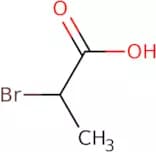
Discontinued product2-Bromopropionic acid
CAS:2-Bromopropionic acid is a tetroxide used in organic synthesis. It is an intermediate in the synthesis of 2,4-dibromopropionamide and 2,4-dibromo-3-methylpentanoic acid. The reaction mechanism of this process starts with the formation of a bromine atom from bromine monoxide and hydrogen peroxide. This bromine atom reacts with the carbon to form an alkyl radical that reacts with another molecule of bromine monoxide to form an alkyl radical that is stabilized by two atoms of hydrogen (i.e., CBr). The alkyl radical then undergoes a nucleophilic attack on iodobenzene to form an iodoalkane intermediate. This intermediate reacts with acetic acid to form the desired product, acetyl chloride. This reaction also produces iodoacetic acid as a byproduct.
Formula:C3H5BrO2Purity:Min. 95%Molecular weight:152.97 g/molRef: 3D-FB53769
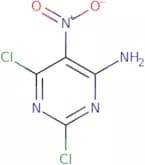
Discontinued product2,6-Dichloro-5-nitropyrimidin-4-amine
CAS:2,6-Dichloro-5-nitropyrimidin-4-amine is a chlorinating agent that reacts with aliphatic and aromatic amines to form substituted pyrimidines. The substitution pattern of the product depends on the regioselectivity of the reaction. 2,6-Dichloro-5-nitropyrimidin-4-amine is one of the few chlorinating agents that react with propylamine. Substitution at position 2 of the purine ring has been found to be more selective than substitution at position 6. The 2,6-dichloropyrimidine can also be used as a nitro group source in chemical synthesis or as an intermediate in production of other compounds.
Formula:C4H2Cl2N4O2Purity:Min. 95%Color and Shape:SolidMolecular weight:208.99 g/molRef: 3D-FD141087
Discontinued productTrichlorooctadecylsilane
CAS:Trichlorooctadecylsilane is a model system that consists of a monolayer of octadecyltrichlorosilane particles. The dispersive solid-phase extraction technique can be used to extract analytes from the surface of this particle. This technique involves removing the solvent from a sample by passing it through an adsorbent. The hydrophobic effect, which is the phenomenon that a nonpolar substance is dissolved in a nonpolar solvent, will cause analytes to bind to the hydrophobic surface of octadecyltrichlorosilane particles because they are hydrophobic.
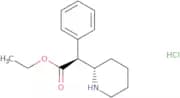
Purity:Min. 95%(aS,2S)-alpha-Phenyl-2-piperidineacetic acid Ethyl ester hydrochloride
CAS:Controlled ProductPlease enquire for more information about (aS,2S)-alpha-Phenyl-2-piperidineacetic acid Ethyl ester hydrochloride including the price, delivery time and more detailed product information at the technical inquiry form on this pageFormula:C15H21NO2·HClPurity:Min. 95%Molecular weight:283.79 g/molDesmethyl fluorometholone
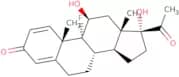
CAS:Controlled ProductPlease enquire for more information about Desmethyl fluorometholone including the price, delivery time and more detailed product information at the technical inquiry form on this page
Formula:C21H27FO4Purity:Min. 95%Color and Shape:SolidMolecular weight:362.44 g/mol2-Amino-1-(4-fluorophenyl)-1-propanone
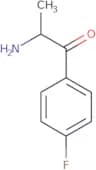
CAS:Controlled Product2-Amino-1-(4-fluorophenyl)-1-propanone (Fluoroamphetamine) is a chemical that binds to the serotonin transporter, which is responsible for the reuptake of serotonin into the presynaptic neuron. Fluoroamphetamine has been shown to lower empathy and increase feelings of reward in animals. This drug has no significant effect on dopamine and noradrenaline levels but does cause an increase in metabolic acidosis. Fluoroamphetamine is most often used by analytical laboratories as a synthetic intermediate, but it can also be used as a strategy to develop specific antidotes against serotonin blockers. Fluoroamphetamine's health effects are similar to those of amphetamine with regards to cardiovascular risks and addictive potential.
Formula:C9H10FNOPurity:Min. 95%Molecular weight:167.18 g/mol4-Iodobenzoyl chloride
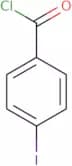
CAS:4-Iodobenzoyl chloride (4-IB) is a specific agent that is used as a radiopaque contrast agent for X-ray imaging. It binds to cellular chloride ion channels, which are expressed on the cell surface, and allows for the accumulation of intracellular ions. 4-IB is metabolized by the liver and excreted in the bile. This drug has shown no mutagenic or carcinogenic effects in mice. Furthermore, 4-IB has shown an ability to inhibit dopamine uptake into 5HT2A receptors in CD1 mice. Clinical studies have been performed to assess its efficacy in cancer detection with inconclusive results.
Formula:C7H4ClIOPurity:Min. 95%Molecular weight:266.46 g/molRef: 3D-FI07801
Discontinued productPoly(2-hydroxypropyldimethylammonium chloride)
CAS:Controlled ProductPoly(2-Hydroxypropyl Dimethylammonium Chloride) is a polymer that has been shown to inhibit the growth of bacteria by forming stable complexes with chloride ions. Its application include water treatment.Formula:(C5H12ClNO)nPurity:Min. 95%Color and Shape:Clear LiquidRef: 3D-FP166383
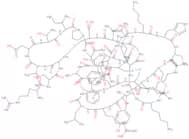
Discontinued productStichodactyla helianthus Neurotoxin (ShK) trifluoroacetate salt
CAS:ShK is an amide toxin that is found in the skin of the tropical marine organism Stichodactyla helianthus. It has been shown to have antimicrobial activity against E. coli and other bacteria, as well as a protective effect on inflammatory bowel disease. ShK has been shown to act by inhibiting protein synthesis, which may be due to its ability to bind to signal peptides and change their conformation.Formula:C169H274N54O48S7Purity:Min. 95%Molecular weight:4,054.78 g/molRef: 3D-FS108658
Discontinued productSilver fluoride
CAS:Silver fluoride is a chemical compound that consists of silver and fluoride. It is used in the form of a powder or a solution to sterilize surfaces, and can be applied to skin as an antiseptic. The chemical stability of silver fluoride has been studied using thermodynamic data and biological properties. Silver fluoride is able to inhibit the metabolism of some microorganisms, such as the growth of Staphylococcus aureus and Escherichia coli. Silver fluoride also inhibits the synthesis of DNA and RNA, which are important for cell division.
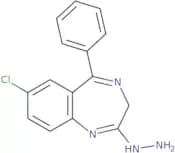
Formula:AgFPurity:Min. 95%Color and Shape:PowderMolecular weight:126.87 g/mol7-Chloro-2-hydrazino-5-phenyl-3H-1,4-benzodiazepine
CAS:Controlled Product7-Chloro-2-hydrazino-5-phenyl-3H-1,4-benzodiazepine is a metabolically stable benzodiazepine that binds to the benzodiazepine receptor. It has been shown to have a higher affinity for this receptor than alprazolam and other related compounds. 7-Chloro-2-hydrazino-5-phenyl-3H-1,4-benzodiazepine has been used as an active ingredient in a number of pesticide products that are used against termites and ants. This compound has also been found to be an effective insecticide against mosquitoes. 7C2HDBZ has been shown to be stable in the environment and is not readily degraded by hydrolysis or pyrolysis.
Formula:C15H13ClN4Purity:Min. 95%Molecular weight:284.74 g/molRef: 3D-FC20018
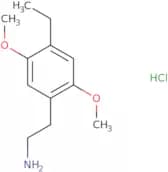
Discontinued product4-Ethyl-2,5-dimethoxy-benzeneethanamineHydrochloride
CAS:Controlled Product4-Ethyl-2,5-dimethoxy-benzeneethanamineHydrochloride is a metabolic substrate of CYP2D6. It is also an inhibitor of CYP1A2 and CYP3A4. The class of 4-Ethyl-2,5-dimethoxy-benzeneethanamineHydrochloride is not yet known. 4-Ethyl-2,5-dimethoxy-benzeneethanamineHydrochloride has been shown to cause toxicity in animal studies. Toxicity may be due to its inhibition of cytochrome P450 enzymes, which are involved in metabolism and detoxification.Formula:C12H20ClNO2Purity:Min. 95%Molecular weight:245.75 g/molRef: 3D-FE150023
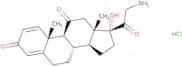
Discontinued product21-Amino-17-hydroxypregna-1,4-diene-3,11,20-trioneHydrochloride
CAS:Controlled ProductPlease enquire for more information about 21-Amino-17-hydroxypregna-1,4-diene-3,11,20-trioneHydrochloride including the price, delivery time and more detailed product information at the technical inquiry form on this pageFormula:C21H28ClNO4Purity:Min. 95%Molecular weight:393.9 g/molRef: 3D-FA150828
Discontinued productAmmonium Hexafluoroniobate
CAS:Ammonium hexafluoroniobate is an organosilicon compound that does not react with water and is used as a solvent for other organics. It can be activated to form a reactive surface by treatment with a metal such as copper or aluminum, which can then be used in the treatment of metals. Ammonium hexafluoroniobate has been used as a diagnostic agent and diagnostic reagent in various reactions at different temperatures. It has also been used as the photoreceptor in electrophotographic printing processes, where it is exposed to light-sensitive material and then developed using organic solvents.
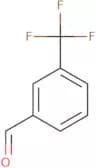
Formula:F6H4NNbPurity:Min. 95%Molecular weight:224.94 g/mol3-(Trifluoromethyl)benzaldehyde
CAS:3-(Trifluoromethyl)benzaldehyde is an organic compound that has the chemical formula C8H7FO. It is a trifunctional molecule with three phenolic hydroxyl groups, which makes it a good candidate for drug design. 3-(Trifluoromethyl)benzaldehyde can be synthesized by reacting an imine with a chiral acid chloride in the presence of a base and a catalytic amount of DMAP. The reaction yield is low, but this synthetic method is efficient. 3-(Trifluoromethyl)benzaldehyde has been shown to inhibit the growth of Mycobacterium avium, but not Mycobacterium tuberculosis or other bacteria such as Listeria monocytogenes and Escherichia coli. This might be due to its ability to inhibit protein synthesis by binding to ribosomes. This compound also possesses anti-inflammatory properties and inhibits leukemia Hl-
Formula:C8H5F3OPurity:Min. 95%Color and Shape:Clear LiquidMolecular weight:174.12 g/molRef: 3D-FT29109
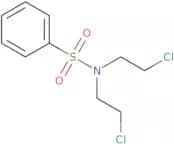
Discontinued productN,N-bis(2-Chloroethyl) benzenesulfonamide
CAS:Please enquire for more information about N,N-bis(2-Chloroethyl) benzenesulfonamide including the price, delivery time and more detailed product information at the technical inquiry form on this page
Formula:C10H13Cl2NO2SPurity:Min. 95 Area-%Molecular weight:282.19 g/molAdrenalone hydrochloride
CAS:Controlled ProductAdrenalone hydrochloride is a synthetic form of epinephrine, which is an endogenous catecholamine. Adrenalone hydrochloride has been used to treat autoimmune diseases and bowel disease. Adrenalone hydrochloride binds to the alpha and beta receptors on the surface of cells, which stimulates the production of other hormones and neurotransmitters. It has also been shown to have antimicrobial properties against bacteria, fungi, and viruses. Adrenalone hydrochloride has a chemical stability that is greater than that of dopamine or adrenaline.
Formula:C9H11NO3·HClPurity:Min. 95%Molecular weight:217.65 g/molRef: 3D-FA50921
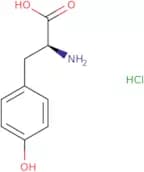
Discontinued productL-Tyrosine hydrochloride
CAS:L-Tyrosine hydrochloride is a pharmaceutical preparation that has been used clinically in the treatment of infectious diseases, cancer, and autoimmune diseases. Tyrosine is an amino acid with a hydroxyl group on its side chain. Tyrosine can be synthesized from phenylalanine by hydroxylation of the phenolic group and decarboxylation of the carboxylic acid group. It is also a precursor to catecholamines and other important biological molecules. L-Tyrosine hydrochloride is used as an intermediate in the production of monoclonal antibodies for use in cancer research. In addition, it has been shown to be an effective inhibitor of virus replication when combined with ester hydrochloride, which prevents the release of progeny virus particles from infected cells.
Formula:C9H11NO3·HClPurity:Min. 95%Molecular weight:217.65 g/molRef: 3D-FT46951
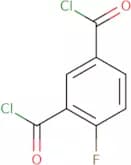
Discontinued product4-Fluorobenzene-1,3-dioyl dichloride
CAS:Please enquire for more information about 4-Fluorobenzene-1,3-dioyl dichloride including the price, delivery time and more detailed product information at the technical inquiry form on this page
Formula:C8H3Cl2FO2Purity:Min. 95%Molecular weight:221.01 g/molRef: 3D-FF64279
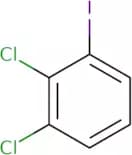
Discontinued product1,2-Dichloro-3-iodobenzene
CAS:Iodobenzene is a chemical compound that is composed of two benzene rings joined by a single bond. Iodobenzene isomers are also called iodosobenzenes and they contain one or more chlorine atoms. Iodobenzene has been shown to have anti-inflammatory properties, which may be due to its inhibition of prostaglandin synthesis. Iodobenzene inhibits the enzyme phospholipase A2, which is involved in the production of prostaglandins. Iodobenzene binds to enzymes by forming a covalent bond with an electron-rich atom such as oxygen, nitrogen or sulfur in the active site of the enzyme. This type of inhibition is called non-nucleoside inhibition because it does not require an intermediate molecule such as ATP or NADH for binding to the enzyme. Carbonyl groups on iodobenzene molecules form strong bonds with nucleophilic groups on enzymes, leading to enzyme inhibition and
Formula:C6H3Cl2IPurity:Min. 95%Molecular weight:272.9 g/molRef: 3D-FD151803
Discontinued product[1,3-Bis(diphenylphosphino)propane]palladium(II) dichloride
CAS:Controlled ProductPlease enquire for more information about [1,3-Bis(diphenylphosphino)propane]palladium(II) dichloride including the price, delivery time and more detailed product information at the technical inquiry form on this page
Formula:C27H26Cl2P2PdPurity:Min. 95%Molecular weight:589.77 g/molRef: 3D-FB46063
Discontinued product2,6-Difluorobenzyl chloride
CAS:2,6-Difluorobenzyl chloride is a dihedral molecule that can be synthesized from an amide and a chlorinating agent. It is used in the chromatographic method to separate β-unsaturated ketones from their corresponding acid chloride. The 2,6-difluorobenzyl chloride was prepared by condensation of the corresponding acid chloride with phenol in an organic solvent. The validation of this reaction system was done using a chromatographic method on β-unsaturated ketones and chloride gas. The hydrogen chloride gas was bubbled through an ice water bath, generating chlorine gas which was then passed over the sample. The resulting 2,6-difluorobenzyl chloride was identified by its functional groups
Formula:C7H5ClF2Purity:Min. 95%Color and Shape:Clear To Light (Or Pale) Yellow SolidMolecular weight:162.5 g/molRef: 3D-FD03441
Discontinued productBis-trifluoromethyl ethylphosphonate
CAS:Controlled ProductBis-trifluoromethyl ethylphosphonate is a trivalent, cyclic, scientific device that has been used as an additive to graphene oxide. Voltammetric studies have shown that this compound has a high flammability limit and can be used as a rechargeable battery electrode. The chemical's pentavalent form exhibits densities of 1.65 g/cm3 and 2.25 g/cm3 at 20 °C and 0 °C respectively. Bis-trifluoromethyl ethylphosphonate is used in research for its ability to form tervalent bonds with many other elements, including carbon, nitrogen, oxygen and sulfur.
Formula:C6H9F6O3PPurity:Min. 95%Molecular weight:274.1 g/molRef: 3D-FB18837
Discontinued product4-(2-Chlorophenyl)-9-methyl-6H-thieno[3,2-f][1,2,4]triazolo[4,3-a][1,4]diazepine-2-propanoic acid methyl ester
CAS:Controlled ProductPlease enquire for more information about 4-(2-Chlorophenyl)-9-methyl-6H-thieno[3,2-f][1,2,4]triazolo[4,3-a][1,4]diazepine-2-propanoic acid methyl ester including the price, delivery time and more detailed product information at the technical inquiry form on this pageFormula:C19H17ClN4O2SPurity:Min. 95%Molecular weight:400.88 g/molRef: 3D-FC20337
Discontinued product7-Chloro-1,2,3,4-tetrahydrobenzo[b]azepin-5-one
CAS:7-Chloro-1,2,3,4-tetrahydrobenzo[b]azepin-5-one (7CTB) is a synthetic vasopressin analogue that is used as a vasopressin receptor antagonist. It is a competitive inhibitor of the vasopressin V2 receptor and has been shown to be effective in the treatment of diabetes insipidus. 7CTB has also been shown to bind to and inhibit the binding of arginine, an acid binding agent, preventing hydrolysis reactions with other compounds. 7CTB has been shown to be an effective agent for the treatment of congestive heart failure and chronic kidney disease in animal models. The synthesis process involves sulfonylation followed by dieckmann condensation and organic solvent extraction.
Formula:C10H10ClNOPurity:Min. 95%Molecular weight:195.65 g/molRef: 3D-FC51283
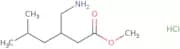
Discontinued productMethyl 3-(aminomethyl)-5-methylhexanoate hydrochloride
CAS:Controlled ProductPlease enquire for more information about Methyl 3-(aminomethyl)-5-methylhexanoate hydrochloride including the price, delivery time and more detailed product information at the technical inquiry form on this page
Purity:Min. 95%Ref: 3D-FM143145
Discontinued productN-Methyl-5H-dibenzo[a,d]cycloheptene-5-propylamine hydrochloride
CAS:Controlled ProductN-Methyl-5H-dibenzo[a,d]cycloheptene-5-propylamine hydrochloride (NMBPD) is a drug with anti-inflammatory properties that belongs to the class of tricyclic antidepressants. It has been shown to have synergistic effects with synthetic matrix in vitro. This drug also has receptor activity and can be used to treat infectious diseases such as HIV and tuberculosis. NMBPD is excreted in the urine, which can lead to kidney fibrosis. The drug is metabolized by α1-acid glycoprotein, which may be related to its potential adverse effects on the liver and kidneys. The analytical method for quantification of NMBPD includes gas chromatography with mass spectrometry detection (GC/MS).
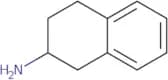
Formula:C19H22ClNPurity:Min. 95%Color and Shape:PowderMolecular weight:299.84 g/mol1,2,3,4-Tetrahydronaphthalen-2-amine hydrobromide
CAS:Controlled Product1,2,3,4-Tetrahydronaphthalen-2-amine hydrobromide (THNA) is an amine that inhibits the enzyme tyrosine hydroxylase. This inhibition leads to a decrease in the synthesis of dopamine and norepinephrine. THNA has been shown to have inhibitory properties on locomotor activity, acid complex formation, and aminotransferases. It also exhibits receptor binding and agonist binding site activity. One study found that THNA had no effect on rat striatal tissue. The drug has been shown to be effective in metabolic disorders such as obesity.
Formula:C10H13NPurity:Min. 95%Molecular weight:147.22 g/molRef: 3D-FT133201
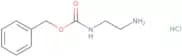
Discontinued productBenzyl N-(2-aminoethyl)carbamate hydrochloride
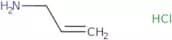
CAS:Please enquire for more information about Benzyl N-(2-aminoethyl)carbamate hydrochloride including the price, delivery time and more detailed product information at the technical inquiry form on this pageFormula:C10H15ClN2O2Purity:Min. 95%Molecular weight:230.69 g/molPoly(allylamine hydrochloride) - MW 15000
CAS:Allylamine HCl content - max 7%
Formula:(C3H7N)x•(HCl)xColor and Shape:Clear LiquidH-Trp-Lys-Tyr-Met-Val-D-Met-NH2 trifluoroacetate salt
CAS:Please enquire for more information about H-Trp-Lys-Tyr-Met-Val-D-Met-NH2 trifluoroacetate salt including the price, delivery time and more detailed product information at the technical inquiry form on this pageFormula:C41H61N9O7S2·C2HF3O2Purity:Min. 95%Molecular weight:970.13 g/mola-(Trichloromethyl)benzyl acetate
CAS:a-(Trichloromethyl)benzyl acetate is an organic compound with the formula CHClCOCH. It is a colorless liquid which is soluble in organic solvents. This compound exhibits oxidative carbonylation activity, and has been shown to be used for the coating of particles, detergent compositions, and analytical methods. The microcapsules are prepared by encapsulating a fatty acid in a glycol ether. The health effects of this compound are not well understood but it is believed that it may have some carcinogenic properties.
Formula:C10H9Cl3O2Purity:Min. 95%Molecular weight:267.54 g/molRef: 3D-FR30859
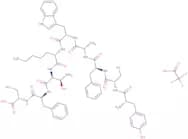
Discontinued productH-Tyr-Cys-Phe-Ala-Trp-Lys-Thr-Phe-Cys-OH trifluoroacetate salt (Disulfide bond)
CAS:Please enquire for more information about H-Tyr-Cys-Phe-Ala-Trp-Lys-Thr-Phe-Cys-OH trifluoroacetate salt (Disulfide bond) including the price, delivery time and more detailed product information at the technical inquiry form on this page
Formula:C57H71N11O12S2Purity:Min. 95%Molecular weight:1,166.37 g/molRef: 3D-FT109717
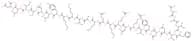
Discontinued productVIP (3-28) (human, mouse, rat) trifluoroacetate salt
CAS:Please enquire for more information about VIP (3-28) (human, mouse, rat) trifluoroacetate salt including the price, delivery time and more detailed product information at the technical inquiry form on this pageFormula:C138H226N40O39SPurity:Min. 95%Molecular weight:3,101.58 g/molRef: 3D-FV109877
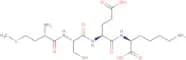
Discontinued productH-Met-Cys-Glu-Lys-OH trifluoroacetate salt
CAS:Please enquire for more information about H-Met-Cys-Glu-Lys-OH trifluoroacetate salt including the price, delivery time and more detailed product information at the technical inquiry form on this page
Formula:C19H35N5O7S2Purity:Min. 95%Molecular weight:509.64 g/molRef: 3D-FM109242
Discontinued product

![N-[1,1'-Biphenyl]-4-yl-9,9-dimethyl-9H-fluoren-2-amine](/_next/image/?url=https%3A%2Fstatic.cymitquimica.com%2Fproducts%2F3D%2Fthumb-webp%2FFB151933.webp&w=3840&q=75)

![Chloro[2-(di-tert-butylphosphino)-2',4',6'-triisopropyl-1,1'-biphenyl][2-(2-aminoethyl)phenyl)]pal…](/_next/image/?url=https%3A%2Fstatic.cymitquimica.com%2Fproducts%2F3D%2Fthumb-webp%2FFC156938.webp&w=3840&q=75)




![[1,3-Bis(diphenylphosphino)propane]palladium(II) dichloride](/_next/image/?url=https%3A%2Fstatic.cymitquimica.com%2Fproducts%2F3D%2Fthumb-webp%2FFB46063.webp&w=3840&q=75)


![4-(2-Chlorophenyl)-9-methyl-6H-thieno[3,2-f][1,2,4]triazolo[4,3-a][1,4]diazepine-2-propanoic acid …](/_next/image/?url=https%3A%2Fstatic.cymitquimica.com%2Fproducts%2F3D%2Fthumb-webp%2FFC20337.webp&w=3840&q=75)
![7-Chloro-1,2,3,4-tetrahydrobenzo[b]azepin-5-one](/_next/image/?url=https%3A%2Fstatic.cymitquimica.com%2Fproducts%2F3D%2Fthumb-webp%2FFC51283.webp&w=3840&q=75)
![N-Methyl-5H-dibenzo[a,d]cycloheptene-5-propylamine hydrochloride](/_next/image/?url=https%3A%2Fstatic.cymitquimica.com%2Fproducts%2F3D%2Fthumb-webp%2FFN76683.webp&w=3840&q=75)