Biochemicals and Reagents
Subcategories of "Biochemicals and Reagents"
- Biomolecules(98,557 products)
- By Biological Target(100,795 products)
- By Pharmacological Effects(6,941 products)
- Cryopreservatives(21 products)
- Desinfectants and Related Compounds(28 products)
- Hormones(508 products)
- Plant Biology(6,904 products)
- Secondary Metabolites(14,368 products)
Found 130538 products of "Biochemicals and Reagents"
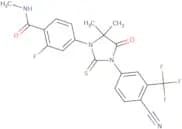
MDV 3100-d3
CAS:MDV 3100-d3 is a research tool and activator of the Ligand Receptor Complex. It is used in Cell Biology to study protein interactions and the pharmacology of peptides, as well as in molecular biology and biochemistry. MDV 3100-d3 binds to ion channels and can be used to inhibit their function. This inhibitor has been shown to have high purity, which makes it a valuable research tool for studying protein interactions and the pharmacology of peptides.Formula:C21H13D3F4N4O2SPurity:Min. 95%Molecular weight:467.5 g/molTianeptine
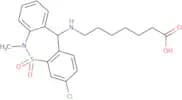
CAS:Controlled ProductTianeptine is a selective serotonin reuptake inhibitor that is used to treat depression. It has been demonstrated to have antidepressant effects in animals, and has been shown to increase the extracellular levels of glutamate in the hippocampus. Tianeptine may be effective in treating diseases such as infectious disease, bowel disease, and toll-like receptor (TLR) activation. The mechanism of action for tianeptine is not fully understood; however, it is believed that it acts by inhibiting glutamate uptake into presynaptic neurons and increasing serotonin levels in the brain. This drug also has an effect on receptors, which may be due to its ability to inhibit the binding of certain drugs to their receptors or block the activity of certain receptors.Formula:C21H25ClN2O4SPurity:Min. 95%Molecular weight:436.96 g/molBIRT 377
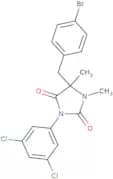
CAS:BIRT 377 is a humanized monoclonal antibody with specificity for the inflammatory molecule MCP-1. It is being developed as a therapy for inflammatory bowel disease, which is characterized by chronic inflammation of the gastrointestinal tract. BIRT 377 binds to MCP-1 and blocks its interaction with the receptor CCR2 on the surface of cells in the gastrointestinal tract. This prevents inflammatory responses that are responsible for tissue damage and ulceration. BIRT 377 has been shown to be effective in animal models of inflammatory bowel disease, and clinical studies are underway in humans.
Formula:C18H15BrCl2N2O2Purity:Min. 95%Molecular weight:442.1 g/mol(S)-Tamsulosin hydrochloride
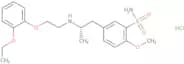
CAS:α1-adrenoceptor antagonist
Formula:C20H29ClN2O5SPurity:Min. 95%Molecular weight:444.97 g/molNU2058
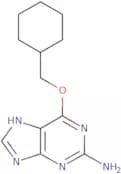
CAS:NU2058 is a fatty acid that has been shown to inhibit the replication of various viruses. It also inhibits viral infection by binding to and inhibiting the activity of the viral protein NS3 helicase. NU2058 has been shown to have antiviral activity against HIV-1, and it also inhibits human papillomavirus (HPV) infections in vivo. NU2058 is active against some strains of influenza virus and herpes simplex virus type 1 (HSV-1). This compound also inhibits cell proliferation in vitro and restenosis in vivo. In addition, NU2058 has been shown to inhibit breast cancer cells resistant to taxanes or anthracyclines.
Formula:C12H17N5OPurity:Min. 95%Molecular weight:247.3 g/molMitoquinol
CAS:Mitoquinol is a potent antioxidant compound, which is a synthetic derivative of coenzyme Q10, with a mitochondria-targeted mechanism of action. It is designed to accumulate selectively within mitochondria, the powerhouses of the cell, by linking the antioxidant moiety to a triphenylphosphonium cation. This lipophilic cation facilitates the compound's swift uptake into mitochondria driven by the organelle's large membrane potential.Formula:C38H49O7PSPurity:Min. 95%Molecular weight:680.83 g/mol(3,4-Dihydroxy-5-nitrophenyl)(2-fluorophenyl)methanone
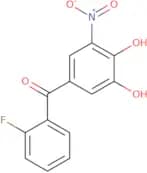
CAS:3,4-Dihydroxy-5-nitrophenyl)(2-fluorophenyl)methanone (NSC 663128) is a potent and selective growth factor that binds to the dopamine receptor. It has been shown to inhibit protein tyrosine phosphorylation and cell proliferation in vitro. This compound has also been shown to protect against neurotoxicity induced by methamphetamine in rats. NSC 663128 has also demonstrated an anti-cancer effect on human cancer cells, including leukemia cells and breast cancer cells. The mechanism of this effect may be due to inhibition of catechol-o-methyltransferase, epidermal growth factor receptor, or other cellular targets.Formula:C13H8FNO5Purity:Min. 95%Molecular weight:277.2 g/molXMD8-87
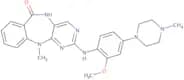
CAS:XMD8-87 is a cancer drug under development by Novartis that inhibits the growth of tumor cells by blocking the activity of kinases. XMD8-87 is selective for SRC family kinases and has been shown to inhibit the growth of tumor cells in vitro and in vivo. The drug has also been shown to have an effect on other types of cancer cells, including lung, colon, prostate, and breast cancers. XMD8-87 binds to a region targeted by many drugs that are currently used for cancer treatment, including dasatinib and imatinib. This may make it possible to use XMD8-87 as a substitute or complementary treatment option.Formula:C24H27N7O2Purity:Min. 95%Molecular weight:445.52 g/molETP-46321
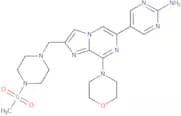
CAS:ETP-46321 is an imidazopyrazine that inhibits the activity of the enzyme phosphatase 2A, which is involved in a number of signaling pathways. It has been shown to activate IL-17a, and inhibit tumor growth in mice. ETP-46321 also has pharmacokinetic properties that are suited for oral administration. The drug binds to the catalytic subunit of protein phosphatase 2A (PP2Ac) and prevents it from dephosphorylating its substrate, thereby inhibiting its enzymatic activity. This inhibition leads to increased levels of activated PP2Ac, which in turn leads to the activation and proliferation of cells. ETP-46321 has shown efficacy against cancer cells in vitro and can be used as an immunosuppressant for autoimmune diseases due to its ability to inhibit IL-17a production by T cells.Formula:C20H27N9O3SPurity:Min. 95%Molecular weight:473.55 g/mol2,2-Methylenebis(4-bromophenol)
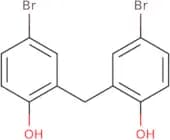
CAS:2,2-Methylenebis(4-bromophenol) is an analog of inhibitors that target protein kinases. This compound has shown potential as a medicinal anticancer agent due to its ability to induce apoptosis in human cancer cells. It inhibits the cell cycle and tumor growth in Chinese hamster ovary (CHO) cells. Additionally, 2,2-Methylenebis(4-bromophenol) has been found to be excreted in urine and may have diagnostic potential for detecting cancer. Its mechanism of action involves the inhibition of protein kinases, which are involved in various cellular processes such as signal transduction and cell division. This compound holds promise as a potential therapeutic agent for cancer treatment.Formula:C13H10Br2O2Purity:Min. 95%Molecular weight:358.02 g/mol187-1, N-WASP inhibitor
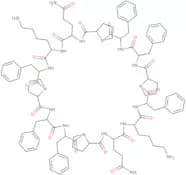
CAS:187-1 is a research tool that blocks the protein WASP and has potential for use as a therapeutic agent for diseases such as cancer. It is a peptide inhibitor of the protein Wasp, which is involved in the regulation of cell division, migration, and differentiation. 187-1 has been shown to inhibit ion channels and Ligand binding receptors. This molecule also prevents activation of Wasp by blocking its interaction with an activator peptide. 187-1 is purified to high purity, with an amino acid sequence that can be modified to meet your needs.Formula:C96H122N18O16Purity:Min. 95%Molecular weight:1,784.1 g/molNSC 23925
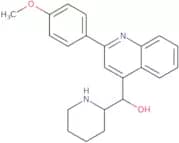
CAS:NSC 23925 is a quinoline derivative that inhibits the activity of drug transporters, which are proteins that pump drugs out of the cell. It selectively targets cancer cells and has been shown to inhibit the growth of human osteosarcoma cells. NSC 23925 has been tested in patients with lung cancer and found to be safe, with no significant side effects. This drug is also used in combination with other drugs to treat skin cancer, Kaposi's sarcoma, and myeloma.Formula:C22H26Cl2N2O2Purity:Min. 95%Molecular weight:421.36 g/molSS-208
CAS:SS-208 is an advanced chemical compound used for de-icing applications, which is synthesized from a proprietary blend of glycol-based components. Its mode of action involves disrupting the hydrogen bonds in ice, effectively lowering the freezing point and facilitating the melting process. By altering the crystalline structure of the ice, SS-208 provides a rapid and efficient means of ice removal.Formula:C13H11Cl2N3O4Purity:Min. 95%Molecular weight:344.15 g/molMDR-652
CAS:MDR-652 is a novel analgesic that has potential to act as a vanilloid receptor agonist. It is a synthetic, non-opioid, non-NSAID medicine with analgesic activity and the potential to treat neuropathic pain. MDR-652 has been shown to be effective in animal models of neuropathic pain, such as allodynia and mechanical hyperalgesia. MDR-652 also has the ability to cross the skin barrier and reach the systemic circulation. MDR-652 is not active against gram positive bacteria (e.g., Staphylococcus aureus) or anaerobic bacteria (e.g., Clostridium difficile).
MDR-652 also acts on TrpV1 receptors and has been shown in animal models to reduce inflammatory responses in tissues by inhibiting substance P release from sensory nerve endings.Formula:C22H23ClFN3O2SPurity:Min. 95%Molecular weight:448 g/molZ-Gly-Gly-Arg-AMC acetate
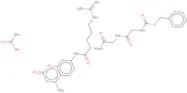
CAS:Controlled ProductThe chemical compound Z-Gly-Gly-Arg-amc acetate is a proteolytic inhibitor. It inhibits the serine protease activity by binding to the active site of the enzyme and blocking its reaction with the substrate. This prevents the hydrolysis of proteins and thrombin formation, which is important for blood clotting. It has been shown to have a positive effect on the treatment of cancer and bone diseases in clinical studies. The skeleton contains about 20% of protein, most of which are collagen and elastin. These proteins are degraded by proteolytic enzymes, such as plasminogen activator, kallikrein, trypsin, and thrombin. The skeleton undergoes continuous remodeling through bone resorption and deposition that is regulated by these enzymes.Formula:C30H37N7O9Purity:Min. 95%Molecular weight:639.66 g/molXL177A
CAS:XL177A is a peptide, which is a short chain of amino acids. It has been used as a research tool to investigate protein interactions and receptor-ligand binding. The structure of XL177A is unknown, but it has been shown to act as an inhibitor against ion channels.
Formula:C48H57ClN8O5Purity:Min. 95%Molecular weight:861.5 g/molMLS6585
CAS:MLS6585 is a functional allosteric modulator of the dopamine D2 receptor. It has been shown to increase the affinity and inhibitory effect of dopamine at the D2 receptor. MLS6585 was found to have a significant effect on neuronal function in rats, reversing dyskinesia and improving motor function. This drug also reduced blood pressure and had an anti-inflammatory effect in mice. MLS6585 is currently being developed as a treatment for Parkinson's disease, depression, and hypertension.
Formula:C19H23N3O2SPurity:Min. 95%Molecular weight:357.5 g/molHippuryl-His-Leu acetate
CAS:Controlled ProductHippuryl-His-Leu acetate is an extract of the plant Hippuris vulgaris with potent antihypertensive activity. It has been shown to inhibit angiotensin I-converting enzyme (ACE) and angiotensin II receptor type 1 (AT1R), which are key enzymes in the renin-angiotensin system. The inhibition of these enzymes leads to a decrease in blood pressure and subsequent reduction of risk for cerebrovascular disease. In addition, Hippuryl-His-Leu acetate inhibits the activity of peptidases that break down peptides into amino acids, which may contribute to its antihypertensive activity.Formula:C23H31N5O7Purity:Min. 95%Molecular weight:489.5 g/molASS234
CAS:ASS234 is a novel compound that has been shown to inhibit the production of cytosolic Ca2+ in response to dopamine and serotonin. It also inhibits the activation of protein kinase C, which is involved in apoptosis. In addition, ASS234 has been shown to be neuroprotective and have pharmacokinetic properties that are independent of liver function. The molecular structure of ASS234 contains a propargylamine group, which is an amine with a nitrogen atom attached to a carbon atom triple bonded to two other carbon atoms.Formula:C29H37N3OPurity:Min. 95%Molecular weight:443.6 g/molH-Ile-Asp-OH
Please enquire for more information about H-Ile-Asp-OH including the price, delivery time and more detailed product information at the technical inquiry form on this pagePurity:Min. 95%Xanthoquinodin A1
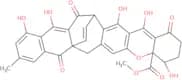
CAS:Xanthoquinodin A1 is an analog of a naturally occurring compound found in Chinese urine. It has been shown to have potent anticancer properties, inhibiting the activity of kinases involved in tumor growth and survival. Xanthoquinodin A1 has been tested on various cancer cell lines, including human cancer cells, and has been found to induce apoptosis (programmed cell death) in these cells. This compound also acts as a kinase inhibitor, preventing the activation of signaling pathways that promote cell growth and division. Xanthoquinodin A1 can be administered orally or intravenously, and it is often formulated with mannitol to improve its solubility. In preclinical studies, this compound has shown promising results as a potential treatment for various types of cancer.
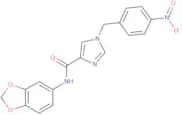
Formula:C31H24O11Purity:Min. 95%Molecular weight:572.5 g/molN-1,3-Benzodioxol-5-yl-1-(4-nitrobenzyl)-1H-imidazole-4-carboxamide
CAS:Controlled ProductN-1,3-Benzodioxol-5-yl-1-(4-nitrobenzyl)-1H-imidazole-4-carboxamide is a high purity research tool. It can be used in the study of receptor and ligand interactions as well as ion channels. This product is also used for Cell Biology and Antibodies.Formula:C18H14N4O5Purity:Min. 95%Molecular weight:366.3 g/molKY1220
CAS:KY1220 is a molecule that destabilizes the activated state of PD-L1, which is a regulatory protein. KY1220 has been shown to enhance the effect of cancer cell death and inhibit metastatic colorectal cancer in mice. It was also found to be more effective than PD-L1 antibodies in reducing tumor size and inhibiting tumor growth. KY1220 has been shown to synergistically enhance the cytotoxic effects of other chemotherapeutic drugs on cancer tissues. This drug may be useful for treating patients with metastatic colorectal cancer or those who are resistant to PD-L1 antibodies.Formula:C14H10N4O3SPurity:Min. 95%Molecular weight:314.32 g/molFT827
CAS:FT827 is a small molecule that is a covalent inhibitor of ubiquitin ligases. FT827 inhibits the activity of the proteasome by inhibiting ubiquitin ligases and proteasome-dependent protein degradation. FT827 has been shown to inhibit cancer growth in organoids, as well as infection by Borrelia burgdorferi, an agent of Lyme disease. FT827 was also shown to inhibit the replication of rabies virus in vitro. The precise molecular mechanism of action for this drug remains unknown, but it may be due to its ability to inhibit ubiquitin ligases. !--END-->Formula:C27H28N6O5SPurity:Min. 95%Molecular weight:548.6 g/molRS 504393
CAS:RS 504393 is a potent and selective antagonist of Toll-like receptor 4 (TLR4) that has been shown to inhibit the production of proinflammatory cytokines, chemokines, and nitric oxide. RS 504393 has been shown to be effective in the treatment of bone cancer, as well as in the prevention of renal injury due to tubulointerstitial damage. This drug has also been shown to have anti-inflammatory effects in a model system through inhibition of chemokine production. RS 504393 is an ester hydrochloride salt that binds with high affinity to TLR4 receptors, inhibiting receptor activity by preventing ligand binding.Formula:C25H27N3O3Purity:Min. 95%Molecular weight:417.5 g/molMI-1061
CAS:MI-1061 is a bio-insecticide, which is microbially derived from the bacterium *Metarhizium anisopliae*. This environmentally friendly product utilizes the natural biological processes of its source organism, functioning primarily through spore ingestion by target insect pests. Upon ingestion, the spores germinate, leading to the proliferation of the fungus within the host insect, ultimately causing death through nutrient depletion and physical blockage.
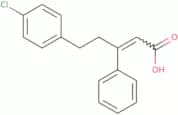
Formula:C30H26Cl2FN3O4Purity:Min. 95%Molecular weight:582.4 g/mol(E)-5-(4-Chlorophenyl)-3-phenylpent-2-enoic acid
CAS:(E)-5-(4-Chlorophenyl)-3-phenylpent-2-enoic acid is an anti-inflammatory compound, which is synthesized through organic chemical processes. Its mode of action involves the inhibition of cyclooxygenase enzymes, thereby reducing the synthesis of pro-inflammatory mediators such as prostaglandins. This action is critical in diminishing inflammation and associated symptoms.Formula:C17H15ClO2Purity:Min. 95%Molecular weight:286.8 g/molAmosulalol
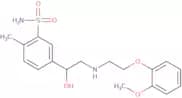
CAS:Amosulalol is a potent, non-selective antagonist of β-adrenoceptors. It is used for the treatment of hypertension and heart failure. Amosulalol binds to β-adrenoceptors in both the diastolic (relaxing) and systolic (contracting) phases of the cardiac cycle, thereby inhibiting the effects of catecholamines. In addition, it has been shown to inhibit cyclase activity and reduce blood pressure in animal models by reducing the activity of renin. Amosulalol also has anti-inflammatory properties, which may be due to its ability to inhibit prostaglandin synthesis.
Formula:C18H24N2O5SPurity:Min. 95%Molecular weight:380.5 g/molAC480 (BMS-599626)
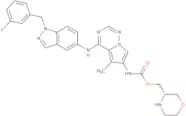
CAS:AC480 is a small molecule inhibitor of the epidermal growth factor receptor (EGFR) that has been shown to produce light emission in a variety of cell lines. When AC480 binds to EGFR, it inhibits its kinase activity, which prevents the receptor from transmitting signals that stimulate cell growth. AC480 has a high degree of selectivity for EGFR over other kinases and has been shown to inhibit tumor growth in animal models. In addition, AC480 enhances radiation-induced cell death in prostate cancer cells. This drug also inhibits the production of antibodies associated with autoimmune diseases and may be used to treat these conditions.Formula:C27H27FN8O3Purity:Min. 95%Molecular weight:530.55 g/molVeratridine
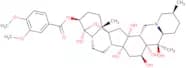
CAS:Sodium ionophore; alkaloid neurotoxinFormula:C36H51NO11Purity:Min. 95%Color and Shape:PowderMolecular weight:673.79 g/molA-889425
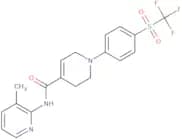
CAS:A-889425 is a novel small molecule compound that serves as a potent and selective antagonist. It is derived from synthetic chemical processes aimed at modulating ion channel activity specifically. The mode of action of A-889425 involves the selective inhibition of specific ion channels, which play critical roles in cellular signaling pathways and are implicated in various physiological processes.Formula:C19H18F3N3O3SPurity:Min. 95%Molecular weight:425.4 g/mol5-Bromo-N-[1-(3-cyclopropyl-1,2,4-oxadiazol-5-yl)cyclohexyl]-2-furamide
CAS:Controlled Product5-Bromo-N-[1-(3-cyclopropyl-1,2,4-oxadiazol-5-yl)cyclohexyl]-2-furamide is a synthetic compound, which is often classified as a small molecule inhibitor or modulator, widely utilized in biochemical and pharmacological research. This compound is typically derived through a series of intricate organic synthesis processes involving selective bromination and cyclization steps that yield its unique structure, with features such as a bromine atom and a cyclopropyl group contributing to its specific biochemical properties.Formula:C16H18BrN3O3Purity:Min. 95%Molecular weight:380.24 g/molHCH6-1
CAS:HCH6-1 is a synthetic compound that modulates the activity of inflammatory cells such as neutrophils. HCH6-1 inhibits the production of interleukin-8 and other proinflammatory cytokines by neutrophils, which are important for chemotaxis. This compound has been shown to inhibit the activation of neutrophils in a concentration-dependent manner. HCH6-1 has also been shown to be effective in reducing inflammation in animal models of inflammatory diseases such as colitis.Formula:C28H27N3O4Purity:Min. 95%Molecular weight:469.5 g/molARRY-797
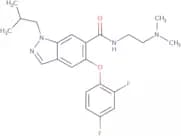
CAS:ARRY-797 is a molecule that inhibits the adenosine A3 receptor and is being developed for inflammatory diseases, including inflammatory bowel disease. ARRY-797 has been shown to have anti-arrhythmogenic effects and may be useful in the treatment of arrhythmia. It also inhibits p38, which regulates inflammation in bowel disease. ARRY-797 is a crystalline polymorph that transforms into a different crystalline form under certain conditions.Formula:C22H26F2N4O2Purity:Min. 95%Molecular weight:416.5 g/molFlufenamic acid-d4
CAS:Flufenamic acid-d4 is a medicinal compound with potent anticancer properties. It has been shown to inhibit the growth of cancer cells by inducing apoptosis and inhibiting the activity of kinases that are involved in tumor development. Flufenamic acid-d4 has been used as an inhibitor in various studies on human and Chinese hamster ovary cells, showing promising results in reducing the proliferation of cancer cells. This compound is also commonly found in urine samples and has been studied for its potential as a diagnostic marker for certain cancers. With its potent anticancer properties, flufenamic acid-d4 holds great promise as a potential therapeutic agent for treating various types of cancer.Formula:C5H16N4O4SPurity:Min. 95%Molecular weight:228.27 g/molN-(3-Hydroxy-2-methylbenzoyl)-L-valyl-N-[(1S,2E)-4-ethoxy-1-(2-methylpropyl)-4-oxo-2-butenyl]-L-serinamide
CAS:Controlled ProductN-(3-Hydroxy-2-methylbenzoyl)-L-valyl-N-[(1S,2E)-4-ethoxy-1-(2-methylpropyl)-4-oxo-2-butenyl]-L-serinamide is an inhibitor of the ubiquitin proteasome pathway. The enzyme that catalyzes the ATPase reaction of the proteasome is inhibited by N-(3-hydroxy-2 methylbenzoyl)-L valyl -N-[(1S,2E) 4 ethoxy 1 (2 methylpropyl) 4 oxo 2 butenyl] L serinamide. This inhibition prevents the degradation of intracellular proteins and results in cell death. N-(3 hydroxy 2 methylbenzoyl)-L valyl -N-[(1S,2E) 4 ethoxy 1 (2 methylpropyl) 4 oxo 2 butenyl] L serinFormula:C26H39N3O7Purity:Min. 95%Molecular weight:505.6 g/molst-Ht31
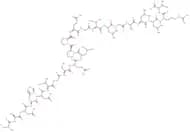
CAS:ST-Ht31 is a cyclic nucleotide phosphodiesterase inhibitor that is membrane permeable and light-sensitive. It is used to study the physiological function of ATP-binding cassette transporters, which are found on cell membranes. ST-Ht31 has been shown to increase membrane hyperpolarization in cells and to inhibit the growth of prostate cancer cells. This drug also has regulatory effects on mesenchymal markers, such as growth factor-β1, and can be used for the treatment of prostate cancer. ST-Ht31 binds to the ryanodine receptor, which regulates calcium release from intracellular stores, leading to an increase in intracellular calcium levels.
Formula:C129H217N29O39Purity:Min. 95%Molecular weight:2,798.3 g/molFluspirilene
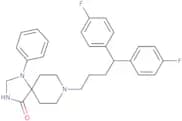
CAS:Controlled ProductAntipsychotic drug, used for the treatment of schizophreniaFormula:C29H31F2N3OPurity:Min. 95%Color and Shape:White To Off-White SolidMolecular weight:475.57 g/molSimetride
CAS:Simetride is a pharmacological agent that belongs to the group of ligands. It binds to and activates ion channels, which are membrane-spanning proteins that allow ions to pass across the cell membrane. Simetride is a high-purity drug with a CAS number of 154-82-5. It has been used as an experimental tool in cell biology and biochemistry laboratories for over 30 years.Formula:C28H38N2O6Purity:Min. 95%Molecular weight:498.6 g/molPsoralenoside
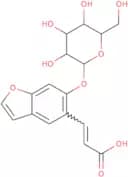
CAS:Psoralenoside is a natural compound that inhibits the transcriptional regulation of melanogenesis. It has been shown to inhibit the activity of matrix metalloproteinases and proteases, as well as their ability to activate pro-inflammatory cytokines, which may be important in the treatment of psoriasis. Psoralenoside is available in two chemical forms: psoralen and its glycoside, psoralenoside. Psoralens are compounds that can bind to DNA and form covalent bonds with it. This process prevents normal DNA replication, causing cell death. The pharmacokinetic properties of psoralens are limited by their rapid elimination from the body. Preparative high performance liquid chromatography (HPLC) methods are used for analysis and quantification of psoralen content in herbal products. An analytical method based on HPLC was developed for the detection of psoralenosides in Chinese herbs such as Fructus astragali radix, PsoraleaFormula:C17H18O9Purity:Min. 95%Molecular weight:366.3 g/molPrimidone - Bio-X ™
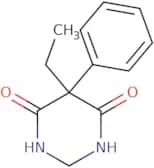
CAS:Controlled ProductPrimidone is an antiepileptic drug that is used to treat seizures. This drug alters transmembrane sodium and calcium channel transport, which in return reduces the frequency of nerve firing.Formula:C12H14N2O2Purity:Min. 95%Color and Shape:PowderMolecular weight:218.25 g/molCaylin-1
CAS:Caylin-1 is a peptide that is used as a research tool. It can be used to activate anti-receptor antibodies and antibodies, which are important in the study of protein interactions. Caylin-1 can also be used to inhibit ion channels and receptors, which are involved in cell signaling. Caylin-1 has a purity of over 99% and is listed on the CAS registry with the number 1207480-88-3. The molecular weight of this compound is 857.5 daltons and its chemical formula is C₅₋H₆₄N₇O₀S.
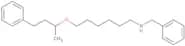
Formula:C30H28Cl4N4O4Purity:Min. 95%Molecular weight:650.40 g/molN-Benzyl-6-((4-phenylbutan-2-yl)oxy)hexan-1-amine
CAS:Please enquire for more information about N-Benzyl-6-((4-phenylbutan-2-yl)oxy)hexan-1-amine including the price, delivery time and more detailed product information at the technical inquiry form on this pageFormula:C23H33NOPurity:Min. 95%Molecular weight:339.5 g/mol(S)-Aminoglutethimide tartrate
CAS:(S)-Aminoglutethimide tartrate is a ligand that binds to the GABA receptor and blocks the ion channels. It has been used as a research tool for studying the structure of ion channels, as well as for identifying ligands that bind to specific receptors. (S)-Aminoglutethimide tartrate has also been shown to be an inhibitor of protein interactions. This drug has not yet been approved by the Food and Drug Administration for any use in humans.
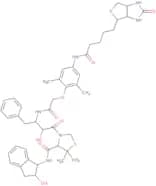
Formula:C17H22N2O8Purity:Min. 95%Molecular weight:382.4 g/molKNI-1293 biotin
CAS:Please enquire for more information about KNI-1293 biotin including the price, delivery time and more detailed product information at the technical inquiry form on this pageFormula:C45H56N6O8S2Purity:Min. 95%Molecular weight:873.1 g/molMacropa-NH2 hydrochloride
CAS:Macropa-NH2 hydrochloride is a research tool that can be used to activate receptors and ion channels. It has been shown to bind to the extracellular domain of the Ligand, Receptor protein complex and may inhibit the binding of the ligand to its receptor. Macropa-NH2 hydrochloride is also used in antibody production, as well as peptide synthesis, cell biology, pharmacology, and other life science applications.Formula:C26H38ClN5O8Purity:Min. 95%Molecular weight:584.1 g/molNeryl bromide
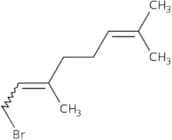
CAS:Neryl bromide is a potent inhibitor of protein kinase and chitinase, making it a promising candidate for cancer therapy. It has been shown to induce apoptosis in human cancer cells and Chinese hamster ovary cells. Neryl bromide also exhibits anticancer activity against various tumor types, including breast, prostate, and lung cancers. In addition to its medicinal properties, this compound is also used as a heparin antagonist and can be found in urine samples from individuals exposed to certain environmental toxins. Its ability to selectively target cancer cells while leaving healthy cells unharmed makes it an attractive option for future cancer treatments.Formula:C10H17BrPurity:Min. 95%Molecular weight:217.15 g/mol(S,R,R)-2-(2,2-Diphenyl-[1,3]dioxolan-4-yl)-piperidine
CAS:(S,R,R)-2-(2,2-Diphenyl-[1,3]dioxolan-4-yl)-piperidine is a peptide that can be used as a research tool. It has been shown to activate the potassium channel Kv1.1 and inhibit the calcium channel Cav1.1 in rat and guinea pig neurons. It also inhibits the activity of acetylcholine esterase and protein kinase C in rat brain tissue. (S,R,R)-2-(2,2-Diphenyl-[1,3]dioxolan-4-yl)-piperidine binds to the antibody IgG with high affinity and specificity. The binding is reversible and competitively inhibited by an excess of free ligand. This peptide has potential for use as a pharmaceutical agent for treating autoimmune diseases such as multiple sclerosis or rheumatoid arthritis.Formula:C20H23NO2Purity:Min. 95%Molecular weight:309.4 g/molBRD3731
CAS:BRD3731 is a potent tumor inhibitor that has been used in traditional Chinese medicine for centuries. This medicinal compound has been isolated from human urine and has shown to be effective against leukemia and other cancer cells. BRD3731 works by inhibiting the activity of kinases, which are proteins that play a key role in cell cycle regulation and apoptosis. By blocking the activity of these kinases, BRD3731 prevents cancer cells from dividing and growing, leading to their death. This compound belongs to a class of kinase inhibitors that have shown promising results in preclinical studies for the treatment of various types of cancer. With its potent anti-cancer properties, BRD3731 holds great promise as a potential therapeutic agent for patients with cancer.Formula:C24H31N3OPurity:Min. 95%Molecular weight:377.5 g/molW146
CAS:W146 is a small molecule inhibitor of matrix metalloproteinase-9 (MMP-9) that has been shown to be neuroprotective in an animal model of cerebral ischemia. It attenuated neuronal death and reduced the expression of pro-inflammatory cytokines and chemokines after transient focal cerebral ischemia. W146 binds to the active site of MMP-9, preventing it from cleaving a critical protein substrate, which prevents the activation of downstream signaling pathways. This drug also inhibits transcriptional activity and polymerase chain reaction (PCR). W146 has been shown to have anti-inflammatory properties in granulosa cells by inhibiting the production of cytokines and chemokines, such as IL-1β, IL-6, IL-8, TNFα, and MCP-1.Formula:C16H27N2O4PPurity:Min. 95%Molecular weight:342.37 g/mol(S)-Darifenacin nitrile
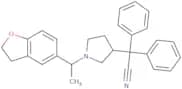
CAS:Please enquire for more information about (S)-Darifenacin nitrile including the price, delivery time and more detailed product information at the technical inquiry form on this page
Formula:C28H28N2OPurity:Min. 95%Molecular weight:408.5 g/mol26RFa
CAS:26RFa is a peptide hormone that can be found in the blood and urine of humans. It has been shown to have hypoglycemic effects in both animals and humans, as well as metabolic effects. 26RFa has been shown to inhibit the growth of prostate cancer cells and increase locomotor activity. This peptide hormone also plays a role in energy metabolism and pain modulation. 26RFa has been shown to be present in food compositions, such as dairy products, eggs, beef, pork, chicken, fish, soybean oil, corn oil, olive oil, butterfat, and peanut butter.Formula:C127H197N37O36Purity:Min. 95%Molecular weight:2,818.1 g/molFADD antibody
The FADD antibody is a highly specialized product in the field of Life Sciences. It is an essential tool for researchers studying various biological processes, including TGF-beta signaling, collagen synthesis, and immune responses. This antibody is available in both polyclonal and monoclonal forms, offering researchers a wide range of options to suit their specific needs.
Rp-8-pCPT-cGMPS
CAS:Rp-8-pCPT-cGMPS is a chemical compound that acts as an inhibitor of the phosphodiesterase enzyme and can be used to increase the concentration of cyclic guanosine monophosphate (cGMP) in heart muscle cells. It is not an activator and does not bind to the cgmp-dependent protein kinase. Rp-8-pCPT-cGMPS binds to the cgmp-dependent protein kinase, inhibiting its activity. This inhibition of cgmp-dependent protein kinase leads to increased levels of cGMP, which results in a rise in intracellular calcium levels and an increase in cardiac contractility.Formula:C22H30ClN6O6PS2Purity:Min. 95%Molecular weight:605.1 g/molDefluoro dolutegravir
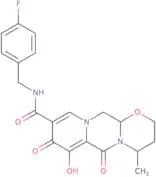
CAS:Please enquire for more information about Defluoro dolutegravir including the price, delivery time and more detailed product information at the technical inquiry form on this page
Formula:C20H20FN3O5Purity:Min. 95%Molecular weight:401.4 g/molRRM2 antibody
The RRM2 antibody is a powerful tool used in the field of Life Sciences. It specifically targets the growth hormone receptor and has been shown to inhibit lipoprotein lipase, an enzyme involved in lipid metabolism. This antibody can be used in various applications such as immunohistochemistry and Western blotting. It is available both as polyclonal antibodies, which offer broad specificity, and monoclonal antibodies, which provide high specificity. The RRM2 antibody has also been studied as a potential therapeutic target for inhibiting tyrosine kinase activity and blocking endothelial growth factor signaling pathways. Additionally, it has been used in combination with other inhibitors, such as trastuzumab, to enhance their efficacy. With its versatility and potential applications, the RRM2 antibody is an essential tool for researchers in the field of Life Sciences.
FAS antibody
The FAS antibody is a highly specialized product in the field of Life Sciences. It is an essential tool for researchers and scientists working in various areas, including assays, protein analysis, and endothelial growth studies. This antibody is available in both polyclonal and monoclonal forms, offering versatility and flexibility for different experimental needs.Diazepam antibody
The Diazepam antibody is a highly specialized monoclonal antibody that is designed to target and bind to diazepam, a commonly used medication for the treatment of anxiety disorders and seizures. This antibody is equipped with an electrode that allows for easy detection and measurement of diazepam levels in various biological samples.Purity:Min. 95%RPL27 antibody
RPL27 antibody was raised using the middle region of RPL27 corresponding to a region with amino acids SVDIPLDKTVVNKDVFRDPALKRKARREAKVKFEERYKTGKNKWFFQKLRSLC5A9 antibody
SLC5A9 antibody was raised in rabbit using a synthetic peptide conjugated to KLH as the immunogen.Purity:Min. 95%KNTC2 antibody
KNTC2 antibody was raised in mouse using recombinant Human Ndc80 Homolog, Kinetochore Complex Component (S.Cerevisiae) (Ndc80)Infigratinib phosphate
CAS:Controlled ProductInfigratinib phosphate is a tyrosine kinase inhibitor that inhibits the growth of cells by blocking the receptor tyrosine kinases. It has been shown to be effective in treating urothelial carcinoma, cholangiocarcinoma, and other cancers. Infigratinib is a selective inhibitor of the fibroblast growth factor receptors (FGFR) 1-3 and receptor tyrosine kinases including epidermal growth factor receptor (EGFR), platelet-derived growth factor receptor (PDGFR), and c-kit. Inhibiting these receptors can lead to tumor regression by blocking their signaling pathways. Infigratinib has been shown to be well tolerated in clinical trials and summarizes the effects of this drug on tumors as "rapidly progressive disease" or "progressive disease with few symptoms".Formula:C26H34Cl2N7O7PPurity:Min. 95%Molecular weight:658.47 g/molPIWIL2 antibody
PIWIL2 antibody was raised using a synthetic peptide corresponding to a region with amino acids QVLELKSQRKTDSAEISIKIQMTKILEPCSDLCIPFYNVVFRRVMKLLDMPLP1 antibody
PLP1 antibody was raised using the middle region of PLP1 corresponding to a region with amino acids IYGTASFFFLYGALLLAEGFYTTGAVRQIFGDYKTTICGKGLSATVTGGQPurity:Min. 95%Ep4 receptor antagonist 1
CAS:Please enquire for more information about Ep4 receptor antagonist 1 including the price, delivery time and more detailed product information at the technical inquiry form on this page
Formula:C23H21F3N4O3Purity:Min. 95%Molecular weight:458.4 g/molRPP30 antibody
RPP30 antibody was raised in mouse using recombinant Human Ribonuclease P/Mrp 30Kda Subunit (Rpp30)UTP18 antibody
UTP18 antibody was raised in rabbit using the N terminal of UTP18 as the immunogenPurity:Min. 95%FAM134A antibody
FAM134A antibody was raised using the N terminal of FAM134A corresponding to a region with amino acids AGSGARPHLLSVPELCRYLAESWLTFQIHLQELLQYKRQNPAQFCVRVCSPurity:Min. 95%Nsah
CAS:Please enquire for more information about Nsah including the price, delivery time and more detailed product information at the technical inquiry form on this pageFormula:C18H14N2O3Purity:Min. 95%Molecular weight:306.3 g/molFAM14A antibody
FAM14A antibody was raised using the middle region of FAM14A corresponding to a region with amino acids SVGSVLGACLGNSPSSSLPAEPEAKEDEARENVPQGEPPKPPLKSEKHEEPurity:Min. 95%Cytokeratin 7 antibody
Cytokeratin 7 antibody is a highly specific monoclonal antibody that targets the protein complex of cytokeratin 7. It is commonly used in Life Sciences research to study various cellular processes and functions. This antibody has been shown to have high affinity for cytokeratin 7, making it a valuable tool for detecting and quantifying this protein in different biological samples.(Z)-Dimethomorph
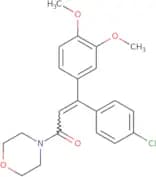
CAS:(Z)-Dimethomorph is an analog of the anticancer drug rifampicin that has been shown to inhibit kinase activity in cancer cells. This compound has demonstrated potent anticancer activity against a variety of tumor types, including human cancer cells. (Z)-Dimethomorph has been shown to induce apoptosis in Chinese hamster ovary cells and inhibit the growth of cancer cells by inhibiting the activity of kinases involved in cell proliferation and survival. Additionally, this compound has been found to be a potent inhibitor of astaxanthin uptake and metabolism in urine, suggesting its potential as a therapeutic agent for cancer treatment. Overall, (Z)-Dimethomorph shows promise as a potent inhibitor of kinases involved in cancer cell growth and survival.
Formula:C21H22ClNO4Purity:Min. 95%Molecular weight:387.9 g/molAquaporin 10 antibody
Aquaporin 10 antibody was raised using the middle region of AQP10 corresponding to a region with amino acids VGATVGTATYQLLVALHHPEGPEPAQDLVSAQHKASELETPASAQMLECKPurity:Min. 95%Isomagnolone
CAS:Isomagnolone is an organic compound that is a white solid at room temperature. It has been shown to have bacteriostatic properties and can be used as a reagent for the synthesis of various organic compounds. Isomagnolone has been shown to inhibit the growth of certain bacteria, including Staphylococcus aureus and Escherichia coli. The antibacterial property of isomagnolone may be due to its ability to react with nitro groups on proteins, which may be present in the cell wall or cytoplasmic membrane. The chemical structure of this compound is similar to that of phenoxy herbicides, which are known for their antibacterial activity. Isomagnolone has also been found in tobacco plants and other natural sources.Formula:C18H18O3Purity:Min. 95%Molecular weight:282.3 g/mol5-Iminodaunorubicin hydrochloride
CAS:5-Iminodaunorubicin hydrochloride is a peptidomimetic that is a potent inhibitor of protein interactions. It binds to a receptor site on the target protein and inhibits its activity. 5-Iminodaunorubicin hydrochloride has been shown to be an effective inhibitor of the enzyme DNA topoisomerase II, which is involved in the production of dsDNA breaks.
Formula:C27H31ClN2O9Purity:Min. 95%Molecular weight:563 g/mol7-Epi-cephalomannine
CAS:7-Epi-cephalomannine is an anticancer agent that has shown promising results in inhibiting cancer cell growth. It works by inhibiting kinases, which are enzymes involved in cell signaling pathways that regulate cell division and apoptosis. This inhibitor has been found to induce apoptosis, or programmed cell death, in cancer cells. 7-Epi-cephalomannine is an analog of a Chinese plant-derived compound and can be detected in human urine after administration. This protein kinase inhibitor has also been shown to have potential as a tumor suppressor when used in combination with other inhibitors such as nifedipine. Overall, 7-Epi-cephalomannine shows great promise as a potent and effective anticancer agent with the potential to revolutionize cancer treatment.Formula:C45H53NO14Purity:Min. 95%Molecular weight:831.9 g/molDHFR antibody
The DHFR antibody is a monoclonal antibody that is used in Life Sciences research. It is commonly used to detect and study antiphospholipid antibodies, which are associated with various autoimmune disorders such as heparin-induced thrombocytopenia. The DHFR antibody can also be used to investigate the role of interferon and caffeine in cellular processes.CLEC4M antibody
CLEC4M antibody was raised in rabbit using the middle region of CLEC4M as the immunogenPurity:Min. 95%NSD1 antibody
NSD1 antibody was raised in mouse using recombinant Human Nuclear Receptor Binding Set Domain Protein 1 (Nsd1)ZBTB38 antibody
ZBTB38 antibody was raised in rabbit using the N terminal of ZBTB38 as the immunogenPurity:Min. 95%PEN (human)
CAS:Penicillin (human) is a beta-lactam antibiotic, which is derived from the Penicillium fungi. Its mode of action involves inhibiting the synthesis of peptidoglycan, an essential component of bacterial cell walls. This disruption in cell wall synthesis leads to cell lysis and ultimately bacterial cell death, making it particularly effective against Gram-positive bacteria.Formula:C97H159N27O32Purity:Min. 95%Molecular weight:2,215.49 g/molTUPLE1 antibody
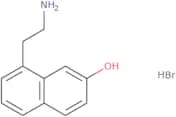
TUPLE1 antibody was raised in mouse using recombinant H.Sapiens Tup1-Like Enhancer Of Split Gene 1 (Tuple1)Desacetyl-7-desmethyl agomelatine hydrobromide
CAS:Please enquire for more information about Desacetyl-7-desmethyl agomelatine hydrobromide including the price, delivery time and more detailed product information at the technical inquiry form on this pageFormula:C12H14BrNOPurity:Min. 95%Molecular weight:268.15 g/molKLHL4 antibody
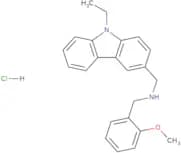
KLHL4 antibody was raised in rabbit using the N terminal of KLHL4 as the immunogenPurity:Min. 95%HLCL-61 HCL
CAS:HLCL-61 HCL is an analog of the natural amino acid histidine. It is used as a hematologic agent in cellular proliferation studies and to inhibit cellular protein synthesis. The synthesis of HLCL-61 HCL can be achieved through two methods: (1) by reacting L-histidine with oxalyl chloride; or (2) by reacting L-histidine methyl ester with ammonia and sodium hydroxide. HLCL-61 HCL has been shown to act as a competitive inhibitor of the enzyme arginase, which catalyzes the conversion of arginine to urea and ornithine. This effect may be due to its ability to compete with hydroxylamine for binding sites on the enzyme.Formula:C23H24N2O·HClPurity:Min. 95%Molecular weight:380.91 g/molLinearmycin B
CAS:Linearmycin B is an analog of tolvaptan that has been shown to have potent anticancer activity. It works as an inhibitor of kinases, which are enzymes that play a crucial role in the growth and survival of cancer cells. Linearmycin B has been found to induce apoptosis in human cancer cell lines, making it a promising candidate for the development of new anticancer drugs. In addition, Linearmycin B has been shown to be effective in inhibiting tumor growth in vivo. This compound may also have potential therapeutic applications beyond cancer treatment, as it has been shown to be a potent inhibitor of urine kinases and Chinese hamster ovary cell protein kinases. Overall, Linearmycin B represents a promising avenue for the development of novel kinase inhibitors with potential therapeutic applications in various diseases.
Formula:C66H103NO16Purity:Min. 95%Molecular weight:1,166.5 g/mol




![5-Bromo-N-[1-(3-cyclopropyl-1,2,4-oxadiazol-5-yl)cyclohexyl]-2-furamide](/_next/image/?url=https%3A%2Fstatic.cymitquimica.com%2Fproducts%2F3D%2Fthumb-webp%2FWFC68099.webp&w=3840&q=75)
![N-(3-Hydroxy-2-methylbenzoyl)-L-valyl-N-[(1S,2E)-4-ethoxy-1-(2-methylpropyl)-4-oxo-2-butenyl]-L-se…](/_next/image/?url=https%3A%2Fstatic.cymitquimica.com%2Fproducts%2F3D%2Fthumb-webp%2FMJB89104.webp&w=3840&q=75)


![(S,R,R)-2-(2,2-Diphenyl-[1,3]dioxolan-4-yl)-piperidine](/_next/image/?url=https%3A%2Fstatic.cymitquimica.com%2Fproducts%2F3D%2Fthumb-webp%2FEAA79218.webp&w=3840&q=75)