Biochemicals and Reagents
Biochemicals and reagents are fundamental substances for research and development in fields such as biotechnology, molecular biology, pharmacology, and medicine. These products are essential for a variety of applications, including compound synthesis, biological sample analysis, metabolic process research, and drug production. At CymitQuimica, we offer a wide selection of high-quality, high-purity biochemicals and reagents suitable for various scientific and industrial needs. Our catalog includes enzymes, antibodies, nucleic acids, amino acids, and many other products, all designed to support researchers and professionals in their research and development projects, ensuring reliable and reproducible results.
Subcategories of "Biochemicals and Reagents"
- Biomolecules(99,116 products)
- By Biological Target(99,075 products)
- By Pharmacological Effects(6,785 products)
- Cryopreservatives(21 products)
- Desinfectants and Related Compounds(28 products)
- Hormones(346 products)
- Plant Biology(6,700 products)
- Secondary Metabolites(14,220 products)
Found 130578 products of "Biochemicals and Reagents"
Sort by
Purity (%)
0
100
|
0
|
50
|
90
|
95
|
100
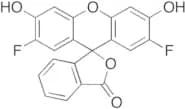
2',7'-Difluorofluorescein
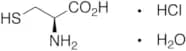
CAS:Controlled Product<p>Applications 2',7'-Difluorofluorescein is a reactant used in the synthesis of biarsenical probes that inhibit protein tyrosine phosphatases.<br>References Pomorski, A., et. al.: Org. Biomol. Chem., 13, 1395 (2015)<br></p>Formula:C20H10F2O5Color and Shape:NeatMolecular weight:368.287L-Cysteine Hydrochloride Monohydrate
CAS:<p>Stability Moisture Sensitive<br>Applications L-Cysteine is a non-essential amino acid that can be synthesized by the human body under normal physiological conditions if a sufficient quantity of methionine is available. L-Cysteine is commonly used as a precursor in the food and pharmaceutical industries. L-Cysteine is used as a processing aid for baking, as an additive in cigarettes, as well as in the preparation of meat flavours.<br>References Hui, N. et al.: Meat Sci. Appl., 74 (2001); Kiviharju, K. et al.: J. Biotechnol., 117, 299 (2005); Pecivova, P. et al.: J. Sci. Food Agric., 90, 1681 (2010);<br></p>Formula:C3H7NO2S·ClH·H2OColor and Shape:NeatMolecular weight:175.63Eosin Acid C.I. No. 45380 (Technical Grade)
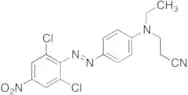
CAS:Formula:C20H8Br4O5Color and Shape:NeatMolecular weight:647.89Disperse Orange 37
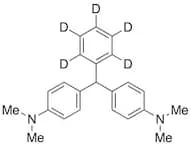
CAS:<p>Applications Disperse Orange 37 is an orange azo dye used in plastics. Dyes and metabolites, Environmental Testing.<br>References Okada, Y. et al.: Color. Tech., 126, 127 (2010); Alicilar, A. et al.: Chin. J. Chem. Phys., 23, 368 (2010);<br></p>Formula:C17H15Cl2N5O2Color and Shape:NeatMolecular weight:392.24Leuco Malachite Green-d5
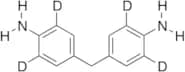
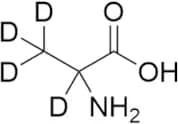
CAS:Controlled Product<p>Applications A labelled metabolite of Malachite Green in seafood products. A labelled triphenylmethane dye with fungicidal and limited antiseptic activity. The term Malachine green applies to the oxalate as well as the chloride. Harmful if swallowed. Avoid release to the environment.<br>References Carter, S.G., et al.: J. Biochem. Biophys. Methods, 7, 7 (1982), Saikan, S., et al.: J. Chem. Phys., 79, 4154 (1983), Clemmensen, S., et al.: Arch. Toxicol., 56, 43 (1984),<br></p>Formula:C232H5H21N2Color and Shape:White To Off-WhiteMolecular weight:335.504,4'-Methylenebis-benzen-2,6-d2-amine
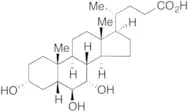
CAS:Controlled Product<p>Applications 4,4'-Methylenebis-benzen-2,6-d2-amine is the labelled compound form of 4,4'-Methylenedianiline (M304180) which is used in the production of polyurethane foams and epoxy resins (1). Potential contributor in pulmonary arterial hypertension (PAH) in rats through alteration of the serotenergic transport system (2). Drinking water contaminant candidate list 3 (CCL 3) compound as per United States Environmental Protection Agency (EPA), environmental, and food contaminants. Dyes and metabolites, Environmental Testing.<br>References Hebert, V., et al.: Cardiovas. Toxicol., 11, 316-24 (2011); Carroll-Turpin, M., et al.: Toxicol. Sci., 147, 235-45 (2015)<br></p>Formula:C13D4H10N2Color and Shape:NeatMolecular weight:202.29α-Muricholic Acid
CAS:Controlled Product<p>Applications α-Muricholic Acid is an bile acid found in urine. Studies have linked α-Muricholic in the understanding of the complex signaling pathways of hepatic lipid abnormalities with type 2 diabetes and a treatment target for this condition.<br>References Haeusier, R.A., et al.: Cell. Metabolism., 15, 65 (2012); Chen, K.H., et al.: Am. J. Physiol., 301, E853 (2011);<br></p>Formula:C24H40O5Color and Shape:NeatMolecular weight:408.57sn-Glycero-3-phosphocholine-d9
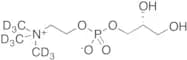
CAS:Controlled Product<p>Stability Hygroscopic<br>Applications sn-Glycero-3-phosphocholine-d9 is an isotope labelled analog of sn-Glycero-3-phosphocholine (G598700); a phospholipid and precursor in choline biosynthesis. sn-Glycero-3-phosphocholine is an intermediate in the catabolic pathway of phosphatidylcholine and is used as an nootropic.<br>References Schmidt, G., et al.: J. Biol. Chem., 161, 523 (1945); Frattola, L., et al.: Curr. Ther. Res., 49, 683 (1991); Olson, D., et al.: Science, 270, 1967 (1995)<br></p>Formula:C8H11D9NO6PColor and Shape:Colourless To Light YellowMolecular weight:266.28rac 4-Hydroxy-3-methoxyphenylethylene Glycol-d3
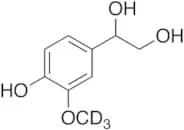
CAS:Controlled Product<p>Applications A labelled metabolite of Catecholamines.<br>References Kopin, I.J., et al.: J. Biol. Chem., 236, 2109 (1961), Short, F.W., et al.: J. Med. Pharm. Chem., 5, 642 (1962)<br></p>Formula:C92H3H9O4Color and Shape:NeatMolecular weight:187.21Flumorph
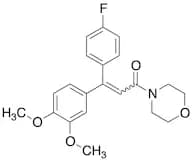
CAS:Controlled Product<p>Applications Flumorph can be used in analytical study of simultaneous determination of 106 pesticides in nuts by LC-MS/MS using freeze-out combined with dispersive solid-phase extraction purification.<br>References Wang, J., et al.: J Sep Sci, 40, 2398 (2017)<br></p>Formula:C21H22FNO4Color and Shape:NeatMolecular weight:371.40Pyridoxol-3-benzoate
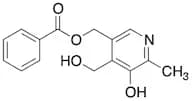
CAS:Controlled ProductFormula:C15H15NO4Color and Shape:NeatMolecular weight:273.284Dihexadecyldimethylammonium Chloride
CAS:Controlled Product<p>Applications Dihexadecyldimethylammonium Chloride is used in hair cosmetic as a emulsion agent.<br>References Guimaraes, J. P. D., et al., PCT Int. Appl. (2020), WO 2020257889 A1;<br></p>Formula:C34H72N·ClColor and Shape:NeatMolecular weight:530.4L-Ethionine
CAS:Controlled Product<p>Applications Ethionine-induced inhibition of protein synthesis and lowering of ATP level in the liver.<br>References Rotig, A., et al.: Lancet, 356, 391 (2000), Forsgren, M., et al.: Biochem. J., 382, 519 (2004), Johnson, A., et al.: J. Biol. Chem., 280, 31397 (2005), Horvath, R., et al.: Neurology, 66, 253 (2006), Mollet, M., et al.: J. Clin. Invest., 117, 765 (2007),<br></p>Formula:C6H13NO2SColor and Shape:NeatMolecular weight:163.24Phalloidine (>80%)
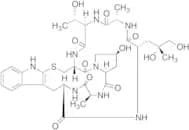
CAS:Controlled Product<p>Applications Phalloidin is an F-actin stabilizing toxin and aids cytoskeletal deorganization in WPMY-1 cells. Phalloidin belongs to a class of toxins called phallotoxins, which are found in the death cap mushroom<br> Not a dangerous good if item is equal to or less than 1g/ml and there is less than 100g/ml in the package<br>References Wang, Y., et al.: Br. J. Pharmacol., 173, 3342-3358 (2016);<br></p>Formula:C35H48N8O11SPurity:>80%Color and Shape:NeatMolecular weight:788.87Nicotianamine
CAS:Controlled Product<p>Applications Phytosiderophores are produced in higher plants as iron chelating amino acids that promote uptake of iron from soil.<br>References Klair, S., et al.: J. Plant Nutr., 19, 1295 (1996),<br></p>Formula:C11H19N3O6Color and Shape:NeatMolecular weight:289.298-Aminopyrene-1,3,6-trisulfonic Acid Trisodium Salt
CAS:Controlled Product<p>Stability Very Hygroscopic<br>Applications Fluorescent label for glycoproteins and saccharides.Dyes and metabolites.<br>References Wang, D., et al.: Langmuir, 17, 1262 (2001), Cappuccio, F., et al.: J. Fluoresc., 14, 521 (2004), Cordes, D., et al.: Org. Biomol. Chem., 3, 1708 (2005),<br></p>Formula:C16H8NO9S3·3NaColor and Shape:NeatMolecular weight:523.40N-Acetyl-S-(2,5-dimethylbenzene)-L-cysteine-d3
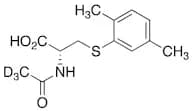
CAS:Controlled Product<p>Applications N-Acetyl-S-(2,5-dimethylbenzene)-L-cysteine-d3 (cas# 1331909-07-9) is a compound useful in organic synthesis.<br>References Gonzalez-Reche, L., et al.: Arch. Toxicol., 77, 80 (2003),<br></p>Formula:C13H14D3NO3SColor and Shape:NeatMolecular weight:270.36N-[(4R)-4-Thiazolidinylcarbonyl]glycine
CAS:Controlled ProductFormula:C6H10N2O3SColor and Shape:NeatMolecular weight:190.22(2R)-2-Hydroxyglutaric Acid Disodium Salt
CAS:<p>Stability Hygroscopic<br>Applications A potential inhibitor of glutamate carboxypeptidase.<br>References Wolcott, T.G., et al.: Biochem. Biophys. Res. Commun., 57, 709 (1974), Knowles, P.F., et al.: Eur. J. Biochem., 114, 139 (1981),<br></p>Formula:C5H6O5·2NaColor and Shape:NeatMolecular weight:192.08(4-Azidophenyl)methanol
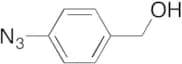
CAS:Controlled ProductFormula:C7H8N3OColor and Shape:NeatMolecular weight:150.158Hansa Yellow (Technical Grade)
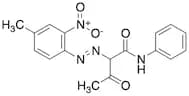
CAS:<p>Applications Hansa Yellow is used in method for dyeing keratinous material, comprising the use of an Organosilicon compound, a Chromophoric compound and a film-forming polymer II.<br>References Krohn, R., et al.: PCT Int. Appl., (2020);<br></p>Formula:C17H16N4O4Color and Shape:NeatMolecular weight:340.3333Abacavir-d4
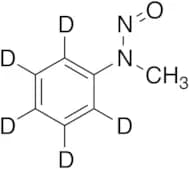
CAS:Controlled Product<p>Stability Very Hygroscopic<br>Applications Abacavir-d4 is deuterium labeled Abacavir (A104990). Abacavir is a carbocyclic 2'-deoxyguanosine nucleoside reverse transcriptase inhibitor and an anti-HIV drug used to treat HIV infection (1). Intracellular enzymes convert Abacavir to its active form, carbovir-triphosphate (CBV-TP), which then selectively inhibits HIV reverse transcriptase by incorporating into viral DNA (2). Abacavir is metabolized in the liver by uridine diphosphate glucuronyltransferase and alcohol dehydrogenase resulting in inactive glucuronide and carboxylate metabolites, respectively.<br>References (1) Jackson, A., et al.: Antivir Ther. 17, 19 (2012) (2) Yuen, G. J., et al.: Clin Pharmacokinet. 47, 351 (2008)<br></p>Formula:C14H14D4N6OColor and Shape:Off-WhiteMolecular weight:290.36N-Nitroso-N-methylaniline-d5
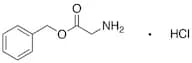
CAS:Controlled Product<p>Applications N-Nitroso-N-methylaniline-d5 labelled compound of N-Nitroso-N-methylaniline (N529925) which is used in the preparation of resin.<br>References Miura, K., et al.: Jpn. Kokai Tokkyo Koho (2020), JP 2020029543 A<br></p>Formula:C7D5H3N2OColor and Shape:NeatMolecular weight:141.182Glycine Benzyl Ester Hydrochloride
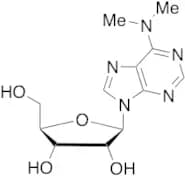
CAS:Controlled Product<p>Applications Potent crosslinking inhibitors.<br>References Sloan, J., et al.: J. Biol. Chem., 274, 23740 (1999).<br></p>Formula:C9H11NO2·ClHColor and Shape:Off-WhiteMolecular weight:201.656-Dimethylaminopurine-9-riboside
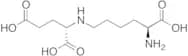
CAS:Controlled Product<p>Applications 6-Dimethylaminopurine-9-riboside (cas# 2620-62-4) is a compound useful in organic synthesis.<br>References Elion, G.B., et al.: JACS, 74, 411-414 (1952), Kelley, J.L., et al.: J. Med. Chem., 32, 1020-1024 (1989)<br></p>Formula:C12H17N5O4Color and Shape:White SolidMolecular weight:295.29L-Saccharopine
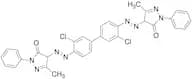
CAS:<p>Stability Hygroscopic<br>Applications L-Saccharopine is a product of breakdown of essential amino acid Lysine (L468895). Saccharopine is also part of the α-aminoadipate pathway of fungal lysine biosynthesis.<br>References Higashino, K., et al.: Biochem. Biophys. Res. Commun., 20, 285 (1965); Johansson, E., et al.: Structure, 8, 1037 (2000)<br></p>Formula:C11H20N2O6Color and Shape:NeatMolecular weight:276.29Pigment Orange 13 (Technical Grade)
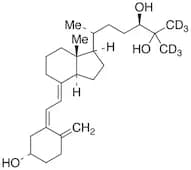
CAS:Controlled ProductFormula:C32H24Cl2N8O2Color and Shape:OrangeMolecular weight:623.49Secalciferol-d6
CAS:Controlled Product<p>Stability Light Sensitive, Temperature Sensitive<br>Applications A labelled metabolite of Vitamin D, a possible anti-inflammatory steroid.<br> Not a dangerous good if item is equal to or less than 1g/ml and there is less than 100g/ml in the package<br>References Boyan, B., et al.: Steroids, 66, 363 (2001), Holick, M., et al.: J. Cell Biochem., 88, 296 (2003), Vogeser, M., et al.: Clin. Chem., 50, 1415 (2004), Singh, R., et al.: J. Clin. Endocrinol. Metab., 91, 3055 (2006),<br></p>Formula:C272H6H38O3Color and Shape:NeatMolecular weight:422.6716β-Hydroxy Stanozolol (1 mg/ml in Methanol)
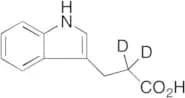
CAS:Controlled ProductFormula:C21H32N2O2Color and Shape:ColourlessMolecular weight:344.493-Indolepropionic-d2 Acid
CAS:Controlled Product<p>Stability Hygroscopic<br>Applications 3-Indolepropionic-d2 acid is deuterium labelled 3-Indolepropionic acid (I627170). 3-Indolepropionic acid is a deamination product of Tryptophan (T947200) that protects the hippocampus (studied in gerbils) from ischemic damage and oxidative stress. It’s ability to protect the neurons in this way is attributed to its potent antioxidative effects. 3-Indolepropionic acid is also hypothesized to have protective effects on the thyroid gland.<br>References Hwang, I., et al.: J. Neurosci. Res., 87, 2126 (2009); Karbownik, M., et al.: J. Cell. Biochem., 95, 131 (2005)<br></p>Formula:C11D2H9NO2Color and Shape:NeatMolecular weight:191.22Parathyroid Hormone Fragment (1-34)
CAS:Controlled Product<p>Applications A fragment of human parathyroid hormone (hPTH) peptide sequence containing the 34 N-terminal residues of hPTH. This fragment was also found to be an agonist at PTH1 and PTH2 receptors.<br>References Niall, et al.: Proc. Natl. Acad. Sci., 71, 384 (1974); Dobnig,T., et al.: Endocrinol., 138, 4607 (1997); Manabe. et al.: Bone., 40, 1475 (2007);<br></p>Formula:C181H291N55O51S2Color and Shape:NeatMolecular weight:4117.72BQ 788
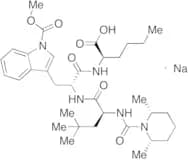
CAS:<p>Applications BQ 788 is an endothelin type B (ETB) receptor antagonist and is a potential antidote for the cardiovascular toxicity with hypotension and bradycardia.<br>References Arici, M.A.A., et. al.: Hum. Exp. Toxicol., 32, 316 (2013)<br></p>Formula:C34H50N5O7·NaColor and Shape:NeatMolecular weight:663.784-Phenylazophenol
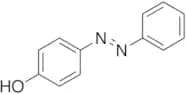
CAS:Controlled Product<p>Applications 4-Phenylazophenol is a diaryl-azo derivative with potential use as potential antifungal agents. 4-Phenylazophenol is an azo dye with toxic effects as well as a being a soil contaminant. Dyes and metabolites.<br>References Xu, H. et al.: Bioorg. Med. Chem., 20, 4193 (2010); Spadaro, J.T. et al.: Appl. Environ. Microbiol., 58, 2397 (1992);<br></p>Formula:C12H10N2OColor and Shape:NeatMolecular weight:198.22Bimatoprost Acid
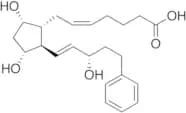
CAS:Controlled Product<p>Applications Bimatoprost Acid is an impurity of the antiglaucoma agent Bimatoprost (B386820).Bimatoprost Acid is a metabolically stable analog of PGF2α (P838625) and is a potent agonist for the FP receptor.<br>References Balapure, A.K. et al.: Biochem. Pharmacol., 38, 2375 (1989); Hellberg, M.R. et al.: J. Ocular Pharmacol. Ther., 19, 97 (2003); Krishna, P.M. et al.: J. Pharm. res., 4, 2381 (2011);<br></p>Formula:C23H32O5Color and Shape:White To Off-WhiteMolecular weight:388.50(Z)-10-Tritriacontene
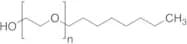
CAS:Controlled ProductFormula:C33H66Color and Shape:NeatMolecular weight:462.877n-Octyl-oligo-oxyethylene
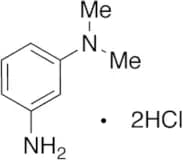
CAS:Controlled Product<p>Applications n-Octyl-oligo-oxyethylene is a detergent for useful solubilization, purification and crystallization of proteins.<br> Not a dangerous good if item is equal to or less than 1g/ml and there is less than 100g/ml in the package<br></p>Formula:(C2H4O)nC8H18OColor and Shape:NeatMolecular weight:n(44.05)+(130.23)N,N-Dimethyl-m-phenylenediamine, Dihydrochloride
CAS:Controlled Product<p>Applications N,N-Dimethyl-m-phenylenediamine, Dihydrochloride (cas# 3575-32-4) is a compound useful in organic synthesis.<br> Not a dangerous good if item is equal to or less than 1g/ml and there is less than 100g/ml in the package<br></p>Formula:C8H12N2·2ClHColor and Shape:NeatMolecular weight:209.12Bis[2-(succinimidooxycarbonyloxy)ethyl] Sulfone
CAS:Controlled Product<p>Stability Moisture Sensitive<br>Applications An amine reactive homobifunctional crosslinking reagent. Used to crosslink ß-endorphin to opioid receptors.Spacer Arm: 13.0 Angstroms<br>References Zarling, D.A., et al.: J. Immunol., 124, 913 (1980), Howard, A.D., et al.: J. Biol. Chem., 260, 10833 (1985), Bouizar, Z., et al.: Eur. J. Biochem., 155, 141 (1986)<br></p>Formula:C14H16N2O12SColor and Shape:NeatMolecular weight:436.35C9-12 Isoalkanes
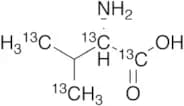
CAS:<p>Applications Isopar G (cas# 90622-57-4 ) is a compound useful in organic synthesis.<br> Not a dangerous good if item is equal to or less than 1g/ml and there is less than 100g/ml in the package<br></p>Formula:C7H3ClFNO3Color and Shape:ColourlessL-Valine-13C5,15N
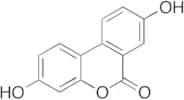
CAS:Controlled Product<p>Applications Labelled analogue of L-Vailne. L-Valine is an essential amino acid and one of 20 proteinogenic amino acids. L-Valine cannot be manufactured by the body and must be acquired through diet or supplementation. L-valine is found in grains, dairy products, mushrooms, meats, peanuts and soy proteins. L-Valine has been used in studies to attenuate arrhythmias and induce hypotensive effects.<br>References Choi, C.W. et al.: Anim. Feed Sci. Technol., 102, 15 (2002); Kolarski, D. et al.: Krmiva, 30, 155 (1988); Oba, M. et al.: J. Dairy Sci., 93, 2044 (2010); Mitrega, K. et al.: Pharmacol. Res., 64, 218 (2011);<br></p>Formula:C5H1115NO2Color and Shape:NeatMolecular weight:123.1Urolithin A
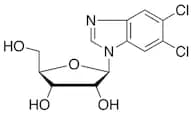
CAS:<p>Applications Urolithin A is a major metabolite of ellagitannin and exhibits anti-inflammatory and antioxidant properties.<br>References Ishimoto, H., et. al.: Bioorg. Med. Chem. Lett., 21, 5901 (2011);<br></p>Formula:C13H8O4Color and Shape:NeatMolecular weight:228.205,6-Dichloropurine-1-β-D-ribofuanosyl-H-benzimidazole
CAS:Controlled Product<p>Applications An inhibitor of RNA synthesis (causes premature termination of transcription).<br>References Braedlye, J. and Sporns, O.: Brain Res., 815, 140 (1999), Ljungman, M., et al.: Oncogene, 18, 583 (1999), Roele, R.H., et al.: Oncogene, 18, 5765 (1999)<br></p>Formula:C12H12Cl2N2O4Color and Shape:NeatMolecular weight:319.1412-Hydroxylauric Acid
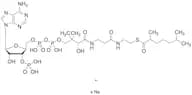
CAS:Controlled Product<p>Applications 12-Hydroxylauric Acid is used in the structural and functional characterization of S-nitrosoglutathione reductase from Solanum lycopersicum.<br>References Kubienova, L., et. al.: Biochimie, 95, 889 (2013)<br></p>Formula:C12H24O3Color and Shape:NeatMolecular weight:216.322,6-Dimethylheptanoyl-CoA Sodium Salt
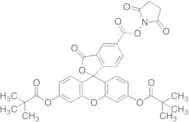
CAS:Formula:C30H52N7O17P3S·x(Na)Color and Shape:Off White SolidMolecular weight:907.76 + x(22.99)5-Carboxyfluorescein Dipivalate N-Hydroxysuccinimide Ester
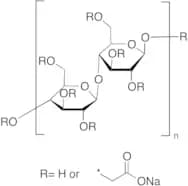
CAS:Controlled Product<p>Applications 5-Carboxyfluorescein Dipivalate N-Hydroxysuccinimide Ester is used as a probe in fluorescent dye labeled terminators for DNA sequencing.<br>References Nampalli, S., et al.: Bioconjugate Chem., 13, 468 (2002);<br></p>Formula:C35H31NO11Color and Shape:NeatMolecular weight:641.62Carboxymethylcellulose Sodium
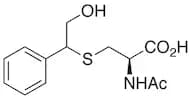
CAS:Controlled Product<p>Applications Carboxymethylcellulose Sodium (cas# 9004-32-4) is a useful research chemical.<br></p>Formula:C15H23NO2•HClColor and Shape:Off-WhiteN-Acetyl-S-(2-hydroxy-1-phenylethyl)-L-cysteine + N-Acetyl-S-(2-hydroxy-2-phenylethyl)-L-cysteine (Mixture)
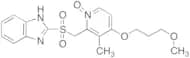
CAS:Controlled Product<p>Stability Hygroscopic<br>Applications A mixture of 2 metabolites of Styrene. The 2 regioisomers are in a roughly 3: 1ratio<br>References Ryan, A., et al.: Drug Metab. Dispos., 5, 363 (1977), Delbressine, L., et al.: Xenobiotica, 11, 589 (1981), Truchon, G., et al.: J. Anal. Toxicol., 14, 227 (1990),<br></p>Formula:C13H17NO4SColor and Shape:Off White SolidMolecular weight:283.34Rabeprazole Sulfone N-Oxide
CAS:Controlled Product<p>Impurity Rabeprazole EP Impurity I<br>Applications Rabeprazole Sulfone N-Oxide (Rabeprazole EP Impurity I) is a potential impurity of Rabeprazole (R070500) sodium.<br>References Fujisaki, H., et al.: Biochem. Pharmacol., 42, 321 (1991), Morri, M., et al.: J. Biol. Chem., 268, 21553 (1993)<br></p>Formula:C18H21N3O5SColor and Shape:NeatMolecular weight:391.442-Methylbutyrylglycine
CAS:Controlled Product<p>Applications 2-Methylbutyrylglycine is one of the acylglycines, an important class of metabolites that have been used in the diagnosis of several “inborn errors of metabolism” (IEM).<br>References Costa, C., et al.: J. Pharmaceut. Biomed. Anal., 21, 1215 (2000), Garcia-Villoria, J., et al.: Clin. Biochem., 42, 2 (2009), Scalbert, A., et al.: Metabolomics, 5, 435 (2009),<br></p>Formula:C7H13NO3Color and Shape:NeatMolecular weight:159.182-Amino-6-mercaptopurine-9-D-riboside Hydrate
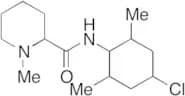
CAS:<p>Stability Hygroscopic<br>Applications 2-Amino-6-mercaptopurine-9-D-riboside Hydrate (cas# 345909-25-3) is a compound useful in organic synthesis.<br></p>Formula:C10H13N5O4S·x(H2O)Color and Shape:Light Yellow PowderMolecular weight:299.314-Chloro Mepivacaine
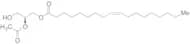
CAS:Controlled ProductFormula:C15H21ClN2OColor and Shape:NeatMolecular weight:286.8411-Oleoyl-2-acetyl-sn-glycerol
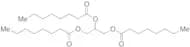
CAS:Controlled Product<p>Stability Temperature Sensitive. This compound can rearrange to the 1,3-isomer in solutio<br>Applications Activator of phospholipid-dependent protein kinase C; and stimulator of secretion and aggregation in blood platelets.x<br>References Nature, 306, 487 (1983), J. Biol. Chem., 258, 6701 (1983), Biochem. Biophys. Res. Comm., 115, 383 (1983), Benz, I., et al.: J. Membr. Biol., 130, 183 (1992), Haeffner, E.W., et al.: J. Lipid Mediat., 5, 237 (1992), Florin-Christensen, J., et al.: Biochem. J., 289, 783 (1993)<br></p>Formula:C23H42O5Color and Shape:NeatMolecular weight:398.58Tricaprylin(>90%)
CAS:Controlled Product<p>Applications Tricaprylin is used in biological studies for fatty acid selectivity of lipases during acidolysis reaction between oleic acid and monoacid triacylglycerols.<br>References Karabulut, I., et al.: J. Agri. Food. Chem., 57, 10466 (2009);<br></p>Formula:C27H50O6Purity:>90%Color and Shape:ColourlessMolecular weight:470.68Acid violet 17 (Technical Grade)
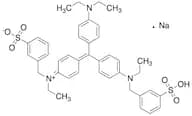
CAS:Controlled Product<p>Applications Acid violet 17 is an anionic dye used in adsorption studies and to dye proteins in electrophoresis applications. Dyes and metabolites, Environmental Testing<br></p>Formula:C41H44N3O6S2·NaColor and Shape:NeatMolecular weight:761.92Dehydroepiandrosterone-16,16-d2
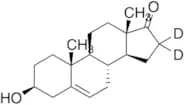
CAS:Controlled ProductFormula:C19D2H26O2Purity:97%Color and Shape:NeatMolecular weight:290.44Ribavirin 5’-Monophosphate Dilithium Salt (90%)
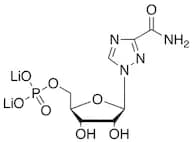
CAS:Controlled Product<p>Applications A metabolite of Ribavirin.<br>References Allen, L.B., et al.: J. Med. Chem., 21, 742 (1978), Zimmerman, T., et al.: Biochem. Pharmacol., 27, 709 (1978), Page, T., et al.: Int. J. Biochem., 22, 379 (1990), Lin, C., et al.: Antimicrob. Agents Chemother., 47, 1395 (2003),<br></p>Formula:C17H19N4O9P·2LiPurity:90%Color and Shape:Off-White To Light BeigeMolecular weight:468.21Pigment Green 7 (Technical Grade)
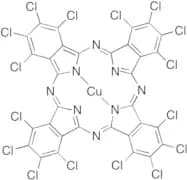
CAS:Controlled Product<p>Stability Light Sensitive<br>Applications Pigment Green 7 (CAS# 1328-53-6) is an organometallic pigment used in tattoo inks and plastics.<br>References Persechino, S., et al.: Spectrochim. Acta, Part A, 206, 547 (2019); Ivleva, N. P.; et al.: Nachr. Chem., 63, 46 (2015); Tavanaie, M. A.; Dyes and Pigments, 114, 267 (2015)<br></p>Formula:C32Cl16CuN8Color and Shape:Green To Dark GreenMolecular weight:1127.19Acid Orange 7 (Technical Grade)
CAS:Controlled ProductFormula:C16H11N2O4S·NaColor and Shape:OrangeMolecular weight:350.32Alkylated Diphenylamines
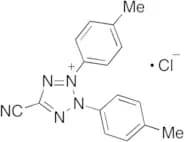
CAS:<p>Applications Alkylated Diphenylamines are a derivative of aniline, a common chemical reagent. Good antioxidant agent.<br></p>Formula:C20H27NColor and Shape:NeatMolecular weight:281.445-Cyano-2,3-di-p-tolyltetrazolium Chloride (>85%)
CAS:Controlled ProductFormula:C16H14N5·ClPurity:>85%Color and Shape:NeatMolecular weight:311.769Amantadine
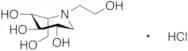
CAS:Controlled Product<p>Applications Amantadine is useful in biology studies. Particularly it has been used for solid-state NMR and membrane protein studies.<br>References Shigeta, A., et al.: New Developments in NMR, 20, 457 (2019)<br></p>Formula:C10H17NColor and Shape:White To Off-WhiteMolecular weight:151.25N-(2-Hydroxyethyl)-1-deoxy-L-idonojirimycin Hydrochloride
CAS:Controlled Product<p>Stability Hygroscopic<br>Applications α-Glycosidase inhibitor.<br>References van de Water, F., et al.: Drug Metab. Rev., 37, 443 (2005), Koepsell, H., et al.: Pharm. Res., 24, 1227 (2007), Jappar, D., et al.: Pharm. Res., 26, 172 (2009),<br></p>Formula:C8H18ClNO5Color and Shape:NeatMolecular weight:243.69(+)-20-Hydroxyecdysone
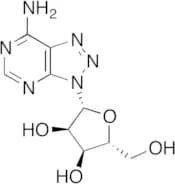
CAS:<p>Applications (+)-20-Hydroxyecdysone regulates gene transcription via a genomic pathway through a transcription complex that is formed.<br>References Liu, W. et al.: Endocrinol., 155, 1738 (2014); Wang, Q. et al.: Plant Physiol. Biochem., 84, 1 (2014);<br></p>Formula:C27H44O7Color and Shape:White To Off-WhiteMolecular weight:480.638-Azaadenosine
CAS:Controlled Product<p>Applications Hydrogen bonding in 8-Azaadenosine was examined in this study.8-Azaadenosine is one of the best substrates of highly purified rabbit liver adenosine kinase.<br>References Jeffrey, G., et al.: Int. J. Biol. Macromol., 7, 336 (1985).Miller, R., et al.: J. Biol. Chem., 254, 2346 (1979).<br></p>Formula:C9H12N6O4Color and Shape:NeatMolecular weight:268.234-Amino-nicotinonitrile
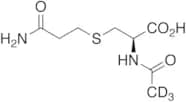
CAS:Controlled Product<p>Applications 4-Amino-nicotinonitrile<br></p>Formula:C6H5N3Color and Shape:NeatMolecular weight:119.124N-Acetyl-S-(carbamoylethyl)-L-cysteine-d3
CAS:Controlled Product<p>Stability Hygroscopic<br>Applications Labelled N-Acetyl-S-(carbamoylethyl)-L-cysteine (A171870). N-Acetyl-S-(carbamoylethyl)-L-cysteine is the urinary metabolite of Acrylamide (AA). Acrylamide is formed during the heating of food and is classified as a genotoxic carcinogen.<br>References Besaratinia, A., et al.: Mutat. Res., 80, 31 (2005), Bjellaas, T., et al.: Xenobiotica, 35, 1003 (2005), Bjellaas, T., et al.: Food Chem. Toxicol., 45, 1020 (2007), Bjellaas, T., et al.: Toxicol. Sci., 98, 110 (2007),<br></p>Formula:C8H11D3N2O4SColor and Shape:Off-WhiteMolecular weight:237.29D-chiro-inositol
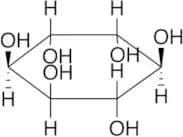
CAS:<p>Applications D-chiro Inositol (cas# 643-12-9) is a compound useful in organic synthesis.<br></p>Formula:C6H12O6Color and Shape:NeatMolecular weight:180.162-Propylmalonic Acid
CAS:Controlled Product<p>Applications 2-Propylmalonic acid (cas# 616-62-6) is a useful research chemical.<br></p>Formula:C6H10O4Color and Shape:NeatMolecular weight:146.14N-Desmethyl Apalutamide
CAS:Controlled Product<p>Applications N-Desmethyl Apalutamide has been exploresd asthiohydantion androgen receptor antagonist for treament of cancer<br>References Bignan, G.C. PCT Int. Appl. (2018), WO 2018037342 A1 20180301.<br></p>Formula:C20H13F4N5O2SColor and Shape:NeatMolecular weight:463.41Dexamethasone Phosphate
CAS:<p>Applications A pro-drug of Dexamethasone (D298800), an anti-inflammatory glucocorticoid. It was found that liposomal DXM-P inhibited both chronic inflammation and joint destruction, whereas free DXM-P failed to prevent joint destruction.<br>References Kodelja, V., et al.: J. Immunol., 160, 1411 (1998), Metselaar, J., et al.: Arthritis Rheum., 48, 2059 (2003), Buttgereit, F., et al.: Arthritis Rheum., 50, 3408 (2004), Martinez, F., et al.: Front Biosci., 13, 453 (2008),<br></p>Formula:C22H30FO8PColor and Shape:White To Light BrownMolecular weight:472.44(S)-Equol
CAS:Controlled Product<p>Applications (S)-Equol and R-Equol are metabolites of the soy isoflavones Daidzein (D103500) and Genistein. Both have significant biological actions.<br>References Heinonen, S., et al.: Anal. Biochem., 274, 211 (1999), Setchell, K., et al.: J. Nutr., 132, 3577 (2002), Thigpen, J., et al.: Comp. Med., 53, 607 (2003), Yee, S., et al.: Food Chem. Toxicol., 46, 2713 (2008),<br></p>Formula:C15H14O3Color and Shape:WhiteMolecular weight:242.273'-Azido-3'-deoxy-5'-O-tritylthymidine
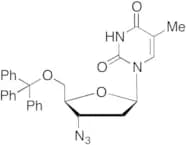
CAS:Controlled ProductFormula:C29H27N5O4Color and Shape:NeatMolecular weight:509.56Glyceryl Monothioglycolate (Technical Grade)
CAS:<p>Applications Glyceryl Monothioglycolate is used as an ingredient of hair permanent wave-setting or straightening agents.<br>References Kuzuhara, A.: Jpn. Kokai Tokkyo Koho (2013), JP 2013249274 A 20131212.; Savaides, A., et al.: U.S. Pat. Appl. Publ. (2014), US 20140261518 A1 20140918<br></p>Formula:MixtureVisitourWebsiteColor and Shape:NeatMolecular weight:Mixture - Visit our WebsiteDocosahexaenoic Acid Ethyl-d5 Ester
CAS:Controlled ProductFormula:C24D5H31O2Color and Shape:NeatMolecular weight:361.57220α-Hydroxy Cholesterol
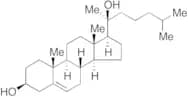
CAS:<p>Applications A metabolite of Cholesterol (C432501). Cholesterol oxidation product having cytotoxicity effects.<br>References Higley, N., et al.: Food Chem. Toxicol., 22, 983 (1984), Emanuel, H., et al.: J. Food Sci., 56, 843 (1991), Kilsdonk, E., et al.: J. Lipid Res., 36, 505 (1995), Cantwell, H., et al.: Cell Biol. Toxicol., 14, 401 (1998),<br></p>Formula:C27H46O2Color and Shape:NeatMolecular weight:402.65Capecitabine
CAS:Controlled Product<p>Applications Capecitabine is an antineoplastic agent. Capecitabine is a prodrug of Doxifluridine (D556750).<br>References Muss, H., et al.: New Eng. J. Med., 360, 2055 (2009), Takahashi, S., et al.: Drug Metab. Disposition, 37, 956 (2009), Saltz, L., et al.: J. Clin. Oncol., 27, 653 (2009), Sanderson, H., et al.: Toxicol. Lett., 187, 84 (2009),<br></p>Formula:C15H22FN3O6Color and Shape:NeatMolecular weight:359.35DL-Homocysteine-d4
CAS:Controlled Product<p>Applications DL-Homocysteine-d4 is used in the detection of the biosynthetic pathway for the formation of volatile aroma compound 2-methyltetrahydrothiophen-3-one by the bacterium Chitinophaga.<br>References Nawrath, T., et al.: ChemBioChem., 11, 1914-1919 (2010)<br></p>Formula:C4D4H5NO2SColor and Shape:NeatMolecular weight:139.21D,L-Cystathionine-d4
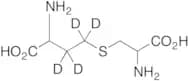
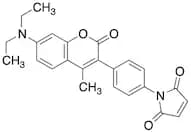
CAS:Controlled Product<p>Applications Isotope labelled Intermediate for transsulfuration whereby a mammal transfers the sulfur of methionine via homocysteine to cysteine.<br>References Thompson, J.W., et al.: J. Biol. Chem., 266, 17011 (1991), Yoshida, Y., et al.: Microbiol., 148, 3961 (2002), Jiracek, J., et al.: J. Med. Chem., 49, 3982 (2006),<br></p>Formula:C72H4H10N2O4SColor and Shape:White To Light BrownMolecular weight:226.297-Diethylamino-3-(4-maleimidophenyl)-4-methylcoumarin
CAS:Controlled Product<p>Applications 7-Diethylamino-3-(4-maleimidophenyl)-4-methylcoumarin is a thiol-reactive fluorescent probe. 7-Diethylamino-3-(4-maleimidophenyl)-4-methylcoumarin (CPM) is a thiol-reactive fluorescent probe. CPM selectively forms Michael adducts in the presence of hyperreactive sulfhydryls. CPM has been used to monitor the release of thiols, quantitate thiol in microplate reactions, and to distinguish proliferating cancer cells by nucleolar protein staining. Dyes and metabolites.<br>References 1. Sippel, T.O. 1981. J. Histochem. Cytochem. 29: 1377-1381. PMID: 73204962. Liu, G., et al. 1994. J. Biol. Chem. 269: 33028-33034. PMID: 78065313. Liu, G., et al. 1994. Mol. Pharmacol. 45: 189-200. PMID: 81146704. Feng, W., et al. 1999. Mol. Pharmacol. 55: 821-831. PMID: 102205605. Han, M.S., et al. 2004. J. Org. Chem. 69: 2853-2855. PMID: 150749386. Ptak, C.P., et al. 2005. Biochemistry. 44: 62-71. PMID: 156288467. Khersonsky, O., et al. 2006. Chembiochem. 7: 49-53. PMID: 16329153<br></p>Formula:C24H22N2O4Color and Shape:NeatMolecular weight:402.4411-Mercapto-1-undecanol
CAS:Controlled Product<p>Applications 11-Mercapto-1-undecanol 97% (cas# 73768-94-2) is a useful research chemical11-Mercaptoundecanol his compound is used to produce hydrophilic Self-assembled monolayers. The resulting monolayers which are terminated with alcohols can be further functionalized.<br>References Belling, J., et al.: ACS. Appl. Mater. Interfaces., (2020); Hong, S., et al.: Repub. Korea., 19 (2020)<br></p>Formula:C11H24OSColor and Shape:NeatMolecular weight:204.37Light Green SF Yellowish (Technical Grade)
CAS:Controlled ProductFormula:C37H34N2O9S3·2NaColor and Shape:NeatMolecular weight:792.8483,6,9,16,19,22-Hexaoxabicyclo[22.3.1]octacosa-1(28),24,26-triene-2,10,15,23-tetrone
CAS:Controlled ProductFormula:C22H28O10Color and Shape:NeatMolecular weight:452.452(all-cis)-7,10,13,16,19-Docosapentaenoic Acid
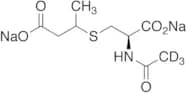
CAS:Controlled ProductFormula:C22H34O2Color and Shape:NeatMolecular weight:330.50N-Acetyl-S-(3-carboxy-2-propyl)-L-cysteine-d3 Disodium Salt
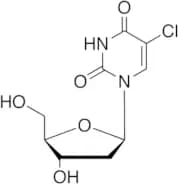
CAS:Controlled Product<p>Applications A labelled metabolite of Crotonaldehyde.<br>References Gray, J.M., et al.: Xenobiotica, 1, 55 (1971), Chung, F., et al.: Mutat. Res., 424, 71 (1999), Smith, C., et al.: Food Chem. Toxicol., 38, 637 (2000), Pan, J., et al.: Chem. Res. Toxicol., 15, 367 (2002),<br></p>Formula:C9H10D3NNa2O5SColor and Shape:NeatMolecular weight:310.295-Chloro-2'-deoxyuridine
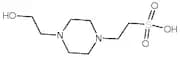
CAS:Controlled Product<p>Applications A halogenated uridine derivative used in pharmaceutical compositions.<br>References Brammer, K., et al.: Biochim. Biophys. Acta, 72, 217 (1963), Uesugi, S., et al.: Chem. Pharm. Bull., 26, 3040 (1978)<br></p>Formula:C9H11ClN2O5Color and Shape:NeatMolecular weight:262.65Hepes
CAS:<p>Applications Hepes<br></p>Formula:C8H18N2O4SColor and Shape:White To Off-WhiteMolecular weight:238.30Celgosivir
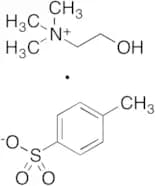
CAS:<p>Applications Celgosivir is an α-glucosidase I inhibitor.<br></p>Formula:C12H21NO5Color and Shape:NeatMolecular weight:259.3Choline p-Toluenesulfonate Salt
CAS:<p>Applications Choline p-Toluenesulfonate Salt is a useful intermediate as well as a choline acetyltransferase (CHAT) substrate.<br>References Brockerhoff, H., et al.: N.K.N., Lipids, 14, 88 (1979);<br></p>Formula:C7H7O3S·C5H14NOColor and Shape:NeatMolecular weight:275.36N-Pyrazinylcarbonyl-L-phenylalanine Methyl Ester
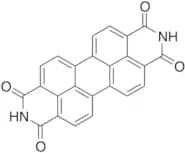
CAS:<p>Applications Used for the synthesis of Bortezomib from L-phenylalanine via dipeptidyl boronic acid ester intermediates.<br>References Zhu, Y., et al.: J. Med. Chem., 52, 4192 (2009),<br></p>Formula:C15H15N3O3Color and Shape:NeatMolecular weight:285.303,4,9,10-Perylenetetracarboxylic Diimide (~85%)
CAS:Controlled Product<p>Applications 3,4,9,10-Perylenetetracarboxylic diimide (cas# 81-33-4) is a useful research chemical.<br></p>Formula:C24H10N2O4Purity:~85%Color and Shape:NeatMolecular weight:390.35Esculentoside A
CAS:<p>Stability Hygroscopic<br>Applications Esculentoside A is a saponin isolated from the root of Phytolacca esculenta. Modulates the immune response. and effects cell proliferation and apoptosis in cells. Anti-inflammatory. 500<br>References Ma, H. et al.: Arch. Med. Sci., 9, 354 (2013); Zhong, W. et al.: J. Surg, Res., 185, 364 (2013);<br></p>Formula:C42H66O16Color and Shape:Yellowish SolidMolecular weight:826.962-Hydroxypropyl Hexadecanoate
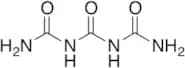
CAS:Controlled ProductFormula:C19H38O3Color and Shape:NeatMolecular weight:314.503Triuret
CAS:<p>Applications Triuret is a byproduct of purine degradation in living organisms. It is a product from the pyrolsis of urea.<br>References Sergiu P. P., et al:. HHS Public Access, (2010);<br></p>Formula:C3H6N4O3Color and Shape:NeatMolecular weight:146.10Nα-Acetyl-L-ornithine
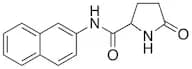
CAS:Controlled ProductFormula:C7H14N2O3Color and Shape:Off-WhiteMolecular weight:174.2L-Pyroglutamic Acid β-Naphthylamide
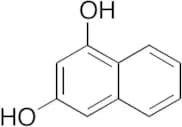
CAS:Controlled Product<p>Applications A substrate for pyroglutamate aminopeptidase. Used for colorimetric determination of pyrrolidonyl peptidase activity in bacteria.<br> Not a dangerous good if item is equal to or less than 1g/ml and there is less than 100g/ml in the package<br>References Szewczuk, A., et al.: Eur. J. Biochem., 8, 63 (1969), Szewczuk, A., et al.: Anal. Biochem., 39, 268 (1971)<br></p>Formula:C15H14N2O2Color and Shape:NeatMolecular weight:254.281,3-Naphthalenediol
CAS:<p>Applications 1,3-Naphthalenediol is a derivative of naphthalene (N345600) and may have antibacterial activity against oral bacteria.Dyes and metabolites.<br>References Song, H-Y., et al.: J Korean Soc Appl Biol Chem, 55, 183-187 (2012)<br></p>Formula:C10H8O2Color and Shape:NeatMolecular weight:160.17






![N-[(4R)-4-Thiazolidinylcarbonyl]glycine](/_next/image/?url=https%3A%2Fstatic.cymitquimica.com%2Fproducts%2FTR%2Fthumb-webp%2FT349290.webp&w=3840&q=75)





![Bis[2-(succinimidooxycarbonyloxy)ethyl] Sulfone](/_next/image/?url=https%3A%2Fstatic.cymitquimica.com%2Fproducts%2FTR%2Fthumb-webp%2FB585000.webp&w=3840&q=75)












![2-Hydroxy-6-[2-(4-hydroxyphenyl)ethenyl]-benzoic Acid-13C5](/_next/image/?url=https%3A%2Fstatic.cymitquimica.com%2Fproducts%2FTR%2Fthumb-webp%2FH121132.webp&w=3840&q=75)





![3,6,9,16,19,22-Hexaoxabicyclo[22.3.1]octacosa-1(28),24,26-triene-2,10,15,23-tetrone](/_next/image/?url=https%3A%2Fstatic.cymitquimica.com%2Fproducts%2FTR%2Fthumb-webp%2FH373765.webp&w=3840&q=75)