Biochemicals and Reagents
Biochemicals and reagents are fundamental substances for research and development in fields such as biotechnology, molecular biology, pharmacology, and medicine. These products are essential for a variety of applications, including compound synthesis, biological sample analysis, metabolic process research, and drug production. At CymitQuimica, we offer a wide selection of high-quality, high-purity biochemicals and reagents suitable for various scientific and industrial needs. Our catalog includes enzymes, antibodies, nucleic acids, amino acids, and many other products, all designed to support researchers and professionals in their research and development projects, ensuring reliable and reproducible results.
Subcategories of "Biochemicals and Reagents"
- Biomolecules(99,115 products)
- By Biological Target(99,160 products)
- By Pharmacological Effects(6,787 products)
- Cryopreservatives(21 products)
- Desinfectants and Related Compounds(28 products)
- Hormones(346 products)
- Plant Biology(6,722 products)
- Secondary Metabolites(14,222 products)
Found 130582 products of "Biochemicals and Reagents"
Sort by
Purity (%)
0
100
|
0
|
50
|
90
|
95
|
100
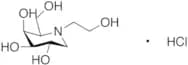
N-(2-Hydroxyethyl)-1-deoxygalactonojirimycin Hydrochloride
CAS:Controlled Product<p>Stability Very Very Hygroscopic<br>Applications α-Glycosidase inhibitor.<br>References Paulsen, H., et al.: Chem. Ber., 113, 2601 (1980),<br></p>Formula:C8H18ClNO5Color and Shape:NeatMolecular weight:243.69Bis(4-hydroxyphenyl) Sulfone O-β-D-Glucuronide Sodium Salt
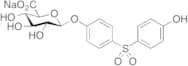
Controlled Product<p>Stability Hygroscopic<br>Applications Bis(4-hydroxyphenyl) Sulfone O-β-D-Glucuronide is the glucuronide derivative of Bis(4-hydroxyphenyl) Sulfone (B447390); a compound that is commonly used as a reactant in epoxy reactions. It is also used as a latent thermal catalyst for epoxy resin.<br>References Fu, J.W., et al.: Adv. Mat. Rsch., 266, 1022 (2011); Li, J.X., et al.: Polymers. Adv. Tech., 23, 803 (2012)<br></p>Formula:C18H17NaO10SColor and Shape:NeatMolecular weight:448.3825-Hydroxy Vitamin D2-d6
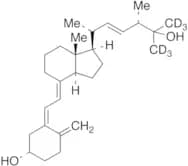
CAS:Controlled Product<p>Stability Light Sensitive, Temperature Sensitive, Toxic<br>Applications A labelled metabolite of Vitamin D2 (V676040).<br> Not a dangerous good if item is equal to or less than 1g/ml and there is less than 100g/ml in the package<br>References Barnes, P., et al.: J. Clin. Invest., 83, 1527 (1989), Holick, M., et al.: J. Cell Biochem., 88(2), 296 (2003), Maunsell, Z., et al.: Clin. Chem., 51, 1683 (2005),<br></p>Formula:C282H6H38O2Color and Shape:White To Off-WhiteMolecular weight:418.68Brilliant Green
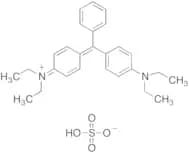
CAS:<p>Applications Brilliant Green is a stain used in bacteriological media. Dyes and metabolites, Environmental Testing<br></p>Formula:C27H33N2·HO4SColor and Shape:GreenMolecular weight:482.63L-Cystine Bis(T-butyl Ester) Dihydrochloride
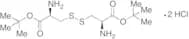
CAS:Controlled Product<p>Applications L-Cystine Bis(T-butyl Ester) Dihydrochloride is used as a reagent in the synthesis of chelate oxorhenium to create new integrin antagonists.<br>References Le Gal, J., et al.: J. Inorg. Biochem., 105, 880 (2011);<br></p>Formula:C14H28N2O4S2Color and Shape:NeatMolecular weight:352.513(3b)-3,25-Dihydroxycholest-5-en-7-one
CAS:Controlled Product<p>Applications (3β)-3,25-Dihydroxycholest-5-en-7-one is a useful synthetic intermediate in the synthesis of 3β,7α,25-Trihydroxycholest-5-ene (T795075); a potent agonist of GPR183 that induces specific activation of the receptor.<br>References Antunes, L., et al.: Antimicrob. Agents. Chemtherap., 55, 1494 (2011); Schwarz, M., et al.: J. Cin. Invest., 106, 1175 (2000); Zhang, J., et al.: BIochem. J., 322, 175 (1997)<br></p>Formula:C27H44O3Color and Shape:NeatMolecular weight:416.64L-Phenylalanine-13C6
CAS:Controlled Product<p>Applications Labelled analogue of L-Phenylalanine, an essential amino acid. L-Phenylalanine is biologically converted into L-tyrosine, another one of the DNA-encoded amino acids, which in turn is converted to L-DOPA and further converted into dopamine, norepinephrine, and epinephrine. L-Phenylalanine is produced for medical, feed, and nutritional applications such as in the preparation of Aspartame.<br>References Hollunger, G. et al.: Acta Pharmacol. Toxicol., 34, 391 (1974); Bagchi, S.P. et al.: Biochem. Pharmacol., 26, 900 (1977);<br></p>Formula:C313C6H11NO2Color and Shape:White To Off-WhiteMolecular weight:171.15Sodium Isovalerate
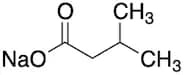
CAS:Controlled ProductFormula:C5H10O2·NaColor and Shape:NeatMolecular weight:125.12L-Carnitine-d9
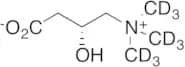
CAS:Controlled Product<p>Applications L-Carnitine-d9 is the isotope labelled analog of L-Carnitine (C184110); an essential cofactor of fatty acid metabolism; required for the transport of fatty acids through the inner mitochondrial membrane. Synthesized primarily in the liver and kidney; highest concentrations found in heart and skeletal muscle. Dietary sources include red meat, dairy products, beans, avocado.<br>References Mitchell, M.E., et al.: Am. J. Clin. Nutr., 31, 293 (1978); Lango, R., et al.: Cardiovasc. Res., 51, 21 (2001); Vaz, F.M., et al.: Biochem. J., et al.: 361, 417 (2002); Karlic, H., et al.: Nutrition, 20, 709 (2004)<br></p>Formula:C7D9H7NO3Color and Shape:NeatMolecular weight:171.261,6,13,18-Tetraoxacyclotetracosane-7,12,19,24-tetrone
CAS:Controlled Product<p>Applications 1,6,13,18-Tetraoxacyclotetracosane-7,12,19,24-tetrone can be used in degradation process investigation of thermoplastic polyurethane elastomer in supercritical methanol.<br>References Liu, L., et al.: Polym Degrad Stabil, 98, 2520 (2013)<br></p>Formula:C20H32O8Color and Shape:White To Off-WhiteMolecular weight:400.46N-Acetyl-S-(1-cyano-2-hydroxyethyl)-L-cysteine-d3 Dicyclohexylamine Salt (Mixture of Diastereomers)
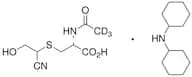
CAS:Controlled Product<p>Stability Hygroscopic<br>Applications A labelled metabolite of Acrylonitrile (ACN).<br>References Guengerich, F., et al.: Cancer Res., 41, 4925 (1981), Leonard, A., et al.: Mutation Res., 436, 263 (1999), Stadler, R., et al.: J. Agric. Food Chem., 52, 5550 (2004), Dybing, E., et al.: Food Chem. Toxicol., 43, 365 (2005), Rice, J., et al.: Mutation Res., 580, 3 (2005),<br></p>Formula:C20H32D3N3O4SColor and Shape:White To Off-WhiteMolecular weight:416.59(±)-2-Hydroxydodecanoic Acid
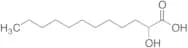
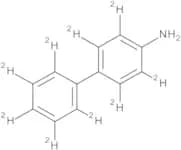
CAS:Controlled Product<p>Applications (8Z,11Z,14Z)-8,11,14-Heptadecatrienoic Acid, is a naturally occurring hydroxylated fatty acid that is found in Acinetobacter species. It acts as a partial agonist of free fatty acid receptor 1 (FFAR1/GPR40) and GPR84 receptors in vitro. It also inhibits bovine hepatic ligase (Ki = 4.4 μM) and mouse kidney mitochondrial medium-chain acyl-CoA synthetase by 48% at a concentration of 40 μM.<br>References Moss, C.W., et al.: J. Clin. Microbiol. 26(3), 484-492 (1988).; Kaspersen, M.H., et al.: Med. Chem. Commun. 8(6), 1360-1365 (2017).<br></p>Formula:C12H24O3Color and Shape:NeatMolecular weight:216.324-Aminobiphenyl-d9
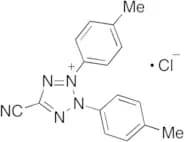
CAS:Controlled Product<p>Applications 4-Aminobiphenyl-d9 (CAS# 344298-96-0) is a useful isotopically labeled research compound.<br></p>Formula:C122H9H2NColor and Shape:Yellow To Dark YellowMolecular weight:178.285-Cyano-2,3-di-p-tolyltetrazolium Chloride (>85%)
CAS:Controlled ProductFormula:C16H14N5·ClPurity:>85%Color and Shape:NeatMolecular weight:311.76912-Hydroxystearic Acid
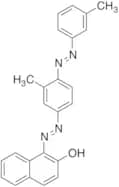
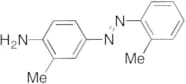
CAS:Controlled Product<p>Applications 12-Hydroxystearic Acid is used in edible vegetable oils and organogels.<br>References Rogers, M. et al.: Soft. Matt., 4, 1483 (2008); Hughes, N. et al.: Trends. Food. Sci. Tech., 20, 470 (2009);<br></p>Formula:C18H36O3Color and Shape:White To BeigeMolecular weight:300.48o-Aminoazotoluene
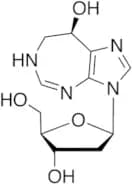
CAS:Controlled Product<p>Stability Light Sensitive<br>Applications The metabolites of o-Aminoazotoluene has been shown to be strongly mutagenic but the mutagenesis is inhibited by 7,8-benzoflavone. Dyes and metabolites, Environmental Testing<br> Not a dangerous good if item is equal to or less than 1g/ml and there is less than 100g/ml in the package<br>References Degawa, M., Kanazawa, C., Hashimoto, Y.: Carcinogenesis, 3, 1113 (1982)<br></p>Formula:C14H15N3Color and Shape:Dark YellowMolecular weight:225.29Pentostatin
CAS:Controlled Product<p>Applications An adenosine deaminase inhibitor used as an anti-cancer therapeutic drug. Shown to be effective in the treatment of hairy cell leukemia as well as having use in the treatment of other types of cancer such as chronic lymphocytic leukemia.<br> Not a dangerous good if item is equal to or less than 1g/ml and there is less than 100g/ml in the package<br>References Rogler-Brown, T. et al.: Biochem. Pharmacol., 28, 201 (1979); Johnston, J.B. et al.: J. Natl. Canvcer Inst., 80, 765 (1988); Fortune, A.F. et al.: Leuk. and Lymph., 51, 839 (2010); Robak, T. et al.: Drugs, 69, 2415 (2009);<br></p>Formula:C11H16N4O4Color and Shape:White To Off-WhiteMolecular weight:268.27(E)-2-Octenoyl-L-carnitine Inner Salt
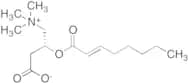
CAS:Controlled Product<p>Applications (E)-2-Octenoyl-L-carnitine Inner Salt is an L-carnitine metobolite which are often used to diagnose specific inherited metabolic diseases especially glucose related ones.<br>References Yang, S. et l.: J. Chrom. B., Anal. Tech. Biomed. Life Sci., 857, 251 (2007); Anderson, K. et al.: Mol. Endocrinol., 26, 281 (2012);<br></p>Formula:C15H27NO4Color and Shape:White To Off-WhiteMolecular weight:285.3814,15-Dehydro Triamcinolone Acetonide
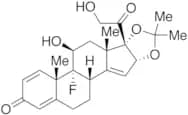
CAS:Controlled Product<p>Applications 14,15-Dehydro Triamcinolone Acetonide is a derivative of Triamcinolone acetonide. A corticosteroid.<br></p>Formula:C24H29FO6Color and Shape:Light YellowMolecular weight:432.48Glycocholic Acid
CAS:<p>Applications Glycocholic Acid (cas# 475-31-0) is a useful research chemical.<br></p>Formula:C26H43NO6Color and Shape:Off-WhiteMolecular weight:465.62Hydroxocobalamin (>90%)
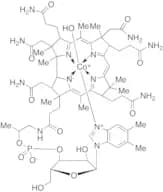
CAS:<p>Stability Hygroscopic<br>Applications Hydroxocobalamin is an intermediate in the synthesis of Nitritocobalamin(N490240) is a useful synthetic intermediate in the synthesis of Hydroxocobalamin Acetate (H826800); a physiological analog of vitamin B12 where the CN group is replaced with OH. Exists in aqueous solution as an equilibrium mixture of the hydroxy isomer and the ionic aqua isomer (aquacobalamin). Precursor of the coenzymes methylcobalamin and cobamamide. Coordination Compound. Vitamin (hematopoietic).<br>References Kaczka, E.A., et al.: Science, 112, 354 (1950); Friedrich, W., et al.: Vitamins, 837 (1988); Forsyth, J.C., et al.: Clin. Toxicol., 31, 277 (1993)<br></p>Formula:C62H89CoN13O15PPurity:>90%Color and Shape:NeatMolecular weight:1346.36Stearoyl L-a-Lysolecithin
CAS:<p>Stability Hygroscopic, moisture sensitive<br>Applications Stearoyl L-α-Lysolecithin is an bioactive lysophosphatidylcholine derived compound found to be released by bronchial epithelial cells. Stearoyl L-α-Lysolecithin have also been utilized in the development of liposomes and michelles by drug transdermal delivery devices.<br>References Zhuge, Y., et al.: Allergy Asthma Immunol Res., 6, 66 (2014)<br></p>Formula:C26H54NO7PColor and Shape:NeatMolecular weight:523.684a-Methyl-cholesterol
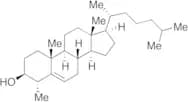
CAS:<p>Applications 4α-Methyl-cholest-5-en-3β-ol is a derivative of Cholesterol (C432501), a major component of all biological membranes; ~25% of total brain lipid is Cholesterol. Cholesterol is the principal sterol of the higher animals. Cholesterol was found in all body tissues, especial in the brain, spinal cord, and in animal fats or oils. Cholesterol is the main constituent of gallstones.<br>References Rosin, Z., et al.: Physiol. Chem., 124, 282 (1923), Schoenheimer, et al.: J. Biol. Chem., 105, 355 (1934), Gemant, et al.: Life Sci., 1, 233 (1962), Johnson, K., et al.: 4, 457 (1964),<br></p>Formula:C28H48OColor and Shape:White To Off-WhiteMolecular weight:400.68b-NADH Disodium Salt
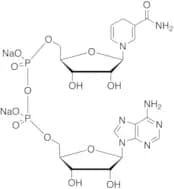
CAS:<p>Stability Hygroscopic<br>Applications One of the biologically active forms of nicotinic acid. Serves as a coenzyme of hydrogenases and dehydrogenases. NAD usually acts as a hydrogen acceptor, forming NADH which then serves as a hydrogen donor in the respiratory chain. Present in living cells primarily in the reduced form (NADPH) and is involved in synthetic reactions. Occurs in 2 forms, α-NAD and β-NAD, distinguished by the configuration of the ribosyl nicotinamide linkage. Only the β-anomer is bioactive.<br>References Bartlett, G.R., et al.: J. Biol. Chem., 234, 449 (1959), Dixon, M., et al.: Science, 132, 1548 (1960), Heyes, D., et al.: Biochemistry, 43, 8265 (2004), Dietzek, B., et al.: Chem. Phys. Chem., 7, 1727 (2006),<br></p>Formula:C21H27N7O14P2·2NaColor and Shape:NeatMolecular weight:709.40D-γ-Tocotrienol
CAS:<p>Stability Light Sensitive<br>Applications γ-Tocotrienol exhibits antioxidant properties and belongs to the vitamin E family. It is naturally found in wheat germ oil and bran. In addition, α-tocopherol and γ-tocotrienol derivatives are potential lead compounds for developing anticancer and antiproliferative agents against MCF-7 and MDA-MB-231 breast cancer cells and the A549 lung cancer cells.<br>References Gagic, Z., et al.: Eur. J. Pharm. Sci. 88, 59 (2016); Guardiola, F., et al.: Food Chem. Toxicol., 34, 193 (1996); Kong, S., et al.: Food Chem., 120, 278 (2010); Aggarwal, B., et al.: Biochem. Pharmacol., 80, 1613 (2010)<br></p>Formula:C28H42O2Color and Shape:YellowMolecular weight:410.63O-Phospho-L-tyrosine
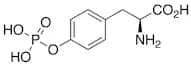
CAS:<p>Applications Useful in the study of tyrosine-phosphorylation, which has been linked with the malignant transformation of cells by some RNA tumour viruses.<br>References Sefton, B.M., et al.: Cell, 20, 807 (1980), Erikson, R., et al.: Perspect. Virol., 11, 93 (1981), Lee, E-S, et al.: J. Org. Chem., 59, 2086 (1994)<br></p>Formula:C9H12NO6PColor and Shape:NeatMolecular weight:261.17Poly(ethylene Glycol) ~600
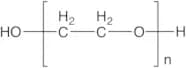
CAS:Controlled Product<p>Applications Poly(ethylene Glycol) molecules of an average molecular mass of 600. Poly(ethylene Glycol) is used in various applications from industrial chemistry to biological chemistry. Recent research has shown PEG maintains the ability to aid the spinal cord injury recovery process, helping the nerve impulse conduction process in animals. In rats, it has been shown to aid in the repair of severed sciatic axons, helping with nerve damage recovery. It is industrially produced as a lubricating substance for various surfaces to reduce friction. PEG is also used in the preparation of vesicle transport systems in with application towards diagnostic procedures or drug delivery methods.<br>References Borgens, R. et al.: J. Neurosci. Res., 66, 1179 (2001); Stavisky, R. et al.: Neurosci. Lett., 376, 98 (2005); Nalam, P. et al.: Tribiol. Lett., 37, 541 (2010); Steinmetz, N. et al.: J. Am. Chem. Soc., 131, 17093 (2009); Li, X. et al.: J. Am. Chem. Soc., 133, 11147 (2011); Li, L. et al.: Int. J. Pharm., 447, 192 (2013);<br></p>Formula:H2O(C2H4O)nColor and Shape:Colourless To Off-WhiteMolecular weight:62.07PSA Sorbent
<p>Applications PSA sorbent is useful in food residue cleanup removing food matrix interferences.<br>References F.J. Schenck, et al.: J. Chromatogr. A., 868, 51-61 (2000);F.J. Schenck, et al.: J. Sep. Sci. 25, 883-890 (2002)<br></p>Color and Shape:NeatN1,N4-Di-p-tolylbenzene-1,4-diamine
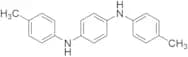
CAS:Controlled Product<p>Applications N1,N4-Di-p-tolylbenzene-1,4-diamine is a useful intermediate for the preparation of some chemically active substances for polymeric materials.<br>References Belorossova, A. G., et al.: Uchenye Zapiski Yaroslavskogo Tekhnologicheskogo Instituta, 11, 200 (1969)<br></p>Formula:C20H20N2Color and Shape:RedMolecular weight:288.386C2 Ceramide
CAS:Controlled Product<p>Stability Moisture Sensitive<br>Applications A biologically active, cell permeable, but nonphysiologic ceramide analog. It inhibits cell proliferation and induces monocytic differentiation of HL-60 cells and induces apoptosis. It stimulates protein phosphatase 2A and activates MAP Kinase2.<br>References Inoue, T., et al.: J. Biol. Chem., 284, 9566 (2009), Kang, J., et al.: Bioorg. Med. Chem., 17, 1498 (2009), Rath, G., et al.: Int. J. Biochem. Cell Biol., 41, 1165 (2009),<br></p>Formula:C20H39NO3Color and Shape:Off White PowderMolecular weight:341.532,5-Diaminotoluene (>80%)
CAS:Controlled Product<p>Applications 2,5-Diaminotoluene is an aromatic compound that is commonly used in permanent hair-dye formulations. 2,5-Diaminotoluene is weakly mutagenic and is also partially responsible for causing allergic contact dermatitis in humans.<br> Not a dangerous good if item is equal to or less than 1g/ml and there is less than 100g/ml in the package<br>References Chung, K., et al.: Mutat. Res./Rev. Mutat. Res., 387, 1 (1997); Inouye, M. & Murakami, U.: Food Cosm. Toxicol., 15, 447 (1977); Yazer, K., et al.: Cont. Derm., 66, 27 (2012)<br></p>Formula:C7H10N2Purity:>80%Color and Shape:Grey CrystallineMolecular weight:122.17Vitamin D4
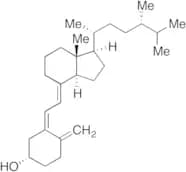
CAS:<p>Stability Hygroscopic, Temperature Sensitive<br>Applications Vitamin D4 is the active analogue of Vitamin D.<br> Not a dangerous good if item is equal to or less than 1g/ml and there is less than 100g/ml in the package<br>References Holick, M., et al.: J. Biochemistry, 10, 2799 (1971), Haddad, J., et al.: J. Bone Miner. Res., 4, 243 (1989), Palmieri, G., et al.: J. Clin. Endocrin. Metab., 82, 3516 (1997),<br></p>Formula:C28H46OColor and Shape:NeatMolecular weight:398.662,6-Dibromoquinone-4-chloroimide
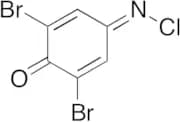
CAS:Formula:C6H2Br2ClNOColor and Shape:YellowMolecular weight:299.35Capecitabine
CAS:Controlled Product<p>Applications Capecitabine is an antineoplastic agent. Capecitabine is a prodrug of Doxifluridine (D556750).<br>References Muss, H., et al.: New Eng. J. Med., 360, 2055 (2009), Takahashi, S., et al.: Drug Metab. Disposition, 37, 956 (2009), Saltz, L., et al.: J. Clin. Oncol., 27, 653 (2009), Sanderson, H., et al.: Toxicol. Lett., 187, 84 (2009),<br></p>Formula:C15H22FN3O6Color and Shape:NeatMolecular weight:359.35Celgosivir
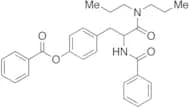
CAS:<p>Applications Celgosivir is an α-glucosidase I inhibitor.<br></p>Formula:C12H21NO5Color and Shape:NeatMolecular weight:259.3N,O-Dibenzoyl-DL-tyrosyl-N’,N’-dipropylamide
CAS:Controlled Product<p>Applications N,O-Dibenzoyl-DL-tyrosyl-N',N'-dipropylamide is a metabolite of the antispasmodic agent Tiropramide (T446900). Tiropramide impurity B.<br>References Janssen, et al.: J. Pharm. Pharmacol., 9, 381 (1956), Bertaccini, et al.: Br. J. Pharmac., 34, 310 (1968),<br></p>Formula:C29H32N2O4Color and Shape:White To Light RedMolecular weight:472.58UDP-3-O-[R-3-Hydroxymyristoyl]-N-[R-3-hydroxymyristoyl] Glucosamine Tris Salt
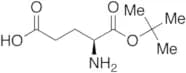
CAS:Controlled Product<p>Applications UDP-3-O-[R-3-Hydroxymyristoyl]-N-[R-3-hydroxymyristoyl] Glucosamine Tris Salt is the salt version of [2(R),3(R)]-P'-[2-Deoxy-3-O-(3-hydroxy-1-oxotetradecyl)-2-[(3-hydroxy-1-oxotetradecyl)amino]-α-D-glucopyranosyl] Ester Uridine 5'-(trihydrogen diphosphate) (CAS 90293-60-0) which can be used in biological study for reconstruction of metabolic network in bovine mammary gland tissue. Potent drug or API metabolite.<br>References Wang, C., et al.: Mol. Biol. Rep., 39, 7311-7318 (2012);<br></p>Formula:C43H77N3O20P2·C4H11NO3Color and Shape:NeatMolecular weight:1139.16L-Glutamic Acid α-tert-Butyl Ester
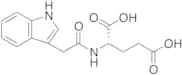
CAS:<p>Applications L-Glutamic Acid α-tert-Butyl Ester is an ester of L-Glutamic Acid used in the synthesis of enantiopure isotopomers of amino acids.<br>References Chauvel, E., et al.: J. Med. Chem., 37, 2950 (1994),<br></p>Formula:C9H17NO4Color and Shape:NeatMolecular weight:203.24Indole-3-acetyl-L-glutamic Acid
CAS:Controlled Product<p>Applications Indole-3-acetyl-L-glutamic Acid is an indole-3-acetyl-amino acid conjugate involved in regulatory mechanisms for the control of auxin activity during physiological and pathophysiological responses.<br>References Ostrowski, M., et al.: J Plant Physiol, 191, 63-72 (2016)<br></p>Formula:C15H16N2O5Color and Shape:NeatMolecular weight:304.3Scleroglucan (Technical Grade)
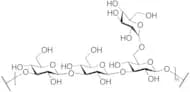
CAS:Controlled Product<p>Applications Scleroglucan is a natural polymer produced by fungi, especially those of the genus Sclerotium. Scleroglucan fluids have been used to trap and treat Cr(VI) in environmental applications.<br>References Brigand, G.: Industrial Gums (Third Edition), pp. 461 (1993); Pensini, E.; et al.: Colloids Surf., A, 559, 191 (2018);<br></p>Formula:C24H40O21Color and Shape:NeatMolecular weight:664.56Lactoferrin
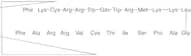
CAS:Controlled Product<p>Applications Lactoferrin is a multifunctional protein of transferin family. A glycoprotein present in various secretions including milk, saliva and tears. Antiviral agent, it binds to liproproteins of cell membranes dispersing virus molecules from host cells.<br>References Sánchez L. et al.: Arch. Dis. CHild., 67, 657 (1992); Harmsen MC. et al.: J. Infect. Dis., 172, 380 (1995);<br></p>Formula:C141H224N46O29S3Color and Shape:NeatMolecular weight:3123.81-Palmitoyl-sn-glycero-3-phosphocholine
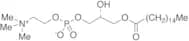
CAS:<p>Applications A lipid biomarker for stable and unstable heart disease.<br>References Gaziano, J., et al.: Circulation, 96, 2520 (1997), Thomas, A., et al.: Anal. Chem., 82, 6687 (2010),<br></p>Formula:C24H50NO7PColor and Shape:White PowderMolecular weight:495.631-Stearoyl-sn-glycerol
CAS:Controlled Product<p>Stability Hygroscopic<br>Applications 1-O-Octadecanoyl-sn-glycerol is a monoacylglycerol (MAG) based saturated fatty acid derivative.<br>References Garcia, P. et al.: J. Sep. Sci., 34, 999 (2011); Takagi, T. et al.: LIpids, 25, 398 (1990);<br></p>Formula:C21H42O4Color and Shape:NeatMolecular weight:358.56Homotaurine
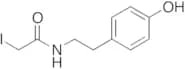
CAS:<p>Applications Important gaba mimetic agent. It evokes neurological responses similar to those elicited by g-aminobutyric acid.<br>References Riv. Farmacol. Ter., 7, 155 (1976), Neuropharmacology, 17, 13 (1978), Br. J. Pharmacol., 59 373 (1977)<br></p>Formula:C3H9NO3SColor and Shape:NeatMolecular weight:139.17N-Iodoacetyltyramine
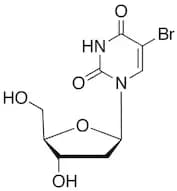
CAS:Controlled Product<p>Applications N-Iodoacetyltyramine is used in iodine-125 labelling of various molecules for chemical analysis.<br>References Lin, C. et al.: Anal. Biochem., 179, 389 (1989);<br></p>Formula:C10H12INO2Color and Shape:NeatMolecular weight:305.115-Bromo-2'-deoxyuridine
CAS:Controlled Product<p>Applications 5-Bromo-2'-deoxyuridine is a thymidine analogue used as a mutagen in genetic research. Selectively incorporated into cellular DNA during S-phase.<br>References Boccadoro, M., et al.: Tumor, 72, 135 (1986), Fivan, A. L.: Flow Cytometry, First Principles, New York, (1992),<br></p>Formula:C9H11BrN2O5Color and Shape:WhiteMolecular weight:307.10Poly(ethylene Glycol) ~400
CAS:<p>Applications Poly(ethylene Glycol) ~400 is a polymer of ethylene oxide with a molecular weight of ~400 Daltons. Poly(ethylene Glycol) ~400 is considered a low molecular weight polyethylene glycol, and is used as a hydrophilic molecular probe for measuring intestinal permeability. Poly(ethylene Glycol) ~400 is also used as a hydrophilic plasticizer.<br>References Lu, E., et al.: J. Control. Release, 92, 375 (2003); Ma, T., et al.: Gastroenterology, 98, 39 (1990)<br></p>Formula:H2O(C2H4O)nColor and Shape:ColourlessMolecular weight:62.071-Hydroxy-4-(p-tolylamino)anthracene-9,10-dione
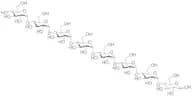
CAS:Controlled ProductFormula:C21H15NO3Color and Shape:NeatMolecular weight:329.35Maltooctaose
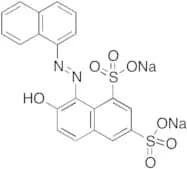
CAS:<p>Applications A novel glucosylation enzyme.<br>References Kuriki, T., et al.: J. Biosci. Bioeng., 87, 557 (1999), Meulenbeld, G., et al.: Biotechnol. Bioeng., 70, 363 (2000), Moon, Y., et al.: J. Agric. Food Chem., 54, 1230 (2006),<br></p>Formula:C48H82O41Color and Shape:NeatMolecular weight:1315.14Crystal Ponceau 6R (Technical Grade)
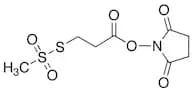
CAS:Controlled ProductFormula:C20H12N2O7S2·2NaColor and Shape:RedMolecular weight:502.43N-Succinimidyloxycarbonylethyl Methanethiosulfonate
CAS:Controlled Product<p>Stability Moisture Sensitive: Desiccate<br>Applications A heterobifunctional sulfhydryl cross-linking reagent.<br></p>Formula:C8H11NO6S2Color and Shape:NeatMolecular weight:281.312-Methylbutyrylglycine
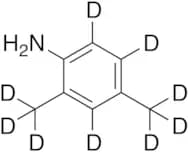
CAS:Controlled Product<p>Applications 2-Methylbutyrylglycine is one of the acylglycines, an important class of metabolites that have been used in the diagnosis of several “inborn errors of metabolism” (IEM).<br>References Costa, C., et al.: J. Pharmaceut. Biomed. Anal., 21, 1215 (2000), Garcia-Villoria, J., et al.: Clin. Biochem., 42, 2 (2009), Scalbert, A., et al.: Metabolomics, 5, 435 (2009),<br></p>Formula:C7H13NO3Color and Shape:NeatMolecular weight:159.182,4-Dimethylaniline-d9
CAS:Controlled Product<p>Applications 4,6-Di(methyl-d3)benzen-2,3,5-d3-amine is a useful isotopically labeled research compound.<br></p>Formula:C8H2D9NColor and Shape:NeatMolecular weight:130.24Malachite Green Oxalate
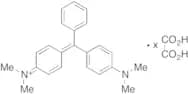
CAS:Controlled Product<p>Applications A triphenylmethane dye with fungicidal and limited antiseptic activity. The term Malachine green applies to the oxalate as well as the chloride. Harmful if swallowed. Avoid release to the environment. Dyes and metabolites.<br> Not a dangerous good if item is equal to or less than 1g/ml and there is less than 100g/ml in the package<br>References Carter, S.G., et al.: J. Biochem. Biophys. Methods, 7, 7 (1982), Saikan, S., et al.: J. Chem. Phys., 79, 4154 (1983), Clemmensen, S., et al.: Arch. Toxicol., 56, 43 (1984),<br></p>Formula:C23H25N2·C2H2O4·2C2HO4Color and Shape:Green To Dark GreenMolecular weight:927.001,2-Dipalmitoyl-rac-glycero-3-phosphoethanolamine
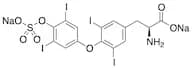
CAS:Controlled Product<p>Applications 1,2-Dipalmitoyl-rac-glycero-3-phosphoethanolamine is a long chain fatty acid, acting as a luminescence marker. Is used in enhancing radiotherapy for cancer treatment<br>References Dotsikas, Y. et al.: Anal. Sci., 28, 753 (2012); Choi, J. et al.: J. Nanomet., 8, 863704, (2012);<br></p>Formula:C37H74NO8PColor and Shape:NeatMolecular weight:691.96Thyroxine 4’-O-Sulfate Disodium Salt
<p>Applications Thyroxine 4’-O-Sulfate Disodium Salt, is a metabolite and sulfoconjugated derivative of Thyroxine (T425600).<br></p>Formula:C15H9I4NNa2O7SColor and Shape:NeatMolecular weight:900.9Andrographolide
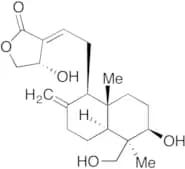
CAS:Controlled Product<p>Applications Andrographolide is a labdane diterpenoid (2). Andrographolide is the main bioactive component isolated from the medicinal plant Andrographis paniculata (2). Andrographolide showed significant antihepatotoxic action in P. berghei K173-induced hepatic damage in M. natalensis(1). Andrographolide inhibits tumor necrosis factor-α (TNF-α)-induced intercellular adhesion mol.-1 (ICAM-1) expression and adhesion of HL-60 cells onto human umbilical vein endothelial cells (HUVEC), which are associated with inflammatory diseases (2). These findings suggest that Andrographolide may have potential as a cardiovascular-protective agent.<br>References (1) Chander, R. et al.: Int. J. Pharmacog. (1995) 33, 135-8 (2) Chen, H.-W. et al.: J. Nat. Prod. (2011) 74, 2408-13<br></p>Formula:C20H30O5Color and Shape:NeatMolecular weight:350.45rac cis-9,10-Epoxystearic Acid
CAS:Controlled Product<p>Applications An epoxy fatty acid found in Pneumocystis carinii lipids.<br>References Gibson, G., et al.: Xenobiotica, 19, 1123 (1989), Pellegrini, L., et al.: Plant Physiol., 103, 509 (1993), Scheller, U., et al.: J. Biol. Chem., 273, 32528 (1998), Tijet, N., et al.: Biochem. J., 332, 583 (1998),<br></p>Formula:C18H34O3Color and Shape:NeatMolecular weight:298.46Menaquinone 7, Synthetic (90%)
CAS:<p>Stability Light and Temperature Sensitive<br>Applications Menaquinones are isoprenoid quinones of the naphthalene series and belongs to the K2 Vitamin homologs. Menaquinones were originally discovered as the anti-hemorrhagic factor and now encompasses a variety of physiological processes. Menaquinone 7 belongs to the class of K2-Vitamins homologs. Menaquinone 7 has been identified as the most bioactive cofactor for the carboxylation reaction of Gla-proteins such as osteocalcin and matrix-Gla protein, which plays a crucial role in building and maintaining overall bone health.<br>References Hugenholtz, P., et al.: J. Bacteriol., 180, 4765 (1998), Ginet, N., et al.: Biochemistry, 40, 1812 (2001), Cape, J., et al.: J. Biol. Chem., 280, 34654 (2005),<br></p>Formula:C46H64O2Purity:90%Color and Shape:Light YellowMolecular weight:649.00(±)-3-Amino-iso-butyric-2,3,3-d3 Acid
CAS:Controlled Product<p>Applications (±)-3-Amino-iso-butyric-2,3,3-d3 Acid is the labeled version of DL-3-Aminoisobutyric Acid (A603043(P)), which is a useful compound for suppressing atherosclerosis in apolipoprotein E-knockout mouse.<br>References Shimba, Y., et al.: Bio. Pharma. Bull., 43, 1016 (2020)<br></p>Formula:C4D3H6NO2Color and Shape:White To Off-WhiteMolecular weight:106.1416-Methanethiosulfonyl Hexadecanoic Acid
CAS:Controlled Product<p>Applications A sulfhydryl cross-linking reagent.<br></p>Formula:C17H34O4S2Color and Shape:NeatMolecular weight:366.58NF 279
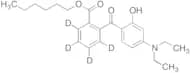
CAS:<p>Applications NF 279 is a potent and selective P2X1 antagonist.<br>References Kassack, M., et al.: Eur. J. Med. Chem., 39, 345 (2004); Damer, S., et al.: Eur. J. Pharm., 350, R5 (1998); Rettinger, J., et al.: Neuropharm., 39, 2044 (2000)<br></p>Formula:C49H30N6O23S6·6NaColor and Shape:NeatMolecular weight:1401.12Uvinul A Plus-d4
CAS:Controlled Product<p>Applications Uvinul A Plus-d4 is the labelled compound of Uvinul A Plus(U850300) which is a component of cosmetic emulsion with UV protection.<br>References Chang, M., et al.: J. Food Drug Anal., 9, 199 (2001), Simeoni, S., et al.: J. Pharm. Biomed. Anal., 38, 250 (2005), Vielhaber, G., et al.: Photochem. Photobiol. Sci., 5, 275 (2006), Lee, S., et al.: J. Cosmet. Sci., 59, 469 (2008),<br></p>Formula:C24D4H27NO4Color and Shape:NeatMolecular weight:401.53196-[(4-Nitrobenzyl)thio]-9-β-D-ribofuranosylpurine-5’-monophosphate, Disodium Salt
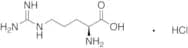
CAS:Controlled Product<p>Applications Used in therapy of mouse leukemia L1210 in combinations with Nebularin and Nitrobenzylthioinosine 5’-monophosphate.<br>References Anderson, C., et al.: Neurosci. Lett., 219, 191 (1996), Allay, J., et al.: Nat. Med., 4, 1136 (1998),<br></p>Formula:C17H16N5Na2O9PSColor and Shape:NeatMolecular weight:543.36L-Arginine Hydrochloride
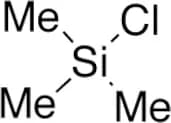
CAS:<p>Applications An essential amino acid for human development. Precursor for nitric oxide. Ammonia detoxicant (hepatic failure); diagnostic aid (pituitary function).<br>References Miura, T., et al.: Anal. Biochem., 139, 432 (1984), Jones, et al.: Adv. Enzyme Regul., 9, 19 (1970), Borders, C.L., et al.: Protein. Sci., 3, 541 (1994),<br></p>Formula:C6H14N4O2·ClHColor and Shape:NeatMolecular weight:210.66Chlorotrimethylsilane
CAS:<p>Stability Moisture Sensitive<br>Applications Chlorotrimethylsilane have been used in the preparation of volatile derivatives of a wide range of compounds for GC analysis. Chlorotrimethylsilane has been used for silylation and as a protection group in the process of various organic synthesis.<br> E0<br>References Casimiro, M., et al.: Org. Lett., 15, 2378 (2013); Lifchits, O., et al.: J. Am. Chem. Soc., 135, 6677 (2013);<br></p>Formula:C3H9ClSiColor and Shape:NeatMolecular weight:108.6410-Hydroxy-2-decenoic acid
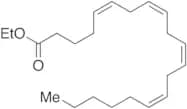
CAS:<p>Applications 10-Hydroxy-2-decenoic acid<br></p>Formula:C10H18O3Color and Shape:WhiteMolecular weight:186.25Ethyl Arachidonate
CAS:Controlled Product<p>Applications Arachidonic acid (AA) is an unsaturated omega-6 fatty acid constituent of the phospholipids of cell membranes. Phospholipase A2 releases AA from the membrane phospholipids in response to inflammation.<br>References Peterson, J., et al.: J. Pediatr., 152, 788 (2008), Pichini, S., et al.: J. Pharm. Biomed. Anal., 48, 927 (2008),<br></p>Formula:C22H36O2Color and Shape:NeatMolecular weight:332.52Dexamethasone Phosphate
CAS:<p>Applications A pro-drug of Dexamethasone (D298800), an anti-inflammatory glucocorticoid. It was found that liposomal DXM-P inhibited both chronic inflammation and joint destruction, whereas free DXM-P failed to prevent joint destruction.<br>References Kodelja, V., et al.: J. Immunol., 160, 1411 (1998), Metselaar, J., et al.: Arthritis Rheum., 48, 2059 (2003), Buttgereit, F., et al.: Arthritis Rheum., 50, 3408 (2004), Martinez, F., et al.: Front Biosci., 13, 453 (2008),<br></p>Formula:C22H30FO8PColor and Shape:White To Light BrownMolecular weight:472.44Solvent Red 25 (Technical Grade)
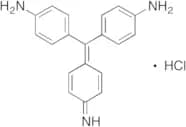
CAS:Controlled Product<p>Applications Solvent Red 25 (cas# 3176-79-2) is a useful research chemical. Dyes and metabolites, Environmental Testing.<br></p>Formula:C24H20N4OColor and Shape:Dark RedMolecular weight:380.44Pararosaniline Hydrochloride
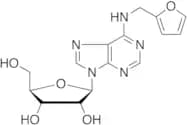
CAS:Controlled Product<p>Applications Pararosaniline Hydrochloride is a red dye used for textiles. Dyes and metabolites, Environmental Testing.<br>References Abadulla, E., et al.: Appl. Environ. Microbiol., 66, 3357 (2000); Nyanhongo, G., et al.: Water Res., 36, 1449 (2002);<br></p>Formula:C19H17N3·ClHColor and Shape:NeatMolecular weight:323.82Kinetin Riboside
CAS:Controlled Product<p>Applications Used as an anticancer and antiviral agent.<br>References Cancer Res., 20, 1362 (1960), Virology, 38, 26 (1969),<br></p>Formula:C15H17N5O5Color and Shape:NeatMolecular weight:347.3322b-Hydroxy Cholesterol
CAS:Controlled Product<p>Applications The 22S-metabolite of Cholesterol (C432501). 22-Hydroxycholesterol inhibits chemokine receptor activity.<br>References Samson, M., et al.: J. Biol. Chem., 272, 24934 (1997), Mackay, C., et al.: Nature Immunol., 2, 95 (2001), Navenot, J., et al.: J. Mol. Biol., 313, 1181 (2001),<br></p>Formula:C27H46O2Color and Shape:Off White SolidMolecular weight:402.65N-Acetyl-L-alanine
CAS:Controlled Product<p>Applications N-Acetyl-L-alanine is used as a biomarker for prostate cancer.<br>References Jansen, R., et al.: Clin. Biochem., 38, 362 (2005),<br></p>Formula:C5H9NO3Color and Shape:NeatMolecular weight:131.13(2R)-3-Amino-2-fluoropropanoic Acid-13C3
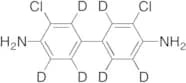
CAS:Controlled ProductFormula:C3H6FNO2Color and Shape:NeatMolecular weight:110.063,3'-Dichlorobenzidine-d6
CAS:Controlled Product<p>Applications 3,3'-Dichlorobenzidine-d6 is an isotope analog of 3,3'-Dichlorobenzidine. 3,3'-Dichlorobenzidine, is structurally similar to Benzidine (B121000), and thus is considered a carcinogen. It can be used in the production of azo dyes. Dyes and metabolites, Environmental Testing<br> Not a dangerous good if item is equal to or less than 1g/ml and there is less than 100g/ml in the package<br>References Min, Zh., et al.: Chem. Res. Toxic., 26, 741 (2013); Rainer, F., et al.: Mutation Research, Fundamental and Molecular Mechanisms of Mutagenesis, 691, 27 (2010);<br></p>Formula:C122H6H4Cl2N2Color and Shape:Light Brown SolidMolecular weight:259.16Nicotianamine
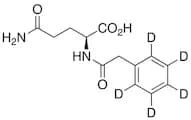
CAS:Controlled Product<p>Applications Phytosiderophores are produced in higher plants as iron chelating amino acids that promote uptake of iron from soil.<br>References Klair, S., et al.: J. Plant Nutr., 19, 1295 (1996),<br></p>Formula:C11H19N3O6Color and Shape:NeatMolecular weight:289.29Phenylacetyl-d5 L-Glutamine
CAS:Controlled Product<p>Applications It is used as labelled biomarker for metabolic age.<br>References Selmer, T., et al.: Eur. J. Biochem., 268, 1363 (2001), Connelly, J., et al.: Drug Metab. Dispos., 30, 1357 (2002), Lindon, J., et al.: Pharm. Res., 23, 1075 (2006), Monteagudo, E., et al.: Xenobiotica, 37, 1000 (2007),<br></p>Formula:C13D5H11N2O4Color and Shape:Off-White To Light YellowMolecular weight:269.31N-5-Carboxypentyl-1-deoxynojirimycin
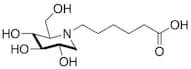
CAS:Controlled Product<p>Applications Ligand used for the preparation of an affinity resin highly specific for glucosidase I purification. Glucosidase I is involved in the post-translational processing of N-linked glycoproteins.<br>References HettKamp, H., et al.: Eur. J. Biochem., 142, 85 (1984); Shailubhai, K., et al.: Biochem. J., 247, 555 (1987); Bause, E., et al.: FEBS, 278, 167 (1991)<br></p>Formula:C12H23NO6Color and Shape:Off White CrystallineMolecular weight:277.31Carbamoyl-guanidine Amidino Urea
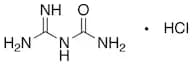
CAS:Controlled Product<p>Applications Carbamoyl-guanidine Amidino Urea Salt, Hydrochloride salt (cas# 926-72-7) is a compound useful in organic synthesis.<br></p>Formula:C2H6N4O·ClHColor and Shape:NeatMolecular weight:138.56Demethyldihydrolanosterol
CAS:Controlled Product<p>Applications Demethyldihydrolanosterol, is a derivative of Lanosterol (L174580). It is also a sterol that activate oocyte meiosis.<br>References Byskov, A., et al.: Nature (London), 374, 559 (1995); Ma, L., et. al.: Food Chem., 139, 503 (2013);<br></p>Formula:C29H50OColor and Shape:NeatMolecular weight:414.714,5-Bis(chloromethyl)-1,3-dioxol-2-one
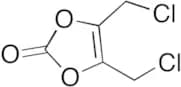
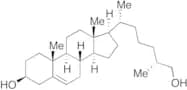
CAS:<p>Stability Moisture Sensitive<br>Applications 4,5-Bis(chloromethyl)-1,3-dioxol-2-one is an impurity of Olmesartan Medoxomil (O550000), which is an angiotensin II receptor antagonist. Used as an anti-hypertensive.<br>References Yanagisawa, H., et al.: J. Med. Chem., 39, 323 (1996), Puchler, K., et al.: J. Hypertens., 15, 1809 (1997),<br></p>Formula:C5H4Cl2O3Color and Shape:NeatMolecular weight:182.9896(25R)-26-Hydroxycholesterol
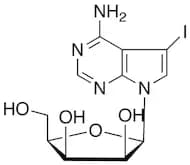
CAS:Controlled Product<p>Applications (25R)-26-Hydroxycholesterol is a desmosterol metabolite that is found in the brain. 26-Hydroxycholesterol has been used as a biomarker for carbon cycling in the northwestern Mediterranean Sea.<br>References Meljon, A., et. al.: J. Lipid Res., 53, 2469 (2012); Christodoulou, S., et. al.: Marine Chem., 113, 25 (2009)<br></p>Formula:C27H46O2Color and Shape:NeatMolecular weight:402.6525-Iodotubercidin
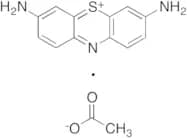
CAS:Controlled Product<p>Stability Store tightly sealed at 4°C; Light Sensitive<br>Applications 5-Iodotubercidin is an analogue of the antibiotic tubercidin, a pyrrolo[2,3-d]pyrimidine nucleoside antibiotic (1,2,3). A potent inhibitor of adenosine kinase from rat or guinea pig brain. Inhibits uptake of 3H-adenosine into brain slices. 5-Iodotubercidin is a nucleoside transporters inhibitor.<br>References (1) Long, M. and Parker, W. B.: Biochem. Pharmacol., 71, 1671 (2006) (2) Bonilla-Santiago, R., et al.: Mol. Biochem. Parasitol., 162, 149 (2008) (3) Caballero, J., et al.: Bioorg. Med. Chem., 16, 5103 (2008)<br></p>Formula:C11H13IN4O4Color and Shape:NeatMolecular weight:392.15Thionin Acetate Salt
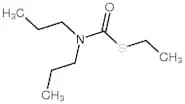
CAS:Controlled Product<p>Applications Thionin Acetate Salt is a metachromic cationic histology dye. It can also be used in biological use and engineering or chemical process of controlled design and fabrication of SERS-SEF multifunctional nanoparticles for nanoprobe applications. Dyes and metabolites.<br>References Chang, S., et al.: J Phys Chem C, (2017)<br></p>Formula:C12H10N3S•C2H3O2Color and Shape:PurpleMolecular weight:287.33EPTC
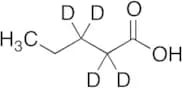
CAS:Controlled Product<p>Stability Hygroscopic<br>Applications EPTC is a pesticide, S-Ethyl-N,N-dipropylthiocarbamate<br></p>Formula:C9H19NOSColor and Shape:Light YellowMolecular weight:189.32Pentanoic-2,2,3,3-d4 Acid
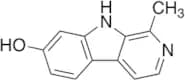
CAS:Controlled Product<p>Applications Pentanoic-2,2,3,3-d4 Acid (CAS# 1219804-71-3) is a useful isotopically labeled research compound.<br></p>Formula:C5D4H6O2Color and Shape:ColourlessMolecular weight:106.16Harmol
CAS:Controlled Product<p>Applications Harmol (cas# 487-03-6) is a useful research chemical.<br></p>Formula:C12H10N2OColor and Shape:Light BeigeMolecular weight:198.22Isovaleryl L-Carnitine Chloride
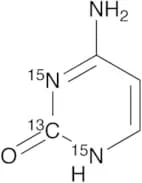
CAS:Controlled Product<p>Applications Isovaleryl L-Carnitine Chloride is used to prepare carnitine benzyl esters as neuroprotectant prodrugs.<br>References Gong, X., et al.: J. Chem. Res., 6, 327 (2008)<br></p>Formula:C12H24ClNO4Color and Shape:NeatMolecular weight:281.78Cytosine-13C,15N2
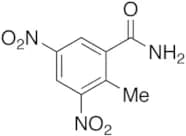
CAS:Formula:CC3H515N2NOColor and Shape:Off-White To Light YellowMolecular weight:114.08Zoalene
CAS:<p>Applications A fodder additive for poultry used to prevent coccidiosis infections. Antiprotozoan drug.<br>References Morrison, W.D. et al.: Poult. Sci., 46, 391 (1967); Davis, J.L. et al.: Vet. Pharmacol. Therap., 9, 1145 (2009);<br></p>Formula:C8H7N3O5Color and Shape:WhiteMolecular weight:225.16Potassium p-Nitrophenyl Sulphate
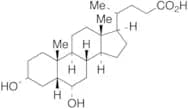
CAS:<p>Applications Potassium p-Nitrophenyl Sulphate (cas# 6217-68-1) is a compound useful in organic synthesis.<br></p>Formula:C6H4NO6S·KColor and Shape:NeatMolecular weight:257.26α-Hyodeoxycholic Acid
CAS:Controlled Product<p>Applications α-Hyodeoxycholic Acid is isolated from pig bile. Antitumor agent.<br>References Abadie, C., et al.: Biochem. J., 299, 725 (1994), Taniguchi, T., et al.: J. Biol. Chem., 269, 10071 (1994), Davis, R., et al.: J. Lipid Res., 43, 533 (2002),<br></p>Formula:C24H40O4Color and Shape:NeatMolecular weight:392.57Azulene
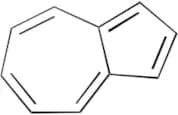
CAS:<p>Applications Azulene is an isomer of napthalene visibly identifiable by its dark blue hue. As such it is used in the preparation of dyes.<br> Not a dangerous good if item is equal to or less than 1g/ml and there is less than 100g/ml in the package<br>References Stirling, A. et al.: ChemPhysChem, 5, 1558 (2004); Zhang, X. et al.: J. Mat. Chem., 17, 642 (2007);<br></p>Formula:C10H8Color and Shape:NeatMolecular weight:128.172-(Hydroxyamino)acetic Acid
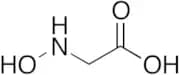
CAS:Controlled Product<p>Applications 2-(Hydroxyamino)acetic Acid is a novel lactase inhibitor.<br>References Hattori, M., et al.: J. Insect Physiol., 51, 1359 (2005); Murao, S., et al.: Biosci. Biotech. Biochem., 56, 987 (1992)<br></p>Formula:C2H5NO3Color and Shape:NeatMolecular weight:91.07













![UDP-3-O-[R-3-Hydroxymyristoyl]-N-[R-3-hydroxymyristoyl] Glucosamine Tris Salt](/_next/image/?url=https%3A%2Fstatic.cymitquimica.com%2Fproducts%2FTR%2Fthumb-webp%2FU250535.webp&w=3840&q=75)










![6-[(4-Nitrobenzyl)thio]-9-β-D-ribofuranosylpurine-5’-monophosphate, Disodium Salt](/_next/image/?url=https%3A%2Fstatic.cymitquimica.com%2Fproducts%2FTR%2Fthumb-webp%2FN495770.webp&w=3840&q=75)