Biochemicals and Reagents
Biochemicals and reagents are fundamental substances for research and development in fields such as biotechnology, molecular biology, pharmacology, and medicine. These products are essential for a variety of applications, including compound synthesis, biological sample analysis, metabolic process research, and drug production. At CymitQuimica, we offer a wide selection of high-quality, high-purity biochemicals and reagents suitable for various scientific and industrial needs. Our catalog includes enzymes, antibodies, nucleic acids, amino acids, and many other products, all designed to support researchers and professionals in their research and development projects, ensuring reliable and reproducible results.
Subcategories of "Biochemicals and Reagents"
- Biomolecules(99,185 products)
- By Biological Target(99,150 products)
- By Pharmacological Effects(6,789 products)
- Cryopreservatives(21 products)
- Desinfectants and Related Compounds(28 products)
- Hormones(346 products)
- Plant Biology(6,764 products)
- Secondary Metabolites(14,307 products)
Found 130581 products of "Biochemicals and Reagents"
Sort by
Purity (%)
0
100
|
0
|
50
|
90
|
95
|
100
CD30 antibody (biotin)
<p>CD30 antibody (biotin) was raised in hamster using recombinant murine CD30 extracellular domain-mouse IgG1 fusion protein as the immunogen.</p>Purity:Min. 95%Molecular weight:0 g/molCD107b antibody (FITC)
<p>CD107b antibody (FITC) was raised in mouse using human CD107b/LAMP-2 as the immunogen.</p>Purity:Min. 95%Molecular weight:0 g/molQPCTL Blocking Peptide
<p>A synthetic peptide for use as a blocking control in assays to test for specificity of QPCTL antibody, catalog no. 70R-7419</p>Purity:Min. 95%CD147 antibody (PE)
<p>CD147 antibody (PE) was raised in mouse using human T cell line Molt 13 as the immunogen.</p>Purity:Min. 95%Molecular weight:0 g/molCD11a antibody (PE)
<p>CD11a antibody (PE) was raised in mouse using human CD11a (LFA-1a) as the immunogen.</p>Purity:Min. 95%Molecular weight:0 g/molCD20 antibody (PE-CY7)
<p>CD20 antibody (PE) was raised in mouse using human CD20 as the immunogen.</p>Purity:Min. 95%Molecular weight:0 g/molCD16 antibody (Allophycocyanin)
<p>CD16 antibody (Allophycocyanin) was raised in rat using murine CD16/32 (CD16/Fc gamma II and CD32/Fc gamma III receptors)</p>Purity:Min. 95%Molecular weight:0 g/molCD38 antibody (biotin)
<p>CD38 antibody (biotin) was raised in rat using CD38 as the immunogen.</p>Purity:Min. 95%Molecular weight:0 g/molCD18 antibody (biotin)
<p>CD18 antibody (biotin) was raised in rat using cell membrane lysates derived from murine T cell lymphoma BW5147 as the immunogen.</p>Purity:Min. 95%Molecular weight:0 g/molRPS16 Blocking Peptide
<p>A synthetic peptide for use as a blocking control in assays to test for specificity of RPS16 antibody, catalog no. 20R-1083</p>Purity:Min. 95%ZNF41 Blocking Peptide
<p>A synthetic peptide for use as a blocking control in assays to test for specificity of ZNF41 antibody, catalog no. 70R-8765</p>Purity:Min. 95%POGZ Blocking Peptide
<p>A synthetic peptide for use as a blocking control in assays to test for specificity of POGZ antibody, catalog no. 20R-1216</p>Purity:Min. 95%Ornithine decarboxylase antibody
<p>The Ornithine decarboxylase antibody is a family kinase inhibitor that belongs to the group of antibodies. It is specifically designed to target and inhibit the activity of ornithine decarboxylase, an enzyme involved in polyamine synthesis. This antibody can be used in various research applications in the life sciences field, including studying the role of ornithine decarboxylase in cellular processes such as cell growth, proliferation, and differentiation.</p>PSMC4 Blocking Peptide
<p>A synthetic peptide for use as a blocking control in assays to test for specificity of PSMC4 antibody, catalog no. 70R-4333</p>Purity:Min. 95%[Asu1,6]-Oxytocin
CAS:<p>Oxytocin is a peptide hormone and neurotransmitter. It is primarily used in the brain to regulate social behavior, such as maternal behaviour, sexual arousal and romantic attachment. Oxytocin is also used for uterine contractions during childbirth and to induce labour. Oxytocin can be administered by injection or as nasal spray. It has a half-life of about two minutes in the blood stream and its effects last up to one hour. Oxytocin is a nonapeptide with the amino acid sequence: Cys-Tyr-Ile-Gln-Asn-Cys-Pro-Arg-Gly-Leu-Met-(OH). The oxytocin receptor (OXTR) belongs to G protein coupled receptors (GPCR), which are known for their roles in cell signaling, oncogenesis, immunity, inflammation, pain sensation and endocrine regulation. The OXTR is expressed throughout the body including the uterus and vagina.</p>Formula:C45H69N11O12Purity:Min. 95%Molecular weight:956.1 g/mol1,2-Di-o-tetradecyl-sn-glycero-3-phosphocholine
CAS:<p>1,2-Di-o-tetradecyl-sn-glycero-3-phosphocholine is a phospholipid that is a natural constituent of cell membranes. It has been shown to have a specific interaction with the antimicrobial peptide, dipole, and trehalose. 1,2-Di-o-tetradecyl-sn-glycero-3-phosphocholine has been shown to have an acidic monolayer structure and hydration properties. This lipid has also been shown to form the hydrated monolayer in the presence of styryl dye and to inhibit radical activity. 1,2-Di-oMtadecylphosphocholine is also used as an ingredient in microscopy applications due to its ability to produce contrast under polarized light.</p>Formula:C36H77NO6PPurity:Min. 95%Molecular weight:651 g/molAmylin (Rat) Antiserum
<p>Amylin (Rat) Antiserum is a protein that is used as an inhibitor in research. It is also a ligand for the insulin receptor and can be used to study its activity. Amylin (Rat) Antiserum binds to the extracellular domain of the receptor and blocks it from binding to insulin. This prevents the activation of downstream signalling pathways, which are responsible for glucose uptake and metabolism. Amylin (Rat) Antiserum can be used as a research tool to study ion channels due to its ability to block potassium channels. The antibody has been shown to bind with high purity with little cross-reactivity in immunoassays, making it ideal for use in laboratories.</p>Purity:Min. 95%EPGN Human
<p>EPGN Human is a research tool that is an activator, ligand, and receptor. It is also used in Cell Biology as an antibody and an ion channel. EPGN Human is used in pharmacology as a peptide. EPGN Human has high purity and can be used in Life Science for protein interactions or as an inhibitor.</p>Purity:Min. 95%TGF b 1 Human
<p>TGF-β is a cytokine with two forms, TGF-β1 and TGF-β2. The tgf-beta protein is a molecule that controls cell growth, differentiation and apoptosis. It can be found in the desiccated state, which must be reconstituted before use. Reconstitution of the protein requires acetonitrile and trifluoroacetic acid. Cytokines are molecules that regulate cell behavior by acting on other cells. Chromatographic techniques are used to separate these molecules by size and charge, while growth factors are molecules that promote cell growth and differentiation. The experimentally determined molecular mass of TGF-β1 is 25 kDa.END></p>Purity:Min. 95%N-(4-(Trifluoromethyl)oxazol-2-yl)-9H-xanthene-9-carboxamide
CAS:<p>N-(4-(Trifluoromethyl)oxazol-2-yl)-9H-xanthene-9-carboxamide is a novel, low expression, partial agonist for the α receptor. It has been shown to have an inhibitory effect on glutamate release and has been successfully used to reverse drug induced excitotoxicity in mice. N-(4-(Trifluoromethyl)oxazol-2-yl)-9H-xanthene-9-carboxamide also enhances allosteric modulation at the α receptor with a high affinity for this site. This compound has also been shown to have a pharmacological effect on brain cells and may be useful as a treatment for neurodegenerative disorders.</p>Formula:C18H11F3N2O3Purity:Min. 95%Molecular weight:360.3 g/molAnti Atrial Natriuretic Peptide (ANP) (Rat) Serum
<p>Anti Atrial Natriuretic Peptide (ANP) (Rat) Serum is a research tool for studying the pharmacology of ANP. It is an activator of ion channels and the receptor for ANP, which regulates water balance in the body. It has also been shown to be a ligand for antibody, used in pharmacology to study protein interactions. This serum is used as a research tool in Cell Biology to study the effects of ligands on membrane ion channels and receptors. Anti Atrial Natriuretic Peptide (ANP) (Rat) Serum is purified from rat serum with high purity.</p>Purity:Min. 95%Des-Asp1-[Ile8]-Angiotensin II
CAS:<p>Des-Asp1-[Ile8]-Angiotensin II is an artificial peptide that has been shown to activate the angiotensin receptor. It is a high purity, potent inhibitor of angiotensin II. This peptide is also suitable for research and antibody production.</p>Formula:C43H68N12O9Purity:Min. 95%Molecular weight:897.08 g/molFAM3C Blocking Peptide
<p>A synthetic peptide for use as a blocking control in assays to test for specificity of FAM3C antibody, catalog no. 70R-6730</p>Purity:Min. 95%YWHAQ antibody
<p>YWHAQ antibody was raised in rabbit using the N terminal of YWHAQ as the immunogen</p>IVD antibody
<p>IVD antibody is a reactive growth factor that belongs to the class of monoclonal antibodies. It specifically targets cysteine-rich proteins and can be used to detect autoantibodies in various assays. The IVD antibody has high affinity for tumor necrosis factor-alpha (TNF-α), a glycoprotein involved in inflammation and immune response. This antibody can be used in immunohistochemistry, Western blotting, and other techniques such as electrophoresis to study protein expression and localization. Additionally, the IVD antibody has been shown to modulate transmembrane conductance and act as an angiogenic inducer by targeting chemokines and activated cells. Overall, this versatile monoclonal antibody offers a valuable tool for researchers studying various biological processes and diseases.</p>(±)8(9)-DiHETE
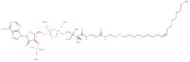
CAS:<p>(±)8(9)-DiHETE is an analog that has shown potent anticancer activity in various tumor models. It acts as an inhibitor of human cancer cell growth by blocking the activity of kinases, which are enzymes that play a critical role in cell proliferation and survival. This compound has been tested in Chinese hamster ovary cells and has been found to induce apoptosis, or programmed cell death, in these cells. (±)8(9)-DiHETE is a promising medicinal compound for the development of kinase inhibitors for the treatment of cancer. Its potential as an anticancer agent is being investigated further, and it holds great promise for future treatments targeting this disease.</p>Formula:C20H32O4Purity:Min. 95%Molecular weight:336.5 g/mol1,2-Dioleoyl-rac-glycerol-13C3
CAS:<p>Please enquire for more information about 1,2-Dioleoyl-rac-glycerol-13C3 including the price, delivery time and more detailed product information at the technical inquiry form on this page</p>Formula:C39H72O5Purity:Min. 95%Molecular weight:624 g/mol17(R)-Resolvin d1 methyl ester
CAS:<p>Please enquire for more information about 17(R)-Resolvin d1 methyl ester including the price, delivery time and more detailed product information at the technical inquiry form on this page</p>Formula:C23H34O5Purity:Min. 95%Molecular weight:390.5 g/molAziridinomitosene
CAS:<p>Aziridinomitosene is an analog of mitomycin C, a potent anticancer drug. It induces apoptosis in cancer cells by cross-linking DNA strands and inhibiting DNA synthesis. Aziridinomitosene also inhibits elastase activity, which is involved in the degradation of extracellular matrix proteins and is associated with tumor invasion and metastasis. This drug has been shown to be a potent inhibitor of various kinases, including Chinese hamster ovary cell kinase, human epidermal growth factor receptor kinase, and protein kinase C. Aziridinomitosene has demonstrated significant antitumor activity in various animal models, including lung cancer and colon cancer. Urinary excretion of this drug is rapid and complete within 48 hours after administration.</p>Formula:C16H17N3O5Purity:Min. 95%Molecular weight:331.32 g/molIN-JU 873
CAS:<p>Please enquire for more information about IN-JU 873 including the price, delivery time and more detailed product information at the technical inquiry form on this page</p>Formula:C19H15ClF3N3O5Purity:Min. 95%Molecular weight:457.8 g/molH-Cys-Asp-Pro-Gly-Tyr-Ile-Gly-Ser-Arg-OH trifluoroacetate
CAS:<p>Please enquire for more information about H-Cys-Asp-Pro-Gly-Tyr-Ile-Gly-Ser-Arg-OH trifluoroacetate including the price, delivery time and more detailed product information at the technical inquiry form on this page</p>Formula:C40H62N12O14S•(C2HF3O2)xPurity:Min. 95%δ-Amyrin
CAS:Controlled Product<p>δ-Amyrin is a β-amyrin, a triterpene alcohol that is present in plants. It has been suggested to have anti-inflammatory properties and to inhibit lipoprotein lipase activity. δ-Amyrin is found in the leaves of Capsicum annuum (red pepper) and can be extracted with a solvent or by chemical ionization. The compound has been shown to react with carbonyl groups and fatty acids, suggesting it may act as an antioxidant. δ-Amyrin has also been shown to inhibit the growth of murine hepatoma cells through the transcription-polymerase chain reaction (PCR).</p>Formula:C30H50OPurity:Min. 95%Molecular weight:426.7 g/molβ-Cortolone
CAS:Controlled Product<p>β-Cortolone is a synthetic drug that is used to treat high blood pressure. It has been shown to reduce the risk of death from cancer in women, and may be a potential biomarker for bladder cancer. β-Cortolone binds with high affinity to corticosteroid receptors, which are expressed in many different tissues. This binding can lead to the release of inflammatory mediators and has been linked to increased risk of cardiovascular disease, osteoporosis, and diabetes. β-Cortolone may also have metabolic effects on the kidneys, liver, or brain cells.</p>Formula:C21H34O5Purity:Min. 95%Molecular weight:366.5 g/mol17(R)-Resolvin d4
CAS:<p>17(R)-Resolvin d4 is an analog of the protein Resolvin D1 that has been shown to have potent anticancer properties. It acts as an inhibitor of cancer cell growth and induces apoptosis in tumor cells. This compound has been found to be effective against a variety of human cancers, including breast, lung, and prostate cancer. In addition to its anticancer activity, 17(R)-Resolvin d4 has also been shown to inhibit the activity of several kinases involved in cancer progression. This compound is excreted in urine and has been used in traditional Chinese medicine for its medicinal properties. Overall, 17(R)-Resolvin d4 is a promising candidate for the development of novel anticancer therapies.</p>Formula:C22H32O5Purity:Min. 95%Molecular weight:376.5 g/mol13,14-Dihydroxydocosahexaenoic acid
CAS:<p>13,14-Dihydroxydocosahexaenoic acid (13,14-DHDP) is a potent anticancer agent that has been shown to inhibit tumor growth in humans. It acts as an inhibitor of cancer cell kinase, leading to apoptosis and cell death. This compound has been found to inhibit protein kinases involved in cancer cell proliferation and survival. 13,14-DHDP is an analog of docosahexaenoic acid (DHA), which is a fatty acid commonly found in fish oil and Chinese medicinal herbs. This compound has been detected in human urine and has shown promising results as a potential therapeutic agent for cancer treatment. The use of 13,14-DHDP may offer new opportunities for the development of kinase inhibitors as effective cancer treatments.</p>Formula:C22H32O4Purity:Min. 95%Molecular weight:360.5 g/mol15-Ketocholestane
CAS:Controlled Product<p>15-Ketocholestane is a fatty acid that is synthesized from cholesterol in mammalian cells. It is derived from cholesterol through the action of cholesterol esterase and can be used to study cholesterol synthesis and metabolism. 15-Ketocholestane has been shown to inhibit the activity of cytosolic proteins, such as fatty acid synthase, which are involved in the biosynthesis of fatty acids. This may be due to its ability to compete with coenzyme A (CoA) for binding sites on the enzyme. 15-Ketocholestane has also been shown to inhibit the activity of oxysterols, which are intermediates in cholesterol biosynthesis, by binding to them and preventing their conversion into other products.</p>Formula:C27H46O2Purity:Min. 95%Molecular weight:402.7 g/moldPEG®4 SATA (S-Acetyl-dPEG®4 NHS Ester)
CAS:<p>dPEG®4 SATA (S-Acetyl-dPEG®4 NHS Ester) is a PEG compound with two different functional groups (also known as heterobifunctional). Unlike homobifunctional PEG compounds (same functional group on both ends), this type of compounds are more versatile as have two different anchor points. dPEG®4 SATA (S-Acetyl-dPEG®4 NHS Ester) is used as a linker and spacer to add a PEG moiety, via pegylation (a bioconjugation technique) to proteins, peptides, oligonucleotides, small molecules and nanoparticles.</p>Formula:C17H27NO9SPurity:Min. 95%Molecular weight:421.46 g/molTFP-dPEG®4-Biotinidase Resistant Biotin
CAS:<p>TFP-dPEG®4-Biotinidase Resistant Biotin is a PEG compound with two different functional groups (also known as heterobifunctional). Unlike homobifunctional PEG compounds (same functional group on both ends), this type of compounds are more versatile as have two different anchor points. TFP-dPEG®4-Biotinidase Resistant Biotin is used as a linker and spacer to add a PEG moiety, via pegylation (a bioconjugation technique) to proteins, peptides, oligonucleotides, small molecules and nanoparticles.</p>Formula:C38H51N3O12S2Purity:Min. 95%Molecular weight:805.96 g/molEF-5
CAS:<p>EF-5 is a cellular transforming agent that induces tumor formation in experimental animals. It is used to investigate the mechanism of hypoxic cell transformation, as well as for the treatment of infectious diseases. EF-5 has been shown to inhibit tumor growth by binding to DNA and inhibiting transcription and replication. EF-5 also stimulates the immune system by binding to human immunoglobulin G (IgG) and stimulating the production of antibodies against tumors. EF-5 binds to nucleic acids, including DNA, RNA, or single stranded DNA or RNA, with a high affinity and specificity. EF-5 is also used in radiation therapy for carcinoma cell lines.</p>Formula:C8H7F5N4O3Purity:Min. 95%Molecular weight:302.16 g/molEtripamil
CAS:<p>Etripamil is a pharmaceutical formulation that is administered by nasal administration. It is used to terminate supraventricular tachycardias with reentry in patients who are ambulatory, and it may be used for long-term treatment of atrioventricular (AV) blocks. Etripamil has been shown to increase the duration of refractory periods in patients with AV block, and it can be used as a diagnostic agent for AV blocks. Etripamil has been shown to have l-type calcium channel blocking effects, which may lead to termination of supraventricular tachycardia.</p>Formula:C27H36N2O4Purity:Min. 95%Molecular weight:452.6 g/molKelatorphan
CAS:<p>Kelatorphan is a drug that belongs to the class of nonsteroidal anti-inflammatory drugs. It has been shown to be an inhibitor of the enzyme polymerase chain reaction (PCR) in vitro. Kelatorphan was used as a model system to study the effects of atrial natriuretic peptide (ANP) in inhibiting protein synthesis and cell division. The IC50 for kelatorphan was found to be 0.5 micrograms/mL, which is much lower than its concentration in blood plasma. The IC50 for ANP was found to be between 10-25 micrograms/mL, which is higher than its concentration in blood plasma. Kelatorphan has also been shown to inhibit toll-like receptor 4 (TLR4) and TLR2, which are involved with inflammation and immunity.</p>Formula:C14H18N2O5Purity:Min. 95%Molecular weight:294.3 g/molN-Palmitoyl-D-sphingomyelin
CAS:<p>N-Palmitoyl-D-sphingomyelin is a fatty acid that is derived from sphingomyelin. It has been shown to increase the water permeability of the cell membrane and alter the thermal expansion coefficient, which may be useful in diagnosis of cancer. In addition, N-palmitoyl-D-sphingomyelin has been shown to decrease cell viability and induce apoptosis in HL60 cells through electrochemical impedance spectroscopy (EIS) techniques. The phase transition temperature of N-palmitoyl-D-sphingomyelin has been found to be approximately 28°C. It also forms hydrogen bonds between its own molecules and other molecules due to ester linkages with cholesterol. This may be useful in natural compounds for treating metabolic disorders such as obesity or diabetes.</p>Formula:C39H79N2O6PPurity:Min. 95%Molecular weight:703.03 g/molFmoc-[D10]Leu-OH
CAS:Controlled Product<p>Please enquire for more information about Fmoc-[D10]Leu-OH including the price, delivery time and more detailed product information at the technical inquiry form on this page</p>Formula:C21H13D10NO4Purity:Min. 95%Molecular weight:363.47 g/molNHS-dPEG®4 Biotinidase-Resistant Biotin
CAS:<p>NHS-dPEG®4 Biotinidase-Resistant Biotin is a PEG compound with two different functional groups (also known as heterobifunctional). Unlike homobifunctional PEG compounds (same functional group on both ends), this type of compounds are more versatile as have two different anchor points. NHS-dPEG®4 Biotinidase-Resistant Biotin is used as a linker and spacer to add a PEG moiety, via pegylation (a bioconjugation technique) to proteins, peptides, oligonucleotides, small molecules and nanoparticles.</p>Purity:Min. 95%Molecular weight:673.78 g/molAcid-dPEG®9-NHS Ester
<p>Acid-dPEG®9-NHS Ester is a PEG compound with two different functional groups (also known as heterobifunctional). Unlike homobifunctional PEG compounds (same functional group on both ends), this type of compounds are more versatile as have two different anchor points. Acid-dPEG®9-NHS Ester is used as a linker and spacer to add a PEG moiety, via pegylation (a bioconjugation technique) to proteins, peptides, oligonucleotides, small molecules and nanoparticles.</p>Formula:C26H45NO15Purity:Min. 95%Molecular weight:611.64 g/molPSB 1115
CAS:<p>PSB 1115 is a small-molecule compound that has been shown to inhibit the p2 receptor and extracellular adenosine A3 receptor. It is also able to inhibit tumor growth by inhibiting the cancer cell's ability to produce ATP, which is necessary for its survival. PSB 1115 has been shown in animal studies to have anti-inflammatory properties and may be useful in treating bladder inflammation. Furthermore, PSB 1115 has been shown to have high lipophilicity, which allows it to cross the blood-brain barrier more easily than other compounds. This property may make it a promising candidate for the treatment of neurological disorders such as Parkinson's disease and Alzheimer's disease.</p>Formula:C14H14N4O5SPurity:Min. 95%Molecular weight:350.35 g/molUFP-101
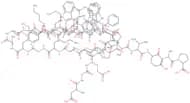
CAS:<p>UFP-101 is a synthetic antimicrobial compound, which is engineered from advanced chemical synthesis methodologies with unique molecular modifications. The compound acts by disrupting microbial cell membranes, resulting in cell lysis and death. This mode of action is particularly effective against a broad spectrum of bacterial strains, including multi-drug-resistant varieties.</p>Formula:C82H138N32O21Purity:Min. 95%Molecular weight:1,908.2 g/molTNFalpha-IN-S10
CAS:<p>TNFalpha-IN-S10 is a research tool that can be used to activate or inhibit the TNF receptor, which is involved in cell signaling. The TNF alpha IN-S10 antibody can be used to study protein interactions and pharmacology. It also has high purity and can be used for biochemical assays. TNF alpha IN-S10 is a peptide with a molecular weight of about 10 kDa.</p>Formula:C21H14N2O3SPurity:Min. 95%Molecular weight:374.4 g/molAscaroside C9
CAS:<p>Ascaroside C9 is a research tool that is used to activate, bind and/or inhibit ion channels. It has been shown to act as an inhibitor of voltage-gated potassium channels, which are required for the transmission of nerve impulses. Ascaroside C9 has also been shown to activate and inhibit ligand-gated ion channels, such as nicotinic acetylcholine receptors.</p>Formula:C15H26O6Purity:Min. 95%Molecular weight:302.36 g/molN-Desmethylnefopam
CAS:<p>N-Desmethylnefopam is a potent and selective inhibitor of the neuronal nicotinic acetylcholine receptor. The compound binds to the alpha7 subunit of the receptor, but does not bind to other nicotinic acetylcholine receptors. In vitro studies have shown that N-Desmethylnefopam blocks calcium channels and prevents neurotransmitter release. It has also been shown to increase dopamine levels in cells, which may be due to its ability to inhibit reuptake of dopamine by neurons. N-Desmethylnefopam has been shown to be a useful research tool for studying protein interactions, activation, and ligand binding at receptors. This drug has high purity, which makes it suitable for use in life sciences research.</p>Formula:C16H17NOPurity:Min. 95%Molecular weight:239.31 g/molN-[2-(5-Chloro-2,6-dimethoxybenzimidazol-1-yl)ethyl]acetamide
CAS:<p>N-[2-(5-Chloro-2,6-dimethoxybenzimidazol-1-yl)ethyl]acetamide is a research tool. It is an activator of the GABAA receptor and a ligand for the GABAB receptor. This compound has been shown to be a potent inhibitor of ion channels such as NMDA and AMPA receptors. N-[2-(5-Chloro-2,6-dimethoxybenzimidazol-1-yl)ethyl]acetamide has also been shown to interact with antibodies in cell biology experiments and can be used as a pharmacological probe in protein interactions.</p>Formula:C13H16ClN3O3Purity:Min. 95%Molecular weight:297.74 g/molTarazepide
CAS:<p>Tarazepide is a peptide that binds to potassium channels and regulates their activity. It has been studied in an effort to understand the ion channel function of the brain, but it has also been used as a research tool. Tarazepide is synthesized by solid-phase peptide synthesis and purified by HPLC. The purity of this product exceeds 98%.</p>Formula:C28H24N4O2Purity:Min. 95%Molecular weight:448.5 g/molRebamipide
CAS:<p>Rebamipide is a peptide that activates the receptor GPR18. It has been shown to inhibit ion channels and ligand-gated ion channels. This drug also has an affinity for the antibody Fc gamma RIIIa binding site, which may be due to its ability to inhibit the activity of T lymphocytes. Rebamipide binds to cell membrane receptors and inhibits the release of proinflammatory cytokines such as IL-6, IL-8, and TNF-α.</p>Formula:C19H15ClN2O4Purity:Min. 95%Molecular weight:370.8 g/molMDM2-IN-1
CAS:<p>MDM2-IN-1 is a peptide that can be used as an inhibitor of MDM2. It is a high purity compound with a CAS number of 1410737-09-5. This product is made in the USA and has been shown to inhibit the activity of MDM2.</p>Formula:C23H21Cl2FN2O3Purity:Min. 95%Molecular weight:463.3 g/molQuisinostat HCl
CAS:<p>Quisinostat is a drug that belongs to the group of protein inhibitors. It inhibits the activity of histone deacetylases (HDACs), which are enzymes that remove acetyl groups from lysine residues on histones and other proteins. Quisinostat can inhibit HDACs by binding to a zinc atom in the active site of these enzymes. This inhibition disrupts the transcriptional regulation of genes, leading to cell death. Quisinostat has been shown to have anti-tumor effects in animal models and is being investigated for potential use in cancer treatment.</p>Formula:C21H27ClN6O2Purity:Min. 95%Molecular weight:430.9 g/molEpimedin B1
CAS:<p>Epimedin B1 is a small molecule that binds to the receptor for angiotensin II and activates it. Epimedin B1 binds to the AT1 receptor and thereby inhibits the activity of angiotensin II. This inhibition leads to a decrease in blood pressure, which may be due to an increase in nitric oxide, vasodilation and inhibition of renin release. Epimedin B1 has been shown to be a high-affinity ligand for the AT1 receptor and has been used as research tools for studying various aspects of cell biology and pharmacology. In addition, Epimedin B1 can also inhibit the activity of ion channels that are involved in neurotransmission. This makes it useful as an inhibitor in cell biology studies.</p>Formula:C38H48O19Purity:Min. 95%Molecular weight:808.8 g/molBoceprevir metabolite M4-d9 methyl ester
CAS:<p>Boceprevir metabolite M4-d9 methyl ester is a peptide that is used as a research tool for studying protein interactions, receptor pharmacology, and ion channel activity. It has been shown to inhibit the hepatitis C virus (HCV) NS3 protease by binding to the active site of the enzyme. Boceprevir metabolite M4-d9 methyl ester binds to the HCV NS3 protease with a Kd of 1.2 nM and an IC50 of 2.6 μM in vitro. This peptide also inhibits HIV-1 entry into host cells by competitively inhibiting gp41 binding to CD4 or CCR5 receptors, thereby preventing viral fusion with host cell membranes.</p>Formula:C20H35N3O4Purity:Min. 95%Molecular weight:390.6 g/mol(S,R,S)-AHPC-C4-NH2
CAS:<p>(S,R,S)-AHPC-C4-NH2 is a peptide that was originally identified as an activator of the N-methyl-D-aspartate (NMDA) receptor. It has been shown to activate the NMDA receptor in rat brain and spinal cord membranes and also inhibit the binding of glycine to the glycine site on the NMDA receptor. The peptide has also been found to inhibit protein interactions between alpha1-adrenergic receptors and beta2-adrenergic receptors.<br>(S,R,S)-AHPC-C4-NH2 is a potent inhibitor of ligand binding to the recombinant human erythropoietin receptor (EPOR). This inhibition is competitive with respect to both the ligand and heme groups of EPOR. The IC50 for (S,R,S)-AHPC-C4-NH2 was determined at 0.3 μM.</p>Formula:C27H39N5O4SPurity:Min. 95%Molecular weight:529.7 g/molPseudocoptisine chloride
CAS:<p>Pseudocoptisine chloride is a peptide that has been shown to be an inhibitor of protein interactions. This molecule also has the ability to activate receptors and ion channels; it is a ligand of the nicotinic acetylcholine receptor and a reagent used in research on protein interactions. Pseudocoptisine chloride is available as a high-purity liquid in vials of 1 mL.</p>Formula:C19H14ClNO4Purity:Min. 95%Molecular weight:355.8 g/mol2-Propenoic acid, 3,6,9,12,15-pentaoxaheptadecane-1,17-diyl ester
CAS:<p>2-Propenoic acid is a high purity, research tool that is an activator and ligand for the receptor. It is used in Cell Biology as an antibody to study protein interactions, and as a pharmacological agent in peptides. 2-Propenoic acid has been shown to inhibit ion channels, which may be due to its ability to block the binding of ions to specific sites on the channel protein. This product has also been shown to be a potent inhibitor of the enzyme phosphodiesterase 4 (PDE4), which is involved in signal transduction pathways that regulate cellular proliferation and differentiation.</p>Formula:C18H30O9Purity:Min. 95%Molecular weight:390.4 g/molVIT-2763
CAS:<p>VIT-2763 is a peptide that is used in research as an activator of ion channels and receptor. It has been shown to be an inhibitor of protein interactions and can bind to the ligand or receptor. VIT-2763 is a high purity product with a CAS number of 2095668-10-1.</p>Formula:C21H21FN6O2Purity:Min. 95%Molecular weight:408.4 g/mol(S,R,S)-AHPC-C7-amine
CAS:<p>(S,R,S)-AHPC-C7-amine is a synthetic peptide that has been shown to activate potassium channels. This compound is an inhibitor of protein interactions. It has been shown to inhibit the activity of beta-amyloid and alpha synuclein aggregation in vitro and in vivo. (S,R,S)-AHPC-C7-amine is also a high purity reagent for use in research tool applications such as cell biology research, pharmacology research and antibody production.</p>Formula:C30H46ClN5O4SPurity:Min. 95%Molecular weight:608.2 g/mol(2-(4-Methylpiperazinyl)-1-phenylethyl)methylamine
CAS:<p>2-(4-Methylpiperazinyl)-1-phenylethyl)methylamine is a research tool that is used to study ion channels. It has been shown to activate ligand-gated ion channels, such as nicotinic acetylcholine receptors, and cell biology studies show that it can act as an activator for the NMDA receptor. 2-(4-Methylpiperazinyl)-1-phenylethyl)methylamine has been shown to inhibit the binding of antibodies to cells and can be used in pharmacology studies. The chemical is also useful for studying protein interactions in life science research.</p>Formula:C14H23N3Purity:Min. 95%Molecular weight:233.35 g/molPiromelatine
CAS:<p>Piromelatine is a peptide that has been shown to activate ion channels in the central nervous system. It is used as a research tool and in studies of antibody-receptor interactions. Piromelatine has also been shown to inhibit protein interactions. The molecular weight of piromelatine is 554.5 Da, with a CAS number of 946846-83-9.</p>Formula:C17H16N2O4Purity:Min. 95%Molecular weight:312.32 g/molDibromochloroacetamide
CAS:<p>Dibromochloroacetamide is a peptide that is used as a research tool to study the interactions of peptides with receptors and ion channels. It is an inhibitor of these protein interactions, which can be applied in pharmacology. Dibromochloroacetamide also has been shown to act as an agonist for the histamine receptor and can inhibit the activity of acetylcholinesterase enzyme, which is important for the regulation of nerve impulse transmission. Dibromochloroacetamide binds to specific sites on proteins and alters their function. This inhibition can be reversed by adding excess amounts of substrate (histamine) or by washing away unbound Dibromochloroacetamide from the protein surface.</p>Formula:C2H2Br2ClNOPurity:Min. 95%Molecular weight:251.3 g/molBAY8040
CAS:<p>BAY8040 is a research tool that has been shown to activate receptors and ion channels. It binds to cell surfaces and can be used in the study of protein interactions. BAY8040 is a ligand that binds to the receptor, which is an enzyme found on the surface of cells. BAY8040 can also be used as a pharmacological agent for the treatment of high blood pressure, inflammation, or pain.</p>Formula:C21H16F3N5O2Purity:Min. 95%Molecular weight:427.4 g/mol8pyDTZ
CAS:<p>8-Phenyl-2,3,4,5-tetrahydro-1H-3,8-(1H,6H)-pyrimidinetrione (8pyDTZ) is a peptide that can be used as a research tool for the study of protein interactions. 8pyDTZ is an activator of ion channels and it has been shown to inhibit the activity of many different receptor types. It binds to the receptor with high affinity and specificity and may be useful in pharmacology. 8pyDTZ has also been shown to inhibit protein synthesis by binding to ribosomes.</p>Formula:C24H18N4OPurity:Min. 95%Molecular weight:378.4 g/molIl-4 inhibitor
CAS:<p>Il-4 is a cytokine that plays an important role in the immune system. Il-4 inhibitor is a research tool that can be used to study the function of this cytokine. It has been shown to activate and bind to the IL-4 receptor, which is found on many cells, including eosinophils, basophils, monocytes, and lymphocytes. Il-4 inhibitor binds to these receptors as a ligand while inhibiting the effects of IL-4 by binding to its receptor. The IL-4 inhibitor also inhibits the activity of certain ion channels and prevents high levels of calcium ions from entering cells. The il-4 inhibitor has been shown to inhibit protein interactions and interfere with peptide synthesis. This compound is CAS No. 1332184-63-0 and can be used for life science research or pharmacology studies.</p>Formula:C18H12FN3O2Purity:Min. 95%Molecular weight:321.3 g/mol6-Amino-3,5-dihydro-4H-imidazo(4,5-C)pyridin-4-one
CAS:<p>6-Amino-3,5-dihydro-4H-imidazo(4,5-C)pyridin-4-one is a research tool for pharmacological and biochemical studies. 6-Amino-3,5-dihydro-4H-imidazo(4,5-C)pyridin-4 one (ADIOL) is an activator of the ligand binding domain of the GABA A receptor. It has also been shown to be an inhibitor of ion channels in cell culture. ADIOL has been used to study protein interactions and antibody production using peptides. This product should be stored at -20°C.</p>Formula:C6H6N4OPurity:Min. 95%Molecular weight:150.14 g/molBpd-B-1,4-diene
CAS:<p>Bpd-B-1,4-diene is a small molecule that is a potent activator of the G protein-coupled receptor. It has been shown to bind to and activate the mu opioid receptor. Bpd-B-1,4-diene also inhibits ion channels such as Na+ currents in neurons and glutamate neural activity. This molecule was used in antibody production for research purposes.</p>Formula:C42H44N4O8Purity:Min. 95%Molecular weight:732.8 g/molPasireotide pamoate
CAS:<p>Pasireotide pamoate is a peptide that is known to interact with ion channels, receptors, and ligands. It has been shown to activate some of these proteins and inhibit others. Pasireotide pamoate can be used as a research tool in the study of protein interactions, especially those that are involved in cell biology. Pasireotide pamoate binds to antibodies and has been shown to inhibit the activity of certain enzymes. It is also an inhibitor of cellular activation at high concentrations.</p>Formula:C81H82N10O15Purity:Min. 95%Molecular weight:1,435.6 g/molFellutanine A
CAS:<p>Fellutanine A is a peptide that inhibits the activity of protein interactions. It can act as an activator or a ligand, depending on the type of protein it interacts with. Fellutanine A binds to the receptor and blocks ion channels, which are proteins that regulate the flow of ions across cell membranes. Fellutanine A has been shown to be an inhibitor of Protein kinase C (PKC) and phospholipase C (PLC). This drug has been used as a research tool for studying PKC and PLC activity in cells.</p>Formula:C22H20N4O2Purity:Min. 95%Molecular weight:372.4 g/molTAN-452
CAS:<p>TAN-452 is a peptide that activates the TRPV1 receptor. It is purified to >98% purity and has a CAS number of 892039-23-5. TAN-452 is a potent activator of TRPV1 receptors, with an EC50 value of 0.6 nM. TAN-452 has been shown to inhibit voltage-gated calcium channels in rat trigeminal ganglion neurons and inhibits Ligand binding to the human GABA A receptor. This compound is also able to inhibit the activation of potassium channels by endogenous ATP in rat dorsal root ganglia neurons and may be useful as a research tool for studying ion channel function.</p>Formula:C29H30N2O5Purity:Min. 95%Molecular weight:486.6 g/molTmbim6 antagonist-1
CAS:<p>Tmbim6 antagonist-1 is a peptide that belongs to the ligand class of antagonists. It blocks the activity of the TMBIM6 receptor, which is found in cells of the immune system and is important for regulating inflammation. Tmbim6 antagonist-1 has been shown to inhibit the activation of ion channels and can be used as a research tool in cell biology.</p>Formula:C15H12N2O3Purity:Min. 95%Molecular weight:268.27 g/molMaytansinoid DM4
CAS:<p>Maytansinoid DM4 is a research tool that has been shown to activate receptors and ion channels. Maytansinoid DM4 has also been shown to inhibit cell biology, protein synthesis, and peptide synthesis. This ligand binds to its receptor with high affinity and specificity. The binding of the ligand to the receptor leads to activation of G-proteins that in turn activate cellular responses such as an increase in intracellular calcium levels.</p>Formula:C39H56ClN3O10SPurity:Min. 95%Molecular weight:794.4 g/molModafinil-d5
CAS:<p>Modafinil-d5 is a research tool that is used in peptide mapping. Modafinil-d5 has been shown to activate ion channels, which are proteins that control the flow of ions across a cell membrane. Modafinil-d5 also binds to the alpha 1B receptor and blocks ligand binding, which is the bonding of a molecule with a receptor. Modafinil-d5 has been shown to inhibit protein interactions with the GABA B receptor, which affects the release of neurotransmitters from nerve cells. Modafinil-d5 has been shown to be an inhibitor of various enzymes such as proteasome and cytochrome P450 enzymes.</p>Formula:C15H15NO2SPurity:Min. 95%Molecular weight:278.38 g/molABT-719 HCl
CAS:<p>ABT-719 is a ligand that has been identified as an activator of the human cannabinoid receptor type 1 (CB1). ABT-719 HCl is a white to off-white crystalline solid, soluble in water and methanol. The molecular weight of this compound is 514.3 g/mol.</p>Formula:C18H21ClFN3O3Purity:Min. 95%Molecular weight:381.8 g/molPericosine A
CAS:<p>Pericosine A is a research tool that is used to activate and/or bind to cell surface receptors. It can be used in various studies of cell biology and pharmacology. Pericosine A has been shown to inhibit ion channels, such as the nicotinic acetylcholine receptor, and has also been shown to have an effect on protein interactions. Pericosine A is a peptide with a molecular weight of 467.5 Da. It is soluble in water and dimethyl sulfoxide (DMSO). It has an octanol-water partition coefficient of 1.5 x 10⁻⁴ M-1, with a pKa of 6.0. Pericosine A does not contain any free amines or hydroxyl groups.END></p>Formula:C8H11ClO5Purity:Min. 95%Molecular weight:222.62 g/mol(2-(N'-(4-Isopropyl-benzylidene)-hydrazino)-4-oxo-4,5-dihydro-thiazol-5-yl)-acetic acid
CAS:<p>2-(N'-(4-Isopropyl-benzylidene)-hydrazino)-4-oxo-4,5-dihydro-thiazol-5-yl)-acetic acid (CAS No. 339304-10-8) is a peptide that acts as an activator of ion channels and inhibits the interaction of ligands with receptors. It can be used in research to study protein interactions, receptor activation, and ion channel inhibition. 2-(N'-(4-Isopropyl-benzylidene)-hydrazino)-4-oxo-4,5-dihydro-thiazol-5-yl)-acetic acid has a purity of >90% and an isoelectric point of 6.2.</p>Formula:C15H16N3NaO3SPurity:Min. 95%Molecular weight:341.4 g/molRubreserine
CAS:<p>Rubreserine is a potent activator of the K+ ion channel. It binds to the receptor site on the channel and causes a conformational change in the protein that leads to an opening of the channel. Rubreserine is used as a research tool in pharmacology, cell biology, and biochemistry to study protein interactions with ligands or antibodies. Rubreserine has been shown to inhibit the activity of voltage-gated potassium channels, which are important for neuronal excitability, particularly in cardiac tissue. Rubreserine is available at high purity and can be synthesized by chemical synthesis or recombinant DNA technology.</p>Formula:C13H16N2O2Purity:Min. 95%Molecular weight:232.28 g/molCDDO-3P-IM
CAS:<p>CDDO-3P-IM is a high purity, potent and selective activator of the TRPA1 ion channel. CDDO-3P-IM is a peptide that acts as an agonist at TRPA1 by binding to the extracellular domain of TRPA1. It has been shown to be a powerful inhibitor of protein interactions and to have a high affinity for receptor binding. This compound is also used as a research tool in cell biology and pharmacology experiments.</p>Formula:C39H46N4O3Purity:Min. 95%Molecular weight:618.8 g/molPiperazonifil
CAS:<p>Piperazonifil is a peptide that activates the ion channels by binding to the receptor. Piperazonifil is a small molecule that binds to the protein and induces a conformational change in the receptor, which ultimately leads to an increase in ion flow through a channel. The ligand-receptor interaction may be reversible or irreversible depending on the type of receptor and ligand involved. This product can be used as a research tool for high purity piperazonifil, as well as for other purposes such as pharmacology and cell biology.</p>Formula:C25H34N6O4Purity:Min. 95%Molecular weight:482.6 g/molVarespladib sodium
CAS:<p>Varespladib sodium is a small molecule that binds to the receptor for thrombin, which is a protein that forms blood clots. It inhibits the activity of the receptor and suppresses the formation of blood clots, thereby reducing the risk of heart attack. Varespladib sodium also inhibits Protein interactions with other proteins and peptides. This drug has been shown to be effective in animal models and is currently undergoing clinical trials.</p>Formula:C21H19N2NaO5Purity:Min. 95%Molecular weight:402.4 g/molN-Cyclopropyl-5,6-dihydro-6-[4-[[[2-(2-oxa-7-azaspiro[3.5]non-7-yl)-3-pyridinyl]carbonyl]amino]benzoyl]-4H-thieno[3,2-d][1]benzazepi ne-2-carboxamide
CAS:<p>This peptide is a research tool and activator of the ion channel. It binds to the receptor and activates it, thus increasing the number of ions that can pass through the channel. The peptide also inhibits protein interactions, which may help in understanding how proteins interact with one another. The peptide has been shown to bind to ligands and receptors, and has been shown to inhibit cell proliferation.</p>Formula:C36H35N5O4SPurity:Min. 95%Molecular weight:633.8 g/molLMD-009
CAS:<p>LMD-009 is a peptide that can be used to study the interactions of proteins, receptors, and ion channels. LMD-009 is an activator of ion channels and can be used to study the effects of ion channel activation on receptor signaling. LMD-009 also binds to a number of different protein targets, including receptors and ion channels. This peptide has been shown to inhibit the binding of ligands to their receptors. LMD-009 has also been shown to have pharmacological properties as an inhibitor for some other peptides.</p>Formula:C29H33N3O3Purity:Min. 95%Molecular weight:471.6 g/molCetamolol-d9
CAS:<p>Cetamolol is a catecholamine receptor antagonist. It blocks the action of catecholamines at the beta-adrenergic receptor, which decreases the heart rate and cardiac output. Cetamolol also blocks alpha-adrenergic receptors, which reduces peripheral vascular resistance and blood pressure. It has been shown to be an inhibitor for ion channels in cell biology and is used as a research tool in cell biology. Cetamolol binds to some peptides and is a ligand for many different receptors including adrenergic receptors, dopamine receptors, serotonin receptors, histamine receptors, and muscarinic acetylcholine receptors. Cetamolol has been found to have high purity with CAS No. 34919-98-7.</p>Formula:C16H26N2O4Purity:Min. 95%Molecular weight:310.39 g/molCC-90001
CAS:<p>CC-90001 is a research tool that can activate the receptor and ion channels. It binds to the ligand and then activates the cell. CC-90001 can be used as a reagent for antibody production, protein interactions, and pharmacology.</p>Formula:C16H27N5O2Purity:Min. 95%Molecular weight:321.42 g/molSeriniquinone
CAS:<p>Seriniquinone is a ligand that binds to an ion channel and regulates the flow of ions across the cell membrane. Seriniquinone is used as a research tool in pharmacology, protein interactions, and cell biology. It also has been shown to activate receptor-channels and inhibit the activity of ion channels. This product is available in high purity with CAS No. 22200-69-7.</p>Formula:C20H8O4SPurity:Min. 95%Molecular weight:344.3 g/molN-1H-Benzimidazol-2-yl-3-(1H-pyrrol-1-yl)benzamide
CAS:<p>N-1H-Benzimidazol-2-yl-3-(1H-pyrrol-1-yl)benzamide (NBPB) is a potent and selective activator of Kv4.2/Kv4.3 voltage gated potassium channels. It has been shown to inhibit the proliferation of human cancer cells in vitro, as well as induce apoptosis in certain cell lines by activating voltage gated potassium channels. NBPB is a new chemical tool for study of ion channel function and protein interactions.</p>Formula:C18H14N4OPurity:Min. 95%Molecular weight:302.3 g/molGlycyl-DL-valine
CAS:<p>Glycyl-DL-valine is a peptide that binds to the glycine receptor and inhibits the influx of calcium ions. It is a research tool for studying the role of ion channels in cell biology, pharmacology, and protein interactions. Glycyl-DL-valine can be used as an inhibitor or activator of ion channels. The peptide has been shown to inhibit voltage-gated potassium channels by binding to the extracellular domain of these proteins.</p>Formula:C7H14N2O3Purity:Min. 95%Molecular weight:174.2 g/molN-(3-Chloro-2-methylphenyl) quinoxalin-2-carboxamide
CAS:<p>N-(3-Chloro-2-methylphenyl) quinoxalin-2-carboxamide is a synthetic peptide that can be used as an activator of ion channels. It has been shown to inhibit the activation of voltage-gated potassium channels, which are involved in the regulation of nerve and muscle cells, by binding to the extracellular amino terminus of the channel. N-(3-Chloro-2-methylphenyl) quinoxalin-2-carboxamide also binds to receptor sites on cells and blocks ligand binding. This drug is an inhibitor of protein interactions that has been shown to bind to both peptides and proteins. The chemical formula for this compound is C8H8ClN5O2 and its CAS number is 930478-88-9.</p>Formula:C16H12ClN3OPurity:Min. 95%Molecular weight:297.74 g/molScyliorhinin II
CAS:<p>Scyliorhinin II is a research tool that belongs to the ligands, receptors, and cell biology category. It has been shown to bind to the ion channels of cells in vitro and in vivo. Scyliorhinin II can be used as an inhibitor for many different types of ion channels, including nicotinic acetylcholine receptor (nAChR), GABA receptor (GABAR), and glycine receptor (GlyR). This drug has been shown to inhibit the binding of an antibody to its antigen in an ELISA assay. Scyliorhinin II also has been shown to inhibit protein interactions by acting as a competitive antagonist at the N-terminal domain of p53.</p>Formula:C77H119N21O26S3Purity:Min. 95%Molecular weight:1,851.1 g/mol4-Pentyl-1,3-benzenediol
CAS:<p>4-Pentyl-1,3-benzenediol is a small molecule with a pharmacology that includes inhibition of protein interactions and activation of ligands. It is used as a research tool for the study of ion channels and receptors. 4-Pentyl-1,3-benzenediol has been shown to be an inhibitor of the enzyme cyclooxygenase-2 (COX-2). This drug also has high purity and is used in life science research.</p>Formula:C11H16O2Purity:Min. 95%Molecular weight:180.24 g/molPQCA
CAS:<p>PQCA is a peptide inhibitor that binds to the active site of protein kinase A (PKA). It is a potent and selective inhibitor of PKA, with an IC50 of less than 1 nM. This drug also inhibits other protein kinases, such as protein kinase C (PKC), but with higher IC50 values. The binding of PQCA to the active site of PKA results in a conformational change and subsequent inhibition of the enzyme. As a result, this drug has been used as a research tool for studying protein-protein interactions and the function of various receptors.</p>Formula:C22H20N4O3Purity:Min. 95%Molecular weight:388.4 g/molLombazole-d9
CAS:<p>Lombazole-d9 is a peptide that has been shown to inhibit the interaction of protein with ligands. It is also an activator and a ligand for receptors. Lombazole-d9 is used as a research tool and can be used in the study of ion channels, antibodies, and other receptor proteins. Lombazole-d9 has high purity and is available in quantities ranging from 1 g to 100 g.</p>Formula:C22H17ClN2Purity:Min. 95%Molecular weight:344.8 g/mol2-(2-(4-((3-Chloro-4-(3-(trifluoromethyl)phenoxy)phenyl)amino)-5H-pyrrolo[3,2-d]pyrimidin-5-yl)ethoxy)ethan-1-ol
CAS:<p>2-(2-(4-((3-Chloro-4-(3-(trifluoromethyl)phenoxy)phenyl)amino)-5H-pyrrolo[3,2-d]pyrimidin-5-yl)ethoxy)ethan-1-ol is a research tool that has shown to be an activator of ion channels. It has been used to study the function of ion channels and receptor binding. 2-(2-(4-((3-Chloro-4-(3-(trifluoromethyl)phenoxy)phenyl)amino)-5H-pyrrolo[3,2-d]pyrimidin-5-yl)ethoxy)ethan-1-ol binds to protein interactions by acting as a ligand for receptors. This compound does not have any known adverse effects and is present in high purity.</p>Formula:C23H20ClF3N4O3Purity:Min. 95%Molecular weight:492.9 g/molZandelisib
CAS:<p>Zandelisib is a cell-permeable peptide ligand that binds to the extracellular domain of human EGFR. It has been shown to inhibit receptor activation and signaling, as well as receptor-mediated endocytosis. Zandelisib also inhibits protein interactions with receptors, including those of the epidermal growth factor family.</p>Formula:C31H38F2N8OPurity:Min. 95%Molecular weight:576.7 g/molKeto ziprasidone
CAS:<p>Keto ziprasidone is a potent and selective non-competitive inhibitor of the enzyme protein tyrosine phosphatase. It has been shown to activate Gs-coupled receptors, such as the β2 adrenergic receptor, and inhibit LPA1. Keto ziprasidone is an excellent research tool for studying protein interactions, because it can be used to isolate proteins that are involved in a specific process. The chemical name of keto ziprasidone is (3S)-N-[(3R)-1-(4-fluorophenyl)ethyl]-2-methyl-1,2,3,4-tetrahydroisoquinoline-3-carboxamide. Its CAS number is 884305-07-1.</p>Formula:C21H19ClN4O2SPurity:Min. 95%Molecular weight:426.9 g/molRY796
CAS:<p>RY796 is a peptide that binds to the beta2-adrenergic receptor and activates it. It is also known as an agonist. Beta2-adrenergic receptors are found in the heart, lungs, kidneys, and other organs of the body. RY796 has been shown to inhibit the activity of ion channels. This drug is a research tool that can be used to study protein interactions with the beta2-adrenergic receptor. RY796 is a high purity product that has been characterized by LC/MS analysis.</p>Formula:C21H27N3O2Purity:Min. 95%Molecular weight:353.5 g/mol1-(4-Aza-8-hydroxy-6-oxo)oct-2-en-1-oylimidazole-d3
CAS:<p>1-(4-Aza-8-hydroxy-6-oxo)oct-2-en-1-oylimidazole-d3 is a research tool that can be used to study the function of ion channels. It binds to the site of activation and blocks it, preventing the flow of ions across the membrane. This product is an inhibitor, which means it stops an enzyme from working. 1-(4-Aza-8-hydroxy-6-oxo)oct-2-en-1 -oylimidazole d3 is also a ligand for receptors, which are proteins on the cell surface that bind to specific molecules like hormones or neurotransmitters.</p>Formula:C10H13N3O3Purity:Min. 95%Molecular weight:226.25 g/mol(S)-N-(3,5-Difluorobenzyl)-3-hydroxy-1-(1H-indol-5-yl)-2-oxopyrrolidine-3-carboxamide
CAS:<p>(S)-N-(3,5-Difluorobenzyl)-3-hydroxy-1-(1H-indol-5-yl)-2-oxopyrrolidine-3-carboxamide is a peptide that is a potent activator of ion channels. It has been used to study the interactions between membrane proteins and their ligands in the cell membrane. The compound has also been used as an inhibitor in receptor binding studies.<br>(S)-N-(3,5-Difluorobenzyl)-3-hydroxy-1-(1H-indol-5-yl)-2-oxopyrrolidine-3-carboxamide is CAS No. 1464842–09–8.</p>Formula:C20H17F2N3O3Purity:Min. 95%Molecular weight:385.4 g/molG140
CAS:<p>G140 is a research tool that is an activator, ligand, and receptor. It is used in cell biology to study the function of ion channels, antibodies, and peptides by binding to the protein. G140 is a high purity compound with CAS No. 2369751-07-3. G140 has been shown to inhibit protein interactions and control cell growth.</p>Formula:C17H16Cl2N4O2Purity:Min. 95%Molecular weight:379.2 g/molBIIB068
CAS:<p>BIIB068 is a peptide that is used as a research tool to study the activation of ion channels. It is an activator of Kv1.2 and Kv4.3 potassium channels, and has been shown to inhibit calcium-activated potassium channels. It has also been shown to be an inhibitor of protein interactions with the receptor D2S2-5. BIIB068 binds to the ligand binding site on the D2S2-5 receptor, preventing other ligands from binding, which leads to its pharmacological effects. This peptide contains 1798787-27-5, which is its CAS number.</p>Formula:C23H29N7O2Purity:Min. 95%Molecular weight:435.5 g/molSeralutinib
CAS:<p>Seralutinib is a small molecule inhibitor of the receptor tyrosine kinase (RTK) family. Seralutinib binds to RTKs and inhibits their activation by binding to the ATP-binding site. It specifically binds to the epidermal growth factor receptor (EGFR), vascular endothelial growth factor receptor 2 (VEGFR2), and c-Kit, which are RTKs that have been implicated in cancer progression.</p>Formula:C27H27N5O3Purity:Min. 95%Molecular weight:469.5 g/molBoceprevir metabolite M15
CAS:<p>Boceprevir metabolite M15 is a potent and selective inhibitor of the hepatitis C virus NS3 protease. It binds to the active site of the enzyme and inhibits its activity, which prevents viral replication. Boceprevir metabolite M15 has shown no significant affinity for other proteins and has been shown to be highly pure.</p>Formula:C19H34N4O3Purity:Min. 95%Molecular weight:366.5 g/molCapeserod HCl
CAS:<p>Capeserod HCl is a peptide that blocks ligand-gated ion channels, which are found in neurons, muscle cells and gland cells. It is a research tool used to study the interactions between proteins and peptides and has been shown to inhibit the activation of receptors by binding to them. Capeserod HCl has also been shown to be an inhibitor of receptor-mediated events such as neurotransmitter release. Capeserod HCl can be dissolved in DMSO or DMF for use in cell biology experiments.<br>!--END--></p>Formula:C23H26Cl2N4O4Purity:Min. 95%Molecular weight:493.4 g/mol10-Deazaminopterin
CAS:<p>10-Deazaminopterin is a ligand that binds to the ion channel. It has been shown to be an inhibitor of the Na+/K+ ATPase and may regulate cell membrane potentials. 10-Deazaminopterin has also been shown to bind to tyrosine receptor kinases, which are involved in cellular signal transduction. This ligand can be used as a research tool for pharmacology, protein interactions, and antibody production.</p>Formula:C20H21N7O5Purity:Min. 95%Molecular weight:439.4 g/molPyrazoloacridine
CAS:<p>Pyrazoloacridine is a ligand that binds to the receptor. It may be used as a research tool to study protein interactions and receptor function. Pyrazoloacridine is an inhibitor of ion channels, which are involved in the propagation of nerve impulses. The inhibition of ion channels leads to analgesic effects and anti-inflammatory activities. Pyrazoloacridine also inhibits the activity of peptides, such as vasopressin, which are involved in water balance, blood pressure regulation, and pain perception. Pyrazoloacridine is also an activator of high purity for peptides, such as vasopressin, which are involved in water balance, blood pressure regulation, and pain perception.</p>Formula:C19H21N5O3Purity:Min. 95%Molecular weight:367.4 g/mol(Z)-Leukadherin-1
CAS:<p>Leukadherin-1 is a fluorescent peptide that inhibits the interaction of the neuropeptide cholecystokinin (CCK) and its receptor. It has been shown to bind to the CCK receptor and inhibit activation by CCK and other ligands, such as leucine enkephalin and thyrotropin releasing hormone. Leukadherin-1 has also been shown to activate the chemokine receptors CXCR4 and CXCR5. This molecule is an excellent research tool for studying protein interactions, as well as for identifying ligands or agonists for receptor proteins.</p>Formula:C22H15NO4S2Purity:Min. 95%Molecular weight:421.5 g/molN,N-Diethyl-5-(2-(3-fluorophenyl)ethynyl)pyridine-2-carboxamide
CAS:<p>N,N-Diethyl-5-(2-(3-fluorophenyl)ethynyl)pyridine-2-carboxamide is a research tool that has been shown to activate the receptor and ligand in cell biology. It also interacts with ion channels. N,N-Diethyl-5-(2-(3-fluorophenyl)ethynyl)pyridine-2-carboxamide has high purity and can be used in pharmacology and protein interactions.</p>Formula:C18H17FN2OPurity:Min. 95%Molecular weight:296.3 g/molCy5-SE
CAS:<p>Cy5-SE is a fluorescent dye that can be used to stain proteins in the cytoplasm of living cells. This dye binds to the intracellular receptor, which has been labeled with Cy3 or Cy5 and is then excited by light at 532 nm. This dye is also used as a research tool and can be used to identify ligands that bind to a receptor and is useful for determining protein interactions. Cy5-SE has a high purity level, making it ideal for use in life science research. It can be used as an activator or inhibitor depending on the type of experiment being conducted.</p>Formula:C43H58N4O10S2Purity:Min. 95%Molecular weight:855.1 g/molGarenoxacin mesylate
CAS:<p>Garenoxacin mesylate is a peptide that is used as a research tool for the study of ion channels. It has been shown to act as an inhibitor and activator of voltage-gated potassium channels, which are important in nerve transmission and muscle contraction. Garenoxacin mesylate also binds to antibody molecules and induces conformational changes in their structure. This binding prevents the antibody from binding with its receptor or ligand, preventing protein interactions and signaling pathways.</p>Formula:C24H24F2N2O7SPurity:Min. 95%Molecular weight:522.5 g/mol(S,R,S)-AHPC-C6-NH2 hydrochloride
CAS:<p>(S,R,S)-AHPC-C6-NH2 hydrochloride is a peptide that is used as a research tool for studying protein interactions and receptor binding. It has been shown to bind to the nicotinic acetylcholine receptor and inhibit its function. (S,R,S)-AHPC-C6-NH2 hydrochloride also binds with high affinity to the beta subunit of the GABA A receptor and blocks chloride channel opening. This peptide is soluble in water and can be used in cell biology experiments.</p>Formula:C29H44ClN5O4SPurity:Min. 95%Molecular weight:594.2 g/mol2-(((2-((2-(Dimethylamino)ethyl)(ethyl)amino)-2-oxoethyl)amino)methyl)isonicotinic
CAS:<p>2-(((2-(Dimethylamino)ethyl)(ethyl)amino)-2-oxoethyl)amino)methyl)isonicotinic acid is a research tool that belongs to the class of ligands. It is an activator of nicotinic acetylcholine receptors (nAChRs). This compound has been shown to inhibit voltage-gated potassium channels and calcium channels. 2-(((2-(Dimethylamino)ethyl)(ethyl)amino)-2-oxoethyl)amino)methyl)isonicotinic acid has also been shown to bind the alpha7 nicotinic acetylcholine receptor (α7nAChR), which is found in high levels in the hippocampus and cortex. The binding of this compound to α7nAChR causes an increase in the release of glutamate, a neurotransmitter that plays a role in memory and learning.</p>Formula:C15H24N4O3Purity:Min. 95%Molecular weight:308.38 g/mol2-Desisopropyl-2-ethyl ritonavir
CAS:<p>2-Desisopropyl-2-ethyl ritonavir (2DPR) is a peptidomimetic inhibitor of the human immunodeficiency virus type 1 (HIV-1) protease, which prevents the cleavage of polyproteins into their constituent proteins. 2DPR interacts with the HIV-1 protease at the active site and inhibits its activity. 2DPR binds to a receptor on the surface of cells, which triggers an intracellular signal that activates ion channels. The ion channels are protein pores that allow ions to pass through the cell membrane, causing an electric current or voltage change in the cell. 2DPR is not active against other viruses and does not inhibit protein synthesis in cells.</p>Formula:C36H46N6O5S2Purity:Min. 95%Molecular weight:706.9 g/molSAR502250
CAS:<p>SAR502250 is a peptide that belongs to the group of inhibitors. It was originally isolated from a human monoclonal antibody and has been shown to bind to the extracellular domain of amyloid precursor protein (APP) and inhibit APP-mediated cell signaling. SAR502250 binds to the LRP-1 receptor, which is involved in lipid metabolism, inflammatory responses, and endocytosis. This drug exhibits agonist activity in some cells and an antagonist effect in others. The high purity of this compound makes it suitable for use as a research tool in various fields such as pharmacology, cell biology, or protein interactions.</p>Formula:C19H18FN5O2Purity:Min. 95%Molecular weight:367.4 g/molIcopezil maleate
CAS:<p>Icopezil maleate is a peptide that has been used as a research tool for studying ion channels and cell biology. It is an activator of antibody-dependent cellular cytotoxicity, which is the ability of antibodies to activate natural killer cells to kill cancer cells. Icopezil maleate also binds with high affinity to the Ligand-binding domain of receptors or ligands, such as adrenergic alpha 2A receptors and dopamine D2 receptors. This drug has been shown to inhibit the protein interactions of amyloid beta precursor protein (APP) and beta-amyloid peptides in vitro.</p>Formula:C27H29N3O6Purity:Min. 95%Molecular weight:491.5 g/molRas inhibitor abd-7
CAS:<p>ABD-7 is a peptide inhibitor of the Ras protein. ABD-7 binds to Ras, inhibiting its activation. It can be used in research to study the role of Ras in cellular signaling and as a tool to study protein interactions or as an activator for Ligand binding. ABD-7 is also being investigated for use as an antibody against Ras, due to its high purity and low immunogenicity.</p>Formula:C23H25N3O3Purity:Min. 95%Molecular weight:391.5 g/mol2-(3,4-Dihydroxybenzoyl)-3-(4-hydroxy-3-iodo-5-methoxyphenyl)prop-2-enenitrile
CAS:<p>2-(3,4-Dihydroxybenzoyl)-3-(4-hydroxy-3-iodo-5-methoxyphenyl)prop-2-enenitrile is a high purity ion channel inhibitor with IC50 of 1.8 nM. It has been shown to inhibit the activity of voltage gated sodium channels in rat hippocampal neurons and human erythrocytes. The binding affinity of 2-(3,4-dihydroxybenzoyl)-3-(4-hydroxy-3-iodo-5 methoxyphenyl)prop-2 enenitrile for the nicotinic acetylcholine receptor (nAChR), as determined by competitive radioligand binding assay, is 21 pM. This compound also inhibits the activity of potassium channels and has been shown to bind to peptides and antibodies.</p>Formula:C17H12INO5Purity:Min. 95%Molecular weight:437.18 g/mol((4-(5-(Cyclopropylcarbamoyl)-2-methylphenylamino)-5-methylpyrrolo(1,2-F)(1,2,4)triazine-6-carbonyl)(propyl)carbamoyloxy)methyl-2-(4 -(phosphonooxy)phenyl)acetate
CAS:<p>((4-(5-(Cyclopropylcarbamoyl)-2-methylphenylamino)-5-methylpyrrolo(1,2-F)(1,2,4)triazine-6-carbonyl)(propyl)carbamoyloxy)methyl-2-(4 -(phosphonooxy)phenyl)acetate is an inhibitor of Protein interactions. It is a cell biology research tool for the study of protein interactions. It is also used as a reagent in antibody production and as a pharmacology research tool to study ion channels.</p>Formula:C32H35N6O10PPurity:Min. 95%Molecular weight:694.6 g/mol(1R,2S)-Darunavir
CAS:<p>Darunavir is a protease inhibitor that inhibits the action of HIV protease, an enzyme that catalyses the cleavage of the polyprotein precursor to mature viral proteins. Darunavir binds to the active site of HIV protease and blocks it, preventing cleavage. This drug has been shown to be effective in inhibiting HIV-1 replication in vitro and in vivo. Darunavir is used as a research tool for studying protein interactions, receptor binding, peptides activation, ion channels ligand binding and antibody recognition.</p>Formula:C27H37N3O7SPurity:Min. 95%Molecular weight:547.7 g/molGKT136901 hydrochloride
CAS:<p>GKT136901 is a potent, selective, and orally bioavailable small molecule that activates the G protein-coupled receptor GPR35. It has been shown to have minimal effect on other receptors. This agent has been shown to be an effective inhibitor of the bacterial enzyme phosphodiesterase 4 (PDE4) with IC50 values of 0.1 nM and 0.5 nM in human cells, respectively. It also inhibits the activity of the human PDE4D3 isoform with an IC50 value of 10 nM in vitro.</p>Formula:C19H20Cl2N4O2Purity:Min. 95%Molecular weight:407.3 g/molRBN012759
CAS:<p>RBN012759 is a peptide that activates a receptor that is involved in the regulation of ion channels. It has been shown to inhibit the activity of this receptor. RBN012759 has been shown to bind to the extracellular domain of the human G protein-coupled receptor (GPCR) with high affinity and selectivity. The binding site for RBN012759 is located in a domain that is not conserved among other GPCRs, suggesting it may be used as a tool for research into new therapeutic targets.</p>Formula:C19H23FN2O3SPurity:Min. 95%Molecular weight:378.5 g/molCOG1410
CAS:<p>Cog1410 is a peptide that binds to the acetylcholine receptor. It has been shown to activate the receptor, leading to an increase in intracellular calcium levels. Cog1410 is used in research as a tool for studying ion channels and ligand-receptor interactions. It can also be used as an antibody, which can then be used to study the protein interactions of other ligands. This peptide is highly purified and comes at a low price, making it ideal for use in cell biology and research.</p>Formula:C64H121N21O14Purity:Min. 95%Molecular weight:1,408.8 g/molMito-LND
CAS:<p>Mito-LND is a research tool that can be used to study the interactions of ligands and receptors. It is an activator for the Ligand-gated ion channels, which are proteins that regulate the flow of ions across cell membranes. Mito-LND binds to the receptor in these ion channels, activating them by opening ion channels and increasing the flow of ions through them. This will cause an action potential in neurons and muscle cells. Mito-LND has a purity level of 99% with a CAS number of 2361564-49-8.</p>Formula:C43H45BrCl2N3OPPurity:Min. 95%Molecular weight:801.6 g/molPeldesine
CAS:<p>Peldesine is a ligand that binds to and activates ion channels. It has been shown to activate the nicotinic acetylcholine receptor, alpha-adrenergic receptors, and serotonin receptors. Peldesine is also used as a research tool in cell biology because it can bind to proteins without affecting their function. This drug can inhibit protein interactions by competing with other ligands for binding sites on the target protein.</p>Formula:C12H11N5OPurity:Min. 95%Molecular weight:241.25 g/molN2-((1S,2S)-2-Aminocyclohexyl)-N6-(3-chlorophenyl)-9-isopropyl-9H-purine-2,6-diamine
CAS:<p>N2-((1S,2S)-2-Aminocyclohexyl)-N6-(3-chlorophenyl)-9-isopropyl-9H-purine-2,6-diamine is a synthetic ligand that activates the purinergic receptors P2X7 and P2Y. It has been shown to inhibit protein interactions with the receptor P2X7, which is involved in pain transmission and inflammation. N2-((1S,2S)-2-aminocyclohexyl)-N6-(3-chlorophenyl)-9-isopropyl-9H-purine 2,6 diamine has been shown to be an effective inhibitor of ion channels involved in the regulation of cell volume and intracellular signalling. This compound also binds to antibodies that recognize the extracellular domain of the P2X7 receptor.</p>Formula:C20H26ClN7Purity:Min. 95%Molecular weight:399.9 g/molCCR2 antagonist 3
CAS:<p>CCR2 antagonist 3 is a peptide that inhibits the activity of CCR2, a chemokine receptor for CCR2 ligands. It also binds to and activates the chemokine receptor CXCR4. The peptide has been shown to have no effect on ion channels or antibody production.<br>CCR2 antagonist 3 is an inhibitor of protein interactions, an activator of Ligand and Receptor, and a high-purity research tool.</p>Formula:C17H25FN2O2Purity:Min. 95%Molecular weight:308.4 g/molPCA50941
CAS:<p>PCA50941 is a peptide that has been shown to be an activator of ion channels. It is used as a research tool in the study of cell biology and pharmacology. PCA50941 binds to the receptor and stimulates it, which leads to the opening of voltage-gated potassium channels. This causes the membrane potential to increase, leading to depolarization.<br>PCA50941 also interacts with ligands and receptors, leading to changes in their activity. The binding of PCA50941 with its receptors can lead to inhibition or activation depending on the type of receptor.</p>Formula:C30H31N3O10SPurity:Min. 95%Molecular weight:625.6 g/mol(E)-6-Fluoro-2-(2-(5-nitrofuran-2-yl)vinyl)-3-phenylquinazolin-4(3H)-one
CAS:<p>This peptide is a research tool that activates the ion channels. It also inhibits protein interactions and receptor-ligand interactions. The purity of this peptide is high, with a CAS number of 2374285-52-4. This peptide is an inhibitor for ion channels, which are important for the transmission of electrical signals in cells.</p>Formula:C20H12FN3O4Purity:Min. 95%Molecular weight:377.3 g/molZanzalintinib
CAS:<p>Zanzalintinib is an ion channel inhibitor that blocks the activity of voltage-gated sodium channels. It is a potent and selective inhibitor of HER2 (human epidermal growth factor receptor 2) with IC50 values of 1.8 nM and 4.7 nM, respectively. Zanzalintinib has been used as a research tool to study protein interactions, such as interactions between HER2 and its ligands or other proteins in the cell. Zanzalintinib has also been shown to inhibit the proliferation of many cancer cells in vitro, including breast cancer cells, pancreatic cancer cells, colon cancer cells, and melanoma cells. This drug inhibits tumor growth by inhibiting angiogenesis through inhibition of vascular endothelial growth factor receptor-2 activation in vitro.<br>Zanzalintinib has high purity and can be obtained at 98% pure from Sigma-Aldrich Corp., St Louis MO 63178 USA or other manufacturers listed below</p>Formula:C29H25FN4O5Purity:Min. 95%Molecular weight:528.5 g/molLargazole
CAS:<p>Largazole is a ligand that binds to the ion channel TRPV4. It is an inhibitor of TRPV4 and prevents the activation of this receptor by its natural ligand, capsaicin. This inhibition has been shown to be competitive with capsaicin. Largazole also inhibits the activity of TRPV1, but does not inhibit TRPM8 or TRPA1 receptors. Largazole is also a potent activator of TRPA1 channels, which are activated by low pH, and can therefore be used as a research tool to study the effect of pH on pain sensation in animal models.<br>TRPV4 is widely expressed in many cell types such as neurons, astrocytes, vascular smooth muscle cells and immune cells. The binding of largazole to this receptor has been shown to activate various intracellular signaling pathways including PKCδ-dependent pathway and MAPK pathway.</p>Formula:C29H42N4O5S3Purity:Min. 95%Molecular weight:622.9 g/molDopastin
CAS:<p>Dopastin is a research tool that is used to activate certain receptors, such as acetylcholine receptors. This ligand can be used in the study of cell biology and pharmacology. Dopastin can also be used to study ion channels and protein interactions. Dopastin is also a potent inhibitor of peptide-induced platelet aggregation.</p>Formula:C9H17N3O3Purity:Min. 95%Molecular weight:215.25 g/molBAY-294
CAS:<p>BAY-294 is a research tool and is a ligand that binds to the receptor. This inhibitor is used to study the function of ion channels and their interactions with other proteins. BAY-294 may also be used as an immunosuppressant in transplant recipients. BAY-294 has been shown to inhibit the activity of ion channels, such as potassium channels, and is able to inhibit cell proliferation by interfering with protein synthesis.</p>Formula:C25H28N4O2SPurity:Min. 95%Molecular weight:448.6 g/mol7-[1-(2-Fluoropyridin-3-yl)-5-methyltriazol-4-yl]quinoline
CAS:<p>7-[1-(2-Fluoropyridin-3-yl)-5-methyltriazol-4-yl]quinoline is a research tool used to study the interactions between ligands and their receptors. It can be used to identify the binding site on a receptor by its ability to activate or inhibit an ion channel, which is important for pharmacology. 7-[1-(2-Fluoropyridin-3-yl)-5-methyltriazol-4-yl]quinoline has also been shown to bind to antibodies and proteins, as well as interacting with cell membranes.</p>Formula:C17H12FN5Purity:Min. 95%Molecular weight:305.31 g/molrac Metoprolol-d7
CAS:<p>Rac Metoprolol-d7 is a racemic mixture of metoprolol. Rac Metoprolol-d7 is an activator of beta 1 and beta 2 adrenergic receptors, which are coupled to the Gs protein. This activation results in increased levels of cAMP, which can lead to relaxation of bronchial smooth muscle and inhibition of heart rate. Rac Metoprolol-d7 has been shown to inhibit the activity of ion channels by binding to their ligand-binding site. It has been used as a research tool for receptor pharmacology, cell biology, and life science research.</p>Formula:C15H25NO3Purity:Min. 95%Molecular weight:274.41 g/molXZ739
CAS:<p>XZ739 is a peptidomimetic inhibitor of the phosphatase calcineurin. It has been shown to activate the transcription factor NFAT in cells, leading to increased cellular proliferation and inhibition of apoptosis. XZ739 has also been shown to have a potent inhibitory effect on the activity of protein tyrosine phosphatases, which are involved in signal transduction pathways. This agent is synthesized in high purity and can be used as a research tool for studying protein interactions and receptor ligand binding.</p>Formula:C65H76ClF3N8O12S3Purity:Min. 95%Molecular weight:1,350 g/molPSN 375963
CAS:<p>PSN 375963 (CAS No. 1781834-82-9) is a research tool that is used as an activator or ligand of receptors and ion channels. PSN 375963 has been shown to inhibit the activity of two protein kinases, PKA and PKG, in cells. It also inhibits the activity of certain ion channels, including potassium channels, which are important for regulating the levels of potassium ions in cells. PSN 375963 is a high purity compound that has not been shown to be toxic or carcinogenic in animal studies.</p>Formula:C17H24ClN3OPurity:Min. 95%Molecular weight:321.8 g/molPomalidomide-amido-C3-COOH
CAS:<p>Pomalidomide-amido-C3-COOH is a small molecule that binds to the ion channels of the cell membrane. It can be used as a research tool in pharmacology and cell biology. In particular, pomalidomide-amido-C3-COOH has been used as an inhibitor of the receptor tyrosine kinase VEGFR2 (vascular endothelial growth factor receptor 2). Pomalidomide-amido-C3-COOH is also an activator of ion channels and has been used in research on protein interactions.</p>Formula:C18H17N3O7Purity:Min. 95%Molecular weight:387.3 g/molKDOAM-25
CAS:<p>KDOAM-25 is a selective antagonist of the Kv1.3 ion channel. It binds to the extracellular domain of the channel and prevents it from opening, thereby blocking potassium ions from entering the cell and preventing action potentials. KDOAM-25 has been shown to inhibit receptor-mediated calcium influx, which is involved in many cellular functions such as neurotransmitter release, gene expression, and cell death. This drug also has an affinity for other ion channels and may be used as a research tool for studying ion channels.</p>Formula:C15H25N5O2Purity:Min. 95%Molecular weight:307.39 g/mol2-Amino-2-(5-(5-(3-chloro-4-propoxyphenyl)-1,2,4-oxadiazol-3-yl)benzofuran-2-yl)propane-1,3-diol
CAS:<p>2-Amino-2-(5-(5-(3-chloro-4-propoxyphenyl)-1,2,4-oxadiazol-3-yl)benzofuran-2-yl)propane-1,3-diol is a potent and selective inhibitor of protein interactions. 2DAPB binds to the active site of the enzyme adenylyl cyclase (AC), inhibiting the generation of cAMP. This inhibition leads to decreased signaling through Gs proteins and increased signaling through Gi proteins. 2DAPB has been shown to inhibit the binding of acetylcholine to the muscarinic receptor M1 in vitro with an IC50 value of 0.6 μM.<br>2DAPB has also been shown to be more potent than atropine in inhibiting binding of acetylcholine to muscarinic receptors, but less potent than hexamethonium in inhibiting binding of acetyl</p>Formula:C22H22ClN3O5Purity:Min. 95%Molecular weight:443.9 g/molFmoc-His(trt)-Gly-OH
CAS:<p>Please enquire for more information about Fmoc-His(trt)-Gly-OH including the price, delivery time and more detailed product information at the technical inquiry form on this page</p>Formula:C42H36N4O5Purity:Min. 95%Molecular weight:676.8 g/molCapsiamide-d3
CAS:<p>Capsiamide-d3 is a potent antiviral compound that belongs to the class of tenofovir alafenamide hemifumarate. It has been extensively studied for its molecular docking capabilities and its potential use in the development of polymers and nanofibers for antiviral applications. Capsiamide-d3 contains oxygen-containing molecules that have shown promising results in inhibiting viral replication, particularly against adenine-rich viruses. Additionally, this compound has demonstrated cytotoxic properties against cancer cells, specifically in breast cancer (mcf-7) models. The biomass and metallic properties of Capsiamide-d3 make it a versatile compound with potential applications in various Life Sciences fields. It is important to note that Capsiamide-d3 should not be confused with ketamine or tenofovir disoproxil fumarate/emtricitabine, as they are different compounds with distinct characteristics.</p>Formula:C17H35NOPurity:Min. 95%Molecular weight:272.5 g/molSLC41A1 Blocking Peptide
<p>A synthetic peptide for use as a blocking control in assays to test for specificity of SLC41A1 antibody, catalog no. 70R-6600</p>Purity:Min. 95%Apremilast-d5
CAS:Controlled Product<p>Apremilast-d5 is a peptide and research tool. This product inhibits the interaction of apremilast with the receptor. Apremilast-d5 is an inhibitor of the ion channels, which are involved in signal transduction.</p>Formula:C22H19D5N2O7SPurity:Min. 95%Molecular weight:465.53 g/molRTI-336
CAS:<p>RTI-336 is a drug that acts as a potent, nonselective dopamine agonist at the D2 receptor. It binds to and activates dopamine receptors in the brain, which are critical for the regulation of reward, motor control, cognition, and emotion. RTI-336 is being investigated in clinical trials for its ability to promote neuronal function and restore psychostimulant responsiveness in humans. The drug also has binding affinity for 5-HT2A receptors with an EC50 value of 0.3 nM. RTI-336 is an analog of lysergic acid diethylamide (LSD), but was designed not to cross the blood-brain barrier and produce hallucinogenic effects.</p>Formula:C24H25ClN2O•HCLPurity:Min. 95%Color and Shape:PowderMolecular weight:429.4 g/molPNU 142586
CAS:<p>PNU 142586 is a drug that inhibits protein synthesis by binding to the 50S ribosomal subunit. It has been shown to be effective against infectious diseases, including tuberculosis and HIV. PNU 142586 also reduces the incidence of drug reactions in patients with hepatic impairment. The concentration-time curve for PNU 142586 shows that it is rapidly absorbed and eliminated from the body, which may be due to its rapid metabolism by esterases. Animal studies have shown that PNU 142586 is not toxic to humans, but it has been shown to cause liver damage in rats. Clinical studies have found that PNU 142586 is effective at treating tuberculosis in humans, although more research into adverse effects on other organs is needed. Urea nitrogen levels were found to increase during treatment with PNU 142586, which may be due to its effect on protein synthesis.br></p>Formula:C16H20FN3O6Purity:Min. 95%Molecular weight:369.35 g/molmonobiotin INSL3
<p>Monobiotin is a small molecule that is an activator of the L3 receptor. It has been shown to be a ligand for the L3 receptor and to activate this receptor in cells. Monobiotin activates cell membrane ion channels by binding to the L3 receptor and has been used as a research tool to study protein interactions. Monobiotin is also an inhibitor of voltage-gated potassium channels, which are important in regulating excitability in nerve cells, and can serve as a pharmacological tool for studying ion channel function.</p>Purity:Min. 95%FGF 21 Mouse
<p>FGF21 is a protein that in humans is encoded by the FGF21 gene. It is a member of the fibroblast growth factor (FGF) family and was originally identified as an anti-diabetic hormone that regulates glucose homeostasis. FGF21 also has roles in lipid metabolism and regulation of energy homeostasis, such as through its interactions with PPARs, RXRs, LXRs, and other nuclear receptors. The receptor for FGF21 is FGFR1c and it acts as a high-affinity agonist of this receptor. The ligand for FGFR1c is FGF19.</p>Purity:Min. 95%N-Methyl-4-(6-phenylimidazo[1,2-a]pyrazin-3-yl)benzamide
CAS:<p>The sensor is a device that can measure the concentration of certain substances in a gas, liquid, or solid. The sensor is introduced into a vessel containing materials to be analyzed and measures the concentration of the analyte. The sensor then transmits data to an external device for processing and display. A sensor may also be used to modulate the flow of material from one part of a process to another by controlling valves or other parts of the process. The data transfer rate is low, but advances in technology have led to faster data transfer rates for sensors. Sensors are used in fermenters and other industrial processes where the measurement of pH, temperature, pressure, or specific gravity is necessary. They can also be used with medical devices such as blood pressure monitors. The sensor is an important component in many modern technologies because it provides information on physical changes that took place without being physically present at that location.</p>Formula:C20H16N4OPurity:Min. 95%Molecular weight:328.4 g/molVER-50589
CAS:<p>VER-50589 is a broad-spectrum antibiotic, which is synthesized via a semi-synthetic process derived from natural penicillin compounds. This antibiotic exerts its effects predominantly through inhibiting the transpeptidation enzyme essential for bacterial cell wall synthesis. By binding to specific penicillin-binding proteins (PBPs) within the bacterial cell, it disrupts the formation of peptidoglycan cross-links, compromising cell wall integrity and leading to cell lysis.</p>Formula:C19H17ClN2O5Purity:Min. 95%Molecular weight:388.8 g/mol[4,5,6,7-Tetrabromo-2-(Dimethylamino)-1h-Benzimidazol-1-yl]acetic acid
CAS:<p>Tetrabromo-2-(dimethylamino)-1H-benzimidazole (TBAB) is a novel hdac inhibitor that has been shown to be effective in inhibiting the growth of cancer cells. TBAB binds to the active site of Hdac, preventing the enzyme from phosphorylating histone tails. This inhibits gene expression and consequently cell proliferation. TBAB also inhibits the growth of enteroendocrine cells and alters the expression of genes involved in lipid metabolism, as well as other genes involved in cellular processes. TBAB is an acrylonitrile derivative with a hydrocarbon group attached to its nitrogen atom. It can be synthesized by a variety of methods, including condensation reactions with acid catalysts or through dehydrating agents such as metal carbonates and styrene. TBAB can also be synthesized by an isomerization reaction between two monomers: 2-chloro-4,5,6,7</p>Formula:C11H9Br4N3O2Purity:Min. 95%Molecular weight:534.82 g/molPemetrexed - Bio-X ™
CAS:<p>Pemetrexed is a chemotherapy drug that belongs to the class of drugs called folate antimetabolites. It is used for the treatment of various cancers such as non-small cell lung cancer and pleural mesothelioma. Pemetrexed targets the enzymes thymidylate synthase, dihydrofolate reductase and glycinamide ribonucleotide formyltransferase. The drug works by inhibiting those enzymes so that the formation of DNA and RNA is prevented.</p>Formula:C20H21N5O6Purity:Min. 95%Color and Shape:PowderMolecular weight:427.41 g/molA 1899
CAS:<p>A 1899 is a highly specialized insecticide, derived from synthetic chemical compounds, with a mode of action that involves disrupting the nervous system of insects, leading to paralysis and eventual death. This product functions by targeting specific neural receptors that are critical for the transmission of nerve impulses, thereby ensuring rapid and effective pest control.</p>Formula:C30H26F2N2O3Purity:Min. 95%Molecular weight:500.5 g/mol2-[2-(Acetyloxy)-6,7-dihydrothieno[3,2-c]pyridin-5(4H)-yl]-1-cyclopropyl-2-phenylethanone
CAS:<p>2-[2-(Acetyloxy)-6,7-dihydrothieno[3,2-c]pyridin-5(4H)-yl]-1-cyclopropyl-2-phenylethanone is a peptide that can activate ion channels and has been used as a research tool for studying the effects of peptides on receptor interactions. 2-[2-(Acetyloxy)-6,7-dihydrothieno[3,2-c]pyridin-5(4H)-yl]-1-cyclopropyl-2-phenylethanone is an inhibitor of protein interactions and has been used to study ligand binding to receptors. CAS No.: 1391194-45-8</p>Formula:C20H21NO3SPurity:Min. 95%Molecular weight:355.5 g/molMG 1
CAS:<p>MG 1 is a research tool that is used as an activator, a ligand, or a receptor in Cell Biology. It is also used to study the function of ion channels and protein interactions. The high purity of MG 1 makes it suitable for pharmacological experiments. MG 1 can be used to block the function of ion channels. Its main activity is to inhibit the binding of peptides to receptors. This product is not intended for use in humans.</p>Formula:C17H25N3O2Purity:Min. 95%Molecular weight:303.4 g/molOxytocin Human
<p>Oxytocin is a hormone and neurotransmitter that is produced in the hypothalamus. It is released by the pituitary gland during labor to help with uterine contractions, and it stimulates milk production in the mammary glands. Oxytocin may be used to stimulate lactation or to assist in childbirth. The molecular mass of oxytocin is approximately 3,500 Da, which can be determined using chromatography with a retention time of 8-10 minutes and a peak at 3.5 minutes on reverse phase high performance liquid chromatography (RP-Hplc). Oxytocin has been synthesized chemically and freeze dried for use in research settings. Reconstitute with sterile water for injections before use. Oxytocin may also be used as an additive in food products as a flavor enhancer or preservative.</p>Purity:Min. 95%HM03
CAS:<p>HM03 is a monoclonal antibody that binds to the extracellular domain of human epidermal growth factor receptor 2 (HER2) and inhibits its activity. HM03 has been shown to inhibit tumor growth in mice with breast cancer cells. It also has an antibacterial effect on Gram-positive bacteria, such as Staphylococcus aureus, by binding to their cell wall and inhibiting protein synthesis. HM03 can be used as a monoclonal antibody for therapeutic purposes or as a diagnostic marker for cancer cells.</p>Formula:C26H27ClN4O2Purity:Min. 95%Molecular weight:463 g/molXL413 hydrochloride
CAS:<p>XL413 hydrochloride is a potent small-molecule inhibitor, which is a synthetic compound specifically designed to target protein kinases. It acts as a selective inhibitor of Cdc7 kinase, a serine/threonine kinase essential for the initiation of DNA replication. This kinase is involved in the phosphorylation of MCM2 and the activation of the pre-replicative complex, a critical step in the S-phase of the cell cycle. By inhibiting Cdc7, XL413 hydrochloride effectively halts cell cycle progression, thereby impacting cellular proliferation.</p>Formula:C14H13Cl2N3O2Purity:Min. 95%Color and Shape:PowderMolecular weight:326.18 g/molMpro inhibitor 11a
CAS:<p>Mpro inhibitor 11a is a peptide that binds to a specific site on the receptor in order to block ion channels. This inhibitor can be used as a research tool for protein interactions and for pharmacological studies. Mpro inhibitor 11a blocks the binding of the ligand to its receptor, which prevents activation of the ion channel. This peptide has been shown to inhibit various types of ion channels, such as Ca2+, Na+, K+, Cl-, and H+. It also inhibits cell proliferation and induces apoptosis in cancer cells.<br>Mpro inhibitor 11a is soluble in water and highly purified, with no detectable impurities or aggregates. CAS No. 2103278-86-8</p>Formula:C25H32N4O4Purity:Min. 95%Molecular weight:452.5 g/mol(R)-Benzyl 2-(7-carbamoyl-1H-benzo[D]imidazol-2-yl)-2-methylpyrrolidine-1-carboxylate
CAS:<p>(R)-Benzyl 2-(7-carbamoyl-1H-benzo[D]imidazol-2-yl)-2-methylpyrrolidine-1-carboxylate is a synthetic peptide used as a research tool. It activates the protein GluCl, which is found in the ion channel of neurons. This peptide can be used to study the interactions between proteins and to investigate the role of receptor proteins in signal transduction. (R)-Benzyl 2-(7-carbamoyl-1H-benzo[D]imidazol-2-yl)-2-methylpyrrolidine-1-carboxylate has a molecular weight of 431.5 Da and a CAS number of 912444-73-6.</p>Formula:C21H22N4O3Purity:Min. 95%Molecular weight:378.4 g/molLP-PLA2 Light Tryptic Peptide Standard (4nmol)
<p>Lipoprotein-associated phospholipase A2 (LP-PLA2) light tryptic peptide standard for protein identification and quantitation studies. LP-PLA2 is a phospholipase A2 enzyme known as platelet-activating factor acetylhydrolase and it is largely associated with low density lipoprotein in the blood.</p>Purity:Min. 95%LY 334370 Hydrochloride
CAS:<p>LY 334370 Hydrochloride is a selective 5-HT1F receptor agonist, which is a chemical compound derived from advanced synthetic processes. As an agonist, it specifically targets the 5-HT1F receptor, a subtype of serotonin receptor that is implicated in neurovascular modulation. The selective activation of this receptor is thought to inhibit pro-inflammatory neuropeptide release and modulate pain pathways within the central nervous system.</p>Formula:C21H22FN3O·HClPurity:Min. 95%Molecular weight:211.69 g/mol3-(3-Phenyl-2,1-benzisoxazol-5-yl)-2-propenoic acid
CAS:<p>3-(3-Phenyl-2,1-benzisoxazol-5-yl)-2-propenoic acid is a potent antimicrobial agent that inhibits the growth of bacteria by binding to the cytosolic protein, thereby inhibiting the formation of ATP. 3-(3-Phenyl-2,1-benzisoxazol-5-yl)-2-propenoic acid has been shown to inhibit Campylobacter jejuni and Helicobacter pylori in vitro. This drug binds to a specific site on the bacterial 50S ribosomal subunit that is not shared with other antibiotics. 3-(3Phenyl-2,1 benzisoxazol-5 yl)-2 propenoic acid has also been shown to have antiinflammatory properties and may be used for treatment of inflammatory diseases such as rheumatoid arthritis.</p>Formula:C16H11NO3Purity:Min. 95%Molecular weight:265.26 g/molPomaglumetad methionil hydrochloride
CAS:<p>Pomaglumetad methionil hydrochloride is a peptide that is an activator of the GABA receptor. It is an inhibitor of voltage-gated ion channels, which are responsible for the generation and propagation of action potentials in neurons. Pomaglumetad methionil hydrochloride is also a ligand for the GABA receptor and has been shown to inhibit protein interactions with a number of receptors, including the NMDA receptor, glycine receptor, and serotonin receptors. This drug has not been shown to have any pharmacological effects.</p>Formula:C12H19ClN2O7S2Purity:Min. 95%Molecular weight:402.9 g/molaR-c117977
CAS:<p>aR-c117977 is a cyclosporine analogue that has been synthesized to target the aerobic glycolysis pathway of cancer cells. It has been shown to inhibit the growth of cancer cells and decrease the rate of metastasis in mice with breast cancer. aR-c117977 also inhibits cardiac hypertrophy and fibrosis caused by cyclosporine, but does not affect cardiac function. The pharmacokinetic properties of this compound have been characterized in rats and dogs, which have shown it to be well tolerated and rapidly eliminated from the body.</p>Formula:C25H28N2O3S2Purity:Min. 95%Molecular weight:468.6 g/molUNC 2025
CAS:<p>Inhibitor of MERTK kinase; anti-thrombotic</p>Formula:C28H40N6OPurity:Min. 95%Molecular weight:476.66 g/molVA-K-14 hydrochloride
CAS:<p>VA-K-14 is a peptide that was originally isolated from the venom of the African scorpion, Karschia erythropus. VA-K-14 activates voltage-gated potassium channels (VGPCs) and inhibits calcium influx in rat hippocampal neurons. It also binds to and inhibits the activity of protein kinase C (PKC), which is involved in mediating inflammatory responses. VA-K-14 has been shown to have no toxicity in mice when administered at doses up to 2 mg/kg body weight. The high purity and receptor specificity of VA-K-14 make it an excellent research tool for studying ion channels and PKC inhibition.</p>Formula:C18H16ClN3SPurity:Min. 95%Molecular weight:341.9 g/molSodium houttuyfonate
CAS:<p>Sodium houttuyfonate is a peptide inhibitor that binds to the ATP binding site of the Na+/K+-ATPase enzyme. This inhibits the transport of potassium ions, which causes an increase in intracellular sodium ion concentration and thus an osmotic effect. Sodium houttuyfonate is used as a research tool for studying protein interactions, protein activation, and ligand-receptor interactions. It is also used as a reagent for purifying antibodies and other proteins by affinity chromatography.</p>Formula:C12H23NaO5SPurity:Min. 95%Molecular weight:302.36 g/molAloc-D-Ala-Phe-Lys(aloc)-PAB-PNP
CAS:<p>Aloc-D-Ala-Phe-Lys(aloc)-PAB-PNP is a high purity, water soluble, neutral amino acid peptide. It has been shown to be an agonist of the nicotinic acetylcholine receptor and a potent inhibitor of protein interactions. Aloc-D-Ala-Phe-Lys(aloc)-PAB-PNP is synthesized by solid phase peptide synthesis on a polystyrene resin.</p>Formula:C40H46N6O12Purity:Min. 95%Molecular weight:802.8 g/molDehydroabietinol
CAS:<p>Dehydroabietinol is a diterpene that belongs to the group of natural compounds. It has been shown to have significant cytotoxicity against human lung fibroblasts and herpes simplex virus in vitro. Dehydroabietinol inhibits viral replication by inhibiting the enzyme catalysis of viral DNA polymerase. Dehydroabietinol also blocks the synthesis of polysaccharides in plant cells and has insecticidal properties. This compound is not soluble in water, so it must be dissolved in an organic solvent before use. Dehydroabietinol may also be used as an additive for diesel fuel or as a precursor for other chemicals, such as plasticizers or lubricants.</p>Formula:C20H30OPurity:Min. 95%Molecular weight:286.5 g/molEdotecarin
CAS:<p>Edotecarin is a peptide that is used as an activator for research purposes. It has been shown to activate the potassium ion channel, which alters the membrane potential. Edotecarin also binds to the receptor site of certain proteins, such as the ligand-gated ion channel.</p>Formula:C29H28N4O11Purity:Min. 95%Molecular weight:608.6 g/molTrityl olmesartan medoxomil im
CAS:<p>Trityl olmesartan medoxomil im is a research tool that is used to study protein interactions and other aspects of cell biology. Trityl olmesartan medoxomil im binds to the activator ligand receptor, which controls ion channels. The trityl group can be used as a marker for purification of antibodies and peptides, and also as an inhibitor in pharmacology.</p>Formula:C48H42N6O5Purity:Min. 95%Molecular weight:782.9 g/mol16:0 Hexynoyl pe
CAS:<p>16:0 Hexynoyl pe is a Research Tool that is used as an activator in cell biology and pharmacology. It has been shown to activate receptors, ion channels, and protein interactions. 16:0 Hexynoyl pe has also been shown to inhibit the activity of ion channels and protein interactions. 16:0 Hexynoyl pe is a ligand that binds to receptors and activates them by binding to their associated proteins. This product is purified with high purity (99%) and can be used in various research fields such as Cell Biology, Antibody, Ion Channels, Pharmacology, Peptides, Life Science, etc.</p>Formula:C43H83N2O9PPurity:Min. 95%Molecular weight:803.1 g/molZinnimide
CAS:<p>Zinnimide is an analog of a kinase inhibitor that has been shown to be effective in inhibiting the growth of cancer cells. It specifically targets cyclin-dependent kinases (CDKs) and has been tested on human cancer cell lines. Zinnimide has demonstrated potent anticancer activity in vitro and in vivo, making it a promising candidate for the development of new cancer therapies. This compound has also been found in Chinese urine samples, indicating its potential for use as a natural source of CDK inhibitors. Zinnimide induces apoptosis, or programmed cell death, in tumor cells by inhibiting the activity of CDKs and other proteins involved in cell division. Its ability to selectively target cancer cells while sparing healthy cells makes it an attractive option for cancer treatment.</p>Formula:C15H17NO4Purity:Min. 95%Molecular weight:275.3 g/molACY-241
CAS:<p>ACY-241 is an experimental drug that may be used to treat cancer. It works by inhibiting the activity of enzymes that are essential in the apoptosis pathway. ACY-241 has minimal toxicity and has been shown to have synergistic effects on tumor cells with other drugs. This drug has been shown to inhibit tumor cell growth in vitro and in vivo, as well as to reduce tumor size in mice with prostate cancer. ACY-241 also binds to a monoclonal antibody that targets mitochondrial membrane potential and inhibits the growth of prostate cancer cells.</p>Formula:C24H26ClN5O3Purity:Min. 95%Molecular weight:467.95 g/mol(S,R,S)-AHPC-C2-NH2 dihydrochloride
CAS:<p>(S,R,S)-AHPC-C2-NH2 dihydrochloride is a peptide that acts as an activator of the ion channel TRPV1. The protein TRPV1 functions as a receptor for capsaicin, the chemical responsible for the burning sensation from chili peppers. TRPV1 is also known to be activated by heat and by certain lipids. The activation of this receptor leads to a number of cellular responses such as inflammation and pain sensation. Activation of TRPV1 has been shown to occur through the binding of AHPC-C2-NH2 dihydrochloride to the extracellular loop 2 region of this receptor. This interaction causes conformational changes in the receptor, which are necessary for activation.</p>Formula:C25H37Cl2N5O4SPurity:Min. 95%Molecular weight:574.6 g/molBI-671800
CAS:<p>BI-671800 is a nitro compound that has been shown to be an effective therapy for asthma by reducing the production of inflammatory molecules. It has been shown to inhibit the enzyme glutaminyl cyclase, which regulates the level of glutamate in cells. This drug also reduces the production of pro-inflammatory cytokines and nitric oxide through its ability to inhibit the expression of CRTH2 receptors. BI-671800 has been shown to be safe and have a good safety profile. The drug has also demonstrated statistically significant effects on autoimmune diseases in animal models. BI-671800 is not active against tautomers, but it does bind to glutaminyl residues on proteins with high affinity.</p>Formula:C25H26F3N5O3Purity:Min. 95%Molecular weight:501.5 g/mol(R)-P7C3-Ome
CAS:<p>(R)-P7C3-Ome is a peptide that acts as an activator of the human beta 2 adrenergic receptor. It binds to the receptor with high affinity and specificity, and activates it in a dose-dependent manner. The compound has been shown to activate the beta 2 adrenergic receptor in rat brain membranes and to increase cAMP production. (R)-P7C3-Ome also increases intracellular calcium levels in mouse embryonic fibroblasts, which may be due to activation of G protein-coupled receptors.</p>Formula:C22H20Br2N2O2Purity:Min. 95%Molecular weight:504.21 g/molN3
CAS:<p>Chemically a tripeptide, N3 has been identified as a powerful inhibitor of the major protease Mpro of SARS-CoV-2 with whom it co-crystallized in 2021.</p>Formula:C35H48N6O8Purity:Min. 98 Area-%Color and Shape:PowderMolecular weight:680.79 g/molGSK2795039
CAS:<p>GSK2795039 is a molecule that may be a potential therapeutic for hypoxic tumours. GSK2795039 inhibits the activity of an enzyme called dinucleotide phosphate, which is involved in the regulation of reactive oxygen species. This drug shows inhibitory effects on tumor cell proliferation and microenvironment. It also has pharmacokinetic properties that are similar to those of other drugs used for the treatment of cancer, such as postoperative radiotherapy. GSK2795039 was shown to have an inhibitory effect on human liver cells in vitro, and it is thought to be effective against both colorectal cancer and lung cancer.</p>Formula:C23H26N6O2SPurity:Min. 95%Molecular weight:450.56 g/mol[Tyr34]-Parathyroid Hormone (Bovine, 1-34 Amide)
<p>Amino acids 1-34 of the Pararthyroid Hormone (PTH) containing a tyrosine residue and disulfide bonds between Cys3-Cys14. This product is of Bovine source and available as a 0.5mg vial. Parathyroid hormone (PTH) is a peptide hormone that regulates calcium and phosphate homeostasis. PTH stimulates the production of active vitamin D, which increases calcium absorption from the gut and promotes reabsorption of calcium in the kidney. The inhibitory effect of PTH on renal phosphate excretion causes hyperphosphatemia and hypocalcemia. PTH also stimulates osteoblasts to produce more bone matrix, resulting in increased bone mineralization and density. It is used as a research tool to study protein interactions, activation, ligand binding, receptor regulation and ion channels. It has been shown to have effects on some cell types such as T-cells, B-cells, neutrophils and mast cells. In addition to its effects on bone metabolism, PTH also has many other functions including vasoconstriction, inhibition of food intake and stimulation of glucose production by the liver.</p>Formula:C183H289N55O50S2Purity:Min. 95%Molecular weight:4,123.7 g/molKIN1148
CAS:<p>KIN1148 is a neutralizing molecule that has been shown to exhibit broad-spectrum antiviral activity against HIV and influenza virus. KIN1148 binds to the hiv envelope protein gp120, thereby inhibiting its interaction with CD4 cells. It also activates the immune system by binding to the HLA-A2 antigen on human dendritic cells. In vitro studies have shown that KIN1148 inhibits the replication of influenza virus in cell culture. This drug also has potential for use as a therapeutic agent in pandemic influenza and avian influenza.</p>Formula:C19H11N3OS2Purity:Min. 95%Molecular weight:361.44 g/mol18:1 Ether coenzyme A
CAS:<p>18:1 Ether coenzyme A is a research tool that is used as an activator or ligand for receptors and ion channels. It also has been shown to be a receptor for a number of cell biology processes, such as lipid metabolism, protein interactions, and signal transduction. 18:1 Ether coenzyme A can be used to study the pharmacology of peptides and proteins. This product is high purity with a CAS No. 2260670-62-8.</p>Formula:C39H79N10O16P3SPurity:Min. 95%Molecular weight:1,069.09 g/molJingzhaotoxin III
CAS:<p>Jingzhaotoxin III is a small peptide that has been expressed in Drosophila melanogaster and has been shown to have an inhibitory effect on brain natriuretic peptide (BNP). Jingzhaotoxin III decreases the amplitude of BNP-induced camp levels, and this decrease can be reversed by removing extracellular calcium. Jingzhaotoxin III also has a voltage-gated sodium channel blocking effect, which can be inhibited by adding extracellular calcium. Jingzhaotoxin III interacts with calyces and blocks their activation. This inhibition of calyx activation is reversible when extracellular calcium is removed.</p>Formula:C174H241N47O46S6Purity:Min. 95%Molecular weight:3,919 g/molN 161
CAS:N 161 is a long-term exposure technique that is used to measure the level of inotropic activity in the heart. The measurement of PGF2α is used as an indicator of the contractility of the heart muscle. This technique also provides information on the diagnosis and treatment of patients with Alzheimer's disease, diabetes, or Parkinson's disease. N 161 can be used to measure pgf2α levels in silicon wafers and other semiconductor materials during manufacturing processes to detect transients that may cause defects. It has also been used to study the effects on cardiac function following an acute myocardial infarction.Formula:C25H54Cl2N4O3Purity:Min. 95%Molecular weight:529.6 g/molANP (Human, 7-28)
CAS:<p>ANP (Human, 7-28) is a peptide with inhibitor activity. ANP (Human, 7-28) binds to the receptor for atrial natriuretic peptide and inhibits its interaction with other proteins. It can also activate the receptor by binding to it. ANP (Human, 7-28) contains an N-terminal sequence of amino acids that are not present in the human atrial natriuretic peptide and can be used as a research tool or an antibody against this protein.</p>Formula:C100H153N33O30S3Purity:Min. 95%Molecular weight:2,393.7 g/molNVS-CRF-38
CAS:<p>NVS-CRF-38 is a corticotropin-releasing factor (CRF) analog. It is a conjugated form of the CRF-III peptide, which has been modified to contain a phenylalanine residue at position 3 and an arginine residue at position 9. The test compound binds to the CRF receptor and acts as a partial agonist. NVS-CRF-38 has been shown to have pharmacokinetic properties similar to those of native CRF in rats and humans. In rats, plasma protein binding was ˜80% with no effect by deuterium isotope on drug pharmacokinetics. In humans, it was found that NVS-CRF-38 had high oral bioavailability and good absorption in the small intestine.</p>Formula:C19H21N5O2Purity:Min. 95%Molecular weight:351.4 g/molATB 346
CAS:<p>ATB 346 is a nonsteroidal anti-inflammatory drug that works by inhibiting cyclooxygenase (COX) and lipoxygenase enzymes. It has been shown to inhibit COX-2, which is involved in the production of prostaglandin E2 and thromboxane A2, and is thought to be responsible for the inflammatory response. ATB 346 has been demonstrated to reduce inflammation in an experimental model of abdominal surgery in rats. This drug also inhibits the release of histamine and other proinflammatory substances by blocking the activity of neurotrophic factors such as nerve growth factor or brain-derived neurotrophic factor.</p>Formula:C21H19NO3SPurity:Min. 95%Molecular weight:365.45 g/molSGK1-IN-1
CAS:<p>SGK1-IN-1 is a ligand that binds to the receptor, G protein-coupled receptor kinase 1 (GRK1). It is a selective inhibitor of GRK1. SGK1 is involved in the regulation of ion channels, and thus may be used as a research tool for studying ion channel function. The binding of SGK1-IN-1 to GRK1 inhibits the phosphorylation of receptors and prevents the activation of downstream signaling pathways. This inhibition could be useful as an anti-inflammatory agent or in treating cardiac arrhythmias.</p>Formula:C17H12ClFN6O2SPurity:Min. 95%Molecular weight:418.8 g/mol9-(3-Pent-4-ynyl-3-H-diazirin-3-yl)-nonanoic acid
CAS:<p>9-(3-Pent-4-ynyl-3-H-diazirin-3-yl)-nonanoic acid is a fatty acid that is found in the bovine rumen. It has been shown to have analgesic properties and has been used as a model to study pain mechanisms. 9-(3-Pent-4-ynyl-3-H-diazirin-3-yl)-nonanoic acid interacts with mirnas and can be used for diagnosis of chronic arthritis. This molecule has two functional groups: the carboxylic acid group and the ester group.</p>Formula:C15H24N2O2Purity:Min. 95%Molecular weight:264.36 g/molW-84 dibromide
CAS:<p>W-84 dibromide is a chemical compound often categorized as a pharmacological research tool, which is typically synthesized in specialized laboratories focusing on medicinal chemistry and receptor research. This compound functions as a modulator, interacting with specific neurotransmitter receptors to influence signal transduction pathways. Researchers utilize W-84 dibromide to investigate the physiological roles of these receptors and their related pathways, helping to elucidate mechanisms of action at the molecular level.</p>Formula:C32H44Br2N4O4Purity:Min. 95%Molecular weight:708.52 g/molABMA
CAS:<p>ABMA is a Chinese medicinal compound that has been shown to inhibit cell proliferation and induce cell death in various cancer cell lines, including breast cancer. It acts as an inhibitor of the cell cycle by targeting specific proteins involved in regulating the growth and division of cells. ABMA has been found to be effective against multiple types of cancer cells, making it a promising candidate for further research and development as a potential treatment option. Its unique mechanism of action and natural origin make it an attractive alternative to traditional chemotherapy drugs with potentially fewer side effects.</p>Formula:C18H24BrNOPurity:Min. 95%Molecular weight:350.3 g/molPU-H54
CAS:<p>PU-H54 is a chaperone that has potent inhibitory activity against the formation of aggregates of proteins in the endoplasmic reticulum. It also has anti-inflammatory properties and is able to inhibit pro-inflammatory cytokines, such as TNF-α, IL-1β and IL-6. PU-H54 is able to inhibit the growth of cancer cells by inhibiting protein aggregation and may be used for the treatment of autoimmune diseases. This agent also has pharmacokinetic properties that make it suitable for intravenous administration. The low energy required for PU-H54 to bind with other molecules makes this drug a good candidate for chemical biology applications.<br>PU-H54 binds with an affinity constant (K) of around 0.5 nM to human Hsp70 and Hsp90, which are molecular chaperones found in cells that help maintain protein homeostasis during stress conditions. Structural analysis has shown that PU-H54 binds to</p>Formula:C18H19N5SPurity:Min. 95%Molecular weight:337.4 g/mol

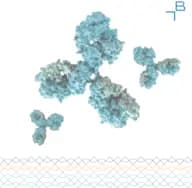


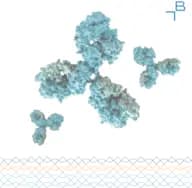



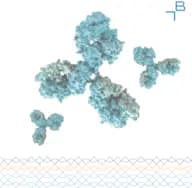

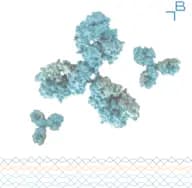


![[Asu1,6]-Oxytocin](/_next/image/?url=https%3A%2Fstatic.cymitquimica.com%2Fproducts%2F3D%2Fthumb-webp%2FPOX-4025-V.webp&w=3840&q=75)
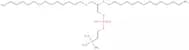





![Des-Asp1-[Ile8]-Angiotensin II](/_next/image/?url=https%3A%2Fstatic.cymitquimica.com%2Fproducts%2F3D%2Fthumb-webp%2FPAN-4037-V.webp&w=3840&q=75)


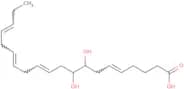

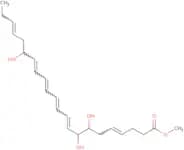
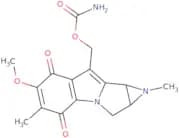
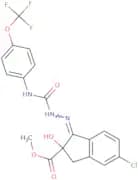


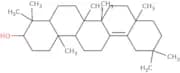
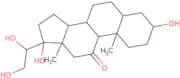
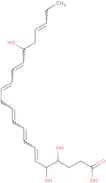
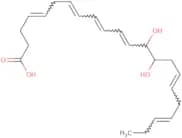
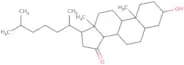


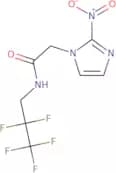
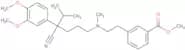
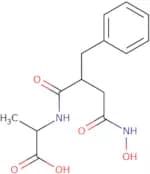

![Fmoc-[D10]Leu-OH](/_next/image/?url=https%3A%2Fstatic.cymitquimica.com%2Fproducts%2F3D%2Fthumb-webp%2FFF111392.webp&w=3840&q=75)


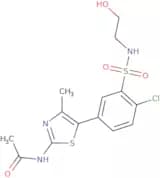
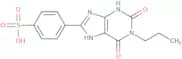

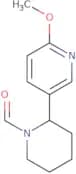
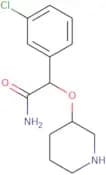
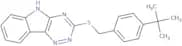
![N-[2-(5-Chloro-2,6-dimethoxybenzimidazol-1-yl)ethyl]acetamide](/_next/image/?url=https%3A%2Fstatic.cymitquimica.com%2Fproducts%2F3D%2Fthumb-webp%2FAPD83630.webp&w=3840&q=75)
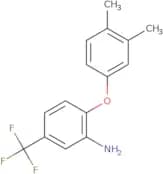
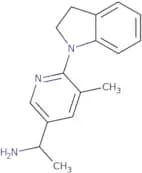
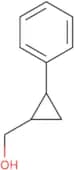
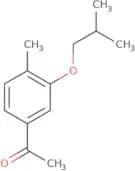
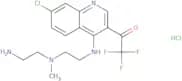
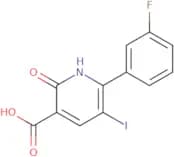
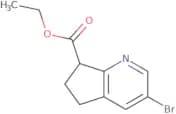
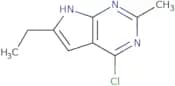
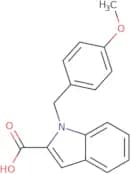
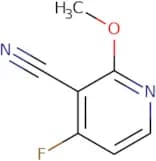
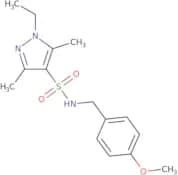
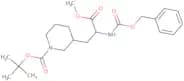
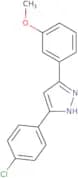
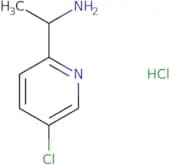
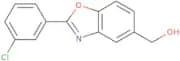
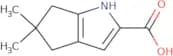
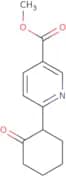
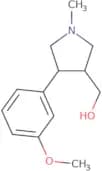
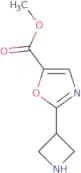
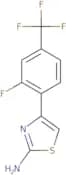
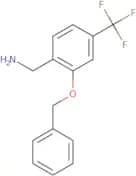
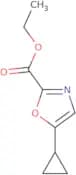
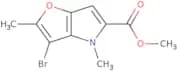
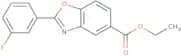
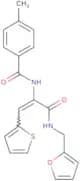
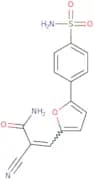
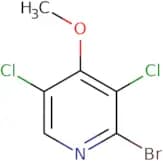
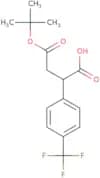
![N-Cyclopropyl-5,6-dihydro-6-[4-[[[2-(2-oxa-7-azaspiro[3.5]non-7-yl)-3-pyridinyl]carbonyl]amino]ben…](/_next/image/?url=https%3A%2Fstatic.cymitquimica.com%2Fproducts%2F3D%2Fthumb-webp%2FRKC77244.webp&w=3840&q=75)
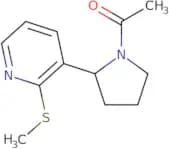
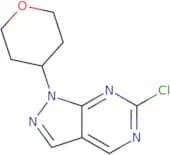
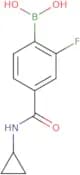
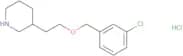
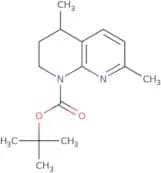
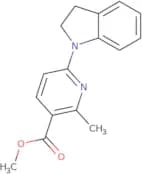
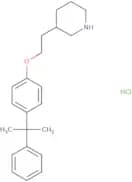
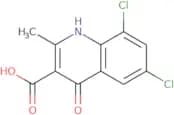
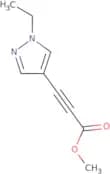
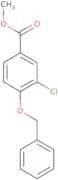
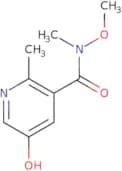
![2-(2-(4-((3-Chloro-4-(3-(trifluoromethyl)phenoxy)phenyl)amino)-5H-pyrrolo[3,2-d]pyrimidin-5-yl)eth…](/_next/image/?url=https%3A%2Fstatic.cymitquimica.com%2Fproducts%2F3D%2Fthumb-webp%2FWJB02618.webp&w=3840&q=75)
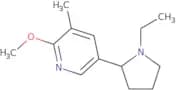
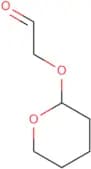
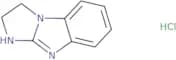
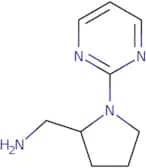
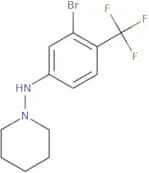
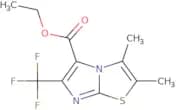
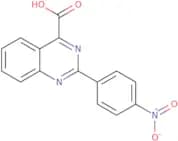
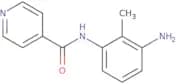
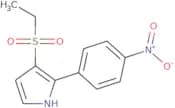
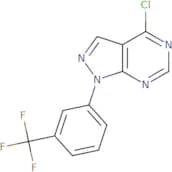
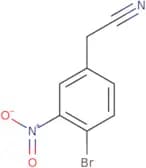
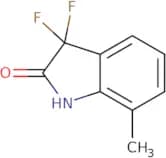
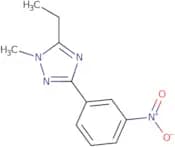
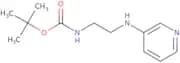
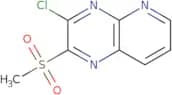
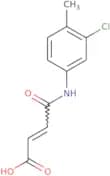

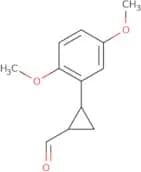
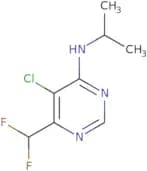
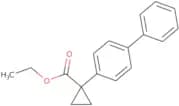
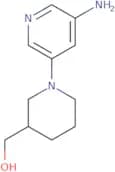
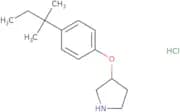
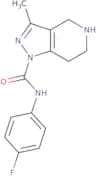
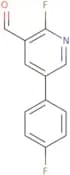
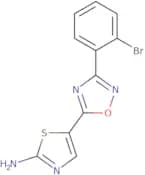
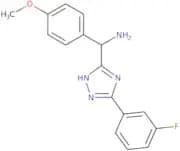
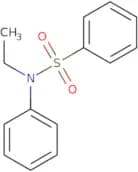
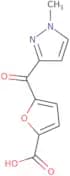
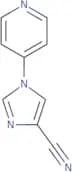
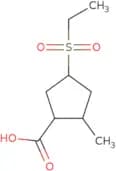
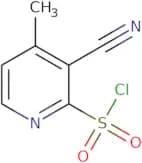
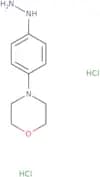
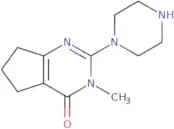
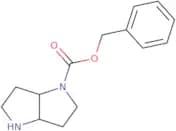
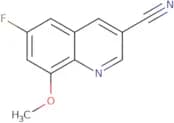
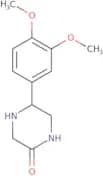
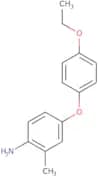
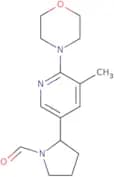
![7-[1-(2-Fluoropyridin-3-yl)-5-methyltriazol-4-yl]quinoline](/_next/image/?url=https%3A%2Fstatic.cymitquimica.com%2Fproducts%2F3D%2Fthumb-webp%2FARB80262.webp&w=3840&q=75)
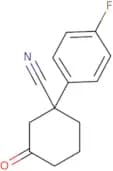
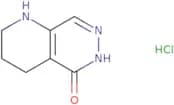
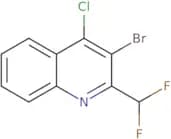
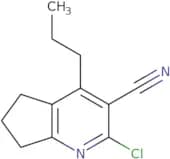
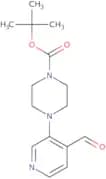
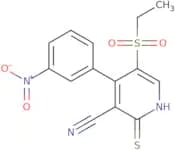
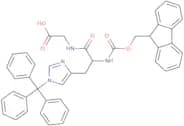


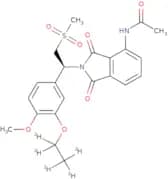

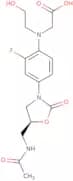


![N-Methyl-4-(6-phenylimidazo[1,2-a]pyrazin-3-yl)benzamide](/_next/image/?url=https%3A%2Fstatic.cymitquimica.com%2Fproducts%2F3D%2Fthumb-webp%2FNRD70996.webp&w=3840&q=75)

![[4,5,6,7-Tetrabromo-2-(Dimethylamino)-1h-Benzimidazol-1-yl]acetic acid](/_next/image/?url=https%3A%2Fstatic.cymitquimica.com%2Fproducts%2F3D%2Fthumb-webp%2FKTB82209.webp&w=3840&q=75)

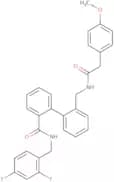
![2-[2-(Acetyloxy)-6,7-dihydrothieno[3,2-c]pyridin-5(4H)-yl]-1-cyclopropyl-2-phenylethanone](/_next/image/?url=https%3A%2Fstatic.cymitquimica.com%2Fproducts%2F3D%2Fthumb-webp%2FRFC19445.webp&w=3840&q=75)
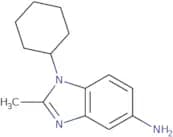

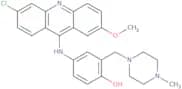

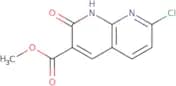
![(R)-Benzyl 2-(7-carbamoyl-1H-benzo[D]imidazol-2-yl)-2-methylpyrrolidine-1-carboxylate](/_next/image/?url=https%3A%2Fstatic.cymitquimica.com%2Fproducts%2F3D%2Fthumb-webp%2FMLB44473.webp&w=3840&q=75)

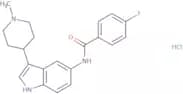
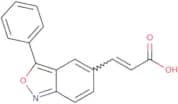
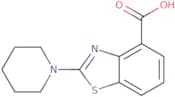

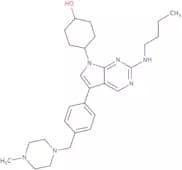
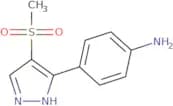


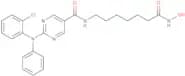


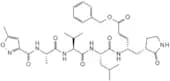

![[Tyr34]-Parathyroid Hormone (Bovine, 1-34 Amide)](/_next/image/?url=https%3A%2Fstatic.cymitquimica.com%2Fproducts%2F3D%2Fthumb-webp%2FPTH-4179-V.webp&w=3840&q=75)