Biochemicals and Reagents
Biochemicals and reagents are fundamental substances for research and development in fields such as biotechnology, molecular biology, pharmacology, and medicine. These products are essential for a variety of applications, including compound synthesis, biological sample analysis, metabolic process research, and drug production. At CymitQuimica, we offer a wide selection of high-quality, high-purity biochemicals and reagents suitable for various scientific and industrial needs. Our catalog includes enzymes, antibodies, nucleic acids, amino acids, and many other products, all designed to support researchers and professionals in their research and development projects, ensuring reliable and reproducible results.
Subcategories of "Biochemicals and Reagents"
- Biomolecules(99,130 products)
- By Biological Target(99,159 products)
- By Pharmacological Effects(6,787 products)
- Cryopreservatives(21 products)
- Desinfectants and Related Compounds(28 products)
- Hormones(346 products)
- Plant Biology(6,747 products)
- Secondary Metabolites(14,222 products)
Found 130579 products of "Biochemicals and Reagents"
Sort by
Purity (%)
0
100
|
0
|
50
|
90
|
95
|
100
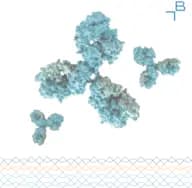
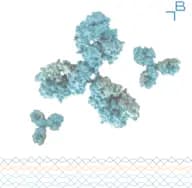
CYP3A43 antibody
<p>CYP3A43 antibody was raised using the C terminal of CYP3A43 corresponding to a region with amino acids IYALHHDPKYWTEPEKFCPESRFSKKNKDSIDLYRYIPFGAGPRNCIGMR</p>Purity:Min. 95%TIE1 antibody
<p>The TIE1 antibody is a highly specific antibody that targets the TIE1 protein, which is an important receptor involved in various biological processes. This monoclonal antibody is widely used in life sciences research to study the role of TIE1 in insulin signaling, adiponectin signaling, and growth factor regulation.</p>SRT3025 Hydrochloride
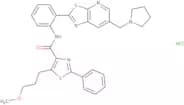
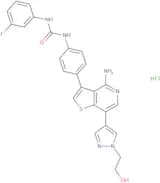
CAS:<p>SRT3025 Hydrochloride is a synthetic small molecule, which is developed as an activator of the SIRT1 enzyme. SRT3025 is derived from chemical synthesis, designed specifically to modulate enzymatic activity associated with aging and metabolic regulation. The compound functions by enhancing the deacetylase activity of the SIRT1 enzyme, a member of the sirtuin family, which plays a crucial role in cellular processes related to longevity and metabolic regulation.</p>Formula:C31H31N5O2S2·HClPurity:Min. 95%Molecular weight:606.2 g/mol2-Isopropyl-5(methylphen-ethylamino)-2-phenylvaleronitrile hydrochloride
CAS:<p>2-Isopropyl-5(methylphen-ethylamino)-2-phenylvaleronitrile hydrochloride is a peptide that acts as an inhibitor of the enzyme protein interactions. It binds to the activator and ligand sites of ion channels, and blocks the flow of ions across cell membranes. 2-Isopropyl-5(methylphen-ethylamino)-2-phenylvaleronitrile hydrochloride has been used as a research tool for the study of ion channels. It has also been used in the production of antibodies against ion channels.</p>Formula:C23H30N2Purity:Min. 95%Molecular weight:334.5 g/molPIK-108
CAS:<p>PIK-108 is a peptide used as a research tool to study protein interactions, receptor function, and ligand binding. It interacts with ion channels and inhibits protein interactions. PIK-108 is a potent inhibitor of the human peptidyl prolyl cis/trans isomerase (PPIase) family, which includes PPIases from bacteria, plants, and humans. This inhibition prevents the enzymatic conversion of proline residues in proteins to their cis or trans forms. As a result, PIK-108 can be used to determine the importance of this enzyme for various cellular functions by testing the effect on cell growth.<br>PIC-108 has been shown to inhibit various members of the human PPIase family at low micromolar concentrations. The IC50 values for several bacterial enzymes are significantly higher than those for mammalian enzymes. The potency of PIK-108 against bacterial enzymes may be due to its high lipophilicity and increased ability to penetrate hydroph</p>Formula:C22H24N2O3Purity:Min. 95%Molecular weight:364.4 g/molAGL-2263
CAS:<p>AGL-2263 is a monocarboxylic acid that has been shown to have time-dependent and site-specific effects on glycogen metabolism. This drug inhibits the activity of glycogen synthase and glycogen synthase kinase, which are enzymes that catalyze the formation of glycogen from glucose. AGL-2263 also inhibits 3T3-L1 cells proliferation in culture, which may be due to its ability to induce receptor β downregulation. The mechanism of this drug's effect on cellular proliferation is not yet known.</p>Formula:C17H10N2O5Purity:Min. 95%Molecular weight:322.27 g/molAZ-33
CAS:<p>AZ-33 is a synthetically optimized biochemical compound, which is derived from naturally occurring plant alkaloids. With a robust mode of action, AZ-33 functions by selectively inhibiting specific enzymatic reactions, allowing precise modulation of metabolic pathways. This selectivity is achieved through its affinity for enzyme binding sites, where it interferes with substrate interactions.<br><br>The compound is used primarily in the field of biochemical research, where it serves as a critical tool in the exploration of metabolic processes and enzymatic functions. By providing insights into enzyme-related pathways, AZ-33 supports the development of potential therapeutic strategies and enhances the understanding of complex biochemical phenomena. Its applications extend to various domains, including pharmacology, molecular biology, and systems biology, making it an invaluable asset for exploratory research and experimental investigations in these fields.</p>Formula:C25H27N3O6SPurity:Min. 95%Molecular weight:497.56 g/molBMS-833923
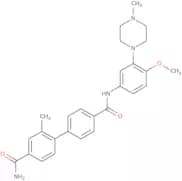
CAS:<p>BMS-833923 is a small molecule that inhibits the activity of epidermal growth factor receptor (EGFR) tyrosine kinase in hypoxic tumor cells, which are found in approximately one-third of all solid tumors. BMS-833923 has been shown to inhibit EGFR tyrosine kinase activity by binding to the ATP site of EGFR and blocking the formation of ATP-EGFR complexes. The inhibition leads to a decrease in downstream signaling, including decreased activation of the mitogen-activated protein kinases and p38 MAPK pathways. BMS-833923 has also been shown to be active against metastatic pancreatic cancer cells. Pharmacokinetic studies have shown that BMS-833923 is metabolized via CYP3A4/5; however, this does not affect its antitumor activity or toxicity.</p>Formula:C30H27N5OPurity:Min. 95%Molecular weight:473.58 g/molLuzindole
CAS:<p>Melatonin receptor antagonist</p>Formula:C19H20N2OPurity:Min. 95%Molecular weight:292.37 g/molAquaporin 7 antibody
<p>Aquaporin 7 antibody was raised using the C terminal of AQP7 corresponding to a region with amino acids DSVAYEDHGITVLPKMGSHEPTISPLTPVSVSPANRSSVHPAPPLHESMA</p>(S)-5-((1,1'-Biphenyl)-4-ylmethyl)pyrrolidin-2-one
CAS:<p>(S)-5-((1,1'-Biphenyl)-4-ylmethyl)pyrrolidin-2-one is a ligand of the beta2 adrenergic receptor. It is an inhibitor of ion channels and has been shown to be an excellent research tool for studying cell biology and receptor binding. (S)-5-((1,1'-Biphenyl)-4-ylmethyl)pyrrolidin-2-one can be used in the study of peptides or antibodies that interact with the beta2 adrenergic receptor.</p>Formula:C17H17NOPurity:Min. 95%Molecular weight:251.32 g/molPhthalide 13C6
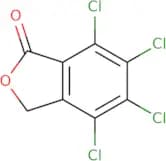
CAS:<p>Phthalide 13C6 is an analog of a naturally occurring compound found in Chinese medicinal plants. It has been shown to have potent anticancer properties, inducing apoptosis in cancer cells and inhibiting tumor growth. Phthalide 13C6 acts as a kinase inhibitor, disrupting the cell cycle and preventing the production of proteins necessary for cancer cell survival. This compound has also been studied for its potential use as a biomarker for cancer diagnosis, as it can be detected in urine samples from patients with certain types of cancer. With its promising potential as an anticancer agent, Phthalide 13C6 is a valuable addition to the field of medicinal research.</p>Formula:C8H2Cl4O2Purity:Min. 95%Molecular weight:271.9 g/molP7C3
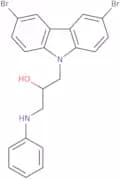
CAS:<p>Activator of NAMPT transferase</p>Formula:C21H18Br2N2OPurity:Min. 95%Molecular weight:474.19 g/molReutericyclin
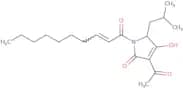
CAS:<p>Reutericyclin is a novel antibiotic that inhibits fatty acid synthesis. It has been shown to be effective against oral pathogens and microbial infections. Reutericyclin has been shown to inhibit the growth of bacteria by binding to the bacterial fatty acid synthase, which is an enzyme that catalyzes the first step in the biosynthesis of fatty acids. The drug also binds to ATP synthase, preventing the production of ATP, which is needed for bacterial cell division. Reutericyclin has been shown to have antimicrobial properties in both model systems and humans, but it does not have any significant side effects on humans or animals.</p>Formula:C20H31NO4Purity:Min. 95%Color and Shape:PowderMolecular weight:349.5 g/molApilimod mesylate
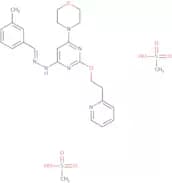
CAS:<p>Apilimod mesylate is a small molecule that inhibits viral replication by selective inhibition of the toll-like receptor (TLR) signaling pathway. Apilimod mesylate has been shown to have significant cytotoxicity in vitro and in vivo. It also has the ability to inhibit both TLR-3 and TLR-4, which are receptors for the recognition of lipopolysaccharide, an inflammatory molecule produced by Gram-negative bacteria. Apilimod mesylate has been shown to be effective in treating bowel disease and eye disorders such as dry eye. Apilimod mesylate has a long half-life and provides significant efficacy following long term treatment with no observed toxicity.</p>Purity:Min. 95%M8-B hydrochloride
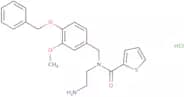
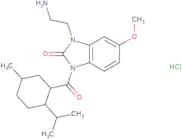
CAS:<p>M8-B hydrochloride is a monoclonal antibody that binds to the extracellular domain of the cation channel (TRPA1) and inhibits its activity. It has been shown to inhibit spontaneous pain in mice with neuropathic pain and inflammatory pain. M8-B hydrochloride also blocks TRPA1 activity in prostate cancer cells, which are used as an experimental model for prostate cancer.</p>Formula:C22H24N2O3S·HClPurity:Min. 95%Molecular weight:432.96 g/mol(R)-N-(3-Methoxy-α-phenylethyl)-3-(2'-chlorphenyl)-1-(propylamine hydrochloride)
CAS:<p>(R)-N-(3-Methoxy-alpha-phenylethyl)-3-(2'-chlorophenyl)-1-(propylamine hydrochloride) is a potent, selective, and competitive inhibitor of mammalian voltage-gated sodium channels. This compound has been shown to inhibit the activity of the alpha subunit of the voltage-gated sodium channel in rat brain and dorsal root ganglia neurons. (R)-N-(3-Methoxy-alpha-phenylethyl)-3-(2'-chlorophenyl)-1-(propylamine hydrochloride) is a potent ligand for the Cloned Human NGF Receptor and binds to this receptor with high affinity. It is used as a research tool for studying protein interactions and peptides, as well as an antibody for cell biology studies.</p>Formula:C18H22ClNOPurity:Min. 95%Molecular weight:303.8 g/molBatabulin
CAS:<p>Batabulin is a peptide that is used as a research tool for ion channels and receptor interactions. It has been shown to inhibit the activation of potassium channels by binding to the Kv1.3 channel protein, which results in the inhibition of sodium currents. Batabulin has also been shown to inhibit the interaction between receptors and ligands, such as acetylcholine, histamine, and serotonin. Batabulin is an inhibitor of protein interactions and can be used in pharmacology studies.</p>Formula:C13H7F6NO3SPurity:Min. 95%Molecular weight:371.26 g/molBRAF antibody
<p>The BRAF antibody is a highly specialized and reactive antibody that targets the activated form of the BRAF protein. This protein is involved in cell growth and plays a crucial role in various biological processes. The BRAF antibody is cytotoxic, meaning it has the ability to kill cells that express high levels of the activated BRAF protein.</p>U91356
CAS:<p>U91356 is an agonist of the nicotinic acetylcholine receptor. It is a potent inhibitor of ACh-activated currents in rat sympathetic neurons, and also inhibits potassium-evoked currents in rat hippocampal neurons. U91356 is a competitive antagonist at the alpha3beta4 nicotinic acetylcholine receptor, but does not inhibit responses to ACh or nicotine in mice with alpha7 nicotinic acetylcholine receptor deficiency.</p>Formula:C13H17N3OPurity:Min. 95%Molecular weight:231.29 g/molPHACTR3 antibody
<p>PHACTR3 antibody was raised using the C terminal of PHACTR3 corresponding to a region with amino acids IEMKLSKRLSQRPAVEELERRNILKQRNDQTEQEERREIKQRLTRKLNQR</p>BLZ 945
CAS:<p>BLZ 945 is a novel small molecule that inhibits the activation of microglia, which are immune cells in the brain. It has been shown to inhibit tumor growth and radiation-induced tissue damage in cancer research. BLZ 945 also reduces the severity of autoimmune diseases by inhibiting the production of pro-inflammatory cytokines such as csf-1r and toll-like receptor 4. In addition, it has anti-inflammatory properties due to its inhibition of macrophage migration and adhesion. The drug has been shown to reduce the size of solid tumours in mice by reducing tumor angiogenesis and inhibiting cell proliferation.</p>Formula:C20H22N4O3SPurity:Min. 95%Molecular weight:398.48 g/molTTC-352
CAS:<p>TTC-352 is a small molecule that selectively modulates the activity of certain ion channels. It is an inhibitor of the Kv1.3 channel, which is expressed in neurons and dorsal root ganglion cells. TTC-352 has been shown to inhibit neuronal activity and to be an effective analgesic when used in combination with morphine. TTC-352 has also been shown to have anticancer properties as an inhibitor of epidermal growth factor receptor (EGFR) signaling and as a potential treatment for metastatic melanoma. The ligand binds to the receptor, preventing it from binding to its natural ligands, inhibiting downstream signaling pathways. This inhibition leads to cell death by apoptosis or necrosis depending on the type of cancer cell.</p>Formula:C20H13FO3SPurity:Min. 95%Color and Shape:PowderMolecular weight:352.40 g/molBSG antibody
<p>The BSG antibody is a monoclonal antibody that specifically targets tumor necrosis factor-alpha (TNF-α). It is designed to bind to the glycan moiety of TNF-α, preventing its interaction with cell surface receptors. This antibody can be used in various research applications, such as immunohistochemistry and flow cytometry, to detect and quantify TNF-α levels. The BSG antibody has been extensively validated and shown to have high specificity and affinity for TNF-α. Its neutralizing properties make it a valuable tool for studying the role of TNF-α in various physiological and pathological processes. Additionally, this antibody has been used in therapeutic settings, such as the treatment of inflammatory diseases like rheumatoid arthritis, where excessive TNF-α production plays a key role in disease progression.</p>ANP32A antibody
<p>ANP32A antibody was raised using a synthetic peptide corresponding to a region with amino acids FNCEVTNLNDYRENVFKLLPQLTYLDGYDRDDKEAPDSDAEGYVEGLDDE</p>Purity:Min. 95%MPL antibody
<p>The MPL antibody is a powerful tool in the field of life sciences. It is a polyclonal antibody that specifically targets the myeloproliferative leukemia (MPL) receptor, which is a tyrosine kinase receptor involved in the regulation of hematopoiesis. This antibody has been extensively studied and has shown neutralizing activity against MPL ligands such as thrombopoietin, resulting in the inhibition of downstream signaling pathways.</p>Purity:Min. 95%PF 03814735
CAS:<p>Inhibitor of Aurora kinase</p>Formula:C23H25F3N6O2Purity:Min. 95%Color and Shape:PowderMolecular weight:474.48 g/molZNF644 antibody
<p>ZNF644 antibody was raised in rabbit using the middle region of ZNF644 as the immunogen</p>Purity:Min. 95%OD 36
CAS:<p>OD 36 is an anti-VEGF compound that is used as a diagnostic tool to detect the presence of VEGF in the eye. It is also used for intravitreal injection to treat retinal disorders such as age-related macular degeneration and diabetic retinopathy. OD 36 has been shown to be resistant to surfactants, making it suitable for use in aqueous solutions. This chemical does not have any intrinsic anti-oxidant properties, but can be stabilized by the addition of other anti-oxidants. OD 36 is insoluble in water and should be stored at low temperatures to prevent precipitation. OD 36 has shown no immunogenicity or toxicity in animals, although it may cause pigmentosa when injected into the eye.</p>Formula:C16H15ClN4O2Purity:Min. 95%Molecular weight:330.77 g/molDPPA2 antibody
<p>The DPPA2 antibody is a monoclonal antibody that targets and neutralizes the growth factor DPPA2. It has been shown to inhibit caspase-9 activity, which plays a crucial role in apoptosis. This antibody is formulated with excipients such as histidine and colloidal globulin to enhance stability and efficacy. It can be used in various applications in Life Sciences, including research on mesenchymal stem cells and alpha-fetoprotein. The DPPA2 antibody is a highly specific and potent tool for studying the function of DPPA2 and its role in cellular processes.</p>MAP3K11 antibody
<p>MAP3K11 antibody was raised using the middle region of MAP3K11 corresponding to a region with amino acids PVGQRSAKSPRREEEPRGGTVSPPPGTSRSAPGTPGTPRSPPLGLISRPR</p>Purity:Min. 95%PJ34
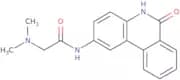
CAS:<p>PJ34 is a chemical compound that induces apoptosis in cancer cells. It has been shown to induce caspase-independent cell death in myeloma cells and HL-60 leukemia cells, but not in normal cells. PJ34 is a selective inhibitor of PARP-1, an enzyme that regulates the balance between DNA repair and apoptosis. This drug also induces neuronal death by inhibiting basic proteins without inducing necrosis.</p>Formula:C17H17N3O2Purity:Min. 95%Molecular weight:295.34 g/molHistone H3 antibody
<p>The Histone H3 antibody is a monoclonal antibody that specifically targets histone H3, a protein involved in the packaging of DNA into chromatin. This antibody is commonly used in research studies to investigate histone modifications and their impact on gene expression. It is particularly useful for techniques such as chromatin immunoprecipitation assay (ChIP) which allows researchers to study the interactions between proteins and DNA. The Histone H3 antibody has been extensively validated and is known for its high specificity and sensitivity. It has been successfully used in various applications including Western blotting, immunofluorescence, and immunohistochemistry. Researchers can rely on this antibody to accurately detect histone H3 acetylation levels and gain insights into epigenetic regulation of gene expression.</p>Purity:Min. 95%ULBP1 antibody
<p>ULBP1 antibody was raised using the N terminal of ULBP1 corresponding to a region with amino acids MAAAASPAFLLCLPLLHLLSGWSRAGWVDTHCLCYDFIITPKSRPEPQWC</p>Purity:Min. 95%Asp 2535
CAS:<p>Asp 2535 is a sodium hypochlorite-based compound, which is a chlorine-releasing agent with potent antimicrobial properties. It originates from the oxidation of sodium chloride and displays its efficacy through the release of hypochlorous acid upon dissolution in water. This mode of action involves the disruption of essential cellular processes in microorganisms, including protein synthesis and nucleic acid structure, ultimately leading to cell death.</p>Formula:C22H18N6OPurity:Min. 95%Molecular weight:382.4 g/molSLC5A4 antibody
<p>SLC5A4 antibody was raised in rabbit using a synthetic peptide conjugated to KLH as the immunogen.</p>Purity:Min. 95%YHO-13177
CAS:<p>YHO-13177 is a novel chemotherapeutic drug that is being investigated for its effectiveness against cancer. YHO-13177 has been shown to inhibit the ATP binding cassette transporter, which prevents the export of nucleotides from cells and inhibits DNA synthesis. It also inhibits cancer cell proliferation in a dose-dependent manner and has been shown to be effective against murine leukemia. YHO-13177 has been shown to bind to human cervical carcinoma cells, but not to healthy cells, suggesting that it may have potential as a treatment for cervical cancer.</p>Formula:C20H22N2O3SPurity:Min. 95%Molecular weight:370.47 g/molDihydro nicotyrine-d3
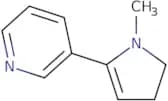
CAS:<p>Please enquire for more information about Dihydro nicotyrine-d3 including the price, delivery time and more detailed product information at the technical inquiry form on this page</p>Formula:C10H12N2Purity:Min. 95%Molecular weight:163.23 g/molTMEM126B antibody
<p>TMEM126B antibody was raised using the N terminal of TMEM126B corresponding to a region with amino acids AASMHGQPSPSLEDAKLRRPMVIEIIEKNFDYLRKEMTQNIYQMATFGTT</p>Purity:Min. 95%KIFC3 antibody
<p>KIFC3 antibody was raised using the C terminal of KIFC3 corresponding to a region with amino acids EHLEWEPACQTPQPSARAHSAPSSGTSSRPGSIRRKLQPSGKSRPLPV</p>Purity:Min. 95%AZD 8186
CAS:<p>AZD 8186 is a selective small-molecule inhibitor, which is sourced from synthesized chemical compounds, specifically designed to target the phosphoinositide 3-kinase (PI3K) pathway. This inhibitor functions by selectively inhibiting the PI3K isoforms, primarily PI3Kβ and PI3Kδ, which play critical roles in multiple cell signaling pathways related to growth, survival, and proliferation.</p>Formula:C24H25F2N3O4Purity:Min. 95%Molecular weight:457.5 g/molN2,N2-Dimethyl-N6-(1-oxododecyl)-L-lysine
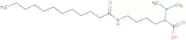
CAS:<p>N2,N2-Dimethyl-N6-(1-oxododecyl)-L-lysine is a peptide and an inhibitor of ion channels. It was originally isolated from the venom of the Brazilian spider Phoneutria nigriventer. N2,N2-Dimethyl-N6-(1-oxododecyl)-L-lysine binds to voltage gated sodium channels, inhibiting the opening of these channels. This inhibition prevents the propagation of action potentials, and leads to a cessation in neural activity. N2,N2-Dimethyl-N6-(1-oxododecyl)-L-lysine also inhibits potassium channels by binding to the S4 region of these channels. The inhibition of potassium channels leads to hyperpolarization and a decrease in neural activity.</p>Formula:C20H40N2O3Purity:Min. 95%Molecular weight:356.5 g/molATF2 antibody
<p>The ATF2 antibody is a highly specialized antibody that is used in Life Sciences research. It is an inhibitor of the epidermal growth factor and acts as a cytotoxic agent against specific cells. This monoclonal antibody specifically targets ATF2, a transcription factor involved in cell growth and development. The ATF2 antibody can be used for various applications, including Western blotting, immunohistochemistry, and flow cytometry. It is available as both a recombinant antigen and as polyclonal antibodies. The neutralizing properties of this antibody make it an essential tool for studying the role of ATF2 in cellular processes. With its high specificity and affinity to the target protein, the ATF2 antibody provides accurate and reliable results in research experiments.</p>Purity:Min. 95%4-(4-Bromo-phenyl)-1-(5-methoxy-1H-indol-3-ylmethyl)-piperidin-4-ol
CAS:<p>4-(4-Bromo-phenyl)-1-(5-methoxy-1H-indol-3-ylmethyl)-piperidin-4-ol is a potent and selective activator of the human TRPA1 receptor. It has been shown to activate the channel and induce calcium influx in human embryonic kidney cells. This compound can also be used as a research tool to study protein interactions and pharmacology. The purity of this product is high, with no detectable impurities. 4-(4-Bromo-phenyl)-1-(5-methoxy-1H-indol-3-ylmethyl)-piperidin-4 -ol is available for purchase from Sigma Aldrich at CAS No. 8734456044.</p>Formula:C21H23BrN2O2Purity:Min. 95%Molecular weight:415.3 g/molRAGE antagonist peptide
CAS:<p>The RAGE antagonist peptide is a peptide that binds to RAGE and inhibits its pro-angiogenic effects. This peptide has been shown to inhibit the growth of prostate cancer cells in vitro and in vivo, as well as induce the apoptosis of these cells. The RAGE antagonist peptide also blocks the activation of nuclear DNA, which prevents transcriptional regulation and protein synthesis. In addition, this peptide can bind to calcium ions and inhibit the activity of toll-like receptor 4 (TLR4). The RAGE antagonist peptide has also been shown to have anti-angiogenic effects on a variety of cancers, including prostate cancer tissues.</p>Formula:C57H101N13O17SPurity:Min. 95%Molecular weight:1,272.6 g/molCystatin B antibody
<p>Cystatin B antibody was raised using a synthetic peptide corresponding to a region with amino acids AGTNYFIKVHVGDEDFVHLRVFQSLPHENKPLTLSNYQTNKAKHDELTYF</p>anti-human CCR1
<p>The anti-human CCR1 is a potent cytotoxic agent that targets the CCR1 receptor, a key molecule involved in various cellular processes. This monoclonal antibody specifically binds to the CCR1 receptor and inhibits its activation, leading to reduced collagen production and endothelial cell growth. The anti-human CCR1 antibody has been extensively studied in Life Sciences research and has shown significant efficacy in suppressing cell cytotoxicity. It is also effective against multidrug-resistant cells that overexpress the CCR1 receptor. Furthermore, this antibody can be used in combination with other therapeutic agents such as ethionamide to enhance their efficacy. The anti-human CCR1 antibody exhibits high specificity and affinity towards its target molecule, making it a valuable tool for researchers studying immune responses and inflammatory diseases. Additionally, this antibody has been used in hybridization studies to detect the presence of CCR1 mRNA and protein expression levels. Its ability to inhibit superoxide production further highlights its potential as an important tool in understanding</p>Purity:Min. 95%Furacilinum metabolite monoclonal antibody
<p>Mouse anti- Furacilinum metabolite monoclonal antibody</p>Mogroside I E1
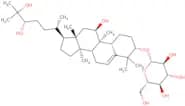
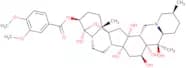
CAS:<p>Mogroside I E1 is a sweetener that is structurally related to mogrosides. It has been shown to inhibit the dna polymerase activity and reduce cancer cell proliferation. This product was developed as a health-care product for the treatment of diabetes, obesity, and hypertension. Mogroside I E1 is also used as a flavoring agent in food products. Mogroside I E1 is synthesized from mogrosides by dehydration of the sugar moiety with alcohols and oxidation of the sugar moiety with hydrogen peroxide or sodium persulfate.</p>Formula:C36H62O9Purity:Min. 95%Molecular weight:638.87 g/molIlorasertib hydrochloride
CAS:<p>Ilorasertib hydrochloride is a selective multi-targeted kinase inhibitor, which is derived from meticulous synthetic chemistry processes aimed at producing potent therapeutic agents. With a primary mechanism of action that involves the inhibition of several key kinases, Ilorasertib hydrochloride acts to disrupt critical signaling pathways essential for cancer cell proliferation and survival. This mechanistic approach involves the targeting of enzymes such as cyclin-dependent kinases (CDKs) and VEGFR, which are pivotal in various cancerous processes.</p>Formula:C25H22ClFN6O2SPurity:Min. 95%Molecular weight:525 g/molSLC20A1 antibody
<p>SLC20A1 antibody was raised using a synthetic peptide corresponding to a region with amino acids LVALYLVYDTGDVSSKVATPIWLLLYGGVGICVGLWVWGRRVIQTMGKDL</p>Purity:Min. 95%Annexin A8-Like 2 antibody
<p>Annexin A8-Like 2 antibody was raised using the N terminal of ANXA8L2 corresponding to a region with amino acids PDAETLYKAMKGIGTNEQAIIDVLTKRSNTQRQQIAKSFKAQFGKDLTET</p>Purity:Min. 95%FGTI-2734
CAS:<p>Please enquire for more information about FGTI-2734 including the price, delivery time and more detailed product information at the technical inquiry form on this page</p>Formula:C26H31FN6O2SPurity:Min. 95%Molecular weight:510.6 g/molsulfo-SPDB
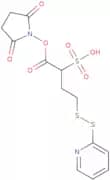
CAS:<p>Sulfo-SPDB is a lysine analog that has potent antitumor activity and is being evaluated as a potential cancer therapeutic agent. It inhibits tumor growth in vitro by inhibiting the expression of proteins important for cell division and survival. Sulfo-SPDB binds to the lysine residues on the surface of cells, including erythrocytes, lymphocytes, and tumor cells. This binding prevents protein synthesis and cell division. In vivo studies have shown that sulfo-SPDB is effective against human liver cancer xenografts in mice, cervical cancer xenografts in mice, and t-cell lymphoma xenografts in mice. Clinical studies are underway to determine if it is safe for use in humans.</p>Formula:C13H14N2O7S3Purity:Min. 95%Molecular weight:406.5 g/molCD123 antibody
<p>The CD123 antibody is a trifunctional genotoxic antibody that targets the tyrosine kinase receptor CD123. It belongs to the class of monoclonal antibodies and has been shown to have anti-beta amyloid properties. This antibody works by binding to CD123, which is expressed on the surface of certain cells, including cancer cells. Once bound, it activates protein kinase pathways and chemokine signaling, leading to cell death and inhibition of tumor growth. The CD123 antibody has also been found to modulate phosphatase activity and regulate the expression of growth factors such as alpha-fetoprotein. This antibody is widely used in the field of life sciences for research purposes and has shown promising results in preclinical studies.</p>IFNAR2 antibody
<p>IFNAR2 antibody was raised in mouse using human interferon alpha/beta receptor chain 2 as the immunogen.</p>Lamin B2 antibody
<p>Lamin B2 antibody was raised using the middle region of LMNB2 corresponding to a region with amino acids EVAMRTVKKSSVMRENENGEEEEEEAEFGEEDLFHQQGDPRTTSRGCYVM</p>NSC 23925
CAS:<p>NSC 23925 is a quinoline derivative that inhibits the activity of drug transporters, which are proteins that pump drugs out of the cell. It selectively targets cancer cells and has been shown to inhibit the growth of human osteosarcoma cells. NSC 23925 has been tested in patients with lung cancer and found to be safe, with no significant side effects. This drug is also used in combination with other drugs to treat skin cancer, Kaposi's sarcoma, and myeloma.</p>Formula:C22H26Cl2N2O2Purity:Min. 95%Molecular weight:421.36 g/molRad17 antibody (Ser645)
<p>Synthetic human phosphopeptide (Ser645) region immunogen; rabbit polyclonal Rad17 antibody (Ser645)</p>TGF β 2 antibody
<p>TGF beta 2 antibody was raised using the middle region of TGFB2 corresponding to a region with amino acids NLVKAEFRVFRLQNPKARVPEQRIELYQILKSKDLTSPTQRYIDSKVVKT</p>Purity:Min. 95%SS-208
CAS:<p>SS-208 is an advanced chemical compound used for de-icing applications, which is synthesized from a proprietary blend of glycol-based components. Its mode of action involves disrupting the hydrogen bonds in ice, effectively lowering the freezing point and facilitating the melting process. By altering the crystalline structure of the ice, SS-208 provides a rapid and efficient means of ice removal.</p>Formula:C13H11Cl2N3O4Purity:Min. 95%Molecular weight:344.15 g/molMDR-652
CAS:<p>MDR-652 is a novel analgesic that has potential to act as a vanilloid receptor agonist. It is a synthetic, non-opioid, non-NSAID medicine with analgesic activity and the potential to treat neuropathic pain. MDR-652 has been shown to be effective in animal models of neuropathic pain, such as allodynia and mechanical hyperalgesia. MDR-652 also has the ability to cross the skin barrier and reach the systemic circulation. MDR-652 is not active against gram positive bacteria (e.g., Staphylococcus aureus) or anaerobic bacteria (e.g., Clostridium difficile).<br>MDR-652 also acts on TrpV1 receptors and has been shown in animal models to reduce inflammatory responses in tissues by inhibiting substance P release from sensory nerve endings.</p>Formula:C22H23ClFN3O2SPurity:Min. 95%Molecular weight:448 g/molZ-Gly-Gly-Arg-AMC acetate
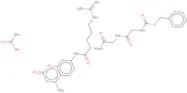
CAS:Controlled Product<p>The chemical compound Z-Gly-Gly-Arg-amc acetate is a proteolytic inhibitor. It inhibits the serine protease activity by binding to the active site of the enzyme and blocking its reaction with the substrate. This prevents the hydrolysis of proteins and thrombin formation, which is important for blood clotting. It has been shown to have a positive effect on the treatment of cancer and bone diseases in clinical studies. The skeleton contains about 20% of protein, most of which are collagen and elastin. These proteins are degraded by proteolytic enzymes, such as plasminogen activator, kallikrein, trypsin, and thrombin. The skeleton undergoes continuous remodeling through bone resorption and deposition that is regulated by these enzymes.</p>Formula:C30H37N7O9Purity:Min. 95%Molecular weight:639.66 g/molMLSTD2 antibody
<p>MLSTD2 antibody was raised using the N terminal Of Mlstd2 corresponding to a region with amino acids LRSCPKVNSVYVLVRQKAGQTPQERVEEVLSGKLFDRLRDENPDFREKII</p>MLS6585
CAS:<p>MLS6585 is a functional allosteric modulator of the dopamine D2 receptor. It has been shown to increase the affinity and inhibitory effect of dopamine at the D2 receptor. MLS6585 was found to have a significant effect on neuronal function in rats, reversing dyskinesia and improving motor function. This drug also reduced blood pressure and had an anti-inflammatory effect in mice. MLS6585 is currently being developed as a treatment for Parkinson's disease, depression, and hypertension.</p>Formula:C19H23N3O2SPurity:Min. 95%Molecular weight:357.5 g/molML 337
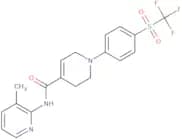
CAS:<p>ML337 is a functional ligand that binds to the metabotropic glutamate receptor subtype 2 (mGlu2). It has been shown to be an allosteric modulator of mGlu2, where it acts as an agonist at low concentrations and as a negative allosteric modulator at high concentrations. ML337 has been shown to inhibit calcium-sensing receptor function in renal cells and may have potential for the treatment of chronic kidney diseases.</p>Formula:C21H20FNO3Purity:Min. 95%Molecular weight:353.4 g/molSR 13800
CAS:<p>SR 13800 is a nutritional supplement that contains branched-chain amino acids. It is used to help transport the active substances into muscle cells. This supplement has been shown to increase the uptake of amino acids by mammalian cells in culture and has an oral bioavailability of 100%. SR 13800 is not currently available in any other form besides a powder. It can be dissolved in water and consumed as a drink, or mixed with food. The product does not contain any other ingredients besides amino acids and does not require refrigeration.</p>Formula:C25H29N3O2SPurity:Min. 95%Molecular weight:435.6 g/molK 114
CAS:<p>K 114 is a selective herbicide, which is a synthetic chemical intervention designed to target and manage unwanted plant species in agricultural settings. Derived from advanced chemical synthesis processes, it ensures high purity and efficacy in real-world applications. The mode of action involves the inhibition of key enzymatic pathways crucial for the survival and growth of broadleaf and grassy weeds, thereby effectively hindering their development without affecting the desired crops.</p>Formula:C22H17BrO2Purity:Min. 95%Molecular weight:393.27 g/molYM-254890
CAS:<p>YM-254890 is a potent inhibitor of protein α and alkoxy radical in the thrombin receptor. It has been shown to be effective in inhibiting blood pressure and α subunit, which is one of the main proteins involved in the regulation of blood pressure. YM-254890 is a hydrogenated analog that belongs to the class of non-selective cations. It also inhibits protein synthesis, which may be due to its binding to the carbonyl group and protein inhibitors. The biological properties of YM-254890 have been studied with carboxylic acid groups, including thrombin receptors, and it has been found that this drug can inhibit cancer cell growth.</p>Formula:C46H69N7O15Purity:Min. 95%Molecular weight:960.1 g/molVBY 825
CAS:<p>Cathepsin inhibitor</p>Formula:C23H29F4N3O5SPurity:Min. 95%Molecular weight:535.55 g/molVU591
CAS:<p>VU591 is a molecular probe, which is a synthetic chemical compound designed for research purposes. It originates from a series of high-throughput screening processes aimed at identifying modulators of X-linked inhibitor of apoptosis proteins (XIAP). The mode of action of VU591 involves binding to the XIAP, thereby disrupting its interaction with caspases, essential components in cellular apoptosis pathways. By modulating XIAP, VU591 can serve as an effective tool in studying apoptosis regulation and its implications in diseases where cell death is dysregulated, such as cancer. It is commonly utilized in laboratory settings to elucidate the molecular mechanisms governing apoptosis and to investigate potential therapeutic strategies targeting XIAP-mediated pathways, offering valuable insights for developing anti-cancer treatments.</p>Formula:C16H12N6O5Purity:Min. 95%Molecular weight:368.3 g/molALDOC antibody
<p>ALDOC antibody was raised using the N terminal of ALDOC corresponding to a region with amino acids MPHSYPALSAEQKKELSDIALRIVAPGKGILAADESVGSMAKRLSQIGVE</p>PSN-GK1
CAS:<p>PSN-GK1 is a research tool that can be used to activate or inhibit ion channels. PSN-GK1 binds to the receptor and activates the cell by initiating a signal transduction pathway. It is an inhibitor for potassium channels and may be used in pharmacology to treat diseases such as epilepsy, Parkinson's disease, and chronic pain.</p>Formula:C20H23FN2O4S2Purity:Min. 95%Molecular weight:438.5 g/molErythropoetin antibody
<p>The Erythropoetin antibody is a molecule drug that acts as an inhibitor of activated protein kinase. It is a monoclonal antibody that specifically targets and neutralizes erythropoietin, a hormone responsible for red blood cell production. This antibody can be used in various applications in the field of Life Sciences, including research on diseases such as cancer (e.g., MCF-7 cells) and the development of therapeutics. The Erythropoetin antibody is often conjugated to microspheres or other carriers for easy detection and isolation. Additionally, it has been shown to have anticoagulant properties by inhibiting the interaction between fibrinogen and platelets.</p>ACY1 antibody
<p>The ACY1 antibody is a monoclonal antibody that targets the ACY1 protein. ACY1 is an enzyme involved in various biological processes, including dopamine metabolism and apoptosis regulation. This antibody specifically binds to ACY1 and can be used for research purposes in the field of life sciences.</p>CHIA antibody
<p>CHIA antibody was raised using the N terminal of CHIA corresponding to a region with amino acids MVSTPENRQTFITSVIKFLRQYEFDGLDFDWEYPGSRGSPPQDKHLFTVL</p>Purity:Min. 95%3-AQC
CAS:<p>3-AQC is a mitochondrial respiratory chain inhibitor that inhibits electron transport and the production of ATP. 3-AQC is taken up by mitochondria and functions in the respiratory chain. The drug has significant effects on cellular organelles, such as the cell membrane, and can be used to study mitochondrial functions. The drug was found to have significant effects on cardiomyocytes, leading to cardiac dysfunction in neonatal rats.</p>Formula:C20H21N5O4Purity:Min. 95%Molecular weight:395.4 g/molSaquinavir Mesylate
<p>Saquinavir Mesylate (USP grade powder) chemical reference substance</p>Purity:Min. 95%AGPAT4 antibody
<p>The AGPAT4 antibody is a monoclonal antibody designed for hybridization in the field of Life Sciences. It specifically targets and activates the AGPAT4 protein, which plays a crucial role in various biological processes. This antibody has been shown to interact with oncostatin, osteopontin, basic protein, e-cadherin, serum albumin protein, and β-catenin. By binding to these proteins, the AGPAT4 antibody can modulate their expression and function. Additionally, this antibody has demonstrated high specificity and affinity for human serum samples. It can be used in various research applications such as Western blotting, immunohistochemistry, and ELISA assays. The AGPAT4 antibody is an invaluable tool for scientists studying cellular signaling pathways and investigating potential therapeutic targets.</p>Purity:Min. 95%FT827
CAS:<p>FT827 is a small molecule that is a covalent inhibitor of ubiquitin ligases. FT827 inhibits the activity of the proteasome by inhibiting ubiquitin ligases and proteasome-dependent protein degradation. FT827 has been shown to inhibit cancer growth in organoids, as well as infection by Borrelia burgdorferi, an agent of Lyme disease. FT827 was also shown to inhibit the replication of rabies virus in vitro. The precise molecular mechanism of action for this drug remains unknown, but it may be due to its ability to inhibit ubiquitin ligases.<br>!--END--></p>Formula:C27H28N6O5SPurity:Min. 95%Molecular weight:548.6 g/molCK18 antibody
<p>The CK18 antibody is a highly specialized monoclonal antibody that targets collagen in the body. Collagen is an essential protein that provides structure and support to various tissues and organs. This antibody specifically binds to collagen, allowing for targeted therapy and research applications.</p>PFI-4
CAS:<p>PFI-4 is a small molecule that has been shown to inhibit cancer cell growth and proliferation. It is a hydroxyl group analog that binds to the bromodomain of proteins in the cellular nucleus and blocks the interaction between acetylated histones and transcription factors. PFI-4 also inhibits virus replication, specifically influenza virus, by binding to the stem cell-like antigen. This drug is an optical imaging agent that can be used for optical imaging of cells with stem cell-like phenotypes. PFI-4 also inhibits tumor growth by disrupting the disulfide bond in water molecules.</p>Formula:C21H24N4O3Purity:Min. 95%Molecular weight:380.44 g/molMAPK4 antibody
<p>MAPK4 antibody was raised using the middle region of MAPK4 corresponding to a region with amino acids DFLEKILTFNPMDRLTAEMGLQHPYMSPYSCPEDEPTSQHPFRIEDEIDD</p>Purity:Min. 95%GSK 591 dihydrochloride
CAS:<p>Please enquire for more information about GSK 591 dihydrochloride including the price, delivery time and more detailed product information at the technical inquiry form on this page</p>Formula:C22H30Cl2N4O2Purity:Min. 95%Molecular weight:453.4 g/molCD11c antibody
<p>CD11c antibody was raised in rabbit using a synthetic peptide conjugated to KLH as the immunogen.</p>Purity:Min. 95%ARRB1 antibody
<p>ARRB1 antibody is an antiviral agent that is commonly used in Life Sciences research. It specifically targets the ARRB1 protein, which plays a crucial role in various cellular processes. This monoclonal antibody can be used in assays to detect and quantify ARRB1 levels in samples. Additionally, it has neutralizing properties, meaning it can block the activity of ARRB1 and prevent its function. The ARRB1 antibody is produced using advanced techniques and high-quality excipients to ensure its stability and effectiveness. It has been extensively tested for specificity and potency, making it a reliable tool for researchers studying the function of ARRB1 in different biological systems.</p>TGM1 antibody
<p>The TGM1 antibody is a polyclonal antibody that targets the transglutaminase 1 (TGM1) protein. This antibody is widely used in life sciences research to study the role of TGM1 in various cellular processes. TGM1 is an important enzyme involved in the crosslinking of proteins and plays a crucial role in the formation of the skin barrier. It is primarily expressed in epithelial cells and is essential for normal skin development and function.</p>Tetraspanin 10 antibody
<p>Tetraspanin 10 antibody was raised using the N terminal of TSPAN10 corresponding to a region with amino acids SCVKYLIFLSNFPFSLLGLLALAIGLWGLAVKGSLGSDLGGPLPADPMLG</p>Purity:Min. 95%Snf8 antibody
<p>Snf8 antibody was raised in rabbit using the N terminal of Snf8 as the immunogen</p>Purity:Min. 95%BMS-1001 hydrochloride
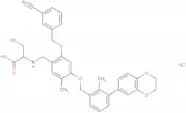
CAS:<p>BMS-1001 hydrochloride is a peptide that is an activator of ion channels. It has been shown to inhibit the activation of potassium channels and calcium channels in rat brain slices. BMS-1001 hydrochloride also binds to the receptor site of human calcitonin gene-related peptide (CGRP) and blocks its binding to CGRP receptor sites on mast cells. This prevents the release of histamine, which is responsible for allergic reactions such as hay fever, asthma, and chronic urticaria.<br>BMS-1001 hydrochloride has been shown to be a potent inhibitor of protein interactions with ligands and receptors. It inhibits the interaction between human erythropoietin (EPO) and its receptor by competing with endogenous EPO for binding sites on the surface of erythrocytes.</p>Formula:C35H35ClN2O7Purity:Min. 95%Molecular weight:631.1 g/mol(E)-5-(4-Chlorophenyl)-3-phenylpent-2-enoic acid
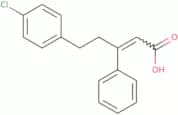
CAS:<p>(E)-5-(4-Chlorophenyl)-3-phenylpent-2-enoic acid is an anti-inflammatory compound, which is synthesized through organic chemical processes. Its mode of action involves the inhibition of cyclooxygenase enzymes, thereby reducing the synthesis of pro-inflammatory mediators such as prostaglandins. This action is critical in diminishing inflammation and associated symptoms.</p>Formula:C17H15ClO2Purity:Min. 95%Molecular weight:286.8 g/molAfuresertib
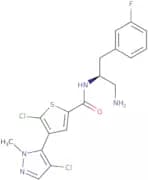
CAS:<p>Inhibitor of pan-AKT</p>Formula:C18H17Cl2FN4OSPurity:Min. 95%Molecular weight:427.32 g/molGMC 2-29
CAS:<p>GMC 2-29 is a broad-spectrum fungicide, which is derived from chemical synthesis with systemic properties. As a product of chemico-biological research, it is engineered to inhibit fungal growth by interfering with essential cellular processes within target pathogens. Its active ingredients penetrate plant tissues, providing efficient internal protection against a range of fungal diseases.</p>Formula:C27H30N4O3Purity:Min. 95%Molecular weight:458.6 g/molCrisaborole diamer
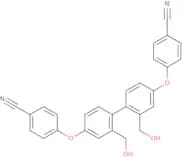
CAS:<p>Please enquire for more information about Crisaborole diamer including the price, delivery time and more detailed product information at the technical inquiry form on this page</p>Formula:C28H20N2O4Purity:Min. 95%Molecular weight:448.5 g/molAC480 (BMS-599626)
CAS:<p>AC480 is a small molecule inhibitor of the epidermal growth factor receptor (EGFR) that has been shown to produce light emission in a variety of cell lines. When AC480 binds to EGFR, it inhibits its kinase activity, which prevents the receptor from transmitting signals that stimulate cell growth. AC480 has a high degree of selectivity for EGFR over other kinases and has been shown to inhibit tumor growth in animal models. In addition, AC480 enhances radiation-induced cell death in prostate cancer cells. This drug also inhibits the production of antibodies associated with autoimmune diseases and may be used to treat these conditions.</p>Formula:C27H27FN8O3Purity:Min. 95%Molecular weight:530.55 g/molVeratridine
CAS:<p>Sodium ionophore; alkaloid neurotoxin</p>Formula:C36H51NO11Purity:Min. 95%Color and Shape:PowderMolecular weight:673.79 g/molA-889425
CAS:<p>A-889425 is a novel small molecule compound that serves as a potent and selective antagonist. It is derived from synthetic chemical processes aimed at modulating ion channel activity specifically. The mode of action of A-889425 involves the selective inhibition of specific ion channels, which play critical roles in cellular signaling pathways and are implicated in various physiological processes.</p>Formula:C19H18F3N3O3SPurity:Min. 95%Molecular weight:425.4 g/molSynaptotagmin antibody
<p>The Synaptotagmin antibody is a highly specialized polyclonal antibody that is used in various assays and experiments in the field of Life Sciences. This antibody has the unique ability to neutralize the activity of glucose-6-phosphate, making it an essential tool for studying the role of this molecule in cellular processes. The Synaptotagmin antibody is available in both monoclonal and polyclonal forms, providing researchers with options to suit their specific needs. With its high affinity and specificity, this antibody can be used for a wide range of applications, including immunohistochemistry, Western blotting, and flow cytometry. Whether you are studying protein-protein interactions or investigating disease mechanisms, the Synaptotagmin antibody is an indispensable tool for your research. Trust in its reliability and accuracy to deliver accurate and reproducible results every time.</p>ApoA-V antibody
<p>ApoA-V antibody was raised in Mouse using Ni-NTA purified Recombinant human APOA5 expressed in Ecoli strain BL21 (DE3) as the immunogen.</p>TNF protein (Bovine) (His tag)
<p>Purified recombinant TNF protein (Bovine) (His tag)</p>Purity:Min. 95%ASPHD2 antibody
<p>ASPHD2 antibody was raised using the middle region of ASPHD2 corresponding to a region with amino acids YCQSPECVRCTHNEGLNQKLYHNLQEYAKRYSWSGMGRIHKGIREQGRYL</p>C1S antibody
<p>C1S antibody is a monoclonal antibody that specifically inhibits the activity of C1S, an important protease involved in the complement system. This antibody has been designed to target and bind to the antigen, effectively blocking its function. The structural formula of this antibody allows for high affinity binding and stability, ensuring its effectiveness in pharmaceutical preparations. Studies have shown that the C1S antibody exhibits potent inhibitory effects on protease activity at low pH levels, making it an ideal candidate for therapeutic applications. Additionally, this monoclonal antibody has demonstrated efficacy in combination with other compounds and/or compositions, such as indomethacin and aminopyrine. Overall, the C1S antibody offers a promising approach for targeting and modulating immune responses mediated by the complement system.</p>15(S)-HETRE
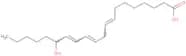
CAS:<p>15(S)-HETRE is an analog that acts as a kinase inhibitor with potential anti-cancer properties. It has been shown to inhibit the activity of several kinases, including those involved in cancer cell growth and proliferation. Studies have demonstrated its ability to induce apoptosis in Chinese hamster ovary cells and human tumor cells, making it a promising candidate for medicinal use as an anticancer agent. Additionally, 15(S)-HETRE has been found in urine samples of cancer patients, further supporting its potential as a therapeutic protein for cancer treatment.</p>Formula:C20H34O3Purity:Min. 95%Molecular weight:322.5 g/molMB 07133
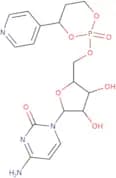
CAS:<p>MB 07133 is a prodrug of cytarabine, an anticancer agent. MB 07133 is converted to cytarabine by esterases in the blood and tissues. It is used for the treatment of acute myeloid leukemia (AML).</p>Formula:C17H21N4O8PPurity:Min. 95%Molecular weight:440.3 g/molSTK38L antibody
<p>STK38L antibody was raised in mouse using recombinant Human Serine/Threonine Kinase 38 Like (Stk38L)</p>D-3263 hydrochloride
CAS:<p>D-3263 hydrochloride is a novel drug that has been shown to be effective against chronic kidney disease. This drug is an orally active small molecule that was identified by the use of a multivariable approach in the chemical biology field. D-3263 hydrochloride has been shown to bind to specific targets (e.g., markers) and inhibit cancer cell proliferation and growth, as well as induce cancer cell death. It also inhibits angiogenesis, which is the formation of new blood vessels from pre-existing ones, and can be used for cancer therapy. The mechanism of action of this drug is unknown but may involve redox signaling pathways and gaseous molecules.</p>Formula:C21H32ClN3O3Purity:Min. 95%Molecular weight:409.95 g/molAKAP8 antibody
<p>AKAP8 antibody was raised in rabbit using the middle region of AKAP8 as the immunogen</p>Purity:Min. 95%AMG 853
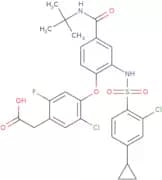
CAS:<p>AMG 853 is a molecule that inhibits the activity of the enzyme Crth2, which plays a key role in calcium binding and release. AMG 853 has been shown to be safe and effective in the treatment of allergic and inflammatory diseases. The drug's mechanism of action is not fully understood, but it may work by preventing calcium from being released from cells. This would prevent the release of pro-inflammatory substances such as histamine, which are released by mast cells when they bind to IgE antibodies on their surface. AMG 853 has been shown to significantly reduce symptoms in patients with chronic urticaria (hives) over a four-week period without any side effects.</p>Formula:C28H27Cl2FN2O6SPurity:Min. 95%Molecular weight:609.5 g/molSLC38A3 antibody
<p>SLC38A3 antibody was raised using the N terminal of SLC38A3 corresponding to a region with amino acids GNQRVEDPARSCMEGKSFLQKSPSKEPHFTDFEGKTSFGMSVFNLSNAIM</p>Purity:Min. 95%RelB antibody
<p>The RelB antibody is a monoclonal antibody used in Life Sciences research. It specifically targets and binds to RelB, a protein involved in the regulation of chemokine expression. This antibody is commonly used in studies investigating the role of RelB in various cellular processes. Additionally, it has been shown to be effective in detecting activated forms of RelB and can be used for immunohistochemistry and western blotting applications. The RelB antibody is buffered and available as both polyclonal and monoclonal antibodies. It can be used in combination with other antibodies or histone deacetylase inhibitors for more comprehensive research. With its high specificity and reliable performance, the RelB antibody is an essential tool for scientists studying the intricate mechanisms of gene regulation and signaling pathways.</p>GS-4997
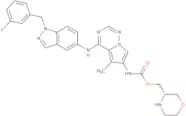
CAS:<p>GS-4997 is an ion channel activator that increases the conductance of potassium ions through the cell membrane. It has been shown to act as a positive allosteric modulator of NMDA receptors, and it has been used in research as a tool for studying protein interactions. GS-4997 is a peptide with high purity and low endotoxin levels. It has been shown to be an inhibitor of acetylcholine esterase, which may contribute to its mechanism of action.</p>Formula:C22H17ClFN9OPurity:Min. 95%Molecular weight:477.9 g/molFKN 39322
CAS:<p>FKN 39322 is a small molecule that binds to the G protein-coupled receptor (GPCR) and activates it. It has been shown to be an activator of the GPR37 receptor. FKN 39322 is a peptide with a molecular weight of 366.5 Da and a purity of >99%. This product can be used as an inhibitor in cell biology, as well as for research in life science and cell biology.</p>Formula:C21H36N3O3PPurity:Min. 95%Molecular weight:409.5 g/molTafenoquine-d3 succinate
CAS:Controlled Product<p>Tafenoquine-d3 succinate is a peptide that is a research tool for studying ion channels and protein interactions. It is also used as an inhibitor in cell biology and pharmacology to study receptor binding and the ligand-receptor interaction. Tafenoquine-d3 succinate binds to the extracellular domain of GABAA receptors, which are inhibitory neurotransmitter receptors in brain cells. This drug blocks chloride channels, preventing the flow of ions across the membrane.</p>Formula:C24H25D3F3N3O3•C4H6O4Purity:Min. 95%Molecular weight:584.6 g/molNSD3 antibody
<p>NSD3 antibody was raised in mouse using recombinant human NSD3 (383-660aa) purified from E. coli as the immunogen.</p>AMG 925
CAS:<p>Dual inhibitor of FLT3 and CDK4 kinases</p>Formula:C26H29N7O2Purity:Min. 95%Molecular weight:471.55 g/molDCI antibody
<p>DCI antibody was raised using a synthetic peptide corresponding to a region with amino acids ALVASVRVPARVLLRAGARLPGAALGRTERAAGGGDGARRFGSQRVLVEP</p>SR 140333
CAS:<p>SR140333 is a novel, potent and selective antagonist of the neurokinin-1 receptor (NK1R). The drug has shown efficacy in animal models of chronic cough, bowel disease, and tachykinin-mediated disorders. SR140333 has been shown to decrease locomotor activity and suppress the rotarod test in mice. The drug also has an effect on brain functions such as learning and memory.</p>Formula:C37H45Cl3N2O2Purity:Min. 95%Molecular weight:656.1 g/molPsoralenoside
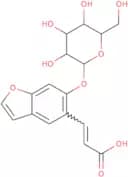
CAS:<p>Psoralenoside is a natural compound that inhibits the transcriptional regulation of melanogenesis. It has been shown to inhibit the activity of matrix metalloproteinases and proteases, as well as their ability to activate pro-inflammatory cytokines, which may be important in the treatment of psoriasis. Psoralenoside is available in two chemical forms: psoralen and its glycoside, psoralenoside. Psoralens are compounds that can bind to DNA and form covalent bonds with it. This process prevents normal DNA replication, causing cell death. The pharmacokinetic properties of psoralens are limited by their rapid elimination from the body. Preparative high performance liquid chromatography (HPLC) methods are used for analysis and quantification of psoralen content in herbal products. An analytical method based on HPLC was developed for the detection of psoralenosides in Chinese herbs such as Fructus astragali radix, Psoralea</p>Formula:C17H18O9Purity:Min. 95%Molecular weight:366.3 g/molCyperin
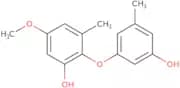
CAS:<p>Cyperin is a natural compound that belongs to the group of diphenyl ethers. It has been shown to have a wide range of biological activities, including antibacterial, anti-inflammatory, and antioxidant properties. It has been shown to inhibit the growth of bacteria by interfering with the synthesis of fatty acids or by binding to protein receptors on the bacterial surface. Cyperin also inhibits plant physiology by inhibiting radical scavenging activities in wheat leaves and other plants.</p>Formula:C15H16O4Purity:Min. 95%Molecular weight:260.28 g/molPOMT1 antibody
<p>POMT1 antibody was raised using the middle region of POMT1 corresponding to a region with amino acids LTFQILLLPVVLQHISDHLCRSQLQRSIFSALVVAWYSSACHVSNTLRPL</p>Purity:Min. 95%TP53 antibody
<p>The TP53 antibody is a highly specialized monoclonal antibody used in the field of Life Sciences. It specifically targets the TP53 protein complex, which plays a crucial role in cell growth and apoptosis. This antibody has been extensively studied and has shown promising results in various research applications.</p>CREB antibody
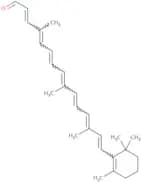
<p>The CREB antibody is a highly effective tool for various applications in the field of Life Sciences. This polyclonal antibody is specifically designed to recognize and bind to the cAMP response element-binding protein (CREB), a transcription factor involved in regulating gene expression.</p>10’-Apo-β-carotenal
CAS:<p>10’-Apo-β-carotenal is a medicinal compound that has been shown to induce apoptosis in cancer cells. It acts as a kinase inhibitor, preventing the activation of proteins that promote cell cycle progression and tumor growth. This analog of β-carotene has potent anticancer properties, making it a promising candidate for cancer therapy. Studies have shown that 10’-Apo-β-carotenal inhibits the growth of human cancer cells and tumor formation in mice models. Additionally, this compound has been found in urine samples from Chinese individuals, suggesting its potential use in traditional medicine practices. With its unique characteristics and potential therapeutic benefits, 10’-Apo-β-carotenal is an exciting area of research in the field of oncology.</p>Formula:C27H36OPurity:Min. 95%Molecular weight:376.6 g/molSLC25A32 antibody
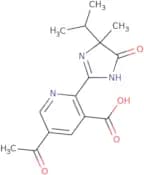
<p>SLC25A32 antibody was raised using the middle region of SLC25A32 corresponding to a region with amino acids NRLPEAQLSTVEYISVAALSKIFAVAATYPYQVVRARLQDQHMFYSGVID</p>Purity:Min. 95%5-Acetyl imazapyr
CAS:<p>Please enquire for more information about 5-Acetyl imazapyr including the price, delivery time and more detailed product information at the technical inquiry form on this page</p>Formula:C15H17N3O4Purity:Min. 95%Molecular weight:303.31 g/molGP531
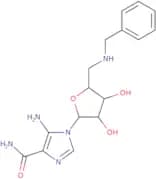
CAS:<p>GP531 is an analog of adenosine that has been proven to act as an agonist at A1 receptors. It has been shown to reduce the incidence of cardiac arrhythmias in an experimental model of myocardial infarction. GP531 binds to the A1 receptor with a high affinity, and its effect on cardiac arrhythmia is mediated through the activation of adenosine receptors in cardiac tissue. This drug also has effects on neutrophils and amines, but does not have any antiviral activity. GP531 does not affect plasma levels of endogenous adenosine, which may be due to its low affinity for A2 receptors.</p>Formula:C16H21N5O4Purity:Min. 95%Molecular weight:347.37 g/molGRIK2 antibody
<p>GRIK2 antibody was raised using the C terminal of GRIK2 corresponding to a region with amino acids TANLAAFLTVERMESPIDSADDLAKQTKIEYGAVEDGATMTFFKKSKIST</p>Purity:Min. 95%Oclacitinib
CAS:<p>Inhibitor of Janus kinase JAK1</p>Formula:C15H23N5O2SPurity:Min. 95%Color and Shape:PowderMolecular weight:337.44 g/molOR2L3 antibody
<p>OR2L3 antibody was raised in rabbit using the C terminal of OR2L3 as the immunogen</p>Purity:Min. 95%NGAL antibody
<p>The NGAL antibody is a monoclonal antibody that has a wide range of applications in the field of Life Sciences. It specifically targets NGAL (Neutrophil Gelatinase-Associated Lipocalin), which is a glycoprotein involved in various biological processes. The NGAL antibody can be used to study the role of NGAL in insulin and growth factor signaling pathways, as well as its interaction with other proteins such as rubisco.</p>Caylin-1
CAS:<p>Caylin-1 is a peptide that is used as a research tool. It can be used to activate anti-receptor antibodies and antibodies, which are important in the study of protein interactions. Caylin-1 can also be used to inhibit ion channels and receptors, which are involved in cell signaling. Caylin-1 has a purity of over 99% and is listed on the CAS registry with the number 1207480-88-3. The molecular weight of this compound is 857.5 daltons and its chemical formula is C₅₋H₆₄N₇O₀S.</p>Formula:C30H28Cl4N4O4Purity:Min. 95%Molecular weight:650.40 g/molUb 165 fumarate
CAS:<p>Ub 165 fumarate is an inhibitor of tumor proliferation. It has been shown to inhibit the growth of tumors in mice by inhibiting the production of flavanones, which are involved in tissue differentiation and cell growth. Ub 165 fumarate also inhibits retinopathy in a rat model by blocking the action of phosphodiesterase 4 (PDE4) enzyme. This drug was also found to be toxic for a variety of human cancer cells lines, including lung, prostate, colon, breast, and leukemia cells. The mechanism behind this activity is not yet understood and may involve inhibition of cyclin-dependent kinases or other downstream targets.</p>Formula:C17H19ClN2O4Purity:Min. 95%Molecular weight:350.8 g/molPennogenin 3-O-β-chacotrioside
CAS:<p>Pennogenin 3-O-beta-chacotrioside is a molecule that is found in the natural product dracaena and has been shown to have anti-cancer properties. It inhibits the growth of cancer cells and induces autophagy, which is an important physiological process for removing damaged organelles. Pennogenin 3-O-beta-chacotrioside also inhibits the production of tumorigenic factors and has bacteriostatic activity against bacteria. This compound also has antifungal, antiviral, and antiparasitic activities.</p>Formula:C45H72O17Purity:Min. 95%Molecular weight:885.04 g/molTegaserod
CAS:<p>5-HT4 serotonin receptor antagonist; used to treat irritable bowel syndrome</p>Formula:C16H23N5OPurity:Min. 95%Molecular weight:301.39 g/mol16:0(d4) Coenzyme A
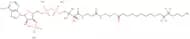
CAS:Controlled Product<p>16:0(d4) Coenzyme A is an ion channel ligand that belongs to the class of reagents for pharmacology, cell biology and biochemistry. This product has been shown to activate calcium-dependent potassium channels in a dose-dependent manner. It also inhibits voltage-gated sodium channels by binding to the receptor site on the extracellular domain of the channel protein. 16:0(d4) Coenzyme A is a high purity product that will not interfere with other experiments. 16:0(d4) Coenzyme A may be used as an inhibitor to prevent activation of potassium channels or as an activator to inhibit voltage-gated sodium channels.</p>Formula:C37H71D4N10O17P3SPurity:Min. 95%Molecular weight:1,061.06 g/molMSDC-0602
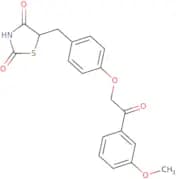
CAS:<p>MSDC-0602 is a novel antidiabetic drug that has been shown to inhibit the uptake of glucose by adipose tissues. This drug also stimulates mitochondrial function and increases the capacity of human liver cells to metabolize fatty acids. MSDC-0602 is currently in clinical trials for use in patients with hepatic steatosis, diabetes, or cancer. It is hoped that this drug will be effective against these diseases due to its ability to increase the uptake of glucose by liver cells and adipose tissues and its stimulation of mitochondrial function.</p>Formula:C19H17NO5SPurity:Min. 95%Molecular weight:371.41 g/molKainic Acid
CAS:<p>Kainic Acid is a potent neuroexcitant, which is derived from certain species of red algae such as Digenea simplex. It acts as an agonist of kainate receptors, a subtype of ionotropic glutamate receptors, leading to excitotoxicity through the influx of calcium ions and the overactivation of neuronal circuits. Kainic Acid's ability to induce seizures by mimicking the neurotransmitter glutamate makes it an invaluable tool in neuroscientific research.</p>Formula:C10H15NO4Purity:Min. 95%Molecular weight:213.23 g/molrac Alminoprofen-d3
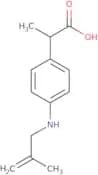
CAS:<p>Please enquire for more information about rac Alminoprofen-d3 including the price, delivery time and more detailed product information at the technical inquiry form on this page</p>Formula:C13H17NO2Purity:Min. 95%Molecular weight:222.3 g/molBLMH antibody
<p>BLMH antibody was raised using the middle region of BLMH corresponding to a region with amino acids EYLSNMVGGRKTLYNNQPIDFLKKMVAASIKDGEAVWFGCDVGKHFNSKL</p>Carcinine dihydrochloride
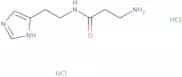
CAS:<p>Carcinine dihydrochloride is a benzyl amine derivative that is produced by the reaction of malic acid with dehydroascorbic acid. It has been shown to have activity against radiation-induced oxidative stress and is also used as an antioxidant. Carcinine dihydrochloride has been shown to inhibit epidermal growth in rats and to reduce skin tumor incidence in mice. Carcinine dihydrochloride binds to fatty acids, which are involved in many cellular processes including cell growth and the immune response. This compound may also have anti-inflammatory properties due to its ability to inhibit the production of prostaglandins.</p>Formula:C8H14N4O•(HCl)2Purity:Min. 95%Color and Shape:PowderMolecular weight:255.14 g/molCRYAB antibody
<p>The CRYAB antibody is a highly specialized antibody that can be used in various research applications. It is available as both polyclonal and monoclonal antibodies, providing researchers with options for their specific needs.</p>NMDAR2B antibody
<p>The NMDAR2B antibody is a polyclonal antibody that specifically targets the N-methyl-D-aspartate receptor subunit 2B (NMDAR2B). This antibody is activated in various biological processes, including transcription-polymerase chain reaction (PCR), androgen-independent growth of prostate cancer cells, and serum immunoreactivity. It has been shown to inhibit the expression of alpha-fetoprotein, a marker for liver cancer, by binding to specific plasmids. Additionally, the NMDAR2B antibody has potential therapeutic applications in the treatment of excitotoxicity and acid bacteria infections. With its clinical use as an immunotherapeutic agent, this antibody shows great promise in the field of personalized medicine.</p>IMB-808
CAS:<p>IMB-808 is an advanced synthetic compound, which is derived from a meticulously engineered chemical synthesis process. This compound functions through a unique mode of action that involves the disruption of microbial cell walls, leading to cell lysis and death. The precise mechanism involves the interference with enzymatic functions critical to cell wall biosynthesis, making it highly effective against a broad spectrum of bacterial pathogens.</p>Formula:C18H15F3N2O4Purity:Min. 95%Molecular weight:380.3 g/molSW203668 trifluoroacetate
CAS:<p>SW203668 trifluoroacetate is a synthetic neuropeptide, which is a laboratory-derived analog of natural signaling molecules involved in neuronal communication. It is sourced from chemical synthesis, designed to mimic or enhance the function of endogenous peptides by binding to specific receptors on cell surfaces. The mode of action of SW203668 trifluoroacetate involves the modulation of neurotransmitter release and the subsequent alteration of neuronal signaling pathways.</p>Formula:C22H19N3O2S·CF3CO2HPurity:Min. 95%Molecular weight:503.49 g/molWS 383
CAS:<p>Potent inhibitor of the interaction between defective cullin neddylation protein DCN1 and NEDD8-conjugating enzyme UBC12 with IC50 of 11 nM. WS 383 blocks the DCN1-UBC12 interaction in a reversible manner, selectively inhibits Cul3/1 neddylation and induces accumulation of p21, p27, and NRF2 proteins.</p>Formula:C18H20ClN9S2Purity:Min. 95%Molecular weight:462 g/mol