Heterocycles with Oxygen (O)
Heterocycles with oxygen atoms are a class of organic compounds where one or more oxygen atoms are part of the ring structure. These compounds are essential in the synthesis of pharmaceuticals, agrochemicals, and materials due to their unique reactivity and stability. Oxygen-containing heterocycles are used in various applications, including drug development and polymer science. At CymitQuimica, we offer a wide range of high-quality oxygen-containing heterocycles to support your research and industrial needs.
Subcategories of "Heterocycles with Oxygen (O)"
- Dioxanes(197 products)
- Dioxolane(634 products)
- Dioxoles(174 products)
- Furan(3,715 products)
- Isoxazole(1,086 products)
- Oxepanes(21 products)
- Pyrans(2,323 products)
- Trioxan(2 products)
Found 749 products of "Heterocycles with Oxygen (O)"
Sort by
Purity (%)
0
100
|
0
|
50
|
90
|
95
|
100
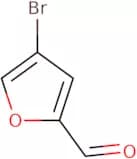
4-Bromofuran-2-carbaldehyde
CAS:<p>4-Bromofuran-2-carbaldehyde is a synthetic compound that has been shown to have antioxidant properties. It contains an electron-donating carbonyl group and an electron-withdrawing bromine atom. 4-Bromofuran-2-carbaldehyde is useful in the treatment of endophytic fungi infections, as it inhibits the synthesis of ergosterol, which is an important component of the fungal cell membrane. The molecule's conformational properties are also important for its biological activity, as they enable it to act as a chiral ligand by binding to proteins in a way that will inhibit their function. In addition, 4-bromofuran-2-carbaldehyde has been shown to be effective against cancer cells in vitro, particularly against MMCF7 cells. This may be due to its ability to bind to DNA and prevent transcription or replication of DNA strands.</p>Formula:C5H3BrO2Purity:Min. 95%Molecular weight:174.98 g/mol3-Tolylmagnesium bromide - 1.0 M in Tetrahydrofuran
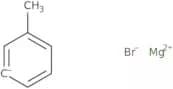
CAS:Controlled Product<p>3-Tolylmagnesium bromide is a Grignard reagent that can react with carbinols such as alcohols, phenols, and ethers to form ethers or esters. 3-Tolylmagnesium bromide is also a halogenating agent and can be used in the production of chlorides. It is soluble in organic solvents such as tetrahydrofuran, chloroform, and benzene. 3-Tolylmagnesium bromide reacts with organic compounds containing electron-donating groups such as carbinols, chlorides, and esters. This reaction forms an ion pair between the magnesium cation and the electron-deficient carbon atom of the 3-tolyl group. The reaction between 3-tolylmagnesium bromide and an alkyne produces a reactive intermediate that can undergo substitution by various nucleophiles to form products such as vinyl chloride or glycidyl chloride</p>Formula:C7H7BrMgPurity:Min. 95%Molecular weight:195.34 g/mol(R)-Tetrahydrofuran-3-carboxylic acid
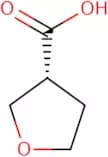
CAS:Please enquire for more information about (R)-Tetrahydrofuran-3-carboxylic acid including the price, delivery time and more detailed product information at the technical inquiry form on this pageFormula:C5H8O3Purity:Min. 95%Molecular weight:116.12 g/mol2-Amino-1-(2,3-dihydro-benzofuran-5-yl)-ethanol
CAS:Controlled ProductPlease enquire for more information about 2-Amino-1-(2,3-dihydro-benzofuran-5-yl)-ethanol including the price, delivery time and more detailed product information at the technical inquiry form on this pageFormula:C10H13NO2Purity:Min. 95%Molecular weight:179.22 g/mol2-n-Butylbenzo[b]furan
CAS:<p>2-n-Butylbenzo[b]furan is a mitochondrial membrane potential stabilizer that blocks the acylation reaction of fatty acids. The absorption of 2-n-butylbenzo[b]furan into mitochondria has shown to stabilize the mitochondrial membrane potential and improve liver functions in rats. It also inhibits the dinucleotide phosphate (NADP) reaction, which is important for energy production within the cell. This compound has been shown to be effective against hepatitis B virus and may have other therapeutic applications as well. 2-n-Butylbenzo[b]furan can be synthesized by reacting a fatty acid with an aldehyde or ketone in a Friedel-Crafts type reaction. The product can be purified using chromatographic methods, such as column chromatography or thin layer chromatography.</p>Formula:C12H14OPurity:Min. 95%Molecular weight:174.24 g/mol2-(Benzofuran-2-yl)acetic acid
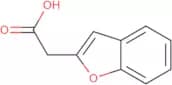
CAS:2-(Benzofuran-2-yl)acetic acid is a glp-1 analogue that has been shown to inhibit fatty acid synthesis in the test tube. It has also shown an inhibitory effect on cardiac arrhythmia and chloride ion channel activity, which may be due to the dipole nature of its structure. 2-(Benzofuran-2-yl)acetic acid is not active against microbial infections. The chemical compound is a tautomer of 2-[(benzofuran-2-yl)amino]acetic acid.Purity:Min. 95%6-Chloro-benzofuran-3-one
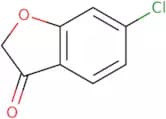
CAS:6-Chloro-benzofuran-3-one is an organic compound that is used in the synthesis of other chemical compounds. It is a useful scaffold for the construction of complex molecules and may be used as a reagent or reaction component in organic chemistry. This product has CAS number 3260-78-4, and is also known as 6-chlorobenzofuranone.Formula:C8H5ClO2Purity:Min. 98%Color and Shape:PowderMolecular weight:168.58 g/mol3a',4',7',7a'-Tetrahydrospiro[cyclopropane-1,8'-[2]oxa[4,7]methano[2]benzofuran]-1',3'-dione
CAS:Please enquire for more information about 3a',4',7',7a'-Tetrahydrospiro[cyclopropane-1,8'-[2]oxa[4,7]methano[2]benzofuran]-1',3'-dione including the price, delivery time and more detailed product information at the technical inquiry form on this pageFormula:C11H10O3Purity:Min. 95%Molecular weight:190.2 g/mol2-Bromobenzofuran
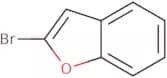
CAS:<p>2-Bromobenzofuran is a compound that has been shown to have antioxidant properties and can be used for the treatment of chronic kidney disease, hepatitis, and degenerative diseases. It has nitrogen atoms in its structure that are reactive with oxygen, which may cause the release of picolinic acid (PA), a compound that has been shown to have anti-inflammatory properties. 2-Bromobenzofuran is an alkynyl group that binds to receptors such as serotonin and dopamine. This group also has carbonyl groups, which can form adducts with amines. The piperazine ring in 2-bromobenzofuran is activated by reaction with hydroxyl groups.</p>Formula:C8H5BrOPurity:Min. 95%Molecular weight:197.03 g/mol2,3-Dihydro-1,4-dithiino[2,3-c]furan-5,7-dione
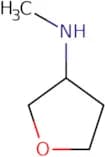
CAS:2,3-Dihydro-1,4-dithiino[2,3-c]furan-5,7-dione is a coordination polymer that contains both an anhydride and a hydroxide group. It has been shown to form a coordination polymer with lithium hydroxide as the counterion. The topological spaces of the polymer are not limited by the size of the monomer unit. This coordination polymer has been shown to form through reaction with lithium hydroxide in water at room temperature.Formula:C6H4O3S2Purity:Min. 95%Color and Shape:Slightly Yellow PowderMolecular weight:188.22 g/molMethyl-(tetrahydro-furan-3-yl)-amine
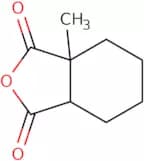
CAS:Please enquire for more information about Methyl-(tetrahydro-furan-3-yl)-amine including the price, delivery time and more detailed product information at the technical inquiry form on this pageFormula:C5H11NOPurity:Min. 95%Molecular weight:101.15 g/mol3a-Methyl-5,6,7,7a-Tetrahydro-4H-Isobenzofuran-1,3-Dione
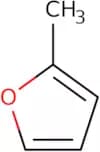
CAS:Controlled Product3a-Methyl-5,6,7,7a-tetrahydro-4H-isobenzofuran-1,3-dione (MBF) is a reactive epoxy that can be used as a sealant. It has been shown to react with fatty acids and form epoxy esters. MBF also reacts with anhydrides to form polyesters. MBF has also been shown to be a potent inducer of cationic polymerization by reacting with hydroxyl groups on polymers. This reaction is reversible and the methylene groups are cleaved from the polymers to form new bonds with MBF. The resultant product is a cationic polymer that contains the hydroxyl group in place of the methylene group.Formula:C9H12O3Purity:Min. 95%Molecular weight:168.19 g/mol2-Methylfuran
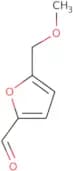
CAS:2-Methylfuran is a compound that has been used as a catalyst in the synthesis of 2-methylpentane. The presence of nitrogen atoms in the molecule gives it some synergic effect with other catalysts, such as palladium and nickel. 2-Methylfuran can be detected at sensitivities of 10 parts per billion. A kinetic energy of ˜400 kJ/mole and a hydroxyl group give this compound the ability to react with laminar tissue culture cells. 2-Methylfuran is also a solid catalyst for methyl ethyl ketones, which are used in the production of solvents, plastics, and pharmaceuticals. Its transport properties are similar to those of isooctane, making it useful for studies on gas chromatography analysis.Formula:C5H6OPurity:Min. 95%Color and Shape:Clear LiquidMolecular weight:82.1 g/mol5-(Methoxymethyl)-2-furancarboxaldehyde
CAS:5-hydroxymethylfurfural (5-hmf) is an organic compound that is produced when a carbohydrate or sugar undergoes oxidation. It is used as an additive in animal feed and as an industrial chemical. 5-hmf is a solid catalyst that can be used at high temperatures, making it suitable for use in the production of 2,6-dihydroxybenzoic acid. The reaction mechanism of 5-hmf involves the dehydration of furfural to form 5-hydroxymethylfurfural. This process occurs when a molecule of water reacts with furfural to produce two molecules of 5-hmf. The reaction may be accelerated by introducing heat, which breaks down the hydrogen bonds between the molecules of furfural and water.Formula:C7H8O3Purity:Min. 95%Color and Shape:Clear LiquidMolecular weight:140.14 g/mol2,5-Dibromofuran
CAS:2,5-Dibromofuran is a synthetic chemical that is synthesized from acetonitrile and palladium-catalyzed cross-coupling reaction. It can be obtained by the reaction of sodium in anhydrous form with bromine and subsequent evaporation to dryness. 2,5-Dibromofuran has been shown to reversibly react with chloride at room temperature for one hour, which can be attributed to its electron withdrawing properties. The FTIR spectra of 2,5-dibromofuran show bands corresponding to carbonyl and hydroxyl groups. This chemical has been used in synthesis methods involving surfactants and anhydrous sodium chloride as well as uv irradiation.Formula:C4H2Br2OPurity:Min. 95%Molecular weight:225.87 g/mol2,5-Dimethylfuran
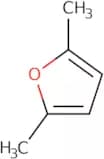
CAS:<p>2,5-Dimethylfuran is a furan derivative that has been used as an alternative biofuel. It has a high kinetic stability and can be produced from biomass such as wheat straw or corn stover. 2,5-Dimethylfuran could be used in the production of biofuels to replace gasoline and other fossil fuels. It is also an efficient thermal insulator with low thermal expansion and excellent heat resistance. 2,5-Dimethylfuran has been shown to have toxicological effects on rats, but it does not appear to be carcinogenic. The metabolic pathway for 2,5-dimethylfuran involves conversion of the hydroxyl group into formaldehyde through oxidation by molecular oxygen or hydrogen peroxide. This reaction produces 5-hydroxymethylfurfural (HMF), which is then converted into 5-hydroxymethylbenzoic acid (HMBA) and ultimately carbon dioxide and water.</p>Formula:C6H8OPurity:Min. 95%Molecular weight:96.13 g/mol2-Bromofuran
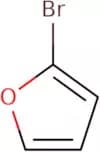
CAS:2-Bromofuran is a metal carbonyl and a pyrazole ring. It has been shown to bind to the CB2 receptor and may have some activity on the nervous system. 2-Bromofuran has been shown to be effective in treating chronic kidney disease and polycystic ovarian syndrome with acetylcholine. The electrochemical data for this molecule has shown that it can form hydrogen bonds when combined with cholinergic molecules.Formula:C4H3BrOPurity:Min. 95%Molecular weight:146.97 g/molRITA
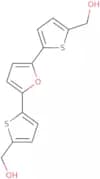
CAS:<p>RITA is a novel compound that has been shown to have anticancer activity in vivo in a rat model. RITA is a small molecule with high potency and low toxicity. It binds selectively to the α subunit of the enzyme topoisomerase II, which is involved in DNA replication and repair. RITA has been shown to induce apoptosis in cancer cells by pro-apoptotic proteins such as Bax and Bak. These proteins are known for their ability to induce apoptosis by increasing mitochondrial membrane permeability, inhibiting mitochondrial functions, or destabilizing the mitochondrial membrane potential. The compound class of RITA is not yet known, but it has been shown to be chemically stable at physiological pH levels and does not require metabolic activation for its cytotoxicity. The pharmacokinetics of this drug have also been studied in human liver cells and humans, indicating that this drug may be able to cross the blood-brain barrier.</p>Formula:C14H12O3S2Purity:Min. 95%Molecular weight:292.38 g/mol2-(Benzofuran-3-yl)ethanamine
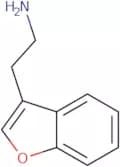
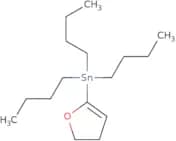
CAS:Controlled Product<p>2-(Benzofuran-3-yl)ethanamine (ZBFEA) is a novel synthetic derivative of the natural product 2-(benzofuran-2-yl)ethanamine. It has been shown to be effective against multiresistant bacteria such as Staphylococcus aureus, including methicillin resistant strains. ZBFEA inhibits bacterial growth by binding to the ribosomal protein S12 and preventing protein synthesis. This compound has also been shown to have fluorescent properties, which may be useful for its use as a diagnostic agent in live bacterial cultures.</p>Formula:C10H11NOPurity:Min. 95%Color and Shape:Clear LiquidMolecular weight:161.2 g/molTributyl(4,5-dihydrofuran-2-yl)tin
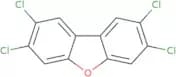
CAS:Controlled ProductPlease enquire for more information about Tributyl(4,5-dihydrofuran-2-yl)tin including the price, delivery time and more detailed product information at the technical inquiry form on this pageFormula:C16H32OSnPurity:Min. 95%Molecular weight:359.13 g/mol2,3,7,8-Tetrachlorodibenzofuran
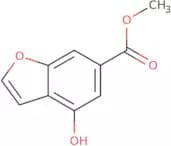
CAS:<p>2,3,7,8-Tetrachlorodibenzofuran (2,3,7,8-TCDF) is a congener of polychlorinated dibenzo-p-dioxin. It is found in the environment as a byproduct from the manufacture of chlorophenols and pentachlorophenol. 2,3,7,8-TCDF is an endocrine disruptor that affects cell nuclei and causes oxidative stress to the liver. There are few studies on 2,3,7,8-TCDF because it is not commercially available for use in research or industry. The only study done on this chemical found that it was potent inducer of glucuronide conjugation enzymes and decreased the activity of rat liver microsomes.</p>Formula:C12H4Cl4OPurity:Min. 95%Molecular weight:305.97 g/molMethyl 4-hydroxy-1-benzofuran-6-carboxylate
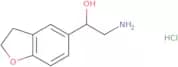
CAS:Please enquire for more information about Methyl 4-hydroxy-1-benzofuran-6-carboxylate including the price, delivery time and more detailed product information at the technical inquiry form on this pageFormula:C10H8O4Purity:Min. 95%Molecular weight:192.17 g/mol2-Amino-1-(2,3-dihydro-benzofuran-5-yl)-ethanolHydrochloride
CAS:Controlled ProductPlease enquire for more information about 2-Amino-1-(2,3-dihydro-benzofuran-5-yl)-ethanolHydrochloride including the price, delivery time and more detailed product information at the technical inquiry form on this pageFormula:C10H14ClNO2Purity:Min. 95%Molecular weight:215.68 g/mol3H-Spiro[2-benzofuran-1,4'-piperidine]
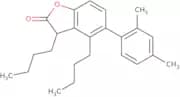
CAS:<p>3H-Spiro[2-benzofuran-1,4'-piperidine] is a ligand with affinity for melanocortin receptors. It has been shown to bind with low affinity to the melanocortin receptor and act as an agonist. 3H-Spiro[2-benzofuran-1,4'-piperidine] has high affinity for benzene, which may be due to its ring system. This ligand also has a penetrable structure that allows it to bind to piperidine binding sites.</p>Formula:C12H15NO·HClPurity:Min. 95%Molecular weight:225.71 g/molXylyldibutylbenzofuranone
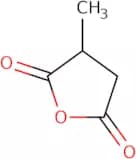
CAS:<p>Xylyldibutylbenzofuranone is a stabilizer that is added to plastics to prevent the polymer from splitting into its constituent monomers. It has been shown to be an effective antioxidant, inhibiting the oxidation of polyvinyl chloride and polyethylene terephthalate plastics. Xylyldibutylbenzofuranone can be used in combination with phosphites, which form stable compounds with the stabilizer. These compounds are not allergenic or damaging to health, but may cause allergic reactions in sensitive individuals. The analytical method for determining the content of xylyldibutylbenzofuranone in a plastic material is based on its carboxylate group and functional groups. Xylyldibutylbenzofuranone does not damage the environment and has been shown to have antioxidant effects against ozone-induced oxidation of polystyrene.</p>Formula:C24H30O2Purity:Min. 95%Color and Shape:PowderMolecular weight:350.49 g/mol3-Methyldihydrofuran-2,5-dione
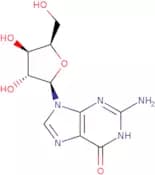
CAS:<p>3-Methyldihydrofuran-2,5-dione is a diterpenoid alkaloid found in the plant Dictamnus albus. This compound has been shown to have metal chelating properties and can be used as an asymmetric synthesis intermediate. 3-Methyldihydrofuran-2,5-dione reacts with diazonium salt to form a high resistance molecule that is highly reactive. This chemical reacts with hydroxyl groups, amide groups, or methyl ethyl groups. The structure of this compound consists of nitrogen atoms and anhydride bonds. 3-Methyldihydrofuran-2,5-dione has been shown to exhibit electrochemical impedance spectroscopy (EIS) characteristics similar to those of other molecules that are known to be reactive.</p>Formula:C5H6O3Purity:Min. 95%Molecular weight:114.1 g/mol9-(beta-D-Xylofuranosyl)guanine
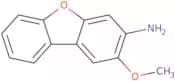
CAS:<p>9-(β-D-xylofuranosyl)guanine (9XG) is a trifluoride. It is an antiviral agent that inhibits the growth of herpes virus, in particular by methylating guanosine to 9-methylguanosine in the viral DNA. 9XG binds to the viral DNA and prevents its replication through the inhibition of RNA synthesis. The drug is active against many different types of viruses and has been shown to be effective against tissue cultures infected with herpes virus. 9XG is synthesized from guanosine and boron trifluoride etherate, which are reacted at -78 degrees Celsius for three days. This yields a mixture of compounds with various peracylation groups, which are then separated by chromatography.</p>Purity:Min. 95%3-Amino-2-methoxy-dibenzofuran
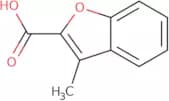
CAS:<p>3-Amino-2-methoxy-dibenzofuran (3AMD) is a cytotoxic agent that is used in the treatment of bladder carcinoma. 3AMD inhibits DNA synthesis, leading to cell death by inhibiting the production of proteins vital for cell division. 3AMD has been shown to be a potent inhibitor of cyclen-dependent kinases and to induce DNA damage in human cells. 3AMD also has significant cytotoxicity against malignant cells and has been shown to inhibit the growth of tumours in mice. 3AMD may have carcinogenic potential due to its structural similarity with other carcinogens such as aniline and aminobiphenyl.</p>Purity:Min. 95%Molecular weight:213.23 g/mol3-Methylbenzofuran-2-carboxylic acid
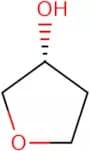
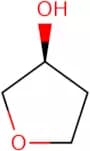
CAS:<p>3-Methylbenzofuran-2-carboxylic acid is a dianion that binds to the cell membrane and inhibits bacterial growth. This compound has been shown to be active against bacteria at low concentrations. 3-Methylbenzofuran-2-carboxylic acid has been used as an antibacterial agent for the treatment of gram-negative bacteria such as Escherichia coli and Proteus mirabilis. It also inhibits the growth of gram-positive bacteria including Staphylococcus aureus, Streptococcus pneumoniae, and Enterococcus faecalis. The reaction temperature required for the synthesis of this compound is high, but it can be prepared at lower temperatures by using anhydrous acetonitrile in place of hydrochloric acid.</p>Formula:C10H8O3Purity:Min. 95%Color and Shape:White PowderMolecular weight:176.17 g/mol(R)-(-)-3-Hydroxytetrahydrofuran
CAS:Intermediate in the synthesis of afatinibFormula:C4H8O2Purity:Min. 95%Molecular weight:88.11 g/mol4,5-Dibromo-1,2,6,7-tertahydro-8H-indeno[5,4-b]furan-8-one
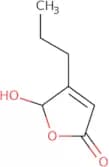
CAS:<p>4,5-Dibromo-1,2,6,7-tertahydro-8H-indeno[5,4-b]furan-8-one is a chemical reagent that is used for the debromination of ethyl cyanoacetate. The nucleophilic nature of the hydroxyl group in the target compound makes it an efficient substrate for this reaction. This reagent can be used to synthesize ramelteon which is a drug approved by the U.S. Food and Drug Administration (FDA) for insomnia treatment. This high yield synthesis highlights 4,5-dibromo-1,2,6,7-tertahydro-8H-indeno[5,4b]furan-8one's usefulness as a debrominating agent.</p>Formula:C11H8Br2O2Purity:Min. 95%Molecular weight:331.99 g/mol5-Hydroxy-4-propyl-2(5H)-furanone
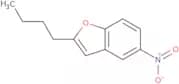
CAS:Please enquire for more information about 5-Hydroxy-4-propyl-2(5H)-furanone including the price, delivery time and more detailed product information at the technical inquiry form on this pageFormula:C7H10O3Purity:Min. 95%Color and Shape:Yellow PowderMolecular weight:142.15 g/mol2-Butyl-5-nitrobenzofuran
CAS:<p>2-Butyl-5-nitrobenzofuran (2B5NBF) is a drug that belongs to the class of salicylaldehydes. It is an acylation product of 2-butanol and 5-nitrobenzofuran that has the potential for use as a pharmaceutical agent. The reaction yield for this compound is high and can be increased by using hydrochloric acid as the acid catalyst. When 2B5NBF is reacted with chloride, it produces an active substance with a structural formula of C14H11NO3Cl. This substance has been shown to have arrhythmic properties in atrial tissue in rats.</p>Formula:C12H13NO3Purity:Min. 95%Molecular weight:219.24 g/mol(S)-(+)-3-Hydroxytetrahydrofuran
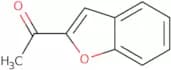
CAS:Intermediate in the synthesis of afatinibFormula:C4H8O2Purity:Min. 95%Molecular weight:88.11 g/mol2-Acetylbenzofuran
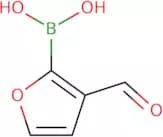
CAS:2-Acetylbenzofuran is a chemical compound that can be synthesized from cinnamic acid derivatives. It has been shown to have antimicrobial properties, which are due to its ability to inhibit bacterial growth. 2-Acetylbenzofuran has been used in the treatment of metabolic disorders and diabetes, as it acts by regulating the synthesis of insulin. This compound also inhibits the production of reactive oxygen species (ROS) and decreases cellular oxidative stress. 2-Acetylbenzofuran has also been shown to increase glucose uptake in cells through insulin-stimulated phosphorylation of AKT.Formula:C10H8O2Purity:Min. 95%Color and Shape:White To Yellow SolidMolecular weight:160.17 g/mol3-Formylfuran-2-boronic acid
CAS:<p>3-Formylfuran-2-boronic acid is a molecule that can reversibly form an imine with primary amines. 3-Formyl group and fluorophore are the main features of this molecule. The fluorescent properties of 3-formyl group have been extensively studied by functional theory, structural studies and kinetic experiments. The study of these properties has led to the discovery of new fluorescent probes for use in biochemical studies. 3-Formyl furan also interacts with anthracene and other heterocycles by binding constants. These interactions were studied using quantum chemical calculations.</p>Formula:C5H5BO4Purity:Min. 95%Color and Shape:PowderMolecular weight:139.9 g/mol(R)-4-Propyldihydrofuran-2(3H)-one
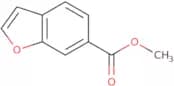
CAS:Please enquire for more information about (R)-4-Propyldihydrofuran-2(3H)-one including the price, delivery time and more detailed product information at the technical inquiry form on this pageFormula:C7H12O2Purity:Min. 95%Molecular weight:128.17 g/molMethyl benzofuran-6-carboxylate
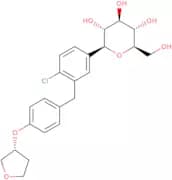
CAS:Methyl benzofuran-6-carboxylate is a synthetic retinoid that is a conformationally constrained analogue of retinoic acid, which is one of the most powerful biological molecules. Methyl benzofuran-6-carboxylate has been shown to be an effective anti-inflammatory agent and may be useful in the treatment of inflammatory skin diseases. It also inhibits the production of proinflammatory cytokines and chemokines, such as TNF-α, IL-1β, IL-8, CCL2, CXCL1, and CXCL2. Methyl benzofuran-6-carboxylate binds to specific receptors on cell surfaces to inhibit the production of inflammatory mediators. The drug also has been shown to have antiangiogenic activity. This property may be due to its ability to inhibit the production of vascular endothelial growth factor (VEGF) and other angiogenic factors.Formula:C10H8O3Purity:Min. 95%Molecular weight:176.17 g/mol3’’’-Epi-Empagliflozin
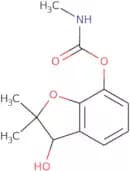
CAS:Please enquire for more information about 3’’’-Epi-Empagliflozin including the price, delivery time and more detailed product information at the technical inquiry form on this pageFormula:C23H27ClO7Purity:95% MinColor and Shape:PowderMolecular weight:450.91 g/mol3-Hydroxycarbofuran
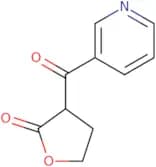
CAS:3-Hydroxycarbofuran is a carbamate pesticide that inhibits acetylcholinesterase, an enzyme that breaks down the neurotransmitter acetylcholine. 3-Hydroxycarbofuran is used in analytical chemistry to measure the concentration of pesticides and herbicides in water and soil samples. This chemical has been shown to inhibit the replication of influenza A virus in vitro, as well as inhibiting the growth of human cancer cells at high concentrations. The use of 3-hydroxycarbofuran for these purposes has been limited by its instability, which can be overcome by using trifluoroacetic acid or sodium carbonate to remove water from the sample before analysis.Formula:C12H15NO4Purity:Min. 95%Color and Shape:PowderMolecular weight:237.25 g/molDihydro-3-(3-pyridoyl)-2-(3H)-furanone
CAS:Please enquire for more information about Dihydro-3-(3-pyridoyl)-2-(3H)-furanone including the price, delivery time and more detailed product information at the technical inquiry form on this pageFormula:C10H9NO3Purity:Min. 95%Molecular weight:191.18 g/mol5-Amino-1-β-D-ribofuranosyl-1H-imidazole-4-carboxamide
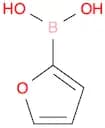
CAS:Formula:C9H14N4O5Purity:95%Color and Shape:SolidMolecular weight:258.2313Boronic acid, B-2-furanyl-
CAS:Formula:C4H5BO3Purity:97%Color and Shape:SolidMolecular weight:111.8917Carbofuran
CAS:Controlled Product<p>Carbofuran is a broad-spectrum insecticide that belongs to the class of carbamates. It is used to control insects that damage crops and other plants. The mechanism of action for carbofuran involves inhibition of the sorbitol dehydrogenase enzyme, which blocks the conversion of glucose to sorbitol in insects, leading to their death. Carbofuran also has synergistic effects with nitrite ions. Carbofuran's chemical name is 3-methyl-2-(methylthio)propanal O-carbamate. It has been shown that carbofuron causes oxidative injury in mitochondria by inhibiting mitochondrial functions and energy metabolism, leading to its acute toxicities at high doses.</p>Formula:C12H15NO3Purity:Min. 98.0 Area-%Color and Shape:White PowderMolecular weight:221.25 g/molRef: 3D-FC19714
Discontinued productmethyl 5-(((4-bromophenyl)sulfonyl)methyl)furan-2-carboxylate
CAS:<p>Please enquire for more information about methyl 5-(((4-bromophenyl)sulfonyl)methyl)furan-2-carboxylate including the price, delivery time and more detailed product information at the technical inquiry form on this page</p>Purity:Min. 95%Ref: 3D-FM169416
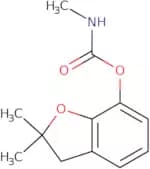
Discontinued product(17R)-4-Chloro-5-ethyl-9-fluoro-11b-hydroxy-16b-methylspiro[androsta-1,4-diene-17,2(3H)-furan]-3,3-dione
CAS:<p>Clobetasol propionate is an organic acid with a chemical structure that is stable in pharmaceutical preparations. It is used to treat inflammatory skin disorders such as psoriasis and atopic dermatitis. Clobetasol propionate is an impurity of clobetasol, which has been shown to be chemically stable in preparations. The clobetasol propionate compound has been found to be more potent than other topical corticosteroids for the treatment of plaque psoriasis and atopic dermatitis.</p>Formula:C25H30ClFO4Purity:Min. 95%Molecular weight:448.95 g/molRef: 3D-FF103612
Discontinued productSamarium(II) Iodide (ca. 0.1mol/L in Tetrahydrofuran)
CAS:<p>Samarium(II) iodide is a synthetic carbonyl, soluble in acetonitrile, dioxolane and formyl. It is used as a reactant in preparative methods to produce alkyl halides. Samarium(II) iodide reacts with an aldehyde or ketone in the presence of acetic acid to produce an alkyl halide. This compound has chemoselectivity for the production of secondary alcohols and can be used to prepare coupling products. Samarium(II) iodide can also be used to prepare alkene and ketone compounds by reacting with formaldehyde and acetone respectively.</p>Formula:SmI2Purity:Min. 95%Molecular weight:404.17 g/molRef: 3D-FS61157
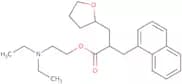
Discontinued productTetrahydro-a-(1-naphthalenylmethyl)-2-furanpropanoic Acid 2-(Diethylamino)ethyl Ester
CAS:Controlled Product<p>Tetrahydro-a-(1-naphthalenylmethyl)-2-furanpropanoic Acid 2-(Diethylamino)ethyl Ester is a fatty acid analog that has antimicrobial properties. It is used in the treatment of bone cancer, and can be used to diagnose and treat other diseases such as glomerular filtration rate, receptor binding, and malonic acid. Tetrahydro-a-(1-naphthalenylmethyl)-2-furanpropanoic Acid 2-(Diethylamino)ethyl Ester binds to receptors on cells, which leads to an increase in the amount of monoamine neurotransmitters released by the cells.</p>Formula:C24H33NO3Purity:Min. 95%Molecular weight:383.52 g/molRef: 3D-FT26121
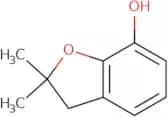
Discontinued product2,3-Dihydro-2,2-dimethyl-7-hydroxybenzofuran
CAS:<p>2,3-Dihydro-2,2-dimethyl-7-hydroxybenzofuran is a human metabolite of carbofuran and has been shown to be an inhibitor of acetylcholinesterase. The bacterial strain CECT 4384 was used to produce the monoclonal antibody against 2,3-dihydro-2,2-dimethyl-7-hydroxybenzofuran. The monoclonal antibody was then purified by a technique called hybridoma cell line. This technique is a way to purify antibodies that are produced by hybridoma cells. It involves incubating the antibodies with an antigen such as 2,3-dihydro-2,2-dimethyl-7-hydroxybenzofuran in order to bind it and remove it from the solution. When the antibody binds to the antigen, it changes its shape and can be removed from the solution with a magnet or other device</p>Formula:C10H12O2Purity:Min. 95%Color and Shape:Clear LiquidMolecular weight:164.2 g/molRef: 3D-FD67082
Discontinued product


![2-n-Butylbenzo[b]furan](/_next/image/?url=https%3A%2Fstatic.cymitquimica.com%2Fproducts%2F3D%2Fthumb-webp%2FFB36828.webp&w=3840&q=75)
![3a',4',7',7a'-Tetrahydrospiro[cyclopropane-1,8'-[2]oxa[4,7]methano[2]benzofuran]-1',3'-dione](/_next/image/?url=https%3A%2Fstatic.cymitquimica.com%2Fproducts%2F3D%2Fthumb-webp%2FFT131357.webp&w=3840&q=75)
![2,3-Dihydro-1,4-dithiino[2,3-c]furan-5,7-dione](/_next/image/?url=https%3A%2Fstatic.cymitquimica.com%2Fproducts%2F3D%2Fthumb-webp%2FFD00362.webp&w=3840&q=75)

![3H-Spiro[2-benzofuran-1,4'-piperidine]](/_next/image/?url=https%3A%2Fstatic.cymitquimica.com%2Fproducts%2F3D%2Fthumb-webp%2FFS51525.webp&w=3840&q=75)
![4,5-Dibromo-1,2,6,7-tertahydro-8H-indeno[5,4-b]furan-8-one](/_next/image/?url=https%3A%2Fstatic.cymitquimica.com%2Fproducts%2F3D%2Fthumb-webp%2FFD21568.webp&w=3840&q=75)




![(17R)-4-Chloro-5-ethyl-9-fluoro-11b-hydroxy-16b-methylspiro[androsta-1,4-diene-17,2(3H)-furan]-3,3…](/_next/image/?url=https%3A%2Fstatic.cymitquimica.com%2Fproducts%2F3D%2Fthumb-webp%2FFF103612.webp&w=3840&q=75)