Heterocycles with Nitrogen (N)
Subcategories of "Heterocycles with Nitrogen (N)"
- Azepane(436 products)
- Benzotriazoles(438 products)
- Diazepanes(335 products)
- Imidazoles(4,025 products)
- Imidazolines(385 products)
- Isoxazole(1,086 products)
- Piperazines(3,755 products)
- Piperidines(8,441 products)
- Pyrazines(1,304 products)
- Pyrazole(5,958 products)
- Pyrazolidine(21 products)
- Pyrazoline(143 products)
- Pyridazine(860 products)
- Pyridines(21,998 products)
- Pyrimidine(6,082 products)
- Pyrroles(2,446 products)
- Pyrrolidines(5,839 products)
- Pyrroline(48 products)
- Pyrrolo[1,2-b]pyridazine(10 products)
- Tetrazole(530 products)
- Triazines(464 products)
- Triazoles(1,689 products)
Found 17858 products of "Heterocycles with Nitrogen (N)"
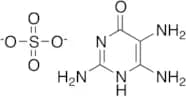
2,5,6-Triaminopyrimidin-4(1H)-one Sulphate
CAS:Controlled ProductApplications 2,5,6-Triaminopyrimidin-4(1H)-one sulphate (cas# 39267-74-8) is a useful research chemical.
Formula:C4H7N5O·H2O4SColor and Shape:NeatMolecular weight:239.21Ethyl 2-(2-Oxopyrrolidin-1-yl)acetate (80%)
CAS:Controlled ProductImpurity Piracetam EP Impurity C
Applications Ethyl 2-(2-oxopyrrolidin-1-yl)acetate is a reagent in the preparation of N-substituted-2-oxopyrrolidinylacetamides which have anticonvulsant activities.
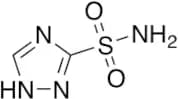
References Al-Obaid, A. M., et al.: Med. Chem. Res., 9, 696 (1999);Formula:C8H13NO3Purity:80%Color and Shape:NeatMolecular weight:171.191H-1,2,4-triazole-3-sulfonamide
CAS:Controlled ProductApplications 1H-1,2,4-triazole-3-sulfonamide (cas# 89517-96-4) is a useful research chemical.
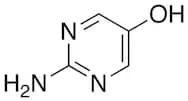
Formula:C2H4N4O2SColor and Shape:NeatMolecular weight:148.142-Amino-5-pyrimidinol
CAS:Controlled ProductApplications 2-Amino-5-pyrimidinol (cas# 143489-45-6) is a compound useful in organic synthesis.
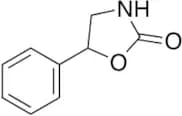
Formula:C4H5N3OColor and Shape:NeatMolecular weight:111.15-Phenyl-1,3-oxazolidin-2-one (~90%)
CAS:Controlled ProductApplications 5-phenyl-1,3-oxazolidin-2-one (cas# 7693-77-8) is a useful research chemical.
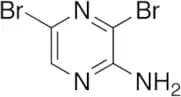
Formula:C9H9NO2Purity:~90%Color and Shape:NeatMolecular weight:163.1732-Amino-3,5-dibromopyrazine
CAS:Controlled ProductApplications 2-Amino-3,5-dibromopyrazine is used in the preparation of conjugated polymers for neurotoxin detection. 2-Amino-3,5-dibromopyrazine is an intermediate in the preparation of rho kinase (ROCK) inhibitors.
References Thomas, J. et al.: Polym. Prepr., 46, 1211 (2005); Henderson, A.J. et al.: Bioorg. Med. Chem. Lett., 20, 1137 (2010);Formula:C4H3Br2N3Color and Shape:NeatMolecular weight:252.8952,4,6-Tris[bis(methoxymethyl)amino]-1,3,5-triazine
CAS:Applications 2,4,6-Tris[bis(methoxymethyl)amino]-1,3,5-triazine (cas# 3089-11-0) is a useful research chemical.
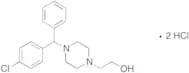
Formula:C15H30N6O6Color and Shape:White To Off-WhiteMolecular weight:390.444-(p-Chloro-alpha-phenylbenzyl)-1-piperazineethanol Dihydrochloride
CAS:Impurity Cetirizine EP Impurity G Dihydrochloride
Applications 4-(p-Chloro-α-phenylbenzyl)-1-piperazineethanol is used in the synthesis of antifungal triazole and imidazole derivatives. Impurity of an intermediate in the formation of Cetrizine.
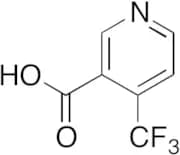
References Rezaei, Z. et al.: Archiv. Pharm., 344, 658 (2011);Formula:C19H23ClN2O·2ClHColor and Shape:WhiteMolecular weight:403.774-(Trifluoromethyl)-3-Pyridinecarboxylic Acid
CAS:Controlled ProductApplications 4-(Trifluoromethyl)-3-Pyridinecarboxylic Acid is a useful synthetic intermediate. It can be used to prepare pyridine carboxamides as palm site inhibitors of HCV NS5B polymerase. It can also be used to synthesize pyrazolylcarboxanilides as Ca2+ release-activated Ca2+ (CRAC) channel inhibitors.
References Cheng, C., et al.: ACS Med. Chem. Lett., 1, 466 (2010); Yonetoku, Y., et al.: Bioorg. Med. Chem., 16, 9457 (2008)Formula:C7H4F3NO2Color and Shape:YellowMolecular weight:191.11Fmoc N-Hydroxysuccinimide Ester
CAS:Stability Moisture Sensitive
Applications Used in conjunction with Isothiocyanate to conduct partial Edman Degradation on biologically active peptides.
Not a dangerous good if item is equal to or less than 1g/ml and there is less than 100g/ml in the package
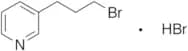
References Heidenreich, O., et al.: J. Biol. Chem., 269, 2131 (1994), Kothe, U., et al.: Anal. Biochem., 356, 148 (2006), Thakkar, A., et al.: Anal. Chem., 78, 5935 (2006),Formula:C19H15NO5Color and Shape:NeatMolecular weight:337.333-(3-Bromopropyl)pyridine Hydrobromide
CAS:Controlled ProductFormula:C8H10BrN·BrHColor and Shape:NeatMolecular weight:280.9882,4,6-tris(Trifluoromethyl)-1,3,5-triazine
CAS:Controlled ProductStability Volatile
Applications 2,4,6-Tris(trifluoromethyl)-1,3,5-triazine is used as a secondary battery electrolyte in power storage systems.
References Hiasa, T., et al.: Jpn. Kokai Tokkyo Koho, 77 (2018)Formula:C6N3F9Color and Shape:ColourlessMolecular weight:285.065-[1-(Methylthio)ethyl]-2-trifluoromethylpyridine
CAS:Controlled ProductApplications 5-[1-(Methylthio)ethyl]-2-trifluoromethylpyridine is an intermediate in the synthesis of Sulfoxaflor (S755005), a novel pesticide of the sulfoximine group and the only sulfoximine class of pesticide that act on the central nervous system.
References Sparks, T.C., et al. Pestic. Biochem. Physiol., 107, 1 (2013);Formula:C9H10F3NSColor and Shape:NeatMolecular weight:221.242,4-Diamino-6-hydroxypyrimidine
CAS:Controlled ProductApplications 2,4-Diamino-6-hydroxypyrimidine (cas# 56-06-4) is a compound useful in organic synthesis.
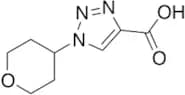
Formula:C4H6N4OColor and Shape:NeatMolecular weight:126.121-(Oxan-4-yl)-1H-1,2,3-triazole-4-carboxylic Acid
CAS:Applications 1-(oxan-4-yl)-1H-1,2,3-triazole-4-carboxylic acid (cas# 1487610-80-9) is a useful research chemical.
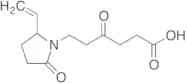
Formula:C8H11N3O3Color and Shape:White to Pale Brown SolidMolecular weight:197.194-Oxo-6-(2-oxo-5-vinylpyrrolidin-1-yl)hexanoic Acid
CAS:Controlled ProductApplications 4-Oxo-6-(2-oxo-5-vinylpyrrolidin-1-yl)hexanoic Acid is derived from Ethyl Succinoyl Chloride (E818230), which is used in the synthesis of bivalent ligands for D2/D3 dopamine receptors. Also used in the preparation of antimicrobial pyrrolo-isoquinolinones. Vigabatrin Impurity 2
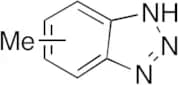
References Gogoi, S. et al.: ACS Med. Chem. Lett., 3, 991 (2012)Formula:C12H17NO4Color and Shape:Colourless To Off-WhiteMolecular weight:239.27Tolyltriazole
CAS:Controlled ProductApplications Tolyltriazole acts as a corrosive inhibitor and is used as corrosion protection on top of metals such as copper.
References Hseih, M. et al.: Ind. Eng. Chem. Res., 49, 7313 (2010);Formula:C7H7N3Color and Shape:NeatMolecular weight:266.3N-(5-Amino-2-methylphenyl)-4-(3-pyridyl)-2-pyrimidineamine
CAS:Imatinib is an anticancer drug that belongs to the class of trimethyls. It is a potent inhibitor of tyrosine-specific protein kinases, including Bcr-Abl and Src family kinases. It has been shown to have antineoplastic properties in human cells in vitro. Imatinib is structurally similar to the anticancer agent lapatinib and inhibits G1 phase cell cycle progression by preventing phosphorylation of retinoblastoma protein (Rb). Imatinib is also genotoxic due to its structural similarity to other known genotoxic compounds such as bromo-2′-deoxyuridine and 2-chloroimidazole.
Formula:C16H15N5Purity:Min. 95%Color and Shape:PowderMolecular weight:277.32 g/mol20-Deoxo-23-deoxy-5-O-[3,6-dideoxy-3-(dimethylamino)-β-D-glucopyranosyl]-20,23-di-1-piperidinyltylonolide
CAS:20-Deoxo-23-deoxy-5-O-[3,6-dideoxy-3-(dimethylamino)-beta-D-glucopyranosyl]-20,23-di-1-piperidinyltylonolide is an antimicrobial agent that belongs to the group of chemotherapeutic agents. It is a fluorinated analog of tilmicosin. The low dose group was treated with this drug for five days, and the high dose group received 20 times the amount of drug. Fluorescence spectrometry showed that there was no significant difference in the fluorescence intensity between these two groups after 24 hours. This drug has been shown to have pharmacokinetic properties in rats and mice, but further optimization may be required to improve its process.Formula:C41H71N3O8Purity:Min. 95%Color and Shape:Off-White PowderMolecular weight:734.02 g/mol2-Ethyl-3,5-dimethylpyrazine
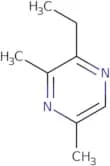
CAS:2-Ethyl-3,5-dimethylpyrazine (2E-DMP) is a fatty acid that is produced by the reaction of unsaturated ketones and fatty acids. 2E-DMP has been shown to have an inhibitory effect on the activity of kidney bean lipoxygenase. It also inhibits the growth of mammalian cells in culture. 2E-DMP has a molecular weight of 152.24, a melting point of -50 degrees Celsius, and a boiling point at 230 degrees Celsius. The compound has not been tested for carcinogenic or mutagenic effects in mammals or humans.Formula:C8H12N2Purity:Min. 95%Color and Shape:Clear LiquidMolecular weight:136.19 g/mol6-Bromo-2-oxindole
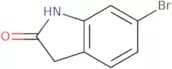
CAS:6-Bromo-2-oxindole is a crystalline compound with a molecular formula of C10H6BrO. It has been shown to have a high efficiency in the production of butyric acid and other organic acids. 6-Bromo-2-oxindole is also used in electron microscopy studies as an electron acceptor, and can be used for producing polymers with crystalline structures and dihedral angles. The compound has been shown to inhibit the growth of breast cancer cells by preventing the synthesis of mda-mb-231 breast cancer cells. It also has been shown to inhibit the production of isoindigo and morphology.
Formula:C8H6BrNOPurity:Min. 98 Area-%Color and Shape:PowderMolecular weight:212.04 g/mol6-Chloro-3-aminopyridine-2-carboxamide
CAS:6-Chloro-3-aminopyridine-2-carboxamide is a small molecule that inhibits tumor growth in human prostate cancer cells. It binds to a pharmacophore, which is a three dimensional arrangement of atoms that is responsible for the biological activity of the drug. This compound has been shown to inhibit tumor cell proliferation and induce apoptosis. 6-Chloro-3-aminopyridine-2-carboxamide also inhibits the oncogenic signaling pathways, including the PI3K/Akt and MAPK pathways, leading to antiproliferative activity in cancer cell lines. 6-Chloro-3-aminopyridine-2-carboxamide also inhibits phosphorylation of Akt and Erk1/2, which are downstream targets of PI3K/Akt pathway activation. The compound was found to have no significant effects on noncancerous cells or normal prostate tissue.Formula:C6H6ClN3OPurity:Min. 95%Color and Shape:PowderMolecular weight:171.58 g/mol2-Amino-4-chloropyrimidine
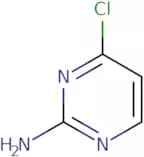
CAS:2-Amino-4-chloropyrimidine is an amido compound that is used to treat infectious diseases. It is a potent inhibitor of the enzyme topoisomerase II, which is involved in DNA replication and transcription. This drug has shown cytotoxic activity against du145 cells, an immortalized prostate cancer cell line. 2-Amino-4-chloropyrimidine has also been shown to be effective against MDA-MB-231 cells and thp1 cells, which are human breast cancer cell lines. 2-Amino-4-chloropyrimidine binds to the active site of topoisomerase II, preventing the enzyme from binding with the two ends of DNA and causing DNA breakage. The drug has also been shown to inhibit the growth of cervical cancer cells by binding with amine groups on proteins found on these cells.Formula:C4H4ClN3Purity:80Color and Shape:White PowderMolecular weight:129.55 g/mol4-Fluoro-1-(1-(2-Thienyl)Cyclohexyl)Piperidine
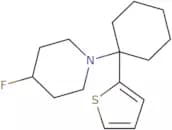
CAS:Controlled ProductFluoxetine is a selective serotonin reuptake inhibitor that has been used clinically to treat depression. This drug inhibits the reuptake of serotonin, which leads to an increase in the concentration of serotonin in the synaptic cleft and an enhancement of serotonergic neurotransmission. Fluoxetine has been shown to be effective at treating insulin resistance and obesity in clinical studies. The linear calibration curve for fluoxetine was found using confocal microscopy and sequence analysis on human adipose tissue. Fluoxetine treatment increased insulin sensitivity and decreased food intake in rats with metabolic syndrome. Logistic regression was used to establish statistical significance between fluoxetine treatment and weight loss as well as insulin sensitivity. Fluoxetine was also found to increase the mitochondrial membrane potential through regulation of voltage-dependent anion channels, leading to antidepressant activity.
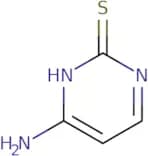
Formula:C15H22FNSPurity:Min. 95%Molecular weight:267.41 g/mol4-Amino-2-mercaptopyrimidine
CAS:4-Amino-2-mercaptopyrimidine is a model system for coordination geometry and the hydroxyl group. It has been shown to have an x-ray crystal structure that can be used to study human serum, activated viruses, and other biological properties. 4-Amino-2-mercaptopyrimidine has been synthesized using a flow system and kinetic energy. The protonation state of 4-amino-2-mercaptopyrimidine is dependent on the pH of the solution and it can exist as two tautomers.
Formula:C4H5N3SPurity:Min. 97 Area-%Color and Shape:White PowderMolecular weight:127.17 g/mol2-Bromo-5-fluoro-6-methylpyridine
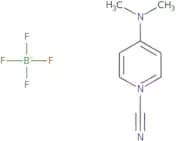
CAS:2-Bromo-5-fluoro-6-methylpyridine is a versatile and useful building block that can be used to synthesize complex compounds. This compound is also a high quality chemical with a CAS number of 374633-38-2. It can be used as a reagent, which means it can be used in the laboratory for various chemical reactions, or as a speciality chemical. 2-Bromo-5-fluoro-6-methylpyridine is an intermediate in the synthesis of other chemicals and has been shown to have reactive groups on both ends of the molecule, making it useful for creating scaffolds for larger molecules.Formula:C6H5BrFNPurity:Min. 95%Color and Shape:PowderMolecular weight:190.01 g/mol1-Cyano-4-(dimethylamino)pyridinium tetrafluoroborate
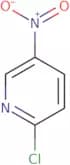
CAS:1-Cyano-4-(dimethylamino)pyridinium tetrafluoroborate (CDAP) is an organic cyanylating agent. It is reactive under acidic conditions giving CDAP an advantage over other sulfhydryl labeling agents, as it can avoid potential thiol-disulfide exchange.Formula:C8H10N3BF4Purity:Min. 98 Area-%Color and Shape:PowderMolecular weight:234.99 g/mol2-Chloro-5-nitropyridine
CAS:2-Chloro-5-nitropyridine is a chemical compound with the molecular formula CHClNO. It is a white solid that is soluble in water and has a melting point of 132.2 °C. The molecule consists of two chlorine atoms bonded to an oxygen atom, with two nitro groups bonded to carbon atoms. 2-Chloro-5-nitropyridine was synthesized by reacting sodium carbonate with hydrochloric acid and then adding trifluoroacetic acid to the solution. This reaction produces 2-chloro-5-nitropyridine, hydrogen chloride gas, and sodium chloride crystals as byproducts. The product can be purified using column chromatography or recrystallization methods.
Formula:C5H3ClN2O2Purity:Min. 95%Color and Shape:White PowderMolecular weight:158.54 g/mol3-(3-Piperidinopropoxy)-1-[3-(Trifluoromethyl)Phenyl]-1H-Indazole
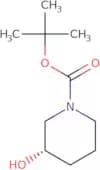
CAS:Controlled Product3-(3-Piperidinopropoxy)-1-[3-(Trifluoromethyl)Phenyl]-1H-Indazole is a compound that functions as an actuator. It can be used to implement force, such as controlling a change in the position of a control or actuation, and it can also be used to shift control. 3-(3-Piperidinopropoxy)-1-[3-(Trifluoromethyl)Phenyl]-1H-Indazole is an actuation method that can be controlled by implementing force.Formula:C22H24F3N3OPurity:Min. 95%Molecular weight:403.44 g/mol(S)-1-Boc-3-hydroxypiperidine
CAS:Intermediate in the synthesis of ibrutinib
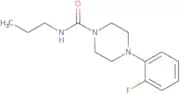
Formula:C10H19NO3Purity:Min. 97 Area-%Color and Shape:White PowderMolecular weight:201.26 g/mol(4-(2-Fluorophenyl)piperazinyl)-N-propylformamide
CAS:Controlled ProductPlease enquire for more information about (4-(2-Fluorophenyl)piperazinyl)-N-propylformamide including the price, delivery time and more detailed product information at the technical inquiry form on this page
Formula:C14H20FN3OPurity:Min. 95%Color and Shape:PowderMolecular weight:265.33 g/mol2-Methoxy-5-nitropyridine
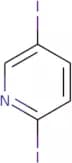
CAS:2-Methoxy-5-nitropyridine is an experimental model for the study of nucleophilic substitution reactions. It has been shown to catalyze a variety of nucleophilic substitutions, such as the reaction between dimethylformamide and methoxide. The uptake of 2-methoxy-5-nitropyridine in human cells has been studied using the mitochondrial cytochrome P450 (mt2) receptors, where it has been found that this compound binds to mt2 receptors with high affinity. The optical properties of 2-methoxy-5-nitropyridine have been determined by spectroscopic analysis and found to be similar to those of nitro compounds. Toxicity studies have also demonstrated that 2-methoxy-5-nitropyridine can cause liver damage at high doses, but there is no evidence that it causes cancer or causes reproductive toxicity.Formula:C6H6N2O3Purity:Min. 95%Color and Shape:PowderMolecular weight:154.12 g/mol2,5-Diiodopyridine
CAS:2,5-Diiodopyridine is regiospecific and has been shown to have a high affinity for the nicotinic acetylcholine receptor. It has been synthesised by cross-coupling reactions of boronic acids with halides. 2,5-Diiodopyridine can also be used as a precursor for epibatidine. Epibatidine is a drug that binds to nicotinic acetylcholine receptors and activates them, which in turn leads to activation of voltage-gated calcium channels. This process leads to an increase in the release of dopamine, serotonin and norepinephrine from neurons. The uptake of 2,5-diiodopyridine was found at the level of 0.7% after 3 hours and 1% after 12 hours in mesoporous silica nanoparticles. 2,5-Diiodopyridine can be used as a precursor for epibatidine which is a drug thatFormula:C5H3I2NPurity:Min. 95 Area-%Color and Shape:PowderMolecular weight:330.89 g/mol3,3-Dibromopiperidin-2-one
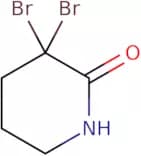
CAS:3,3-Dibromopiperidin-2-one is a synthetic reaction product that is used to synthesize diisobutylaluminum. This compound can be found in the sources methylester chloride, pentachloride, thionyl, phosphorus pentachloride, coniferyl alcohol and ferulic acid. It is also an alkaloid compound that has been reported as a palladium catalyst for coupling reactions. 3,3-Dibromopiperidin-2-one is used to synthesize diisobutylaluminum. This compound can be found in the sources methylester chloride, pentachloride, thionyl, phosphorus pentachloride, coniferyl alcohol and ferulic acid. It is also an alkaloid compound that has been reported as a palladium catalyst for coupling reactions.
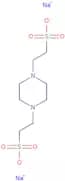
Formula:C5H7Br2NOPurity:Min. 95%Color and Shape:PowderMolecular weight:256.92 g/molPiperazine-1,4-bis(2-ethanesulfonic acid) disodium
CAS:Piperazine-1,4-bis(2-ethanesulfonic acid) disodium (PIPES) is a conjugate that can be used as a catalyst in organic syntheses. PIPES is also used to modulate biological processes, such as the treatment of chronic pain. It has been shown to be an effective inhibitor of cholesterol esterase and gene product, which are enzymes associated with the development of Alzheimer's disease. PIPES has been shown to reduce axonal growth in vitro.Formula:C8H18N2O6S2•Na2Color and Shape:PowderMolecular weight:348.35 g/molPiperonal oxime
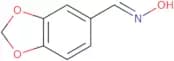
CAS:Controlled ProductPiperonal oxime is a chemical compound that is used in the synthesis of the fragrance piperonal. It can be produced by the reaction of sodium carbonate and piperonal with an aldehyde such as n-propyl chloride. Piperonal oxime can also be produced by refluxing piperonal in water with sodium carbonate, followed by acidification and polymerization. Piperonal oxime is insoluble in water and has a melting point range between 118-121 °C. The compound has been shown to catalyze the oxidation of benzaldehyde to benzoic acid and o-xylene to ortho-xylene, which are useful for the production of polymers such as nylon 6.Formula:C8H7NO3Purity:Min. 90%Molecular weight:165.15 g/molBP fluor 647 NHS ester trisodium
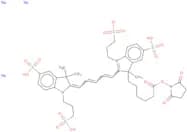
CAS:Please enquire for more information about BP fluor 647 NHS ester trisodium including the price, delivery time and more detailed product information at the technical inquiry form on this page
Formula:C40H46N3Na3O16S4Purity:90%MinColor and Shape:PowderMolecular weight:1,022 g/mol1-(2-Chloroethyl)-4-[3-(Trifluoromethyl)Phenyl]Piperazine Dihydrochloride
CAS:Controlled ProductPlease enquire for more information about 1-(2-Chloroethyl)-4-[3-(Trifluoromethyl)Phenyl]Piperazine Dihydrochloride including the price, delivery time and more detailed product information at the technical inquiry form on this pageFormula:C13H18Cl3F3N2Purity:Min. 95%Molecular weight:365.65 g/mol1-Boc-4-methylpiperazine
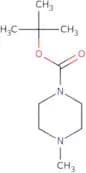
CAS:1-Boc-4-methylpiperazine is an inhibitor of the enzyme hydrolase. It has been shown to have a dose-dependent effect on inflammatory pain and can be used for the treatment of neuropathic pain. 1-Boc-4-methylpiperazine also has potent inhibitory activity against fatty acid amide hydrolase (FAAH) and fatty acid amide hydrolase (FAAH). It is orally administered and has been shown to have analgesic effects in animal studies. 1-Boc-4-methylpiperazine also inhibits the enzymatic activity of other hydrolases, such as cyclooxygenase 2 (COX2) and acetylcholinesterase (AChE), which are involved in inflammation, pain, and memory.
Formula:C10H20N2O2Purity:Min. 95%Color and Shape:Clear LiquidMolecular weight:200.28 g/mol6-Methoxyindole
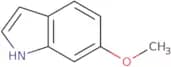
CAS:6-Methoxyindole is an acetate extract of the plant 5-methoxyindole. It has been shown to be a 5-HT1A receptor agonist in animals, and has been shown to have cardiac effects in rats. 6-Methoxyindole is also used as a precursor for the synthesis of diphenylacetylindoles. 6-Methoxyindole is one of the molecules that can be recombined to form a batcho-leimgruber indole (BLI).
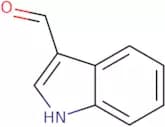
Formula:C9H9NOPurity:Min. 99 Area-%Color and Shape:PowderMolecular weight:147.17 g/molIndole-3-carboxaldehyde
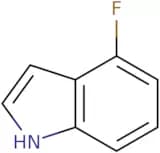
CAS:Indole-3-carboxaldehyde is a chemical compound that is used as an antimicrobial agent. The biological properties of this compound are not well studied, but it has been shown to be effective against bacteria and fungi. Indole-3-carboxaldehyde has been shown to inhibit the enzyme activity of sodium carbonate, which is involved in the production of lactic acid in bacteria. This effect may contribute to its antibacterial activity. Indole-3-carboxaldehyde is also a potential anticancer agent because it can bind to toll-like receptor 4 (TLR4). Indole-3-carboxaldehyde reacts with sulfa drugs through a mechanism similar to the reaction between hydrogen peroxide and potassium permanganate. It has been shown that indole-3-carboxaldehyde can be used as a pesticide for plants and as an electrochemical impedance spectroscopy probe for histological analysis.Formula:C9H7NOColor and Shape:PowderMolecular weight:145.16 g/mol4-Fluoroindole
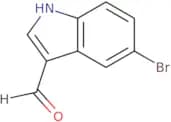
CAS:4-Fluoroindole is a compound that belongs to the class of 5-methoxyindoles, which are used as drugs in plant physiology. The analog of 4-fluoroindole is important for cell culture and transcriptomic analysis. It has been shown to reduce the growth of cryptococcus neoformans by inhibiting its ability to produce acid. 4-Fluoroindole also inhibits the growth of other opportunistic fungi, such as Aspergillus niger. This drug is addictive and can be toxic if it enters the environment. 4-Fluoroindole also inhibits the growth of plants when applied as a pesticide.Formula:C8H6FNColor and Shape:PowderMolecular weight:135.14 g/mol5-Bromoindole-3-carboxaldehyde
CAS:5-Bromoindole-3-carboxaldehyde is a water molecule that has been crystallized in the form of an amide. It is a chemical substance with asymmetric synthesis and significant antifungal activity. 5-Bromoindole-3-carboxaldehyde is active against some strains of the fungus Candida albicans and has been shown to inhibit the growth of kidney cells. This molecule also binds to the neurokinin 1 receptor and is used as a probe for fluorescence studies. The efficient method for synthesizing 5-Bromoindole-3-carboxaldehyde includes using silico analysis to confirm the structure on a computer, then performing an asymmetric synthesis with an acid catalyst to produce this compound.
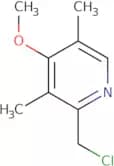
Formula:C9H6BrNOPurity:Min. 98 Area-%Color and Shape:PowderMolecular weight:224.05 g/mol2-Chloromethyl-3,5-dimethyl-4-methoxypyridine
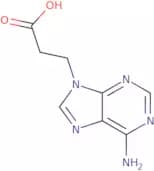
CAS:2-Chloromethyl-3,5-dimethyl-4-methoxypyridine is a drug substance that is used as a pump inhibitor. The optimal reaction conditions for the synthesis of this molecule are a Grignard reagent, chlorinating agent, and magnesium salt. Impurities may arise during the synthetic process due to chloride or inorganic acid catalyst. This drug substance is not soluble in water but can be dissolved in organic solvents such as ethers, chloroform, or benzene. It reacts with magnesium to form a chelate ring with an organic molecule.Formula:C9H12ClNOPurity:Min. 95%Color and Shape:PowderMolecular weight:185.65 g/mol6-Amino-9H-purine-9-propanoic acid
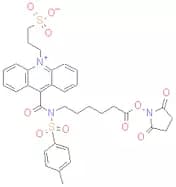
CAS:6-Amino-9H-purine-9-propanoic acid is an acid lactam that belongs to the class of dihedral molecules. It is a colorless solid that crystallizes in plates, which have been shown to have a strong affinity for ammonium ions. 6-Amino-9H-purine-9-propanoic acid has been shown to be a substrate for the enzyme purine nucleoside phosphorylase, which catalyzes the phosphorolysis of nucleosides with the release of inorganic phosphate and ribose 5'-phosphate. The molecule can also react with electron radiation to form gamma rays, which may lead to its use as a molecular probe.Formula:C8H9N5O2Purity:Min. 95%Color and Shape:PowderMolecular weight:207.19 g/mol3-(9-((6-(2,5-Dioxopyrrolidin-1-yloxy)-6-oxohexyl)(tosyl)carbamoyl)acridinium-10-yl)propane-1-sulfonate
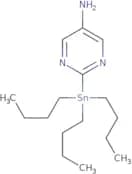
CAS:3-(9-((6-(2,5-Dioxopyrrolidin-1-yloxy)-6-oxohexyl)(tosyl)carbamoyl)acridinium-10-yl)propane-1-sulfonate is a fine chemical that is used as a versatile building block for complex compounds. It can be used in the synthesis of research chemicals or reagents, or as a speciality chemical. 3-(9-((6-(2,5-Dioxopyrrolidin-1-yloxy)-6-oxohexyl)(tosyl)carbamoyl)acridinium-10-yl)propane sulfonate can be reacted with other compounds to form useful scaffolds and reaction components. This compound has CAS number 866366–12–3.Formula:C34H35N3O10S2Purity:Min. 95%Color and Shape:PowderMolecular weight:709.79 g/mol2-(Tributylstannyl)pyrimidin-5-amine
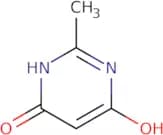
CAS:Controlled ProductPlease enquire for more information about 2-(Tributylstannyl)pyrimidin-5-amine including the price, delivery time and more detailed product information at the technical inquiry form on this pageFormula:C16H31N3SnPurity:Min. 95%Molecular weight:384.15 g/mol4.6-Dihydroxy-2-methylpyrimidine
CAS:4,6-Dihydroxy-2-methylpyrimidine is a monomer that is used in the synthesis of polyurethanes. It is an intermediate in the reaction between hydrochloric acid and nitrous acid, which produces 4,6-dichloro-2-methylpyrimidine. The reaction mechanism involves transfer of a methyl group from an organic molecule to hydrochloric acid. This reaction can be carried out at either low or high pH values. The addition of magnesium salt increases the rate of the reaction by increasing the solubility of chloroformate in water. When ethyl esters are used as starting materials, a constant conversion rate can be obtained with a large excess of magnesium salt.Formula:C5H6N2O2Purity:Min 99%Color and Shape:PowderMolecular weight:126.11 g/molPiperacillin
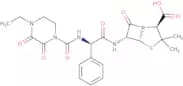
CAS:Piperacillin is a β-lactam antibiotic that inhibits the synthesis of bacterial cell walls by binding to penicillin-binding proteins. It is used for the treatment of serious infections caused by gram-negative organisms such as Aerogenes, Enterobacter, and Klebsiella. Piperacillin has a high MIC90 value against Staphylococcus and other gram-positive bacteria, but it is not active against β-lactamase producing strains of bacteria such as E. coli or Klebsiella pneumoniae. The MIC90 values are determined through an analytical method on different strains of bacteria and validated with a sample preparation before use in clinical trials.Formula:C23H27N5O7SPurity:Min. 95 Area-%Color and Shape:White PowderMolecular weight:517.56 g/mol5-Hydroxyindole-2-carboxylic acid ethyl ester
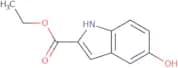
CAS:5-Hydroxyindole-2-carboxylic acid ethyl ester is a fluorescent probe that is used in the detection of hepatitis C virus by micropet assay. The compound reacts with amines and undergoes fluorescence quenching, and can be used to quantitate their concentration. 5-Hydroxyindole-2-carboxylic acid ethyl ester is also used for the determination of the kinetics of amines and other compounds that are involved in the metabolism of drugs and biogenic amines. It can be applied to chromatographic analysis or sample preparation prior to analysis by analytical chemistry methods such as gas chromatography or liquid chromatography.
Formula:C11H11NO3Purity:Min. 95%Color and Shape:PowderMolecular weight:205.21 g/mol7-Bromo-5-fluoro-1H-indole-3-carboxylic acid
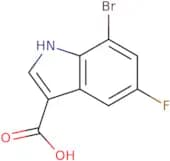
CAS:Please enquire for more information about 7-Bromo-5-fluoro-1H-indole-3-carboxylic acid including the price, delivery time and more detailed product information at the technical inquiry form on this page
Formula:C9H5BrFNO2Purity:Min. 95%Color and Shape:PowderMolecular weight:258.04 g/mol3-Amino-2-piperidinone
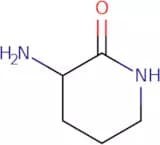
CAS:3-Amino-2-piperidinone is a metabolite of ornithine, which is a nonessential amino acid. It is produced by the metabolism of arginine and lysine, both of which are essential amino acids. 3-Amino-2-piperidinone has been found in urine samples from patients with bladder cancer and hyperornithinemia. It has also been detected in saccharomyces cerevisiae strain during energy metabolism experiments. This metabolite can be identified using chromatographic techniques such as gas chromatography and mass spectrometry. 3-Amino-2-piperidinone can be used to identify the presence of cancer or metabolic disorders such as hyperornithinemia by measuring its concentration in urine samples or reaction solutions.Formula:C5H10N2OPurity:Min. 95%Color and Shape:PowderMolecular weight:114.15 g/molIndole-3-acetic acid
CAS:Plant growth hormone. Regulates cell membrane electron transport and proton flux, plays important roles in a number of plant activities, including: development of the embryo, leafformation, phototropism, gravitropism, apical dominance, fruit development, abscission, root initiation.
Formula:C10H9NO2Purity:Min. 99 Area-%Molecular weight:175.19 g/mol5-Azaindole
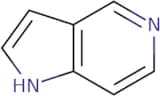
CAS:5-Azaindole is a heterocyclic compound that has been studied for its biological properties. It is a prodrug of trifluoroacetic acid, which can be used to treat metabolic disorders and autoimmune diseases. 5-Azaindole has also been shown to increase the expression of growth factor in cells, which may be useful in treating pain or bowel disease. This drug is metabolized by hydroxylation followed by conjugation with glucuronic acid and excretion in the urine. 5-Azaindole is also converted to an active form by enzymatic oxidation of a hydroxyl group and protonation on the nitrogen atom, as well as conversion to sorafenib (a drug used to inhibit tumor growth).Formula:C7H6N2Purity:Min. 95%Color and Shape:PowderMolecular weight:118.14 g/mol6-Chloro-5-fluoroindole
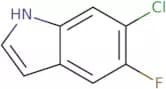
CAS:6-Chloro-5-fluoroindole is a chemical compound that has been shown to be an effective inhibitor of 5-HT2C receptors. 6-Chloro-5-fluoroindole was synthesized in 1972 by the reaction of formamide with chloroacetyl chloride, and it was found to have anti-cancer effects in 1979. 6-Chloro-5-fluoroindole binds to 5HT2C receptors and prevents the activation of G proteins. This inhibition leads to cancer cell death because the receptor is involved in many important signalling pathways. 6CI5FI is used as a research tool for studying the function of this receptor.Formula:C8H5ClFNPurity:Min. 95%Color and Shape:PowderMolecular weight:169.58 g/molN-[1-[2-(4-Ethyl-5-Oxotetrazol-1-Yl)Ethyl]-4-Phenylpiperidin-4-Yl]-N-(2-Fluorophenyl)Propanamide
CAS:Controlled ProductN-[1-[2-(4-Ethyl-5-Oxotetrazol-1-Yl)Ethyl]-4-Phenylpiperidin-4-Yl]-N-(2-Fluorophenyl)Propanamide is a drug that is used clinically for the treatment of depression. It is an analog of amitriptyline, an antidepressant and a tricyclic compound. N-[1-[2-(4-Ethyl-5-Oxotetrazol-1-Yl)Ethyl]-4-Phenylpiperidin-4-Yl]-N-(2-Fluorophenyl)Propanamide has been shown to increase the concentration of plasma drug levels by increasing transporter gene expression in muscle tissue. This drug also has clinical pharmacology and thermal expansion properties.Formula:C25H31FN6O2Purity:Min. 95%Molecular weight:466.55 g/molL-4,5,6,7-Tetrahydro-1H-imidazo[4,5-c]pyridine-6-carboxylic acid
CAS:L-4,5,6,7-Tetrahydro-1H-imidazo[4,5-c]pyridine-6-carboxylic acid is a protonated form of a neurotransmitter. It is used to treat cervical cancer and has been shown to inhibit the replication of viruses such as Epstein Barr virus. L-4,5,6,7-Tetrahydro-1H-imidazo[4,5-c]pyridine-6-carboxylic acid also has been shown to have antihypertensive activity in animals. The chemical interactions of this compound are not well studied and it is unknown if dietary concentrations affect its toxicity. L-4,5,6,7 tetrahydro -1H imidazo[4,5 c] pyridine 6 carboxylic acid has been shown to be toxic in animal studies with high doses leading to death. ThisFormula:C7H9N3O2Purity:Min. 95%Color and Shape:PowderMolecular weight:167.17 g/mol5-Hydroxy-3-methylindole
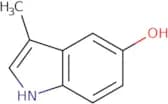
CAS:5-Hydroxy-3-methylindole (5HMI) is a metabolite of the drug tamoxifen, which is used for the treatment of breast cancer. It is also found in urine samples and has been shown to be reactive with cytochrome P450 2E1 (CYP2E1). 5HMI has been shown to inhibit the activity of CYP2E1 in humans, rats, and mice. 5HMI has also been shown to have anti-epileptic properties in epileptics. This active form is metabolized by adipose tissue or liver cells through oxidation and conjugation with glucuronic acid. The human liver cells show constitutive androstane receptor (CAR) activation, which may be due to its ability to act as an agonist or partial agonist.
Formula:C9H9NOPurity:Min. 96%Color and Shape:PowderMolecular weight:147.17 g/mol2-Chloro-3-hydroxypyridine
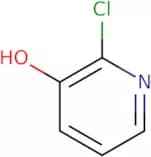
CAS:2-Chloro-3-hydroxypyridine is a reactive chemical that can be synthesized from hydrochloric acid and ammonia. It has a high melting point, which is an indication of its strength. 2-Chloro-3-hydroxypyridine has been used in the kinetic and population growth studies for bacteria. The reaction of 2-chloro-3-hydroxypyridine with sodium hydrogen is exothermic and has a red shift, which indicates that the activation energy for this reaction is low. Activation energies are important because they indicate the stability of molecules.Formula:C5H4ClNOPurity:Min. 95%Color and Shape:PowderMolecular weight:129.54 g/molIndole-4-carboxylic acid methyl ester
CAS:Indole-4-carboxylic acid methyl ester is a fine chemical that is used as a building block in the synthesis of complex compounds. It can be used as a reagent, speciality chemical, or intermediate, and it has versatile applications in the synthesis of pharmaceuticals and dyes. Indole-4-carboxylic acid methyl ester has been shown to react with alcohols to form ketones, which are useful scaffolds for organic chemistry. It can also be used as a reaction component for the synthesis of other compounds.Formula:C10H9NO2Molecular weight:175.19 g/molRef: 3D-I-2510
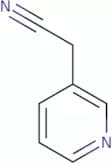
1kgTo inquire50gTo inquire100gTo inquire250gTo inquire500gTo inquire-Unit-ggTo inquirePyridine-3-acetonitrile
CAS:Pyridine-3-acetonitrile is a coordination complex that can be used for the treatment of diabetes. It has been shown to have a high affinity for plasma glucose and to be selective for biological samples containing amino acids, such as proteins. The molecule is able to bind with carbon disulphide in order to form the active methylene, which has been shown to be an effective bifunctional ligand. The compound has also been shown to have a ph optimum of 9.8 - 10.2 and exhibits an atomic orbital with a molecular electrostatic potential of 0.5 eV. Pyridine-3-acetonitrile binds strongly to nucleophilic groups, such as amines and hydroxyls, making it suitable for use as a ligand in metal complexes. This compound may also have some interesting properties related to its morphology, which can be further investigated using functional theory and molecular electrostatic potential.br>br> br>br>Formula:C7H6N2Purity:Min. 95%Color and Shape:Clear LiquidMolecular weight:118.14 g/mol2,4-Dichloro-5-ethoxypyrimidine
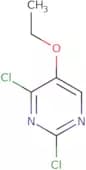
CAS:2,4-Dichloro-5-ethoxypyrimidine is a chemical compound that is used as a reagent and a reaction component in organic synthesis. It is an intermediate for the production of other chemicals. The high purity of this compound makes it suitable for research purposes. It can be used as a versatile building block or as an intermediate to build complex compounds. 2,4-Dichloro-5-ethoxypyrimidine has CAS No. 280582-25-4. This chemical is also known by the name Et2N2Cl5O2P.
Formula:C6H6Cl2N2OPurity:Min. 95%Color and Shape:SolidMolecular weight:193.03 g/mol6-Bromoindole
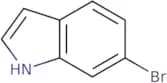
CAS:6-Bromoindole is a synthetic compound that has been shown to have significant anticancer activity in animals. 6-Bromoindole shows cytotoxicity against cervical cancer cells and has been shown to be active against leukemia cells, with the potential for use as a therapeutic agent for both solid tumor cancers and hematological malignancies. The synthesis of 6-bromoindole is based on an asymmetric Friedel-Crafts reaction, which uses hydrochloric acid as a catalyst. This product also shows significant antibacterial activity and has been found to be effective against LPS-stimulated RAW264.7 cells.
Formula:C8H6BrNPurity:Min. 95%Color and Shape:PowderMolecular weight:196.04 g/mol5-Fluoroorotic acid potassium salt
CAS:Please enquire for more information about 5-Fluoroorotic acid potassium salt including the price, delivery time and more detailed product information at the technical inquiry form on this pageFormula:C5H2FN2O4KPurity:(Free Base) Min. 98.0 Area-%Color and Shape:White PowderMolecular weight:212.18 g/mol6-Chloropurine
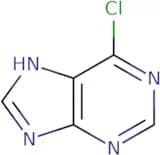
CAS:6-Chloropurine is an isothiouronium salt that is metabolized by the enzyme thiopurine methyltransferase to its active form, 6-methylthioinosine. It has been shown to inhibit the growth of bacterial cells in culture by binding to their adenine nucleotide. 6-Chloropurine inhibits the synthesis of purines and pyrimidines, which are involved in DNA replication and RNA synthesis. 6-Chloropurine has been shown to have cytotoxic effects on certain human carcinoma cell lines and may be used as a chemotherapeutic agent for these types of cancer. The drug has also been shown to have high values with aerobacter aerogenes, which is a bacterium that can cause lung infections.
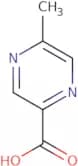
Formula:C5H3ClN4Purity:Min. 99 Area-%Color and Shape:Yellow PowderMolecular weight:154.56 g/mol5-Methyl-2-pyrazinecarboxylic acid
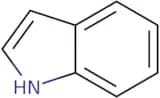
CAS:5-Methyl-2-pyrazinecarboxylic acid is a natural compound that can be found in plants. It has been shown to have antidiabetic properties and to be useful as a fluorescence probe. 5-Methyl-2-pyrazinecarboxylic acid can be synthesized by the condensation of pyrazinamide with formaldehyde, followed by oxidation with sodium formate. The synthesis of 5-methyl-2-pyrazinecarboxylic acid can also be achieved by heating an aqueous solution of pyrazinamide at 100°C for 30 minutes. This process yields the desired product in high yield, which is then purified by recrystallization or column chromatography.Formula:C6H6N2O2Purity:Min. 95%Color and Shape:PowderMolecular weight:138.12 g/molIndole
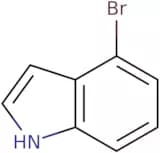
CAS:Indole is a nitrogen-containing heterocyclic aromatic organic compound. Copper chloride in the presence of trifluoroacetic acid and indole gives rise to an indolenine derivative, which reacts with nitrogen atoms to form a copper nitride. This reaction is used as a model system for biological properties of indole. Indolenine has been shown to have bone cancer prevention and treatment effects in mice, and may also be beneficial in autoimmune diseases and metabolic disorders, due to its ability to inhibit toll-like receptor signaling pathways. The wild-type strain has shown resistance to antibiotics, which can be overcome by using mutant strains that are resistant to antibiotic treatments.Formula:C8H7NPurity:Min. 95 Area-%Color and Shape:Off-White PowderMolecular weight:117.15 g/mol4-Bromoindole
CAS:4-Bromoindole is a model compound that serves as a building block for the synthesis of pharmaceutically important compounds. 4-Bromoindole has been shown to have high catalytic rates for the oxidative coupling of zirconium oxide. This compound can also be used in asymmetric synthesis because it is able to form both R and S enantiomers in moderate yield. The reaction mechanism is thought to involve a nucleophilic attack by bromide on the carbonyl group, followed by elimination of hydrogen bromide from this intermediate. 4-Bromoindole can be synthesized in three ways: (1) via an oxidative coupling reaction with ZrOCl2 and H2O2; (2) via an oxidative coupling reaction with ZrOCl2 and HBr; or (3) by reacting 4-bromoaniline with CuSO4 and Mn(NO3)2.
Formula:C8H6BrNPurity:Min. 95%Color and Shape:Brown Yellow Clear LiquidMolecular weight:196.04 g/mol8-Hydroxy-2-methylquinoline-5-carboxylic acid hydrochloride
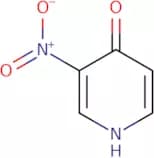
CAS:Please enquire for more information about 8-Hydroxy-2-methylquinoline-5-carboxylic acid hydrochloride including the price, delivery time and more detailed product information at the technical inquiry form on this pageFormula:C11H9NO3•(HCl)xPurity:Min. 95%Molecular weight:203.19 g/mol4-Hydroxy-3-nitropyridine
CAS:4-Hydroxy-3-nitropyridine is an organic chemical compound with the molecular formula CHNO. It has a structure that is composed of a nitro group bonded to a pyridine ring. 4-Hydroxy-3-nitropyridine can be found in wastewater and as a byproduct of the production of dyes, drugs, and explosives. It has been shown to react with primary amines to form nitrosamines. In its tautomeric form, 4-hydroxy-3-nitropyridine is more reactive and will react with chloride ions to form hydroxylamine. This reaction is used commercially for the synthesis of hydrazine and other products.Formula:C5H4N2O3Purity:Min. 95%Color and Shape:PowderMolecular weight:140.1 g/mol5-Ethylthio-1H-tetrazole - Conductivity >30 uS/cm
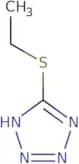
CAS:5-Ethylthio-1H-tetrazole is a chloroformate that is used as an inhibitor of the cell membrane permeability. It can be prepared by the reaction of thiourea and ethyl bromoacetate in chloroform. This compound has been shown to inhibit the acidification of cells, which is caused by hydrogen ions leaking through the cell membrane. 5-Ethylthio-1H-tetrazole is also an inhibitor of RNA synthesis, which may be due to its ability to bind with nucleoside triphosphates and competitively inhibit ATPase activity. This product also has a luminescent property, which may be due to its ability to produce light upon oxidation in air or water.Formula:C3H6N4SColor and Shape:PowderMolecular weight:130.17 g/mol4,6-Dihydroxy-2-methylpyrimidine
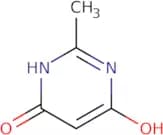
CAS:4,6-Dihydroxy-2-methylpyrimidine is an organic compound that is synthesized by the reaction of 2-chloroethanol with ethyl chloroformate and nitroethane in the presence of a magnesium salt. The synthesis can be done systematically or by chance. 4,6-Dihydroxy-2-methylpyrimidine can be formed by the hydrolysis of ethyl esters with a metallacycle. Its acidic properties are due to its electron withdrawing groups. The systematic synthesis is carried out in two steps: 1) formation of the monomers from ethyl chloroformate and nitroethane; 2) condensation of the monomers to form 4,6-dihydroxy-2-methylpyrimidine. This synthesis requires hydroxide solution and chloroformate as well as a base such as sodium hydroxide or potassium hydroxide. The chemical reaction mechanism is basedFormula:C5H6N2O2Purity:Min. 95%Molecular weight:126.11 g/mol2-Methyl-5-nitropyridine
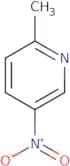
CAS:2-Methyl-5-nitropyridine is an enamine that can be synthesized by the reaction of a primary amine with nitrous acid. It has been shown to react with hydrazines to form 2-methyl-5-nitropyridinium hydrazones, which are useful in organic synthesis. The reaction of 2-methyl-5-nitropyridine with acid anhydrides yields protonated carboxylic acids, which can be used as nucleophiles in the presence of metal ions. This amino acid also forms aliphatic amines and anions and reacts with aldehydes to form nitroalkenes.Formula:C6H6N2O2Purity:Min. 95%Color and Shape:Beige PowderMolecular weight:138.12 g/mol3-Chloro-2-pyrazine-carboxylic acid
CAS:3-Chloro-2-pyrazinecarboxylic acid is a nucleophilic compound that is synthetically produced and has antimicrobial properties. It is an active component of the drug 3,4 dichloro-2-pyrazinecarboxylic acid (DCP). This agent binds to the chloride ion in bacterial cells, which inactivates the enzyme adenosine triphosphatase that is essential for maintaining cellular homeostasis. 3-Chloro-2-pyrazinecarboxylic acid has been shown to be active against a number of Gram positive and Gram negative bacteria, including Staphylococcus epidermidis, Streptococcus pneumoniae, and Pseudomonas aeruginosa. It also has antibacterial activity against mycobacteria such as Mycobacterium tuberculosis and Mycobacterium avium complex.Formula:C5H3ClN2O2Purity:Min. 95%Color and Shape:Off-White To Light Brown SolidMolecular weight:158.54 g/mol7-Bromo-4-fluoro-1H-indole-3-carboxylic acid
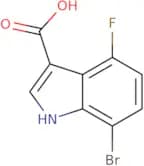
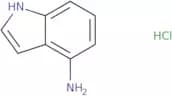
CAS:Please enquire for more information about 7-Bromo-4-fluoro-1H-indole-3-carboxylic acid including the price, delivery time and more detailed product information at the technical inquiry form on this pageFormula:C9H5BrFNO2Purity:Min. 95%Color and Shape:PowderMolecular weight:258.04 g/mol4-Aminoindole hydrochloride
CAS:4-Aminoindole hydrochloride is a white crystalline solid that can be used as a versatile building block in organic synthesis. It is also used as an intermediate in the production of various pharmaceuticals and other chemical compounds. 4-Aminoindole hydrochloride is soluble in most polar solvents, but insoluble in ethers and oils. This compound is also a useful reagent for the conversion of nitrobenzenes to aminobenzoic acids. CAS Number 174854-93-4
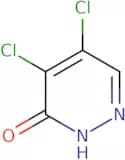
Formula:C8H9ClN2Purity:Min. 95%Color and Shape:PowderMolecular weight:168.62 g/mol4,5-Dichloro-3-hydroxypyridazine
CAS:4,5-Dichloro-3-hydroxypyridazine is an organic compound that is used as a precursor to other compounds. It has been shown to be genotoxic and mutagenic in a number of assays with mammalian cells. 4,5-Dichloro-3-hydroxypyridazine reacts with phenols in the presence of Friedel-Crafts catalysts to form pyridine derivatives. It has also been shown to regulate transcriptional activity by binding to the prostacyclin receptor and α2-adrenergic receptor. This compound has been studied for its potential diagnostic value in the diagnosis of triticum aestivum (wheat) sensitivity.Formula:C4H2Cl2N2OPurity:Min. 95%Color and Shape:PowderMolecular weight:164.98 g/mol6-Amino-2-chloropurine
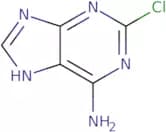
CAS:6-Amino-2-chloropurine (6AC) is a nucleoside analogue that inhibits the synthesis of DNA, RNA, and protein by inhibiting the activity of polymerase chain reaction. It has been used to study the molecular mechanisms of pandemic influenza A virus and HIV infection. 6AC has also been shown to be effective in treating solid tumours and metastatic colorectal cancer in mice. This drug is also used as a competitive inhibitor for measuring endonuclease activity in polymerase chain reactions. 6AC binds to the enzyme's active site and prevents it from cleaving the DNA strands during replication, resulting in incomplete replication of the viral genome.Formula:C5H4ClN5Purity:Min. 95%Color and Shape:PowderMolecular weight:169.57 g/molPyridinium acetate
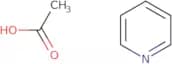
CAS:Controlled ProductPyridinium acetate is a chemical compound with the molecular formula of C6H5N3O2. It is a white solid with a melting point of 61 °C. This compound belongs to the class of organic compounds called heterocycles, which contain atoms other than carbon in their ring structures. Pyridinium acetate has been shown to have an inhibitory effect on collagen synthesis and can be used for the treatment of high blood pressure. The synthesis of pyridinium acetate is done by a synthetase enzyme that requires ATP, citric acid, and sodium citrate as substrates. This pathway creates pyridinium acetate from two molecules of aspartic acid and one molecule of acetic acid. The final product contains a carbonyl group, which gives it its acidic properties. Pyridinium acetate also has an acidic pH optimum at 3-4 and is resistant to mutants such as E. coli K-12 that
Formula:C5H5N·C2H4O2Purity:Min. 95%Color and Shape:PowderMolecular weight:139.15 g/mol7-Amino-2-(4-methoxyphenyl)[1,2,4]triazolo[1,5-a]pyrimidin-5(4H)-one
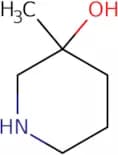
CAS:7-Amino-2-(4-methoxyphenyl)[1,2,4]triazolo[1,5-a]pyrimidin-5(4H)-one is a fine chemical that belongs to the category of versatile building blocks. It can be used as a reagent for research purposes and as a speciality chemical for the production of complex compounds. This compound is also an important building block for the synthesis of compounds with high quality and useful scaffolds.Formula:C12H11N5O2Purity:Min. 95%Color and Shape:PowderMolecular weight:257.25 g/mol3-Methylpiperidin-3-ol
CAS:3-Methylpiperidin-3-ol is a chemical compound that has been found to be useful as a building block for the synthesis of various complex compounds. This product is used in research and as a reagent. 3-Methylpiperidin-3-ol is also known by the CAS number 473730-88-0.Formula:C6H13NOPurity:Min. 95%Color and Shape:Yellow solid.Molecular weight:115.17 g/mol4-(4-Methylpiperazino)-1,2-benzenediamine
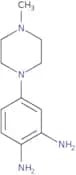
CAS:4-(4-Methylpiperazino)-1,2-benzenediamine (4MPBD) is a small molecule that binds to the telomerase enzyme and inhibits its activity. Telomerase is an enzyme that maintains telomeres by adding nucleotides to the end of dna strands. 4MPBD has been shown to inhibit telomerase activity in vitro and in vivo, and it has been found to induce apoptosis in cancer cells. This compound also stabilizes telomeres and causes a shift in the equilibrium between short and long telomeres. The inhibition of telomerase by 4MPBD may lead to an increased risk of cancer progression and death, as well as an increase in susceptibility to infection due to shortened dna strands.Formula:C11H18N4Purity:Min. 95%Color and Shape:PowderMolecular weight:206.29 g/mol9-Hydroxyxanthene
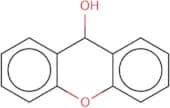
CAS:9-Hydroxyxanthene is a natural drug that has been used in traditional Chinese medicine for treating a variety of diseases. It is extracted from Rhizoma Gastrodiae and Angelicae Dahuricae. 9-Hydroxyxanthene has shown to be effective against various metabolic disorders, including insulin resistance, hyperlipidemia, and diabetes. The mechanism of action of 9-hydroxyxanthene is not known but it is thought to be due to its ability to activate the immune system by transferring reactions and promoting the production of antibodies. 9-hydroxyxanthene also shows anti-inflammatory effects by inhibiting the production of prostaglandins and leukotrienes. 9-hydroxyxanthene can also inhibit angiotensin II, which may reduce high blood pressure and congestive heart failure.
Formula:C13H10O2Purity:Min. 98 Area-%Color and Shape:White PowderMolecular weight:198.22 g/mol3-Formyl-4-methoxypyridine
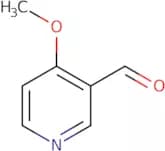
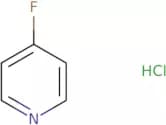
CAS:3-Formyl-4-methoxypyridine is a synthetic compound that belongs to the group of pyrimidine ring compounds. It is synthesized by the reaction of triflic acid with 2,6-dichloropyridine and has been shown to have antiviral and antitumour properties. The compound has also been synthetized as a potential drug for the treatment of malaria. 3-Formyl-4-methoxypyridine is an analog of variolin, which is an alkaloid that can be found in marine organisms such as sponges and tunicates. 3-Formyl-4-methoxypyridine has been shown to inhibit protein synthesis by inhibiting the enzyme RNA polymerase II, which leads to cell death by apoptosis or necrosis.Formula:C7H7NO2Purity:Min. 95%Color and Shape:PowderMolecular weight:137.14 g/mol4-Fluoropyridine HCl
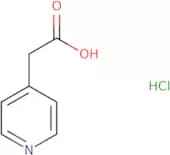
CAS:4-Fluoropyridine HCl is a pyridine that can be used as a stabilizer in organic synthesis. It can react with hydrogen fluoride to give fluorides, which are useful in organic synthesis. 4-Fluoropyridine HCl reacts with anhydrous 4-aminopyridine to give high yields of the salt of 4-aminopyridines, which are aminopyridines that have been substituted by a substituent such as chlorine, bromine, or iodine. This product is also used for the fluorination of benzene and other aromatic substrates.Formula:C5H4FN·HClPurity:Min. 95%Color and Shape:PowderMolecular weight:133.55 g/molPyridine 4-acetic acid HCl
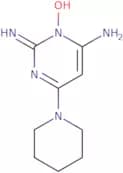
CAS:Pyridine 4-acetic acid HCl is a synthetic, fluorescent probe with reactive and luminescence properties. It is used for the detection of hydrogen bond formation in organic compounds. It is also used as a probe to study the molecular interactions between metal ions and β-unsaturated aldehydes. Pyridine 4-acetic acid HCl has been shown to be useful for transduction of light energy into chemical energy. The pyridine ring makes this compound an excellent candidate for molecular modeling studies due to its rigid structure.Formula:C7H8ClNO2Purity:Min. 95%Color and Shape:PowderMolecular weight:173.6 g/molMinoxidil
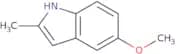
CAS:Anti-androgen; anti-hypertensive; alopecia treatmentFormula:C9H15N5OPurity:Min. 95%Color and Shape:White Off-White PowderMolecular weight:209.25 g/mol5-Methoxy-2-methylindole
CAS:5-Methoxy-2-methylindole is an organic solvent that has been shown to have a wide range of bioactive properties. It is used in the production of acetylcholine, which is an important neurotransmitter. 5-Methoxy-2-methylindole also reacts with chloride ions, which may be an important factor when considering the life cycles and bioactive substances of this molecule. The reaction yield depends on the pH of the solution. 5-Methoxy-2-methylindole can undergo chlorination reactions to form polychlorinated derivatives, which are used as petrochemicals. This molecule also has retinoid properties and can act as a proton donor or acceptor depending on whether it is protonated or deprotonated.Formula:C10H11NOColor and Shape:PowderMolecular weight:161.2 g/mol6-(4,4,5,5-Tetramethyl-1,3,2-dioxaborolan-2-yl)imidazo[1,2-α]pyridine
CAS:6-(4,4,5,5-Tetramethyl-1,3,2-dioxaborolan-2-yl)imidazo[1,2-a]pyridine is a fine chemical that can be used as a building block in organic synthesis. It is a useful reagent and intermediate for the synthesis of other compounds. 6-(4,4,5,5-Tetramethyl-1,3,2-dioxaborolan-2-yl)imidazo[1,2-a]pyridine is soluble in acetone and ethanol. The compound has been found to be an effective reaction component in the synthesis of various complex molecules.Formula:C13H17BN2O2Purity:Min. 95%Color and Shape:SolidMolecular weight:244.1 g/mol4,4'-Dimethoxy-2,2'-bipyridine
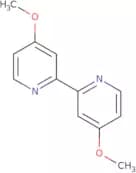
CAS:4,4'-Dimethoxy-2,2'-bipyridine (DMBP) is a reactive compound that can undergo nucleophilic attack on protonated molecules. DMBP has a high value for protonation and is able to react with water vapor in the air to form hydroxide. It has been used as a model protein to study the redox potential of biomolecules and the biological properties of halides. The crystal structure of DMBP has been studied by X-ray crystallography and is found to be related to technetium.Formula:C12H12N2O2Purity:Min. 95%Color and Shape:PowderMolecular weight:216.24 g/mol(5-Methylpyridin-2-yl)methanamine
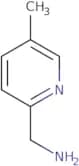
CAS:5-Methylpyridin-2-yl)methanamine is a high quality reagent that is used as a building block in the synthesis of complex compounds. It can be used as an intermediate, useful for the preparation of fine chemicals and useful scaffolds. It can also be used as a speciality chemical and is often used as a reaction component in research chemicals.
Formula:C7H10N2Purity:Min. 98 Area-%Color and Shape:Clear LiquidMolecular weight:122.17 g/mol2,5-Dibromo-3-methylpyridine
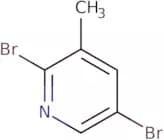
CAS:2,5-Dibromo-3-methylpyridine is used in the synthesis of new ligands for receptor ligand interactions. The compound is synthesized by a cross-coupling reaction with boronic acids. This reaction occurs at room temperature and does not require any harsh chemicals. The product has been shown to be effective against oncologic cells, as well as against cancerous cells in a chloride solution. Cryogenic techniques are also used in this synthesis process.Formula:C6H5Br2NPurity:Min. 95%Color and Shape:PowderMolecular weight:250.92 g/molEthyl 4-(((tert-butyl)amino)thioxomethyl)piperazinecarboxylate
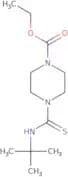
CAS:Please enquire for more information about Ethyl 4-(((tert-butyl)amino)thioxomethyl)piperazinecarboxylate including the price, delivery time and more detailed product information at the technical inquiry form on this pagePurity:Min. 95%2-Piperazin-1-ylnicotinamide dihydrochloride
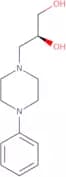
CAS:Please enquire for more information about 2-Piperazin-1-ylnicotinamide dihydrochloride including the price, delivery time and more detailed product information at the technical inquiry form on this pageFormula:C10H14N4OPurity:95%MinColor and Shape:PowderMolecular weight:206.24 g/mol(S)-3-(4-Phenyl-1-piperazinyl)-1,2-propanediol
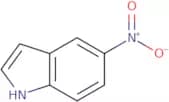
CAS:(S)-3-(4-Phenyl-1-piperazinyl)-1,2-propanediol is a synthetic compound that has been shown to have antiinflammatory activity in rat urine and human bronchial tissue. The antiinflammatory effect of (S)-3-(4-Phenyl-1-piperazinyl)-1,2-propanediol may be due to its ability to inhibit the release of leukotrienes and prostaglandins. The drug is currently being tested as a treatment for chronic cough in children. This drug has not been approved by the FDA for use in children under 12 years old.Formula:C13H20N2O2Purity:Min. 95%Color and Shape:White To Off-White SolidMolecular weight:236.31 g/mol5-Nitroindole
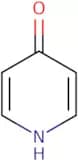
CAS:5-Nitroindole is a chemical used in wastewater treatment. It is an electron acceptor that can be used to reduce the cost of the process. 5-Nitroindole has significant cytotoxicity and polymerase chain activity in human pathogens, such as Escherichia coli, Salmonella enterica, Staphylococcus aureus, and Mycobacterium tuberculosis. The drug is stable under aerobic conditions and has shown no significant cytotoxicity to mammalian cells. 5-Nitroindole has been shown to hybridize with DNA duplexes containing guanine bases and form covalent bonds in a model system. The drug also has been shown to be present in colonies of colony-stimulating factor (CSF) cells that are found in the blood stream of healthy individuals.Formula:C8H6N2O2Purity:Min. 95%Color and Shape:Yellow PowderMolecular weight:162.15 g/mol4-Hydroxypyridine
CAS:4-Hydroxypyridine is a nitrite ion that contains two nitrogen atoms. It is used to study microbial metabolism and the role of nitrogen in biological systems. 4-Hydroxypyridine can be synthesized from pyridinium, which can be prepared by treating aniline with nitrous acid. The synthesis of 4-hydroxypyridine has been investigated using a hydroxylation reaction catalyzed by palladium, followed by cyclization to form a cyclic peptide. This reaction has been shown to have significant cytotoxicity against HIV-infected cells, with light emission as a result of the reaction between the hydrogen atom on the pyridine ring and oxygen molecule.Formula:C5H5NOPurity:Min. 98 Area-%Color and Shape:White PowderMolecular weight:95.1 g/molN-Benzyl-2,4,6-triphenyl pyridinium tetrafluoroborate
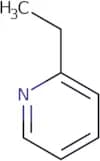
CAS:N-Benzyl-2,4,6-triphenyl pyridinium tetrafluoroborate is a molecule that regulates transcriptional activity. It can be used to isolate regulatory genes from different organisms and identify the specific genes that regulate the expression of other genes. The algorithm for this process is a stepwise, stereoselective, aerobic search. This process starts with an algorithm that identifies the best possible match between the gene sequence and the database sequences. The algorithm then transfers to another stepwise and stereoselective search of the database until it finds a match. The process ends when there are no more matches in the database or when all possible combinations have been searched. N-Benzyl-2,4,6-triphenyl pyridinium tetrafluoroborate has been shown to activate Staphylococcus aureus at very low concentrations but does not cause activation of mammalian cells at these concentrations.Formula:C30H24N•BF4Purity:Min. 95%Molecular weight:485.32 g/mol2-Ethylpyridine
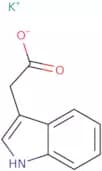
CAS:2-Ethylpyridine is a chemical compound that can be derived from sodium succinate, 2-ethylpyridine, and trifluoroacetic acid. It has been shown to have biological properties such as the inhibition of mitochondrial membrane potential, which is the driving force for ATP synthesis in mitochondria. This drug also inhibits the production of hydrogen peroxide and nitric oxide by reacting with hydrochloric acid or nitrogen atoms. 2-Ethylpyridine can be used as a solid catalyst for reactions involving hydrogen bond formation or intermolecular hydrogen bond formation. 2-Ethylpyridine reacts with protocatechuic acid to form an intramolecular hydrogen bond and a group p2 type of reaction mechanism.Formula:C7H9NPurity:Min. 95%Color and Shape:Colorless Clear LiquidMolecular weight:107.15 g/mol3-Indoleacetic acid potassium salt
CAS:Plant hormone of the auxin class; promotes root growthFormula:C10H8NO2·KPurity:Min. 95%Color and Shape:White PowderMolecular weight:213.27 g/mol


![2,4,6-Tris[bis(methoxymethyl)amino]-1,3,5-triazine](/_next/image/?url=https%3A%2Fstatic.cymitquimica.com%2Fproducts%2FTR%2Fthumb-webp%2FT887898.webp&w=3840&q=75)


![5-[1-(Methylthio)ethyl]-2-trifluoromethylpyridine](/_next/image/?url=https%3A%2Fstatic.cymitquimica.com%2Fproducts%2FTR%2Fthumb-webp%2FM330685.webp&w=3840&q=75)



![20-Deoxo-23-deoxy-5-O-[3,6-dideoxy-3-(dimethylamino)-β-D-glucopyranosyl]-20,23-di-1-piperidinyltyl…](/_next/image/?url=https%3A%2Fstatic.cymitquimica.com%2Fproducts%2F3D%2Fthumb-webp%2FFT137728.webp&w=3840&q=75)


![3-(3-Piperidinopropoxy)-1-[3-(Trifluoromethyl)Phenyl]-1H-Indazole](/_next/image/?url=https%3A%2Fstatic.cymitquimica.com%2Fproducts%2F3D%2Fthumb-webp%2FFP97740.webp&w=3840&q=75)

![1-(2-Chloroethyl)-4-[3-(Trifluoromethyl)Phenyl]Piperazine Dihydrochloride](/_next/image/?url=https%3A%2Fstatic.cymitquimica.com%2Fproducts%2F3D%2Fthumb-webp%2FFC29221.webp&w=3840&q=75)

![N-[1-[2-(4-Ethyl-5-Oxotetrazol-1-Yl)Ethyl]-4-Phenylpiperidin-4-Yl]-N-(2-Fluorophenyl)Propanamide](/_next/image/?url=https%3A%2Fstatic.cymitquimica.com%2Fproducts%2F3D%2Fthumb-webp%2FFE102162.webp&w=3840&q=75)
![L-4,5,6,7-Tetrahydro-1H-imidazo[4,5-c]pyridine-6-carboxylic acid](/_next/image/?url=https%3A%2Fstatic.cymitquimica.com%2Fproducts%2F3D%2Fthumb-webp%2FFT56086.webp&w=3840&q=75)




![7-Amino-2-(4-methoxyphenyl)[1,2,4]triazolo[1,5-a]pyrimidin-5(4H)-one](/_next/image/?url=https%3A%2Fstatic.cymitquimica.com%2Fproducts%2F3D%2Fthumb-webp%2FFA134729.webp&w=3840&q=75)
![6-(4,4,5,5-Tetramethyl-1,3,2-dioxaborolan-2-yl)imidazo[1,2-α]pyridine](/_next/image/?url=https%3A%2Fstatic.cymitquimica.com%2Fproducts%2F3D%2Fthumb-webp%2FFT159967.webp&w=3840&q=75)