Heterocycles with Nitrogen (N)
Subcategories of "Heterocycles with Nitrogen (N)"
- Azepane(436 products)
- Benzotriazoles(438 products)
- Diazepanes(335 products)
- Imidazoles(4,031 products)
- Imidazolines(385 products)
- Isoxazole(1,088 products)
- Piperazines(3,758 products)
- Piperidines(8,442 products)
- Pyrazines(1,304 products)
- Pyrazole(5,960 products)
- Pyrazolidine(21 products)
- Pyrazoline(143 products)
- Pyridazine(860 products)
- Pyridines(22,005 products)
- Pyrimidine(6,084 products)
- Pyrroles(2,449 products)
- Pyrrolidines(5,840 products)
- Pyrroline(48 products)
- Pyrrolo[1,2-b]pyridazine(10 products)
- Tetrazole(531 products)
- Triazines(466 products)
- Triazoles(1,689 products)
Found 17863 products of "Heterocycles with Nitrogen (N)"
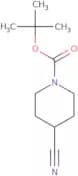
N-Boc-4-cyanopiperidine
CAS:N-Boc-4-cyanopiperidine is a synthetic compound that has been used as a competitive inhibitor in the study of biochemistry and neurochemistry. It has been shown to inhibit ligand binding to calcium channels, which are proteins that regulate the flow of calcium ions into cells. N-Boc-4-cyanopiperidine also inhibits the production of prostaglandins, which are chemicals that promote inflammation. This drug has been investigated for its possible use in treating neuropathic pain, since it inhibits voltage-gated sodium channels and potassium channels.
Formula:C11H18N2O2Purity:Min. 95%Color and Shape:PowderMolecular weight:210.27 g/molRef: 3D-FB05720
Discontinued product2,6-Pyridinedicarboxylic acid dimethyl ester
CAS:2,6-Pyridinedicarboxylic acid dimethyl ester is a drug that has shown anticancer activity in animal models. It binds to DNA, forming a ternary complex with the DNA and the enzyme topoisomerase I. The binding of this drug to the enzyme prevents it from breaking the DNA strands during replication, causing the cell to die. It has been shown that 2,6-pyridinedicarboxylic acid dimethyl ester can be used as a non-competitive inhibitor of topoisomerase I. Furthermore, it has been demonstrated that 2,6-pyridinedicarboxylic acid dimethyl ester is able to bind to human endometrial cancer cells with high affinity. Finally, 2,6-pyridinedicarboxylic acid dimethyl ester was found in x-ray crystal structures of complexes with hydrogen bonds and low activation enthalpy and entropy.
Formula:C9H9NO4Purity:Min. 95%Color and Shape:White PowderMolecular weight:195.17 g/molRef: 3D-FP44227
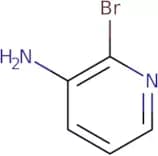
Discontinued product3-Amino-2-bromopyridine
CAS:3-Amino-2-bromopyridine is a synthetic compound that has been found to be a potential antitumor agent. It undergoes a palladium-catalyzed coupling reaction with 3-phenylpropene, forming an amide. The reaction yield is dependent on the temperature of the reaction, which must be low enough for the desired product to form. 3-Amino-2-bromopyridine has been shown to possess pharmacokinetic properties and can be transported by amide, hydroxyl, and carboxyl groups. This compound also undergoes acid formation reactions at elevated temperatures.
Formula:C5H5BrN2Purity:Min. 95%Color and Shape:White PowderMolecular weight:173.01 g/molRef: 3D-FA50747
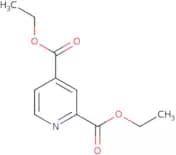
Discontinued product2,4-Pyridinedicarboxylic acid diethyl ester
CAS:2,4-Pyridinedicarboxylic acid diethyl ester is an aliphatic hydrocarbon that has been shown to be a potent active oxygen scavenger. It has also been shown to inhibit the uptake of fatty acids and organic anions by tubule cells in the liver, as well as to reduce collagen breakdown in the endoplasmic reticulum. This compound is converted into pyridinedicarboxylic acid, which inhibits hepcidin production and thus increases iron absorption. 2,4-Pyridinedicarboxylic acid diethyl ester also has a biochemical profile that is similar to that of a lipophilic fatty acid ester.
Formula:C11H13NO4Purity:Min. 95%Color and Shape:Colorless PowderMolecular weight:223.23 g/molRef: 3D-FP138504
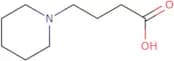
Discontinued product4-Piperidinobutyric acid
CAS:The aim of this study is to assess the effect of 4-Piperidinobutyric acid (4-PABA) on the efficiency of rats in a dietary model. The experimental design included two treatments with different levels of 4-PABA, and a control group with no supplementation. The experiment was conducted by feeding rats a diet with low protein content (6% casein), and measuring their weight gain, feed intake, and food conversion ratio (FCR). The results indicated that 4-PABA had no statistically significant effects on weight gain or feed intake. However, FCR was significantly higher for the high 4-PABA treatment group. These findings support the hypothesis that dietary protein is an important determinant in rat energy metabolism.
Formula:C9H17NO2Purity:Min. 95%Molecular weight:171.24 g/molRef: 3D-FP57479
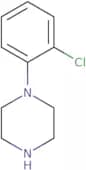
Discontinued product1-(2-Chlorophenyl)piperazine
CAS:Controlled Product1-(2-Chlorophenyl)piperazine is a chloroquine-resistant anti-malarial drug that acts by inhibiting the enzyme dihydropteroate synthase. This method is efficient, with constant values for the vibrational energy and electron affinity. It has also been shown to be effective against 5-HT2C receptors in mammalian cells in culture. The chromatographic method was used to measure the affinity of 1-(2-chlorophenyl)piperazine for binding sites on plasma membranes of oocytes injected with Xenopus laevis. Fluorescence measurements were taken to determine the binding affinity of 1-(2-chlorophenyl)piperazine to arylpiperazines, which are fluorescent analogues of piperazines. Functional theory was used as a theoretical basis for this study.
Formula:C10H13ClN2Purity:Min. 95%Color and Shape:PowderMolecular weight:196.68 g/mol1-Propylpiperidin-4-amine 2HCl
CAS:1-Propylpiperidin-4-amine 2HCl is a cyclic amine. It is an organic compound that has a high absorption rate and can be used as an absorbent. 1-Propylpiperidin-4-amine 2HCl is used in experiments to study the speciation of different compounds, such as carbonates and desorption. The experiment was performed using various solvents with different densities, such as water, ethanol, and acetone, to determine the absorption rate of 1-Propylpiperidin-4-amine 2HCl. The experiment also studied viscosity changes over time while in contact with 1-Propylpiperidin-4-amine 2HCl. This chemical has a molecular structure consisting of one propyl group and four amines.
Formula:C8H20Cl2N2Purity:Min. 95%Color and Shape:SolidMolecular weight:215.16 g/molRef: 3D-FP113242
Discontinued product2-[2-[4-[Bis(4-fluorophenyl)methyl]piperazin-1-yl]ethoxy]acetic acid HCl
CAS:2-[2-[4-[Bis(4-fluorophenyl)methyl]piperazin-1-yl]ethoxy]acetic acid HCl (BAY-85788) is a drug which acts as a histamine receptor antagonist. It has been shown to be effective in the treatment of idiopathic urticaria. BAY-85788 has also been found to have less potential for drug interactions than other histamine receptor antagonists, and does not cause an increase in blood pressure, unlike other compounds with this activity. This compound is metabolized by cytochrome P450 enzymes and does not contain nitrogen atoms or heterocyclic rings. Experimental studies have shown that orally administered BAY-85788 is absorbed from the GI tract and eliminated unchanged in urine. Studies have also shown that BAY-85788 is active against inflammatory diseases such as atopic dermatitis, asthma, and chronic obstructive pulmonary disease (COPDFormula:C21H24F2N2O3·xHClPurity:Min. 95%Color and Shape:PowderMolecular weight:390.42 g/molRef: 3D-FB98570
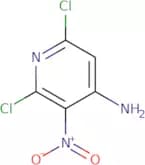
Discontinued product4-Amino-2,6-dichloro-3-nitropyridine
CAS:4-Amino-2,6-dichloro-3-nitropyridine is a synthetic compound that inhibits tyrosine kinases. It is an isomer of 2,6-Dichloropyridine and has been shown to inhibit the growth of lymphoma cells in vitro. 4-Amino-2,6-dichloro-3-nitropyridine has three substitutions on the pyridine ring as compared to 2,6-Dichloropyridine. The substitutions are thought to be responsible for the increased hydrophilic properties of this compound. This may lead to increased cellular uptake and better bioavailability.
Formula:C5H3Cl2N3O2Purity:Min. 95%Color and Shape:Slightly Yellow PowderMolecular weight:208 g/molRef: 3D-FA14524
Discontinued product4-Chloro-6-hydroxypyrimidine
CAS:4-Chloro-6-hydroxypyrimidine is an organic compound that is used as a precursor to other chemical compounds. It can be prepared by the reaction of ethylene with chlorine in the presence of carbon disulphide. 4-Chloro-6-hydroxypyrimidine has been shown to react with halides, amidines, and ethylene to form tritiated pyrimidines. It also reacts with disulphides, chlorinates and uracil. 4-Chloro-6-hydroxypyrimidine is reactive and can undergo desulfurization reactions with aluminium and malonate to form chloride or sulphoxide. The halides, amidines, and ethylene are all reactive substances that can react with each other or undergo other reactions to form new substances.
Formula:C4H3ClN2OPurity:Min. 95%Color and Shape:White To Light (Or Pale) Yellow SolidMolecular weight:130.53 g/molRef: 3D-FC10266
Discontinued product5-Chloro-2-phenyl-1H-imidazole-4-carboxaldehyde
CAS:Formula:C10H7ClN2OPurity:>97.0%(HPLC)(N)Color and Shape:Orange to Amber to Dark red powder to crystalMolecular weight:206.634,6-Dihydroxy-1H-pyrazolo[3,4-d]pyrimidine
CAS:4,6-Dihydroxypyrazolo[3,4-d]pyrimidine is a xanthine derivative that is used as a therapeutic agent. It has inhibitory properties against xanthine oxidase and other enzymes. 4,6-Dihydroxypyrazolo[3,4-d]pyrimidine inhibits the activity of xanthine oxidase by covalent bonding to the iron atom in the enzyme's active site. This binding prevents the conversion of hypoxanthine to xanthine and subsequently prevents the conversion of xanthine to uric acid. The resulting accumulation of hypoxanthine can lead to bowel disease. 4,6-Dihydroxypyrazolo[3,4-d]pyrimidine has also been shown to be toxic when administered orally in large doses or injected intravenously in small doses because it binds to matrix proteins and causes epidermal necrosis.
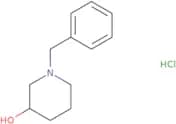
Formula:C5H4N4O2Purity:Min. 95%Color and Shape:White PowderMolecular weight:152.11 g/mol1-Benzyl-3-hydroxypiperidine hydrochloride
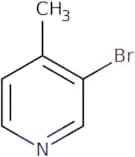
CAS:1-Benzyl-3-hydroxypiperidine hydrochloride is a versatile building block that can be used as a research chemical, reagent, speciality chemical or useful building block. It is a high quality compound with many potential uses as a reaction component or scaffold.Formula:C12H17NO·HClPurity:Min. 95%Color and Shape:PowderMolecular weight:227.73 g/mol3-Bromo-4-methylpyridine
CAS:3-Bromo-4-methylpyridine is a molecule that consists of a five-membered ring containing three bromine atoms and one carbon atom. It has the chemical formula C5H6BrN. The molecule contains two methyl groups attached to the pyridine ring (hence its name). 3-Bromo-4-methylpyridine has been shown to be an effective synthon for palladium-catalyzed cross-coupling reactions, which are used in organic synthesis for the production of pharmaceuticals. This molecule is also an excellent ligand for metal ions, such as calcium and hydrogen, because it forms strong bonds with these ions. 3-Bromo-4-methylpyridine can be used as a bidentate ligand because it has two nitrogen atoms that can bind to metal ions. The molecule also has functional properties, such as photochromism and bilayer formation due to its symmetry.
Formula:C6H6BrNPurity:Min. 95%Color and Shape:Clear LiquidMolecular weight:172.02 g/molRef: 3D-FB01016
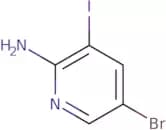
Discontinued product2-Amino-5-bromo-3-iodopyridine
CAS:2-Amino-5-bromo-3-iodopyridine (2AB3IP) is a cacchi anthelmintic that is active against the trophozoites of Giardia lamblia. 2AB3IP also has antimicrobial properties, but is not active against bacteria. The high lipophilicity and pharmacokinetic properties of this drug make it a potential therapeutic candidate for the treatment of giardiasis. The mechanism of action of 2AB3IP is mediated by potassium t-butoxide, which activates the drug to form its reactive intermediate. This intermediate reacts with DNA in the parasite to form covalent adducts. This process leads to inhibition of RNA synthesis and subsequent cell death.
Formula:C5H4BrIN2Purity:Min. 95%Color and Shape:White to tan solid.Molecular weight:298.9 g/molRef: 3D-FA09641
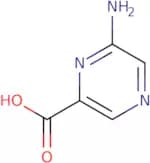
Discontinued product6-Amino-2-pyrazinecarboxylic acid
CAS:6-Amino-2-pyrazinecarboxylic acid is a high quality reagent that is used as an intermediate for the synthesis of complex compounds. It is also a useful scaffold for the production of valuable speciality chemicals. This chemical is also used as a reaction component in research and development to produce versatile building blocks. 6-Amino-2-pyrazinecarboxylic acid has been shown to be useful for producing fine chemicals and speciality chemicals, which are often used in many industries.
Formula:C5H5N3O2Purity:Min. 95%Color and Shape:Yellow To Brown SolidMolecular weight:139.11 g/molRef: 3D-FA11447
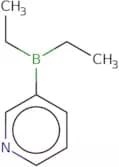
Discontinued product3-(Diethylboryl) pyridine
CAS:3-(Diethylboryl) pyridine is a halogenated biphenyl. It is used in the synthesis of 3-aryl substituted pyridines by cross-coupling reactions with aryl iodides, bromides and chlorides. Cross-coupling reactions are usually carried out at low temperatures (0 to 20°C) in order to minimize side reactions. The reaction is usually conducted in a biphasic system containing an organic solvent and water, which facilitates the extraction of the product from the mixture. 3-(Diethylboryl) pyridine reacts with halide ions via an electrophilic substitution reaction to form a reactive intermediate, which reacts with palladium catalyst to produce the desired product. This process is also called catalytic hydrogenation. 3-(Diethylboryl) pyridine has been shown to inhibit human cytochrome P450 enzymes, which are involved in drug metabolism and break down drugs
Formula:C9H14BNPurity:Min. 95%Color and Shape:PowderMolecular weight:147.03 g/molRef: 3D-FD29987
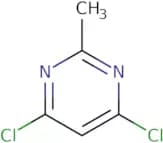
Discontinued product4,6-Dichloro-2-methylpyrimidine
CAS:2-Chloro-6-methylaniline is a synthetic compound that has been used in the synthesis of medicines, such as dasatinib. It is a nucleophile that binds to the receptor site on cells and blocks the binding of natural hormones. It is also an inhibitor of certain enzymes, including RNA polymerase and protein kinase. 2-Chloro-6-methylaniline is industrially produced by reacting sodium chloride with chlorosulfonic acid or hydrochloric acid in an autoclave at a temperature of 180 °C for three hours. The product can be purified by adding magnesium oxide and activated with hydrochloric acid to form 2-chloro-6-methylpyrimidine. The main impurities are 4,6-dichloro2 methylpyrimidine and 6,8 dichloro2 methylpyrimidine.
Formula:C5H4Cl2N2Purity:Min. 95%Color and Shape:White To Yellow SolidMolecular weight:163 g/molRef: 3D-FD11549
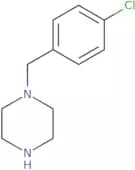
Discontinued product1-(4-Chlorobenzyl)piperazine
CAS:Controlled Product1-(4-Chlorobenzyl)piperazine is an amine that belongs to the class of hydrogen-bond acid amides. It has a piperazine structure and is structurally related to other substances, such as dopamine. 1-(4-Chlorobenzyl)piperazine has been shown to inhibit spontaneous emission in animals and inhibit spontaneous activity at d4 receptors. This drug also inhibits the binding of agonists to the d4 receptor subtype, without affecting other subtypes.
Formula:C11H15ClN2Purity:Min. 98 Area-%Color and Shape:Colorless Clear LiquidMolecular weight:210.7 g/molRef: 3D-FC12602
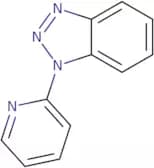
Discontinued product1-(2-Pyridinyl)benzotriazole
CAS:1-(2-Pyridinyl)benzotriazole is a reagent that is used as an intermediate for the preparation of complex compound. It also has other uses such as a building block and scaffold in the synthesis of fine chemicals, research chemicals, and versatile building blocks. 1-(2-Pyridinyl)benzotriazole can be used in reactions with other chemical compounds to form useful intermediates.
Formula:C11H8N4Purity:Min. 95%Color and Shape:Brown PowderMolecular weight:196.21 g/molRef: 3D-FP27312
Discontinued product3-Cyano-2-hydroxypyridine
CAS:3-Cyano-2-hydroxypyridine is an inhibitor of the noradrenaline transporter, which is a type of l-type calcium channel. 3-Cyano-2-hydroxypyridine has been shown to be a potent inhibitor of the noradrenaline transporter. It inhibits the binding of neurotransmitters to their receptors by blocking active methylene sites on the transporter molecule. This drug also has a cavity that can accommodate bulky inhibitor molecules, making it more difficult for these inhibitors to bind to the active site and compete with neurotransmitters for uptake. 3Cyano-2-hydroxypyridine also inhibits nitric oxide synthase, which may provide anti-tumor activity as well as inhibit tumor cell growth. The inhibitory effect of this drug is due to structural studies that have revealed hydrogen bonding interactions with the drug's nitrogen and oxygen atoms.
Formula:C6H4N2OPurity:Min. 95%Color and Shape:Yellow To Brown SolidMolecular weight:120.11 g/molRef: 3D-FC09747
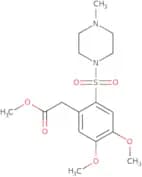
Discontinued productMethyl 2-(4,5-dimethoxy-2-((4-methylpiperazin-1-yl)sulfonyl)phenyl)acetate
CAS:Please enquire for more information about Methyl 2-(4,5-dimethoxy-2-((4-methylpiperazin-1-yl)sulfonyl)phenyl)acetate including the price, delivery time and more detailed product information at the technical inquiry form on this pagePurity:Min. 95%Ref: 3D-FM169246
Discontinued product2-{[3-chloro-5-(trifluoromethyl)-2-pyridinyl]sulfanyl}acetohydrazide
CAS:Please enquire for more information about 2-{[3-chloro-5-(trifluoromethyl)-2-pyridinyl]sulfanyl}acetohydrazide including the price, delivery time and more detailed product information at the technical inquiry form on this pagePurity:Min. 95%Ref: 3D-FC170011
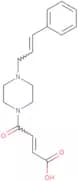
Discontinued product4-Oxo-4-(4-(3-phenylprop-2-enyl)piperazinyl)but-2-enoic acid
CAS:Please enquire for more information about 4-Oxo-4-(4-(3-phenylprop-2-enyl)piperazinyl)but-2-enoic acid including the price, delivery time and more detailed product information at the technical inquiry form on this page
Formula:C17H20N2O3Purity:Min. 95%Color and Shape:PowderMolecular weight:300.35 g/molRef: 3D-FO168966
Discontinued product5,5-Dimethyl-3-(4-phenylpiperazinyl)cyclohex-2-en-1-one
CAS:Please enquire for more information about 5,5-Dimethyl-3-(4-phenylpiperazinyl)cyclohex-2-en-1-one including the price, delivery time and more detailed product information at the technical inquiry form on this pageFormula:C18H24N2OPurity:Min. 95%Color and Shape:PowderMolecular weight:284.4 g/molRef: 3D-FD169506
Discontinued product2-(4,6-dimethylpyrimidin-2-ylthio)-N-(4-iodophenyl)acetamide
CAS:Please enquire for more information about 2-(4,6-dimethylpyrimidin-2-ylthio)-N-(4-iodophenyl)acetamide including the price, delivery time and more detailed product information at the technical inquiry form on this page
Purity:Min. 95%Ref: 3D-FD170036
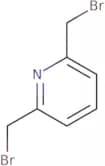
Discontinued product2,6-Bis(bromomethyl)pyridine
CAS:2,6-Bis(bromomethyl)pyridine (BMP) is a pyridine derivative that is used as a catalyst in organic synthesis. It has been shown to be an effective catalyst for the conversion of picolinic acid to xanthopterin in the presence of sodium. The reactivity of BMP can be attributed to its functionalities and the metal ion that it contains. The reaction mechanism has been studied by computer modelling and molecular modelling techniques. The catalytic rate is determined by intramolecular hydrogen transfer.
Formula:C7H7Br2NPurity:Min. 95%Molecular weight:264.95 g/molRef: 3D-FB74901
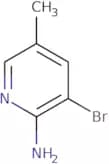
Discontinued product2-Amino-3-bromo-5-methylpyridine
CAS:2-Amino-3-bromo-5-methylpyridine is an imidazopyrazine that interacts with the magnetic field and can be used as a ligand. It has been synthesized from pyrazole derivatives and has been shown to have antimicrobial activity against Cryptococcus neoformans. 2-Amino-3-bromo-5-methylpyridine has also been shown to inhibit the growth of bacterial cells by binding to the nicotinamide adenine dinucleotide phosphate (NADP) cofactor in bacterial cells, thereby preventing ATP production. This drug is structurally related to fluoroquinolones, which are known for their antibacterial activity. 2-Amino-3-bromo-5-methylpyridine is an amido compound that ionizes in acidic environments and transfers electrons via resonance transfer. Its FTIR spectra show strong absorption bands at 3595 cm−1
Formula:C6H7BrN2Purity:Min. 95%Molecular weight:187.04 g/molRef: 3D-FA08146
Discontinued product2-Chloro(3-pyridyl) 4-(5-chloro-2-methylphenyl)piperazinyl ketone
CAS:Please enquire for more information about 2-Chloro(3-pyridyl) 4-(5-chloro-2-methylphenyl)piperazinyl ketone including the price, delivery time and more detailed product information at the technical inquiry form on this page
Formula:C17H17Cl2N3OPurity:Min. 95%Color and Shape:PowderMolecular weight:350.24 g/molRef: 3D-FC170002
Discontinued productN-(3,5-bis(trifluoromethyl)phenyl)-2-pyrimidin-2-ylthioethanamide
CAS:Please enquire for more information about N-(3,5-bis(trifluoromethyl)phenyl)-2-pyrimidin-2-ylthioethanamide including the price, delivery time and more detailed product information at the technical inquiry form on this pagePurity:Min. 95%Ref: 3D-FB170018
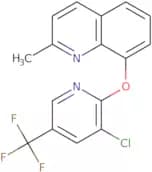
Discontinued product3-Chloro-2-(2-methyl(8-quinolyloxy))-5-(trifluoromethyl)pyridine
CAS:Please enquire for more information about 3-Chloro-2-(2-methyl(8-quinolyloxy))-5-(trifluoromethyl)pyridine including the price, delivery time and more detailed product information at the technical inquiry form on this page
Formula:C16H10ClF3N2OPurity:Min. 95%Color and Shape:PowderMolecular weight:338.71 g/molRef: 3D-FC169546
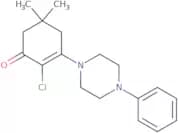
Discontinued product2-Chloro-5,5-dimethyl-3-(4-phenylpiperazinyl)cyclohex-2-en-1-one
CAS:Please enquire for more information about 2-Chloro-5,5-dimethyl-3-(4-phenylpiperazinyl)cyclohex-2-en-1-one including the price, delivery time and more detailed product information at the technical inquiry form on this pageFormula:C18H23ClN2OPurity:Min. 95%Color and Shape:PowderMolecular weight:318.84 g/molRef: 3D-FC169651
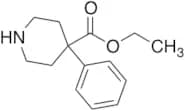
Discontinued productEthyl 4-Phenylpiperidine-4-carboxylate
CAS:Controlled ProductFormula:C14H19NO2Color and Shape:NeatMolecular weight:233.311-(2,3-Dihydro[2,4'-bibenzo[b]thiophen]-4-yl)-piperazine Dihydrochloride
CAS:Controlled ProductApplications 1-(2,3-Dihydro[2,4'-bibenzo[b]thiophen]-4-yl)-piperazine is a useful synthetic intermediate.
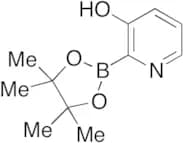
Formula:C20H20N2S2·2HClColor and Shape:NeatMolecular weight:352.5162-(4,4,5,5-Tetramethyl-1,3,2-dioxaborolan-2-yl)-3-pyridinol
CAS:Controlled ProductFormula:C11H16BNO3Color and Shape:Off-WhiteMolecular weight:221.0613-Amino-4-methoxypyridine
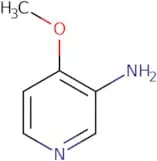
CAS:3-Amino-4-methoxypyridine is a molecule that has been shown to have anesthetic activity. It has been shown to inhibit the uptake of glycogen by glioblastoma cells and decrease the rate of glycogen synthesis in these cells. 3-Amino-4-methoxypyridine also inhibits the production of ATP in cardiac muscle cells, which may be due to its ability to inhibit glycogen synthase kinase-3 (GSK3) and glycogen synthase. This drug also inhibits cancer cell growth by inhibiting protein synthesis, as well as inflammatory disease progression by inhibiting NFκB activation and cytokine production. 3-Amino-4-methoxypyridine can be synthesized from aminopyridines such as isonicotinic acid or nicotinic acid, which are oxidized with hydrogen peroxide and sodium nitrite in the presence of a base catalyst.
Formula:C6H8N2OPurity:Min. 95%Molecular weight:124.14 g/molRef: 3D-FA46267
Discontinued product2-Chloropyridine-3,5-dicarbonitrile
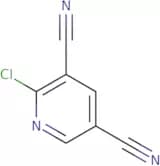
CAS:2-Chloropyridine-3,5-dicarbonitrile is a potential drug that can be used as an anionic linker in the synthesis of donepezil. Donepezil is a pharmacological agent that inhibits the enzyme acetylcholinesterase and may be effective in treating Alzheimer's disease. 2-Chloropyridine-3,5-dicarbonitrile has been shown to have good profile against cholinesterase inhibitors. It binds to the active site of acetylcholinesterase and inhibits its activity. This inhibition prevents the breakdown of acetylcholine, which is required for memory and cognitive function. 2-Chloropyridine-3,5-dicarbonitrile also has molecular modeling properties and has been studied at the μm range.
Formula:C7H2ClN3Purity:Min. 95%Molecular weight:163.56 g/molRef: 3D-FC143469
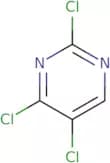
Discontinued product2,4,5-Trichloropyrimidine
CAS:2,4,5-Trichloropyrimidine is a chemical compound that has reactive properties. It can be used in the Suzuki coupling reaction to form new molecules. 2,4,5-Trichloropyrimidine can also be used as a potent inhibitor of epidermal growth factor receptors (EGFRs). It has been shown to inhibit the growth of cancer cells and other autoimmune diseases. 2,4,5-Trichloropyrimidine has shown significant inhibitory activity against kinases. It is selective for EGFRs and does not have any effect on other kinases. This suggests that it may be an effective therapeutic agent for the treatment of certain cancers and autoimmune diseases.
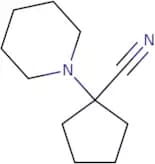
Formula:C4HCl3N2Purity:Min. 95%Molecular weight:183.42 g/mol1-Piperidin-1-ylcyclopentanecarbonitrile
CAS:Controlled ProductPlease enquire for more information about 1-Piperidin-1-ylcyclopentanecarbonitrile including the price, delivery time and more detailed product information at the technical inquiry form on this pageFormula:C11H18N2Purity:Min. 95%Molecular weight:178.27 g/molRef: 3D-FP115837
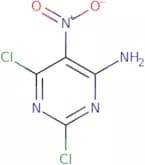
Discontinued product2,6-Dichloro-5-nitropyrimidin-4-amine
CAS:2,6-Dichloro-5-nitropyrimidin-4-amine is a chlorinating agent that reacts with aliphatic and aromatic amines to form substituted pyrimidines. The substitution pattern of the product depends on the regioselectivity of the reaction. 2,6-Dichloro-5-nitropyrimidin-4-amine is one of the few chlorinating agents that react with propylamine. Substitution at position 2 of the purine ring has been found to be more selective than substitution at position 6. The 2,6-dichloropyrimidine can also be used as a nitro group source in chemical synthesis or as an intermediate in production of other compounds.
Formula:C4H2Cl2N4O2Purity:Min. 95%Color and Shape:SolidMolecular weight:208.99 g/molRef: 3D-FD141087
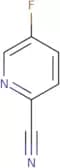
Discontinued product2-Cyano-5-fluoropyridine
CAS:2-Cyano-5-fluoropyridine is a potential antitubercular agent that has shown penetrability in the central nervous system and activity against Mycobacterium tuberculosis. It is orally active at low doses, and has been shown to be an effective inhibitor of mycobacterial growth and lipid synthesis. In addition, this compound also has antimycobacterial activity against M. avium complex and M. ulcerans, and is a potent inhibitor of β-amyloid aggregation.
Formula:C6H3FN2Purity:Min. 95%Molecular weight:122.1 g/mol1-Methyl-2-(piperazin-1-ylcarbonyl)-1H-indole hydrochloride
CAS:Controlled ProductPlease enquire for more information about 1-Methyl-2-(piperazin-1-ylcarbonyl)-1H-indole hydrochloride including the price, delivery time and more detailed product information at the technical inquiry form on this pageFormula:C14H17N3OPurity:Min. 95%Molecular weight:243.3 g/molRef: 3D-FM125004
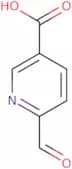
Discontinued product6-Formylpyridine-3-carboxylic acid
CAS:Please enquire for more information about 6-Formylpyridine-3-carboxylic acid including the price, delivery time and more detailed product information at the technical inquiry form on this page
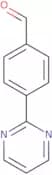
Formula:C7H5NO3Purity:Min. 95%Molecular weight:151.12 g/mol4-(Pyrimidin-2-yl)benzaldehyde
CAS:Please enquire for more information about 4-(Pyrimidin-2-yl)benzaldehyde including the price, delivery time and more detailed product information at the technical inquiry form on this page
Formula:C11H8N2OPurity:Min. 95%Color and Shape:PowderMolecular weight:184.19 g/mol4-[Bis(4-ethoxyphenyl)methyl]piperidine
CAS:Controlled ProductPlease enquire for more information about 4-[Bis(4-ethoxyphenyl)methyl]piperidine including the price, delivery time and more detailed product information at the technical inquiry form on this page
Formula:C22H29NO2Purity:Min. 95%Molecular weight:339.47 g/molRef: 3D-FB116975
Discontinued productN-Isopropyl carvedilol
CAS:Please enquire for more information about N-Isopropyl carvedilol including the price, delivery time and more detailed product information at the technical inquiry form on this page
Formula:C27H32N2O4Purity:Min. 95%Molecular weight:448.56 g/molRef: 3D-FI183299
Discontinued product4-Bromomethyl-4'-methyl-2,2'-bipyridine
CAS:Please enquire for more information about 4-Bromomethyl-4'-methyl-2,2'-bipyridine including the price, delivery time and more detailed product information at the technical inquiry form on this page
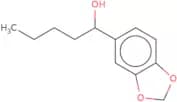
Formula:C12H11BrN2Purity:Min. 91.0 Area-%Molecular weight:263.14 g/mola-Butylpiperonyl alcohol
CAS:Controlled Producta-Butylpiperonyl alcohol is a chiral molecule that is used in the synthesis of esters. It can be produced by microbial fermentation and low-temperature chemical reactions. This compound has been shown to inhibit the growth of Gram-positive bacteria, such as Staphylococcus aureus and Streptococcus pneumoniae. The biosynthetic pathway for a-butylpiperonyl alcohol is not yet well understood, but it has been hypothesized that this compound is synthesized from an intermediate, acetic acid. The enzyme responsible for this conversion is unknown, but it may be catalysed by an acylase or acetate kinase. A study on the genome sequence of Coelicolor revealed that this organism produces a-butylpiperonyl alcohol from the intermediate 3-hydroxypropanoic acid.
Formula:C12H16O3Purity:Min. 95%Molecular weight:208.25 g/molRef: 3D-FB19588
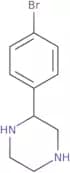
Discontinued product2-(4-Bromophenyl)piperazine
CAS:Please enquire for more information about 2-(4-Bromophenyl)piperazine including the price, delivery time and more detailed product information at the technical inquiry form on this page
Formula:C10H13BrN2Purity:Min. 95%Molecular weight:241.13 g/molRef: 3D-FB149277
Discontinued productHaloperidol nonanoate
CAS:Controlled ProductPlease enquire for more information about Haloperidol nonanoate including the price, delivery time and more detailed product information at the technical inquiry form on this page
Formula:C30H39ClFNO3Purity:Min. 95%Molecular weight:516.09 g/molRef: 3D-FH183294
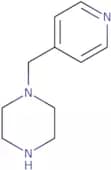
Discontinued product1-(4-Pyridinylmethyl)piperazine
CAS:Controlled Product1-(4-Pyridinylmethyl)piperazine (1-PMP) is a piperazine derivative that is used as an active ingredient in psychoactive substances. It is chemically classified as a calibrant, meaning it has been designed to have a specific effect on the brain. It is also known as a signal calibrant because of its ability to produce signals in magnetic resonance imaging (MRI). 1-PMP has been shown to be psychoactive and can cause hallucinations when taken at high doses. This drug has a number of different isomers, which are all active, but vary in potency and duration of action. The most potent isomer for human use is 4-PMP. 1-PMP can be detected through nuclear magnetic resonance (NMR), which detects the presence of hyperpolarised atoms or molecules with an external magnetic field.
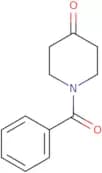
Formula:C10H15N3Purity:Min. 95%Molecular weight:177.25 g/molN-Benzoylpiperidone
CAS:Controlled ProductN-Benzoylpiperidone is a synthetic piperidine derivative that is used in the synthesis of other organic compounds. It can be synthesized by reacting phenylacetaldehyde with chloroacetonitrile and hydroxybenzene. It can also be synthesized by reacting bromoacetonitrile with hydroxybenzene in the presence of sodium hydroxide. The compound has two stereoisomers, which are determined by the configuration at the nitrogen atom. The N-benzoyl group on one stereoisomer binds to the intramolecular hydrogen molecule, which signifies its structural analysis. These two isomers are distinguished by their hydroxy group, amide and alkylation properties. They react differently with rat liver microsomes due to different substrate concentration.
Formula:C12H13NO2Purity:(%) Min. 95%Color and Shape:PowderMolecular weight:203.23 g/molRef: 3D-FB142667
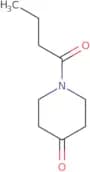
Discontinued product1-Butyrylpiperidin-4-one
CAS:Controlled ProductPlease enquire for more information about 1-Butyrylpiperidin-4-one including the price, delivery time and more detailed product information at the technical inquiry form on this page
Formula:C9H15NO2Purity:Min. 95%Molecular weight:169.22 g/molRef: 3D-FB115374
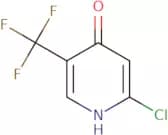
Discontinued product2-Chloro-5-(trifluoromethyl)pyridin-4-ol
CAS:Please enquire for more information about 2-Chloro-5-(trifluoromethyl)pyridin-4-ol including the price, delivery time and more detailed product information at the technical inquiry form on this page
Formula:C6H3ClF3NOPurity:Min. 95%Molecular weight:197.54 g/molRef: 3D-FC154736
Discontinued product1-[3-(4-tert-Butylbenzoyl)propyl]-4-hydroxypiperidine
CAS:Please enquire for more information about 1-[3-(4-tert-Butylbenzoyl)propyl]-4-hydroxypiperidine including the price, delivery time and more detailed product information at the technical inquiry form on this page
Formula:C19H29NO2Purity:Min. 95%Molecular weight:303.44 g/molRef: 3D-FB19515
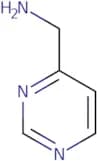
Discontinued product(Pyrimidin-4-ylmethyl)amine dihydrochloride
CAS:Pyrimidin-4-ylmethyl)amine dihydrochloride is a drug that belongs to the class of drugs known as kinase inhibitors. Pyrimidin-4-ylmethyl)amine dihydrochloride inhibits the kinase activity of Jak3, which is involved in regulating inflammation and immune response. This inhibitor has been shown to be effective against chronic inflammatory diseases such as asthma, psoriasis, and rheumatoid arthritis. Pyrimidin-4-ylmethyl)amine dihydrochloride has an affinity for ATP binding sites and can be used to regulate kinase activity by competing with ATP for these binding sites.
Formula:C5H7N3Purity:Min. 95%Molecular weight:109.13 g/molRef: 3D-FP127036
Discontinued productPyridine-3-sulfonamide
CAS:Pyridine-3-sulfonamide is a diazonium salt that has shown anticancer activity against human colon HCT116 cells. It inhibits the proliferation of leukemia cells by inhibiting the uptake of glucose, and it also has inhibitory properties on l1210 murine leukemia cells. Pyridine-3-sulfonamide binds to metal surfaces and accumulates in the cytoplasm of cancer cells, which may be due to its structural formula consisting of a pyridine group and a sulfonamide group. This compound can be used as an anticancer drug for cancer treatment.
Formula:C5H6N2O2SPurity:Min. 95%Color and Shape:PowderMolecular weight:158.18 g/molRef: 3D-FP139527
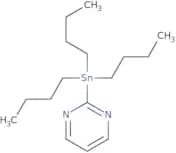
Discontinued product2-(Tributylstannyl)pyrimidine
CAS:Controlled Product2-(Tributylstannyl)pyrimidine is a synthetic heterocycle that has antibacterial activity. It is a guanine analog that binds to the ribonucleic acid (RNA) of bacterial cells and inhibits protein synthesis by attacking the 4-chloropyrimidine moiety of nucleoside monophosphates. 2-(Tributylstannyl) pyrimidine also has antiviral properties and acts as an inhibitor of vitamin B1, which is required for the synthesis of DNA. This drug can be used in the treatment of sulfamethoxazole-resistant infections caused by bacteria such as Streptococcus pneumoniae, Staphylococcus aureus, and Pseudomonas aeruginosa.
2-(Tributylstannyl)pyrimidine is effective at inhibiting the growth of bacteria due to its ability to form an ion pair with chloride ions. This property makes it highly reactive for transmetallFormula:C16H30N2SnPurity:Min. 95%Color and Shape:Colourless To Yellow To Brown LiquidMolecular weight:369.13 g/molRef: 3D-FT44295
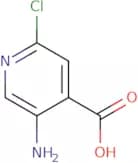
Discontinued product5-Amino-2-chloropyridine-4-carboxylic acid
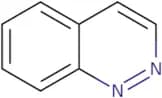
CAS:5-Amino-2-chloropyridine-4-carboxylic acid is a potent tyrosine kinase inhibitor. It inhibits the activation of EGFR, which may be due to its binding to the ATP-binding pocket in EGFR. 5-Amino-2-chloropyridine-4-carboxylic acid has been shown to inhibit cancer cell growth and induce apoptosis in vitro. This drug has also been shown to have potent anticancer activity in vivo, as well as inhibitory effect on tumor growth in xenograft models of human cancer cells. In addition, it inhibits the production of formamidine acetate, a precursor for histamine synthesis. 5-Amino-2-chloropyridine-4-carboxylic acid binds to formamide and formamidine acetate with high affinity and therefore inhibits histamine synthesis.Formula:C6H5ClN2O2Purity:Min. 95%Color and Shape:White PowderMolecular weight:172.57 g/molCinnoline
CAS:Cinnoline is a chemical compound that is structurally similar to phenol, containing a hydroxyl group, two nitrogen atoms and a cyclic structure. Cinnoline has been shown to have anti-inflammatory activity in rats with adjuvant-induced arthritis. The mechanism of the anti-inflammatory effect of cinnoline is not fully understood, but it may be due to its stability and ability to bind to biological molecules or its conformational properties. Cinnoline does not react with nitric acid, making it a good candidate for use in infectious diseases such as tuberculosis. It has also been shown to be stable in human serum and has low pharmacokinetic properties. The fluorescence intensity of cinnoline was found to increase when exposed to an electrochemical potential and can be used as a probe molecule for pharmacokinetics studies.
Formula:C8H6N2Purity:Min. 95%Color and Shape:PowderMolecular weight:130.15 g/molRef: 3D-FC144347
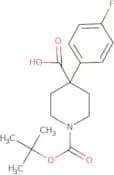
Discontinued productBoc-4-(4-fluorophenyl)-piperidine-4-carboxylic acid
CAS:Please enquire for more information about Boc-4-(4-fluorophenyl)-piperidine-4-carboxylic acid including the price, delivery time and more detailed product information at the technical inquiry form on this page
Formula:C17H22FNO4Purity:Min. 95%Molecular weight:323.36 g/mol10-[2-(1-Methyl-2-piperidinyl)ethyl]-2-(methylthio)-10H-phenothiazine hydrochloride
CAS:Controlled ProductThe drug, 10-[2-(1-methyl-2-piperidinyl)ethyl]-2-(methylthio)-10H-phenothiazine hydrochloride (CGP 46660), is a competitive antagonist at the human histamine H3 receptor. It has been shown to bind to the histamine H3 receptor in the range of 0.001 to 1 μM and is selective for this receptor over other receptors. CGP 46660 is an optical sensor that can be used in titration calorimetry experiments to measure changes in heat production when it binds to histamine H3 receptors. The drug also has been shown to inhibit guanine nucleotide-binding protein (G protein) signaling pathways and brain functions such as memory formation, learning, and attention span. These effects were demonstrated in humans by measuring EEG activity. The optimum concentration of CGP 46660 for these effects was found to be between 0.01 and 10 μM.
Formula:C21H27ClN2S2Purity:Min. 95%Color and Shape:PowderMolecular weight:407.04 g/molRef: 3D-FT28238
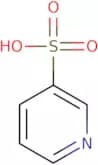
Discontinued productPyridine-3-sulfonic acid
CAS:Pyridine-3-sulfonic acid is a reactive molecule that can exist in two forms. It reacts with iron oxides to form pyridine-3-sulfonic acid amide and reacts with picolinic acid to form pyridine-3-sulfonic acid phosphoric acid complex. Pyridine 3 sulfonic acid is an intermediate in the synthesis of picolinic acid and is involved in the genetic mechanisms of bacteria. It has been shown to be effective at concentrations of 10 mM or higher when used in tissue culture experiments. The optimum concentration for the reaction varies depending on the reactant and its environment, which is why experimentation should be conducted before using it as a reagent.
Formula:C5H5NO3SPurity:Min. 95%Molecular weight:159.16 g/molRef: 3D-FP11287
Discontinued product4-(Aminomethyl)pyridin-2-amine
CAS:4-(Aminomethyl)pyridin-2-amine is a reversible inhibitor of the cytochrome P450 system, which is responsible for the metabolism of drugs. It inhibits the activity of cytochrome P450 enzymes and prevents the conversion of prodrugs to active metabolites. This drug has been shown to inhibit myocardial injury caused by ischemia-reperfusion or overload. 4-(Aminomethyl)pyridin-2-amine has also been shown to have inhibitory activities on myocardial cells in culture, as well as on cardiomyocytes in vivo. In addition, it appears that this drug may be useful for reversing cardiac hypertrophy and heart failure, which are associated with a number of diseases including hypertension and diabetes mellitus. The pharmacokinetic profile of 4-(aminomethyl)pyridin-2-amine has been studied in humans. The half-life is short (1
Formula:C6H9N3Purity:Min. 95%Molecular weight:123.16 g/molRef: 3D-FA143292
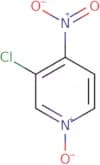
Discontinued product3-Chloro-4-nitropyridine 1-oxide
CAS:3-Chloro-4-nitropyridine 1-oxide is the condensation product of 2-chloro-3-nitropyridine and nitric acid. 3-Chloro-4-nitropyridine 1-oxide has an isomeric nature and can be purified by recrystallization from water. The compound has a molecular weight of 286.1 g/mol and a monoclinic crystal structure. It has two n-oxides, which are isomers of each other, with nmr spectra that differ by the shift in the chemical shifts of the protons on the aromatic ring. 3-Chloro-4-nitropyridine 1-oxide condenses with lanthanides to form lanthanide complexes, such as Eu(III)(3,5'-ClO 4 ) 2 . This compound is also used in the synthesis of phenoxathiine derivatives that have antihypertensive activity.
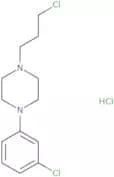
Formula:C5H3ClN2O3Purity:Min. 95%Molecular weight:174.54 g/mol1-(3-Chlorophenyl)-4-(3-chloropropyl)piperazine Hydrochloride
CAS:Controlled Product1-(3-Chlorophenyl)-4-(3-chloropropyl)piperazine Hydrochloride is an antidepressant that belongs to the class of nefazodone. It is a prodrug, which is hydrolyzed to nefazodone in the liver. It has been shown to have a high affinity for serotonin receptors and as such may be useful for the treatment of depression. 1-(3-Chlorophenyl)-4-(3-chloropropyl)piperazine Hydrochloride also has anticonvulsant properties, which may be due to its inhibition of neuronal excitability by blocking sodium channels in the brain.Formula:C13H18Cl2N2·HClPurity:Min. 95%Molecular weight:309.66 g/molRef: 3D-FC75434
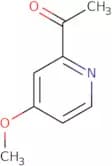
Discontinued product1-(4-Methoxy-pyridin-2-yl)-ethanone
CAS:Please enquire for more information about 1-(4-Methoxy-pyridin-2-yl)-ethanone including the price, delivery time and more detailed product information at the technical inquiry form on this page
Formula:C8H9NO2Purity:Min. 95%Molecular weight:151.16 g/molRef: 3D-FM64054
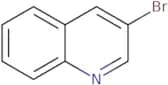
Discontinued product3-Bromoquinoline
CAS:3-Bromoquinoline is a brominated quinoline derivative that can be synthesized by cross-coupling reactions. The compound's chemical structure is similar to the 3-azidoquinoline, which was studied in quantum theory and molecular modeling. The 3-bromoquinoline molecule has been shown to exist in two different coordination geometries: octahedral and trigonal bipyramidal. In the octahedral geometry, the 3-bromoquinoline molecule is bound to three bromine atoms and one nitrogen atom, with an intramolecular hydrogen bond between the nitrogen atom and the quinoline ring system. The trigonal bipyramidal geometry also features an intramolecular hydrogen bond between the nitrogen atom and quinoline ring system, as well as a halogen bonding interaction with one of the three bromine atoms.
Formula:C9H6BrNPurity:Min. 95%Color and Shape:Yellow PowderMolecular weight:208.05 g/molRef: 3D-FB15276
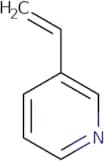
Discontinued product3-Vinylpyridine
CAS:3-Vinylpyridine, also known as vinylpyridine, is a colorless, crystalline solid that forms hydroxide solutions. It has been shown to have antifungal activity in the presence of fatty acids and can be used for the treatment of urinary tract infections caused by Candida albicans. The chemical ionization technique was used to analyze 3-vinylpyridine in urine samples from nonsmokers and smokers. Long-term exposure to 3-vinylpyridine may lead to surface-enhanced Raman spectroscopy signals on the surface of metal oxides due to alkoxy radical formation. The crystallization process of 3-vinylpyridine can take place at a temperature range between 135°C and 150°C with an addition of polyethylene glycol or sulfuric acid. Reaction intermediates are formed during this process which are important for the formation of 3-vinylpyridinium ions.
Formula:C7H7NPurity:Min. 95%Molecular weight:105.14 g/molRef: 3D-FV28710
Discontinued producttert-Butyl 4-(2-oxo-2,4-dihydro-1H-benzo[d][1,3]oxazin-1-yl)piperidine-1-carboxylate
CAS:Controlled ProductPlease enquire for more information about tert-Butyl 4-(2-oxo-2,4-dihydro-1H-benzo[d][1,3]oxazin-1-yl)piperidine-1-carboxylate including the price, delivery time and more detailed product information at the technical inquiry form on this page
Purity:Min. 95%Ref: 3D-FB142189
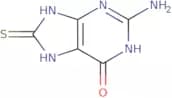
Discontinued product2-Amino-6-hydroxy-8-mercaptopurine
CAS:2-Amino-6-hydroxy-8-mercaptopurine is an antimicrobial agent that inhibits the growth of bacteria by binding to their ribosomes. It has been shown to have a cytotoxic effect in vivo on cancer cells and intestinal parasites, as well as a protective effect against infectious diseases. 2-Amino-6-hydroxy-8-mercaptopurine has also been shown to inhibit the synthesis of proteins in vitro, which may be due to its ability to bind to the ribosomal subunit and inhibit protein synthesis. 2-Amino-6-hydroxy-8-mercaptopurine inhibits bacterial growth by binding to DNA dependent RNA polymerase, thereby preventing transcription and replication. The high frequency of human activity has been shown using a patch clamp technique on human erythrocytes. This active form is metabolized through a number of metabolic transformations, including hydrolysis by esterases or gluc
Formula:C5H5N5OSPurity:Min. 95%Color and Shape:PowderMolecular weight:183.19 g/mol7-Bromo-[1,2,4]triazolo[1,5-a]pyridin-2-ylamine
CAS:Please enquire for more information about 7-Bromo-[1,2,4]triazolo[1,5-a]pyridin-2-ylamine including the price, delivery time and more detailed product information at the technical inquiry form on this pageFormula:C6H5BrN4Purity:Min. 95%Molecular weight:213.03 g/mol1-[(2-Pyridyl)methyl]piperazine
CAS:Controlled Product1-[(2-Pyridyl)methyl]piperazine is a fluorescent organic solvent. It is a piperazine derivative with low detection limit, which can be used for the detection of metal ions. 1-[(2-Pyridyl)methyl]piperazine has also been shown to be a hyperpolarizing agent in organic solvents and has been used as an optical sensor for 4-chloro-7-nitrobenzofurazan, which is a compound that exhibits fluorescence properties. 1-[(2-Pyridyl)methyl]piperazine can be used as a linker in microscopy techniques to immobilize biomolecules on the surface of glass slides.
Formula:C10H15N3Purity:Min. 95%Molecular weight:177.25 g/molRef: 3D-FP156984
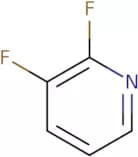
Discontinued product2,3-Difluoro pyridine
CAS:2,3-Difluoro pyridine is an organic compound with the chemical formula C6H3F2N. It is a colorless liquid that has a strong odor and a boiling point of 147°C. 2,3-Difluoro pyridine has antibacterial properties and can be used to treat bacterial infections by inhibiting the synthesis of proteins in bacterial cells. This inhibition prevents the formation of new cell walls, which leads to cell death. 2,3-Difluoro pyridine is also used as an intermediate in organic chemistry reactions involving hydrogen fluoride. The transport properties of this compound are low due to its high melting point and low solubility in water. There are three different polymorphs for 2,3-difluoropyridine: form II, form III and form IV, with form II being the most common. Form II has a trigonal planar molecular geometry, whereas forms III and IV have tetragonal
Formula:C5H3F2NPurity:Min. 95%Color and Shape:Clear LiquidMolecular weight:115.08 g/molRef: 3D-FD16119
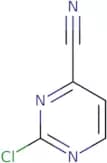
Discontinued product2-Chloro-4-pyrimidinecarbonitrile
CAS:2-Chloro-4-pyrimidinecarbonitrile is a synthetic compound that belongs to the group of phenylpyrimidines. It inhibits the tyrosine kinase activity and cytokine production in cells. 2-Chloro-4-pyrimidinecarbonitrile is used as an immunomodulatory agent in the treatment of cancer, autoimmune disorders and other immune dysfunctions. This drug also has anti-inflammatory properties and can be used for the treatment of inflammatory bowel diseases, such as ulcerative colitis or Crohn's disease. 2CPCN is metabolized by deamination and demethylation, which leads to the formation of nitrite ion, a reactive nitrogen species that can cause DNA damage.
Formula:C5H2ClN3Purity:Min. 95%Molecular weight:139.54 g/molRef: 3D-FC57397
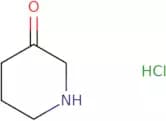
Discontinued productPiperidin-3-one hydrochloride
CAS:Piperidin-3-one hydrochloride is an organic solvent that belongs to the group of benzyl compounds. It is a reagent for the synthesis of sulfides, which are used in the production of dyes, pharmaceuticals, and other products. Piperidin-3-one hydrochloride can be used as a constant in calculating the shift of tetrafluoroborate ions. This compound has been shown to be assembled into planar structures with six atoms per side. The resonance frequencies of this compound depend on the solvents and its aliphatic nature. Piperidin-3-one hydrochloride can be used to generate dimethyl sulfide by reacting with methanol or methyl chloride.
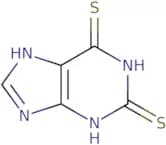
Formula:C5H10NOClPurity:Min. 95%Color and Shape:White PowderMolecular weight:135.59 g/mol2,6-Dimercaptopurine
CAS:2,6-Dimercaptopurine (2,6-DMP) is an immunosuppressive drug that is used to prevent organ transplants from being rejected. It blocks the synthesis of DNA and RNA in cells by inhibiting the enzyme thymidylate synthase. The reaction mechanism involves a nucleophilic attack on the phosphorus atom of 2,6-DMP by a proton from water or another nucleophile such as urea or ammonia. 2,6-DMP is metabolized through a number of tautomeric forms, which are neutral and acidic in pH. One example of this is when 2,6-DMP reacts with hydrochloric acid to form a conjugate base that can be excreted in urine.
Formula:C5H4N4S2Purity:Min. 95%Color and Shape:Yellow PowderMolecular weight:184.24 g/molRef: 3D-FD08201
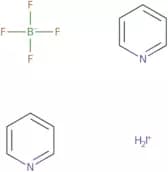
Discontinued productBis(pyridine)iodonium tetrafluoroborate
CAS:Bis(pyridine)iodonium tetrafluoroborate is a reagent that can be used to iodinate organic compounds. It is prepared by the reaction of pyridine with iodine and bromine in tetrafluoroboric acid. Bis(pyridine)iodonium tetrafluoroborate is an active compound that can be used for amino acid analysis, optical properties, and functional groups. This compound also can be used for magnetic resonance analysis, palladium-catalyzed coupling, and synthetic reactions. Bis(pyridine)iodonium tetrafluoroborate has been found to have radiation transport properties and a strong reactivity towards acids.
Formula:C10H10BF4IN2Purity:Min. 95%Molecular weight:371.91 g/molRef: 3D-FB50720
Discontinued product3-[(4-Aminopiperidin-1-yl)methyl]phenol
CAS:Please enquire for more information about 3-[(4-Aminopiperidin-1-yl)methyl]phenol including the price, delivery time and more detailed product information at the technical inquiry form on this page
Formula:C12H18N2OPurity:Min. 95%Molecular weight:206.28 g/molRef: 3D-FA116167
Discontinued product2-Amino-1,3,5-triazine
CAS:2-Amino-1,3,5-triazine is a hydrogen bond donor that has been shown to have growth inhibiting effects. It reduces the viscosity of aqueous solutions and is used as an enantiopure for amines. 2-Amino-1,3,5-triazine can be used in reactions with metal surfaces to produce surface coatings or used as a bifunctional crosslinking agent for polymer materials. 2-Amino-1,3,5-triazine has been shown to have degenerative disease inhibitory activity and inflammatory disease inhibitory activity. It also inhibits the production of inflammatory cytokines such as tumor necrosis factor alpha (TNFα) and interleukin 6 (IL6).
Formula:C3H4N4Purity:Min. 95%Molecular weight:96.09 g/molRef: 3D-FA44627
Discontinued product1-(Benzyloxy)-6-oxo-1,6-dihydropyridine-2-carboxylic acid
CAS:Please enquire for more information about 1-(Benzyloxy)-6-oxo-1,6-dihydropyridine-2-carboxylic acid including the price, delivery time and more detailed product information at the technical inquiry form on this page
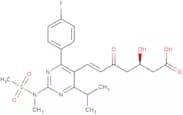
Formula:C13H11NO4Purity:Min. 95%Color and Shape:PowderMolecular weight:245.23 g/mol5-Oxo Rosuvastatin
CAS:5-Oxo Rosuvastatin is a drug product that has been synthesized from natural ingredients. It is an analytical standard for the impurity, 5-oxo-rosuvastatin, which is a potential impurity in the API, rosuvastatin. This drug product has been custom synthesized in order to provide an Impurity Standard for HPLC. This drug product is also used as a Synthetic Reference Standard for Drug Development and Research and Development.
Formula:C22H26FN3O6SPurity:Min. 95%Color and Shape:Off-White To Light (Or Pale) Yellow To Dark Yellow SolidMolecular weight:479.52 g/molPyridine-sulfur trioxide complex
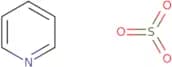
CAS:Controlled ProductPyridine-sulfur trioxide complex is a sodium salt of sulfuric acid and pyridine. It is an intramolecular hydrogen acceptor, which means that it can act as a hydrogen donor to other molecules. Pyridine-sulfur trioxide complex has been shown to be effective against HIV infection in vitro. The biological properties of this drug are due to its ability to inhibit the proliferation of cells. Pyridine-sulfur trioxide complex also has antiproliferation activity against a variety of cancers, including prostate, breast, lung, ovarian, and pancreatic cancers. Pyridine-sulfur trioxide complex inhibits fatty acid synthase enzymes and is used as an analytical method for measuring cholesterol levels in the blood.
Formula:C5H5N·SO3Purity:Min. 95%Color and Shape:Beige PowderMolecular weight:159.16 g/mol(NZ)-4-chloro-N-[1-[2-(4-nitrophenyl)ethyl]piperidin-2-ylidene]benzenesulfonamide
CAS:Controlled ProductPlease enquire for more information about (NZ)-4-chloro-N-[1-[2-(4-nitrophenyl)ethyl]piperidin-2-ylidene]benzenesulfonamide including the price, delivery time and more detailed product information at the technical inquiry form on this page
Formula:C19H20ClN3O4SPurity:Min. 95%Molecular weight:421.9 g/molRef: 3D-FN154024
Discontinued product1,3,5-Triacryloylhexahydro-1,3,5-triazine
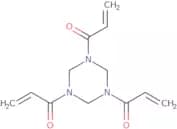
CAS:1,3,5-Triacryloylhexahydro-1,3,5-triazine (TTH) is a particle that absorbs UV light. It is a reactive chemical with a high thermal stability and low reactivity to air. TTH has been used as a cross-linker in polymer films and as a microsphere filler. The absorption of UV light by TTH may be due to the presence of hydroxyl groups or nitrogen atoms. The nmr spectra show that TTH contains trimethylolpropane groups.
Formula:C12H15N3O3Purity:Min. 95%Color and Shape:White PowderMolecular weight:249.27 g/mol8-Bromo-imidazo[1,2-a]pyridine
CAS:8-Bromo-imidazo[1,2-a]pyridine is a neutralizing agent that can be used in the synthesis of succinimide. It reacts with chloroacetaldehyde to yield the imidate ester. This reaction is catalyzed by alkali and requires filtration to remove the bromine and any other impurities. The reaction generates heat, so it must be performed in a well-ventilated area.
Formula:C7H5BrN2Purity:Min. 95%Molecular weight:197.03 g/mol2-(3-Methoxyphenyl)piperidine
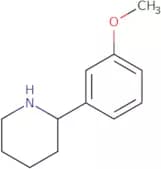
CAS:Please enquire for more information about 2-(3-Methoxyphenyl)piperidine including the price, delivery time and more detailed product information at the technical inquiry form on this page
Formula:C12H17NOPurity:Min. 95%Color and Shape:PowderMolecular weight:191.27 g/molRef: 3D-FM121575
Discontinued product1-(2-Chloroethyl)piperidine hydrochloride
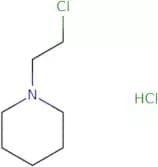
CAS:1-(2-Chloroethyl)piperidine hydrochloride is a chemical compound that has photochemical properties. It is used as an amine and in the synthesis of other chemicals. The crystal structure of 1-(2-Chloroethyl)piperidine hydrochloride has been determined by X-ray crystallography. It also has antibacterial activity and inhibits the growth of bacteria by binding to single-stranded DNA, which prevents DNA replication. 1-(2-Chloroethyl)piperidine hydrochloride binds to DNA with tetradentate coordination, forming a stable complex which does not allow the DNA polymerase to bind to the single strand. 1-(2-Chloroethyl)piperidine hydrochloride can be detected using mass spectrometry and nuclear magnetic resonance spectra.
Formula:C7H14ClN•HClPurity:Min. 95%Molecular weight:184.11 g/molHEPBS
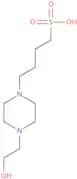
CAS:HEPBS, also known as N-(2-Hydroxyethyl)piperazine-N'-(4-butanesulfonic acid), is a zwitterionic chemical buffering agent with an optimal pH range of 7.6-9.0 and a pKa of 8.3.Formula:C10H22N2O4SPurity:Min. 95%Color and Shape:PowderMolecular weight:266.36 g/mol5-Bromo-1-methyl-1H-1,2,3-triazole
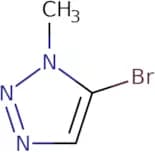
CAS:Please enquire for more information about 5-Bromo-1-methyl-1H-1,2,3-triazole including the price, delivery time and more detailed product information at the technical inquiry form on this page
Formula:C3H4BrN3Purity:Min. 95%Molecular weight:162 g/molRef: 3D-FB181197
Discontinued product(5-Chloropyridin-3-yl)boronic acid
CAS:Please enquire for more information about (5-Chloropyridin-3-yl)boronic acid including the price, delivery time and more detailed product information at the technical inquiry form on this page
Formula:C5H5BClNO2Purity:Min. 95%Molecular weight:157.36 g/molRef: 3D-FC160837
Discontinued productPyridine-2,5-diol
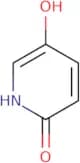
CAS:Pyridine-2,5-diol is a bacterial metabolite that is the product of the enzyme pyridoxal 5'-phosphate oxidase. This enzyme has been shown to be involved in microbial metabolism and enzymatic reactions, such as the conversion of picolinic acid to pyridine-2,5-diol. Pyridine-2,5-diol has been found to be expressed in wild type strains but not in mutant strains. The gene product for this enzyme has also been identified as maleate dehydrogenase.
Formula:C5H5NO2Purity:Min. 95%Molecular weight:111.1 g/mol3-Fluoro-2-(tributylstannyl)pyridine
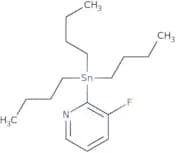
CAS:Controlled ProductPlease enquire for more information about 3-Fluoro-2-(tributylstannyl)pyridine including the price, delivery time and more detailed product information at the technical inquiry form on this page
Formula:C17H30FNSnPurity:Min. 95%Molecular weight:386.14 g/molRef: 3D-FF99873
Discontinued product7-Chlorothieno[3,2-B]Pyridine
CAS:7-Chlorothieno[3,2-B]pyridine is a nucleophilic compound that is used as an inhibitor of the tyrosine kinase enzyme. It binds to the ATP binding site and blocks the enzymatic activity of the enzyme, preventing cell proliferation. 7-Chlorothieno[3,2-B]pyridine has been shown to inhibit growth in tumour cell lines and has been shown to be effective against tyrosine kinase receptor positive cancer cells. This drug also shows a cytotoxic activity against tumour cells in vivo, which may be due to its ability to inhibit factor receptor and receptor tyrosine.
Formula:C7H4ClNSPurity:Min. 95%Molecular weight:169.63 g/molRef: 3D-FC53344
Discontinued product1-[(4-Chlorophenyl)phenylmethyl]piperazine
CAS:Controlled Product1-[(4-Chlorophenyl)phenylmethyl]piperazine is an analytical reagent that is used in the determination of meclozine, a drug used for the treatment of nausea and vomiting. 1-[(4-Chlorophenyl)phenylmethyl]piperazine is a nucleophile, which means that it can donate electrons to other molecules. It can be used as a catalyst to increase the rate of chemical reactions. 1-[(4-Chlorophenyl)phenylmethyl]piperazine may also be used in wastewater treatment because it has been shown to have phospholipidosis inhibiting properties. The levorotatory form (1R-enantiomer) of this compound has been shown to inhibit protein synthesis in vitro and is an amine oxidase inhibitor that binds to proteins with nitrogen atoms. This nucleophilic compound may also be converted into an n-oxide or dinucleotide phosphate by hydrochloric acid and
Formula:C17H19ClN2Purity:Min. 95%Molecular weight:286.8 g/molRef: 3D-FC20350
Discontinued productMethyl 4-(2-(2-amino-4-oxo-4,7-dihydro-3H-pyrrolo[2,3-d]pyrimidin-5-yl)ethyl)benzoate
CAS:Methyl 4-(2-(2-amino-4-oxo-4,7-dihydro-3H-pyrrolo[2,3-d]pyrimidin-5-yl)ethyl)benzoate is a prodrug that is hydrolyzed to form the active drug pemetrexed disodium. The drug has been shown to be effective for the treatment of cancer and has been used in clinical trials for patients with lung cancer. The conversion of this prodrug to its active form occurs through a hydrolysis reaction at high temperature and by saponification with sodium hydroxide. Methyl 4-(2-(2-amino-4-oxo-4,7-dihydro-3H-pyrrolo[2,3 - d]pyrimidin -5 -yl)ethyl)benzoate can also be converted into its active form by enzymatic action using ester
Purity:Min. 95%Ref: 3D-FM41972
Discontinued product4-Pyrimidinecarboxaldehyde
CAS:4-Pyrimidinecarboxaldehyde is an organic compound that is used in the synthesis of pyrazoles. It can be prepared by the reaction of ethylenediamine with molybdenum trioxide in ethanol, followed by hydrolysis of the amine. 4-Pyrimidinecarboxaldehyde can also be obtained from methylpyrazine by oxidation to methylpyrazone and subsequent reaction with magnesium oxide. The nature of 4-pyrimidinecarboxaldehyde’s molecular target is not yet known, but it has been shown to have antineoplastic properties.
Formula:C5H4N2OPurity:Min. 95%Color and Shape:Colourless To Yellow LiquidMolecular weight:108.1 g/molRef: 3D-FP09310
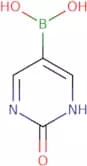
Discontinued product2-Hydroxypyrimidine-5-boronicacid
CAS:Please enquire for more information about 2-Hydroxypyrimidine-5-boronicacid including the price, delivery time and more detailed product information at the technical inquiry form on this page
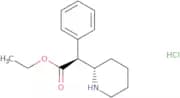
Formula:C4H5BN2O3Purity:Min. 95%Molecular weight:139.91 g/mol(aS,2S)-alpha-Phenyl-2-piperidineacetic acid Ethyl ester hydrochloride
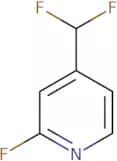
CAS:Controlled ProductPlease enquire for more information about (aS,2S)-alpha-Phenyl-2-piperidineacetic acid Ethyl ester hydrochloride including the price, delivery time and more detailed product information at the technical inquiry form on this pageFormula:C15H21NO2·HClPurity:Min. 95%Molecular weight:283.79 g/mol4-(Difluoromethyl)-2-fluoropyridine
CAS:Please enquire for more information about 4-(Difluoromethyl)-2-fluoropyridine including the price, delivery time and more detailed product information at the technical inquiry form on this page
Formula:C6H4F3NPurity:Min. 95%Molecular weight:147.1 g/molRef: 3D-FD82292
Discontinued product



![2-[2-[4-[Bis(4-fluorophenyl)methyl]piperazin-1-yl]ethoxy]acetic acid HCl](/_next/image/?url=https%3A%2Fstatic.cymitquimica.com%2Fproducts%2F3D%2Fthumb-webp%2FFB98570.webp&w=3840&q=75)



![4,6-Dihydroxy-1H-pyrazolo[3,4-d]pyrimidine](/_next/image/?url=https%3A%2Fstatic.cymitquimica.com%2Fproducts%2F3D%2Fthumb-webp%2FFD00465.webp&w=3840&q=75)

![2-{[3-chloro-5-(trifluoromethyl)-2-pyridinyl]sulfanyl}acetohydrazide](/_next/image/?url=https%3A%2Fstatic.cymitquimica.com%2Fproducts%2F3D%2Fthumb-webp%2FFC170011.webp&w=3840&q=75)




![1-(2,3-Dihydro[2,4'-bibenzo[b]thiophen]-4-yl)-piperazine Dihydrochloride](/_next/image/?url=https%3A%2Fstatic.cymitquimica.com%2Fproducts%2FTR%2Fthumb-webp%2FD450445.webp&w=3840&q=75)
![4-[Bis(4-ethoxyphenyl)methyl]piperidine](/_next/image/?url=https%3A%2Fstatic.cymitquimica.com%2Fproducts%2F3D%2Fthumb-webp%2FFB116975.webp&w=3840&q=75)



![1-[3-(4-tert-Butylbenzoyl)propyl]-4-hydroxypiperidine](/_next/image/?url=https%3A%2Fstatic.cymitquimica.com%2Fproducts%2F3D%2Fthumb-webp%2FFB19515.webp&w=3840&q=75)

![10-[2-(1-Methyl-2-piperidinyl)ethyl]-2-(methylthio)-10H-phenothiazine hydrochloride](/_next/image/?url=https%3A%2Fstatic.cymitquimica.com%2Fproducts%2F3D%2Fthumb-webp%2FFT28238.webp&w=3840&q=75)

![tert-Butyl 4-(2-oxo-2,4-dihydro-1H-benzo[d][1,3]oxazin-1-yl)piperidine-1-carboxylate](/_next/image/?url=https%3A%2Fstatic.cymitquimica.com%2Fproducts%2F3D%2Fthumb-webp%2FFB142189.webp&w=3840&q=75)
![7-Bromo-[1,2,4]triazolo[1,5-a]pyridin-2-ylamine](/_next/image/?url=https%3A%2Fstatic.cymitquimica.com%2Fproducts%2F3D%2Fthumb-webp%2FFB140382.webp&w=3840&q=75)
![1-[(2-Pyridyl)methyl]piperazine](/_next/image/?url=https%3A%2Fstatic.cymitquimica.com%2Fproducts%2F3D%2Fthumb-webp%2FFP156984.webp&w=3840&q=75)
![3-[(4-Aminopiperidin-1-yl)methyl]phenol](/_next/image/?url=https%3A%2Fstatic.cymitquimica.com%2Fproducts%2F3D%2Fthumb-webp%2FFA116167.webp&w=3840&q=75)

![(NZ)-4-chloro-N-[1-[2-(4-nitrophenyl)ethyl]piperidin-2-ylidene]benzenesulfonamide](/_next/image/?url=https%3A%2Fstatic.cymitquimica.com%2Fproducts%2F3D%2Fthumb-webp%2FFN154024.webp&w=3840&q=75)
![8-Bromo-imidazo[1,2-a]pyridine](/_next/image/?url=https%3A%2Fstatic.cymitquimica.com%2Fproducts%2F3D%2Fthumb-webp%2FFB54448.webp&w=3840&q=75)

![7-Chlorothieno[3,2-B]Pyridine](/_next/image/?url=https%3A%2Fstatic.cymitquimica.com%2Fproducts%2F3D%2Fthumb-webp%2FFC53344.webp&w=3840&q=75)
![1-[(4-Chlorophenyl)phenylmethyl]piperazine](/_next/image/?url=https%3A%2Fstatic.cymitquimica.com%2Fproducts%2F3D%2Fthumb-webp%2FFC20350.webp&w=3840&q=75)
![Methyl 4-(2-(2-amino-4-oxo-4,7-dihydro-3H-pyrrolo[2,3-d]pyrimidin-5-yl)ethyl)benzoate](/_next/image/?url=https%3A%2Fstatic.cymitquimica.com%2Fproducts%2F3D%2Fthumb-webp%2FFM41972.webp&w=3840&q=75)