Heterocycles with Nitrogen (N)
In this category, you will find a wide variety of nitrogen-containing heterocycles. Heterocycles are carbon chains that form a cycle in which at least one position is occupied by a heteroatom, in this case, nitrogen. These compounds are integral in the synthesis of pharmaceuticals, agrochemicals, and dyes, offering unique reactivity and stability. At CymitQuimica, we provide a comprehensive selection of high-quality nitrogen-containing heterocycles to support your research and industrial applications
Subcategories of "Heterocycles with Nitrogen (N)"
- Azepane(434 products)
- Benzotriazoles(436 products)
- Diazepanes(331 products)
- Imidazoles(4,006 products)
- Imidazolines(385 products)
- Isoxazole(1,077 products)
- Piperazines(3,735 products)
- Piperidines(8,398 products)
- Pyrazines(1,299 products)
- Pyrazole(5,919 products)
- Pyrazolidine(21 products)
- Pyrazoline(142 products)
- Pyridazine(856 products)
- Pyridines(21,911 products)
- Pyrimidine(6,038 products)
- Pyrroles(2,440 products)
- Pyrrolidines(5,814 products)
- Pyrroline(48 products)
- Pyrrolo[1,2-b]pyridazine(10 products)
- Tetrazole(510 products)
- Triazines(462 products)
- Triazoles(1,679 products)
Show 14 more subcategories
Found 17855 products of "Heterocycles with Nitrogen (N)"
Sort by
Purity (%)
0
100
|
0
|
50
|
90
|
95
|
100
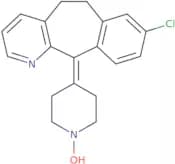
Desloratadine N-hydroxypiperidine
CAS:<p>Desloratadine N-hydroxypiperidine is a drug that is used to treat allergic rhinitis and urticaria. It belongs to the class of antihistamines, which block the activity of histamine in the body. Desloratadine N-hydroxypiperidine is a prodrug that has a piperidine moiety attached to its side chain. This prodrug is metabolized into desloratadine, its active form, by esterase enzymes in the liver and blood plasma. The onset of action is rapid after oral administration and the duration of action is 12 hours or more. Desloratadine N-hydroxypiperidine has shown linearity over a wide range of pH values (pH 1 to 10) and ionic strengths (0.1 M to 0.5 M). Optimization was achieved by adjusting elution time, ion-pairing agent, mobile phase composition, organic modifier concentration and column particle</p>Formula:C19H19ClN2OPurity:Min. 95%Molecular weight:326.82 g/mol2,5-Dibromo-3-aminopyrazine
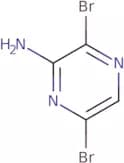
CAS:<p>2,5-Dibromo-3-aminopyrazine is an experimental drug with anticancer activity. It has been shown to have a high affinity for DNA and inhibit the growth of tumor cells in vivo. 2,5-Dibromo-3-aminopyrazine has undergone stability tests in vivo and in vitro and also completed clinical trials. This drug binds to DNA and inhibits the enzyme protein kinase C, leading to suppression of cellular proliferation. The pharmacokinetics of this drug were evaluated by measuring the concentration of 2,5-dibromo-3-aminopyrazine in plasma after oral administration to mice. This study found that the maximum concentration was achieved at 1 hour post dose and that there was a decrease in concentration over time. The drug has been shown to bind to the dimethoxybenzene metabolic pathway, which is involved in regulating cell proliferation.<br>2,5-Dibromo-3-aminopyrazine</p>Formula:C4H3Br2N3Purity:Min. 95%Color and Shape:PowderMolecular weight:252.89 g/mol5-Bromo-2-(methylthio)pyrimidine
CAS:<p>5-Bromo-2-(methylthio)pyrimidine is a synthetic compound that has been used to synthesize palladium complexes. It can also be used in the synthesis of vitamin B1, which is an essential nutrient for humans and animals. 5-Bromo-2-(methylthio)pyrimidine binds with magnesium and reacts with sulfoxide, nucleophilic attack and electronegativity. 5-Bromo-2-(methylthio)pyrimidine is activated by 2-chlorobenzothiazole and hydrogen chloride, which leads to nucleophilic attack on the electrophilic carbon atom. This causes a displacement reaction with the elimination of chlorine gas and production of dihydro.</p>Formula:C5H5BrN2SPurity:Min. 95%Molecular weight:205.08 g/molEthyl 2-(3-phthalimidopropyl)acetoacetate
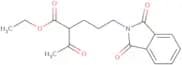
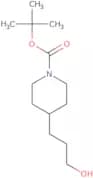
CAS:<p>Please enquire for more information about Ethyl 2-(3-phthalimidopropyl)acetoacetate including the price, delivery time and more detailed product information at the technical inquiry form on this page</p>Formula:C17H19NO5Purity:Min. 95%Molecular weight:317.34 g/molTert-butyl 4-(3-hydroxypropyl)tetrahydro-1(2H)-pyridinecarboxylate
CAS:<p>Please enquire for more information about Tert-butyl 4-(3-hydroxypropyl)tetrahydro-1(2H)-pyridinecarboxylate including the price, delivery time and more detailed product information at the technical inquiry form on this page</p>Formula:C13H25NO3Purity:Min. 95%Molecular weight:243.34 g/molPiperazine citrate
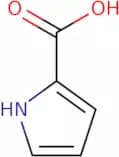
CAS:<p>Please enquire for more information about Piperazine citrate including the price, delivery time and more detailed product information at the technical inquiry form on this page</p>Formula:(C4H10N2)3·(C6H8O7)2Purity:Min. 95%Color and Shape:PowderMolecular weight:642.65 g/molPyrrole-2-carboxylic acid
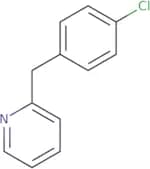
CAS:<p>Pyrrole-2-carboxylic acid is a polycyclic aromatic compound that can be found in coal tar. It has been shown to have anti-inflammatory, antiallergic, and antifungal properties. Pyrrole-2-carboxylic acid is produced by the human body as an intermediate in the metabolism of tryptophan. This compound can also be synthesized and used to treat chronic bronchitis, which is caused by excessive mucus production and inflammation of the airways. The reaction mechanism for pyrrole-2-carboxylic acid is similar to that of other drugs that are used in respiratory therapy, such as aminophylline or acetylcysteine.</p>Formula:C5H5NO2Purity:Min. 95%Molecular weight:111.1 g/mol2-(4-Chlorobenzyl)pyridine
CAS:<p>2-(4-Chlorobenzyl)pyridine is a synthetic pyridine compound that has been shown to have anti-cancer properties. It is also a potent inducer of the enzyme methane monooxygenase and has been shown to interact with other compounds, such as maleates and sulfoxides, which are also used in this type of experiment. The catalytic mechanism for 2-(4-chlorobenzyl)pyridine is not yet known, but it may involve an acidic chlorine atom or a hydrochloric acid catalyst. 2-(4-Chlorobenzyl)pyridine has been found to be effective at inhibiting the growth of cancer cells in vitro without toxic effects on healthy cells. It has also been shown to inhibit the proliferation of human leukemia cells in vivo.</p>Formula:C12H10ClNPurity:Min. 95%Molecular weight:203.67 g/mol2-Fluoropyridine-5-carboxaldehyde
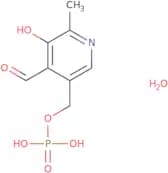
CAS:<p>2-Fluoropyridine-5-carboxaldehyde is a reactive chemical that can be used as an acceptor in organic synthesis. It has been shown to have antibacterial properties, and is also a synthon for the production of prosthetic groups. 2-Fluoropyridine-5-carboxaldehyde reacts with dopamine to form diphenyl ethers, which are used as labels for immunoassays. This chemical can be catalysed and has been shown to be resistant to catalysis. 2-Fluoropyridine-5-carboxaldehyde can also be used in the synthesis of cycloalkanes.</p>Formula:C6H4FNOPurity:Min. 95%Molecular weight:125.1 g/molPyridoxal-5-phosphate monohydrate
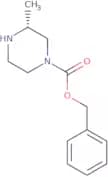
CAS:<p>Bioavailable form of vitamin B6; coenzyme; food supplement</p>Formula:C8H10NO6P·H2OPurity:Min. 98.5 Area-%Color and Shape:Off-White Slightly Yellow PowderMolecular weight:265.16 g/mol4-Cbz-(R)-2-methylpiperazine
CAS:<p>Please enquire for more information about 4-Cbz-(R)-2-methylpiperazine including the price, delivery time and more detailed product information at the technical inquiry form on this page</p>Formula:C13H18N2O2Purity:Min. 95%Molecular weight:234.29 g/mol4-[(4-chlorophenyl)-2-pyridinylmethoxy]-1-piperidinecarboxylic acid ethylester
CAS:<p>Please enquire for more information about 4-[(4-chlorophenyl)-2-pyridinylmethoxy]-1-piperidinecarboxylic acid ethylester including the price, delivery time and more detailed product information at the technical inquiry form on this page</p>Formula:C20H23ClN2O3Purity:Min. 95%Molecular weight:374.86 g/mol(R)-tert-Butyl 2-methylpiperazine-1-carboxylate
CAS:<p>(R)-tert-Butyl 2-methylpiperazine-1-carboxylate is a versatile building block that can be used for the synthesis of complex compounds. The compound is a reagent, speciality chemical, and useful building block in research. It can be used as a reaction component or scaffold in synthesis. (R)-tert-Butyl 2-methylpiperazine-1-carboxylate has been shown to react with nucleophiles such as amines and alcohols to form stable products. This product has high quality and is useful for chemical reactions involving carbonyl groups.</p>Formula:C10H20N2O2Purity:Min. 95%Color and Shape:White PowderMolecular weight:200.28 g/molCoproporphyrin III
CAS:<p>Please enquire for more information about Coproporphyrin III including the price, delivery time and more detailed product information at the technical inquiry form on this page</p>Formula:C36H38N4O8Purity:Min. 95%Molecular weight:654.71 g/mol(R)-1-[3-[4-Amino-3-(4-phenoxyphenyl)-1H-pyrazolo[3,4-d]pyrimidin-1-yl]piperidin-1-yl]-3-chloropropan-1-one
CAS:<p>Please enquire for more information about (R)-1-[3-[4-Amino-3-(4-phenoxyphenyl)-1H-pyrazolo[3,4-d]pyrimidin-1-yl]piperidin-1-yl]-3-chloropropan-1-one including the price, delivery time and more detailed product information at the technical inquiry form on this page</p>Formula:C25H25ClN6O2Purity:Min. 95%Molecular weight:476.96 g/molBenzopyrazine-6-boronic acidHCl
CAS:<p>Please enquire for more information about Benzopyrazine-6-boronic acidHCl including the price, delivery time and more detailed product information at the technical inquiry form on this page</p>Formula:C8H8BClN2O2Purity:Min. 95%Molecular weight:210.43 g/molChlorpheniramine N-oxide
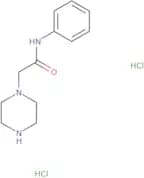
CAS:<p>Please enquire for more information about Chlorpheniramine N-oxide including the price, delivery time and more detailed product information at the technical inquiry form on this page</p>Formula:C16H19ClN2OPurity:Min. 95%Molecular weight:290.79 g/molPiperazinoacetic acid anilide dihydrochloride
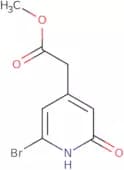
CAS:<p>Piperazinoacetic acid anilide dihydrochloride is a high quality, reagent compound which can be used as a useful intermediate or a speciality chemical. Piperazinoacetic acid anilide dihydrochloride is a complex compound that has been shown to have a number of useful properties, such as being an effective building block for the synthesis of other compounds. It can also be used as a reaction component in the preparation of fine chemicals and research chemicals. This product is also versatile, allowing it to be built into different scaffolds to create new compounds.</p>Formula:C12H17N3O•(HCl)2Purity:Min. 95%Molecular weight:292.2 g/molMethyl 6-bromo-1,2-dihydro-2-oxo-4-pyridineacetate
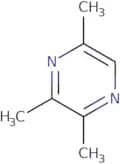
CAS:<p>Please enquire for more information about Methyl 6-bromo-1,2-dihydro-2-oxo-4-pyridineacetate including the price, delivery time and more detailed product information at the technical inquiry form on this page</p>Formula:C8H8BrNO3Purity:Min. 95%Molecular weight:246.06 g/mol2,3,5-Trimethylpyrazine
CAS:<p>2,3,5-Trimethylpyrazine is a volatile organic compound that is used as an aroma to impart a roasted coffee flavor. It has been shown to be synthesized from the reaction of trimethyl and pyruvic acid in an enzymatic reaction using glutamate pyruvate transaminase. 2,3,5-Trimethylpyrazine can be analyzed by capillary gas chromatography with mass spectrometric detection (GC-MS) or high performance liquid chromatography with mass spectrometric detection (HPLC-MS). This compound can also be identified by its synchronous fluorescence emission spectrum. Analysis of this compound's chemical structure revealed a hydroxyl group on the methyl group and a protocatechuic acid moiety on the pyrazine ring. The presence of these functional groups provides evidence for the model system proposed for this molecule. Solid phase microextraction was used to extract 2,3,5-trimethylpyraz</p>Formula:C7H10N2Purity:Min. 95%Color and Shape:Clear LiquidMolecular weight:122.17 g/mol2-Cyano-3,4,5,6-tetrachloropyridine
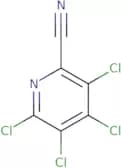
CAS:<p>2-Cyano-3,4,5,6-tetrachloropyridine is a genotoxic compound that is used for the preparation of picolinic acid. It has been shown to induce DNA damage and cytotoxicity in vitro. The reaction products of this compound have also been found to be genotoxic in vitro and in vivo. This chemical has been shown to inhibit the growth of cells in culture as well as cause cell death by releasing hydrogen chloride gas. 2-Cyano-3,4,5,6-tetrachloropyridine is a potent mutagen and carcinogen that can be activated by fluorine or chlorine compounds. This chemical can also form chlorinated derivatives with chlorine. 2-Cyano-3,4,5,6-tetrachloropyridine reacts with phosphorus pentachloride to produce hydrogen chloride gas and other reaction products such as chloride (Cl) or sublimed (P</p>Formula:C6Cl4N2Purity:Min. 95%Molecular weight:241.89 g/mol4,4'-Dithiopyridine
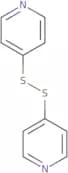
CAS:<p>4,4'-Dithiopyridine is a reactive molecule that can be used in the synthesis of other organic compounds. It is a disulfide bond with a redox potential of -0.43 V, which makes it readily available for reaction. The structural analysis of 4,4'-dithiopyridine has been performed using NMR spectroscopy and gas chromatography/mass spectrometry (GC/MS). This compound is an inhibitor of sugar transport and can be used to study the p-nitrophenyl phosphate reductase enzyme in bacteria. The reaction product between 4,4'-dithiopyridine and NADPH cytochrome P450 produces the fluorescent molecule 2-aminopurine. This fluorescent molecule may be used as a probe to study transfer reactions in bacteria.</p>Formula:C10H8N2S2Purity:Min. 95%Color and Shape:Off-White To Light (Or Pale) Yellow SolidMolecular weight:220.32 g/mol2,4-Diamino-5-nitropyrimidine
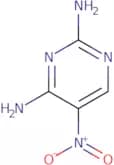
CAS:<p>2,4-Diamino-5-nitropyrimidine is a synthetic molecule that belongs to the class of heterocyclic amines. It has been shown to be a potent antiproliferative agent and has been found to inhibit hepg2 cell growth in vitro. This compound was also found to inhibit cancer cells, including mcf-7. 2,4-Diamino-5-nitropyrimidine binds nucleophilic sites on proteins and inhibits enzymes involved in DNA synthesis. The inhibition of these enzymes leads to cell death by preventing the production of new proteins needed for cell division.</p>Formula:C4H5N5O2Purity:Min. 95%Color and Shape:Off-White To Yellow SolidMolecular weight:155.12 g/molBQ-610 Azepane-1-carbonyl-Leu-D-Trp(For)-D-Trp-OH
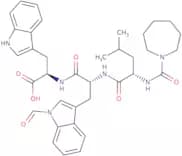
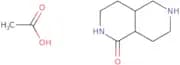
CAS:<p>BQ-610 is a novel peptide that has been shown to reduce the severity of mucosal inflammation in animal models of inflammatory bowel disease. It functions by binding to myofibroblasts, which are cells that produce an extracellular matrix and collagen. BQ-610 also blocks signalling pathways that are responsible for the production of TNF-α, MMP-2, and other molecules involved in the pathogenesis of inflammatory bowel disease. BQ-610 is effective at reducing inflammation in animal models of colitis, but not in human colonic epithelial cells or human colonic tissue.</p>Formula:C36H44N6O6Purity:Min. 95%Molecular weight:656.77 g/molOctahydro-2,6-naphthyridin-1(2H)-one acetate
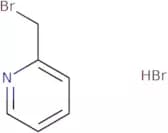
CAS:Controlled Product<p>Please enquire for more information about Octahydro-2,6-naphthyridin-1(2H)-one acetate including the price, delivery time and more detailed product information at the technical inquiry form on this page</p>Formula:C8H14N2O•C2H4O2Purity:Min. 95%Molecular weight:214.26 g/mol2-(Bromomethyl)pyridine hydrobromide
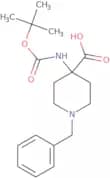
CAS:<p>This compound is an optical sensor that can be used to detect the presence of metal ions. It has a labile nature and is sensitive to light, which makes it ideal for use in fluorescence microscopy. 2-(Bromomethyl)pyridine hydrobromide has been shown to bind to nitric oxide and produce a strong fluorescent signal when exposed to copper ions. This probe can also be used as a molecular model for studying the interaction of metal ions with other molecules.</p>Formula:C6H6BrN•HBrPurity:Min. 95%Color and Shape:PowderMolecular weight:252.93 g/mol1-Benzyl-4-((tert-butoxycarbonyl)amino)piperidine-4-carboxylic acid
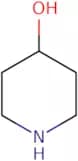
CAS:<p>Please enquire for more information about 1-Benzyl-4-((tert-butoxycarbonyl)amino)piperidine-4-carboxylic acid including the price, delivery time and more detailed product information at the technical inquiry form on this page</p>Formula:C18H26N2O4Purity:Min. 95%Molecular weight:334.41 g/mol4-Hydroxypiperidine
CAS:<p>4-Hydroxypiperidine is a molecule with a carbonyl group. It is the most active and selective CCR5 receptor antagonist that has been studied to date. 4-Hydroxypiperidine inhibits HIV infection by preventing the binding of HIV to its receptor on the surface of white blood cells, thereby preventing it from entering these cells. 4-Hydroxypiperidine also acts as an anti-inflammatory agent in chronic bronchitis patients, due to its ability to inhibit prostaglandin synthesis. The chemical ionization mass spectra of this molecule show peaks for methyl ethyl, malic acid, and hydroxyl groups. These properties make 4-hydroxypiperidine a useful candidate for drug development against inflammatory diseases and several cancers.</p>Formula:C5H11NOPurity:Min. 95%Molecular weight:101.15 g/mol4-Amino-3,5,6-trichloropyridine-2-carboxylic acid
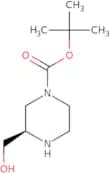
CAS:<p>4-Amino-3,5,6-trichloropyridine-2-carboxylic acid (4ATC) is a herbicide that inhibits the activity of pyridoxal phosphate (PLP)-dependent enzymes. 4ATC has been shown to be more toxic to plants than temozolomide and is used in vitro to study the effects of herbicides on cells. It inhibits cell growth and induces apoptosis in human cancer cells. In addition, 4ATC has been shown to inhibit the enzyme activities of group P2 proteins and nucleic acid synthesis. 4ATC also inhibits protein synthesis by inhibiting RNA synthesis in eukaryotic cells. 4ATC is not active against bacteria or fungi.</p>Formula:C6H3Cl3N2O2Purity:Min. 95%Color and Shape:White To Tan SolidMolecular weight:241.46 g/mol(R)-4-N-Boc-2-hydroxymethyl-piperazine
CAS:<p>Please enquire for more information about (R)-4-N-Boc-2-hydroxymethyl-piperazine including the price, delivery time and more detailed product information at the technical inquiry form on this page</p>Formula:C10H20N2O3Purity:Min. 95%Molecular weight:216.28 g/mol1-Dodecylpyridinium chloride
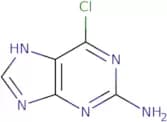
CAS:<p>1-Dodecylpyridinium Chloride is a quaternary ammonium salt that is used as an antimicrobial agent in a variety of products, such as pharmaceuticals, cosmetics, and household products. It has been shown to be toxic to humans at doses above 0.5 mg/kg. At sublethal doses, 1-dodecylpyridinium chloride inhibits the growth of bacteria by binding to the cationic sites on their cell surfaces and preventing them from attaching to other cells or molecules in their environment. 1-Dodecylpyridinium chloride also binds to the enzyme p-nitrophenyl phosphate reductase, which is required for bacterial growth. This inhibition leads to cell death by preventing ATP production and protein synthesis.</p>Formula:C17H30N•ClPurity:Min. 95%Molecular weight:283.88 g/mol2-Amino-6-chloropurine
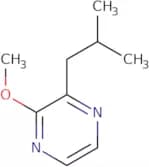
CAS:<p>2-Amino-6-chloropurine is a nucleophilic substituent that is used in the synthesis of 2-amino-6-chloropurine. It reacts with hydroxyl groups to form a palladium-catalyzed coupling reaction solution, which is then treated with hydrochloric acid and trifluoroacetic acid. The product is purified by crystallization and recrystallization. This compound has potent antitumor activity against carcinoma cell lines, but it has not been shown to have any effect against Mycobacterium tuberculosis.</p>Formula:C5H4ClN5Purity:Min. 95%Color and Shape:Off-White PowderMolecular weight:169.57 g/mol2-Isobutyl-3-methoxypyrazine
CAS:<p>2-Isobutyl-3-methoxypyrazine is a hydrophobic compound that is not soluble in water. It has a bound form and can be titrated with calorimetry. 2-Isobutyl-3-methoxypyrazine is synthesized by reacting 2,2,4-trimethylpentane with methoxyacetone in the presence of sodium methylate. The compound has been detected as an odorant in numerous plant species and is believed to play a role in plant physiology. 2-Isobutyl-3-methoxypyrazine has been shown to have potent antiviral activity against infectious diseases such as HIV, herpes simplex virus type 1 (HSV1), and varicella zoster virus (VZV). This specific antiviral activity may be due to its ability to bind fatty acids by hydrogen bonds, which may interfere with the synthesis of viral membranes.</p>Formula:C9H14N2OPurity:Min. 95%Molecular weight:166.22 g/mol3,5-Dimethyl-4H-1,2,4-triazol-4-amine
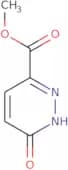
CAS:<p>3,5-Dimethyl-4H-1,2,4-triazol-4-amine is a crystalline compound with antiproliferative and anti-inflammatory properties. It has been shown to inhibit the growth of cancer cells in vitro and in vivo. The mechanism of action is not fully understood but may be due to inhibition of DNA synthesis or by inhibiting the activity of topoisomerase II. 3,5-Dimethyl-4H-1,2,4-triazol-4-amine can also act as an antioxidant by scavenging reactive oxygen species (ROS). 3,5-Dimethyl-4H-1,2,4-triazol-4-amine has been shown to have a low toxicity in animals and humans.</p>Formula:C4H8N4Purity:Min. 95%Molecular weight:112.13 g/molMethyl 6-oxo-1,6-dihydropyridazine-3-carboxylate
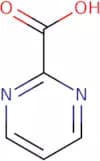
CAS:<p>Please enquire for more information about Methyl 6-oxo-1,6-dihydropyridazine-3-carboxylate including the price, delivery time and more detailed product information at the technical inquiry form on this page</p>Formula:C6H6N2O3Purity:Min. 95%Molecular weight:154.12 g/mol2-Pyrimidine-carboxylic acid
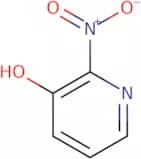
CAS:<p>2-Pyrimidine-carboxylic acid is a biologically active molecule that can be found in the human body. It is a derivative of pyrimidine, which belongs to the group of purines. 2-Pyrimidine-carboxylic acid has been shown to inhibit the nicotinic acetylcholine receptor and α7 nicotinic acetylcholine receptor, which are receptors for acetylcholine. This molecule also has antihypertensive activity and has been shown to have therapeutic effects in psychotic disorders. 2-Pyrimidine-carboxylic acid binds to picolinic acid, which is an important intermediate in the metabolism of tryptophan, and hydroxyl group, which is essential for many biological functions. It also reacts with copper ions and forms a complex that is x-ray crystal structure confirmed. This complex may be used as a herbicide resistance inducer or as a chemical species for receptor binding studies or chemical reactions.</p>Formula:C5H4N2O2Purity:Min. 95%Color and Shape:PowderMolecular weight:124.1 g/mol3-Hydroxy-2-nitropyridine
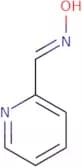
CAS:<p>3-Hydroxy-2-nitropyridine is a chemical compound that has been shown to be an inhibitor of nicotinic acetylcholine receptor. The compound has been found to have luminescence properties and can be used as a fluorescent probe in the study of molecular recognition processes. 3-Hydroxy-2-nitropyridine is also an effective antimicrobial agent and has been shown to have clinical potential for the treatment of neurodegenerative diseases such as Parkinson's disease, Alzheimer's disease, and Huntington's disease. It binds to the nicotinic acetylcholine receptor by forming hydrogen bonds with functional groups on the receptor surface. This binding prevents the agonist from binding and activating the ion channel that leads to depolarization of nerve cells. 3-Hydroxy-2-nitropyridine also reacts with chloride ions in order to form hydrochloric acid, which then inhibits microbial growth by altering their cell membrane permeability. The reaction yield is determined</p>Formula:C5H4N2O3Purity:Min. 95%Molecular weight:140.1 g/molPyridine-2-aldoxime
CAS:<p>Pyridine-2-aldoxime is a chemical compound that is used as a pesticide. It is an inhibitor of acetylcholinesterase, and it can be toxic at low doses. Pyridine-2-aldoxime binds to the active site of acetylcholinesterase and prevents the breakdown of acetylcholine by this enzyme, leading to paralysis of the respiratory muscles. Pyridine-2-aldoxime has been shown to be effective against chronic oral exposure to sarin gas, with lethal dose (LD) values ranging from 0.5–1 mg/kg in rats.</p>Formula:C6H6N2OPurity:Min. 95%Color and Shape:White PowderMolecular weight:122.12 g/mol4-[(4-Methylpiperazin-1-yl)methyl]benzoic acid
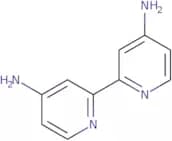
CAS:<p>4-[(4-Methylpiperazin-1-yl)methyl]benzoic acid is an organic compound. It is a white solid that is insoluble in water but soluble in organic solvents. The molecule has a molecular weight of 224.8 g/mol and contains a carbonyl group and amine functional groups. 4-[(4-Methylpiperazin-1-yl)methyl]benzoic acid can be prepared by the acylation of 4-(aminomethyl)-benzoic acid with imidazole hydrochloride in the presence of sodium carbonate as a base.</p>Formula:C13H18N2O2Purity:Min. 95%Molecular weight:234.29 g/mol4,4'-Diamino-2,2'-bipyridine
CAS:<p>4,4'-Diamino-2,2'-bipyridine (DABP) is a redox-active compound that is synthesized to be used as a single-stranded DNA probe. It has been shown to have high affinity for nucleic acids and can be used in many applications including the detection of mutations in human ovarian carcinoma cells. DABP can also be used as a model protein for studying interactions with other biomolecules. The immobilization of DABP on an electrode surface allows for the study of its electrochemical properties. This includes the correlation between the redox potential and luminescence intensity and the dependence on pH or ionic strength. DABP can also be used to detect oxygen concentration or ATP levels in mitochondria through its ability to absorb light at wavelengths from 400 nm to 800 nm which is then converted into light at lower wavelengths by uv irradiation.</p>Formula:C10H10N4Purity:Min. 97 Area-%Color and Shape:White PowderMolecular weight:186.21 g/mol1-Fluoro-2,4,6-trimethylpyridinium trifluoromethanesulfonate
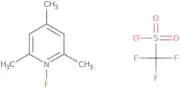
CAS:<p>Gabapentin is a pharmaceutical preparation that is used for the treatment of epilepsy and neuropathic pain. It is also used for postherpetic neuralgia, bipolar disorder, and anxiety disorders. Gabapentin has been shown to bind reversibly to the enzyme adenylate cyclase, which regulates the production of the second messenger cAMP. The binding of gabapentin to this enzyme prevents the conversion of ATP into cAMP and blocks signal transduction. This leads to an increase in intracellular levels of adenine nucleotides (ATP) and suppression of neuronal activity. Gabapentin has high values in kinetic tests because it is a reversible inhibitor with a low Km value. It binds irreversibly to nucleophilic substitutions, which are enzymes that catalyze reactions involving hydrolysis or transfer of one or more hydrogen ions from one molecule to another in a chemical reaction. A fluorine atom on gabapentin's structure may account for its</p>Formula:C9H11F4NO3SPurity:85%MinColor and Shape:PowderMolecular weight:289.25 g/molN-α-Fmoc-β-(1-boc-piperidin-4-yl)-dl-alanine
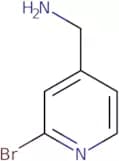
CAS:<p>Please enquire for more information about N-alpha-Fmoc-beta-(1-boc-piperidin-4-yl)-dl-alanine including the price, delivery time and more detailed product information at the technical inquiry form on this page</p>Formula:C28H34N2O6Purity:Min. 95%Molecular weight:494.58 g/mol(2-Bromopyridin-4-yl)methanamine
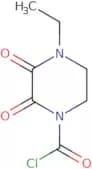
CAS:<p>Please enquire for more information about (2-Bromopyridin-4-yl)methanamine including the price, delivery time and more detailed product information at the technical inquiry form on this page</p>Purity:Min. 95%c4-Ethyl-2,3-dioxo-piperazine carbonyl chloride
CAS:<p>c4-Ethyl-2,3-dioxo-piperazine carbonyl chloride is a chloroformate that is used in the synthesis of carbamates. It is used in the production of triphosgene, which is an intermediate for the production of herbicides and pesticides. The impurities found in this substance are n-hexane, flow rate, chloride, chloroformate and solvents. This product can be synthesized by reacting c4-ethyl-2,3-dioxopiperazine with carbon tetrachloride. The reaction time required to produce this product is 2 hours at a temperature between 100°C and 150°C. The optimum pH range for the reaction is 8 - 10.</p>Formula:C7H9ClN2O3Purity:Min. 95%Color and Shape:PowderMolecular weight:204.61 g/molBoc-4-carboxymethyl-piperidine
CAS:<p>Boc-4-carboxymethyl-piperidine is a novel drug that has been shown to have significant correlations with the inhibition of fibrinogen and cellulose. It also has the ability to inhibit arsenite, which may be due to its dithiocarbamate group. Boc-4-carboxymethyl-piperidine has been shown to have significant biological activity in vitro. This molecule has been synthesized and crystallized, and x-ray data have been collected. The molecular structure of this molecule is shown below:</p>Formula:C12H21NO4Purity:Min. 95%Color and Shape:White PowderMolecular weight:243.3 g/mol4-Desmethyl-2-methyl celecoxib
CAS:<p>Please enquire for more information about 4-Desmethyl-2-methyl celecoxib including the price, delivery time and more detailed product information at the technical inquiry form on this page</p>Formula:C17H14F3N3O2SPurity:Min. 95%Molecular weight:381.4 g/mol1-Boc-2-methyl (2R,3S)-3-hydroxypyrrolidine-2-carboxylate
CAS:<p>Please enquire for more information about 1-Boc-2-methyl (2R,3S)-3-hydroxypyrrolidine-2-carboxylate including the price, delivery time and more detailed product information at the technical inquiry form on this page</p>Formula:C11H19NO5Purity:Min. 95%Molecular weight:245.27 g/mol2,6-Diaminopyridine
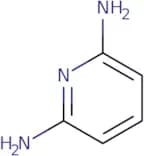
CAS:<p>2,6-Diaminopyridine is a heterocyclic compound that is used in analytical chemistry as an indicator for the presence of protonated amines. It is prepared by coupling 2,6-diamino-pyridine with 1,3-benzodioxole-5-carboxylic acid. The nitrogen atoms are electron withdrawing groups and form hydrogen bonding interactions with the protonated amine. This type of interaction leads to a phase transition temperature of about 115°C and a high value for electrochemical impedance spectroscopy (EIS) measurements. The reaction mechanism involves the formation of a protonated amine from 2,6-diaminopyridine and 1,3-benzodioxole-5-carboxylic acid followed by proton transfer to yield the corresponding pyridinium salt.</p>Formula:C5H7N3Purity:Min. 95%Color and Shape:Beige To Brown SolidMolecular weight:109.13 g/mol4-(Boc-amino)pyridine
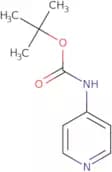
CAS:<p>4-(Boc-amino)pyridine is a pyridine derivative that exhibits magnetic properties. It can be used to study the luminescence properties of pyridine rings. 4-(Boc-amino)pyridine inhibits cell proliferation and growth by binding to the kinase receptor in the cytoplasm, which blocks phosphorylation of proteins in the cell. This compound inhibits hCT-116 cells, which are human colorectal carcinoma cells, and has shown promising results in xenograft studies. 4-(Boc-amino)pyridine is an anionic molecule that can be used as a starting material for synthesis of other compounds. It was first synthesized by reacting 2-aminopyridine with boron trichloride in acetonitrile.</p>Formula:C10H14N2O2Purity:Min. 95%Color and Shape:White/Off-White SolidMolecular weight:194.23 g/mol4-(Benzyloxy)piperidine HCl
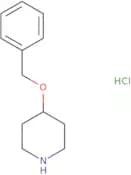
CAS:<p>4-(Benzyloxy)piperidine HCl is a versatile building block that is used in the synthesis of complex compounds such as research chemicals, reagents and speciality chemicals. 4-(Benzyloxy)piperidine HCl is also a useful intermediate in organic synthesis and can be used as a reaction component. 4-(Benzyloxy)piperidine HCl has CAS number 81151-68-0 and is a useful scaffold for chemical syntheses.</p>Formula:C12H17NOHClPurity:Min. 95%Color and Shape:White PowderMolecular weight:227.73 g/mol8-Chloroimidazo[1,2-a]pyrazine
CAS:<p>Please enquire for more information about 8-Chloroimidazo[1,2-a]pyrazine including the price, delivery time and more detailed product information at the technical inquiry form on this page</p>Formula:C6H4ClN3Purity:Min. 95%Molecular weight:153.57 g/mol5-Bromo-2-dimethylaminopyridine
CAS:Controlled Product<p>Please enquire for more information about 5-Bromo-2-dimethylaminopyridine including the price, delivery time and more detailed product information at the technical inquiry form on this page</p>Formula:C7H9BrN2Purity:Min. 95%Molecular weight:201.01 g/mol2-(4-Methyl-2-phenyl-1-piperazinyl)-3-pyridinemethanol
CAS:<p>2-(4-Methyl-2-phenyl-1-piperazinyl)-3-pyridinemethanol is an impurity in hexane that is generated during the reaction of pyridine with acetonitrile. The impurity is removed by crystallizing it from methanol. 2-(4-Methyl-2-phenyl-1-piperazinyl)-3-pyridinemethanol has a high efficiency, and can be used to synthesize hexamethyldisiloxane. This product can be used as a metal catalyst for reactions involving alkali metals or metal halides. It can also be used as an alcohol solvent, but not hydrogenated.</p>Formula:C17H21N3OPurity:Min. 95%Color and Shape:White to off white powderMolecular weight:283.37 g/mol5-Hydroxypyrazine-2-carboxylic acid
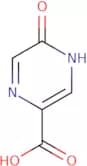
CAS:<p>5-Hydroxypyrazine-2-carboxylic acid is a drug that inhibits the activation of proteins involved in cell signaling pathways. It has been shown to have an inhibitory effect on the activation of protein kinase C, which plays a key role in the proliferation and differentiation of cells. 5-Hydroxypyrazine-2-carboxylic acid also inhibits sorafenib, a drug used for the treatment of cancer. Sorafenib is metabolized in rats by cytochrome P450 (CYP) enzymes, which are found in human liver tissue as well. The metabolism rate of sorafenib can be reduced by coadministration with caffeine or other substances that induce CYP activity. 5-Hydroxypyrazine-2-carboxylic acid is not active against pyrazinoic acid and pyrazine-2 carboxylate, which are metabolites produced by CYP enzymes.</p>Formula:C5H4N2O3Purity:Min. 98 Area-%Color and Shape:Brown PowderMolecular weight:140.1 g/mol2-Pyrimidinemethanol
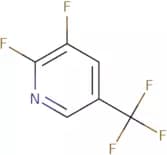
CAS:<p>2-Pyrimidinemethanol is a pyrimidine derivative that is used as a starting material for the synthesis of other compounds. 2-Pyrimidinemethanol is introduced into the body through the skin, lungs and gastrointestinal tract. It has been shown to cause sensitization in humans and rats, with photoexcitation being an important factor in its activity. 2-Pyrimidinemethanol binds to DNA and inhibits protein synthesis by inhibiting ribonucleotide reductase (RNR). The active site of this enzyme contains iron, which is why this compound may be toxic to humans.</p>Formula:C5H6N2OPurity:Min. 95%Color and Shape:Light (Or Pale) Yellow To Brown LiquidMolecular weight:110.11 g/mol2,3-Difluoro-5-(trifluoromethyl)pyridine
CAS:<p>2,3-Difluoro-5-(trifluoromethyl)pyridine is a diluent that is used in organic synthesis. It is a nucleophilic and hydrogen fluoride (HF) activated fluoropyridine. This compound has a diameter of 190.7 pm and an anhydrous form. 2,3-Difluoro-5-(trifluoromethyl)pyridine can be prepared by condensing pyridine with fluorine gas in the presence of an activating agent such as HF or silver nitrate. This compound reacts when exposed to vapor or heat, releasing HF as a byproduct. The pyridine ring found in this compound contains six carbon atoms, two nitrogen atoms, and one oxygen atom.</p>Formula:C6H2F5NPurity:Min. 95%Molecular weight:183.08 g/mol2-chloro-3-fluoropyridin-4-amine
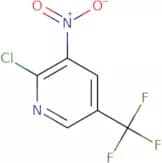
CAS:<p>Please enquire for more information about 2-chloro-3-fluoropyridin-4-amine including the price, delivery time and more detailed product information at the technical inquiry form on this page</p>Formula:C5H4ClFN2Purity:Min. 95%Molecular weight:146.55 g/mol2-chloro-3-nitro-5-(trifluoromethyl)pyridine
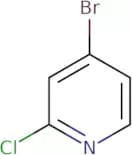
CAS:<p>Please enquire for more information about 2-chloro-3-nitro-5-(trifluoromethyl)pyridine including the price, delivery time and more detailed product information at the technical inquiry form on this page</p>Formula:C6H2ClF3N2O2Purity:Min. 95%Molecular weight:226.54 g/mol4-Bromo-2-chloropyridine
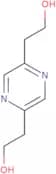
CAS:<p>4-Bromo-2-chloropyridine is a piperazine derivative that has potent inhibitory activity against 5-HT2C receptors. This compound is an amide and has been shown to have the ability to cross-couple with various other compounds, such as fatty acids. It is also used in clinical development for the treatment of obesity, depression, and Parkinson's disease. The purity of 4-bromo-2-chloropyridine can be determined by liquid chromatography methods.</p>Formula:C5H3BrCINPurity:90%Color and Shape:Clear LiquidMolecular weight:192.44 g/mol2,5-Pyrazinediethanol
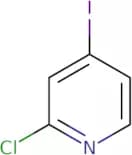
CAS:<p>2,5-Pyrazinediethanol is a neutral compound that hydrolyzes in water to form the acidic 2,5-diketopiperazine. It also reacts with sodium hydroxide to form the alkaline 2,5-diketopiperazine. The chemical structure of this compound is similar to that of clavulanic acid, which is a drug used in combination with amoxicillin (a penicillin antibiotic) for the treatment of bacterial infections. 2,5-Pyrazinediethanol has been shown to have antibacterial properties against Escherichia coli and Bacillus subtilis. However, it is less active than clavulanic acid against Staphylococcus aureus or Clostridium perfringens.</p>Formula:C8H12N2O2Purity:(%) Min. 97%Color and Shape:PowderMolecular weight:168.19 g/mol2-Chloro-4-iodopyridine
CAS:<p>2-Chloro-4-iodopyridine is an antibacterial agent that inhibits bacterial growth by interfering with the synthesis of folic acid. It has been shown to be effective against Escherichia coli, Staphylococcus aureus, and Pseudomonas aeruginosa. 2-Chloro-4-iodopyridine is a ligand that binds to metal ions such as copper and silver. The transfer of electrons from the metal ion to the ligand facilitates the cross-coupling reaction in organic synthesis. Cross-coupling reactions are also used in devices such as solar cells and hydrogen fuel cells.<br>2-Chloro-4-iodopyridine can also be used for photophysical experiments with single crystal x-ray diffraction studies.</p>Formula:C5H3ClINPurity:Min. 95%Color and Shape:White PowderMolecular weight:239.44 g/mol2-Amino-6-chloropyrimidin-4(3h)-one
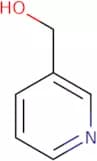
CAS:<p>2-Amino-6-chloropyrimidin-4(3H)-one (ACPP) is a betaine that has been shown to exhibit potent activity against clinical isolates of methicillin-resistant Staphylococcus aureus (MRSA). It is a mesomeric molecule, which means that it can exist as two different tautomers. The frequency of the absorption bands in the FTIR spectra for ACPP are characteristic of the carbenes and ethanolamine tautomers. The presence of these tautomers may be due to stabilization from the nucleophilic character of the nitrogen atom in betaines. Betaines are also able to form polymersized chains by reacting with themselves or other molecules, such as ethanolamine.</p>Formula:C4H4ClN3OPurity:Min. 95%Color and Shape:PowderMolecular weight:145.55 g/mol3-Pyridinemethanol
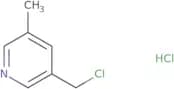
CAS:<p>3-Pyridinemethanol is a chemical compound that is soluble in water. It has a molecular weight of 92.07 grams per mole, and the chemical formula CH3CH2NH. 3-Pyridinemethanol is used as a reagent for the synthesis of organic compounds, such as chlorides, esters, amides, nitriles, and thioamides. 3-Pyridinemethanol reacts with chloride to form an intermediate which reacts with water to produce hydrochloric acid and ammonium chloride. This reaction also produces heat, which can be used to generate energy or power other reactions. br> br> A nanotube was synthesized from 3-pyridinemethanol by using a template made from nickel atoms arranged in a hexagonal pattern on the surface of an indium tin oxide (ITO) glass substrate. The nanotubes are about 5 nm in diameter and can be up</p>Formula:C6H7NOPurity:Min. 95%Molecular weight:109.13 g/mol3-(Chloromethyl)-5-methylpyridine hydrochloride
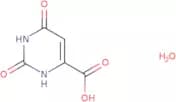
CAS:<p>3-(Chloromethyl)-5-methylpyridine hydrochloride (3CMPH) is a chemical compound that is synthesized from chlorine and methylpyridine. 3CMPH can be produced by the reaction of chlorination with toluene or hydrogen chloride. The synthesis of 3CMPH is done in two steps: first, reacting toluene with chlorine gas at high temperature and pressure in the presence of sulfuric acid, followed by the addition of sulfuric acid to the resulting product. In the second step, hydrogen chloride reacts with methylpyridine in an alkaline solution, yielding 3-(chloromethyl)-5-methylpyridine hydrochloride as a white solid. 3CMPH has been shown to have antihistamine effects and can be used for treating allergies. It can also be used as a skin protectant against uv light and rupatadine.</p>Formula:C7H8ClN·HClPurity:Min. 95%Molecular weight:178.06 g/molOrotic acid hydrate
CAS:<p>Orotic acid hydrate is a synthetic compound that is designed to be a growth regulator. Orotic acid hydrate is synthesized by reacting the orotate with pyridoxine hydrochloride, followed by crystallizing the product. Hydrogen bonds form between the water molecules and fatty acids in the crystals of OA hydrate. These hydrogen bonds stabilize the crystal structure and allow for its use as a growth regulator. The stability of this molecule can also be attributed to its ability to form hydrogen bonds with other molecules such as α-tocopherol, calcium carbonate, and synthetic cannabinoids. Orotic acid hydrate has been shown to have an effect on cancer cells because it reacts with daunorubicin in solution and inhibits DNA synthesis, inhibiting cell growth.</p>Formula:C5H4N2O4·H2OPurity:Min. 95 Area-%Color and Shape:PowderMolecular weight:174.11 g/mol(-)-(2R,5S)-1-Allyl-2,5-dimethylpiperazine
CAS:<p>(-)-(2R,5S)-1-Allyl-2,5-dimethylpiperazine is a novel analog of benzyl alcohols that binds to the delta opioid receptor. The compound was found to be an agonist in vitro and in vivo. It showed no affinity for other opioid receptors or for the benzodiazepine receptor. (-)-(2R,5S)-1-Allyl-2,5-dimethylpiperazine was found to have high affinity for the human cloned delta opioid receptor with a Ki value of 0.6 nM. This compound is also a potent alkylate inhibitor with an IC50 of 6 microM against ethoxy radical formation and an IC50 of 25 microM against lipid peroxidation induced by H2O2.</p>Formula:C9H18N2Purity:Min. 95%Molecular weight:154.25 g/mol4-Amino-N-(4-methylpyrimidin-2-yl)benzenesulfonamide
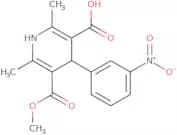
CAS:<p>4-Amino-N-(4-methylpyrimidin-2-yl)benzenesulfonamide (AMBPS) is a sulfonamide antimicrobial agent that belongs to the group of sulfa drugs. It is a potent inhibitor of tetracycline resistance in bacterial cells, and has been shown to be effective against infectious diseases such as tuberculosis, leprosy and pneumonia. AMBPS has also been used in wastewater treatment and biological studies with high values. This drug binds to sulfamerazine, which inhibits bacterial growth by inhibiting RNA synthesis. The hydrogen bonding interactions between AMBPS and sulfadiazine are thought to be responsible for the effects on congestive heart failure.</p>Formula:C11H12N4O2SPurity:Min. 95%Molecular weight:264.3 g/mol1,4-Dihydro-2,6-dimethyl-4-(3-nitrophenyl)-3,5-pyridinedicarboxylic acid 3-methyl ester
CAS:<p>Lercanidipine is a calcium antagonist that binds to the calcium channels in the membranes of cells, preventing the entry of calcium ions. Lercanidipine is water soluble and can be synthesized using techniques such as elemental analysis and pharmacological techniques. It is also an ionizable drug, which means that its affinity for chloride varies with pH. Lercanidipine has been shown to have strong affinity for erythrocyte membranes and thus has a high selectivity for vascular smooth muscle cells. This drug also has a low toxicity profile and does not affect tissues other than vascular smooth muscle cells.</p>Formula:C16H16N2O6Purity:Min. 95%Color and Shape:White PowderMolecular weight:332.31 g/mol3-Chloro-2,5-dibromopyridine
CAS:<p>3-Chloro-2,5-dibromopyridine is a fine chemical that is used as a building block in the synthesis of other chemicals. It is a reagent and speciality chemical with high quality and complex structure. 3-Chloro-2,5-dibromopyridine is a versatile building block that can be used in the synthesis of many different compounds and as an intermediate or scaffold for other reactions. It has been shown to react with various nucleophiles, such as amines, alcohols, and thiols.</p>Formula:C5H2Br2CINPurity:Min. 95%Color and Shape:White/Off-White SolidMolecular weight:271.34 g/molH-Ser-Ala-Glu-Glu-Tyr-Glu-Tyr-Pro-Ser OH trifluoroacetate
CAS:<p>Please enquire for more information about H-Ser-Ala-Glu-Glu-Tyr-Glu-Tyr-Pro-Ser OH trifluoroacetate including the price, delivery time and more detailed product information at the technical inquiry form on this page</p>Formula:C47H63N9O20•(C2HF3O2)xPurity:Min. 95%H-Ala-Ala-Pro-OH trifluoroacetate
CAS:<p>Please enquire for more information about H-Ala-Ala-Pro-OH trifluoroacetate including the price, delivery time and more detailed product information at the technical inquiry form on this page</p>Formula:C11H19N3O4•C2HF3O2Purity:Min. 95%Molecular weight:371.31 g/molSegetalin A trifluoroacetate
CAS:<p>Segetalin A trifluoroacetic acid is a protein-based product, which is a derivative of a natural compound isolated from the seeds of the plant Vaccaria segetalis. This plant is traditionally recognized for its medicinal properties, and segetalin A represents one of the active proteins responsible for these biological effects.</p>Formula:C31H43N7O6C2HF3O2Purity:Min. 95%Molecular weight:609.72 g/mol4-Amino-6-mercaptopyrazolo[3,4-d]pyrimidine
CAS:<p>Please enquire for more information about 4-Amino-6-mercaptopyrazolo[3,4-d]pyrimidine including the price, delivery time and more detailed product information at the technical inquiry form on this page</p>Formula:C5H5N5SPurity:Min. 95%Molecular weight:167.19 g/mol1-[(4-Chlorophenyl)phenylmethyl]-4-[(3-methylphenyl)methyl]-piperazine hydrochloride
CAS:<p>Please enquire for more information about 1-[(4-Chlorophenyl)phenylmethyl]-4-[(3-methylphenyl)methyl]-piperazine hydrochloride including the price, delivery time and more detailed product information at the technical inquiry form on this page</p>Formula:C25H27ClN2•HClPurity:Min. 95%Molecular weight:427.41 g/mol1-Acetylpiperazine
CAS:<p>1-Acetylpiperazine is a growth factor that has been shown to stimulate the proliferation of keratinocytes and dermal fibroblasts. It also inhibits the production of proinflammatory cytokines, such as tumor necrosis factor alpha (TNF-α) and interleukin-1 beta (IL-1β), in immune cells. 1-Acetylpiperazine has been shown to have antimicrobial properties against Gram-positive bacteria, including methicillin resistant Staphylococcus aureus and Clostridium perfringens. The compound binds to the receptor for epidermal growth factor in cancer cells, which may be responsible for its anticancer effects. 1-Acetylpiperazine has also been shown to inhibit the binding of imatinib to its receptor, which may be responsible for its anticancer effects.</p>Formula:C6H12N2OPurity:Min. 95%Molecular weight:128.18 g/mol6-Amino-1,2-dihydro-2-thioxo-5-pyrimidinecarboxylic acid sodium
CAS:<p>Please enquire for more information about 6-Amino-1,2-dihydro-2-thioxo-5-pyrimidinecarboxylic acid sodium including the price, delivery time and more detailed product information at the technical inquiry form on this page</p>Formula:C5H5N3O2S•NaPurity:Min. 95%Molecular weight:194.17 g/molLithium orotate monohydrate
CAS:<p>Please enquire for more information about Lithium orotate monohydrate including the price, delivery time and more detailed product information at the technical inquiry form on this page</p>Formula:C5H3LiN2O4Purity:Min. 95%Molecular weight:162.10 g/molAtorvastatin 3-deoxyhept-2-enoic acid calcium
CAS:<p>Please enquire for more information about Atorvastatin 3-deoxyhept-2-enoic acid calcium including the price, delivery time and more detailed product information at the technical inquiry form on this page</p>Formula:(C33H33FN2O4)2•CaPurity:Min. 95%Molecular weight:1,121.26 g/mol4-Amino-2-mercaptopyrimidine-5-carboxylic acid methyl ester
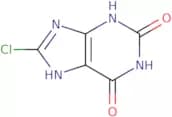
CAS:<p>Please enquire for more information about 4-Amino-2-mercaptopyrimidine-5-carboxylic acid methyl ester including the price, delivery time and more detailed product information at the technical inquiry form on this page</p>Formula:C6H7N3O2SPurity:Min. 95%Molecular weight:185.21 g/mol8-Chloro-3,7-dihydro-1H-purine-2,6-dione
CAS:<p>8-Chloro-3,7-dihydro-1H-purine-2,6-dione is a reactive molecule that binds to the active site of bacterial cyclic nucleotide phosphodiesterases and inhibits their activity. This inhibition prevents the breakdown of cAMP and cGMP, which are important second messengers in eukaryotic cells. 8-Chloro-3,7-dihydro-1H-purine-2,6-dione is also a potent inhibitor of protein synthesis and has been used in research studies on wheat leaves.</p>Formula:C5H3N4O2ClPurity:Min. 95%Color and Shape:PowderMolecular weight:186.56 g/molBoc-4-aminopiperidine
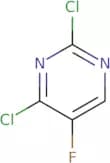
CAS:<p>Boc-4-aminopiperidine is a molecule that is used as a substrate in chemical reactions. It reacts with sodium hydroxide solution to form an imine, which is hydrogenated by reducing agents such as NaBH4. This reaction yields the products 4-aminopiperidine and acetaldehyde. Boc-4-aminopiperidine is also utilized as a cholinesterase inhibitor, which inhibits the breakdown of acetylcholine at nerve endings. The inhibitory activity of Boc-4-aminopiperidine can be determined using diagnostic techniques and it can be used to inhibit viruses such as HIV and influenza A virus.</p>Formula:C10H20N2O2Purity:Min. 95%Molecular weight:200.28 g/mol2,4-Dichloro-5-fluoropyrimidine
CAS:<p>2,4-Dichloro-5-fluoropyrimidine is an aromatic hydrocarbon that has been shown to inhibit the growth of mouse tumor cells in vitro. It also inhibits the production of amines by reacting with industrial chemicals and sodium carbonate. This compound has potent inhibitory activity against autoimmune diseases and cytotoxic potency on mcf-7 cells. Furthermore, 2,4-Dichloro-5-fluoropyrimidine has been shown to have a chlorinating effect on cancer cells.</p>Formula:C4HCl2FN2Purity:Min. 95%Color and Shape:Off-White PowderMolecular weight:166.97 g/mol5-(5-Carboxy-2-ethoxyphenyl)-1-methyl-3-n-propyl-1,6-dihydro-7H-pyrazolo[4,3-d]pyrimidin-7-one
CAS:<p>Sildenafil is a drug that is used to treat erectile dysfunction. It inhibits the action of phosphodiesterase type 5 (PDE-5), an enzyme that breaks down the messenger cyclic guanosine monophosphate (cGMP) within the corpus cavernosum. This leads to increased levels of cGMP, which relaxes smooth muscle cells in the corpus cavernosum and allows for more blood flow into the penis. Sildenafil is synthesized from chrysanthemum morifolium, a plant also known as "shamrock." Sildenafil has been shown to have no effects on insulin resistance or lipid metabolism, but it does cause side effects such as headache, visual disturbances, and hearing loss.</p>Formula:C18H20N4O4Purity:Min. 95%Molecular weight:356.38 g/molIsopropyl 2-amino-4-hydroxy-5,8-dihydropyrido[3,4-d]pyrimidine-7(6H)-carboxylate
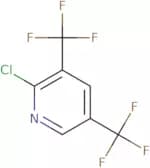
CAS:<p>Please enquire for more information about Isopropyl 2-amino-4-hydroxy-5,8-dihydropyrido[3,4-d]pyrimidine-7(6H)-carboxylate including the price, delivery time and more detailed product information at the technical inquiry form on this page</p>Formula:C11H16N4O3Purity:Min. 95%Molecular weight:252.27 g/mol2-Chloro-3,5-bis(trifluoromethyl)pyridine
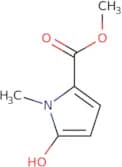
CAS:<p>Please enquire for more information about 2-Chloro-3,5-bis(trifluoromethyl)pyridine including the price, delivery time and more detailed product information at the technical inquiry form on this page</p>Formula:C7H2ClF6NPurity:Min. 95%Molecular weight:249.54 g/molMethyl 5-hydroxy-1-methyl-1H-pyrrole-2-carboxylate
CAS:<p>Please enquire for more information about Methyl 5-hydroxy-1-methyl-1H-pyrrole-2-carboxylate including the price, delivery time and more detailed product information at the technical inquiry form on this page</p>Formula:C7H9NO3Purity:Min. 95%Color and Shape:PowderMolecular weight:155.2 g/molN-[5-[5-(2-Methyl-1-oxoisoindolin-5-yl)thien-2-yl]pyridin-3-yl]-2-nitrobenzenesulfonamide
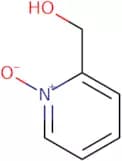
CAS:<p>Please enquire for more information about N-[5-[5-(2-Methyl-1-oxoisoindolin-5-yl)thien-2-yl]pyridin-3-yl]-2-nitrobenzenesulfonamide including the price, delivery time and more detailed product information at the technical inquiry form on this page</p>Formula:C24H18N4O5S2Purity:Min. 95%Color and Shape:PowderMolecular weight:506.56 g/mol2-(Hydroxymethyl)pyridine N-oxide
CAS:<p>2-(Hydroxymethyl)pyridine N-oxide is a model system that was originally synthesized to study the mechanism of perchlorate and amine degradation in vivo. It has been shown to be an excellent model for studying the oxidative decomposition of n-oxides with metal ions, as well as their transformation into monomers. 2-(Hydroxymethyl)pyridine N-oxide reacts with chloride ion to form 2-(hydroxymethyl)pyridine N-oxide chloride. The reaction of 2-(hydroxymethyl)pyridine N-oxide with a sulfoxide produces an adduct that can be used to study hydrogen bonding. 2-(Hydroxymethyl)pyridine N-oxide has biological properties and is a potential drug candidate for the treatment of cancer.</p>Formula:C6H7NO2Purity:Min. 95%Molecular weight:125.13 g/molH-His-pNA trifluoroacetate
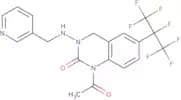
CAS:<p>Please enquire for more information about H-His-pNA trifluoroacetate including the price, delivery time and more detailed product information at the technical inquiry form on this page</p>Formula:C12H13N5O3•(C2HF3O2)xPurity:Min. 95%1-Acetyl-6-(perfluoropropan-2-yl)-3-((pyridin-3-ylmethyl)amino)-3,4-dihydroquinazolin-2(1H)-one
CAS:<p>1-Acetyl-6-(perfluoropropan-2-yl)-3-((pyridin-3-ylmethyl)amino)-3,4-dihydroquinazolin-2(1H)-one (PAFQ) is a mitochondrial cytochrome P450 inhibitor that inhibits the function of the ryanodine receptor and interacts with the piperonyl butoxide synergistically. PAFQ has been shown to be effective against animal pests such as termites, ants, and cockroaches. It also inhibits population growth in these populations by interfering with their ability to synthesize proteins. The effective dose for PAFQ varies depending on whether it is applied topically or orally.</p>Formula:C19H15F7N4O2Purity:Min. 95%Molecular weight:464.34 g/mol4-(Dibromomethyl)-2(1H)-quinolinone
CAS:<p>Please enquire for more information about 4-(Dibromomethyl)-2(1H)-quinolinone including the price, delivery time and more detailed product information at the technical inquiry form on this page</p>Formula:C10H7Br2NOPurity:Min. 95%Molecular weight:316.98 g/molDebacarb
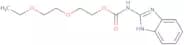
CAS:<p>Debacarb is a subtilis mutant strain that produces the active substances debacarb and debacin. Debacarb inhibits the mitochondrial cytochrome b-245, which is an enzyme in the electron transport chain of mitochondria. It also inhibits bacterial growth by binding to nicotinic acetylcholine, which is an enzyme involved in the synthesis of bacterial cell walls. The target enzymes for this compound are not yet known. The bacterium Agrobacterium tumefaciens was found to be sensitive to Debacarb, but resistant strains were also obtained. Debacarb has been used as an agrochemical against bacterial strains such as Pseudomonas syringae and Erwinia carotovora. The effective dose for Debacarb varies depending on the bacterial strain. The most common effective doses are between 2 and 5 ppm, but higher concentrations may be needed against some bacteria.br> Debacarb can inhibit polymerase chain reactions, which</p>Formula:C14H19N3O4Purity:Min. 95%Molecular weight:293.32 g/mol(S)-N-(2-(2-Cyano-4,4-difluoropyrrolidin-1-yl)-2-oxoethyl)-6-(3-(piperazine-1-yl)propoxy)quinoline-4-carboxamide
CAS:<p>Please enquire for more information about (S)-N-(2-(2-Cyano-4,4-difluoropyrrolidin-1-yl)-2-oxoethyl)-6-(3-(piperazine-1-yl)propoxy)quinoline-4-carboxamide including the price, delivery time and more detailed product information at the technical inquiry form on this page</p>Formula:C24H28F2N6O3Purity:Min. 95%Molecular weight:486.52 g/molCarbamic acid (R)-1-(2-chlorophenyl)-2-(1H-tetrazol-1-yl)ethyl ester
CAS:<p>Please enquire for more information about Carbamic acid (R)-1-(2-chlorophenyl)-2-(1H-tetrazol-1-yl)ethyl ester including the price, delivery time and more detailed product information at the technical inquiry form on this page</p>Formula:C10H10ClN5O2Purity:Min. 95%Molecular weight:267.67 g/molD-Carnosine
CAS:<p>Please enquire for more information about D-Carnosine including the price, delivery time and more detailed product information at the technical inquiry form on this page</p>Formula:C9H14N4O3Purity:Min. 95%Molecular weight:226.23 g/molEthyl 7-chloro-3H-imidazo[4,5-b]pyridine-6-carboxylate
CAS:<p>Please enquire for more information about Ethyl 7-chloro-3H-imidazo[4,5-b]pyridine-6-carboxylate including the price, delivery time and more detailed product information at the technical inquiry form on this page</p>Formula:C9H8ClN3O2Purity:Min. 95%Molecular weight:225.63 g/molN-(5-bromo-4-chloro-1H-indol-3-yl)pyrazine-2-carboxamide
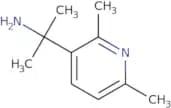
<p>Please enquire for more information about N-(5-bromo-4-chloro-1H-indol-3-yl)pyrazine-2-carboxamide including the price, delivery time and more detailed product information at the technical inquiry form on this page</p>Formula:C13H8BrClN4OPurity:Min. 95%Color and Shape:PowderMolecular weight:351.59 g/mol2-(2,6-Dimethylpyridin-3-yl)propan-2-amine
CAS:<p>Please enquire for more information about 2-(2,6-Dimethylpyridin-3-yl)propan-2-amine including the price, delivery time and more detailed product information at the technical inquiry form on this page</p>Formula:C10H16N2Purity:Min. 95%Molecular weight:164.25 g/mol(αR)-α-(2-Chlorophenyl)-1H-tetrazole-1-ethanol
CAS:<p>Please enquire for more information about (αR)-α-(2-Chlorophenyl)-1H-tetrazole-1-ethanol including the price, delivery time and more detailed product information at the technical inquiry form on this page</p>Formula:C9H9ClN4OPurity:Min. 95%Molecular weight:224.65 g/mol(8-Methylquinoxalin-5-yl)boronic acid
<p>Please enquire for more information about (8-Methylquinoxalin-5-yl)boronic acid including the price, delivery time and more detailed product information at the technical inquiry form on this page</p>Formula:C9H9BN2O2Purity:Min. 95%Molecular weight:188 g/mol




![4-[(4-chlorophenyl)-2-pyridinylmethoxy]-1-piperidinecarboxylic acid ethylester](/_next/image/?url=https%3A%2Fstatic.cymitquimica.com%2Fproducts%2F3D%2Fthumb-webp%2FFP152183.webp&w=3840&q=75)


![(R)-1-[3-[4-Amino-3-(4-phenoxyphenyl)-1H-pyrazolo[3,4-d]pyrimidin-1-yl]piperidin-1-yl]-3-chloropro…](/_next/image/?url=https%3A%2Fstatic.cymitquimica.com%2Fproducts%2F3D%2Fthumb-webp%2FFA183174.webp&w=3840&q=75)




![4-[(4-Methylpiperazin-1-yl)methyl]benzoic acid](/_next/image/?url=https%3A%2Fstatic.cymitquimica.com%2Fproducts%2F3D%2Fthumb-webp%2FFM136767.webp&w=3840&q=75)




![8-Chloroimidazo[1,2-a]pyrazine](/_next/image/?url=https%3A%2Fstatic.cymitquimica.com%2Fproducts%2F3D%2Fthumb-webp%2FFC125475.webp&w=3840&q=75)











![4-Amino-6-mercaptopyrazolo[3,4-d]pyrimidine](/_next/image/?url=https%3A%2Fstatic.cymitquimica.com%2Fproducts%2F3D%2Fthumb-webp%2FFA17663.webp&w=3840&q=75)
![1-[(4-Chlorophenyl)phenylmethyl]-4-[(3-methylphenyl)methyl]-piperazine hydrochloride](/_next/image/?url=https%3A%2Fstatic.cymitquimica.com%2Fproducts%2F3D%2Fthumb-webp%2FFC183829.webp&w=3840&q=75)





![5-(5-Carboxy-2-ethoxyphenyl)-1-methyl-3-n-propyl-1,6-dihydro-7H-pyrazolo[4,3-d]pyrimidin-7-one](/_next/image/?url=https%3A%2Fstatic.cymitquimica.com%2Fproducts%2F3D%2Fthumb-webp%2FFC19751.webp&w=3840&q=75)
![Isopropyl 2-amino-4-hydroxy-5,8-dihydropyrido[3,4-d]pyrimidine-7(6H)-carboxylate](/_next/image/?url=https%3A%2Fstatic.cymitquimica.com%2Fproducts%2F3D%2Fthumb-webp%2FFI135088.webp&w=3840&q=75)
![N-[5-[5-(2-Methyl-1-oxoisoindolin-5-yl)thien-2-yl]pyridin-3-yl]-2-nitrobenzenesulfonamide](/_next/image/?url=https%3A%2Fstatic.cymitquimica.com%2Fproducts%2F3D%2Fthumb-webp%2FFM167955.webp&w=3840&q=75)





![Ethyl 7-chloro-3H-imidazo[4,5-b]pyridine-6-carboxylate](/_next/image/?url=https%3A%2Fstatic.cymitquimica.com%2Fproducts%2F3D%2Fthumb-webp%2FFE184115.webp&w=3840&q=75)