Heterocycles with Nitrogen (N)
In this category, you will find a wide variety of nitrogen-containing heterocycles. Heterocycles are carbon chains that form a cycle in which at least one position is occupied by a heteroatom, in this case, nitrogen. These compounds are integral in the synthesis of pharmaceuticals, agrochemicals, and dyes, offering unique reactivity and stability. At CymitQuimica, we provide a comprehensive selection of high-quality nitrogen-containing heterocycles to support your research and industrial applications
Subcategories of "Heterocycles with Nitrogen (N)"
- Azepane(434 products)
- Benzotriazoles(436 products)
- Diazepanes(331 products)
- Imidazoles(4,011 products)
- Imidazolines(385 products)
- Isoxazole(1,077 products)
- Piperazines(3,736 products)
- Piperidines(8,406 products)
- Pyrazines(1,299 products)
- Pyrazole(5,921 products)
- Pyrazolidine(21 products)
- Pyrazoline(142 products)
- Pyridazine(856 products)
- Pyridines(21,917 products)
- Pyrimidine(6,041 products)
- Pyrroles(2,443 products)
- Pyrrolidines(5,816 products)
- Pyrroline(48 products)
- Pyrrolo[1,2-b]pyridazine(10 products)
- Tetrazole(510 products)
- Triazines(462 products)
- Triazoles(1,680 products)
Show 14 more subcategories
Found 17855 products of "Heterocycles with Nitrogen (N)"
Sort by
Purity (%)
0
100
|
0
|
50
|
90
|
95
|
100
3-Bromo-4-nitropyridine
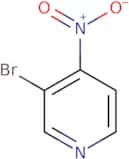
CAS:<p>3-Bromo-4-nitropyridine is a pyridine compound that has been identified as an environmental contaminant. It is used to synthesize other compounds, such as 4-(3-bromopyridin-2-yl)morpholine, which is used in the synthesis of acetonitrile. 3-Bromo-4-nitropyridine undergoes nucleophilic substitution reactions with amines, leading to homoconjugation and bond cleavage. This reaction may be followed by nitration to give 3-(3'-nitro)pyridine. 3-Bromo-4-nitropyridine can be converted into its n-oxide form or into the ionic form by treatment with acetonitrile.</p>Formula:C5H3BrN2O2Purity:Min. 95%Color and Shape:Yellow PowderMolecular weight:202.99 g/mol1-Acetyl-4-(4-hydroxyphenyl)piperazine
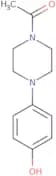
CAS:<p>1-Acetyl-4-(4-hydroxyphenyl)piperazine is a triazole antifungal that inhibits the synthesis and activity of nitric oxide. It binds to the N1 atom of the molecule, which is the site of nitrite ion, and prevents it from reacting with chloride ions. This binding also prevents nucleophilic attack on imine bonds in proteins and DNA. The photophysical properties of 1-acetyl-4-(4-hydroxyphenyl)piperazine are determined by its coumarin derivatives, which absorb light at wavelengths between 400 and 500 nm. The compound has been found to be specific for fungi, but not bacteria or yeast. 1-Acetyl-4-(4-hydroxyphenyl)piperazine has been shown to be effective against Candida albicans and other strains of yeast when used as an oral or topical treatment.</p>Formula:C12H16N2O2Purity:Min. 95%Molecular weight:220.27 g/mol2-Cyano-3,4,5,6-tetrachloropyridine
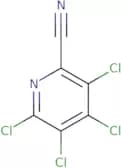
CAS:<p>2-Cyano-3,4,5,6-tetrachloropyridine is a genotoxic compound that is used for the preparation of picolinic acid. It has been shown to induce DNA damage and cytotoxicity in vitro. The reaction products of this compound have also been found to be genotoxic in vitro and in vivo. This chemical has been shown to inhibit the growth of cells in culture as well as cause cell death by releasing hydrogen chloride gas. 2-Cyano-3,4,5,6-tetrachloropyridine is a potent mutagen and carcinogen that can be activated by fluorine or chlorine compounds. This chemical can also form chlorinated derivatives with chlorine. 2-Cyano-3,4,5,6-tetrachloropyridine reacts with phosphorus pentachloride to produce hydrogen chloride gas and other reaction products such as chloride (Cl) or sublimed (P</p>Formula:C6Cl4N2Purity:Min. 95%Molecular weight:241.89 g/mol5-Bromo-2-hydroxy-3-methyl pyrazine
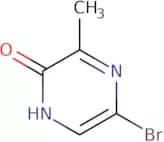
CAS:<p>Please enquire for more information about 5-Bromo-2-hydroxy-3-methyl pyrazine including the price, delivery time and more detailed product information at the technical inquiry form on this page</p>Purity:Min. 95%6-Bromo-pyrazolo[1,5-a]pyrimidine
CAS:<p>6-Bromo-pyrazolo[1,5-a]pyrimidine is a bone morphogenetic protein (BMP) inhibitor. It has been shown to be a potent inhibitor of the tyrosine kinase activity of BMP receptors and may be useful for the development of new strategies for the treatment of osteoporosis. 6-Bromo-pyrazolo[1,5-a]pyrimidine is also an effective inhibitor of the proliferation and survival of cancer cells. It inhibits cell growth by interfering with cellular signaling pathways that regulate these processes. 6-Bromo-pyrazolo[1,5-a]pyrimidine was also found to inhibit the production of bone morphogenetic protein 2 (BMP2) in mouse calvaria cells without affecting other bone metabolism markers such as alkaline phosphatase or osteocalcin.</p>Formula:C6H4BrN3Purity:Min. 95%Color and Shape:PowderMolecular weight:198.02 g/molPiperazine-2-carboxylic acid dihydrochloride
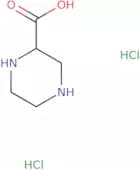
CAS:<p>Piperazine-2-carboxylic acid dihydrochloride (PZC) is an aminopyrimidine antibiotic that binds to the amine groups of plasma proteins and hydroxyapatite. It has been shown to have a specific interaction with Gram-negative bacteria, such as Escherichia coli and Salmonella typhimurium, as well as cancer cells. PZC can be used as a modifier in the treatment of staphylococcal infections and has been shown to inhibit protein synthesis in mammalian cells. PZC interacts with histidine residues on the surface of bacterial cells and inhibits their growth by binding to sites on DNA called triplexes. This drug also specifically binds to primary amines and reacts with other molecules containing amines such as polyamines, amides, or thiols.</p>Formula:C5H12Cl2N2O2Purity:Min. 95%Color and Shape:PowderMolecular weight:203.07 g/mol2-Mercaptopyridine
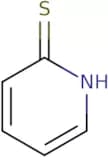
CAS:<p>2-Mercaptopyridine is a quinone that has been used as an inhibitor of the HIV reverse transcriptase enzyme. It binds to the active site of the enzyme and inhibits its activity by forming a stable covalent bond with two cysteine residues in the enzyme. The molecule is stabilized by two adjacent sulfide bonds, which form a six-membered ring with three nitrogen atoms and one oxygen atom. This ring coordinates to the zinc ion in the active site of the enzyme. 2-Mercaptopyridine has also been found to be effective against methicillin-resistant Staphylococcus aureus (MRSA) and Mycobacterium tuberculosis. 2-Mercaptopyridine binds to DNA at positions where it is complementary to guanine or adenine nucleotides, thus preventing RNA synthesis and replication.</p>Formula:C5H5NSPurity:Min. 95%Color and Shape:PowderMolecular weight:111.17 g/mol3-Bromo-6-methylpicolinic acid
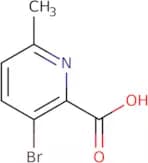
CAS:<p>Please enquire for more information about 3-Bromo-6-methylpicolinic acid including the price, delivery time and more detailed product information at the technical inquiry form on this page</p>Formula:C7H6BrNO2Purity:Min. 95%Molecular weight:252.49 g/mol4,4'-Diamino-2,2'-bipyridine
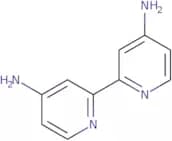
CAS:<p>4,4'-Diamino-2,2'-bipyridine (DABP) is a redox-active compound that is synthesized to be used as a single-stranded DNA probe. It has been shown to have high affinity for nucleic acids and can be used in many applications including the detection of mutations in human ovarian carcinoma cells. DABP can also be used as a model protein for studying interactions with other biomolecules. The immobilization of DABP on an electrode surface allows for the study of its electrochemical properties. This includes the correlation between the redox potential and luminescence intensity and the dependence on pH or ionic strength. DABP can also be used to detect oxygen concentration or ATP levels in mitochondria through its ability to absorb light at wavelengths from 400 nm to 800 nm which is then converted into light at lower wavelengths by uv irradiation.</p>Formula:C10H10N4Purity:Min. 97 Area-%Color and Shape:White PowderMolecular weight:186.21 g/molSulfamethoxypyridazine
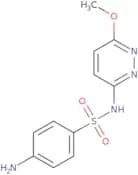
CAS:<p>Sulfamethoxypyridazine is a sulfa drug that inhibits bacterial growth by inhibiting the synthesis of folic acid, which is essential for DNA and RNA production. It has been shown to be effective in the treatment of urinary infections and infectious diseases. Sulfamethoxypyridazine interacts with other drugs, such as oral contraceptives, to increase their blood levels. This drug also has a matrix effect on urine samples, which can be used to detect the presence of bacteria. The matrix effect is due to its hydrophobic nature and ability to form aggregates with other compounds. Sulfamethoxypyridazine is used in wastewater treatment plants as an analytical method for nitrogen atoms.</p>Formula:C11H12N4O3SPurity:Min. 95%Molecular weight:280.3 g/mol2-Methylpyridine-4-boronic acid
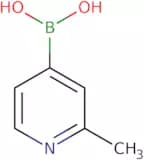
CAS:<p>2-Methylpyridine-4-boronic acid is a reactive molecule that has been used in post-column derivatization and vivo studies. It has been shown to be reactive with mass spectrometric analysis, cancer assays, proteomics, and tumorigenic sample preparation. It also has been shown to have a molecular target of the cytochrome P450 reductase (CPR), which is involved in the metabolism of drugs and other xenobiotics. 2-Methylpyridine-4-boronic acid binds to CPR and inhibits its enzymatic activity, thereby affecting the metabolism of xenobiotics.</p>Formula:C6H8BNO2Purity:Min. 95%Color and Shape:White PowderMolecular weight:136.94 g/mol5-Hydroxypyrazine-2-carboxylic acid
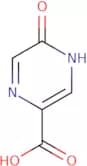
CAS:<p>5-Hydroxypyrazine-2-carboxylic acid is a drug that inhibits the activation of proteins involved in cell signaling pathways. It has been shown to have an inhibitory effect on the activation of protein kinase C, which plays a key role in the proliferation and differentiation of cells. 5-Hydroxypyrazine-2-carboxylic acid also inhibits sorafenib, a drug used for the treatment of cancer. Sorafenib is metabolized in rats by cytochrome P450 (CYP) enzymes, which are found in human liver tissue as well. The metabolism rate of sorafenib can be reduced by coadministration with caffeine or other substances that induce CYP activity. 5-Hydroxypyrazine-2-carboxylic acid is not active against pyrazinoic acid and pyrazine-2 carboxylate, which are metabolites produced by CYP enzymes.</p>Formula:C5H4N2O3Purity:Min. 98 Area-%Color and Shape:Brown PowderMolecular weight:140.1 g/mol4-Amino-2,6-dimethoxypyrimidine
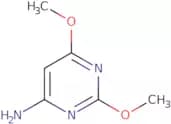
CAS:<p>4-Amino-2,6-dimethoxypyrimidine is an organic compound that has been shown to be a methylating agent. It reacts with the hydrogen chloride present in seawater to form methyl chloride and hydrochloric acid. 4-Amino-2,6-dimethoxypyrimidine also interacts with hydrogen bonds and forms hydrogen bonds with other molecules. The molecular modeling study revealed that this compound is soluble in mineral acids such as sulfuric acid and hydrochloric acid. The solubility data also showed that 4-amino-2,6-dimethoxypyrimidine is soluble in water but not in chlorinated water. This drug has shown significant antifungal activity against Cryptococcus neoformans and Gram-negative organisms such as Escherichia coli, Salmonella typhi, Pseudomonas aeruginosa, Klebsiella pneumoniae, Proteus mirabilis, Enterobacter</p>Formula:C6H9N3O2Purity:Min. 95%Molecular weight:155.15 g/mol2-Chloro-3-(hydroxymethyl)pyridine
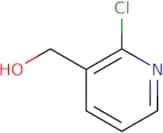
CAS:<p>2-Chloro-3-(hydroxymethyl)pyridine is an organic compound that is used as a building block for the synthesis of other heterocycles. This compound can be synthesized from 2-chloronicotinic acid, which is obtained by oxidation of nicotine with sodium hypochlorite in the presence of potassium ion. The reaction proceeds via a cleavage of the C-Cl bond and formation of a pyridine ring. The catalytic process can be performed at room temperature and at atmospheric pressure in a variety of solvents, including water.<br>2-Chloro-3-(hydroxymethyl)pyridine has been shown to have high yields for the preparation of compounds such as 2,4-dichloropyridine and 4,5-dichloropyrimidine. It also has been used in the preparation of pharmaceuticals such as atrial natriuretic factor (ANF).</p>Formula:C6H6ClNOPurity:Min. 98 Area-%Color and Shape:PowderMolecular weight:143.57 g/mol4-Methylenepiperidine hydrochloride
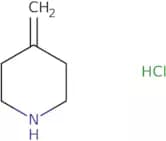
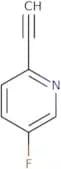
CAS:<p>4-Methylenepiperidine hydrochloride is a synthetic, ethylene oxide derivative that is used as an antifungal drug. It is also used in the synthesis of other compounds and as a reagent in organic chemistry. 4-Methylenepiperidine hydrochloride can be synthesized by reacting ethylene with an alkoxide, followed by adding a metal halide such as organolithium reagents to form the desired product. The yield rate of this reaction is high and it is easy to perform on a large scale.</p>Formula:C6H11N·HClPurity:Min. 95%Color and Shape:White PowderMolecular weight:133.62 g/mol2-Ethynyl-5-fluoropyridine
CAS:<p>2-Ethynyl-5-fluoropyridine is an antagonist drug that is selective for orexin receptors. It has been shown to have a high affinity to the orexin receptor, with a potency that is 10 times higher than the reference compound, benzamide. 2-Ethynyl-5-fluoropyridine has been shown in clinical trials to be effective against narcolepsy and insomnia. This drug also had no adverse effects on cognitive function or psychomotor performance. Research into this compound is ongoing, as it may have potential use in other applications such as Parkinson's disease or Alzheimer's disease.</p>Formula:C7H4FNPurity:Min. 95%Molecular weight:121.11 g/mol4-[(4-Methylpiperazin-1-yl)methyl]benzoic acid
CAS:<p>4-[(4-Methylpiperazin-1-yl)methyl]benzoic acid is an organic compound. It is a white solid that is insoluble in water but soluble in organic solvents. The molecule has a molecular weight of 224.8 g/mol and contains a carbonyl group and amine functional groups. 4-[(4-Methylpiperazin-1-yl)methyl]benzoic acid can be prepared by the acylation of 4-(aminomethyl)-benzoic acid with imidazole hydrochloride in the presence of sodium carbonate as a base.</p>Formula:C13H18N2O2Purity:Min. 95%Molecular weight:234.29 g/mol2-Amino-6-chloropurine
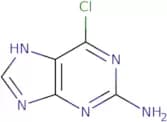
CAS:<p>2-Amino-6-chloropurine is a nucleophilic substituent that is used in the synthesis of 2-amino-6-chloropurine. It reacts with hydroxyl groups to form a palladium-catalyzed coupling reaction solution, which is then treated with hydrochloric acid and trifluoroacetic acid. The product is purified by crystallization and recrystallization. This compound has potent antitumor activity against carcinoma cell lines, but it has not been shown to have any effect against Mycobacterium tuberculosis.</p>Formula:C5H4ClN5Purity:Min. 95%Color and Shape:Off-White PowderMolecular weight:169.57 g/mol2-(4-Chlorobenzyl)pyridine
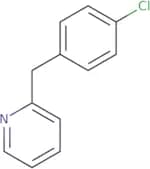
CAS:<p>2-(4-Chlorobenzyl)pyridine is a synthetic pyridine compound that has been shown to have anti-cancer properties. It is also a potent inducer of the enzyme methane monooxygenase and has been shown to interact with other compounds, such as maleates and sulfoxides, which are also used in this type of experiment. The catalytic mechanism for 2-(4-chlorobenzyl)pyridine is not yet known, but it may involve an acidic chlorine atom or a hydrochloric acid catalyst. 2-(4-Chlorobenzyl)pyridine has been found to be effective at inhibiting the growth of cancer cells in vitro without toxic effects on healthy cells. It has also been shown to inhibit the proliferation of human leukemia cells in vivo.</p>Formula:C12H10ClNPurity:Min. 95%Molecular weight:203.67 g/mol2-Bromo-6-methylpyridin-3-ol
CAS:<p>2-Bromo-6-methylpyridin-3-ol is a heterocyclic organic compound. It is a pyridine ring with two methyl groups attached to the ring at positions 2 and 6. The bromine atom is at position 3. This is an important intermediate in the Suzuki coupling reaction, which uses it as a starting material for the synthesis of many other compounds. The dieckmann condensation reaction produces this compound from 2,6-dichloropyridine and other reagents. Fluorescent when exposed to UV light, this compound has been used as a probe for chloride ions in solution using mass spectroscopy. This substance also yields dieckmann condensation products with alkynes and chlorine or bromine. 2-Bromo-6-methylpyridin-3-ol can be produced by treating pyridine with methylacrylate in the presence of catalysts such as copper(II)</p>Formula:C6H6BrNOPurity:Min. 95%Molecular weight:188.02 g/mol

![6-Bromo-pyrazolo[1,5-a]pyrimidine](/_next/image/?url=https%3A%2Fstatic.cymitquimica.com%2Fproducts%2F3D%2Fthumb-webp%2FFB140359.webp&w=3840&q=75)
![4-[(4-Methylpiperazin-1-yl)methyl]benzoic acid](/_next/image/?url=https%3A%2Fstatic.cymitquimica.com%2Fproducts%2F3D%2Fthumb-webp%2FFM136767.webp&w=3840&q=75)