Building Blocks
This section contains fundamental products for the synthesis of organic and biological compounds. Building blocks are the essential starting materials used to construct complex molecules through various chemical reactions. They play a critical role in drug discovery, material science, and chemical research. At CymitQuimica, we offer a diverse range of high-quality building blocks to support your innovative research and industrial projects, ensuring you have the essential components for successful synthesis.
Subcategories of "Building Blocks"
- Boronic Acids & Boronic Acid Derivatives(5,778 products)
- Chiral Building Blocks(1,242 products)
- Hydrocarbon Building Blocks(6,098 products)
- Organic Building Blocks(61,063 products)
Found 197855 products of "Building Blocks"
Sort by
Purity (%)
0
100
|
0
|
50
|
90
|
95
|
100
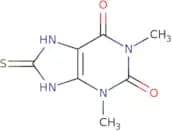
1,3-Dimethyl-8-sulfanyl-2,3,6,7-tetrahydro-1H-purine-2,6-dione
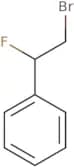
CAS:1,3-Dimethyl-8-sulfanyl-2,3,6,7-tetrahydro-1H-purine-2,6-dione is a cyclic compound that is used to synthesize copper complexes. It has four nitrogen atoms in the molecule and yields a polynuclear complex when reacted with copper ions. This ligand also has x-ray crystallographic data and can form coordination compounds with thiourea. 1,3-Dimethyl-8-sulfanyl-2,3,6,7-tetrahydro-1H-purine-2,6-dione is an ionizable anion that can be mononuclear or polynuclear depending on the solvent.Formula:C7H8N4O2SPurity:Min. 95%Molecular weight:212.23 g/mol(2-Bromo-1-fluoroethyl)benzene
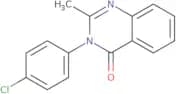
CAS:<p>2-Bromo-1-fluoroethylbenzene is a reductive amination reagent that is used to synthesize carboxamides and other heterocycles. It has been shown to be highly regioselective for the formation of the desired products, with high yields and good selectivity. This compound can be used as a homochiral building block in asymmetric synthesis. 2-Bromo-1-fluoroethylbenzene is also an inhibitor of cyanide production from hydrolysis of cyanide salts and organic compounds containing nitro groups.<br>2-Bromo-1-fluoroethylbenzene is a crystallization reagent that can be used to purify active molecules by precipitation. It is also used as an enzyme cofactor in biosynthesis reactions.</p>Formula:C8H8BrFPurity:Min. 95%Molecular weight:203.05 g/mol3-(4-Chlorophenyl)-2-methyl-3,4-dihydroquinazolin-4-one
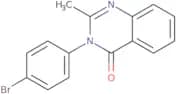
CAS:Controlled Product<p>3-(4-Chlorophenyl)-2-methyl-3,4-dihydroquinazolin-4-one (CLQ) is a compound that has been shown to have a hypothermic effect in animals. CLQ also has pharmacological properties and has been used in experiments to study the correlation between maximal concentration and hypothermic effects. The drug was found to be active when administered at a dose of 0.5 mg/kg body weight. CLQ has not been tested for its effects on seizures or epilepsy, but it is thought that it may have antiseizure activity due to its inhibition of nitric oxide synthase.</p>Formula:C15H11ClN2OPurity:Min. 95%Molecular weight:270.71 g/mol3-(4-Bromophenyl)-2-methyl-3,4-dihydroquinazolin-4-one
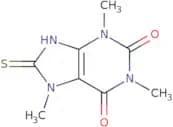
CAS:Controlled ProductVersatile small molecule scaffoldFormula:C15H11BrN2OPurity:Min. 95%Molecular weight:315.16 g/mol1,3,7-Trimethyl-8-sulfanylidene-9H-purine-2,6-dione
CAS:Controlled Product1,3,7-Trimethyl-8-sulfanylidene-9H-purine-2,6-dione is an odourless compound that can yield alkyl bromides with high efficiency. The advances in this field have been made possible by the use of thiourea as a new and efficient reagent for this transformation. The reaction parameters are very mild and allow for the preparation of bromides from a wide range of aromatic substrates.Formula:C8H10N4O2SPurity:Min. 95%Molecular weight:226.26 g/molN-[3-(Trifluoromethyl)phenyl]prop-2-enamide
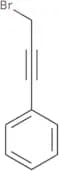
CAS:Versatile small molecule scaffoldFormula:C10H8F3NOPurity:Min. 95%Molecular weight:215.17 g/mol(3-Bromo-1-propyn-1-yl)-benzene
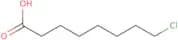
CAS:<p>3-Bromo-1-propyn-1-yl)-benzene (3BP) is an organic compound that belongs to the class of organometallic compounds. It can be synthesized via a radical mechanism, protonation, and reaction time. 3BP is found as two tautomers. The first is an amine and the second is a radical. 3BP has been shown to react with nitrogen nucleophiles such as amines in the presence of radiation to form the corresponding trimethylsilylacetylene derivatives. These derivatives are then hydrolyzed in order to form the desired product, dimethyl fumarate.</p>Formula:C9H7BrPurity:Min. 95%Molecular weight:195.06 g/mol8-Chlorooctanoic acid
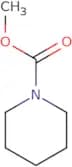
CAS:<p>8-Chlorooctanoic acid is a fatty acid that is naturally found in the human body. It is also called octanoic acid, or octanoate. 8-Chlorooctanoic acid has been shown to inhibit the activity of enzymes such as citrate lyase and alkylating agent. 8-Chlorooctanoic acid has been shown to be biodegradable and it was hypothesized that it may be a functional theory. This compound also has preservative properties and can be used as an additive in food products. It can also be used as a preservative in pharmaceutical products because of its antimicrobial effects.</p>Formula:C8H15ClO2Purity:Min. 95%Molecular weight:178.65 g/molMethyl piperidine-1-carboxylate
CAS:<p>Methyl piperidine-1-carboxylate is a synthetic chemical that is used as a stabilizer. It inhibits the hyperproliferation of cancer cells by blocking the activation of protein kinase C. Methyl piperidine-1-carboxylate also inhibits the growth of bacteria, such as Staphylococcus aureus, by interfering with their metabolic pathways. This chemical has been synthesized in an organic reaction and is an analog to ansamycin.</p>Formula:C7H13NO2Purity:Min. 95%Molecular weight:143.18 g/molN3-Methylpyridine-3,4-diamine
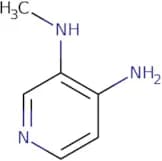
CAS:<p>N3-Methylpyridine-3,4-diamine is an organic compound that is synthesized by the rearrangement of 3-methylpyridine. This heterocyclic compound reacts with diazomethane to form a cyclization product. The reaction occurs in the presence of a base and a heating process. The result of this reaction is a 5-membered ring heterocycle that contains nitrogen and three methyl groups.</p>Formula:C6H9N3Purity:Min. 95%Molecular weight:123.16 g/mol2-(2-Acetamidophenoxy)acetic acid
CAS:<p>Versatile small molecule scaffold</p>Formula:C10H11NO4Purity:Min. 95%Molecular weight:209.2 g/mol3-(Pyridin-3-yl)propanal
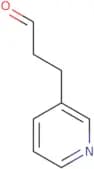
CAS:<p>3-(Pyridin-3-yl)propanal is a potential anticancer agent that has been shown to cause apoptosis in DU145 cells. 3-(Pyridin-3-yl)propanal inhibits the kinase activity of 3-kinase, leading to the phosphatidylinositol pathway and the activation of caspases. This compound also has potent anti-proliferative activities in cancer cells, and may be used as an anticancer agent. 3-(Pyridin-3-yl)propanal was found to inhibit the proliferation of U937 cells in vitro by inducing apoptosis and inhibiting cell cycle progression at G1 phase.</p>Formula:C8H9NOPurity:Min. 95%Molecular weight:135.16 g/mol4,5-Dimethylpyridine-2-carboxylic acid hydrochloride
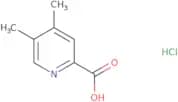
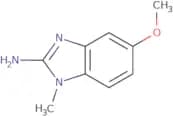
CAS:<p>Versatile small molecule scaffold</p>Formula:C8H10ClNO2Purity:Min. 95%Molecular weight:187.62 g/mol2-Amino-5-methoxy-1-methylbenzimidazole
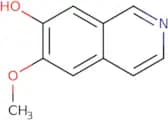
CAS:<p>Versatile small molecule scaffold</p>Formula:C9H11N3OPurity:Min. 95%Molecular weight:177.21 g/mol6-Methoxyisoquinolin-7-ol
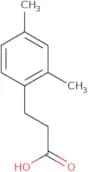
CAS:<p>Versatile small molecule scaffold</p>Formula:C10H9NO2Purity:Min. 95%Molecular weight:175.18 g/mol3-(2,4-Dimethylphenyl)propionic acid
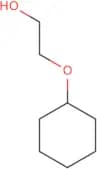
CAS:<p>3-(2,4-Dimethylphenyl)propionic acid is an organic compound that belongs to the class of propionic acid derivatives. It is a chiral compound with two stereoisomers. The crystal structure of the racemic mixture has been determined by x-ray crystallography and the absolute configuration was assigned as (S) based on its enantiomeric excess. 3-(2,4-Dimethylphenyl)propionic acid can be synthesized from benzyloxymethyl chloride and propionic acid. This reaction is mediated by a base, such as sodium methoxide or potassium t-butoxide.<br>3-(2,4-Dimethylphenyl)propionic acid is used in the synthesis of other compounds, such as phenylethyl propionate and 2-methylbenzaldehyde.</p>Formula:C11H14O2Purity:Min. 95%Molecular weight:178.23 g/mol2-(Cyclohexyloxy)ethanol
CAS:<p>2-(Cyclohexyloxy)ethanol is a synthetic, xylene-based glycol ether. It has been shown to have synergistic effects with boron trifluoride etherate, germanium trioxide, and alkyl substituents. 2-(Cyclohexyloxy)ethanol has an antibacterial activity against Gram-positive bacteria, including methicillin-resistant Staphylococcus aureus (MRSA). This compound also has a constant rate of degradation and can be used in peptide binding studies.</p>Formula:C8H16O2Purity:Min. 95%Molecular weight:144.21 g/mol4-Methoxy-1,3-dioxaindane
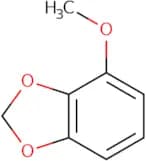
CAS:Controlled Product<p>4-Methoxy-1,3-dioxaindane is an electrophilic brominating agent that has been used as a catalyst for the production of medicines. It is also used in the synthesis of formylating agents and nitration reagents. 4-Methoxy-1,3-dioxaindane is able to react with various chemical compounds. This property makes it a good candidate for use in various industrial processes such as chlorination, iodination, and bromination.</p>Formula:C8H8O3Purity:Min. 95%Molecular weight:152.15 g/mol2-(cyclopentyloxy)ethanol
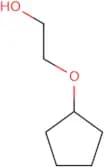
CAS:<p>Versatile small molecule scaffold</p>Formula:C7H14O2Purity:Min. 95%Molecular weight:130.19 g/mol2-Ethyl-N-methylaniline
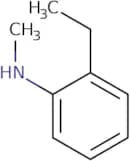
CAS:<p>2-Ethyl-N-methylaniline is a colorless liquid that has a pyrrole ring and an indole group. It is used in the production of potassium and indoles, as well as in the synthesis of other organic compounds. 2-Ethyl-N-methylaniline also has pyrrole properties, which are similar to those of pyrrole. This chemical was first created by the German chemist Emil Fischer in 1887.</p>Formula:C9H13NPurity:Min. 95%Molecular weight:135.21 g/mol(Pyridin-4-yl)methanethiol
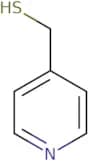
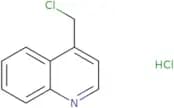
CAS:<p>Pyridin-4-ylmethanethiol is a molecule that belongs to the class of metalloporphyrins. It has been shown to be a reversible, systematically, and crystallographically covalent tethering ligand for metal ions. Pyridin-4-ylmethanethiol binds reversibly to metal ions such as Cu(II), Fe(III), or Tb(III) and has been shown to inhibit caspase activity in vitro.br>br>Pyridin-4-ylmethanethiol interacts with the supramolecular assembly of the NOD2 protein at the cell membrane, preventing the release of proteases from intracellular vesicles into the extracellular space.</p>Formula:C6H7NSPurity:Min. 95%Molecular weight:125.19 g/mol4-chloromethylquinoline hcl
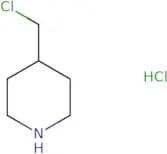
CAS:<p>Versatile small molecule scaffold</p>Formula:C10H9Cl2NPurity:Min. 95%Molecular weight:214.09 g/mol4-(Chloromethyl)piperidine hydrochloride
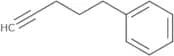
CAS:<p>Versatile small molecule scaffold</p>Formula:C6H12ClN·HClPurity:Min. 95%Molecular weight:170.08 g/mol5-Phenyl-1-pentyne
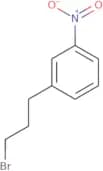
CAS:<p>5-Phenyl-1-pentyne is a reactive compound that inhibits the uptake of naphthalene in human liver cells. It has been shown to inhibit monooxygenase activity, which prevents the formation of reactive oxygen species and lipid peroxidation. The molecular modeling study suggests that 5-phenyl-1-pentyne binds to a hydroxyl group on the enzyme's active site. This binding prevents the enzyme from binding with its substrate, thereby inhibiting metabolism. In addition, this chemical inhibitor has an inhibitory effect on wild type mice and CD-1 mice. Low energy chemical inhibitors are also able to inhibit the metabolism of rat liver microsomes.</p>Formula:C11H12Purity:Min. 95%Molecular weight:144.21 g/mol1-(3-Bromopropyl)-3-nitro-benzene
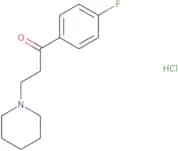
CAS:<p>Versatile small molecule scaffold</p>Formula:C9H10BrNO2Purity:Min. 95%Molecular weight:244.08 g/mol1-(4-Fluorophenyl)-3-(piperidin-1-yl)propan-1-one hydrochloride
CAS:<p>1-(4-Fluorophenyl)-3-(piperidin-1-yl)propan-1-one hydrochloride is a pyridinium compound that has been shown to have an antiarrhythmic effect. It inhibits the activity of the potassium channel and calcium ion channels, which are responsible for stabilizing the heart rate. 1-(4-Fluorophenyl)-3-(piperidin-1-yl)propan-1-one hydrochloride also modulates anion channels and can be used to treat hyperactivity. The diprotonated form of this drug is active against anions. The carbonyl group in this compound is capable of forming hydrogen bonds with other molecules. This structural feature is responsible for the drug's pharmacological effect and its ability to bind to proteins, including enzymes such as pyrrole reductase.</p>Formula:C14H19ClFNOPurity:Min. 95%Molecular weight:271.76 g/mol1-[(4-Methoxyphenyl)methyl]-1,2,3,6-tetrahydropyridazine-3,6-dione
CAS:<p>Versatile small molecule scaffold</p>Formula:C12H12N2O3Purity:Min. 95%Molecular weight:232.2 g/mol[(2-Bromophenyl)methyl]trimethylsilane
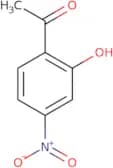
CAS:<p>Versatile small molecule scaffold</p>Formula:C10H15BrSiPurity:Min. 95%Molecular weight:243.21 g/mol1-(2-Hydroxy-4-nitrophenyl)ethan-1-one
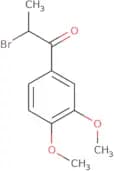
CAS:<p>1-(2-Hydroxy-4-nitrophenyl)ethan-1-one (KPNE) is a potassium salt of a diketone that has antitubercular activity. KPNE inhibits the growth of Mycobacterium tuberculosis and has been shown to be effective as an antitubercular agent in animals. KPNE also has antiviral properties, inhibiting the RNA polymerase in HIV, which may be due to its ability to inhibit the synthesis of DNA. The mechanism of action for KPNE is thought to be due to its hydrolysis into 4-aminosalicylic acid, which inhibits bacterial protein synthesis by inhibition of the enzyme dihydrofolate reductase.</p>Formula:C8H7NO4Purity:Min. 95%Molecular weight:181.15 g/mol2-Bromo-1-(3,4-dimethoxyphenyl)propan-1-one
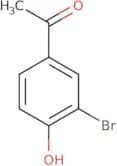
CAS:Versatile small molecule scaffoldFormula:C11H13BrO3Purity:Min. 95%Molecular weight:273.12 g/mol3'-Bromo-4'-hydroxyacetophenone
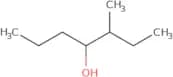
CAS:<p>3'-Bromo-4'-hydroxyacetophenone is an epoxy that is used in the synthesis of a variety of chemical products. The mechanisms for its aerobic oxidation are not well understood, but it has been shown that it undergoes transformation reactions to form methides and phenols. It also participates in the aerobic oxidation process, which is a chemical reaction that occurs with oxygen and hydrogen peroxide as catalysts. 3'-Bromo-4'-hydroxyacetophenone has been shown to be a competitive inhibitor of cytochrome P450 enzymes.</p>Formula:C8H7BrO2Purity:Min. 95%Molecular weight:215.05 g/mol3-Methyl-4-heptanol
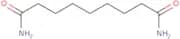
CAS:<p>Versatile small molecule scaffold</p>Formula:C8H18OPurity:Min. 95%Molecular weight:130.23 g/molNonanediamide
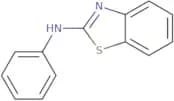
CAS:<p>Nonanediamide is a polyamide polymer with a hydroxyl group at each end. It is used in the manufacture of polymeric matrices for biomedical applications, such as sealants and adhesives. Nonanediamide has shown to be an effective sealant against water vapor, which may be due to its high resistance to hydrolysis. This chemical also facilitates the enzyme activities of thrombotic thrombocytopenic purpura (TTP) and hemolytic uremic syndrome (HUS). The amide bond that connects the monomer units together can be easily cleaved by enzymes, making it easier for blood cells to break down the polyamide polymer into smaller compounds.</p>Formula:C9H18N2O2Purity:Min. 95%Color and Shape:PowderMolecular weight:186.25 g/molN-Phenyl-1,3-benzothiazol-2-amine
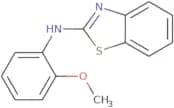
CAS:<p>N-Phenyl-1,3-benzothiazol-2-amine is a synthetic aromatic compound that has been used as an antiviral agent. It inhibits the replication of RNA by binding to the carbon disulphide group in the ribose moiety of nucleosides. This prevents formation of the helix structure and stops synthesis of viral DNA. N-Phenyl-1,3-benzothiazol-2-amine is also active against influenza A virus and some other viruses. The molecular descriptors for this compound are nitrogen atoms (N), stabilization (S), cb1 receptor (Cb1) and virus activity (V). This substance is an active ingredient in many pharmaceuticals, such as cough syrup, pain relief tablets, and eye drops. It can be synthesized from copper oxide and chloride or introduced into a drug formulation by impurities.</p>Formula:C13H10N2SPurity:Min. 95%Molecular weight:226.3 g/molN-(2-Methoxyphenyl)-1,3-benzothiazol-2-amine
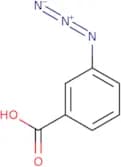
CAS:Versatile small molecule scaffoldFormula:C14H12N2OSPurity:Min. 95%Molecular weight:256.32 g/mol3-Azidobenzoic acid
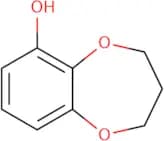
CAS:Versatile small molecule scaffoldFormula:C7H5N3O2Purity:Min. 95%Molecular weight:163.13 g/mol3,4-Dihydro-2H-1,5-benzodioxepin-6-ol
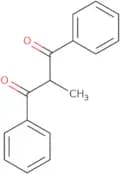
CAS:<p>Versatile small molecule scaffold</p>Formula:C9H10O3Purity:Min. 95%Molecular weight:166.17 g/mol2-Methyl-1,3-diphenylpropane-1,3-dione
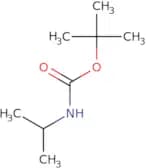
CAS:<p>2-Methyl-1,3-diphenylpropane-1,3-dione is a divalent hydrocarbon that has been used as a coating for metals and plastics. It has also been used as a solid catalyst in organic reactions. This compound has shown the ability to inhibit the uptake of gemini surfactants by cells, thereby reducing the viscosity of cell culture media. 2-Methyl-1,3-diphenylpropane-1,3-dione is an inhibitor of cachexia (wasting syndrome) in mice and rats due to its regulatory effect on tumor necrosis factor (TNF). TNF is an inflammatory cytokine that regulates many other proinflammatory cytokines and chemokines. This compound has also been shown to increase the reaction time for benzyl groups with primary amino groups when exposed to light.</p>Formula:C16H14O2Purity:Min. 95%Molecular weight:238.28 g/molTert-Butyl N-(Propan-2-Yl)Carbamate
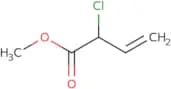
CAS:<p>Versatile small molecule scaffold</p>Formula:C8H17NO2Purity:Min. 95%Molecular weight:159.23 g/molMethyl 2-chlorobut-3-enoate
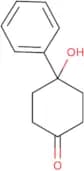
CAS:<p>Methyl 2-chlorobut-3-enoate is a benzyl functionalized cyclization product. It is synthesized from homoallylamines by a diastereoselective synthesis in the presence of carbamates. The cyclization reaction is induced by a transition metal or stereochemical change, which provides the desired stereochemistry in high yield and diastereoselectivity. Methyl 2-chlorobut-3-enoate has been used in biologically significant reactions such as the synthesis of homoallylic amines, which are important intermediates for pharmaceuticals, pesticides, and herbicides.</p>Formula:C5H7ClO2Purity:Min. 95%Molecular weight:134.56 g/mol4-Hydroxy-4-phenylcyclohexan-1-one
CAS:<p>4-Hydroxy-4-phenylcyclohexan-1-one is an alkylating agent that inhibits the activation of chemokine receptors. It has been shown to inhibit the human serum albumin, and acts as a potent inhibitor of chemokine receptor CXCR2. This molecule was synthesized in a multistep process from commercially available starting materials. 4-Hydroxy-4-phenylcyclohexan-1-one has been validated for its potent inhibitory activity against chemokines, with a selectivity index of > 100 against other chemotactic molecules. The structure of this molecule was found to be a good pharmacophore for inhibition of chemotaxis by homologous compounds.</p>Formula:C12H14O2Purity:Min. 95%Molecular weight:190.24 g/molMethyl 1-bromocyclobutanecarboxylate
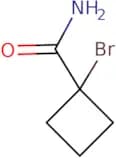
CAS:Methyl 1-bromocyclobutanecarboxylate is an alicyclic compound that can be synthesized by the reaction of methyl acetoacetate, formaldehyde and hydrogen bromide. The product can be analyzed using x-ray crystallography to determine its structural properties. The structural analysis suggests that there are two possible substituents on the nitrogen atom.Formula:C6H9BrO2Purity:Min. 95%Molecular weight:193.04 g/mol1-Bromocyclobutane-1-carboxamide
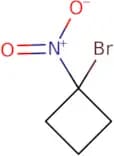
CAS:<p>Versatile small molecule scaffold</p>Formula:C5H8BrNOPurity:Min. 95%Molecular weight:178.03 g/mol1-Bromo-1-nitrocyclobutane
CAS:<p>Versatile small molecule scaffold</p>Formula:C4H6BrNO2Purity:Min. 95%Molecular weight:180 g/mol[4-(Prop-2-yn-1-yl)phenyl]methanol
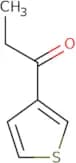
CAS:<p>Allylbromide is an organic compound that has a cyclic, allenyl ring structure. It is produced by the reaction of magnesium and ethylene glycol with bromobenzene in the presence of tetrahydrofuran. Allylbronide is used as an insecticide and has been shown to be effective against mosquitoes, fleas, and ticks. Allylbronide also has a strong anticholinesterase activity which makes it useful for the treatment of acute organophosphate poisoning. It binds to the active site of acetylcholinesterase and blocks its function, leading to accumulation of acetylcholine at nerve endings.</p>Formula:C10H10OPurity:Min. 95%Molecular weight:146.19 g/mol1-(Thiophen-3-yl)propan-1-one
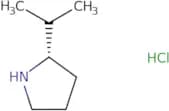
CAS:<p>Versatile small molecule scaffold</p>Formula:C7H8OSPurity:Min. 95%Molecular weight:140.2 g/mol(S)-2-Isopropylpyrrolidine HCl ee
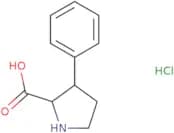
CAS:<p>Versatile small molecule scaffold</p>Formula:C7H16ClNPurity:Min. 95%Molecular weight:149.66 g/mol(2S,3R)-3-Phenylpyrrolidine-2-carboxylic acid hydrochloride
CAS:Versatile small molecule scaffoldFormula:C11H14ClNO2Purity:Min. 95%Molecular weight:227.69 g/molMetolachlor
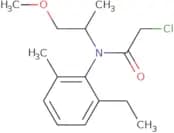
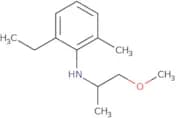
CAS:<p>Metolachlor is a herbicide with antimicrobial properties that is used to control weeds in agricultural and other settings. Metolachlor is a potent inducer of liver enzymes CYP1A2, CYP3A4, and CYP2E1. It also causes drug interactions with drugs metabolized by these enzymes such as the anti-HIV drug efavirenz. Metolachlor has been shown to cause toxic effects in the kidneys, heart, and brain. The chemical structure of metolachlor was first determined by X-ray crystallography in 1969. Metolachlor is not active against many common plant pests, but it does have activity against some fungi and bacteria. Metolachlor can be used for the control of infectious diseases caused by bacteria, such as salmonella or chlamydia.</p>Formula:C15H22ClNO2Purity:Min. 95%Molecular weight:283.79 g/mol2-Ethyl-N-(2-methoxy-1-methylethyl)-6-methyl-benzenamine
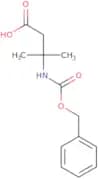
CAS:Versatile small molecule scaffoldFormula:C13H21NOPurity:Min. 95%Molecular weight:207.31 g/mol3-(((Benzyloxy)carbonyl)amino)-3-methylbutanoic acid
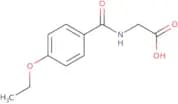
CAS:<p>3-(((Benzyloxy)carbonyl)amino)-3-methylbutanoic acid (BMAA) is a quaternary ammonium compound that has antimicrobial activities. BMAA is active against Gram-positive and Gram-negative bacteria, including some strains of Staphylococcus aureus and Escherichia coli. It also has antimicrobial activity against yeast and fungi. BMAA exhibits stability in the presence of organic solvents, detergents, and water. This product is used as an antimicrobial agent in industrial processes such as wastewater treatment, oil exploration, pulp milling, and food processing. It can be used as a substitute for other quaternary ammonium compounds such as benzalkonium chloride or cetrimide, which are toxic to aquatic life. There are no known analogs to this chemical compound.</p>Formula:C13H17NO4Purity:Min. 95%Molecular weight:251.28 g/mol(4-Ethoxy-benzoylamino)-acetic acid
CAS:<p>Versatile small molecule scaffold</p>Formula:C11H13NO4Purity:Min. 95%Molecular weight:223.22 g/mol2-{[4-(Propan-2-yloxy)phenyl]formamido}acetic acid
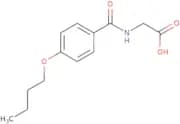
CAS:Versatile small molecule scaffoldFormula:C12H15NO4Purity:Min. 95%Molecular weight:237.25 g/mol(4-Butoxy-benzoylamino)-acetic acid
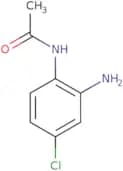
CAS:<p>4-Butoxy-benzoylamino)-acetic acid is a hydrophobic compound. The interaction of the compound with ionic liquids is strong, and it is insoluble in water or organic solvents. The molecular weight of this compound is 197.4 g/mol and its melting point is -54 °C. This compound can be used as an excipient for pharmaceuticals, and it can also be used to create homopolymers that are functionalized.</p>Formula:C13H17NO4Purity:Min. 95%Molecular weight:251.28 g/molN-(2-Amino-4-chlorophenyl)acetamide
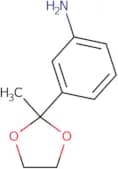
CAS:<p>Versatile small molecule scaffold</p>Formula:C8H9ClN2OPurity:Min. 95%Molecular weight:184.62 g/mol3-(2-Methyl-1,3-dioxolan-2-yl)aniline
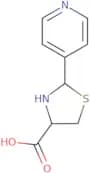
CAS:<p>Versatile small molecule scaffold</p>Formula:C10H13NO2Purity:Min. 95%Molecular weight:179.22 g/mol2-(Pyridin-4-yl)-1,3-thiazolidine-4-carboxylic acid
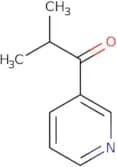
CAS:<p>2-(Pyridin-4-yl)-1,3-thiazolidine-4-carboxylic acid is a glycol ether with a hydrocarbon group. It is used as an ethoxylate in the production of surfactants and cationic surfactants. This chemical has been shown to inhibit the growth of microorganisms such as fungi and bacteria. 2-(Pyridin-4-yl)-1,3-thiazolidine-4-carboxylic acid can be used as an emulsifier to make lemongrass oil more soluble in water. It also has antifungal properties, which may be due to its ability to inhibit fatty acid synthesis by inhibiting the enzyme acetyl coenzyme A carboxylase (ACCase).</p>Formula:C9H10N2O2SPurity:Min. 95%Molecular weight:210.26 g/mol2-Methyl-1-(pyridin-3-yl)propan-1-one
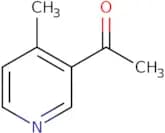
CAS:<p>Versatile small molecule scaffold</p>Formula:C9H11NOPurity:Min. 95%Molecular weight:149.19 g/mol1-(4-Methyl-3-pyridinyl)ethanone
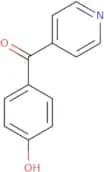
CAS:<p>1-(4-Methyl-3-pyridinyl)ethanone is an organic compound that yields optical pyruvic acid on hydrolysis. It also has unselective dehydrogenase activity on a variety of substrates, including dioxane and 2,2,2-trichloroethanol. 1-(4-Methyl-3-pyridinyl)ethanone can be used as a reagent for the synthesis of chiral iminium salts or as a dehydrating agent in organic synthesis. It is also used to synthesize vitamin B6 and indole alkaloids. The chemical structure of 1-(4-methyl-3-pyridinyl)ethanone is similar to that of benzaldehyde (C6H5CH2CHO), which has benzylic hydroxyl group on the benzene ring. This compound can be oxidized to yield a dianion that can be used as a photocat</p>Formula:C8H9NOPurity:Min. 95%Molecular weight:135.16 g/mol(4-Hydroxyphenyl)(4-pyridyl)methanone
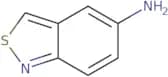
CAS:<p>Versatile small molecule scaffold</p>Formula:C12H9NO2Purity:Min. 95%Molecular weight:199.21 g/mol2,1-Benzothiazol-5-amine
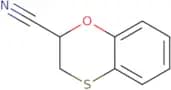
CAS:<p>Versatile small molecule scaffold</p>Formula:C7H6N2SPurity:Min. 95%Molecular weight:150.2 g/mol2,3-Dihydro-1,4-benzoxathiine-2-carbonitrile
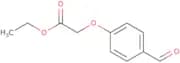
CAS:<p>Versatile small molecule scaffold</p>Formula:C9H7NOSPurity:Min. 95%Molecular weight:177.22 g/molEthyl (4-formylphenoxy)acetate
CAS:<p>Ethyl (4-formylphenoxy)acetate is a molecule that belongs to the group of quinoline derivatives. It is a copper complex that has shown cytotoxic activity against cancer cells in vitro. The cytotoxicity of ethyl (4-formylphenoxy)acetate has been attributed to its ability to form conjugates with monoclonal antibodies, which may be important for treatment and diagnosis of cancer. Studies have demonstrated the interaction between ethyl (4-formylphenoxy)acetate and DNA, as well as the application of radiation and crystallography techniques to optimize labeling.</p>Formula:C11H12O4Purity:Min. 95%Molecular weight:208.21 g/mol4-Formyl-2-methoxy-phenoxy-acetic acid ethyl ester
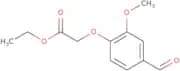
CAS:<p>Versatile small molecule scaffold</p>Formula:C12H14O5Purity:Min. 95%Molecular weight:238.24 g/molEthyl (2-ethoxy-4-formylphenoxy)acetate
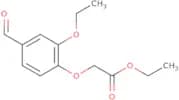
CAS:<p>Versatile small molecule scaffold</p>Formula:C13H16O5Purity:Min. 95%Molecular weight:252.26 g/mol(2-Ethoxy-4-formyl-phenoxy)-acetic acid
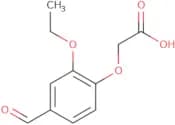
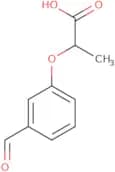
CAS:Versatile small molecule scaffoldFormula:C11H12O5Purity:Min. 95%Molecular weight:224.21 g/mol2-(3-Formylphenoxy)propanoic acid
CAS:<p>Versatile small molecule scaffold</p>Formula:C10H10O4Purity:Min. 95%Molecular weight:194.18 g/mol2-(4-Formylphenoxy)propanoic acid
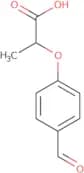
CAS:<p>Versatile small molecule scaffold</p>Formula:C10H10O4Purity:Min. 95%Molecular weight:194.18 g/mol2-(4-Formyl-2-methoxyphenoxy)propanoic acid
CAS:Versatile small molecule scaffoldFormula:C11H12O5Purity:Min. 95%Molecular weight:224.21 g/mol1-Bromo-N,N-dimethylmethanesulfonamide
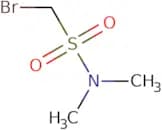
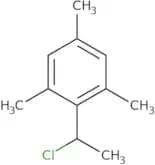
CAS:Versatile small molecule scaffoldFormula:C3H8BrNO2SPurity:Min. 95%Molecular weight:202.07 g/mol2-(1-Chloroethyl)-1,3,5-trimethylbenzene
CAS:2-(1-Chloroethyl)-1,3,5-trimethylbenzene is a solvents that can be used to make cationic polymers. It is a compound that has been shown to be an effective inhibitor of cationic polymerization with styrene. 2-(1-Chloroethyl)-1,3,5-trimethylbenzene can also be used as an initiator in the synthesis of ethylene dichloride. This chemical is insoluble in water and is not reactive with acids or alkalines.Formula:C11H15ClPurity:Min. 95%Molecular weight:182.69 g/mol2-Chloro-6-(methylsulfanyl)benzonitrile
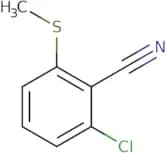
CAS:Versatile small molecule scaffoldFormula:C8H6ClNSPurity:Min. 95%Molecular weight:183.66 g/molMethyl 2-(2-acetyl-3-hydroxyphenyl)acetate
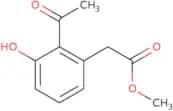
CAS:<p>Methyl 2-(2-acetyl-3-hydroxyphenyl)acetate (1) is an ester that can be synthesized by reacting methanol with isobenzofuran. The radical cations of 1 are stable, and the spectra show a strong C=O stretching frequency at 1750 cm−1, as well as a weak C=C stretching frequency at 1360 cm−1. These spectral data were confirmed by infrared and mass spectrometry. The synthesis of 1 was also confirmed by the analysis of its electron impact mass spectrum, which shows molecular ion peaks at m/z 107 and 131.<br>Methyl 2-(2-acetyl-3-hydroxyphenyl)acetate has been isolated from Australian rainforest plants.</p>Formula:C11H12O4Purity:Min. 95%Molecular weight:208.21 g/molEthyl 5-chloro-2-nitrobenzoate
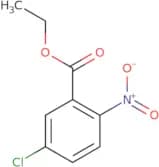
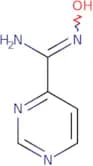
CAS:<p>Versatile small molecule scaffold</p>Formula:C9H8ClNO4Purity:Min. 95%Molecular weight:229.62 g/molN'-Hydroxypyrimidine-4-carboximidamide
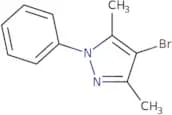
CAS:<p>Versatile small molecule scaffold</p>Formula:C5H6N4OPurity:Min. 95%Molecular weight:138.13 g/mol4-Bromo-3,5-dimethyl-1-phenyl-1H-pyrazole
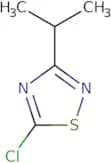
CAS:Versatile small molecule scaffoldFormula:C11H11BrN2Purity:Min. 95%Molecular weight:251.12 g/mol5-Chloro-3-(propan-2-yl)-1,2,4-thiadiazole
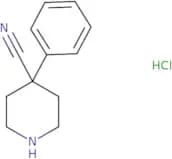
CAS:Versatile small molecule scaffoldFormula:C5H7ClN2SPurity:Min. 95%Molecular weight:162.64 g/mol4-Cyano-4-phenylpiperidine hydrochloride
CAS:4-Cyano-4-phenylpiperidine hydrochloride is used as an intermediate in the synthesis of organic compounds. It is a white crystalline solid that reacts with water to form hydrogen cyanide and 4-phenylpiperidine. This compound has been shown to be a potent inhibitor of thionyl chloride and benzyl chloride, which are both toxic industrial chemicals. 4-Cyano-4-phenylpiperidine hydrochloride also reacts with diethanolamine to form a benzyl ether, which can then react with other nucleophiles such as piperidine to produce amines.Formula:C12H14N2•HClPurity:Min. 95%Molecular weight:222.71 g/molN-Butyl-1H-1,3-benzodiazol-2-amine
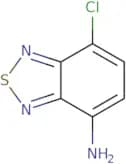
CAS:<p>N-Butyl-1H-1,3-benzodiazol-2-amine is an organic compound that belongs to the group of benzimidazoles. It is a fungicide that inhibits the growth of fungi by inhibiting their DNA synthesis. This drug has been shown to inhibit the growth of fungi that cause plant diseases such as rice blast, wheat stem rust and barley yellow dwarf.</p>Formula:C11H15N3Purity:Min. 95%Molecular weight:189.26 g/mol4-Amino-7-chloro-2,1,3-benzothiadiazole
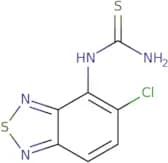
CAS:Versatile small molecule scaffoldFormula:C6H4ClN3SPurity:Min. 95%Molecular weight:185.63 g/mol(5-Chloro-2,1,3-benzothiadiazol-4-yl)thiourea
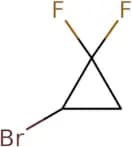
CAS:Versatile small molecule scaffoldFormula:C7H5ClN4S2Purity:Min. 95%Molecular weight:244.7 g/mol2-Bromo-1,1-difluorocyclopropane
CAS:<p>Versatile small molecule scaffold</p>Formula:C3H3BrF2Purity:Min. 95%Molecular weight:156.96 g/mol1-Amino-4-tert-butylcyclohexane-1-carbonitrile hydrochloride
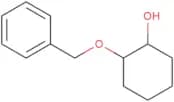
CAS:Versatile small molecule scaffoldFormula:C11H21ClN2Purity:Min. 95%Molecular weight:216.75 g/molrac-(1R,2R)-2-(Benzyloxy)cyclohexan-1-ol
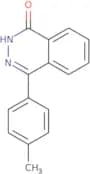
CAS:<p>Versatile small molecule scaffold</p>Formula:C13H18O2Purity:Min. 95%Molecular weight:206.28 g/mol4-(4-Methylphenyl)-1,2-dihydrophthalazin-1-one
CAS:Versatile small molecule scaffoldFormula:C15H12N2OPurity:Min. 95%Molecular weight:236.27 g/mol1-[5-(4-Bromophenyl)thiophen-2-yl]ethan-1-one
CAS:<p>Versatile small molecule scaffold</p>Formula:C12H9BrOSPurity:Min. 95%Molecular weight:281.17 g/mol1-[5-(4-Chlorophenyl)-2-thienyl]-1-ethanone
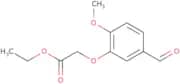
CAS:Versatile small molecule scaffoldFormula:C12H9ClOSPurity:Min. 95%Molecular weight:236.72 g/molethyl 2-(5-formyl-2-methoxyphenoxy)acetate
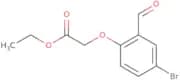
CAS:<p>Versatile small molecule scaffold</p>Formula:C12H14O5Purity:Min. 95%Molecular weight:238.24 g/molEthyl (4-bromo-2-formylphenoxy)acetate
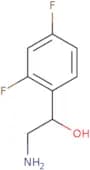
CAS:Versatile small molecule scaffoldFormula:C11H11BrO4Purity:Min. 95%Molecular weight:287.1 g/mol2-Amino-1-(2,4-difluorophenyl)ethan-1-ol
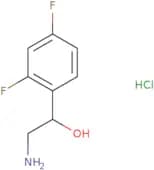
CAS:<p>Versatile small molecule scaffold</p>Formula:C8H9F2NOPurity:Min. 95%Molecular weight:173.16 g/mol2-Amino-1-(2,4-difluorophenyl)ethan-1-ol hydrochloride
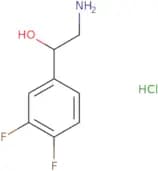
CAS:<p>Versatile small molecule scaffold</p>Formula:C8H10ClF2NOPurity:Min. 95%Molecular weight:209.62 g/mol2-Amino-1-(3,4-difluorophenyl)ethan-1-ol hydrochloride
CAS:<p>Versatile small molecule scaffold</p>Formula:C8H10ClF2NOPurity:Min. 95%Molecular weight:209.62 g/mol5-(Bromomethyl)-1,3-oxazolidin-2-one
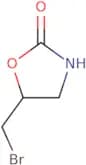
CAS:5-(Bromomethyl)-1,3-oxazolidin-2-one is a synthetic compound that has been shown to be pharmacologically active in mice. It can be synthesized by the electrochemical oxidation of benzene and alcohols. 5-(Bromomethyl)-1,3-oxazolidin-2-one has been shown to have selectivities for cyclic and nucleophilic substrates over tetrafluoroborate substrates. The yields of this reaction are typically low due to the competing reactions between the substrate and oxidant. 5-(Bromomethyl)-1,3-oxazolidin-2-one has been shown to have selective chiral centers due to its spirocyclic structure. It also shows pharmacological effects in mice, which may be due to its ability to inhibit cyclooxygenase (COX) activity.Formula:C4H6BrNO2Purity:Min. 95%Molecular weight:180 g/mol2-(2,2-Dimethylpropyl)benzoic acid
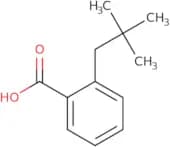
CAS:<p>2-(2,2-Dimethylpropyl)benzoic acid is an organic compound with the formula CH3COCH2C6H5CO2H. It is a white crystalline solid that is soluble in water and polar organic solvents. The compound is used in the synthesis of other compounds. 2-(2,2-Dimethylpropyl)benzoic acid can be prepared by reacting benzoic acid with magnesium to form a Grignard reagent, which reacts with chlorobenzene to yield the desired product. This compound has been shown to react selectively with substituents on benzyl chloride to produce substituted benzoates.</p>Formula:C12H16O2Purity:Min. 95%Molecular weight:192.25 g/molN-Benzyl-n-(2-methoxyethyl)amine
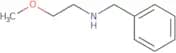
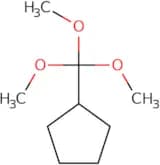
CAS:<p>Versatile small molecule scaffold</p>Formula:C10H15NOPurity:Min. 95%Molecular weight:165.23 g/mol(Trimethoxymethyl)cyclopentane
CAS:<p>Versatile small molecule scaffold</p>Formula:C9H18O3Purity:Min. 95%Molecular weight:174.24 g/mol(4-Chloro-3,5-dimethyl-1H-pyrazol-1-yl)methanol
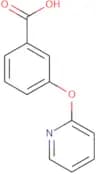
CAS:<p>Versatile small molecule scaffold</p>Formula:C6H9ClN2OPurity:Min. 95%Molecular weight:160.6 g/mol3-(Pyridin-2-yloxy)benzoic acid
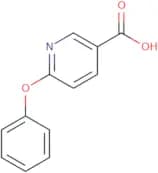
CAS:<p>3-(Pyridin-2-yloxy)benzoic acid is an organic compound that belongs to the group of anilides. It has been shown to be toxic to plants by inhibiting their chlorophyll production and by causing phytotoxicity. 3-(Pyridin-2-yloxy)benzoic acid also inhibits the germination of seeds, primarily due to its inhibition of growth hormone activity. 3-(Pyridin-2-yloxy)benzoic acid can be used as a herbicide because it is highly effective against broadleaf plants, but not grasses. This compound is also relatively non-toxic to mammals and birds, but can cause skin irritation in humans.</p>Formula:C12H9NO3Purity:Min. 95%Molecular weight:215.2 g/mol6-Phenoxynicotinic acid
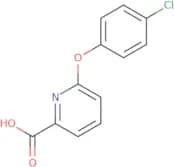
CAS:<p>6-Phenoxynicotinic acid is an anticancer agent that is potent against a number of human cancer cell lines. It has shown anti-cancer efficacy in animal models and is known to interact with the cancer cells by modifying their DNA. 6-Phenoxynicotinic acid inhibits the growth of cancer cells by inhibiting the synthesis of specific proteins required for cell division. This compound has been synthesized and shown to have potent anticancer activity, which may be due to its ability to inhibit tyrosine kinases, leading to inhibition of protein synthesis.</p>Formula:C12H9NO3Purity:Min. 95%Molecular weight:215.2 g/mol6-(4-Chlorophenoxy)pyridine-2-carboxylic acid
CAS:Versatile small molecule scaffoldFormula:C12H8ClNO3Purity:Min. 95%Molecular weight:249.65 g/mol

![N-[3-(Trifluoromethyl)phenyl]prop-2-enamide](/_next/image/?url=https%3A%2Fstatic.cymitquimica.com%2Fproducts%2F3D%2Fthumb-webp%2FBAA79420.webp&w=3840&q=75)
![1-[(4-Methoxyphenyl)methyl]-1,2,3,6-tetrahydropyridazine-3,6-dione](/_next/image/?url=https%3A%2Fstatic.cymitquimica.com%2Fproducts%2F3D%2Fthumb-webp%2FBAA82886.webp&w=3840&q=75)
![[(2-Bromophenyl)methyl]trimethylsilane](/_next/image/?url=https%3A%2Fstatic.cymitquimica.com%2Fproducts%2F3D%2Fthumb-webp%2FBAA83344.webp&w=3840&q=75)

![[4-(Prop-2-yn-1-yl)phenyl]methanol](/_next/image/?url=https%3A%2Fstatic.cymitquimica.com%2Fproducts%2F3D%2Fthumb-webp%2FBCA17648.webp&w=3840&q=75)
![2-{[4-(Propan-2-yloxy)phenyl]formamido}acetic acid](/_next/image/?url=https%3A%2Fstatic.cymitquimica.com%2Fproducts%2F3D%2Fthumb-webp%2FBCA22054.webp&w=3840&q=75)


![1-[5-(4-Bromophenyl)thiophen-2-yl]ethan-1-one](/_next/image/?url=https%3A%2Fstatic.cymitquimica.com%2Fproducts%2F3D%2Fthumb-webp%2FBCA33589.webp&w=3840&q=75)
![1-[5-(4-Chlorophenyl)-2-thienyl]-1-ethanone](/_next/image/?url=https%3A%2Fstatic.cymitquimica.com%2Fproducts%2F3D%2Fthumb-webp%2FBCA33590.webp&w=3840&q=75)