


Building Blocks
Subcategories of "Building Blocks"
- Boronic Acids & Boronic Acid Derivatives(5,778 products)
- Chiral Building Blocks(1,243 products)
- Hydrocarbon Building Blocks(6,099 products)
- Organic Building Blocks(61,038 products)
Found 205375 products of "Building Blocks"
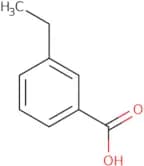
c3-Ethylbenzoic acid
CAS:C3-Ethylbenzoic acid is an organic compound that can be synthesized from the reactants ethyl bromide, propylene oxide, and acetic anhydride. The synthesis of C3-Ethylbenzoic acid is a stepwise process in which the starting materials are converted to intermediates and then reacted to form the desired product. The reaction mechanism involves bond cleavage, which generates a carboxylic acid group on one end of the molecule and a phenyl group on the other end. C3-Ethylbenzoic acid interacts with clausamine and isoprene during transport through cell membranes. This interaction may lead to increased permeability of cell membranes by c3-ethylbenzoic acid.Formula:C9H10O2Purity:Min. 95%Molecular weight:150.17 g/mol6,6-difluoro-1,4-oxazepane hydrochloride
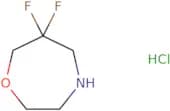
CAS:Versatile small molecule scaffoldFormula:C5H10ClF2NOPurity:Min. 95%Molecular weight:173.6 g/mol2-Amino-N-(prop-2-yn-1-yl)acetamide hydrochloride
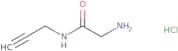
CAS:Versatile small molecule scaffold
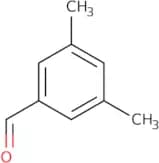
Formula:C5H9ClN2OPurity:Min. 95%Molecular weight:148.59 g/mol3,5-Dimethylbenzaldehyde
CAS:3,5-Dimethylbenzaldehyde is an organic compound that is a colorless liquid. It has a chemical formula of C9H12O2 and is classified as an aldehyde. 3,5-Dimethylbenzaldehyde can be synthesized by the reaction of isopropyl palmitate with xylene in the presence of carbon as a source. The reaction time required for this synthesis is approximately one day. The major products of this reaction are 3,5-dimethylbenzaldehyde and 2-methylbutanal. This reaction mechanism can also be used to determine the concentration of urinary metabolites in human urine samples. Analysis of these samples requires an organic solvent such as hexane or dichloromethane. Kinetic data was collected from the rate at which zinc powder reacts with 3,5-dimethylbenzaldehyde over time at different concentrations. A kinetic experiment was conducted using c–h bond activation to produce 3,5-dimethoxy
Formula:C9H10OPurity:Min. 95%Color and Shape:Colorless Clear LiquidMolecular weight:134.18 g/mol2,4-Dichloro-3-nitropyridine
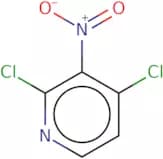
CAS:2,4-Dichloro-3-nitropyridine is a halogenated pyridinium salt that has been shown to inhibit the influenza virus in vitro. This compound is also reactive with nucleophilic groups such as amines, alcohols, and thiols. 2,4-Dichloro-3-nitropyridine has been used for the synthesis of quinoline derivatives that have potential applications in autoimmune diseases or cancer. 2,4-Dichloro-3-nitropyridine has also been found to be an inhibitor of tumor necrosis factor alpha (TNFα) production by LPS stimulated human monocytes.Formula:C5H2Cl2N2O2Purity:Min. 95%Color and Shape:White PowderMolecular weight:192.99 g/mol2,4-Dinitrophenylacetic acid
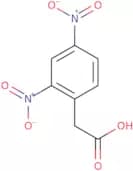
CAS:2,4-Dinitrophenylacetic acid is a chemical substance with the potential to inhibit acetylation. It can be used as an antigen and has been detected in environmental chemistry. 2,4-Dinitrophenylacetic acid is produced by the reaction of chemicals that are found in the environment and it can be detected at low concentrations. This compound is able to react with proteins in cells, leading to high cytotoxicity. 2,4-Dinitrophenylacetic acid can also stabilize optical systems.Formula:C8H6N2O6Purity:Min. 95%Color and Shape:PowderMolecular weight:226.14 g/mol4,6-Dimethoxysalicylaldehyde
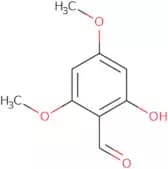
CAS:4,6-Dimethoxysalicylaldehyde is a protonated molecule with a cyclohexane ring and 4 hydroxyl groups. Its chemical formula is C6H8O3. The compound has low bioavailability due to the presence of an intramolecular hydrogen bond that causes high redox potential. There are two amines on the aromatic ring which can coordinate with metal ions to form a complex. This compound's structural analysis has been conducted using X-ray crystallography, NMR spectroscopy, and IR spectroscopy. The structure of 4,6-dimethoxysalicylaldehyde is unsymmetrical due to the presence of two asymmetric carbon atoms in the molecule. It forms hydrogen bonds with other molecules due to its hydroxyl group and intramolecular hydrogen bond. Hydrogen bonding interactions occur between this compound and other molecules including water, alcohols, ammonia, amines, and carboxylic acids.Formula:C9H10O4Purity:Min. 95%Color and Shape:Off-White PowderMolecular weight:182.17 g/molDisodium 8-amino-1,3,6-naphthalenetrisulfonate
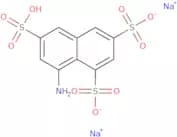
CAS:Disodium 8-amino-1,3,6-naphthalenetrisulfonate is a fluorescent sensor that can detect albumin in human serum. Disodium 8-amino-1,3,6-naphthalenetrisulfonate selectively detects the molecule albumin in blood with a sensitivity of approximately 1.5 nmol/L and a selectivity of nearly 100%. The fluorescent sensor consists of an immobilized nanometer sized molecule of 8-aminonaphthalene trisulfonic acid on hydrotalcite. The sensor has been shown to be selective for albumin and does not react with other serum proteins such as immunoglobulins or fibrinogen.Formula:C10H9NO9S3•Na2Purity:Min. 98 Area-%Color and Shape:White PowderMolecular weight:429.36 g/mol1H,1H,7H-Dodecafluoroheptanol
CAS:1H,1H,7H-Dodecafluoroheptanol is a perfluorinated compound. It has been shown to be an efficient scavenger of reactive oxygen species (ROS) and to have a protective effect on collagen. The reaction mechanism of 1H,1H,7H-dodecafluoroheptanol is not fully understood. However, it has been shown that the chloride ion plays a key role in the formation of this product from 1H,1H,7F-dodecafluoroheptane. The reaction vessel used in this synthesis is critical because it must be anhydrous to prevent the formation of 1HF3OCl. Magnetic resonance spectroscopy has been used to study the chemical structures of this compound.
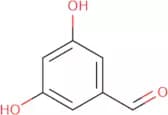
Formula:C7H4F12OPurity:Min. 95%Color and Shape:Colorless PowderMolecular weight:332.09 g/mol3,5-Dihydroxybenzaldehyde
CAS:3,5-Dihydroxybenzaldehyde (DHBA) is a plant metabolite that is classified as a phenolic compound. It is found in many plants and has important biological functions such as the production of carotenoids or the cleavage of carotenoid to form other compounds. DHBA can be extracted from plant tissue with hydrochloric acid or carbon sources. It has been shown that DHBA inhibits the growth of soil bacteria by binding to amines and thus preventing them from reacting with substrates. This may be due to its ability to act as an electron donor, which could also explain its inhibitory activity on carotenoid cleavage.
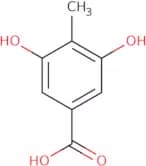
Formula:C7H6O3Purity:Min. 98 Area-%Color and Shape:Off-White To Beige To Brown SolidMolecular weight:138.12 g/mol3,5-Dihydroxy-4-methylbenzoic acid
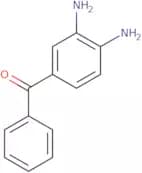
CAS:3,5-Dihydroxy-4-methylbenzoic acid is an efficient synthesis of the natural product lucidin. It is a quinone that is found in citrifolia and morindone, compounds which are used as analgesics and antipyretics. This compound has been shown to inhibit the growth of fungi by inhibition of protein synthesis. 3,5-Dihydroxy-4-methylbenzoic acid also inhibits the production of citric acid cycle intermediates such as succinic acid and fumaric acid.Formula:C8H8O4Purity:Min. 80%Color and Shape:PowderMolecular weight:168.15 g/mol3,4-Diaminobenzophenone
CAS:3,4-Diaminobenzophenone is an unsymmetrical compound and a derivative of benzophenone. It is used in the synthesis of other organic compounds, such as pharmaceuticals. 3,4-Diaminobenzophenone is also used as a solubilizing agent for drugs that are insoluble in water. The molecular weight of 3,4-Diaminobenzophenone can be determined by gravimetric analysis or FTIR methods. 3,4-Diaminobenzophenone has been shown to have antioxidative properties. This molecule can bind to hydroxyl groups on biomolecules and protect them from oxidation by reactive oxygen species (ROS).Formula:C13H12N2OPurity:Min 98.5%Color and Shape:PowderMolecular weight:212.25 g/mol2,6-Dichloro-4-methoxyaniline
CAS:2,6-Dichloro-4-methoxyaniline is a chemical that belongs to the group of methyl derivatives. It is used as an industrial chemical and as a precursor to other chemicals in the production of pesticides, herbicides, and other products. 2,6-Dichloro-4-methoxyaniline can be found in brominated flame retardants and phenolic resins. It is also present in pentachlorophenol (PCP) and hydroxylated congeners. 2,6-Dichloro-4-methoxyaniline has been detected in humans at levels ranging from 10 to 100 parts per billion. The chemical structure of 2,6-dichloro-4-methoxyaniline is similar to that of triclosan, which has been shown to have antimicrobial activity against bacteria such as Staphylococcus aureus and EscherichFormula:C7H7Cl2NOPurity:Min. 95%Molecular weight:192.04 g/molDibromoethane-d4
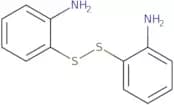
CAS:Controlled ProductPlease enquire for more information about Dibromoethane-d4 including the price, delivery time and more detailed product information at the technical inquiry form on this pageFormula:C2H4Br2Purity:Min. 95%Molecular weight:191.89 g/mol2,2'-Dithiodianiline
CAS:2,2'-Dithiodianiline is a redox-active molecule with a redox potential of -0.08 V. It has been shown to inhibit the polymerase chain reaction by binding to DNA and inhibiting the enzyme DNA polymerase. 2,2'-Dithiodianiline is a potent inhibitor of bacterial growth in vitro, and has been shown to be cytotoxic in vivo. 2,2'-Dithiodianiline inhibits the growth of resistant mutants that are resistant to other antibiotics such as penicillin and ampicillin. This compound binds to molybdenum at an optimum concentration of 0.5 mM and coordinates through electrostatic interactions with the molybdenum atom. Structural analysis reveals that 2,2'-dithiodianiline forms hydrogen bonds with adenine residues in DNA and interacts with guanine residues in RNA through π-π stacking interactions. This interaction prevents transcription by blocking the binding
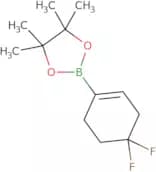
Formula:C12H12N2S2Purity:Min. 98 Area-%Color and Shape:PowderMolecular weight:248.37 g/mol2-(4,4-Difluorocyclohex-1-en-1-yl)-4,4,5,5-tetramethyl-1,3,2-dioxaborolane
CAS:Please enquire for more information about 2-(4,4-Difluorocyclohex-1-en-1-yl)-4,4,5,5-tetramethyl-1,3,2-dioxaborolane including the price, delivery time and more detailed product information at the technical inquiry form on this pageFormula:C12H19BF2O2Purity:Min. 95%Molecular weight:244.09 g/mol3,5-Dimethyl-4H-1,2,4-triazol-4-amine
CAS:3,5-Dimethyl-4H-1,2,4-triazol-4-amine is a crystalline compound with antiproliferative and anti-inflammatory properties. It has been shown to inhibit the growth of cancer cells in vitro and in vivo. The mechanism of action is not fully understood but may be due to inhibition of DNA synthesis or by inhibiting the activity of topoisomerase II. 3,5-Dimethyl-4H-1,2,4-triazol-4-amine can also act as an antioxidant by scavenging reactive oxygen species (ROS). 3,5-Dimethyl-4H-1,2,4-triazol-4-amine has been shown to have a low toxicity in animals and humans.
Formula:C4H8N4Purity:Min. 95%Molecular weight:112.13 g/molDiiodomethane
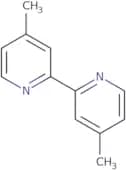
CAS:Diiodomethane is a chemical compound with the molecular formula CHI. It is a colorless gas that can be obtained by reacting methyl ethyl and hydroxyl group in the presence of an oxidant such as boron nitride. Diiodomethane has been used as a substrate film for n-dimethyl formamide and reaction solution, which have been studied using spectroscopic data. The product of this reaction is water vapor that leaves the system due to its low boiling point. Reaction mechanism for this process is thought to be due to the kinetic energy of the particles that collide and produce diiodomethane molecules.Formula:CH2I2Purity:Min. 95%Color and Shape:Yellow Clear LiquidMolecular weight:267.84 g/mol4,4'-Dimethyl-2,2'-bipyridine
CAS:4,4'-Dimethyl-2,2'-bipyridine is a molecule that belongs to the group of p2 metal complexes. It has been shown to have synergistic effects with ruthenium complexes in analytical chemistry and electrochemical studies. Theoretical calculations have been performed for 4,4'-dimethyl-2,2'-bipyridine and its derivatives. These calculations show that the molecule is planar and that it can be considered as a diazonium salt. The photochemical properties of 4,4'-dimethyl-2,2'-bipyridine have also been studied in detail. This substance emits light when excited by ultraviolet light or visible light, which makes it an excellent candidate for use as a luminescent material in optical displays.Formula:C12H12N2Purity:Min. 98%Color and Shape:Slightly Yellow PowderMolecular weight:184.24 g/mol2,4-Dibromopyridine
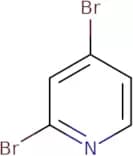
CAS:2,4-Dibromopyridine is a brominated derivative of pyridine. It is synthesized through the substitution of two bromine atoms for two hydrogens on the pyridine ring. This synthesis can be achieved by disubstitution or cross-coupling reactions. The reaction products are nucleophilic and react with electrophiles to produce substitution products. The reaction mechanism is thought to involve a six-membered transition state, which has been observed using X-ray absorption spectroscopy.
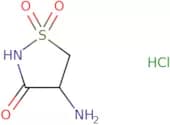
Formula:C5H3Br2NPurity:Min. 95%Color and Shape:White To Off-White SolidMolecular weight:236.89 g/mol4-Amino-3-isothiazolidinone 1,1-dioxide hydrochloride
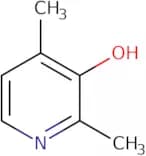
CAS:Versatile small molecule scaffoldFormula:C3H7ClN2O3SPurity:Min. 95%Molecular weight:186.62 g/mol2,4-Dimethyl-3-hydroxypyridine
CAS:2,4-Dimethyl-3-hydroxypyridine is a hydroxypyridine compound with epoxide. It inhibits cytochrome P450 enzymes and is used as an organic solvent. 2,4-Dimethyl-3-hydroxypyridine is also used in research to study the structure of the pyridine ring and the hydroxyl group.Formula:C7H9NOPurity:Min. 95%Color and Shape:PowderMolecular weight:123.15 g/mol2,5-Dibromopyridine
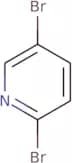
CAS:2,5-Dibromopyridine is a chemical compound that can be used as a coupling agent in palladium-catalyzed cross-coupling reactions. It is used on the surface of metal particles to increase the efficiency of the reaction, and has been shown to react with substrates such as sodium hydroxide solution, sodium carbonate, halides and hydroxides. 2,5-Dibromopyridine also reacts with benzoate to form a palladium complex. 2,5-Dibromopyridine can be used as an oxidant or reductant depending on the type of reaction it is being used in. It has redox potentials at -0.6 volts for oxidation and +0.6 volts for reduction.Formula:C5H3Br2NPurity:Min. 95%Color and Shape:PowderMolecular weight:236.89 g/mol7-Fluoroisoquinolin-1-amine
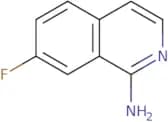
CAS:Versatile small molecule scaffoldFormula:C9H7FN2Purity:Min. 95%Molecular weight:162.16 g/mol3-Chloro-5-iodobenzoic acid methyl ester
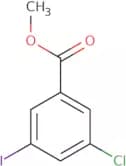
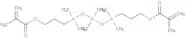
CAS:3-Chloro-5-iodobenzoic acid methyl ester is a versatile building block that can be used to make many complex compounds, including research chemicals and reagents. 3-Chloro-5-iodobenzoic acid methyl ester is used as an intermediate for the production of speciality chemicals and has many uses in chemical reactions. This compound was previously sold under the CAS number 289039-85-6.Formula:C8H6ClIO2Purity:Min. 95%Color and Shape:PowderMolecular weight:296.49 g/molMethacryloxypropyl terminated polydimethylsiloxanes
CAS:MW 20,000 - 30,000
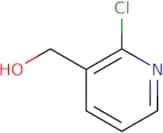
Formula:C20H40O6Si3Purity:Min. 95%Molecular weight:460.8 g/mol2-Chloro-3-(hydroxymethyl)pyridine
CAS:2-Chloro-3-(hydroxymethyl)pyridine is an organic compound that is used as a building block for the synthesis of other heterocycles. This compound can be synthesized from 2-chloronicotinic acid, which is obtained by oxidation of nicotine with sodium hypochlorite in the presence of potassium ion. The reaction proceeds via a cleavage of the C-Cl bond and formation of a pyridine ring. The catalytic process can be performed at room temperature and at atmospheric pressure in a variety of solvents, including water.
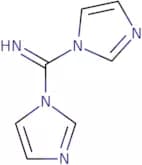
2-Chloro-3-(hydroxymethyl)pyridine has been shown to have high yields for the preparation of compounds such as 2,4-dichloropyridine and 4,5-dichloropyrimidine. It also has been used in the preparation of pharmaceuticals such as atrial natriuretic factor (ANF).Formula:C6H6ClNOPurity:Min. 98 Area-%Color and Shape:PowderMolecular weight:143.57 g/mol1,1'-Carbonimidoylbis-1H-imidazole
CAS:1,1'-Carbonimidoylbis-1H-imidazole is a ligand that binds to amines and isosteres. It can be activated with electrophilic reagents to form an activated linker. This ligand has been shown to inhibit the growth of xenograft tumor cells in mice by binding to functional groups on the cell surface. This drug also has been shown to bind to the receptor for advanced glycation end products (RAGE) and inhibit its function. 1,1'-Carbonimidoylbis-1H-imidazole has also been evaluated as a cancer therapeutic agent in animal models.
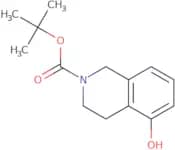
Formula:C7H7N5Purity:Min. 95%Color and Shape:White PowderMolecular weight:161.16 g/moltert-Butyl 5-hydroxy-3,4-dihydroisoquinoline-2(1H)-carboxylate
CAS:Versatile small molecule scaffoldFormula:C14H19NO3Purity:Min. 95%Molecular weight:249.31 g/mol5-Methyl-4-[(pyrrolidin-1-yl)methyl]-1,2-oxazole-3-carboxylic acid hydrochloride
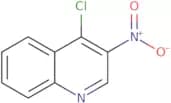
CAS:Versatile small molecule scaffoldFormula:C10H15ClN2O3Purity:Min. 95%Molecular weight:246.69 g/mol4-Chloro-3-nitroquinoline
CAS:4-Chloro-3-nitroquinoline is a quinoline derivative that can be synthesized by cross-coupling reaction. The amide and n-oxide functional groups are the most reactive sites. It can react with nucleophiles such as haloamines, azides, and pyridazines to form covalent bonds. 4-Chloro-3-nitroquinoline has been shown to have anti-HIV activity in vitro and in vivo in animal models. In addition, this compound has shown potential use for the treatment of leishmania.Formula:C9H5ClN2O2Purity:Min. 95%Color and Shape:Slightly Yellow PowderMolecular weight:208.6 g/molCucurbit[7]uril
CAS:Cucurbit[7]uril is a chemical compound that can be used as a fluorescent probe for protein target. It has been shown to produce significant cytotoxicity against cancer cell lines in vitro. Cucurbit[7]uril also exhibits hydrophobic effects, which bind to the cell nuclei of cancer cells and inhibits DNA replication. The photophysical properties of cucurbit[7]uril are stable under physiological conditions and it can be used in vivo as a styryl dye. This chemical compound is also able to form stable complexes with carbonyl oxygens, making it an interesting candidate for anti-cancer drug development.Formula:C42H42N28O14Purity:Min. 95%Color and Shape:White To Yellow SolidMolecular weight:1,162.96 g/molCyclopent-2-en-1-ol
CAS:Cyclopent-2-en-1-ol is a reactive monomer that can react with chloride and hydroxyl groups. It can also undergo reaction with sodium carbonate to form a cyclic ester. Cyclopent-2-en-1-ol can be converted to an epoxide by the use of acid catalyst. This compound also has the ability to polymerize, forming polymers that are used in rayon production.Formula:C5H8OPurity:Min. 95%Color and Shape:Clear LiquidMolecular weight:84.12 g/molCyclobutanesulfonyl chloride
CAS:Cyclobutanesulfonyl chloride is a reagent that is used for the synthesis of 1-6-alkylcyclobutanes. It can be used to synthesize heterocyclic compounds, including those with high optical purity. Cyclobutanesulfonyl chloride has been shown to have antiviral and antiproliferative properties. It has also been shown to exhibit anticancer activity in vitro and in vivo. The mechanism of action for this compound is unclear, but it may inhibit protein synthesis by attacking the amino acid methionine in proteins or by inhibiting DNA replication.Formula:C4H7ClO2SPurity:Min. 95%Color and Shape:Clear LiquidMolecular weight:154.62 g/molTert-butyl N-(8-bromooctyl)carbamate
CAS:Please enquire for more information about Tert-butyl N-(8-bromooctyl)carbamate including the price, delivery time and more detailed product information at the technical inquiry form on this page
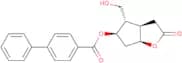
Formula:C13H26BrNO2Purity:Min. 95%Molecular weight:308.26 g/mol(-)-Corey lactone 4-phenylbenzoate
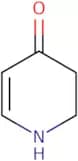
CAS:Corey lactone 4-phenylbenzoate is an efficient, large-scale preparation of (-)-Corey lactone. It is synthesized in two steps from 4-phenylbenzoic acid and ethyl acetoacetate. Corey lactone 4-phenylbenzoate has been used for the synthesis of a variety of natural products. This compound is also a precursor to the synthesis of other compounds, such as 3-amino-4-(2'-hydroxyethoxy)benzaldehyde.Formula:C21H20O5Purity:Min. 95%Molecular weight:352.38 g/mol1,2,3,4-Tetrahydropyridin-4-one
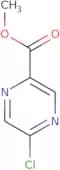
CAS:1,2,3,4-Tetrahydropyridin-4-one is an organic compound that can be synthesized by a cross-coupling reaction between a pyridine and chloroformate. The reaction mechanism involves nucleophilic addition of the amine to the electrophile followed by reductive elimination. This process leads to the formation of a tetrahydroquinoline skeleton with stereoselectivity. Tetrahydropyridin-4-one can also be synthesized from an iminium ion or an activated pyridinium salt. The resulting product will have a different skeleton because it was synthesized through different mechanisms.Formula:C5H7NOPurity:Min. 95%Molecular weight:97.12 g/mol5-Chloro-2-methoxycarbonyl pyrazine
CAS:5-Chloro-2-methoxycarbonyl pyrazine is a linker that is used to connect two pharmacophores. β-Lactamase, which is an enzyme that degrades β-lactams antibiotics, was inhibited by 5-chloro-2-methoxycarbonyl pyrazine in vitro and in vivo. The inhibitory potency of 5-chloro-2-methoxycarbonyl pyrazine was increased when it was combined with other molecules. This molecule has shown antibacterial activity against Enterobacter cloacae, methicillin resistant Staphylococcus aureus (MRSA), and Mycobacterium tuberculosis.Formula:C6H5ClN2O2Purity:Min. 95%Color and Shape:PowderMolecular weight:172.57 g/molR-(-)-3-Chloro-1,2-propanediol
CAS:R-(-)-3-Chloro-1,2-propanediol is a chiral epoxide that is used in the synthesis of other chemicals. It has been shown to be active against bacterial strains such as corynebacterium and coryneform bacteria. This chemical can be synthesized from hydrochloric acid and chlorinated propane with an asymmetric synthesis. The R-(-)-3-Chloro-1,2-propanediol can also be synthesized through electrochemical methods using chloride ion as the reducing agent. This compound is soluble in water and shows kinetic activity with carbon sources when used as an antibiotic.
Formula:C3H7ClO2Purity:Min. 95%Color and Shape:Colorless Clear LiquidMolecular weight:110.54 g/mol6-Chlorohexanol
CAS:6-Chlorohexanol is a fatty alcohol with a hydroxyl group. It is soluble in water and has a phase transition temperature of -114°C. 6-Chlorohexanol can be synthesized by reacting 2,6-dichlorophenol with hydrochloric acid and sodium hydroxide in the presence of azobenzene. The reaction solution is then heated to about 300°C for 3 hours. 6-Chlorohexanol is used as a model system for studying the photochemical reactions of fatty acids. Hydroxy groups are susceptible to light exposure, which leads to the formation of carbonyl compounds such as malonic acid and chloride monomers.Formula:C6H13ClOPurity:Min. 95%Color and Shape:PowderMolecular weight:136.62 g/molBocNH-PEG3-CH2CH2NH2
CAS:BocNH-PEG3-CH2CH2NH2 is a PEG compound with two different functional groups (also known as heterobifunctional). Unlike homobifunctional PEG compounds (same functional group on both ends), this type of compounds are more versatile as have two different anchor points. BocNH-PEG3-CH2CH2NH2 is used as a linker and spacer to add a PEG moiety, via pegylation (a bioconjugation technique) to proteins, peptides, oligonucleotides, small molecules and nanoparticles.Formula:C13H28N2O5Purity:Min. 95%Color and Shape:Clear LiquidMolecular weight:292.37 g/mol(R)-4-Boc-2-methylpiperazine
CAS:(R)-4-Boc-2-methylpiperazine is a picolinamide dehydrogenase inhibitor that is used to treat type 2 diabetes. It has been shown to reduce blood glucose levels in animal models and human subjects with type 2 diabetes mellitus. The mechanism of action is thought to be via inhibition of the 11β-hydroxysteroid dehydrogenase, which increases insulin sensitivity. This drug also has good oral bioavailability, does not cause weight gain, and has an acceptable safety profile.
Formula:C10H20N2O2Purity:Min. 95%Color and Shape:White PowderMolecular weight:200.28 g/mol1,4-Benzenedicarboxylic acid, monoethyl ester
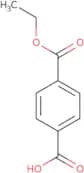
CAS:1,4-Benzenedicarboxylic acid, monoethyl ester (1,4-BDE) is a monomer that is used in the manufacture of polycarbonates and other plastics. 1,4-BDE is also used as a solvent for xylene and butanol. It has been shown to be useful in the production of polyester fibers. The monomer can be synthesized by reacting ethylene with terephthalic acid or dimethyl terephthalate (DMT). This reaction produces 1,4-BDE and methanol as byproducts. The process is carried out at temperatures of 250 °C to 300 °C and under atmospheric pressure. The purified product can be isolated using distillation or extraction with organic solvents such as benzene or butanol. The reaction can be carried out in the presence of ruthenium, which acts as a catalyst.Formula:C10H10O4Purity:Min. 95%Color and Shape:White PowderMolecular weight:194.18 g/mol3-Ethyl-4-methyl-pyrrole-2,5-dione
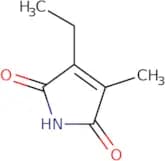
CAS:3-Ethyl-4-methylpyrrole-2,5-dione is a chlorophyll analog. It has been found to be an electron donor in photosystem II of the chlorobium reaction center. The compound was prepared by evaporation of a solution of chlorobenzene and ethyl acetoacetate in carbon tetrachloride with the aid of a vacuum pump. 3-Ethyl-4-methylpyrrole-2,5-dione has also been used as a reagent for the preparation of phycocyanin from Spirulina platensis, which is an important component of blue algae. The compound reacts with phenoxy and furyl groups under acidic conditions to produce carboxylate and calcium carbonate, respectively. Oxidation products are formed in reactions with ethyl group and other organic compounds under alkaline conditions.
Formula:C7H9NO2Purity:Min. 95%Molecular weight:139.15 g/molN,N-bis(Hydroxyethyl)-2-aminoethanesulfonic acid sodium salt
CAS:N,N-bis(Hydroxyethyl)-2-aminoethanesulfonic acid sodium salt is a cross-linking agent for polymers. It has been shown to react with dimethylol propionic acid to form a hydroxyl group and a carboxylate. This reaction yields the product of bis(hydroxyethyl) aminosulfonic acid sodium salt. N,N-bis(Hydroxyethyl)-2-aminoethanesulfonic acid sodium salt can be used as a cross-linking agent in the manufacture of biodegradable polymers that are environmentally friendly and biocompatible. The viscosity of the reaction solution increases with an increase in temperature, which is due to the hydrophobic interaction between molecules.Formula:C6H14NO5SNaPurity:Min. 95%Color and Shape:PowderMolecular weight:235.23 g/moltert-Butyl trans-4-(hydroxymethyl)cyclohexylcarbamate
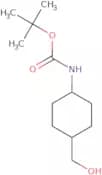
CAS:Please enquire for more information about tert-Butyl trans-4-(hydroxymethyl)cyclohexylcarbamate including the price, delivery time and more detailed product information at the technical inquiry form on this pageFormula:C12H23NO3Purity:Min. 95%Molecular weight:229.32 g/mol1,3-Bis(diphenylphosphino)propane
CAS:1,3-Bis(diphenylphosphino)propane is a chelate ligand that forms complexes with a wide range of transition metal ions. It has been shown to be an effective catalyst for the conversion of aryl halides to acid derivatives. The compound has been found to have an excellent stability in aqueous solutions and does not hydrolyze readily in human serum or water. 1,3-Bis(diphenylphosphino)propane is also used as an additive in many industrial processes, such as the production of nylon and polyester fibers.Formula:C27H26P2Purity:Min 96.0%Color and Shape:White Off-White PowderMolecular weight:412.44 g/mol(S)-1-Boc-3-methylpiperazine
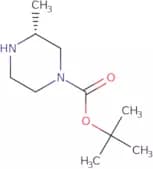
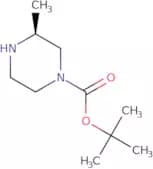
CAS:(S)-1-Boc-3-methylpiperazine is a hydrophobic compound that is structurally modified from the tetracyclic family of drugs. It has been shown to inhibit tumor cell growth by binding to the oncogene, KRASG12C, and downregulating its expression. (S)-1-Boc-3-methylpiperazine also inhibits cancer cell growth through the inhibition of the PI3K/AKT signaling pathway. The pharmacological effects of (S)-1-Boc-3-methylpiperazine are dependent on its ability to bind with high affinity to KRASG12C and inhibit its activity.Formula:C10H20N2O2Purity:Min. 95%Color and Shape:White PowderMolecular weight:200.28 g/moltert-Butyl (R)-3-(piperidin-3-yl)azetidine-1-carboxylate
CAS:A useful building block for organic synthesis.Formula:C13H24N2O2Molecular weight:240.34 g/mol1-(2,4-Difluoro-6-hydroxyphenyl)ethan-1-one
CAS:Versatile small molecule scaffold
Formula:C8H6F2O2Purity:Min. 95%Molecular weight:172.13 g/mol6-Chloro-1H-benzimidazol-2-amine
CAS:Aminoguanidine is a drug that inhibits the activity of the enzyme guanidinoacetate methyltransferase (GAMT). It is used to treat some types of cancer, such as bladder cancer. Aminoguanidine has been shown to inhibit tumour growth and induce apoptosis in animal models. It has also been reported to be effective in a number of other cancers, including breast cancer, prostate cancer and colon cancer. Aminoguanidine binds with high affinity to protein targets, including x-ray crystallography, magnetic resonance imaging and devices. The binding site on the ligand is highly conserved among different proteins, which may explain the broad spectrum of its activity. Aminoguanidine is dose-dependent and can be administered either stepwise or as one large dose.
Formula:C7H6ClN3Purity:Min. 95%Molecular weight:167.6 g/mol6-chloro-1H-pyrazolo[3,4-d]pyrimidin-4-amine
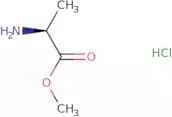
CAS:Versatile small molecule scaffoldFormula:C5H4ClN5Purity:Min. 95%Molecular weight:169.6 g/molL-Alanine methyl ester HCl
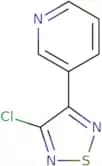
CAS:L-Alanine methyl ester HCl is a compound that is used in wastewater treatment. It has been shown to inhibit the enzyme DPP-IV, which is associated with metabolic disorders. L-Alanine methyl ester HCl also has been shown to have antimicrobial activity against a number of bacteria, including methicillin resistant Staphylococcus aureus (MRSA). L-Alanine methyl ester HCl has been shown to have anti-inflammatory properties and can be used for the treatment of autoimmune diseases. This compound also has a significant effect on biological properties such as phase transition temperature and thermal expansion.Formula:C4H10NO2ClPurity:Min. 95%Color and Shape:White PowderMolecular weight:139.58 g/mol3-Chloro-4-(pyridin-3-yl)-1,2,5-thiadiazole
CAS:Versatile small molecule scaffoldFormula:C7H4ClN3SPurity:Min. 95%Molecular weight:197.64 g/mol(R)-1-Propylpiperidin-3-amine
CAS:Please enquire for more information about (R)-1-Propylpiperidin-3-amine including the price, delivery time and more detailed product information at the technical inquiry form on this pageFormula:C8H18N2Purity:Min. 95%Molecular weight:142.24 g/mol4-(1H-Pyrazol-4-yl)-7-((2-(trimethylsilyl)ethoxy)methyl)-7H-pyrrolo[2,3-d]pyrimidine
CAS:4-(1H-Pyrazol-4-yl)-7-((2-(trimethylsilyl)ethoxy)methyl)-7H-pyrrolo[2,3-d]pyrimidine is a synthetic compound that can be used to discriminate between the left and right hands of the body. It has been shown to have a high affinity for the enzyme kinases with an IC50 of 0.5 μM. 4-(1H-Pyrazol-4-yl)-7-((2-(trimethylsilyl)ethoxy)methyl)-7H-pyrrolo[2,3-d]pyrimidine has been used as a tool in elucidating the mechanism of action of these enzymes by measuring their kinase activity and identifying their substrate specificity. It also has applications in inflammatory diseases as it shifts immune cells from a proinflammatory state to an antiinflammatory state.Formula:C15H21N5OSiPurity:Min. 95%Molecular weight:315.45 g/mol6-Amino-3-pyridinethiol dihydrochloride
CAS:Please enquire for more information about 6-Amino-3-pyridinethiol dihydrochloride including the price, delivery time and more detailed product information at the technical inquiry form on this page
Formula:C5H6N2S•(HCl)2Purity:Min. 95%Molecular weight:199.1 g/moltert-Butyl 3-(4-aminophenyl)pyrrolidine-1-carboxylate
CAS:Versatile small molecule scaffoldFormula:C15H22N2O2Purity:Min. 95%Molecular weight:262.35 g/mol(3R,4R)-3-[(6-Amino-4-pyrimidinyl)methylamino]-4-methyl-β-oxo-1-piperidinepropanenitrile
CAS:Please enquire for more information about (3R,4R)-3-[(6-Amino-4-pyrimidinyl)methylamino]-4-methyl-β-oxo-1-piperidinepropanenitrile including the price, delivery time and more detailed product information at the technical inquiry form on this page
Formula:C14H20N6OPurity:Min. 95%Molecular weight:288.35 g/molL-Arginine-7-amido-4-methylcoumarin hydrochloride
CAS:Please enquire for more information about L-Arginine-7-amido-4-methylcoumarin hydrochloride including the price, delivery time and more detailed product information at the technical inquiry form on this page
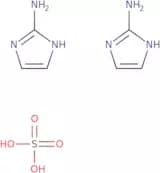
Formula:C16H21N5O3•HClPurity:Min. 95%Molecular weight:367.83 g/mol2-Aminoimidazole sulfate
CAS:2-Aminoimidazole sulfate is a chemical compound that is used as a transfection reagent. It has been shown to have high transfection efficiency with low cytotoxicity. The diameter of the molecule is in the range of 2 - 3 nm, which allows it to be taken up by cells and thus be active in them. This chemical can be dehydrogenated to form imidazole-2-sulfonic acid, which may interact with other molecules. There have been many advances in this area, including modifications and gaseous forms of the molecule. Research into the interactions of this compound with other chemicals and their effects on cellular uptake are ongoing.
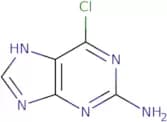
Formula:C3H5N3•(H2O4S)0Purity:Min. 95%Color and Shape:Off-White PowderMolecular weight:264.26 g/mol2-Amino-6-chloropurine
CAS:2-Amino-6-chloropurine is a nucleophilic substituent that is used in the synthesis of 2-amino-6-chloropurine. It reacts with hydroxyl groups to form a palladium-catalyzed coupling reaction solution, which is then treated with hydrochloric acid and trifluoroacetic acid. The product is purified by crystallization and recrystallization. This compound has potent antitumor activity against carcinoma cell lines, but it has not been shown to have any effect against Mycobacterium tuberculosis.
Formula:C5H4ClN5Purity:Min. 95%Color and Shape:Off-White PowderMolecular weight:169.57 g/molAdamantane
CAS:Adamantane is a potent antiviral drug for the treatment of influenza. It is an oxidation catalyst that also has biological properties, such as a potent antitumor activity and potent antiviral resistance. Adamantane has been used to treat many human pathogens, including viruses, fungi and bacteria. Adamantane is a skeleton-like structure with four carbons and six hydrogen atoms that can be oxidized to adamantane oxide or reduced to adamantane alcohol. The adamantane molecule binds to the viral protein at a site called the toll-like receptor. This binding prevents viral replication by inhibiting mRNA synthesis in the virus.Formula:C10H16Purity:Min. 95%Color and Shape:White Off-White PowderMolecular weight:136.23 g/mol2-{[2-(2,6-Dioxopiperidin-3-yl)-1-oxo-2,3-dihydro-1H-isoindol-4-yl]oxy}acetic acid
CAS:Versatile small molecule scaffoldFormula:C15H14N2O6Purity:Min. 95%Molecular weight:318.28 g/molMethyl 3-bromopyrrole-2-carboxylate
CAS:Versatile small molecule scaffoldFormula:C6H6BrNO2Purity:Min. 95%Molecular weight:204.02 g/molDSP-4 hydrochloride
CAS:DSP-4 hydrochloride is a neurotoxin that inhibits the synthesis of norepinephrine. It binds to neurons and prevents the uptake of dopamine, which can lead to neuronal death. DSP-4 hydrochloride affects brain functions by decreasing the concentration of serotonin in the cortex and increasing the concentrations of norepinephrine in the coeruleus. DSP-4 hydrochloride also has estrogenic effects by binding to estrogen receptors and increasing estradiol benzoate concentrations.Formula:C11H16BrCl2NPurity:Min. 95%Molecular weight:313.06 g/mol8-chloro-3H,4H-pyrido[3,4-d]pyrimidin-4-one
CAS:Versatile small molecule scaffold
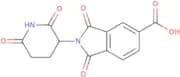
Formula:C7H4N3OClPurity:Min. 95%Molecular weight:181.57 g/mol2-(2,6-Dioxopiperidin-3-yl)-1,3-dioxoisoindoline-5-carboxylic acid
CAS:Please enquire for more information about 2-(2,6-Dioxopiperidin-3-yl)-1,3-dioxoisoindoline-5-carboxylic acid including the price, delivery time and more detailed product information at the technical inquiry form on this pageFormula:C14H10N2O6Purity:Min. 95%Molecular weight:302.24 g/moltert-Butyl (4-formylpyridin-2-yl)carbamate
CAS:Versatile small molecule scaffoldFormula:C11H14N2O3Purity:Min. 95%Molecular weight:222.2 g/mol[(1S)-1-Ethyl-2-oxopropyl]-1,1-dimethylethyl ester carbamic acid
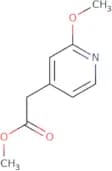
CAS:Versatile small molecule scaffoldFormula:C10H19NO3Purity:Min. 95%Molecular weight:201.26 g/molMethyl 2-(2-methoxypyridin-4-yl)acetate
CAS:Versatile small molecule scaffold
Formula:C9H11NO3Purity:Min. 95%Molecular weight:181.19 g/moltert-Butyl 2,9-diazaspiro[5.5]undecane-2-carboxylate
CAS:Versatile small molecule scaffold
Formula:C14H26N2O2Purity:Min. 95%Molecular weight:254.38 g/mol(1R)-2-Chloro-1-(2,4-dichlorophenyl)ethan-1-ol
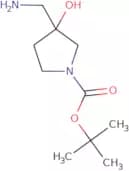
CAS:(1R)-2-Chloro-1-(2,4-dichlorophenyl)ethan-1-ol is a substrate for acetylation that is used in the synthesis of enantiopure alcohols. It has been shown to be an inhibitor of alcohol dehydrogenases and hydrophobic alcohols. (1R)-2-Chloro-1-(2,4-dichlorophenyl)ethan-1-ol has also been found to be active against fungi such as Penicillium chrysogenum and Cryptococcus neoformans. This compound is stereoselective when used as an antifungal agent, which means it will only inhibit one enantiomer of a molecule.Formula:C8H7OCl3Purity:Min. 95%Molecular weight:225.49 g/moltert-butyl 3-(aminomethyl)-3-hydroxypyrrolidine-1-carboxylate
CAS:Versatile small molecule scaffoldFormula:C10H20N2O3Purity:Min. 95%Molecular weight:216.3 g/molMethyl 3-bromo-1-methyl-1H-pyrazole-5-carboxylate
CAS:Versatile small molecule scaffold
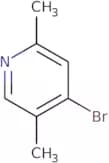
Formula:C6H7BrN2O2Purity:Min. 95%Molecular weight:219.04 g/mol4-Bromo-2,5-dimethylpyridine
CAS:4-Bromo-2,5-dimethylpyridine is an organic compound that belongs to the group of amino compounds. It is a potential intermediate in the synthesis of other compounds. 4-Bromo-2,5-dimethylpyridine can react with potassium to form 4-bromopyridine and 3-bromo-4-methylpyridine. It may also be used as a reactant in aminations and as an intermediate in the preparation of n-oxides.Formula:C7H8BrNPurity:Min. 95%Molecular weight:186.05 g/mol1-(But-3-yn-1-yl)piperidine
CAS:1-(But-3-yn-1-yl)piperidine is a chiral compound that inhibits the reuptake of serotonin. It has been shown to be an effective inhibitor of the serotonin transporter and to cause an increase in extracellular serotonin levels. 1-(But-3-yn-1-yl)piperidine also has affinity for the dopamine transporter, which may account for its antidepressant effects.
Formula:C9H15NPurity:Min. 95%Molecular weight:137.22 g/mol3-Phenylisothiazol-5-amine
CAS:Versatile small molecule scaffold
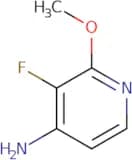
Formula:C9H8N2SPurity:Min. 95%Molecular weight:176.24 g/mol3-Fluoro-2-methoxypyridin-4-amine
CAS:Versatile small molecule scaffoldFormula:C6H7FN2OPurity:Min. 95%Molecular weight:142.13 g/moltert-butyl 2,5-diazabicyclo[4.1.0]heptane-2-carboxylate
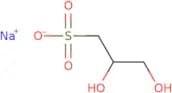
CAS:Versatile small molecule scaffoldFormula:C10H18N2O2Purity:Min. 95%Molecular weight:198.3 g/molSodium 2,3-dihydroxypropane-1-sulfonate
CAS:Sodium 2,3-dihydroxypropane-1-sulfonate is a granular detergent that can be used in the production of heavy duty liquid and solid granules. It is an anionic surfactant with a sulfonate group that has a granular consistency. This detergent is often used as a wetting agent in detergents and as a dispersing agent in paints, dyes, and pharmaceuticals. Sodium 2,3-dihydroxypropane-1-sulfonate has been shown to be effective at removing particulate matter from water and can also be used as a stabilizer for other surfactants during manufacturing.Formula:C3H7NaO5SPurity:Min. 95%Molecular weight:178.14 g/mol1-Boc-pyrrolidine-3-ethanol
CAS:Versatile small molecule scaffold
Formula:C11H21NO3Purity:Min. 95%Molecular weight:215.29 g/molFG-2216
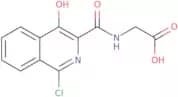
CAS:FG-2216 is a peptide that activates the G protein-coupled receptor, leading to increased intracellular calcium. FG-2216 is a potent agonist of the GPRC6A receptor and has been shown to inhibit pain perception in animal models. FG-2216 has been shown to have no effect on ion channels and does not affect cellular proliferation or migration. FG-2216 may be useful as a research tool for studying the function of the GPRC6A receptor in animal models.Formula:C12H9ClN2O4Purity:Min. 95%Molecular weight:280.66 g/mol2-Bromo-5-methylpyridin-3-ol
CAS:Versatile small molecule scaffoldFormula:C6H6BrNOPurity:Min. 95%Molecular weight:188.02 g/mol3-(iodomethyl)oxetane
CAS:Versatile small molecule scaffold
Formula:C4H7IOPurity:Min. 95%Molecular weight:198 g/mol2-(Methoxycarbonyl)-1,3-oxazole-4-carboxylic acid
CAS:Versatile small molecule scaffoldFormula:C6H5NO5Purity:Min. 95%Molecular weight:171.11 g/mol(1R)-1-(3-Fluoro-4-methylphenyl)ethan-1-amine hydrochloride
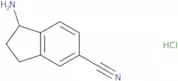
CAS:Versatile small molecule scaffoldFormula:C9H13ClFNPurity:Min. 95%Molecular weight:189.66 g/mol1-Amino-2,3-dihydro-1H-indene-5-carbonitrile hydrochloride
CAS:Versatile small molecule scaffoldFormula:C10H11ClN2Purity:Min. 95%Molecular weight:194.66 g/mol4-(2-Bromoethyl)morpholine hydrobromide
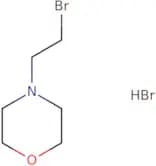
CAS:4-(2-Bromoethyl)morpholine hydrobromide is a solvent that is used as an agent in the production of other chemicals. It is a colorless, crystalline solid with a constant melting point of 130 to 131 degrees Celsius. 4-(2-Bromoethyl)morpholine hydrobromide is soluble in acetone, ethanol, ether, and water. This chemical has been shown to be toxic and should be handled with care.
Formula:C6H13Br2NOPurity:Min. 95%Molecular weight:274.98 g/molMethyl 6-oxospiro[3.3]heptane-2-carboxylate
CAS:Versatile small molecule scaffoldFormula:C9H12O3Purity:Min. 95%Molecular weight:168.19 g/mol3,3²-Dithiobis(propionitrile)
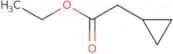
CAS:3,3²-Dithiobis(propionitrile) is a molecule that includes sodium hydroxide solution and acrylonitrile. It reacts with 3-mercaptopropionic acid to form sodium hydrogen ester compounds. This reaction takes place in a sealed container and is catalyzed by carbonic and hydrochloric acids. The product of this reaction is 3-thiocyanatoacrylic acid.Formula:C6H8N2S2Purity:Min. 95%Molecular weight:172.27 g/molethyl cyclopropaneacetate
CAS:Ethyl cyclopropaneacetate is an organic compound that belongs to the class of aminophenyl ethyl esters. It has been shown to inhibit neutrophil migration and angiotensin II-induced vasoconstriction in cerebral arteries, suggesting that it may have a role in the treatment of chronic bronchitis. Ethyl cyclopropaneacetate has also been shown to have antimycotic activity against Candida albicans and Aspergillus niger, as well as cancer-fighting effects. This compound is synthesized by reacting triethyl orthoformate with adenosine under mild conditions. The reaction system is high yielding and can be used for the synthesis of other drugs.Formula:C7H12O2Purity:Min. 95%Molecular weight:128.17 g/mol5-bromo-3,3-dimethyl-2,3-dihydro-1H-indole
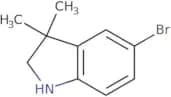
CAS:5-bromo-3,3-dimethyl-2,3-dihydro-1H-indole is an activator that is used in palladium catalyzed reactions to form a phosphine ligand. 5-bromo-3,3-dimethyl-2,3-dihydro-1H-indole is also used as a vasotropic agent and reagent for organic synthesis. It is used to synthesize ethylesters and salts of 5-(5'-bromo)-2,2'-dihydroquinoline carboxylic acid. This compound can be hydrolyzed with alkaline solution to produce the corresponding amine.
Formula:C10H12BrNPurity:Min. 95%Molecular weight:226.1 g/mol4-Chloro-1H-pyrazolo[3,4-b]pyridine-3-carboxylic acid
CAS:Versatile small molecule scaffoldFormula:C7H4ClN3O2Purity:Min. 95%Molecular weight:197.58 g/molPolycarbosilane
CAS:Polycarbosilane is a cross-linking agent that can be used to modify the surface properties of polymers. It reacts with the hydroxyl groups on the polymer to form carbosilane bonds, which lead to a change in the viscosity and other physical properties of the material. Polycarbosilane is insoluble in water and has an absorption peak at 350 nm. When reacted with argon gas, polycarbosilane reacts with oxygen or nitrogen to produce carbonyls or amines, respectively. Polycarbosilane can react with x-rays or magnetic resonance spectroscopy to produce elemental analysis data for a variety of elements. This chemical also has optical properties that make it useful as an organic solution for optical devices such as lenses and mirrors. Polycarbosilane is stable under most conditions and can be used as an efficient method for environmental pollution control by removing heavy metals from wastewater streams.
Formula:(C2H6Si)nPurity:Min. 95%Color and Shape:Powder6-Bromo-1-methylpyridin-2(1H)-one
CAS:Versatile small molecule scaffold
Formula:C6H6BrNOPurity:Min. 95%Molecular weight:188.02 g/mol4-Bromo-2,3-difluoropyridine
CAS:Versatile small molecule scaffold
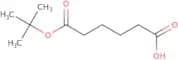
Formula:C5H2BrF2NPurity:Min. 95%Molecular weight:193.98 g/mol6-(tert-butoxy)-6-oxohexanoic acid
CAS:Versatile small molecule scaffold
Formula:C10H18O4Purity:Min. 95%Molecular weight:202.2 g/mol2-(Chloromethyl)-4H,6H,7H-pyrano[4,3-d][1,3]thiazole
CAS:Versatile small molecule scaffoldFormula:C7H8ClNOSPurity:Min. 95%Molecular weight:189.66 g/mol2,2-Dipropylpentanoic acid
CAS:2,2-Dipropylpentanoic acid is a white crystalline solid with a melting point of -51°C. It has a hydroxyl group and an ester linkage. The chemical formula is CH3(CH2)3COOC3H7. It has a molecular weight of 182.27 g/mol and a density of 1.071 g/cm3. It is soluble in organic solvents such as chloroform, ether, benzene, acetone, and carbon tetrachloride but insoluble in water. 2,2-Dipropylpentanoic acid can be used as a catalyst for the synthesis of polymers from monocarboxylic acids and chloride or magnesium halides. This compound also has antidepressant activity by inhibiting the reuptake of serotonin from the synapse into the presynaptic neuron.Formula:C11H22O2Purity:Min. 95%Molecular weight:186.29 g/mol






![5-Methyl-4-[(pyrrolidin-1-yl)methyl]-1,2-oxazole-3-carboxylic acid hydrochloride](/_next/image/?url=https%3A%2Fstatic.cymitquimica.com%2Fproducts%2F3D%2Fthumb-webp%2FXWB84700.webp&w=3840&q=75)
![Cucurbit[7]uril](/_next/image/?url=https%3A%2Fstatic.cymitquimica.com%2Fproducts%2F3D%2Fthumb-webp%2FFC171865.webp&w=3840&q=75)










![6-chloro-1H-pyrazolo[3,4-d]pyrimidin-4-amine](/_next/image/?url=https%3A%2Fstatic.cymitquimica.com%2Fproducts%2F3D%2Fthumb-webp%2FFAA41778.webp&w=3840&q=75)

![4-(1H-Pyrazol-4-yl)-7-((2-(trimethylsilyl)ethoxy)methyl)-7H-pyrrolo[2,3-d]pyrimidine](/_next/image/?url=https%3A%2Fstatic.cymitquimica.com%2Fproducts%2F3D%2Fthumb-webp%2FRMB68527.webp&w=3840&q=75)


![(3R,4R)-3-[(6-Amino-4-pyrimidinyl)methylamino]-4-methyl-β-oxo-1-piperidinepropanenitrile](/_next/image/?url=https%3A%2Fstatic.cymitquimica.com%2Fproducts%2F3D%2Fthumb-webp%2FFA184079.webp&w=3840&q=75)


![2-{[2-(2,6-Dioxopiperidin-3-yl)-1-oxo-2,3-dihydro-1H-isoindol-4-yl]oxy}acetic acid](/_next/image/?url=https%3A%2Fstatic.cymitquimica.com%2Fproducts%2F3D%2Fthumb-webp%2FEPD97616.webp&w=3840&q=75)


![8-chloro-3H,4H-pyrido[3,4-d]pyrimidin-4-one](/_next/image/?url=https%3A%2Fstatic.cymitquimica.com%2Fproducts%2F3D%2Fthumb-webp%2FJDA34113.webp&w=3840&q=75)

![[(1S)-1-Ethyl-2-oxopropyl]-1,1-dimethylethyl ester carbamic acid](/_next/image/?url=https%3A%2Fstatic.cymitquimica.com%2Fproducts%2F3D%2Fthumb-webp%2FEMA02105.webp&w=3840&q=75)
![tert-Butyl 2,9-diazaspiro[5.5]undecane-2-carboxylate](/_next/image/?url=https%3A%2Fstatic.cymitquimica.com%2Fproducts%2F3D%2Fthumb-webp%2FPHA33303.webp&w=3840&q=75)




![tert-butyl 2,5-diazabicyclo[4.1.0]heptane-2-carboxylate](/_next/image/?url=https%3A%2Fstatic.cymitquimica.com%2Fproducts%2F3D%2Fthumb-webp%2FDZB67518.webp&w=3840&q=75)



![Methyl 6-oxospiro[3.3]heptane-2-carboxylate](/_next/image/?url=https%3A%2Fstatic.cymitquimica.com%2Fproducts%2F3D%2Fthumb-webp%2FNVB48098.webp&w=3840&q=75)

![4-Chloro-1H-pyrazolo[3,4-b]pyridine-3-carboxylic acid](/_next/image/?url=https%3A%2Fstatic.cymitquimica.com%2Fproducts%2F3D%2Fthumb-webp%2FULD13261.webp&w=3840&q=75)


![2-(Chloromethyl)-4H,6H,7H-pyrano[4,3-d][1,3]thiazole](/_next/image/?url=https%3A%2Fstatic.cymitquimica.com%2Fproducts%2F3D%2Fthumb-webp%2FSDC46081.webp&w=3840&q=75)
