Building Blocks
Subcategories of "Building Blocks"
- Boronic Acids & Boronic Acid Derivatives(5,786 products)
- Chiral Building Blocks(1,246 products)
- Hydrocarbon Building Blocks(6,107 products)
- Organic Building Blocks(61,079 products)
Found 205461 products of "Building Blocks"
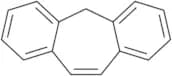
Cyproheptadine Related Compound A
CAS:Cyproheptadine Related Compound A is a molecule that binds to the histamine H2 receptor and can be used for the treatment of inflammatory bowel disease, chronic bronchitis, and diabetic neuropathy. It is metabolized by hydrolysis of the ester group by hydroxylases or oxidases in the liver. Cyproheptadine Related Compound A has been shown to have anti-inflammatory effects due to its ability to inhibit prostaglandin synthesis.Formula:C15H12Purity:Min. 95%Molecular weight:192.26 g/mol2,6-Dichlorobenzaldehyde oxime
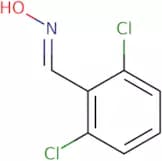
CAS:2,6-Dichlorobenzaldehyde oxime is a synthetic molecule that is prepared by the reaction of triphenylphosphine oxide and halides. It is also known as aldoxime and has been used in a number of chemical reactions. 2,6-Dichlorobenzaldehyde oxime has been used in the synthesis of a variety of organic compounds, including toxicants and preservatives.
Formula:C7H5Cl2NOPurity:Min. 95 Area-%Color and Shape:White PowderMolecular weight:190.03 g/molAniline
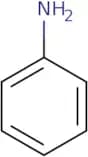
CAS:Aniline is an aromatic amine and is a clear to slightly yellow liquid with a characteristic odor. Aniline is an important precursor in the production of a wide range of industrial chemicals, including polyurethane foams, agricultural chemicals, and dyes. Aniline is also used in the manufacture of pharmaceuticals, rubber processing chemicals, and antioxidants. Due to its widespread industrial use, aniline can be found in various environmental matrices, including water, wastewater, and air.Formula:C6H7NPurity:Min. 95%Color and Shape:Colorless Clear LiquidMolecular weight:93.13 g/mol3,4-Dihydroxy-5-methoxybenzoic acid
CAS:3,4-Dihydroxy-5-methoxybenzoic acid is a natural phenolic compound found in many plants. It has been shown to inhibit the growth of cancer cells and can be used as a chemopreventive agent for cancer treatment. 3,4-Dihydroxy-5-methoxybenzoic acid is metabolized by the liver into 3,4-dihydroxyphenylacetic acid (3,4-DHPA), which is excreted in urine and feces. The bioavailability of 3,4-Dihydroxy-5-methoxybenzoic acid is low due to its low solubility in water and high reactivity with proteins.Formula:C8H8O5Purity:Min. 95%Color and Shape:PowderMolecular weight:184.15 g/mol3,5-Dinitro-4-hydroxybenzoic acid
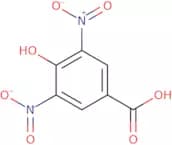
CAS:3,5-Dinitro-4-hydroxybenzoic acid (DNHB) is an organic compound that is used as a reagent in organic synthesis. DNHB has been shown to be a nucleophile, reacting with chloride ions from HCl and forming the corresponding 3,5-dinitrosalicylic acid (DNSA) salt. This reaction has been shown to be efficient at low temperature and pH values. The efficiency of this reaction has been shown to increase by the addition of halides such as fluoride and bromide. Electrospray ionisation mass spectroscopy analysis of DNHB has also revealed that it is an anion with a molecular weight of 228.3 g/mol. DNHB is synthesised by reacting benzoic acid with nitrous acid and hydrochloric acid, followed by treatment with concentrated sulfuric acid.Formula:C7H4N2O7Purity:Min. 95%Color and Shape:Yellow PowderMolecular weight:228.12 g/molEthyl 2-{methyl[(pyridin-2-yl)methyl]amino}acetate
CAS:Versatile small molecule scaffold
Formula:C11H16N2O2Purity:Min. 95%Color and Shape:PowderMolecular weight:208.26 g/mol5-Chlorooxindole
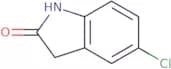
CAS:5-Chlorooxindole is a synthetic, chemotherapeutic drug that has been shown to have anti-tumor activity in animal models. It is an oxindole derivative with the chemical formula CHNClO. The compound is synthesized by the reaction of 3,5-dichloroaniline and indole in chloroform and purified by column chromatography. 5-Chlorooxindole has shown potential as an antitumor agent because it inhibits cancer cell growth through mechanisms such as induction of apoptosis and suppression of tumor angiogenesis.Formula:C8H6ClNOPurity:Min. 95%Molecular weight:167.59 g/mol3,5-Dichloro-4-hydroxyacetophenone
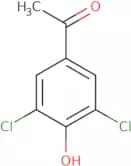
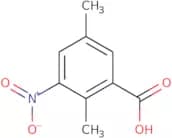
CAS:3,5-Dichloro-4-hydroxyacetophenone (3,5-DCA) is a phosphorylating agent that is used as a reagent to form conjugates with amines. It has been extensively used in the synthesis of natural products and drugs. 3,5-DCA is commonly used in the kinetic method for determining phosphatase activity. 3,5-DCA has high specificity and can be used to measure acid phosphatase activity. It is also synthesized from lapatinib and can be used in biomimetic synthesis schemes for the production of anticancer drugs.Formula:C8H6Cl2O2Purity:Min. 95%Color and Shape:PowderMolecular weight:205.04 g/mol2,5-Dimethyl-3-nitrobenzoic acid
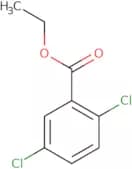
CAS:2,5-Dimethyl-3-nitrobenzoic acid is a versatile building block that can be used in the synthesis of a wide range of compounds. It is also an important intermediate for the synthesis of pharmaceuticals and other speciality chemicals. 2,5-Dimethyl-3-nitrobenzoic acid has been shown to be useful in the preparation of high quality fine chemicals and research chemicals. This compound has been found to be an excellent reagent for various chemical reactions.Formula:C9H9NO4Purity:Min. 95%Color and Shape:PowderMolecular weight:195.17 g/mol2,5-Dichlorobenzoic acid ethyl ester
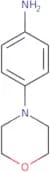
CAS:2,5-Dichlorobenzoic acid ethyl ester is a high quality, versatile building block that can be used as a reagent or intermediate. It is a useful scaffold for the synthesis of fine chemicals and research chemicals. This compound has been used in the synthesis of 2,5-dichloro-N-(2-hydroxyethyl)benzamide (CAS No. 35112-27-7), which is a speciality chemical with potential applications in pharmaceuticals and agrochemicals. 2,5-Dichlorobenzoic acid ethyl ester reacts with an amine to produce an N-[2-(2,5-dichlorophenyl)ethyl]amine (CAS No. 35112-27-7). The reaction proceeds via an amide bond formation by condensation of the amine with the acid chloride formed from the acid and ethyl chloride. This reaction is facilitated by heat andFormula:C9H8Cl2O2Purity:Min. 95%Color and Shape:PowderMolecular weight:219.06 g/mol4-Morpholinoaniline
CAS:4-Morpholinoaniline is a synthetic substrate that reacts with hydrochloric acid and sodium nitrite to form the reactive intermediate 4-morpholinonitrosobenzene. The reaction mechanism is proposed to proceed through an initial electron transfer from the substrate to the nitrosobenzene intermediate, followed by protonation of the nitrosobenzene nitrogen atom. The resulting 4-nitrophenyl radical abstracts hydrogen from the substrate to give 4-hydroxyphenyl radical. This radical undergoes a nucleophilic attack on the aromatic ring of the substrate molecule, and cleavage of the disulfide bond in the aromatic ring leads to formation of a cyanohydrin product. Studies have been conducted on rat liver microsomes and hepatitis C virus (HCV) to investigate this reaction mechanism.Formula:C10H14N2OPurity:Min. 98.5 Area-%Color and Shape:Red PowderMolecular weight:178.23 g/mol3-N-Maleimidobenzoic acid
CAS:3-N-Maleimidobenzoic acid is a chemical crosslinking agent that reacts with proteins through the formation of an amide bond. It has been shown to react with both actin subunits and human immunoglobulin. This molecule also reacts with spermatozoa, which are composed primarily of actin filaments, and is used in the preparation of polyclonal antibodies. 3-N-Maleimidobenzoic acid can be used to fix antigen onto a solid support for immunological purposes. It is also a cross-linking agent that can be used in cytochalasin B experiments to inhibit plastid activity in chloroplasts. 3-N-Maleimidobenzoic acid reacts with monoclonal antibodies by forming an amide bond, which can be used as a reaction product.
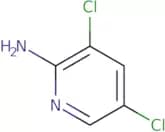
Formula:C11H7NO4Purity:Min. 95%Color and Shape:PowderMolecular weight:217.18 g/mol2-Amino-3,5-dichloropyridine
CAS:2-Amino-3,5-dichloropyridine is a molecule that is synthesized by the reaction of hydrochloric acid with copper chloride. The synthesis of 2-amino-3,5-dichloropyridine is a two step process. In the first step 2-chloroethanol reacts with an excess of hydrochloric acid to produce chloroethane and hydrogen chloride gas. In the second step, chloroethane reacts with an excess of copper chloride to produce 2-amino-3,5-dichloropyridine. 2-Amino-3,5-dichloropyridine can be used in organic synthesis for a number of reactions including as a substrate molecule for enzymes that require chloride ions as cofactors. 2-Amino-3,5-dichloropyridine has been shown to inhibit cancer cells by inhibiting DNA and protein synthesis.Formula:C5H4Cl2N2Purity:Min. 95%Color and Shape:PowderMolecular weight:163 g/molL-Allylglycine
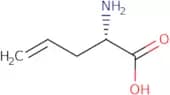
CAS:L-Allylglycine is an antimicrobial agent that inhibits the growth of bacteria by binding to the glutamate receptor. L-Allylglycine has been shown to inhibit the locomotor activity in rats, which may be due to its ability to bind with the serotonergic system and dopamine receptors. L-Allylglycine also binds to Toll-like receptor 4, a protein found on macrophages and microglia in the brain, which may contribute to its neuroprotective effects. It has been shown that L-allylglycine can inhibit a glutamate receptor in mitochondria, which is responsible for the production of ATP. This inhibition prevents DNA replication and cell division, leading to cell death. The asymmetric synthesis of this molecule allows it to have a greater affinity for bacterial cells than mammalian cells.Formula:C5H9NO2Purity:Min. 95%Color and Shape:White PowderMolecular weight:115.13 g/mol7-Fluoro-4-(trifluoromethyl)-1H-indole
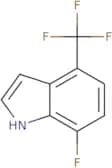
CAS:Versatile small molecule scaffoldFormula:C9H5F4NPurity:Min. 95%Color and Shape:PowderMolecular weight:203.14 g/molMono(2-ethylhexyl) terephthalate
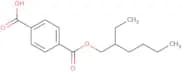
CAS:Please enquire for more information about Mono(2-ethylhexyl) terephthalate including the price, delivery time and more detailed product information at the technical inquiry form on this pageFormula:C16H22O4Purity:Min. 95%Color and Shape:PowderMolecular weight:278.34 g/molPiperazin-2-one
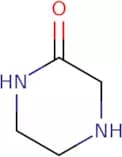
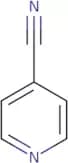
CAS:Building block in medicinal chemistryFormula:C4H8N2OPurity:Min. 95%Color and Shape:White PowderMolecular weight:100.12 g/mol4-Cyanopyridine
CAS:4-Cyanopyridine is an organic compound with the chemical formula (CN)N. It is a white solid that is soluble in water and polar solvents. When exposed to hydrochloric acid, 4-cyanopyridine undergoes a reaction that converts it to picolinic acid. This reaction proceeds through a mechanism in which the nucleophilic hydroxyl group of 4-cyanopyridine attacks the protonated nitrogen atom of hydrochloric acid. The resulting intermediate then loses a proton and becomes picolinic acid. Kinetic data on this reaction has been obtained from UV-vis spectroscopy, X-ray diffraction, and mass spectrometry experiments. The crystal structures of the bound form of 4-cyanopyridine and its quinoline derivatives have also been determined by x-ray crystallography.Formula:C6H4N2Purity:Min. 95%Color and Shape:PowderMolecular weight:104.11 g/mol2,4,5-Triamino-6-hydroxypyrimidine sulfate
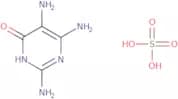
CAS:2,4,5-Triamino-6-hydroxypyrimidine sulfate is a chemical compound that is a metabolite of the amino acid lysine. It is produced when lysine undergoes hydrolysis by enzymes and is converted to 2,4,5-triamino-6-hydroxypyrimidine sulfate by the addition of sulfate ions. This metabolite has been shown to have reactive properties and may play a role in mitochondrial dysfunction. 2,4,5-Triamino-6-hydroxypyrimidine sulfate has been used in binding experiments to measure the strength of protein interactions with other proteins or molecules. For example, it was used in experiments with dimethylformamide (DMF) to study the binding affinity of DMF with proteins such as cytochrome c oxidase. In these experiments, 2,4,5-triamino-6-hydroxypyrimidine sulfate was found toFormula:C4H7N5O•H2SO4Purity:Min. 95%Color and Shape:PowderMolecular weight:239.21 g/mol1H,4H,6H,7H-Pyrano[4,3-b]pyrrole-2-carboxylic acid
CAS:1H,4H,6H,7H-Pyrano[4,3-b]pyrrole-2-carboxylic acid is a fine chemical that is used as a versatile building block in the synthesis of complex compounds. It can be used as a reagent or speciality chemical for research purposes and has been shown to be useful for the synthesis of high quality building blocks and scaffolds for organic molecules. The CAS No. 1263083-03-9 is 1263083-03-9 and it's molecular formula is C11H10N2O3.Formula:C8H9NO3Purity:Min. 95%Color and Shape:PowderMolecular weight:167.16 g/molMethyl 2,2-Dimethoxypropionate
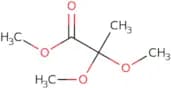
CAS:Methyl 2,2-dimethoxypropionate is an oxidation catalyst that is used to convert terminal alkynes into alcohols. It is also a model system for the study of the biosynthesis of a number of natural products and drugs. In addition, methyl 2,2-dimethoxypropionate has been shown to have anticancer properties, although it has not been studied in humans. It has also been shown to have anti-inflammatory effects in animals and may be a potential treatment for hepatitis and depression in humans. Methyl 2,2-dimethoxypropionate can be synthesized by reacting citric acid with methanol or ethanol in the presence of hydroxyl ions.Formula:C6H12O4Purity:Min. 95%Color and Shape:Clear LiquidMolecular weight:148.16 g/molN-Methyl-1-quinolin-2-ylmethanamine dihydrochloride
CAS:Please enquire for more information about N-Methyl-1-quinolin-2-ylmethanamine dihydrochloride including the price, delivery time and more detailed product information at the technical inquiry form on this pageFormula:C11H12N2•(HCl)2Purity:Min. 95%Color and Shape:PowderMolecular weight:245.15 g/mol4-Aminobenzonitrile
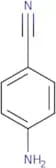
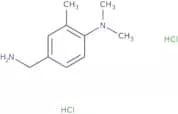
CAS:4-Aminobenzonitrile is a chemical compound that has been shown to be an antimicrobial agent. It has been found to be active against bacteria and fungi, such as Candida albicans and Aspergillus niger. 4-Aminobenzonitrile binds with epidermal growth factor (EGF) by intramolecular hydrogen bonding, which leads to the disruption of the protein's tertiary structure. The nitrogen atoms in this compound have been shown to react with water vapor at high temperatures, which results in the release of hydrogen gas. This reaction can be used for phase transition temperature studies. 4-Aminobenzonitrile also shows intermolecular hydrogen bonding with fatty acids, which causes the molecule to change its shape and protonation state. These changes affect its frequency shift and molecular modeling study results.Formula:C7H6N2Purity:Min. 95%Color and Shape:Off-White PowderMolecular weight:118.14 g/mol4-(Aminomethyl)-N,N,2-trimethylaniline dihydrochloride
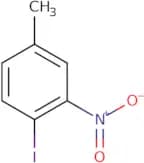
CAS:4-(Aminomethyl)-N,N,2-trimethylaniline dihydrochloride is a fine chemical that belongs to the family of aminomethyl compounds. It is a versatile building block that can be used in the synthesis of complex compounds and as a reagent or speciality chemical in research. 4-(Aminomethyl)-N,N,2-trimethylaniline dihydrochloride is also a useful intermediate for reactions and scaffolds in organic syntheses. It can be used as an alternative to the more commonly used 4-aminophenol. This compound has been observed to have high purity and quality with no detectable impurities.Formula:C10H18Cl2N2Purity:Min. 95%Color and Shape:PowderMolecular weight:237.17 g/mol4-Iodo-3-nitrotoluene
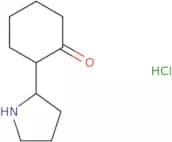
CAS:Versatile small molecule scaffoldFormula:C7H6INO2Purity:Min. 95%Color and Shape:PowderMolecular weight:263.03 g/mol2-(Pyrrolidin-2-yl)cyclohexan-1-one hydrochloride
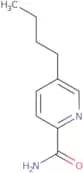
CAS:Versatile small molecule scaffoldFormula:C10H18ClNOPurity:Min. 95%Color and Shape:PowderMolecular weight:203.71 g/mol5-Butylpyridine-2-carboxamide
CAS:5-Butylpyridine-2-carboxamide is a copper complex that has been shown to inhibit dopamine β-hydroxylase. It is used in clinical studies to measure the effects of dopamine on proximal tubules and pharmaceutical dosage. 5-Butylpyridine-2-carboxamide has a chemical stability that can be measured by picolinic acid. This drug is also used for the diagnosis of polymeric matrix glomerular filtration rate, as well as uv absorption. The hydrogen bonds between the drug and fatty acids are responsible for its cardiac activity.
Formula:C10H14N2OPurity:Min. 95%Color and Shape:PowderMolecular weight:178.23 g/mol3,5-Diisopropyl-4-hydroxybenzoic acid
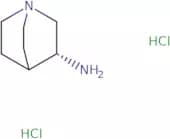
CAS:3,5-Diisopropyl-4-hydroxybenzoic acid is a white, crystalline compound that can be found as a dimer. It is soluble in solvents such as chloroform and ethers but insoluble in water. 3,5-Diisopropyl-4-hydroxybenzoic acid is used in the production of polyesters, polymers, and resins. This compound has been used to produce propofol and decarboxylating monomers for organic solvents. 3,5-Diisopropyl-4-hydroxybenzoic acid reacts with chloride ion at high temperatures to form chlorine gas and hydrogen chloride. The melting point of this compound is 169 degrees Celsius.Formula:C13H18O3Purity:Min. 95%Color and Shape:PowderMolecular weight:222.28 g/mol(R)-(+)-3-Aminoquinuclidine dihydrochloride
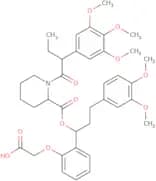
CAS:A building block; used for synthesis tryptophan 2,?3-?dioxygenase inhibitorsFormula:C7H14N2•(HCl)2Purity:Min. 95%Color and Shape:PowderMolecular weight:199.12 g/molAP1867-2-(carboxymethoxy)
CAS:AP1867-2-(carboxymethoxy) is a high purity research tool for the study of receptor and ligand interactions. It has been shown to be an activator of ion channels and a ligand of G protein-coupled receptors. AP1867-2-(carboxymethoxy) is also used in the study of protein interactions, antibody production, and cell biology.
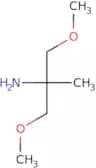
Formula:C38H47NO11Purity:Min. 95%Color and Shape:PowderMolecular weight:693.8 g/mol1,3-Dimethoxy-2-methylpropan-2-amine
CAS:1,3-Dimethoxy-2-methylpropan-2-amine is a chemical compound that is an intermediate for the synthesis of other chemicals. It can be used as a reaction component in organic chemistry to form useful scaffolds and high quality research chemicals. This compound has many uses in bioorganic chemistry, such as being a versatile building block for complex compounds and a useful intermediate for the synthesis of other chemicals. 1,3-Dimethoxy-2-methylpropan-2-amine is also said to have potential applications in the treatment of diseases such as cancer.Formula:C6H15NO2Purity:Min. 95%Color and Shape:PowderMolecular weight:133.19 g/mol2,6-Dihydroxy-4-methylbenzoic acid
CAS:2,6-Dihydroxy-4-methylbenzoic acid is a phenolic compound that has been shown to have significant cytotoxicity against cancer cells and may be used in the treatment of various cancers. It is also an endophytic fungus that has been found to produce significant desorption of chloride ions from soil. This compound can also be synthesized by reacting 2,6-dihydroxyphenylacetic acid with methyl iodide or methyl bromide. The reaction system for this synthesis includes concentrated hydrochloric acid, zinc dust, and ethyl acetate. The reaction solution was crystallized in the form of a white solid and the crystals were analyzed by X-ray crystallography to determine their structure. Photocatalytic activity was observed when using 2,6-dihydroxy-4-methylbenzoic acid as an electron donor in a reaction system containing titanium dioxide and hydrogen peroxide as an electron acceptor.Formula:C8H8O4Purity:Min. 98 Area-%Color and Shape:SolidMolecular weight:168.15 g/molN-Fmoc-4-ethynyl-L-phenylalanine
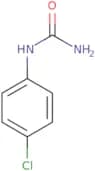
CAS:Versatile small molecule scaffoldFormula:C26H21NO4Purity:Min. 95%Color and Shape:PowderMolecular weight:411.45 g/mol4-Chlorophenylurea
CAS:4-Chlorophenylurea is an urea derivative that has been shown to inhibit the activity of a number of enzymes. It has been used as a chemical intermediate and in the synthesis of other compounds. 4-Chlorophenylurea is stable in dry environments and does not react with air. The enzyme hydrolysis can be inhibited by adding piperonyl butoxide, which prevents the cleavage of the urea ring. The enzyme's activity can also be suppressed by adding acidic compounds such as hydrochloric acid, which increases its activation energy. The chemical structure of 4-Chlorophenylurea contains a carbonyl group and two chloro groups that are responsible for its inhibitory effect on tumour cells. This compound can also be analysed using liquid chromatography methods, which provide structural data about the product being tested.Formula:C7H7ClN2OPurity:Min. 95%Color and Shape:PowderMolecular weight:170.6 g/molTris(phenylthio)methane
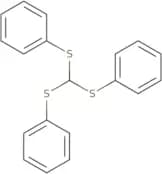
CAS:Tris(phenylthio)methane is a formylating reagent that reacts with ethyl formate to produce the nitro compound. It is used in the preparation of β-amino acids and as an asymmetric synthesis catalyst. Tris(phenylthio)methane can be used as a polymerization initiator for metathesis reactions, such as the Suzuki reaction. It has been shown to be a good nucleophile and polymerizing agent when combined with hydrochloric acid or silver trifluoromethanesulfonate. Tris(phenylthio)methane may also react with chloride in the presence of base to produce phosphoric acid esters.
Formula:C19H16S3Purity:Min. 95%Color and Shape:Off-White PowderMolecular weight:340.53 g/mol2-Amino-5-iodobenzoic acid
CAS:2-Amino-5-iodobenzoic acid (5-AIBA) is a chemical compound with a molecular weight of 152.14 g/mol. It belongs to the group of anthranilic compounds, and has antiinflammatory activity. 5-AIBA also inhibits cancer cell proliferation in vitro and in vivo by inhibiting the synthesis of DNA, RNA, and proteins. The reaction solution for the palladium-catalyzed coupling of 5-AIBA with 2-(N,N′-dimethylcarbamoyl)phenyl boronic acid was found to be stable at room temperature for 24 hours. The inhibitory activity of 5-AIBA against MCL1 protein was potent, as it inhibited MCL1 protein expression by 90%. Molecular modeling studies showed that 5-AIBA binds to the amide region on the ATP binding site in MCL1 protein (mcf7). Carbonyl groups are present on both sides of the am
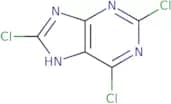
Formula:C7H6INO2Purity:Min. 98 Area-%Color and Shape:PowderMolecular weight:263.03 g/mol2,6,8-Trichloropurine ammonium salt
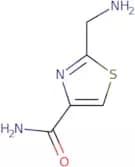
CAS:2,6,8-Trichloropurine ammonium salt is a reaction product of 2,6,8-trichloropurine and ammonium hydroxide. It has been shown to inhibit the synthesis of protein in tissue cultures and to be cytotoxic.Formula:C5HCl3N4NH4Purity:Min. 95%Molecular weight:241.49 g/mol2-(Aminomethyl)-1,3-thiazole-4-carboxamide
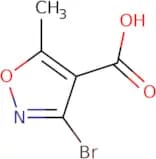
CAS:2-(Aminomethyl)-1,3-thiazole-4-carboxamide is a chemical compound that can be used as a chemical reagent and as a reaction component. It is a versatile building block with many possible uses. 2-(Aminomethyl)-1,3-thiazole-4-carboxamide has been shown to be useful in the synthesis of complex compounds and fine chemicals. It is also an intermediate for the production of pharmaceuticals and other research chemicals.Formula:C5H7N3OSPurity:Min. 95%Color and Shape:PowderMolecular weight:157.2 g/mol3-Bromo-5-methylisoxazole-4-carboxylic acid
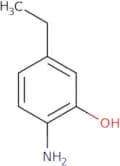
CAS:Versatile small molecule scaffoldFormula:C5H4BrNO3Purity:Min. 95%Molecular weight:206 g/mol2-Amino-5-ethyl-phenol
CAS:2-Amino-5-ethylphenol is a phenolic compound that functions as an intermediate in the synthesis of other aminophenols. It is synthesized by reacting 2-aminoethanol with hydrochloric acid and sodium nitrite. 2-Amino-5-ethylphenol has been shown to be a proton donor, which means it can react with water to form hydrogen ions. It also has been found to interact with amines, which are organic compounds containing nitrogen. This interaction was found to depend on the concentration of the amine, pH, and temperature. The thermodynamic parameters for this reaction were determined using modelling and michaelis–menten kinetics.
Formula:C8H11NOPurity:Min. 95%Color and Shape:PowderMolecular weight:137.18 g/mol2-[4-(Methylsulfanyl)phenyl]-2-oxoacetaldehyde
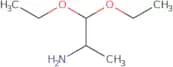
CAS:Versatile small molecule scaffoldFormula:C9H8O2SPurity:90%Color and Shape:PowderMolecular weight:180 g/mol1,1-Diethoxy-2-propanamine
CAS:1,1-Diethoxy-2-propanamine is a primary amine that serves as a versatile building block in various chemical reactions. It is commonly used in research laboratories for the synthesis of new compounds and the development of innovative chemical processes. This high-quality research chemical offers excellent purity and reliability, making it a preferred choice among chemists and scientists. Whether you are conducting experiments or exploring new avenues in chemistry, 1,1-Diethoxy-2-propanamine is an essential component to consider for your research needs.Formula:C7H17NO2Purity:Min. 95%Color and Shape:Clear LiquidMolecular weight:147.22 g/mol4-[(1E)-2-(3-Hydroxyphenyl)ethenyl]phenol
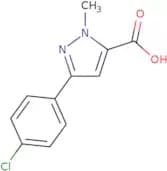
CAS:4-[(1E)-2-(3-Hydroxyphenyl)ethenyl]phenol is a metabolite of estrone sulfate. It is a potent estrogen that can be used in the treatment of prostate cancer, to inhibit the growth of cancer cells. 4-[(1E)-2-(3-Hydroxyphenyl)ethenyl]phenol has been shown to have antiestrogenic activity in breast cancer cell lines and to inhibit the formation of estrogen analogs in vitro. 4-[(1E)-2-(3-Hydroxyphenyl)ethenyl]phenol has been used as an estrogen receptor ligand in transfection experiments with human breast cancer cells, resulting in inhibition of target gene expression. The molecule also inhibits DNA polymerase activity and is believed to form carcinogenic nitrosamines and diazonium ions when subjected to nitrite and hydrogen peroxide. This molecule also exhibits weak antioxidant activity, which may beFormula:C14H12O2Purity:Min. 95%Color and Shape:PowderMolecular weight:212.24 g/mol5-(4-Chloro-phenyl)-2-methyl-2H-pyrazole-3-carboxylic acid
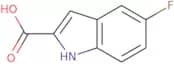
CAS:Versatile small molecule scaffoldFormula:C11H9ClN2O2Purity:Min. 95%Molecular weight:236.65 g/mol5-Fluoroindole-2-carboxylic acid
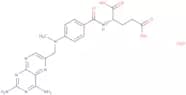
CAS:5-Fluoroindole-2-carboxylic acid is a new substance that has been found to be an inhibitor of the influenza virus. It prevents the virus from replicating by inhibiting the synthesis of viral proteins and nucleic acids. 5-Fluoroindole-2-carboxylic acid can be prepared by dispersive solid phase extraction of a mixture of fluoroindole, fumaric acid, and potassium hydroxide in water. The compound has also been shown to potentiate the effects of carbamazepine on caspases and enhance mass spectrometric analysis for gaseous hydrochloric acid. 5-Fluoroindole-2-carboxylic acid produces antinociceptive effects in animals.Formula:C9H6FNO2Color and Shape:PowderMolecular weight:179.15 g/molL(+)-Amethopterin hydrate
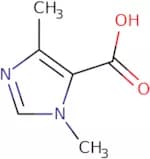
CAS:L(+)-Amethopterin hydrate is an immunosuppressant that suppresses the immune system by inhibiting RNA synthesis. It is a structural analogue of folic acid and has been shown to be effective in treating autoimmune diseases, such as rheumatoid arthritis. L(+)-Amethopterin hydrate is a neutral compound that is soluble in water and microsomal membranes, making it more easily absorbed through the gut than other compounds of this class. It also has been shown to have no toxic effects on cardiac cells at therapeutic concentrations. These properties make L(+)-Amethopterin hydrate an attractive candidate for treating autoimmune diseases when other treatments have failed.Formula:C20H22N8O5·xH2OPurity:Min. 98 Area-%Color and Shape:Yellow PowderMolecular weight:454.44 g/mol1,4-Dimethyl-1H-imidazole-5-carboxylic acid
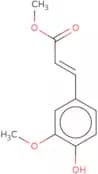
CAS:Versatile small molecule scaffoldFormula:C6H8N2O2Purity:Min. 90%Molecular weight:140.14 g/molMethyl 4-hydroxy-3-methoxycinnamate
CAS:Methyl 4-hydroxy-3-methoxycinnamate is a natural phenolic compound that is found in small quantities in many plants and foods. It is used to produce other compounds, such as vanillin, which are used as flavoring agents. Methyl 4-hydroxy-3-methoxycinnamate can be quantified using the enzymatic reaction of peroxidase with 3,4,5-trimethoxybenzene. The kinetics of this reaction have been studied by titration calorimetry. Aspergillus niger catalase has been shown to be sensitive to methyl 4-hydroxy-3-methoxycinnamate. Birch and oak wood lignocellulosic biomass can be converted into sugars through a hydrolysis process with methyl 4-hydroxy-3-methoxycinnamate. The carbohydrate content of birch and oak wood was reduced by approximately 60
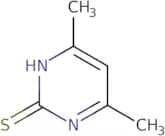
Formula:C11H12O4Purity:Min. 95%Color and Shape:PowderMolecular weight:208.21 g/mol4,6-Dimethyl-2-mercaptopyrimidine
CAS:4,6-Dimethyl-2-mercaptopyrimidine is a protonated form of the compound 4,6-dimethylpyrimidine. It is a member of the group p2 of nitrogenous bases and has a hydrogen bond interaction with its base pair. The reaction mechanism for this molecule is similar to that of other tricyclic antidepressant drugs, as it involves an intermolecular hydrogen bonding reaction where the deprotonated hydroxyl group on one molecule transfers a proton to the adjacent nitrogen atom on another molecule. 4,6-Dimethyl-2-mercaptopyrimidine has been shown to be active in cervical cancer cells and is capable of inhibiting DNA synthesis and protein synthesis. This compound also has antihistamine effects which are likely due to its hydrogen bonding interactions with histamine receptors.Formula:C6H8N2SPurity:Min. 95%Color and Shape:Yellow PowderMolecular weight:140.21 g/mol2,4-Dihydroxy-3-methylbenzoic acid
CAS:2,4-Dihydroxy-3-methylbenzoic acid (2,4-DMB) is a potent compound that has been shown to have chemotherapeutic properties. It is a DNA repair agent that also inhibits the activity of topoisomerase II and DNA polymerase III. 2,4-DMB can be used in the treatment of radiation and ionizing radiation induced cancers. The pharmacophore of 2,4-DMB has been identified as being composed of three hydrophobic regions and one hydrophilic region. This pharmacophore has been used to design other potent compounds with similar activity against cancer cells.
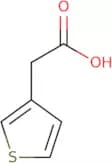
Formula:C8H8O4Purity:Min. 95%Color and Shape:PowderMolecular weight:168.15 g/mol3-Thiopheneacetic acid
CAS:3-Thiopheneacetic acid (3-TAA) is an insoluble polymer that can be used in analytical chemistry to measure the concentration of sodium carbonate. This polymer is prepared by reacting 3-thiophenecarboxylic acid with sodium carbonate. 3-TAA is a white powder and soluble in water, but insoluble in organic solvents. The transfer reactions of 3-TAA have been studied using electrochemical impedance spectroscopy and thermal expansion measurements. Due to its redox potential, it has been shown to be a potent inhibitor of human serum albumin transport and also inhibits the activity of enzymes such as glyceraldehyde phosphate dehydrogenase, phosphofructokinase, and pyruvate kinase.
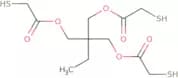
Formula:C6H6O2SPurity:Min. 97.5 Area-%Color and Shape:White PowderMolecular weight:142.18 g/molTrimethylolpropane tris(2-mercaptoacetate)
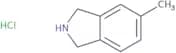
CAS:Trimethylolpropane tris(2-mercaptoacetate) (TMPTMA) is a functional group that is used as an actuator in organic solvent-based inkjet printing. It has been shown to be a cross-linking agent and a treatment effect modifier. TMPTMA has been shown to be a hydroxyl group donor and has the ability to form vinyl groups. In addition, it can act as an organic acid by donating protons and carboxyl groups. TMPTMA can also function as a heat energy absorber and has low molecular weight, making it highly reactive with other substances. The alicyclic structure of TMPTMA makes it susceptible to ring opening reactions with strong acids or bases.Formula:C12H20O6S3Purity:Min. 95%Color and Shape:PowderMolecular weight:356.48 g/mol5-Methyl-2,3-dihydro-1H-isoindole hydrochloride
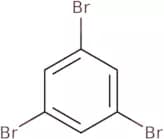
CAS:5-Methyl-2,3-dihydro-1H-isoindole hydrochloride is a chemical that can be used as a reagent in organic synthesis. It may also be useful in the manufacture of pharmaceuticals, dyes, and other chemicals. 5-Methyl-2,3-dihydro-1H-isoindole hydrochloride is an important building block for making complex compounds and fine chemicals. This chemical has been assigned CAS No. 1204600-16-7, which identifies it as a high quality research chemical.Formula:C9H12ClNPurity:Min. 95%Color and Shape:PowderMolecular weight:169.65 g/mol1,3,5-Tribromobenzene
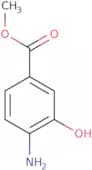
CAS:1,3,5-Tribromobenzene is a chemical compound that belongs to the class of aromatic hydrocarbons. It is used as a solvent in the synthesis of pharmaceuticals and as a precursor for other organic compounds. 1,3,5-Tribromobenzene has been shown to bind to specific receptors on the surface of cells and affect their function. It also binds to hydrochloric acid and forms a matrix with it that can be used for analytical purposes. 1,3,5-Tribromobenzene has been found to have uv absorption properties, making it useful for analytical purposes. The molecule is stable in nonpolar solvents such as n-dimethyl formamide (DMF) and methyl tert-butyl ether (MTBE). 1,3,5-Tribromobenzene can be synthesized by coupling three molecules of benzene with one molecule of bromine using the Suzuki reaction.Formula:C6H3Br3Purity:Min. 97.5%Color and Shape:White PowderMolecular weight:314.8 g/molMethyl 4-amino-3-hydroxybenzoate
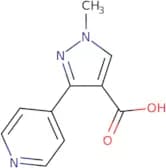
CAS:Methyl 4-amino-3-hydroxybenzoate is a synthetic compound that has been shown to inhibit the neuraminidase enzyme in the influenza virus. It is a ligand for the influenza virus and inhibits the release of progeny virions from infected cells. Methyl 4-amino-3-hydroxybenzoate has been shown to have antiviral effects against influenza A and B viruses in vivo and in vitro. The mechanism of action is thought to be due to its interaction with metal ion, which can reduce the availability of free water needed for viral replication.Formula:C8H9NO3Purity:Min. 95%Color and Shape:Off-White PowderMolecular weight:167.16 g/mol1-Methyl-3-(pyridin-4-yl)-1H-pyrazole-4-carboxylic acid
CAS:Versatile small molecule scaffoldFormula:C10H9N3O2Purity:Min. 95%Color and Shape:PowderMolecular weight:203.20 g/mol3-Methoxy-4-methylbenzonitrile
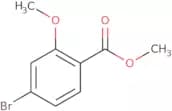
CAS:3-Methoxy-4-methylbenzonitrile is a reagent that is used in the synthesis of complex compounds, such as pharmaceuticals and fine chemicals. It has been shown to be useful as an intermediate for the synthesis of various drugs, including antibiotics. 3-Methoxy-4-methylbenzonitrile has also been shown to be a useful scaffold for the synthesis of new drugs and other chemical compounds. This compound is listed on the Chemical Abstracts Service registry number 3556-60-3.Formula:C9H9NOPurity:Min. 95%Color and Shape:PowderMolecular weight:147.17 g/molMethyl 4-bromo-2-methoxybenzoate
CAS:Methyl 4-bromo-2-methoxybenzoate is a drug molecule that belongs to the amide class. It is a synthetic reagent and can be used as a potential precursor in the synthesis of other drugs. Methyl 4-bromo-2-methoxybenzoate has been shown to react with carboxylic acids to form methyl esters, which are functional groups that contain a carboxyl group (COOH) and an alcohol group (OH). This reaction is called methoxylation. The transformation of methyl 4-bromo-2-methoxybenzoate into methyl esters increases the solubility of the compound and allows for it to be transported in water.Formula:C9H9BrO3Purity:Min. 98 Area-%Color and Shape:Yellow PowderMolecular weight:245.07 g/molEthyl 2-[(benzenesulfonyl)methyl]prop-2-enoate
CAS:Ethyl 2-[(benzenesulfonyl)methyl]prop-2-enoate is a chemical compound that is commonly used as a building block in the synthesis of other compounds. It has shown to be effective in research, as it can be used as an intermediate or a reaction component. CAS No. 89295-32-9 is the Chemical Abstracts Service registry number for this chemical. This compound is also known by its synonym of ethyl propanoate benzenesulfonate, and it has been found to have useful properties such as being a versatile building block and being a fine chemical. This product is high quality and is a reagent that has been found to be useful in many chemical reactions.
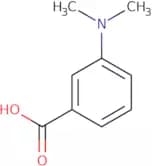
Formula:C12H14O4SPurity:Min. 95%Color and Shape:Clear LiquidMolecular weight:254.3 g/mol3-Dimethylaminobenzoic acid - 90%
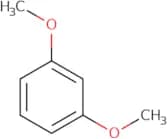
CAS:3-Dimethylaminobenzoic acid is a carboxylate that can be found in plants and animals. It is a precursor to many biologically important molecules, including the amino acid tryptophan. 3-Dimethylaminobenzoic acid has been shown to have a redox potential of -0.38 V, which makes it an excellent candidate for use as an electron acceptor. This compound is also used as an intermediate in the synthesis of cholesterol esters and fatty acids, and has been shown to inhibit the growth of basophilic leukemia cells in mice. 3-Dimethylaminobenzoic acid has also been shown to have a cholesterol esterase activity on human liver cytosol, with an enzyme activity of 0.0015 U/mg protein at pH 7.5 and 37°C, and on human urine samples with an enzyme activity of 0.0027 U/mg protein at pH 6.0 and 37Formula:C9H11NO2Purity:Min. 95%Color and Shape:PowderMolecular weight:165.19 g/mol1,3-Dimethoxybenzene
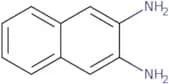
CAS:1,3-Dimethoxybenzene is a carbonyl compound with the chemical formula C6H4(OCH2)2. It is soluble in water and has a boiling point of 176 °C. This compound reacts with hydrochloric acid to produce an intermediate acid chloride and hydrogen chloride gas. 1,3-Dimethoxybenzene also reacts with trifluoromethanesulfonic acid to produce an intermediate sulfonium salt and hydrogen fluoride gas. 1,3-Dimethoxybenzene can be used as a reagent for analytical methods such as IR spectroscopy, NMR spectroscopy, or mass spectrometry. When 1,3-dimethoxybenzene is combined with sodium hydroxide and acetic acid it forms an isothiouronium salt that can be used to study the effects of fatty acids on physiological activity. 1,3-Dimethoxybenzene has conformationalFormula:C8H10O2Purity:Min. 95%Color and Shape:Clear LiquidMolecular weight:138.16 g/mol2,3-Diaminonaphthalene
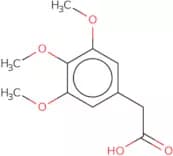
CAS:For fluorometric measurement of nitrite/nitrate in cells; inhibits NO productionFormula:C10H10N2Purity:Min. 95 Area-%Color and Shape:Brown Off-White PowderMolecular weight:158.2 g/mol3,4,5-Trimethoxyphenylacetic acid
CAS:3,4,5-Trimethoxyphenylacetic acid is a synthetic compound that is used as an anticancer drug. It has been shown to inhibit the growth of cancer cells in vitro and in vivo by binding to the DNA. 3,4,5-Trimethoxyphenylacetic acid has been shown to be stereoselective with respect to the anticancer activity of the two isomers. The hydroxyl group present on one side of the molecule may be responsible for this effect. 3,4,5-Trimethoxyphenylacetic acid also inhibits enzymes called oxidases that are involved in the production of prostaglandins from arachidonic acid (prostaglandins play a role in inflammation). This property may account for its anti-inflammatory effects.
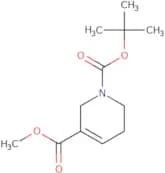
Formula:C11H14O5Purity:Min. 95%Color and Shape:White PowderMolecular weight:226.23 g/mol1-tert-Butyl 3-methyl 1,2,5,6-tetrahydropyridine-1,3-dicarboxylate
CAS:1-tert-Butyl 3-methyl 1,2,5,6-tetrahydropyridine-1,3-dicarboxylate is a chemical compound that is used as a reagent in organic synthesis. It is also a useful intermediate for the production of other chemicals such as pharmaceuticals and pesticides. This compound has been found to be an effective building block for the preparation of complex compounds. The 1,2,5,6-tetrahydropyridine moiety can be used as a scaffold or building block to produce various compounds with different modifications. This class of compounds has also been found to be versatile in chemical reactions due to their ability to form covalent bonds with many types of functional groups.
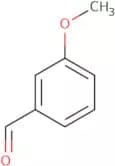
Formula:C12H19NO4Purity:Min. 90%Color and Shape:Clear Viscous LiquidMolecular weight:241.28 g/mol3-Methoxybenzaldehyde
CAS:3-Methoxybenzaldehyde is a chemical compound that is used as an intermediate in the synthesis of organic compounds. This compound has shown to be a potent inhibitor of several enzymes, including diamine tetraacetic acid (DAT)-dependent aminotransferase, trimethyl amine N-oxide reductase, and hydrochloric acid hydrolases. 3-Methoxybenzaldehyde also inhibits the growth of hepg2 cells and induces apoptosis. The chemical structure of this compound contains a boron nitride group that can form hydrogen bonds with other molecules and fatty acids that can act as a substrate for oxidation reactions.
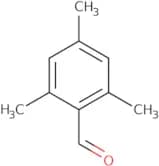
Formula:C8H8O2Purity:Min. 98 Area-%Color and Shape:Clear LiquidMolecular weight:136.15 g/molMesitaldehyde - 97%
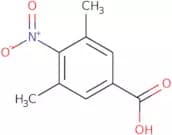
CAS:Mesitaldehyde is a diazonium salt that is synthesized by the reaction of nitrosyl chloride and sodium carbonate in an acidic solution. This chemical has been studied for its potential use as a therapeutic drug due to its ability to inhibit the enzyme dpp-iv, which is involved in the development of diabetic neuropathy. Mesitaldehyde has also been shown to be an inhibitor of malonic acid, ethylmalonic acid and other organic acids. The analytical method for mesitaldehyde involves hydrolyzing the product with hydrochloric acid in order to produce ethylmalonic acid, which can then be quantified using spectrophotometry.Formula:C10H12OPurity:Min. 95%Color and Shape:PowderMolecular weight:148.2 g/mol3,5-Dimethyl-4-nitrobenzoic acid
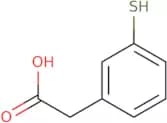
CAS:3,5-Dimethyl-4-nitrobenzoic acid is a synthetic compound that has been used in the synthesis of other organic compounds. It is not currently used as a drug, but it has been shown to inhibit the growth of bacteria in vitro. The mechanism of action for this compound is unclear. 3,5-Dimethyl-4-nitrobenzoic acid has been shown to be active against the bacterium Typhimurium and may inhibit bacterial growth by being metabolised into nitrite or nitrate ions. This chemical can also be converted into a reactive intermediate that reacts with oxygen to form superoxide anion radicals, which are known to have antibacterial effects.Formula:C9H9NO4Purity:Min. 95%Color and Shape:PowderMolecular weight:195.17 g/mol3-Mercaptophenylacetic acid
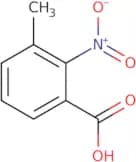
CAS:3-Mercaptophenylacetic acid is an active form of 3-mercaptophenylacetic acid. It is a protein that is used to produce ribonuclease, which is a type of enzyme that breaks down RNA. The hydrolytic reaction of 3-mercaptophenylacetic acid can be facilitated by buffers such as guanidine hydrochloride and thiols such as glutathione. Diazotization with sodium nitrite or diazotization with potassium nitrite followed by treatment with sodium sulfite or potassium bisulfite will convert 3-mercaptophenylacetic acid to 3-mercaptophenol. Denaturant such as urea, guanidine hydrochloride, or triethanolamine can be used to convert the molecule into an aliphatic form. This will expand the molecule and create a more reactive molecule.Formula:C8H8O2SPurity:Min. 95%Color and Shape:PowderMolecular weight:168.21 g/mol3-Methyl-2-nitrobenzoic acid
CAS:3-Methyl-2-nitrobenzoic acid is a chemical that can be used for wastewater treatment. It has been shown to be effective against chlorantraniliprole, a pesticide that is often found in wastewater. 3-Methyl-2-nitrobenzoic acid also has the ability to reduce chloride levels by oxidizing it to produce chloride ions and nitrogen gas. This chemical can be used as an oxidation catalyst in wastewater treatment. 3-Methyl-2-nitrobenzoic acid has been shown to have photocatalytic activity with titanium dioxide and copper sulfate (CuSO4) under visible light illumination conditions.Formula:C8H7NO4Purity:Min. 95%Color and Shape:PowderMolecular weight:181.15 g/mol2-[(Dimethylcarbamothioyl)sulfanyl]acetonitrile
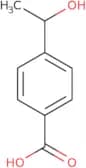
CAS:Versatile small molecule scaffoldFormula:C5H8N2S2Purity:Min. 95%Color and Shape:PowderMolecular weight:160.30 g/mol4-(1-Hydroxy-ethyl)-benzoic acid
CAS:4-(1-Hydroxy-ethyl)-benzoic acid (4-HBA) is a hydrophobic compound that is an inhibitor of cytochrome P450, which is an enzyme system in the liver and other organs. The inhibitory activity of 4-HBA is due to its binding to the active site of cytochrome P450. This molecule has been shown to be effective against ferredoxin and putidaredoxin, which are enzymes that play a role in electron transfer reactions. 4-(1-Hydroxy-ethyl)-benzoic acid binds to the residue on these enzymes without any effect on their function.
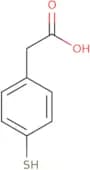
Formula:C9H10O3Purity:Min. 95%Molecular weight:166.17 g/mol4-Mercaptophenylacetic acid
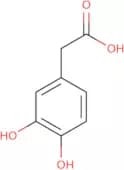
CAS:4-Mercaptophenylacetic acid is a palladium complex that inhibits the synthesis of proteins by binding to the ribosome and blocking peptide bond formation. The molecule has a polymeric matrix with a high degree of crystallinity and an isolated yield of greater than 95%. 4-Mercaptophenylacetic acid is immobilized on a carboxylate surface and has been shown to have pharmacokinetic properties. It can be used in the treatment of cancer cells and inhibits protein synthesis, leading to cell death. 4-Mercaptophenylacetic acid also has anti-inflammatory activities due to its inhibition of prostaglandin synthesis.Formula:C8H8O2SPurity:Min. 95%Color and Shape:Yellow PowderMolecular weight:168.21 g/mol3,4-Dihydroxyphenylacetic acid
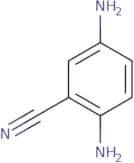
CAS:3,4-Dihydroxyphenylacetic acid (DOPAC) is a metabolite of dopamine and is found in the central nervous system. Dopamine is an important neurotransmitter that is involved in the regulation of movement, emotional responses, and hormone release. Dopamine is synthesized from tyrosine by tyrosine hydroxylase and then converted to L-3,4-dihydroxyphenylalanine by L-aromatic amino acid decarboxylase. DOPAC can be formed from dopamine by monoamine oxidases or catechol O-methyltransferases. The level of DOPAC in the brain has been shown to be increased following exposure to neurotoxins such as 6-hydroxy dopamine or 1-methyl 4-phenyl 1,2,3,6 tetrahydropyridine (MPTP). This increase may be due to decreased activity of monoamine oxidases. The levelFormula:C8H8O4Purity:Min. 95%Color and Shape:Beige PowderMolecular weight:168.15 g/mol2,5-Diaminobenzonitrile
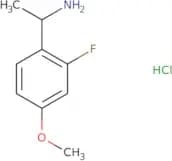
CAS:2,5-Diaminobenzonitrile is a chemical compound with the molecular formula C6H5N3. It is a white crystalline solid that is insoluble in water and soluble in organic solvents such as acetone, chloroform, and ether. 2,5-Diaminobenzonitrile has been shown to be an effective monomer for polymer synthesis due to its stability and high densities. This chemical also has the ability to undergo hydrogen bonding and form hydrogen peroxide when heated to a temperature of 100 °C. The thermal isomerization of 2,5-diaminobenzonitrile can be slowed by adding other amines or nitrites.Formula:C7H7N3Purity:Min. 95%Color and Shape:PowderMolecular weight:133.15 g/mol1-(2-Fluoro-4-methoxyphenyl)ethylamine hydrochloride
CAS:1-(2-Fluoro-4-methoxyphenyl)ethylamine hydrochloride is a fine chemical that belongs to the group of versatile building blocks. It is a useful reagent, speciality chemical, and reaction component for the synthesis of complex compounds. 1-(2-Fluoro-4-methoxyphenyl)ethylamine hydrochloride is a high quality and useful intermediate for the production of other chemicals. Its CAS number is 1309602-79-6.Formula:C9H13ClFNOPurity:Min. 95%Color and Shape:PowderMolecular weight:205.66 g/mol[2,2':6',2''- Terpyridine]-4'-methanol
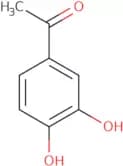
CAS:2,2':6',2''- Terpyridine-4'-methanol is a high quality reagent that is used as an intermediate in the synthesis of other fine chemicals. It has been shown to be a useful scaffold for synthesis of complex compounds with interesting biological and chemical properties. 2,2':6',2''- Terpyridine-4'-methanol has also been found to be a versatile building block for the preparation of new speciality chemicals. This compound can be used as a reaction component in many organic reactions.Formula:C16H13N3OPurity:Min. 95%Color and Shape:PowderMolecular weight:263.29 g/mol3',4'-Dihydroxyacetophenone
CAS:3',4'-Dihydroxyacetophenone is a transcription-polymerase chain inhibitor that is used in the laboratory to study the effects of the enzyme on gene expression. It has been shown to inhibit transcription by binding to the polymerase and inhibiting RNA synthesis. 3',4'-Dihydroxyacetophenone also inhibits acetate extract enzyme activities, such as collagenase, protease, and lipase. This chemical also induces toll-like receptor (TLR) signaling pathways, which are responsible for inflammation responses. 3',4'-Dihydroxyacetophenone has been shown to have synergistic effects with protocatechuic acid, an antioxidant found in plants that is believed to be responsible for its anti-inflammatory properties. The mechanism of action of this chemical is still unknown; however, it may bind to fatty acids and form stable complexes that inhibit the activity of enzymes or change their shape so they can no longer function properly.
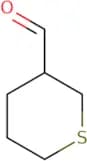
Formula:C8H8O3Purity:Min. 95%Color and Shape:PowderMolecular weight:152.15 g/molThiane-3-carbaldehyde
CAS:Thiane-3-carbaldehyde is a fine chemical that is used in research and development as a versatile building block for the synthesis of complex compounds. Thiane-3-carbaldehyde can be used as a reagent, speciality chemical, or useful scaffold for the synthesis of high quality and useful intermediates. This compound has CAS number 61571-06-0.
Formula:C6H10OSPurity:Min. 95%Molecular weight:130.21 g/mol4-(Dimethylamino)phenol
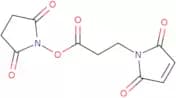
CAS:4-(Dimethylamino)phenol is a reactive molecule that can react with sodium carbonate to form a fluorescent product. The reaction mechanism has been elucidated by fluorescence spectroscopy and linear calibration curves. 4-DMA(OH)P reacts with sodium carbonate in water at physiological levels, producing p-hydroxybenzoic acid and 4-dimethylaminobenzoic acid. These compounds are also found in the matrix of bacterial cells and may serve as markers for the identification of bacterial metabolism. The reaction between 4DMA(OH)P and sodium carbonate was examined by X-ray crystal structures, which revealed that the reactive site is located on the phenolic hydroxyl group of 4DMA(OH)P. This study showed that the reactive site is localized on the phenolic hydroxy group of 4DMA(OH)P, which makes this molecule useful for identification of bacterial metabolism by means of matrix effect.Formula:C8H11NOPurity:Min. 95%Molecular weight:137.18 g/mol3-Maleimidopropionic acid N-succinimidyl ester
CAS:3-Maleimidopropionic acid N-succinimidyl ester is a potent inducer of the transcriptional regulator NF-κB. It also inhibits the growth of human osteosarcoma cells and mesenchymal cells, which may be due to its activity on integrin receptors. 3-Maleimidopropionic acid N-succinimidyl ester has been shown to inhibit the growth of infectious diseases such as HIV and malaria, as well as leukemia inhibitory factor. This drug also has a chemical effect on iron homeostasis by inhibiting iron uptake in human serum and mouse liver cells.Formula:C11H10N2O6Purity:Min. 98 Area-%Color and Shape:PowderMolecular weight:266.21 g/mol3-Methylphenylacetone
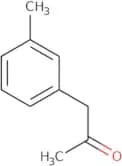
CAS:3-Methylphenylacetone is a dioxane with functional groups, which can be synthesized by coupling of acetoacetate and nitrobenzene. 3-Methylphenylacetone is a versatile precursor for the synthesis of various esters, such as phenylethyl acetate. This compound can also be deacylated to form 3-methylphenol, which is used in the synthesis of nitrophenols. In addition, 3-methylphenylacetone can be used in the production of acetophenones, ketones, and other aromatic compounds by using catalysts such as iodine or phosphoric acid. Nitro groups on 3-methylphenylacetone react with chloro-, bromo-, or methoxy-substituted substrates to form nitrosated derivatives. The tert-butyl group is eliminated spontaneously to form an amine.Formula:C10H12OPurity:Min. 95%Color and Shape:Clear LiquidMolecular weight:148.2 g/mol1,1,1-Tris(hydroxymethyl)ethane
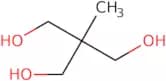
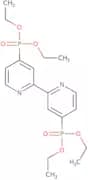
CAS:1,1,1-Tris(hydroxymethyl)ethane is a liquid that can be used in the treatment of wastewater. It is a non-ionic surfactant that reacts with metal hydroxides to form insoluble salts. 1,1,1-Tris(hydroxymethyl)ethane has been shown to have a light emission property at room temperature and below. The structure of 1,1,1-Tris(hydroxymethyl)ethane has been determined using spectroscopic analysis and chemical synthesis. Hypoglycemic effects have been demonstrated in mice fed a high-fat diet supplemented with 1,1,1-Tris(hydroxymethyl)ethane as well as in rats fed an experimental diet containing this compound.Formula:C5H12O3Purity:Min. 95 Area-%Color and Shape:White Off-White PowderMolecular weight:120.15 g/molTetraethyl 2,2'-bipyridine-4,4'-diylbisphosphonate
CAS:Tetraethyl 2,2'-bipyridine-4,4'-diylbisphosphonate is a chemical that is used as an intermediate in the synthesis of other fine chemicals. Tetraethyl 2,2'-bipyridine-4,4'-diylbisphosphonate can be used as a building block for synthesis of more complex compounds with high chemical and biological activity. Tetraethyl 2,2'-bipyridine-4,4'-diylbisphosphonate can also be used to synthesize speciality chemicals or research chemicals. This compound has many versatile uses due to its ability to react with different substances to form new chemical compounds.
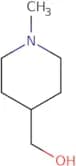
Formula:C18H26N2O6P2Purity:Min. 95%Color and Shape:PowderMolecular weight:428.36 g/mol(1-Methylpiperidin-4-yl)methanol
CAS:(1-Methylpiperidin-4-yl)methanol is a potent inhibitor of the kinases vegfr-2 and vesicular glutamate transporter 2 (vglut2). It is also active against human tumor xenografts. The inhibitory activity was determined to be due to its ability to bind and covalently modify tyrosine residues in the kinase domain. The inhibitory potency of (1-Methylpiperidin-4-yl)methanol was found to be constant, regardless of oxygenation status. This suggests that the inhibition is not due to the binding of oxygenated metabolites. In vitro experiments showed that it inhibits cellular proliferation by blocking protein synthesis and arresting cells at G1 phase. This drug has potential as an antitumor agent because it inhibits tumor growth without affecting normal tissue or causing significant toxicity in animal models.
Formula:C7H15NOPurity:Min. 95%Color and Shape:Colourless to yellow liquid.Molecular weight:129.2 g/molcis-4,7,10,13,16,19-Docosahexaenoic acid
CAS:cis-4,7,10,13,16,19-Docosahexaenoic acid (also known as DHA or cervonic acid) is one of the omega-3 fatty acids (a group of highly unsaturated fatty acids). As for most omega-3 fatty acids, good sources of DHA include fish oils and other seafoods. DHA plays a key role in human brain development and function and is also found in high concentration in the retina, central nervous system and skin. As such DHA is a key nutrient which is widely used as a dietary supplement, particularly for infants and pregnant women, with its potential health benefits currently being investigated across a number of different disease areas.Formula:C22H32O2Purity:Min. 80 Area-%Color and Shape:Yellow Clear LiquidMolecular weight:328.49 g/molL-5-Methyltetrahydrofolate calcium
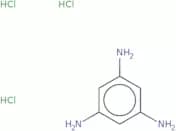
CAS:L-5-Methyltetrahydrofolate calcium is also known as calcium levomefolate; N-[4-[[(2-amino-1,4,5,6,7,8-hexahydro-5-methyl-4-oxo-6-pteridinyl)methyl]amino]benzoyl]-L-glutamic acid, calcium salt; and L-5-MTHF. L-5-Methyltetrahydrofolate calcium is the calcium salt of L-5-methyltetrahydrofolic acid, and a member of the folate group of vitamins (Vitamin B9). It is the coenzymated and most active form of folic acid, which performs many vital cellular functions, including DNA reproduction, cysteine cycle and homocysteine regulation. L-5-Methyltetrahydrofolate calcium is used as in dietary supplements and has been proposed for treatment of cardiovascular disease.Formula:C20H23CaN7O6Purity:Min. 95 Area-%Color and Shape:White PowderMolecular weight:497.52 g/mol1,3,5-Triaminobenzene trihydrochloride
CAS:1,3,5-Triaminobenzene trihydrochloride (TAT) is a low detection fluorescent probe that can be used as an introducing agent to introduce a triazine skeleton into a variety of heterocyclic amines. TAT has been shown to have the ability to bind with many different functional groups, such as amines and hydroxyls. The fluorescence of TAT is proportional to the amount of hydrogen bonding interactions between the probe and other molecules. TAT can be detected by means of energy-dispersive x-ray spectroscopy.
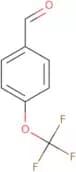
Formula:C6H12Cl3N3Purity:Min. 95%Color and Shape:White PowderMolecular weight:232.54 g/mol4-(Trifluoromethoxy)benzaldehyde
CAS:4-(Trifluoromethoxy)benzaldehyde is a chemical compound that is a substrate for tyrosinase and an inhibitor of the enzyme. It is also an anticancer compound that can be used to inhibit tumor growth by inhibiting protein synthesis. 4-(Trifluoromethoxy)benzaldehyde has been shown to have potent tyrosinase inhibition activity in vitro and in vivo, as well as binding activities with the CB2 receptor. This chemical has also been shown to inhibit virus replication, including HIV-1, and tuberculosis. 4-(Trifluoromethoxy)benzaldehyde can be used in assays to measure the potency of other compounds that are involved in tyrosinase activity or have anti-cancer properties. 4-(Trifluoromethoxy)benzaldehyde specifically binds to residues in the kinase domain of the enzyme tyrosinase, which is responsible for catalysis and regulation of this enzyme.Formula:C8H5F3O2Purity:Min. 95%Color and Shape:Colorless Clear LiquidMolecular weight:190.12 g/mol1,4-Diiodobenzene
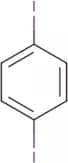
CAS:1,4-Diiodobenzene is an anti-retroviral drug that is used in the treatment of HIV infection. It has a molecular weight of 208.2 and a melting point of -68°C. 1,4-Diiodobenzene binds to intracellular targets, such as reverse transcriptase, proteases and integrase in HIV-1. This drug also has immunomodulatory effects on T cells and B cells. 1,4-Diiodobenzene has been shown to be effective against bacterial vaginosis and may have beneficial effects on body mass index and fatty acid metabolism.
Formula:C6H4I2Purity:Min. 98 Area-%Color and Shape:White PowderMolecular weight:329.9 g/mol2,3-Dihydroxybenzoic acid
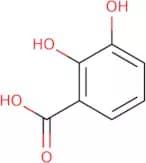
CAS:2,3-Dihydroxybenzoic acid is an antioxidant found in many plants. It has a protective effect against oxidative injury. 2,3-Dihydroxybenzoic acid has been used as a model for the study of infectious diseases and its effects on biological studies. This compound has been shown to prevent the growth of Aerobacter aerogenes and Dinucleotide phosphate. 2,3-Dihydroxybenzoic acid is also used as an ingredient in sephadex g-100 and it acts as an antimicrobial agent that prevents microbial growth in wastewater treatment systems.Formula:C7H6O4Purity:Min. 95%Color and Shape:PowderMolecular weight:154.12 g/mol1,4-Diisocyanatobutane
CAS:Monomer for the preparation of biocompatible polyurethane polymersFormula:C6H8N2O2Purity:Min. 98 Area-%Color and Shape:Colorless Clear LiquidMolecular weight:140.14 g/mol2,4-Dinitrobenzaldehyde
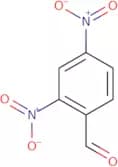
CAS:2,4-Dinitrobenzaldehyde is a chemical compound that contains a hydroxyl group and an amine. It is reactive and can form cationic surfactants with other compounds. 2,4-Dinitrobenzaldehyde has been shown to react with dimethyl fumarate in the presence of ethyl esters to form ethyl 2,4-dinitrophenolate. This reaction is catalyzed by dinucleotide phosphate and requires salinity or a base such as sodium methoxide. 2,4-Dinitrobenzaldehyde reacts with 2-aminoethanol in the presence of water or alcohols to produce 2,4-diaminobenzoic acid. The reaction mechanism for this process is not known but it may involve hydrogen bonding between the hydroxyl group and amine groups. 2,4-Dinitrobenzaldehyde has been used as a reagent for staining DNA in gel electFormula:C7H4N2O5Purity:Min. 95%Color and Shape:PowderMolecular weight:196.12 g/molMethyl 5-chlorosalicylate
CAS:Methyl 5-chlorosalicylate is a chemical compound with the molecular formula CHClO. It is a colorless liquid that has a minty odor. Methyl 5-chlorosalicylate is used in organic chemistry as an intermediate to synthesize other compounds, and it can be used in the synthesis of β-cell receptor antagonists. This drug is an analog of salicylic acid and its anti-inflammatory effects are due to the inhibition of chloride channels on macrophages. The drug's neutralizing properties have been shown by experiments with neutralizing antibody levels at physiological levels, which blocks viral replication and prevents cell damage by free radicals.Formula:C8H7ClO3Purity:Min. 95%Color and Shape:White PowderMolecular weight:186.59 g/mol4-(Hydroxymethyl)benzamide
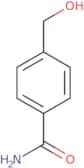
CAS:4-(Hydroxymethyl)benzamide is a heterocyclic compound that is activated with sodium borohydride. It can be used in the synthesis of peptides, which are chains of amino acids. 4-(Hydroxymethyl)benzamide has been shown to have a high efficiency for the synthesis of peptides and has been shown to be an excellent reactant for manual peptide synthesis. Kinetics studies have also shown that this reagent is more effective than other deprotecting agents such as hydrochloric acid. This compound has been found to be useful in the analysis of amino acids and can be used in the ligation reaction during peptide synthesis. The deprotection reactions catalyzed by 4-(Hydroxymethyl)benzamide are typically carried out at room temperature, although solvents such as dichloromethane or chloroform can be used instead if necessary.
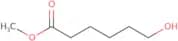
Formula:C8H9NO2Purity:Min. 95%Molecular weight:151.16 g/molMethyl 6-hydroxyhexanoate
CAS:Methyl 6-hydroxyhexanoate is a reaction intermediate in the synthesis of glycol ethers and polycarboxylic acids. It is also used as a precursor for monoclonal antibodies for cancer therapy. Methyl 6-hydroxyhexanoate reacts with metal ions to form hydrogen bonds, which are important in the stabilization of the covalent bond between the two compounds. This reaction is catalyzed by an enzyme called lipase. The rate of this reaction is increased by adding glycosidation, which increases the number of hydrogen bonding sites on the compound. Methyl 6-hydoxyhexanoate can also be produced from methyl hydroxy and glycol ethers through a reaction that involves metal ion, glycosidation, and a lipase. The antigenicity of methyl 6-hydroxyhexanoate can be altered by changing its carboxyl group to a benzyl group.Formula:C7H14O3Purity:Min. 95%Molecular weight:146.18 g/molMES monohydrate
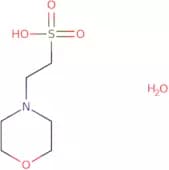
CAS:MES buffer is a synthetic buffer commonly used in biological and biochemical experiments. It's known for its buffering capacity within the pH range of 5.5 to 6.7, making it suitable for various applications. It has good water solubility, chemical stability, and minimal interaction with metal ions, which is crucial for many biological systems.Formula:C6H13NO4S·H2OColor and Shape:White Off-White PowderMolecular weight:213.25 g/mol3,5-Dinitroaniline
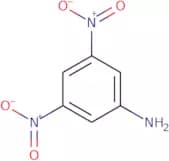
CAS:3,5-Dinitroaniline is a chemical compound that has been shown to inhibit the growth of Pseudomonas aeruginosa. 3,5-Dinitroaniline binds to the bacterial cytochrome oxidase enzyme, which prevents the formation of ATP and disrupts cellular respiration. It also inhibits the synthesis of fatty acids in bacteria by binding to their DNA and RNA. 3,5-Dinitroaniline has also been shown to have genotoxic activity in bacteria by causing DNA strand breaks.Formula:C6H5N3O4Purity:Min. 95%Color and Shape:Slightly Yellow PowderMolecular weight:183.12 g/mol2-[2-(Morpholin-4-yl)ethoxy]ethan-1-amine
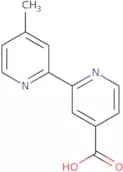
CAS:2-[2-(Morpholin-4-yl)ethoxy]ethan-1-amine is a research chemical that is used as a reagent, reaction component, or building block in the synthesis of more complex compounds. It can be used to synthesize fine chemicals such as pharmaceuticals and agrochemicals.Formula:C8H18N2O2Purity:Min. 95%Color and Shape:Clear LiquidMolecular weight:174.24 g/mol4-Methyl-4'-carboxy-2,2'-bipyridine
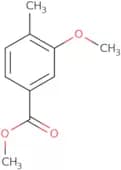
CAS:4-Methyl-4'-carboxy-2,2'-bipyridine is a fluorescent probe that can be used to detect the presence of hydrogen peroxide in cells. It has been shown to bind to mitochondria and liver cells. The binding constants are in the range of 10 M. When exposed to light, 4-methyl-4'-carboxy-2,2'-bipyridine emits an orange fluorescence. This chemical has been used as an oxidation catalyst for amides and as an enhancer for reactive species in kinetic experiments. It also has been shown to have proton uptake properties.Formula:C12H10N2O2Purity:Min. 95%Color and Shape:Off-White PowderMolecular weight:214.22 g/mol3-Methoxy-4-methylbenzoic acid methyl ester
CAS:3-Methoxy-4-methylbenzoic acid methyl ester is a potent inhibitor of the neurotoxic effects of β-amyloid peptide (Aβ) on cultured human neurons. 3-Methoxy-4-methylbenzoic acid methyl ester inhibits fibrillation in vitro and fluorescence assay, suggesting that it may be a promising therapeutic agent for Alzheimer's disease. The fluorescence assay is based on the inhibition of fluorescence by 3-methoxy-4-methylbenzoic acid methyl ester, which competes with Aβ for binding to an acceptor molecule. This inhibition can be used as a marker to measure the amount of Aβ present in vivo.Formula:C10H12O3Purity:Min. 95%Color and Shape:White PowderMolecular weight:180.2 g/mol


![Ethyl 2-{methyl[(pyridin-2-yl)methyl]amino}acetate](/_next/image/?url=https%3A%2Fstatic.cymitquimica.com%2Fproducts%2F3D%2Fthumb-webp%2FUBB08344.webp&w=3840&q=75)

![1H,4H,6H,7H-Pyrano[4,3-b]pyrrole-2-carboxylic acid](/_next/image/?url=https%3A%2Fstatic.cymitquimica.com%2Fproducts%2F3D%2Fthumb-webp%2FNAC08303.webp&w=3840&q=75)




![2-[4-(Methylsulfanyl)phenyl]-2-oxoacetaldehyde](/_next/image/?url=https%3A%2Fstatic.cymitquimica.com%2Fproducts%2F3D%2Fthumb-webp%2FICA95088.webp&w=3840&q=75)
![4-[(1E)-2-(3-Hydroxyphenyl)ethenyl]phenol](/_next/image/?url=https%3A%2Fstatic.cymitquimica.com%2Fproducts%2F3D%2Fthumb-webp%2FNCA87776.webp&w=3840&q=75)


![Ethyl 2-[(benzenesulfonyl)methyl]prop-2-enoate](/_next/image/?url=https%3A%2Fstatic.cymitquimica.com%2Fproducts%2F3D%2Fthumb-webp%2FPDA29532.webp&w=3840&q=75)
![2-[(Dimethylcarbamothioyl)sulfanyl]acetonitrile](/_next/image/?url=https%3A%2Fstatic.cymitquimica.com%2Fproducts%2F3D%2Fthumb-webp%2FLCA54035.webp&w=3840&q=75)
![[2,2':6',2''- Terpyridine]-4'-methanol](/_next/image/?url=https%3A%2Fstatic.cymitquimica.com%2Fproducts%2F3D%2Fthumb-webp%2FFT171190.webp&w=3840&q=75)





![2-[2-(Morpholin-4-yl)ethoxy]ethan-1-amine](/_next/image/?url=https%3A%2Fstatic.cymitquimica.com%2Fproducts%2F3D%2Fthumb-webp%2FVAA20713.webp&w=3840&q=75)