Building Blocks
Subcategories of "Building Blocks"
- Boronic Acids & Boronic Acid Derivatives(5,786 products)
- Chiral Building Blocks(1,246 products)
- Hydrocarbon Building Blocks(6,107 products)
- Organic Building Blocks(61,079 products)
Found 205461 products of "Building Blocks"
(R)-(-)-1,3-Butanediol
CAS:(R)-(-)-1,3-Butanediol is a chiral compound that belongs to the group of organic compounds called diols. It is used in the fermentation of Candida parapsilosis and other yeast species to produce enantiomerically pure (S)-(-)-1,3-butanediol. The racemate can be converted into the two enantiomers by chemical means or by enzymatic resolution. The process for large-scale production is similar to that for ethanol fermentation, but with 2-propanol as substrate instead of glucose. The fermentor has been shown to be effective at producing large quantities of 1,3-butanediol in a short time period.
Formula:C4H10O2Purity:Min. 98%Color and Shape:Colorless Clear LiquidMolecular weight:90.12 g/mol4-[(5-Ethyl-1,2,4-oxadiazol-3-yl)methoxy]piperidine
CAS:Versatile small molecule scaffoldFormula:C10H17N3O2Purity:Min. 90%Color and Shape:Clear LiquidMolecular weight:211.26 g/mol5-Bromopyrimidine
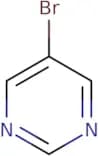
CAS:5-Bromopyrimidine is a reactive intermediate that is used in the synthesis of 4-methoxyphenylboronic acid. It is a crystalline solid with a molecular weight of 164.5 g/mol and an empirical formula of C6H4BrN3O. 5-Bromopyrimidine has been shown to be nucleophilic, reacting with β-amino acids under basic conditions to form the corresponding 2-bromo amide. It also undergoes cross-coupling reactions with halides and can be used as a building block for other organic compounds. 5-Bromopyrimidine has optical properties that are characteristic of aromatic molecules, including strong absorption bands in the ultraviolet region and visible light region.Formula:C4H3BrN2Purity:Min. 95%Color and Shape:PowderMolecular weight:158.98 g/mol3,5-Dimethyl-4-nitrobenzoic acid
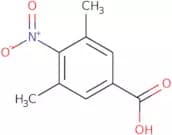
CAS:3,5-Dimethyl-4-nitrobenzoic acid is a synthetic compound that has been used in the synthesis of other organic compounds. It is not currently used as a drug, but it has been shown to inhibit the growth of bacteria in vitro. The mechanism of action for this compound is unclear. 3,5-Dimethyl-4-nitrobenzoic acid has been shown to be active against the bacterium Typhimurium and may inhibit bacterial growth by being metabolised into nitrite or nitrate ions. This chemical can also be converted into a reactive intermediate that reacts with oxygen to form superoxide anion radicals, which are known to have antibacterial effects.Formula:C9H9NO4Purity:Min. 95%Color and Shape:PowderMolecular weight:195.17 g/mol3-Methoxy-4-methylbenzonitrile
CAS:3-Methoxy-4-methylbenzonitrile is a reagent that is used in the synthesis of complex compounds, such as pharmaceuticals and fine chemicals. It has been shown to be useful as an intermediate for the synthesis of various drugs, including antibiotics. 3-Methoxy-4-methylbenzonitrile has also been shown to be a useful scaffold for the synthesis of new drugs and other chemical compounds. This compound is listed on the Chemical Abstracts Service registry number 3556-60-3.Formula:C9H9NOPurity:Min. 95%Color and Shape:PowderMolecular weight:147.17 g/mol4-Mercaptophenylacetic acid
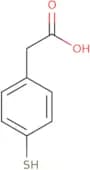
CAS:4-Mercaptophenylacetic acid is a palladium complex that inhibits the synthesis of proteins by binding to the ribosome and blocking peptide bond formation. The molecule has a polymeric matrix with a high degree of crystallinity and an isolated yield of greater than 95%. 4-Mercaptophenylacetic acid is immobilized on a carboxylate surface and has been shown to have pharmacokinetic properties. It can be used in the treatment of cancer cells and inhibits protein synthesis, leading to cell death. 4-Mercaptophenylacetic acid also has anti-inflammatory activities due to its inhibition of prostaglandin synthesis.Formula:C8H8O2SPurity:Min. 95%Color and Shape:Yellow PowderMolecular weight:168.21 g/mol4-Formyl-3-hydroxybenzoic acid
CAS:4-Formyl-3-hydroxybenzoic acid (4FHB) is a member of the phenylacetic acid family. It has been shown to have potential as a substrate for creatine kinase and amines, as well as an inhibitor of the enzyme. 4FHB binds to the surface of silica particles in order to enhance Raman scattering in a solid-phase synthesis. The molecular weight of 4FHB is 148 g/mol, with optical properties that can be described by fluorescence spectroscopy. 4FHB has been shown to be homochiral and tetradentate, with a magnetic resonance spectrum that can be characterized by hydroxyl group and salicylaldehyde groups.Formula:C8H6O4Purity:Min. 96.5 Area-%Color and Shape:PowderMolecular weight:166.13 g/molN-(1-Cyano-1-methylethyl)-2-methylpropanamide
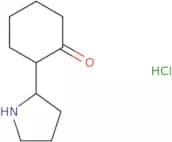
CAS:N-(1-Cyano-1-methylethyl)-2-methylpropanamide is a chemical that is used in pharmaceutical dosage. It is a prodrug of aminopropiophenone, which has been shown to be useful for the treatment of depression. This chemical is readily soluble in water and hydrochloric acid, but insoluble in trifluoroacetic acid or hydrophilic interaction chromatography. N-(1-Cyano-1-methylethyl)-2-methylpropanamide has been shown to bind to chloride ions, amines, and dodecyl groups.Formula:C8H14N2OPurity:Min. 95%Color and Shape:PowderMolecular weight:154.21 g/mol2-(Pyrrolidin-2-yl)cyclohexan-1-one hydrochloride
CAS:Versatile small molecule scaffoldFormula:C10H18ClNOPurity:Min. 95%Color and Shape:PowderMolecular weight:203.71 g/molMethyl 4-bromo-2-methoxybenzoate
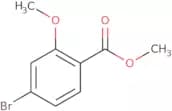
CAS:Methyl 4-bromo-2-methoxybenzoate is a drug molecule that belongs to the amide class. It is a synthetic reagent and can be used as a potential precursor in the synthesis of other drugs. Methyl 4-bromo-2-methoxybenzoate has been shown to react with carboxylic acids to form methyl esters, which are functional groups that contain a carboxyl group (COOH) and an alcohol group (OH). This reaction is called methoxylation. The transformation of methyl 4-bromo-2-methoxybenzoate into methyl esters increases the solubility of the compound and allows for it to be transported in water.Formula:C9H9BrO3Purity:Min. 98 Area-%Color and Shape:Yellow PowderMolecular weight:245.07 g/mol2-(2-(2-Chloroethoxy)ethoxy)ethanol
CAS:2-(2-(2-Chloroethoxy)ethoxy)ethanol (CETOI) is a coumarin derivative that is used as an additive in the fabrication of polyurethane. Magnetic resonance spectroscopy has shown that CETOI can be used as a probe to study amide groups by its ability to form hydrogen bonds with amide groups. This chemical can also be used in regenerative medicine and cyclic peptides. Azobenzene monomers have been shown to inhibit viral replication, including influenza virus, through the formation of covalent bonds with phosphate groups on dsDNA.Formula:C6H13ClO3Purity:Min. 95%Color and Shape:Colorless Clear LiquidMolecular weight:168.62 g/molChloro-1-propanol
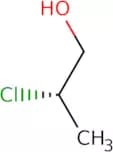
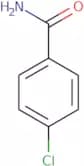
CAS:Chloro-1-propanol is a product that is used as an organic solvent and a reaction medium. It can be used in the synthesis of chlorinated compounds, such as epoxides, chloride gas, and oxetane. Chloro-1-propanol is not carcinogenic, although it does contain traces of impurities that are carcinogenic. Chloro-1-propanol has a high yield with relatively low cost and can be obtained by reacting chlorine with alcohols or phenols. This product is hydrophobic and reacts well with other molecules that are also hydrophobic. The reactivity of chloro-1-propanol increases when it reacts with chloride gas or hydrochloric acid to form divalent ions.Formula:C3H7ClOPurity:Min. 95%Color and Shape:Colorless Clear LiquidMolecular weight:94.54 g/mol4-Chlorobenzamide
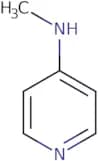
CAS:4-Chlorobenzamide is a quaternary ammonium compound that is used in the synthesis of other organic compounds. 4-Chlorobenzamide reacts with malonic acid to form a compound called 4-chlorobenzoic acid. The reaction mechanism involves formation of hydrogen bonds and an electrophilic substitution. 4-Chlorobenzamide is also found in environmental pollution, where it can be degraded by hydroxyl radicals and chlorine. It can be found as a chloride salt or amide depending on the pH. The functional groups are carbonyl group, which has a carbon atom double bonded to an oxygen atom, and hydroxyl group, which has a hydroxyl radical attached to a carbon atom.Formula:C7H6ClNOPurity:Min. 95%Color and Shape:PowderMolecular weight:155.58 g/mol4-(Methylamino)pyridine
CAS:4-(Methylamino)pyridine (4-MAP) is an anticancer drug that belongs to the class of aromatic heterocyclic compounds. It has been shown to have a broad spectrum of anticancer activity with no toxic effects on normal cells. 4-MAP is immobilized on the surface of nanotubes and has demonstrated a high degree of stability in acidic and alkaline solutions. 4-MAP can be used as a carrier for transfection experiments and for the immobilization of enzymes, proteins, or other biomolecules. The most significant limitation with this material is its relatively low solubility in water.Formula:C6H8N2Purity:Min. 95%Color and Shape:PowderMolecular weight:108.14 g/molCyclopentylmethanol
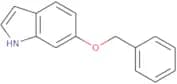
CAS:Cyclopentylmethanol is a chemical compound with the molecular formula CH3OH. It is a colorless liquid that is soluble in water and has a distinctive, sweet odor. Cyclopentylmethanol is used as an intermediate in organic synthesis and as a solvent for nitrocellulose, cellulose acetate, cellulose nitrate, and similar materials. It reacts with chlorine at high temperatures to form chlorinated cyclopentylmethanols. This reaction can be used to synthesize hydroxyapatite (a mineral) from calcium phosphate (a mineral). Cyclopentylmethanol also reacts with nicotinic acetylcholine receptors in the brain, causing them to desensitize. Hydroxyapatite can also be synthesized by reacting cyclopentylmethanol with dinucleotide phosphate and hydroxyl group containing compounds such as esters or soluble guanylate cyclase enzymes. The reactions produce hydrogenFormula:C6H12OPurity:Min. 95%Color and Shape:Clear Colourless LiquidMolecular weight:100.16 g/mol6-Benzyloxyindole
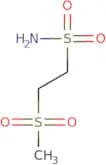
CAS:6-Benzyloxyindole is an isomer of indole with a kinetic, acidic, and synthetic process. It reacts with acetyl derivatives to form hydrogen bond and has binding activities. 6-Benzyloxyindole is an indole alkaloid that can be used as a biomimetic additive or in the synthesis of 5-methoxyindole which has been shown to inhibit the 5-ht4 receptor.Formula:C15H13NOPurity:Min. 95%Color and Shape:PowderMolecular weight:223.27 g/mol2-Methanesulfonylethane-1-sulfonamide
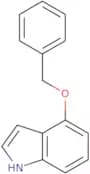
CAS:Versatile small molecule scaffoldFormula:C3H9NO4S2Purity:Min. 95%Color and Shape:PowderMolecular weight:187.2 g/mol4-Benzyloxyindole
CAS:4-Benzyloxyindole is a serotonin receptor binding agent. It has a macrocyclic structure that is composed of four benzyloxy groups and a nitrogen atom in the center. The 4-benzyloxyindole binds to the serotonin receptors, specifically to those that are G-protein coupled and mediate intracellular signaling cascades. 4-Benzyloxyindole has been shown to be an inhibitor of calcium channels and may be used for treatment of diseases such as hypertension, schizophrenia, depression, migraine headaches, and epilepsy.Formula:C15H13NOColor and Shape:Off-White PowderMolecular weight:223.27 g/mol2-Chloroethyl methyl sulfide
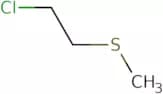
CAS:2-Chloroethyl methyl sulfide (2CEMS) is a reactive compound that has been shown to enhance membrane interactions and fatty acid metabolism in experimental models. 2CEMS is a substrate molecule for the reaction mechanism of the enzyme phospholipase A2, which plays an important role in the production of arachidonic acid. 2CEMS has been shown to have cytotoxic effects on 3T3-L1 preadipocytes, with cell death occurring as a result of kinetic energy emissions. The halides in 2CEMS can coordinate with hematopoietic cells, leading to the inhibition of their proliferation and differentiation. 2CEMS is also able to bind with various metals such as copper and zinc, which may be useful for pharmaceutical drug applications.Formula:C3H7ClSPurity:Min. 96 Area-%Color and Shape:Colorless Yellow Clear LiquidMolecular weight:110.61 g/molFmoc-L-cysteine
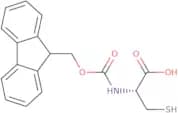
CAS:Fmoc-L-cysteine is a reactive thiol that can be used for the synthesis of peptides and proteins. Fmoc-L-cysteine is synthesized by hydrothiolation of L-cysteine with 3-mercaptopropionic acid, which leads to the formation of a disulfide bond. The reaction product is purified by column chromatography and analyzed by NMR spectroscopy. Fmoc-L-cysteine has been shown to have efficient prenylation activity in vitro and in cell culture experiments. It has also been shown to be an important amino acid for the formation of amyloid protein aggregates, as well as being involved with other helical peptides in plants. X-ray crystal structures have been determined for Fmoc-L-cysteine bound to monoclonal antibodies.Formula:C18H17NO4SPurity:Min. 98 Area-%Color and Shape:PowderMolecular weight:343.4 g/mol4-Bromo-1-butene
CAS:4-Bromo-1-butene is a colorless liquid with a boiling point of 102°C. It is soluble in ethanol, acetone, and chloroform. 4-Bromo-1-butene undergoes an acid-catalyzed phase transition to the solid form at temperatures below its melting point. 4-Bromobutene can be synthesized by reacting ethyl bromide with 1-butene in the presence of a catalyst such as copper or silver oxide. The kinetic energy of the reaction is determined by measuring the rate of evolution of hydrogen bromide gas from the reaction mixture. The β-unsaturated ketone reacts with dimethyl fumarate in the presence of sodium hydroxide to produce 4-bromobutene and 2,2'-difluoroethanol. This product has been shown to have IR spectra similar to those for other products containing a hydroxyl group such as phenol andFormula:C4H7BrPurity:Min. 95%Color and Shape:Colorless Clear LiquidMolecular weight:135 g/mol2-Benzofurancarboxylic acid
CAS:2-Benzofurancarboxylic acid is a potent antimicrobial agent that inhibits the growth of bacteria by binding to amines, carthamus tinctorius, coumarin derivatives, and reaction mechanism. It has been shown to be effective against several types of cancer cells and autoimmune diseases. 2-Benzofurancarboxylic acid binds reversibly to the active site of an enzyme with high affinity for amines, carthamus tinctorius, coumarin derivatives, and reaction mechanism. This binding prevents the enzyme from performing its normal function.
2-Benzofurancarboxylic acid has also been shown to inhibit bacterial growth in a microgravity environment and was found to be more effective than its analogs in a molecular docking analysis.Formula:C9H6O3Purity:Min. 98 Area-%Color and Shape:PowderMolecular weight:162.14 g/mol3-Mercaptophenylacetic acid
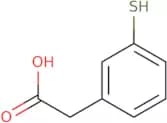
CAS:3-Mercaptophenylacetic acid is an active form of 3-mercaptophenylacetic acid. It is a protein that is used to produce ribonuclease, which is a type of enzyme that breaks down RNA. The hydrolytic reaction of 3-mercaptophenylacetic acid can be facilitated by buffers such as guanidine hydrochloride and thiols such as glutathione. Diazotization with sodium nitrite or diazotization with potassium nitrite followed by treatment with sodium sulfite or potassium bisulfite will convert 3-mercaptophenylacetic acid to 3-mercaptophenol. Denaturant such as urea, guanidine hydrochloride, or triethanolamine can be used to convert the molecule into an aliphatic form. This will expand the molecule and create a more reactive molecule.Formula:C8H8O2SPurity:Min. 95%Color and Shape:PowderMolecular weight:168.21 g/mol7-Cyanoindole
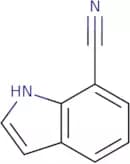
CAS:7-Cyanoindole is a synthetic compound that can be synthesized from amino-acids. The synthesis of 7-cyanoindole starts with the hydration of cyanamide, which yields cyanogen chloride. This reaction is followed by the dehydration of this molecule to produce 7-cyanoindole. The fluorescence properties and lifetimes are dependent on the hydration and dehydrations states. Synthetically, 7-cyanoindole is used as a fluorescent probe for amino acids in solution. This probe has been shown to bind to amino acids at acidic pHs and fluoresce brightly at wavelengths around 400 nm. Industrialized methods for synthesis include reacting cyanoacetylene with ammonia or methylamine in the presence of silicane or silicon dioxide as a catalyst. Reaction yield is dependent on the method used and ranges from 10% to 100%.Formula:C9H6N2Purity:Min. 95%Color and Shape:Off-White PowderMolecular weight:142.16 g/mol6-Chloro-5-fluoroindole
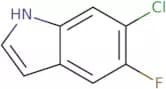
CAS:6-Chloro-5-fluoroindole is a chemical compound that has been shown to be an effective inhibitor of 5-HT2C receptors. 6-Chloro-5-fluoroindole was synthesized in 1972 by the reaction of formamide with chloroacetyl chloride, and it was found to have anti-cancer effects in 1979. 6-Chloro-5-fluoroindole binds to 5HT2C receptors and prevents the activation of G proteins. This inhibition leads to cancer cell death because the receptor is involved in many important signalling pathways. 6CI5FI is used as a research tool for studying the function of this receptor.Formula:C8H5ClFNPurity:Min. 95%Color and Shape:PowderMolecular weight:169.58 g/mol2,5-Dimethoxycinnamic acid
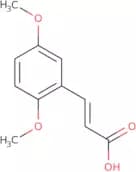
CAS:2,5-Dimethoxycinnamic acid is an unsymmetrical phenolic compound that is synthesized from caffeic acid. It has been shown to have a number of biological activities such as anti-inflammatory, coagulation, and inhibitory effects on platelet aggregation. 2,5-Dimethoxycinnamic acid has also been shown to be a potent inhibitor of platelet aggregation and thrombosis formation in vitro. This natural compound is also found in plants such as green tea leaves which contain the polyphenols epigallocatechin gallate and hydroxyanisole. The chromophore group in the molecule is responsible for the yellow color of this substance.Formula:C11H12O4Purity:Min. 95%Color and Shape:PowderMolecular weight:208.21 g/molFinerenone
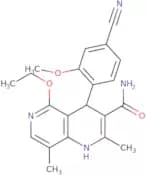
CAS:Please enquire for more information about Finerenone including the price, delivery time and more detailed product information at the technical inquiry form on this pageFormula:C21H22N4O3Purity:Min. 95%Color and Shape:PowderMolecular weight:378.4 g/mol1H-Pyrrolo[2,3-c]pyridin-7-amine
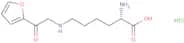
CAS:Versatile small molecule scaffoldFormula:C7H7N3Purity:Min. 95%Color and Shape:PowderMolecular weight:133.15 g/molFurosine hydrochloride
CAS:Furosine hydrochloride is a white crystalline chemical with a molecular formula of C6H7N3O4S. It is soluble in water and has a melting point of about 140 degrees Celsius. Furosine hydrochloride is a useful building block for the synthesis of polymers, pharmaceuticals, organic semiconductors and other organic compounds. Furosine hydrochloride is used as an intermediate to produce fine chemicals such as polyurethanes, polyamides and amino acids. It can also be used as a reaction component in the synthesis of complex compounds such as 2-amino-5-nitrothiophene or 2,2'-dithiobis(benzothiazole). Furosine hydrochloride can be used as a scaffold for the production of various drugs such as antihypertensives or antidepressants.Formula:C12H18N2O4·xHClPurity:Min. 98 Area-%Color and Shape:PowderMolecular weight:254.28 g/mol1-Cyano-2-hydroxy-3-butene
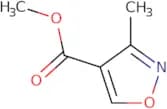
CAS:1-Cyano-2-hydroxy-3-butene is a mitochondrial toxin that causes apoptosis in liver cells. It has been shown to cause liver lesions in CD1 mice. 1-Cyano-2-hydroxy-3-butene reduces the mitochondrial membrane potential, which leads to a decrease in ATP production and an increase in reactive oxygen species (ROS) production. This toxin also inhibits the transcriptional activity of nuclear receptors and induces the expression of cytochrome P450 2E1, leading to increased detoxification enzyme activity. 1-Cyano-2-hydroxy-3-butene is activated by mitochondria, which leads to its ability to cause apoptosis of liver cells.Formula:C5H7NOPurity:Min. 95%Color and Shape:Colorless PowderMolecular weight:97.12 g/mol3-Methyl-4-isoxazolecarboxylic acid methyl ester
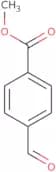
CAS:Versatile small molecule scaffoldFormula:C6H7NO3Purity:Min. 95%Color and Shape:Clear LiquidMolecular weight:141.12 g/molMethyl 4-formylbenzoate
CAS:Methyl 4-formylbenzoate is a trifluoroacetic acid derivative that inhibits the conversion of androgens to estrogens. It has been shown to inhibit aromatase activity in human serum and cell culture, as well as in vitro cultured rat hepatocytes. Methyl 4-formylbenzoate also binds to copper(II) by forming a complex with copper(II) ions, which prevents the formation of an enzyme-substrate complex. The binding of methyl 4-formylbenzoate to copper(II) prevents the production of malonic acid from acetoacetate, which inhibits fatty acid synthesis. This compound also acts as an analytical reagent for the detection of acylation reactions, such as those involving benzimidazole compounds.
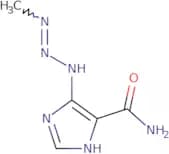
Formula:C9H8O3Purity:Min. 95%Color and Shape:PowderMolecular weight:164.16 g/molMonomethyl triazeno imidazole carboxamide
CAS:Monomethyl triazeno imidazole carboxamide (MTIC) is a drug that is used to treat cancer. It has been shown to inhibit the proliferation of tumor cells and induce apoptosis by inhibiting the expression of proteins, such as Bcl-2, which are involved in regulating mitochondrial membrane potential. MTIC has also been shown to inhibit protein synthesis and cell signaling pathways, such as the PI3K/Akt pathway. The use of MTIC for diagnosis purposes can be achieved using electrochemical impedance spectroscopy. A concentration–time curve can be obtained by incubating a biological sample with MTIC and measuring cell response using an impedance spectrophotometer. The clinical properties of MTIC include its ability to be administered orally or intravenously, have low toxicity, and inhibit the growth of tumor cells in vivo and in vitro.Formula:C5H8N6OPurity:(¹H-Nmr) Min. 95 Area-%Color and Shape:White PowderMolecular weight:168.16 g/molMesitaldehyde - 97%
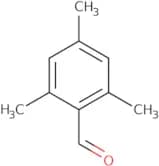
CAS:Mesitaldehyde is a diazonium salt that is synthesized by the reaction of nitrosyl chloride and sodium carbonate in an acidic solution. This chemical has been studied for its potential use as a therapeutic drug due to its ability to inhibit the enzyme dpp-iv, which is involved in the development of diabetic neuropathy. Mesitaldehyde has also been shown to be an inhibitor of malonic acid, ethylmalonic acid and other organic acids. The analytical method for mesitaldehyde involves hydrolyzing the product with hydrochloric acid in order to produce ethylmalonic acid, which can then be quantified using spectrophotometry.Formula:C10H12OPurity:Min. 95%Color and Shape:PowderMolecular weight:148.2 g/molN-α-Boc-N-ε-Fmoc-L-lysine
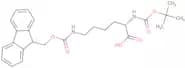
CAS:N-alpha-Boc-N-epsilon-Fmoc-L-lysine is a cyclic peptide that has antimicrobial properties. The peptide is synthesized from the amino acid lysine and contains a sequence of lysine residues. N-alpha-Boc-N-epsilon-Fmoc-L-lysine can be used to treat herpes simplex virus infections and influenza virus infections. It also has the potential to neutralize glycopeptide antibiotics, such as vancomycin, by binding to their cell wall targets and interfering with the function of these molecules. In addition, this peptide can be used to manufacture insulin analogues with improved pharmacokinetic properties and increased stability in blood plasma.Formula:C26H32N2O6Purity:Min. 95%Color and Shape:White To Off-White SolidMolecular weight:468.54 g/mol(5R)-5-Methyl-5-phenylimidazolidine-2,4-dione
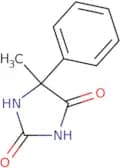
CAS:Versatile small molecule scaffoldFormula:C10H10N2O2Purity:Min. 95%Color and Shape:PowderMolecular weight:190.2 g/mol2',5'-Dimethylacetophenone
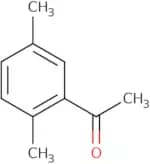
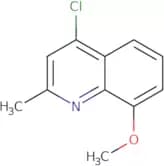
CAS:2,5-Dimethylacetophenone is an alcohol with a chiral center. It is synthesized by reacting chlorinating agents with the ligand periconia, which leads to high yield and regiospecificity. The reaction system can be carried out in solvents such as diethyl ether or dichloromethane. The product is obtained as a mixture of two stereoisomers (R and S) with the R form being more abundant than the S form due to steric effects. 2,5-Dimethylacetophenone has been shown to react with naphthylamine in the presence of a base to give N-(2,5-dimethylphenyl)naphthalene-1,4-diamine in good yield.Formula:C10H12OPurity:Min. 95%Color and Shape:Clear LiquidMolecular weight:148.2 g/mol4-Chloro-8-methoxy-2-methylquinoline
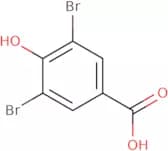
CAS:4-Chloro-8-methoxy-2-methylquinoline is a compound that has been found in nature. It is a diversity of nonreciprocal nucleic acid sequences and has been shown to be polymorphic. This nucleotide can cause stenosis in the coronary heart, which may lead to heart disease. 4-Chloro-8-methoxy-2-methylquinoline also inhibits the growth of Plasmodium falciparum and Plasmodium vivax. The drug's mechanism of action is not yet known, but it may have evolved from other compounds with a similar molecular structure.Formula:C11H10ClNOPurity:Min. 95%Color and Shape:PowderMolecular weight:207.66 g/mol3,5-Dibromo-4-hydroxybenzoic acid
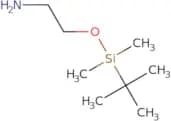
CAS:3,5-Dibromo-4-hydroxybenzoic acid is a chemical that is used as a herbicide and insecticide. It inhibits the growth of plants by preventing protein synthesis in cells. 3,5-Dibromo-4-hydroxybenzoic acid has been found to be effective against bacteria such as Escherichia coli, Pseudomonas aeruginosa, and Klebsiella pneumoniae. The compound also has an inhibitory effect on the growth of industrial chemicals such as ethylene oxide and acetaldehyde. 3,5-Dibromo-4-hydroxybenzoic acid is produced from p-hydroxybenzoic acid by the action of corrin (a bacterial enzyme).Formula:C7H4Br2O3Purity:Min. 98 Area-%Color and Shape:PowderMolecular weight:295.91 g/mol2-(tert-Butyldimethylsilyloxy)ethanamine
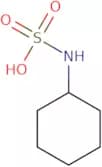
CAS:Versatile small molecule scaffoldFormula:C8H21NOSiPurity:Min. 95%Molecular weight:175.35 g/molCyclamic acid
CAS:Artificial sweetener
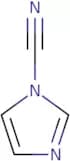
Formula:C6H13NO3SColor and Shape:PowderMolecular weight:179.24 g/mol1-Cyanoimidazole
CAS:1-Cyanoimidazole is a phosphodiester that is used in the chemical ligation of nucleic acids. It reacts with terminal alkynes to form covalent linkages between DNA molecules, and can be used as a crosslinker for dna duplexes. 1-Cyanoimidazole can be used as a phosphate group replacement in DNA replication. This compound has been shown to react with terminal alkyne groups on DNA templates, forming stable covalent linkages between strands in the presence of an appropriate nucleophile. 1-Cyanoimidazole has been shown to have sequence specificity and efficient method for linking strands of DNA.Formula:C4H3N3Purity:Min. 95%Color and Shape:Off-White PowderMolecular weight:93.09 g/mol3-Carboxypropanesulfonamide
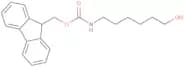
CAS:3-Carboxypropanesulfonamide is a chemical compound that has been shown to have the ability to modulate cardiac cell function. This compound has been shown to be effective in a reaction monitoring technique, which monitors the functional groups and techniques of chemical reactions, in order to introduce this molecule into the cell membrane and alter its potential. 3-Carboxypropanesulfonamide is capable of changing the lipid composition of the membrane by introducing a linker group that can bind with other molecules such as cholesterol or phospholipids. This linker group alters the membrane potential of cells, leading to changes in ion flow and cellular response.Formula:C4H9NO4SPurity:Min. 95%Color and Shape:White PowderMolecular weight:167.18 g/mol6-(Fmoc-amino)-1-hexanol
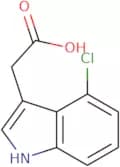
CAS:6-(Fmoc-amino)-1-hexanol is a high quality chemical that can be used as an intermediate in the synthesis of many complex compounds, such as pharmaceuticals, fine chemicals and research chemicals. It is often used as a building block in the synthesis of other useful chemicals and has been shown to have versatile reactions with many functional groups. 6-(Fmoc-amino)-1-hexanol can be used in reactions involving nucleophilic substitution, elimination, amination, esterification and transesterification.Formula:C21H25NO3Purity:Min. 95%Color and Shape:PowderMolecular weight:339.43 g/mol4-Chloroindole-3-acetic acid
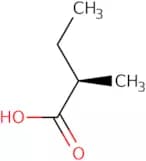
CAS:4-Chloroindole-3-acetic acid is a plant hormone that belongs to the group of auxins. It has been shown to stimulate root formation in plants by increasing the amount of auxin present in the plant's tissues. 4-Chloroindole-3-acetic acid is an intramolecular hydrogen donor and can form hydrogen bonds with other molecules. It also has a receptor binding site and cyclic peptide backbone, which allow it to act as a transcription factor or enzyme inhibitor. This molecule has been shown to be an optimum concentration for root formation in physiology experiments, and can be used as a model system for auxin research.Formula:C10H8ClNO2Purity:Min. 95%Color and Shape:Off-White PowderMolecular weight:209.63 g/mol(R)-2-Methylbutyric acid
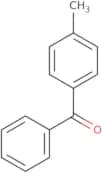
CAS:(R)-2-Methylbutyric acid is a synthetic compound that has the same stereoisomeric configuration as 2-methylbutyric acid. The difference in the two molecules is that the (R) form has a hydroxyl group on the alpha carbon, while 2-methylbutyric acid does not. This compound is stable under acidic conditions, but hydrolyzes to form butyric acid when exposed to basic conditions. It is used in industrial applications such as food production and as an intermediate in synthesizing other compounds such as tiglic acid or amido groups.Formula:C5H10O2Purity:Min. 95%Color and Shape:Yellow PowderMolecular weight:102.13 g/mol4-Methylbenzophenone
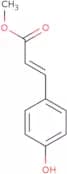
CAS:4-Methylbenzophenone is a molecule that belongs to the group of p2 molecules. It is used as an additive in animal health products, as well as for the synthesis of other organic compounds. The analytical method for 4-methylbenzophenone is thermal expansion, which can be determined using a test sample. The reaction mechanism of this compound is not well understood, but it may involve multi-walled carbon and matrix effect. 4-Methylbenzophenone has been shown to form metastable forms when heated to high temperatures or when exposed to sunlight. This compound also has potential skin cancer risk and should be handled with care.Formula:C14H12OPurity:Min. 95%Color and Shape:White PowderMolecular weight:196.24 g/molMethyl 4-hydroxycinnamate
CAS:Methyl 4-hydroxycinnamate is a protocatechuic acid that can be produced by the reaction of hydrochloric acid and b16 mouse melanoma. This chemical has been shown to have an anti-inflammatory effect in rats with inflammatory bowel disease. Methyl 4-hydroxycinnamate is also a natural compound found in plants, such as celery, cinnamon, and apples. The mechanism of this chemical's action is unknown but it has been shown to inhibit the activity of rat liver microsomes. It is theorized that methyl 4-hydroxycinnamate may inhibit the production of proinflammatory substances by altering the membrane composition or activity of enzymes.br>br> br>br> Methyl 4-hydoxycinnamate may be synthesized from anhydrous sodium acetate and an acid complex in a model system using reaction solution. The product is then purified using column chromatography before being reacted with methylamine and sulfurFormula:C10H10O3Purity:Min. 95%Color and Shape:PowderMolecular weight:178.18 g/mol4,5-Dimethoxy-2-hydroxyacetophenone
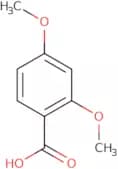
CAS:4,5-Dimethoxy-2-hydroxyacetophenone is a versatile building block that belongs to the group of complex compounds. It has been used as a reagent in organic synthesis and as a speciality chemical. This compound is also useful for the synthesis of pharmaceuticals, agricultural chemicals, and other industrial products. The high quality and usefulness of this compound make it an important intermediate for the production of other compounds. This product can be used to synthesize many different types of compounds with different properties, depending on the reaction conditions used.Formula:C10H12O4Purity:Min. 95%Color and Shape:Off-White PowderMolecular weight:196.2 g/mol2,4-Dimethoxybenzoic acid
CAS:2,4-Dimethoxybenzoic acid is a phenolic compound that has been shown to bind to the ferrocene carboxylate of protocatechuic acid. The resulting complex was shown to be able to react with chloride ions in an acylation reaction. The kinetic study showed that the rate of reaction increased with increasing concentration of 2,4-dimethoxybenzoic acid. The protonation of 2,4-dimethoxybenzoic acid also increases its ability to react with chloride ions. This acidic compound can also react with amines and other compounds containing nitrogen in a similar manner as acetic anhydride. Addition of alkali hydrolysis may cause the cleavage of the hydrogen bond between 2,4-dimethoxybenzoic acid and protocatechuic acid, releasing 2,4-dimethoxybenzoic acid and protocatechuic acid.Formula:C9H10O4Purity:Min. 95%Color and Shape:White PowderMolecular weight:182.17 g/mol5-Methoxyindole-3-acetic acid
CAS:5-Methoxyindole-3-acetic acid is a chemical that can be used to synthesize a variety of compounds. It is a versatile building block that has been used in the synthesis of complex compounds, as well as an intermediate for the production of other chemicals. 5-Methoxyindole-3-acetic acid is also an important reaction component and reagent for organic synthesis. This substance is not currently on the list of speciality chemicals, but it has shown high quality and usefulness in research.
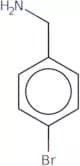
Formula:C11H11NO3Molecular weight:205.22 g/mol4-Bromobenzylamine
CAS:4-Bromobenzylamine is a chemical compound that has been used to study the process optimization of sephadex g-100. It is also used as a chemotherapeutic treatment for cancer. 4-Bromobenzylamine binds to intracellular targets, such as nitrogen atoms and cell lysis, with physiological levels found in fetal bovine serum. The nitrogen atom is an essential structural component of 4-bromobenzylamine that is necessary for its biological activity and may be involved in binding to DNA polymerase. This drug has been shown to inhibit the growth of metastatic colorectal cancer cells by inhibiting cellular proliferation. Structural analysis has revealed that 4-bromobenzylamine interacts with the polymerase chain reaction (PCR) enzyme and inhibits the ability of DNA polymerases to add nucleotides to the growing strand of DNA.Formula:C7H8BrNPurity:Min. 95%Color and Shape:PowderMolecular weight:186.05 g/molFmoc-Lys(5-TAMRA)-OH
CAS:Please enquire for more information about Fmoc-Lys(5-TAMRA)-OH including the price, delivery time and more detailed product information at the technical inquiry form on this pageFormula:C46H44N4O8Purity:Min. 95%Molecular weight:780.9 g/mol2-Methylamino-2-phenylbutanol hydrochloride
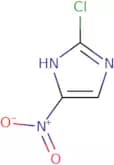
CAS:2-Methylamino-2-phenylbutanol hydrochloride is a fine chemical that can be used in the production of research chemicals, pharmaceuticals, and other specialty chemicals. It is a versatile building block with many applications in organic synthesis. 2-Methylamino-2-phenylbutanol hydrochloride is an intermediate for the production of other useful compounds and has many reactions that are applicable to complex compounds. 2-Methylamino-2-phenylbutanol hydrochloride can also be used as a reagent and has high quality standards.Formula:C11H17NO•HClPurity:(%) Min. 95%Color and Shape:PowderMolecular weight:215.72 g/mol2-Chloro-4-nitroimidazole
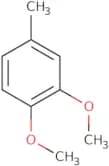
CAS:Radiosensitiser in hypoxic tumoursFormula:C3H2ClN3O2Purity:Min. 95%Color and Shape:PowderMolecular weight:147.52 g/mol3,4-Dimethoxytoluene
CAS:3,4-Dimethoxytoluene is a methoxylated aromatic hydrocarbon. It has the chemical formula CH3OCH2C6H4CH3. 3,4-Dimethoxytoluene is used as an intermediate in the synthesis of a variety of organic compounds including olefins, polymers, and pharmaceuticals. It can also be used to extract fatty acids from plant oils and animal fats. The extraction yield increases when using this compound as an extraction solvent. 3,4-Dimethoxytoluene is synthesized by reacting benzene with formaldehyde in the presence of a Friedel-Crafts catalyst such as aluminum chloride or zinc chloride. END>>Formula:C9H12O2Purity:Min. 95%Color and Shape:PowderMolecular weight:152.19 g/mol5-Fluoro-dUMP sodium
CAS:Please enquire for more information about 5-Fluoro-dUMP sodium including the price, delivery time and more detailed product information at the technical inquiry form on this page
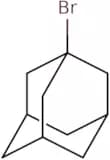
Formula:C9H12FN2O8P•NaxPurity:Min. 95%1-Bromoadamantane - 90%min
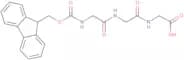
CAS:1-Bromoadamantane is a quinoline derivative that binds to the inflammatory bowel disease molecule. It is used as a pharmaceutical preparation for the treatment of inflammatory bowel disease. 1-Bromoadamantane is synthesized by the palladium-catalyzed coupling reaction of 2,6-dimethoxybenzene and trifluoromethanesulfonic acid. The synthesis method involves the use of hydrochloric acid and hydroxyl group. 1-Bromoadamantane has been shown to have binding constants with ileal and colonic tissue in rats with experimental colitis.Formula:C10H15BrPurity:Min. 90%Color and Shape:PowderMolecular weight:215.13 g/molFmoc-Gly-Gly-Gly-OH
CAS:Fmoc-gly-gly-gly-OH is a synthetic amino acid with the carboxylate group at the alpha position and an amide group at the beta position. It is a white solid that can be synthesized by reacting glycine ethyl ester with glyoxylic acid in a solvent such as chloroform. Fmoc-gly-gly-gly-OH has been used to study the binding of oxytocin to its receptor, which is important for regulating uterine contraction during childbirth. The compound also has potential applications in drug delivery, biotechnology, and medical research.Formula:C21H21N3O6Purity:Min. 95%Color and Shape:PowderMolecular weight:411.41 g/mol4-(N,N-Diethylamino)benzoic acid
CAS:4-(N,N-Diethylamino)benzoic acid is a hydrogenated product of 4-hydroxybenzoic acid. It has been shown to be an effective chemopreventive agent against chemically induced cancer in rats. The analytical method for this compound is based on the fluorescence properties of the compound and its structural studies have been reported. This drug also has bioequivalence properties, which were shown by the spectrometry analyses of human serum samples. The dipole moment of 4-(N,N-diethylamino)benzoic acid is 1.8 D and it reacts with protocatechuic acid to form 4-hydroxybenzaldehyde and diethyl ether.Formula:C11H15NO2Purity:Min. 95%Color and Shape:PowderMolecular weight:193.24 g/mol1,4-Bis-(diphenylphosphino)butane
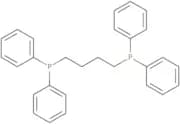
CAS:1,4-Bis-(diphenylphosphino)butane is a coordination compound that contains a bicyclic heterocycle. The compounds are made up of phosphorus and nitrogen atoms which are arranged in a tetrahedral geometry. It has photochemical properties and can be used to inhibit the growth of myeloid leukemia cells. The complexes bind to amines and form stable complexes with hydroxyl groups, so they are also able to cross mitochondrial membranes. This compound has been shown to bind to copper ions in x-ray crystal structures. 1,4-Bis-(diphenylphosphino)butane binds more strongly to ethylene diamine than it does to aryl halides such as chloroethane or phenylethane. Activation energies for the binding of 1,4-bis-(diphenylphosphino)butane with ethylene diamine have been found by measuring the free energy change for its formation fromFormula:C28H28P2Purity:Min. 95%Color and Shape:White PowderMolecular weight:426.47 g/mol[Bis(trifluoroacetoxy)iodo]benzene
CAS:Bis(trifluoroacetoxy)iodobenzene is a reactive, radiating, profile, planar molecule with a frequency of low energy. It has been shown to react in acid analysis and the carbonyl group. The reaction mechanism involves the generation of an intermediate that reacts with oxygen to produce the desired product. The impedance is high at resonance frequencies.
Formula:C10H5F6IO4Purity:Min. 95%Color and Shape:White PowderMolecular weight:430.04 g/mol3-Dimethylaminobenzoic acid
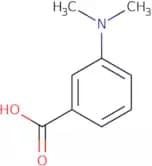
CAS:3-Dimethylaminobenzoic acid is a bacterial enzyme that belongs to the group of p2 carboxylates. It is a non-specific esterase that has been shown to hydrolyze 3-ethylbenzthiazoline-6-sulfonic acid, which is an indicator of root formation. The enzyme activity of 3-dimethylaminobenzoic acid has been demonstrated in kinetic data and redox potential measurements. 3DMBB is found in plants and can be used for the determination of dry weight, as it can hydrolyze triticum aestivum urine samples or cholesterol esters. This enzyme also has catalase activity and can be used in the determination of catalase activity in biological fluids such as urine samples or blood serum.Formula:C9H11NO2Purity:Min. 95%Color and Shape:Off-White PowderMolecular weight:165.19 g/molBoc-L-serine benzyl ester
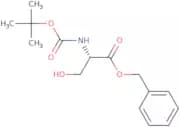
CAS:Boc-L-serine benzyl ester is a potent inhibitor of bacterial enzymes that has been shown to inhibit the binding of galactose to liposomes, an important step in bacterial cell wall synthesis. Boc-L-serine benzyl ester also inhibits several bacterial enzymes including β-galactosidase, β-glucuronidase, and α-chymotrypsin. This drug is a synthetic compound that can be used as a diagnostic tool for the identification of commensal bacteria. It has been shown to inhibit the growth of oral streptococci, E. coli and clostridia species such as C. perfringens. In addition, Boc-L-serine benzyl ester inhibits the production of amyloidogenic protein fragments from peptide substrates and has been shown to have potent inhibitory activities against these enzyme substrates identified by mass spectrometry analysis.
Formula:C15H21NO5Purity:Min. 95%Color and Shape:White PowderMolecular weight:295.33 g/mol2-Bromo-4-iodopyridine
CAS:2-Bromo-4-iodopyridine is a coordination compound that inhibits bacterial enzyme catechol-O-methyltransferase (COMT). It is also an inhibitor of methicillin-resistant Staphylococcus aureus (MRSA) and other bacteria. 2-Bromo-4-iodopyridine binds to the active site of COMT, which is located in the bacterial cell wall, and prevents methylamine from binding to the enzyme. This prevents methylation of the catechol ring, which is required for bacterial growth. 2-Bromo-4-iodopyridine has been shown to have antimicrobial activity against Escherichia coli, Enterococcus faecalis, Bacillus subtilis, and Candida albicans.Formula:C5H3BrINPurity:Min. 95%Color and Shape:PowderMolecular weight:283.88 g/mol3-Methyl-8-quinolinesulfonyl chloride
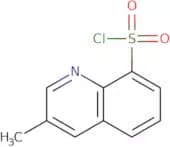
CAS:3-Methyl-8-quinolinesulfonyl chloride (3MQSC) is a reaction product of 1,2,4-trioxane and thionyl chloride. 3MQSC is used as an intermediate in the production of l-citrulline from chloroacetic acid. It reacts with paraformaldehyde to form a solid phase synthesis catalyst. 3MQSC catalyzes the reaction between phosphorus pentachloride and chlorine to produce ethyl formate and hydrogen chloride gas. This process is industrialized for the production of ethyl formate, which is used for the manufacture of acetic acid, chlorinated solvents, polymers, and plastics. The high yield of this process makes it one of the most popular routes for producing ethyl formate. Catalysis by 3MQSC can be achieved at low temperature and pressure due to its resistance to heat and low boiling point.Formula:C10H8ClNO2SPurity:Min. 97 Area-%Color and Shape:White Yellow PowderMolecular weight:241.69 g/molFmoc-D-glu-OtBu
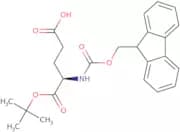
CAS:Fmoc-D-glu-OtBu is an amide that can be used as a screening reagent for the detection of carbohydrate and periplasmic compounds. It has been shown to inhibit hepatitis in humans, which may be due to its ability to bind with muramyl dipeptide. Fmoc-D-glu-OtBu has also been shown to synergize with other vaccines, such as tetanus and escherichia coli surface antigen.
Formula:C24H27NO6Purity:Min. 95%Color and Shape:White PowderMolecular weight:425.47 g/mol(R)-1,1'-Bi-2-Naphthol
CAS:(R)-1,1'-Bi-2-Naphthol is an organic compound that is made from the hydrogenation of 2-naphthol. The sodium salts of this compound are chiral and can be used to synthesize racemic mixtures with a high degree of optical purity. The x-ray crystal structures of (R)-1,1'-Bi-2-Naphthol have been studied in detail and show that this molecule exhibits intermolecular hydrogen bonding interactions. It also has a steric interaction with the amine group which prevents rotation about the C3—C4 bond. Other interesting features include intramolecular hydrogen bonding interactions between the hydroxyl group and the alkanoic acid. This molecule also has a hydrophobic region consisting of three methyl groups that are connected to fatty acids.Formula:C20H14O2Purity:Min. 98.5 Area-%Color and Shape:White Off-White PowderMolecular weight:286.32 g/mol3-Chloro-5-hydroxybenzoic acid ethyl ester
Please enquire for more information about 3-Chloro-5-hydroxybenzoic acid ethyl ester including the price, delivery time and more detailed product information at the technical inquiry form on this page
Formula:C9H9ClO3Purity:Min. 98 Area-%Color and Shape:PowderMolecular weight:200.62 g/mol3-Chloro-5-hydroxybenzoic acid methyl ester
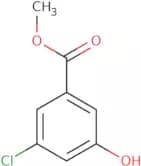
CAS:3-Chloro-5-hydroxybenzoic acid methyl ester is a fine chemical that can be used as a versatile building block and reaction component in the synthesis of complex compounds. It is soluble in organic solvents such as dichloromethane, chloroform, and acetone. 3-Chloro-5-hydroxybenzoic acid methyl ester has CAS No. 98406-04-3 and a molecular weight of 149. 2.Formula:C8H7ClO3Purity:Min. 98 Area-%Color and Shape:White Off-White PowderMolecular weight:186.59 g/molFmoc-D-Val-OH
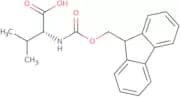
CAS:Fmoc-D-Val-OH is a synthetic acetal that is used as a substrate for protein modification. It has been shown to bind to the active site of enzymes such as butyrylcholinesterase and esterases, which are involved in the metabolism of fatty acids. Fmoc-D-Val-OH also binds to mammalian cells and can be conjugated with other molecules, such as nanoribbons, to improve their solubility in water.
Formula:C20H21NO4Purity:Min. 98 Area-%Color and Shape:PowderMolecular weight:339.39 g/mol1-[5-Bromo-2-(difluoromethoxy)phenyl]ethan-1-one
CAS:1-[5-Bromo-2-(difluoromethoxy)phenyl]ethan-1-one is an organic chemical compound. It is a reaction component and a reagent. 1-[5-Bromo-2-(difluoromethoxy)phenyl]ethan-1-one has been used in research for the synthesis of complex compounds, fine chemicals, and speciality chemicals. This chemical may be used as a versatile building block, useful intermediate, or useful building block. 1-[5-Bromo-2-(difluoromethoxy)phenyl]ethan-1-one has also been shown to be a high quality product with high purity.
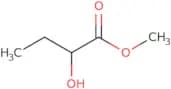
Formula:C9H7BrF2O2Purity:Min. 95%Color and Shape:PowderMolecular weight:265.05 g/molMethyl 2-hydroxybutanoate
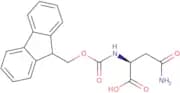
CAS:Versatile small molecule scaffoldFormula:C5H10O3Purity:Min. 95%Color and Shape:Clear LiquidMolecular weight:118.13 g/molFmoc-L-Asn-OH
CAS:Fmoc-L-Asn-OH is an organic compound that belongs to the group of amides. It reacts with a reactive site in the molecule and is able to form an amide bond. Fmoc-L-Asn-OH has been shown to be effective in the treatment of Alzheimer's disease by inhibiting the formation of beta-amyloid plaques. This compound has also been shown to have a role in cancer prevention, as it can inhibit tumor growth and reduce tumor size. Fmoc-L-Asn-OH can be used as a potential antiinflammatory agent because its mechanism studies have revealed that it inhibits prostaglandin synthesis.Formula:C19H18N2O5Purity:Min. 95%Color and Shape:PowderMolecular weight:354.36 g/mol2-Methanesulfonylethanimidamide hydrochloride
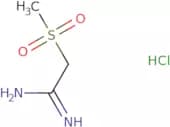
CAS:Versatile small molecule scaffold
Formula:C3H8N2O2S•HClPurity:Min. 95%Color and Shape:PowderMolecular weight:172.64 g/molcis-N-(3-Chloroallyl)-1-(R)-aminoindan hydrochloride
CAS:cis-N-(3-Chloroallyl)-1-(R)-aminoindan hydrochloride is a high quality, research chemical that is a versatile building block. It is used as a reagent and reaction component for the synthesis of fine chemicals, speciality chemicals, and complex compounds. cis-N-(3-Chloroallyl)-1-(R)-aminoindan hydrochloride has CAS number 1175018-80-0.
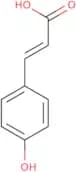
Formula:C12H14ClN·HClPurity:Min. 95 Area-%Color and Shape:PowderMolecular weight:244.16 g/moltrans-4-Coumaric acid
CAS:Trans-4-coumaric acid or p-coumaric acid, is a derivative of the cinnamic acid. It is the initial substrate to produce several intermediates such as ferulic acid, caffeic acid, rosmarinic acid, gallic acid, and carnosic acid. Trans-4-coumaric acid, as well as its derivatives, have antioxidant properties; they are common ingredients in cosmetics and as dietary supplement.Formula:C9H8O3Purity:Min. 98 Area-%Color and Shape:PowderMolecular weight:164.16 g/molcis-4-Chloro-3-nitrocinnamic acid
Cis-4-Chloro-3-nitrocinnamic acid is an aromatic organic compound with potential utility in biochemical research and synthesis. This compound is typically derived from synthetic chemical processes involving chlorination and nitration reactions on cinnamic acid derivatives. Its molecular structure, characterized by both chloro and nitro functional groups, allows it to interact in unique ways with various biochemical pathways and molecular frameworks.
Formula:C9H6ClNO4Purity:Min. 95%Color and Shape:White PowderMolecular weight:227.6 g/mol3-Formyl-4-hydroxybenzoic acid
CAS:3-Formyl-4-hydroxybenzoic acid is a synthetic compound with anticancer activity. It is an azobenzene that has been shown to have photocatalytic activity. 3-Formyl-4-hydroxybenzoic acid has a carboxylate functional group and the ethyl ester functional group. The anticancer activity of this compound may be due to hydrogen bonding interactions, as well as its ability to cause DNA damage in cells by photolysis and its antiviral potency.Formula:C8H6O4Purity:90%Color and Shape:White PowderMolecular weight:166.13 g/mol4-Fluoro-N-isopropylaniline
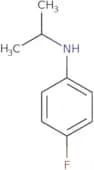
CAS:4-Fluoro-N-isopropylaniline is an organic compound that is a nitroarene with the chemical formula C6H5FNO2. It is soluble in organic solvents and reacts with halogens, alkoxy groups, or polysubstituted alkyl groups to form substituted or polysubstituted alkyl radicals. 4-Fluoro-N-isopropylaniline can be used as a catalyst for many reactions including those involving alkoxycarbonyl groups. This compound is also used as a reagent in the synthesis of other compounds such as 4-fluoroaniline, which can be used to synthesize dyes and pharmaceuticals.Formula:C9H12FNPurity:Min. 95%Color and Shape:Yellow PowderMolecular weight:153.2 g/mol2-Chloro-6-fluorobenzaldehyde
CAS:2-Chloro-6-fluorobenzaldehyde is an impurity that can be found in wastewater. It has been shown to be a reactive intermediate for the synthesis of streptochlorin, which is a natural product with potential antibiotic activity. 2-Chloro-6-fluorobenzaldehyde is produced by the reaction of chlorine and anhydrous sodium, with acid as catalyst. The molecule has two fluorine atoms and one chloride atom. This compound can also be used in the treatment of waste water due to its ability to react with hydroxyl ions and chloride ions in the presence of hydrogen chloride or hydrochloric acid. The pain model was evaluated using nmr spectra and optical properties.Formula:C7H4ClFOPurity:Min. 95%Color and Shape:White PowderMolecular weight:158.56 g/mol2-(4-Bromo-1H-imidazol-1-yl)acetic acid
CAS:2-(4-Bromo-1H-imidazol-1-yl)acetic acid is a fine chemical that can be used as a versatile building block, a reaction component and as a speciality chemical. It is an intermediate in the synthesis of other compounds, such as 2-(4-bromophenylimino)-N-(2-chlorophenyl)acetamide. It has been shown to be useful in the synthesis of complex compounds with high quality, such as 2-[4-(2,6-Dichlorobenzoyloxy)phenylimino]-N-(2,4-dimethoxyphenyl)acetamide.Formula:C5H5BrN2O2Purity:Min. 95%Color and Shape:PowderMolecular weight:205.01 g/mol4,4'-Dipyridyl
CAS:Please enquire for more information about 4,4'-Dipyridyl including the price, delivery time and more detailed product information at the technical inquiry form on this pageFormula:C10H8N2Molecular weight:156.19 g/mol2-(Chloromethyl)pyrimidine HCl
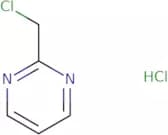
CAS:2-(Chloromethyl)pyrimidine HCl is a chlorinated aromatic compound that is used in the manufacturing of nylon and other synthetic fibers. It is an intermediate for the production of polychloroparaffins, which are used as solvents and raw materials in the chemical industry. 2-(Chloromethyl)pyrimidine HCl has been shown to undergo a chlorination reaction with alcohols to produce 4-chloro-2-methyl-1,3-dioxolane. This reaction can be catalyzed by calcium hydroxide or magnesium chloride, which are both common chemicals found in household cleaners.Formula:C5H5ClN2·HClPurity:Min. 95%Color and Shape:Yellow PowderMolecular weight:165.02 g/mol2,5-Furandicarboxylic diethyl ester
CAS:2,5-Furandicarboxylic acid diethyl ester is a synthetic monomer that can be used in the production of polyesters. It is synthesized from primary alcohols by an acid-catalyzed reaction, followed by dehydration with phosphotungstic acid or heating to produce furanic and furfural. 2,5-Furandicarboxylic acid diethyl ester is a sustainable compound because it does not contain any toxic chemicals and it only contains one carbon atom that can be recycled into biomass. It has been shown to have control experiments and sequences that are similar to diglycerol.Formula:C10H12O5Purity:Min. 95%Color and Shape:PowderMolecular weight:212.2 g/mol2-Chloro-3-pyridinecarboxyaldehyde
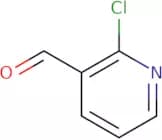
CAS:2-Chloro-3-pyridinecarboxyaldehyde is a synthetic molecule that contains two chlorines and three pyridines. It is a potential drug for the treatment of cancer or tuberculosis. The synthesis of this compound starts from 2,4-dichlorobenzaldehyde and 3-amino-5-(chloromethyl)pyridine. The reaction with acetic acid yields 2-chloro-3-pyridinecarboxyaldehyde. This product has been shown to inhibit cancer cells in vitro, but it does not have any effect on healthy cells. In addition, this product can be used as an anticancer agent against cervical cancer cells in vitro.Formula:C6H4ClNOPurity:Min. 98 Area-%Color and Shape:PowderMolecular weight:141.55 g/mol5-Chloro-2-mercaptobenzothiazole
CAS:5-Chloro-2-mercaptobenzothiazole (5CMB) is a thione that binds to hydrogen fluoride (HF) and sodium salts. 5CMB has been used in the synthesis of fluorinated drugs, such as 5-chloro-2-(4'-fluorophenylsulfonyl)benzothiazole, which is used for the treatment of cancer. 5CMB has also been shown to be a potential drug candidate for the treatment of Alzheimer's disease. The structure of 5CMB can be determined using crystallography techniques. Its binding constants with HF and sodium salts can be determined using matrix-assisted laser desorption ionization mass spectrometry (MALDI MS). The toxicity studies of 5CMB have been conducted on animals including mice and rats. These studies show that the LD50 value for 5CMB is 3200 mg/kg bodyweight.
Formula:C7H4ClNS2Purity:Min. 98 Area-%Color and Shape:PowderMolecular weight:201.7 g/mol2-Methyl-5-nitroimidazole
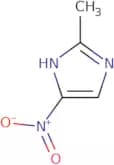
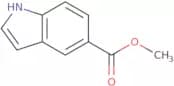
CAS:2-Methyl-5-nitroimidazole, also known as menidazole, is an impurity of metronidazole, which is used as an antibacterial and antiprotozoal medication in the treatment of infections, including rosacea. 2-Methyl-5-nitroimidazole is a derivative of nitroimidazole and has potential antimicrobial and antitrichomonal activities. Its synthesis can be achieved using various methods, including nucleophilic reaction, ester derivatives, reaction with metronidazole, and substitution reactions. Several derivatives of 2-Methyl-5-nitroimidazole have been synthesized and tested for their antibacterial, antifungal, and antitrichomonal activities. Both 2-Methyl-5-nitroimidazole and its derivatives have potential applications as antimicrobial and antitrichomonal agents.Formula:C4H5N3O2Purity:Min. 95%Color and Shape:PowderMolecular weight:127.1 g/molMethyl indole-5-carboxylate
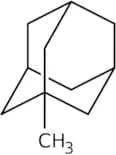
CAS:Methyl indole-5-carboxylate is a hdac inhibitor that has been shown to have anticancer activity. It has been shown to inhibit the growth of hCT116 cells and xenograft tumors in mice. Methyl indole-5-carboxylate is also an active analog for other anticancer agents, such as 5-azacytidine and 5-aza-2'-deoxycytidine. The drug is cytotoxic to L6 cells and increases the expression of p21 protein, which inhibits tumor cell proliferation. This compound is metabolized by cytochrome P450 enzymes into methyl indole carboxylate, which can be further converted into a reactive intermediate that binds DNA.Formula:C10H9NO2Color and Shape:PowderMolecular weight:175.18 g/mol1-Methyl adamantane
CAS:1-Methyl adamantane is a molecule that is used in the chemical industry. It can be synthesized from 1,3-butadiene, which is obtained from petroleum or coal tar. The molecule has been shown to have anti-inflammatory properties and can be used for the treatment of autoimmune diseases, such as multiple sclerosis and rheumatoid arthritis. This compound has also shown potential as a therapeutic agent for inflammatory diseases like Crohn's disease and ulcerative colitis. The mechanism of action of 1-methyl adamantane may be due to its ability to inhibit the production of inflammatory cytokines such as tumor necrosis factor alpha (TNFα), interleukin-1 beta (IL-1β), and IL-6. This inhibition occurs when 1-methyl adamantane binds to the enzyme cyclooxygenase (COX).Formula:C11H18Purity:Min. 95%Color and Shape:White PowderMolecular weight:150.26 g/mol4H-Cyclopenta[2,1-b:3,4-b']dithiophene
CAS:4H-Cyclopenta[2,1-b:3,4-b']dithiophene is a molecule that has been shown to be photovoltaic. It has an optical absorption spectrum that peaks in the UV region and is able to absorb light from 300 to 400 nm. 4H-Cyclopenta[2,1-b:3,4-b']dithiophene can be fabricated into devices by means of cyclic voltammetry or other techniques. As a result of its high electron mobility and its ability to absorb visible light, this molecule may lead to high efficiency solar cells. Photovoltaic devices made with 4H-Cyclopenta[2,1-b:3,4-b']dithiophene have been shown to have efficiencies as high as 2%.Formula:C9H6S2Purity:Min. 95%Color and Shape:PowderMolecular weight:178.28 g/molO-Benzyl-L-tyrosine
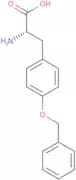
CAS:O-Benzyl-L-tyrosine is an alkylated aromatic amino acid, which is synthesized by the reaction of chloromethyl ketone with proctolin. It has been shown to have anti-obesity properties in mice and rats. O-Benzyl-L-tyrosine has also been used to encapsulate a variety of drugs, including insulin, as well as small drug molecules like chemotherapeutic agents. The drug is immobilized in an organic polymer film through ester linkage. The film can be removed from the drug by dissolving it in chloroformate, or by exposing it to light and heat.Formula:C16H17NO3Purity:Min. 95%Color and Shape:White/Off-White SolidMolecular weight:271.31 g/mol5'-Hydroxy-2'-methoxyacetophenone
CAS:5'-Hydroxy-2'-methoxyacetophenone is a versatile precursor for the synthesis of ruthenium complexes. It is used in the hydroarylation reaction to form aryl ethers from alcohols and olefins. 5'-Hydroxy-2'-methoxyacetophenone has been shown to be an effective antioxidant with greater activity than vitamin C. This compound also releases oxygen, which helps to accelerate the rate of catalytic reactions. The hydroarylation and reductive deprotection of 5'-hydroxy-2'-methoxyacetophenone are regioselective, giving rise to phenols as the only by-products. The skeleton of 5'-hydroxy-2'-methoxyacetophenone is aglyconic, which means that it can be used as a building block or starting material for other organic compounds without any further modifications.Formula:C9H10O3Purity:Min. 95%Color and Shape:PowderMolecular weight:166.17 g/mol5-Bromo-3,4-dihydroxybenzaldehyde
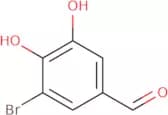
CAS:5-Bromo-3,4-dihydroxybenzaldehyde (5BDBA) is a chemical compound that can be used as a reactive dye and photochemical crosslinker in the preparation of polymers. 5BDBA has been shown to have chemoattractant properties for immune cells, such as activated T lymphocytes and neutrophils. It also has been shown to have an effect on β-cells in the pancreas and skin cells. This compound has been found to activate the nuclear factor kappa-light-chain enhancer (NFκB), which leads to increased expression of chemoattractant protein (MCP). In 3T3-L1 preadipocytes, 5BDBA has been shown to induce accumulation of fatty acids by activating peroxisome proliferator activator receptor gamma.
Formula:C7H5BrO3Purity:Min. 95%Color and Shape:Yellow PowderMolecular weight:217.02 g/mol3,5-Dihydroxyacetophenone
CAS:3,5-Dihydroxyacetophenone is a chemical intermediate that is used as a building block in organic synthesis. It can be used to synthesize other chemicals, such as pharmaceuticals, dyes, and perfumes. 3,5-Dihydroxyacetophenone is also an important reagent for the production of α-hydroxyketones. It can react with nucleophiles such as amines or alcohols to form esters or ethers. 3,5-Dihydroxyacetophenone is a versatile building block that can serve as a reaction component in various reactions. This compound is also used as a useful scaffold for the construction of complex molecules.Formula:C8H8O3Molecular weight:152.15 g/molRef: 3D-D-3420
-Unit-kgkgTo inquire1kgTo inquire5kgTo inquire250gTo inquire500gTo inquire2500gTo inquire(S)-3-N-Boc-Aminopiperidine
CAS:Intermediate in the synthesis of linagliptinFormula:C10H20N2O2Purity:Min. 95%Color and Shape:White PowderMolecular weight:200.28 g/mol1H-Indole-4-carboxamide
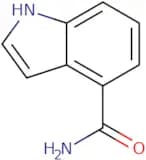
CAS:1H-Indole-4-carboxamide is a hydrogen bond inhibitor that has anticancer activity. It inhibits the growth of cancer cells by interacting with alkoxycarbonyl groups and carboxyalkyl groups in proteins. In addition, it was found to have synergistic effects when combined with Jak2 inhibitors or diazepine derivatives. 1H-Indole-4-carboxamide has been shown to inhibit the tyrosine kinase activity of the JAK2 protein and inhibit cell proliferation in murine melanoma cells.Formula:C9H8N2OPurity:Min. 95%Color and Shape:PowderMolecular weight:160.17 g/mol4-Bromopyrimidine hydrobromide
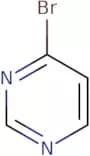
CAS:4-Bromopyrimidine hydrobromide is a synthetic analog of phenylpyrimidine. It has been shown in vivo to lower the blood glucose levels of diabetic patients by inhibiting the activity of phosphoenolpyruvate carboxykinase, which is involved in the conversion of glucose to pyruvate. 4-Bromopyrimidine hydrobromide also inhibits the synthesis of glycogen and lowers serum triglycerides in both db/db mice and normal mice. The drug has not been evaluated for its effects on other metabolic parameters such as cholesterol or insulin resistance. 4-Bromopyrimidine hydrobromide may have potential as an anti-obesity drug because it reduces food intake and weight gain in db/db mice.Formula:C4H3BrN2•HBrPurity:Min. 95 Area-%Color and Shape:Slightly Yellow PowderMolecular weight:239.9 g/mol3-Amino-1,1,1-trifluorobutan-2-one hydrochloride
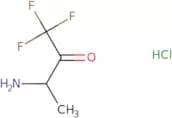
CAS:3-Amino-1,1,1-trifluorobutan-2-one hydrochloride is a fine chemical that is used as a versatile building block in organic synthesis. This compound has been shown to be an effective intermediate for the synthesis of complex compounds. 3-Amino-1,1,1-trifluorobutan-2-one hydrochloride is also useful as a reactant for research and speciality chemicals with high quality and purity.Formula:C4H7ClF3NOPurity:Min. 95%Molecular weight:177.55 g/mol3,3'-Diaminobenzidine
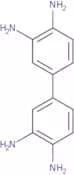
CAS:3,3'-Diaminobenzidine (DAB) is an organic compound derived from benzidine. It is the precursor to the synthetic fibre polybenzimidazole (PBI), which have high thermal and oxidative stability properties. DAB is water-soluble as the tetrahydrochloride salt and is used in immunohistochemical staining of nucleic acids and proteins. Research in Alzheimer's disease, Aβ protein amyloid plaques are targeted by a primary antibody, and subsequently by a secondary antibody, which is conjugated with a peroxidase enzyme. This will bind DAB as a substrate and oxidize it, producing an easily observable brown colour. 3,3’-Diaminobenzidine is also available as the tetrahydrochloride salt and the tetrahydrochloride hydrate.
Formula:C12H14N4Purity:Min. 98 Area-%Color and Shape:PowderMolecular weight:214.27 g/mol


![4-[(5-Ethyl-1,2,4-oxadiazol-3-yl)methoxy]piperidine](/_next/image/?url=https%3A%2Fstatic.cymitquimica.com%2Fproducts%2F3D%2Fthumb-webp%2FBAC08222.webp&w=3840&q=75)







![1H-Pyrrolo[2,3-c]pyridin-7-amine](/_next/image/?url=https%3A%2Fstatic.cymitquimica.com%2Fproducts%2F3D%2Fthumb-webp%2FQGA66936.webp&w=3840&q=75)








![[Bis(trifluoroacetoxy)iodo]benzene](/_next/image/?url=https%3A%2Fstatic.cymitquimica.com%2Fproducts%2F3D%2Fthumb-webp%2FFB49107.webp&w=3840&q=75)



![1-[5-Bromo-2-(difluoromethoxy)phenyl]ethan-1-one](/_next/image/?url=https%3A%2Fstatic.cymitquimica.com%2Fproducts%2F3D%2Fthumb-webp%2FQYB99475.webp&w=3840&q=75)






![4H-Cyclopenta[2,1-b:3,4-b']dithiophene](/_next/image/?url=https%3A%2Fstatic.cymitquimica.com%2Fproducts%2F3D%2Fthumb-webp%2FFC13994.webp&w=3840&q=75)