Building Blocks
Subcategories of "Building Blocks"
- Boronic Acids & Boronic Acid Derivatives(5,784 products)
- Chiral Building Blocks(1,242 products)
- Hydrocarbon Building Blocks(6,105 products)
- Organic Building Blocks(61,065 products)
Found 205418 products of "Building Blocks"
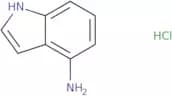
4-Aminoindole hydrochloride
CAS:4-Aminoindole hydrochloride is a white crystalline solid that can be used as a versatile building block in organic synthesis. It is also used as an intermediate in the production of various pharmaceuticals and other chemical compounds. 4-Aminoindole hydrochloride is soluble in most polar solvents, but insoluble in ethers and oils. This compound is also a useful reagent for the conversion of nitrobenzenes to aminobenzoic acids. CAS Number 174854-93-4
Formula:C8H9ClN2Purity:Min. 95%Color and Shape:PowderMolecular weight:168.62 g/mol5-Bromo-2-nitrobenzoic acid
CAS:5-Bromo-2-nitrobenzoic acid is a chemical compound that belongs to the group of bromonitrobenzenes. It is an important intermediate in organic chemistry and has been used as a reagent for the synthesis of various heterocyclic compounds. 5-Bromo-2-nitrobenzoic acid can be used as a building block for pharmaceuticals, agrochemicals, dyes, and other chemicals. This versatile chemical has been widely used in research and development as a reaction component for synthesizing pharmaceuticals or speciality chemicals or as a building block to produce useful scaffolds.
Formula:C7H4BrNO4Purity:Min. 95%Color and Shape:Slightly Yellow PowderMolecular weight:246.02 g/mol4-Chlorothiophene-3-carboxylic acid
CAS:4-Chlorothiophene-3-carboxylic acid is a chemical compound that can be used as a building block for other compounds. It has been used in the preparation of many complex compounds, including pharmaceuticals and fine chemicals. CAS No. 59337-81-4
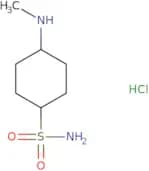
Formula:C5H3ClO2SPurity:Min. 95%Color and Shape:PowderMolecular weight:162.59 g/mol4-(Methylamino)cyclohexane-1-sulfonamide hydrochloride
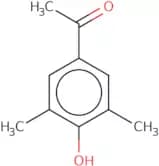
CAS:Versatile small molecule scaffoldFormula:C7H16N2O2S•HClPurity:Min. 95%Color and Shape:PowderMolecular weight:228.7 g/mol3',5'-Dimethyl-4'-hydroxyacetophenone
CAS:3',5'-Dimethyl-4'-hydroxyacetophenone is a versatile building block that can be used as an intermediate in the synthesis of complex compounds. This compound has been shown to be useful for the synthesis of fine chemicals, such as insecticides and herbicides. 3',5'-Dimethyl-4'-hydroxyacetophenone can also be used as a reaction component, reagent, and useful scaffold in research chemicals. It has a CAS number of 5325-04-2 and is a fine chemical with high quality.Formula:C10H12O2Purity:Min. 95%Color and Shape:White PowderMolecular weight:164.2 g/molCetirizine propanediol ester dihydrochloride, mixture of regioisomers
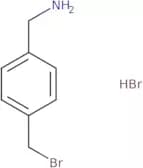
Please enquire for more information about Cetirizine propanediol ester dihydrochloride, mixture of regioisomers including the price, delivery time and more detailed product information at the technical inquiry form on this pageFormula:C24H31ClN2O4•(HCl)2Purity:Min. 95%Color and Shape:PowderMolecular weight:519.89 g/mol4-(Bromomethyl)benzylamine HBr
CAS:4-(Bromomethyl)benzylamine HBr is a fine chemical that can be used as a building block for organic synthesis. This compound is also a useful research chemical, reagent, and specialty chemical. 4-(Bromomethyl)benzylamine HBr has been used as a reaction component in the synthesis of various pharmaceuticals, such as theophylline and ampicillin. It has also been used as an intermediate in the production of other compounds, such as 4-hydroxybutyric acid and 3-methylthiopropionic acid. This complex compound can be purchased at high quality and is versatile enough to act as a scaffold for many reactions.Formula:C8H11Br2NPurity:Min. 95%Color and Shape:PowderMolecular weight:280.99 g/mol4-Aminobenzoic acid
CAS:4-Aminobenzoic acid is a chemical compound that can be used as an antibacterial agent in wastewater treatment. It has been shown to be effective against Aerobacter aerogenes and other bacteria. 4-Aminobenzoic acid is a basic compound with an aromatic ring and four amine groups. It is often used in the synthesis of polymers, pharmaceuticals, dyes, and pigments. The polymerase chain reaction (PCR) technique uses 4-aminobenzoic acid as a cofactor for DNA synthesis. Electrochemical impedance spectroscopy (EIS) is another application of this chemical compound in which it acts as a redox mediator in the electrical circuit. 4-Aminobenzoic acid also has been shown to have toxic effects on bowel disease cells, which may be due to its ability to react with nucleophilic groups on cell surfaces or by inhibiting the production of essential proteins or enzymes within the cells
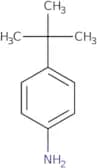
Formula:C7H7NO2Purity:Min. 98 Area-%Color and Shape:PowderMolecular weight:137.14 g/mol4-tert-Butylaniline
CAS:4-tert-Butylaniline is a chemical compound with the molecular formula C6H7N. It is an organic base that has acidic properties and can be used as an amine. 4-tert-Butylaniline is used in the manufacture of other chemicals, such as herbicides, pesticides, and pharmaceuticals. 4-tert-Butylaniline binds to metal ions such as palladium by hydrogen bonding. This binding increases the reactivity of the metal ion and allows it to catalyze reactions that would otherwise not occur. 4-tert-Butylaniline also has transport properties and binds to replicon cells through adsorption mechanisms.Formula:C10H15NPurity:Min. 95%Color and Shape:Colorless Clear LiquidMolecular weight:149.23 g/molLithium bis(trifluoromethanesulfonimide)
CAS:Lithium bis(trifluoromethanesulfonimide) is a salt that is used in analytical chemistry as a reagent for the preparation of lithium salts. The sample should be dissolved in an organic solution and then reacted with lithium bis(trifluoromethanesulfonimide). Lithium bis(trifluoromethanesulfonimide) has been shown to have good transport properties, but the reaction mechanism is not well-understood. It has an activation energy of approximately 18 kcal/mol and can decompose at high temperatures. Lithium bis(trifluoromethanesulfonimide) can also react with strong acids or bases, so it is necessary to use an electrolyte when preparing the solution.
Formula:C2F6LiNO4S2Purity:Min 98%Color and Shape:White Off-White PowderMolecular weight:287.09 g/mol4-Methylfuran-2-carboxylic acid
CAS:4-Methylfuran-2-carboxylic acid is a versatile building block that is used in the synthesis of complex compounds. It can be used as a research chemical, reagent, or speciality chemical. 4-Methylfuran-2-carboxylic acid can also be used as a useful intermediate for synthesizing products with high quality and as a reaction component for synthesizing scaffolds.Formula:C6H6O3Purity:Min. 95%Molecular weight:126.11 g/mol3,5-Dibromo-2-anisic acid
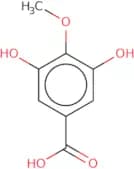
CAS:3,5-Dibromo-2-anisic acid is a short chain dodecyl amine with the chemical formula CH2Br2C6H4N. It is an active compound that has been shown to have nematicidal activity and also shows high activity against saprophytes. 3,5-Dibromo-2-anisic acid is synthesized by reacting chlorine with salicylaldehyde in the presence of a base. The compound is used in the synthesis of various other organic compounds such as amides and amines.Formula:C8H6Br2O3Purity:Min. 95%Color and Shape:PowderMolecular weight:309.94 g/mol3,5-Dihydroxy-4-methoxybenzoic acid
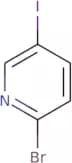
CAS:Inhibitor of redox-based NF-ΚB activationFormula:C8H8O5Purity:Min. 95%Color and Shape:PowderMolecular weight:184.15 g/mol2-Bromo-5-iodopyridine
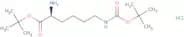
CAS:2-Bromo-5-iodopyridine is a compound that has been studied for its potential use in the treatment of neurodegenerative diseases. It inhibits nicotinic acetylcholine receptors, which are involved in the transmission of nerve impulses to the muscles. 2-Bromo-5-iodopyridine binds to acetylcholine receptors, blocking the uptake of acetylcholine and preventing it from binding with the receptor. This leads to an increase in acetylcholine levels, which increases muscle contraction and improves brain function. The crystal structure of 2-bromo-5-iodopyridine has been determined by x-ray diffraction studies. The molecule contains two bromine atoms and five iodine atoms, which are arranged such that they form a square planar geometry around a central metal ion (hydrochloric acid). Nitrogen atoms are found on opposite corners of this square plane. These nitrogen atoms can be substituted with chlorideFormula:C5H3BrINPurity:Min. 95%Color and Shape:Off-White PowderMolecular weight:283.89 g/molLys(Boc)-OtBu,HCl
CAS:Lys(Boc)-OtBu,HCl is a versatile building block and research chemical that can be used for the synthesis of complex compounds. This compound is a useful intermediate and reaction component in organic chemistry. It is also a reagent that can be used to synthesize high-quality chemical products.Formula:C15H30N2O4·HClPurity:Min. 95%Color and Shape:White PowderMolecular weight:338.87 g/molLinalool glucoside
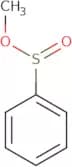
CAS:Please enquire for more information about Linalool glucoside including the price, delivery time and more detailed product information at the technical inquiry form on this pageFormula:C16H28O6Purity:Min. 95%Color and Shape:Clear LiquidMolecular weight:316.39 g/molMethyl benzenesulfinate
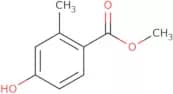
CAS:Methyl benzenesulfinate (MS) is a selenium compound that inhibits the replication of DNA and RNA. MS has been shown to be effective against cancer, HIV infection, and cachexia. It has also been used as an immunosuppressant in patients with autoimmune diseases or nervous system diseases. MS binds to the phosphate group of the nucleotide thymidine monophosphate, preventing formation of ATP and leading to cell death by inhibiting protein synthesis. This drug may cause symptoms such as nausea, vomiting, headache, dizziness, and skin rash. Methyl benzenesulfinate has also been shown to inhibit kinases in women with breast cancer.br>br> Methyl benzenesulfinate belongs to the class of inhibitors that target β-unsaturated ketones. It is used for treatment of various cancers like leukemia because it inhibits polymerase activity and prevents replication in cells. Methyl benzenesulfinate is a structural formula made upFormula:C7H8O2SPurity:Min. 98%Color and Shape:Clear LiquidMolecular weight:156.2 g/molMethyl 4-hydroxy-2-methylbenzoate
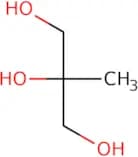
CAS:Methyl 4-hydroxy-2-methylbenzoate is a chromophore. It has demonstrated antioxidant and anti-oxidative properties in a number of assays, including 3-ethylbenzothiazoline-6-sulfonic acid (EBT) assay, naphthalene oxidation assay, and electrocyclic test. Methyl 4-hydroxy-2-methylbenzoate has been shown to be bioactive with respect to steroids and lignans. This compound has also been used as a tyrosinase inhibitor in neocarzinostatin (NCS) synthesis. Methyl 4-hydroxy-2-methylbenzoate is found in the extract of the leaves of Ligustrum lucidum.Formula:C9H10O3Purity:Min. 95%Color and Shape:White PowderMolecular weight:166.17 g/mol2-Methyl-1,2,3-propanetriol
CAS:2-Methyl-1,2,3-propanetriol is a monomer that is used in the production of polymers. It has been shown to be an efficient cross-linking agent for metal surfaces and is used as a polymerization catalyst. 2-Methyl-1,2,3-propanetriol also plays a role in the synthesis of amino acids by acting as a substrate for kinesin and aliphatic hydrocarbon. It can be used as a feedstock for producing plastics with deionized water or aromatic hydrocarbons such as phenol. This chemical has been shown to be pluripotent in mammalian cells and can act as a cationic surfactant.
Formula:C4H10O3Purity:Min. 95 Area-%Color and Shape:Clear LiquidMolecular weight:106.12 g/mol4-Methoxybenzamide
CAS:4-Methoxybenzamide is a small molecule that has been shown to have anticancer activity in vitro and in vivo. It is a hydroxylated benzamide with an intramolecular hydrogen bond, which allows it to selectively bind to DNA at the C4' position of cytosine. The compound's anticancer effects are due to its ability to inhibit the transcription of genes involved in cancer cell proliferation and its ability to induce apoptosis via caspase activation. 4-Methoxybenzamide has been shown to be synergistic when used with other chemotherapeutics, such as cisplatin, doxorubicin or 5-fluorouracil. This drug also inhibits the uptake of these drugs by cancer cells, limiting their therapeutic effects on healthy tissues.
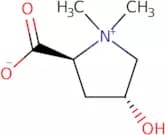
Formula:C8H9NO2Purity:Min. 95%Color and Shape:PowderMolecular weight:151.16 g/molBetonicine
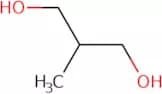
CAS:Betonicine is a natural compound that has been shown to have therapeutic effects in autoimmune diseases. It has been used as a model system for studying plant physiology and to determine the transport properties of hydroxyl groups. Betonicine has also been shown to have receptor activity, which is responsible for its disease-modifying effects in autoimmune diseases. Betonicine is an inorganic acid that can be synthesized from the reaction between ammonia and nitric acid. It can also be extracted from plants such as cress seeds, which are rich in nitrogen atoms. The titration calorimetry method was used to measure the concentration of betonicine in coli K-12 cells.Formula:C7H13NO3Purity:Min. 95%Color and Shape:PowderMolecular weight:159.18 g/mol2-Methyl-1,3-propanediol
CAS:2-Methyl-1,3-propanediol is a glycol ether that is used in sample preparation for chemical analysis. It is an antimicrobial agent that has been shown to be active against bacteria such as Escherichia coli and Staphylococcus aureus. 2-Methyl-1,3-propanediol has also been shown to have the ability to inhibit the growth of epidermal cells. This chemical has been shown to be effective in treating skin lesions caused by dermatophytes, fungi and bacterial infections. 2-Methyl-1,3-propanediol inhibits the synthesis of glycol esters, fatty acids and epidermal growth factor through competition with hydroxyl groups on cell membranes. It also chelates metal ions such as Cu2+, Zn2+, Cd2+ and Pb2+.Formula:C4H10O2Purity:Min. 95%Color and Shape:Colorless PowderMolecular weight:90.12 g/molLauroyl coenzyme A lithium
CAS:Please enquire for more information about Lauroyl coenzyme A lithium including the price, delivery time and more detailed product information at the technical inquiry form on this page
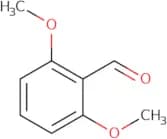
Formula:C33H58N7O17P3S•LixPurity:90%Color and Shape:Powder2,6-Dimethoxybenzaldehyde
CAS:Synthetic building block
Formula:C9H10O3Purity:Min. 95%Color and Shape:White PowderMolecular weight:166.17 g/moltrans-1,4-Dihydroxy-2-butene
CAS:Extender in polyurethane synthesisFormula:C4H8O2Purity:Min. 95%Color and Shape:Colorless PowderMolecular weight:88.11 g/mol3,4-Dihydroxy-2-nitrobenzaldehyde
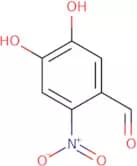
CAS:3,4-Dihydroxy-2-nitrobenzaldehyde is a high quality chemical that is used as a reagent and as an intermediate in the synthesis of complex compounds. It has many uses, including being a useful building block for speciality chemicals, research chemicals, and reaction components. 3,4-Dihydroxy-2-nitrobenzaldehyde is versatile and can be used in the synthesis of various types of compounds. This compound is also an excellent scaffold for drug discovery.Formula:C7H5NO5Purity:Min. 95%Color and Shape:PowderMolecular weight:183.12 g/mol4-Diethylamino-2-methoxybenzaldehyde
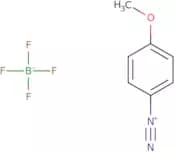
CAS:4-Diethylamino-2-methoxybenzaldehyde (4DMMB) is a protonated molecule that is able to penetrate the mitochondrial membrane due to its low charge. Once inside, 4DMMB can be reduced by electron transfer from the mitochondria's membrane potential. This reduction leads to an increase in the mitochondrial membrane potential and subsequent photophysical emissions. The introduction of 4DMMB has been shown to cause mitochondrial membrane potential changes in cells, which may lead to pathophysiologic conditions such as cancer.Formula:C12H17NO2Purity:Min. 95%Color and Shape:PowderMolecular weight:207.27 g/mol4-Methoxybenzenediazonium tetrafluoroborate
CAS:4-Methoxybenzenediazonium tetrafluoroborate (MBD) is a synthetic molecule that can be prepared by the reaction of sodium hydrogen with UV irradiation. MBD has been shown to have a pharmacokinetic profile similar to methyl cinnamate and is used in the treatment of hyperpigmentation, such as melasma and post-inflammatory hyperpigmentation. MBD interacts with the amino acid tyrosine at its 4-hydroxyl group, cleaving the C-O bond and forming an intramolecular hydrogen bond with the oxygen atom. This results in the formation of diazonium salt which reacts with tyrosinase and inhibits its activity.Formula:C7H7BF4N2OPurity:Min. 98 Area-%Color and Shape:PowderMolecular weight:221.95 g/mol4-Azidopiperidine hydrochloride
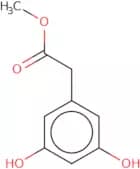
CAS:4-Azidopiperidine hydrochloride is a chemical compound that is used as a versatile building block in the synthesis of complex chemical compounds. It is also used as a reagent or speciality chemical, and has many applications in research, such as being an intermediate for the synthesis of other chemicals. 4-Azidopiperidine hydrochloride can be used to make useful building blocks, reaction components, and scaffolds for chemical reactions.Formula:C5H11ClN4Purity:Min. 95%Color and Shape:PowderMolecular weight:162.62 g/mol3,5-Dihydroxyphenylacetic acid methyl ester
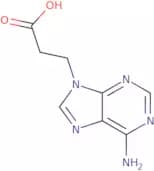
CAS:3,5-Dihydroxyphenylacetic acid methyl ester is a high quality, reagent, and complex compound with CAS No. 4724-10-1. It is used as an intermediate in the synthesis of other compounds or in research to produce new compounds. This chemical is also useful as a scaffold for building blocks or as a building block when it comes to synthesizing many different types of compounds. 3,5-Dihydroxyphenylacetic acid methyl ester has been used as a reactant in many reactions and is versatile when it comes to being able to be used in reactions involving many different types of chemicals.Formula:C9H10O4Purity:Min. 95%Color and Shape:Brown Off-White PowderMolecular weight:182.17 g/mol6-Amino-9H-purine-9-propanoic acid
CAS:6-Amino-9H-purine-9-propanoic acid is an acid lactam that belongs to the class of dihedral molecules. It is a colorless solid that crystallizes in plates, which have been shown to have a strong affinity for ammonium ions. 6-Amino-9H-purine-9-propanoic acid has been shown to be a substrate for the enzyme purine nucleoside phosphorylase, which catalyzes the phosphorolysis of nucleosides with the release of inorganic phosphate and ribose 5'-phosphate. The molecule can also react with electron radiation to form gamma rays, which may lead to its use as a molecular probe.Formula:C8H9N5O2Purity:Min. 95%Color and Shape:PowderMolecular weight:207.19 g/mol3'-Bromoacetophenone
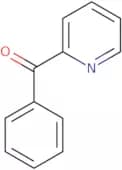
CAS:3'-Bromoacetophenone is a synthetic chemical that has been synthesized for the purpose of studying molecular orbitals and vibrational spectra. It is an enantiopure compound with a formyl group and an ethyl bromoacetate. The molecule has four nitrogen atoms and two methyl ketones, which are bonded to each other in the form of a ring. 3'-Bromoacetophenone can be used as a starting material in the synthesis of other compounds. It can also be used as a reagent to make carbon-carbon bonds in organic molecules. 3'-Bromoacetophenone has been shown to have optical properties that can be used for detection of light and fluorescence microscopy.Formula:C8H7BrOPurity:Min. 98.5 Area-%Color and Shape:Slightly Yellow Clear LiquidMolecular weight:199.04 g/mol2-Benzoylpyridine
CAS:2-Benzoylpyridine is a novel, potent antimicrobial compound that kills bacteria by targeting the bacterial membrane. 2-Benzoylpyridine binds to the bacterial membrane and causes leakage of ions and other molecules that disrupts the cell's redox potential. It has been shown to be active against human colon adenocarcinoma cells in vitro, with significant cytotoxicity observed. 2-Benzoylpyridine also has a coordination geometry that allows for intermolecular hydrogen bonding, which may contribute to its high potency as an antimicrobial agent.Formula:C12H9NOPurity:Min. 99.0 Area-%Color and Shape:Slightly Yellow PowderMolecular weight:183.21 g/mol1,4-Diacetylbenzene
CAS:1,4-Diacetylbenzene (1,4-DAB) is a tetradentate ligand that binds to metal ions. It has been used to model the active site of acetylcholinesterase, as well as for supramolecular chemistry. 1,4-DAB has been shown to have anticholinesterase activity and is used in crosslinkers. 1,4-DAB forms hydrogen bonds with the nitrogen atom of the carbonyl group and also stabilizes molecules through its dipole interactions. The kinetic properties of 1,4-DAB have been studied by modelling studies and by Nuclear Magnetic Resonance spectroscopy. Metformin hydrochloride (MET) is a biguanide antihyperglycemic agent that inhibits glucose production in the liver and promotes insulin sensitivity in peripheral tissues.Formula:C10H10O2Purity:Min. 99.0 Area-%Color and Shape:White PowderMolecular weight:162.19 g/molLinoleic acid - 60%min
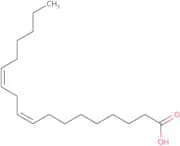
CAS:Linoleic acid is a polyunsaturated fatty acid that is an important component of the human diet. It has been shown to have inhibitory properties on liver cells, and may be related to body mass index. Linoleic acid is a precursor for gamma-aminobutyric acid (GABA), which functions as a neurotransmitter in the central nervous system. Linoleyl alcohol is a metabolite of linoleic acid and has been shown to inhibit the production of antimicrobial peptides, such as cathelicidin and beta-defensin. The inhibition of this peptide may be responsible for the observed reduction in inflammatory responses and infections.Formula:C18H32O2Purity:Min. 95%Color and Shape:Yellow Clear LiquidMolecular weight:280.45 g/mol4-Methoxy-6-methyl-2H,5H,6H,7H,8H-[1,3]dioxolo[4,5-G]isoquinoline
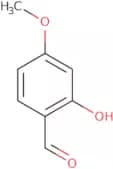
CAS:4-Methoxy-6-methyl-2H,5H,6H,7H,8H-[1,3]dioxolo[4,5-G]isoquinoline is an electron donor that has been shown to have an excitatory effect on cells. It has been used for the treatment of cancer and other diseases. 4-Methoxy-6-methyl-2H,5H,6H,7H,8H-[1,3]dioxolo[4,5-G]isoquinoline has been shown to have a cavity inhibiting effect in mice and also inhibits the growth of tumor cells in rats. This drug has been evaluated for clinical use in humans and is available as a granule formulation. The particle size of 4-Methoxy-6-methyl-2H,5H,6H,7H,8H-[1,3]dioxolo[4,5-G]Formula:C12H15NO3Purity:Min. 95%Color and Shape:PowderMolecular weight:221.25 g/mol2-Hydroxy-4-methoxybenzaldehyde
CAS:2-Hydroxy-4-methoxybenzaldehyde is an antifungal agent that has been shown to have a broad spectrum of activity against filamentous fungi. It is able to inhibit the growth of fungi by inhibiting the enzyme shikimate dehydrogenase, which is involved in the synthesis of aromatic amino acids and other essential metabolites. 2-Hydroxy-4-methoxybenzaldehyde also inhibits xylose reductase and alpha-galactosidase, enzymes that are involved in cell wall biosynthesis. This compound is effective against Candida albicans, Aspergillus niger, and Trichophyton mentagrophytes. 2-Hydroxy-4-methoxybenzaldehyde has also been shown to have bacteriostatic effects on Escherichia coli.
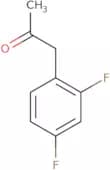
Formula:C8H8O3Purity:Min. 95%Color and Shape:Off-White PowderMolecular weight:152.15 g/mol(2,4-Difluorophenyl)acetone
CAS:(2,4-Difluorophenyl)acetone is a high quality chemical that can be used as a reagent, intermediate or building block for the synthesis of complex compounds. It is also a versatile building block for the synthesis of speciality chemicals, research chemicals and reaction components. (2,4-Difluorophenyl)acetone is an important intermediate in the synthesis of fluoroquinolones and it has been shown to be useful in the preparation of dyes such as indigo and phthalocyanine. This compound is also used to synthesize other pharmaceuticals such as aspirin and acetaminophen.
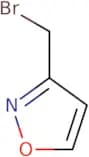
Formula:C9H8F2OPurity:Min. 95%Color and Shape:PowderMolecular weight:170.16 g/mol3-(Bromomethyl)isoxazole
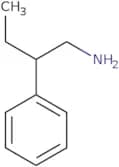
CAS:3-(Bromomethyl)isoxazole is a linker that can be used in the synthesis of other biologically active compounds. It has been shown to have an inhibitory effect on agriculturally-important bacteria, including those producing lipopolysaccharides. 3-(Bromomethyl)isoxazole has also been shown to have antibacterial activity and hydrogen bond interactions. 3-(Bromomethyl)isoxazole forms a boronic ester which is an important functional group in organic chemistry. This linker can also be used as a coagulant in water purification systems.Formula:C4H4BrNOPurity:Min. 95%Color and Shape:Clear LiquidMolecular weight:161.99 g/mol2-Phenylbutan-1-amine
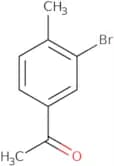
CAS:Controlled Product2-Phenylbutan-1-amine is an optical isomer of the more common 1-phenylbutan-2-amine. It has been used as a chiral building block in the synthesis of pharmaceuticals and industrial products. 2-Phenylbutan-1-amine selectively reacts with propionic acid to produce optically pure 2-(4-methoxyphenyl)propionic acid, which can be used in the production of fluoroquinolone antibiotics, such as flurbiprofen. 2-Phenylbutan-1-amine has also been studied for its ability to hydrolyze microorganisms and amides.Formula:C10H15NPurity:Min. 95%Color and Shape:PowderMolecular weight:149.23 g/mol3'-Bromo-4'-methylacetophenone
CAS:3'-Bromo-4'-methylacetophenone is a reactive methyl ester that binds to the receptor in the central nervous system. It has been found to be an effective anti-cancer drug, and also inhibits serotonin release in the brain. 3'-Bromo-4'-methylacetophenone is chiral, meaning it can exist as two different forms, or enantiomers. These two forms have different pharmacological profiles, with one being more potent than the other. 3'-Bromo-4'-methylacetophenone is synthesized from methylamine and acetaldehyde using diethyl ether as a solvent. The reaction product is then hydrolyzed by acetonitrile to produce the final product. This drug is used for the treatment of Parkinson's disease and schizophrenia.
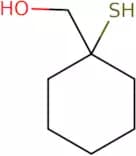
Formula:C9H9BrOPurity:Min. 95%Color and Shape:PowderMolecular weight:213.07 g/mol(1-Sulfanylcyclohexyl)methanol
CAS:(1-Sulfanylcyclohexyl)methanol is a chemical compound that has the CAS number 212574-88-4. It is a useful intermediate and reaction component, and can be used as a speciality chemical or reagent in research. (1-Sulfanylcyclohexyl)methanol is a versatile building block with many uses, including as a useful scaffold for creating complex compounds. It can also be used to make other chemicals, such as fine chemicals and pharmaceuticals. This compound has high quality, which makes it an excellent building block for high quality products.Formula:C7H14OSPurity:Min. 95%Molecular weight:146.25 g/molH-Lys(Boc)-AMC
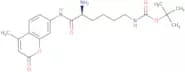
CAS:H-Lys(Boc)-AMC is a useful building block for the synthesis of peptides, nucleic acids, and other complex molecules. It is a fine chemical that can be used as a reagent or speciality chemical in research laboratories. H-Lys(Boc)-AMC is also a versatile building block that can be used to synthesize complex compounds and scaffolds. This compound has been assigned CAS number 222037-62-9.Formula:C21H29N3O5Purity:Min. 95%Color and Shape:PowderMolecular weight:403.47 g/molMethyl-3-Formylindole-5-carboxylate
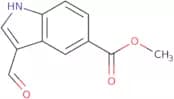
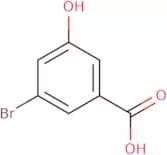
CAS:Please enquire for more information about Methyl-3-Formylindole-5-carboxylate including the price, delivery time and more detailed product information at the technical inquiry form on this pageFormula:C11H9NO3Purity:Min. 95%Molecular weight:203.19 g/mol3-Bromo-5-hydroxybenzoic acid
CAS:3-Bromo-5-hydroxybenzoic acid is a metabolite of 3,5-dihydroxybenzoic acid (DHB) in the metabolism of benzoic acid. It has been shown to be an antibacterial agent and has been used to treat metabolic disorders in hamsters. Symptoms of 3-bromo-5-hydroxybenzoic acid include dyslipidemia, which can lead to metabolic disorders such as diabetes mellitus and atherosclerosis. The compound may also have a role in tuberculosis and cancer due to its ability to induce apoptosis.
Formula:C7H5O3BrPurity:Min. 95%Color and Shape:White PowderMolecular weight:217.02 g/mol4-(Cyclopropylmethyl)-1-oxa-4,9-diazaspiro[5.5]undecan-3-one hydrochloride
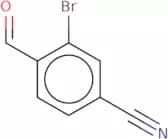
Please enquire for more information about 4-(Cyclopropylmethyl)-1-oxa-4,9-diazaspiro[5.5]undecan-3-one hydrochloride including the price, delivery time and more detailed product information at the technical inquiry form on this pageFormula:C12H20N2O2•(HCl)xPurity:Min. 95%Color and Shape:Powder2-Bromo-4-cyanobenzaldehyde
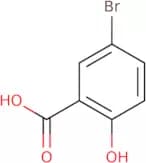
CAS:2-Bromo-4-cyanobenzaldehyde is a potent protease inhibitor and can be used as an antiviral agent. It inhibits the NS3 protease of hepatitis C virus (HCV) with IC50 of 0.2 μM. 2-Bromo-4-cyanobenzaldehyde has been evaluated for its ability to inhibit replicons from HCV genotypes 1, 2, 3, 4 and 5 with varying degrees of potency. In vitro studies have shown that 2-bromo-4-cyanobenzaldehyde is a potent inhibitor of HCV NS3 protease, demonstrating activity against all major HCV genotypes in cell culture. This molecule has also been shown to inhibit the replication of HIV, herpes simplex virus type 1 and human rhinovirus type 2 in cell culture.Formula:C8H4BrNOPurity:Min. 95%Color and Shape:PowderMolecular weight:210.03 g/mol5-Bromosalicylic acid
CAS:5-Bromosalicylic acid is a derivative of p-hydroxybenzoic acid that is used in wastewater treatment. The reaction of 5-bromosalicylic acid with the 1,3-benzodioxole-5-carboxylic acid leads to the formation of a new compound, which can be used as an intermediate in organic synthesis. 5-Bromosalicylic acid has been shown to inhibit the growth of hepg2 cells and K562 cells by damaging DNA. It also inhibits the suzuki coupling reaction by acting as a hydrogen sink and stabilizing the transition state through intramolecular hydrogen bonding interactions. A possible mechanism for this inhibition is that 5-bromosalicylic acid reacts with hydroxide ions to form bromohydroxylated products, which then react with amine compounds to produce carboxylates that can hydrogen bond with other molecules.Formula:C7H5BrO3Purity:Min. 95%Color and Shape:White PowderMolecular weight:217.02 g/molL-Valinol
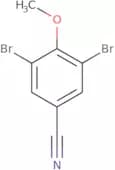
CAS:L-Valinol is a model system that is used to study the reaction of aziridines with oxygen nucleophiles. It has been shown that this reaction proceeds through the formation of an intermediate, hydrogen tartrate, followed by a second step with nitrogen atoms as the nucleophile and alcohol residue as the substrate. The use of L-valinol in asymmetric synthesis was also demonstrated. In this process, amides were obtained with high enantioselectivity by reacting L-valinol with amines in acidic conditions. This synthetic pathway was found to be synergic with other reactions, such as nitroolefination and benzoylation.Formula:C5H13NOPurity:Min. 95%Color and Shape:Solidified MassMolecular weight:103.16 g/mol3,5-Dibromo-4-methoxybenzonitrile
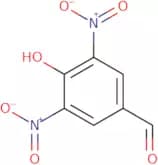
CAS:3,5-Dibromo-4-methoxybenzonitrile (DBMB) is a pentane that can be synthesized in the laboratory. DBMB is used as a weed control agent to kill weeds and grasses in neoprene rubber products and other materials. The chemical reacts with nitro groups on the surface of the material, producing an unstable intermediate that decomposes into pentane and nitric acid. 3,5-Dibromo-4-methoxybenzonitrile has been shown to have low toxicity to mammals at high doses. The compound may also be used as a chemical intermediate for the synthesis of other compounds or drugs. Nitro groups may be reduced by reductants such as sodium borohydride or lithium aluminium hydride to produce analdehyde derivatives.Formula:C8H5Br2NOPurity:Min. 95%Color and Shape:White Off-White PowderMolecular weight:290.94 g/mol3,5-Dinitro-4-hydroxybenzaldehyde
CAS:Please enquire for more information about 3,5-Dinitro-4-hydroxybenzaldehyde including the price, delivery time and more detailed product information at the technical inquiry form on this pageFormula:C7H4N2O6Purity:Min. 95%Color and Shape:PowderMolecular weight:212.12 g/mol2-Benzofurancarboxylic acid
CAS:2-Benzofurancarboxylic acid is a potent antimicrobial agent that inhibits the growth of bacteria by binding to amines, carthamus tinctorius, coumarin derivatives, and reaction mechanism. It has been shown to be effective against several types of cancer cells and autoimmune diseases. 2-Benzofurancarboxylic acid binds reversibly to the active site of an enzyme with high affinity for amines, carthamus tinctorius, coumarin derivatives, and reaction mechanism. This binding prevents the enzyme from performing its normal function.
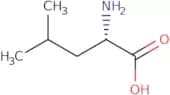
2-Benzofurancarboxylic acid has also been shown to inhibit bacterial growth in a microgravity environment and was found to be more effective than its analogs in a molecular docking analysis.Formula:C9H6O3Purity:Min. 98 Area-%Color and Shape:PowderMolecular weight:162.14 g/molL-Leucine, USP
CAS:Amino acid
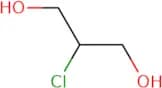
Formula:C6H13NO2Purity:98.5 To 101.5%Color and Shape:White PowderMolecular weight:131.17 g/mol2-Chloro-1,3-propanediol
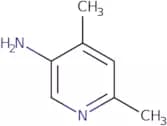
CAS:2-Chloro-1,3-propanediol is a useful intermediate and building block in organic synthesis. It is also a reagent that can be used to synthesize other organic compounds. 2-Chloro-1,3-propanediol has been shown to be a versatile scaffold for the synthesis of many different types of organic molecules. It is also an important component of research chemicals and speciality chemicals. This chemical can be used as a high quality fine chemical or complex compound in the manufacture of other products.Formula:C3H7ClO2Purity:Min. 97 Area-%Color and Shape:Colorless Clear LiquidMolecular weight:110.54 g/mol3-Amino-4,6-dimethylpyridine
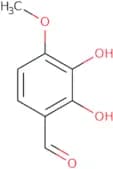
CAS:3-Amino-4,6-dimethylpyridine is a potent inhibitor of quinolines and thiazolopyridines. It has been shown to be an allosteric inhibitor of cellular quinoline and thiazolopyridine metabolism which leads to its high potency in cells. 3-Amino-4,6-dimethylpyridine selectively inhibits the activity of these enzymes without affecting other metabolic pathways. Oral dosing results in rapid absorption and a half life of about 2 hours.Formula:C7H10N2Purity:Min. 95%Color and Shape:PowderMolecular weight:122.17 g/mol2,3-Dihydroxy-4-methoxybenzaldehyde
CAS:2,3-Dihydroxy-4-methoxybenzaldehyde is the oxidized form of 2,3-dihydroxybenzaldehyde. It has been used in biological studies to investigate the biosynthetic pathways of reductoisomerase and analytical methods for detecting hydrogen bonds in samples. This chemical can also be found in urine samples as a metabolite of adenine nucleotide and polypeptides. The chemical has been shown to have health benefits, such as being a recombinant that helps cell culture.
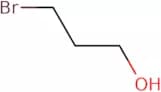
Formula:C8H8O4Purity:Min. 95%Color and Shape:PowderMolecular weight:168.15 g/mol3-Bromo-1-propanol
CAS:3-Bromo-1-propanol is a chemical compound that contains a hydroxyl group and an asymmetric carbon atom. This molecule has been used as a model system to study the reaction mechanism of alcohol dehydrogenase, which is the enzyme responsible for the oxidation of ethanol. 3-Bromo-1-propanol has been shown to inhibit the growth of bacteria such as Staphylococcus aureus, which are resistant to penicillin. The pharmacokinetic properties of 3-bromo-1-propanol have been studied in dogs with congestive heart failure.
Formula:C3H7BrOPurity:Min. 97 Area-%Color and Shape:Colorless Clear LiquidMolecular weight:138.99 g/mol2-{Bicyclo[2.2.1]heptan-2-yl}acetamide
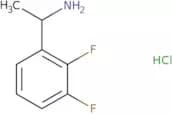
CAS:Versatile small molecule scaffoldFormula:C9H15NOPurity:Min. 95%Color and Shape:PowderMolecular weight:153.22 g/mol1-(2,3-Difluorophenyl)ethan-1-amine hydrochloride
CAS:1-(2,3-Difluorophenyl)ethan-1-amine hydrochloride is a high quality chemical. It is a reagent that can be used as an intermediate in the synthesis of complex compounds and fine chemicals. This compound is also a useful scaffold for the development of new drugs and novel materials. 1-(2,3-Difluorophenyl)ethan-1-amine hydrochloride is also a versatile building block for reactions in organic chemistry. It is a speciality chemical that can be used as a research chemical or reaction component for synthetic organic chemistry.Formula:C8H10ClF2NPurity:Min. 95%Color and Shape:PowderMolecular weight:193.62 g/mol1-Pyrenebutyric acid
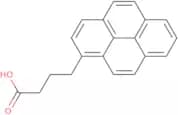
CAS:1-Pyrenebutyric acid is a sodium salt that belongs to the group of polymerase chain reaction (PCR) reagents. It is used in PCR as a fluorescent probe for detecting the presence of dinucleotide phosphate and covalent linkages. 1-Pyrenebutyric acid has been shown to be a potential biomarker for electrochemical impedance spectroscopy and can be used as an optical sensor for optimal concentration. This compound has also been used in biological studies to detect the presence of human immunoglobulin, which binds to it with high affinity. 1-Pyrenebutyric acid undergoes a phase transition at a temperature between -190 and -195 degrees Celsius, which makes it useful as a fluorescence dye.
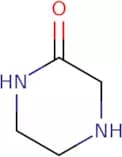
Formula:C20H16O2Purity:Min. 95%Color and Shape:Off-White PowderMolecular weight:288.34 g/molPiperazin-2-one
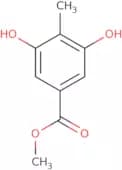
CAS:Building block in medicinal chemistryFormula:C4H8N2OPurity:Min. 95%Color and Shape:White PowderMolecular weight:100.12 g/mol3,5-Dihydroxy-4-methylbenzoic acid methyl ester
CAS:3,5-Dihydroxy-4-methylbenzoic acid methyl ester is a fine chemical that is used as a versatile building block in the synthesis of pharmaceuticals, agrochemicals and other chemicals. It can be used as an intermediate in the synthesis of organic compounds and research chemicals. This compound is also used as a reaction component in organic syntheses and is often found in speciality chemicals. 3,5-Dihydroxy-4-methylbenzoic acid methyl ester is soluble in most solvents and has high purity. It is a complex compound that can be used as a useful building block or reagent for many different reactions.
Formula:C9H10O4Purity:Min. 95%Color and Shape:PowderMolecular weight:182.17 g/mol3-Chloro-5-hydroxybenzoic acid ethyl ester
Please enquire for more information about 3-Chloro-5-hydroxybenzoic acid ethyl ester including the price, delivery time and more detailed product information at the technical inquiry form on this page
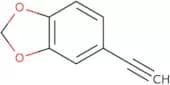
Formula:C9H9ClO3Purity:Min. 98 Area-%Color and Shape:PowderMolecular weight:200.62 g/mol5-Ethynylbenzo-1,3-dioxole
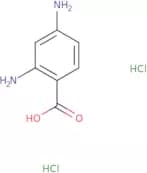
CAS:5-Ethynylbenzo-1,3-dioxole is a terminal alkyne that has two terminal alkyne groups. It can form hydrogen bonds and interactions with other molecules. 5-Ethynylbenzo-1,3-dioxole is a reactive molecule that can be used to create polymers and other chemical compounds. The terminal alkynes are important for the stability of these compounds, as they bind to the polymer chains. 5-Ethynylbenzo-1,3-dioxole is used in organic chemistry to synthesize polymers and other chemical compounds.Formula:C9H6O2Purity:Min. 95%Color and Shape:PowderMolecular weight:146.14 g/mol2,4-Diaminobenzoic acid dihydrochloride
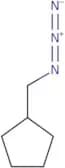
CAS:2,4-Diaminobenzoic acid dihydrochloride is a versatile building block for complex compounds. This compound can be used as a research chemical and is also a reagent and speciality chemical. 2,4-Diaminobenzoic acid dihydrochloride has been used in the synthesis of many useful compounds, including pharmaceuticals and agrochemicals. It is also an intermediate in the synthesis of some pharmaceuticals and agrochemicals. 2,4-Diaminobenzoic acid dihydrochloride can be used as a scaffold to produce new molecules that are potentially useful as drugs or other chemicals.Formula:C7H8N2O2•(HCL)2Purity:Min. 95%Color and Shape:Off-White PowderMolecular weight:225.07 g/mol(Azidomethyl)cyclopentane
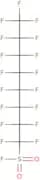
CAS:Azidomethylcyclopentane is a neuraminidase inhibitor that binds to the active site of the influenza virus neuraminidase enzyme. It has been shown to be effective against influenza A and B viruses in vitro. In vivo studies have also shown that Azidomethylcyclopentane prevents the activation of chronic pain receptors, which may be due to its ability to regulate the activation of cyclic adenosine monophosphate (cAMP) by activating adrenergic receptors. This drug is a prodrug that is converted by hydrolysis into an active form, which inactivates viral neuraminidase and prevents spread of infection.Formula:C6H11N3Purity:Min. 95%Color and Shape:Clear LiquidMolecular weight:125.17 g/molPerfluorooctanesulfonyl fluoride
CAS:Controlled ProductPerfluorooctanesulfonyl fluoride is a reactive chemical that reacts with hydrogen fluoride to form perfluorooctanoic acid. This chemical is used in wastewater treatment to reduce the amount of hydrogen fluoride in water. Perfluorooctanesulfonyl fluoride has been shown to be an effective agent against infectious diseases, such as hepatitis B and C, by inhibiting the enzyme DNA polymerase. It also has a role in the analytical method for detecting human serum proteins. The toxicological studies have shown that it may cause reproductive and developmental effects, including a decrease in the body mass index and natural compounds sodium carbonate and potassium dichromate.
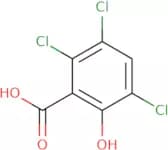
Formula:C8F18O2SPurity:Min. 95%Color and Shape:Clear LiquidMolecular weight:502.12 g/mol3,5,6-Trichlorosalicylic acid
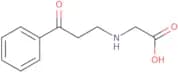
CAS:3,5,6-Trichlorosalicylic acid binds to the active site of bacterial 5-nitrosalicylic acid reductase and inhibits its activity. It is an inhibitor of proton-translocating ATPases. 3,5,6-Trichlorosalicylic acid has been shown to be effective against a variety of bacteria at low concentrations. 3,5,6-Trichlorosalicylic acid has also been shown to inhibit some physiological activities such as the light emission and chemiluminescent reaction of luciferin in fireflies. This chemical reacts with chloride ions to produce light.Formula:C7H3Cl3O3Purity:Min. 95%Color and Shape:PowderMolecular weight:241.46 g/molN-(3-Phenylpropionyl)glycine
CAS:N-(3-Phenylpropionyl)glycine is a metabolite of the amino acid glycine that is produced by plants. It has been used in diagnostic tests to measure the activity of enzymes involved in fatty acid metabolism and as a marker for metabolic disorders. N-(3-Phenylpropionyl)glycine can be detected in urine samples and has been used to diagnose different types of orotic aciduria, including infantile orotic aciduria. This metabolite inhibits the activity of the enzyme hexanoylglycerol O-acyltransferase, which catalyzes the conversion of hexanoylglycine to p-hydroxybenzoic acid. Hexanoylglycine is an intermediate product of human liver metabolism and it can be found in high concentrations in body tissues such as heart tissue.Formula:C11H13NO3Purity:Min. 95%Color and Shape:PowderMolecular weight:207.23 g/molN'-[3-Cyano-1-[2,6-dichloro-4-(trifluoromethyl)phenyl]-4-iodo-1H-pyrazol-5-yl]-N,N-dimethylmethanimidamide
CAS:Please enquire for more information about N'-[3-Cyano-1-[2,6-dichloro-4-(trifluoromethyl)phenyl]-4-iodo-1H-pyrazol-5-yl]-N,N-dimethylmethanimidamide including the price, delivery time and more detailed product information at the technical inquiry form on this pageFormula:C14H9Cl2F3IN5Purity:Min. 95%Molecular weight:502.06 g/mol1,3-Adamantanediamine dihydrochloride
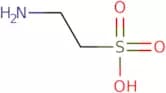
CAS:1,3-Adamantanediamine dihydrochloride is a mimetic that has been shown to inhibit the fibrinolytic activity of nipecotic acid. This compound also inhibits the platelet aggregation induced by the activation of collagen receptors. It has been shown to have an antagonistic effect on NMDA receptors and to induce apoptosis in cancer cells. The structure of 1,3-Adamantanediamine dihydrochloride is similar to that of adamantane, which is a naturally occurring molecule found in plants and animals.Formula:C10H18N2·2HClPurity:Min. 95%Color and Shape:White PowderMolecular weight:239.18 g/molTaurine
CAS:Taurine is an amino acid that is found in the body and plays a number of different roles, including in biochemical composition, energy metabolism, and cell signaling. Taurine has been shown to be effective for the treatment of bowel disease and can be used as a reaction solution. It has also been shown to increase mitochondrial membrane potential and prevent cellular death in 3T3-L1 preadipocytes. Taurine inhibits growth factor-β1, which may be responsible for the inhibition of cellular proliferation and apoptosis induction. Taurine also decreases tubulointerstitial injury by increasing the synthesis of collagen type II and decreasing the production of reactive oxygen species. Taurine may play a role in reversing neuronal death through its interactions with intracellular targets such as tubulin.Formula:C2H7NO3SColor and Shape:PowderMolecular weight:125.15 g/mol3,4-Dihydroxy-6-nitrobenzaldehyde
CAS:3,4-Dihydroxy-6-nitrobenzaldehyde is a nitrite that can be used to produce nitric acid. It can also be used in the synthesis of caffeic acid and protocatechuic aldehyde. This molecule is also a catalyst for the conversion of 3,4-dihydroxybenzoic acid to chloride and purine derivatives. 3,4-Dihydroxy-6-nitrobenzaldehyde is nucleophilic and can react with an electron pair donor such as methyl ester or dimerization. The product of this reaction is an unsaturated compound called hyperuricemic mice.Formula:C7H5NO5Purity:Min. 95%Color and Shape:Yellow PowderMolecular weight:183.12 g/molKJ Pyr 9
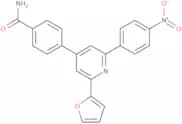
CAS:KJ Pyr 9 is an all-trans retinoic acid (ATRA) derivative that has been shown to inhibit the growth of cancer cells in vitro. KJ Pyr 9 selectively binds to the retinoid X receptor, which is a transcription factor that regulates gene expression. ATRA derivatives are also known as potential biomarkers for colorectal adenocarcinoma and cervical cancer. KJ Pyr 9 was found to be cytostatic rather than cytotoxic, meaning it inhibits cell proliferation but does not kill cells. This molecule has low expression levels and may be a target for inhibitory compounds.Formula:C22H15N3O4Purity:Min. 95%Molecular weight:385.37 g/molLinoleic acid - liquid
CAS:Linoleic acid is a type of essential fatty acid that is found in vegetable oils. It is the most predominant polyunsaturated fatty acid and can be classified as either a cis- or trans-isomer. Linoleic acid has been shown to have inhibitory properties against bowel disease, polymerase chain reaction (PCR) analysis, and disease activity. Linoleic acid may also be used as an analytical method for determining levels of linoleate, linoleic acid, or p-hydroxybenzoic acid in body proteins. The inhibition of cancer cell proliferation by linoleic acid may be due to its ability to inhibit the production of signal peptide or 3t3-l1 preadipocytes.Formula:C18H32O2Purity:94 To 96%Color and Shape:Colorless Clear LiquidMolecular weight:280.45 g/molLevoglucosenone
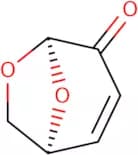
CAS:Levoglucosenone is a molecule that inhibits the reaction mechanism of glycosidic bond formation. It is used in biochemical research to study reactions that involve surface methodology, such as hydroxyl group formation and zirconium oxide deposition. Levoglucosenone can be used to inhibit the acid formation that occurs during the reaction between nitrite ion and a chiral compound. The reactant solution can be activated by adding levoglucosenone to it, which will then inhibit the reaction. Sample preparation for these types of experiments involves dissolving the reactant solution in water and adding ammonium hydroxide to it, followed by adding a small amount of levoglucosenone.
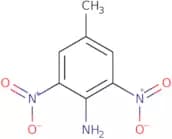
Formula:C6H6O3Purity:Min. 95%Color and Shape:Clear LiquidMolecular weight:126.11 g/mol2,6-Dinitro-4-methylaniline
CAS:2,6-Dinitro-4-methylaniline is an amide that has been shown to induce cancer in animals. It has a high affinity for nucleic acids and forms covalent bonds with DNA. 2,6-Dinitro-4-methylaniline is metabolized by the liver and excreted by the kidneys into urine, where it can be detected in urine samples. This compound has been shown to bioconcentrate in organisms and accumulate in tissues as well as activate radiation. The activation of this compound is dose dependent and may be due to its ability to form covalent bonds with DNA.
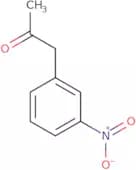
Formula:C7H7N3O4Purity:Min. 95%Color and Shape:PowderMolecular weight:197.15 g/mol(3-Nitrophenyl)acetone
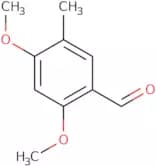
CAS:3-Nitrophenylacetone is a white solid that is soluble in water and polar organic solvents. 3-Nitrophenylacetone can be used as a building block for the synthesis of other compounds, such as pharmaceuticals and dyes. This compound has been researched for its ability to inhibit protein glycosylation. 3-Nitrophenylacetone is also used as an intermediate in the synthesis of polyurethanes and polycarbonates.Formula:C9H9NO3Purity:Min. 95%Color and Shape:White PowderMolecular weight:179.17 g/mol2,4-Dimethoxy-5-methylbenzaldehyde
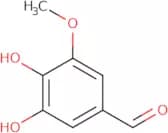
CAS:2,4-Dimethoxy-5-methylbenzaldehyde is an aryl aldehyde that can be synthesized from 2,4-dimethoxyphenol and methyl benzoate. It can also be produced by condensation of benzaldehyde with chloroform in the presence of zinc chloride. This compound is used in the production of various pharmaceuticals, including antihistamines, antidepressants, and antipsychotics.Formula:C10H12O3Purity:Min. 95%Color and Shape:PowderMolecular weight:180.2 g/mol3,4-Dihydroxy-5-methoxybenzaldehyde
CAS:3,4-Dihydroxy-5-methoxybenzaldehyde is a synthetic compound that has shown to have inhibitory effects on the replication of DNA and RNA. It also inhibits the growth of bacteria in culture by binding to the nucleic acid. The chemical structure of 3,4-Dihydroxy-5-methoxybenzaldehyde is similar to that of bisbenzylisoquinoline alkaloids, which are found in plants such as opium poppy. This similarity may explain its ability to inhibit bacterial growth. 3,4-Dihydroxy-5-methoxybenzaldehyde may be used as a drug candidate for treating bacterial infections.Formula:C8H8O4Purity:Min. 95%Color and Shape:PowderMolecular weight:168.15 g/moltert-Butyl N-[2-(aminooxy)ethyl]carbamate
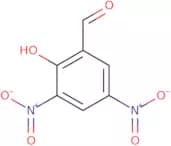
CAS:tert-Butyl N-[2-(aminooxy)ethyl]carbamate is a fine chemical that can be used as a versatile building block in the synthesis of complex compounds. It can also be used to synthesize useful scaffolds, which are chemical substances that form the basis for the design of new drugs. This compound has CAS No. 75051-55-7 and is a useful intermediate, research chemicals, and reaction component for speciality chemicals. Tert-butyl N-[2-(aminooxy)ethyl]carbamate has been shown to have high quality and is an excellent reagent in organic synthesis.Formula:C7H16N2O3Purity:Min. 95 Area-%Color and Shape:Clear LiquidMolecular weight:176.2 g/mol3,5-Dinitrosalicylaldehyde
CAS:3,5-Dinitrosalicylaldehyde is an oxidizing agent that is used in organic chemistry to produce aldehydes or carboxylic acids. It reacts with the amino groups of lysine residues and converts them to nitro groups. 3,5-Dinitrosalicylaldehyde is also used as a reagent in the determination of the number of lysine residues in proteins by titration with hydrochloric acid. The reaction mechanism of 3,5-dinitrosalicylaldehyde involves formation of an electron deficient intermediate that oxidizes chloride ions to form water molecules and chloride radicals. These intermediates react with nitro groups on lysine residues, resulting in nitro compounds. Crystallography studies have shown that the molecular structure of 3,5-dinitrosalicylaldehyde has two nitro groups and one hydroxyl group.
Formula:C7H4N2O6Purity:Min. 95%Color and Shape:Yellow PowderMolecular weight:212.12 g/mol2,4-di-tert-Butylaniline hydrochloride
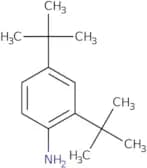
CAS:The reaction mechanism of 2,4-di-tert-butylaniline hydrochloride is the alkylation of anilines with protonated tert-butyl chloride. This reaction proceeds by a substitution process in which one or more hydrogen atoms are replaced by the substituent. The selectivity of this reaction depends on the parameters and conditions used to carry it out. The reaction can be carried out under autogenous conditions or with the addition of a catalyst such as nickel (Ni), palladium (Pd) or platinum (Pt). The product obtained can be modified by changing the catalyst, solvent, temperature, pressure and other parameters. Reaction kinetics is affected by additives such as water, alcohols and acids that may be added during the reaction process. The size and shape of nanoparticles can also affect kinetic properties.
2,4-di-tert-Butylaniline hydrochloride has been shown to have high activity for organic synthesis in homFormula:C14H24ClNPurity:Min. 95%Color and Shape:White PowderMolecular weight:241.8 g/mol4-Aminocinnamic acid hydrochloride
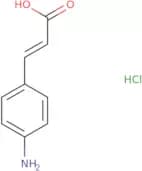
CAS:4-Aminocinnamic acid hydrochloride (4ACA) is a synthetic compound that inhibits the bacterial membrane by binding to the polypeptide chain of the protein. It is a water-soluble polymer that is capable of enhancing the water solubility of other compounds and has been shown to inhibit the growth of typhimurium. 4ACA binds to chalcone, anilines, and styrene, which are all substrates for bacterial enzymes. The interaction between 4ACA and these substrates alters their chemical properties and provides resistance to bacteria.Formula:C9H9NO2·HClPurity:Min. 95%Color and Shape:Off-White PowderMolecular weight:199.63 g/mol3-Chloro-5-hydroxybenzoic acid methyl ester
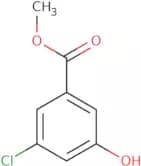
CAS:3-Chloro-5-hydroxybenzoic acid methyl ester is a fine chemical that can be used as a versatile building block and reaction component in the synthesis of complex compounds. It is soluble in organic solvents such as dichloromethane, chloroform, and acetone. 3-Chloro-5-hydroxybenzoic acid methyl ester has CAS No. 98406-04-3 and a molecular weight of 149. 2.Formula:C8H7ClO3Purity:Min. 98 Area-%Color and Shape:White Off-White PowderMolecular weight:186.59 g/mol(2,5-Dichlorophenyl)acetone
CAS:(2,5-Dichlorophenyl)acetone is a chemical compound that is used as a reaction component in the synthesis of other compounds. It can be used as a reagent in the preparation of high quality research chemicals, speciality chemicals and fine chemicals. It is also used as an intermediate in the synthesis of complex compounds. (2,5-Dichlorophenyl)acetone has CAS number 102052-40-4.Formula:C9H8Cl2OPurity:Min. 95%Color and Shape:PowderMolecular weight:203.06 g/mol2-Naphthalenesulfonic acid
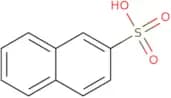
CAS:2-Naphthalenesulfonic acid is an activated sodium salt that is used to treat wastewater. It has been shown to react with malonic acid, a major component of wastewater, by forming a kinetic and thermodynamic acid complex. The reaction solution then reacts with epidermal growth factor to form benzalkonium chloride. 2-Naphthalenesulfonic acid has been shown to be effective in the treatment of wastewater due to its ability to remove organic materials and inhibit the growth of bacteria.
Formula:C10H8SO3Purity:Min. 98 Area-%Color and Shape:PowderMolecular weight:208.23 g/mol2,5-Difluoro-3-methylbenzoic acid methyl ester
CAS:2,5-Difluoro-3-methylbenzoic acid methyl ester is a high quality, complex compound that can be used as a versatile building block in synthesis. It acts as a reagent and can be used as a research chemical. 2,5-Difluoro-3-methylbenzoic acid methyl ester is an intermediate in the production of other chemicals and can also be used as a reaction component or useful scaffold.
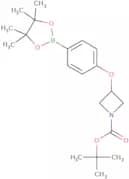
Formula:C9H8F2O2Purity:Min. 95%Color and Shape:PowderMolecular weight:186.16 g/moltert-Butyl 3-(4-(4,4,5,5-tetramethyl-1,3,2-dioxaborolan-2-yl)phenoxy)azetidine-1-carboxylate
CAS:Tert-Butyl 3-(4-(4,4,5,5-tetramethyl-1,3,2-dioxaborolan-2-yl)phenoxy)azetidine-1-carboxylate is a high quality reagent that can be used as an intermediate in the synthesis of complex compounds. It has been shown to have various uses as a fine chemical or speciality chemical. Tert-butyl 3-(4-(4,4,5,5-tetramethyl-1,3,2-dioxaborolan-2-yl)phenoxy)azetidine 1 carboxylate is also a versatile building block and can serve as a reaction component.Formula:C20H30BNO5Purity:Min. 95%Color and Shape:PowderMolecular weight:375.3 g/mol2,4-Dihydroxy-3-methylbenzoic acid
CAS:2,4-Dihydroxy-3-methylbenzoic acid (2,4-DMB) is a potent compound that has been shown to have chemotherapeutic properties. It is a DNA repair agent that also inhibits the activity of topoisomerase II and DNA polymerase III. 2,4-DMB can be used in the treatment of radiation and ionizing radiation induced cancers. The pharmacophore of 2,4-DMB has been identified as being composed of three hydrophobic regions and one hydrophilic region. This pharmacophore has been used to design other potent compounds with similar activity against cancer cells.
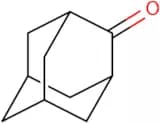
Formula:C8H8O4Purity:Min. 95%Color and Shape:PowderMolecular weight:168.15 g/mol2-Adamantanone
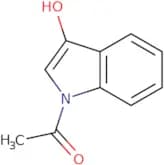
CAS:2-Adamantanone is a chemical compound that belongs to the group of p2-adamantanes. It has been shown to have acute toxicities in rats and mice, as well as a high reactivity with water vapor. 2-Adamantanone is used as an oxidation catalyst in organic synthesis reactions and has biological properties that are related to its inhibitory effects on acetylcholinesterase. This compound also reacts readily with malonic acid and fatty acid, which may be due to steric interactions between the two molecules. 2-Adamantanone is also shown to have chemiluminescent activity, which can be used for the detection of trifluoroacetic acid (TFA) in vitro. It is also active against fungus cells when combined with hydroxyl groups, such as those found in fatty acids.Formula:C10H14OPurity:Min. 95%Color and Shape:White PowderMolecular weight:150.22 g/molN-Acetyl-3-hydroxyindole
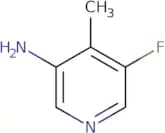
CAS:N-Acetyl-3-hydroxyindole is a chemical compound that can be used as a building block for other organic compounds. It is an intermediate in the synthesis of 3-amino-2,4,6-trichloropyrimidine, which is used in the synthesis of some pharmaceuticals and pesticides. N-Acetyl-3-hydroxyindole has been shown to react with thiourea to yield 2-(3,4-dihydroxyphenyl)acetic acid. It also reacts with hydroxylamine to produce 2-(aminooxymethyl)pyrrolidinone. N-Acetyl-3-hydroxyindole has been shown to have antioxidant properties, which may be due to its ability to reduce lipid peroxidation and scavenge reactive oxygen species.Formula:C10H9NO2Purity:Min. 98.0 Area-%Molecular weight:175.19 g/mol5-Fluoro-4-methylpyridin-3-amine
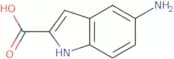
CAS:Versatile small molecule scaffoldFormula:C6H7FN2Purity:Min. 95%Color and Shape:PowderMolecular weight:126.13 g/mol5-Amino-1H-indole-2-carboxylic acid
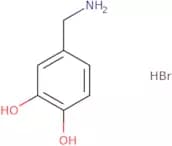
CAS:5-Amino-1H-indole-2-carboxylic acid is a chemical compound that belongs to the group of alcohols. It has been shown to have a viscosity increasing effect in industrial applications and can be used as an environmental pollutant. This compound is also a surface active agent, and it has been shown to be an effective antitumor agent. 5-Amino-1H-indole-2-carboxylic acid is a nonionic surfactant with urea derivative properties. It can be used for the treatment of skin conditions such as eczema and psoriasis, but should not be applied to open wounds.Formula:C9H8N2O2Purity:Min. 95%Color and Shape:PowderMolecular weight:176.17 g/mol3,4-Dihydroxybenzylamine hydrobromide
CAS:3,4-Dihydroxybenzylamine hydrobromide is a chemical that reacts with hydrogen peroxide to produce light. It is used as a nutrient for the chemiluminescent reaction in a nutrient solution to detect dopamine, chlorogenic acids, and trifluoroacetic acid. 3,4-Dihydroxybenzylamine hydrobromide can also be used as an analytical method for the measurement of cortisol concentration in plasma and saliva samples. This chemical analogically reacts with monoamine neurotransmitters such as dopamine and gamma-aminobutyric acid (GABA) to form fluorescent probes. 3,4-Dihydroxybenzylamine hydrobromide is not toxic or mutagenic and has been shown to be safe for use in humans.Formula:C7H10BrNO2Purity:Min. 95%Color and Shape:PowderMolecular weight:220.06 g/molCaffeic acid
CAS:Caffeic acid is naturally produced by the metabolism of plants and fungi. Caffeic acid has an antioxidant activity that can be higher than tocopherol in oil-in-water emulsions. Caffeic acid has proven antimicrobial activity against Staphylococcus aureus. In mice, caffeic acid inhibits the enzyme 5-lipoxygenase thus inhibititing the biosynthesis of the inflammatory mediators leukotrienes.Formula:C9H8O4Purity:Min. 98.0 Area-%Molecular weight:180.16 g/molRef: 3D-C-1500
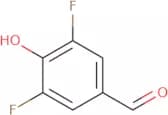
-Unit-ggTo inquire1kgTo inquire25gTo inquire250gTo inquire500gTo inquire2500gTo inquire3,5-Difluoro-4-hydroxybenzaldehyde
CAS:3,5-Difluoro-4-hydroxybenzaldehyde is a biochemical that belongs to the group of anticancer agents. It is activated by hydroxyl radicals and inhibits cancer cells. 3,5-Difluoro-4-hydroxybenzaldehyde inhibits protein synthesis in the cell by binding to messenger RNA and preventing its translation into protein. This compound also has inhibitory properties against DNA polymerase, which prevents DNA replication and transcription. 3,5-Difluoro-4-hydroxybenzaldehyde can be used as a template for oligodeoxynucleotides (ODN) to enhance photochemical properties.
Formula:C7H4F2O2Purity:Min. 95%Color and Shape:Off-White PowderMolecular weight:158.1 g/molKisspeptin-234 trifluoroacetate
CAS:Please enquire for more information about Kisspeptin-234 trifluoroacetate including the price, delivery time and more detailed product information at the technical inquiry form on this page
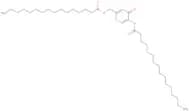
Formula:C63H78N18O13•(C2HF3O2)xPurity:Min. 95 Area-%Molecular weight:1,295.41 g/molKojic acid dipalmitate
CAS:Tyrosinase inhibitor; skin whitener
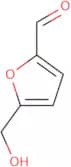
Formula:C38H66O6Purity:(Hplc) Min. 98.5%Color and Shape:White Off-White PowderMolecular weight:618.93 g/mol5-Hydroxymethylfurfural
CAS:5-Hydroxymethylfurfural (5-HMF) is a model system used to study the effects of 5-hmf on therapy groups. It can be used as a catalyst in the production of p-hydroxybenzoic acid, and it has been shown to have an antioxidant effect in bowel disease and oxidative injury. 5-HMF is also able to produce hydroxymethylfurfural (HMF) from glucose injection. HMF can be found in foods such as fructose, and is toxic to humans when consumed at high levels.Formula:C6H6O3Purity:Min. 97%Color and Shape:Slightly Brown PowderMolecular weight:126.11 g/mol














![4-Methoxy-6-methyl-2H,5H,6H,7H,8H-[1,3]dioxolo[4,5-G]isoquinoline](/_next/image/?url=https%3A%2Fstatic.cymitquimica.com%2Fproducts%2F3D%2Fthumb-webp%2FAAA55010.webp&w=3840&q=75)
![4-(Cyclopropylmethyl)-1-oxa-4,9-diazaspiro[5.5]undecan-3-one hydrochloride](/_next/image/?url=https%3A%2Fstatic.cymitquimica.com%2Fproducts%2F3D%2Fthumb-webp%2FFC182982.webp&w=3840&q=75)


![2-{Bicyclo[2.2.1]heptan-2-yl}acetamide](/_next/image/?url=https%3A%2Fstatic.cymitquimica.com%2Fproducts%2F3D%2Fthumb-webp%2FBDA64995.webp&w=3840&q=75)

![N'-[3-Cyano-1-[2,6-dichloro-4-(trifluoromethyl)phenyl]-4-iodo-1H-pyrazol-5-yl]-N,N-dimethylmethani…](/_next/image/?url=https%3A%2Fstatic.cymitquimica.com%2Fproducts%2F3D%2Fthumb-webp%2FFN182821.webp&w=3840&q=75)

![tert-Butyl N-[2-(aminooxy)ethyl]carbamate](/_next/image/?url=https%3A%2Fstatic.cymitquimica.com%2Fproducts%2F3D%2Fthumb-webp%2FADA05155.webp&w=3840&q=75)