


Building Blocks
Subcategories of "Building Blocks"
- Boronic Acids & Boronic Acid Derivatives(5,784 products)
- Chiral Building Blocks(1,242 products)
- Hydrocarbon Building Blocks(6,105 products)
- Organic Building Blocks(61,061 products)
Found 205399 products of "Building Blocks"
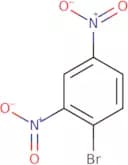
1-Bromo-2,4-dinitrobenzene
CAS:1-Bromo-2,4-dinitrobenzene, also known as DNB, is a molecule that belongs to the group p2. It has been shown to be a substrate for catalysis in vitro assays. 1-Bromo-2,4-dinitrobenzene is used in cancer research and can inhibit the growth of skin cells. 1-Bromo-2,4-dinitrobenzene does not show any cytotoxic effects on untreated control cells and it has been shown to have limited solubility in water (less than 0.1 g/L). This molecule also shows low reactivity with nucleophilic compounds and has been found to be less reactive than nitro compounds.Formula:C6H3BrN2O4Purity:Min. 95%Color and Shape:Off-White PowderMolecular weight:247 g/mol4-Bromopyrimidine hydrobromide
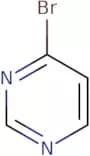
CAS:4-Bromopyrimidine hydrobromide is a synthetic analog of phenylpyrimidine. It has been shown in vivo to lower the blood glucose levels of diabetic patients by inhibiting the activity of phosphoenolpyruvate carboxykinase, which is involved in the conversion of glucose to pyruvate. 4-Bromopyrimidine hydrobromide also inhibits the synthesis of glycogen and lowers serum triglycerides in both db/db mice and normal mice. The drug has not been evaluated for its effects on other metabolic parameters such as cholesterol or insulin resistance. 4-Bromopyrimidine hydrobromide may have potential as an anti-obesity drug because it reduces food intake and weight gain in db/db mice.Formula:C4H3BrN2•HBrPurity:Min. 95 Area-%Color and Shape:Slightly Yellow PowderMolecular weight:239.9 g/molN-Boc-D-proline
CAS:N-Boc-D-proline is a lipase inhibitor that is used in the preparation of quinine, aldehyde, and carboxylate. N-Boc-D-proline has been shown to inhibit the activity of the sodium channels, which may be due to its ability to bind to the termini of these channels. The inhibition of sodium channels can lead to a decrease in nerve excitability and seizures. N-Boc-D-proline was synthesized by an organocatalytic method using sodium bicarbonate as the catalyst. It was found that this compound was stereoselective with respect to its activity on different enantiomers of chiral substrates. Preparative methods for N-Boc-D-proline include column chromatography or crystallization with diethyl ether or ethyl acetate. The isolated yield is about 99%.
Formula:C10H17NO4Purity:Min. 95%Color and Shape:PowderMolecular weight:215.25 g/mol1,2,4-Triazole-3-carboxamide
CAS:1,2,4-Triazole-3-carboxamide is a pharmacologic agent that inhibits the synthesis of polypeptides by interfering with neurotransmission. It is used to inhibit the replication of influenza virus and other viruses in tissue culture. The compound has been shown to have an inhibitory effect on viruses by binding to the viral polypeptide chain at the active site and preventing its polymerization into a functional protein. 1,2,4-Triazole-3-carboxamide also inhibits the activity of influenza virus neuraminidase (NA) by binding reversibly to the active site of NA and blocking its catalytic activity. The inhibition of NA leads to a decrease in release of virus particles from infected cells and thus prevents infection.
Formula:C3H4N4OPurity:Min. 95%Color and Shape:White PowderMolecular weight:112.09 g/molL-Theanine
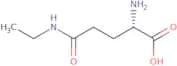
CAS:L-Theanine is an amino acid found in various types of tea and has been shown to have physiological effects. It is also found in the leaves of Camellia sinensis plants. L-Theanine is a nonprotein amino acid that does not have any chiral centers, unlike other amino acids. It is chemically similar to glutamate and glutamine. L-Theanine has been shown to bind to alpha 1-acid glycoprotein and polymerase chain, which may affect its solubility in water. This amino acid also has a number of enzyme activities, including those that produce enzymes for acetylcholine synthesis and metabolism. L-Theanine has been shown to have antioxidant properties and can decrease neuronal death in humans when given intravenously.
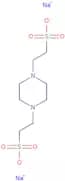
Formula:C7H14N2O3Purity:Min. 98 Area-%Color and Shape:White PowderMolecular weight:174.2 g/molPiperazine-1,4-bis(2-ethanesulfonic acid) disodium
CAS:Piperazine-1,4-bis(2-ethanesulfonic acid) disodium (PIPES) is a conjugate that can be used as a catalyst in organic syntheses. PIPES is also used to modulate biological processes, such as the treatment of chronic pain. It has been shown to be an effective inhibitor of cholesterol esterase and gene product, which are enzymes associated with the development of Alzheimer's disease. PIPES has been shown to reduce axonal growth in vitro.Formula:C8H18N2O6S2•Na2Color and Shape:PowderMolecular weight:348.35 g/mol4-Bromo-1-(2,2,2-trifluoroethyl)-1H-imidazole
CAS:Versatile small molecule scaffold
Formula:C5H4BrF3N2Purity:Min. 95%Color and Shape:Clear LiquidMolecular weight:229 g/molFmoc-L-tert-leucine
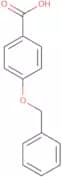
CAS:Fmoc-L-tert-leucine is an amide that is used for the treatment of prostate cancer. Fmoc-L-tert-leucine has been shown to be effective in treating resistant prostate cancer cells in vivo, and it has been shown to inhibit the growth of prostate cancer cells in vitro. This drug also has a diagnostic effect on prostate cancer cells. The uptake of this drug by prostate cancer cells is dependent on the presence of caspase-9, which may be due to its ability to inhibit apoptosis.Formula:C21H23NO4Purity:Min. 95%Color and Shape:White PowderMolecular weight:353.41 g/mol4-Benzyloxybenzoic acid
CAS:4-Benzyloxybenzoic acid is a carboxylic acid that is structurally related to adenosine. It has been shown to bind to the group P2 adenosine receptor, which may be involved in the regulation of locomotor activity and photophysical properties. This compound also inhibits fatty acid biosynthesis and has inhibitory effects on nerve injury, amide formation, and benzoate degradation. It has been reported that 4-Benzyloxybenzoic acid binds to metal ions such as cobalt and manganese, which may be important for its antimycobacterial activity.
Formula:C14H12O3Purity:Min. 95%Color and Shape:PowderMolecular weight:228.24 g/mol2-[(2-{2-[(Oxiran-2-yl)methoxy]ethoxy}ethoxy)methyl]oxirane
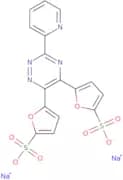
CAS:2-[(2-{2-[(Oxiran-2-yl)methoxy]ethoxy}ethoxy)methyl]oxirane is an ether that is used as a polymerizable monomer in the form of diglycidyl ether. It is biocompatible and has been shown to have antibacterial efficacy against Gram-positive bacteria. 2-[(2-{2-[(Oxiran-2-yl)methoxy]ethoxy}ethoxy)methyl]oxirane is also used to produce polymers with high molecular weight and low water solubility, which are used for various biomedical applications such as human immunoglobulin production or polymerase chain reactions.Formula:C10H18O5Molecular weight:218.25 g/molFerene disodium salt
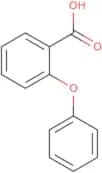
CAS:Ferene is an iron chelate that has been shown to have a number of beneficial effects on iron homeostasis. Ferene has been used in the treatment of chronic viral hepatitis, and it has also been shown to be effective against galleria mellonella. Ferene is a metal chelate, which means that it is a type of molecule that contains two metal ions. The metal ions are usually connected by a central atom, such as oxygen or nitrogen. Ferene disodium salt can be synthesized in the lab using the chemiluminescence method and polymerase chain reaction (PCR). It is also possible to isolate ferene from human serum or from a model system.Formula:C16H8N4Na2O8S2Purity:Min. 95 Area-%Color and Shape:Yellow PowderMolecular weight:494.37 g/mol2-Phenoxybenzoic acid
CAS:2-Phenoxybenzoic acid is a hydrochloride salt that is used as a reagent in analytical chemistry. It reacts with the carboxylate group of amino acids, proteins, and peptides to form a stable, water-soluble complex. The reaction is typically monitored by measuring the change in optical density at 260 nm. 2-Phenoxybenzoic acid reacts with bcr-abl kinase and colloidal gold to form an insoluble precipitate that can be detected with electron microscopy. This compound also has biological properties such as inhibiting carbonic anhydrase activity and changing the pH of the solution. 2-Phenoxybenzoic acid was originally synthesized from diphenyl ether and phenol (C6H5OH). 2-Phenoxybenzoic acid can be converted into 2-(4-nitrophenoxy) benzoic acid by reacting it with sodium nitrite followed by hydrochloric acidFormula:C13H10O3Purity:Min. 95%Color and Shape:PowderMolecular weight:214.22 g/molFmoc-beta-alanine
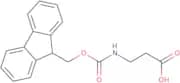
CAS:Fmoc-beta-alanine is a type of amino acid that is found in plants. It has been shown to have biological properties and can be used as an ingredient in food products. Fmoc-beta-alanine is also a chemical ligation agent that can be used for the synthesis of cyclic peptides and polypeptides. The compound has been shown to inhibit chloride ion channels, which may make it useful for the treatment of autoimmune diseases. Fmoc-beta-alanine is natural antibacterial and has been shown to increase the activity of urokinase-type plasminogen activator, which may make it useful for the treatment of cardiovascular diseases. Fmoc-beta-alanine is a sequence of amino acids found in wheat germ, as well as other plant families such as corn and rice. This compound binds to specific receptors and can be synthesized by solid phase synthesis on a resin column.Formula:C18H17NO4Purity:Min. 95%Color and Shape:PowderMolecular weight:311.33 g/molTetrahydro-2H-thiopyran-4-amine hydrochloride
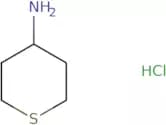
CAS:Tetrahydro-2H-thiopyran-4-amine hydrochloride is a versatile building block that can be used in the synthesis of many different compounds. This compound is also a reagent and speciality chemical, and can be used as a reaction component or scaffold for more complex molecules. Tetrahydro-2H-thiopyran-4-amine hydrochloride has been used in research to study the reactivity of oxygen atoms with organic molecules. It is also useful in the formation of fine chemicals and pharmaceuticals.Formula:C5H11NS•HClPurity:Min. 95%Molecular weight:153.67 g/mol2-Quinolinecarboxylic acid
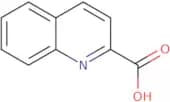
CAS:2-Quinolinecarboxylic acid is an antibiotic that is used in the treatment of bacterial infections and has inhibitory properties. It has been shown to be a competitive inhibitor of the enzyme quinolinate phosphoribosyltransferase, which catalyzes the conversion of quinolinic acid to nicotinic acid. 2-Quinolinecarboxylic acid binds to the active site of the enzyme and prevents substrate binding, thereby blocking the production of nicotinic acid. This drug also inhibits bacterial growth by binding to DNA-dependent RNA polymerase, thereby preventing transcription and replication. The high frequency of human activity has been shown using a patch-clamp technique on human erythrocytes. This active form is metabolized through a number of metabolic transformations, including hydrolysis by esterases or glucuronidases, oxidation by cytochrome P450 enzymes, reduction by glutathione reductase, or conjugation with glucur
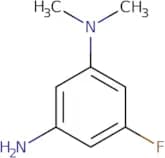
Formula:C10H7NO2Purity:Min. 98 Area-%Color and Shape:PowderMolecular weight:173.17 g/mol5-Fluoro-N1,N1-dimethylbenzene-1,3-diamine
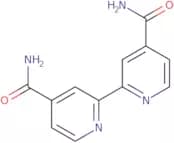
CAS:5-Fluoro-N1,N1-dimethylbenzene-1,3-diamine is a reaction component that can be used in the synthesis of compounds with a wide range of applications. It can be used as a reagent and has been shown to exhibit high quality in research. 5-Fluoro-N1,N1-dimethylbenzene-1,3-diamine is also known to be useful for the synthesis of pharmaceuticals, agrochemicals and other chemicals. The compound can be used as an intermediate or building block in the synthesis of more complex compounds. 5-Fluoro-N1,N1-dimethylbenzene-1,3-diamine is also versatile due to its ability to react with various types of functional groups including amines and thiols. This product is a fine chemical that exhibits a high degree of purity when synthesized.Formula:C8H11FN2Purity:Min. 95%Color and Shape:Clear LiquidMolecular weight:154.18 g/mol2,2'-Bipyridine-4,4'-dicarboxamide
CAS:2,2'-Bipyridine-4,4'-dicarboxamide is a catalyst that can be used in a variety of reactions. It has been used as an additive to increase yields and to accelerate catalytic reactions. The compound also has the ability to oxidize picolinic acid and form formic acid. This product can be used in glycerol synthesis or hydrogen peroxide production. 2,2'-Bipyridine-4,4'-dicarboxamide is a ligand that binds to picolinic acid and peroxide ions, forming an ion pair with the peroxide ion. This complex increases the efficiency of hydrogen peroxide evolution from water by up to 100%.Formula:C12H10N4O2Purity:Min. 95%Color and Shape:PowderMolecular weight:242.23 g/mol4'-Bromo-2'-methylacetophenone
CAS:4'-Bromo-2'-methylacetophenone is a reagent and a useful intermediate that can be used in the synthesis of a variety of organic compounds. It is supplied as a fine chemical and is currently not commercially available. It has been found to be an effective building block for the synthesis of speciality chemicals, such as research chemicals and versatile building blocks.Formula:C9H9BrOPurity:Min. 95%Color and Shape:Slightly Yellow Clear LiquidMolecular weight:213.07 g/mol6-Methyl-DL-tryptophan
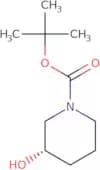
CAS:6-Methyl-DL-tryptophan is a useful intermediate and building block for the synthesis of natural products, pharmaceuticals, and agrochemicals. It is also a versatile building block for organic synthesis as it can be used in the preparation of various types of compounds. 6-Methyl-DL-tryptophan has been shown to inhibit the production of nitric oxide by macrophages and microglia cells in response to proinflammatory cytokines. It is an inhibitor of protein biosynthesis, which may be due to its ability to inhibit tryptophan synthase.Formula:C12H14N2O2Molecular weight:218.26 g/mol(S)-1-Boc-3-hydroxypiperidine
CAS:Intermediate in the synthesis of ibrutinib
Formula:C10H19NO3Purity:Min. 97 Area-%Color and Shape:White PowderMolecular weight:201.26 g/molL-Valinol
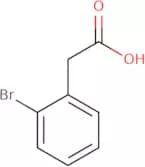
CAS:L-Valinol is a model system that is used to study the reaction of aziridines with oxygen nucleophiles. It has been shown that this reaction proceeds through the formation of an intermediate, hydrogen tartrate, followed by a second step with nitrogen atoms as the nucleophile and alcohol residue as the substrate. The use of L-valinol in asymmetric synthesis was also demonstrated. In this process, amides were obtained with high enantioselectivity by reacting L-valinol with amines in acidic conditions. This synthetic pathway was found to be synergic with other reactions, such as nitroolefination and benzoylation.Formula:C5H13NOPurity:Min. 95%Color and Shape:Solidified MassMolecular weight:103.16 g/mol2-Bromophenylacetic acid
CAS:2-Bromophenylacetic acid is a potent inhibitor of the human enzyme COX-2. It has been shown to have anticancer activity, which may be due to its ability to inhibit cellular proliferation and induce apoptosis in cancer cells. This compound has been tested in a variety of experimental models, including chromatographic assays and striatal membrane preparations, with promising results. 2-Bromophenylacetic acid also has potent inhibitory activity on the human enzyme COX-2 and can be used as a dietary supplement for anticancer therapy. COX-2 inhibitors are usually administered as ethyl esters or solutes in order to prevent degradation by esterases or glucuronidases. The 2-bromophenyl group is electron donating and this may increase the reactivity of the carbon adjacent to it and lead to an acylation reaction with nucleophilic groups such as thiols or amines.Formula:C8H7BrO2Purity:Min. 95%Color and Shape:White PowderMolecular weight:215.04 g/mol5-Methoxyindole-3-acetic acid
CAS:5-Methoxyindole-3-acetic acid is a chemical that can be used to synthesize a variety of compounds. It is a versatile building block that has been used in the synthesis of complex compounds, as well as an intermediate for the production of other chemicals. 5-Methoxyindole-3-acetic acid is also an important reaction component and reagent for organic synthesis. This substance is not currently on the list of speciality chemicals, but it has shown high quality and usefulness in research.
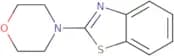
Formula:C11H11NO3Molecular weight:205.22 g/mol2-(Morpholin-4-yl)-1,3-benzothiazole
CAS:2-(Morpholin-4-yl)-1,3-benzothiazole is a natural product that is found in the soil. It can be synthesized by reacting benzotriazole with morpholine and an acid catalyst. This compound has been used as a chromatographic stationary phase for the analysis of hydrocarbons and other organic compounds. The experimentally determined profile of this substance consists of peaks at m/z 265, 273, and 289. The technique used to detect these peaks was photometric.
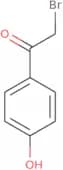
Formula:C11H12N2OSPurity:Min. 95%Color and Shape:PowderMolecular weight:220.29 g/mol2-Bromo-4-hydroxyacetophenone
CAS:2-Bromo-4-hydroxyacetophenone is a membrane permeable inhibitor of monoamine oxidase (MAO) that has been shown to inhibit the enzyme's activity with an IC50 of 10 μM. It is used as a research tool in biological studies and has been shown to be active against MAO A, MAO B, and MAO C. 2-Bromo-4-hydroxyacetophenone has also been shown to inhibit the growth of carcinoma cells in vitro. This molecule is also a β-unsaturated ketone that binds to catalytic domains and forms covalent bonds with chloride ions. 2-Bromo-4-hydroxyacetophenone can be used as an industrial process catalyst for chemical reactions involving chloride.
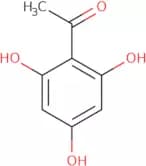
2-Bromo-4-hydroxyacetophenone synergistically inhibits the growth of cancer cells when combined with other compounds such as trifluoroacetic acid or dichlorometFormula:C8H7BrO2Purity:(%) Min. 85%Color and Shape:PowderMolecular weight:215.04 g/mol2',4',6'-Trihydroxyacetophenone monohydrate
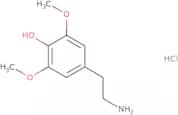
CAS:2',4',6'-Trihydroxyacetophenone monohydrate is a monosodium salt of 2,4,6-trihydroxyacetophenone. It has been shown to inhibit the production of leukemia inhibitory factor (LIF) in vitro. LIF is a cytokine that regulates cell differentiation and proliferation. The matrix effect of 2',4',6'-trihydroxyacetophenone monohydrate on polymerase chain reaction was also studied with the use of a matrix-assisted laser desorption ionization time-of-flight mass spectrometer. This study revealed that the matrix effect is due to the inhibition of cyclase activity by ptelefolia and structural analysis revealed that this inhibition may be due to an interaction with nitrite ion. Preparative high performance liquid chromatography (HPLC) was used for the separation and purification of coumarin derivatives from 2',4',6'-trihydroxyacetophenone monohydrate. The toxicological studiesFormula:C8H8O4·H2OColor and Shape:Slightly Yellow PowderMolecular weight:186.15 g/mol3,5-Dimethoxy-4-hydroxyphenethylamine hydrochloride
CAS:Controlled Product3,5-Dimethoxy-4-hydroxyphenethylamine hydrochloride is a fine chemical that is used as a building block for other compounds and as a reagent in research. It has been shown to be an effective intermediate in the synthesis of many complex compounds, such as 3,4-methylenedioxyamphetamine (MDA) and 3,4-methylenedioxymethamphetamine (MDMA), which are both psychoactive drugs. This building block can also be used to synthesize speciality chemicals such as psychotropic drugs or pharmaceuticals.Formula:C10H16ClNO3Purity:Min. 95%Color and Shape:PowderMolecular weight:233.69 g/moltert-Butyl N-[2-(chlorosulfonyl)ethyl]carbamate
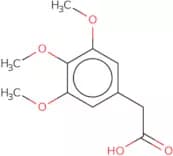
CAS:Versatile small molecule scaffoldFormula:C7H14ClNO4SPurity:Min. 95%Molecular weight:243.71 g/mol3,4,5-Trimethoxyphenylacetic acid
CAS:3,4,5-Trimethoxyphenylacetic acid is a synthetic compound that is used as an anticancer drug. It has been shown to inhibit the growth of cancer cells in vitro and in vivo by binding to the DNA. 3,4,5-Trimethoxyphenylacetic acid has been shown to be stereoselective with respect to the anticancer activity of the two isomers. The hydroxyl group present on one side of the molecule may be responsible for this effect. 3,4,5-Trimethoxyphenylacetic acid also inhibits enzymes called oxidases that are involved in the production of prostaglandins from arachidonic acid (prostaglandins play a role in inflammation). This property may account for its anti-inflammatory effects.
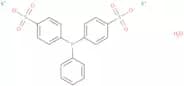
Formula:C11H14O5Purity:Min. 95%Color and Shape:White PowderMolecular weight:226.23 g/molBis(p-sulfonatophenyl)phenylphosphine dihydrate dipotassium
CAS:A common water soluble substitute for triphenylphosphine in palladium coupling reactionsFormula:C18H15O6PS2•K2•(H2O)2Purity:Min. 95%Color and Shape:PowderMolecular weight:536.64 g/molLevoglucosenone
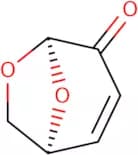
CAS:Levoglucosenone is a molecule that inhibits the reaction mechanism of glycosidic bond formation. It is used in biochemical research to study reactions that involve surface methodology, such as hydroxyl group formation and zirconium oxide deposition. Levoglucosenone can be used to inhibit the acid formation that occurs during the reaction between nitrite ion and a chiral compound. The reactant solution can be activated by adding levoglucosenone to it, which will then inhibit the reaction. Sample preparation for these types of experiments involves dissolving the reactant solution in water and adding ammonium hydroxide to it, followed by adding a small amount of levoglucosenone.
Formula:C6H6O3Purity:Min. 95%Color and Shape:Clear LiquidMolecular weight:126.11 g/mol5-Bromo-3-methylisoxazole
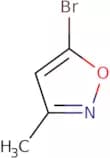
CAS:5-Bromo-3-methylisoxazole is a brominated heterocycle with a pyridine ring. It is used in research as a reagent, speciality chemical, and intermediate for the preparation of complex compounds. 5-Bromo-3-methylisoxazole is also useful as a building block for the synthesis of more complex molecules. The compound is also used as an intermediate for organic synthesis, reaction component, and scaffold.
Formula:C4H4BrNOPurity:Min. 90%Color and Shape:Clear LiquidMolecular weight:161.98 g/molLinoleic acid - liquid
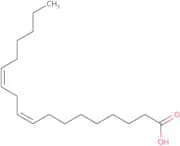
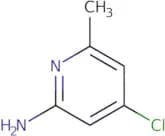
CAS:Linoleic acid is a type of essential fatty acid that is found in vegetable oils. It is the most predominant polyunsaturated fatty acid and can be classified as either a cis- or trans-isomer. Linoleic acid has been shown to have inhibitory properties against bowel disease, polymerase chain reaction (PCR) analysis, and disease activity. Linoleic acid may also be used as an analytical method for determining levels of linoleate, linoleic acid, or p-hydroxybenzoic acid in body proteins. The inhibition of cancer cell proliferation by linoleic acid may be due to its ability to inhibit the production of signal peptide or 3t3-l1 preadipocytes.Formula:C18H32O2Purity:94 To 96%Color and Shape:Colorless Clear LiquidMolecular weight:280.45 g/mol2-Amino-4-chloro-6-methylpyridine
CAS:2-Amino-4-chloro-6-methylpyridine (2ACP) is a molecule that has been studied by molecular modeling. This compound inhibits the enzyme tyrosine phosphatase, which is involved in the transmission of signals from outside the cell to inside the cell. 2ACP has a hydrogen bonding interaction with the catalytic site of the enzyme, which blocks its activity and prevents it from transmitting signals to other cells. 2ACP also has an inhibitory effect on fructus amomi and diamine tetraacetic acid (DTA), which are both enzymes involved in bacterial phosphorus metabolism. The structural analysis of 2ACP shows two protonated amino groups and one protonated pyridine group, which may explain its inhibitory effect on these enzymes.
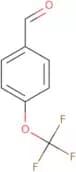
Formula:C6H7ClN2Purity:Min. 95%Color and Shape:White PowderMolecular weight:142.59 g/mol4-(Trifluoromethoxy)benzaldehyde
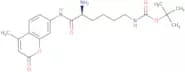
CAS:4-(Trifluoromethoxy)benzaldehyde is a chemical compound that is a substrate for tyrosinase and an inhibitor of the enzyme. It is also an anticancer compound that can be used to inhibit tumor growth by inhibiting protein synthesis. 4-(Trifluoromethoxy)benzaldehyde has been shown to have potent tyrosinase inhibition activity in vitro and in vivo, as well as binding activities with the CB2 receptor. This chemical has also been shown to inhibit virus replication, including HIV-1, and tuberculosis. 4-(Trifluoromethoxy)benzaldehyde can be used in assays to measure the potency of other compounds that are involved in tyrosinase activity or have anti-cancer properties. 4-(Trifluoromethoxy)benzaldehyde specifically binds to residues in the kinase domain of the enzyme tyrosinase, which is responsible for catalysis and regulation of this enzyme.Formula:C8H5F3O2Purity:Min. 95%Color and Shape:Colorless Clear LiquidMolecular weight:190.12 g/molH-Lys(Boc)-AMC
CAS:H-Lys(Boc)-AMC is a useful building block for the synthesis of peptides, nucleic acids, and other complex molecules. It is a fine chemical that can be used as a reagent or speciality chemical in research laboratories. H-Lys(Boc)-AMC is also a versatile building block that can be used to synthesize complex compounds and scaffolds. This compound has been assigned CAS number 222037-62-9.Formula:C21H29N3O5Purity:Min. 95%Color and Shape:PowderMolecular weight:403.47 g/molLinoleic acid - 60%min
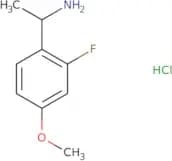
CAS:Linoleic acid is a polyunsaturated fatty acid that is an important component of the human diet. It has been shown to have inhibitory properties on liver cells, and may be related to body mass index. Linoleic acid is a precursor for gamma-aminobutyric acid (GABA), which functions as a neurotransmitter in the central nervous system. Linoleyl alcohol is a metabolite of linoleic acid and has been shown to inhibit the production of antimicrobial peptides, such as cathelicidin and beta-defensin. The inhibition of this peptide may be responsible for the observed reduction in inflammatory responses and infections.Formula:C18H32O2Purity:Min. 95%Color and Shape:Yellow Clear LiquidMolecular weight:280.45 g/mol1-(2-Fluoro-4-methoxyphenyl)ethylamine hydrochloride
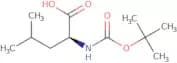
CAS:1-(2-Fluoro-4-methoxyphenyl)ethylamine hydrochloride is a fine chemical that belongs to the group of versatile building blocks. It is a useful reagent, speciality chemical, and reaction component for the synthesis of complex compounds. 1-(2-Fluoro-4-methoxyphenyl)ethylamine hydrochloride is a high quality and useful intermediate for the production of other chemicals. Its CAS number is 1309602-79-6.Formula:C9H13ClFNOPurity:Min. 95%Color and Shape:PowderMolecular weight:205.66 g/moltert-Butoxycarbonyl-L-leucine
CAS:Tert-Butoxycarbonyl-L-leucine (tBOC-LL) is a tetrapeptide that is used as a drug substance in the synthesis of buserelin, a synthetic peptide hormone. It has been shown to have high reactivity in organic solvents and can be used in cationic polymerization reactions. tBOC-LL has been used to synthesize helical structures with high purity and yield. As it is not an amino acid, tBOC-LL does not occur naturally and must be synthesized.
Tert-Butoxycarbonyl-L-leucine (tBOC-LL) is available from Sigma Aldrich Chemie GmbH & Co KG as:Formula:C11H21NO4Purity:Min. 98 Area-%Color and Shape:White PowderMolecular weight:231.29 g/molLauroyl coenzyme A lithium
CAS:Please enquire for more information about Lauroyl coenzyme A lithium including the price, delivery time and more detailed product information at the technical inquiry form on this page
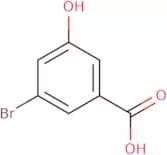
Formula:C33H58N7O17P3S•LixPurity:90%Color and Shape:Powder3-Bromo-5-hydroxybenzoic acid
CAS:3-Bromo-5-hydroxybenzoic acid is a metabolite of 3,5-dihydroxybenzoic acid (DHB) in the metabolism of benzoic acid. It has been shown to be an antibacterial agent and has been used to treat metabolic disorders in hamsters. Symptoms of 3-bromo-5-hydroxybenzoic acid include dyslipidemia, which can lead to metabolic disorders such as diabetes mellitus and atherosclerosis. The compound may also have a role in tuberculosis and cancer due to its ability to induce apoptosis.
Formula:C7H5O3BrPurity:Min. 95%Color and Shape:White PowderMolecular weight:217.02 g/molLinalool glucoside
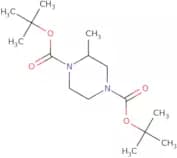
CAS:Please enquire for more information about Linalool glucoside including the price, delivery time and more detailed product information at the technical inquiry form on this pageFormula:C16H28O6Purity:Min. 95%Color and Shape:Clear LiquidMolecular weight:316.39 g/mol1,4-Di-tert-butyl 2-methylpiperazine-1,4-dicarboxylate
CAS:Versatile small molecule scaffoldFormula:C15H28N2O4Purity:Min. 95%Color and Shape:PowderMolecular weight:300.39 g/mol2-Methyl-3-nitrobenzoic acid
CAS:Please enquire for more information about 2-Methyl-3-nitrobenzoic acid including the price, delivery time and more detailed product information at the technical inquiry form on this page
Formula:C8H7NO4Molecular weight:181.15 g/molRef: 3D-M-4209
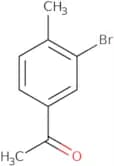
1kgTo inquire5kgTo inquire10kgTo inquire25kgTo inquire2500gTo inquire-Unit-kgkgTo inquire3'-Bromo-4'-methylacetophenone
CAS:3'-Bromo-4'-methylacetophenone is a reactive methyl ester that binds to the receptor in the central nervous system. It has been found to be an effective anti-cancer drug, and also inhibits serotonin release in the brain. 3'-Bromo-4'-methylacetophenone is chiral, meaning it can exist as two different forms, or enantiomers. These two forms have different pharmacological profiles, with one being more potent than the other. 3'-Bromo-4'-methylacetophenone is synthesized from methylamine and acetaldehyde using diethyl ether as a solvent. The reaction product is then hydrolyzed by acetonitrile to produce the final product. This drug is used for the treatment of Parkinson's disease and schizophrenia.
Formula:C9H9BrOPurity:Min. 95%Color and Shape:PowderMolecular weight:213.07 g/mol3-(Cyclohexylamino)-1-propanesulfonic acid sodium salt
CAS:CAS No. 105140-23-6 is a cyclic sulfonic acid that is used as a reagent, building block, and intermediate in the synthesis of organic compounds. It is soluble in water and has a high melting point, making it useful for research purposes. CAS No. 105140-23-6 is also an excellent scaffold for complex compounds with many functional groups, making it versatile for use in reactions and syntheses.Formula:C9H18NO3SNaMolecular weight:243.3 g/molRef: 3D-C-9180
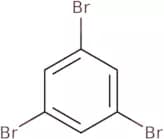
1kgTo inquire5kgTo inquire250gTo inquire500gTo inquire2500gTo inquire-Unit-ggTo inquire1,3,5-Tribromobenzene
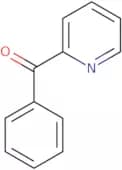
CAS:1,3,5-Tribromobenzene is a chemical compound that belongs to the class of aromatic hydrocarbons. It is used as a solvent in the synthesis of pharmaceuticals and as a precursor for other organic compounds. 1,3,5-Tribromobenzene has been shown to bind to specific receptors on the surface of cells and affect their function. It also binds to hydrochloric acid and forms a matrix with it that can be used for analytical purposes. 1,3,5-Tribromobenzene has been found to have uv absorption properties, making it useful for analytical purposes. The molecule is stable in nonpolar solvents such as n-dimethyl formamide (DMF) and methyl tert-butyl ether (MTBE). 1,3,5-Tribromobenzene can be synthesized by coupling three molecules of benzene with one molecule of bromine using the Suzuki reaction.Formula:C6H3Br3Purity:Min. 97.5%Color and Shape:White PowderMolecular weight:314.8 g/mol2-Benzoylpyridine
CAS:2-Benzoylpyridine is a novel, potent antimicrobial compound that kills bacteria by targeting the bacterial membrane. 2-Benzoylpyridine binds to the bacterial membrane and causes leakage of ions and other molecules that disrupts the cell's redox potential. It has been shown to be active against human colon adenocarcinoma cells in vitro, with significant cytotoxicity observed. 2-Benzoylpyridine also has a coordination geometry that allows for intermolecular hydrogen bonding, which may contribute to its high potency as an antimicrobial agent.Formula:C12H9NOPurity:Min. 99.0 Area-%Color and Shape:Slightly Yellow PowderMolecular weight:183.21 g/mol3'-Bromoacetophenone
CAS:3'-Bromoacetophenone is a synthetic chemical that has been synthesized for the purpose of studying molecular orbitals and vibrational spectra. It is an enantiopure compound with a formyl group and an ethyl bromoacetate. The molecule has four nitrogen atoms and two methyl ketones, which are bonded to each other in the form of a ring. 3'-Bromoacetophenone can be used as a starting material in the synthesis of other compounds. It can also be used as a reagent to make carbon-carbon bonds in organic molecules. 3'-Bromoacetophenone has been shown to have optical properties that can be used for detection of light and fluorescence microscopy.Formula:C8H7BrOPurity:Min. 98.5 Area-%Color and Shape:Slightly Yellow Clear LiquidMolecular weight:199.04 g/molBetonicine
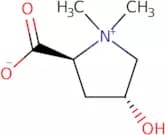
CAS:Betonicine is a natural compound that has been shown to have therapeutic effects in autoimmune diseases. It has been used as a model system for studying plant physiology and to determine the transport properties of hydroxyl groups. Betonicine has also been shown to have receptor activity, which is responsible for its disease-modifying effects in autoimmune diseases. Betonicine is an inorganic acid that can be synthesized from the reaction between ammonia and nitric acid. It can also be extracted from plants such as cress seeds, which are rich in nitrogen atoms. The titration calorimetry method was used to measure the concentration of betonicine in coli K-12 cells.Formula:C7H13NO3Purity:Min. 95%Color and Shape:PowderMolecular weight:159.18 g/mol4-Octylbenzylamine
CAS:4-Octylbenzylamine is a hydrophobic molecule that is soluble in organic solvents. In simulations, it was shown to have affinity for anions and aromatic hydrocarbons, as well as the ability to be immobilized on surfaces. 4-Octylbenzylamine is also a chromatographic stationary phase that can be used to separate solutes with similar properties. This molecule has been oriented so that it binds to the hydrated surface of the column, which improves its affinity for anions and aromatic hydrocarbons. The high-performance liquid chromatography (HPLC) technique utilizes this property to separate molecules of different affinities from one another in a systematic manner.Formula:C15H25NPurity:Min. 95%Color and Shape:PowderMolecular weight:219.37 g/mol2-Bromo-5-iodopyridine
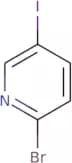
CAS:2-Bromo-5-iodopyridine is a compound that has been studied for its potential use in the treatment of neurodegenerative diseases. It inhibits nicotinic acetylcholine receptors, which are involved in the transmission of nerve impulses to the muscles. 2-Bromo-5-iodopyridine binds to acetylcholine receptors, blocking the uptake of acetylcholine and preventing it from binding with the receptor. This leads to an increase in acetylcholine levels, which increases muscle contraction and improves brain function. The crystal structure of 2-bromo-5-iodopyridine has been determined by x-ray diffraction studies. The molecule contains two bromine atoms and five iodine atoms, which are arranged such that they form a square planar geometry around a central metal ion (hydrochloric acid). Nitrogen atoms are found on opposite corners of this square plane. These nitrogen atoms can be substituted with chlorideFormula:C5H3BrINPurity:Min. 95%Color and Shape:Off-White PowderMolecular weight:283.89 g/mol4-tert-Butylaniline
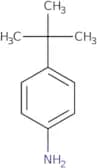
CAS:4-tert-Butylaniline is a chemical compound with the molecular formula C6H7N. It is an organic base that has acidic properties and can be used as an amine. 4-tert-Butylaniline is used in the manufacture of other chemicals, such as herbicides, pesticides, and pharmaceuticals. 4-tert-Butylaniline binds to metal ions such as palladium by hydrogen bonding. This binding increases the reactivity of the metal ion and allows it to catalyze reactions that would otherwise not occur. 4-tert-Butylaniline also has transport properties and binds to replicon cells through adsorption mechanisms.Formula:C10H15NPurity:Min. 95%Color and Shape:Colorless Clear LiquidMolecular weight:149.23 g/mol4-(Bromomethyl)benzylamine HBr
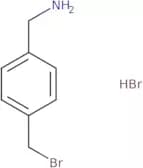
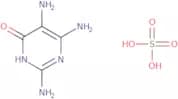
CAS:4-(Bromomethyl)benzylamine HBr is a fine chemical that can be used as a building block for organic synthesis. This compound is also a useful research chemical, reagent, and specialty chemical. 4-(Bromomethyl)benzylamine HBr has been used as a reaction component in the synthesis of various pharmaceuticals, such as theophylline and ampicillin. It has also been used as an intermediate in the production of other compounds, such as 4-hydroxybutyric acid and 3-methylthiopropionic acid. This complex compound can be purchased at high quality and is versatile enough to act as a scaffold for many reactions.Formula:C8H11Br2NPurity:Min. 95%Color and Shape:PowderMolecular weight:280.99 g/mol2,4,5-Triamino-6-hydroxypyrimidine sulfate
CAS:2,4,5-Triamino-6-hydroxypyrimidine sulfate is a chemical compound that is a metabolite of the amino acid lysine. It is produced when lysine undergoes hydrolysis by enzymes and is converted to 2,4,5-triamino-6-hydroxypyrimidine sulfate by the addition of sulfate ions. This metabolite has been shown to have reactive properties and may play a role in mitochondrial dysfunction. 2,4,5-Triamino-6-hydroxypyrimidine sulfate has been used in binding experiments to measure the strength of protein interactions with other proteins or molecules. For example, it was used in experiments with dimethylformamide (DMF) to study the binding affinity of DMF with proteins such as cytochrome c oxidase. In these experiments, 2,4,5-triamino-6-hydroxypyrimidine sulfate was found toFormula:C4H7N5O•H2SO4Purity:Min. 95%Color and Shape:PowderMolecular weight:239.21 g/molN-(3-Phenylpropionyl)glycine
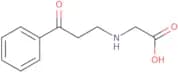
CAS:N-(3-Phenylpropionyl)glycine is a metabolite of the amino acid glycine that is produced by plants. It has been used in diagnostic tests to measure the activity of enzymes involved in fatty acid metabolism and as a marker for metabolic disorders. N-(3-Phenylpropionyl)glycine can be detected in urine samples and has been used to diagnose different types of orotic aciduria, including infantile orotic aciduria. This metabolite inhibits the activity of the enzyme hexanoylglycerol O-acyltransferase, which catalyzes the conversion of hexanoylglycine to p-hydroxybenzoic acid. Hexanoylglycine is an intermediate product of human liver metabolism and it can be found in high concentrations in body tissues such as heart tissue.Formula:C11H13NO3Purity:Min. 95%Color and Shape:PowderMolecular weight:207.23 g/molTrimethylolpropane tris(2-mercaptoacetate)
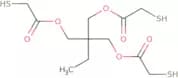
CAS:Trimethylolpropane tris(2-mercaptoacetate) (TMPTMA) is a functional group that is used as an actuator in organic solvent-based inkjet printing. It has been shown to be a cross-linking agent and a treatment effect modifier. TMPTMA has been shown to be a hydroxyl group donor and has the ability to form vinyl groups. In addition, it can act as an organic acid by donating protons and carboxyl groups. TMPTMA can also function as a heat energy absorber and has low molecular weight, making it highly reactive with other substances. The alicyclic structure of TMPTMA makes it susceptible to ring opening reactions with strong acids or bases.Formula:C12H20O6S3Purity:Min. 95%Color and Shape:PowderMolecular weight:356.48 g/molO-Methyl-D-threonine
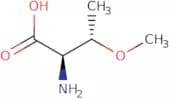
CAS:O-Methyl-D-threonine is an amino acid that is biosynthesized from O-methylserine and D-threonine. It belongs to the class of β-lactam antibiotics and inhibits peptidoglycan synthesis by binding to the catalytic site of the enzyme synthase, which is required for the formation of β-lactam rings in peptidoglycan. The crystal structure of O-methylserine has been determined and analyzed. Mutations in the catalytic tripeptide have been shown to affect its activity, as well as protonation state and carboxylate groups.Formula:C5H11NO3Purity:Min. 98 Area-%Color and Shape:White Off-White PowderMolecular weight:133.15 g/molMethyl 4-hydroxycinnamate
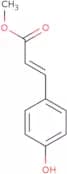
CAS:Methyl 4-hydroxycinnamate is a protocatechuic acid that can be produced by the reaction of hydrochloric acid and b16 mouse melanoma. This chemical has been shown to have an anti-inflammatory effect in rats with inflammatory bowel disease. Methyl 4-hydroxycinnamate is also a natural compound found in plants, such as celery, cinnamon, and apples. The mechanism of this chemical's action is unknown but it has been shown to inhibit the activity of rat liver microsomes. It is theorized that methyl 4-hydroxycinnamate may inhibit the production of proinflammatory substances by altering the membrane composition or activity of enzymes.br>br> br>br> Methyl 4-hydoxycinnamate may be synthesized from anhydrous sodium acetate and an acid complex in a model system using reaction solution. The product is then purified using column chromatography before being reacted with methylamine and sulfurFormula:C10H10O3Purity:Min. 95%Color and Shape:PowderMolecular weight:178.18 g/mol5-Benzyloxyindole-3-glyoxylamide
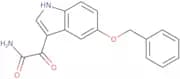
CAS:5-Benzyloxyindole-3-glyoxylamide is a versatile building block that can be used in the synthesis of complex compounds. It has been shown to have a high quality and is useful as a reagent for research purposes. 5-Benzyloxyindole-3-glyoxylamide can be used as a reaction component and is useful as an intermediate in organic synthesis. 5BIGA has CAS number 22424-62-0 and is also known as 3-(benzyloxy)-5-(2,2,2-trifluoroethoxy)indole glyoxamide.Formula:C17H14N2O3Purity:Min. 95%Molecular weight:294.3 g/molTetrahydrofurfuryl alcohol
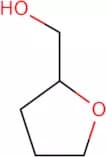
CAS:Tetrahydrofurfuryl alcohol is a clear, colorless liquid. It has a boiling point of 176 °C and a flash point of -40 °C. Tetrahydrofurfuryl alcohol is soluble in water and glycol ethers. This compound is used as an industrial solvent for paints, dyes, lacquers, varnishes, and other coatings. Tetrahydrofurfuryl alcohol also serves as an excellent catalyst for hydrogenation reactions. The use of tetrahydrofurfuryl alcohol as a catalyst for the hydrogenation of unsaturated hydrocarbons to produce saturated compounds is well known. Tetrahydrofurfuryl alcohol may be injected into the body to treat conditions such as epilepsy and depression. This drug can also be used as a transfer reagent in organic synthesis reactions that require transfer of the tetra-hydro-group from one reactant to another.Formula:C5H10O2Purity:Min. 95%Color and Shape:Colorless Clear LiquidMolecular weight:102.13 g/mol1-Methyl adamantane
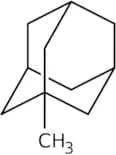
CAS:1-Methyl adamantane is a molecule that is used in the chemical industry. It can be synthesized from 1,3-butadiene, which is obtained from petroleum or coal tar. The molecule has been shown to have anti-inflammatory properties and can be used for the treatment of autoimmune diseases, such as multiple sclerosis and rheumatoid arthritis. This compound has also shown potential as a therapeutic agent for inflammatory diseases like Crohn's disease and ulcerative colitis. The mechanism of action of 1-methyl adamantane may be due to its ability to inhibit the production of inflammatory cytokines such as tumor necrosis factor alpha (TNFα), interleukin-1 beta (IL-1β), and IL-6. This inhibition occurs when 1-methyl adamantane binds to the enzyme cyclooxygenase (COX).Formula:C11H18Purity:Min. 95%Color and Shape:White PowderMolecular weight:150.26 g/mol4-(Bromomethyl)-2-iodo-1-nitrobenzene
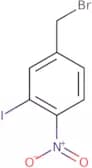
CAS:4-(Bromomethyl)-2-iodo-1-nitrobenzene is a fine chemical that can be used as an intermediate for the synthesis of target molecules. It is a versatile building block with many different reactions and applications, such as research chemicals, reaction components, and speciality chemicals. This compound is also a useful building block for the synthesis of complex molecules. It has high quality and can be used as a reagent in lab experiments.Formula:C7H5BrINO2Purity:Min. 95%Color and Shape:PowderMolecular weight:341.93 g/mol1-Bromopentane
CAS:1-Bromopentane is a colorless liquid that has an unpleasant odor. It is soluble in water and reacts with acids to form bromides. 1-Bromopentane has been used as an oxidation catalyst in the preparation of organic compounds under conditions of constant pressure and light exposure. It has also been used in the synthesis of polymers, such as poly(1-bromopentene). Its biological properties are not well known, but it has been shown to have CB2 receptor agonist activity and inhibitory effects on oxidative stress. The chemical kinetic data for 1-bromopentane are available at various temperatures and pressures. Chloride ions can act as catalysts for its decomposition reaction, which is a stepwise process involving the conversion of hydroxyl groups into chloride atoms. The reaction mechanism starts with the conversion of one bromine atom into a radical by abstraction of a hydrogen atom from the molecule followed by addition of another brom
Formula:C5H11BrPurity:Min. 98 Area-%Color and Shape:Colorless Clear LiquidMolecular weight:151.04 g/mol2-Methyl-5-nitroimidazole
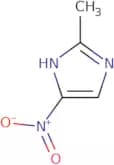
CAS:2-Methyl-5-nitroimidazole, also known as menidazole, is an impurity of metronidazole, which is used as an antibacterial and antiprotozoal medication in the treatment of infections, including rosacea. 2-Methyl-5-nitroimidazole is a derivative of nitroimidazole and has potential antimicrobial and antitrichomonal activities. Its synthesis can be achieved using various methods, including nucleophilic reaction, ester derivatives, reaction with metronidazole, and substitution reactions. Several derivatives of 2-Methyl-5-nitroimidazole have been synthesized and tested for their antibacterial, antifungal, and antitrichomonal activities. Both 2-Methyl-5-nitroimidazole and its derivatives have potential applications as antimicrobial and antitrichomonal agents.Formula:C4H5N3O2Purity:Min. 95%Color and Shape:PowderMolecular weight:127.1 g/mol2-Chloro-5-aminomethylpyridine
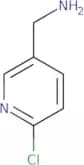
CAS:2-Chloro-5-aminomethylpyridine is an active substance that is used in medicine. It is a chlorinated compound, which has been shown to be effective against resistant mutants of bacteria. The mechanism of action is not yet clear, but it may be due to the formation of hydrogen chloride, which inhibits the growth of bacteria by binding to DNA and RNA. 2-Chloro-5-aminomethylpyridine has also been shown to act as an inhibitor for enzymes such as succinic dehydrogenase and glucose 6 phosphate dehydrogenase. This drug can also be detected in urine samples with a high sensitivity analytical method.Formula:C6H7ClN2Purity:Min. 95%Color and Shape:Off-White PowderMolecular weight:142.59 g/molMethyl 2-hydroxybutanoate
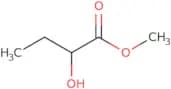
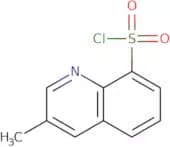
CAS:Versatile small molecule scaffoldFormula:C5H10O3Purity:Min. 95%Color and Shape:Clear LiquidMolecular weight:118.13 g/mol3-Methyl-8-quinolinesulfonyl chloride
CAS:3-Methyl-8-quinolinesulfonyl chloride (3MQSC) is a reaction product of 1,2,4-trioxane and thionyl chloride. 3MQSC is used as an intermediate in the production of l-citrulline from chloroacetic acid. It reacts with paraformaldehyde to form a solid phase synthesis catalyst. 3MQSC catalyzes the reaction between phosphorus pentachloride and chlorine to produce ethyl formate and hydrogen chloride gas. This process is industrialized for the production of ethyl formate, which is used for the manufacture of acetic acid, chlorinated solvents, polymers, and plastics. The high yield of this process makes it one of the most popular routes for producing ethyl formate. Catalysis by 3MQSC can be achieved at low temperature and pressure due to its resistance to heat and low boiling point.Formula:C10H8ClNO2SPurity:Min. 97 Area-%Color and Shape:White Yellow PowderMolecular weight:241.69 g/mol2-Methylamino-2-phenylbutanol hydrochloride
CAS:2-Methylamino-2-phenylbutanol hydrochloride is a fine chemical that can be used in the production of research chemicals, pharmaceuticals, and other specialty chemicals. It is a versatile building block with many applications in organic synthesis. 2-Methylamino-2-phenylbutanol hydrochloride is an intermediate for the production of other useful compounds and has many reactions that are applicable to complex compounds. 2-Methylamino-2-phenylbutanol hydrochloride can also be used as a reagent and has high quality standards.Formula:C11H17NO•HClPurity:(%) Min. 95%Color and Shape:PowderMolecular weight:215.72 g/mol5-Chlorooxindole
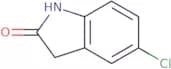
CAS:5-Chlorooxindole is a synthetic, chemotherapeutic drug that has been shown to have anti-tumor activity in animal models. It is an oxindole derivative with the chemical formula CHNClO. The compound is synthesized by the reaction of 3,5-dichloroaniline and indole in chloroform and purified by column chromatography. 5-Chlorooxindole has shown potential as an antitumor agent because it inhibits cancer cell growth through mechanisms such as induction of apoptosis and suppression of tumor angiogenesis.Formula:C8H6ClNOPurity:Min. 95%Molecular weight:167.59 g/mol4-Methylbenzophenone
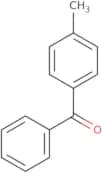
CAS:4-Methylbenzophenone is a molecule that belongs to the group of p2 molecules. It is used as an additive in animal health products, as well as for the synthesis of other organic compounds. The analytical method for 4-methylbenzophenone is thermal expansion, which can be determined using a test sample. The reaction mechanism of this compound is not well understood, but it may involve multi-walled carbon and matrix effect. 4-Methylbenzophenone has been shown to form metastable forms when heated to high temperatures or when exposed to sunlight. This compound also has potential skin cancer risk and should be handled with care.Formula:C14H12OPurity:Min. 95%Color and Shape:White PowderMolecular weight:196.24 g/mola-Cyano-4-hydroxycinnamic acid
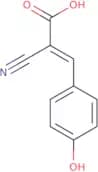
CAS:a-Cyano-4-hydroxycinnamic acid is a cyclic peptide that has been shown to have cytotoxic and antimicrobial properties. It has been shown to be effective in reducing the viability of cells in vitro by interfering with DNA synthesis and cell signaling pathways, as well as causing oxidative stress. This compound also induces apoptosis in squamous carcinoma cells and hypoxic tumor cells; this effect may be due to its ability to induce the release of cytochrome c from mitochondria. a-Cyano-4-hydroxycinnamic acid has been shown to produce antibacterial activity against Gram-positive bacteria, such as Streptococcus pneumoniae and Staphylococcus aureus, but not against Gram-negative bacteria, such as Escherichia coli or Pseudomonas aeruginosa.Formula:C10H7NO3Color and Shape:Slightly Yellow PowderMolecular weight:189.17 g/mol3-Thiopheneacetic acid
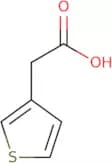
CAS:3-Thiopheneacetic acid (3-TAA) is an insoluble polymer that can be used in analytical chemistry to measure the concentration of sodium carbonate. This polymer is prepared by reacting 3-thiophenecarboxylic acid with sodium carbonate. 3-TAA is a white powder and soluble in water, but insoluble in organic solvents. The transfer reactions of 3-TAA have been studied using electrochemical impedance spectroscopy and thermal expansion measurements. Due to its redox potential, it has been shown to be a potent inhibitor of human serum albumin transport and also inhibits the activity of enzymes such as glyceraldehyde phosphate dehydrogenase, phosphofructokinase, and pyruvate kinase.
Formula:C6H6O2SPurity:Min. 97.5 Area-%Color and Shape:White PowderMolecular weight:142.18 g/molMethyltetrazine-acid
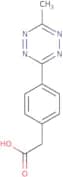
CAS:Versatile small molecule scaffoldFormula:C11H10N4O2Purity:Min. 95%Color and Shape:PowderMolecular weight:230.22 g/mol(R)-2-Methylbutyric acid
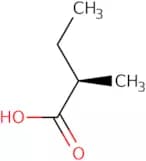
CAS:(R)-2-Methylbutyric acid is a synthetic compound that has the same stereoisomeric configuration as 2-methylbutyric acid. The difference in the two molecules is that the (R) form has a hydroxyl group on the alpha carbon, while 2-methylbutyric acid does not. This compound is stable under acidic conditions, but hydrolyzes to form butyric acid when exposed to basic conditions. It is used in industrial applications such as food production and as an intermediate in synthesizing other compounds such as tiglic acid or amido groups.Formula:C5H10O2Purity:Min. 95%Color and Shape:Yellow PowderMolecular weight:102.13 g/mol6-Cyanoindole
CAS:6-Cyanoindole is a synthetic compound that has been shown to have functional properties. It binds to the receptor of the chemokine, which is a type of protein that regulates inflammatory responses. It also inhibits the activity of coagulation factors, which are proteins involved in blood clotting. 6-Cyanoindole has been shown to inhibit cancer cell growth and induce apoptosis (cell death) in a number of cancer cell lines. The fluorescence properties and lifetimes of 6-cyanoindole have been studied extensively. It has also been used as a monomer in copolymerization reactions and is used as an intermediate in the synthesis of 6-bromoindole.
Formula:C9H6N2Purity:Min. 95%Color and Shape:White PowderMolecular weight:142.16 g/mol2-Methylcinnamic acid, predominantly trans
CAS:The 2-methylcinnamic acid is a derivative of cinnamic acid. It is an organic compound that is a colorless liquid at room temperature. The 2-methylcinnamic acid can be synthesized via the Suzuki coupling reaction between 2-chlorocinnamic acid and 4-hydroxycinnamic acid in the presence of a ruthenium complex, a diphosphine ligand, and an acidic co-solvent. This organic compound has been shown to inhibit prostaglandin synthesis by interacting with the prostanoid receptor, a protein located on the surface of cells that binds to inflammatory agents or hormones. These interactions may also lead to the inhibition of cyclooxygenase (COX) enzymes, which are responsible for prostaglandin synthesis. The 2-methylcinnamic acid can also be converted into flavonoids such as quercetin and apigenin through oxidation reactions.
Formula:C10H10O2Purity:Min. 95%Color and Shape:PowderMolecular weight:162.19 g/molPoly epsilon L-lysine HCl approx MW 4500Da
CAS:Poly epsilon L-lysine HCl is a water soluble, biodegradable, cationic peptide that can be produced via fermentation by Streptomyces albulus. It shows a wide range of antimicrobial activity against microorganisms such as bacteria, yeasts and molds and is stable at high temperatures and under both acidic and alkaline conditions. This non-toxic poly-L-lysine is commonly used as a supplement or preservative in various food, beverage and cosmetics products. It can also be used for microscopy glass slides coating.Formula:(C6H12N2O•HCl)nPurity:Min. 95.0 Area-%Color and Shape:Off-White Yellow Powder4-Methyl-2,3-dihydro-1H-inden-1-amine hydrochloride
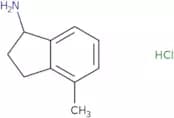
CAS:Controlled ProductVersatile small molecule scaffold
Formula:C10H13N•HClPurity:Min. 95%Molecular weight:183.68 g/mol4-Methoxybenzenediazonium tetrafluoroborate
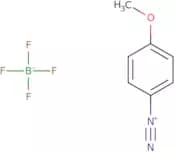
CAS:4-Methoxybenzenediazonium tetrafluoroborate (MBD) is a synthetic molecule that can be prepared by the reaction of sodium hydrogen with UV irradiation. MBD has been shown to have a pharmacokinetic profile similar to methyl cinnamate and is used in the treatment of hyperpigmentation, such as melasma and post-inflammatory hyperpigmentation. MBD interacts with the amino acid tyrosine at its 4-hydroxyl group, cleaving the C-O bond and forming an intramolecular hydrogen bond with the oxygen atom. This results in the formation of diazonium salt which reacts with tyrosinase and inhibits its activity.Formula:C7H7BF4N2OPurity:Min. 98 Area-%Color and Shape:PowderMolecular weight:221.95 g/mol2-Methyl-1,3-propanediol
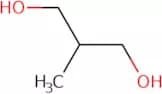
CAS:2-Methyl-1,3-propanediol is a glycol ether that is used in sample preparation for chemical analysis. It is an antimicrobial agent that has been shown to be active against bacteria such as Escherichia coli and Staphylococcus aureus. 2-Methyl-1,3-propanediol has also been shown to have the ability to inhibit the growth of epidermal cells. This chemical has been shown to be effective in treating skin lesions caused by dermatophytes, fungi and bacterial infections. 2-Methyl-1,3-propanediol inhibits the synthesis of glycol esters, fatty acids and epidermal growth factor through competition with hydroxyl groups on cell membranes. It also chelates metal ions such as Cu2+, Zn2+, Cd2+ and Pb2+.Formula:C4H10O2Purity:Min. 95%Color and Shape:Colorless PowderMolecular weight:90.12 g/mol3-Methoxyacetophenone
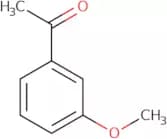
CAS:3-Methoxyacetophenone is a bacterial metabolite that is produced by the metabolism of caproic acid. 3-Methoxyacetophenone has been shown to possess antibacterial activity against gram-positive bacteria and to inhibit protein synthesis in these bacteria. The compound class of 3-methoxyacetophenone includes methyl ketones, which are a type of organic compounds containing a carbonyl group (C=O). This compound can be found in bacterial strains such as Pseudomonas aeruginosa and Streptococcus pneumoniae. These bacteria produce 3-methoxyacetophenone during growth on l-tartaric acid or hydrogen tartrate as the sole carbon sources. The organism’s DNA sequences have been determined by deuterium isotope sequencing and l-tartaric acid as the sole carbon source.
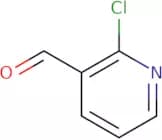
Formula:C9H10O2Purity:Min. 95%Color and Shape:Colorless Clear LiquidMolecular weight:150.17 g/mol2-Chloro-3-pyridinecarboxyaldehyde
CAS:2-Chloro-3-pyridinecarboxyaldehyde is a synthetic molecule that contains two chlorines and three pyridines. It is a potential drug for the treatment of cancer or tuberculosis. The synthesis of this compound starts from 2,4-dichlorobenzaldehyde and 3-amino-5-(chloromethyl)pyridine. The reaction with acetic acid yields 2-chloro-3-pyridinecarboxyaldehyde. This product has been shown to inhibit cancer cells in vitro, but it does not have any effect on healthy cells. In addition, this product can be used as an anticancer agent against cervical cancer cells in vitro.Formula:C6H4ClNOPurity:Min. 98 Area-%Color and Shape:PowderMolecular weight:141.55 g/mol2-Mercapto-5-benzimidazole sulfonic acid sodium salt dihydrate
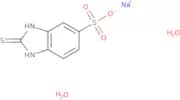
CAS:2-Mercapto-5-benzimidazole sulfonic acid sodium salt dihydrate is a molecule that can be used in devices. It has been shown to reversibly change the morphology of a monolayer and to generate asymmetric structures. 2-Mercapto-5-benzimidazole sulfonic acid sodium salt dihydrate can be used to generate fluorescent emulsions, which are systems where the magnetic particles are suspended in an oil droplet and illuminated by light of an appropriate wavelength. The molecules that make up 2-Mercapto-5-benzimidazole sulfonic acid sodium salt dihydrate have been shown to function as acceptors for molecular orbitals, which are wave functions that describe electron distribution around the atomic nucleus. These properties make it a promising candidate for use in microscopy techniques, such as scanning tunneling microscopy (STM) or atomic force microscopy (AFM).Formula:C7H5N2NaO3S2·2H2OPurity:Min. 95%Color and Shape:PowderMolecular weight:288.28 g/molMethyl 4-acetylbenzoate
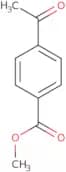
CAS:Methyl 4-acetylbenzoate is a synthetic compound that can be used for the synthesis of imatinib and other pharmaceuticals. It is an effective method for the synthesis of butyric acid with high enantiomeric purity. The cross-coupling reaction was first reported by Suzuki in 1979, which has been widely applied to organic synthesis because it is efficient and produces simple byproducts. This reaction has also been used in the synthesis of model compounds and natural products, as well as in environmental pollution studies.Formula:C10H10O3Purity:Min. 95%Color and Shape:PowderMolecular weight:178.18 g/mol2-Chloro-4-trifluoromethylbenzoic acid
CAS:2-Chloro-4-trifluoromethylbenzoic acid is a chemical compound with the formula CHClFO. It can be obtained by deprotonation of 2,4,6-trichlorobenzoic acid with butyllithium and subsequent reaction with chlorotrifluoromethane. The product has two regioisomers, one in which the chlorine atom is attached to the para position on the benzene ring and the other in which it is attached to the ortho position. Substituents such as alkyl groups or lithium reagents can affect both reactivity and selectivity. The halogen substituent can also be replaced by other functional groups to make derivatives of this compound.
Formula:C8H4ClF3O2Purity:Min. 95%Color and Shape:PowderMolecular weight:224.56 g/mol2-Chloro-6-fluorobenzaldehyde
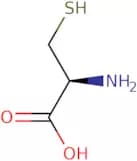
CAS:2-Chloro-6-fluorobenzaldehyde is an impurity that can be found in wastewater. It has been shown to be a reactive intermediate for the synthesis of streptochlorin, which is a natural product with potential antibiotic activity. 2-Chloro-6-fluorobenzaldehyde is produced by the reaction of chlorine and anhydrous sodium, with acid as catalyst. The molecule has two fluorine atoms and one chloride atom. This compound can also be used in the treatment of waste water due to its ability to react with hydroxyl ions and chloride ions in the presence of hydrogen chloride or hydrochloric acid. The pain model was evaluated using nmr spectra and optical properties.Formula:C7H4ClFOPurity:Min. 95%Color and Shape:White PowderMolecular weight:158.56 g/molD-Cysteine
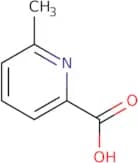
CAS:D-Cysteine is a versatile building block for the synthesis of complex compounds and peptides.Formula:C3H7NO2SMolecular weight:121.16 g/mol6-Methylpyridine-2-carboxylic acid
CAS:6-Methylpyridine-2-carboxylic acid is a human metabolite that can be found in the serum matrix. It is part of a ternary complex formation with picolinic acid and fatty acid, which may result in an intramolecular hydrogen transfer from the methyl group to the oxygen atom of the carboxylic acid group. 6-Methylpyridine-2-carboxylic acid has been shown to react with hydroxyl groups to form n-oxides and redox potentials. These reactions are catalyzed by detergents.
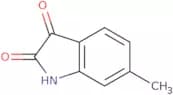
Formula:C7H7NO2Purity:Min. 97 Area-%Color and Shape:PowderMolecular weight:137.14 g/mol6-Methyl-1H-indole-2,3-dione
CAS:6-Methyl-1H-indole-2,3-dione is a synthetic molecule that has an amide orientation. The molecule is a crystalline solid and can be found in the form of a white powder. This product also contains impurities such as amino acids, transport molecules, and formic acid. 6-Methyl-1H-indole-2,3-dione is soluble in solvents like formic acid and water. It has been shown to have transport properties for electrons and aldehydes.Formula:C9H7NO2Purity:Min. 95%Color and Shape:PowderMolecular weight:161.16 g/mol6-Mercapto-1-hexanol
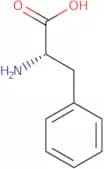
CAS:6-Mercapto-1-hexanol is a redox active molecule that has been shown to be a potent inhibitor of human immunodeficiency virus type 1 reverse transcriptase. It has also been shown to inhibit the polymerase chain reaction and transfer reactions, including those mediated by DNA-dependent RNA polymerase. 6-Mercapto-1-hexanol can be detected with high sensitivity in human serum, which is its main application for the diagnosis of HIV infection. This compound reacts with molecular oxygen to form superoxide radicals, which are responsible for its redox potential. The rate constant for this reaction has been shown to be dependent on pH and temperature. 6-Mercapto-1-hexanol can also form stable complexes with proteins such as albumin or human immunoglobulin G (IgG). These complexes have been shown to exhibit electrochemical impedance spectroscopy activity at low concentrations and chemical stability in biological media.Formula:C6H14OSPurity:Min. 96%Color and Shape:Clear LiquidMolecular weight:134.24 g/molL-Phenylalanine
CAS:L-phenylalanine is an amino acid that is naturally present in the human body. It is an essential amino acid, meaning it cannot be synthesized by the body and must be obtained through diet or supplementation. L-Phenylalanine has been shown to inhibit oxidative injury by scavenging reactive oxygen species (ROS) and reducing lipid peroxidation. It also has a protective effect on the intestinal tract by increasing the activity of bowel enzymes and preventing intestinal ulcers. L-Phenylalanine is used in biochemical studies to measure the activities of various enzymes, such as chymotrypsin, aminopeptidase, and carboxypeptidase. L-Phenylalanine can be converted into dopamine and norepinephrine, which are neurotransmitters in the brain that are important for memory, learning, mood regulation, sleep cycles, and other brain functions. L-Phenylalanine toxicity can lead to liver failure
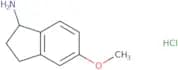
Formula:C9H11NO2Color and Shape:White PowderMolecular weight:165.19 g/mol(R)-5-Methoxy-2,3-dihydro-1H-inden-1-amine hydrochloride
CAS:Controlled ProductVersatile small molecule scaffold
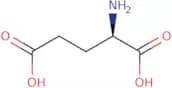
Formula:C10H14ClNOPurity:Min. 95%Color and Shape:PowderMolecular weight:199.68 g/molGlutamic acid
CAS:Glutamic acid is a non-essential amino acid that is present in all cells. It is one of the most abundant amino acids and plays an important role in the biochemical properties and biological properties of living organisms. Glutamic acid has been found to be an important neurotransmitter and is involved in neuronal activity, which can lead to death. It also has been shown to be a potent inhibitor of DNA polymerase, which may explain the structural analysis of glutamic acid as a divalent cation coordination-activator molecule. Glutamate can be used as a model system for studying glutamate receptor function and its optimum concentration is determined using vitro assays. The dinucleotide phosphate (NADPH) oxidase pathway may be involved in the toxicity of glutamic acid as it produces reactive oxygen species.
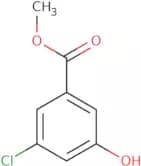
Formula:C5H9NO4Purity:Min. 95%Color and Shape:White PowderMolecular weight:147.13 g/mol3-Chloro-5-hydroxybenzoic acid methyl ester
CAS:3-Chloro-5-hydroxybenzoic acid methyl ester is a fine chemical that can be used as a versatile building block and reaction component in the synthesis of complex compounds. It is soluble in organic solvents such as dichloromethane, chloroform, and acetone. 3-Chloro-5-hydroxybenzoic acid methyl ester has CAS No. 98406-04-3 and a molecular weight of 149. 2.Formula:C8H7ClO3Purity:Min. 98 Area-%Color and Shape:White Off-White PowderMolecular weight:186.59 g/mol3-Chloro-5-hydroxybenzoic acid ethyl ester
Please enquire for more information about 3-Chloro-5-hydroxybenzoic acid ethyl ester including the price, delivery time and more detailed product information at the technical inquiry form on this page
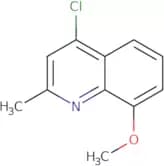
Formula:C9H9ClO3Purity:Min. 98 Area-%Color and Shape:PowderMolecular weight:200.62 g/mol4-Chloro-8-methoxy-2-methylquinoline
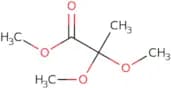
CAS:4-Chloro-8-methoxy-2-methylquinoline is a compound that has been found in nature. It is a diversity of nonreciprocal nucleic acid sequences and has been shown to be polymorphic. This nucleotide can cause stenosis in the coronary heart, which may lead to heart disease. 4-Chloro-8-methoxy-2-methylquinoline also inhibits the growth of Plasmodium falciparum and Plasmodium vivax. The drug's mechanism of action is not yet known, but it may have evolved from other compounds with a similar molecular structure.Formula:C11H10ClNOPurity:Min. 95%Color and Shape:PowderMolecular weight:207.66 g/molMethyl 2,2-Dimethoxypropionate
CAS:Methyl 2,2-dimethoxypropionate is an oxidation catalyst that is used to convert terminal alkynes into alcohols. It is also a model system for the study of the biosynthesis of a number of natural products and drugs. In addition, methyl 2,2-dimethoxypropionate has been shown to have anticancer properties, although it has not been studied in humans. It has also been shown to have anti-inflammatory effects in animals and may be a potential treatment for hepatitis and depression in humans. Methyl 2,2-dimethoxypropionate can be synthesized by reacting citric acid with methanol or ethanol in the presence of hydroxyl ions.Formula:C6H12O4Purity:Min. 95%Color and Shape:Clear LiquidMolecular weight:148.16 g/mol2-(Aminomethyl)benzamide hydrochloride
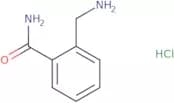
CAS:2-(Aminomethyl)benzamide hydrochloride is a research chemical with high quality and versatile building block properties. It is a useful intermediate in the synthesis of complex compounds, and can be used as a reagent for the production of speciality chemicals. 2-(Aminomethyl)benzamide hydrochloride is also an important reaction component in the synthesis of some fine chemicals, such as pharmaceuticals, dyes, pesticides, and perfumes. 2-(Aminomethyl)benzamide hydrochloride has CAS No. 1187927-15-6 and can be purchased from chemical suppliers worldwide.Formula:C8H10N2O·HClPurity:Min. 95%Color and Shape:White PowderMolecular weight:186.64 g/mol2-{1-[(Pyridin-3-yl)methyl]piperidin-2-yl}ethan-1-ol
CAS:Versatile small molecule scaffoldFormula:C13H20N2OPurity:Min. 95%Color and Shape:PowderMolecular weight:220.31 g/mol




![2-[(2-{2-[(Oxiran-2-yl)methoxy]ethoxy}ethoxy)methyl]oxirane](/_next/image/?url=https%3A%2Fstatic.cymitquimica.com%2Fproducts%2F3D%2Fthumb-webp%2FEAA20661.webp&w=3840&q=75)




![tert-Butyl N-[2-(chlorosulfonyl)ethyl]carbamate](/_next/image/?url=https%3A%2Fstatic.cymitquimica.com%2Fproducts%2F3D%2Fthumb-webp%2FJFA01973.webp&w=3840&q=75)













![2-{1-[(Pyridin-3-yl)methyl]piperidin-2-yl}ethan-1-ol](/_next/image/?url=https%3A%2Fstatic.cymitquimica.com%2Fproducts%2F3D%2Fthumb-webp%2FZZB80618.webp&w=3840&q=75)