Building Blocks
This section contains fundamental products for the synthesis of organic and biological compounds. Building blocks are the essential starting materials used to construct complex molecules through various chemical reactions. They play a critical role in drug discovery, material science, and chemical research. At CymitQuimica, we offer a diverse range of high-quality building blocks to support your innovative research and industrial projects, ensuring you have the essential components for successful synthesis.
Subcategories of "Building Blocks"
- Boronic Acids & Boronic Acid Derivatives(5,756 products)
- Chiral Building Blocks(1,242 products)
- Hydrocarbon Building Blocks(6,093 products)
- Organic Building Blocks(60,529 products)
Found 195534 products of "Building Blocks"
Sort by
Purity (%)
0
100
|
0
|
50
|
90
|
95
|
100
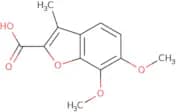
6,7-Dimethoxy-3-methyl-1-benzofuran-2-carboxylic acid
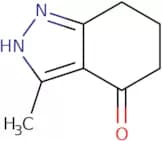
CAS:<p>Versatile small molecule scaffold</p>Formula:C12H12O5Purity:Min. 95%Molecular weight:236.22 g/mol3-Methyl-1,5,6,7-tetrahydroindazol-4-one
CAS:<p>Versatile small molecule scaffold</p>Formula:C8H10N2OPurity:Min. 95%Molecular weight:150.18 g/molMethyl 4-aminobenzoate hydrochloride
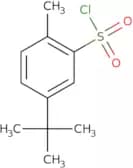
CAS:<p>Methyl 4-aminobenzoate hydrochloride is a compound that is soluble in water and has a molecular weight of 155.14 g/mol. The compound has an acidic nature, with the pKa being 2.5, which makes it a proton donor and an acid catalyst. It can be used to synthesize retinoic acid, which is used to treat acne, by reacting with glycinamide ribonucleotide. Methyl 4-aminobenzoate hydrochloride can also be used for sample pretreatment before analysis by gas chromatography (GC), liquid chromatography (LC) or mass spectrometry (MS). This compound is not highly polar and can therefore be dissolved in non-polar solvents such as hexane or dichloromethane. Methyl 4-aminobenzoate hydrochloride reacts with anthracene and amines to form methyl derivatives.</p>Formula:C8H9NO2·HClPurity:Min. 95%Molecular weight:187.63 g/mol5-tert-Butyl-2-methyl-benzenesulfonyl chloride
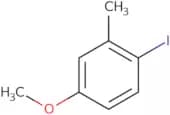
CAS:<p>Versatile small molecule scaffold</p>Formula:C11H15ClO2SPurity:Min. 95%Molecular weight:246.75 g/mol1-Iodo-4-methoxy-2-methylbenzene
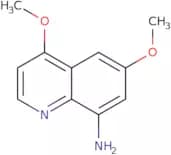
CAS:<p>1-Iodo-4-methoxy-2-methylbenzene (1IMMB) is an iodide which has been used as a precursor in the synthesis of carbonyl groups. This compound has also been shown to have high yields and mechanistic. The carbonyl group is located at the 1,3 positions and the methoxy group is located at the 2 position. This compound reacts with acetonitrile to form a naphthalene derivative. 1IMMB also reacts with an alcohol to form a cyclic ether with regiospecificity. It can also be used as a catalyst in the synthesis of unsymmetrical compounds that contain both carbonyl groups and alcohols.</p>Formula:C8H9IOPurity:Min. 95%Molecular weight:248.06 g/mol4,6-Dimethoxyquinolin-8-amine
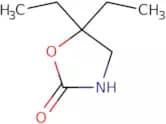
CAS:<p>Versatile small molecule scaffold</p>Formula:C11H12N2O2Purity:Min. 95%Molecular weight:204.22 g/mol5,5-Diethyl-1,3-oxazolidin-2-one
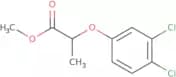
CAS:<p>Versatile small molecule scaffold</p>Formula:C7H13NO2Purity:Min. 95%Molecular weight:143.18 g/molMethyl 2-(3,4-dichlorophenoxy)propanoate
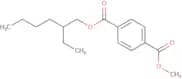
CAS:<p>Versatile small molecule scaffold</p>Formula:C10H10Cl2O3Purity:Min. 95%Molecular weight:249.09 g/mol1-(2-Ethylhexyl) 4-methyl benzene-1,4-dicarboxylate
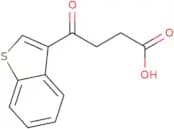
CAS:<p>1-(2-Ethylhexyl) 4-methyl benzene-1,4-dicarboxylate is a silylated, polysulphide sealant with good adhesion to many plastics and metals. It is also used as a plasticizer for acrylates and a sealant for polyurethanes. This product has been shown to be an effective sealant for terephthalate and polyethers. The molecule contains two ester groups that react with the hydroxyl groups on the surface of the substrate to form the crosslinked network.</p>Formula:C17H24O4Purity:Min. 95%Molecular weight:292.4 g/mol4-(1-Benzothiophen-3-yl)-4-oxobutanoic acid
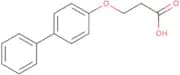
CAS:<p>Versatile small molecule scaffold</p>Formula:C12H10O3SPurity:Min. 95%Molecular weight:234.27 g/mol3-(4-Phenylphenoxy)propanoic acid
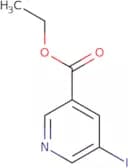
CAS:<p>Versatile small molecule scaffold</p>Formula:C15H14O3Purity:Min. 95%Molecular weight:242.27 g/molEthyl 5-iodonicotinate
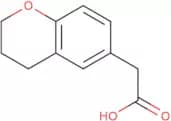
CAS:<p>Versatile small molecule scaffold</p>Formula:C8H8INO2Purity:Min. 95%Molecular weight:277.06 g/molChroman-6-yl-acetic acid
CAS:<p>Versatile small molecule scaffold</p>Formula:C11H12O3Purity:Min. 95%Molecular weight:192.22 g/mol7-Methyl-1H-benzo[d][1,3]oxazine-2,4-dione
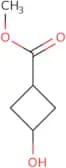
CAS:<p>Versatile small molecule scaffold</p>Formula:C9H7NO3Purity:Min. 95%Molecular weight:177.16 g/molMethyl cis-3-hydroxycyclobutanecarboxylate
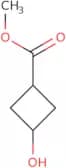
CAS:<p>Versatile small molecule scaffold</p>Formula:C6H10O3Purity:Min. 95%Molecular weight:130.14 g/molTrans-methyl 3-hydroxycyclobutanecarboxylate
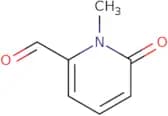
CAS:<p>Versatile small molecule scaffold</p>Formula:C6H10O3Purity:Min. 95%Molecular weight:130.1 g/mol1-Methyl-6-oxo-1,6-dihydropyridine-2-carbaldehyde
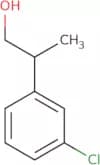
CAS:<p>Versatile small molecule scaffold</p>Formula:C7H7NO2Purity:Min. 95%Molecular weight:137.14 g/mol2-(3-Chlorophenyl)propan-1-ol
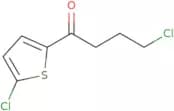
CAS:<p>Versatile small molecule scaffold</p>Formula:C9H11ClOPurity:Min. 95%Molecular weight:170.63 g/mol4-Chloro-1-(5-chlorothiophen-2-yl)butan-1-one
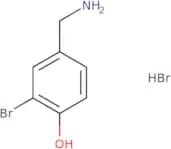
CAS:<p>Versatile small molecule scaffold</p>Formula:C8H8Cl2OSPurity:Min. 95%Molecular weight:223.12 g/mol4-(Aminomethyl)-2-bromophenol hydrobromide
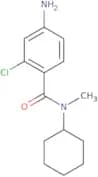
CAS:<p>Versatile small molecule scaffold</p>Formula:C7H9Br2NOPurity:Min. 95%Molecular weight:282.96 g/mol4-Amino-2-chloro-N-cyclohexyl-N-methylbenzamide
CAS:<p>Versatile small molecule scaffold</p>Formula:C14H19ClN2OPurity:Min. 95%Molecular weight:266.76 g/mol8-Chloro-1H-benzo[D][1,3]oxazine-2,4-dione
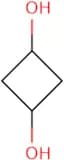
CAS:<p>8-Chloro-1H-benzo[D][1,3]oxazine-2,4-dione is an organic chemical used as a precursor to pharmaceuticals. It is produced by the esterification of an acid chloride with a carboxylic acid. This chemical can be converted into other products through hydrogenation or hydrochlorination. 8-Chloro-1H-benzo[D][1,3]oxazine-2,4-dione is also used in the production of xylene and dichlorobenzene. This compound has two isomers that differ in their reactivity due to steric hindrance. The less reactive isomer has been shown to have antiinflammatory effects in mice.</p>Formula:C8H4ClNO3Purity:Min. 95%Molecular weight:197.58 g/molCyclobutane-1,3-diol
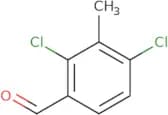
CAS:<p>Cyclobutane-1,3-diol is an organic compound that is a viscous liquid at room temperature. It is used in the production of polyesters and coatings. Cyclobutane-1,3-diol has been shown to be a good ligation partner with ethylene glycol in the liquid phase. It also has been used as an impurity scavenger and as a skeleton for other compounds. Cyclobutane-1,3-diol can be purified by distillation or crystallization, but it may contain fluorine or alkali metal residues that are difficult to remove. There are two stereoisomers of cyclobutane-1,3-diol: D-(+)-cyclobutane-1,3-diol and L-(+)-cyclobutane-1,3-diol.</p>Formula:C4H8O2Purity:Min. 95%Molecular weight:88.11 g/mol2,4-Dichloro-3-methylbenzaldehyde
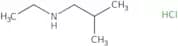
CAS:<p>Versatile small molecule scaffold</p>Formula:C8H6Cl2OPurity:Min. 95%Molecular weight:189.04 g/molEthyl(2-methylpropyl)amine hydrochloride
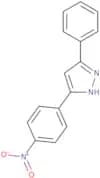
CAS:<p>Versatile small molecule scaffold</p>Formula:C6H16ClNPurity:Min. 95%Molecular weight:137.65 g/mol3-(4-Nitrophenyl)-5-phenyl-1H-pyrazole
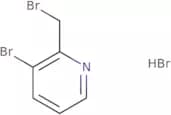
CAS:<p>3-(4-Nitrophenyl)-5-phenyl-1H-pyrazole is a dipole tautomeric proton tautomer with a fluorescence photophysical. It has a molecular orbital that is acidic. 3-(4-Nitrophenyl)-5-phenyl-1H-pyrazole has the following transfer functional groups: nitro, fluorescence, and photophysical. 3-(4-Nitrophenyl)-5-phenyl-1H-pyrazole is an experimentally determined molecule with a molecular orbitals of acidic. It has two tautomers, which are the dipole and tautomers. The dipole tautomeric proton tautomer is the more stable form of 3-(4-Nitrophenyl)-5-phenyl-1H-pyrazole in solution.</p>Formula:C15H11N3O2Purity:Min. 95%Molecular weight:265.27 g/mol3-Bromo-2-(bromomethyl)pyridine hydrobromide
CAS:<p>Versatile small molecule scaffold</p>Formula:C6H6Br3NPurity:Min. 95%Molecular weight:331.83 g/molBiphenyl-4-yl-hydrazine hydrochloride
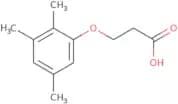
CAS:<p>Versatile small molecule scaffold</p>Formula:C12H13ClN2Purity:Min. 95%Molecular weight:220.7 g/mol3-(2,3,5-Trimethylphenoxy)propanoic acid
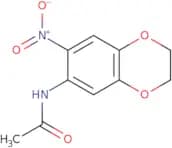
CAS:<p>Versatile small molecule scaffold</p>Formula:C12H16O3Purity:Min. 95%Molecular weight:208.25 g/molN-(7-Nitro-2,3-dihydro-1,4-benzodioxin-6-yl)acetamide
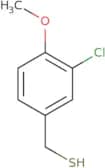
CAS:<p>Versatile small molecule scaffold</p>Formula:C10H10N2O5Purity:Min. 95%Molecular weight:238.2 g/mol(3-Chloro-4-methoxyphenyl)methanethiol
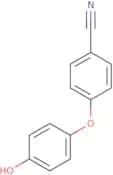
CAS:<p>Versatile small molecule scaffold</p>Formula:C8H9ClOSPurity:Min. 95%Molecular weight:188.67 g/mol4-(4-Hydroxyphenoxy)benzonitrile
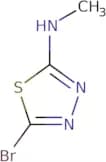
CAS:<p>Versatile small molecule scaffold</p>Formula:C13H9NO2Purity:Min. 95%Molecular weight:211.22 g/mol5-Bromo-N-methyl-1,3,4-thiadiazol-2-amine
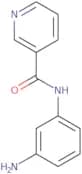
CAS:<p>Versatile small molecule scaffold</p>Formula:C3H4BrN3SPurity:Min. 95%Molecular weight:194.06 g/molN-(3-Aminophenyl)nicotinamide
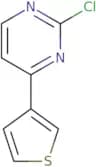
CAS:<p>Versatile small molecule scaffold</p>Formula:C12H11N3OPurity:Min. 95%Molecular weight:213.23 g/mol2-Chloro-4-(thiophen-3-yl)pyrimidine
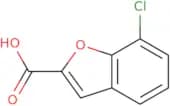
CAS:<p>Versatile small molecule scaffold</p>Formula:C8H5ClN2SPurity:Min. 95%Molecular weight:196.66 g/mol7-Chlorobenzofuran-2-carboxylic acid
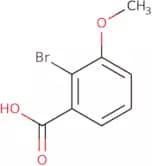
CAS:<p>Versatile small molecule scaffold</p>Formula:C9H5O3ClPurity:Min. 95%Molecular weight:196.58 g/mol2-Bromo-3-methoxybenzoic acid
CAS:<p>2-Bromo-3-methoxybenzoic acid is a fluorescent acridine that can be used as a reagent, an analogue of acridone, and a ligand for macrocycles. It can also be used to synthesize fluorophores that are glycols. 2-Bromo-3-methoxybenzoic acid is cyclised to form the acridine ring system with two methoxy groups on the 2 and 3 positions. The bromine atom on the 2 position is replaced by a hydrogen atom in the final product.</p>Formula:C8H7BrO3Purity:Min. 95%Molecular weight:231.04 g/mol4-[(3,4-Dimethylphenoxy)methyl]benzoic acid
CAS:<p>Versatile small molecule scaffold</p>Formula:C16H16O3Purity:Min. 95%Molecular weight:256.3 g/molEthyl 2-(2,2,2-trifluoroethoxy)acetate
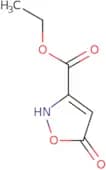
CAS:<p>Versatile small molecule scaffold</p>Formula:C6H9F3O3Purity:Min. 95%Molecular weight:186.13 g/molEthyl 5-hydroxy-1,2-oxazole-3-carboxylate
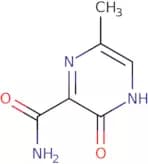
CAS:<p>Ethyl 5-hydroxy-1,2-oxazole-3-carboxylate is an antidepressant drug that belongs to the isoxazole class of compounds. It has been shown to have antidepressant-like effects in a number of functional assays and animal models. This compound has been shown to bind with high affinity to nicotinic acetylcholine receptors as well as serotonin transporters. In addition, ethyl 5-hydroxy-1,2-oxazole-3-carboxylate prevents the reuptake of both acetylcholine and serotonin in rat brain synaptosomes. These results suggest that this compound may be useful for the treatment of depression and other neurological disorders related to neurotransmitter dysfunction.</p>Formula:C6H7NO4Purity:Min. 95%Molecular weight:157.12 g/mol6-Methyl-3-oxo-3,4-dihydropyrazine-2-carboxamide
CAS:<p>Versatile small molecule scaffold</p>Formula:C6H7N3O2Purity:Min. 95%Molecular weight:153.14 g/mol3-Methyl-5-(methylamino)-1,2-thiazole-4-carbonitrile
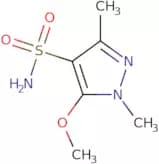
CAS:<p>Versatile small molecule scaffold</p>Formula:C6H7N3SPurity:Min. 95%Molecular weight:153.21 g/mol5-Methoxy-1,3-dimethyl-1H-pyrazole-4-sulfonamide
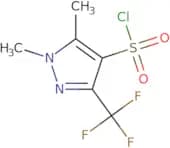
CAS:<p>Versatile small molecule scaffold</p>Formula:C6H11N3O3SPurity:Min. 95%Molecular weight:205.24 g/mol1,5-Dimethyl-3-(trifluoromethyl)-1H-pyrazole-4-sulfonyl chloride
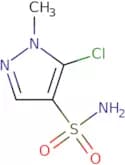
CAS:<p>Versatile small molecule scaffold</p>Formula:C6H6ClF3N2O2SPurity:Min. 95%Molecular weight:262.63 g/mol5-Chloro-1-methyl-1H-pyrazole-4-sulfonamide
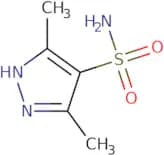
CAS:<p>Versatile small molecule scaffold</p>Formula:C4H6ClN3O2SPurity:Min. 95%Molecular weight:195.63 g/mol3,5-Dimethyl-1H-pyrazole-4-sulfonamide
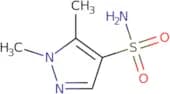
CAS:<p>Versatile small molecule scaffold</p>Formula:C5H9N3O2SPurity:Min. 95%Molecular weight:175.21 g/mol1,5-Dimethyl-1H-pyrazole-4-sulfonamide
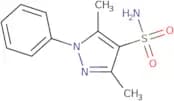
CAS:<p>Versatile small molecule scaffold</p>Formula:C5H9N3O2SPurity:Min. 95%Molecular weight:175.21 g/mol3,5-Dimethyl-1-phenyl-1H-pyrazole-4-sulfonamide
CAS:<p>Versatile small molecule scaffold</p>Formula:C11H13N3O2SPurity:Min. 95%Molecular weight:251.31 g/molmethyl 5-chloro-1-methyl-1H-pyrazole-4-carboxylate
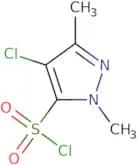
CAS:<p>Versatile small molecule scaffold</p>Formula:C6H7N2O2ClPurity:Min. 95%Molecular weight:174.58 g/mol4-Chloro-1,3-dimethyl-1H-pyrazole-5-sulfonyl chloride
CAS:<p>Versatile small molecule scaffold</p>Formula:C5H6Cl2N2O2SPurity:Min. 95%Molecular weight:229.08 g/mol5-Chloro-1,3-dimethyl-1H-pyrazole-4-sulfonyl chloride
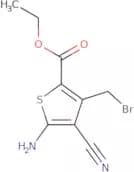
CAS:<p>Versatile small molecule scaffold</p>Formula:C5H6Cl2N2O2SPurity:Min. 95%Molecular weight:229.08 g/molEthyl 5-amino-3-(bromomethyl)-4-cyanothiophene-2-carboxylate
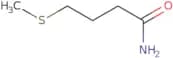
CAS:<p>Versatile small molecule scaffold</p>Formula:C9H9BrN2O2SPurity:Min. 95%Molecular weight:289.15 g/mol4-(Methylsulfanyl)butanamide
CAS:<p>4-(Methylsulfanyl)butanamide is a chiral compound that is derived from the amino acids valine, threonine, and methionine. It has been shown to inhibit the growth of Rhodococcus erythropolis in culture by blocking nitrile synthesis and hydrolysis. The mechanism of action for 4-(methylsulfanyl)butanamide is not clear. However, it has been shown to contain sequences related to those found in other amino acid sequences that are known to be involved in cell division.</p>Formula:C5H11NOSPurity:Min. 95%Molecular weight:133.21 g/mol2-[4-(Hydroxymethyl)phenyl]propan-2-ol
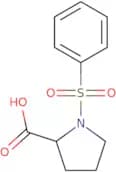
CAS:<p>Versatile small molecule scaffold</p>Formula:C10H14O2Purity:Min. 95%Molecular weight:166.22 g/mol(2S)-1-(Benzenesulfonyl)pyrrolidine-2-carboxylic acid
CAS:<p>Versatile small molecule scaffold</p>Formula:C11H13NO4SPurity:Min. 95%Molecular weight:255.29 g/mol2,5-Dichloro-4-methylaniline
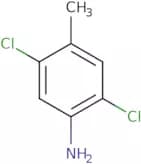
CAS:<p>Versatile small molecule scaffold</p>Formula:C7H7Cl2NPurity:Min. 95%Molecular weight:176.04 g/molN-[2-(4-Amino-2,5-dimethoxyphenyl)ethyl]acetamide
CAS:Controlled Product<p>Versatile small molecule scaffold</p>Formula:C12H18N2O3Purity:Min. 95%Molecular weight:238.28 g/mol5-(3-Bromophenyl)-1,3,4-oxadiazole-2-thiol
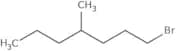
CAS:<p>Versatile small molecule scaffold</p>Formula:C8H5BrN2OSPurity:Min. 95%Molecular weight:257.11 g/mol1-Bromo-4-methylheptane
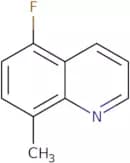
CAS:<p>1-Bromo-4-methylheptane is a chiral molecule with two stereogenic centers. It has been used as a pheromone in the study of insect behavior, and has been shown to have a similar effect on humans. It has been found that human subjects responded more strongly to an enantiomeric mixture than to either of the pure enantiomers. This suggests that 1-bromo-4-methylheptane is a racemate, or a molecule with two different configurations.</p>Formula:C8H17BrPurity:Min. 95%Molecular weight:193.12 g/mol5-Fluoro-8-methyl-quinoline
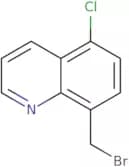
CAS:<p>5-Fluoro-8-methylquinoline is a catalytic agent that participates in the formation of 8-methylquinoline. It is prepared by reacting benzyl chloride with ethanolamine in the presence of phosphine, chlorine and catalytic amounts of iodine. The reaction product is purified by fractional distillation to yield 5-fluoro-8-methylquinoline. This compound can also be synthesized from chlorination of cyclic or carbonyl compounds with phosphine and chlorine, as well as from iodides and sulfate.</p>Formula:C10H8FNPurity:Min. 95%Molecular weight:161.18 g/mol8-(Bromomethyl)-5-chloroquinoline
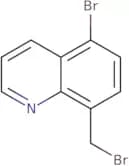
CAS:<p>Versatile small molecule scaffold</p>Formula:C10H7BrClNPurity:Min. 95%Molecular weight:256.52 g/mol5-Bromo-8-(bromomethyl)quinoline
CAS:<p>Versatile small molecule scaffold</p>Formula:C10H7Br2NPurity:Min. 95%Molecular weight:300.98 g/mol5-Chloro-1H-[1,2,3]triazole-4-carbonitrile
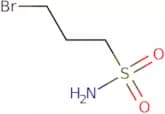
CAS:<p>5-Chloro-1H-[1,2,3]triazole-4-carbonitrile is a chemical compound that can be prepared by reacting ethyl orthoformate with an acetal of ethylene. This chemical compound has the formula CHClN and can be described by three isomers, namely 5-chloro-1H-[1,2,3]triazole-4-carbonitrile, 5-chloro[1,2,3]-triazole-4-carbonitrile and 5-[1,2,3]-triazole-4-carbonitrile. It has been used in the synthesis of ethylene acetals as well as in alkylation reactions to produce ethyl orthoformates. The reaction product of this chemical compound with methyl iodide produces acetaldehyde dimethylacetal. This chemical compound also reacts with diethylzinc to form methyl azide and diethyl ether.</p>Formula:C3HClN4Purity:Min. 95%Molecular weight:128.52 g/mol3-Bromopropane-1-sulfonamide
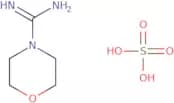
CAS:<p>Versatile small molecule scaffold</p>Formula:C3H8BrNO2SPurity:Min. 95%Molecular weight:202.07 g/molMorpholine-4-carboximidamide sulfate
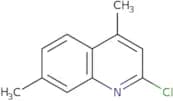
CAS:<p>Versatile small molecule scaffold</p>Formula:C5H13N3O5SPurity:Min. 95%Molecular weight:227.24 g/mol2-Chloro-4,7-dimethylquinoline
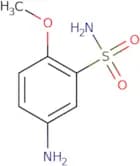
CAS:<p>Versatile small molecule scaffold</p>Formula:C11H10ClNPurity:Min. 95%Molecular weight:191.65 g/mol5-Amino-2-methoxybenzenesulfonamide
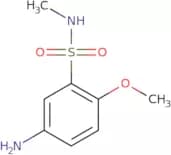
CAS:<p>5-Amino-2-methoxybenzenesulfonamide is an optical copolymer that belongs to the group of liquid crystalline polymers. It consists of a chiral, thermotropic monomer and a copolymerized, non-chiral monomer. 5-Amino-2-methoxybenzenesulfonamide has a crystal melting point of 195°C and is soluble in organic solvents. This polymer has been shown to form liquid crystalline phases with different optical properties depending on the composition of the mixture.</p>Formula:C7H10N2O3SPurity:Min. 95%Molecular weight:202.23 g/mol5-Amino-2-methoxy-N-methylbenzene-1-sulfonamide
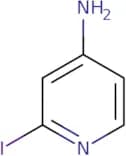
CAS:<p>Versatile small molecule scaffold</p>Formula:C8H12N2O3SPurity:Min. 95%Molecular weight:216.26 g/mol2-Iodopyridin-4-amine
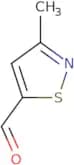
CAS:<p>Versatile small molecule scaffold</p>Formula:C5H5IN2Purity:Min. 95%Molecular weight:220.01 g/mol3-Methylisothiazole-5-carboxaldehyde
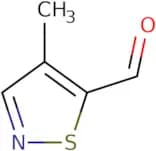
CAS:<p>3-Methylisothiazole-5-carboxaldehyde is a potent antiviral agent that has been shown to be active against human viruses in vitro. It has also been shown to have an inhibitory effect on the infectivity of influenza virus in mice. 3-Methylisothiazole-5-carboxaldehyde prevents the virus from penetrating the cell membrane, thereby preventing viral replication and inhibiting the release of new viruses into the host. This compound can be used as a chemotherapeutic agent for respiratory infections because it is orally bioavailable and inhibits viral replication.</p>Formula:C5H5NOSPurity:Min. 95%Molecular weight:127.16 g/mol4-Methylisothiazole-5-carbaldehyde
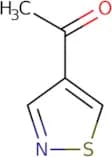
CAS:<p>Versatile small molecule scaffold</p>Formula:C5H5NOSPurity:Min. 95%Molecular weight:127.16 g/mol1-(1,2-Thiazol-4-yl)ethan-1-one
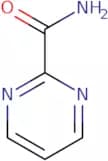
CAS:<p>Versatile small molecule scaffold</p>Formula:C5H5NOSPurity:Min. 95%Molecular weight:127.17 g/molPyrimidine-2-carboxamide
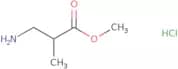
CAS:<p>Pyrimidine-2-carboxamide is an amide that has been shown to have antiinflammatory activity. It has been clinically studied for the treatment of diabetic neuropathy, inflammatory bowel disease, and autoimmune diseases. Pyrimidine-2-carboxamide inhibits the production of proinflammatory cytokines by inhibiting hydrogen bond formation between the amide group and DNA bases. This compound also has a number of other biological activities, including antiviral effects against HIV infection and cancer. Pyrimidine-2-carboxamide is a chemotherapeutic agent that has been used in clinical trials for bladder cancer and bowel disease.</p>Formula:C5H5N3OPurity:Min. 95%Molecular weight:123.11 g/molmethyl 3-amino-2-methylpropanoate hydrochloride
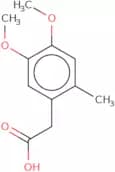
CAS:<p>Versatile small molecule scaffold</p>Formula:C5H12ClNO2Purity:Min. 95%Molecular weight:153.6 g/mol2-(4,5-Dimethoxy-2-methylphenyl)acetic acid
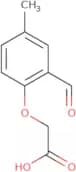
CAS:<p>Versatile small molecule scaffold</p>Formula:C11H14O4Purity:Min. 95%Molecular weight:210.2 g/mol2-(2-Formyl-4-methylphenoxy)acetic acid
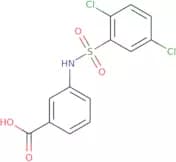
CAS:<p>Versatile small molecule scaffold</p>Formula:C10H10O4Purity:Min. 95%Molecular weight:194.18 g/mol3-(2,5-Dichloro-benzenesulfonylamino)-benzoic acid
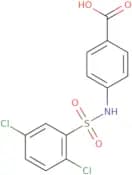
CAS:<p>Versatile small molecule scaffold</p>Formula:C13H9Cl2NO4SPurity:Min. 95%Molecular weight:346.2 g/mol4-(2,5-Dichlorobenzenesulfonamido)benzoic acid
CAS:<p>Versatile small molecule scaffold</p>Formula:C13H9Cl2NO4SPurity:Min. 95%Molecular weight:346.2 g/mol3,3-Dimethyl-2-[(trimethylsilyl)oxy]butanenitrile
CAS:<p>Versatile small molecule scaffold</p>Formula:C9H19NOSiPurity:Min. 95%Molecular weight:185.34 g/mol7-Chloro-benzo[1,3]dioxole-5-carbaldehyde
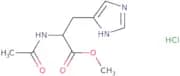
CAS:Controlled Product<p>Versatile small molecule scaffold</p>Formula:C8H5ClO3Purity:Min. 95%Molecular weight:184.58 g/molMethyl (2S)-2-acetamido-3-(1H-imidazol-4-yl)propanoate hydrochloride
CAS:<p>Versatile small molecule scaffold</p>Formula:C9H14ClN3O3Purity:Min. 95%Molecular weight:247.68 g/mol4-Butoxypiperidine
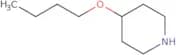
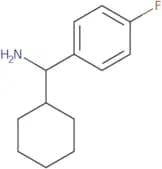
CAS:<p>Versatile small molecule scaffold</p>Formula:C9H19NOPurity:Min. 95%Molecular weight:157.25 g/molCyclohexyl(4-fluorophenyl)methanamine
CAS:<p>Versatile small molecule scaffold</p>Formula:C13H18FNPurity:Min. 95%Molecular weight:207.29 g/mol6-Chloropyridazine-3-sulfonamide
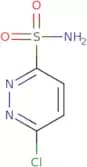
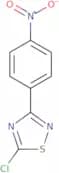
CAS:<p>Versatile small molecule scaffold</p>Formula:C4H4ClN3O2SPurity:Min. 95%Molecular weight:193.61 g/mol5-Chloro-3-(4-nitrophenyl)-1,2,4-thiadiazole
CAS:<p>Versatile small molecule scaffold</p>Formula:C8H4ClN3O2SPurity:Min. 95%Molecular weight:241.66 g/mol1-(2-Furyl)-N-(2-furylmethyl)methanamine hydrochloride
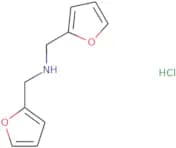
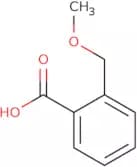
CAS:<p>Versatile small molecule scaffold</p>Formula:C10H12ClNO2Purity:Min. 95%Molecular weight:213.66 g/mol2-(Methoxymethyl)benzoic acid
CAS:<p>2-(Methoxymethyl)benzoic acid is a natural product that has been shown to have antibacterial activity. It is an ethylene precursor and is synthesized by the alkaline hydrolysis of 2-hydroxybenzoic acid. 2-(Methoxymethyl)benzoic acid has been shown to inhibit the growth of bacteria, such as E. coli, in the presence of hexanoic or octanoic acids. This compound also inhibits the growth of other bacterial species, including lamiaceae and eugenol, at low concentrations. The inhibitory effect may be due to its ability to bind to hydrophobic sites on bacterial cell membranes. 2-(Methoxymethyl)benzoic acid acts as a phenolic compound with a hydrocarbon group.</p>Formula:C9H10O3Purity:Min. 95%Molecular weight:166.18 g/molPyrazolo[1,5-b]pyridazine-3-carboxylic acid
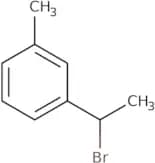
CAS:<p>Versatile small molecule scaffold</p>Formula:C7H5N3O2Purity:Min. 95%Molecular weight:163.13 g/mol1-(1-Bromoethyl)-3-methylbenzene
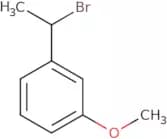
CAS:<p>Versatile small molecule scaffold</p>Formula:C9H11BrPurity:Min. 95%Molecular weight:199.09 g/mol1-(1-Bromoethyl)-3-methoxybenzene
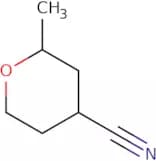
CAS:<p>Versatile small molecule scaffold</p>Formula:C9H11BrOPurity:Min. 95%Molecular weight:215.09 g/mol2-Methyloxane-4-carbonitrile
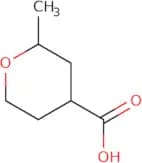
CAS:<p>Versatile small molecule scaffold</p>Formula:C7H11NOPurity:Min. 95%Molecular weight:125.17 g/mol2-Methyloxane-4-carboxylic acid
CAS:<p>Versatile small molecule scaffold</p>Formula:C7H12O3Purity:Min. 95%Molecular weight:144.17 g/mol2-Azaspiro[4.5]decane-3-carboxylic acid hydrochloride
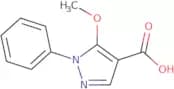
CAS:<p>Versatile small molecule scaffold</p>Formula:C10H18ClNO2Purity:Min. 95%Molecular weight:219.71 g/mol5-Methoxy-1-phenyl-1H-pyrazole-4-carboxylic acid
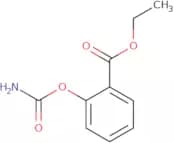
CAS:<p>Versatile small molecule scaffold</p>Formula:C11H10N2O3Purity:Min. 95%Molecular weight:218.21 g/molEthyl 2-(carbamoyloxy)benzoate
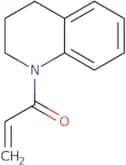
CAS:<p>Ethyl 2-(carbamoyloxy)benzoate (EMCB) is a prodrug that is hydrolyzed in vivo to the active form, fenoprofen. It has been shown to inhibit prostaglandin synthesis and to have analgesic, antipyretic, and anti-inflammatory properties. EMBC inhibits the enzyme cyclooxygenase which converts arachidonic acid into prostaglandins. In humans, EMBC is absorbed from the gastrointestinal tract and excreted in the urine unchanged or as metabolites. The drug has been found to be effective against activated platelets and plasma albumin, but not against intestinal enzymes such as ileal or pancreatic amylases. EMBC also has contraceptive properties and can be used as an oral contraceptive for up to three months at a time. EMBC may interact with other drugs that are broken down by cytochrome P450 enzymes, including acetylsalicylic acid and corticoster</p>Formula:C10H11NO4Purity:Min. 95%Molecular weight:209.2 g/mol1-(1,2,3,4-Tetrahydroquinolin-1-yl)prop-2-en-1-one
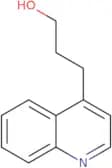
CAS:<p>Versatile small molecule scaffold</p>Formula:C12H13NOPurity:Min. 95%Molecular weight:187.24 g/mol3-(Quinolin-4-yl)propan-1-ol
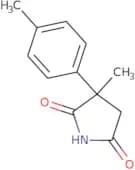
CAS:<p>Versatile small molecule scaffold</p>Formula:C12H13NOPurity:Min. 95%Molecular weight:187.24 g/mol3-Methyl-3-(4-methylphenyl)pyrrolidine-2,5-dione
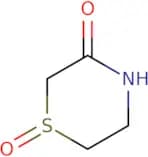
CAS:<p>Versatile small molecule scaffold</p>Formula:C12H13NO2Purity:Min. 95%Molecular weight:203.24 g/mol1λ⁴-Thiomorpholine-1,3-dione
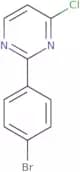
CAS:<p>Versatile small molecule scaffold</p>Formula:C4H7NO2SPurity:Min. 95%Molecular weight:133.17 g/mol2-(4-Bromophenyl)-4-chloropyrimidine
CAS:<p>Versatile small molecule scaffold</p>Formula:C10H6BrClN2Purity:Min. 95%Molecular weight:269.52 g/mol

![7-Methyl-1H-benzo[d][1,3]oxazine-2,4-dione](/_next/image/?url=https%3A%2Fstatic.cymitquimica.com%2Fproducts%2F3D%2Fthumb-webp%2FNCA48011.webp&w=3840&q=75)
![8-Chloro-1H-benzo[D][1,3]oxazine-2,4-dione](/_next/image/?url=https%3A%2Fstatic.cymitquimica.com%2Fproducts%2F3D%2Fthumb-webp%2FNCA49760.webp&w=3840&q=75)

![4-[(3,4-Dimethylphenoxy)methyl]benzoic acid](/_next/image/?url=https%3A%2Fstatic.cymitquimica.com%2Fproducts%2F3D%2Fthumb-webp%2FNDA38247.webp&w=3840&q=75)



![2-[4-(Hydroxymethyl)phenyl]propan-2-ol](/_next/image/?url=https%3A%2Fstatic.cymitquimica.com%2Fproducts%2F3D%2Fthumb-webp%2FNDA41658.webp&w=3840&q=75)
![N-[2-(4-Amino-2,5-dimethoxyphenyl)ethyl]acetamide](/_next/image/?url=https%3A%2Fstatic.cymitquimica.com%2Fproducts%2F3D%2Fthumb-webp%2FNDA44102.webp&w=3840&q=75)

![5-Chloro-1H-[1,2,3]triazole-4-carbonitrile](/_next/image/?url=https%3A%2Fstatic.cymitquimica.com%2Fproducts%2F3D%2Fthumb-webp%2FNDA47432.webp&w=3840&q=75)
![3,3-Dimethyl-2-[(trimethylsilyl)oxy]butanenitrile](/_next/image/?url=https%3A%2Fstatic.cymitquimica.com%2Fproducts%2F3D%2Fthumb-webp%2FNDA52273.webp&w=3840&q=75)
![7-Chloro-benzo[1,3]dioxole-5-carbaldehyde](/_next/image/?url=https%3A%2Fstatic.cymitquimica.com%2Fproducts%2F3D%2Fthumb-webp%2FNDA52551.webp&w=3840&q=75)
![Pyrazolo[1,5-b]pyridazine-3-carboxylic acid](/_next/image/?url=https%3A%2Fstatic.cymitquimica.com%2Fproducts%2F3D%2Fthumb-webp%2FNDA56191.webp&w=3840&q=75)
![2-Azaspiro[4.5]decane-3-carboxylic acid hydrochloride](/_next/image/?url=https%3A%2Fstatic.cymitquimica.com%2Fproducts%2F3D%2Fthumb-webp%2FNDA57897.webp&w=3840&q=75)