


Building Blocks
This section contains fundamental products for the synthesis of organic and biological compounds. Building blocks are the essential starting materials used to construct complex molecules through various chemical reactions. They play a critical role in drug discovery, material science, and chemical research. At CymitQuimica, we offer a diverse range of high-quality building blocks to support your innovative research and industrial projects, ensuring you have the essential components for successful synthesis.
Subcategories of "Building Blocks"
- Boronic Acids & Boronic Acid Derivatives(5,756 products)
- Chiral Building Blocks(1,242 products)
- Hydrocarbon Building Blocks(6,093 products)
- Organic Building Blocks(60,532 products)
Found 195534 products of "Building Blocks"
Sort by
Purity (%)
0
100
|
0
|
50
|
90
|
95
|
100
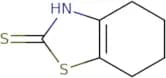
4,5,6,7-Tetrahydro-1,3-benzothiazole-2-thiol
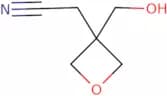
CAS:<p>Versatile small molecule scaffold</p>Formula:C7H9NS2Purity:Min. 95%Molecular weight:171.3 g/mol2-(3-(Hydroxymethyl)oxetan-3-yl)acetonitrile
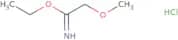
CAS:<p>Versatile small molecule scaffold</p>Formula:C6H9NO2Purity:Min. 95%Molecular weight:127.14 g/molEthyl 2-methoxyethanecarboximidate hydrochloride
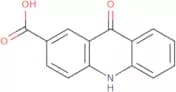
CAS:<p>Ethyl 2-methoxyethanecarboximidate hydrochloride is an amido amide with antibacterial activity. It is a carboxylic acid compound and an isomer of ethyl 2-methylpropanoate. This active form has been shown to inhibit bacterial growth by binding to the enzyme ribonucleotide reductase, which converts ribonucleotides into deoxyribonucleotides. The antimicrobial activity of this agent has been demonstrated in vitro against Escherichia coli, Pseudomonas aeruginosa, Staphylococcus epidermidis, Streptococcus pyogenes, and Enterobacter cloacae. Ethyl 2-methoxyethanecarboximidate hydrochloride also inhibits the production of bacterial endotoxin and has shown antibiotic activity against Gram-positive organisms.</p>Formula:C5H12ClNO2Purity:Min. 95%Molecular weight:153.61 g/mol9-Oxo-9,10-dihydroacridine-2-carboxylic acid
CAS:<p>9-Oxo-9,10-dihydroacridine-2-carboxylic acid is a fatty acid oxidation product that has been shown to induce apoptosis in the mitochondria of tumor cells. This process is mediated by the release of cytochrome c from the mitochondria into the cytosol. It also binds to antigens in the extracellular matrix and induces autoantibodies against these antigens. 9-Oxo-9,10-dihydroacridine-2-carboxylic acid has been found to bind to caspase family members and potentiate their activity. 9oxoacridine 2 carboxylic acid is also a potential antitumor agent that shows histological evidence of tumor regression in rats injected with sarcoma 180 cells.<br> 9oxoacridine 2 carboxylic acid also binds to DNA and inhibits protein synthesis by blocking transcriptional initiation at G</p>Formula:C14H9NO3Purity:Min. 95%Molecular weight:239.23 g/mol2-Chloro-N-[3-(dimethylamino)propyl]acetamide hydrochloride
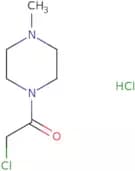
CAS:<p>Versatile small molecule scaffold</p>Formula:C7H16Cl2N2OPurity:Min. 95%Molecular weight:215.12 g/mol1-(2-Chloroacetyl)-4-methylpiperazine HCl
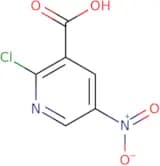
CAS:<p>Versatile small molecule scaffold</p>Formula:C7H13ClN2O·HClPurity:Min. 95%Molecular weight:213.11 g/mol2-Chloro-5-nitronicotinic acid
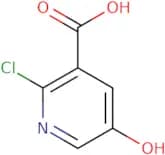
CAS:<p>2-Chloro-5-nitronicotinic acid is an inhibitor of HIV-1 reverse transcriptase. It binds reversibly to the active site of the enzyme and blocks its ability to synthesize DNA, thus inhibiting HIV replication. 2-Chloro-5-nitronicotinic acid also inhibits the activity of wild type and mutant forms of human immunodeficiency virus type 1 (HIV-1) reverse transcriptase with high potency. This drug has been shown to be effective against nevirapine resistant HIV strains. The molecular modeling studies suggest that 2-chloro-5 nitronicotinic acid binds to a hydrophobic pocket in the active site of HIV reverse transcriptase, which is different from other inhibitors such as AZT, ddI, and ddC.</p>Formula:C6H3ClN2O4Purity:Min. 95%Molecular weight:202.55 g/mol2-Chloro-5-hydroxynicotinic acid
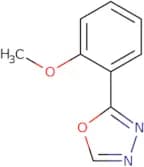
CAS:<p>2-Chloro-5-hydroxynicotinic acid is a chemical compound that has been isolated from the bark of the plant Cinchona officinalis. It is an intermediate in the biosynthesis of quinine and other cinchona alkaloids. 2-Chloro-5-hydroxynicotinic acid is also used as an intermediate in the synthesis of other compounds, including herbicides and pesticides.</p>Formula:C6H4ClNO3Purity:Min. 95%Molecular weight:173.55 g/mol2-(2-Methoxyphenyl)-1,3,4-oxadiazole
CAS:<p>Versatile small molecule scaffold</p>Formula:C9H8N2O2Purity:Min. 95%Molecular weight:176.17 g/mol4-[(Dimethylamino)methyl]-2-methoxyphenol hydrochloride
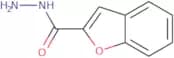
CAS:<p>Versatile small molecule scaffold</p>Formula:C10H16ClNO2Purity:Min. 95%Molecular weight:217.69 g/mol1-Benzofuran-2-carbohydrazide
CAS:<p>1-Benzofuran-2-carbohydrazide (1BFC) is an antibacterial agent that belongs to the class of nitrogenous compounds. It is a member of the benzofuran derivatives and has been shown to have significant antifungal activity against flavus, cleavage activity against s. aureus and staphylococcus, and hypoglycemic activity in mice. 1BFC has been found to be more active than fluconazole against Candida albicans, but less active than fluconazole against Saccharomyces cerevisiae.</p>Formula:C9H8N2O2Purity:Min. 95%Molecular weight:176.17 g/mol2-[(3-Methylcyclopentyl)amino]ethan-1-ol
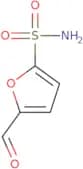
CAS:<p>Versatile small molecule scaffold</p>Formula:C8H17NOPurity:Min. 95%Molecular weight:143.23 g/mol5-Formylfuran-2-sulfonamide
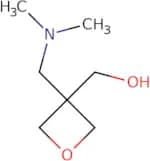
CAS:<p>Versatile small molecule scaffold</p>Formula:C5H5NO4SPurity:Min. 95%Molecular weight:175.16 g/mol(3-((Dimethylamino)methyl)oxetan-3-yl)methanol
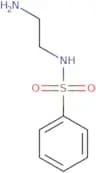
CAS:<p>Versatile small molecule scaffold</p>Formula:C7H15NO2Purity:Min. 95%Molecular weight:145.2 g/molN-(2-Aminoethyl)benzenesulfonamide
CAS:<p>Versatile small molecule scaffold</p>Formula:C8H12N2O2SPurity:Min. 95%Molecular weight:200.26 g/mol2-({[(tert-Butoxy)carbonyl]amino}oxy)propanoic acid
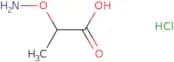
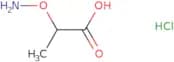
CAS:<p>Versatile small molecule scaffold</p>Formula:C8H15NO5Purity:Min. 95%Molecular weight:205.21 g/mol(2S)-2-(Aminooxy)propanoic acid hydrochloride
CAS:<p>Versatile small molecule scaffold</p>Formula:C3H8ClNO3Purity:Min. 95%Molecular weight:141.6 g/mol(2R)-2-(Aminooxy)propanoic acid hydrochloride
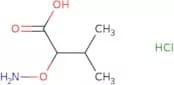
CAS:<p>Versatile small molecule scaffold</p>Formula:C3H8ClNO3Purity:Min. 95%Molecular weight:141.55 g/mol2-(Aminooxy)-3-methylbutanoic acid hydrochloride
CAS:<p>Versatile small molecule scaffold</p>Formula:C5H12ClNO3Purity:Min. 95%Molecular weight:169.61 g/mol2-(([(tert-Butoxy)carbonyl]amino)oxy)-3-phenylpropanoic acid
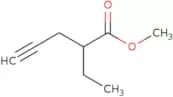
CAS:<p>Versatile small molecule scaffold</p>Formula:C14H19NO5Purity:Min. 95%Molecular weight:281.3 g/molMethyl 2-ethylpent-4-ynoate
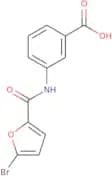
CAS:<p>Versatile small molecule scaffold</p>Formula:C8H12O2Purity:Min. 95%Molecular weight:140.18 g/mol3-(5-Bromofuran-2-amido)benzoic acid
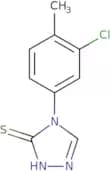
CAS:<p>Versatile small molecule scaffold</p>Formula:C12H8BrNO4Purity:Min. 95%Molecular weight:310.1 g/mol4-(3-Chloro-4-methylphenyl)-4H-1,2,4-triazole-3-thiol
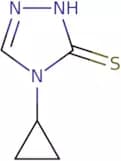
CAS:<p>Versatile small molecule scaffold</p>Formula:C9H8ClN3SPurity:Min. 95%Molecular weight:225.7 g/mol4-Cyclopropyl-4H-1,2,4-triazole-3-thiol
CAS:<p>Versatile small molecule scaffold</p>Formula:C5H7N3SPurity:Min. 95%Molecular weight:141.2 g/mol1-Ethyl-4-[(E)-2-nitroethenyl]benzene
CAS:<p>Versatile small molecule scaffold</p>Formula:C10H11NO2Purity:Min. 95%Molecular weight:177.2 g/mol3-(4-Chlorophenyl)pentan-3-amine hydrochloride
CAS:<p>Versatile small molecule scaffold</p>Formula:C11H17Cl2NPurity:Min. 95%Molecular weight:234.16 g/mol1,3-Diethyl 2-[2-(2-methoxyethoxy)ethyl]propanedioate
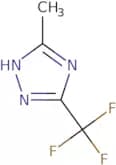
CAS:<p>Versatile small molecule scaffold</p>Formula:C12H22O6Purity:Min. 95%Molecular weight:262.3 g/mol5-Methyl-3-(trifluoromethyl)-1H-1,2,4-triazole
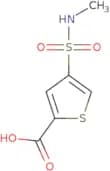
CAS:<p>Versatile small molecule scaffold</p>Formula:C4H4F3N3Purity:Min. 95%Molecular weight:151.09 g/mol4-(Methylsulfamoyl)thiophene-2-carboxylic acid
CAS:<p>Versatile small molecule scaffold</p>Formula:C6H7NO4S2Purity:Min. 95%Molecular weight:221.3 g/mol1-[4-(2-Methylpropyl)phenyl]methanamine
CAS:<p>Versatile small molecule scaffold</p>Formula:C11H17NPurity:Min. 95%Molecular weight:163.3 g/mol3-[4-(Trifluoromethyl)phenyl]pentan-3-amine hydrochloride
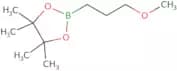
CAS:<p>Versatile small molecule scaffold</p>Formula:C12H17ClF3NPurity:Min. 95%Molecular weight:267.72 g/mol2-(3-Methoxypropyl)-4,4,5,5-tetramethyl-1,3,2-dioxaborolane
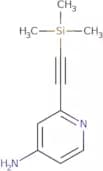
CAS:<p>Versatile small molecule scaffold</p>Formula:C10H21BO3Purity:Min. 95%Molecular weight:200.09 g/mol2-((Trimethylsilyl)ethynyl)pyridin-4-amine
CAS:<p>Versatile small molecule scaffold</p>Formula:C10H14N2SiPurity:Min. 95%Molecular weight:190.32 g/mol3-[5-(2,2-Dimethylpropyl)-1,2,4-oxadiazol-3-yl]benzoic acid
CAS:<p>Versatile small molecule scaffold</p>Formula:C14H16N2O3Purity:Min. 95%Molecular weight:260.29 g/mol1-Phenyl-2-[2-(thiophen-2-yl)-1H-imidazol-1-yl]ethan-1-one
CAS:<p>Versatile small molecule scaffold</p>Formula:C15H12N2OSPurity:Min. 95%Molecular weight:268.3 g/mol3-Amino-N-[4-(dimethylamino)butyl]benzene-1-sulfonamide
CAS:<p>Versatile small molecule scaffold</p>Formula:C12H21N3O2SPurity:Min. 95%Molecular weight:271.38 g/mol2,5-Dimethyl-1-[(oxan-3-yl)methyl]-1H-pyrrole-3-carboxylic acid
CAS:<p>Versatile small molecule scaffold</p>Formula:C13H19NO3Purity:Min. 95%Molecular weight:237.29 g/mol3-(5-Methyl-1H-1,2,3,4-tetrazol-1-yl)-5-(trifluoromethyl)benzoic acid
CAS:<p>Versatile small molecule scaffold</p>Formula:C10H7F3N4O2Purity:Min. 95%Molecular weight:272.18 g/molN-(3-Ethynylphenyl)oxane-4-carboxamide
CAS:<p>Versatile small molecule scaffold</p>Formula:C14H15NO2Purity:Min. 95%Molecular weight:229.27 g/mol2-chloro-7h-pyrrolo[2,3-d]pyrimidine-4-carboxylic acid
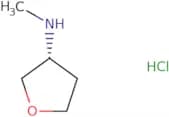
CAS:<p>Versatile small molecule scaffold</p>Formula:C7H4ClN3O2Purity:Min. 95%Molecular weight:197.58 g/mol(3R)-N-Methyloxolan-3-amine hydrochloride
CAS:<p>Versatile small molecule scaffold</p>Formula:C5H12ClNOPurity:Min. 95%Molecular weight:137.61 g/mol3-{[(2,2-Dimethylpropyl)carbamoyl]amino}benzoic acid
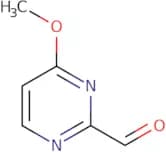
CAS:<p>Versatile small molecule scaffold</p>Formula:C13H18N2O3Purity:Min. 95%Molecular weight:250.29 g/mol4-Methoxypyrimidine-2-carbaldehyde
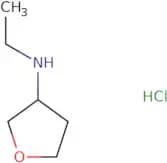
CAS:<p>Versatile small molecule scaffold</p>Formula:C6H6N2O2Purity:Min. 95%Molecular weight:138.12 g/molN-ethyloxolan-3-amine hydrochloride
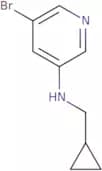
CAS:<p>Versatile small molecule scaffold</p>Formula:C6H14ClNOPurity:Min. 95%Molecular weight:151.63 g/mol5-Bromo-N-(cyclopropylmethyl)pyridin-3-amine
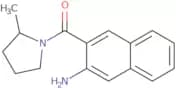
CAS:<p>Versatile small molecule scaffold</p>Formula:C9H11BrN2Purity:Min. 95%Molecular weight:227.1 g/mol3-(2-Methylpyrrolidine-1-carbonyl)naphthalen-2-amine
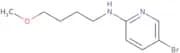
CAS:<p>Versatile small molecule scaffold</p>Formula:C16H18N2OPurity:Min. 95%Molecular weight:254.33 g/mol5-Bromo-N-(4-methoxybutyl)pyridin-2-amine
CAS:<p>Versatile small molecule scaffold</p>Formula:C10H15BrN2OPurity:Min. 95%Molecular weight:259.14 g/mol1-[2-(4-Nitrophenyl)ethyl]-2,5-dihydro-1H-pyrrole-2,5-dione
CAS:<p>Versatile small molecule scaffold</p>Formula:C12H10N2O4Purity:Min. 95%Molecular weight:246.22 g/mol4-Amino-2-chloro-N-[1-(diethylamino)propan-2-yl]benzamide
CAS:<p>Versatile small molecule scaffold</p>Formula:C14H22ClN3OPurity:Min. 95%Molecular weight:283.8 g/mol3-(3-Bromophenoxy)propan-1-ol
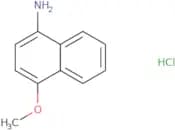
CAS:<p>Versatile small molecule scaffold</p>Formula:C9H11BrO2Purity:Min. 95%Molecular weight:231.09 g/mol1-Amino-4-methoxynaphthalen HCl
CAS:<p>1-Amino-4-methoxynaphthalen HCl is an alkaloid that is synthesised from 1-Amino-4-(N,N-dimethylamino)naphthalene. It is a tetracyclic compound and it has been shown to be effective in the treatment of hypertension and other cardiovascular diseases.</p>Formula:C11H11NO·HClPurity:Min. 95%Molecular weight:209.68 g/mol4-[(Chlorosulfonyl)methyl]benzoic acid
CAS:<p>Versatile small molecule scaffold</p>Formula:C8H7ClO4SPurity:Min. 95%Molecular weight:234.66 g/mol2-Phenyl-1,3-oxazole-5-carbaldehyde
CAS:<p>N/A</p>Formula:C10H7NO2Purity:Min. 95%Molecular weight:173.17 g/mol2-(2-Methoxyethoxy)benzaldehyde
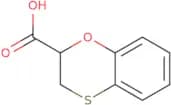
CAS:<p>2-(2-Methoxyethoxy)benzaldehyde is a fluorescent organic compound that has binding properties to ethylene. It undergoes photophysical and chemosensors reactions, and can be used as a moiety in the synthesis of other compounds. 2-(2-Methoxyethoxy)benzaldehyde can be used as an enhancer for thiazole derivatives, which are metal ion chelators. The enhancement of thiazole derivatives is due to the presence of electron-donating methoxy groups on the benzaldehyde ring. 2-(2-Methoxyethoxy)benzaldehyde also has electrochemical properties that make it useful for the detection of metal ions such as copper ions.</p>Formula:C10H12O3Purity:Min. 95%Molecular weight:180.2 g/mol2,3-Dihydro-1,4-benzoxathiine-2-carboxylic acid
CAS:<p>Versatile small molecule scaffold</p>Formula:C9H8O3SPurity:Min. 95%Molecular weight:196.22 g/mol2-(Methanesulfinylmethyl)aniline
CAS:<p>Versatile small molecule scaffold</p>Formula:C8H11NOSPurity:Min. 95%Molecular weight:169.25 g/mol4-(3-Bromopropyl)-1-methoxy-2-methylbenzene
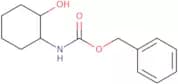
CAS:<p>Versatile small molecule scaffold</p>Formula:C11H15BrOPurity:Min. 95%Molecular weight:243.14 g/molBenzyl N-(2-hydroxycyclohexyl)carbamate
CAS:<p>Versatile small molecule scaffold</p>Formula:C14H19NO3Purity:Min. 95%Molecular weight:249.3 g/mol2-[1-(2-Phenylethyl)cyclopentyl]acetic acid
CAS:<p>Versatile small molecule scaffold</p>Formula:C15H20O2Purity:Min. 95%Molecular weight:232.32 g/mol3,4-Dihydro-2H-1-benzopyran-4-ylmethanamine
CAS:<p>Versatile small molecule scaffold</p>Formula:C10H13NOPurity:Min. 95%Molecular weight:163.22 g/mol5-Benzoylpyrimidine
CAS:<p>5-Benzoylpyrimidine is an anti-cancer drug that can be used as a monotherapy or in combination with other drugs. It has been shown to have significant activity against cancer cells and tuberculosis. This compound is synthesized by reacting aryl amine with benzoyl chloride in presence of potassium cyanide, followed by hydrolysis of the resulting nitrile. 5-Benzoylpyrimidine has also been shown to inhibit the growth of fungi, such as Candida albicans, Saccharomyces cerevisiae, and Aspergillus niger. The mechanism of action for this drug is not fully understood but may involve inhibition of protein synthesis at the ribosome level or inhibition of mitochondrial function.<br>5-Benzoylpyrimidine also inhibits the growth of bacteria such as Staphylococcus aureus, Enterobacter aerogenes and Klebsiella pneumoniae.</p>Formula:C11H8N2OPurity:Min. 95%Molecular weight:184.19 g/mol1,2-Dihydro-1,10-phenanthrolin-2-one
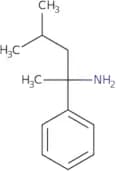
CAS:<p>1,2-Dihydro-1,10-phenanthrolin-2-one is a ligand that binds to copper. It has been shown to be a functional group of the copper complex. The 1,2-dihydro-1,10-phenanthrolin-2-one molecule is able to bind to Alzheimer's disease amyloid plaques in vitro and may mediate their removal from the brain. This compound also interacts with metal ions such as copper oxide and phosphorus pentachloride. Mechanistic studies have been conducted using low energy electron diffraction device. Studies have shown that 1,2-dihydro-1,10 phenanthrolin 2 one binds to carboxylic acid groups on enzymes called esterases and inhibits their function by preventing them from binding phosphate groups.</p>Formula:C12H8N2OPurity:Min. 95%Molecular weight:196.2 g/mol4-Methyl-2-phenylpentan-2-amine
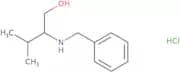
CAS:<p>Versatile small molecule scaffold</p>Formula:C12H19NPurity:Min. 95%Molecular weight:177.3 g/mol2-(Benzylamino)-3-methylbutan-1-ol hydrochloride
CAS:<p>Versatile small molecule scaffold</p>Formula:C12H20ClNOPurity:Min. 95%Molecular weight:229.74 g/molMethyl 2-hexyloxirane-2-carboxylate
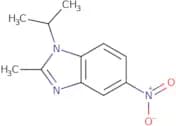
CAS:<p>Versatile small molecule scaffold</p>Formula:C10H18O3Purity:Min. 95%Molecular weight:186.25 g/mol2-Methyl-5-nitro-1-(propan-2-yl)-1H-1,3-benzodiazole
CAS:<p>Versatile small molecule scaffold</p>Formula:C11H13N3O2Purity:Min. 95%Molecular weight:219.24 g/mol2-Amino-N,N-diethylethane-1-sulfonamide
CAS:<p>Versatile small molecule scaffold</p>Formula:C6H16N2O2SPurity:Min. 95%Molecular weight:180.27 g/mol2-(Naphthalene-2-sulfonamido)acetic acid
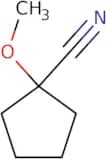
CAS:<p>Versatile small molecule scaffold</p>Formula:C12H11NO4SPurity:Min. 95%Molecular weight:265.29 g/mol1-Methoxycyclopentane-1-carbonitrile
CAS:<p>Versatile small molecule scaffold</p>Formula:C7H11NOPurity:Min. 95%Molecular weight:125.17 g/molN-Hydroxy-1-oxy-nicotinamidine
CAS:<p>Versatile small molecule scaffold</p>Formula:C6H7N3O2Purity:Min. 95%Molecular weight:153.14 g/mol[(3-Methoxyphenyl)methyl]urea
CAS:<p>Versatile small molecule scaffold</p>Formula:C9H12N2O2Purity:Min. 95%Molecular weight:180.2 g/mol1-[(3-Methoxyphenyl)methyl]imidazolidine-2,4,5-trione
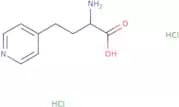
CAS:<p>Versatile small molecule scaffold</p>Formula:C11H10N2O4Purity:Min. 95%Molecular weight:234.21 g/mol2-Amino-4-(pyridin-4-yl)butanoic acid dihydrochloride
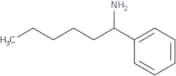
CAS:<p>Versatile small molecule scaffold</p>Formula:C9H14Cl2N2O2Purity:Min. 95%Molecular weight:253.12 g/mol1-Phenylhexan-1-amine
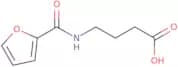
CAS:<p>Versatile small molecule scaffold</p>Formula:C12H19NPurity:Min. 95%Molecular weight:177.29 g/mol4-(Furan-2-ylformamido)butanoic acid
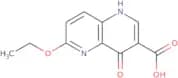
CAS:<p>Versatile small molecule scaffold</p>Formula:C9H11NO4Purity:Min. 95%Molecular weight:197.19 g/mol6-Ethoxy-4-hydroxy-1,5-naphthyridine-3-carboxylic acid
CAS:<p>6-Ethoxy-4-hydroxy-1,5-naphthyridine-3-carboxylic acid is a condensation product of pyrrolidino, propyl and hydroxylamine. It is an antifilarial agent that inhibits the growth of filaria and filariidae. This compound has shown efficacy in the treatment of cycloalkyl and piperidino nematodes, as well as in the elimination of malonate from the body. 6-Ethoxy-4-hydroxy-1,5-naphthyridine 3 carboxylic acid is also used to treat family members who have been infected with morpholinos.</p>Formula:C11H10N2O4Purity:Min. 95%Molecular weight:234.21 g/mol6-(1-Pyrrolidinyl)-3-pyridinamine
CAS:<p>Versatile small molecule scaffold</p>Formula:C9H13N3Purity:(%) Min. 95%Color and Shape:PowderMolecular weight:163.22 g/molN-(5-Aminopyridin-2-yl)-N-ethylacetamide
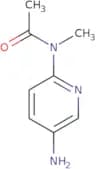
CAS:<p>Versatile small molecule scaffold</p>Formula:C9H13N3OPurity:Min. 95%Molecular weight:179.22 g/molN-(5-Aminopyridin-2-yl)-N-methylacetamide
CAS:<p>Versatile small molecule scaffold</p>Formula:C8H11N3OPurity:Min. 95%Molecular weight:165.19 g/mol(1H-benzimidazol-2-ylmethyl)methylamine dihydrochloride
CAS:<p>Versatile small molecule scaffold</p>Formula:C9H13Cl2N3Purity:Min. 95%Molecular weight:234.13 g/molcis-3-amino-2,2-dimethylcyclobutanecarboxylic acid hcl
CAS:<p>Versatile small molecule scaffold</p>Formula:C7H14ClNO2Purity:Min. 95%Molecular weight:179.64 g/molIsothiazol-5-amine hydrochloride
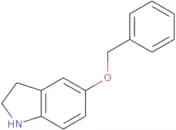
CAS:<p>Versatile small molecule scaffold</p>Formula:C3H5ClN2SPurity:Min. 95%Molecular weight:136.6 g/mol5-Benzyloxyindoline
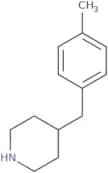
CAS:<p>Versatile small molecule scaffold</p>Formula:C15H15NOPurity:Min. 95%Molecular weight:225.29 g/mol4-(4-Methyl-benzyl)-piperidine
CAS:<p>Versatile small molecule scaffold</p>Formula:C13H19NPurity:Min. 95%Molecular weight:189.3 g/mol2-{[(2-Hydroxy-5-methylphenyl)methyl]amino}benzoic acid
CAS:<p>Versatile small molecule scaffold</p>Formula:C15H15NO3Purity:Min. 95%Molecular weight:257.28 g/molOctahydro-1H-quinolizin-1-ylmethanamine dihydrochloride
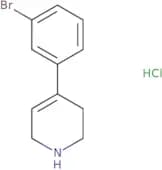
CAS:<p>Versatile small molecule scaffold</p>Formula:C10H22Cl2N2Purity:Min. 95%Molecular weight:241.2 g/mol4-(3-Bromophenyl)-1,2,3,6-tetrahydropyridine hydrochloride
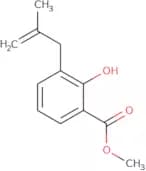
CAS:<p>Versatile small molecule scaffold</p>Formula:C11H13BrClNPurity:Min. 95%Molecular weight:274.58 g/molMethyl 2-hydroxy-3-(2-methylprop-2-en-1-yl)benzoate
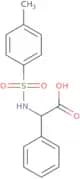
CAS:<p>Versatile small molecule scaffold</p>Formula:C12H14O3Purity:Min. 95%Molecular weight:206.24 g/mol2-(4-Methylbenzenesulfonamido)-2-phenylacetic acid
CAS:<p>2-(4-Methylbenzenesulfonamido)-2-phenylacetic acid is a molecule with two nitrogen atoms in its structure. It contains one carboxylate group and the molecular weight of this compound is 178.22 g/mol. This molecule has a low molecular weight, which makes it a good candidate for use in organic synthesis. It can be produced by reacting ethylene with transition metal ions such as titanium tetrachloride or zirconium tetrachloride. 2-(4-Methylbenzenesulfonamido)-2-phenylacetic acid is resistant to both oxidation and reduction, making it an ideal candidate for use in organic synthesis. 2-(4-Methylbenzenesulfonamido)-2-phenylacetic acid diffracts light at a wavelength of 0.34 nm, making it useful for determining the size and shape of molecules that are crystallized from solution.</p>Formula:C15H15NO4SPurity:Min. 95%Molecular weight:305.4 g/mol3,3-Dimethyl-5-(4-methylphenyl)-5-oxopentanoic acid
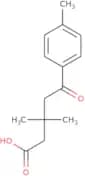
CAS:<p>Versatile small molecule scaffold</p>Formula:C14H18O3Purity:Min. 95%Molecular weight:234.29 g/molN-(2,6-Dimethylphenyl)-3-hydroxynaphthalene-2-carboxamide
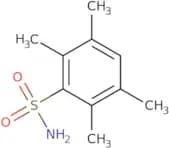
CAS:<p>Versatile small molecule scaffold</p>Formula:C19H17NO2Purity:Min. 95%Molecular weight:291.3 g/mol2,3,5,6-Tetramethylbenzene-1-sulfonamide
CAS:<p>Versatile small molecule scaffold</p>Formula:C10H15NO2SPurity:Min. 95%Molecular weight:213.3 g/mol4-(Phenylsulfanyl)but-3-en-2-one
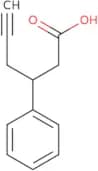
CAS:<p>Versatile small molecule scaffold</p>Formula:C10H10OSPurity:Min. 95%Molecular weight:178.25 g/mol3-Phenylhex-5-ynoic acid
CAS:<p>Versatile small molecule scaffold</p>Formula:C12H12O2Purity:Min. 95%Molecular weight:188.22 g/mol3-(Phenylsulfanyl)aniline hydrochloride
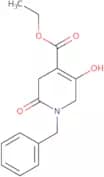
CAS:<p>Versatile small molecule scaffold</p>Formula:C12H12ClNSPurity:Min. 95%Molecular weight:237.75 g/molEthyl 1-benzyl-5-hydroxy-2-oxo-1,2,3,6-tetrahydropyridine-4-carboxylate
CAS:<p>Versatile small molecule scaffold</p>Formula:C15H17NO4Purity:Min. 95%Molecular weight:275.3 g/mol2-Chloro-N-[3-(propan-2-yl)-1,2-oxazol-5-yl]acetamide
CAS:<p>Versatile small molecule scaffold</p>Formula:C8H11ClN2O2Purity:Min. 95%Molecular weight:202.64 g/molMethyl[2-(1,3-thiazol-2-yl)propyl]amine
CAS:<p>Versatile small molecule scaffold</p>Formula:C7H12N2SPurity:Min. 95%Molecular weight:156.25 g/mol2-(1,3-Thiazol-2-yl)propan-1-amine
CAS:<p>Versatile small molecule scaffold</p>Formula:C6H10N2SPurity:Min. 95%Molecular weight:142.22 g/mol2-(1H-Imidazol-2-yl)propan-1-amine dihydrochloride
CAS:<p>Versatile small molecule scaffold</p>Formula:C6H13Cl2N3Purity:Min. 95%Molecular weight:198.09 g/mol

![2-Chloro-N-[3-(dimethylamino)propyl]acetamide hydrochloride](/_next/image/?url=https%3A%2Fstatic.cymitquimica.com%2Fproducts%2F3D%2Fthumb-webp%2FSBA95185.webp&w=3840&q=75)
![4-[(Dimethylamino)methyl]-2-methoxyphenol hydrochloride](/_next/image/?url=https%3A%2Fstatic.cymitquimica.com%2Fproducts%2F3D%2Fthumb-webp%2FSBA97354.webp&w=3840&q=75)
![2-[(3-Methylcyclopentyl)amino]ethan-1-ol](/_next/image/?url=https%3A%2Fstatic.cymitquimica.com%2Fproducts%2F3D%2Fthumb-webp%2FSBA97777.webp&w=3840&q=75)
![2-({[(tert-Butoxy)carbonyl]amino}oxy)propanoic acid](/_next/image/?url=https%3A%2Fstatic.cymitquimica.com%2Fproducts%2F3D%2Fthumb-webp%2FSBA98990.webp&w=3840&q=75)
![2-(([(tert-Butoxy)carbonyl]amino)oxy)-3-phenylpropanoic acid](/_next/image/?url=https%3A%2Fstatic.cymitquimica.com%2Fproducts%2F3D%2Fthumb-webp%2FSBA99050.webp&w=3840&q=75)
![1-Ethyl-4-[(E)-2-nitroethenyl]benzene](/_next/image/?url=https%3A%2Fstatic.cymitquimica.com%2Fproducts%2F3D%2Fthumb-webp%2FSBB45247.webp&w=3840&q=75)

![1,3-Diethyl 2-[2-(2-methoxyethoxy)ethyl]propanedioate](/_next/image/?url=https%3A%2Fstatic.cymitquimica.com%2Fproducts%2F3D%2Fthumb-webp%2FSBB87149.webp&w=3840&q=75)
![1-[4-(2-Methylpropyl)phenyl]methanamine](/_next/image/?url=https%3A%2Fstatic.cymitquimica.com%2Fproducts%2F3D%2Fthumb-webp%2FSBB90661.webp&w=3840&q=75)
![3-[4-(Trifluoromethyl)phenyl]pentan-3-amine hydrochloride](/_next/image/?url=https%3A%2Fstatic.cymitquimica.com%2Fproducts%2F3D%2Fthumb-webp%2FSBB91689.webp&w=3840&q=75)
![3-[5-(2,2-Dimethylpropyl)-1,2,4-oxadiazol-3-yl]benzoic acid](/_next/image/?url=https%3A%2Fstatic.cymitquimica.com%2Fproducts%2F3D%2Fthumb-webp%2FSBC01836.webp&w=3840&q=75)
![1-Phenyl-2-[2-(thiophen-2-yl)-1H-imidazol-1-yl]ethan-1-one](/_next/image/?url=https%3A%2Fstatic.cymitquimica.com%2Fproducts%2F3D%2Fthumb-webp%2FSBC09485.webp&w=3840&q=75)
![3-Amino-N-[4-(dimethylamino)butyl]benzene-1-sulfonamide](/_next/image/?url=https%3A%2Fstatic.cymitquimica.com%2Fproducts%2F3D%2Fthumb-webp%2FSBC17312.webp&w=3840&q=75)
![2,5-Dimethyl-1-[(oxan-3-yl)methyl]-1H-pyrrole-3-carboxylic acid](/_next/image/?url=https%3A%2Fstatic.cymitquimica.com%2Fproducts%2F3D%2Fthumb-webp%2FSBC22206.webp&w=3840&q=75)


![2-chloro-7h-pyrrolo[2,3-d]pyrimidine-4-carboxylic acid](/_next/image/?url=https%3A%2Fstatic.cymitquimica.com%2Fproducts%2F3D%2Fthumb-webp%2FSBC28711.webp&w=3840&q=75)
![3-{[(2,2-Dimethylpropyl)carbamoyl]amino}benzoic acid](/_next/image/?url=https%3A%2Fstatic.cymitquimica.com%2Fproducts%2F3D%2Fthumb-webp%2FSBC36749.webp&w=3840&q=75)
![1-[2-(4-Nitrophenyl)ethyl]-2,5-dihydro-1H-pyrrole-2,5-dione](/_next/image/?url=https%3A%2Fstatic.cymitquimica.com%2Fproducts%2F3D%2Fthumb-webp%2FSBC47604.webp&w=3840&q=75)
![4-Amino-2-chloro-N-[1-(diethylamino)propan-2-yl]benzamide](/_next/image/?url=https%3A%2Fstatic.cymitquimica.com%2Fproducts%2F3D%2Fthumb-webp%2FSBC48910.webp&w=3840&q=75)

![4-[(Chlorosulfonyl)methyl]benzoic acid](/_next/image/?url=https%3A%2Fstatic.cymitquimica.com%2Fproducts%2F3D%2Fthumb-webp%2FSDA61457.webp&w=3840&q=75)




![2-[1-(2-Phenylethyl)cyclopentyl]acetic acid](/_next/image/?url=https%3A%2Fstatic.cymitquimica.com%2Fproducts%2F3D%2Fthumb-webp%2FSDA65503.webp&w=3840&q=75)





![[(3-Methoxyphenyl)methyl]urea](/_next/image/?url=https%3A%2Fstatic.cymitquimica.com%2Fproducts%2F3D%2Fthumb-webp%2FSDA76407.webp&w=3840&q=75)
![1-[(3-Methoxyphenyl)methyl]imidazolidine-2,4,5-trione](/_next/image/?url=https%3A%2Fstatic.cymitquimica.com%2Fproducts%2F3D%2Fthumb-webp%2FSDA76408.webp&w=3840&q=75)




![2-{[(2-Hydroxy-5-methylphenyl)methyl]amino}benzoic acid](/_next/image/?url=https%3A%2Fstatic.cymitquimica.com%2Fproducts%2F3D%2Fthumb-webp%2FSDA84128.webp&w=3840&q=75)




![2-Chloro-N-[3-(propan-2-yl)-1,2-oxazol-5-yl]acetamide](/_next/image/?url=https%3A%2Fstatic.cymitquimica.com%2Fproducts%2F3D%2Fthumb-webp%2FSDA93182.webp&w=3840&q=75)
![Methyl[2-(1,3-thiazol-2-yl)propyl]amine](/_next/image/?url=https%3A%2Fstatic.cymitquimica.com%2Fproducts%2F3D%2Fthumb-webp%2FSDA93225.webp&w=3840&q=75)

