Building Blocks
This section contains fundamental products for the synthesis of organic and biological compounds. Building blocks are the essential starting materials used to construct complex molecules through various chemical reactions. They play a critical role in drug discovery, material science, and chemical research. At CymitQuimica, we offer a diverse range of high-quality building blocks to support your innovative research and industrial projects, ensuring you have the essential components for successful synthesis.
Subcategories of "Building Blocks"
- Boronic Acids & Boronic Acid Derivatives(5,756 products)
- Chiral Building Blocks(1,242 products)
- Hydrocarbon Building Blocks(6,093 products)
- Organic Building Blocks(60,529 products)
Found 195536 products of "Building Blocks"
Sort by
Purity (%)
0
100
|
0
|
50
|
90
|
95
|
100
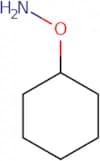
o-Cyclohexylhydroxylamine
CAS:<p>Versatile small molecule scaffold</p>Formula:C6H13NOPurity:Min. 95%Molecular weight:115.17 g/mol3-(1-Hydroxyethyl)pyridine
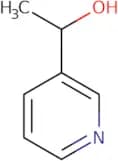
CAS:<p>3-(1-Hydroxyethyl)pyridine is a levorotatory, white solid. It is used in animal studies to study the effects on the brain and other body systems. 3-(1-Hydroxyethyl)pyridine is synthesized by a three-step process that involves converting 3-acetylpyridine into 3-(2-hydroxyethyl)pyridine, which is then converted to 3-(1-hydroxyethyl)pyridine. This compound has been shown to be an adrenergic receptor agonist and may have some potential as a drug for treating Parkinson's disease. It also has acidic properties and substructures that are enantiopure, meaning they are composed of molecules with the same chirality.</p>Formula:C7H9NOPurity:Min. 95%Molecular weight:123.2 g/molo-Tolylbiguanide hydrochloride
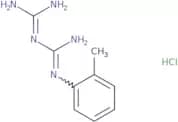
CAS:<p>o-Tolylbiguanide hydrochloride is a copper-containing antimicrobial agent that has been synthesised and used to treat Gram-negative bacteria. It is an anion, which means it can be reduced by agents such as formaldehyde and chloride. o-Tolylbiguanide hydrochloride binds to the anionic groups of the bacterial cell wall, which are found in proteins and lipids. This binding prevents the formation of a covalent bond between the copper ion and the bacterial cell wall, preventing further growth. The elimination of this compound in vivo is thought to be due to its organic ligands.</p>Formula:C9H14ClN5Purity:Min. 95%Molecular weight:227.69 g/mol6-Amino-2-propylhexanoic acid
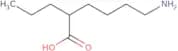
CAS:<p>Valproic acid is an organic compound with the formula (CHCO)COOH. It is a white crystalline solid that is insoluble in water and most organic solvents. Valproic acid has been used in medicine as an anticonvulsant, mood stabilizer, and bipolar disorder medication. Valproic acid is also used to treat hyperammonemia, although this use is limited by its side effects. To produce valproate semisodium, sodium carbonate and valproic acid are combined at high temperatures to form sodium valproate and carbon dioxide gas. The molecular weight of valproic acid ranges from 100-400 Da. The low molecular weight of this drug makes it suitable for oral absorption and rapid distribution throughout the body. This assay uses a chromatographic method for detection with fluorescence detection at excitation/emission wavelengths of 280/365 nm. The results show that 6-Amino-2-propylhexano</p>Formula:C9H19NO2Purity:Min. 95%Molecular weight:173.25 g/mol4H,5H,6H,7H,8H-Thieno[3,2-c]azepin-4-one
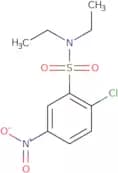
CAS:<p>Versatile small molecule scaffold</p>Formula:C8H9NOSPurity:Min. 95%Molecular weight:167.23 g/mol2-Chloro-N,N-diethyl-5-nitrobenzene-1-sulfonamide
CAS:<p>Versatile small molecule scaffold</p>Formula:C10H13ClN2O4SPurity:Min. 95%Molecular weight:292.74 g/molN-[(4-Chlorophenyl)methyl]aniline
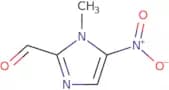
CAS:<p>Versatile small molecule scaffold</p>Formula:C13H12ClNPurity:Min. 95%Molecular weight:217.69 g/mol1-Methyl-5-nitro-1H-imidazole-2-carbaldehyde
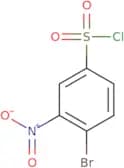
CAS:<p>1-Methyl-5-nitro-1H-imidazole-2-carbaldehyde (MNNCA) is a synthetic fatty acid that has been shown to have genotoxic potential. It is also used as a clinical drug and as a test compound. MNNCA has been found to inhibit the activity of the antioxidant system, which may lead to an increased risk of nitrosative stress and DNA damage. In vitro assays have demonstrated that MNNCA can cause genotoxic effects in cultured cells. Studies using diminazene, a crosslinking agent, have shown that MNNCA can be metabolized by cytochrome P450 enzymes and this metabolism may lead to pharmacokinetic properties such as protein binding or changes in protein expression.</p>Formula:C5H5N3O3Purity:Min. 95%Molecular weight:155.11 g/mol4-Bromo-3-nitrobenzene-1-sulfonyl chloride
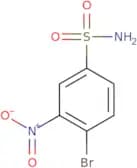
CAS:<p>Versatile small molecule scaffold</p>Formula:C6H3BrClNO4SPurity:Min. 95%Molecular weight:300.52 g/mol4-Bromo-3-nitrobenzenesulfonamide
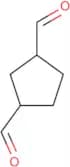
CAS:<p>Versatile small molecule scaffold</p>Formula:C6H5BrN2O4SPurity:Min. 95%Molecular weight:281.08 g/molCyclopentane-1,3-dicarbaldehyde
CAS:<p>Versatile small molecule scaffold</p>Formula:C7H10O2Purity:Min. 95%Molecular weight:126.15 g/mol2-(1H-Indol-2-yl)phenol
CAS:<p>2-(1H-Indol-2-yl)phenol is a functional group that exhibits optical properties. It has a carbinol group and an acidic proton. In the excited state, it can transfer a proton to nucleophilic molecules and react with other compounds. 2-(1H-Indol-2-yl)phenol is also an important reaction product of indole synthesis. This compound has been shown to exhibit fluorescence and is a member of the phenols family.</p>Formula:C14H11NOPurity:Min. 95%Molecular weight:209.24 g/mol1-Phenyl-1H-pyrazole-3-carboxylic acid
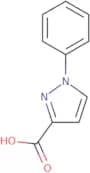
CAS:<p>1-Phenyl-1H-pyrazole-3-carboxylic acid is an organic compound that has a pyrazole ring. It can be synthesized by the reaction of phenylhydrazine and formamide. The amido group in the molecule is bound to the carbonyl carbon atom, which makes it a carboxylic acid. This compound is also known as a morpholine amido ester. One example of this type of compound is 1-(4-Methoxyphenyl)-1H-pyrazole-3-carboxylic acid. The analogous compound in this series is 2-(2,6-dimethylphenyl)-1H-pyrrole-3-carboxylic acid.</p>Formula:C10H8N2O2Purity:Min. 95%Molecular weight:188.18 g/molBis(4-phenylphenyl)ethane-1,2-dione
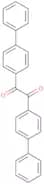
CAS:<p>Versatile small molecule scaffold</p>Formula:C26H18O2Purity:Min. 95%Molecular weight:362.4 g/mol2-Hydroxy-N-phenylacetamide
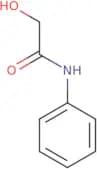
CAS:<p>2-Hydroxy-N-phenylacetamide is a phosphoric acid that is an amide. It can be synthesized by reacting phenylacetic acid with 2-chloroethanol in the presence of sodium hydroxide and phosphoric acid. This chemical compound has electrocardiographic activity and is used as a synthon to create other drugs, such as inorganic acids, supramolecular complexes, and intermolecular hydrogen bonding compounds. 2-Hydroxy-N-phenylacetamide has been shown to lower blood pressure in clinical studies. It also prevents the formation of methemoglobin caused by exposure to nitrites or nitrates and has been shown to be effective against carboxylate ions such as potassium ion (K+).</p>Formula:C8H9NO2Purity:Min. 95%Molecular weight:151.16 g/mol1,4-Dioxaspiro[4.4]nonan-2-ylmethanamine
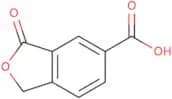
CAS:<p>Versatile small molecule scaffold</p>Formula:C8H15NO2Purity:Min. 95%Molecular weight:157.21 g/mol3-Oxo-1,3-dihydroisobenzofuran-5-carboxylic acid
CAS:<p>Versatile small molecule scaffold</p>Formula:C9H6O4Purity:Min. 95%Molecular weight:178.14 g/molPhthalide-3-acetic acid
CAS:<p>Phthalide-3-acetic acid is a microbial metabolite that is produced by the biotransformation of phthalides. It can be conjugated with glucuronide and excreted in urine. Phthalide-3-acetic acid is a product of the microbial metabolism of phthalides, which are compounds found in some plants and fungi. This compound has been shown to be metabolized through several pathways, including hydrolysis by esterases or glucuronidases, oxidation by cytochrome P450 enzymes, reduction by glutathione reductase, or conjugation with glucuronic acid. The compound has also been shown to inhibit the activity of human aldehyde dehydrogenase (ALDH) and formaldehyde dehydrogenase (FADH).</p>Formula:C10H8O4Purity:Min. 95%Molecular weight:192.17 g/molfuro[3,4-c]pyridin-1(3H)-one
CAS:<p>The compound furo[3,4-c]pyridin-1(3H)-one is a nature-derived compound. It is an analgesic that has been shown to be biodegradable and non-toxic. The compound interacts with the benzodiazepine binding site of the GABA receptor and has a spectrum of activity that includes antibacterial, antifungal, antiviral, and antiprotozoal properties. This compound can also be synthesized in a number of ways that produce different isomers. These structural isomers are distinguished by their ability to bind to benzodiazepine receptors.</p>Formula:C7H5NO2Purity:Min. 95%Molecular weight:135.12 g/molSpiro[cyclohexane-1,3'-indoline] hydrochloride
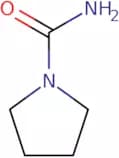
CAS:<p>Versatile small molecule scaffold</p>Formula:C13H18ClNPurity:Min. 95%Molecular weight:223.74 g/molPyrrolidine-1-carboxamide
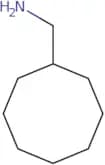
CAS:<p>Pyrrolidine-1-carboxamide is a secondary metabolite that has been shown to have antimicrobial properties. This compound inhibits the growth of bacteria by binding to the 50S ribosomal subunit and prevents the formation of an antibiotic-inhibitor complex with the enzyme cell wall synthesis, inhibiting protein synthesis and cell division. Pyrrolidine-1-carboxamide has been shown to have antiinflammatory properties, which may be due to its inhibition of prostaglandin synthesis.</p>Formula:C5H10N2OPurity:Min. 95%Molecular weight:114.15 g/molCyclooctylmethanamine
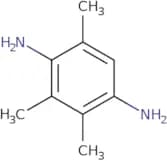
CAS:<p>Cyclooctylmethanamine is a specific agonist of the kappa-opioid receptor. It is a pyrimidine compound that has been shown to inhibit phosphatases and hydroxylases. Cyclooctylmethanamine has also been shown to be an inhibitor of amine oxidase, which may contribute to its effects on autoimmune diseases. Cyclooctylmethanamine is used in pharmaceutical preparations, such as antimicrobial agents and pharmaceuticals, for preparative high-performance liquid chromatography (HPLC).</p>Formula:C9H19NPurity:Min. 95%Molecular weight:141.25 g/mol2,3,5-Trimethylbenzene-1,4-diamine
CAS:<p>Versatile small molecule scaffold</p>Formula:C9H14N2Purity:Min. 95%Molecular weight:150.22 g/mol4-Chloro-5-(1-pyrrolidinyl)-3(2H)-pyridazinone
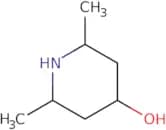
CAS:<p>Versatile small molecule scaffold</p>Formula:C8H10ClN3OPurity:Min. 95%Molecular weight:199.64 g/mol2,6-Dimethylpiperidin-4-ol
CAS:<p>Versatile small molecule scaffold</p>Formula:C7H15NOPurity:Min. 95%Molecular weight:129.2 g/mol5H,7H-Furo[3,4-b]pyridin-7-one
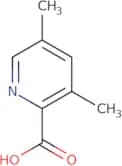
CAS:<p>5H,7H-Furo[3,4-b]pyridin-7-one is a compound that can be synthesized from anhydride and halogen. It can be prepared from cycloalkyl and chlorinating alkoxy by formulas. The high yield of this compd, which is hydrolyzed to the chloride, can be selectively chlorinated with dicarboxylic alkali. 5H,7H-Furo[3,4-b]pyridin-7-one is used as a precursor for synthesis of aralkyl.</p>Formula:C7H5NO2Purity:Min. 95%Molecular weight:135.12 g/mol3,5-Dimethylpicolinic Acid
CAS:<p>3,5-Dimethylpicolinic Acid is a synthetic compound that has shown antiulcer activity. This compound has been shown to inhibit the production of sulfate and nitrite, which are involved in the synthesis of gastric acid. 3,5-Dimethylpicolinic Acid also inhibits the release of hydrogen peroxide from cells and increases the synthesis of cGMP by inhibiting phosphodiesterase type IV. It may be used as an alternative to sodium nitrite for meat preservation.</p>Formula:C8H9NO2Purity:Min. 95%Molecular weight:151.16 g/molSpiro[4.5]decan-1-one
CAS:<p>Spiro[4.5]decan-1-one is a synthetic drug that has been shown to have affinity for cardiac, neuropathic, and depression receptors. It also has moderate affinity for the acetylcholine receptor in the brain and acts as a stabilizer. Spiro[4.5]decan-1-one may be useful in treating Alzheimer's disease, Parkinson's disease, chronic pain, and psychosis because it can stabilize neuronal membranes and prevent cell damage caused by free radicals. This compound may also be used to treat cognitive disorders such as memory loss and attention deficit hyperactivity disorder (ADHD).<br>Spiro[4.5]decan-1-one is a nitrogenous compound that has been shown to have anticholinergic effects on cognition in rats. It is thought that its effects are mediated through its ability to block the action of acetylcholinesterase enzymes that break down acetylcholine at synapses in the brain.</p>Formula:C10H16OPurity:Min. 95%Molecular weight:152.23 g/molSpiro[5.6]dodecan-7-one
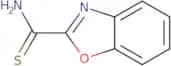
CAS:<p>Versatile small molecule scaffold</p>Formula:C12H20OPurity:Min. 95%Molecular weight:180.29 g/mol1,3-Benzoxazole-2-carbothioamide
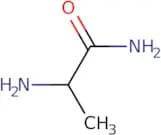
CAS:<p>Versatile small molecule scaffold</p>Formula:C8H6N2OSPurity:Min. 95%Molecular weight:178.21 g/molDL-alaninamide
CAS:<p>Versatile small molecule scaffold</p>Formula:C3H8N2OPurity:Min. 95%Molecular weight:88.11 g/mol4-[(2-Chlorophenyl)sulfanyl]aniline
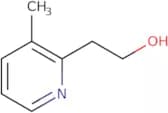
CAS:<p>Versatile small molecule scaffold</p>Formula:C12H10ClNSPurity:Min. 95%Molecular weight:235.73 g/mol2-(3-Methylpyridin-2-yl)ethanol
CAS:<p>Versatile small molecule scaffold</p>Formula:C8H11NOPurity:Min. 95%Molecular weight:137.18 g/mol1,6-Hexylenediphosphonic Acid
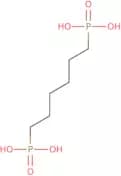
CAS:<p>1,6-Hexylenediphosphonic Acid (HEDP) is an organic compound that belongs to the class of phosphonates. It has been used as a corrosion inhibitor in industrial water systems and as a chelating agent for metal ions such as zinc sulfate. HEDP is believed to be formed by the trimerization of ethylene and vinyl ether under high temperatures. The nature of HEDP's structure has been studied by X-ray diffraction and coordination chemistry. This compound shows strong interaction with metals and ligands, so it is often used in structural studies at various temperatures.</p>Formula:C6H16O6P2Purity:Min. 95%Molecular weight:246.14 g/mol6-oxabicyclo[3.2.1]oct-3-en-7-one
CAS:<p>6-Oxabicyclo[3.2.1]oct-3-en-7-one is an initiator that belongs to the group of aminoesters. It is used for the synthesis of a variety of boronic acid esters, which are employed as cross-coupling reagents in organic synthesis reactions. The efficiency of 6-oxabicyclo[3.2.1]oct-3-en-7-one has been shown through various analyses, including sodium borohydride reduction and nucleophilic substitution reactions with secondary alkyl halides and aromatic aldehydes. 6 oxabicyclo[3.2.1]oct-3-en-7 one can be synthesized by reducing sodium borohydride with a prototropic agent or leaves in water. The reduction products are a mixture of alcohols, ketones, and hydrocarbons, which are obtained from the starting material cyclohexene</p>Formula:C7H8O2Purity:Min. 95%Molecular weight:124.14 g/mol6-Hydroxy-1,3-dioxaindane-5-carbaldehyde
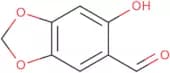
CAS:<p>6-Hydroxy-1,3-dioxaindane-5-carbaldehyde is a crystalline compound that belongs to the group of benzo dioxoles. The compound has a planar structure with a single bond between carbons 1 and 3 and double bonds between carbons 2 and 4 and 5. The molecule has an asymmetric center in the benzodioxole ring system. This molecule has an electrostatic charge on the carbonyl groups due to the electronegativity of oxygen.</p>Formula:C8H6O4Purity:Min. 95%Molecular weight:166.13 g/mol3-[(2-Phenylethyl)amino]propan-1-ol
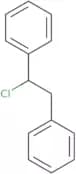
CAS:Controlled Product<p>Versatile small molecule scaffold</p>Formula:C11H17NOPurity:Min. 95%Molecular weight:179.26 g/mol(2-Chloro-2-phenylethyl)benzene
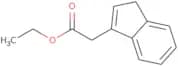
CAS:<p>2-Chloro-2-phenylethylbenzene is an organic compound that is used in the synthesis of other compounds. It is produced by reacting a chlorinated benzene with an alkali, such as sodium hydroxide, potassium hydroxide, or lithium hydroxide. The reaction produces a mixture of 2-chloro-2-phenylethylbenzene and phenylhydroxyethane. This compound can be converted to 2-chloro-2-(piperidin-1-yl)ethanol by refluxing it with morpholine in methanol and then adding amides such as piperidine or pyrrolidine. The resulting product can be alkylated with carbon tetrachloride to produce 2-chloro-2-(4'-methylphenoxy)ethanol. This compound can also be reduced to give 2-(4'-methylphenoxy)ethanol by heating it with sodium bor</p>Formula:C14H13ClPurity:Min. 95%Molecular weight:216.7 g/molEthyl 2-(1H-inden-3-yl)acetate
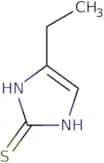
CAS:<p>Versatile small molecule scaffold</p>Formula:C13H14O2Purity:Min. 95%Molecular weight:202.25 g/mol4-Ethyl-1H-imidazole-2-thiol
CAS:<p>Versatile small molecule scaffold</p>Formula:C5H8N2SPurity:Min. 95%Molecular weight:128.2 g/mol[2-(dimethylamino)phenyl]methanol
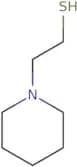
CAS:<p>2-(dimethylamino)phenylmethanol is a chemical that belongs to the class of aromatic compounds. It is used in organic synthesis to form nitro and zinc chloride, which are reagents for the synthesis of aminobenzyl (2-aminobenzyl alcohol). When 2-(dimethylamino)phenylmethanol reacts with potassium borohydride, it yields an amido group. This reaction is also known as the "Buchwald-Hartwig reaction." 2-(dimethylamino)phenylmethanol is also used in organic syntheses to form monoalkyl chlorides, which are useful for the preparation of anthranilic acid and tetrahydrofuran.</p>Formula:C9H13NOPurity:Min. 95%Molecular weight:151.2 g/mol2-(Piperidin-1-yl)ethane-1-thiol
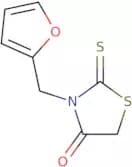
CAS:<p>Versatile small molecule scaffold</p>Formula:C7H15NSPurity:Min. 95%Molecular weight:145.27 g/mol3-(Furan-2-ylmethyl)-2-sulfanylidene-1,3-thiazolidin-4-one
CAS:<p>3-(Furan-2-ylmethyl)-2-sulfanylidene-1,3-thiazolidin-4-one is a fluorescent compound that has been used in the development of an assay for measuring the photostability of emulsions. It reacts with a chloride ion to form a fluorescent product. This molecule has also been found to be a good target enzyme for fluorescing and is capable of fluorescing at wavelengths of 320 nm and 365 nm. The chemical structure can be seen below.</p>Formula:C8H7NO2S2Purity:Min. 95%Molecular weight:213.3 g/mol3,9-Dioxaspiro[5.5]undecane-2,4-dione
CAS:<p>Versatile small molecule scaffold</p>Formula:C9H12O4Purity:Min. 95%Molecular weight:184.2 g/mol2-[2-(4-Methylbenzenesulfonamido)acetamido]acetic acid
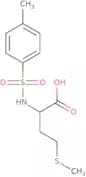
CAS:<p>Versatile small molecule scaffold</p>Formula:C11H14N2O5SPurity:Min. 95%Molecular weight:286.31 g/mol2-(4-Methylbenzenesulfonamido)-4-(methylsulfanyl)butanoic acid
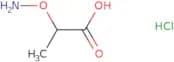
CAS:<p>Versatile small molecule scaffold</p>Formula:C12H17NO4S2Purity:Min. 95%Molecular weight:303.4 g/mol2-(Aminooxy)propanoic acid hydrochloride
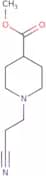
CAS:<p>Versatile small molecule scaffold</p>Formula:C3H8ClNO3Purity:Min. 95%Molecular weight:141.55 g/molMethyl 1-(2-cyanoethyl)piperidine-4-carboxylate
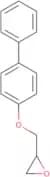
CAS:<p>Versatile small molecule scaffold</p>Formula:C10H16N2O2Purity:Min. 95%Molecular weight:196.25 g/mol2-(4-Phenylphenoxymethyl)oxirane
CAS:<p>Versatile small molecule scaffold</p>Formula:C15H14O2Purity:Min. 95%Molecular weight:226.27 g/mol1-Amino-3-[3-(trifluoromethyl)phenoxy]propan-2-ol
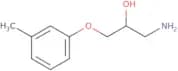
CAS:<p>Versatile small molecule scaffold</p>Formula:C10H12F3NO2Purity:Min. 95%Molecular weight:235.2 g/mol1-Amino-3-(3-methylphenoxy)propan-2-ol
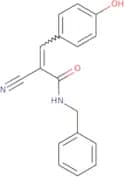
CAS:<p>Versatile small molecule scaffold</p>Formula:C10H15NO2Purity:Min. 95%Molecular weight:181.23 g/mol5,6,7,8-Tetrahydroisoquinoline-4-carbonitrile
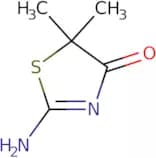
CAS:<p>Versatile small molecule scaffold</p>Formula:C17H14N2O2Purity:Min. 95%Molecular weight:278.3 g/mol2-Amino-5,5-dimethyl-4,5-dihydro-1,3-thiazol-4-one
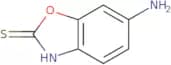
CAS:<p>Versatile small molecule scaffold</p>Formula:C5H8N2OSPurity:Min. 95%Molecular weight:144.2 g/mol6-Amino-benzooxazole-2-thiol
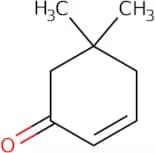
CAS:<p>Versatile small molecule scaffold</p>Formula:C7H6N2OSPurity:Min. 95%Molecular weight:166.2 g/mol5,5-Dimethylcyclohex-2-en-1-one
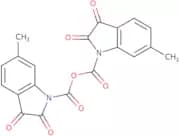
CAS:<p>5,5-Dimethylcyclohex-2-en-1-one is a heterocyclic compound with the molecular formula C8H14O. It is an organic compound that is a colorless liquid at room temperature. The compound has two methyl groups in the ring and one subtended methyl group. The dihedral angle between the two methyl groups is 107.9° and the conformation of this molecule can be described as boat shaped. The compound forms hydrogen bonds with water molecules due to its polar nature, which may account for its solubility in water. 5,5-Dimethylcyclohex-2-en-1-one has been used in the synthesis of pharmaceuticals and polymers, as well as other chemical compounds.</p>Formula:C8H12OPurity:Min. 95%Molecular weight:124.18 g/mol5-Methylisatoic anhydride
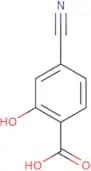
CAS:<p>5-Methylisatoic anhydride is a synthetic chemical compound that is used in the industrial production of other chemicals. It has been shown to be effective in the treatment of bladder cancer and dehydration, as well as for use in the prevention of Alzheimer's disease and depression. 5-Methylisatoic anhydride has been shown to inhibit cancer cells by binding to DNA and inhibiting protein synthesis. In addition, it can be used as a solvent for various organic compounds, such as acetonitrile or carbon tetrachloride. This compound is soluble in water and has a low toxicity level.</p>Formula:C9H7NO3Purity:Min. 95%Molecular weight:177.16 g/mol4-Cyano-2-hydroxybenzoic acid
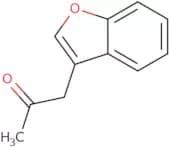
CAS:<p>4-Cyano-2-hydroxybenzoic acid (4CHB) is an alkylating agent that can be used as a reagent in organic synthesis. It is prepared by oxidation of methyl benzoate with phosphine oxide to form the corresponding phosphonium salt, which reacts with hydrazine to give 4CHB. 4CHB is also a dicarboxylate and has functional groups of both acidic and basic nature. The product's physicochemical properties include high solubility in water, low solubility in organic solvents, and moderate stability at room temperature. 4CHB can be used as an efficient oxidant for the preparation of oxides from hydrazines.</p>Formula:C8H5NO3Purity:Min. 95%Molecular weight:163.13 g/mol1-(1-Benzofuran-3-yl)propan-2-one
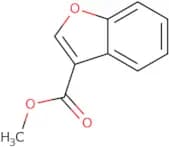
CAS:<p>Versatile small molecule scaffold</p>Formula:C11H10O2Purity:Min. 95%Molecular weight:174.2 g/molBenzofuran-3-carboxylic acid methyl ester
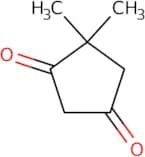
CAS:<p>Versatile small molecule scaffold</p>Formula:C10H8O3Purity:Min. 95%Molecular weight:176.17 g/mol4,4-Dimethylcyclopentane-1,3-dione
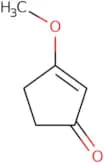
CAS:<p>Versatile small molecule scaffold</p>Formula:C7H10O2Purity:Min. 95%Molecular weight:126.15 g/mol3-Methoxy-2-cyclopenten-1-one
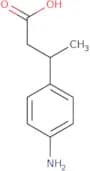
CAS:<p>3-Methoxy-2-cyclopenten-1-one (3MC) is an isomeric, ceramiales alkene. Its sequence data has been determined and it has been acetoxylated. 3MC is a chemoenzymatic product that can be synthesized by the oxidation of cyclopentenone with nitric acid or hydrogen peroxide. 3MCs have been shown to be markers for necrosis factor, mononuclear cells, and irradiation. Studies have shown that 3MCs are responsible for production of tumour necrosis factor-α (TNF-α).</p>Formula:C6H8O2Purity:Min. 95%Molecular weight:112.13 g/mol3-(4-Aminophenyl)butanoic acid
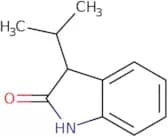
CAS:<p>Versatile small molecule scaffold</p>Formula:C10H13NO2Purity:Min. 95%Molecular weight:179.22 g/mol3-(Propan-2-yl)-2,3-dihydro-1H-indol-2-one
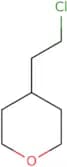
CAS:<p>3-(Propan-2-yl)-2,3-dihydro-1H-indol-2-one is an oxindole derivative that binds to the adrenergic receptor. It has been shown to be a selective agonist of the atrial adrenergic receptor (A1), and has been used in the synthesis of pyrrole derivatives. 3-(Propan-2-yl)-2,3-dihydro-1H-indol-2-one also binds to serotonin receptors and may have antidepressant properties. 3-(Propan-2-yl)-2,3-dihydro-1H -indol - 2 one is a member of a family of compounds known as oxindoles. Oxindole derivatives are synthesized by deprotonating an alkyl bromide with butyllithium followed by reaction with pyrrole or an aromatic amine such as aniline or benzaldehyde. The resulting</p>Formula:C11H13NOPurity:Min. 95%Molecular weight:175.23 g/mol4-(2-Chloroethyl)oxane
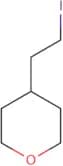
CAS:<p>Versatile small molecule scaffold</p>Formula:C7H13ClOPurity:Min. 95%Molecular weight:148.63 g/mol4-(2-Iodoethyl)oxane
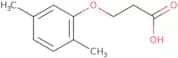
CAS:<p>Versatile small molecule scaffold</p>Formula:C7H13IOPurity:Min. 95%Molecular weight:240.08 g/mol3-(2,5-Dimethylphenoxy)propanoic acid
CAS:<p>Versatile small molecule scaffold</p>Formula:C11H14O3Purity:Min. 95%Molecular weight:194.23 g/mol1,2-Bis(methanesulfonyloxy)ethane
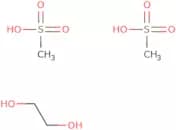
CAS:<p>1,2-Bis(methanesulfonyloxy)ethane (MSDE) is a chemical compound that has been shown to induce apoptosis in cells. It binds to the androgen receptor and induces the production of reactive oxygen species, leading to DNA damage and cell death. MSDE has been shown to inhibit protein synthesis in seminiferous tubules. This inhibition is thought to be due to its ability to cause DNA damage and cell death in cells that are located at the site of synthesis for proteins necessary for sperm production. MSDE also inhibits cyclin D2 production in testicular cells, which may be due to its ability to bind with sulfonate groups on the protein or by inhibiting the activity of methionine adenosyltransferase II (MATII), an enzyme involved in polyamine biosynthesis.</p>Formula:C4H10O6S2Purity:Min. 95%Molecular weight:218.25 g/molPropylenediphosphonic acid
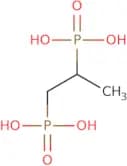
CAS:<p>Versatile small molecule scaffold</p>Formula:C3H10O6P2Purity:Min. 95%Molecular weight:204.06 g/mol1,5-Pentylenediphosphonic Acid
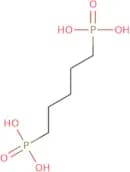
CAS:<p>1,5-Pentylenediphosphonic Acid is a coordination compound that binds to metal ions. It has been shown to have a stable structure and substructures. It inhibits the coordination of hexavalent chromium, which is carcinogenic, by binding to it. 1,5-Pentylenediphosphonic Acid also has an insoluble form that is not soluble in water or ethanol solutions. The solubility of this compound decreases as the temperature increases. 1,5-Pentylenediphosphonic Acid can be used for detecting metal surfaces through crystallography by examining the interaction between the compound and the metal surface. 1,5-Pentylenediphosphonic Acid can also be used for electrochemical impedance spectroscopy as it changes its electrical properties when interacting with metal surfaces.</p>Formula:C5H14O6P2Purity:Min. 95%Molecular weight:232.11 g/mol1',3'-Dihydrospiro[cyclopentane-1,2'-indol]-3'-one
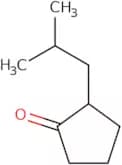
CAS:<p>Versatile small molecule scaffold</p>Formula:C12H13NOPurity:Min. 95%Molecular weight:187.24 g/mol2-Iso-butylcyclopentanone
CAS:<p>2-Iso-butylcyclopentanone is a ketone that has triplet and singlet states with rate constants of 8.9x10 M/s and 0.003 M/s, respectively. It has been shown to undergo photoelimination reactions in the presence of acyclic or cyclic triplet sensitizers. 2-Iso-butylcyclopentanone also undergoes a rate-limiting step in the formation of an excited state, which is called the S1 state or triplet. This reaction can be followed by measuring the fluorescence spectrum of the compound using a spectrofluorimeter, which shows that it emits light at wavelengths of 333 nm and 395 nm.</p>Formula:C9H16OPurity:Min. 95%Molecular weight:140.22 g/mol2-(2-Methylpropyl)cyclohexan-1-one
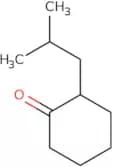
CAS:<p>2-(2-Methylpropyl)cyclohexan-1-one is a heterobicyclic compound with a hydroxyl group and two cyclohexane rings. It has a nitrogen atom with three substituents, one of which is a trifluoromethyl group. This molecule is used as a polymerization initiator for polyester and polycarbonate production. It also can be used in the production of liquid crystal compositions, aliphatic hydrocarbons, and organic solvents. 2-(2-Methylpropyl)cyclohexan-1-one is an organic solvent that can be used in the preparation of monomers such as carbonyl groups or cyanates.</p>Formula:C10H18OPurity:Min. 95%Molecular weight:154.25 g/mol2-Hydrazinylacetamide hydrochloride
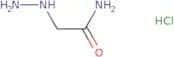
CAS:<p>Versatile small molecule scaffold</p>Formula:C2H8ClN3OPurity:Min. 95%Molecular weight:125.56 g/mol3-(2-Aminoethyl)-1H-indole-5-carboxylic acid hydrochloride
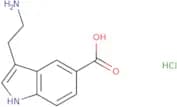
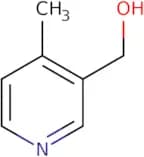
CAS:<p>Versatile small molecule scaffold</p>Formula:C11H13ClN2O2Purity:Min. 95%Molecular weight:240.7 g/mol(4-Methylpyridin-3-yl)methanol
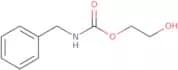
CAS:<p>Versatile small molecule scaffold</p>Formula:C7H9NOPurity:Min. 95%Molecular weight:123.15 g/mol2-Hydroxyethyl N-benzylcarbamate
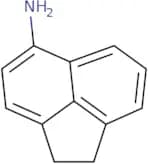
CAS:<p>2-Hydroxyethyl N-benzylcarbamate is a biodegradable, analog of the amino acid L-phenylalanine. It has been shown to be an effective inhibitor of muscle cell contraction. 2-Hydroxyethyl N-benzylcarbamate binds to the active site of the enzyme acetylcholinesterase and blocks its activity. This blockage leads to a build up of acetylcholine in the synapse between nerve cells, resulting in muscle paralysis and death. The symptoms of poisoning from this compound are typical for organophosphates, including respiratory failure, hypotension, bradycardia, and seizures. Treatment with 2-Hydroxyethyl N-benzylcarbamate is symptomatic and supportive care should be provided until symptoms resolve.</p>Formula:C10H13NO3Purity:Min. 95%Molecular weight:195.21 g/mol5-Amino-1,2-dihydroacenaphthylene
CAS:<p>5-Amino-1,2-dihydroacenaphthylene is an amide that stabilizes the cellulose derivative by reacting with the amine groups. This compound has shown antitumor activity against human bladder cancer cells in a xenograft model, as well as potential antitumor activity against other cancers. 5-Amino-1,2-dihydroacenaphthylene is a potential anticancer agent that inhibits tumor growth by binding to fatty acids and causing them to form chloride, which leads to apoptosis of tumor cells.</p>Formula:C12H11NPurity:Min. 95%Molecular weight:169.22 g/molDacarbazine Related Compound B
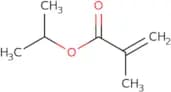
CAS:<p>Dacarbazine Related Compound B is a potent antitumor agent that inhibits the growth of cancer cells by inhibiting the production of angiogenic factors during their development. It binds to the carotenoid molecule, which prevents it from being converted into retinal and subsequently destroys the tumor's blood vessels. Dacarbazine Related Compound B has been shown to inhibit metabolism in human serum, but also has strong hydrochloric acid-sensitivity when exposed to light or in an acidic environment. The compound reacts with other chemical species in solution and can be detected using analytical methods such as high performance liquid chromatography (HPLC).</p>Formula:C4H3N5O·H2OPurity:Min. 95%Molecular weight:155.11 g/molIsopropyl methacrylate
CAS:<p>Isopropyl methacrylate is a monomer with the chemical formula CH2=CHCOCH3. Isopropyl methacrylate is a colorless, highly viscous liquid with an acrid odor and a boiling point of 124-126°C. It has a high refractive index, which results in optical properties that are similar to those of glass. Isopropyl methacrylate polymerizes cationically or by free radical initiation. The optimum concentration for polymerization lies between 30 and 60%. Polymerization by free radicals occurs at higher concentrations than cationic polymerization. Covid-19 pandemic is caused by the H1N1 influenza virus, which was first reported in April 2009. This virus has been found to have an increased resistance to fluoroquinolones such as levofloxacin and gatifloxacin, which may be due to the presence of a hydroxyl group on its surface</p>Formula:C7H12O2Purity:Min. 95%Molecular weight:128.17 g/mol[(2-Chlorophenyl)methyl]urea
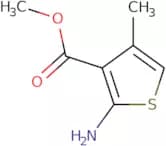
CAS:<p>Versatile small molecule scaffold</p>Formula:C8H9ClN2OPurity:Min. 95%Molecular weight:184.62 g/molMethyl 2-amino-4-methylthiophene-3-carboxylate
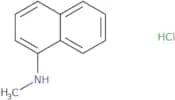
CAS:<p>Methyl 2-amino-4-methylthiophene-3-carboxylate is a synthetic, biologically active derivative of 2-amino-4-methylthiophene. It is an indirect, noncompetitive antagonist of the 5HT receptor and has shown to be effective in animal models for the treatment of depression. The compound is available in multigrams and can be extracted from its salts with water. Methyl 2-amino-4-methylthiophene-3-carboxylate can also be synthesized.</p>Formula:C7H9NO2SPurity:Min. 95%Molecular weight:171.22 g/molN-Methyl-1-naphthylamine Hydrochloride
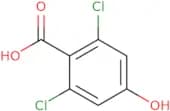
CAS:<p>Versatile small molecule scaffold</p>Formula:C11H11N·HClPurity:Min. 95%Molecular weight:193.67 g/mol2,6-Dichloro-4-hydroxybenzoic acid
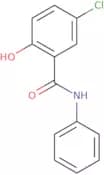
CAS:<p>Versatile small molecule scaffold</p>Formula:C7H4Cl2O3Purity:Min. 95%Molecular weight:207.01 g/mol5-Chlorosalicylanilide
CAS:<p>5-Chlorosalicylanilide is a chemical that is used as an analytical reagent. It can be used to determine the concentration of styrene in ethyl esters and has been shown to inhibit the growth of S. aureus and Mycobacterium tuberculosis. 5-Chlorosalicylanilide has also been shown to induce autophagy, which may be an effective treatment for lung cancer cells resistant to chemotherapy drugs. The bulk density of this product is 1.13 g/cm3 at 25°C and 1 atmosphere (1 bar).</p>Formula:C13H10ClNO2Purity:Min. 95%Molecular weight:247.68 g/molDeschloroketamine Hydrochloride
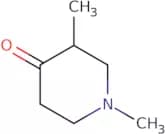
CAS:Controlled Product<p>Versatile small molecule scaffold</p>Formula:C13H18ClNOPurity:Min. 95%Molecular weight:239.74 g/mol1,3-Dimethyl-4-piperidone
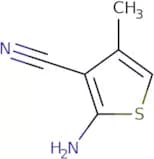
CAS:<p>1,3-Dimethyl-4-piperidone is a colorless liquid at room temperature that is soluble in water and polar organic solvents. It is a protonated nucleophile that reacts with electrophiles to form alkylations. 1,3-Dimethyl-4-piperidone also reacts with chloride to form an imine, which can be hydrolyzed to yield piperidine. A Grignard reagent can be formed from 1,3-dimethyl-4-piperidone and potassium phosphate. The nature of the product obtained depends on the order of addition of reactants. 1,3-Dimethyl-4-piperidone has been shown to have a number of isomers.</p>Formula:C7H13NOPurity:Min. 95%Molecular weight:127.19 g/mol2-Amino-4-methylthiophene-3-carbonitrile
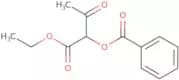
CAS:<p>2-Amino-4-methylthiophene-3-carbonitrile is a cyclic molecule that has been shown to be reactive with a number of nucleophiles. 2-Amino-4-methylthiophene-3-carbonitrile is an intermediate in the preparation of other organic compounds and has been used to synthesize polymers. It has also been used for kinetic studies and cyclic voltammetry experiments. This compound was found to react with hydrogen peroxide, which led to the formation of an intermolecular hydrogen bond between the two molecules. This type of reaction has not previously been reported for this class of molecules.</p>Formula:C6H6N2SPurity:Min. 95%Molecular weight:138.19 g/molEthyl 2-(benzoyloxy)-3-oxobutanoate
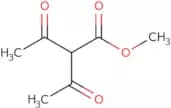
CAS:<p>Versatile small molecule scaffold</p>Formula:C13H14O5Purity:Min. 95%Molecular weight:250.25 g/molMethyl 2-acetyl-3-oxobutanoate
CAS:<p>Methyl 2-acetyl-3-oxobutanoate (M2OB) is an acceptor molecule in the Michael reaction. The temperature of the reaction is usually between -20°C and 0°C. A primary amine, a trifluoroacetic acid, and vinylene are required for the reaction to occur. Methyl 2-acetyl-3-oxobutanoate can be converted to an amide or pyrazole derivatives by hydrogenolysis. M2OB has a carboxylate group that is hydrolyzed by acidic conditions. M2OB reacts with pentamethoxybenzene in a pyrimidine compound synthesis.</p>Formula:C7H10O4Purity:Min. 95%Molecular weight:158.15 g/mol2-prop-2-ynoxyisoindoline-1,3-dione
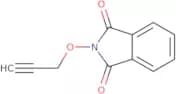
CAS:<p>2-Prop-2-ynoxyisoindoline-1,3-dione is a multifunctional pyridine derivative with potential anticancer activity. It has been shown to inhibit HDAC and panobinostat, an inhibitor of histone deacetylase. 2-Prop-2-ynoxyisoindoline-1,3-dione has a solubility of less than 20 mg/mL in most solvents and is insoluble in water. This compound has been shown to have a low yield when synthesized from 2,6-dichloropyridine. These properties are advantageous for cell culture studies because they allow for the detection of changes in cellular morphology and the frequency of cell division. 2-Prop-2-ynoxyisoindoline-1,3-dione also has an activated aromatic ring that can be used as a prodrug to activate other compounds that need activation at this site (e.g., transition metals).</p>Formula:C11H7NO3Purity:Min. 95%Molecular weight:201.18 g/mol2-Chloro-5,5-dimethyl-1,3,2-dioxaphosphorinane 2-oxide
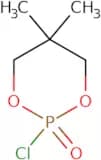
CAS:<p>2-Chloro-5,5-dimethyl-1,3,2-dioxaphosphorinane 2-oxide is a molecule with two chlorine atoms and one oxygen atom. The phosphoryl group has two phosphoranes that are linked by a pyrophosphate bond. The molecule also has a nucleophilic hydrogen chloride and an oxygen carbon double bond. The conformation of the molecule can be determined by the three cyclic groups on the left side of the molecule. This compound is used as an intermediate in organic synthesis for the preparation of other molecules. This reinvestigation shows that this compound bonds to a nucleophilic atom or group to form a new carbon chain and an oxo bridge.</p>Formula:C5H10ClO3PPurity:Min. 95%Molecular weight:184.56 g/molN-Chloroacetyl-DL-valine
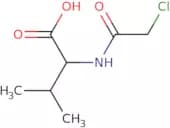
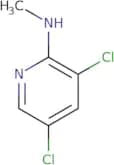
CAS:<p>N-Chloroacetyl-DL-valine is a natural amino acid with the formula CH3C(O)NH2. It is one of the 22 proteinogenic amino acids. The N-chloroacetyl group in this compound is attached to nitrogen at the α-position, and its carboxylic acid moiety is attached to the β-position of the amino acid backbone. In crystallized form, it has a n-terminal pyrolysable amide bond that can be cleaved by heat. In solution, it hydrolyzes readily to DL-alanine and chloroacetic acid. Aminoacylase and dipeptidase enzymes catalyze this reaction in vivo. NCA is an L-amino acid that contains an α-carbon atom with two substituents: an amide group (NHCOCH3) and a chloroacetyl group (CH3C(O)Cl). The molecular weight</p>Formula:C7H12ClNO3Purity:Min. 95%Molecular weight:193.63 g/mol3,5-Dichloro-N-methylpyridin-2-amine
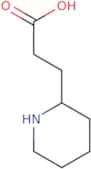
CAS:<p>Versatile small molecule scaffold</p>Formula:C6H6Cl2N2Purity:Min. 95%Molecular weight:177.03 g/mol3-(Piperidin-2-yl)propanoic acid
CAS:<p>Versatile small molecule scaffold</p>Formula:C8H15NO2Purity:Min. 95%Molecular weight:157.21 g/mol6,7,8,9-Tetrahydro-5H-benzo[7]annulene-1-carboxylic acid
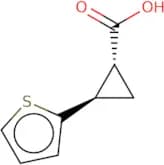
CAS:<p>Versatile small molecule scaffold</p>Formula:C12H14O2Purity:Min. 95%Molecular weight:190.24 g/molrac-(1R,2R)-2-(Thiophen-2-yl)cyclopropane-1-carboxylic acid
CAS:<p>Versatile small molecule scaffold</p>Formula:C8H8O2SPurity:Min. 95%Molecular weight:168.2 g/mol1-Thia-4-azaspiro[5.5]undecane
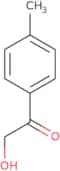
CAS:<p>Versatile small molecule scaffold</p>Formula:C9H17NSPurity:Min. 95%Molecular weight:171.31 g/mol2-Hydroxy-1-(4-methylphenyl)ethanone
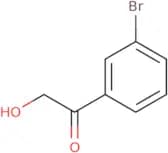
CAS:<p>Versatile small molecule scaffold</p>Formula:C9H10O2Purity:Min. 95%Molecular weight:150.17 g/mol1-(3-Bromophenyl)-2-hydroxyethan-1-one
CAS:<p>Versatile small molecule scaffold</p>Formula:C8H7BrO2Purity:Min. 95%Molecular weight:215.04 g/molDimethyl 1H-pyrazole-3,5-dicarboxylate
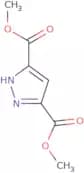
CAS:<p>Dimethyl 1H-pyrazole-3,5-dicarboxylate is a heterocyclic compound that can be synthesized by refluxing methyl groups with pyrazole derivatives. The anion of this compound has been shown to form crystalline complexes with nucleophilic ligands. Dimethyl 1H-pyrazole-3,5-dicarboxylate has been studied in x-ray crystallography and single crystal diffraction studies. The unsymmetrical nature of the molecule allows the two different methyl groups to bind to the same metal atom, which is often observed in other pyrazole derivatives. This property makes dimethyl 1H-pyrazole-3,5-dicarboxylate reactive and a good ligand for metal ions.</p>Formula:C7H8N2O4Purity:Min. 95%Molecular weight:184.15 g/mol

![4H,5H,6H,7H,8H-Thieno[3,2-c]azepin-4-one](/_next/image/?url=https%3A%2Fstatic.cymitquimica.com%2Fproducts%2F3D%2Fthumb-webp%2FEAA75159.webp&w=3840&q=75)
![N-[(4-Chlorophenyl)methyl]aniline](/_next/image/?url=https%3A%2Fstatic.cymitquimica.com%2Fproducts%2F3D%2Fthumb-webp%2FEAA75061.webp&w=3840&q=75)
![1,4-Dioxaspiro[4.4]nonan-2-ylmethanamine](/_next/image/?url=https%3A%2Fstatic.cymitquimica.com%2Fproducts%2F3D%2Fthumb-webp%2FEAA74517.webp&w=3840&q=75)
![furo[3,4-c]pyridin-1(3H)-one](/_next/image/?url=https%3A%2Fstatic.cymitquimica.com%2Fproducts%2F3D%2Fthumb-webp%2FEAA74142.webp&w=3840&q=75)
![Spiro[cyclohexane-1,3'-indoline] hydrochloride](/_next/image/?url=https%3A%2Fstatic.cymitquimica.com%2Fproducts%2F3D%2Fthumb-webp%2FEAA74063.webp&w=3840&q=75)

![5H,7H-Furo[3,4-b]pyridin-7-one](/_next/image/?url=https%3A%2Fstatic.cymitquimica.com%2Fproducts%2F3D%2Fthumb-webp%2FEAA73369.webp&w=3840&q=75)
![Spiro[4.5]decan-1-one](/_next/image/?url=https%3A%2Fstatic.cymitquimica.com%2Fproducts%2F3D%2Fthumb-webp%2FEAA72891.webp&w=3840&q=75)
![Spiro[5.6]dodecan-7-one](/_next/image/?url=https%3A%2Fstatic.cymitquimica.com%2Fproducts%2F3D%2Fthumb-webp%2FEAA72890.webp&w=3840&q=75)
![4-[(2-Chlorophenyl)sulfanyl]aniline](/_next/image/?url=https%3A%2Fstatic.cymitquimica.com%2Fproducts%2F3D%2Fthumb-webp%2FEAA72627.webp&w=3840&q=75)
![6-oxabicyclo[3.2.1]oct-3-en-7-one](/_next/image/?url=https%3A%2Fstatic.cymitquimica.com%2Fproducts%2F3D%2Fthumb-webp%2FEAA72083.webp&w=3840&q=75)
![3-[(2-Phenylethyl)amino]propan-1-ol](/_next/image/?url=https%3A%2Fstatic.cymitquimica.com%2Fproducts%2F3D%2Fthumb-webp%2FEAA72030.webp&w=3840&q=75)
![[2-(dimethylamino)phenyl]methanol](/_next/image/?url=https%3A%2Fstatic.cymitquimica.com%2Fproducts%2F3D%2Fthumb-webp%2FEAA70756.webp&w=3840&q=75)
![3,9-Dioxaspiro[5.5]undecane-2,4-dione](/_next/image/?url=https%3A%2Fstatic.cymitquimica.com%2Fproducts%2F3D%2Fthumb-webp%2FEAA70370.webp&w=3840&q=75)
![2-[2-(4-Methylbenzenesulfonamido)acetamido]acetic acid](/_next/image/?url=https%3A%2Fstatic.cymitquimica.com%2Fproducts%2F3D%2Fthumb-webp%2FEAA70334.webp&w=3840&q=75)
![1-Amino-3-[3-(trifluoromethyl)phenoxy]propan-2-ol](/_next/image/?url=https%3A%2Fstatic.cymitquimica.com%2Fproducts%2F3D%2Fthumb-webp%2FEAA69890.webp&w=3840&q=75)
![1',3'-Dihydrospiro[cyclopentane-1,2'-indol]-3'-one](/_next/image/?url=https%3A%2Fstatic.cymitquimica.com%2Fproducts%2F3D%2Fthumb-webp%2FEAA66918.webp&w=3840&q=75)

![[(2-Chlorophenyl)methyl]urea](/_next/image/?url=https%3A%2Fstatic.cymitquimica.com%2Fproducts%2F3D%2Fthumb-webp%2FEAA65463.webp&w=3840&q=75)
![6,7,8,9-Tetrahydro-5H-benzo[7]annulene-1-carboxylic acid](/_next/image/?url=https%3A%2Fstatic.cymitquimica.com%2Fproducts%2F3D%2Fthumb-webp%2FEAA08743.webp&w=3840&q=75)
![1-Thia-4-azaspiro[5.5]undecane](/_next/image/?url=https%3A%2Fstatic.cymitquimica.com%2Fproducts%2F3D%2Fthumb-webp%2FEAA08356.webp&w=3840&q=75)