Building Blocks
This section contains fundamental products for the synthesis of organic and biological compounds. Building blocks are the essential starting materials used to construct complex molecules through various chemical reactions. They play a critical role in drug discovery, material science, and chemical research. At CymitQuimica, we offer a diverse range of high-quality building blocks to support your innovative research and industrial projects, ensuring you have the essential components for successful synthesis.
Subcategories of "Building Blocks"
- Boronic Acids & Boronic Acid Derivatives(5,756 products)
- Chiral Building Blocks(1,242 products)
- Hydrocarbon Building Blocks(6,095 products)
- Organic Building Blocks(61,036 products)
Found 195887 products of "Building Blocks"
Sort by
Purity (%)
0
100
|
0
|
50
|
90
|
95
|
100
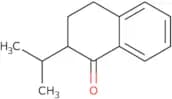
2-(Propan-2-yl)-1,2,3,4-tetrahydronaphthalen-1-one
CAS:<p>Versatile small molecule scaffold</p>Formula:C13H16OPurity:Min. 95%Molecular weight:188.26 g/molN-(Piperidin-4-yl)cyclohexanecarboxamide hydrochloride
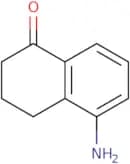
CAS:<p>Versatile small molecule scaffold</p>Formula:C12H23ClN2OPurity:Min. 95%Molecular weight:246.78 g/mol5-Amino-1,2,3,4-tetrahydronaphthalen-1-one
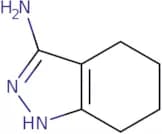
CAS:<p>5-Amino-1,2,3,4-tetrahydronaphthalen-1-one is an organic compound that belongs to the class of heterocyclic compounds. It has been shown to act as a superacid and has been used in the synthesis of multidrug resistant cancer cells. 5-Amino-1,2,3,4-tetrahydronaphthalen-1-one also binds to topoisomerase II and III and inhibits DNA replication. The drug can also inhibit the function of p-glycoprotein and other multidrug resistant transporters at the cellular level.</p>Formula:C10H11NOPurity:Min. 95%Molecular weight:161.2 g/mol4,5,6,7-Tetrahydro-2H-indazol-3-amine
CAS:<p>Versatile small molecule scaffold</p>Formula:C7H11N3Purity:Min. 95%Molecular weight:137.19 g/mol3-{[2-(Morpholin-4-yl)ethyl]amino}propanenitrile
CAS:<p>3-{[2-(Morpholin-4-yl)ethyl]amino}propanenitrile is a prodrug that is metabolized to the active drug, 2-morpholinoethanol. It is used for the treatment of breast cancer and mastitis (inflammation of the breast). 3-{[2-(Morpholin-4-yl)ethyl]amino}propanenitrile has a high water solubility and high stability, which makes it an ideal candidate for injection as a sustained release drug. This drug can be injected into solid tumors that are difficult to treat with other drugs and may also be used in conjunction with chemotherapy. 3-{[2-(Morpholin-4-yl)ethyl]amino}propanenitrile inhibits the production of estrogen, which plays a role in the growth of some types of breast cancer cells.</p>Formula:C9H17N3OPurity:Min. 95%Molecular weight:183.25 g/mol3-[(4-Chlorophenyl)amino]propanenitrile
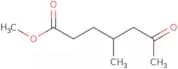
CAS:<p>Versatile small molecule scaffold</p>Formula:C9H9ClN2Purity:Min. 95%Molecular weight:180.63 g/molMethyl 4-methyl-6-oxoheptanoate
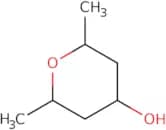
CAS:<p>Versatile small molecule scaffold</p>Formula:C9H16O3Purity:Min. 95%Molecular weight:172.22 g/mol2,6-Dimethyltetrahydro-2H-pyran-4-ol
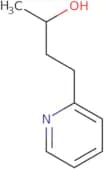
CAS:<p>Versatile small molecule scaffold</p>Formula:C7H14O2Purity:Min. 95%Molecular weight:130.18 g/mol4-(Pyridin-2-yl)butan-2-ol
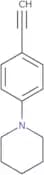
CAS:<p>Versatile small molecule scaffold</p>Formula:C9H13NOPurity:Min. 95%Molecular weight:151.21 g/mol4'-N-Piperidinophenyl acetylene
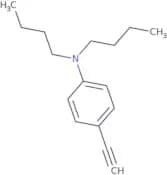
CAS:<p>Versatile small molecule scaffold</p>Formula:C13H15NPurity:Min. 95%Molecular weight:185.27 g/molN,N-Dibutyl-4-ethynylaniline
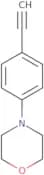
CAS:<p>Versatile small molecule scaffold</p>Formula:C16H23NPurity:Min. 95%Molecular weight:229.36 g/mol4-(4-Ethynylphenyl)morpholine
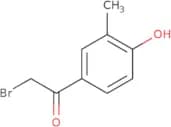
CAS:<p>Versatile small molecule scaffold</p>Formula:C12H13NOPurity:Min. 95%Molecular weight:187.24 g/mol2-Bromo-1-(4-hydroxy-3-methylphenyl)ethan-1-one
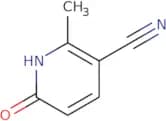
CAS:<p>Versatile small molecule scaffold</p>Formula:C9H9BrO2Purity:Min. 95%Molecular weight:229.07 g/mol6-Hydroxy-2-methylnicotinonitrile
CAS:<p>6-Hydroxy-2-methylnicotinonitrile is a reagent that is used for the condensation of aldehydes and amines. It can also be used to form enamines from primary amines with carbonyl compounds. Dimethyl acetal, dimethyl, methyl methacrylate, cyclized, methacrylate, acetal are some of the products that are made using 6-Hydroxy-2-methylnicotinonitrile.</p>Formula:C7H6N2OPurity:Min. 95%Molecular weight:134.14 g/mol1-(4-Methylphenyl)-1,4-diazepane
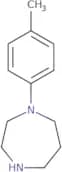
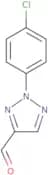
CAS:<p>Versatile small molecule scaffold</p>Formula:C12H18N2Purity:Min. 95%Molecular weight:190.28 g/mol2-(4-Chlorophenyl)-2H-1,2,3-triazole-4-carbaldehyde
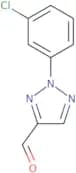
CAS:<p>Versatile small molecule scaffold</p>Formula:C9H6ClN3OPurity:Min. 95%Molecular weight:207.61 g/mol2-(3-Chlorophenyl)-2H-1,2,3-triazole-4-carbaldehyde
CAS:<p>Versatile small molecule scaffold</p>Formula:C9H6ClN3OPurity:Min. 95%Molecular weight:207.61 g/mol6-Methyl-2-oxopiperidine-3-carboxylic acids
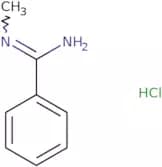
CAS:<p>Versatile small molecule scaffold</p>Formula:C7H11NO3Purity:Min. 95%Molecular weight:157.2 g/molN-Methylbenzenecarboximidamide hydrochloride
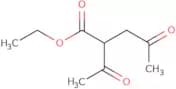
CAS:<p>N-Methylbenzenecarboximidamide hydrochloride is a chemical substance that belongs to the class of benzamidine. It is used as an intermediate in the synthesis of other chemicals and drugs, such as 3-methylcholanthrene, which is used for the treatment of cancer. N-Methylbenzenecarboximidamide hydrochloride is synthesized by solid-phase synthesis on a silica gel support using benzamidine as a starting material. The final product can be purified by chromatography with a solvent system consisting of hexane and ethyl acetate. This reaction mechanism involves oxidation of the methyl group to form an epoxide, followed by nucleophilic attack by water on the epoxide to form an enol. The enol undergoes reductive elimination to produce the desired product. The optimal reaction conditions are achieved at 60 degrees Celsius and a pH between 5 and 7.</p>Formula:C8H11ClN2Purity:Min. 95%Molecular weight:170.64 g/molEthyl 2-acetyl-4-oxopentanoate
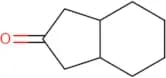
CAS:<p>Ethyl 2-acetyl-4-oxopentanoate is a modification of the molecule pentanoic acid. It is a functional molecule that can be modified by substitutions and modifications. The pharmacokinetic properties of this compound have been studied in rats, which showed that it has a high absorption rate when administered orally. Pharmacokinetic studies also revealed that ethyl 2-acetyl-4-oxopentanoate is metabolized to carboxyethyl 2-acetyl-4-oxopentanoate and pyridazine ethyl 2-acetyl-4-oxopentanoate, which are both neuropathic pain drugs with similar pharmacodynamics. This drug has shown promise as a lead compound for the treatment of neuropathic pain due to its α2δ subunit binding activity.</p>Formula:C9H14O4Purity:Min. 95%Molecular weight:186.21 g/molOctahydro-1H-inden-2-one
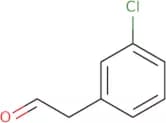
CAS:<p>Versatile small molecule scaffold</p>Formula:C9H14OPurity:Min. 95%Molecular weight:138.21 g/mol(3-Chlorophenyl)acetaldehyde
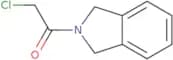
CAS:<p>3-Chlorophenylacetaldehyde is a chemical compound with the molecular formula CHClO. It is a colorless solid that crystallizes in the form of its dimers, (3-chlorophenyl)acetaldehyde and (3-chloro-2-phenylethynyl) acetaldehyde. It is an intermediate in the synthesis of other compounds, such as phenylethenes and annulated polycyclic aromatic hydrocarbons. 3-Chlorophenylacetaldehyde can be synthesized by transforming naphthalene or phenylethenes with heat or light. In addition, it can be synthesized from photodimerization of 2-(3-chlorophenyl)ethanol and phenylethanone. The transformation of 3-chlorophenylacetaldehyde to 3-(2-phenylethynyl) acetaldehyde can take place through a series of reactions including alkene formation, dimerization, carbon atom rearrangement and annulation</p>Formula:C8H7ClOPurity:Min. 95%Molecular weight:154.59 g/mol2-Chloro-1-(2,3-dihydro-1H-isoindol-2-yl)ethan-1-one
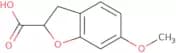
CAS:<p>Versatile small molecule scaffold</p>Formula:C10H10ClNOPurity:Min. 95%Molecular weight:195.64 g/mol6-Methoxy-2,3-dihydro-1-benzofuran-2-carboxylic acid
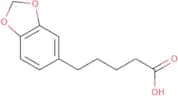
CAS:<p>Versatile small molecule scaffold</p>Formula:C10H10O4Purity:Min. 95%Molecular weight:194.18 g/mol5-(1,3-Dioxaindan-5-yl)pentanoic acid
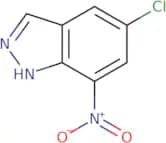
CAS:<p>5-(1,3-Dioxaindan-5-yl)pentanoic acid is a natural product that was isolated from the leaves of peperomia. It has been shown to have antimicrobial effects against various bacteria and fungi, including methicillin-resistant Staphylococcus aureus (MRSA). This compound binds to bacterial DNA at the gyrase site, inhibiting transcription and replication. 5-(1,3-Dioxaindan-5-yl)pentanoic acid also inhibits protein synthesis by binding to the bacterial ribosomes.</p>Formula:C12H14O4Purity:Min. 95%Molecular weight:222.24 g/mol5-Chloro-7-nitro-1H-indazole
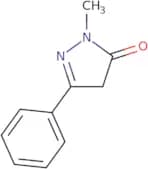
CAS:<p>Versatile small molecule scaffold</p>Formula:C7H4ClN3O2Purity:Min. 95%Molecular weight:197.58 g/mol2-methyl-5-phenyl-2,4-dihydro-3H-pyrazol-3-one
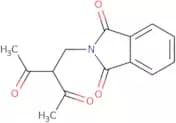
CAS:<p>2-methyl-5-phenyl-2,4-dihydro-3H-pyrazol-3-one is a synthesized compound that has been studied by coupling with diamines and pyrazolones. The compound is also structurally related to arylamines.</p>Formula:C10H10N2OPurity:Min. 95%Molecular weight:174.2 g/mol2-(2-Acetyl-3-oxobutyl)-2,3-dihydro-1H-isoindole-1,3-dione
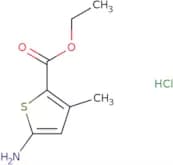
CAS:<p>Versatile small molecule scaffold</p>Formula:C14H13NO4Purity:Min. 95%Molecular weight:259.26 g/molEthyl 5-amino-3-methylthiophene-2-carboxylate hydrochloride
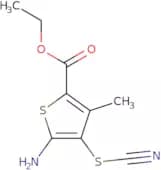
CAS:<p>Versatile small molecule scaffold</p>Formula:C8H12ClNO2SPurity:Min. 95%Molecular weight:221.71 g/molEthyl 5-amino-4-(cyanosulfanyl)-3-methylthiophene-2-carboxylate
CAS:<p>Versatile small molecule scaffold</p>Formula:C9H10N2O2S2Purity:Min. 95%Molecular weight:242.3 g/molEthyl 2-amino-6-methylthieno[2,3-d][1,3]thiazole-5-carboxylate
CAS:<p>Versatile small molecule scaffold</p>Formula:C9H10N2O2S2Purity:Min. 95%Molecular weight:242.3 g/mol5-Methylthieno[2,3-d][1,3]thiazol-2-amine
CAS:<p>Versatile small molecule scaffold</p>Formula:C6H6N2S2Purity:Min. 95%Molecular weight:170.3 g/mol3-Bromo-5,7-dimethylpyrazolo[1,5-a]pyrimidine
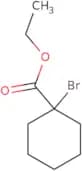
CAS:<p>Versatile small molecule scaffold</p>Formula:C8H8BrN3Purity:Min. 95%Molecular weight:226.07 g/molEthyl 1-bromocyclohexane-1-carboxylate
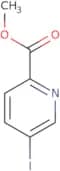
CAS:<p>Versatile small molecule scaffold</p>Formula:C9H15BrO2Purity:Min. 95%Molecular weight:235.12 g/molMethyl 5-iodopyridine-2-carboxylate
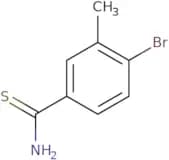
CAS:<p>Methyl 5-iodopyridine-2-carboxylate is an amino acid analog that specifically binds to lysine residues. This compound inhibits the incorporation of lysine into proteins, which may be important for the study of protein synthesis. Methyl 5-iodopyridine-2-carboxylate has been shown to react with aromatic amino acids and form amidines that are stable in aqueous solution. It can also react with tryptic peptides to yield model compounds.</p>Formula:C7H6INO2Purity:Min. 95%Molecular weight:263.03 g/mol4-Bromo-3-methylbenzene-1-carbothioamide
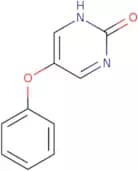
CAS:<p>Versatile small molecule scaffold</p>Formula:C8H8BrNSPurity:Min. 95%Molecular weight:230.13 g/mol5-Phenoxypyrimidin-2-ol
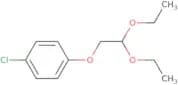
CAS:<p>Versatile small molecule scaffold</p>Formula:C10H8N2O2Purity:Min. 95%Molecular weight:188.18 g/mol1-Chloro-4-(2,2-diethoxyethoxy)benzene
CAS:<p>1-Chloro-4-(2,2-diethoxyethoxy)benzene (1C4DEB) is a human chorionic gonadotropin (hCG) functional theory and polychlorinated biphenyls (PCBs) organocatalytic inhibitor. 1C4DEB binds to the active site of hCG and prevents the binding of follitropin, an allosteric modulator, to this site. This results in a decrease in the maximal response of hCG to follitropin. 1C4DEB has been shown to be an experimental model for pesticides that are known as dihedral bond cleavage agents.</p>Formula:C12H17ClO3Purity:Min. 95%Molecular weight:244.71 g/molTolimidone
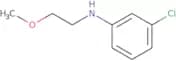
CAS:<p>Tolimidone is an enzyme inhibitor that binds to the active site of the enzyme HMG-CoA reductase. It inhibits the synthesis of cholesterol, leading to reduced levels of LDL and VLDL cholesterol. Tolimidone has also been shown to reduce plasma glucose and pro-inflammatory cytokines. This drug is currently being investigated as a potential treatment for high cholesterol and diabetes. The effective dose of tolimidone is not yet known, but it has been shown in vivo that it can lower cholesterol levels by up to 60%.</p>Formula:C11H10N2O2Purity:Min. 95%Molecular weight:202.21 g/mol3-Chloro-N-(2-methoxyethyl)aniline
CAS:<p>Versatile small molecule scaffold</p>Formula:C9H12ClNOPurity:Min. 95%Molecular weight:185.65 g/molDiethyl 3,4-pyrroledicarboxylate
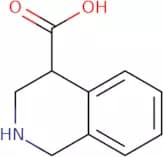
CAS:<p>The synthesis of diethyl 3,4-pyrroledicarboxylate was achieved by copolymerizing the monomers 1,2-diethoxyethane and 2,5-dimethoxytetrahydrofuran. This compound can be synthesized in a stereoselective way and is a stereospecific intramolecular hydrogen donor. The compound has been shown to inhibit the growth of leukemia cells and other cancer cells in vitro. It also induces cell death in HL-60 cells by producing reactive oxygen species (ROS). This compound has also been shown to have antitumor activity against L1210 cells and is an inhibitor of DNA synthesis.</p>Formula:C10H13NO4Purity:Min. 95%Color and Shape:PowderMolecular weight:211.22 g/mol1,2,3,4-Tetrahydroisoquinoline-4-carboxylic acid
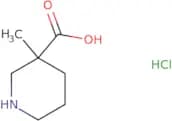
CAS:<p>Versatile small molecule scaffold</p>Formula:C10H11NO2Purity:Min. 95%Molecular weight:177.2 g/mol3-Methylpiperidine-3-carboxylic Acid Hydrochloride
CAS:<p>Versatile small molecule scaffold</p>Formula:C7H13NO2·HClPurity:Min. 95%Molecular weight:179.64 g/mol1-Benzoyl-3-methylpiperidine-3-carboxylic acid
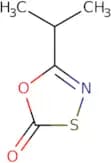
CAS:<p>Versatile small molecule scaffold</p>Formula:C14H17NO3Purity:Min. 95%Molecular weight:247.29 g/mol5-(Propan-2-yl)-2H-1,3,4-oxathiazol-2-one
CAS:<p>Versatile small molecule scaffold</p>Formula:C5H7NO2SPurity:Min. 95%Molecular weight:145.18 g/mol2-(2-Oxopropyl)-1λ⁶-thiolane-1,1-dione
CAS:<p>Versatile small molecule scaffold</p>Formula:C7H12O3SPurity:Min. 95%Molecular weight:176.2 g/molN-[(4-Benzylmorpholin-2-yl)methyl]-2,2,2-trifluoroacetamide
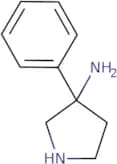
CAS:<p>Versatile small molecule scaffold</p>Formula:C14H17F3N2O2Purity:Min. 95%Molecular weight:302.29 g/mol3-Phenylpyrrolidin-3-amine
CAS:<p>Versatile small molecule scaffold</p>Formula:C10H14N2Purity:Min. 95%Molecular weight:162.23 g/mol4-[4-(Methylsulfanyl)phenyl]butanoic acid
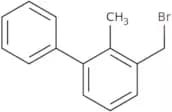
CAS:<p>Versatile small molecule scaffold</p>Formula:C11H14O2SPurity:Min. 95%Molecular weight:210.29 g/mol3-(Bromomethyl)-2-methyl-1,1'-biphenyl
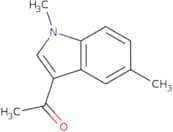
CAS:<p>Versatile small molecule scaffold</p>Formula:C14H13BrPurity:Min. 95%Molecular weight:261.16 g/mol1-(5-Methyl-1-methyl-1H-indol-3-yl)-ethanone
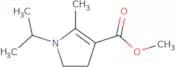
CAS:Controlled Product<p>Versatile small molecule scaffold</p>Formula:C12H13NOPurity:Min. 95%Molecular weight:187.24 g/molMethyl 2-methyl-1-(propan-2-yl)-4,5-dihydro-1H-pyrrole-3-carboxylate
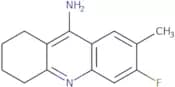
CAS:<p>Versatile small molecule scaffold</p>Formula:C10H17NO2Purity:Min. 95%Molecular weight:183.25 g/mol6-Fluoro-7-methyl-1,2,3,4-tetrahydroacridin-9-amine
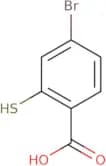
CAS:<p>Versatile small molecule scaffold</p>Formula:C14H15FN2Purity:Min. 95%Molecular weight:230.28 g/mol4-Bromo-2-sulfanylbenzoic acid
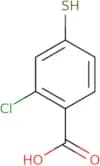
CAS:<p>Versatile small molecule scaffold</p>Formula:C7H5BrO2SPurity:Min. 95%Molecular weight:233.08 g/mol2-Chloro-4-sulfanylbenzoic acid
CAS:<p>Versatile small molecule scaffold</p>Formula:C7H5ClO2SPurity:Min. 95%Molecular weight:188.63 g/mol1,6-Dihydro-6-methyl-7H-pyrrolo[2,3-c]pyridin-7-one
CAS:<p>Versatile small molecule scaffold</p>Formula:C8H8N2OPurity:Min. 95%Molecular weight:148.16 g/mol2-Benzyl-2-azabicyclo[2.2.1]heptane
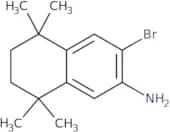
CAS:<p>Versatile small molecule scaffold</p>Formula:C13H17NPurity:Min. 95%Molecular weight:187.3 g/mol3-Bromo-5,5,8,8-tetramethyl-5,6,7,8-tetrahydronaphthalen-2-amine
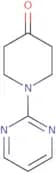
CAS:<p>Versatile small molecule scaffold</p>Formula:C14H20BrNPurity:Min. 95%Molecular weight:282.22 g/mol1-Pyrimidin-2-yl-piperidin-4-one
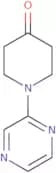
CAS:<p>Versatile small molecule scaffold</p>Formula:C9H11N3OPurity:Min. 95%Molecular weight:177.2 g/mol1-(Pyrazin-2-yl)piperidin-4-one
CAS:<p>Versatile small molecule scaffold</p>Formula:C9H11N3OPurity:Min. 95%Molecular weight:177.2 g/mol7-Bromo-1H,2H,3H-pyrazolo[1,5-a]imidazole
CAS:<p>Versatile small molecule scaffold</p>Formula:C5H6BrN3Purity:Min. 95%Molecular weight:188.03 g/mol4-[(Dimethylamino)methyl]-1,3-thiazol-2-amine
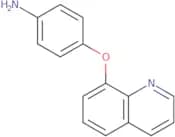
CAS:<p>4-[(Dimethylamino)methyl]-1,3-thiazol-2-amine is a modulating agent that is used for the treatment of heart disease. This drug has been shown to inhibit the uptake of cholesterol in macrophages by blocking the cholesterol transport protein. The drug also increases membrane permeability and reduces the production of inflammatory mediators, such as prostaglandins and leukotrienes. 4-[(Dimethylamino)methyl]-1,3-thiazol-2-amine has been shown to reduce cardiovascular risk factors, including high blood pressure, obesity, diabetes mellitus type II, and hyperlipidemia. 4-[(Dimethylamino)methyl]-1,3-thiazol-2-amine can be used to treat infectious diseases by inhibiting bacterial growth and decreasing inflammation. It also prevents fatty acid oxidation and modulates lipid metabolism in animals with environmental pollution or excessive levels of fatty acids.</p>Formula:C6H11N3SPurity:Min. 95%Molecular weight:157.24 g/mol4-(Quinolin-8-yloxy)aniline
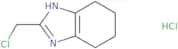
CAS:<p>Versatile small molecule scaffold</p>Formula:C15H12N2OPurity:Min. 95%Molecular weight:236.27 g/mol2-(Chloromethyl)-4,5,6,7-tetrahydro-1H-1,3-benzodiazole hydrochloride
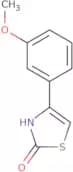
CAS:<p>Versatile small molecule scaffold</p>Formula:C8H12Cl2N2Purity:Min. 95%Molecular weight:207.1 g/mol4-(3-Methoxyphenyl)-2,3-dihydro-1,3-thiazol-2-one
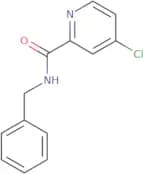
CAS:<p>Versatile small molecule scaffold</p>Formula:C10H9NO2SPurity:Min. 95%Molecular weight:207.25 g/molN-Benzyl-4-chloropyridine-2-carboxamide
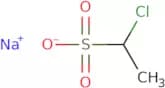
CAS:<p>Versatile small molecule scaffold</p>Formula:C13H11ClN2OPurity:Min. 95%Molecular weight:246.69 g/molSodium 1-chloroethane-1-sulfonate
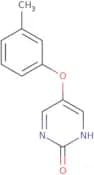
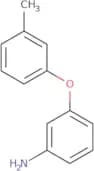
CAS:<p>Sodium 1-chloroethane-1-sulfonate is a sulfamate that has a hydroxy group. It is an inorganic compound that has been used in the form of its sodium salt as a clinical treatment for hyperkalemia. It reacts with hydroxyl groups to form vinyl alcohol and can be aminated to form piperazine. The acidic pH of the environment also promotes amination reactions. This chemical is reactive and cationic, which makes it useful as a surfactant or detergent.</p>Formula:C2H4ClNaO3SPurity:Min. 95%Molecular weight:166.56 g/mol3-(3-Methylphenoxy)aniline
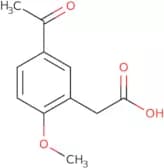
CAS:<p>Versatile small molecule scaffold</p>Formula:C13H13NOPurity:Min. 95%Molecular weight:199.25 g/mol2-(5-Acetyl-2-methoxyphenyl)acetic acid
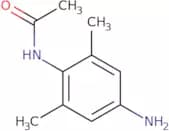
CAS:<p>Versatile small molecule scaffold</p>Formula:C11H12O4Purity:Min. 95%Molecular weight:208.21 g/molN-(4-Amino-2,6-dimethylphenyl)acetamide
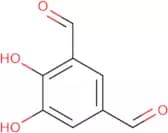
CAS:<p>Versatile small molecule scaffold</p>Formula:C10H14N2OPurity:Min. 95%Molecular weight:178.23 g/mol1,2-Dihydroxy-3,5-diformylbenzene
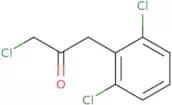
CAS:<p>Versatile small molecule scaffold</p>Formula:C8H6O4Purity:Min. 95%Molecular weight:166.13 g/mol1-Chloro-3-(2,6-dichlorophenyl)propan-2-one
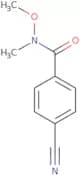
CAS:<p>Versatile small molecule scaffold</p>Formula:C9H7Cl3OPurity:Min. 95%Molecular weight:237.5 g/mol4-Cyano-N-methoxy-N-methylbenzenecarboxamide
CAS:<p>4-Cyano-N-methoxy-N-methylbenzenecarboxamide is a genotoxic agent that can be detected in wastewater samples. It can cause genotoxic effects in human cells and animal experiments, but the toxicity of 4-cyano-N-methoxy-N-methylbenzenecarboxamide to humans has not been studied. The compound may be present as an environmental pollutant in wastewater treatment plants and may have a toxic potential for the intestinal microflora and for healthy controls. The compound has been analysed in congenital cases with no significant association found.</p>Formula:C10H10N2O2Purity:Min. 95%Molecular weight:190.2 g/molEthyl 2-[(dimethylamino)methylidene]-4-methyl-3-oxopentanoate
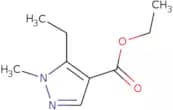
CAS:<p>Versatile small molecule scaffold</p>Formula:C11H19NO3Purity:Min. 95%Molecular weight:213.27 g/molEthyl 5-ethyl-1-methyl-1H-pyrazole-4-carboxylate
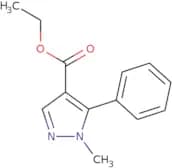
CAS:<p>Versatile small molecule scaffold</p>Formula:C9H14N2O2Purity:Min. 95%Molecular weight:182.22 g/molEthyl 1-methyl-5-phenyl-1H-pyrazole-4-carboxylate
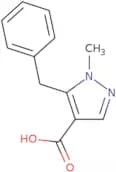
CAS:<p>Versatile small molecule scaffold</p>Formula:C13H14N2O2Purity:Min. 95%Molecular weight:230.26 g/mol5-Benzyl-1-methyl-1H-pyrazole-4-carboxylic acid
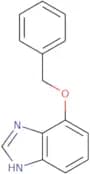
CAS:<p>Versatile small molecule scaffold</p>Formula:C12H12N2O2Purity:Min. 95%Molecular weight:216.24 g/mol4-(Benzyloxy)-1H-1,3-benzodiazole
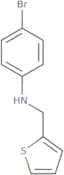
CAS:<p>Versatile small molecule scaffold</p>Formula:C14H12N2OPurity:Min. 95%Molecular weight:224.26 g/mol4-Bromo-N-(thiophen-2-ylmethyl)aniline
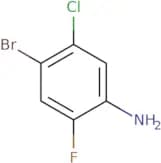
CAS:<p>Versatile small molecule scaffold</p>Formula:C11H10BrNSPurity:Min. 95%Molecular weight:268.17 g/mol4-Bromo-5-chloro-2-fluoroaniline
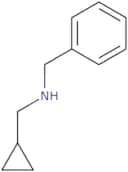
CAS:<p>Versatile small molecule scaffold</p>Formula:C6H4BrClFNPurity:Min. 95%Molecular weight:224.46 g/molN-Benzyl(cyclopropyl)methanamine
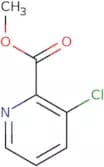
CAS:<p>N-Benzyl(cyclopropyl)methanamine is a phenanthrene derivative that is synthesized by the reaction of benzylic methylene with methanol. This compound can be hydrolyzed to benzoic acid and cyclopropanol. N-Benzyl(cyclopropyl)methanamine has been used as an electrode material for organic electrochemical cells as it has high electron transfer and overpotential, making this compound more suitable than other materials such as benzylic or alkyl groups. The synthesis of esters from N-benzyl(cyclopropyl)methanamine can be achieved through the use of acetals.</p>Formula:C11H15NPurity:Min. 95%Molecular weight:161.24 g/molMethyl 3-chloropyridine-2-carboxylate
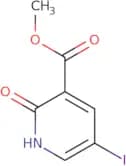
CAS:<p>Methyl 3-chloropyridine-2-carboxylate is a synthetic, orally active analog of picolinic acid. It is used in the synthesis of pharmaceuticals and agrochemicals. Methyl 3-chloropyridine-2-carboxylate is a bactericidal drug that inhibits bacterial growth by inhibiting protein synthesis, which leads to cell death. This compound has been shown to be effective against cancer cells, with low toxicity to normal tissues.</p>Formula:C7H6ClNO2Purity:Min. 95%Molecular weight:171.58 g/molMethyl 5-iodo-2-oxo-1,2-dihydropyridine-3-carboxylate
CAS:<p>Versatile small molecule scaffold</p>Formula:C7H6INO3Purity:Min. 95%Molecular weight:279.03 g/mol2-Fluoro-4-isothiocyanato-1-methylbenzene
CAS:<p>2-Fluoro-4-isothiocyanato-1-methylbenzene is an industrial chemical that belongs to the class of triethylene diamines. The 2-Fluoro-4-isothiocyanato-1-methylbenzene molecule has a carbon disulfide group in its structure. It is used as a raw material for the production of carbon tetrachloride, hexamethylenetetramine, and other organic compounds. 2-Fluoro-4-isothiocyanato-1-methylbenzene is also used in the synthesis of 2,2'-dithiodiethanol, which is a useful precursor in organic chemistry.</p>Formula:C8H6FNSPurity:Min. 95%Molecular weight:167.21 g/mol1-[(4-Bromophenyl)methyl]-5-oxopyrrolidine-2-carboxylic acid
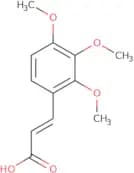
CAS:Controlled Product<p>1-[(4-Bromophenyl)methyl]-5-oxopyrrolidine-2-carboxylic acid is a peptide that belongs to a class of inhibitors. It has been shown to inhibit the activity of ion channels and is used as a research tool in cell biology and pharmacology. 1-[(4-Bromophenyl)methyl]-5-oxopyrrolidine-2-carboxylic acid interacts with specific receptors and ligands, which may contribute to its ability to inhibit the activity of ion channels.</p>Formula:C12H12BrNO3Purity:Min. 95%Molecular weight:298.13 g/mol-3(2,3,4-trimethoxyphenyl)acrylic acid
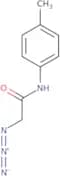
CAS:<p>-3(2,3,4-trimethoxyphenyl)acrylic acid is a versatile compound that has various applications in different fields. It is used as a hydrogen atom donor in chemical reactions and as a precursor for the synthesis of eszopiclone, an FDA-approved medication for insomnia. Additionally, it is utilized in the production of herbicides and research chemicals.</p>Formula:C12H14O5Purity:Min. 95%Molecular weight:238.24 g/mol2-Azido-N-(4-methylphenyl)acetamide
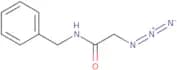
CAS:<p>Versatile small molecule scaffold</p>Formula:C9H10N4OPurity:Min. 95%Molecular weight:190.2 g/mol2-Azido-N-benzylacetamide
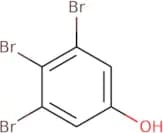
CAS:<p>2-Azido-N-benzylacetamide (2ABA) is a strain that can be used in biochemistry, specifically for the study of amides. It has been shown to be chemically stable and has a number of strategies that can be employed. 2ABA is an amide with phenyl substituents that have functional groups such as azides and traceless. The hydrogen bond in 2ABA forms through the bond cleavage reaction rate and ligation, which are triggered by triggerable bonds.</p>Formula:C9H10N4OPurity:Min. 95%Molecular weight:190.2 g/mol3,4,5-Tribromophenol
CAS:<p>Versatile small molecule scaffold</p>Formula:C6H3Br3OPurity:Min. 95%Molecular weight:330.8 g/mol3-ethoxy-4-nitroaniline
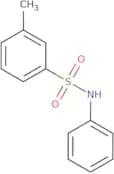
CAS:<p>Versatile small molecule scaffold</p>Formula:C8H10N2O3Purity:Min. 95%Molecular weight:182.18 g/mol3-Methyl-N-phenylbenzene-1-sulfonamide
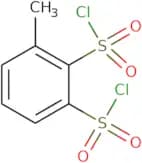
CAS:<p>Versatile small molecule scaffold</p>Formula:C13H13NO2SPurity:Min. 95%Molecular weight:247.31 g/mol3-Methylbenzene-1,2-disulfonyl dichloride
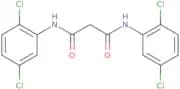
CAS:<p>Versatile small molecule scaffold</p>Formula:C7H6Cl2O4S2Purity:Min. 95%Molecular weight:289.2 g/molN,N'-Bis(2,5-dichlorophenyl)propanediamide
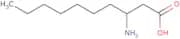
CAS:<p>Versatile small molecule scaffold</p>Formula:C15H10Cl4N2O2Purity:Min. 95%Molecular weight:392.1 g/mol3-Aminodecanoic acid
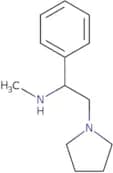
CAS:<p>3-Aminodecanoic acid is a residue that is synthesized by the nonribosomal peptide synthetase. The enzyme has been sequenced and found to be homologous to other enzymes such as 3-hydroxyisobutyric acid and 3-aminohexanoic acid. The biosynthesis of 3-aminodecanoic acid is thought to be an evolutionary adaptation of cyanobacteria, which are photosynthetic bacteria. Experimental evidence suggests that the antifungal activity of this compound may be due to its ability to inhibit lipid synthesis in yeast cells.</p>Formula:C10H21NO2Purity:Min. 95%Molecular weight:187.28 g/mol(1S)-N-Methyl-1-phenyl-2-(pyrrolidin-1-yl)ethanamine
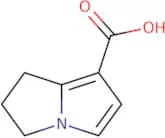
CAS:<p>Versatile small molecule scaffold</p>Formula:C13H20N2Purity:Min. 95%Molecular weight:204.31 g/mol2,3-Dihydro-1H-pyrrolizine-7-carboxylic acid
CAS:<p>Versatile small molecule scaffold</p>Formula:C8H9NO2Purity:Min. 95%Molecular weight:151.16 g/mol5-[(3-Chloro-2-methylphenyl)amino]-1,3,4-thiadiazole-2-thiol
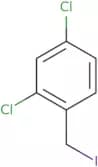
CAS:<p>Versatile small molecule scaffold</p>Formula:C9H8ClN3S2Purity:Min. 95%Molecular weight:257.8 g/mol2,4-Dichloro-1-(iodomethyl)benzene
CAS:<p>Versatile small molecule scaffold</p>Formula:C7H5Cl2IPurity:Min. 95%Molecular weight:286.92 g/mol2,4-Diiodo-6-nitroaniline
CAS:<p>Versatile small molecule scaffold</p>Formula:C6H4I2N2O2Purity:Min. 95%Molecular weight:389.92 g/mol3-Bromo-2-nitrobenzoic acid
CAS:<p>3-Bromo-2-nitrobenzoic acid is a synthetic organic solvent that is used in the synthesis of other organic compounds. The chemical synthesis of 3-Bromo-2-nitrobenzoic acid starts with the reaction of acetone and potassium permanganate. The reactants are mixed together and heated to produce a hydrochloric acid solution, which is then cooled to room temperature. This process produces a white solid, which is filtered and washed with water and dried. The chemical synthesis method for 3-Bromo-2-nitrobenzoic acid yields a high yield.</p>Formula:C7H4BrNO4Purity:Min. 95%Molecular weight:246.01 g/mol


![3-{[2-(Morpholin-4-yl)ethyl]amino}propanenitrile](/_next/image/?url=https%3A%2Fstatic.cymitquimica.com%2Fproducts%2F3D%2Fthumb-webp%2FRBA83284.webp&w=3840&q=75)
![3-[(4-Chlorophenyl)amino]propanenitrile](/_next/image/?url=https%3A%2Fstatic.cymitquimica.com%2Fproducts%2F3D%2Fthumb-webp%2FRBA83357.webp&w=3840&q=75)
![Ethyl 2-amino-6-methylthieno[2,3-d][1,3]thiazole-5-carboxylate](/_next/image/?url=https%3A%2Fstatic.cymitquimica.com%2Fproducts%2F3D%2Fthumb-webp%2FRBA94053.webp&w=3840&q=75)
![5-Methylthieno[2,3-d][1,3]thiazol-2-amine](/_next/image/?url=https%3A%2Fstatic.cymitquimica.com%2Fproducts%2F3D%2Fthumb-webp%2FRBA94059.webp&w=3840&q=75)
![3-Bromo-5,7-dimethylpyrazolo[1,5-a]pyrimidine](/_next/image/?url=https%3A%2Fstatic.cymitquimica.com%2Fproducts%2F3D%2Fthumb-webp%2FRBA94537.webp&w=3840&q=75)


![N-[(4-Benzylmorpholin-2-yl)methyl]-2,2,2-trifluoroacetamide](/_next/image/?url=https%3A%2Fstatic.cymitquimica.com%2Fproducts%2F3D%2Fthumb-webp%2FREA16326.webp&w=3840&q=75)
![4-[4-(Methylsulfanyl)phenyl]butanoic acid](/_next/image/?url=https%3A%2Fstatic.cymitquimica.com%2Fproducts%2F3D%2Fthumb-webp%2FREA17433.webp&w=3840&q=75)
![1,6-Dihydro-6-methyl-7H-pyrrolo[2,3-c]pyridin-7-one](/_next/image/?url=https%3A%2Fstatic.cymitquimica.com%2Fproducts%2F3D%2Fthumb-webp%2FREA21246.webp&w=3840&q=75)
![2-Benzyl-2-azabicyclo[2.2.1]heptane](/_next/image/?url=https%3A%2Fstatic.cymitquimica.com%2Fproducts%2F3D%2Fthumb-webp%2FREA23022.webp&w=3840&q=75)
![7-Bromo-1H,2H,3H-pyrazolo[1,5-a]imidazole](/_next/image/?url=https%3A%2Fstatic.cymitquimica.com%2Fproducts%2F3D%2Fthumb-webp%2FREA24833.webp&w=3840&q=75)
![4-[(Dimethylamino)methyl]-1,3-thiazol-2-amine](/_next/image/?url=https%3A%2Fstatic.cymitquimica.com%2Fproducts%2F3D%2Fthumb-webp%2FREA25253.webp&w=3840&q=75)
![Ethyl 2-[(dimethylamino)methylidene]-4-methyl-3-oxopentanoate](/_next/image/?url=https%3A%2Fstatic.cymitquimica.com%2Fproducts%2F3D%2Fthumb-webp%2FREA34409.webp&w=3840&q=75)

![1-[(4-Bromophenyl)methyl]-5-oxopyrrolidine-2-carboxylic acid](/_next/image/?url=https%3A%2Fstatic.cymitquimica.com%2Fproducts%2F3D%2Fthumb-webp%2FREA40423.webp&w=3840&q=75)

![5-[(3-Chloro-2-methylphenyl)amino]-1,3,4-thiadiazole-2-thiol](/_next/image/?url=https%3A%2Fstatic.cymitquimica.com%2Fproducts%2F3D%2Fthumb-webp%2FREA52923.webp&w=3840&q=75)