


Building Blocks
This section contains fundamental products for the synthesis of organic and biological compounds. Building blocks are the essential starting materials used to construct complex molecules through various chemical reactions. They play a critical role in drug discovery, material science, and chemical research. At CymitQuimica, we offer a diverse range of high-quality building blocks to support your innovative research and industrial projects, ensuring you have the essential components for successful synthesis.
Subcategories of "Building Blocks"
- Boronic Acids & Boronic Acid Derivatives(5,756 products)
- Chiral Building Blocks(1,242 products)
- Hydrocarbon Building Blocks(6,093 products)
- Organic Building Blocks(60,525 products)
Found 195536 products of "Building Blocks"
Sort by
Purity (%)
0
100
|
0
|
50
|
90
|
95
|
100
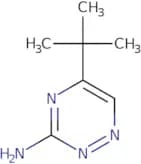
5-tert-Butyl-1,2,4-triazin-3-amine
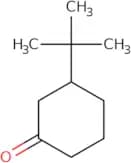
CAS:<p>Versatile small molecule scaffold</p>Formula:C7H12N4Purity:Min. 95%Molecular weight:152.2 g/mol3-tert-Butylcyclohexan-1-one
CAS:<p>3-tert-Butylcyclohexan-1-one is a compound that belongs to the family of solutes. It has been shown to inhibit cancer cells in xenopus oocytes and rat liver cells. 3-tert-Butylcyclohexan-1-one induces apoptosis by inhibiting the synthesis of proteins, which are vital for cell division. In addition, it inhibits the activity of gamma-aminobutyric acid (GABA) by binding to its receptor and acts as a competitive inhibitor of the GABA receptor. This compound also has allosteric modulating effects on alpha 2A adrenergic receptors.br>br><br>3-tert-Butylcyclohexan-1-one is not toxic at nontoxic doses and does not cause any adverse side effects such as kidney damage or liver toxicity.</p>Formula:C10H18OPurity:Min. 95%Color and Shape:Clear LiquidMolecular weight:154.25 g/molrac-[(1R,2R)-2-Phenylcyclopropyl]methanamine hydrochloride
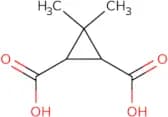
CAS:<p>Versatile small molecule scaffold</p>Formula:C10H14ClNPurity:Min. 95%Molecular weight:183.7 g/mol(1R,2S)-3,3-Dimethylcyclopropane-1,2-dicarboxylic acid
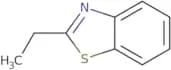
CAS:<p>(1R,2S)-3,3-Dimethylcyclopropane-1,2-dicarboxylic acid is an oxidation product of 1,2-cyclohexanedione. It is a colorless crystalline solid that can be extracted from the oxidation of cyclopentanone with permanganate. The oxidizing properties of (1R,2S)-3,3-dimethylcyclopropane-1,2-dicarboxylic acid are due to its ability to react with hydrogen peroxide and water to form hydroxyacetic acid. This compound has been used in the synthesis of other chemicals and pharmaceuticals.</p>Formula:C7H10O4Purity:Min. 95%Molecular weight:158.15 g/mol2-Ethyl-1,3-benzothiazole
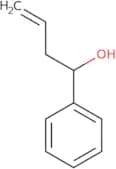
CAS:<p>2-Ethyl-1,3-benzothiazole is a diagnostic agent that is used in the diagnosis of cancer. It can be used to detect the presence of epidermal growth factor (EGF) in body fluids or tissues. 2-Ethyl-1,3-benzothiazole has been shown to bind to EGFR and stimulate its receptor activity. This results in increased EGF production and proliferation of cells. 2-Ethyl-1,3-benzothiazole has also been shown to have antimicrobial properties and may be useful for the treatment of microbial infections.</p>Formula:C9H9NSPurity:Min. 95%Molecular weight:163.24 g/mol1-Phenyl-3-buten-1-ol
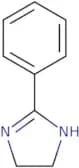
CAS:<p>1-Phenyl-3-buten-1-ol is an organometallic compound that is synthesized by the reaction of zinc powder and allyl bromide in a hydrochloric acid solution. This reaction system is acidic, which can be controlled using a base. The reaction mechanism for this process has been studied using functional theory and was found to be a concerted type of radical addition. The immobilization of 1-phenyl-3-buten-1-ol on mesoporous silica particles enhances its photocatalytic activity.</p>Formula:C10H12OPurity:Min. 95%Molecular weight:148.21 g/mol2-Phenyl-2-imidazoline
CAS:<p>2-Phenyl-2-imidazoline is a monolayer that is used as an inhibitor. It has been shown to inhibit the activity of a variety of enzymes, including oxidoreductases, hydrolases, esterases, and transferases. 2-Phenyl-2-imidazoline forms crosslinks between polycarboxylic acid chains and inhibits the formation of biofilms by attaching to the surface of bacteria. It is also used as a redox potential probe in Langmuir adsorption isotherm studies.</p>Formula:C9H10N2Purity:Min. 95%Molecular weight:146.19 g/mol5-Phenyl-4,5-dihydro-1H-pyrazole
CAS:<p>5-Phenyl-4,5-dihydro-1H-pyrazole is a functional theory that was developed to explain the relationship between the electron and phosphor spectra of pyrazoles. The experimental population is composed of four different five-membered pyrazoles that were synthesized for this study. Theory has been used to predict the possible electron and phosphor spectra for these compounds. Fluorescence has also been studied in order to determine the number of hydrogens present on the benzene ring. Diffraction data has been collected for 5-phenyl-4,5-dihydro-1H-pyrazole crystal structure. The introduction of ethylene will be discussed in depth in Chapter 7.</p>Formula:C9H10N2Purity:Min. 95%Molecular weight:146.19 g/mol(1-Chloro-2-methylpropyl)benzene
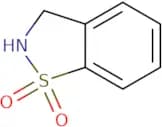
CAS:<p>1-Chloro-2-methylpropylbenzene is a medicine that has been used in the treatment of cancer. It is an alkylating agent and a chloride channel blocker. It interferes with the production of proteins by disrupting DNA and RNA synthesis, leading to cancer cell death. The reaction time for 1-chloro-2-methylpropylbenzene is constant at pH 7.4 and 37°C, due to its high reactivity. This alkylating agent also inhibits the activity of hydroxylase enzymes in fungi and nitroreductase enzymes in bacteria, which are responsible for the synthesis of nitric oxide (NO).</p>Formula:C10H13ClPurity:Min. 95%Molecular weight:168.66 g/mol2,3-dihydro-1λ6,2-benzothiazole-1,1-dione
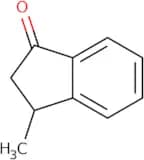
CAS:<p>2,3-Dihydro-1lambda6,2-benzothiazole-1,1-dione is a plant growth regulator that is used in horticultural applications. It is an anion that can be used as an additive to prevent corrosion and rusting of metals. 2,3-Dihydro-1lambda6,2-benzothiazole-1,1-dione reacts with chloride ions to form the corresponding chromatographic product. This compound also forms reaction products with other compounds such as pyrrole, amide and carbonyl group.</p>Formula:C7H7NO2SPurity:Min. 95%Molecular weight:169.2 g/mol(3S)-3-Methyl-2,3-dihydro-1H-inden-1-one
CAS:<p>Versatile small molecule scaffold</p>Formula:C10H10OPurity:Min. 95%Molecular weight:146.19 g/mol1H-Pyrrole-3,4-dicarboxylic acid
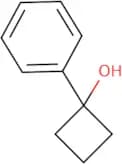
CAS:<p>1H-Pyrrole-3,4-dicarboxylic acid is a benzyl substituted derivative of pyrrole that exhibits photophysical properties in the visible region of the spectrum. The crystal structure is composed of a hexagonal unit cell with a lattice parameter of 2.914 Å, containing one molecule in the asymmetric unit. It has been shown to undergo cycloaddition reactions with azomethine ylides to form 1,3-dipolar adducts. Substituent effects on the reactivity and photophysical properties have been evaluated by comparing 1H-pyrrole-3,4-dicarboxylic acid with its diethyl ester and sterically hindered carboxy analogues.</p>Formula:C6H5NO4Purity:Min. 95%Molecular weight:155.11 g/mol1-Phenylcyclobutan-1-ol
CAS:<p>1-Phenylcyclobutan-1-ol is a functional group that is used in the production of cyclopentyl and cyclobutanol. It has been shown to be an alkylating agent that can react with the -OH group on another molecule, forming a C-O bond between them. This type of reaction is called a ring opening, which can lead to stabilization of the molecule. 1-Phenylcyclobutan-1-ol also reacts with ammonium nitrate in an elimination reaction to form an aldimine, which can then dissociate into two molecules of ammonia and one molecule of water. The end result is the formation of ammonia and water.</p>Formula:C10H12OPurity:Min. 95%Molecular weight:148.2 g/molω-Octalactam
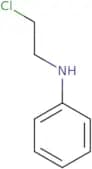
CAS:<p>ω-Octalactam is a lactam compound, which is an eight-membered lactam ring structure. It is derived from caprolactam, which is predominantly obtained through the chemical cyclization of 6-aminocaproic acid or by Beckmann rearrangement of cyclohexanone oxime. The mode of action involves the polymerization process, where ω-Octalactam acts as a monomer that can undergo ring-opening polymerization. This process is facilitated by specific catalysts that activate the lactam ring, allowing it to polymerize into longer chains, which is a crucial step in forming polyamides.</p>Formula:C8H15NOPurity:Min. 95%Molecular weight:141.21 g/molN-(2-Chloroethyl)aniline
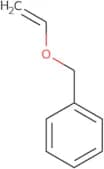
CAS:<p>N-(2-Chloroethyl)aniline is a chemical compound that contains the functional groups of aniline and chloroethane. The reaction rate of N-(2-chloroethyl)aniline with DNA is damaging, which may lead to covalent adducts. This chemical can also form bifunctional molecules with DNA, which can be toxic to cells. Furthermore, this molecule has shown antitumour activity and has been used in chemotherapy for patients with cancer. It has also been shown to activate receptor α and induce cell apoptosis. N-(2-Chloroethyl)aniline can be conjugated with fk506 or other drugs to produce reactive derivatives that have a more selective action on tumour cells than on normal cells.</p>Formula:C8H10ClNPurity:Min. 95%Molecular weight:155.62 g/mol(Vinyloxymethyl)benzene
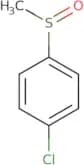
CAS:<p>Vinyloxymethylbenzene is a reactive compound that can be used to produce polyvinyl ethers with cationic polymerization. Vinyloxymethylbenzene reacts with hydrogen fluoride and hydrochloric acid to form the vinyl ether. The vinyl ether is formed by the reaction of a benzyl group with an inorganic acid, such as sulfuric acid or phosphoric acid. Hydroxyl groups are also present on the molecule, which can react with inorganic acids and form ester linkages.</p>Formula:C9H10OPurity:Min. 95%Molecular weight:134.18 g/mol1-Chloro-4-(methylsulfinyl)benzene
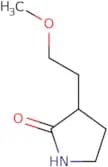
CAS:<p>1-Chloro-4-(methylsulfinyl)benzene (MSMB) is a sulfoxide that is used as a regulatory agent. The toxicity of MSMB has been studied in several species, including the rat, mouse, and rabbit. Growth factor levels have been shown to be reduced with dietary concentrations of up to 100 ppm in rats. Depression was observed in both sexes at doses as low as 10 ppm. MSMB is metabolized by the liver and excreted primarily in the urine. It exhibits pharmacokinetic properties that are similar to those of other sulfoxides, including rapid absorption, high bioavailability, and rapid elimination.</p>Formula:C7H7ClOSPurity:Min. 95%Molecular weight:174.65 g/mol3-(2-Methoxyethyl)pyrrolidin-2-one
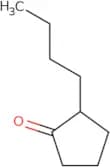
CAS:<p>Versatile small molecule scaffold</p>Formula:C7H13NO2Purity:Min. 95%Molecular weight:143.18 g/mol2-Butylcyclopentanone
CAS:<p>2-Butylcyclopentanone is a protonated molecule that can be used in the kinetic protonation of alkyl halides. It has been shown to catalyze the formation of chiral carbanions from enolates and to form stereoisomers by kinetic asymmetric addition. The homologous series of 2-butylcyclopentanones has been studied extensively, as these molecules have been shown to have a wide range of uses, including as catalysts and reagents in organic synthesis. <br>The mechanistic studies on this molecule have revealed that it is an electrophilic alkylation agent that reacts with nucleophiles at the protonated carbon atom. The selectivity of this reaction depends on the reactivity of the nucleophile, with more reactive nucleophiles leading to higher levels of selectivity. Protonation and alkylation are reversible processes and equilibrium constants for these reactions can be determined experimentally by measuring rates for both forward and</p>Formula:C9H16OPurity:Min. 95%Molecular weight:140.22 g/mol3-Methyl-1-(propan-2-yl)-4,5-dihydro-1H-pyrazol-5-one
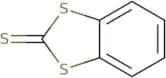
CAS:<p>Versatile small molecule scaffold</p>Formula:C7H12N2OPurity:Min. 95%Molecular weight:140.18 g/mol2H-1,3-Benzodithiole-2-thione
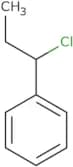
CAS:<p>2H-1,3-Benzodithiole-2-thione is a naturally occurring thiocarbamate found in urine samples of humans and Chinese medicinal herbs. It has been shown to have cancer chemopreventive effects as well as being able to inhibit the growth of human colon cancer cells in vitro. 2H-1,3-Benzodithiole-2-thione inhibits the transcriptional regulation of genes involved in cellular uptake and detoxification of xenobiotics by binding to the glutathione S transferase GSTP1. This compound also inhibits the synthesis of glucosinolates in plants, which are known for their antioxidant properties. 2H-1,3-Benzodithiole-2-thione can be synthesized from hydrogen chloride and benzyl mercaptan using an efficient method that does not require expensive reagents or solvents.</p>Formula:C7H4S3Purity:Min. 95%Molecular weight:184.3 g/mol(1-Chloro-propyl)-benzene
CAS:<p>Propiophenone is a chemical compound with the molecular formula CHClO. It is a chlorinated derivative of phenol. Propiophenone is produced by reacting hexamethylenetetramine with chlorine in the presence of a catalyst, such as iron chloride, and an acid, such as hydrochloric acid. The reaction produces two products: (1) 1-chloro-2-methylpropene and (2) propiophenone. The yield of propiophenone can be increased by adding methylcyclohexane to the reaction mixture. This addition increases the rate at which hexamethylenetetramine reacts with chlorine, increasing the amount of 1-chloro-2-methylpropene formed and reducing the formation of other products from hexamethylenetetramine. Propiophenone can be prepared from chloromethylation of benzene followed by hydrolysis or from conversion of propionaldehyde to propiol</p>Formula:C9H11ClPurity:Min. 95%Molecular weight:154.64 g/mol2-Cyclopentylglycine
CAS:<p>2-Cyclopentylglycine is an analog of the amino acid 2-cyclohexen-1-ylglycine. It is a competitive inhibitor of S-adenosylmethionine synthetase, which inhibits bacterial growth. The synthesis of 2-cyclopentylglycine was achieved through the reaction of alicyclic and cycloleucine with l-threonine in the presence of sodium hydride, followed by hydrolysis with hydrochloric acid. This analog has inhibitory properties on bacteria, which may be due to its ability to inhibit complementarity and biosynthesis.<br>2-Cyclopentylglycine also inhibits biological activities such as protein synthesis and DNA replication.</p>Formula:C7H13NO2Purity:Min. 95%Molecular weight:143.18 g/molMethyl 1-methylpyrrolidine-2-carboxylate
CAS:<p>Methyl 1-methylpyrrolidine-2-carboxylate (MPCA) is a ligand that binds to the dopamine receptors, which are located in the central nervous system. MPCA also has agonistic activity and it inhibits the release of dopamine. This compound has been shown to bind to the oxadiazole derivatives, which are ligands for dopamine receptors. The biological activity of MPCA has been demonstrated using a result from a neurotoxicity study in mice. MPCA is chemically similar to oxadiazole analogues, which have been shown to inhibit blood-brain barrier permeability.</p>Formula:C7H13NO2Purity:Min. 95%Molecular weight:143.18 g/mol5-Bromo-1-methyl-4-nitro-1H-imidazole
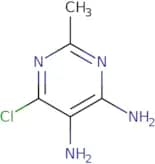
CAS:<p>5-Bromo-1-methyl-4-nitro-1H-imidazole is a nitroimidazole compound that has been shown to have antibacterial activity against gram-positive and gram-negative bacteria. The mechanism of action of this drug is not fully understood, but it is thought to be due to the ability of the drug to act as a substrate for bacterial nitroreductase enzymes, which are involved in nitrogen metabolism. 5BrNMI also inhibits DNA gyrase and topoisomerase IV and may inhibit cell wall synthesis. 5BrNMI can be used as an alternative treatment for infections caused by staphylococci or epidermidis.</p>Formula:C4H4BrN3O2Purity:Min. 95%Molecular weight:206 g/mol6-Chloro-2-methylpyrimidine-4,5-diamine
CAS:<p>Versatile small molecule scaffold</p>Formula:C5H7ClN4Purity:Min. 95%Molecular weight:158.59 g/molcis-3,3,5-Trimethylcyclohexanol
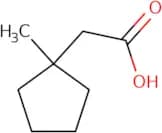
CAS:<p>cis-3,3,5-Trimethylcyclohexanol is an organic compound that is the result of an epimerization reaction. This reaction involves the conversion of 3,3-dimethylcyclohexanone to cis-3,3,5-trimethylcyclohexanol. The production of this compound has been shown to be dependent on the use of a solvent and acid catalyst. cis-3,3,5-Trimethylcyclohexanol is also known by its synonym 2(1H)-pyridinone. It has been shown that this chemical can be synthesized in a supercritical fluid at a rate of about 100 milliliters per hour. This chemical has been studied for its pharmacokinetic properties and has been found to have a half life in rats of about 150 minutes.</p>Formula:C9H18OPurity:Min. 95%Molecular weight:142.24 g/mol2-(1-Methylcyclopentyl)acetic acid
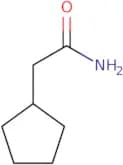
CAS:<p>Versatile small molecule scaffold</p>Formula:C8H14O2Purity:Min. 95%Molecular weight:142.2 g/mol2-Cyclopentylacetamide
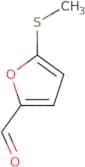
CAS:<p>2-Cyclopentylacetamide is a drug that has been used in the treatment of metabolic disorders and infectious diseases. It has been shown to be effective in treating hepatitis, degenerative diseases, and autoimmune diseases. 2-Cyclopentylacetamide is also used as a cancer chemotherapeutic agent. This drug inhibits cell proliferation by interacting with the glut1 receptor, which is an enzyme that catalyzes glucose uptake into cells. The inhibition of this enzyme prevents cells from taking up glucose to produce energy and leads to cell death. 2-Cyclopentylacetamide also inhibits the activity of hydrogen bond formation between two molecules of the same type. This drug binds to intramolecular hydrogen bonds and prevents them from forming between two different types of molecules.</p>Formula:C7H13NOPurity:Min. 95%Molecular weight:127.18 g/mol5-(Methylsulfanyl)furan-2-carbaldehyde
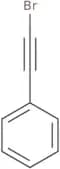
CAS:<p>Versatile small molecule scaffold</p>Formula:C6H6O2SPurity:Min. 95%Molecular weight:142.18 g/mol(Bromoethynyl)benzene
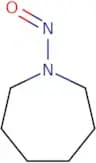
CAS:<p>Bromoethynylbenzene is a chemical compound that contains an amine group and a hydroxyl group. It is a nucleophilic reagent that can be used in cross-coupling reactions with sodium trifluoroacetate to produce 2,6-dihydroxypyridine from 2-aminoethanol. Bromoethynylbenzene has been shown to have therapeutic effects in degenerative diseases such as bowel disease. The mechanism of this drug's function is not well understood, but it has been shown to have anti-inflammatory effects and inhibit the production of inflammatory cytokines, which may lead to its therapeutic effects.</p>Formula:C8H5BrPurity:Min. 95%Molecular weight:181.03 g/mol1-Nitrosoazepane
CAS:<p>1-Nitrosoazepane is a cytotoxic agent that is used in the treatment of severe forms of cancer. It has been shown to cause cervical and vaginal cancers in rats, but not in mice. 1-Nitrosoazepane is also known to be teratogenic, causing birth defects in rat fetuses and hamsters. This drug binds to DNA and activates the cellular enzyme hydroxylase, which converts it into a reactive form that causes DNA damage. The cytotoxic activity of 1-nitrosoazepane is due to its ability to react with DNA and other macromolecules. This reactive form can be further oxidized by radiation or hydrogen peroxide, leading to cell death by apoptosis.</p>Formula:C6H12N2OPurity:Min. 95%Molecular weight:128.17 g/mol5-Isopropyl-2,4-dihydro-[1,2,4]triazol-3-one
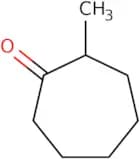
CAS:<p>Versatile small molecule scaffold</p>Formula:C5H9N3OPurity:Min. 95%Molecular weight:127.14 g/mol2-Methylcycloheptan-1-one
CAS:<p>2-Methylcycloheptan-1-one is a molecule that belongs to the group of unsaturated ketones. It has been synthesized by an alkylation reaction with trifluoroacetic acid, followed by imine formation and cyclization. The compound was identified as a stereoselective molecule with a molecular ion at m/z = 166. The mass spectrum also revealed the presence of isomeric forms of this molecule.</p>Formula:C8H14OPurity:Min. 95%Molecular weight:126.2 g/mol2,5-Dimethylcyclohexanone
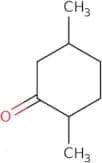
CAS:<p>2,5-Dimethylcyclohexanone is a reactive methyl ketone that can be used to synthesize organic molecules. It has been shown to react with alkyl lithium reagents such as organolithium and allyllithium. This reaction can be used to generate alcohols, amines, and other compounds. The product of the reaction depends on the type of R group on the 2,5-dimethylcyclohexanone molecule. For example, when R is an electron-withdrawing group such as a phenyl group or trans-stilbene, the product is an α-alkylated β-unsaturated ketone. When R is a hydrogen atom or methyl group, the product is an alkanol or amine respectively.<br>2,5-Dimethylcyclohexanone can also be used as an acceptor in conformational equilibration reactions because it has two methyl groups that are orthogonal to each other</p>Formula:C8H14OPurity:Min. 95%Molecular weight:126.2 g/mol3-(2-Hydroxyethyl)pyrrolidin-2-one
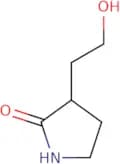
CAS:<p>3-(2-Hydroxyethyl)pyrrolidin-2-one is a lactone that is synthesized from vinyl ethers and cyclopentadiene. It has been used as an intermediate for the synthesis of lactams, cyclopentadiene, pyrrolidones, ethers, vinyl ether adducts, dienes and condensation products. 3-(2-Hydroxyethyl)pyrrolidin-2-one can also be used to produce caprolactam by the dimerization of hexachlorocyclopentadiene.</p>Formula:C6H11NO2Purity:Min. 95%Molecular weight:129.16 g/mol3-(2-Chloroethyl)pyrrolidin-2-one
CAS:<p>Versatile small molecule scaffold</p>Formula:C6H10ClNOPurity:Min. 95%Molecular weight:147.6 g/mol2-Chloro-N-methylaniline
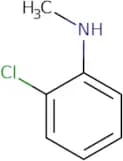
CAS:<p>2-Chloro-N-methylaniline (2CMA) is an amine that has two functional groups, the amino group and the chloro group. The amino group is a nucleophile and can form hydrogen bonds with other molecules. 2CMA has been shown to have a ring opening reaction with selenium compounds, which may be due to its electron withdrawing properties. This amine also has surface properties that make it useful for cleaning purposes. It has been shown to have a mitochondrial membrane potential, which may be due to its ability to bind with proteins in the mitochondrial membrane. 2CMA also binds with proteins on the outside of the mitochondria and can change the membrane potential by opening or closing pores.</p>Formula:C7H8ClNPurity:Min. 95%Molecular weight:141.6 g/mol2-Chloro-1-cyclopentylethan-1-one
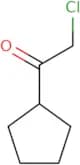
CAS:<p>2-Chloro-1-cyclopentylethan-1-one is an affinity agent that binds to the gastrin receptor, which is a G protein coupled receptor. It also has high affinity for cck-a and heterocyclic group. 2-Chloro-1-cyclopentylethan-1-one is used in the treatment of peptic ulcer disease, Zollinger Ellison syndrome, and dyspepsia. It is also used as an anxiolytic and a sedative drug. 2CPCEO has been shown to be a benzodiazepine with a hydrogen atom. This benzodiazepine has an alkoxycarbonyl group at the end of its structure.</p>Formula:C7H11ClOPurity:Min. 95%Molecular weight:146.61 g/mol2-Chlorocyclohexane-1,3-dione
CAS:<p>Versatile small molecule scaffold</p>Formula:C6H7ClO2Purity:Min. 95%Molecular weight:146.57 g/mol2-Acetyl-1-methylpyrrole
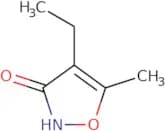
CAS:<p>2-Acetyl-1-methylpyrrole is a reactive compound that has been shown to react with palladium complexes. It also reacts with methyl ketones, forming acetate extract and quinoline derivatives. The reaction products of 2-acetyl-1-methylpyrrole have been studied by means of NMR spectroscopy and X-ray crystal structures. Kinetic studies show that hepg2 cells catalyze the reaction between 2-acetyl-1-methylpyrrole and hydrochloric acid.</p>Formula:C7H9NOPurity:Min. 95%Molecular weight:123.16 g/mol4-Ethyl-5-methyl-1,2-oxazol-3-ol
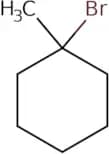
CAS:<p>Versatile small molecule scaffold</p>Formula:C6H9NO2Purity:Min. 95%Molecular weight:127.14 g/mol1-Bromo-1-methylcyclohexane
CAS:<p>1-Bromo-1-methylcyclohexane is a monomolecular gas that is used as an intermediate in organic synthesis. It reacts with halides to form cyclopentyl derivatives. This reaction has been shown to be faster than the corresponding reaction of 1-bromocyclohexane with chlorides or bromides. The rate of this reaction may be due to the polarizability and conformational changes of the molecule upon substitution by a methyl group. 1-Bromo-1-methylcyclohexane is also an ionizing reagent, which means it can cause electrophilic reactions to occur on other molecules. It has been found that the solvent effect on this product can affect its reactivity, with solvents such as water having more of an effect than solvents such as benzene. 1-Bromo-1-methylcyclohexane has been shown to interact with other compounds in both transfer and complex</p>Formula:C7H13BrPurity:Min. 95%Molecular weight:177.08 g/mol2-Methoxypyrimidine
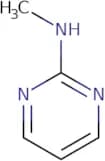
CAS:<p>2-Methoxypyrimidine is an organic compound that is a member of the heterocyclic class of compounds. It has been shown to have an inhibitory effect on serine proteases, which are enzymes that help regulate processes such as blood pressure and inflammation. 2-Methoxypyrimidine has also been investigated for use in cancer therapy, specifically targeting lymphatic vessels and caco-2 cells. The drug's potential use may be due to its ability to bind to the carbonyl group on cancer targets. 2-Methoxypyrimidine has two tautomers: enol and keto. It is currently unclear if these tautomers have different effects on the human body.</p>Formula:C5H6N2OPurity:Min. 95%Molecular weight:110.11 g/mol2-Methylaminopyrimidine
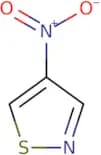
CAS:<p>2-Methylaminopyrimidine is a purine derivative that has been studied for its possible use in the treatment of chronic arthritis and bowel disease. In vitro studies have shown that this drug inhibits glycogen synthase kinase-3 (GSK-3), which is an enzyme involved in the inflammatory response. The drug may also be useful as a conditioning agent before radiation therapy. 2-Methylaminopyrimidine is also an amide, which means it can react with biological samples such as proteins, nucleic acids, and lipids. It has been used as a biochemical probe to study the eye disorder retinal degeneration. This drug is also used to study inflammatory diseases and to produce tautomers by reacting with oxygen molecules.</p>Formula:C5H7N3Purity:Min. 95%Molecular weight:109.13 g/mol4-Nitroisothiazole
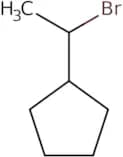
CAS:<p>4-Nitroisothiazole is a nitro derivative of isothiazole that has been shown to have inhibitory effects on bacterial growth. It has been shown to be active against the gram-positive bacterium, Staphylococcus aureus, and the gram-negative bacterium Escherichia coli. 4-Nitroisothiazole inhibits the growth of bacteria by binding to the cytoplasmic membrane, leading to an increase in the redox potential and preventing electron transport. 4-Nitroisothiazole also inhibits cellular respiration and protein synthesis, which leads to cell death.</p>Formula:C3H2N2O2SPurity:Min. 95%Molecular weight:130.13 g/mol(1-Bromoethyl)cyclopentane
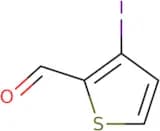
CAS:<p>Versatile small molecule scaffold</p>Formula:C7H13BrPurity:Min. 95%Molecular weight:177.08 g/mol3-Iodothiophene-2-carbaldehyde
CAS:<p>3-Iodothiophene-2-carbaldehyde is a stable, n-oxide. 3-Iodothiophene-2-carbaldehyde has been shown to undergo thermolysis.</p>Formula:C5H3IOSPurity:Min. 95%Molecular weight:238.05 g/mol3-Amino-4-iodo-5-methylisoxazole
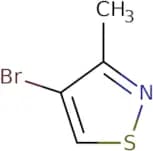
CAS:<p>Versatile small molecule scaffold</p>Formula:C4H5IN2OPurity:Min. 95%Molecular weight:224 g/mol4-Bromo-3-methylisothiazole
CAS:<p>4-Bromo-3-methylisothiazole is an industrial chemical that is used in the production of olefins. It reacts with other compounds to form alkyl derivatives, such as acetylenes and lithium 4-bromo-3-methylisothiazole. This compound is also a source for isothiazoles, which are unsubstituted pyridines. The reactivity of 4-bromo-3-methylisothiazole depends on the presence or absence of substituents.</p>Formula:C4H4BrNSPurity:Min. 95%Molecular weight:178.05 g/mol2,2-Dimethylcyclopropan-1-ol
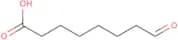
CAS:<p>Versatile small molecule scaffold</p>Formula:C5H10OPurity:Min. 95%Molecular weight:86.13 g/mol8-Oxo-octanoic acid
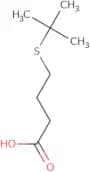
CAS:<p>8-Oxo-octanoic acid is an oxo fatty acid that is naturally produced in the body. It is also found in urine and plasma samples. 8-Oxo-octanoic acid has been shown to be a product of lipid peroxidation and may increase the risk of cardiovascular disease. This compound is metabolized by esterases to form 8-oxo-nonanoic acid, which can be detected in urine samples. The presence of 8-oxo-octanoic acid in plasma can be used as a marker for oxidative stress.</p>Formula:C8H14O3Purity:Min. 95%Molecular weight:158.19 g/mol4-(tert-Butylsulfanyl)butanoic acid
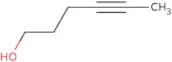
CAS:<p>Versatile small molecule scaffold</p>Formula:C8H16O2SPurity:Min. 95%Molecular weight:176.28 g/molHex-4-yn-1-ol
CAS:<p>Hex-4-yn-1-ol is a medicinal compound that has shown promising anticancer properties. It has been studied extensively in Chinese and human cancer cell lines, where it induces apoptosis (programmed cell death) in tumor cells. Hex-4-yn-1-ol has also been found to inhibit the activity of several protein kinases, which are enzymes involved in regulating cell growth and division. Additionally, it has been shown to have chitinase inhibitory activity and may be useful as an inhibitor of heparin-induced thrombocytopenia. This compound holds great potential for the development of novel cancer therapies and other medicinal applications.</p>Formula:C6H10OPurity:Min. 95%Molecular weight:98.14 g/mol6-Oxohexanoic acid
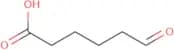
CAS:<p>6-Oxohexanoic acid is a metabolite of the catabolism of amino acids. It is formed by the oxidation of the hydroxyl group in 6-hydroxyhexanoic acid and can be converted to levulinate or caprolactam. 6-Oxohexanoic acid has been shown to be associated with metabolic disorders such as oxidative dna damage and congestive heart failure, as well as 6-aminocaproic acid deficiency (6AC), which is characterized by a decreased ability to form 6-oxohexanoic acid from lysine. This product is used in sample preparation for microbial identification and plant physiology research, as well as feedstocks for animal feed, cosmetics, and pharmaceuticals.</p>Formula:C6H10O3Purity:Min. 95%Color and Shape:PowderMolecular weight:130.14 g/mol6-Methylheptan-2-one
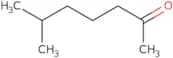
CAS:<p>6-Methylheptan-2-one is a chemical substance that can be found in the form of an oxidation product of tripalmitin. It is used as an analytical control agent for the qualitative and quantitative analysis of tripalmitin. 6-Methylheptan-2-one is analyzed by gas chromatography with mass spectrometry detection (GC/MS). The use of solid phase microextraction (SPME) allows for the sample to be taken from a solid matrix and analyzed without any interference from other compounds. This method has been validated with animals and has been shown to be accurate, precise, and sensitive. 6-Methylheptan-2-one is also an active substance in inflammatory bowel disease (IBD) due to its ability to induce oxidative stress in the intestine, which causes inflammation. This compound also has a fatty acid composition consisting primarily of unsaturated β-ketones such as methylpentanoate or methylhexanoate</p>Formula:C8H16OPurity:Min. 95%Molecular weight:128.21 g/mol4-Chloro-1-butanol
CAS:<p>4-Chloro-1-butanol (4CB) is an organic compound that forms an acid when dissolved in water. It is produced by the reaction of 3-bromopropylamine hydrobromide with 2,4-dichlorobenzoic acid in the presence of hydrochloric acid. The analytical method for 4CB is chromatographic science, which utilizes a covid-19 pandemic to detect this organic compound. 4CB is tumorigenic and has been shown to increase population growth in cell cultures. This organic compound also denatures proteins and causes tryptophan fluorescence to decrease. As such, it can be used as a titration calorimetry indicator for protein denaturation.</p>Formula:C4H9ClOPurity:Min. 95%Molecular weight:108.57 g/mol5-Chloropent-1-ene
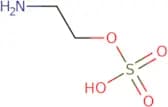
CAS:<p>Versatile small molecule scaffold</p>Formula:C5H9ClPurity:Min. 95%Molecular weight:104.58 g/mol2-Aminoethyl Sulfate
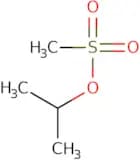
CAS:<p>2-Aminoethyl sulfate is a chemical compound that is used as a detergent and surfactant in cleaning products. It can be synthesized by the reaction of ethanolamine with sulfuric acid. The titration method is used to measure the concentration of 2-aminoethanol sulfate in water, using methoxy groups to indicate the degree of hydration. 2-Aminoethyl sulfate has been shown to have a low energy level, and is soluble in both water and alcohols. This chemical has been found to be effective as an emulsifier for fatty acids and other lipids. 2-Aminoethyl sulfate also has gamma-aminobutyric acid (GABA) binding properties, which may contribute to its anti-inflammatory effects.</p>Formula:C2H7NO4SPurity:Min. 95%Molecular weight:141.15 g/molIsopropyl methanesulfonate
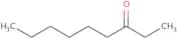
CAS:<p>Isopropyl Methanesulfonate is a pharmaceutical drug that is used in the manufacturing of other drugs. It is used for the treatment of male infertility by inhibiting the synthesis of spermatozoa and as an analytical reagent in protein data. Isopropyl methanesulfonate has been shown to be genotoxic, with a high resistance to hydrolysis by hydrolases. It also has been shown to have linear calibration curves and a reaction mechanism that involves the formation of methanesulfonic acid from methanesulfonic acid chloride and sodium hydroxide. The drug is metabolized into isopropyl sulfate, which can be detected in vivo after administration.</p>Formula:C4H10O3SPurity:Min. 95%Color and Shape:Clear LiquidMolecular weight:138.18 g/mol3-Nonanone
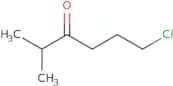
CAS:<p>3-Nonanone is an organic compound that is used as a conditioning agent in hair care products. It can be found naturally in the essential oils of Zanthoxylum bungeanum, and has been identified as a major component of the volatile fraction of this plant. 3-Nonanone can be synthesized by the reaction between ethyl decanoate and glycol ether, but is usually produced synthetically, by reacting olefin with phosgene. The chemical composition of 3-nonanone includes carbon, hydrogen, and oxygen atoms. 3-Nonanone has a boiling point of 120 °C and a melting point of -78 °C. It also has a density at 20 °C of 0.907 g/mL and a refractive index at 20 °C of 1.4383</p>Formula:C9H18OPurity:Min. 95%Molecular weight:142.24 g/mol6-Chloro-2-methylhexan-3-one
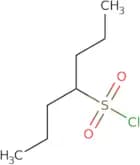
CAS:<p>Versatile small molecule scaffold</p>Formula:C7H13ClOPurity:Min. 95%Molecular weight:148.63 g/molHeptane-4-sulfonyl chloride
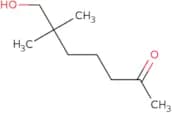
CAS:<p>Versatile small molecule scaffold</p>Formula:C7H15ClO2SPurity:Min. 95%Molecular weight:198.71 g/mol7-Hydroxy-6,6-dimethylheptan-2-one
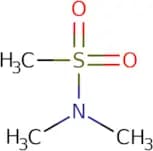
CAS:<p>Versatile small molecule scaffold</p>Formula:C9H18O2Purity:Min. 95%Molecular weight:158.24 g/molN,N-Dimethylmethanesulfonamide
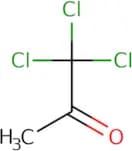
CAS:<p>Covid-19 is a drug that inhibits the conductance of the human erythrocyte membrane. It is an organometallic compound with a molecular weight of 208. Covid-19 was developed as part of a program to develop drugs for treatment of pandemic influenza. Covid-19 is able to bind to the carbonyl group of polyatomic molecules such as hexane, which may be due to hydrogen bonding. The nature and solvents used in the synthesis have been shown to affect the final product's properties.</p>Formula:C3H9NO2SPurity:Min. 95%Molecular weight:123.18 g/mol1,1,1-Trichloroacetone
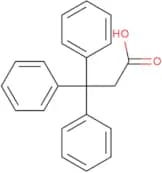
CAS:<p>1,1,1-Trichloroacetone (1,1,1-TCA) is a chemical compound that is used as an industrial solvent. It is produced by the reaction of sodium carbonate and 2,4-dichlorobenzoic acid in the presence of hydrochloric acid. 1,1,1-Trichloroacetone reacts with benzalkonium chloride to form trichloroacetic acid. The rate of this reaction increases with increasing pH values. The formation of 1,1,1-trichloroacetone can be monitored by measuring the concentration of malonic acid over time. This analytical method can also be used to detect the presence of urea nitrogen in a sample.</p>Formula:C3H3Cl3OPurity:Min. 95%Molecular weight:161.41 g/mol3,3,3-Triphenylpropionic Acid
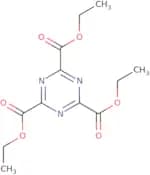
CAS:<p>3,3,3-Triphenylpropionic acid is a molecule that has been found to have potent inhibition of cardiac enzymes. This compound is also able to inhibit the growth of V79 cells and the activity of human liver microsomes. The structure of 3,3,3-Triphenylpropionic acid is believed to be related to its activities in cardiac tissues and in the rat liver. 3,3,3-Triphenylpropionic acid has shown to act as an intramolecular hydrogen bond acceptor and donor. In rat liver microsomes, this compound was observed to bind with water molecules and form bonds with amino acids such as glutamic acid and lysine.</p>Formula:C21H18O2Purity:Min. 95%Molecular weight:302.37 g/molTriethyl 1,3,5-triazine-2,4,6-tricarboxylate
CAS:<p>Triethyl 1,3,5-triazine-2,4,6-tricarboxylate is a conformationally constrained triazine derivative that has been rationalized to have amide and amine moieties. Triethyl 1,3,5-triazine-2,4,6-tricarboxylate has been shown to be an acceptor for chloride modification in the gas phase. This compound may be an optimized molecule for the synthesis of triazines with carboxylic acid substituents by postulating its diffraction pattern. The presence of the azide group is thermally stable and prevents decomposition.</p>Formula:C12H15N3O6Purity:Min. 95%Molecular weight:297.26 g/molN-[Carbamothioyl(phenyl)methyl]benzamide
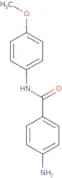
CAS:<p>Versatile small molecule scaffold</p>Formula:C15H14N2OSPurity:Min. 95%Molecular weight:270.3 g/mol4-Amino-n-(4-methoxyphenyl)benzamide
CAS:<p>4-Amino-N-(4-methoxyphenyl)benzamide is a catalytic sulfamate that has been optimized for use in the synthesis of benzimidazole derivatives. 4-Amino-N-(4-methoxyphenyl)benzamide is used as a reagent for the preparation of aldehydes from sulfamic acid and various types of carboxylic acids. The reaction mechanism involves nucleophilic attack by the hydroxyl group from the sulfamate on the carbonyl carbon atom to form an intermediate, which then reacts with water to release hydrogen sulfate and form a new double bond.</p>Formula:C14H14N2O2Purity:Min. 95%Molecular weight:242.27 g/mol5-Amino-2-chloro-N-[2-(diethylamino)ethyl]benzamide
CAS:<p>Versatile small molecule scaffold</p>Formula:C13H20ClN3OPurity:Min. 95%Molecular weight:269.77 g/mol1-(4-Phenoxyphenyl)propan-1-one
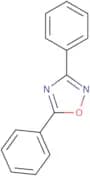
CAS:<p>Versatile small molecule scaffold</p>Formula:C15H14O2Purity:Min. 95%Molecular weight:226.27 g/mol3,5-Diphenyl-1,2,4-oxadiazole
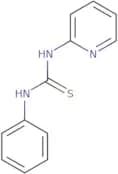
CAS:<p>3,5-Diphenyl-1,2,4-oxadiazole is a synthetic compound that has the chemical formula C12H10N2O. It is an optical material with orthorhombic symmetry and a melting point of 164 °C. It can be synthesized using the Grignard reaction. 3,5-Diphenyl-1,2,4-oxadiazole is used as a radiolabel for positron emission tomography (PET) imaging in studies of β-amyloid plaques in Alzheimer's disease patients and brain imaging to study the uptake of drugs in cancer cells. 3,5-Diphenyl-1,2,4-oxadiazole has been modified to increase its affinity for β amyloid plaques and increase its diffraction efficiency. The pharmacophore model for this drug is based on aromatic rings with modified electron density at 1' position.</p>Formula:C14H10N2OPurity:Min. 95%Molecular weight:222.24 g/mol1-Phenyl-3-(2-pyridyl)-2-thiourea
CAS:<p>1-Phenyl-3-(2-pyridyl)-2-thiourea (PTU) is a thiourea molecule that acts as an inhibitor of the production of polyhedra in bacteria. PTU binds to the ligand and inhibits the adsorption mechanism, preventing bacteria from attaching to surfaces. It has been shown that PTU can be used as a sensor for chlorine concentrations because it has a linear response. Additionally, it is used as an electrochemical impedance spectroscopy probe because of its potentiodynamic polarization and functional groups.</p>Formula:C12H11N3SPurity:Min. 95%Molecular weight:229.3 g/mol7-Thieno[3,2-d]pyrimidine
CAS:<p>7-Thieno[3,2-d]pyrimidines are potent antitumor agents that inhibit the activity of protein kinases. The 7-thieno[3,2-d]pyrimidine derivatives (e.g., AZD1775) were developed as inhibitors of DPP-IV enzyme and have shown promising results in clinical trials for treatment of type 2 diabetes. They are also being investigated for the treatment of autoimmune diseases, such as rheumatoid arthritis and multiple sclerosis.<br>7-Thieno[3,2-d]pyrimidines bind to the ATP binding site of enzymes in a competitive manner and inhibit the function of these enzymes by preventing ATP from binding to the enzyme's active site. These compounds have been shown to have antimicrobial properties against Leishmania species and myeloma cell lines.<br>The 7-thieno[3,2-d]pyrimidines target receptor activity at GPC</p>Formula:C6H4N2SPurity:Min. 95%Molecular weight:136.17 g/mol1H-Pyrazolo[3,4-b]quinoxaline
CAS:<p>1H-Pyrazolo[3,4-b]quinoxaline is a molecule that contains a pyrazole ring. It is used as an anticancer agent that can inhibit the growth of cancer cells by inhibiting the production of DNA and RNA in cancer cells. 1H-Pyrazolo[3,4-b]quinoxaline has been shown to have high values in blood group O and A individuals. It has also been studied for its anticancer activity against leukemia and breast cancers. This molecule is synthesized through acetylation of 2-chloro-1H-pyrazole with acetic anhydride or acetyl chloride. The chloride ion is replaced by a hydroxyl group to form pyrazole derivatives such as imidazopyridine, which are used as antihistamines and antipyretics. Sugar residues are found on the surface of the molecule, making it more soluble in water than other molecules.</p>Formula:C9H6N4Purity:Min. 95%Molecular weight:170.17 g/mol5H-chromeno[2,3-b]pyridine
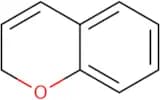
CAS:<p>5H-chromeno[2,3-b]pyridine is a substance that is used as a drug. It is an x-ray active compound and can be used in the production of pharmaceuticals. 5H-chromeno[2,3-b]pyridine has been shown to have anti-inflammatory properties, which may be due to its inhibition of prostaglandin synthesis. It also has the ability to regulate insulin resistance by decreasing the levels of glucose and aldehydes in blood plasma. The use of this compound for the treatment of inflammatory diseases is currently being investigated.</p>Formula:C12H9NOPurity:Min. 95%Molecular weight:183.21 g/mol2H-Chromene
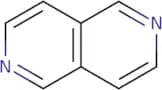
CAS:<p>2H-Chromene is a hydrogen tartrate with hydroxyl groups. It can be used as an anti-inflammatory agent and for the treatment of cancer or bowel disease. 2H-Chromene has been shown to inhibit the growth of some bacteria and fungi in vitro, but it is not active against Gram-negative bacteria. 2H-Chromene is also used as a pharmacological agent that can be administered orally or intravenously, to treat inflammatory bowel disease or congestive heart failure.<br>2H-Chromene is structurally similar to amines and alkanoic acids, which are known to have anti-inflammatory properties. The mechanism by which 2H-Chromene exhibits its therapeutic effects may be related to its ability to inhibit the production of proinflammatory cytokines such as TNFα, IL1β, IL6, and IL8.</p>Formula:C9H8OPurity:Min. 95%Molecular weight:132.16 g/mol2,6-Naphthyridine
CAS:<p>2,6-Naphthyridine is a small molecule that binds to the response elements in the promoter region of genes and alters gene expression. This compound has been shown to affect the brain cells and may be useful for treating brain diseases such as Parkinson's disease. 2,6-Naphthyridine has also been shown to have vibrational properties that can be used in spectroscopy. The compound has been shown to cause cardiac hypertrophy in rats when given at high doses. 2,6-Naphthyridine is a competitive inhibitor of ferroptosis protein binding and inhibits human proteins. It also inhibits the synthesis of naphthalene, which is known for its carcinogenic potential. 2,6-Naphthyridine has been shown to have sublethal effects on organisms such as yeast and nematodes; however, it was not toxic to mice or rats at low doses.</p>Formula:C8H6N2Purity:Min. 95%Molecular weight:130.15 g/molImidazo[2,1-b][1,3]thiazole
CAS:<p>Imidazo[2,1-b][1,3]thiazole is an antimicrobial agent that inhibits the growth of bacteria and viruses. Imidazo[2,1-b][1,3]thiazole has been shown to inhibit Cox-2 in a human tumor cell line and has been used to treat cancer. This drug is a potent inhibitor of sofosbuvir and other drugs that are cox-2 inhibitors. Imidazo[2,1-b][1,3]thiazole also inhibits the mitochondrial membrane potential and has been shown to be a potent inhibitor of sorafenib in cells grown in culture. The molecular modeling study showed that this drug binds to the ATP binding site on the enzyme and blocks ATP from binding. This leads to disruption of cellular processes such as protein synthesis and DNA replication.</p>Formula:C5H4N2SPurity:Min. 95%Molecular weight:124.17 g/molImidazo[4,3-b][1,3]thiazole
CAS:<p>Imidazo[4,3-b][1,3]thiazole is a heterocyclic aromatic compound. It is stable in air and water, but hydrolyzes in alkaline media to form an alkylthio that is relatively stable. Imidazo[4,3-b][1,3]thiazole has been shown to have antibacterial activity against enterococci and β-lactamase-producing strains of bacteria. It has been used as a component of topical ointments for the treatment of skin infections caused by gram-positive bacteria. Imidazo[4,3-b][1,3]thiazole also has antiviral properties and can be used as a component of influenza vaccines. This drug may also act as a nitroaromatic explosive or as an antimicrobial agent when it reacts with carbapenems such as ertapenem or doripenem.</p>Formula:C5H4N2SPurity:Min. 95%Molecular weight:124.17 g/mol7-Thia-2,4,5-triazatricyclo[6.4.0.0,2,6]dodeca-1(12),3,5,8,10-pentaene
CAS:<p>7-Thia-2,4,5-triazatricyclo[6.4.0.0,2,6]dodeca-1(12),3,5,8,10-pentaene is a chlorinated aromatic hydrocarbon that inhibits the enzyme acetylcholinesterase in the central and peripheral nervous system by binding to the active site of this enzyme. It has been shown to be useful as an intermediate for producing other chemicals such as benzothiazoles or amides. 7-Thia-2,4,5-triazatricyclo[6.4.0.0,2,6]dodeca-1(12),3,5,8,10-pentaene is used in horticultural applications as a long acting herbicide because it binds tightly to soil particles and does not leach into groundwater or evaporate easily from foliage surfaces.</p>Formula:C8H5N3SPurity:Min. 95%Molecular weight:175.21 g/mol5H-Pyrido[3,2-b]indole
CAS:<p>5H-Pyrido[3,2-b]indole is a synthetic compound that is used as a fluorescence probe. It has been shown to bind to the amine groups of proteins, such as those found in the adenosine receptor and protein kinase C. The protonation of 5H-pyrido[3,2-b]indole leads to an equilibrium between two tautomers, which have different resonance structures and different emission spectra. This means that 5H-pyrido[3,2-b]indole can be used to measure pH values because its fluorescence intensity increases with increasing acidity. Its fluorescence spectrum can also be transferred into other solvents by mixing with them.</p>Formula:C11H8N2Purity:Min. 95%Molecular weight:168.2 g/mol1H-Imidazo[4,5-c]quinoline
CAS:<p>1H-Imidazo[4,5-c]quinoline is a hydrogen bond acceptor that can be used as an amide in pharmaceutical preparations. It has shown clinical development in the treatment of an infant with leukodystrophy. 1H-Imidazo[4,5-c]quinoline is also the first known example of a quinoline derivative that is orally active and has been shown to have monoclonal antibody binding activity. 1H-Imidazo[4,5-c]quinoline binds to the centroid of the T cell receptor and may work by stimulating or inhibiting T cell activation.<br>!-- END --></p>Formula:C10H7N3Purity:Min. 95%Molecular weight:169.18 g/mol1H-Imidazo[4,5-F]quinoline
CAS:<p>1H-Imidazo[4,5-F]quinoline is an antimicrobial agent that inhibits the growth of cells by binding to the benzodiazepine site on the GABA receptor in mammalian cells. The drug binds to this site and prevents the influx of chloride ions into the cell, which results in a decrease in the membrane potential. This leads to cell death by apoptosis. 1H-Imidazo[4,5-F]quinoline has been shown to be active against many different types of bacteria, including candida glabrata, virus and anions. 1H-Imidazo[4,5-F]quinoline has been used as a fluorescent probe for detection methods such as spectroscopy and x-ray crystallography.</p>Formula:C10H7N3Purity:Min. 95%Molecular weight:169.18 g/molBenzo[h]quinoline
CAS:<p>Benzo[h]quinoline is a type of aromatic compound that forms stable complexes with protonated nitrogen atoms. The hydrogen bond between the benzo[h]quinoline and protonated nitrogen atom is a significant factor in the stability of these complexes. Benzo[h]quinoline also has cytotoxic properties, as observed by its significant cytotoxicity to cancer cells in the WST-1 assay. It has been shown to bind to proteins, such as DNA polymerase β and topoisomerase II, through an intramolecular hydrogen bond. The macrocyclic structure of benzo[h]quinoline allows it to be highly soluble in organic solvents, such as trifluoroacetic acid. The kinetic energy required for this complexation is significantly less than that required for other types of compounds with similar structures.</p>Formula:C13H9NPurity:Min. 95%Molecular weight:179.22 g/mol1-Oxaspiro[2.6]nonane
CAS:<p>Versatile small molecule scaffold</p>Formula:C8H14OPurity:Min. 95%Molecular weight:126.2 g/mol1-Oxa-6-thiaspiro[2.5]octane
CAS:<p>Versatile small molecule scaffold</p>Formula:C6H10OSPurity:Min. 95%Molecular weight:130.21 g/mol1-Oxaspiro[2.5]octane
CAS:<p>1-Oxaspiro[2.5]octane is a cyclohexane ring that has been found to be a potent immunosuppressive agent. It has been shown to suppress the immune system by inhibiting the production of lymphocytes and neutrophils, which are necessary for fighting infection. 1-Oxaspiro[2.5]octane has also been shown to have anti-cancer properties and can be used as an adjuvant in cancer treatment. This drug can be used in microcapsules or as an ingredient in pharmaceutical preparations such as polyvalent vaccines, which stimulate active immunity against various infectious agents. The mechanism of action by which this drug exerts its immunosuppressive effects is not well understood but may be due to its ability to inhibit calcium metabolism in cells.</p>Formula:C7H12OPurity:Min. 95%Molecular weight:112.17 g/mol7-Azaspiro[4.6]undecane
CAS:<p>Versatile small molecule scaffold</p>Formula:C10H19NPurity:Min. 95%Molecular weight:153.26 g/mol4-Oxa-1-azaspiro[5.5]undecane
CAS:<p>Versatile small molecule scaffold</p>Formula:C9H17NOPurity:Min. 95%Molecular weight:155.24 g/mol1,4-Diazaspiro[5.5]undecane
CAS:<p>Versatile small molecule scaffold</p>Formula:C9H18N2Purity:Min. 95%Molecular weight:154.25 g/mol2,8-Diazaspiro[5.5]undecane
CAS:<p>Versatile small molecule scaffold</p>Formula:C9H18N2Purity:Min. 95%Molecular weight:154.25 g/mol2-Azaspiro[5.5]undecane
CAS:<p>2-Azaspiro[5.5]undecane is a perchlorate amide, which is a quinoline derivative. It has been used in the synthesis of spirocyclic compounds and yields high yields, including carbon-carbon bonds. 2-Azaspiro[5.5]undecane can be used in the synthesis of aliphatic alcohols and formaldehyde, which is also a chemical known as an aliphatic or an alcohol. 2-Azaspiro[5.5]undecane can also be used in the synthesis of phthalimide and 2-naphthylamine, both of which are organic compounds that belong to the class of aliphatic amines.</p>Formula:C10H19NPurity:Min. 95%Molecular weight:153.26 g/mol6,9-Diazaspiro[4.5]decane
CAS:<p>Versatile small molecule scaffold</p>Formula:C8H16N2Purity:Min. 95%Molecular weight:140.23 g/mol6-Azaspiro[4.5]decane
CAS:<p>6-Azaspiro[4.5]decane is a diastereomer that has been synthesized using ring-opening and alkylation reactions. It is a natural product that can be found in the plant Lactuca virosa and the fungus Claviceps purpurea. 6-Azaspiro[4.5]decane is also used as a monomer to produce polymers with high thermal stability, such as ethynylated polyesters and cyclobutanones. This compound was first discovered by Halichlorine, who synthesized it from fatty acids and monomers containing cyclobutanone.</p>Formula:C9H17NPurity:Min. 95%Molecular weight:139.24 g/mol1-Thia-4-azaspiro[4.5]decane
CAS:<p>1-Thia-4-azaspiro[4.5]decane is a small molecule that inhibits the growth of cancer cells by blocking the synthesis of glycoproteins. It is a potent inhibitor of glycosylation in human liver and prostate cells, and has been shown to have anticancer activity against hepatocellular carcinoma, human colorectal cancer, and prostate adenocarcinoma cell lines. 1-Thia-4-azaspiro[4.5]decane acetylates proteins at lysine residues, which may lead to carcinogenic effects in humans.</p>Formula:C8H15NSPurity:Min. 95%Molecular weight:157.28 g/mol1-Azaspiro[4.5]decane
CAS:<p>1-Azaspiro[4.5]decane is a compound that contains an azaspiro[4.5]decane skeleton with a formyloxy group at the 1 position and a hydroxyamine group at the 3 position. It has been shown to be an efficient method for the synthesis of peptidomimetics, which are compounds that have a peptide-like structure but are not peptides in the strict sense. The tricycle of 1-azaspiro[4.5]decane is formed through a hydrochloride salt, which is generated by hydrolysis of 1-azaspiro[4.5]decane with hydrochloric acid and then reduced with lithium aluminium hydride, or through reduction with hydrogen over palladium on charcoal in acetic acid. Hydroxyamination of 1-azaspiro[4.5]decane can be accomplished under basic conditions by treatment with ammonia and ethyl acetate, followed by hydro</p>Formula:C9H17NPurity:Min. 95%Molecular weight:139.24 g/mol2,8-Diazaspiro[4.5]decane
CAS:<p>2,8-Diazaspiro[4.5]decane is a competitive antagonist of the receptor α-adrenergic. It has been shown to significantly activate ATP-binding cassette transporter proteins in bone cells and increase bone mass. 2,8-Diazaspiro[4.5]decane is also an enantiomer that can be used for the treatment of cancer, as well as other diseases such as depression and anxiety. The pharmacokinetic properties of this drug have been studied in rats and mice with significant concentration levels achieved in plasma after 1 hour. The half-life of 2,8-Diazaspiro[4.5]decane is 3 hours and it is metabolized by hydrolysis by carboxylesterase or hydroxylase enzymes to form an inactive compound.</p>Formula:C8H16N2Purity:Min. 95%Molecular weight:140.23 g/mol8-Aza-spiro[4.5]decane
CAS:<p>8-Aza-spiro[4.5]decane is an amide and organometallic compound that has been shown to have anti-inflammatory properties, as well as being useful in the treatment of inflammatory pain. It binds to the urothelium, which is the lining of the bladder and urinary tract, or to cells in the intestinal lumen, leading to a reduction in inflammation. 8-Aza-spiro[4.5]decane also has been shown to be effective in treating depression, due to its ability to bind with serotonin receptors. This drug has fluorine in its structure which can cause alzheimer's disease or other neurodegenerative disorders when combined with organic acids such as fatty acid.</p>Formula:C9H17NPurity:Min. 95%Molecular weight:139.24 g/mol

![rac-[(1R,2R)-2-Phenylcyclopropyl]methanamine hydrochloride](/_next/image/?url=https%3A%2Fstatic.cymitquimica.com%2Fproducts%2F3D%2Fthumb-webp%2FAAA93697.webp&w=3840&q=75)







![5-Isopropyl-2,4-dihydro-[1,2,4]triazol-3-one](/_next/image/?url=https%3A%2Fstatic.cymitquimica.com%2Fproducts%2F3D%2Fthumb-webp%2FAAA93263.webp&w=3840&q=75)








![N-[Carbamothioyl(phenyl)methyl]benzamide](/_next/image/?url=https%3A%2Fstatic.cymitquimica.com%2Fproducts%2F3D%2Fthumb-webp%2FAAA89278.webp&w=3840&q=75)
![5-Amino-2-chloro-N-[2-(diethylamino)ethyl]benzamide](/_next/image/?url=https%3A%2Fstatic.cymitquimica.com%2Fproducts%2F3D%2Fthumb-webp%2FAAA89058.webp&w=3840&q=75)

![7-Thieno[3,2-d]pyrimidine](/_next/image/?url=https%3A%2Fstatic.cymitquimica.com%2Fproducts%2F3D%2Fthumb-webp%2FAAA27268.webp&w=3840&q=75)
![1H-Pyrazolo[3,4-b]quinoxaline](/_next/image/?url=https%3A%2Fstatic.cymitquimica.com%2Fproducts%2F3D%2Fthumb-webp%2FAAA26975.webp&w=3840&q=75)
![5H-chromeno[2,3-b]pyridine](/_next/image/?url=https%3A%2Fstatic.cymitquimica.com%2Fproducts%2F3D%2Fthumb-webp%2FAAA26127.webp&w=3840&q=75)
![Imidazo[2,1-b][1,3]thiazole](/_next/image/?url=https%3A%2Fstatic.cymitquimica.com%2Fproducts%2F3D%2Fthumb-webp%2FAAA25197.webp&w=3840&q=75)
![Imidazo[4,3-b][1,3]thiazole](/_next/image/?url=https%3A%2Fstatic.cymitquimica.com%2Fproducts%2F3D%2Fthumb-webp%2FAAA25189.webp&w=3840&q=75)
![7-Thia-2,4,5-triazatricyclo[6.4.0.0,2,6]dodeca-1(12),3,5,8,10-pentaene](/_next/image/?url=https%3A%2Fstatic.cymitquimica.com%2Fproducts%2F3D%2Fthumb-webp%2FAAA24792.webp&w=3840&q=75)
![5H-Pyrido[3,2-b]indole](/_next/image/?url=https%3A%2Fstatic.cymitquimica.com%2Fproducts%2F3D%2Fthumb-webp%2FAAA24508.webp&w=3840&q=75)
![1H-Imidazo[4,5-c]quinoline](/_next/image/?url=https%3A%2Fstatic.cymitquimica.com%2Fproducts%2F3D%2Fthumb-webp%2FAAA23356.webp&w=3840&q=75)
![1H-Imidazo[4,5-F]quinoline](/_next/image/?url=https%3A%2Fstatic.cymitquimica.com%2Fproducts%2F3D%2Fthumb-webp%2FAAA23355.webp&w=3840&q=75)
![Benzo[h]quinoline](/_next/image/?url=https%3A%2Fstatic.cymitquimica.com%2Fproducts%2F3D%2Fthumb-webp%2FAAA23027.webp&w=3840&q=75)
![1-Oxaspiro[2.6]nonane](/_next/image/?url=https%3A%2Fstatic.cymitquimica.com%2Fproducts%2F3D%2Fthumb-webp%2FAAA18585.webp&w=3840&q=75)
![1-Oxa-6-thiaspiro[2.5]octane](/_next/image/?url=https%3A%2Fstatic.cymitquimica.com%2Fproducts%2F3D%2Fthumb-webp%2FAAA18573.webp&w=3840&q=75)
![1-Oxaspiro[2.5]octane](/_next/image/?url=https%3A%2Fstatic.cymitquimica.com%2Fproducts%2F3D%2Fthumb-webp%2FAAA18570.webp&w=3840&q=75)
![7-Azaspiro[4.6]undecane](/_next/image/?url=https%3A%2Fstatic.cymitquimica.com%2Fproducts%2F3D%2Fthumb-webp%2FAAA18413.webp&w=3840&q=75)
![4-Oxa-1-azaspiro[5.5]undecane](/_next/image/?url=https%3A%2Fstatic.cymitquimica.com%2Fproducts%2F3D%2Fthumb-webp%2FAAA18078.webp&w=3840&q=75)
![1,4-Diazaspiro[5.5]undecane](/_next/image/?url=https%3A%2Fstatic.cymitquimica.com%2Fproducts%2F3D%2Fthumb-webp%2FAAA18076.webp&w=3840&q=75)
![2,8-Diazaspiro[5.5]undecane](/_next/image/?url=https%3A%2Fstatic.cymitquimica.com%2Fproducts%2F3D%2Fthumb-webp%2FAAA18050.webp&w=3840&q=75)
![2-Azaspiro[5.5]undecane](/_next/image/?url=https%3A%2Fstatic.cymitquimica.com%2Fproducts%2F3D%2Fthumb-webp%2FAAA18048.webp&w=3840&q=75)
![6,9-Diazaspiro[4.5]decane](/_next/image/?url=https%3A%2Fstatic.cymitquimica.com%2Fproducts%2F3D%2Fthumb-webp%2FAAA17719.webp&w=3840&q=75)
![6-Azaspiro[4.5]decane](/_next/image/?url=https%3A%2Fstatic.cymitquimica.com%2Fproducts%2F3D%2Fthumb-webp%2FAAA17717.webp&w=3840&q=75)
![1-Thia-4-azaspiro[4.5]decane](/_next/image/?url=https%3A%2Fstatic.cymitquimica.com%2Fproducts%2F3D%2Fthumb-webp%2FAAA17707.webp&w=3840&q=75)
![1-Azaspiro[4.5]decane](/_next/image/?url=https%3A%2Fstatic.cymitquimica.com%2Fproducts%2F3D%2Fthumb-webp%2FAAA17680.webp&w=3840&q=75)
![2,8-Diazaspiro[4.5]decane](/_next/image/?url=https%3A%2Fstatic.cymitquimica.com%2Fproducts%2F3D%2Fthumb-webp%2FAAA17667.webp&w=3840&q=75)
![8-Aza-spiro[4.5]decane](/_next/image/?url=https%3A%2Fstatic.cymitquimica.com%2Fproducts%2F3D%2Fthumb-webp%2FAAA17664.webp&w=3840&q=75)