


Building Blocks
This section contains fundamental products for the synthesis of organic and biological compounds. Building blocks are the essential starting materials used to construct complex molecules through various chemical reactions. They play a critical role in drug discovery, material science, and chemical research. At CymitQuimica, we offer a diverse range of high-quality building blocks to support your innovative research and industrial projects, ensuring you have the essential components for successful synthesis.
Subcategories of "Building Blocks"
- Boronic Acids & Boronic Acid Derivatives(5,756 products)
- Chiral Building Blocks(1,242 products)
- Hydrocarbon Building Blocks(6,095 products)
- Organic Building Blocks(61,051 products)
Found 199813 products of "Building Blocks"
Sort by
Purity (%)
0
100
|
0
|
50
|
90
|
95
|
100
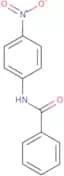
4'-Nitrobenzanilide
CAS:<p>4'-Nitrobenzanilide is an organic compound that is used to synthesize dyes and other chemicals. It can be prepared by reacting a primary or secondary amine with 4-nitrochlorobenzene in the presence of a base. This reaction produces the nitroanilide, which can be oxidized to the nitrobenzanilide. The high yield and low toxicity of this process make it an attractive alternative to older methods of production. 4'-Nitrobenzanilide has been shown to have significant environmental effects, particularly in terms of pollution caused by chlorinated solvents.</p>Formula:C13H10N2O3Purity:Min. 95%Molecular weight:242.23 g/mol4-Methoxy-N-methylbenzamide
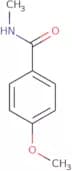
CAS:<p>4-Methoxy-N-methylbenzamide is a benzene that has been synthetically modified to an amide, which is then annulated to an isoquinoline. This compound has two functionalizations: one cyclopropane and one diffraction. The yield of this reaction was approximately 55%. 4-Methoxy-N-methylbenzamide (4MMB) is a x-ray active molecule with a dihedral angle of about 60°, which is common in natural products. 4MMB is also an oxidative molecule and reacts with biomolecules. 4MMB contains the following characteristic structural features: an aromatic ring, a carbonyl group, and two amide bonds.</p>Formula:C9H11NO2Purity:Min. 95%Molecular weight:165.19 g/mol2-Bromopropionaldehyde Diethyl Acetal
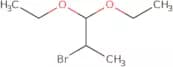
CAS:<p>2-Bromopropionaldehyde diethyl acetal is an organic compound that is used as a reactant in the preparation of other compounds. It can be prepared by the reaction of 3-bromo-1-propanol with magnesium in ether. The reaction is catalyzed by pyridinium chlorochromate, which facilitates the ring-opening reaction. The product can also be used to introduce alkyl groups onto aromatic rings, such as benzene and naphthalene. 2-Bromopropionaldehyde diethyl acetal has a high redox potential, making it reactive and nucleophilic.</p>Formula:C7H15BrO2Purity:Min. 95%Molecular weight:211.1 g/mol1,1-(9H-carbazole-3,6-diyl)diethanone
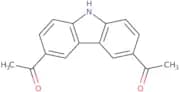
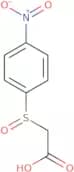
CAS:<p>1,1-(9H-carbazole-3,6-diyl)diethanone is an aromatic compound with a molecular formula of C12H10N2O that belongs to the class of enol ethers. It can be used as a framework for the synthesis of other compounds. The acylation reaction is catalyzed by a transfer catalyst and carried out in dioxane at room temperature. After filtration and washing with deionized water, it is then dried under vacuum to yield the product. Friedel-Crafts acylation or a metal salt may be used during this process. 1,1-(9H-carbazole-3,6-diyl)diethanone has also been shown to act as a ligand for transition metals such as copper and zinc in certain reactions.</p>Formula:C16H13NO2Purity:Min. 95%Molecular weight:251.28 g/mol2-(4-Nitrobenzenesulfinyl)acetic acid
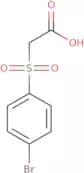
CAS:<p>2-(4-Nitrobenzenesulfinyl)acetic acid is an organic compound that has a hydrogen bond acceptor and a hydrogen bond donor. It also has two groups of nitrobenzenesulfonic acid attached to the same carbon atom, and therefore contains both electron-donating and electron-withdrawing groups.</p>Formula:C8H7NO5SPurity:Min. 95%Molecular weight:229.21 g/mol2-(4-Bromobenzenesulfonyl)acetic acid
CAS:<p>Versatile small molecule scaffold</p>Formula:C8H7BrO4SPurity:Min. 95%Molecular weight:279.11 g/mol2-[(4-Nitrophenyl)sulfanyl]acetic acid
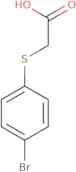
CAS:<p>2-[(4-Nitrophenyl)sulfanyl]acetic acid is a colorless liquid with a boiling point of 168°C. It is soluble in water, glycol, and ether, but not in ethanol. 2-[(4-Nitrophenyl)sulfanyl]acetic acid has been shown to be an acceptor for borate, forming the perborate ion. It also reacts with glycol to form the glyoxalate ion. The compound has been shown to react with nitric acid and ethylene glycol to form nitroethane and acetic acid molecules. This reaction is catalyzed by hydrogen bonding between the oxygen atoms of acetic acid and nitric acid, which causes an electron transfer from nitric acid to acetic acid molecules. This process results in reactive species that can then react with other substances such as hydrogen bonds or peracetic acid.</p>Formula:C8H7NO4SPurity:Min. 95%Molecular weight:213.21 g/mol(4-Bromo-phenylsulfanyl)-acetic acid
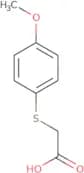
CAS:<p>Versatile small molecule scaffold</p>Formula:C8H7BrO2SPurity:Min. 95%Molecular weight:247.11 g/mol2-((4-Methoxyphenyl)thio)acetic acid
CAS:<p>Versatile small molecule scaffold</p>Formula:C9H10O3SPurity:Min. 95%Molecular weight:198.24 g/mol1-(4-Bromophenyl)-3,3-dimethylurea
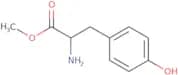
CAS:<p>1-(4-Bromophenyl)-3,3-dimethylurea is a growth regulator that belongs to the heterocycle pyrazole derivative. It binds to the cytochrome P450 enzyme and inhibits the production of proteins vital for cell division, leading to cell death by inhibiting the production of proteins vital for cell division. 1-(4-Bromophenyl)-3,3-dimethylurea has been shown to inhibit methionine adenosyltransferase and suppress DNA methylation. This drug also has a toxic effect on respiratory system cells, which may be due to its ability to induce apoptosis.</p>Formula:C9H11BrN2OPurity:Min. 95%Molecular weight:243.1 g/molMethyl (2R)-2-amino-3-(4-hydroxyphenyl)propanoate
CAS:<p>Methyl (2R)-2-amino-3-(4-hydroxyphenyl)propanoate is a linker that binds to the nuclear hormone receptors found in cancer cells. It has been shown that this molecule has anticancer activity in animals, but its efficacy has not been evaluated in humans. Methyl (2R)-2-amino-3-(4-hydroxyphenyl)propanoate is a stereoselective agent, which means it selectively binds to one of two mirror images of the same molecule. The molecule was originally synthesized for use as an estrogen receptor antagonist but also shows affinity for progesterone and androgen receptors. This linker is being investigated as a potential drug for the treatment of hormone receptor positive glioma, prostate cancer, and breast cancer.</p>Formula:C10H13NO3Purity:Min. 95%Molecular weight:195.21 g/molEthyl[1-(oxolan-2-yl)-2-phenylethyl]amine
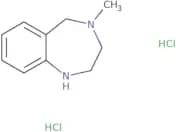
CAS:<p>Versatile small molecule scaffold</p>Formula:C14H21NOPurity:Min. 95%Molecular weight:219.32 g/mol4-Methyl-2,3,4,5-tetrahydro-1H-1,4-benzodiazepine dihydrochloride
CAS:<p>Versatile small molecule scaffold</p>Formula:C10H16Cl2N2Purity:Min. 95%Molecular weight:235.15 g/mol2-Benzylbenzo[D]isothiazol-3(2H)-one 1,1-dioxide
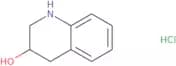
CAS:<p>Versatile small molecule scaffold</p>Formula:C14H11NO3SPurity:Min. 95%Molecular weight:273.31 g/mol1,2,3,4-Tetrahydroquinolin-3-ol
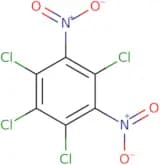
CAS:<p>1,2,3,4-Tetrahydroquinolin-3-ol is a stabilizer that can be used to prevent or slow down the polymerization of epoxy resins. It can also be used as an intermediate in the synthesis of other organic compounds. 1,2,3,4-Tetrahydroquinolin-3-ol has been shown to react with amines and nucleophiles to form new compounds. It has also been shown to stabilize proton transfer reactions. This compound is also capable of reacting with inorganic acids to form ring-opening polymers.</p>Formula:C9H11NOPurity:Min. 95%Molecular weight:149.19 g/mol1,2,3,5-Tetrachloro-4,6-dinitrobenzene
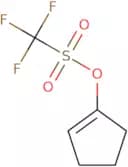
CAS:<p>1,2,3,5-Tetrachloro-4,6-dinitrobenzene is a chlorinating agent that is used to produce hypochlorous acid. It has an activation energy of 116 kJ/mol and a sensitivity test constant of 1.0 × 10. The impurities found in this compound are chloride and hydrogen chloride. This product can be separated using chromatographic methods and the profile depends on the chromatographic method used. The compound can be produced by reacting chlorine with hydroxide solution or sodium hydroxide solution in the presence of a nucleophilic substance such as chloride or ammonia.</p>Formula:C6Cl4N2O4Purity:Min. 95%Molecular weight:305.9 g/molCyclopent-1-en-1-yl trifluoromethanesulfonate
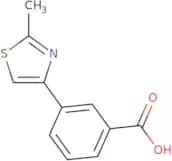
CAS:<p>Cyclopent-1-en-1-yl trifluoromethanesulfonate is a formylating agent that reacts with electrophilic groups and nucleophilic groups. It can be used to synthesize ketones, epoxides, and formyl compounds. Cyclopent-1-en-1-yl trifluoromethanesulfonate has been shown to inhibit the production of chemokines, which are inflammatory mediators that attract immune cells to infected or damaged tissues, and prostaglandins, which are lipid molecules that play a role in the regulation of inflammation.</p>Formula:C6H7F3O3SPurity:Min. 95%Molecular weight:216.18 g/mol3-(2-Methyl-1,3-thiazol-4-yl)benzoic acid
CAS:<p>Versatile small molecule scaffold</p>Formula:C11H9NO2SPurity:Min. 95%Molecular weight:219.26 g/molAcetophenone-d5
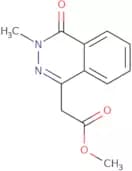
CAS:Controlled Product<p>Acetophenone-d5 is a deuterated methyl group that is used as an internal standard in nuclear magnetic resonance spectrometry. Acetophenone-d5 has been synthesized by Wittig reaction of styrene and deuterium-labeled phosphonium salt. The purified acetophenone-d5 is chemically stable, thermally and fluorescently stable, nonvolatile, nonflammable and nonexplosive.</p>Formula:C8H3D5OPurity:Min. 95%Molecular weight:125.18 g/molMethyl 2-(3-methyl-4-oxo-3,4-dihydrophthalazin-1-yl)acetate
CAS:<p>Versatile small molecule scaffold</p>Formula:C12H12N2O3Purity:Min. 95%Molecular weight:232.23 g/mol2-Hydroxy-3,6,7-trimethylquinoxaline
CAS:<p>Versatile small molecule scaffold</p>Formula:C11H12N2OPurity:Min. 95%Molecular weight:188.23 g/mol6-Bromospiro[3.3]heptane-2-carboxylic acid
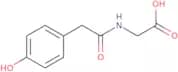
CAS:<p>Versatile small molecule scaffold</p>Formula:C8H11BrO2Purity:Min. 95%Molecular weight:219.08 g/molp-Hydroxyphenylacetylglycine
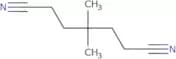
CAS:<p>p-Hydroxyphenylacetylglycine (PHPAG) is a metabolite of creatine, which is found in urine samples. It can be detected through chemical analysis of tissue and food composition. The detection sensitivity is determined by the type of sample and the analytical method used. PHPAG has been shown to have diagnostic value for the diagnosis of certain diseases, such as liver cirrhosis, kidney disease, and fatty acid metabolism disorders. PHPAG has also been shown to be an indicator for intracellular levels of fatty acids and polyunsaturated fatty acids (PUFA).</p>Formula:C10H11NO4Purity:Min. 95%Molecular weight:209.2 g/mol4,4-Dimethylheptanedinitrile
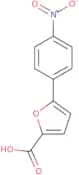
CAS:<p>Versatile small molecule scaffold</p>Formula:C9H14N2Purity:Min. 95%Molecular weight:150.22 g/mol5-(4-Nitrophenyl)-2-furoic acid
CAS:<p>5-(4-Nitrophenyl)-2-furoic acid is a phenolic acid that has been shown to inhibit protein–protein interactions. It has been proposed as a corrosion inhibitor for metal surfaces, and it has also been used in the synthesis of vitamin B12. 5-(4-Nitrophenyl)-2-furoic acid can be detected using fluorescence resonance energy transfer (FRET) on a surface with a constant concentration, which is proportional to the intensity of fluorescence emission. This compound can also be used as an insulin resistance marker by measuring the time it takes for glucose to enter cells.</p>Formula:C11H7NO5Purity:Min. 95%Molecular weight:233.18 g/molrac-(1R,4R)-N-Methyl-4-phenylcyclohexan-1-amine hydrochloride
CAS:<p>Versatile small molecule scaffold</p>Formula:C13H20ClNPurity:Min. 95%Molecular weight:225.76 g/molBenzene, (1,1-dimethyl-2-propyn-1-yl)-
CAS:<p>Versatile small molecule scaffold</p>Formula:C11H12Purity:Min. 95%Molecular weight:144.21 g/mol2-Mercapto-3-methyl-3H-purin-6(9H)-one
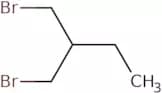
CAS:2-Mercapto-3-methyl-3H-purin-6(9H)one (2MMPD) is a purine analogue that has been used as a stabilizer in the synthesis of 3-methylxanthine. It has been shown to be useful for the fragmentation of large molecules in mass spectrometry and also has spectral properties similar to those of purines. The 2MMPD molecule can be used to identify other analogues, such as 3,7-dimethylxanthine, which are otherwise difficult to distinguish from one another. Spectral data for 2MMPD has been obtained from both gas chromatography and high performance liquid chromatography.Formula:C6H6N4OSPurity:Min. 95%Molecular weight:182.2 g/mol1-bromo-2-(bromomethyl)butane
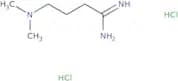
CAS:<p>1-bromo-2-(bromomethyl)butane is an aliphatic compound that is used as a propellant. It is also used in the synthesis of epoxy resins and plasticizers. 1-Bromo-2-(bromomethyl)butane can be synthesized by reacting bromine with butane. This reaction is catalyzed by acid or base, and can be conducted at low temperatures. The resulting product has been shown to have properties that are similar to those of other aliphatic compounds, such as being nonflammable and having low toxicity.</p>Formula:C5H10Br2Purity:Min. 95%Molecular weight:229.94 g/mol4-(Dimethylamino)butanimidamide dihydrochloride
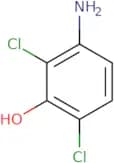
CAS:<p>Versatile small molecule scaffold</p>Formula:C6H17Cl2N3Purity:Min. 95%Molecular weight:202.12 g/mol3-Amino-2,6-dichlorophenol
CAS:<p>Versatile small molecule scaffold</p>Formula:C6H5Cl2NOPurity:Min. 95%Molecular weight:178.01 g/mol2-[(4-Methoxyphenyl)formamido]-2-phenylacetic acid
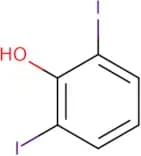
CAS:<p>Versatile small molecule scaffold</p>Formula:C16H15NO4Purity:Min. 95%Molecular weight:285.29 g/mol2,6-Diiodophenol
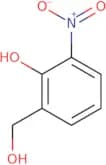
CAS:<p>2,6-Diiodophenol is a noncompetitive inhibitor that binds to the active site of carbonic anhydrase. It can be used as a pharmaceutical formulation or in sample preparation for gene sequence analysis. 2,6-Diiodophenol has been shown to have competitive inhibition against other inhibitors such as acetazolamide and dichlorphenamide. The marine sponge-derived enzyme carbonic anhydrase (CA) from the Gulf of Mexico was examined by chromatographic and spectroscopic methods. The CA activity was found to be inhibited by 2,6-diiodophenol in a concentration dependent manner with a KI value of 0.06 mM. 2,6-Diiodophenol also inhibits CA activity in rat liver microsomes at concentrations above 1 mM but does not inhibit peroxide production by the microsomal system at concentrations up to 10 mM. The crystal structure of 2,6-diiodophenol bound to CA has been determined using X</p>Formula:C6H4I2OPurity:Min. 95%Molecular weight:345.9 g/mol2-(Hydroxymethyl)-6-nitrophenol
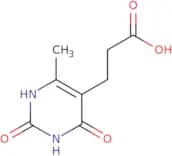
CAS:<p>Salicylaldehyde is a colorless liquid with a spicy odor. It is used in the manufacture of many organic compounds and is found naturally in some plants, such as euglena gracilis and benzaldehyde. Salicylaldehyde can be biotransformed to other types of aldehydes. These include cinnamaldehyde, vanillin, 2-cyanobenzaldehyde, and 2-(hydroxymethyl)-6-nitrophenol (2NHP). 2NHP is an intermediate product of salicylic acid biosynthesis. It is also used to synthesize phenacetin and acetanilide. Acetanilide was once widely used as an analgesic but was withdrawn from clinical use because it caused fatal methemoglobinemia (a disorder in which the body does not have enough oxygen)</p>Formula:C7H7NO4Purity:Min. 95%Molecular weight:169.13 g/mol3-(6-Methyl-2,4-dioxo-1,2,3,4-tetrahydropyrimidin-5-yl)propanoic acid
CAS:<p>Versatile small molecule scaffold</p>Formula:C8H10N2O4Purity:Min. 95%Molecular weight:198.18 g/mol4-Methyl-2-[(propan-2-yl)amino]benzonitrile
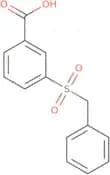
CAS:<p>Versatile small molecule scaffold</p>Formula:C11H14N2Purity:Min. 95%Molecular weight:174.24 g/mol3-Phenylmethanesulfonylbenzoic acid
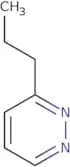
CAS:<p>Versatile small molecule scaffold</p>Formula:C14H12O4SPurity:Min. 95%Molecular weight:276.31 g/mol3-Propylpyridazine
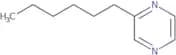
CAS:<p>Versatile small molecule scaffold</p>Formula:C7H10N2Purity:Min. 95%Molecular weight:122.17 g/mol2-Hexylpyrazine
CAS:<p>2-Hexylpyrazine is a heterocyclic organic compound that belongs to the group of alkynyl pyrazines. It is used as a solid catalyst in organic reactions, such as methylation, esterification, and alkylation. 2-Hexylpyrazine has been shown to be effective for bowel disease and inflammatory bowel disease. It has also been shown to inhibit cancer cell growth and is being studied for its potential use in the treatment of autoimmune diseases. 2-Hexylpyrazine is metabolized by bile acids and inflammatory cells into a reactive species which activates G protein coupled receptors on the surface of cells, leading to increased chloride ion concentrations within the cell. This leads to inhibition of dopamine D3 receptor signaling, which may have anti-inflammatory effects.</p>Formula:C10H16N2Purity:Min. 95%Molecular weight:164.25 g/mol6-Nitro-3,4-dihydro-2H-benzo[b][1,4]oxazine
CAS:Versatile small molecule scaffoldFormula:C8H8N2O3Purity:Min. 95%Molecular weight:180.16 g/mol3-Chloro-N,N-diethylpropanamide
CAS:<p>Versatile small molecule scaffold</p>Formula:C7H14ClNOPurity:Min. 95%Molecular weight:163.64 g/molN-[Bis(4-methoxyphenyl)methyl]-2-chloroacetamide
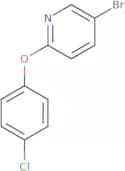
CAS:<p>Versatile small molecule scaffold</p>Formula:C17H18ClNO3Purity:Min. 95%Molecular weight:319.8 g/mol5-Bromo-2-(4-chlorophenoxy)pyridine
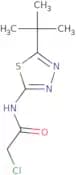
CAS:<p>Versatile small molecule scaffold</p>Formula:C11H7BrClNOPurity:Min. 95%Molecular weight:284.53 g/molN-(5-tert-Butyl-1,3,4-thiadiazol-2-yl)-2-chloroacetamide
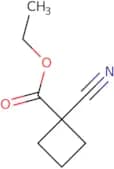
CAS:<p>Versatile small molecule scaffold</p>Formula:C8H12ClN3OSPurity:Min. 95%Molecular weight:233.72 g/molEthyl 1-cyanocyclobutanecarboxylate
CAS:<p>Ethyl 1-cyanocyclobutanecarboxylate is a cyclic molecule that belongs to the homologues of ethylene. This compound has been shown to react with carbanions in the presence of a base to form anionic initiator molecules. Ethyl 1-cyanocyclobutanecarboxylate can be used as an experimental monomer for ring-opening polymerization reactions, which are nonquantitative and may require temperatures as high as 110°C. The rate of these reactions is determined by the concentration of monomers, which should be made as monodisperse as possible.</p>Formula:C8H11NO2Purity:Min. 95%Molecular weight:153.18 g/molrac-[(1R,2R)-2-Aminocyclohexyl]methanol hydrochloride
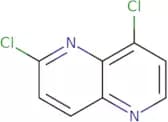
CAS:Versatile small molecule scaffoldFormula:C7H16ClNOPurity:Min. 95%Molecular weight:165.66 g/mol2,8-dichloro-1,5-naphthyridine
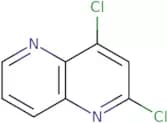
CAS:<p>Versatile small molecule scaffold</p>Formula:C8H4Cl2N2Purity:Min. 95%Molecular weight:199 g/mol2,4-dichloro-1,5-naphthyridine
CAS:<p>2,4-Dichloro-1,5-naphthyridine is a methanolic solution of hydrogen chloride and chloroquine. It has been shown to be an effective antimalarial agent. 2,4-Dichloro-1,5-naphthyridine has been synthesized by the reaction of methanolic hydrogen chloride and sodium methoxide with 1,5-dichloronaphthalene in the presence of chloroform. The chemical name for this compound is 2-(2′,4′-dichlorophenyl)-1H-isoindole-1,3(2H)-dione. This chemical has not been studied extensively in humans but it is thought that it may have similar effects to primaquine.</p>Formula:C8H4Cl2N2Purity:Min. 95%Molecular weight:199 g/molrac-1,2-Dimethyl (1R,2S)-4-oxocyclopentane-1,2-dicarboxylate
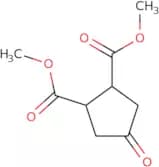
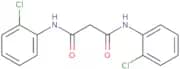
CAS:<p>Versatile small molecule scaffold</p>Formula:C9H12O5Purity:Min. 95%Molecular weight:200.19 g/molN,N'-Bis(2-chlorophenyl)propanediamide
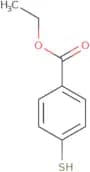
CAS:<p>Versatile small molecule scaffold</p>Formula:C15H12Cl2N2O2Purity:Min. 95%Molecular weight:323.2 g/molEthyl 4-sulfanylbenzoate
CAS:<p>Ethyl 4-sulfanylbenzoate is an inhibitor of thymidylate synthase. It has been shown to inhibit the production of thymidine and increase the level of l-glutamate in human cells. This compound may be useful in the treatment of certain diseases such as cancer or neurodegenerative disorders.</p>Formula:C9H10O2SPurity:Min. 95%Molecular weight:182.24 g/mol6-Bromo-5-methyl-1H-imidazo[4,5-b]pyridine
CAS:<p>6-Bromo-5-methyl-1H-imidazo[4,5-b]pyridine is a stabilizer that is used to protect polymers from degradation by light or heat. It can also be used to give plastics a yellow color.</p>Formula:C7H6BrN3Purity:Min. 95%Molecular weight:212.05 g/mol3-(3,5-Dioxo-2,3,4,5-tetrahydro-[1,2,4]triazin-6-yl)-propionic acid
CAS:<p>Versatile small molecule scaffold</p>Formula:C6H7N3O4Purity:Min. 95%Molecular weight:185.14 g/mol2,4-dichloro-5-methylbenzene-1-sulfonyl chloride
CAS:Versatile small molecule scaffoldFormula:C7H5Cl3O2SPurity:Min. 95%Molecular weight:259.53 g/mol3-[(tert-Butylsulfanyl)methyl]aniline
CAS:<p>Versatile small molecule scaffold</p>Formula:C11H17NSPurity:Min. 95%Molecular weight:195.33 g/mol3-[(2-Methylpropane-2-sulfinyl)methyl]aniline
CAS:Versatile small molecule scaffoldFormula:C11H17NOSPurity:Min. 95%Molecular weight:211.33 g/molN-Ethyl-1,3-benzothiazol-2-amine
CAS:<p>Versatile small molecule scaffold</p>Formula:C9H10N2SPurity:Min. 95%Molecular weight:178.26 g/molN-(Butan-2-yl)-1,3-benzothiazol-2-amine
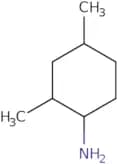
CAS:<p>Versatile small molecule scaffold</p>Formula:C11H14N2SPurity:Min. 95%Molecular weight:206.31 g/mol2,4-Dimethylcyclohexan-1-amine
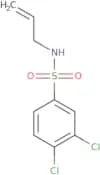
CAS:<p>Versatile small molecule scaffold</p>Formula:C8H17NPurity:Min. 95%Molecular weight:127.23 g/mol3,4-Dichloro-N-(prop-2-en-1-yl)benzene-1-sulfonamide
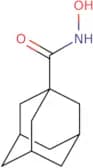
CAS:<p>Versatile small molecule scaffold</p>Formula:C9H9Cl2NO2SPurity:Min. 95%Molecular weight:266.14 g/molN-Hydroxyadamantane-1-carboxamide
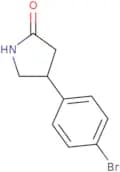
CAS:<p>N-Hydroxyadamantane-1-carboxamide is a research chemical that acts as a growth factor and has various applications in the field of medicine and biology. It has been shown to inhibit tumor necrosis factor-alpha (TNF-α), which plays a role in inflammation and immune response. Additionally, N-Hydroxyadamantane-1-carboxamide can be used as an electrode inhibitor in electrochemical studies.</p>Formula:C11H17NO2Purity:Min. 95%Molecular weight:195.26 g/mol4-(4-Bromophenyl)pyrrolidin-2-one
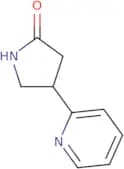
CAS:<p>Versatile small molecule scaffold</p>Formula:C10H10BrNOPurity:Min. 95%Molecular weight:240.1 g/mol4-(Pyridin-2-yl)pyrrolidin-2-one
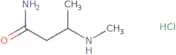
CAS:<p>Versatile small molecule scaffold</p>Formula:C9H10N2OPurity:Min. 95%Molecular weight:162.19 g/mol3-(Methylamino)butanamide hydrochloride
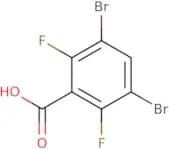
CAS:<p>Versatile small molecule scaffold</p>Formula:C5H13ClN2OPurity:Min. 95%Molecular weight:152.62 g/mol3,5-Dibromo-2,6-difluorobenzoic acid
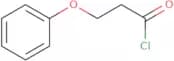
CAS:<p>Versatile small molecule scaffold</p>Formula:C7H2Br2F2O2Purity:Min. 95%Molecular weight:315.89 g/mol3-Phenoxypropanoyl chloride
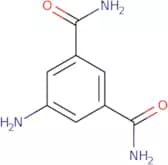
CAS:<p>3-Phenoxypropanoyl chloride is a phenoxy compound that is metabolized by the liver to form an amide. It has been shown to have therapeutic benefits in a variety of diseases, such as metabolic disorders, autoimmune diseases, cancers, and inflammatory diseases. 3-Phenoxypropanoyl chloride can be used for treating patients with autoimmune diseases and cancer due to its ability to inhibit the synthesis of cytokines and other mediators of inflammation. It also inhibits platelet aggregation at low doses, but has no effect on platelet function at higher doses. This drug is not active against gram-negative bacteria or fungi.</p>Formula:C9H9O2ClPurity:Min. 95%Molecular weight:184.61 g/mol5-Amino-isophthalamide
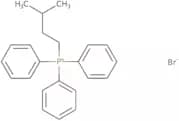
CAS:<p>5-Amino-isophthalamide (5AIP) is a molecule that can be used as a molecular probe for the reticulum. It has been shown to inhibit protein synthesis in vivo and in vitro. 5AIP binds to the 30S ribosomal subunit, preventing the binding of aminoacyl-tRNA and peptidyl-tRNA to the acceptor site on the ribosome. This prevents the formation of a peptide bond between two amino acids, which is required for protein synthesis. The binding of 5AIP to the 30S ribosomal subunit also inhibits translation by preventing peptidyltransferase from transferring tRNA from its A site to P site. In addition, 5AIP binds to lanthanide ions such as terbium and europium, which can be used in diagnostic techniques such as fluorescence spectroscopy or magnetic resonance imaging. 5AIP is also an amide with one chiral carbon</p>Formula:C8H9N3O2Purity:Min. 95%Molecular weight:179.18 g/molIsoamyltriphenylphosphonium bromide
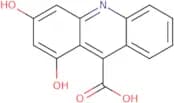
CAS:<p>Isoamyltriphenylphosphonium bromide is a corrosion inhibitor that is used to protect metals, such as steel and aluminum, from damage caused by water and other corrosive substances. It is also an antifungal agent and can be used in pharmaceutical formulations. Isoamyltriphenylphosphonium bromide has been shown to inhibit the activity of thrombin, an enzyme that regulates blood clotting. This drug also inhibits the growth of fungi that cause infections such as athlete's foot (tinea pedis) or ringworm (tinea corporis). In addition, it has been shown to have antimicrobial activity against bacteria such as Escherichia coli and Staphylococcus aureus.</p>Formula:C23H26BrPPurity:Min. 95%Molecular weight:413.33 g/mol1,3-Dihydroxy-9-acridinecarboxylic acid
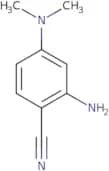
CAS:1,3-Dihydroxy-9-acridinecarboxylic acid is an alkali metal that is used as a tabletting agent. It has been shown to have the potential for pharmacokinetic interactions with metals and other drugs. 1,3-Dihydroxy-9-acridinecarboxylic acid has been shown to be toxic in both animals and humans at high doses. The LD50 of this compound in rats is 4 g/kg, and it can cause death by respiratory failure. This compound also causes severe irritation of the oral cavity and gastrointestinal tract at high doses. 1,3-Dihydroxy-9-acridinecarboxylic acid has been shown to exhibit oxidative activity in vitro, but its activity in vivo is not well known.Formula:C14H9NO4Purity:Min. 95%Molecular weight:255.22 g/mol2-Amino-4-(dimethylamino)benzonitrile
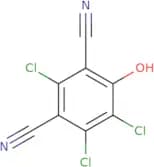
CAS:<p>Versatile small molecule scaffold</p>Formula:C9H11N3Purity:Min. 95%Molecular weight:161.2 g/mol2,4,5-Trichloro-6-hydroxyisophthalonitrile
CAS:<p>2,4,5-Trichloro-6-hydroxyisophthalonitrile is a fungicide. It is used in the control of plant diseases such as powdery mildew, rust and blight. 2,4,5-Trichloro-6-hydroxyisophthalonitrile can be applied to plants through foliar spray or root drenching. It acts by inhibiting the enzyme activities of fungi that are responsible for cell growth. This compound has been shown to have genotoxic activity in vivo and in vitro models and may be carcinogenic to humans. The mechanism of action of 2,4,5-trichloro-6-hydroxyisophthalonitrile remains unclear due to its high resistance to degradation in vivo. 2,4,5-Trichloro-6-hydroxyisophthalonitrile has also shown synergistic effects when combined with zirconium oxide and matrix</p>Formula:C8HCl3N2OPurity:Min. 95%Molecular weight:247.47 g/molMethyl 4-(aminomethyl)bicyclo[2.2.2]octane-1-carboxylate hydrochloride
CAS:<p>Versatile small molecule scaffold</p>Formula:C11H20ClNO2Purity:Min. 95%Molecular weight:233.73 g/mol3-(4-Methoxy-2-methylphenyl)propanoic acid
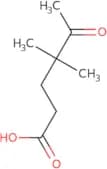
CAS:Versatile small molecule scaffoldFormula:C11H14O3Purity:Min. 95%Molecular weight:194.23 g/mol4,4-Dimethyl-5-oxohexanoic acid
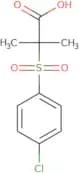
CAS:<p>Versatile small molecule scaffold</p>Formula:C8H14O3Purity:Min. 95%Molecular weight:158.19 g/mol2-(4-Chlorobenzenesulfonyl)-2-methylpropanoic acid
CAS:<p>Versatile small molecule scaffold</p>Formula:C10H11ClO4SPurity:Min. 95%Molecular weight:262.71 g/mol2-[(4-Bromophenyl)amino]acetonitrile
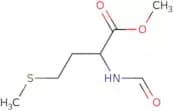
CAS:<p>Versatile small molecule scaffold</p>Formula:C8H7BrN2Purity:Min. 95%Molecular weight:211.06 g/molMethyl (2S)-2-formamido-4-(methylsulfanyl)butanoate
CAS:<p>Methyl (2S)-2-formamido-4-(methylsulfanyl)butanoate is a molecule that hydrolyzes under acidic conditions to form methyl (2S)-2-formamido-4-(methylthio)butanoate. The amine group of this molecule is nucleophilic and can react with various electrophiles, such as aldehydes, ketones, acids, or sulfoxides. It is also chiral and can be used as a ligand in optical applications. Methyl (2S)-2-formamido-4-(methylthio)butanoate has been shown to be an effective buffer at pH 6.5 and 7.0 when in the presence of metal ions.</p>Formula:C7H13NO3SPurity:Min. 95%Molecular weight:191.25 g/moltert-Butyl N-[(3-hydroxyphenyl)methyl]carbamate
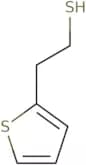
CAS:<p>Versatile small molecule scaffold</p>Formula:C12H17NO3Purity:Min. 95%Molecular weight:223.27 g/mol2-(Thiophen-2-yl)ethane-1-thiol
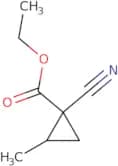
CAS:<p>Versatile small molecule scaffold</p>Formula:C6H8S2Purity:Min. 95%Molecular weight:144.3 g/molEthyl 1-cyano-2-methylcyclopropane-1-carboxylate
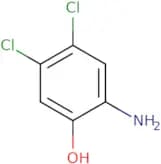
CAS:<p>Versatile small molecule scaffold</p>Formula:C8H11NO2Purity:Min. 95%Molecular weight:153.18 g/mol2-Amino-4,5-dichlorophenol
CAS:<p>2-Amino-4,5-dichlorophenol is a chemical that is used as an intermediate in the production of other chemicals. It has shown to be toxic to the bladder and hemolytic, but is not active against tissues. 2-Amino-4,5-dichlorophenol increases urea nitrogen levels in the urine when administered to rats. This compound also has been shown to exhibit immunomodulatory effects.</p>Formula:C6H5Cl2NOPurity:Min. 95%Molecular weight:178.02 g/mol2,3,5-trichloropyridin-4-amine
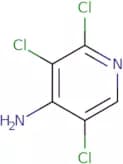
CAS:<p>Versatile small molecule scaffold</p>Formula:C5H3Cl3N2Purity:Min. 95%Molecular weight:197.44 g/mol4-Chlorocinnamonitrile, mixture of cis and trans
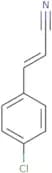
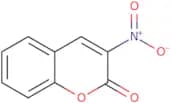
CAS:4-Chlorocinnamonitrile is a deuterium-labeled organic molecule that can be used for the study of hydration. It has been shown to induce apoptosis in cancer cells and to have anti-inflammatory properties. The cis and trans isomers of 4-chlorocinnamonitrile are both able to induce cell death, although the trans isomer is more potent than the cis isomer. The technique of using deuterium atoms to label molecules has been used as a tool in many areas of chemistry, including organometallic and pharmaceutical research.Formula:C9H6ClNPurity:Min. 95%Molecular weight:163.6 g/mol3-Nitro-2H-chromen-2-one
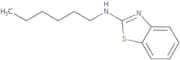
CAS:<p>3-Nitro-2H-chromen-2-one is a ketone that has been found to be an effective inhibitor of the key enzyme in e. coli, cyclopentadiene synthase. This compound was also shown to be a superimposable on the natural product 4-hydroxycoumarin derivatives, which are used as antibiotics and anticancer agents. 3-Nitro-2H-chromen-2-one has a coumarin skeleton and is an organic solvent. It is a stereochemically pure compound with the chemical formula C9H7NO2, and it can be synthesized by reacting cyclopentadiene with nitric acid. 3N2C is an organic chemistry drug candidate for antibiotic development.</p>Formula:C9H5NO4Purity:Min. 95%Molecular weight:191.14 g/molN-Hexyl-1,3-benzothiazol-2-amine
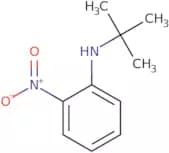
CAS:<p>Versatile small molecule scaffold</p>Formula:C13H18N2SPurity:Min. 95%Molecular weight:234.36 g/molN-tert-Butyl-2-nitroaniline
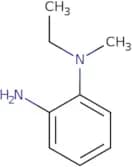
CAS:<p>N-tert-Butyl-2-nitroaniline is a nitrogen containing compound with a dinitroso group. It is used as a precursor for the synthesis of furoxane and nitrosobenzene, which are used in the production of nylon. The nucleophilic nature of the molecule facilitates its reaction with other compounds, such as azoxy and nitro groups. The analogy between this and nitrosobenzene is that both have a similar molecular structure, but differ in their chemical properties. N-tert-Butyl-2-nitroaniline has been shown to be an effective nucleophile for substitution reactions.</p>Formula:C10H14N2O2Purity:Min. 95%Molecular weight:194.23 g/mol1-N-Ethyl-1-N-methylbenzene-1,2-diamine
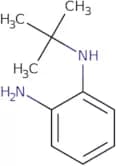
CAS:<p>Versatile small molecule scaffold</p>Formula:C9H14N2Purity:Min. 95%Molecular weight:150.22 g/mol1-N-tert-Butylbenzene-1,2-diamine
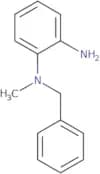
CAS:<p>Versatile small molecule scaffold</p>Formula:C10H16N2Purity:Min. 95%Molecular weight:164.25 g/mol1-N-benzyl-1-N-methylbenzene-1,2-diamine
CAS:<p>Versatile small molecule scaffold</p>Formula:C14H16N2Purity:90%MinMolecular weight:212.3 g/molDiethyl (Methylthiomethyl)phosphonate
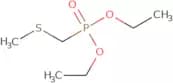
CAS:<p>Diethyl (methylthiomethyl)phosphonate is an exfoliating agent that reacts with proteins to form carbodiimides. Carbodiimides are active in the cleavage of peptide bonds and are used for the synthesis of peptide-based drugs. Diethyl (methylthiomethyl)phosphonate has been shown to inhibit a number of neurodegenerative diseases, such as Alzheimer's, Parkinson's, and Huntington's disease. The phosphonates inhibit protein synthesis by binding to ribosomes and inhibiting translation. Diethyl (methylthiomethyl)phosphonate also inhibits the activation of caspases, which induces apoptosis in cancer cells.</p>Formula:C6H15O3PSPurity:Min. 95%Molecular weight:198.22 g/mol1-(Pyridin-2-yl)-1H-pyrazol-4-amine
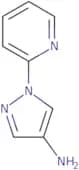
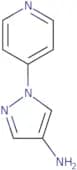
CAS:<p>Versatile small molecule scaffold</p>Formula:C8H8N4Purity:Min. 95%Molecular weight:160.18 g/mol1-(Pyridin-4-yl)-1H-pyrazol-4-amine
CAS:<p>Versatile small molecule scaffold</p>Formula:C8H8N4Purity:Min. 95%Molecular weight:160.18 g/molMethyl 4-hydroxy-2-methoxybenzoate
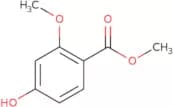
CAS:<p>Methyl 4-hydroxy-2-methoxybenzoate is a cell-based inhibitor of indoles and amides. It is an optimal inhibitor for assays for the inhibition of cellular cytokines, including the inhibition of TNF-α, IL-1β, and IL-6. Methyl 4-hydroxy-2-methoxybenzoate has been shown to be an effective inhibitor of piperidine and oxalyl in the presence of NADPH.<br>Methyl 4-hydroxy-2-methoxybenzoate is also a selective inhibitor of azaindoles and enzymatic reactions. This compound binds to the active site of azaindole synthase, interfering with its activity.</p>Formula:C9H10O4Purity:Min. 95%Molecular weight:182.18 g/molMethyl 5-chloro-4-hydroxy-2-methoxybenzoate
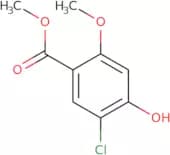
CAS:Versatile small molecule scaffoldFormula:C9H9ClO4Purity:Min. 95%Molecular weight:216.62 g/mol3-(4-Chlorophenoxy)pyrrolidine
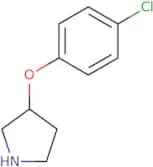
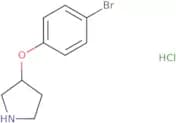
CAS:<p>Versatile small molecule scaffold</p>Formula:C10H12ClNOPurity:Min. 95%Molecular weight:197.66 g/mol3-(4-Bromophenoxy)pyrrolidine hydrochloride
CAS:<p>Versatile small molecule scaffold</p>Formula:C10H13BrClNOPurity:Min. 95%Molecular weight:278.57 g/mol4,6-Dimethyl-1H,2H,3H-pyrazolo[3,4-b]pyridin-3-one
CAS:Versatile small molecule scaffoldFormula:C8H9N3OPurity:Min. 95%Molecular weight:163.18 g/mol5-Chloro-3H-indol-2-amine hydrochloride
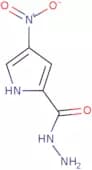
CAS:<p>Versatile small molecule scaffold</p>Formula:C8H8Cl2N2Purity:Min. 95%Molecular weight:203.07 g/mol4-Nitro-1H-pyrrole-2-carbohydrazide
CAS:<p>Versatile small molecule scaffold</p>Formula:C5H6N4O3Purity:Min. 95%Molecular weight:170.13 g/mol5-Amino-[1,2,4]triazolo[1,5-a]pyrimidine-6-carbonitrile
CAS:<p>Versatile small molecule scaffold</p>Formula:C6H4N6Purity:Min. 95%Molecular weight:160.14 g/mol

![2-[(4-Nitrophenyl)sulfanyl]acetic acid](/_next/image/?url=https%3A%2Fstatic.cymitquimica.com%2Fproducts%2F3D%2Fthumb-webp%2FDAA40675.webp&w=3840&q=75)
![Ethyl[1-(oxolan-2-yl)-2-phenylethyl]amine](/_next/image/?url=https%3A%2Fstatic.cymitquimica.com%2Fproducts%2F3D%2Fthumb-webp%2FDAA41334.webp&w=3840&q=75)
![2-Benzylbenzo[D]isothiazol-3(2H)-one 1,1-dioxide](/_next/image/?url=https%3A%2Fstatic.cymitquimica.com%2Fproducts%2F3D%2Fthumb-webp%2FDAA41659.webp&w=3840&q=75)

![6-Bromospiro[3.3]heptane-2-carboxylic acid](/_next/image/?url=https%3A%2Fstatic.cymitquimica.com%2Fproducts%2F3D%2Fthumb-webp%2FDBA11488.webp&w=3840&q=75)


![2-[(4-Methoxyphenyl)formamido]-2-phenylacetic acid](/_next/image/?url=https%3A%2Fstatic.cymitquimica.com%2Fproducts%2F3D%2Fthumb-webp%2FDBA17253.webp&w=3840&q=75)
![4-Methyl-2-[(propan-2-yl)amino]benzonitrile](/_next/image/?url=https%3A%2Fstatic.cymitquimica.com%2Fproducts%2F3D%2Fthumb-webp%2FDBA19500.webp&w=3840&q=75)
![6-Nitro-3,4-dihydro-2H-benzo[b][1,4]oxazine](/_next/image/?url=https%3A%2Fstatic.cymitquimica.com%2Fproducts%2F3D%2Fthumb-webp%2FDBA22622.webp&w=3840&q=75)
![N-[Bis(4-methoxyphenyl)methyl]-2-chloroacetamide](/_next/image/?url=https%3A%2Fstatic.cymitquimica.com%2Fproducts%2F3D%2Fthumb-webp%2FDBA23040.webp&w=3840&q=75)
![rac-[(1R,2R)-2-Aminocyclohexyl]methanol hydrochloride](/_next/image/?url=https%3A%2Fstatic.cymitquimica.com%2Fproducts%2F3D%2Fthumb-webp%2FDBA25045.webp&w=3840&q=75)
![6-Bromo-5-methyl-1H-imidazo[4,5-b]pyridine](/_next/image/?url=https%3A%2Fstatic.cymitquimica.com%2Fproducts%2F3D%2Fthumb-webp%2FDBA27941.webp&w=3840&q=75)
![3-(3,5-Dioxo-2,3,4,5-tetrahydro-[1,2,4]triazin-6-yl)-propionic acid](/_next/image/?url=https%3A%2Fstatic.cymitquimica.com%2Fproducts%2F3D%2Fthumb-webp%2FDBA28067.webp&w=3840&q=75)

![3-[(tert-Butylsulfanyl)methyl]aniline](/_next/image/?url=https%3A%2Fstatic.cymitquimica.com%2Fproducts%2F3D%2Fthumb-webp%2FDBA28827.webp&w=3840&q=75)
![3-[(2-Methylpropane-2-sulfinyl)methyl]aniline](/_next/image/?url=https%3A%2Fstatic.cymitquimica.com%2Fproducts%2F3D%2Fthumb-webp%2FDBA28833.webp&w=3840&q=75)


![Methyl 4-(aminomethyl)bicyclo[2.2.2]octane-1-carboxylate hydrochloride](/_next/image/?url=https%3A%2Fstatic.cymitquimica.com%2Fproducts%2F3D%2Fthumb-webp%2FDBA34557.webp&w=3840&q=75)
![2-[(4-Bromophenyl)amino]acetonitrile](/_next/image/?url=https%3A%2Fstatic.cymitquimica.com%2Fproducts%2F3D%2Fthumb-webp%2FDBA36324.webp&w=3840&q=75)
![tert-Butyl N-[(3-hydroxyphenyl)methyl]carbamate](/_next/image/?url=https%3A%2Fstatic.cymitquimica.com%2Fproducts%2F3D%2Fthumb-webp%2FDBA38766.webp&w=3840&q=75)
![4,6-Dimethyl-1H,2H,3H-pyrazolo[3,4-b]pyridin-3-one](/_next/image/?url=https%3A%2Fstatic.cymitquimica.com%2Fproducts%2F3D%2Fthumb-webp%2FDBA49167.webp&w=3840&q=75)
![5-Amino-[1,2,4]triazolo[1,5-a]pyrimidine-6-carbonitrile](/_next/image/?url=https%3A%2Fstatic.cymitquimica.com%2Fproducts%2F3D%2Fthumb-webp%2FDBA52458.webp&w=3840&q=75)