Building Blocks
This section contains fundamental products for the synthesis of organic and biological compounds. Building blocks are the essential starting materials used to construct complex molecules through various chemical reactions. They play a critical role in drug discovery, material science, and chemical research. At CymitQuimica, we offer a diverse range of high-quality building blocks to support your innovative research and industrial projects, ensuring you have the essential components for successful synthesis.
Subcategories of "Building Blocks"
- Boronic Acids & Boronic Acid Derivatives(5,756 products)
- Chiral Building Blocks(1,242 products)
- Hydrocarbon Building Blocks(6,093 products)
- Organic Building Blocks(60,522 products)
Found 195533 products of "Building Blocks"
Sort by
Purity (%)
0
100
|
0
|
50
|
90
|
95
|
100
3-Bromo-4-methoxybenzyl Cyanide
CAS:<p>3-Bromo-4-methoxybenzyl Cyanide is a desorption agent that specifically targets the ribonucleic acid (RNA) template strand of DNA and prevents the synthesis of proteins. 3-Bromo-4-methoxybenzyl Cyanide has been shown to be effective against Gram-positive bacteria and has a synergistic effect when used in combination with antibiotics such as chloramphenicol and erythromycin. This compound is also active against Gram-negative bacteria, but it is not effective against thermally resistant bacteria such as Mycobacterium smegmatis. The antibacterial activity of 3-Bromo-4-methoxybenzyl Cyanide may be due to its ability to inhibit protein synthesis by preventing the binding of aminoacyl tRNA to the ribosome.</p>Formula:C9H8BrNOPurity:Min. 95%Molecular weight:226.07 g/mol(3,3,3-Trifluoroprop-1-yn-1-yl)benzene
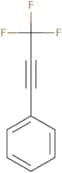
CAS:<p>(3,3,3-Trifluoroprop-1-yn-1-yl)benzene is a reaction product that can be used to inhibit the activity of metalloprotease and as an anti-cancer agent. This compound inhibits the enzyme that causes chronic kidney disease and degenerative diseases. It is a potent inhibitor of metalloprotease, which is involved in cancer progression, fatty acid synthesis and bone formation. The effective dose for this drug is between 1 and 10mg/kg body weight. It has been shown to have an asymmetric synthesis with the use of amido groups. (3,3,3-Trifluoroprop-1-yn-1-yl)benzene also has antirheumatic properties due to its ability to inhibit proteases such as matrix metalloproteinases and cathepsins.</p>Formula:C9H5F3Purity:Min. 95%Molecular weight:170.13 g/mol4-Methoxybicyclo[2.2.2]octane-1-carboxylic acid
CAS:<p>Versatile small molecule scaffold</p>Formula:C10H16O3Purity:Min. 95%Molecular weight:184.23 g/mol1-(2-Bromoethyl)-adamantane
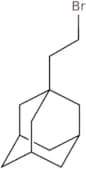
CAS:<p>1-(2-Bromoethyl)-adamantane is a chemical intermediate that is used as a starting material for the synthesis of benzhydryl, phenoxymethyl, and phenacyl. It has been used in the production of cephalosporins and trimethylsilyl aralkyl methoxy intermediates. 1-(2-Bromoethyl)-adamantane can also be used to synthesize benzyl penicillins.</p>Formula:C12H19BrPurity:Min. 95%Molecular weight:243.18 g/mol2-Benzyl-2-methyl-1,3-thiazolidine
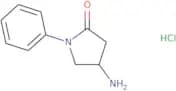
CAS:<p>Versatile small molecule scaffold</p>Formula:C11H12N2O4Purity:Min. 95%Molecular weight:236.22 g/mol4-amino-1-phenylpyrrolidin-2-one hydrochloride
CAS:<p>Versatile small molecule scaffold</p>Formula:C10H13ClN2OPurity:Min. 95%Molecular weight:212.68 g/mol5-Bromo-[2,3']bipyridinyl
CAS:<p>Versatile small molecule scaffold</p>Formula:C10H7BrN2Purity:Min. 95%Molecular weight:235.09 g/mol(2,4-Dichlorophenoxy)acetyl chloride
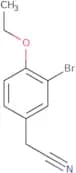
CAS:<p>2,4-Dichlorophenoxy)acetyl chloride is a chloroacetyl chloride that can be used as an herbicide. It is soluble in organic solvents and has been reported to inhibit the growth of weeds in agricultural fields. 2,4-Dichlorophenoxy)acetyl chloride inhibits weed growth by inhibiting the synthesis of enzymes needed for photosynthesis, which results in the death of plants. The herbicide is also insoluble in water, meaning it does not leach into the soil and contaminate groundwater. 2,4-Dichlorophenoxy)acetyl chloride has been shown to be toxic to fish at high concentrations.<br>2,4-Dichlorophenoxy)acetyl chloride reacts with phosphorus pentoxide to form a dichlorophenyldiphenylmethane (DDPM). DDPM is an acceptor molecule that can be used as a starting point for synthesizing other molecules.</p>Formula:C8H5Cl3O2Purity:Min. 95%Molecular weight:239.49 g/mol2-(3-Bromo-4-ethoxyphenyl)acetonitrile
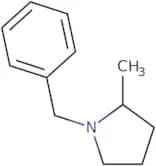
CAS:<p>Versatile small molecule scaffold</p>Formula:C10H10BrNOPurity:Min. 95%Molecular weight:240.1 g/mol1-Benzyl-2-methylpyrrolidine
CAS:<p>1-Benzyl-2-methylpyrrolidine is a chemical reagent that is used in organic synthesis as an oxidant, dehydrogenation agent, and alkylation agent. 1-Benzyl-2-methylpyrrolidine is also used to generate amines from thioacetals and anilines. It can be used to synthesize carbonyl compounds via the oxidation of alcohols with hydroxylamine or sodium carbonate. This chemical reagent has been shown to catalyze the aromatization of benzene derivatives with Raney nickel or cyclic systems. Furthermore, it has been shown to inactivate various types of microorganisms such as bacteria and yeast cells by reacting with their enzymes.</p>Formula:C12H17NPurity:Min. 95%Molecular weight:175.27 g/mol1-Benzyl-1-nitrosourea
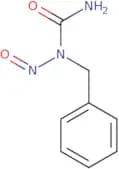
CAS:<p>1-Benzyl-1-nitrosourea is a nitrosourea alkylating agent that induces DNA methylation. It is hepatotoxic and carcinogenic in rats, but not in mice. This drug does not cause DNA methylation at high substrate concentrations, but does so at low concentrations. The carcinogenic effects of this drug have been observed in the liver, mammary glands, and other tissues. The carcinogenic activity of 1-Benzyl-1-nitrosourea has been shown to be dependent on the strain of animal used and the dose administered.</p>Formula:C8H9N3O2Purity:Min. 95%Molecular weight:179.18 g/mol2-Methyl-3-(phenylsulfanyl)propanoic acid
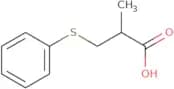
CAS:<p>Versatile small molecule scaffold</p>Formula:C10H12O2SPurity:Min. 95%Molecular weight:196.27 g/mol2,3,5,6-Tetrafluorobenzenesulfonyl chloride
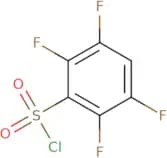
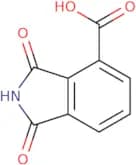
CAS:<p>Versatile small molecule scaffold</p>Formula:C6HClF4O2SPurity:Min. 95%Molecular weight:248.58 g/mol1,3-Dioxo-2,3-dihydro-1H-isoindole-4-carboxylic acid
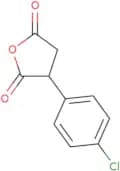
CAS:<p>Versatile small molecule scaffold</p>Formula:C9H5NO4Purity:Min. 95%Molecular weight:191.14 g/mol3-(4-Chlorophenyl)oxolane-2,5-dione
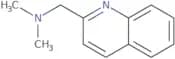
CAS:<p>3-(4-Chlorophenyl)oxolane-2,5-dione is a telechelic monomer with a hydroxyl group at one end and an alkynyl group at the other. This molecule has functional groups that can be used in polymerization reactions to create polymers. It is often used as a precursor for polyesters, polyurethanes, and polyamides. 3-(4-Chlorophenyl)oxolane-2,5-dione reacts with metal ions to form polymers that emit light when excited by light. The fatty acid component of this molecule makes it soluble in hydrocarbon solvents such as hexane and heptane. 3-(4-Chlorophenyl)oxolane-2,5-dione can also be used to produce biodegradable plastics from renewable resources such as vegetable oils or soybean oil.</p>Formula:C10H7ClO3Purity:Min. 95%Molecular weight:210.61 g/molDimethyl(quinolin-2-ylmethyl)amine
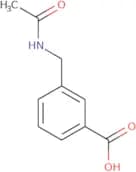
CAS:<p>Dimethyl(quinolin-2-ylmethyl)amine is a chemical compound that has shown anti-cancer activity in humans. It is a precursor of the drug quinacrine, which is used to treat some types of cancer. Dimethyl(quinolin-2-ylmethyl)amine and related compounds are believed to work by interfering with DNA synthesis, preventing the proliferation of cancer cells.</p>Formula:C12H14N2Purity:Min. 95%Molecular weight:186.25 g/mol3-(Acetamidomethyl)benzoic acid
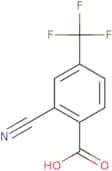
CAS:<p>Versatile small molecule scaffold</p>Formula:C10H11NO3Purity:Min. 95%Molecular weight:193.2 g/mol2-Cyano-4-(trifluoromethyl)benzoic acid
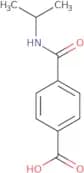
CAS:<p>Versatile small molecule scaffold</p>Formula:C9H4F3NO2Purity:Min. 95%Molecular weight:215.13 g/molN-Isopropylterephthalamic acid
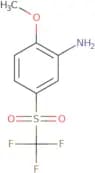
CAS:<p>N-Isopropylterephthalamic acid is a metabolite of terephthalic acid and is formed by the oxidation of isopropyl alcohol. The metabolism of N-isopropylterephthalamic acid in humans has been shown to be catalyzed by cytochrome P450 enzymes, which are expressed in the liver. This reaction occurs through a series of oxidation steps that convert the alcohol group to an aldehyde group and then to an acid group. The final product, N-isopropylterephthalamic acid, can be quantified using gas chromatography with electron capture detection or high performance liquid chromatography with fluorescence detection. These techniques can be used for monitoring human exposure to this metabolite.</p>Formula:C11H13NO3Purity:Min. 95%Molecular weight:207.23 g/mol2-Methoxy-5-trifluoromethanesulfonylaniline
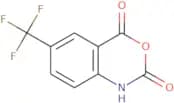
CAS:<p>Versatile small molecule scaffold</p>Formula:C8H8F3NO3SPurity:Min. 95%Molecular weight:255.22 g/mol6-(Trifluoromethyl)-2,4-dihydro-1H-3,1-benzoxazine-2,4-dione
CAS:<p>6-(Trifluoromethyl)-2,4-dihydro-1H-3,1-benzoxazine-2,4-dione is a potent inhibitor of tumor cell growth. It inhibits the stepwise oxidation of 4-chloro-5-methylisatin to 4-chloroimidazole. 6-(Trifluoromethyl)-2,4-dihydro-1H-3,1-benzoxazine-2,4-dione is an analog of the antitumor agent 5-(trifluoromethyl)isatin. The reaction mechanism involves the formation of an iminium ion that undergoes a condensation with a thiophene and subsequent bromination. This forms an intermediate that can be isolated and identified as 6-(trifluoromethyl)-N-[(6'-bromohexyl)oxy]-2,4'-d</p>Formula:C9H4F3NO3Purity:Min. 95%Molecular weight:231.13 g/mol1-chloro-4-[chloro(4-chlorophenyl)methyl]benzene
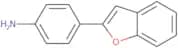
CAS:<p>Versatile small molecule scaffold</p>Formula:C13H9Cl3Purity:Min. 95%Molecular weight:271.57 g/mol4-(1-Benzofuran-2-yl)aniline
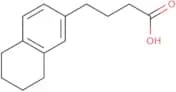
CAS:<p>Versatile small molecule scaffold</p>Formula:C14H11NOPurity:Min. 95%Molecular weight:209.24 g/mol4-(5,6,7,8-Tetrahydronaphthalen-2-yl)butanoic acid
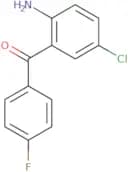
CAS:<p>Versatile small molecule scaffold</p>Formula:C14H18O2Purity:Min. 95%Molecular weight:218.29 g/mol4-Chloro-2-(4-fluorobenzoyl)aniline
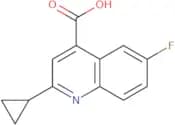
CAS:<p>Versatile small molecule scaffold</p>Formula:C13H9ClFNOPurity:Min. 95%Molecular weight:249.67 g/mol2-Cyclopropyl-6-fluoroquinoline-4-carboxylic acid
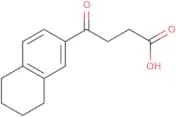
CAS:<p>Versatile small molecule scaffold</p>Formula:C13H10FNO2Purity:Min. 95%Molecular weight:231.22 g/mol4-Oxo-4-(5,6,7,8-tetrahydronaphthalen-2-yl)butanoic acid
CAS:<p>Versatile small molecule scaffold</p>Formula:C14H16O3Purity:Min. 95%Molecular weight:232.27 g/mol4,4²-Diaminobenzanilide
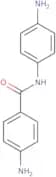
CAS:<p>4,4²-Diaminobenzanilide is a molecule that contains an amide group. It undergoes hydrogen bonding interactions with sodium carbonate and biphenyl. The thermal expansion coefficient of 4,4²-diaminobenzanilide is 1.5 x 10^5 K/mol. This substance has a molecular weight of 218.2 grams per mole and a density of 1.08 grams per cubic centimeter. The solubility of 4,4²-diaminobenzanilide in water at 20 degrees Celsius is 3.2 grams per 100 milliliters, and it does not dissolve in hydrochloric acid or water vapor at 20 degrees Celsius. The proton NMR spectroscopic data for this compound show the presence of hydroxyl groups and carbonyl groups in addition to the amine group found in the molecule's structure. FTIR spectroscopy confirms the presence of these functional groups as well</p>Formula:H2NC6H4CONHC6H4NH2Purity:Min. 95%Molecular weight:227.26 g/molEthyl 4-phenethylbenzoate
CAS:<p>Versatile small molecule scaffold</p>Formula:C17H18O2Purity:Min. 95%Molecular weight:254.32 g/molDiethyl 1,4-cyclohexanedione-2,5-dicarboxylate
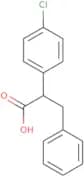
CAS:<p>Diethyl 1,4-cyclohexanedione-2,5-dicarboxylate is a polyester that is produced by the alkylation of diethylene glycol with terephthalic acid. It has been shown to have anti-cholinesterase activity in clinical studies and has been used as a pharmaceutical intermediate. This compound is also found in Huperzia serrata, which is an herbal medicine used to treat Alzheimer's disease. Diethyl 1,4-cyclohexanedione-2,5-dicarboxylate can be found in lycopodium alkaloid and terpenes. It binds to carboxyalkyl groups in proteins, inhibiting protein synthesis. Diethyl 1,4-cyclohexanedione-2,5-dicarboxylate has a strong anion radical and reacts with methoxy groups on proteins. This reaction leads to the formation of</p>Formula:C12H16O6Purity:Min. 95%Molecular weight:256.25 g/mol2-(4-Chlorophenyl)-3-phenylpropanoic acid
CAS:<p>Versatile small molecule scaffold</p>Formula:C15H13ClO2Purity:Min. 95%Molecular weight:260.71 g/molAmeltolide
CAS:<p>Ameltolide is a chemical compound that belongs to the class of tricyclic diterpenes. It has been shown to have a variety of biological activities, including anticancer, immunosuppressive, and anti-inflammatory properties. Ameltolide has been shown to inhibit the activity of the N-methyl-D-aspartate (NMDA) receptor by hydrogen bond formation with the channel at the NMDA binding site. In vivo studies have demonstrated that ameltolide has an effect on cognitive function when administered at high doses. Ameltolide also inhibits voltage-gated Na+ channels, which are responsible for action potential generation in neurons and muscle cells. This inhibition leads to a decrease in nerve conduction velocity and an increase in duration of muscle contraction, resulting in increased fatigue.</p>Formula:C15H16N2OPurity:Min. 95%Molecular weight:240.31 g/mol2-[4-(Trifluoromethyl)benzoyl]aniline
CAS:<p>Versatile small molecule scaffold</p>Formula:C14H10F3NOPurity:Min. 95%Molecular weight:265.23 g/molAS8351
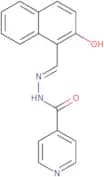
CAS:<p>AS8351 is a growth factor that has been shown to promote the repair of damaged tissues, including those of the heart and kidneys. AS8351 binds to the growth factor receptor and activates it, which in turn activates protein kinase B and extracellular signal-regulated kinases. This leads to cell lysis, fatty acid release, and cell proliferation. The molecule has potential therapeutic applications for degenerative diseases such as cancer and diabetes.</p>Formula:C17H13N3O2Purity:Min. 95%Molecular weight:291.3 g/molDesoxycorticosterone pivalate
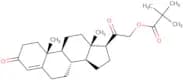
CAS:Controlled Product<p>Desoxycorticosterone pivalate is a synthetic hormone that is used as a replacement for cortisol in the treatment of Addison's disease. It is a prodrug that is hydrolyzed to its active form, cortisone, in the liver. Desoxycorticosterone pivalate has been shown to be effective in preventing and treating chronic oral toxicity and hiv infection. This drug can also increase the permeability of water in tissues and cells by causing cell lysis, which may lead to an increased production of histamine and prostaglandins. Desoxycorticosterone pivalate has been shown to have anti-inflammatory effects on the cardiovascular system by regulating the production of cholesterol, fatty acids, and other lipids. This drug also has physiological functions such as maintaining electrolyte balance in the body and regulating blood pressure levels.</p>Formula:C26H38O4Purity:Min. 95%Molecular weight:414.58 g/mol2,2-Diethylbutanoic acid
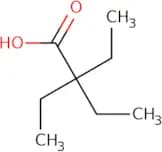
CAS:<p>2,2-Diethylbutanoic acid is a fluorescent probe that can be used to detect messenger RNA (mRNA). It is believed that 2,2-diethylbutanoic acid binds to the dinucleotide phosphate and inhibits the synthesis of proteins. This compound has been shown to inhibit tumor growth in mice by binding to the carboxylate and hydroxyl groups of the cell membrane. 2,2-Diethylbutanoic acid has also been used as an analog for clopidogrel, which is a drug that inhibits platelet aggregation.</p>Formula:C8H16O2Purity:Min. 95%Molecular weight:144.21 g/mol2,2-Dimethylhexanoic Acid
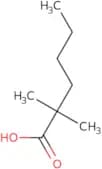
CAS:<p>2,2-Dimethylhexanoic Acid is an organic compound that belongs to the group of polycarboxylic acids. It is a colorless liquid with a strong odor and is soluble in water. 2,2-Dimethylhexanoic acid is used in wastewater treatment as a coagulant and flocculent. It has been shown to be effective at removing metals from wastewater, such as copper and nickel. This chemical also has high resistance to biological activity and can be used as a reactant in the synthesis of cationic surfactants and metal chelates. 2,2-Dimethylhexanoic acid has also been shown to inhibit viruses such as HIV, influenza A virus (IAV), and herpes simplex virus type 1 (HSV-1).</p>Formula:C8H16O2Purity:Min. 95%Molecular weight:144.21 g/mol3-Bromo-2-butanone
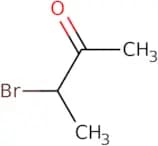
CAS:<p>3-Bromo-2-butanone is a chemical compound that has been detected in the lithosphere and is produced by the action of phosphorus pentoxide on brominated hydrocarbons. 3-Bromo-2-butanone can be used as an analog for acetaldehyde to study the effects of reactive species. It was found that 3-bromo-2-butanone reacts with phosphite in acetic acid to form a chlamydozonium ion and an acid catalyst, which leads to the formation of acetaldehyde. The reaction mechanism is shown below: 3BrCH=CHBr + P(O)OH → CH=CHCOH + H+ The overall reaction can be represented as: 3BrCH=CHBr + P(O)OH → CH=CHCOH + H+ HOAc + H+ → HOAc</p>Formula:C4H7BrOPurity:Min. 95%Color and Shape:Clear LiquidMolecular weight:151 g/mol3-Bromopentan-2-one
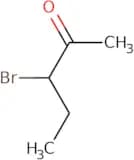
CAS:<p>3-Bromopentan-2-one is a furanone that has significant activity in biological screening. It is bicyclic and has an unsaturated five member ring. 3-Bromopentan-2-one is biologically active and can be used in the synthesis of both natural products and pharmaceuticals. The compound has been found to have significant activity against a variety of bacteria, fungi, and parasites. This drug also has anti-inflammatory activities and is being investigated for use in the treatment of psoriasis.</p>Formula:C5H9BrOPurity:Min. 95%Molecular weight:165.03 g/mol2-Bromo-3-pentanone
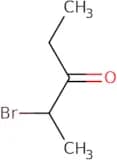
CAS:<p>2-Bromo-3-pentanone is a chemical reagent that is used in the synthesis of β-unsaturated ketones. It is produced by the alkylation of sodium hydroxide solution with 2-bromopentane, followed by the reaction with a ruthenium complex. The product can also be obtained from β-unsaturated ketones by reducing anhydrous sodium and sodium carbonate in a hydroxide solution. This process converts the carbonyl group to an alkene group. Cyclopentenones are obtained by dehydrogenation of ethyl esters, which can be achieved through reductive or stereoselective methods. Halides can be added as substituents to produce stereoisomers in stepwise reactions.</p>Formula:C5H9BrOPurity:Min. 95%Molecular weight:165.03 g/mol2-Chloro-3-cyclobutoxypyrazine
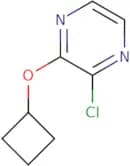
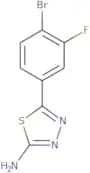
CAS:<p>Versatile small molecule scaffold</p>Formula:C8H9ClN2OPurity:Min. 95%Molecular weight:184.62 g/mol5-(4-Bromo-3-fluorophenyl)-1,3,4-thiadiazol-2-amine
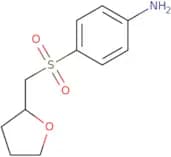
CAS:<p>Versatile small molecule scaffold</p>Formula:C8H5BrFN3SPurity:Min. 95%Molecular weight:274.12 g/mol4-(Oxolan-2-ylmethanesulfonyl)aniline
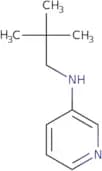
CAS:<p>Versatile small molecule scaffold</p>Formula:C11H15NO3SPurity:Min. 95%Molecular weight:241.31 g/molN-(2,2-Dimethylpropyl)pyridin-3-amine
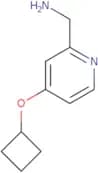
CAS:<p>Versatile small molecule scaffold</p>Formula:C10H16N2Purity:Min. 95%Molecular weight:164.25 g/mol(4-Cyclobutoxypyridin-2-yl)methanamine
CAS:<p>Versatile small molecule scaffold</p>Formula:C10H14N2OPurity:Min. 95%Molecular weight:178.23 g/mol[2-(Cyclohexyloxy)-4-methylphenyl]methanamine
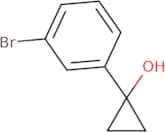
CAS:<p>Versatile small molecule scaffold</p>Formula:C14H21NOPurity:Min. 95%Molecular weight:219.32 g/mol1-(3-Bromophenyl)cyclopropan-1-ol
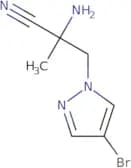
CAS:<p>Versatile small molecule scaffold</p>Formula:C9H9BrOPurity:Min. 95%Molecular weight:213.07 g/mol2-Amino-3-(4-bromo-1H-pyrazol-1-yl)-2-methylpropanenitrile
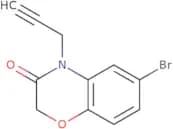
CAS:<p>Versatile small molecule scaffold</p>Formula:C7H9BrN4Purity:Min. 95%Molecular weight:229.08 g/mol6-Bromo-4-(prop-2-yn-1-yl)-3,4-dihydro-2H-1,4-benzoxazin-3-one
CAS:<p>Versatile small molecule scaffold</p>Formula:C11H8BrNO2Purity:Min. 95%Molecular weight:266.09 g/molrac-(2R,4R)-1-[(tert-Butoxy)carbonyl]-2-methylpiperidine-4-carboxylic acid
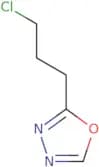
CAS:<p>Versatile small molecule scaffold</p>Formula:C12H21NO4Purity:Min. 95%Molecular weight:243.3 g/mol2-(3-Chloropropyl)-1,3,4-oxadiazole
CAS:<p>Versatile small molecule scaffold</p>Formula:C5H7ClN2OPurity:Min. 95%Molecular weight:146.57 g/mol2-[(Dimethylcarbamoyl)amino]-5-methylbenzoic acid
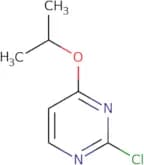
CAS:<p>Versatile small molecule scaffold</p>Formula:C11H14N2O3Purity:Min. 95%Molecular weight:222.24 g/mol2-Chloro-4-isopropoxypyrimidine
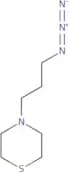
CAS:<p>Versatile small molecule scaffold</p>Formula:C7H9ClN2OPurity:Min. 95%Molecular weight:172.61 g/mol4-(3-Azidopropyl)thiomorpholine
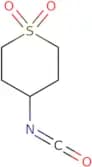
CAS:<p>Versatile small molecule scaffold</p>Formula:C7H14N4SPurity:Min. 95%Molecular weight:186.28 g/molTetrahydro-4-isocyanato-2H-thiopyran 1,1-dioxide
CAS:<p>Versatile small molecule scaffold</p>Formula:C6H9NO3SPurity:Min. 95%Molecular weight:175.21 g/mol[(1-Benzyl-1H-1,2,3,4-tetrazol-5-yl)methyl](methyl)amine
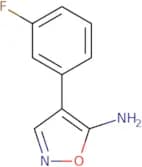
CAS:<p>Versatile small molecule scaffold</p>Formula:C10H13N5Purity:Min. 95%Molecular weight:203.2 g/mol4-(3-Fluorophenyl)-1,2-oxazol-5-amine
CAS:<p>Versatile small molecule scaffold</p>Formula:C9H7FN2OPurity:Min. 95%Molecular weight:178.16 g/mol3-[(Propan-2-yl)(2,2,2-trifluoroethyl)amino]propan-1-ol
CAS:<p>Versatile small molecule scaffold</p>Formula:C8H16F3NOPurity:Min. 95%Molecular weight:199.21 g/mol1-[3-(Aminomethyl)pyrrolidin-1-yl]-2-methylpropan-2-ol
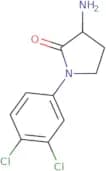
CAS:<p>Versatile small molecule scaffold</p>Formula:C9H20N2OPurity:Min. 95%Molecular weight:172.27 g/mol3-Amino-1-(3,4-dichlorophenyl)pyrrolidin-2-one
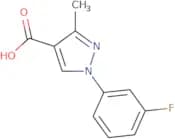
CAS:<p>Versatile small molecule scaffold</p>Formula:C10H10Cl2N2OPurity:Min. 95%Molecular weight:245.1 g/mol1-(3-Fluorophenyl)-3-methyl-1H-pyrazole-4-carboxylic acid
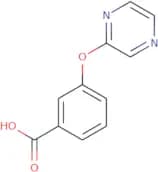
CAS:<p>Versatile small molecule scaffold</p>Formula:C11H9FN2O2Purity:Min. 95%Molecular weight:220.2 g/mol3-(Pyrazin-2-yloxy)benzoic acid
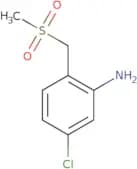
CAS:<p>Versatile small molecule scaffold</p>Formula:C11H8N2O3Purity:Min. 95%Molecular weight:216.19 g/mol5-Chloro-2-(methanesulfonylmethyl)aniline
CAS:<p>Versatile small molecule scaffold</p>Formula:C8H10ClNO2SPurity:Min. 95%Molecular weight:219.69 g/molEthyl 2-azabicyclo[4.1.0]heptane-1-carboxylate
CAS:<p>Versatile small molecule scaffold</p>Formula:C9H15NO2Purity:Min. 95%Molecular weight:169.22 g/molcis-3-Boc-3,7-diazabicyclo[4.2.0]octane
CAS:<p>Versatile small molecule scaffold</p>Formula:C11H20N2O2Purity:Min. 95%Molecular weight:424.58 g/mol8-Boc-8-azaspiro[4.5]decan-2-one
CAS:<p>Versatile small molecule scaffold</p>Formula:C14H23NO3Purity:Min. 95%Molecular weight:253.34 g/moltert-Butyl 4-amino-1-oxa-9-azaspiro[5.5]undecane-9-carboxylate
CAS:<p>Versatile small molecule scaffold</p>Formula:C14H26N2O3Purity:Min. 95%Molecular weight:270.37 g/moltert-Butyl 4-(pyrrolidin-2-yl)piperidine-1-carboxylate
CAS:<p>Versatile small molecule scaffold</p>Formula:C14H26N2O2Purity:Min. 95%Molecular weight:254.37 g/mol3-boc-3-azabicyclo[3.1.1]heptane-6-carboxylic acid
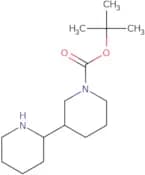
CAS:<p>Versatile small molecule scaffold</p>Formula:C12H19NO4Purity:Min. 95%Molecular weight:241.28 g/moltert-Butyl 3-piperidin-2-ylpiperidine-1-carboxylate
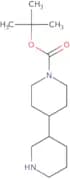
CAS:<p>Versatile small molecule scaffold</p>Formula:C15H28N2O2Purity:Min. 95%Molecular weight:268.39 g/moltert-Butyl 4-(piperidin-3-yl)piperidine-1-carboxylate
CAS:<p>Versatile small molecule scaffold</p>Formula:C15H28N2O2Purity:Min. 95%Molecular weight:268.39 g/mol8-[(tert-Butoxy)carbonyl]-8-azaspiro[4.5]decane-1-carboxylic acid
CAS:<p>Versatile small molecule scaffold</p>Formula:C15H25NO4Purity:Min. 95%Molecular weight:283.36 g/mol-2(-3(Tert-Butoxycarbonyl)-3-Azabicyclo[3.2.1]Octan-8-Yl)Acetic Acid
CAS:<p>Versatile small molecule scaffold</p>Formula:C14H23NO4Purity:Min. 95%Molecular weight:269.34 g/mol2-[(tert-butoxy)carbonyl]-2-azabicyclo[2.2.2]octane-6-carboxylic acid
CAS:<p>Versatile small molecule scaffold</p>Formula:C13H21NO4Purity:Min. 95%Molecular weight:255.3 g/mol3-Boc-3-azabicyclo[3.2.1]octane-8-carboxylic acid
CAS:<p>Versatile small molecule scaffold</p>Formula:C13H21NO4Purity:Min. 95%Molecular weight:255.31 g/moltert-Butyl N-{3-azabicyclo[3.2.1]octan-1-yl}carbamate
CAS:<p>Versatile small molecule scaffold</p>Formula:C12H22N2O2Purity:Min. 95%Molecular weight:226.32 g/moltert-Butyl 1-(aminomethyl)-2-azabicyclo[2.1.1]hexane-2-carboxylate
CAS:<p>Versatile small molecule scaffold</p>Formula:C11H20N2O2Purity:Min. 95%Molecular weight:212.29 g/moltert-Butyl N-{2-azabicyclo[2.2.2]octan-1-ylmethyl}carbamate
CAS:<p>Versatile small molecule scaffold</p>Formula:C13H24N2O2Purity:Min. 95%Molecular weight:240.34 g/moltert-Butyl 2-bromo-6,7-dihydropyrazolo[1,5-a]pyrazine-5(4H)-carboxylate
CAS:<p>Versatile small molecule scaffold</p>Formula:C11H16BrN3O2Purity:Min. 95%Molecular weight:302.17 g/mol7-Amino-5-oxa-2-azaspiro[3.4]octane-2-carboxylic acid 1,1-dimethylethyl ester
CAS:<p>Versatile small molecule scaffold</p>Formula:C11H20N2O3Purity:Min. 95%Molecular weight:228.29 g/moltert-Butyl 3-(aminomethyl)-5H,6H,7H,8H-[1,2,4]triazolo[4,3-a]pyrazine-7-carboxylate
CAS:<p>Versatile small molecule scaffold</p>Formula:C11H19N5O2Purity:Min. 95%Molecular weight:253.3 g/mol2-(tert-Butoxycarbonyl)-2-azaspiro[3.3]heptane-5-carboxylic acid
CAS:<p>Versatile small molecule scaffold</p>Formula:C12H19NO4Purity:Min. 95%Molecular weight:241.28 g/mol3-Bromo-1-Oxa-2,8-Diaza-Spiro[4.5]Dec-2-Ene-8-Carboxylic Acid Tert-Butyl Ester
CAS:<p>Versatile small molecule scaffold</p>Formula:C12H19BrN2O3Purity:Min. 95%Molecular weight:319.2 g/mol{Bicyclo[2.2.2]octan-2-yl}methanesulfonamide
CAS:<p>Versatile small molecule scaffold</p>Formula:C9H17NO2SPurity:Min. 95%Molecular weight:203.3 g/mol3-[3-(Formyloxy)-2,2-bis[(formyloxy)methyl]propoxy]-2,2-bis[(formyloxy)methyl]propyl formate
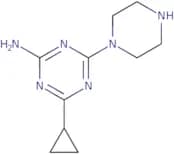
CAS:<p>Versatile small molecule scaffold</p>Formula:C16H22O13Purity:Min. 95%Molecular weight:422.34 g/mol4-Cyclopropyl-6-(piperazin-1-yl)-1,3,5-triazin-2-amine
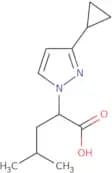
CAS:<p>Versatile small molecule scaffold</p>Formula:C10H16N6Purity:Min. 95%Molecular weight:220.27 g/mol2-(3-Cyclopropyl-1H-pyrazol-1-yl)-4-methylpentanoic acid
CAS:<p>Versatile small molecule scaffold</p>Formula:C12H18N2O2Purity:Min. 95%Molecular weight:222.3 g/mol3-[(Carbamoylamino)sulfonyl]benzoic acid
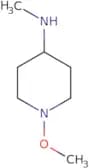
CAS:<p>Versatile small molecule scaffold</p>Formula:C8H8N2O5SPurity:Min. 95%Molecular weight:244.2 g/mol1-Methoxy-N-methylpiperidin-4-amine
CAS:<p>Versatile small molecule scaffold</p>Formula:C7H16N2OPurity:Min. 95%Molecular weight:144.21 g/mol2-{[(tert-Butoxy)carbonyl]amino}bicyclo[4.1.0]heptane-2-carboxylic acid
CAS:<p>Versatile small molecule scaffold</p>Formula:C13H21NO4Purity:Min. 95%Molecular weight:255.3 g/mol2-({[(9H-Fluoren-9-yl)methoxy]carbonyl}amino)bicyclo[4.1.0]heptane-2-carboxylic acid
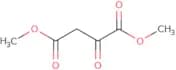
CAS:<p>Versatile small molecule scaffold</p>Formula:C23H23NO4Purity:Min. 95%Molecular weight:377.4 g/mol1,4-Dimethyl 2-oxobutanedioate
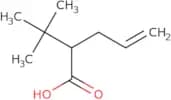
CAS:<p>Versatile small molecule scaffold</p>Formula:C6H8O5Purity:Min. 95%Molecular weight:160.12 g/mol2-tert-Butylpent-4-enoic acid
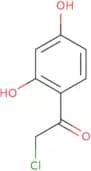
CAS:<p>Versatile small molecule scaffold</p>Formula:C9H16O2Purity:Min. 95%Molecular weight:156.22 g/mol2-Chloro-1-(2,4-dihydroxy-phenyl)-ethanone
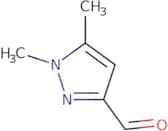
CAS:<p>2-Chloro-1-(2,4-dihydroxy-phenyl)-ethanone (CDPE) is a neutralizing chemical that can be used for the detection of various organic solvents. It reacts with the solvent to form a fluorescent compound. CDPE has high specificity and can detect a wide range of solvents, including chlorinated hydrocarbons, alcohols, ketones, and esters. The reaction between CDPE and the solvent generates a fluorescence signal that can be detected by UV light at 365 nm or 366 nm. This probe is sensitive enough to detect as little as 0.02 mg/L of chloroform in water. CDPE is soluble in alkaline solutions but not in acidic solutions and therefore will only react with an alkaline solution when it is mixed with an organic solvent. The reaction between CDPE and the solvent generates a fluorescence signal that can be detected by UV light at 365 nm</p>Formula:C8H7ClO3Purity:Min. 95%Molecular weight:186.59 g/mol1,5-Dimethyl-1H-pyrazole-3-carboxaldehyde
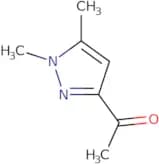
CAS:<p>Versatile small molecule scaffold</p>Formula:C6H8N2OPurity:Min. 95%Molecular weight:124.14 g/mol1-(1,5-Dimethyl-1H-pyrazol-3-yl)ethan-1-one
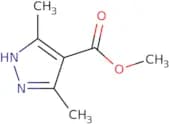
CAS:<p>Versatile small molecule scaffold</p>Formula:C7H10N2OPurity:Min. 95%Molecular weight:138.17 g/molMethyl 3,5-dimethyl-1H-pyrazole-4-carboxylate
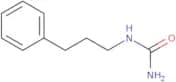
CAS:<p>Versatile small molecule scaffold</p>Formula:C7H10N2O2Purity:Min. 95%Molecular weight:154.17 g/mol(3-Phenylpropyl)urea
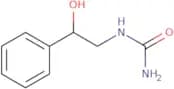
CAS:<p>Versatile small molecule scaffold</p>Formula:C10H14N2OPurity:Min. 95%Molecular weight:178.23 g/mol(2-Hydroxy-2-phenylethyl)urea
CAS:<p>Versatile small molecule scaffold</p>Formula:C9H12N2O2Purity:Min. 95%Molecular weight:180.2 g/mol2-Cyclobutylideneacetic acid
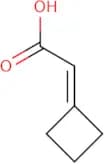
CAS:<p>2-Cyclobutylideneacetic acid is a monomer that inhibits protein synthesis by binding to the amino acids in the polypeptide chain. It also has been shown to be an inhibitor of epidermal growth factor and linker, which are proteins involved in angiogenesis. 2-Cyclobutylideneacetic acid has been shown to have cardiovascular benefits due to its ability to inhibit cholesterol ester transfer. This drug also exhibits tautomerism, which may account for the stereoisomers observed in the laboratory.</p>Formula:C6H8O2Purity:Min. 95%Molecular weight:112.13 g/mol9H-Purine-6-sulfonic acid
CAS:<p>9H-Purine-6-sulfonic acid is a potential range of compounds that can be classified as either dimers or monomers. It has a potential range of -0.2 to 0.8 volts and is capable of undergoing two reactions, namely the electrochemical oxidation and the electrolysis. The on-line method used in this experiment was an electrochemical oxidation with a polarographic electrode. 9H-Purine-6-sulfonic acid has been shown to form micelles when dissolved in water and it can be used as an electron donor for the reduction of various analytes, including peroxidase, on chromatographic substrates such as silica gel, aluminum oxide, and carboxymethylcellulose. This compound also shows protonation properties, which allows it to undergo an electrochemical oxidation reaction that oxidizes other compounds in solution. This process is known as an on-line system because it occurs while the analyte is passing</p>Formula:C5H4N4O3SPurity:Min. 95%Molecular weight:200.18 g/mol3-Ethoxybenzene-1-carboximidamide hydrochloride
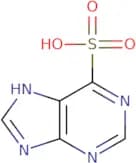
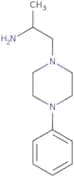
CAS:<p>Versatile small molecule scaffold</p>Formula:C9H13ClN2OPurity:Min. 95%Molecular weight:200.66 g/mol1-(4-Phenylpiperazin-1-yl)propan-2-amine
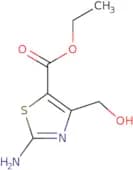
CAS:<p>Versatile small molecule scaffold</p>Formula:C13H21N3Purity:Min. 95%Molecular weight:219.33 g/molEthyl 2-amino-4-(hydroxymethyl)-1,3-thiazole-5-carboxylate
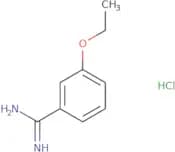
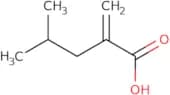
CAS:<p>Versatile small molecule scaffold</p>Formula:C7H10N2O3SPurity:Min. 95%Molecular weight:202.23 g/mol4-Methyl-2-methylidenepentanoic acid
CAS:<p>4-Methyl-2-methylidenepentanoic acid (MMPA) is a cocatalyst that acts as an inhibitor of autophagy. It binds to receptors on the surface of cells and blocks protein transport, which prevents the synthesis of proteins essential for cell growth and survival. MMPA has been shown to be useful in the production of recombinant proteins. This compound also inhibits glycosidase enzymes, preventing the degradation of glycosylated proteins and lowering their immunogenicity. MMPA has been shown to have antioxidant properties, which may be due to its ability to stabilize metal ions such as zirconium or arylpiperazines. The viscosity of MMPA is relatively low at room temperature, but increases with increasing temperature.<br>!-- <br>--></p>Formula:C7H12O2Purity:Min. 95%Molecular weight:128.17 g/molMethyl 3-[(3-methoxy-2-methyl-3-oxopropyl)disulfanyl]-2-methylpropanoate
CAS:<p>Versatile small molecule scaffold</p>Formula:C10H18O4S2Purity:Min. 95%Molecular weight:266.4 g/mol2-Chloro-N-[2-(naphthalen-1-yl)ethyl]acetamide
CAS:<p>Versatile small molecule scaffold</p>Formula:C14H14ClNOPurity:Min. 95%Molecular weight:247.72 g/mol5-{[(6-Methoxypyridin-3-yl)amino]methylidene}-2,2-dimethyl-1,3-dioxane-4,6-dione
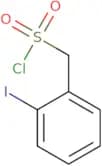
CAS:<p>Versatile small molecule scaffold</p>Formula:C13H14N2O5Purity:Min. 95%Molecular weight:278.26 g/mol(2-Iodophenyl)methanesulfonyl chloride
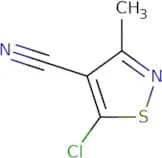
CAS:<p>Versatile small molecule scaffold</p>Formula:C7H6ClIO2SPurity:Min. 95%Molecular weight:316.54 g/mol5-Chloro-3-methyl-1,2-thiazole-4-carbonitrile
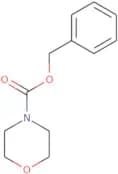
CAS:<p>Versatile small molecule scaffold</p>Formula:C5H3ClN2SPurity:Min. 95%Molecular weight:158.61 g/molBenzyl morpholine-4-carboxylate
CAS:<p>Benzyl morpholine-4-carboxylate is an ester of morpholine and benzoic acid. It is a good solvent for amines, alcohols, and sulfonamides. Benzyl morpholine-4-carboxylate can be used as a catalyst in the synthesis of aliphatic amines. The catalytic activity of this compound was found to be higher than that of either DBU or DBN in the reaction with ethylamine. The reaction yield was high when benzyl morpholine-4-carboxylate was used, which made it a good candidate for use in the synthesis of aliphatic amines with high yields.</p>Formula:C12H15NO3Purity:Min. 95%Molecular weight:221.26 g/mol1-Cbz-pyrrolidine
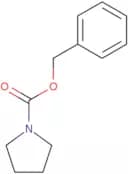
CAS:<p>1-Cbz-pyrrolidine is a substrate for the reaction of hydroxylation with recombinant Escherichia coli. It was used as a model substrate to study the effects of concentration and stereoselectivity on the rate of reaction. A preparative scale reaction was carried out using 1-Cbz-pyrrolidine in order to examine the effect of substrate concentration on product yield. The immobilization of 1-Cbz-pyrrolidine onto an insoluble support material was then investigated in order to determine the suitability of this process for the preparation of a reusable bioreactor. Immobilization led to an increase in activity, and therefore immobilizing 1-Cbz-pyrrolidine onto an insoluble support material is a feasible method for its preparation as a reusable bioreactor.</p>Formula:C12H15NO2Purity:Min. 95%Molecular weight:205.26 g/mol2-Bromo-4,5,6,7-tetrahydro-1-benzothiophen-4-one
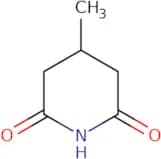
CAS:<p>Versatile small molecule scaffold</p>Formula:C8H7BrOSPurity:Min. 95%Molecular weight:231.11 g/mol4-Methylpiperidine-2,6-dione
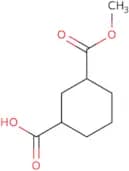
CAS:<p>4-Methylpiperidine-2,6-dione is a diacid that is used as an iron chelating agent. It binds to ferric ions and prevents them from reacting with other molecules. The molecular descriptors for 4-methylpiperidine-2,6-dione are acidic ph, piperazine, and chloride. This molecule has been shown to be reactive in predictive models and hydrolyzes in aqueous solutions.</p>Formula:C6H9NO2Purity:Min. 95%Molecular weight:127.14 g/mol3-(methoxycarbonyl)cyclohexane-1-carboxylic acid, Mixture of diastereomers
CAS:<p>Versatile small molecule scaffold</p>Formula:C9H14O4Purity:Min. 95%Molecular weight:186.2 g/mol5-(Methoxycarbonyl)bicyclo[3.1.0]hexane-1-carboxylic acid
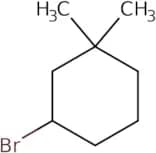
CAS:<p>Versatile small molecule scaffold</p>Formula:C9H12O4Purity:Min. 95%Molecular weight:184.2 g/mol3-Bromo-1,1-dimethylcyclohexane
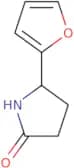
CAS:<p>Versatile small molecule scaffold</p>Formula:C8H15BrPurity:Min. 95%Molecular weight:191.11 g/mol5-(Furan-2-yl)pyrrolidin-2-one
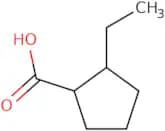
CAS:<p>Versatile small molecule scaffold</p>Formula:C8H9NO2Purity:Min. 95%Molecular weight:151.16 g/mol2-Ethylcyclopentane-1-carboxylic acid
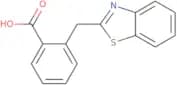
CAS:<p>Versatile small molecule scaffold</p>Formula:C8H14O2Purity:Min. 95%Molecular weight:142.2 g/mol2-(1,3-Benzothiazol-2-ylmethyl)benzoic acid
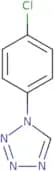
CAS:<p>Versatile small molecule scaffold</p>Formula:C15H11NO2SPurity:Min. 95%Molecular weight:269.3 g/mol1-(4-Chlorophenyl)-1H-1,2,3,4-tetrazole
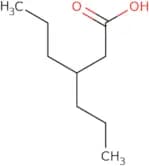
CAS:<p>1-(4-Chlorophenyl)-1H-1,2,3,4-tetrazole is a chemical compound that was synthesized in order to study the uptake rate of heavy metals by marine sponges. This molecule is a cross-linking agent that can be used to form protein molecules with other proteins or amino acids. It has been found to have an antigenic profile and is also able to cause growth regulation in bacteria. The element analysis of 1-(4-chlorophenyl)-1H-1,2,3,4-tetrazole reveals the presence of carbon (C), hydrogen (H), nitrogen (N), and chlorine (Cl). The molecular weight of this compound is 271.25 g/mol and its melting point is 155°C.</p>Formula:C7H5ClN4Purity:Min. 95%Molecular weight:180.59 g/mol3-Propylhexanoic acid
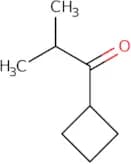
CAS:<p>3-Propylhexanoic acid is a teratogenic compound that has been shown to be effective against epilepsy and cytomegalovirus. It is also an inhibitor of histone deacetylases, which are enzymes that catalyze the removal of acetyl groups from lysine residues in histones. 3-Propylhexanoic acid has been shown to inhibit the enzyme activity of these enzymes, leading to increased levels of acetylation in the brain and liver. This leads to decreased transcription of genes involved in neuronal growth and differentiation and cell survival, as well as increased transcription of genes involved in apoptosis. 3-Propylhexanoic acid is a potent teratogen, causing abnormalities in fetal development when administered during pregnancy.</p>Formula:C9H18O2Purity:Min. 95%Molecular weight:158.24 g/mol1-Cyclobutyl-2-methylpropan-1-one
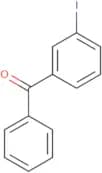
CAS:<p>Versatile small molecule scaffold</p>Formula:C8H14OPurity:Min. 95%Molecular weight:126.2 g/mol(3-Iodophenyl)(phenyl)methanone
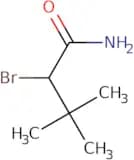
CAS:<p>3-Iodophenyl)(phenyl)methanone is an organic compound that contains a diaryl ketone group. It has been shown to be electrochromic and reacts with the isophthalates, which are used as plasticizers in polyvinyl chloride. 3-Iodophenyl)(phenyl)methanone has also been shown to react with organic peroxides, such as benzoyl peroxide. The radical formed by this reaction can be used in organic synthesis reactions.</p>Formula:C13H9IOPurity:Min. 95%Molecular weight:308.11 g/mol2-Bromo-3,3-dimethylbutanamide
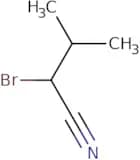
CAS:<p>2-Bromo-3,3-dimethylbutanamide is a carbamate herbicide with optimum activity on broadleaf weeds and grasses. It is the carbamate derivative of 2,2,2-trifluoroethanol. The herbicidal composition contains this compound as an active ingredient.</p>Formula:C6H12BrNOPurity:Min. 95%Molecular weight:194.07 g/mol2-Bromo-3-methylbutanenitrile
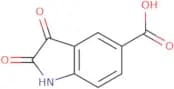
CAS:<p>Versatile small molecule scaffold</p>Formula:C5H8BrNPurity:Min. 95%Molecular weight:162.03 g/mol2,3-Dioxoindoline-5-carboxylic acid
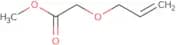
CAS:<p>2,3-Dioxoindoline-5-carboxylic acid (2,3-DIAC) is a carboxylic acid that has been found in plants. It can be used as a building block for the synthesis of indole compounds. 2,3-DIAC is an important intermediate in organic chemistry and has been used as a starting material for the synthesis of many other carboxylic acids.</p>Formula:C9H5NO4Purity:Min. 95%Molecular weight:191.14 g/molMethyl 2-(prop-2-en-1-yloxy)acetate
CAS:<p>Methyl 2-(prop-2-en-1-yloxy)acetate is an ester that is soluble in organic solvents, such as acetone and ether. The compound has been shown to be a potent antifungal agent against dermatophytes and other fungi. It has been shown to exhibit the ability to cleave esters and amides with high enantiomeric excess (ee). This compound can also be used for the synthesis of chiral compounds, by using asymmetric synthesis methods, such as the Wittig reaction.</p>Formula:C6H10O3Purity:Min. 95%Molecular weight:130.14 g/mol2-[3-(Propan-2-yl)phenoxy]propanoic acid
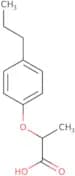
CAS:<p>Versatile small molecule scaffold</p>Formula:C12H16O3Purity:Min. 95%Molecular weight:208.25 g/mol2-(4-Propylphenoxy)propanoic acid
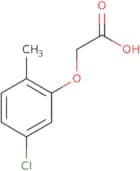
CAS:<p>Versatile small molecule scaffold</p>Formula:C12H16O3Purity:Min. 95%Molecular weight:208.25 g/mol2-(5-Chloro-2-methylphenoxy)acetic acid
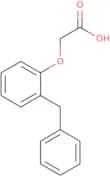
CAS:<p>2-(5-Chloro-2-methylphenoxy)acetic acid is a chemical compound used in the synthesis of herbicides, such as glyphosate. It is an inhibitor of plant growth. 2-(5-Chloro-2-methylphenoxy)acetic acid has been shown to induce apoptosis and inhibit cell growth in breast cancer cells. The compound interacts with reactive oxygen species to form hydroxyl radicals that react with DNA and cause DNA damage. This genotoxic potential may be responsible for its anticancer activity. The compound has been shown to be mutagenic, although it can also act as a mutational blocker and suppress the production of mutations by other carcinogens.</p>Formula:C9H9ClO3Purity:Min. 95%Molecular weight:200.62 g/mol2-(2-Benzylphenoxy)acetic acid
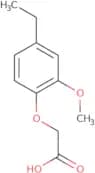
CAS:<p>Versatile small molecule scaffold</p>Formula:C15H14O3Purity:Min. 95%Molecular weight:242.27 g/mol2-(4-Ethyl-2-methoxyphenoxy)acetic acid
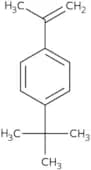
CAS:<p>Versatile small molecule scaffold</p>Formula:C11H14O4Purity:Min. 95%Molecular weight:210.23 g/mol1-tert-Butyl-4-(prop-1-en-2-yl)benzene
CAS:<p>Versatile small molecule scaffold</p>Formula:C13H18Purity:Min. 95%Molecular weight:174.28 g/molrac-(1R,5R,7S)-7-Methylbicyclo[3.2.0]hept-2-en-6-one
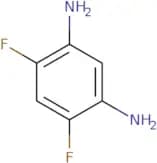
CAS:<p>Versatile small molecule scaffold</p>Formula:C8H10OPurity:Min. 95%Molecular weight:122.2 g/mol4,6-Difluorobenzene-1,3-diamine
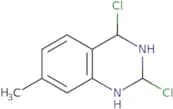
CAS:<p>Versatile small molecule scaffold</p>Formula:C6H6F2N2Purity:Min. 95%Molecular weight:144.12 g/mol2,4-Dichloro-7-methylquinazoline
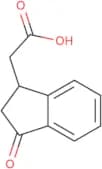
CAS:<p>Versatile small molecule scaffold</p>Formula:C9H6Cl2N2Purity:Min. 95%Molecular weight:213.06 g/mol2-(3-Oxo-2,3-dihydro-1H-inden-1-yl)acetic acid
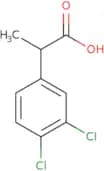
CAS:<p>Versatile small molecule scaffold</p>Formula:C11H10O3Purity:Min. 95%Molecular weight:190.2 g/mol2-(3,4-Dichlorophenyl)propanoic acid
CAS:<p>Versatile small molecule scaffold</p>Formula:C9H8Cl2O2Purity:Min. 95%Molecular weight:219.06 g/mol3-o-Tolyloxy-propionic acid
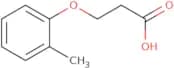
CAS:<p>3-o-Tolyloxy-propionic acid (3TP) is a monomer that can be used in the production of polymers. 3TP has been shown to have high emission efficiency, which is attributed to its low density and inductive properties. It also has a low melting point, making it suitable for use in the production of polymers at low temperatures. 3TP is also known to have an acid group and vinyl group, making it useful in the production of polymers with a variety of functions. 3TP is soluble in water and other solvents, making it easy to handle during polymerization processes. It is non-toxic and environmentally friendly because it does not emit any harmful substances when heated or mixed with other materials.</p>Formula:C10H12O3Purity:Min. 95%Molecular weight:180.2 g/mol3-(3-Methylphenoxy)propanoic acid
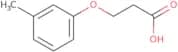
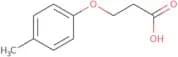
CAS:<p>3-(3-Methylphenoxy)propanoic acid (3MPPA) is a phenol with a 3-methyl group substituted for the hydroxyl group. It is a crystalline solid that melts at 96°C and decomposes when heated to 130°C. 3MPPA is a substrate for the enzyme catechol O-methyltransferase, which converts it to 3-O-methyldopa. This reaction occurs in both viable and nonviable cells. The kinetics of this reaction has been studied in detail and it has been shown that 3MPPA preferentially reacts with the active site of catechol O-methyltransferase.</p>Formula:C10H12O3Purity:Min. 95%Molecular weight:180.2 g/mol3-(4-Methylphenoxy)propionic acid
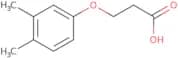
CAS:<p>Versatile small molecule scaffold</p>Formula:C10H12O3Purity:Min. 95%Molecular weight:180.2 g/mol3-(3,4-Dimethylphenoxy)propanoic acid
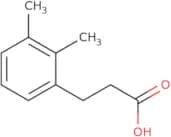
CAS:<p>Versatile small molecule scaffold</p>Formula:C11H14O3Purity:Min. 95%Molecular weight:194.23 g/mol3-(2',3'-Dimethylphenyl)propionic acid
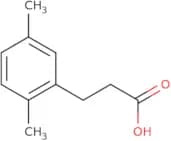
CAS:<p>3-(2',3'-Dimethylphenyl)propionic acid is a prostaglandin compound that inhibits the production of vasoconstricting and vasodilating substances. It belongs to the class of amide, benzoic acid, and azacyclic compounds. The structural formula is CHCOOH. 3-(2',3'-Dimethylphenyl)propionic acid inhibits the response of cells to agonists such as histamine, serotonin, and bradykinin by binding to specific receptors on cell surfaces called integrins. This compound has been shown to have vasospastic effects in patients with Raynaud's phenomenon or other diseases involving vasospasm. 3-(2',3'-Dimethylphenyl)propionic acid also has thrombotic effects due to its inhibition of blood coagulation factors IIa and Xa.</p>Formula:C11H14O2Purity:Min. 95%Molecular weight:178.23 g/mol3-(2,5-Dimethylphenyl)propionic acid
CAS:<p>3-(2,5-Dimethylphenyl)propionic acid is a cytotoxic agent that belongs to the group of carboxamides. It is lipophilic and has been shown to be effective against colon tumor cells in vivo. 3-(2,5-Dimethylphenyl)propionic acid binds to DNA chains and inhibits cellular proliferation by inhibiting the synthesis of nucleic acids. This agent also inhibits the activity of topoisomerases I and II, which are enzymes that are necessary for DNA replication and transcription. 3-(2,5-Dimethylphenyl)propionic acid has been shown to have a high cytotoxic potency in vitro but low potency against cultured human cells.</p>Formula:C11H14O2Purity:Min. 95%Molecular weight:178.23 g/mol6-(1H-Indol-3-yl)hexanoic acid
CAS:<p>Versatile small molecule scaffold</p>Formula:C14H17NO2Purity:Min. 95%Molecular weight:231.29 g/mol2-[4-(3-Chlorophenyl)piperazin-1-yl]acetonitrile
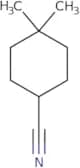
CAS:<p>Versatile small molecule scaffold</p>Formula:C12H14ClN3Purity:Min. 95%Molecular weight:235.71 g/mol4,4-Dimethylcyclohexane-1-carbonitrile
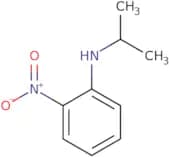
CAS:<p>Versatile small molecule scaffold</p>Formula:C9H15NPurity:Min. 95%Molecular weight:137.22 g/molIsopropyl-(2-nitro-phenyl)-amine
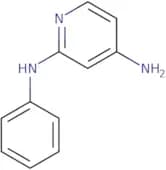
CAS:<p>Versatile small molecule scaffold</p>Formula:C9H12N2O2Purity:Min. 95%Molecular weight:180.21 g/molN-2-Phenylpyridine-2,4-diamine
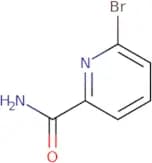
CAS:<p>Versatile small molecule scaffold</p>Formula:C11H11N3Purity:Min. 95%Molecular weight:185.22 g/mol6-Bromopyridine-2-carboxamide
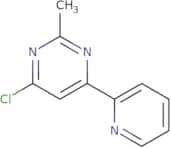
CAS:<p>6-Bromopyridine-2-carboxamide is a dibenzazepine and an azacycle. It is used to study its affinity for the dopamine receptors, sodium channels, and histamine receptors. 6-Bromopyridine-2-carboxamide has been shown to block histamine receptors in the rat brain. This drug also has affinity for sodium channels and blocks them at lower concentrations than other drugs. Functional assays have demonstrated that 6-bromopyridine-2-carboxamide is a functional blocker of the ion channel receptor in human erythrocytes.</p>Formula:C6H5BrN2OPurity:Min. 95%Molecular weight:201.02 g/mol4-Chloro-2-methyl-6-(pyridin-2-yl)pyrimidine
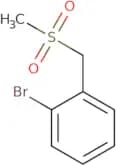
CAS:<p>Versatile small molecule scaffold</p>Formula:C10H8ClN3Purity:Min. 95%Molecular weight:205.64 g/mol1-Bromo-2-((methylsulfonyl)methyl)benzene
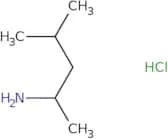
CAS:<p>Versatile small molecule scaffold</p>Formula:C8H9BrO2SPurity:Min. 95%Molecular weight:249.12 g/mol(2R)-4-Methylpentan-2-amine hydrochloride
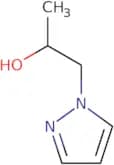
CAS:Controlled Product<p>Versatile small molecule scaffold</p>Formula:C6H16ClNPurity:Min. 95%Molecular weight:137.65 g/mol1-(1H-Pyrazol-1-yl)propan-2-ol
CAS:<p>Versatile small molecule scaffold</p>Formula:C6H10N2OPurity:Min. 95%Molecular weight:126.16 g/mol2-[(2,4-Dimethylphenyl)sulfanyl]acetic acid
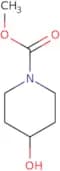
CAS:<p>Versatile small molecule scaffold</p>Formula:C10H12O2SPurity:Min. 95%Molecular weight:196.27 g/molMethyl 4-hydroxypiperidine-1-carboxyl
CAS:<p>Versatile small molecule scaffold</p>Formula:C7H13NO3Purity:Min. 95%Molecular weight:159.18 g/mol3-Chloro-2-methylpropane-1-sulfonyl chloride
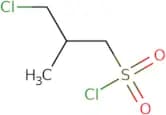
CAS:<p>Versatile small molecule scaffold</p>Formula:C4H8Cl2O2SPurity:Min. 95%Molecular weight:191.08 g/mol2-Ethynyl-1H-indole
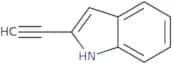
CAS:<p>2-Ethynyl-1H-indole is a synthetic nucleoside analog of the anti-viral drug acyclovir. It is an activated prodrug that is hydrolyzed by esterases to its active form, which inhibits viral polymerase and thus prevents the synthesis of new viral DNA. 2-Ethynyl-1H-indole also has been shown to have inhibitory effects on chronic bronchitis and emphysema, as well as demonstrating cytotoxic activity in vitro. The enantiomers of 2-ethynyl-1H indole have different pharmacological activities. The (R)-enantiomer is more potent than the (S)-enantiomer in inhibiting erythrocyte coagulation and platelet aggregation in vitro.</p>Formula:C10H7NPurity:Min. 95%Molecular weight:141.17 g/mol4-Methanesulfonyl-3-methoxyaniline
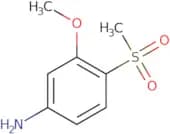
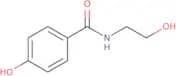
CAS:<p>Versatile small molecule scaffold</p>Formula:C8H11NO3SPurity:Min. 95%Molecular weight:201.25 g/mol4-Hydroxy-N-(2-hydroxyethyl)benzamide
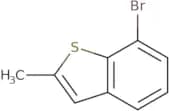
CAS:<p>4-Hydroxy-N-(2-hydroxyethyl)benzamide (4OHEBA) is a natural product that belongs to the class of phenolic compounds. It is found in macroalgae and has been shown to have anti-inflammatory properties, which may be due to its ability to inhibit prostaglandin synthesis. 4OHEBA has also been shown to have chemical diversity and studies show that it can be used in preservative systems.</p>Formula:C9H11NO3Purity:Min. 95%Molecular weight:181.19 g/mol7-Bromo-2-methyl-1-benzothiophene
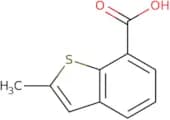
CAS:<p>Versatile small molecule scaffold</p>Formula:C9H7BrSPurity:Min. 95%Molecular weight:227.12 g/mol2-Methyl-1-benzothiophene-7-carboxylic acid
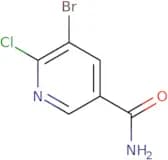
CAS:<p>Versatile small molecule scaffold</p>Formula:C10H8O2SPurity:Min. 95%Molecular weight:192.24 g/mol5-Bromo-6-chloropyridine-3-carboxamide
CAS:<p>Versatile small molecule scaffold</p>Formula:C6H4BrClN2OPurity:Min. 95%Color and Shape:PowderMolecular weight:235.5 g/molIndeno[2,1-b]chromene-6-carbaldehyde
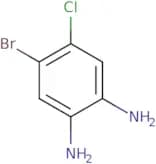
CAS:<p>Versatile small molecule scaffold</p>Formula:C17H10O2Purity:Min. 95%Molecular weight:246.26 g/mol4-Bromo-5-chlorobenzene-1,2-diamine
CAS:<p>Versatile small molecule scaffold</p>Formula:C6H6BrClN2Purity:Min. 95%Molecular weight:221.48 g/moltert-Butyl 4-isocyanatobenzoate
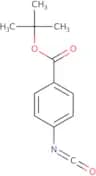
CAS:<p>Versatile small molecule scaffold</p>Formula:C12H13NO3Purity:Min. 95%Molecular weight:219.24 g/mol2-Chloro-5-fluoronicotinamide
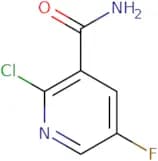
CAS:<p>Versatile small molecule scaffold</p>Formula:C6H4ClFN2OPurity:Min. 95%Molecular weight:174.56 g/mol2,3-Dimethylbutane-1-sulfonyl chloride
CAS:<p>Versatile small molecule scaffold</p>Formula:C6H13ClO2SPurity:Min. 95%Molecular weight:184.7 g/mol3-Hydroxypyrrolidine-3-carboxylic acid
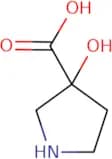
CAS:<p>Versatile small molecule scaffold</p>Formula:C5H9NO3Purity:Min. 95%Molecular weight:131.13 g/molDimethyl bicyclo[3.1.1]heptane-1,5-dicarboxylate
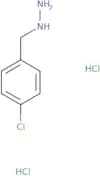
CAS:<p>Versatile small molecule scaffold</p>Formula:C11H16O4Purity:Min. 95%Molecular weight:212.24 g/mol(4-Chlorobenzyl)hydrazine hydrochloride
CAS:<p>Versatile small molecule scaffold</p>Formula:C7H10Cl2N2Purity:Min. 95%Molecular weight:193.07 g/mol[(4-Phenylphenyl)methyl]hydrazine hydrochloride
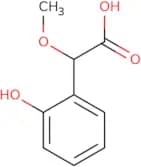
CAS:<p>Versatile small molecule scaffold</p>Formula:C13H15ClN2Purity:Min. 95%Molecular weight:234.72 g/mol2-(2-Hydroxyphenyl)-2-methoxyacetic acid
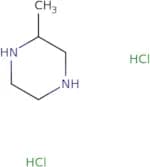
CAS:<p>Versatile small molecule scaffold</p>Formula:C9H10O4Purity:Min. 95%Molecular weight:182.17 g/mol(R)-2-Methylpiperazine dihydrochloride
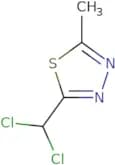
CAS:<p>Versatile small molecule scaffold</p>Formula:C5H14Cl2N2Purity:Min. 95%Molecular weight:173.08 g/mol2-(Dichloromethyl)-5-methyl-1,3,4-thiadiazole
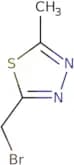
CAS:<p>Versatile small molecule scaffold</p>Formula:C4H4Cl2N2SPurity:Min. 95%Molecular weight:183.06 g/mol2-(Bromomethyl)-5-methyl-1,3,4-thiadiazole
CAS:<p>Versatile small molecule scaffold</p>Formula:C4H5BrN2SPurity:Min. 95%Molecular weight:193.07 g/mol4-Methoxy-6-methylpyridine-2-carbaldehyde
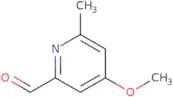
CAS:<p>Versatile small molecule scaffold</p>Formula:C8H9NO2Purity:Min. 95%Molecular weight:151.16 g/mol2-[(1R,2S)-2-Hydroxycyclohexyl]acetic acid
CAS:<p>Versatile small molecule scaffold</p>Formula:C8H14O3Purity:Min. 95%Molecular weight:158.2 g/mol2-Bromo-6-methylbenzyl bromide
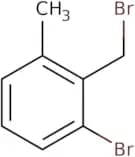
CAS:<p>Versatile small molecule scaffold</p>Formula:C8H8Br2Purity:Min. 95%Molecular weight:263.96 g/mol2-Bromo-1-(bromomethyl)-4-methylbenzene
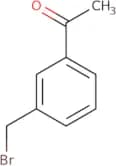
CAS:<p>Versatile small molecule scaffold</p>Formula:C8H8Br2Purity:Min. 95%Molecular weight:263.96 g/mol-1(3-Bromomethyl-Phenyl)-Ethanone
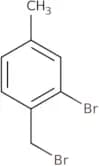
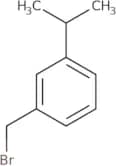
CAS:<p>Versatile small molecule scaffold</p>Formula:C9H9BrOPurity:Min. 95%Molecular weight:213.07 g/mol1-(bromomethyl)-3-isopropylbenzene
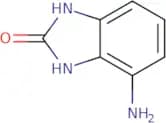
CAS:<p>Versatile small molecule scaffold</p>Formula:C10H13BrPurity:Min. 95%Molecular weight:213.12 g/mol4-Amino-1,3-dihydro-2H-benzimidazol-2-one
CAS:<p>Versatile small molecule scaffold</p>Formula:C7H7N3OPurity:Min. 95%Molecular weight:149.15 g/mol1-(2,4-Dimethyl-4H-pyrazolo[1,5-a]benzimidazol-3-yl)ethanone
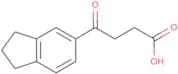
CAS:<p>Versatile small molecule scaffold</p>Formula:C13H13N3OPurity:Min. 95%Molecular weight:227.27 g/mol4-(2,3-Dihydro-1H-inden-5-yl)-4-oxobutanoic acid
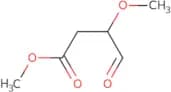
CAS:<p>Versatile small molecule scaffold</p>Formula:C13H14O3Purity:Min. 95%Molecular weight:218.25 g/molMethyl 3-methoxy-4-oxobutanoate
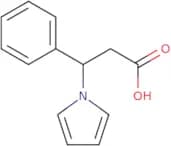
CAS:<p>Versatile small molecule scaffold</p>Formula:C6H10O4Purity:Min. 95%Molecular weight:146.14 g/mol3-Phenyl-3-(1H-pyrrol-1-yl)propanoic acid
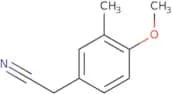
CAS:<p>Versatile small molecule scaffold</p>Formula:C13H13NO2Purity:Min. 95%Molecular weight:215.25 g/mol4-Methoxy-3-methylphenylacetonitrile
CAS:<p>Versatile small molecule scaffold</p>Formula:C10H11NOPurity:Min. 95%Molecular weight:161.2 g/mol4-(2-Ethyl-1H-imidazol-1-yl)aniline
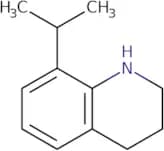
CAS:<p>Versatile small molecule scaffold</p>Formula:C11H13N3Purity:Min. 95%Molecular weight:187.24 g/mol8-(Propan-2-yl)-1,2,3,4-tetrahydroquinoline
CAS:<p>Versatile small molecule scaffold</p>Formula:C12H17NPurity:Min. 95%Molecular weight:175.27 g/mol2-({1-Azabicyclo[2.2.2]octan-3-yl}amino)ethan-1-ol dihydrochloride
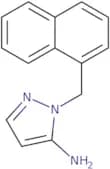
CAS:<p>Versatile small molecule scaffold</p>Formula:C9H20Cl2N2OPurity:Min. 95%Molecular weight:243.2 g/mol1-(Naphthalen-1-ylmethyl)-1H-pyrazol-5-amine
CAS:<p>Versatile small molecule scaffold</p>Formula:C14H13N3Purity:Min. 95%Molecular weight:223.27 g/mol5-Nitrothiophene-3-carbaldehyde
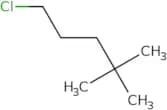
CAS:<p>5-Nitrothiophene-3-carbaldehyde (NTAC) is a tripodal that has been shown to be able to form aggregations with other molecules. It has been used in solar cells as a semiconductor material and can be used as a ligand for optical or x-ray sensors. NTAC also has the ability to absorb light and can be used as a dye in dye-sensitized solar cells. The electron affinity of NTAC is low, making it an effective electron acceptor for photocatalytic reactions. This compound is also useful for particle size measurements using microscopy techniques.</p>Formula:C5H3NO3SPurity:Min. 95%Molecular weight:157.15 g/mol1-Chloro-4,4-dimethylpentane
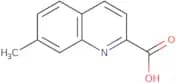
CAS:<p>Versatile small molecule scaffold</p>Formula:C7H15ClPurity:Min. 95%Molecular weight:134.65 g/mol7-Methyl-2-Quinolinecarboxylic Acid
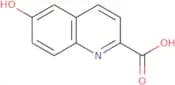
CAS:<p>Versatile small molecule scaffold</p>Formula:C11H9NO2Purity:Min. 95%Molecular weight:187.2 g/mol6-hydroxyquinoline-2-carboxylic acid
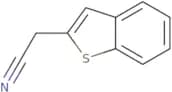
CAS:<p>6-Hydroxyquinoline-2-carboxylic acid is a drug that has been shown to inhibit phospholipidosis, which is the accumulation of phospholipids in cells. It also inhibits naphthalene-induced hyperphosphorylation and histamine release from mast cells. 6-Hydroxyquinoline-2-carboxylic acid is an acceptor for the pharmacophore model and has been validated by molecular properties. The optimization process for this compound was monitored and validated. This lead compound is being considered as a potential therapeutic agent for the treatment of autoimmune diseases such as multiple sclerosis, rheumatoid arthritis, and lupus erythematosus.</p>Formula:C10H7NO3Purity:Min. 95%Molecular weight:189.17 g/mol2-(1-Benzothiophen-2-yl)acetonitrile
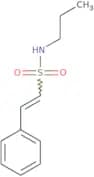
CAS:<p>Versatile small molecule scaffold</p>Formula:C10H7NSPurity:Min. 95%Molecular weight:173.24 g/mol2-Phenyl-N-propylethene-1-sulfonamide
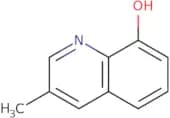
CAS:<p>Versatile small molecule scaffold</p>Formula:C11H15NO2SPurity:Min. 95%Molecular weight:225.31 g/mol3-Methyl-8-hydroxyquinoline
CAS:<p>3-Methyl-8-hydroxyquinoline (3MQ) is a chemical compound that has been shown to be an inhibitor of the enzyme cyclen. 3MQ binds to the active site of cyclen and blocks the binding of calcium ions, preventing the formation of calcium complexes with cyclen. This inhibition leads to a decrease in cyclen activity and an increase in the synthesis of protein. 3MQ has also been shown to be potent inhibitor against chloride ion currents through voltammetry experiments. It was found that its redox potential is very low, which suggests that it can be used as a probe for electron transfer reactions in cells. The photophysical properties of 3MQ have also been studied and it was found that this molecule absorbs light at wavelengths between 400–600 nm, which may lead to its use as a photosensitizer or photoantagonist for photodynamic therapy.</p>Formula:C10H9NOPurity:Min. 95%Molecular weight:159.18 g/mol


![4-Methoxybicyclo[2.2.2]octane-1-carboxylic acid](/_next/image/?url=https%3A%2Fstatic.cymitquimica.com%2Fproducts%2F3D%2Fthumb-webp%2FAAA77334.webp&w=3840&q=75)

![5-Bromo-[2,3']bipyridinyl](/_next/image/?url=https%3A%2Fstatic.cymitquimica.com%2Fproducts%2F3D%2Fthumb-webp%2FAAA77453.webp&w=3840&q=75)
![1-chloro-4-[chloro(4-chlorophenyl)methyl]benzene](/_next/image/?url=https%3A%2Fstatic.cymitquimica.com%2Fproducts%2F3D%2Fthumb-webp%2FAAA78208.webp&w=3840&q=75)


![2-[4-(Trifluoromethyl)benzoyl]aniline](/_next/image/?url=https%3A%2Fstatic.cymitquimica.com%2Fproducts%2F3D%2Fthumb-webp%2FAAA79010.webp&w=3840&q=75)
![[2-(Cyclohexyloxy)-4-methylphenyl]methanamine](/_next/image/?url=https%3A%2Fstatic.cymitquimica.com%2Fproducts%2F3D%2Fthumb-webp%2FAAC95147.webp&w=3840&q=75)
![rac-(2R,4R)-1-[(tert-Butoxy)carbonyl]-2-methylpiperidine-4-carboxylic acid](/_next/image/?url=https%3A%2Fstatic.cymitquimica.com%2Fproducts%2F3D%2Fthumb-webp%2FAAC95907.webp&w=3840&q=75)
![2-[(Dimethylcarbamoyl)amino]-5-methylbenzoic acid](/_next/image/?url=https%3A%2Fstatic.cymitquimica.com%2Fproducts%2F3D%2Fthumb-webp%2FAAC96567.webp&w=3840&q=75)
amine](/_next/image/?url=https%3A%2Fstatic.cymitquimica.com%2Fproducts%2F3D%2Fthumb-webp%2FAAC98013.webp&w=3840&q=75)
![3-[(Propan-2-yl)(2,2,2-trifluoroethyl)amino]propan-1-ol](/_next/image/?url=https%3A%2Fstatic.cymitquimica.com%2Fproducts%2F3D%2Fthumb-webp%2FAAC98295.webp&w=3840&q=75)
![1-[3-(Aminomethyl)pyrrolidin-1-yl]-2-methylpropan-2-ol](/_next/image/?url=https%3A%2Fstatic.cymitquimica.com%2Fproducts%2F3D%2Fthumb-webp%2FAAC98497.webp&w=3840&q=75)
![Ethyl 2-azabicyclo[4.1.0]heptane-1-carboxylate](/_next/image/?url=https%3A%2Fstatic.cymitquimica.com%2Fproducts%2F3D%2Fthumb-webp%2FAAC99325.webp&w=3840&q=75)
![cis-3-Boc-3,7-diazabicyclo[4.2.0]octane](/_next/image/?url=https%3A%2Fstatic.cymitquimica.com%2Fproducts%2F3D%2Fthumb-webp%2FAAC99351.webp&w=3840&q=75)
![8-Boc-8-azaspiro[4.5]decan-2-one](/_next/image/?url=https%3A%2Fstatic.cymitquimica.com%2Fproducts%2F3D%2Fthumb-webp%2FAAC99414.webp&w=3840&q=75)
![tert-Butyl 4-amino-1-oxa-9-azaspiro[5.5]undecane-9-carboxylate](/_next/image/?url=https%3A%2Fstatic.cymitquimica.com%2Fproducts%2F3D%2Fthumb-webp%2FAAC99452.webp&w=3840&q=75)

![3-boc-3-azabicyclo[3.1.1]heptane-6-carboxylic acid](/_next/image/?url=https%3A%2Fstatic.cymitquimica.com%2Fproducts%2F3D%2Fthumb-webp%2FAAC99541.webp&w=3840&q=75)
![8-[(tert-Butoxy)carbonyl]-8-azaspiro[4.5]decane-1-carboxylic acid](/_next/image/?url=https%3A%2Fstatic.cymitquimica.com%2Fproducts%2F3D%2Fthumb-webp%2FAAC99634.webp&w=3840&q=75)
![-2(-3(Tert-Butoxycarbonyl)-3-Azabicyclo[3.2.1]Octan-8-Yl)Acetic Acid](/_next/image/?url=https%3A%2Fstatic.cymitquimica.com%2Fproducts%2F3D%2Fthumb-webp%2FAAC99675.webp&w=3840&q=75)
![2-[(tert-butoxy)carbonyl]-2-azabicyclo[2.2.2]octane-6-carboxylic acid](/_next/image/?url=https%3A%2Fstatic.cymitquimica.com%2Fproducts%2F3D%2Fthumb-webp%2FAAC99705.webp&w=3840&q=75)
![3-Boc-3-azabicyclo[3.2.1]octane-8-carboxylic acid](/_next/image/?url=https%3A%2Fstatic.cymitquimica.com%2Fproducts%2F3D%2Fthumb-webp%2FAAC99729.webp&w=3840&q=75)
![tert-Butyl N-{3-azabicyclo[3.2.1]octan-1-yl}carbamate](/_next/image/?url=https%3A%2Fstatic.cymitquimica.com%2Fproducts%2F3D%2Fthumb-webp%2FAAC99750.webp&w=3840&q=75)
![tert-Butyl 1-(aminomethyl)-2-azabicyclo[2.1.1]hexane-2-carboxylate](/_next/image/?url=https%3A%2Fstatic.cymitquimica.com%2Fproducts%2F3D%2Fthumb-webp%2FAAC99762.webp&w=3840&q=75)
![tert-Butyl N-{2-azabicyclo[2.2.2]octan-1-ylmethyl}carbamate](/_next/image/?url=https%3A%2Fstatic.cymitquimica.com%2Fproducts%2F3D%2Fthumb-webp%2FAAC99776.webp&w=3840&q=75)
![tert-Butyl 2-bromo-6,7-dihydropyrazolo[1,5-a]pyrazine-5(4H)-carboxylate](/_next/image/?url=https%3A%2Fstatic.cymitquimica.com%2Fproducts%2F3D%2Fthumb-webp%2FAAC99821.webp&w=3840&q=75)
![7-Amino-5-oxa-2-azaspiro[3.4]octane-2-carboxylic acid 1,1-dimethylethyl ester](/_next/image/?url=https%3A%2Fstatic.cymitquimica.com%2Fproducts%2F3D%2Fthumb-webp%2FAAC99824.webp&w=3840&q=75)
![tert-Butyl 3-(aminomethyl)-5H,6H,7H,8H-[1,2,4]triazolo[4,3-a]pyrazine-7-carboxylate](/_next/image/?url=https%3A%2Fstatic.cymitquimica.com%2Fproducts%2F3D%2Fthumb-webp%2FAAC99900.webp&w=3840&q=75)
![2-(tert-Butoxycarbonyl)-2-azaspiro[3.3]heptane-5-carboxylic acid](/_next/image/?url=https%3A%2Fstatic.cymitquimica.com%2Fproducts%2F3D%2Fthumb-webp%2FAAC99954.webp&w=3840&q=75)
![3-Bromo-1-Oxa-2,8-Diaza-Spiro[4.5]Dec-2-Ene-8-Carboxylic Acid Tert-Butyl Ester](/_next/image/?url=https%3A%2Fstatic.cymitquimica.com%2Fproducts%2F3D%2Fthumb-webp%2FAAC99979.webp&w=3840&q=75)
![{Bicyclo[2.2.2]octan-2-yl}methanesulfonamide](/_next/image/?url=https%3A%2Fstatic.cymitquimica.com%2Fproducts%2F3D%2Fthumb-webp%2FAAD05962.webp&w=3840&q=75)
![3-[3-(Formyloxy)-2,2-bis[(formyloxy)methyl]propoxy]-2,2-bis[(formyloxy)methyl]propyl formate](/_next/image/?url=https%3A%2Fstatic.cymitquimica.com%2Fproducts%2F3D%2Fthumb-webp%2FAAD08045.webp&w=3840&q=75)
![3-[(Carbamoylamino)sulfonyl]benzoic acid](/_next/image/?url=https%3A%2Fstatic.cymitquimica.com%2Fproducts%2F3D%2Fthumb-webp%2FAAD64213.webp&w=3840&q=75)
![2-{[(tert-Butoxy)carbonyl]amino}bicyclo[4.1.0]heptane-2-carboxylic acid](/_next/image/?url=https%3A%2Fstatic.cymitquimica.com%2Fproducts%2F3D%2Fthumb-webp%2FAAD95864.webp&w=3840&q=75)
![2-({[(9H-Fluoren-9-yl)methoxy]carbonyl}amino)bicyclo[4.1.0]heptane-2-carboxylic acid](/_next/image/?url=https%3A%2Fstatic.cymitquimica.com%2Fproducts%2F3D%2Fthumb-webp%2FAAD95870.webp&w=3840&q=75)
![Methyl 3-[(3-methoxy-2-methyl-3-oxopropyl)disulfanyl]-2-methylpropanoate](/_next/image/?url=https%3A%2Fstatic.cymitquimica.com%2Fproducts%2F3D%2Fthumb-webp%2FABA05541.webp&w=3840&q=75)
![2-Chloro-N-[2-(naphthalen-1-yl)ethyl]acetamide](/_next/image/?url=https%3A%2Fstatic.cymitquimica.com%2Fproducts%2F3D%2Fthumb-webp%2FABA05569.webp&w=3840&q=75)
![5-{[(6-Methoxypyridin-3-yl)amino]methylidene}-2,2-dimethyl-1,3-dioxane-4,6-dione](/_next/image/?url=https%3A%2Fstatic.cymitquimica.com%2Fproducts%2F3D%2Fthumb-webp%2FABA06369.webp&w=3840&q=75)

![5-(Methoxycarbonyl)bicyclo[3.1.0]hexane-1-carboxylic acid](/_next/image/?url=https%3A%2Fstatic.cymitquimica.com%2Fproducts%2F3D%2Fthumb-webp%2FABA09043.webp&w=3840&q=75)
![2-[3-(Propan-2-yl)phenoxy]propanoic acid](/_next/image/?url=https%3A%2Fstatic.cymitquimica.com%2Fproducts%2F3D%2Fthumb-webp%2FABA14093.webp&w=3840&q=75)
![rac-(1R,5R,7S)-7-Methylbicyclo[3.2.0]hept-2-en-6-one](/_next/image/?url=https%3A%2Fstatic.cymitquimica.com%2Fproducts%2F3D%2Fthumb-webp%2FABA16969.webp&w=3840&q=75)

![2-[4-(3-Chlorophenyl)piperazin-1-yl]acetonitrile](/_next/image/?url=https%3A%2Fstatic.cymitquimica.com%2Fproducts%2F3D%2Fthumb-webp%2FABA17891.webp&w=3840&q=75)
![2-[(2,4-Dimethylphenyl)sulfanyl]acetic acid](/_next/image/?url=https%3A%2Fstatic.cymitquimica.com%2Fproducts%2F3D%2Fthumb-webp%2FADA24312.webp&w=3840&q=75)
![Indeno[2,1-b]chromene-6-carbaldehyde](/_next/image/?url=https%3A%2Fstatic.cymitquimica.com%2Fproducts%2F3D%2Fthumb-webp%2FADA29382.webp&w=3840&q=75)

![Dimethyl bicyclo[3.1.1]heptane-1,5-dicarboxylate](/_next/image/?url=https%3A%2Fstatic.cymitquimica.com%2Fproducts%2F3D%2Fthumb-webp%2FADA32854.webp&w=3840&q=75)
![[(4-Phenylphenyl)methyl]hydrazine hydrochloride](/_next/image/?url=https%3A%2Fstatic.cymitquimica.com%2Fproducts%2F3D%2Fthumb-webp%2FADA33307.webp&w=3840&q=75)
![2-[(1R,2S)-2-Hydroxycyclohexyl]acetic acid](/_next/image/?url=https%3A%2Fstatic.cymitquimica.com%2Fproducts%2F3D%2Fthumb-webp%2FADA36490.webp&w=3840&q=75)
![1-(2,4-Dimethyl-4H-pyrazolo[1,5-a]benzimidazol-3-yl)ethanone](/_next/image/?url=https%3A%2Fstatic.cymitquimica.com%2Fproducts%2F3D%2Fthumb-webp%2FADA38054.webp&w=3840&q=75)

![2-({1-Azabicyclo[2.2.2]octan-3-yl}amino)ethan-1-ol dihydrochloride](/_next/image/?url=https%3A%2Fstatic.cymitquimica.com%2Fproducts%2F3D%2Fthumb-webp%2FADA42674.webp&w=3840&q=75)