Building Blocks
This section contains fundamental products for the synthesis of organic and biological compounds. Building blocks are the essential starting materials used to construct complex molecules through various chemical reactions. They play a critical role in drug discovery, material science, and chemical research. At CymitQuimica, we offer a diverse range of high-quality building blocks to support your innovative research and industrial projects, ensuring you have the essential components for successful synthesis.
Subcategories of "Building Blocks"
- Boronic Acids & Boronic Acid Derivatives(5,756 products)
- Chiral Building Blocks(1,242 products)
- Hydrocarbon Building Blocks(6,093 products)
- Organic Building Blocks(60,532 products)
Found 195533 products of "Building Blocks"
Sort by
Purity (%)
0
100
|
0
|
50
|
90
|
95
|
100
2,6-Dichloro-4-methoxyaniline
CAS:<p>2,6-Dichloro-4-methoxyaniline is a chemical that belongs to the group of methyl derivatives. It is used as an industrial chemical and as a precursor to other chemicals in the production of pesticides, herbicides, and other products. 2,6-Dichloro-4-methoxyaniline can be found in brominated flame retardants and phenolic resins. It is also present in pentachlorophenol (PCP) and hydroxylated congeners. 2,6-Dichloro-4-methoxyaniline has been detected in humans at levels ranging from 10 to 100 parts per billion. The chemical structure of 2,6-dichloro-4-methoxyaniline is similar to that of triclosan, which has been shown to have antimicrobial activity against bacteria such as Staphylococcus aureus and Escherich</p>Formula:C7H7Cl2NOPurity:Min. 95%Molecular weight:192.04 g/mol2,2'-Dithiodianiline
CAS:<p>2,2'-Dithiodianiline is a redox-active molecule with a redox potential of -0.08 V. It has been shown to inhibit the polymerase chain reaction by binding to DNA and inhibiting the enzyme DNA polymerase. 2,2'-Dithiodianiline is a potent inhibitor of bacterial growth in vitro, and has been shown to be cytotoxic in vivo. 2,2'-Dithiodianiline inhibits the growth of resistant mutants that are resistant to other antibiotics such as penicillin and ampicillin. This compound binds to molybdenum at an optimum concentration of 0.5 mM and coordinates through electrostatic interactions with the molybdenum atom. Structural analysis reveals that 2,2'-dithiodianiline forms hydrogen bonds with adenine residues in DNA and interacts with guanine residues in RNA through π-π stacking interactions. This interaction prevents transcription by blocking the binding</p>Formula:C12H12N2S2Purity:Min. 98 Area-%Color and Shape:PowderMolecular weight:248.37 g/mol3,5-Dimethyl-4H-1,2,4-triazol-4-amine
CAS:<p>3,5-Dimethyl-4H-1,2,4-triazol-4-amine is a crystalline compound with antiproliferative and anti-inflammatory properties. It has been shown to inhibit the growth of cancer cells in vitro and in vivo. The mechanism of action is not fully understood but may be due to inhibition of DNA synthesis or by inhibiting the activity of topoisomerase II. 3,5-Dimethyl-4H-1,2,4-triazol-4-amine can also act as an antioxidant by scavenging reactive oxygen species (ROS). 3,5-Dimethyl-4H-1,2,4-triazol-4-amine has been shown to have a low toxicity in animals and humans.</p>Formula:C4H8N4Purity:Min. 95%Molecular weight:112.13 g/molDiiodomethane
CAS:<p>Diiodomethane is a chemical compound with the molecular formula CHI. It is a colorless gas that can be obtained by reacting methyl ethyl and hydroxyl group in the presence of an oxidant such as boron nitride. Diiodomethane has been used as a substrate film for n-dimethyl formamide and reaction solution, which have been studied using spectroscopic data. The product of this reaction is water vapor that leaves the system due to its low boiling point. Reaction mechanism for this process is thought to be due to the kinetic energy of the particles that collide and produce diiodomethane molecules.</p>Formula:CH2I2Purity:Min. 95%Color and Shape:Yellow Clear LiquidMolecular weight:267.84 g/mol4,4'-Dimethyl-2,2'-bipyridine
CAS:<p>4,4'-Dimethyl-2,2'-bipyridine is a molecule that belongs to the group of p2 metal complexes. It has been shown to have synergistic effects with ruthenium complexes in analytical chemistry and electrochemical studies. Theoretical calculations have been performed for 4,4'-dimethyl-2,2'-bipyridine and its derivatives. These calculations show that the molecule is planar and that it can be considered as a diazonium salt. The photochemical properties of 4,4'-dimethyl-2,2'-bipyridine have also been studied in detail. This substance emits light when excited by ultraviolet light or visible light, which makes it an excellent candidate for use as a luminescent material in optical displays.</p>Formula:C12H12N2Purity:Min. 98%Color and Shape:Slightly Yellow PowderMolecular weight:184.24 g/mol2,4-Dibromopyridine
CAS:<p>2,4-Dibromopyridine is a brominated derivative of pyridine. It is synthesized through the substitution of two bromine atoms for two hydrogens on the pyridine ring. This synthesis can be achieved by disubstitution or cross-coupling reactions. The reaction products are nucleophilic and react with electrophiles to produce substitution products. The reaction mechanism is thought to involve a six-membered transition state, which has been observed using X-ray absorption spectroscopy.</p>Formula:C5H3Br2NPurity:Min. 95%Color and Shape:White To Off-White SolidMolecular weight:236.89 g/mol2,4-Dimethyl-3-hydroxypyridine
CAS:<p>2,4-Dimethyl-3-hydroxypyridine is a hydroxypyridine compound with epoxide. It inhibits cytochrome P450 enzymes and is used as an organic solvent. 2,4-Dimethyl-3-hydroxypyridine is also used in research to study the structure of the pyridine ring and the hydroxyl group.</p>Formula:C7H9NOPurity:Min. 95%Color and Shape:PowderMolecular weight:123.15 g/mol2,5-Dibromopyridine
CAS:<p>2,5-Dibromopyridine is a chemical compound that can be used as a coupling agent in palladium-catalyzed cross-coupling reactions. It is used on the surface of metal particles to increase the efficiency of the reaction, and has been shown to react with substrates such as sodium hydroxide solution, sodium carbonate, halides and hydroxides. 2,5-Dibromopyridine also reacts with benzoate to form a palladium complex. 2,5-Dibromopyridine can be used as an oxidant or reductant depending on the type of reaction it is being used in. It has redox potentials at -0.6 volts for oxidation and +0.6 volts for reduction.</p>Formula:C5H3Br2NPurity:Min. 95%Color and Shape:PowderMolecular weight:236.89 g/mol(1R,5S,6r)-rel-3-Oxabicyclo[3.1.0]hexane-6-carboxylic acid
CAS:<p>Versatile small molecule scaffold</p>Formula:C6H8O3Purity:Min. 95%Molecular weight:128.13 g/mol3-Chloro-5-iodobenzoic acid methyl ester
CAS:<p>3-Chloro-5-iodobenzoic acid methyl ester is a versatile building block that can be used to make many complex compounds, including research chemicals and reagents. 3-Chloro-5-iodobenzoic acid methyl ester is used as an intermediate for the production of speciality chemicals and has many uses in chemical reactions. This compound was previously sold under the CAS number 289039-85-6.</p>Formula:C8H6ClIO2Purity:Min. 95%Color and Shape:PowderMolecular weight:296.49 g/mol1,1'-Carbonimidoylbis-1H-imidazole
CAS:<p>1,1'-Carbonimidoylbis-1H-imidazole is a ligand that binds to amines and isosteres. It can be activated with electrophilic reagents to form an activated linker. This ligand has been shown to inhibit the growth of xenograft tumor cells in mice by binding to functional groups on the cell surface. This drug also has been shown to bind to the receptor for advanced glycation end products (RAGE) and inhibit its function. 1,1'-Carbonimidoylbis-1H-imidazole has also been evaluated as a cancer therapeutic agent in animal models.</p>Formula:C7H7N5Purity:Min. 95%Color and Shape:White PowderMolecular weight:161.16 g/mol(-)-Corey lactone diol
CAS:<p>(-)-Corey lactone diol is a synthetic compound that is soluble in organic solvents. It is used for the synthesis of carbocyclic nucleosides, which are analogs of pyrimidine nucleosides. (-)-Corey lactone diol has been shown to inhibit cholesterol synthesis and the synthesis of alkene. (-)-Corey lactone diol also shows anti-inflammatory properties, which may be due to its inhibition of prostaglandin synthesis.</p>Formula:C8H12O4Purity:Min. 95%Molecular weight:172.18 g/molN-[2-[(2S)-2-Cyano-4,4-difluoro-1-pyrrolidinyl]-2-oxoethyl]-6-[methyl[3-(1-piperazinyl)propyl]amino]-4-quinolinecarboxamide trifluor oacetate
CAS:<p>Please enquire for more information about N-[2-[(2S)-2-Cyano-4,4-difluoro-1-pyrrolidinyl]-2-oxoethyl]-6-[methyl[3-(1-piperazinyl)propyl]amino]-4-quinolinecarboxamide trifluor oacetate including the price, delivery time and more detailed product information at the technical inquiry form on this page</p>Formula:C25H31F2N7O2•(C2HF3O2)xPurity:Min. 95%Molecular weight:499.56 g/molD-Carnosine trifluoroacetate
CAS:<p>Please enquire for more information about D-Carnosine trifluoroacetate including the price, delivery time and more detailed product information at the technical inquiry form on this page</p>Formula:C9H14N4O3•(C2HF3O2)xPurity:Min. 95%(αR)-α-(2-Chlorophenyl)-2H-tetrazole-2-ethanol
CAS:<p>Please enquire for more information about (αR)-α-(2-Chlorophenyl)-2H-tetrazole-2-ethanol including the price, delivery time and more detailed product information at the technical inquiry form on this page</p>Formula:C9H9ClN4OPurity:Min. 95%Molecular weight:224.65 g/mol4-Chloro-N-[2-(1,2-dihydro-2-oxo-4-quinolinyl)ethyl]benzamide
CAS:<p>Please enquire for more information about 4-Chloro-N-[2-(1,2-dihydro-2-oxo-4-quinolinyl)ethyl]benzamide including the price, delivery time and more detailed product information at the technical inquiry form on this page</p>Formula:C18H15ClN2O2Purity:Min. 95%Molecular weight:326.78 g/molCoproporphyrin III
CAS:<p>Please enquire for more information about Coproporphyrin III including the price, delivery time and more detailed product information at the technical inquiry form on this page</p>Formula:C36H38N4O8Purity:Min. 95%Molecular weight:654.71 g/molCyanidin 3-O-rutinoside
CAS:<p>Please enquire for more information about Cyanidin 3-O-rutinoside including the price, delivery time and more detailed product information at the technical inquiry form on this page</p>Formula:C27H31O15Purity:Min. 95%Molecular weight:595.53 g/mol6-(Chloromethyl)pteridine-2,4-diamine monohydrochloride
CAS:<p>Please enquire for more information about 6-(Chloromethyl)pteridine-2,4-diamine monohydrochloride including the price, delivery time and more detailed product information at the technical inquiry form on this page</p>Formula:C7H7ClN6•HClPurity:Min. 95%Molecular weight:247.08 g/molChlorpheniramine N-oxide
CAS:<p>Please enquire for more information about Chlorpheniramine N-oxide including the price, delivery time and more detailed product information at the technical inquiry form on this page</p>Formula:C16H19ClN2OPurity:Min. 95%Molecular weight:290.79 g/mol(3S)-3- [4- [(2-Chlorophenyl) methyl] phenoxy] tetrahydrofuran
CAS:<p>Please enquire for more information about (3S)-3- [4- [(2-Chlorophenyl) methyl] phenoxy] tetrahydrofuran including the price, delivery time and more detailed product information at the technical inquiry form on this page</p>Purity:Min. 95%Cyclobutanethiol
CAS:<p>Cyclobutanethiol is a 1-cyclopentene-1-carboxylic acid, which is a cyclic form of the alkylthio group. It is an organic solvent with a hydroxyl group at one end and an alkyl group at the other end. Cyclobutanethiol can be used as a sealant or as a solvent in organic chemistry. The compound has been shown to inhibit insulin resistance by binding to cb1 receptors on cells, thereby inhibiting the production of glucose. Cyclobutanethiol also absorbs ultraviolet light, so it can be used in photochemistry.</p>Formula:C4H8SPurity:90%Color and Shape:Clear LiquidMolecular weight:88.17 g/mol4-(Boc-amino)pyridine
CAS:<p>4-(Boc-amino)pyridine is a pyridine derivative that exhibits magnetic properties. It can be used to study the luminescence properties of pyridine rings. 4-(Boc-amino)pyridine inhibits cell proliferation and growth by binding to the kinase receptor in the cytoplasm, which blocks phosphorylation of proteins in the cell. This compound inhibits hCT-116 cells, which are human colorectal carcinoma cells, and has shown promising results in xenograft studies. 4-(Boc-amino)pyridine is an anionic molecule that can be used as a starting material for synthesis of other compounds. It was first synthesized by reacting 2-aminopyridine with boron trichloride in acetonitrile.</p>Formula:C10H14N2O2Purity:Min. 95%Color and Shape:White/Off-White SolidMolecular weight:194.23 g/molBenzophenone-4,4'-dicarboxylic acid
CAS:<p>Benzophenone-4,4'-dicarboxylic acid is a reactive compound that can form ethylene. It has been shown to be an ultrafast encapsulation material for organic molecules and metal ions. Benzophenone-4,4'-dicarboxylic acid can be used in simulations to study the molecule's surface properties and densities. The linker also plays an important role in determining the diffraction of the molecule. This compound is susceptible to delamination when exposed to silicon surfaces.</p>Formula:C15H10O5Purity:Min. 95%Color and Shape:White PowderMolecular weight:270.24 g/molBoc-Phe-Phe-OH
CAS:<p>Boc-Phe-Phe-OH is a linker that is used to create homologues. It has been shown to be able to form supramolecular structures and encapsulate biomolecules, such as amino acids. The ester linkage of Boc-Phe-Phe-OH can be modified by the addition of a carboxylic acid, which can lead to changes in its fluorescence and magnetic properties. Boc-Phe-Phe-OH is primarily used as an intermediate for fluorescent probes or other molecules.</p>Formula:C23H28N2O5Purity:Min. 95%Molecular weight:412.48 g/molBoc-His(Trt)-OH
CAS:<p>Boc-His(Trt)-OH is a chemical compound that has been used in the laboratory to study uptake and binding of compounds. It is stable in complex with albumin, which has led to its use as a model system for studying hepatic steatosis. This chemical can be synthesized by solid-phase synthesis with trifluoroacetic acid and polypeptide synthesis. FT-IR spectroscopy has been used to characterize Boc-His(Trt)-OH, revealing its chemical diversity.</p>Formula:C30H31N3O4Purity:Min. 95%Color and Shape:PowderMolecular weight:497.58 g/mol1-Bromo-4-iodobenzene
CAS:<p>1-Bromo-4-iodobenzene is an aryl halide that can be synthesized by the cross coupling of ethyl formate and hydrochloric acid. This compound is useful in analytical applications, such as chromatographic methods, due to its high solubility in organic solvents. It is also used in synthetic procedures for the preparation of other aryl halides. 1-Bromo-4-iodobenzene has been used to synthesize calcium carbonate via the Suzuki coupling reaction with sodium salts, which are nucleophiles. The carbonyl group on this molecule reacts with the nucleophile, forming an alkyl group and a metal salt. Transfer reactions involving these salts can produce other products with different functional groups.</p>Formula:C6H4BrIPurity:Min. 95%Color and Shape:PowderMolecular weight:282.9 g/molBoc-Tyr(tBu)-OH
CAS:<p>Boc-Tyr(tBu)-OH is a chemical compound that is part of the class of lactams. It has been shown to have antitumor activity in vitro and in vivo, but it has not yet been tested for its cytotoxicity. This compound is synthesized by solid-phase synthesis and contains a disulfide bond, which may contribute to its cytotoxicity. Boc-Tyr(tBu)-OH has also been shown to have high affinity for the alpha 2A adrenergic receptor subtype and other receptors with an isosteric carbonyl group.</p>Formula:C18H27NO5Purity:Min. 95%Color and Shape:PowderMolecular weight:337.41 g/mol8-Boc-3,8-diaza-bicyclo[3.2.1]octane
CAS:<p>8-Boc-3,8-diaza-bicyclo[3.2.1]octane is a functional group that can be used in the preparation of pharmaceutical preparations. It is insoluble in water and soluble in organic solvents. This compound has been shown to be effective in the treatment of neurodegenerative diseases such as Alzheimer's disease and Parkinson's disease. 8-Boc-3,8-diaza-bicyclo[3.2.1]octane has also been shown to have protective effects against sae-cd induced cytotoxicity by upregulating the expression of antiapoptotic proteins Bcl2 and Bclxl, which are important for neuronal cell survival.</p>Formula:C11H20N2O2Purity:Min. 95%Molecular weight:212.29 g/mol3-Bromobenzaldehyde
CAS:<p>3-Bromobenzaldehyde is an organic compound with the formula CHBrCHO. It is a colorless liquid that is soluble in many organic solvents. 3-Bromobenzaldehyde can be synthesized by the reaction of ethyl acetoacetate and anhydrous sodium in methanol, and can be purified by distillation or recrystallization from ethanol. This compound has been used as a solvent for analytical methods, such as GC-MS analysis, due to its high boiling point and low volatility. 3-Bromobenzaldehyde also reacts with hydrogen chloride to form benzoyl chloride, which can then be reacted with alcohols to produce esters. 3-Bromobenzaldehyde has been shown to react with chalcones to form optical active compounds, such as curcumin analogues. These reactions are typically carried out in solution using acetic acid or sulfuric acid as a catalyst.br>br></p>Formula:C7H5BrOPurity:Min. 95%Molecular weight:185.02 g/molN-Boc-glycine
CAS:<p>N-Boc-glycine is a chemical compound used in the synthesis of cyclic peptides. N-Boc-glycine is synthesized by the reaction of glycine with methanol and hydrochloric acid in the presence of an activated form of carbon monoxide. The pharmacokinetic properties of N-Boc-glycine are similar to those for human immunoglobulin, and it can be used as a reference compound for preparative high performance liquid chromatography (HPLC). It has been shown that the nitrogen atoms in N-Boc-glycine are chemically stable, which makes it suitable for asymmetric synthesis. N-Boc-glycine also has potent antagonist effects on biochemical properties such as calcium channel blockade, inhibition of platelet aggregation, and inhibition of neutrophil chemotaxis.</p>Formula:C7H13NO4Purity:Min. 95%Color and Shape:White PowderMolecular weight:175.18 g/mol6-Bromo-4-hydroxypyrazolo[1,5-a]pyridine-3-carbonitrile
CAS:<p>Please enquire for more information about 6-Bromo-4-hydroxypyrazolo[1,5-a]pyridine-3-carbonitrile including the price, delivery time and more detailed product information at the technical inquiry form on this page</p>Formula:C8H4BrN3OPurity:Min. 95%Molecular weight:238.04 g/molBisaboloxide A
CAS:<p>Please enquire for more information about Bisaboloxide A including the price, delivery time and more detailed product information at the technical inquiry form on this page</p>Formula:C15H26O2Purity:Min. 95%Molecular weight:238.37 g/mol2-Bromo-5-hydroxypyridine
CAS:<p>2-Bromo-5-hydroxypyridine is an aromatic compound that is used in the synthesis of a variety of pharmaceuticals and other organic compounds. It can be synthesized by the Suzuki coupling reaction from 2-bromobenzaldehyde and 5-aminopyridine. 2-Bromo-5-hydroxypyridine has been shown to be a hepatotoxin in humans, with possible carcinogenic activity. It also has cholinergic properties, as well as being able to cause fluorescence when exposed to halogens. The carbon next to the hydroxyl group is a stereocenter, so there are two different configurations for this molecule. The configuration shown above (R) is the more stable form of this molecule due to its electron withdrawing power on the neighboring oxygen atom.</p>Formula:C5H4BrNOPurity:Min. 95%Color and Shape:White PowderMolecular weight:174 g/mol(R)-4-N-Boc-2-hydroxymethyl-piperazine
CAS:<p>Please enquire for more information about (R)-4-N-Boc-2-hydroxymethyl-piperazine including the price, delivery time and more detailed product information at the technical inquiry form on this page</p>Formula:C10H20N2O3Purity:Min. 95%Molecular weight:216.28 g/mol2-Bromobenzo[d]thiazol-6-amine
CAS:<p>Please enquire for more information about 2-Bromobenzo[d]thiazol-6-amine including the price, delivery time and more detailed product information at the technical inquiry form on this page</p>Formula:C7H5BrN2SPurity:Min. 95%Molecular weight:229.1 g/mol(R)-tert-Butyl 2-methylpiperazine-1-carboxylate
CAS:<p>(R)-tert-Butyl 2-methylpiperazine-1-carboxylate is a versatile building block that can be used for the synthesis of complex compounds. The compound is a reagent, speciality chemical, and useful building block in research. It can be used as a reaction component or scaffold in synthesis. (R)-tert-Butyl 2-methylpiperazine-1-carboxylate has been shown to react with nucleophiles such as amines and alcohols to form stable products. This product has high quality and is useful for chemical reactions involving carbonyl groups.</p>Formula:C10H20N2O2Purity:Min. 95%Color and Shape:White PowderMolecular weight:200.28 g/mol1-Benzofuran-5-carbaldehyde
CAS:<p>1-Benzofuran-5-carbaldehyde is a synthetic compound that inhibits the enzyme ido1. It has been shown to have potent cytotoxicity, potent inhibition, and neurotrophic properties in a number of cell lines. 1-Benzofuran-5-carbaldehyde also exhibits inhibitory effects on the enzymes hydrolyzing dopamine, which is involved in the synthesis of norepinephrine and epinephrine. The chemical structure of 1-benzofuran-5-carbaldehyde closely resembles that of dopamine and its derivatives, and can be used for the treatment of neurodegenerative diseases such as Parkinson's disease.</p>Formula:C9H6O2Purity:Min. 95%Color and Shape:Yellow To Brown SolidMolecular weight:146.14 g/mol4-Bromobenzaldehyde
CAS:<p>4-Bromobenzaldehyde is a chemical compound that belongs to the group of aromatic compounds. It has been shown to have a potent stimulatory effect on locomotor activity in mice, which may be due to its ability to increase levels of epidermal growth factor and gamma-aminobutyric acid in the brain. 4-Bromobenzaldehyde can be synthesized from 2,4-dibromophenol and anhydrous copper chloride in the presence of sodium hydroxide. The reaction mechanism for this synthesis is believed to involve an intermediate enamine form of 4-bromobenzaldehyde, which can then undergo hydrolysis into 2,4-dibromophenol and benzaldehyde. This product is used as a reagent in organic synthesis because it can be used to form esters with trifluoroacetic acid or hydrochloric acid in high yield.</p>Formula:C7H5BrOPurity:Min. 90 Area-%Color and Shape:White PowderMolecular weight:185.02 g/molBenzophenone-4-carboxylic acid
CAS:<p>Organic intermediate</p>Formula:C14H10O3Purity:Min. 98 Area-%Color and Shape:White PowderMolecular weight:226.23 g/mol5-Bromo-2-fluoro-1,3-dimethylbenzene
CAS:<p>Please enquire for more information about 5-Bromo-2-fluoro-1,3-dimethylbenzene including the price, delivery time and more detailed product information at the technical inquiry form on this page</p>Formula:C8H8BrFPurity:Min. 95%Color and Shape:Clear Colourless To Yellow LiquidMolecular weight:203.05 g/mol3-Bromo-2-fluoro-6-methylpyridine
CAS:<p>Please enquire for more information about 3-Bromo-2-fluoro-6-methylpyridine including the price, delivery time and more detailed product information at the technical inquiry form on this page</p>Formula:C6H5BrFNPurity:Min. 95%Molecular weight:190.01 g/mol2,3-Dihydro-1H-pyrrolo[3,2-c]pyridine hydrochloride
CAS:<p>Versatile small molecule scaffold</p>Formula:C7H8N2·HClPurity:Min. 95%Molecular weight:156.62 g/molJMJD2 Inhibitor, 5-carboxy-8HQ
CAS:<p>JMJD2 is an enzyme that catalyzes the methylation of histone H3 at lysine 27. JMJD2 inhibitors are compounds that inhibit JMJD2 activity, which may be used to treat cancer. This class of drugs inhibits the activity of JMJD2 by binding to the active site and blocking the substrate from entering. The most potent compound in this class, 5-carboxy-8HQ, has been shown to have antibacterial efficacy in a squamous cell carcinoma model system and up-regulated expression in wild-type cells. Additionally, this compound has been shown to significantly inhibit tumor growth in a mouse model of atherosclerotic lesion.</p>Formula:C10H7NO3Purity:Min. 95%Molecular weight:189.17 g/mol1-Hydroxycyclopentane-1-carbonitrile
CAS:<p>1-Hydroxycyclopentane-1-carbonitrile is a monomer that is hydrolyzed to form benzoin and cyanohydrins. It can be used in the production of scifinder as a monomer or dimerizer.</p>Formula:C6H9NOPurity:Min. 95%Molecular weight:111.14 g/mol4-Acetylimidazole
CAS:<p>4-Acetylimidazole is a histidine analogue that has been shown to have anticancer activity in breast cancer cells. It can react with amines and form imidazoles. The hydroxyl group on the 4-position of the imidazole ring is able to undergo dehydration, which leads to the formation of a chloride ion. This reaction mechanism is reversible and can be used in organic synthesis. 4-Acetylimidazole can also act as an h2 receptor antagonist, although it does not bind to the zwitterionic site of the h2 receptor. NMR spectra show that 4-acetylimidazole exists as a zwitterion in water solution, but becomes a monovalent ion when dissolved in an organic solvent such as methanol or acetone. 4-Acetylimidazole is chemically stable and does not react with poloxamer.</p>Formula:C5H6N2OPurity:Min. 95%Color and Shape:Yellow PowderMolecular weight:110.11 g/mol(R)-1-[3-[4-Amino-3-(4-phenoxyphenyl)-1H-pyrazolo[3,4-d]pyrimidin-1-yl]piperidin-1-yl]-3-chloropropan-1-one
CAS:<p>Please enquire for more information about (R)-1-[3-[4-Amino-3-(4-phenoxyphenyl)-1H-pyrazolo[3,4-d]pyrimidin-1-yl]piperidin-1-yl]-3-chloropropan-1-one including the price, delivery time and more detailed product information at the technical inquiry form on this page</p>Formula:C25H25ClN6O2Purity:Min. 95%Molecular weight:476.96 g/mol(2R,4R)-1-[(2S)-5-Amino-1-oxo-2-[[(1,2,3,4-tetrahydro-3-methyl-8-quinolinyl)sulfonyl]amino]pentyl]-4-methyl-2-piperidinecarboxylic a cid
CAS:<p>Please enquire for more information about (2R,4R)-1-[(2S)-5-Amino-1-oxo-2-[[(1,2,3,4-tetrahydro-3-methyl-8-quinolinyl)sulfonyl]amino]pentyl]-4-methyl-2-piperidinecarboxylic a cid including the price, delivery time and more detailed product information at the technical inquiry form on this page</p>Formula:C22H34N4O5SPurity:Min. 95%Molecular weight:466.6 g/mol5-Amino-3-methylisothiazole HCl
CAS:<p>5-Amino-3-methylisothiazole HCl is a pyridine-5-carboxylic acid that inhibits bacterial growth by binding to the 50S ribosomal subunit. It has been shown to inhibit the growth of both aeruginosa and nalidixic acid resistant strains of S. aureus, P. aeruginosa, and P. mirabilis in vitro. 5-Amino-3-methylisothiazole HCl has also been shown to be active against E. coli, quinolone resistant strains of Proteus mirabilis, and methicillin resistant strains of Staphylococcus aureus in vitro.</p>Formula:C4H7ClN2SPurity:Min. 95%Color and Shape:Yellow to red or brown solid.Molecular weight:150.63 g/mol9-Anthracenemethanol
CAS:<p>9-Anthracenemethanol is a carcinogenic, mutagenic, and teratogenic compound. It is metabolized by a number of enzymatic reactions, including oxidation by cytochrome P450 enzymes and reduction by glutathione reductase. The compound has been shown to be activated in acid conditions, with an activation energy of 10 kcal/mol. It also forms an acid when heated, which can cause damage to cells. 9-Anthracenemethanol has been shown to have photochemical properties that may be used for the production of dyes or pigments.</p>Formula:C15H12OPurity:Min. 95%Color and Shape:Yellow PowderMolecular weight:208.26 g/mol2-Amino-4-hydroxypyridine
CAS:<p>2-Amino-4-hydroxypyridine (2AH) is a synthetic, isomeric compound that has been synthesized in two different forms: 3-bromo-5-hydroxypyridine and hydroxy group. 2AH has been shown to be chemically stable at room temperature and pH levels of less than 7. It also withstands the loss of membrane fluidity induced by amides, such as 3-amino-2-bromopyridine. 2AH can be used to synthesize oxindole derivatives, which are found in natural gas, and piperidines. This chemical can also be used for aminations with pyrrole or 2 amino 4 hydroxypyridine.</p>Formula:C5H6N2OPurity:Min. 95%Color and Shape:PowderMolecular weight:110.11 g/mol(R)-(-)-3-Amino-3-phenylpropionic acid
CAS:<p>(R)-(-)-3-Amino-3-phenylpropionic acid is a hydrogenated, stereoselective β-amino acid that is involved in the biosynthesis of animal health. The enzyme acylase catalyzes this reaction by binding with chiral pyridoxal phosphate to form an acylation product. The stereospecificity of the reaction is determined by whether the enzyme has a preference for L or D amino acids. Acylases are found in organisms such as mammals and bacteria.</p>Formula:C9H11NO2Purity:Min. 95%Color and Shape:PowderMolecular weight:165.19 g/mol2-Amino-4-bromopyridine
CAS:<p>2-Amino-4-bromopyridine is a potent, selective antagonist of the nicotinic acetylcholine receptor (nAChR) that has been shown to inhibit the proliferation of cancer cells in vitro. 2-Amino-4-bromopyridine binds to the nAChR and stabilizes it by binding to an allosteric site on the receptor. 2-Amino-4-bromopyridine is synthesized from 4,5-dibromobenzene and 2,6-diaminopyridine in two steps with a yield of 47%. The synthesis of 2-amino-4-bromopyridine proceeds via reaction mechanism involving electrophilic substitution at the bromine atom followed by nucleophilic addition at the nitrogen atom.</p>Formula:C5H5BrN2Purity:Min. 95%Color and Shape:PowderMolecular weight:173.01 g/mol1-Adamantane carboxylic acid
CAS:<p>1-Adamantane carboxylic acid is a hydrophobic molecule that can form a complex with metal hydroxides. It is used in the process optimization of the synthesis of sodium salts. 1-Adamantane carboxylic acid binds to metals, such as magnesium and calcium, in a coordination geometry that is similar to that observed for water molecules. The complexation of 1-Adamantane carboxylic acid with metal ions results in an acidic environment, which is important for bowel disease. This acid complex also has anti-inflammatory properties. The hydroxyl group on the 1-adamantane carboxylic acid reacts with oxygen to form an alcohol group and this reaction mechanism may be involved in physiological functions.</p>Formula:C11H16O2Purity:Min. 95%Color and Shape:White PowderMolecular weight:180.25 g/mol2-Acetylbenzoic acid
CAS:<p>2-Acetylbenzoic acid is a functional molecule that contains an acetyl group. It can form hydrogen bonds with other molecules and has been shown to induce apoptosis in cells. The reaction products of 2-acetylbenzoic acid are malonic acid, acetylsalicylic acid, and 2-benzoylbenzoic acid. These three compounds are made by the addition of hydrogen or hydroxide to the molecule 2-acetylbenzoic acid. The molecule has two functional groups: a carbonyl group and an acetyl group. The chemical structure of this molecule can be seen in the figure below.<br>2-Acetylbenzoic Acid</p>Formula:C9H8O3Purity:Min. 95%Color and Shape:PowderMolecular weight:164.16 g/mol2-Aminoimidazole sulfate
CAS:<p>2-Aminoimidazole sulfate is a chemical compound that is used as a transfection reagent. It has been shown to have high transfection efficiency with low cytotoxicity. The diameter of the molecule is in the range of 2 - 3 nm, which allows it to be taken up by cells and thus be active in them. This chemical can be dehydrogenated to form imidazole-2-sulfonic acid, which may interact with other molecules. There have been many advances in this area, including modifications and gaseous forms of the molecule. Research into the interactions of this compound with other chemicals and their effects on cellular uptake are ongoing.</p>Formula:C3H5N3•(H2O4S)0Purity:Min. 95%Color and Shape:Off-White PowderMolecular weight:264.26 g/mol2-Amino-6-chloropurine
CAS:<p>2-Amino-6-chloropurine is a nucleophilic substituent that is used in the synthesis of 2-amino-6-chloropurine. It reacts with hydroxyl groups to form a palladium-catalyzed coupling reaction solution, which is then treated with hydrochloric acid and trifluoroacetic acid. The product is purified by crystallization and recrystallization. This compound has potent antitumor activity against carcinoma cell lines, but it has not been shown to have any effect against Mycobacterium tuberculosis.</p>Formula:C5H4ClN5Purity:Min. 95%Color and Shape:Off-White PowderMolecular weight:169.57 g/molAdamantane
CAS:<p>Adamantane is a potent antiviral drug for the treatment of influenza. It is an oxidation catalyst that also has biological properties, such as a potent antitumor activity and potent antiviral resistance. Adamantane has been used to treat many human pathogens, including viruses, fungi and bacteria. Adamantane is a skeleton-like structure with four carbons and six hydrogen atoms that can be oxidized to adamantane oxide or reduced to adamantane alcohol. The adamantane molecule binds to the viral protein at a site called the toll-like receptor. This binding prevents viral replication by inhibiting mRNA synthesis in the virus.</p>Formula:C10H16Purity:Min. 95%Color and Shape:White Off-White PowderMolecular weight:136.23 g/mol2-{[2-(2,6-Dioxopiperidin-3-yl)-1-oxo-2,3-dihydro-1H-isoindol-4-yl]oxy}acetic acid
CAS:<p>Versatile small molecule scaffold</p>Formula:C15H14N2O6Purity:Min. 95%Molecular weight:318.28 g/molMethyl 3-oxoisoindoline-5-carboxylate
CAS:<p>Versatile small molecule scaffold</p>Formula:C10H9NO3Purity:Min. 95%Molecular weight:191.18 g/moltert-Butyl (4-formylpyridin-2-yl)carbamate
CAS:<p>Versatile small molecule scaffold</p>Formula:C11H14N2O3Purity:Min. 95%Molecular weight:222.2 g/mol[(1S)-1-Ethyl-2-oxopropyl]-1,1-dimethylethyl ester carbamic acid
CAS:<p>Versatile small molecule scaffold</p>Formula:C10H19NO3Purity:Min. 95%Molecular weight:201.26 g/mol5-Bromo-3-(difluoromethyl)pyridine-2-carboxylic acid
CAS:<p>Versatile small molecule scaffold</p>Formula:C7H4BrF2NO2Purity:Min. 95%Molecular weight:252.01 g/mol5-Methoxy-N1-methylbenzene-1,2-diamine
CAS:<p>Versatile small molecule scaffold</p>Formula:C8H12N2OPurity:Min. 95%Molecular weight:152.19 g/molMethyl 5,6-diaminopyridine-3-carboxylate
CAS:<p>Versatile small molecule scaffold</p>Formula:C7H9N3O2Purity:Min. 95%Molecular weight:167.17 g/moltert-Butyl 3-amino-5-methyl-1H-pyrazole-1-carboxylate
CAS:<p>Versatile small molecule scaffold</p>Formula:C9H15N3O2Purity:Min. 95%Molecular weight:197.23 g/mol(2S,3R)-2-((((9H-Fluoren-9-yl)methoxy)carbonyl)amino)-3-methoxybutanoic acid
CAS:<p>Versatile small molecule scaffold</p>Formula:C20H21NO5Purity:Min. 95%Molecular weight:355.4 g/mol3,6-Dichlorobenzene-1,2-diol
CAS:<p>3,6-Dichlorobenzene-1,2-diol is a conjugate acid of benzene. It has two dimensions in the plane of the molecule and three dimensions in space. The molecule is composed of six carbon atoms, six hydrogen atoms, and one chlorine atom. 3,6-Dichlorobenzene-1,2-diol has a centroid at the center of the molecule that is surrounded by a ring of four hydrogen atoms. The hydrogen-bonded molecules stack on top of each other to form a hexagonal shape. 3,6-Dichlorobenzene-1,2-diol forms hydrogen bonds with other molecules through its lone pairs of electrons on both oxygen atoms as well as through its pi electron system.</p>Formula:C6H4Cl2O2Purity:Min. 95%Molecular weight:179 g/mol1,9-Nonanediol
CAS:<p>1,9-Nonanediol is a chemical substance that has been synthesized with the use of a constant pressure process. It is an asymmetric synthesis with light exposure. The molecule has been characterized by chromatographic methods and has the molecular formula CH3(CH2)9O. 1,9-Nonanediol is a dodecanedioic acid and an aliphatic hydrocarbon. It exists in two forms: one hydroxyl group and one hydrogen bond, which are both involved in the dehydration process. This substance does not have any chloride or magnetic resonance spectroscopy properties because it does not contain any chlorine atoms or hydrogen atoms.</p>Formula:C9H20O2Purity:Min. 95%Molecular weight:160.25 g/molMethyl 3,3-bis(methylthio)-2-cyanoacrylate
CAS:<p>Methyl 3,3-bis(methylthio)-2-cyanoacrylate is a diphenyl ether that is used as a bactericide. It has been shown to be effective against both Gram-positive and Gram-negative bacteria. Methyl 3,3-bis(methylthio)-2-cyanoacrylate is synthesized by the reaction of malonate with dimethylamine chloride in the presence of hydrochloric acid salt in order to produce chloride ions. The reaction is then heated, which causes the methyl 3,3-bis(methylthio)-2-cyanoacrylate to form. This compound is soluble in organic solvents such as formic acid and can be purified by recrystallization or by distillation.</p>Formula:C7H9NO2S2Purity:Min. 95%Molecular weight:203.28 g/mol4-Bromo-2,3-difluoropyridine
CAS:<p>Versatile small molecule scaffold</p>Formula:C5H2BrF2NPurity:Min. 95%Molecular weight:193.98 g/molMethyl 5-amino-1,3,4-thiadiazole-2-carboxylate
CAS:<p>Versatile small molecule scaffold</p>Formula:C4H5N3O2SPurity:Min. 95%Molecular weight:159.17 g/molMethyl 2-(chloromethyl)nicotinate
CAS:<p>Methyl 2-(chloromethyl)nicotinate is an organic compound that belongs to the class of esters. It is a reaction product of methyl 3-hydroxybenzoate and nitrous acid. This compound has antimicrobial activity and can be used to treat bacterial infections. Methyl 2-(chloromethyl)nicotinate has been shown to inhibit the growth of various bacteria, including methicillin-resistant Staphylococcus aureus (MRSA), Escherichia coli, Klebsiella pneumoniae, Pseudomonas aeruginosa, Salmonella typhi, and Salmonella typhimurium. The cyano group in this molecule may be responsible for its antibacterial activity. <br>The efficiency of methyl 2-(chloromethyl)nicotinate varies with different types of bacteria. For example, it was more effective against MRSA than against Escherichia coli or Klebsiella pneumoniae</p>Formula:C8H8ClNO2Purity:Min. 95%Molecular weight:185.61 g/mol5-bromo-6-methoxy-1h-indole
CAS:<p>5-bromo-6-methoxy-1H-indole is a synthetic, nonsteroidal compound that is structurally related to prednisolone. It has been shown to induce the synthesis of collagen by stimulating fibroblasts in culture. This drug also has anti-inflammatory and modulating effects on s1p receptors, which may be due to its ability to inhibit the production of proinflammatory cytokines such as tumor necrosis factor alpha (TNFα). 5-bromo-6-methoxy-1H-indole is a potent inhibitor of acid methyl esters, which are involved in inflammation and tissue destruction. 5-bromo-6-methoxy-1H--indole also has an effect on dermal cells, which may be due to its ability to inhibit the production of matrix metalloproteinase enzymes. This drug can also cause atrophy in granuloma cells and prevent the development of inflammatory</p>Formula:C9H8BrNOPurity:Min. 95%Molecular weight:226.07 g/molEthyl 4,6-dihydroxypyridazine-3-carboxylate
CAS:<p>Versatile small molecule scaffold</p>Formula:C7H8N2O4Purity:Min. 95%Molecular weight:184.15 g/molEthyl 3-amino-5-bromo-1H-pyrazole-4-carboxylate
CAS:<p>Versatile small molecule scaffold</p>Formula:C6H8BrN3O2Purity:Min. 95%Molecular weight:234.05 g/mol5-bromo-3-iodopyrazolo[1,5-a]pyridine
CAS:<p>Versatile small molecule scaffold</p>Formula:C7H4BrIN2Purity:Min. 95%Molecular weight:322.9 g/mol4-Methoxy-3-(methoxymethyl)butan-1-ol
CAS:<p>Versatile small molecule scaffold</p>Formula:C7H16O3Purity:Min. 95%Molecular weight:148.2 g/mol6-Bromo-1-methyl-2,3-dihydro-1H-indazol-3-one
CAS:<p>Versatile small molecule scaffold</p>Formula:C8H7BrN2OPurity:Min. 95%Molecular weight:227.06 g/mol(1R,4R)-2-Oxa-5-azabicyclo[2.2.1]heptane hydrochloride
CAS:<p>Versatile small molecule scaffold</p>Formula:C5H9NO·HClPurity:Min. 95%Molecular weight:135.59 g/molN-Boc Palbociclib-d4
CAS:<p>Versatile small molecule scaffold</p>Formula:C29H33D4N7O4Purity:Min. 95%Molecular weight:551.67 g/molGSK'547
CAS:<p>GSK'547 is a small molecule that can interact with the ferroptosis pathway, which is involved in both acute and chronic kidney injury. GSK'547 has been shown to inhibit ischemia reperfusion-induced renal dysfunction by suppressing inflammation and oxidative stress. GSK'547 also inhibits cancer cell proliferation and acts as an anti-inflammatory agent. In addition, GSK'547 has been shown to be beneficial for treating tuberculosis infections and cavity diseases. The mechanism of action of GSK'547 involves inhibiting bacterial cell wall synthesis by binding to the beta-subunit of DNA gyrase. This binding prevents the formation of an antibiotic-inhibitor complex with the enzyme cell wall synthesis that is required for cell wall biosynthesis, inhibiting protein synthesis and cell division.</p>Formula:C20H18F2N6OPurity:Min. 95%Molecular weight:396.39 g/mol(2S,6S)-2,6-Dimethylmorpholine
CAS:<p>(2S,6S)-2,6-Dimethylmorpholine is an optically pure compound that can be used to optimize the epoxidase reaction. It belongs to the class of morpholines and has two enantiomers. The (2R,6R)-enantiomer is more active than the (2S,6S)-enantiomer in catalyzing the epoxidase reaction. The temperature optima for both enantiomers are different with the (2R,6R)-enantiomer having a higher optimal temperature than the (2S,6S) enantiomer. This compound can be used as a chiral auxiliary to separate racemic mixtures by focusing on one enantiomer at a time. It can also be used as an analytical method for determining plate number and plate height.</p>Formula:C6H13NOPurity:Min. 95%Molecular weight:115.17 g/mol(4-Nitrophenyl)methanethiol
CAS:<p>4-Nitrophenylmethanethiol is a reactive molecule that reacts with dopamine D3, an important cytosolic protein, to form a stable covalent bond. This reaction was shown to be pH-dependent and the products were identified by x-ray diffraction data. The disulfide bond formed by this reaction is then reduced to the corresponding sulfhydryl group with sodium borohydride or hydroxide solution. 4-Nitrophenylmethanethiol also reacts with inorganic acid and sodium carbonate to form a molecule containing carbapenem, which is a model protein used in research on chemical reactions. 4-Nitrophenylmethanethiol reacts with chloride ions and phenyl groups to yield hydrochloric acid as the final product of the chemical reaction.</p>Formula:C7H7NO2SPurity:Min. 95%Molecular weight:169.2 g/molDimethyl pyridine-3,4-dicarboxylate
CAS:<p>Dimethyl pyridine-3,4-dicarboxylate is an organic compound that is used as a precursor to make other chemicals. It is a pyridinedicarboxylic acid and it can be synthesized from the reduction of pyridine with sodium borohydride in ethanol. Dimethyl pyridine-3,4-dicarboxylate is also used in the production of acetaldehyde by way of hydrosilylation with chloride and chloroform. This chemical has been found to be useful for the synthesis of various drugs such as antiepileptics, antihistamines, antipsychotics, and antidepressants.</p>Formula:C9H9NO4Purity:Min. 95%Molecular weight:195.17 g/molNerol oxide
CAS:<p>Nerol oxide is a natural compound and fragrance ingredient that has been shown to have anti-aging effects. Nerol oxide is an ester of citronellal, nerolic acid and ethyl decanoate. It is found naturally in orange blossoms and other citrus plants, as well as in lavender oil. Nerol oxide can be extracted from the plant material using solid phase microextraction. The chemical analyses of this extract reveal the presence of various fatty acids, including ethyl esters, fatty acids and their corresponding alcohols. These compounds are used to produce nerol oxide by polymerization with an initiator such as potassium hydroxide or sodium hydroxide at a neutral pH.</p>Formula:C10H16OPurity:Min. 95%Molecular weight:152.23 g/mol3,6-Dichloropicolinonitrile
CAS:<p>3,6-Dichloropicolinonitrile is a peroxide that is used in the synthesis of organic compounds. It is produced by the reaction of sodium carbonate and hydrochloric acid with nitric acid as a catalyst. 3,6-Dichloropicolinonitrile has been shown to be more selective than other oxidizing agents such as hydrogen peroxide and potassium permanganate. The product can then be purified by adding diacetate, which selectively reacts with the chlorine to form acetyl chloride and glycolic acid. The resulting mixture can then be distilled to produce 3,6-dichloropicolinonitrile in high purity. 3,6-Dichloropicolinonitrile can also be used in electrochemical methods for the synthesis of cyanides or biochemically for virulent products such as pesticides and organic solvents.</p>Formula:C6H2Cl2N2Purity:Min. 95%Molecular weight:173 g/molMonomethyl Glutarate
CAS:<p>Monomethyl glutarate is a monomer for the synthesis of polymers. It has been used in the past as a precursor for the production of polyacrylic acid and its copolymers. Monomethyl glutarate is synthesized by the reaction of hydrochloric acid, high salt, and an expression plasmid containing glutarate dehydrogenase. This compound is also used as a reagent in kinetic studies of fatty acids and glutaric acid. Monomethyl glutarate is an acidic compound with a pKa value of 3.5 at 25°C. It is rapidly hydrolyzed in water to form monomethyl glutarate acid, which has a pKa value of 2.4 at 25°C. Monomethyl glutarate can be ingested orally or applied topically due to its low energy requirements for hydrolysis in water.</p>Formula:C6H10O4Purity:Min. 95%Molecular weight:146.14 g/mol1-[4-(Propan-2-yl)phenyl]ethan-1-ol
CAS:<p>Versatile small molecule scaffold</p>Formula:C11H16OPurity:Min. 95%Molecular weight:164.24 g/mol1,3-Dibenzylurea
CAS:<p>1,3-Dibenzylurea is an organic molecule that has been used as a model system for the study of chemical reactions. This compound has been shown to have inhibitory properties against pain in animal studies and has been used to treat bowel disease. 1,3-Dibenzylurea can inhibit the inflammatory response by preventing the oxidative carbonylation of proteins. It also inhibits the production of inflammatory cytokines and chemokines in vitro. Nucleophilic attack by amines on the carbonyl group is a possible reaction pathway for this molecule.</p>Formula:C15H16N2OPurity:Min. 95%Molecular weight:240.3 g/mol4-[4-(Tetramethyl-1,3,2-dioxaborolan-2-yl)-1H-pyrazol-1-yl]pyridine
CAS:<p>Versatile small molecule scaffold</p>Formula:C14H18BN3O2Purity:Min. 95%Molecular weight:271.12 g/moltert-Butyl 2-(hydroxymethyl)azetidine-1-carboxylate
CAS:<p>tert-Butyl 2-(hydroxymethyl)azetidine-1-carboxylate is a versatile compound that has various applications across different industries. It is commonly used as a building block in the synthesis of shikimic acid, which is a key intermediate in the production of inhibitors and herbicides. Additionally, this compound can be utilized in electrode fabrication and is often sought after by researchers for their chemical studies. Another notable application of tert-Butyl 2-(hydroxymethyl)azetidine-1-carboxylate is its use in the pharmaceutical industry. It serves as an important starting material for the synthesis of cetirizine, an antihistamine medication used to alleviate allergy symptoms. Furthermore, it has been studied for its potential therapeutic effects on conditions such as psoriasis and photocatalytic reactions. In addition to its pharmaceutical applications, tert-Butyl 2-(hydroxymethyl)azetidine-1-carboxylate</p>Formula:C9H17NO3Purity:Min. 95%Molecular weight:187.24 g/mol3-Dimethylamino-1-pyridin-3-yl-propenone
CAS:<p>Versatile small molecule scaffold</p>Formula:C10H12N2OPurity:Min. 95%Molecular weight:176.22 g/molMethyl 1-methylnaphthalene-2-carboxylate
CAS:<p>Versatile small molecule scaffold</p>Formula:C13H12O2Purity:Min. 95%Molecular weight:200.23 g/mol2-(2-Chloro-4-nitrophenyl)acetic acid
CAS:<p>Versatile small molecule scaffold</p>Formula:C8H6ClNO4Purity:Min. 95%Molecular weight:215.59 g/moltert-Butyl 4-hydroxy-1-oxa-7-azaspiro[4.4]nonane-7-carboxylate
CAS:<p>Versatile small molecule scaffold</p>Formula:C12H21NO4Purity:Min. 95%Molecular weight:243.3 g/moltert-Butyl 9-oxo-4,8-diazaspiro[4.4]nonane-4-carboxylate
CAS:<p>Versatile small molecule scaffold</p>Formula:C12H20N2O3Purity:Min. 95%Molecular weight:240.3 g/moltert-Butyl 5-(4,4,5,5-tetramethyl-1,3,2-dioxaborolan-2-yl)-3,4-dihydropyridine-1(2h)-carboxylate
CAS:<p>Versatile small molecule scaffold</p>Formula:C16H28BNO4Purity:Min. 95%Molecular weight:309.21 g/moltert-Butyl 3-bromobenzylcarbamate
CAS:<p>Versatile small molecule scaffold</p>Formula:C12H16BrNO2Purity:Min. 95%Molecular weight:286.16 g/mol4-Bromo-2-(hydroxymethyl)benzyl alcohol
CAS:<p>Versatile small molecule scaffold</p>Formula:C8H9BrO2Purity:Min. 95%Molecular weight:217.06 g/mol3-(3-Bromopropyl)thiophene
CAS:<p>Versatile small molecule scaffold</p>Formula:C7H9BrSPurity:Min. 95%Molecular weight:205.12 g/mol2-Methyl-1-(piperazin-1-yl)propan-1-one
CAS:<p>Versatile small molecule scaffold</p>Formula:C8H16N2OPurity:Min. 95%Molecular weight:156.23 g/molMethyl 3-formyl-4-methoxybenzoate
CAS:<p>Versatile small molecule scaffold</p>Formula:C10H10O4Purity:Min. 95%Molecular weight:194.19 g/moltert-butyl (2-amino-2-methylpropyl)carbamate
CAS:<p>Versatile small molecule scaffold</p>Formula:C9H20N2O2Purity:Min. 95%Molecular weight:188.27 g/molMethyltetrazine-NHS ester
CAS:<p>Versatile small molecule scaffold</p>Formula:C15H13N5O4Purity:Min. 95%Molecular weight:327.29 g/mol3-bromo-6,7-dihydro-5h-pyrrolo[3,4-b]pyridine hcl
CAS:<p>Versatile small molecule scaffold</p>Formula:C7H8BrClN2Purity:Min. 95%Molecular weight:235.51 g/mol2-[5-(4,4,5,5-Tetramethyl-1,3,2-dioxaborolan-2-yl)pyrimidin-2-yl]propan-2-ol
CAS:<p>Versatile small molecule scaffold</p>Formula:C13H21BN2O3Purity:Min. 95%Molecular weight:264.13 g/mol3-Bromo-5-cyanobenzaldehyde
CAS:<p>Versatile small molecule scaffold</p>Formula:C8H4BrNOPurity:Min. 95%Molecular weight:210.04 g/mol6-Amino-4H,5H,6H,7H,8H-thieno[3,2-b]azepin-5-one hydrochloride
CAS:<p>Versatile small molecule scaffold</p>Formula:C8H11ClN2OSPurity:Min. 95%Molecular weight:218.7 g/mol1-tert-butyl 2-methyl (2R,4S)-4-aminopyrrolidine-1,2-dicarboxylate hydrochloride
CAS:<p>Versatile small molecule scaffold</p>Formula:C11H21ClN2O4Purity:Min. 95%Molecular weight:280.7 g/mol(1R,2S)-rel-Ethyl 2-aminocyclopentanecarboxylate hydrochloride
CAS:<p>Versatile small molecule scaffold</p>Formula:C8H16ClNO2Purity:Min. 95%Molecular weight:193.67 g/molMethyl 2-(5-bromothiophen-2-yl)acetate
CAS:<p>Versatile small molecule scaffold</p>Formula:C7H7BrO2SPurity:Min. 95%Molecular weight:235.1 g/mol1-(Difluoromethyl)-1H-pyrazole-4-carbaldehyde
CAS:<p>Versatile small molecule scaffold</p>Formula:C5H4F2N2OPurity:Min. 95%Molecular weight:146.09 g/molMethyl 2-(2-chloropyrimidin-4-yl)acetate
CAS:<p>Versatile small molecule scaffold</p>Formula:C7H7ClN2O2Purity:Min. 95%Molecular weight:186.59 g/mol5-Chloro-1-methyl-1H-pyrazol-3-amine
CAS:<p>Versatile small molecule scaffold</p>Formula:C4H6N3ClPurity:Min. 95%Molecular weight:131.56 g/molMethyl 3-bromopyrrole-2-carboxylate
CAS:<p>Versatile small molecule scaffold</p>Formula:C6H6BrNO2Purity:Min. 95%Molecular weight:204.02 g/mol4-(1H-Pyrazol-4-yl)-7-((2-(trimethylsilyl)ethoxy)methyl)-7H-pyrrolo[2,3-d]pyrimidine
CAS:<p>4-(1H-Pyrazol-4-yl)-7-((2-(trimethylsilyl)ethoxy)methyl)-7H-pyrrolo[2,3-d]pyrimidine is a synthetic compound that can be used to discriminate between the left and right hands of the body. It has been shown to have a high affinity for the enzyme kinases with an IC50 of 0.5 μM. 4-(1H-Pyrazol-4-yl)-7-((2-(trimethylsilyl)ethoxy)methyl)-7H-pyrrolo[2,3-d]pyrimidine has been used as a tool in elucidating the mechanism of action of these enzymes by measuring their kinase activity and identifying their substrate specificity. It also has applications in inflammatory diseases as it shifts immune cells from a proinflammatory state to an antiinflammatory state.</p>Formula:C15H21N5OSiPurity:Min. 95%Molecular weight:315.45 g/mol5-{2-Ethoxy-5-[(4-methylpiperazin-1-yl)sulfonyl]phenyl}-1-methyl-3-(2-methylpropyl)-1H,6H,7H-pyrazolo[4,3-d]pyrimidin-7-one
CAS:<p>Tadalafil is a synthetic drug that is used as a treatment for erectile dysfunction. It works by inhibiting the PDE5 enzyme, which is responsible for breaking down cGMP. Tadalafil has been shown to be effective in the treatment of male erectile dysfunction and pulmonary hypertension, with few side effects. This drug is taken orally, with a meal or without one, and can be administered with or without food. To improve absorption, tadalafil should be taken at least 30 minutes before sexual activity. The dosage of tadalafil ranges from 2.5 to 20 mg, and it should not exceed 40 mg per day.</p>Formula:C23H32N6O4SPurity:Min. 95%Molecular weight:488.6 g/mol5-(Methylamino)nicotinic acid
CAS:<p>Versatile small molecule scaffold</p>Formula:C7H8N2O2Purity:Min. 95%Molecular weight:152.15 g/mol5-(3-Hydroxyphenyl)-1H-pyrazole-3-carboxylic acid
CAS:<p>Versatile small molecule scaffold</p>Formula:C10H8N2O3Purity:Min. 95%Molecular weight:204.18 g/mol3-Methoxy-5-(methoxycarbonyl)phenylboronic acid pinacol ester
CAS:<p>Versatile small molecule scaffold</p>Formula:C15H21BO5Purity:Min. 95%Molecular weight:292.14 g/moltert-Butyl oxazol-4-ylcarbamate
CAS:<p>Versatile small molecule scaffold</p>Formula:C8H12N2O3Purity:Min. 95%Molecular weight:184.19 g/molMethyl Pyridin-3-ylacetate
CAS:<p>Methyl Pyridin-3-ylacetate is an organic compound that is the methyl ester of pyridine-3-carboxylic acid. It has a melting point of 197°C, with an ionization potential of 1.78 eV and a lactam. Methyl Pyridin-3-ylacetate has been shown to react with hydrochloric acid to form picric acid and methyl 3-(hydroxymethyl)pyridine-2,5-dicarboxylate. Methyl Pyridin-3-ylacetate can be used in the preparation of picrates, which are used in the synthesis of dyes and explosives such as picric acid and TNT. Methyl Pyridin-3-ylacetate can also be demethylated by heating with sodium methoxide to give methyl pyridine carboxylate.</p>Formula:C8H9NO2Purity:Min. 95%Molecular weight:151.16 g/mol2,4-Dimethylphenyl isothiocyanate
CAS:<p>2,4-Dimethylphenyl isothiocyanate (DMIT) is a dipole molecule that has been used as a preservative and antimicrobial agent. DMIT has been shown to be an effective anti-microbial agent against Gram-positive bacteria such as Staphylococcus aureus, Enterococcus faecalis, and Streptococcus pyogenes. It also inhibits the growth of Gram-negative bacteria such as Escherichia coli, Pseudomonas aeruginosa, and Klebsiella pneumoniae. DMIT has been shown to be non-toxic to animals at high concentrations. It is also safe for use in food products because it does not react with polyunsaturated compounds.</p>Formula:C9H9NSPurity:Min. 95%Molecular weight:163.24 g/mol2-(4-Methoxyphenyl)ethyl bromide
CAS:<p>2-(4-Methoxyphenyl)ethyl bromide is an adenosine receptor antagonist that can be used in cancer treatment. It has been shown to inhibit the growth of cancer cells by blocking the binding of adenosine to its receptors and inhibiting phosphodiesterase, which is an enzyme that breaks down the key cellular messenger, cyclic AMP (cAMP). 2-(4-Methoxyphenyl)ethyl bromide also inhibits the production of aphanorphine, a morphine analogue that has been shown to stimulate endoplasmic reticulum stress and apoptosis in cancer cells. This compound has been synthesised and tested on animal models with promising results.</p>Formula:C9H11BrOPurity:Min. 95%Molecular weight:215.09 g/mol1-(1-Benzyl-1H-pyrazol-4-yl)-ethanone
CAS:<p>Versatile small molecule scaffold</p>Formula:C12H12N2OPurity:Min. 95%Molecular weight:200.23 g/molN-(11-Bromoundecyl)carbamic acid t-butyl ester
CAS:<p>Versatile small molecule scaffold</p>Formula:C16H32BrNO2Purity:Min. 95%Molecular weight:350.33 g/mol4-{[(tert-butoxy)carbonyl]amino}bicyclo[2.2.2]octane-1-carboxylic acid
CAS:<p>Versatile small molecule scaffold</p>Formula:C14H23NO4Purity:Min. 95%Molecular weight:269.3 g/mol1,5,6,7-Tetrahydro-2H-cyclopenta[b]pyridin-2-one
CAS:<p>Versatile small molecule scaffold</p>Formula:C8H9NOPurity:Min. 95%Molecular weight:135.17 g/mol(1R,8S,9s)-Bicyclo[6.1.0]non-4-yn-9-ylmethanol
CAS:<p>(1R,8S,9s)-Bicyclo[6.1.0]non-4-yn-9-ylmethanol is a congener that belongs to the class of monoclonal antibodies. It is a degradable and photophysical agent that enhances ionotropic gelation and proton exchange in an acidic environment. This agent has been shown to react with nucleophilic groups, such as amines and thiols, and has fluorescence properties that are sensitive to pH changes. The reactive nature of this compound makes it useful for the localization of model proteins in analytical chemistry experiments.</p>Formula:C10H14OPurity:Min. 95%Molecular weight:150.22 g/mol4-bromo-1H-pyrazole-5-carbaldehyde
CAS:<p>Versatile small molecule scaffold</p>Formula:C4H3BrN2OPurity:Min. 95%Molecular weight:175 g/molMethyl 1-methyl-4-oxocyclohexanecarboxylate
CAS:<p>Versatile small molecule scaffold</p>Formula:C9H14O3Purity:Min. 95%Molecular weight:170.21 g/mol2-Azaspiro[3.3]heptane-2,6-dicarboxylic acid 2-tert-butyl ester
CAS:<p>Versatile small molecule scaffold</p>Formula:C12H19NO4Purity:Min. 95%Molecular weight:241.28 g/molMethyl 2-amino-5-pyridin-3-yl-1,3-thiazole-4-carboxylate
CAS:<p>Versatile small molecule scaffold</p>Formula:C10H9N3O2SPurity:Min. 95%Molecular weight:235.26 g/molTert-Butyl 2-(Trifluoromethyl)Piperazine-1-Carboxylate
CAS:<p>Versatile small molecule scaffold</p>Formula:C10H17N2O2F3Purity:Min. 95%Molecular weight:254.24 g/moltert-Butyl 3-(trifluoromethyl)piperazine-1-carboxylate
CAS:<p>Versatile small molecule scaffold</p>Formula:C10H17F3N2O2Purity:Min. 95%Molecular weight:254.25 g/molMethyl 4-chloropyrimidine-2-carboxylate
CAS:<p>Versatile small molecule scaffold</p>Formula:C6H5ClN2O2Purity:Min. 95%Molecular weight:172.57 g/molMethyl 4-(2-Bromoethyl)benzoate
CAS:<p>Methyl 4-(2-bromoethyl)benzoate is a potent HDAC6 inhibitor. It has been shown to inhibit cancer cell growth and induce apoptosis in vitro and in vivo. Methyl 4-(2-Bromoethyl)benzoate is also an anti-cancer agent that inhibits the histone deacetylase enzyme, which then prevents the transcription of genes involved in cancer development. In addition, this agent inhibits the production of prostaglandin E2, which may contribute to its anti-cancer activity. The most common side effects are nausea and vomiting.</p>Formula:C10H11BrO2Purity:Min. 95%Molecular weight:243.1 g/moltert-Butyl 3-bromo-1,4,6,7-tetrahydro-5H-pyrazolo[4,3-c]pyridine-5-carboxylate
CAS:<p>Versatile small molecule scaffold</p>Formula:C11H16BrN3O2Purity:Min. 95%Molecular weight:302.17 g/mol4-(3-Aminopropyl)aniline
CAS:<p>Versatile small molecule scaffold</p>Formula:C9H14N2Purity:Min. 95%Molecular weight:150.22 g/mol(2-Chloropyridin-3-yl)acetic acid
CAS:<p>Versatile small molecule scaffold</p>Formula:C7H6ClNO2Purity:Min. 95%Molecular weight:171.6 g/mol5-Methyl-1,3,4-thiadiazole-2-carbaldehyde
CAS:<p>Versatile small molecule scaffold</p>Formula:C4H4N2OSPurity:Min. 95%Molecular weight:128.16 g/molethyl 6-benzyl-2-oxa-6-azaspiro[3.4]octane-8-carboxylate
CAS:<p>Versatile small molecule scaffold</p>Formula:C16H21NO3Purity:Min. 95%Molecular weight:275.35 g/molethyl 3-formyl-1H-pyrrole-2-carboxylate
CAS:<p>Ethyl 3-formyl-1H-pyrrole-2-carboxylate is a formyl compound with the molecular formula C8H8O3. It is a colorless liquid that has a strong odor. The compound can be obtained by the reaction of ethyl acetoacetate and pyrrole in the presence of aluminum chloride. The compound has been studied for its nuclear magnetic resonance (NMR) properties. It has two conformers, which are distinguished by their different chemical shifts, and this difference can be used to study coupling between the carbonyl group and other groups in the molecule.</p>Formula:C8H9NO3Purity:Min. 95%Molecular weight:167.2 g/mol2,4,6-Trichloronicotinaldehyde
CAS:<p>Versatile small molecule scaffold</p>Formula:C6H2Cl3NOPurity:Min. 95%Molecular weight:210.45 g/mol2-(Methoxycarbonyl)-1,3-oxazole-4-carboxylic acid
CAS:<p>Versatile small molecule scaffold</p>Formula:C6H5NO5Purity:Min. 95%Molecular weight:171.11 g/mol5-Bromo-2-(2,2,2-trifluoroethyl)pyridine
CAS:<p>Versatile small molecule scaffold</p>Formula:C7H5BrF3NPurity:Min. 95%Molecular weight:240.02 g/mol1-Bromo-3,3-difluorocyclobutane
CAS:<p>Versatile small molecule scaffold</p>Formula:C4H5BrF2Purity:Min. 95%Molecular weight:170.98 g/mol3-Ethynylbenzenesulfonamide
CAS:<p>3-Ethynylbenzenesulfonamide is a synthetic, hydrophobic, antimicrobial compound that disrupts the cell membrane. It has been shown to be effective against both mammalian and microbial cells. The antimicrobial use of this compound is still under study, but it may provide an alternative to the current antibiotics. 3-Ethynylbenzenesulfonamide is amphipathic in nature and has an extremely large expansion ratio. This molecule is also hydrophobic, which may help with its ability to penetrate the cell membrane. Antimicrobial compounds are designed to inhibit or kill microorganisms such as bacteria or fungi by disrupting their cellular membranes. They work by interacting with specific targets on the surface of the target organism and producing a lethal effect on its function. 3-Ethynylbenzenesulfonamide interacts with proteins found on bacterial membranes called porins, resulting in a loss of osmotic stability and then permeability through the bilayer. This leads</p>Formula:C8H7NO2SPurity:Min. 95%Molecular weight:181.21 g/mol1-(4-Chloro-2,6-dimethylphenyl)ethanone
CAS:<p>Versatile small molecule scaffold</p>Formula:C10H11ClOPurity:Min. 95%Molecular weight:182.64 g/mol3-Methoxy-benzenesulfonic acid
CAS:<p>Versatile small molecule scaffold</p>Formula:C7H8O4SPurity:Min. 95%Molecular weight:188.2 g/mol2-Methoxy-benzenesulfonic acid
CAS:<p>2-Methoxy-benzenesulfonic acid is a synthetic chemical compound that is used in the production of polymers and other ester compounds. It can be produced by reacting benzenesulfonyl chloride with methanol in the presence of a strong acid catalyst. 2-Methoxy-benzenesulfonic acid reacts with radiation to produce reactive oxygen species that are capable of damaging cellular structures. The molecule contains an intramolecular hydrogen bond, which stabilizes the structure and helps to form hydrogen bonds with other molecules. 2-Methoxy-benzenesulfonic acid also has a hydroxyl group, which allows it to function as an acidic compound that can react with water and cause inflammation. This functional group also makes it soluble in water, allowing it to penetrate tissue structures.</p>Formula:C7H8O4SPurity:Min. 95%Molecular weight:188.2 g/mol8-Bromo-1-chloroisoquinoline
CAS:<p>Versatile small molecule scaffold</p>Formula:C9H5BrClNPurity:Min. 95%Molecular weight:242.5 g/mol3-[5-(Aminomethyl)-1-oxo-2,3-dihydro-1H-isoindol-2-yl]piperidine-2,6-dione hydrochloride
CAS:<p>Versatile small molecule scaffold</p>Formula:C14H16ClN3O3Purity:Min. 95%Molecular weight:309.75 g/molmethyl 4-bromo-3-formylbenzoate
CAS:<p>Versatile small molecule scaffold</p>Formula:C9H7BrO3Purity:Min. 95%Molecular weight:243.1 g/mol2,6-Dichloro-4-fluorobenzoic acid
CAS:<p>Versatile small molecule scaffold</p>Formula:C7H3Cl2FO2Purity:Min. 95%Molecular weight:209 g/mol2-Bromo-4-iodoanisole
CAS:<p>2-Bromo-4-iodoanisole is an electrophilic intermediate that can be synthetically prepared by regioselective halogenations of 4-iodoanisole. It is also a substrate for sequential halogenations with bromine or iodine. The 2-bromo-4-iodoanisole reacts with aluminum to form an aluminate, which can be used as a catalyst in organic synthesis. 2-Bromo-4-iodoanisole has been shown to react with aromatic rings by electrophilically attacking the ring and adding a second bromine atom to the ring, leading to quenching of the molecule and formation of structurally diverse products.</p>Formula:C7H6BrIOPurity:Min. 95%Molecular weight:312.93 g/mol2-[3-Chloro-5-(trifluoromethyl)-2-pyridinyl]-acetonitrile
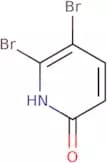
CAS:<p>Versatile small molecule scaffold</p>Formula:C8H4ClF3N2Purity:Min. 95%Color and Shape:PowderMolecular weight:220.58 g/mol5,6-Dibromopyridin-2-ol
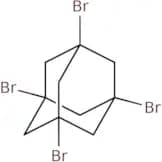
CAS:<p>Versatile small molecule scaffold</p>Formula:C5H3Br2NOPurity:Min. 95%Molecular weight:252.89 g/mol1,3,5,7-Tetrabromoadamantane
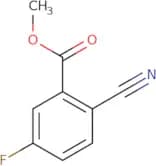
CAS:<p>1,3,5,7-Tetrabromoadamantane is a molecule that has been synthesized and introduced as a mediator to introduce oxidants. The introduction of the oxidant is mediated by 1,3,5,7-tetrabromoadamantane. This molecule has been shown to be synthesized in two steps from hexamethylenetetramine (HMT) and iodomethane. The synthesis of this molecule can also be achieved by reacting synthons such as tetraphenylmethane with hydrochloric acid. 1,3,5,7-Tetrabromoadamantane is an equivalence mediator because it can mediate a redox reaction in which the oxidizing agent is reduced and the reducing agent is oxidized.</p>Formula:C10H12Br4Purity:Min. 95%Molecular weight:451.82 g/molMethyl 2-cyano-5-fluorobenzoate
CAS:<p>Versatile small molecule scaffold</p>Formula:C9H6FNO2Purity:Min. 95%Molecular weight:179.15 g/molN-(4-Bromophenyl)-N-phenylacrylamide
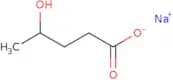
CAS:<p>Versatile small molecule scaffold</p>Formula:C15H12BrNOPurity:Min. 95%Color and Shape:PowderMolecular weight:302.16 g/mol4-Hydroxyvaleric Acid Sodium Salt
CAS:Controlled Product<p>4-Hydroxyvaleric acid sodium salt is a hydrophilic, thermally sensitive substance that is used as an analytical reagent in toxicology. It is typically used as a screening agent for the detection of acetaldehyde and other aldehydes. 4-Hydoxyvaleric acid sodium salt reacts with acetone to form a clear solution and can be injected into a gas chromatograph using an injection method. The reaction between 4-hydroxyvaleric acid sodium salt and acetone produces an efficient method for the analysis of acetaldehyde. This chemical is often used by toxicologists and chemists to screen for the presence of acetaldehyde in blood or urine samples.</p>Formula:C5H9NaO3Purity:Min. 95%Molecular weight:140.11 g/molFerrocenylmethyl methacrylate
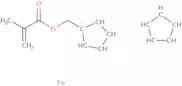
CAS:<p>Ferrocenylmethyl methacrylate is a reactive, irreversible oxidation agent. It is used in the synthesis of hydroxylated polymers and redox-active biological sensors. Ferrocenylmethyl methacrylate has been used as a component in polymerization reactions to produce polymers with recording potential. It has also been used for the detection of cancer cells and for the diagnosis of prostate cancer.</p>Formula:C15H16FeO2Purity:Min. 95%Molecular weight:284.13 g/mol2,4,6-Trichloronicotinic acid
CAS:<p>Versatile small molecule scaffold</p>Formula:C6H2Cl3NO2Purity:Min. 95%Molecular weight:226.44 g/mol5-bromo-3-methoxy-1h-pyrazole
CAS:<p>Versatile small molecule scaffold</p>Formula:C4H5BrN2OPurity:Min. 95%Molecular weight:177 g/mol6-Chloro-pyridazine hydrochloride
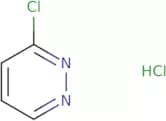
CAS:<p>Please enquire for more information about 6-Chloro-pyridazine hydrochloride including the price, delivery time and more detailed product information at the technical inquiry form on this page</p>Formula:C4H3ClN2·HClPurity:Min. 95%Molecular weight:150.99 g/mol2-(4-Carboxy-phenyl)-pyrrolidine-1-carboxylic acid tert-butyl ester
CAS:<p>Versatile small molecule scaffold</p>Formula:C16H21NO4Purity:Min. 95%Molecular weight:291.34 g/mol2-Chloro-3-(hydroxymethyl)pyridine
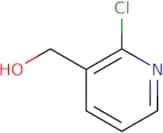
CAS:<p>2-Chloro-3-(hydroxymethyl)pyridine is an organic compound that is used as a building block for the synthesis of other heterocycles. This compound can be synthesized from 2-chloronicotinic acid, which is obtained by oxidation of nicotine with sodium hypochlorite in the presence of potassium ion. The reaction proceeds via a cleavage of the C-Cl bond and formation of a pyridine ring. The catalytic process can be performed at room temperature and at atmospheric pressure in a variety of solvents, including water.<br>2-Chloro-3-(hydroxymethyl)pyridine has been shown to have high yields for the preparation of compounds such as 2,4-dichloropyridine and 4,5-dichloropyrimidine. It also has been used in the preparation of pharmaceuticals such as atrial natriuretic factor (ANF).</p>Formula:C6H6ClNOPurity:Min. 98 Area-%Color and Shape:PowderMolecular weight:143.57 g/molCymiazole
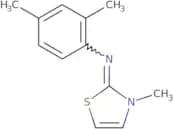
CAS:<p>Veterinary drug, ectoparasiticide</p>Formula:C12H14N2SPurity:Min. 95%Color and Shape:Brown Clear LiquidMolecular weight:218.32 g/mol4-(4-Methylpiperazin-1-yl)-2-(trifluoromethyl)aniline
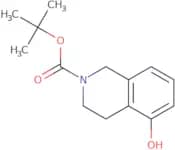
CAS:<p>Versatile small molecule scaffold</p>Formula:C12H16N3F3Purity:Min. 95%Molecular weight:259.27 g/moltert-Butyl 5-hydroxy-3,4-dihydroisoquinoline-2(1H)-carboxylate
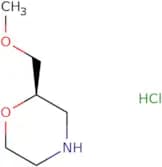
CAS:<p>Versatile small molecule scaffold</p>Formula:C14H19NO3Purity:Min. 95%Molecular weight:249.31 g/mol(R)-2-(Methoxymethyl)-morpholine hydrochloride
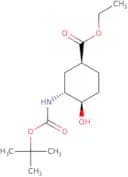
CAS:<p>Versatile small molecule scaffold</p>Formula:C6H14ClNO2Purity:Min. 95%Molecular weight:167.63 g/mol(1S,3R,4R)-3-(Boc-amino)-4-hydroxy-cyclohexanecarboxylic acid ethyl ester
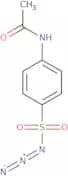
CAS:<p>Versatile small molecule scaffold</p>Formula:C14H25NO5Purity:Min. 95%Molecular weight:287.35 g/mol4-Acetamidobenzenesulfonyl azide
CAS:<p>4-Acetamidobenzenesulfonyl azide (4ABS) is a low detection reagent that can be used for the determination of 4-acetamidobenzoic acid. It reacts with the amine group in 4-acetamidobenzoic acid to form a sulfonamide intermediate and releases an azide ion. The linear calibration curve was obtained using vibrational spectroscopy and has a detection sensitivity of 0.03 ppm. This method can also be used to determine the functional groups present in dopamine, which have been shown to affect electrochemical impedance spectroscopy measurements.</p>Formula:C8H8N4O3SPurity:Min. 95%Color and Shape:White PowderMolecular weight:240.24 g/mol3,5-Dibromopyridin-4-ol
CAS:<p>Versatile small molecule scaffold</p>Formula:C5H3Br2NOPurity:Min. 95%Molecular weight:252.89 g/molMethyl amino(2-chlorophenyl)acetate hydrochloride
CAS:<p>Versatile small molecule scaffold</p>Formula:C9H11Cl2NO2Purity:Min. 95%Molecular weight:236.1 g/mol4-Chloro-8-quinolinol
CAS:<p>4-Chloro-8-quinolinol is a quinoline derivative that has been shown to have pharmacological effects. It is used in the synthesis of other compounds, such as 5-chloro-8-hydroxyquinoline, which is used in the treatment of cancer. 4-Chloro-8-quinolinol can also be prepared by oxidizing 5,6,7,8 tetrachloroquinoline with chlorine and ammonia. The photophysical properties of this compound are analogous to those of benzothiazole derivatives. The fluorescence emission spectrum ranges from 360 nm to 450 nm with a maximum at 390 nm and emission intensity at 350 nm. This compound exhibits fungitoxicity against Penicillium notatum and Aspergillus fumigatus.</p>Formula:C9H6ClNOPurity:Min. 95%Molecular weight:179.6 g/mol7-Bromo-3,4-dihydro-1H-quinolin-2-one
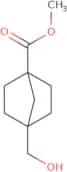
CAS:<p>Versatile small molecule scaffold</p>Formula:C9H8BrNOPurity:Min. 95%Molecular weight:226.07 g/molMethyl 4-(hydroxymethyl)norbornane-1-carboxylate
CAS:<p>Versatile small molecule scaffold</p>Formula:C10H16O3Purity:Min. 95%Molecular weight:184.23 g/molN-Nitroso ramipril
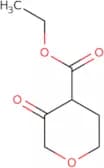
<p>Please enquire for more information about N-Nitroso ramipril including the price, delivery time and more detailed product information at the technical inquiry form on this page</p>Formula:C23H31N3O6Purity:Min. 95%Color and Shape:PowderMolecular weight:445.51 g/molEthyl 3-oxotetrahydro-2H-pyran-4-carboxylate
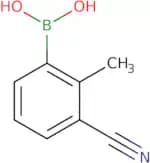
CAS:<p>Versatile small molecule scaffold</p>Formula:C8H12O4Purity:Min. 95%Molecular weight:172.18 g/mol3-Cyano-2-methylphenylboronic acid
CAS:<p>3-Cyano-2-methylphenylboronic acid is a high quality compound that can be used as a reagent, intermediate, or building block in the synthesis of complex compounds. This chemical is also useful as a speciality chemical and research chemical. 3-Cyano-2-methylphenylboronic acid has versatile uses in organic synthesis due to its versatility in reactions and building blocks.</p>Formula:C8H8BNO2Purity:Min. 95%Color and Shape:PowderMolecular weight:160.97 g/mol(4-(tert-Butoxy)phenyl)methanamine
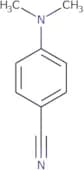
CAS:<p>(4-(tert-Butoxy)phenyl)methanamine (BPMT) is a ligand that binds to the alpha-2 receptor and acts as an antagonist. This compound has been shown to be a molecular target for positron emission tomography imaging, which is used in the diagnosis of tumours. BPMT is also used in the treatment of neuropeptide-associated disorders such as Parkinson's disease. The chiral nature of this compound makes it useful for the production of radiopharmaceuticals and other diagnostic agents with different physical properties.</p>Formula:C11H17NOPurity:Min. 95%Molecular weight:179.26 g/mol1-Cyano-4-(dimethylamino)benzene
CAS:<p>1-Cyano-4-(dimethylamino)benzene is a molecule that has been shown to inhibit the growth of hamster v79 cells. It also inhibits the synthesis of DNA and RNA. The binding constants for this molecule have been determined to be 1.0 x 10^9 M^-1, with an n-octanol/water partition coefficient (log P) of 5.5. This molecule is soluble in nonpolar solvents and may be used as a model system for hydrogen bonding interactions or reaction mechanisms in organic chemistry. This compound contains a deuterium isotope and can be used to study the effects of hydrogen bonding on reactions in organic chemistry at high temperatures, with the use of preparative hplc.</p>Formula:C9H10N2Purity:Min. 95%Color and Shape:Beige PowderMolecular weight:146.19 g/mol4-Iodo-1-methyl-1h-pyrazole-5-carbonitrile
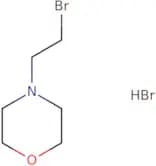
CAS:<p>4-Iodo-1-methyl-1H-pyrazole-5-carbonitrile is a tetrazole molecule that has been shown to have potent and selective inhibitory activity against human PCSK9. This compound binds to the catalytic site of PCSK9 and prevents the formation of an active enzyme, therefore inhibiting the production of LDL cholesterol. 4-Iodo-1-methyl-1H-pyrazole-5-carbonitrile is a prodrug that is metabolized by acetaldehyde dehydrogenase to form an active inhibitor. The reaction proceeds in a chiral and enantioselective manner, which allows for the synthesis of racemic mixtures of this drug.</p>Formula:C5H4IN3Purity:Min. 95%Molecular weight:233.01 g/mol4-(2-Bromoethyl)morpholine hydrobromide
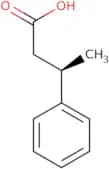
CAS:<p>4-(2-Bromoethyl)morpholine hydrobromide is a solvent that is used as an agent in the production of other chemicals. It is a colorless, crystalline solid with a constant melting point of 130 to 131 degrees Celsius. 4-(2-Bromoethyl)morpholine hydrobromide is soluble in acetone, ethanol, ether, and water. This chemical has been shown to be toxic and should be handled with care.</p>Formula:C6H13Br2NOPurity:Min. 95%Molecular weight:274.98 g/mol(R)-3-Phenylbutyric Acid
CAS:<p>Versatile small molecule scaffold</p>Formula:C10H12O2Purity:Min. 95%Molecular weight:164.2 g/mol1-Boc-3-Oxo-1,4-diazepane
CAS:<p>Versatile small molecule scaffold</p>Formula:C10H18N2O3Purity:Min. 95%Molecular weight:214.27 g/mol(2,2-Difluoroethyl)hydrazine hydrochloride
CAS:<p>Versatile small molecule scaffold</p>Formula:C2H7ClF2N2Purity:Min. 95%Molecular weight:132.54 g/mol4-(Methylamino)benzene-1-sulfonamide
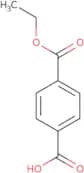
CAS:<p>Versatile small molecule scaffold</p>Formula:C7H10N2O2SPurity:Min. 95%Molecular weight:186.23 g/mol1,4-Benzenedicarboxylic acid, monoethyl ester
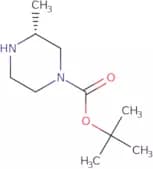
CAS:<p>1,4-Benzenedicarboxylic acid, monoethyl ester (1,4-BDE) is a monomer that is used in the manufacture of polycarbonates and other plastics. 1,4-BDE is also used as a solvent for xylene and butanol. It has been shown to be useful in the production of polyester fibers. The monomer can be synthesized by reacting ethylene with terephthalic acid or dimethyl terephthalate (DMT). This reaction produces 1,4-BDE and methanol as byproducts. The process is carried out at temperatures of 250 °C to 300 °C and under atmospheric pressure. The purified product can be isolated using distillation or extraction with organic solvents such as benzene or butanol. The reaction can be carried out in the presence of ruthenium, which acts as a catalyst.</p>Formula:C10H10O4Purity:Min. 95%Color and Shape:White PowderMolecular weight:194.18 g/mol(R)-4-Boc-2-methylpiperazine
CAS:<p>(R)-4-Boc-2-methylpiperazine is a picolinamide dehydrogenase inhibitor that is used to treat type 2 diabetes. It has been shown to reduce blood glucose levels in animal models and human subjects with type 2 diabetes mellitus. The mechanism of action is thought to be via inhibition of the 11β-hydroxysteroid dehydrogenase, which increases insulin sensitivity. This drug also has good oral bioavailability, does not cause weight gain, and has an acceptable safety profile.</p>Formula:C10H20N2O2Purity:Min. 95%Color and Shape:White PowderMolecular weight:200.28 g/mol6-Chloro-2-fluoropurine
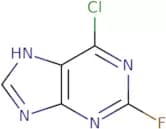
CAS:<p>6-Chloro-2-fluoropurine is an analytical reagent with a monoclonal antibody that binds to the nucleic acid of HL-60 cells and can be used for optical analysis. 6-Chloro-2-fluoropurine has been shown to have significant cytotoxicity against HL-60 cells, which may be due to its ability to bind to intracellular targets. 6-Chloro-2-fluoropurine has also been shown to inhibit the growth of HL-60 cells in a fluorescein angiography study and is used as a diagnostic agent for diagnosis of cancer.</p>Formula:C5H2ClFN4Purity:Min. 98 Area-%Color and Shape:Off-White PowderMolecular weight:172.55 g/molChlorbutanol hemihydrate
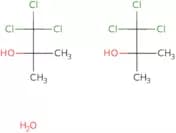
CAS:<p>Chlorbutanol hemihydrate is an antimicrobial agent that is used as an intra-articular injection, and has been shown to be effective against choline chloride. Chlorbutanol hemihydrate binds to the active substances and reacts with chlorine atom to form an active substance. The reaction rate of chlorbutanol hemihydrate with chlorine atoms is slow, so it can be administered intravenously or intramuscularly. Functional assays have shown that chlorbutanol hemihydrate can inhibit the growth of cancer cells in a dose-dependent manner. It also inhibits the production of oxytocin receptor in mice tissues. Chlorbutanol hemihydrate has been shown to be safe for humans when given at doses up to 10 times higher than the recommended dosage, but may cause allergic reactions in some people.</p>Formula:C4H7Cl3O•(H2O)0Purity:Min. 95%Color and Shape:White PowderMolecular weight:186.46 g/mol6,6-difluoro-1,4-oxazepane hydrochloride
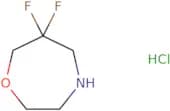
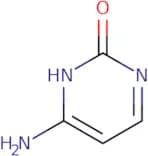
CAS:<p>Versatile small molecule scaffold</p>Formula:C5H10ClF2NOPurity:Min. 95%Molecular weight:173.6 g/molCytosine
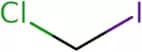
CAS:<p>Pyrimidine nucleobase; component of nucleic acids</p>Formula:C4H5N3OPurity:(Hplc) Min. 99%Color and Shape:White PowderMolecular weight:111.1 g/molChloroiodomethane, stabilised with copper
CAS:<p>Chloroiodomethane is a chemical that is used as an intermediate in the production of other chemicals. It is a colourless liquid with a strong odour. 3-Bromopropylamine hydrobromide reacts with chloroiodomethane to form 3-bromopropyl bromide, which can be reacted with hydrogen chloride to form the corresponding acid chloride. This reaction product can then be reacted with β-amino acids to form amides or esters. The reaction mechanism of this process involves nucleophilic substitution of chloroiodomethane by the amino group of the β-amino acid to produce an intermediate α,β-unsaturated carbonyl chloride, which undergoes elimination to give the final product. Chloroiodomethane also reacts rapidly with fatty acids and hydroxyl groups in biological systems, leading to inflammatory diseases such as HIV infection.</p>Formula:CH2ClIPurity:Min. 95%Color and Shape:Colorless Clear LiquidMolecular weight:176.38 g/molMethyl 3-oxocyclohexanecarboxylate
CAS:<p>Methyl 3-oxocyclohexanecarboxylate is a chiral molecule that belongs to the class of β-unsaturated ketones. It has been shown to interact with enzymes from horse liver, dehydrogenase and carbanion. Methyl 3-oxocyclohexanecarboxylate is unreactive under most conditions and does not react with other molecules. The compound can be used as a starting material for the synthesis of olefinic compounds.</p>Formula:C8H12O3Purity:Min. 95%Molecular weight:156.18 g/mol2-Bromo-1-(4-chloro-3-fluorophenyl)ethanone
CAS:<p>Please enquire for more information about 2-Bromo-1-(4-chloro-3-fluorophenyl)ethanone including the price, delivery time and more detailed product information at the technical inquiry form on this page</p>Formula:C8H5BrCIFOPurity:Min. 95%Molecular weight:354.94 g/mol


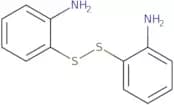


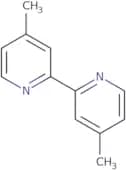
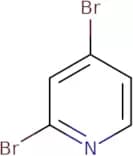
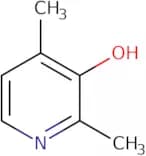
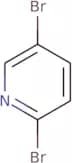
![(1R,5S,6r)-rel-3-Oxabicyclo[3.1.0]hexane-6-carboxylic acid](/_next/image/?url=https%3A%2Fstatic.cymitquimica.com%2Fproducts%2F3D%2Fthumb-webp%2FFCA78088.webp&w=3840&q=75)
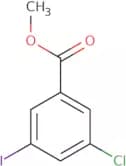
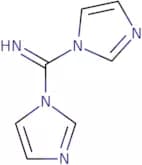

![N-[2-[(2S)-2-Cyano-4,4-difluoro-1-pyrrolidinyl]-2-oxoethyl]-6-[methyl[3-(1-piperazinyl)propyl]amin…](/_next/image/?url=https%3A%2Fstatic.cymitquimica.com%2Fproducts%2F3D%2Fthumb-webp%2FFC184139.webp&w=3840&q=75)

![4-Chloro-N-[2-(1,2-dihydro-2-oxo-4-quinolinyl)ethyl]benzamide](/_next/image/?url=https%3A%2Fstatic.cymitquimica.com%2Fproducts%2F3D%2Fthumb-webp%2FFC184071.webp&w=3840&q=75)


![(3S)-3- [4- [(2-Chlorophenyl) methyl] phenoxy] tetrahydrofuran](/_next/image/?url=https%3A%2Fstatic.cymitquimica.com%2Fproducts%2F3D%2Fthumb-webp%2FFC181171.webp&w=3840&q=75)

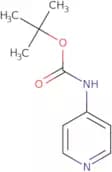
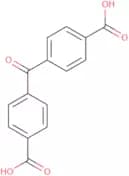
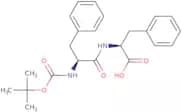
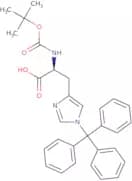


![8-Boc-3,8-diaza-bicyclo[3.2.1]octane](/_next/image/?url=https%3A%2Fstatic.cymitquimica.com%2Fproducts%2F3D%2Fthumb-webp%2FFB29382.webp&w=3840&q=75)
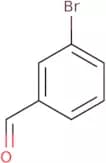

![6-Bromo-4-hydroxypyrazolo[1,5-a]pyridine-3-carbonitrile](/_next/image/?url=https%3A%2Fstatic.cymitquimica.com%2Fproducts%2F3D%2Fthumb-webp%2FFB182798.webp&w=3840&q=75)


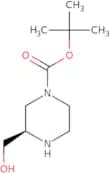
![2-Bromobenzo[d]thiazol-6-amine](/_next/image/?url=https%3A%2Fstatic.cymitquimica.com%2Fproducts%2F3D%2Fthumb-webp%2FFB144124.webp&w=3840&q=75)

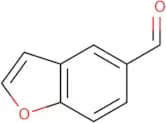


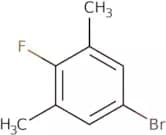

![2,3-Dihydro-1H-pyrrolo[3,2-c]pyridine hydrochloride](/_next/image/?url=https%3A%2Fstatic.cymitquimica.com%2Fproducts%2F3D%2Fthumb-webp%2FFAA91219.webp&w=3840&q=75)
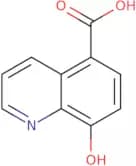

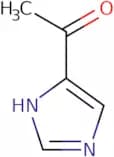
![(R)-1-[3-[4-Amino-3-(4-phenoxyphenyl)-1H-pyrazolo[3,4-d]pyrimidin-1-yl]piperidin-1-yl]-3-chloropro…](/_next/image/?url=https%3A%2Fstatic.cymitquimica.com%2Fproducts%2F3D%2Fthumb-webp%2FFA183174.webp&w=3840&q=75)
![(2R,4R)-1-[(2S)-5-Amino-1-oxo-2-[[(1,2,3,4-tetrahydro-3-methyl-8-quinolinyl)sulfonyl]amino]pentyl]…](/_next/image/?url=https%3A%2Fstatic.cymitquimica.com%2Fproducts%2F3D%2Fthumb-webp%2FFA182661.webp&w=3840&q=75)
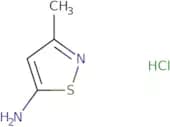

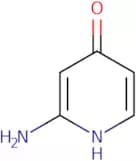

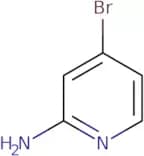


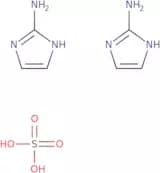
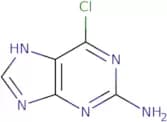

![2-{[2-(2,6-Dioxopiperidin-3-yl)-1-oxo-2,3-dihydro-1H-isoindol-4-yl]oxy}acetic acid](/_next/image/?url=https%3A%2Fstatic.cymitquimica.com%2Fproducts%2F3D%2Fthumb-webp%2FEPD97616.webp&w=3840&q=75)


![[(1S)-1-Ethyl-2-oxopropyl]-1,1-dimethylethyl ester carbamic acid](/_next/image/?url=https%3A%2Fstatic.cymitquimica.com%2Fproducts%2F3D%2Fthumb-webp%2FEMA02105.webp&w=3840&q=75)

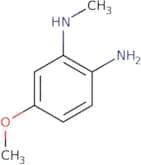
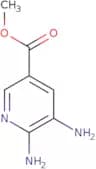


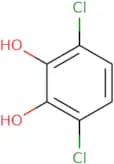

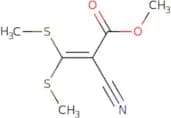


![5-bromo-3-iodopyrazolo[1,5-a]pyridine](/_next/image/?url=https%3A%2Fstatic.cymitquimica.com%2Fproducts%2F3D%2Fthumb-webp%2FCEC88182.webp&w=3840&q=75)


![(1R,4R)-2-Oxa-5-azabicyclo[2.2.1]heptane hydrochloride](/_next/image/?url=https%3A%2Fstatic.cymitquimica.com%2Fproducts%2F3D%2Fthumb-webp%2FBZA51579.webp&w=3840&q=75)

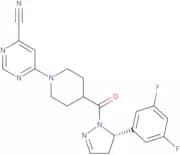

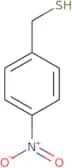

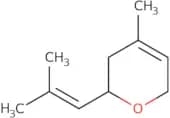

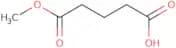
![1-[4-(Propan-2-yl)phenyl]ethan-1-ol](/_next/image/?url=https%3A%2Fstatic.cymitquimica.com%2Fproducts%2F3D%2Fthumb-webp%2FBAA47510.webp&w=3840&q=75)
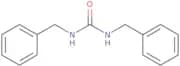
![4-[4-(Tetramethyl-1,3,2-dioxaborolan-2-yl)-1H-pyrazol-1-yl]pyridine](/_next/image/?url=https%3A%2Fstatic.cymitquimica.com%2Fproducts%2F3D%2Fthumb-webp%2FARC54869.webp&w=3840&q=75)


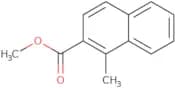

![tert-Butyl 4-hydroxy-1-oxa-7-azaspiro[4.4]nonane-7-carboxylate](/_next/image/?url=https%3A%2Fstatic.cymitquimica.com%2Fproducts%2F3D%2Fthumb-webp%2FXXC50503.webp&w=3840&q=75)
![tert-Butyl 9-oxo-4,8-diazaspiro[4.4]nonane-4-carboxylate](/_next/image/?url=https%3A%2Fstatic.cymitquimica.com%2Fproducts%2F3D%2Fthumb-webp%2FWYB81845.webp&w=3840&q=75)


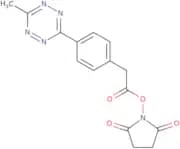
![3-bromo-6,7-dihydro-5h-pyrrolo[3,4-b]pyridine hcl](/_next/image/?url=https%3A%2Fstatic.cymitquimica.com%2Fproducts%2F3D%2Fthumb-webp%2FUFC11724.webp&w=3840&q=75)
![2-[5-(4,4,5,5-Tetramethyl-1,3,2-dioxaborolan-2-yl)pyrimidin-2-yl]propan-2-ol](/_next/image/?url=https%3A%2Fstatic.cymitquimica.com%2Fproducts%2F3D%2Fthumb-webp%2FUCC25587.webp&w=3840&q=75)

![6-Amino-4H,5H,6H,7H,8H-thieno[3,2-b]azepin-5-one hydrochloride](/_next/image/?url=https%3A%2Fstatic.cymitquimica.com%2Fproducts%2F3D%2Fthumb-webp%2FTHC97972.webp&w=3840&q=75)

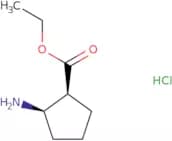
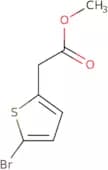
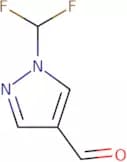
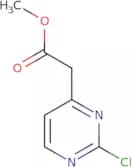
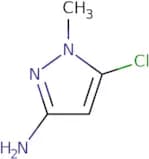

![4-(1H-Pyrazol-4-yl)-7-((2-(trimethylsilyl)ethoxy)methyl)-7H-pyrrolo[2,3-d]pyrimidine](/_next/image/?url=https%3A%2Fstatic.cymitquimica.com%2Fproducts%2F3D%2Fthumb-webp%2FRMB68527.webp&w=3840&q=75)
![5-{2-Ethoxy-5-[(4-methylpiperazin-1-yl)sulfonyl]phenyl}-1-methyl-3-(2-methylpropyl)-1H,6H,7H-pyraz…](/_next/image/?url=https%3A%2Fstatic.cymitquimica.com%2Fproducts%2F3D%2Fthumb-webp%2FRFC05395.webp&w=3840&q=75)

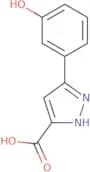
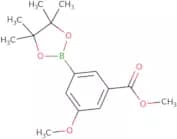
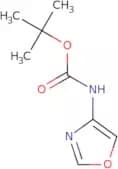

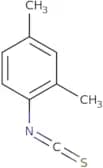



![4-{[(tert-butoxy)carbonyl]amino}bicyclo[2.2.2]octane-1-carboxylic acid](/_next/image/?url=https%3A%2Fstatic.cymitquimica.com%2Fproducts%2F3D%2Fthumb-webp%2FNJB30476.webp&w=3840&q=75)
![1,5,6,7-Tetrahydro-2H-cyclopenta[b]pyridin-2-one](/_next/image/?url=https%3A%2Fstatic.cymitquimica.com%2Fproducts%2F3D%2Fthumb-webp%2FNDA49985.webp&w=3840&q=75)
![(1R,8S,9s)-Bicyclo[6.1.0]non-4-yn-9-ylmethanol](/_next/image/?url=https%3A%2Fstatic.cymitquimica.com%2Fproducts%2F3D%2Fthumb-webp%2FNAC16690.webp&w=3840&q=75)
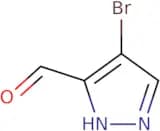

![2-Azaspiro[3.3]heptane-2,6-dicarboxylic acid 2-tert-butyl ester](/_next/image/?url=https%3A%2Fstatic.cymitquimica.com%2Fproducts%2F3D%2Fthumb-webp%2FLYB52653.webp&w=3840&q=75)
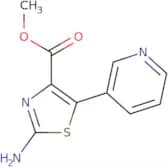


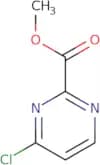

![tert-Butyl 3-bromo-1,4,6,7-tetrahydro-5H-pyrazolo[4,3-c]pyridine-5-carboxylate](/_next/image/?url=https%3A%2Fstatic.cymitquimica.com%2Fproducts%2F3D%2Fthumb-webp%2FLCD42906.webp&w=3840&q=75)

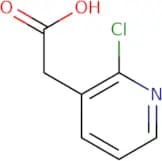
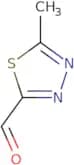
![ethyl 6-benzyl-2-oxa-6-azaspiro[3.4]octane-8-carboxylate](/_next/image/?url=https%3A%2Fstatic.cymitquimica.com%2Fproducts%2F3D%2Fthumb-webp%2FLBC69289.webp&w=3840&q=75)
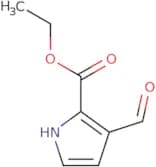


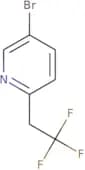

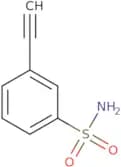


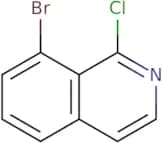
![3-[5-(Aminomethyl)-1-oxo-2,3-dihydro-1H-isoindol-2-yl]piperidine-2,6-dione hydrochloride](/_next/image/?url=https%3A%2Fstatic.cymitquimica.com%2Fproducts%2F3D%2Fthumb-webp%2FIWB26469.webp&w=3840&q=75)


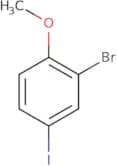
![2-[3-Chloro-5-(trifluoromethyl)-2-pyridinyl]-acetonitrile](/_next/image/?url=https%3A%2Fstatic.cymitquimica.com%2Fproducts%2F3D%2Fthumb-webp%2FHGA76410.webp&w=3840&q=75)