Building Blocks
This section contains fundamental products for the synthesis of organic and biological compounds. Building blocks are the essential starting materials used to construct complex molecules through various chemical reactions. They play a critical role in drug discovery, material science, and chemical research. At CymitQuimica, we offer a diverse range of high-quality building blocks to support your innovative research and industrial projects, ensuring you have the essential components for successful synthesis.
Subcategories of "Building Blocks"
- Boronic Acids & Boronic Acid Derivatives(5,778 products)
- Chiral Building Blocks(1,242 products)
- Hydrocarbon Building Blocks(6,098 products)
- Organic Building Blocks(61,034 products)
Found 199601 products of "Building Blocks"
Sort by
Purity (%)
0
100
|
0
|
50
|
90
|
95
|
100
2,4-Bis(benzyloxy)benzaldehyde
CAS:<p>2,4-Bis(benzyloxy)benzaldehyde is a prenylated aromatic compound that has been shown to have potent tyrosinase inhibitory activity. This effect was seen in murine melanoma cells and was found to be reversible. 2,4-Bis(benzyloxy)benzaldehyde also showed an inhibitory effect on the production of phytoalexins in plants. When combined with hydrochloric acid, 2,4-Bis(benzyloxy)benzaldehyde inhibits tyrosinase activity by interacting with the chloride ion on the enzyme's active site.</p>Formula:C21H18O3Purity:Min. 95%Molecular weight:318.37 g/molEthyl 2,4-dioxohexanoate
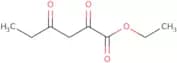
CAS:<p>Ethyl 2,4-dioxohexanoate (EDOH) is a bioactive molecule that can be used as a disinfectant. It reacts with propionyl to form an acid carboxylate, which has been shown to have antimicrobial activity against bacteria and fungi. EDOH is also used in the synthesis of heterocyclic compounds such as tebufenpyrad. The reaction yield and time depend on the solvent used. For instance, EDOH reacts better in dimethylformamide than in water or methanol. Reaction of EDOH with phenoxy leads to amide formation and subsequent cyclization to form a new ring system.</p>Formula:C8H12O4Purity:Min. 95%Molecular weight:172.18 g/mol1-(2-Bromoethoxy)naphthalene
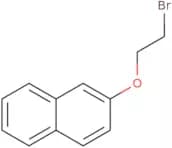
CAS:<p>Versatile small molecule scaffold</p>Formula:C12H11BrOPurity:Min. 95%Molecular weight:251.12 g/mol2-(2-bromoethoxy)naphthalene
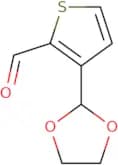
CAS:2-(2-bromoethoxy)naphthalene (2BEEN) is a white or light yellow crystalline solid. It has a molecular weight of 198.8 and an empirical formula of C14H16BrO. 2BEEN is structurally related to piperazine, but the bromine atom at the 2 position in 2BEEN provides a linkage with the ethoxy group at the 4 position, which can orient in two possible orientations. The compound exhibits cis-trans conformational torsion and dihedral angles that are similar to those found in piperazine.Formula:C12H11OBrPurity:Min. 95%Molecular weight:251.11 g/mol3-(1,3-Dioxolan-2-yl)thiophene-2-carbaldehyde
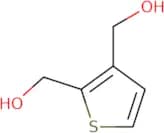
CAS:<p>Versatile small molecule scaffold</p>Formula:C8H8O3SPurity:Min. 95%Molecular weight:184.21 g/mol2,3-Thiophenedimethanol
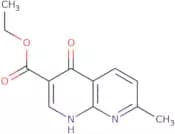
CAS:<p>Versatile small molecule scaffold</p>Formula:C6H8O2SPurity:Min. 95%Molecular weight:144.19 g/molEthyl 4-hydroxy-7-methyl-1,8-naphthyridine-3-carboxylate
CAS:<p>Versatile small molecule scaffold</p>Formula:C12H12N2O3Purity:Min. 95%Molecular weight:232.23 g/mol4-Hydroxy-7-methyl-[1,8]naphthyridine-3-carboxylic acid
CAS:4-Hydroxy-7-methyl-[1,8]naphthyridine-3-carboxylic acid is a compound that has been shown to be an antibacterial agent. It has been shown to selectively inhibit the growth of Gram-positive bacteria by binding to the bacterial cell wall. 4-Hydroxy-7-methyl-[1,8]naphthyridine-3-carboxylic acid binds to amino acids in the peptidoglycan layer of the bacterial cell wall and inhibits the crosslinking of these amino acids with divalent ions such as calcium and magnesium. This leads to changes in solvation structures and decreases in hydrogen bonding interactions, which reduces the stability of the peptidoglycan layer. The spectrum for this molecule is anharmonic, which means that it does not have a harmonic frequency but instead has many frequencies that are related by integer numbers. The molecule can exist in three different forms: two tautomers (keto formFormula:C10H8N2O3Purity:Min. 95%Molecular weight:204.18 g/mol[1,2,4]Triazolo[4,3-a]pyrazin-3-amine
CAS:<p>Versatile small molecule scaffold</p>Formula:C5H5N5Purity:Min. 95%Molecular weight:135.13 g/mol8-Aminonaphthalene-2-sulfonamide
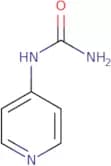
CAS:<p>Versatile small molecule scaffold</p>Formula:C10H10N2O2SPurity:Min. 95%Molecular weight:222.3 g/mol(Pyridin-4-yl)urea
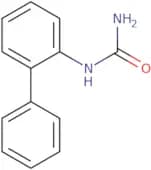
CAS:<p>(Pyridin-4-yl)urea is a ligand with affinity for the neurohormonal receptor urotensin. The binding affinity of this ligand to the urotensin receptor is in the low nanomolar range. (Pyridin-4-yl)urea binds to the urotensin receptor with a higher affinity than its natural ligands, which are small peptides. This compound has been shown to act as a potent antagonist of urotensin, inhibiting its function and blocking the release of its natural agonists, vasopressin and oxytocin. (Pyridin-4-yl)urea has also been shown to inhibit the binding of vasopressin or oxytocin to their specific receptors on cells, which may lead to an increased production of these hormones in vitro.</p>Formula:C6H7N3OPurity:Min. 95%Molecular weight:137.14 g/mol(2-Phenylphenyl)urea
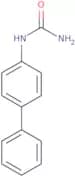
CAS:<p>Versatile small molecule scaffold</p>Formula:C13H12N2OPurity:Min. 95%Molecular weight:212.25 g/mol(4-Phenylphenyl)urea
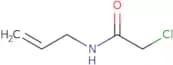
CAS:The molecular formula of 4-Phenylphenyl)urea is C8H7N3O2 and its molecular weight is 186.19 g/mol. The chemical name for 4-Phenylphenyl)urea is (4-phenylphenyl) urea. It has a melting point of 192°C, a boiling point of 334°C, and a density of 1.12 g/cm3. 4-Phenylphenyl)urea crystallizes in the orthorhombic system with space group Pbca and lattice constants a = 8.068 Å, b = 7.957 Å, c = 12.096 Å and β = 116°. It has hydrogen bonds to water molecules as well as to itself through hydrogen bonds with the amide NH groups on the urea moiety and the phenyl ring on one molecule forming hydrogen bonds with other phenyl rings on adjacent molecules.Formula:C13H12N2OPurity:Min. 95%Molecular weight:212.25 g/molN-(Chloroacetyl)allylamine
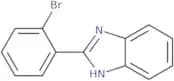
CAS:<p>Versatile small molecule scaffold</p>Formula:C5H8ClNOPurity:Min. 95%Molecular weight:133.58 g/mol2-(2-Bromophenyl)-1H-benzimidazole
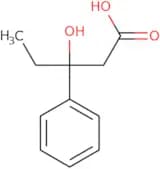
CAS:<p>2-(2-Bromophenyl)-1H-benzimidazole is a halogenated aromatic compound that has been used in electrochemical studies. It can be synthesized by the reaction of bromine with 2,4-dinitrobenzene. The compound exhibits a number of functional groups including nitro and bromo groups. One of the most notable properties of this compound is its ability to act as an efficient electrocatalyst for the reduction of chloride ions to hydrogen gas. 2-(2-Bromophenyl)-1H-benzimidazole also has potentiodynamic polarization properties and has been shown to catalyze the reduction of a number of organic compounds including propane, butane, pentane, hexane and heptane. This compound is also used in microscopy simulations to study unsymmetrical molecules.</p>Formula:C13H9BrN2Purity:Min. 95%Molecular weight:273.13 g/mol3-Hydroxy-3-phenylpentanoic acid
CAS:<p>3-Hydroxy-3-phenylpentanoic acid is a chiral compound with two stereoisomers, the L and D configurations. The L form has been shown to be an enantiomer of propiophenone, which is an ester that reacts in the presence of acetate and hydrogen chloride to form 3-hydroxy-3-phenylpentanoic acid acetate. This reaction is a condensation reaction. The D form has been shown to be an enantiomer of propiophenone, which is an ester that reacts in the presence of acetate and hydrogen chloride to form 3-hydroxy-3-phenylpentanoic acid acetate. This reaction is a condensation reaction. 3HPP can also be synthesized by asymmetric synthesis or hydrolysis.</p>Formula:C11H14O3Purity:Min. 95%Molecular weight:194.23 g/mol2-[(2-Methoxyphenyl)amino]benzoic acid
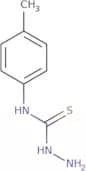
CAS:<p>Versatile small molecule scaffold</p>Formula:C14H13NO3Purity:Min. 95%Molecular weight:243.26 g/mol4-(4-Methylphenyl)-3-thiosemicarbazide
CAS:<p>4-(4-Methylphenyl)-3-thiosemicarbazide is a carbonyl compound. It has been shown to be an inhibitor of acetylcholinesterase, an enzyme that breaks down the neurotransmitter acetylcholine, which is involved in muscle contraction. This inhibition causes paralysis and death in insects. 4-(4-Methylphenyl)-3-thiosemicarbazide has also been shown to be active against gram-negative bacteria. The structure of this molecule was determined by its vibrational spectra and multinuclear NMR data. 4-(4-Methylphenyl)-3-thiosemicarbazide stabilizes the dihedral angle between two nitrogen atoms, which are necessary for formation rate.</p>Formula:C8H11N3SPurity:Min. 95%Molecular weight:181.26 g/mol4-Bromobut-2-yn-1-ol
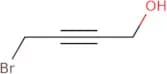
CAS:<p>4-Bromobut-2-yn-1-ol is a chemical compound belonging to the group of thyroid hormones. It is a potent thyromimetic that has been used in cancer research and genetic disease studies. 4-Bromobut-2-yn-1-ol binds to hormone receptors, thereby initiating a response in cells. This compound has been shown to induce mutations in colorectal adenocarcinoma cells, as well as gene expression changes in mutant cells. 4-Bromobut-2-yn-1-ol is also cardiotoxic, with an ID50 value of 0.06 mg/kg body weight.</p>Formula:C4H5BrOPurity:Min. 95%Molecular weight:148.99 g/molMethyl 2,2-dibromo-2-cyanoacetate
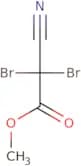
CAS:<p>Versatile small molecule scaffold</p>Formula:C4H3Br2NO2Purity:Min. 95%Molecular weight:256.88 g/mol2-(2-Oxooxolan-3-yl)acetic acid
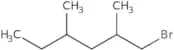
CAS:<p>Versatile small molecule scaffold</p>Formula:C6H8O4Purity:Min. 95%Molecular weight:144.1 g/mol1-Bromo-2,4-dimethylhexane
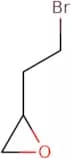
CAS:<p>Versatile small molecule scaffold</p>Formula:C8H17BrPurity:Min. 95%Molecular weight:193.12 g/mol(2-Bromoethyl)oxirane
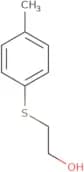
CAS:<p>(2-Bromoethyl)oxirane is an industrial chemical that is a reactive, hydroxylated amine. It is used for the synthesis of pharmaceuticals and other organic compounds. (2-Bromoethyl)oxirane has been shown to induce cancer in animals, and it has also been shown to be carcinogenic in humans. The reaction with hydroxyl groups on proteins leads to the formation of reactive oxygen species that can cause damage to DNA. This chemical may also react with dopamine, which may contribute to degenerative diseases such as Parkinson's disease.</p>Formula:C4H7BrOPurity:Min. 95%Molecular weight:151 g/mol2-(p-Tolylthio)-ethanol
CAS:<p>Versatile small molecule scaffold</p>Formula:C9H12OSPurity:Min. 95%Molecular weight:168.26 g/mol1-[(2-Bromoethyl)sulfanyl]-4-chlorobenzene
CAS:<p>Versatile small molecule scaffold</p>Formula:C8H8BrClSPurity:Min. 95%Molecular weight:251.57 g/mol4-[(2-Bromoethyl)sulfanyl]-1,2-dimethylbenzene
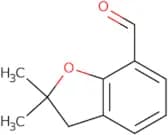
CAS:<p>Versatile small molecule scaffold</p>Formula:C10H13BrSPurity:Min. 95%Molecular weight:245.18 g/mol2,2-Dimethyl-2,3-dihydro-1-benzofuran-7-carbaldehyde
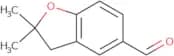
CAS:<p>Versatile small molecule scaffold</p>Formula:C11H12O2Purity:Min. 95%Molecular weight:176.21 g/mol2,2-Dimethyl-2,3-dihydro-benzofuran-5-carbaldehyde
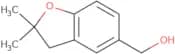
CAS:<p>Versatile small molecule scaffold</p>Formula:C11H12O2Purity:Min. 95%Molecular weight:176.22 g/mol(2,2-Dimethyl-2,3-dihydro-1-benzofuran-5-yl)methanol
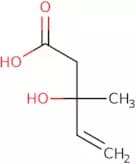
CAS:<p>Versatile small molecule scaffold</p>Formula:C11H14O2Purity:Min. 95%Molecular weight:178.23 g/mol3-Hydroxy-3-methylpent-4-enoic acid
CAS:<p>Versatile small molecule scaffold</p>Formula:C6H10O3Purity:Min. 95%Molecular weight:130.14 g/molN-{4-[(4-Bromophenyl)sulfanyl]phenyl}-2-chloroacetamide
CAS:Versatile small molecule scaffoldFormula:C14H11BrClNOSPurity:Min. 95%Molecular weight:356.7 g/mol2-Chloro-N-[4-(4-methylphenoxy)phenyl]acetamide
CAS:<p>Versatile small molecule scaffold</p>Formula:C15H14ClNO2Purity:Min. 95%Molecular weight:275.73 g/mol2-Chloro-N-[4-(4-ethoxyphenoxy)phenyl]acetamide
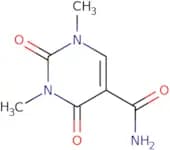
CAS:Versatile small molecule scaffoldFormula:C16H16ClNO3Purity:Min. 95%Molecular weight:305.75 g/mol1,3-Dimethyl-2,4-dioxo-1,2,3,4-tetrahydropyrimidine-5-carboxamide
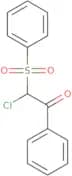
CAS:<p>Versatile small molecule scaffold</p>Formula:C7H9N3O3Purity:Min. 95%Molecular weight:183.16 g/mol2-(Benzenesulfonyl)-2-chloro-1-phenylethan-1-one
CAS:<p>Versatile small molecule scaffold</p>Formula:C14H11ClO3SPurity:Min. 95%Molecular weight:294.8 g/mol2-[Benzyl(methyl)amino]ethane-1-thiol
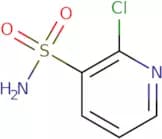
CAS:<p>Versatile small molecule scaffold</p>Formula:C10H15NSPurity:Min. 95%Molecular weight:181.3 g/mol2-Chloro-pyridine-3-sulfonic acid amide
CAS:<p>2-Chloro-pyridine-3-sulfonic acid amide is an intermediate in the synthesis of a variety of biologically potent compounds. It is a noncatalytic amidine that can be prepared by the reaction of 2-chloropyridine with sulfur dioxide and ammonia. 2-Chloro-pyridine-3-sulfonic acid amide has been used as a nucleophile to form chlorides, amidines, and other functionalized chlorides. It is also used in the preparation of chlorinated ethers.</p>Formula:C5H5CIN2O2SPurity:Min. 95%Molecular weight:192.62 g/mol2-Chloro-N-methylpyridine-3-sulfonamide
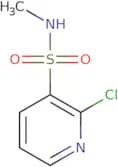
CAS:Versatile small molecule scaffoldFormula:C6H7ClN2O2SPurity:Min. 95%Molecular weight:206.65 g/molPyridine, 3-(1,1-dimethylethyl)-
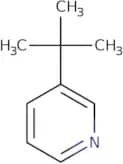
CAS:Pyridine, 3-(1,1-dimethylethyl)- is a ligand that binds to anions. It has been used as a catalyst for the synthesis of vinyl ethers and lactams. Pyridine, 3-(1,1-dimethylethyl)- can be formed from 1-pyridinium ion (from the oxidation of pyridine) and 2-propenal. This reaction is catalyzed by silver ions in the presence of light or heat. Pyridine, 3-(1,1-dimethylethyl)- is also a component of polymer matrices for solar cells.Formula:C9H13NPurity:Min. 95%Molecular weight:135.21 g/molN,3,4-Trimethylaniline
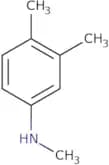
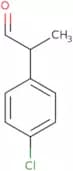
CAS:<p>Versatile small molecule scaffold</p>Formula:C9H13NPurity:Min. 95%Molecular weight:135.21 g/mol2-(4-Chlorophenyl)propanal
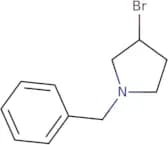
CAS:<p>Versatile small molecule scaffold</p>Formula:C9H9ClOPurity:Min. 95%Molecular weight:168.62 g/mol1-Benzyl-3-bromopyrrolidine
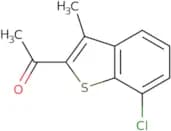
CAS:<p>Versatile small molecule scaffold</p>Formula:C11H14BrNPurity:Min. 95%Molecular weight:240.14 g/mol1-(7-Chloro-3-methyl-1-benzothiophen-2-yl)ethan-1-one
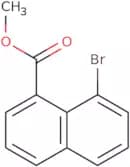
CAS:<p>Versatile small molecule scaffold</p>Formula:C11H9ClOSPurity:Min. 95%Molecular weight:224.71 g/molMethyl 8-bromonaphthalene-1-carboxylate
CAS:<p>Methyl 8-bromonaphthalene-1-carboxylate is a yellow, thermosetting, tinctorial, and pigmented intermediate that is used in the synthesis of anthraquinone dyes. It can be synthesized by reacting aniline with formaldehyde and bromine. Methyl 8-bromonaphthalene-1-carboxylate has a lightfastness rating of good to very good and has been shown to be resistant to high energy radiation. This compound is used in the production of automotive coatings and as a dye intermediate for lightfast colors. Methyl 8-bromonaphthalene-1-carboxylate is also used as an intermediate for the synthesis of isoindolinone dyes.</p>Formula:C12H9BrO2Purity:Min. 95%Molecular weight:265.1 g/molBenzyl piperidine-2-carboxylate hydrochloride
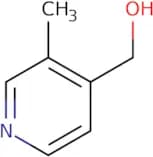
CAS:<p>Versatile small molecule scaffold</p>Formula:C13H18ClNO2Purity:Min. 95%Molecular weight:255.74 g/mol(3-Methylpyridin-4-yl)methanol
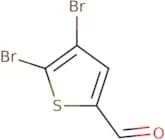
CAS:<p>Versatile small molecule scaffold</p>Formula:C7H9NOPurity:Min. 95%Molecular weight:123.15 g/mol4,5-Dibromothiophene-2-carbaldehyde
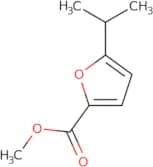
CAS:<p>4,5-Dibromothiophene-2-carbaldehyde is a dehalogenation agent that can be used to convert bromides to thiols. It is a versatile reagent that can be used in Suzuki and coupling reactions with minimal effort. The regioselective use of this reagent has been shown using the coupling of 2,6-dibromo-4-methylthiophene and benzaldehyde.</p>Formula:C5H2Br2OSPurity:Min. 95%Molecular weight:269.94 g/molMethyl 5-(propan-2-yl)furan-2-carboxylate
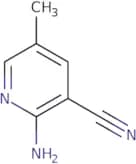
CAS:<p>Versatile small molecule scaffold</p>Formula:C9H12O3Purity:Min. 95%Molecular weight:168.19 g/mol2-Amino-5-methyl-nicotinonitrile
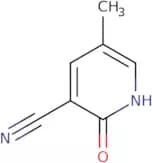
CAS:<p>Versatile small molecule scaffold</p>Formula:C7H7N3Purity:Min. 95%Molecular weight:133.15 g/mol5-Methyl-2-oxo-1,2-dihydropyridine-3-carbonitrile
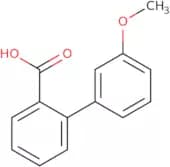
CAS:<p>Versatile small molecule scaffold</p>Formula:C7H6N2OPurity:Min. 95%Molecular weight:134.14 g/mol3'-Methoxybiphenyl-2-carboxylic acid
CAS:Versatile small molecule scaffoldFormula:C14H12O3Purity:Min. 95%Molecular weight:228.25 g/molN-Desmethyl azatadine
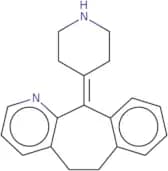
CAS:<p>N-Desmethyl azatadine is a piperidinecarboxylic acid, which is an active metabolite of the antihistamine loratadine and the decongestant azatadine. It is used in the treatment of chronic cough associated with reflux. N-Desmethyl azatadine has been shown to be effective in reducing symptoms of chronic cough in patients with gastroesophageal reflux disease (GERD) or symptomatic GERD. This drug binds to histamine H1 receptors, inhibiting histamine binding and blocking its effects on the body. N-Desmethyl azatadine also inhibits the production of acid by bacteria in the stomach, decreasing acidity and improving symptoms of GERD.</p>Formula:C19H20N2Purity:90% MinMolecular weight:276.38 g/mol2-Methyl-4-phenyl-1,3-thiazol-5-amine
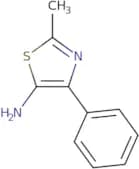
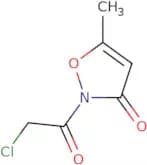
CAS:Versatile small molecule scaffoldFormula:C10H10N2SPurity:Min. 95%Molecular weight:190.27 g/mol2-(2-Chloroacetyl)-5-methyl-2,3-dihydro-1,2-oxazol-3-one
CAS:Versatile small molecule scaffoldFormula:C6H6ClNO3Purity:Min. 95%Molecular weight:175.57 g/molrac-(3aR,6aS)-2H,3H,3aH,4H,6aH-Cyclopenta[b]furan-2-one
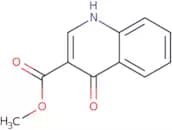
CAS:<p>Versatile small molecule scaffold</p>Formula:C7H8O2Purity:Min. 95%Molecular weight:124.14 g/molMethyl 4-hydroxyquinoline-3-carboxylate
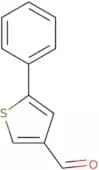
CAS:Versatile small molecule scaffoldFormula:C11H9NO3Purity:Min. 95%Molecular weight:203.19 g/mol5-Phenylthiophene-3-carbaldehyde
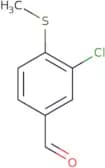
CAS:<p>Versatile small molecule scaffold</p>Formula:C11H8OSPurity:Min. 95%Molecular weight:188.25 g/mol3-Chloro-4-(methylthio)benzaldehyde
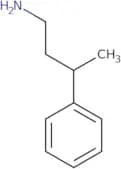
CAS:<p>Versatile small molecule scaffold</p>Formula:C8H7ClOSPurity:Min. 95%Molecular weight:186.66 g/mol3-Phenylbutan-1-amine
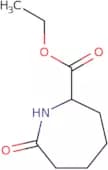
CAS:<p>Versatile small molecule scaffold</p>Formula:C10H15NPurity:Min. 95%Molecular weight:149.23 g/molEthyl 7-oxoazepane-2-carboxylate
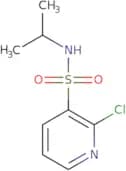
CAS:<p>Versatile small molecule scaffold</p>Formula:C9H15NO3Purity:Min. 95%Molecular weight:185.22 g/mol2-Chloro-N-(propan-2-yl)pyridine-3-sulfonamide
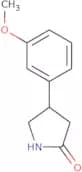
CAS:<p>Versatile small molecule scaffold</p>Formula:C8H11ClN2O2SPurity:Min. 95%Molecular weight:234.7 g/mol4-(3-Methoxyphenyl)pyrrolidin-2-one
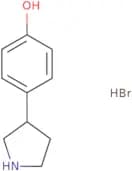
CAS:<p>Versatile small molecule scaffold</p>Formula:C11H13NO2Purity:Min. 95%Molecular weight:191.23 g/mol4-(Pyrrolidin-3-yl)phenol hydrobromide
CAS:<p>Versatile small molecule scaffold</p>Formula:C10H14BrNOPurity:Min. 95%Molecular weight:244.13 g/mol2-[4-(Acetyloxy)phenyl]acetic acid
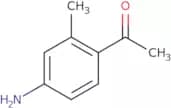
CAS:<p>2-[4-(Acetyloxy)phenyl]acetic acid is a chemical compound that can be synthesized in the laboratory. The compound has a conjugated system at the 4-position of the phenyl ring and a hydroxyl group at the 2-position. This molecule has been used as an intermediate to produce other molecules, including pharmaceuticals and agrochemicals. It is also used to study the conformational changes of protein binding sites and for evaluating the effects of ligands on allosteric binding. 2-[4-(Acetyloxy)phenyl]acetic acid can be processed at room temperature, which makes its use in industry more practical than other compounds. It has been shown to prevent cell proliferation by inhibiting transcriptional activation and by inducing apoptosis, or programmed cell death.</p>Formula:C10H10O4Purity:Min. 95%Molecular weight:194.18 g/mol1-(4-Amino-2-methylphenyl)ethanone
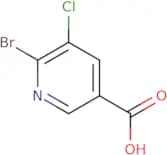
CAS:<p>Versatile small molecule scaffold</p>Formula:C9H11NOPurity:Min. 95%Molecular weight:149.19 g/mol6-Bromo-5-chloropyridine-3-carboxylic acid
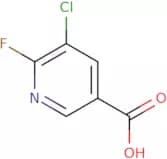
CAS:<p>Versatile small molecule scaffold</p>Formula:C6H3BrClNO2Purity:Min. 95%Molecular weight:236.45 g/mol5-Chloro-6-fluoronicotinic acid
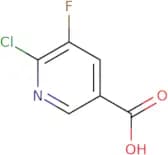
CAS:<p>Versatile small molecule scaffold</p>Formula:C6H3ClFNO2Purity:Min. 95%Molecular weight:175.55 g/mol6-Chloro-5-fluoronicotinic acid
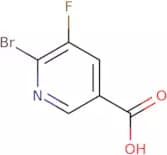
CAS:<p>Versatile small molecule scaffold</p>Formula:C6H3ClFNO2Purity:Min. 95%Molecular weight:175.55 g/mol6-Bromo-5-fluoronicotinic acid
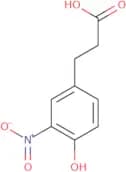
CAS:Versatile small molecule scaffoldFormula:C6H3BrFNO2Purity:Min. 95%Molecular weight:220 g/mol3-(4-Hydroxy-3-nitrophenyl)propanoic acid
CAS:<p>Versatile small molecule scaffold</p>Formula:C9H9NO5Purity:Min. 95%Molecular weight:211.17 g/mol5-Sulfanyl-8-thia-4,6-diazatricyclo[7.4.0.0,2,7]trideca-1(9),2(7),5-trien-3-one
CAS:Versatile small molecule scaffoldFormula:C10H10N2OS2Purity:Min. 95%Molecular weight:238.3 g/mol4-Methyl-5-sulfanyl-8-thia-4,6-diazatricyclo[7.4.0.0,2,7]trideca-1(9),2(7),5-trien-3-one
CAS:Versatile small molecule scaffoldFormula:C11H12N2OS2Purity:Min. 95%Molecular weight:252.4 g/mol5,6-Dimethyl-2-thioxo-2,3-dihydrothieno[2,3-d]pyrimidin-4(1H)-one
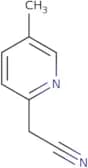
CAS:<p>Versatile small molecule scaffold</p>Formula:C8H8N2OS2Purity:Min. 95%Molecular weight:212.29 g/mol2-(5-Methylpyridin-2-yl)acetonitrile
CAS:<p>Versatile small molecule scaffold</p>Formula:C8H8N2Purity:Min. 95%Molecular weight:132.16 g/mol5-Ethyl-4-methyl-2,3-dihydro-1,3-thiazole-2-thione
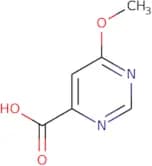
CAS:<p>Versatile small molecule scaffold</p>Formula:C6H9NS2Purity:Min. 95%Molecular weight:159.3 g/mol6-Methoxypyrimidine-4-carboxylic acid
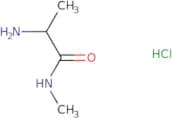
CAS:<p>6-Methoxy pyrimidine-4-carboxylic acid is a heterocyclic carboxylic acid that has been shown to be an effective herbicide, molluscicide, and insecticide. It is used as a plant growth regulator in the treatment of rice blast disease. 6-Methoxy pyrimidine-4-carboxylic acid also has synergistic effects when combined with other herbicides, such as 2,4-D. This compound can be used as a disinfectant or insect repellent due to its ability to kill insects by interfering with their pheromones. 6-Methoxy pyrimidine-4-carboxylic acid is an insecticidal agent that belongs to the group of pyrazole derivatives. It is effective against many different types of insects including mosquitoes, cockroaches, and termites. It works by interfering with the synthesis of proteins that are necessary for cellular respiration in insects</p>Formula:C6H6N2O3Purity:Min. 95%Molecular weight:154.12 g/mol2-Amino-N-methylpropanamide hydrochloride
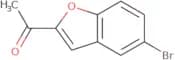
CAS:<p>Versatile small molecule scaffold</p>Formula:C4H11ClN2OPurity:Min. 95%Molecular weight:138.6 g/mol1-(5-Bromo-1-benzofuran-2-yl)ethanone
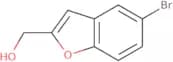
CAS:<p>1-(5-Bromo-1-benzofuran-2-yl)ethanone (5BBF) is an activated brominated benzofuran derivative. It has been shown to inhibit the formation of heterocyclic amines, which are known to be carcinogenic. 5BBF also inhibits the activation of chalcone into chloroacetone by cross-coupling reactions with hydrochloric acid and ethylidene chloride. This compound is a potential candidate for the prevention of cancer from dietary sources due to its ability to inhibit the formation of carcinogens in food.</p>Formula:C10H7BrO2Purity:Min. 95%Molecular weight:239.07 g/mol(5-Bromo-1-benzofuran-2-yl)methanol
CAS:<p>Versatile small molecule scaffold</p>Formula:C9H7BrO2Purity:Min. 95%Molecular weight:227.05 g/mol2-Chloro-6-hydroxy-3-nitrobenzaldehyde
CAS:<p>Versatile small molecule scaffold</p>Formula:C7H4ClNO4Purity:Min. 95%Molecular weight:201.56 g/mol2-Methyltetradecan-1-ol
CAS:<p>2-Methyltetradecan-1-ol is an attractant and extract that is obtained by reesterification and saponification of sawflies. It has been shown to be effective as an attractant against neodiprion, a type of insect. 2-Methyltetradecan-1-ol has also been synthesized in the laboratory. The synthesis of this chemical is racemic, which means that it can react with either enantiomer of other organic compounds. Esterification reactions are used to make esters from carboxylic acids and alcohols, which are the main building blocks for many synthetic chemicals.</p>Formula:C15H32OPurity:Min. 95%Molecular weight:228.41 g/mol3-Chloro-4-sulfanylbenzonitrile
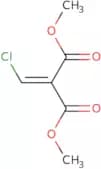
CAS:<p>Versatile small molecule scaffold</p>Formula:C7H4ClNSPurity:Min. 95%Molecular weight:169.63 g/mol1,3-Dimethyl 2-(chloromethylidene)propanedioate
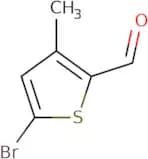
CAS:<p>Versatile small molecule scaffold</p>Formula:C6H7ClO4Purity:Min. 95%Molecular weight:178.57 g/mol5-Bromo-3-methylthiophene-2-carbaldehyde
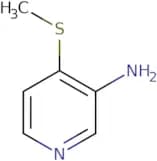
CAS:Versatile small molecule scaffoldFormula:C6H5BrOSPurity:Min. 95%Molecular weight:205.07 g/mol4-(Methylsulfanyl)pyridin-3-amine
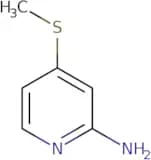
CAS:<p>Versatile small molecule scaffold</p>Formula:C6H8N2SPurity:Min. 95%Molecular weight:140.21 g/mol4-(Methylsulfanyl)pyridin-2-amine
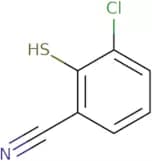
CAS:<p>Versatile small molecule scaffold</p>Formula:C6H8N2SPurity:Min. 95%Molecular weight:140.21 g/mol3-Chloro-2-mercaptobenzonitrile
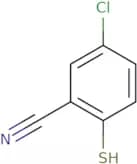
CAS:<p>Versatile small molecule scaffold</p>Formula:C7H4ClNSPurity:Min. 95%Molecular weight:169.63 g/mol5-Chloro-2-sulfanylbenzonitrile
CAS:<p>Versatile small molecule scaffold</p>Formula:C7H4ClNSPurity:Min. 95%Molecular weight:169.63 g/mol(2R)-2-Amino-3-[(2-hydroxyethyl)disulfanyl]propanoic acid
CAS:Acetaminophen is a drug that has been used as an analgesic, antipyretic, and anti-inflammatory agent. It is most commonly used in the United States for pain relief from headaches, muscle aches, arthritis, colds and other minor ailments. Acetaminophen can cause liver injury when taken in large doses or on an empty stomach. This drug's toxicity may be due to its ability to inhibit the synthesis of glutathione ethyl ester (GTE) by cytochrome P450 isozymes. The GTE is a major antioxidant that protects cells against oxidative stress and it has been shown to be hepatoprotective in animals. The acetaminophen-induced hepatotoxicity may also be due to the inhibition of protein synthesis by acetaminophen at physiological levels.Formula:C5H11NO3S2Purity:Min. 95%Molecular weight:197.3 g/mol(1R,2S,4S)-rel-7-Oxabicyclo[2.2.1]heptane-2-carboxylic acid
CAS:(1R,2S,4S)-rel-7-Oxabicyclo[2.2.1]heptane-2-carboxylic acid is a carbamate that is a selective antagonist of the a2a receptor. It can be used for the treatment of glaucoma and other diseases involving the a2a receptor. The lipase enzyme catalyzes the hydrolysis of (1R,2S,4S)-rel-7-Oxabicyclo[2.2.1]heptane-2-carboxylic acid to yield an enantiomerically pure butyl ester that is then converted by hydrazine into an enantiomerically pure heptane-2-carboxylic acid product. This process occurs in microreactors at high yields and with minimal use of organic solvents, making it scalable and economically viable for industrial production.Formula:C7H10O3Purity:Min. 95%Molecular weight:142.15 g/molPK11007
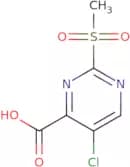
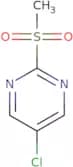
CAS:<p>PK11007 is a novel anticancer drug that has been shown to have an anti-cancer effect on breast cancer cell lines. PK11007 binds to DNA and inhibits the transcriptional regulation of genes. It also has been shown to be a predictive biomarker for prognosis, as well as being sensitive to changes in cellular environment. This drug is synthesized from the secondary metabolite dibenzo[a,j]pyrene-7,8-diol, which is found in Astragalus membranaceus. The synthesis method involves the use of palladium catalyzed reductive amination and oxidation of dibenzo[a,j]pyrene-7,8-diol with sodium sulfide.</p>Formula:C6H5ClN2O4SPurity:Min. 95%Molecular weight:236.63 g/mol5-Chloro-2-(methylsulfonyl)pyrimidine
CAS:<p>5-Chloro-2-(methylsulfonyl)pyrimidine (CMP) is a herbicide that inhibits the growth of plants by blocking photosynthesis. It prevents the production of chlorophyll, which is necessary for photosynthesis to occur. CMP has been shown to be effective against weeds in Australia, where it is used as a preemergence herbicide on rice fields. This compound also has a tendency to decarboxylate and form methyl sulfates when heated or when exposed to ultraviolet light. CMP is an electrophile and reacts with nucleophiles such as sulfates, hydroxyl groups, and aromatic rings.</p>Formula:C5H5ClN2O2SPurity:Min. 95%Molecular weight:192.63 g/molDodecanedial
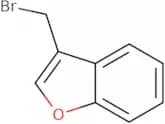
CAS:<p>Dodecanedial is a biological compound that is activated by radiation and has been shown to have cancer-fighting properties. Dodecanedial can be used in the synthesis of polyvinyl alcohol, which is used in the production of vinyl alcohol, a precursor for many organic compounds. Dodecanedial binds to insulin receptors and has been shown to prevent the development of insulin resistance. It also inhibits pancreatitis by suppressing lipase activity. Dodecanedial has been shown to react with potassium phosphate, forming dodecane-1,2-diolate potassium phosphate. This reaction vessel is an important step in the synthesis of various biologically active compounds such as insulin and thyroxine.</p>Formula:C12H22O2Purity:Min. 95%Molecular weight:198.3 g/mol3-(Bromomethyl)-1-benzofuran
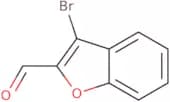
CAS:<p>3-Bromomethyl-1-benzofuran (3BMBF) is a dopamine D2 receptor antagonist. It is structurally related to the antipsychotic drug benperidol, but has a higher affinity for the dopamine D2 receptor. 3BMBF has shown selectivity for the dopamine D2 receptor, with little effect on other receptors such as the serotonin 5HT1A and 5HT2A receptors. 3BMBF is an aromatic compound with a heteroaromatic ring system that has been shown to have high affinity for the dopamine D2 receptor.</p>Formula:C9H7BrOPurity:Min. 95%Molecular weight:211.05 g/mol3-Bromo-1-benzofuran-2-carbaldehyde
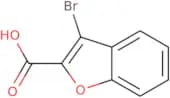
CAS:<p>Versatile small molecule scaffold</p>Formula:C9H5BrO2Purity:Min. 95%Molecular weight:225.04 g/mol3-bromo-1-benzofuran-2-carboxylic acid
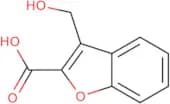
CAS:<p>Versatile small molecule scaffold</p>Formula:C9H5BrO3Purity:Min. 95%Molecular weight:241 g/mol3-(Hydroxymethyl)-1-benzofuran-2-carboxylic acid
CAS:<p>Versatile small molecule scaffold</p>Formula:C10H8O4Purity:Min. 95%Molecular weight:192.17 g/mol2-{[(tert-butoxy)carbonyl]amino}-4-hydroxybutanoic acid
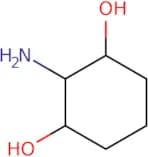
CAS:<p>Versatile small molecule scaffold</p>Formula:C9H17NO5Purity:Min. 95%Molecular weight:219.2 g/molrac-(1R,2R,3S)-2-Aminocyclohexane-1,3-diol
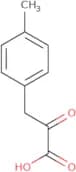
CAS:Versatile small molecule scaffoldFormula:C6H13NO2Purity:Min. 95%Molecular weight:131.17 g/mol3-(4-Methylphenyl)-2-oxopropanoic acid
CAS:<p>3- (4-Methylphenyl)-2-oxopropanoic acid is an aromatic amino acid that is formed by the biotransformations of phenylpyruvic acid. The compound has been found to be a substrate for transaminases and can be converted to semicarbazone, an intermediate in the synthesis of many drugs. 3-(4-methylphenyl)-2-oxopropanoic acid has also been used as a catalyst for escherichia coli recombinant cells and e. coli recombinant cells.</p>Formula:C10H10O3Purity:Min. 95%Molecular weight:178.18 g/mol[(Oxolan-2-yl)methyl]urea
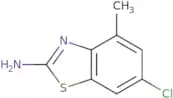
CAS:<p>Versatile small molecule scaffold</p>Formula:C6H12N2O2Purity:Min. 95%Molecular weight:144.17 g/mol6-Chloro-4-methyl-benzothiazol-2-ylamine
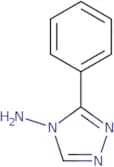
CAS:<p>Versatile small molecule scaffold</p>Formula:C8H7ClN2SPurity:Min. 95%Molecular weight:198.68 g/mol3-Phenyl-4H-1,2,4-triazol-4-amine
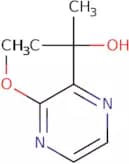
CAS:<p>Versatile small molecule scaffold</p>Formula:C8H8N4Purity:Min. 95%Molecular weight:160.18 g/mol2-(1-Hydroxy-1-methylethyl)-3-methoxypyrazine
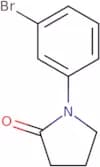
CAS:<p>2-(1-Hydroxy-1-methylethyl)-3-methoxypyrazine is a metabolite of the compound crocatus, which is found in the soil. Crocatus has been shown to inhibit the biosynthesis of geosmin, a volatile organic compound that can be responsible for the earthy or musty smells often associated with wet soils. 2-(1-Hydroxy-1-methylethyl)-3-methoxypyrazine is also produced by the myxobacterium species Chondromyces crocatus, and it has been shown that this metabolite inhibits bacterial growth by binding to RNA polymerase. This process prevents transcription, leading to cell death.</p>Formula:C8H12N2O2Purity:Min. 95%Molecular weight:168.19 g/mol1-(3-Bromophenyl)pyrrolidin-2-one
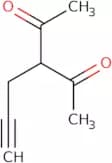
CAS:<p>Versatile small molecule scaffold</p>Formula:C10H10BrNOPurity:Min. 95%Molecular weight:240.1 g/mol3-(Prop-2-yn-1-yl)pentane-2,4-dione
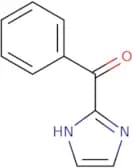
CAS:<p>Versatile small molecule scaffold</p>Formula:C8H10O2Purity:Min. 95%Molecular weight:138.16 g/mol2-Benzoyl-1H-imidazole
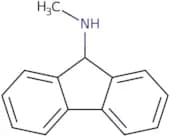
CAS:<p>2-Benzoyl-1H-imidazole is a cancer drug that has been shown to be effective against prostate cancer. 2-Benzoyl-1H-imidazole is a reaction product of 1,2,4-triazole and benzamide. It was synthesized by solid-phase synthesis on a resin containing the corresponding nitro groups. The nitrogen atoms are neutralized with sodium salts and the detergent compositions are reactive to form an antitumor agent. This agent is not active against other types of cancer cells and has been shown to be resistant in some cases. 2-Benzoyl-1H-imidazole has also been used in a medicinal preparation for the treatment of prostate cancer.</p>Formula:C10H8N2OPurity:Min. 95%Molecular weight:172.18 g/molN-Methyl-9H-fluoren-9-amine
CAS:Versatile small molecule scaffoldFormula:C14H13NPurity:Min. 95%Molecular weight:195.26 g/mol6-Methyl-3H,4H-thieno[2,3-d][1,2,3]triazin-4-one
CAS:<p>Versatile small molecule scaffold</p>Formula:C6H5N3OSPurity:Min. 95%Molecular weight:167.19 g/mol5,6-Dimethyl-3H,4H-thieno[2,3-d][1,2,3]triazin-4-one
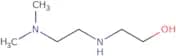
CAS:<p>Versatile small molecule scaffold</p>Formula:C7H7N3OSPurity:Min. 95%Molecular weight:181.22 g/mol2-(2-Dimethylamino-ethylamino)-ethanol
CAS:<p>2-(2-Dimethylamino-ethylamino)-ethanol is an organogold compound that has been synthesized by irradiating 2-(2-dimethylamino-ethyl)aminopyridine with gamma rays. This compound is a ligand for the phthalocyanine axial coordination complex and is cationic in nature. It reacts with sulfur to form a sulfide, which can be used as a reagent for the synthesis of other compounds. 2-(2-Dimethylamino-ethylamino)-ethanol has shown hydrophilicity and can be used as an additive in cosmetic products.<br>2-(2-Dimethylamino-ethylamino)-ethanol has been found to have high reactivity with ammonium ions and may be useful in the preparation of amides.</p>Formula:C6H16N2OPurity:Min. 95%Molecular weight:132.2 g/mol[1,2,4]Triazolo[1,5-a]pyrazin-2-amine
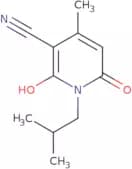
CAS:<p>Versatile small molecule scaffold</p>Formula:C5H5N5Purity:Min. 95%Molecular weight:135.13 g/mol6-Hydroxy-4-methyl-1-(2-methylpropyl)-2-oxo-1,2-dihydropyridine-3-carbonitrile
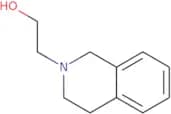
CAS:Versatile small molecule scaffoldFormula:C11H14N2O2Purity:Min. 95%Molecular weight:206.24 g/mol2-(3,4-Dihydroisoquinolin-2(1H)-yl)ethanol
CAS:<p>2-(3,4-Dihydroisoquinolin-2(1H)-yl)ethanol is a quinoline derivative that has been shown to inhibit the growth of tumour cells. It has been shown to induce cell death in hepatoma cell lines and inhibit the proliferation of human tumour cells. This compound binds to choline receptors on the surface of cancer cells, inhibiting the release of neurotransmitter acetylcholine which is involved in many cellular processes including muscle contraction and nerve conduction. 2-(3,4-Dihydroisoquinolin-2(1H)-yl)ethanol also inhibits lipid peroxidation and induces apoptosis by binding to iron in mitochondria.</p>Formula:C11H15NOPurity:Min. 95%Molecular weight:177.24 g/mol3-(1,2,3,4-Tetrahydroquinolin-1-yl)propan-1-ol
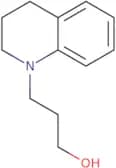
CAS:<p>Versatile small molecule scaffold</p>Formula:C12H17NOPurity:Min. 95%Molecular weight:191.27 g/molN-(2-Aminoethyl)morpholine-4-carboxamide hydrochloride
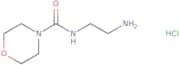
CAS:Versatile small molecule scaffoldFormula:C7H16ClN3O2Purity:Min. 95%Molecular weight:209.67 g/mol2-Amino-1-(2,5-dichlorothiophen-3-yl)ethan-1-one hydrochloride
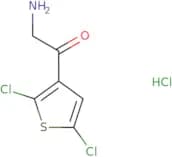
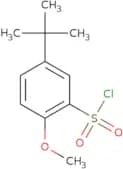
CAS:<p>Versatile small molecule scaffold</p>Formula:C6H6Cl3NOSPurity:Min. 95%Molecular weight:246.5 g/mol5-tert-Butyl-2-methoxy-benzenesulfonyl chloride
CAS:Versatile small molecule scaffoldFormula:C11H15ClO3SPurity:Min. 95%Molecular weight:262.76 g/molMethyl imidazo[1,2-a]pyridine-5-carboxylate
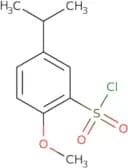
CAS:<p>Methyl imidazo[1,2-a]pyridine-5-carboxylate is a fluorescent compound that can be used as a reagent to measure the activity of esterases. It has been shown to bind to 4-methylumbelliferone and react with it in a process that is catalyzed by esterases. 4-Methylumbelliferone is a fluorescent compound that can be used as a substrate for estersase activity.</p>Formula:C9H8N2O2Purity:Min. 95%Molecular weight:176.17 g/mol5-Isopropyl-2-methoxybenzene-1-sulfonyl chloride
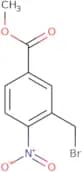
CAS:<p>Versatile small molecule scaffold</p>Formula:C10H13ClO3SPurity:Min. 95%Molecular weight:248.73 g/molMethyl 3-(bromomethyl)-4-nitrobenzoate
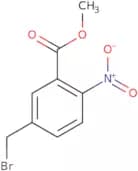
CAS:<p>Methyl 3-(bromomethyl)-4-nitrobenzoate is a chemical compound that belongs to the group of medicinal compounds. It has been shown to be nontoxic in mice, and stimulates the production of nitric oxide in macrophages by activating toll-like receptor-4. Methyl 3-(bromomethyl)-4-nitrobenzoate is also catalytic for the synthesis of palladium complexes with a variety of ligands, including acetates, carbonates, and chlorides. This chemical has been used as a probe for identifying proteins involved in cell signaling pathways and as a screening tool for the identification of new therapeutic targets.</p>Formula:C9H8BrNO4Purity:Min. 95%Molecular weight:274.07 g/molMethyl 5-(bromomethyl)-2-nitrobenzoate
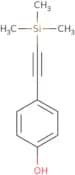
CAS:Versatile small molecule scaffoldFormula:C9H8BrNO4Purity:Min. 95%Molecular weight:274.07 g/mol4-((Trimethylsilyl)ethynyl)phenol
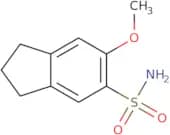
CAS:<p>4-((Trimethylsilyl)ethynyl)phenol is an analog of 4-hydroxytamoxifen, which is a synthetic estrogen. 4-((Trimethylsilyl)ethynyl)phenol has been shown to be a potent, selective, and irreversible antagonist of estradiol at the ERβ receptor. It has also been shown to have anti-inflammatory activities. The compound is soluble in organic solvents.</p>Formula:C11H14OSiPurity:Min. 95%Molecular weight:190.32 g/mol6-Methoxy-2,3-dihydro-1H-indene-5-sulfonamide
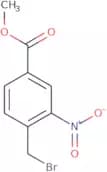
CAS:<p>Versatile small molecule scaffold</p>Formula:C10H13NO3SPurity:Min. 95%Molecular weight:227.3 g/molMethyl 4-(bromomethyl)-3-nitrobenzoate
CAS:<p>Methyl 4-(bromomethyl)-3-nitrobenzoate is a nitro compound that has been found to have anti-leishmanial activity. It inhibits the growth of Leishmania spp. and reverses the resistance to estradiol in Leishmania donovani, leading to a decrease in parasite load and an increase in survival time. Methyl 4-(bromomethyl)-3-nitrobenzoate is synthesized by coupling activated methyl 3-nitrobenzoate with bromoacetic acid. The nitro group can be photolabile and easily cleaved by ultraviolet light, which makes this drug suitable for use as a photosensitizer for photodynamic therapy (PDT). This drug has been shown to be effective against human cells in vitro, but not against mouse or rat cells.</p>Formula:C9H8BrNO4Purity:Min. 95%Molecular weight:274.07 g/molButyl(3-chloropropyl)amine hydrochloride
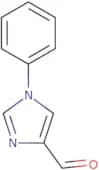
CAS:<p>Versatile small molecule scaffold</p>Formula:C7H17Cl2NPurity:Min. 95%Molecular weight:186.12 g/mol1-Phenyl-1H-imidazole-4-carbaldehyde
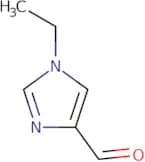
CAS:Versatile small molecule scaffoldFormula:C10H8N2OPurity:Min. 95%Molecular weight:172.18 g/mol1-Ethyl-1H-imidazole-4-carbaldehyde
CAS:<p>Versatile small molecule scaffold</p>Formula:C6H8N2OPurity:Min. 95%Molecular weight:124.14 g/mol4-(1H-1,3-Benzodiazol-2-yl)-1-methyl-1H-pyrazol-5-amine
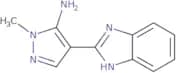
CAS:Versatile small molecule scaffoldFormula:C11H11N5Purity:Min. 95%Molecular weight:213.24 g/mol4-Acetylthiophene-2-carboxylic acid
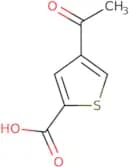
CAS:<p>Versatile small molecule scaffold</p>Formula:C7H6O3SPurity:Min. 95%Molecular weight:170.19 g/mol4-Bromo-2,5-dimethylbenzaldehyde
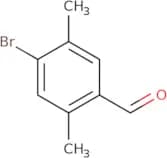
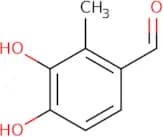
CAS:<p>4-Bromo-2,5-dimethylbenzaldehyde is a chiral compound with photoelectrochemical properties. It has been shown to be an efficient sensitizer for introducing fluorophores into organic materials, such as polymers and plastics. 4-Bromo-2,5-dimethylbenzaldehyde is also a fluorescent compound that can be used in affinity tests. It has been used in optical voltammetry to study the oxidation of organic compounds. The photovoltaic effect of this compound has been studied using cyclic voltammetry and ultrafast spectroscopy. 4-Bromo-2,5-dimethylbenzaldehyde has been applied in transfer and transport experiments on ruthenium surfaces. This enantiomer is also used as a catalyst for the synthesis of other compounds.</p>Formula:C9H9BrOPurity:Min. 95%Molecular weight:213.07 g/mol3,4-Dihydroxy-2-methylbenzaldehyde
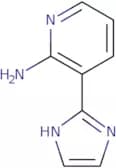
CAS:<p>Versatile small molecule scaffold</p>Formula:C8H8O3Purity:Min. 95%Molecular weight:152.15 g/mol3-(1H-Imidazol-2-yl)pyridin-2-amine
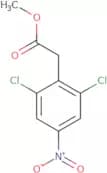
CAS:<p>Versatile small molecule scaffold</p>Formula:C8H8N4Purity:Min. 95%Molecular weight:160.18 g/molMethyl 2-(2,6-dichloro-4-nitrophenyl)acetate
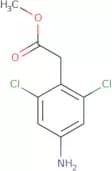
CAS:<p>Versatile small molecule scaffold</p>Formula:C9H7Cl2NO4Purity:Min. 95%Molecular weight:264.06 g/molMethyl 2-(4-amino-2,6-dichlorophenyl)acetate
CAS:<p>Versatile small molecule scaffold</p>Formula:C9H9Cl2NO2Purity:Min. 95%Molecular weight:234.08 g/mol4-[(Trifluoromethyl)sulphonyl]phenol
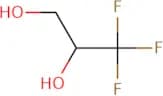
CAS:<p>4-[(Trifluoromethyl)sulphonyl]phenol is a hydrogen peroxide-releasing molecule that has been shown to be a strong electron donor. It is used as a catalyst in organic synthesis and can also act as a photochromic agent. 4-[(Trifluoromethyl)sulphonyl]phenol has the ability to form radicals with electron-deficient molecules such as carboxylic acids, alcohols, and amines. This process is called nitrating and can lead to reduction reactions with indoline or other aromatic compounds. 4-[(Trifluoromethyl)sulphonyl]phenol can also reduce hydrogen peroxide by transferring electrons from its phenolic hydroxyl group to the peroxide molecule, which leads to the formation of water and oxygen gas.</p>Formula:C7H5F3O3SPurity:Min. 95%Molecular weight:226.17 g/mol3,3,3-Trifluoropropane-1,2-diol
CAS:<p>3,3,3-Trifluoropropane-1,2-diol is a model compound that is synthesized from the reaction of phosphorus pentachloride and ethanolamine in the presence of irradiation. The product is an alcohol with three hydroxyl groups, which can be used for different reactions. 3,3,3-Trifluoropropane-1,2-diol has an active hydrogen bond that can form a hydrogen bond with an amino acid or phosphate group in a protein. It also has a trifluoromethyl group that can react with other compounds and cause them to be more toxic than they would otherwise be. 3,3,3-Trifluoropropane-1,2-diol has been shown to react with glutamic acid in model studies to form a cyclic amine.</p>Formula:C3H5F3O2Purity:Min. 95%Molecular weight:130.07 g/molBromofluoroacetamide
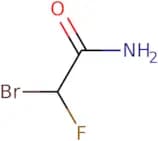
CAS:<p>Bromofluoroacetamide is a halopyridine chemical compound that is used as an antibacterial agent. It has been shown to inhibit the growth of bacteria, such as Gram-positive and Gram-negative bacteria, by binding to their cell membranes and dissociating into bromide ions. This drug also has anticancer properties, which may be due to its ability to interfere with the cell cycle and DNA synthesis. Bromofluoroacetamide has two isomers: 2-bromo-N-2,2-difluoroacetamidobenzene (DFAA) and 2,4-dibromoacetanilide (DABA). DFAA is more potent than DABA against Gram-positive bacteria.</p>Formula:C2H3BrFNOPurity:Min. 95%Molecular weight:155.95 g/mol5-(4-Fluorophenyl)-5-methylimidazolidine-2,4-dione
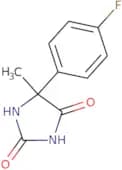
CAS:<p>5-(4-Fluorophenyl)-5-methylimidazolidine-2,4-dione is a hydantoin derivative. It has an acceptor group and a coplanar benzene ring with two carbonyl chains. The dihedral angle between the two carbonyl groups is about 180 degrees, and the hydrogen bonds are formed between the carbonyl groups and the hydrogen atoms of the benzene ring. This compound has one hydroxyl group and can be classified as an alpha type.</p>Formula:C10H9FN2O2Purity:Min. 95%Molecular weight:208.19 g/mol2,2,3,3,3-Pentafluoropropane-1,1-diol
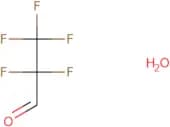
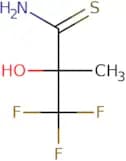
CAS:<p>Versatile small molecule scaffold</p>Formula:C3H3F5O2Purity:Min. 95%Molecular weight:166.05 g/mol3,3,3-Trifluoro-2-hydroxy-2-methylpropanethioamide
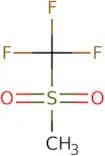
CAS:Versatile small molecule scaffoldFormula:C4H6F3NOSPurity:Min. 95%Molecular weight:173.16 g/molTrifluoro(methanesulfonyl)methane
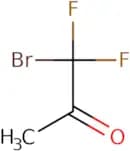
CAS:<p>Trifluoro(methanesulfonyl)methane is an organic solvent that can be used as a nucleophilic agent in reactions with metal ions to form metal trifluoromethanesulfonates. This compound is an additive for gasoline and other petroleum products, and it has been shown to have a high efficiency in the removal of nitrogen dioxide from the atmosphere. Trifluoro(methanesulfonyl)methane hydrolyzes in water and reacts with acid catalysts. It is also used in the production of phosphazenes, carbonyls, and electrolytes. In addition, this compound has functional groups that are reactive towards c1-6 alkyl group additions.</p>Formula:C2H3F3O2SPurity:Min. 97%Molecular weight:148.11 g/mol1-Bromo-1,1-difluoropropan-2-one
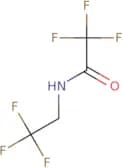
CAS:<p>Versatile small molecule scaffold</p>Formula:C3H3BrF2OPurity:Min. 95%Color and Shape:Clear LiquidMolecular weight:172.96 g/mol2,2,2-Trifluoro-N-(2,2,2-trifluoroethyl)acetamide
CAS:<p>Versatile small molecule scaffold</p>Formula:C4H3F6NOPurity:Min. 95%Molecular weight:195.06 g/molEthyl 3,3-difluoroprop-2-enoate
CAS:<p>Versatile small molecule scaffold</p>Formula:C5H6F2O2Purity:Min. 95%Molecular weight:136.1 g/molN-(3,3,3-Trifluoropropyl)aniline
CAS:<p>Versatile small molecule scaffold</p>Formula:C9H10F3NPurity:Min. 95%Molecular weight:189.18 g/mol2-[(3-Fluorophenyl)amino]ethan-1-ol
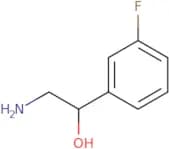
CAS:<p>Versatile small molecule scaffold</p>Formula:C8H10FNOPurity:Min. 95%Molecular weight:155.17 g/mol2-Amino-1-(3-fluorophenyl)ethanol
CAS:<p>Versatile small molecule scaffold</p>Formula:C8H10FNOPurity:Min. 95%Molecular weight:155.17 g/mol4-Ethoxybenzene-1-sulfonyl fluoride
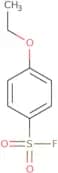
CAS:<p>Versatile small molecule scaffold</p>Formula:C8H9FO3SPurity:Min. 95%Molecular weight:204.22 g/molN-(2-Fluoro-4-sulfamoylphenyl)acetamide
CAS:<p>Versatile small molecule scaffold</p>Formula:C8H9FN2O3SPurity:Min. 95%Molecular weight:232.23 g/mol2-Bromo-1-methoxy-4-(trifluoromethyl)benzene
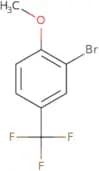
CAS:<p>Versatile small molecule scaffold</p>Formula:C8H6BrF3OPurity:Min. 95%Molecular weight:255.03 g/mol2-Bromo-1-ethenyl-4-(trifluoromethyl)benzene
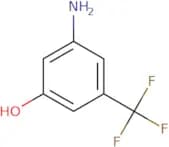
CAS:Versatile small molecule scaffoldFormula:C9H6BrF3Purity:Min. 95%Molecular weight:251.04 g/mol3-Amino-5-(trifluoromethyl)phenol
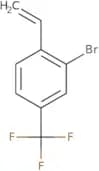
CAS:<p>Versatile small molecule scaffold</p>Formula:C7H6F3NOPurity:Min. 95%Molecular weight:177.12 g/mol3-Acetamido-4-fluorobenzoic acid
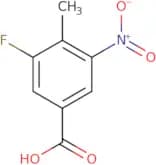
CAS:<p>3-Acetamido-4-fluorobenzoic acid is a nicotinic acetylcholine receptor agonist. It has been shown to modulate the activity of nicotinic acetylcholine receptors in animals, and may be effective against cancer and infectious diseases. 3-Acetamido-4-fluorobenzoic acid has been shown to increase insulin sensitivity in mice with type 2 diabetes by increasing the production of glucose transporter 1 (GLP1) in the pancreas. 3-Acetamido-4-fluorobenzoic acid also binds to the polymer film that surrounds the insulin granule, which prevents the release of insulin into the blood stream. This drug can be used for pharmaceutical dosage as well as for treating metabolic disorders such as insulin resistance.</p>Formula:C9H8FNO3Purity:Min. 95%Molecular weight:197.16 g/mol3-Fluoro-4-methyl-5-nitrobenzoic acid
CAS:<p>Versatile small molecule scaffold</p>Formula:C8H6FNO4Purity:Min. 95%Molecular weight:199.14 g/mol4-Ethoxy-3-fluoroaniline
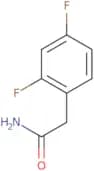
CAS:<p>4-Ethoxy-3-fluoroaniline is a kinase inhibitor that inhibits the activity of protein kinases. It is an analog of 4-ethoxy-3-fluorophenylalanine and has shown in vivo activity. 4-Ethoxy-3-fluoroaniline binds to the ATP binding site at the N terminus of the enzyme, which prevents ATP from binding and thus inhibits its function. The compound can be used as a starting material for more potent inhibitors of protein kinases.</p>Formula:C8H10FNOPurity:Min. 95%Molecular weight:155.17 g/mol2-(2,4-Difluorophenyl)acetamide
CAS:<p>Versatile small molecule scaffold</p>Formula:C8H7F2NOPurity:Min. 95%Molecular weight:171.14 g/mol2-Fluoro-4,5-dimethoxyaniline
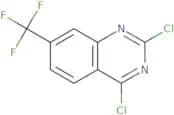
CAS:<p>Versatile small molecule scaffold</p>Formula:C8H10FNO2Purity:Min. 95%Molecular weight:171.17 g/mol2,4-dichloro-7-(trifluoromethyl)quinazoline
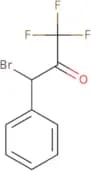
CAS:<p>Versatile small molecule scaffold</p>Formula:C9H3Cl2F3N2Purity:Min. 95%Molecular weight:267.03 g/mol3-Bromo-1,1,1-trifluoro-3-phenylpropan-2-one
CAS:<p>Versatile small molecule scaffold</p>Formula:C9H6BrF3OPurity:Min. 95%Molecular weight:267.04 g/mol2-Amino-1-(3-fluorophenyl)propan-1-ol hydrochloride
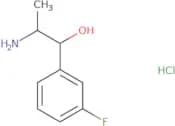
CAS:Controlled Product<p>Versatile small molecule scaffold</p>Formula:C9H13ClFNOPurity:Min. 95%Molecular weight:205.66 g/mol5-Fluoro-isoquinoline
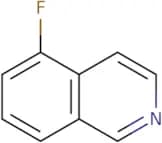
CAS:<p>Versatile small molecule scaffold</p>Formula:C9H6FNPurity:Min. 95%Molecular weight:147.15 g/mol2-Fluoro-4-hydroxy-5-nitrobenzaldehyde
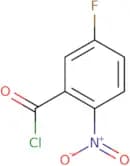
CAS:<p>Versatile small molecule scaffold</p>Formula:C7H4FNO4Purity:Min. 95%Molecular weight:185.11 g/mol5-Fluoro-2-nitrobenzoyl chloride
CAS:<p>5-Fluoro-2-nitrobenzoyl chloride is a conformationally locked macrocyclic compound that has been synthesized by solid phase synthesis. It is found in two conformational states and can be made to switch between these two states by applying a force to the molecule. This conformation can be controlled by changing the side chain of 5-fluoro-2-nitrobenzoyl chloride, which can be done experimentally. The conformational behavior of this macrocycle was studied using molecular dynamics simulations and it was found that there are four possible conformations for the molecule. The conformations with different side chains were found to have different energies, which could be used as a measure of their relative stability.</p>Formula:C7H3ClFNO3Purity:Min. 95%Molecular weight:203.55 g/molD-Alanine
CAS:<p>D-Alanine is a versatile building block that can be used as a reagent or speciality chemical in research. It is also an important intermediate for the production of other chemicals and useful scaffold for drug design. D-Alanine (CAS No. 338-69-2) is a high quality, fine chemical that can be used as a reaction component to synthesize many complex compounds. D-Alanine is also an important intermediate for the production of other chemicals and useful scaffold for drug design.</p>Formula:C3H7NO2Purity:Min. 98 Area-%Molecular weight:89.09 g/molRef: 3D-A-4200
1kgTo inquire5kgTo inquire10kgTo inquire500gTo inquire2500gTo inquire-Unit-ggTo inquireN-Acetylglycine
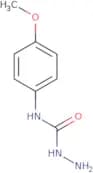
CAS:<p>N-Acetylglycine is a versatile building block for the synthesis of complex organic compounds. It is used as a reagent in research, as an intermediate in chemical reactions, or as a speciality chemical. N-Acetylglycine has been found to be useful as a building block in organic synthesis and can be reacted with other chemicals to form new compounds. N-Acetylglycine has also been shown to have anti-inflammatory properties and is used as an analgesic for pain relief.</p>Formula:C4H7NO3Molecular weight:117.11 g/mol3-Amino-1-(4-methoxyphenyl)urea
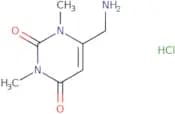
CAS:<p>Versatile small molecule scaffold</p>Formula:C8H11N3O2Purity:Min. 95%Molecular weight:181.19 g/mol6-(Aminomethyl)-1,3-dimethyl-1,2,3,4-tetrahydropyrimidine-2,4-dione hydrochloride
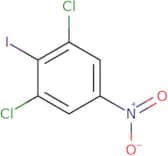
CAS:<p>Versatile small molecule scaffold</p>Formula:C7H12ClN3O2Purity:Min. 95%Molecular weight:205.64 g/mol1,3-Dichloro-2-iodo-5-nitrobenzene
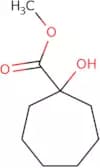
CAS:<p>1,3-Dichloro-2-iodo-5-nitrobenzene is a nucleophilic reagent that can react with a variety of functional groups. It reacts with carbanionic compounds, such as sulphoxides, to form the corresponding chloroformates. This compound is used in the synthesis of organic compounds. 1,3-Dichloro-2-iodo-5-nitrobenzene has been used in the kinetic study of reactions between hydrazine and ammonia or methylamine, and it efficiently reacts with methanol to form methyl nitrosourea. 1,3-Dichloro-2-iodo-5-nitrobenzene is also a useful nucleophile for the synthesis of anionically stabilized carbonyl compounds from aromatic systems. This reagent reacts with electron rich aromatic systems to form electrophilic aromatic substituents that are less susceptible to nucleophilic attack</p>Formula:C6H2Cl2INO2Purity:Min. 95%Molecular weight:317.89 g/molMethyl 1-hydroxycycloheptane-1-carboxylate
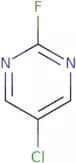
CAS:<p>Versatile small molecule scaffold</p>Formula:C9H16O3Purity:Min. 95%Molecular weight:172.22 g/mol5-Chloro-2-fluoropyrimidine
CAS:<p>Versatile small molecule scaffold</p>Formula:C4H2ClFN2Purity:Min. 95%Molecular weight:132.52 g/mol(2E)-3-[5-(4-Bromophenyl)furan-2-yl]prop-2-enoic acid
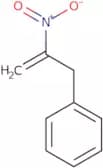
CAS:<p>Versatile small molecule scaffold</p>Formula:C13H9BrO3Purity:Min. 95%Molecular weight:293.11 g/mol(2-Nitroprop-2-en-1-yl)benzene
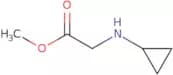
CAS:<p>Versatile small molecule scaffold</p>Formula:C9H9NO2Purity:Min. 95%Molecular weight:163.17 g/molMethyl 2-(cyclopropylamino)acetate
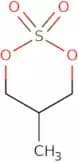
CAS:Methyl 2-(cyclopropylamino)acetate is a macrocyclic compound that has been shown to have anti-inflammatory activities in rats. The optical isomer of methyl 2-(cyclopropylamino)acetate binds to the receptor for histamine, which leads to the inhibition of inflammation. It also inhibits hyperproliferation and hyperproliferative disorders, mediated by its ability to inhibit the production of reactive oxygen species (ROS). Methyl 2-(cyclopropylamino)acetate also has anti-hyperglycemic effects on diabetic mice by inhibiting oxidative stress and ROS production in pancreatic beta cells. This drug has been shown to have neurological effects such as an increase in acetylcholine release and a decrease in acetylcholinesterase activity.Formula:C6H11NO2Purity:Min. 95%Molecular weight:129.16 g/mol5-Methyl-1,3,2λ⁶-dioxathiane-2,2-dione
CAS:<p>Versatile small molecule scaffold</p>Formula:C4H8O4SPurity:Min. 95%Molecular weight:152.17 g/mol5-[(2-Chlorophenyl)methyl]-1,3-oxazolidin-2-one
CAS:<p>Versatile small molecule scaffold</p>Formula:C10H10ClNO2Purity:Min. 95%Molecular weight:211.64 g/mol5-[(2-Methylphenyl)methyl]-1,3-oxazolidin-2-one
CAS:<p>Versatile small molecule scaffold</p>Formula:C11H13NO2Purity:Min. 95%Molecular weight:191.23 g/mol5-[(3-Fluorophenyl)methyl]-1,3-oxazolidin-2-one
CAS:<p>Versatile small molecule scaffold</p>Formula:C10H10FNO2Purity:Min. 95%Molecular weight:195.19 g/mol2-{[2-(Trifluoromethyl)phenyl]methyl}oxirane
CAS:<p>Versatile small molecule scaffold</p>Formula:C10H9F3OPurity:Min. 95%Molecular weight:202.17 g/mol2-[(3-Fluorophenyl)methyl]oxirane
CAS:<p>Versatile small molecule scaffold</p>Formula:C9H9FOPurity:Min. 95%Molecular weight:152.16 g/mol1-Oxa-6-thiaspiro[2.5]octane 6,6-dioxide
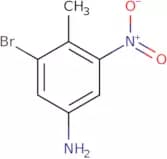
CAS:<p>Versatile small molecule scaffold</p>Formula:C6H10O3SPurity:Min. 95%Molecular weight:162.21 g/mol5-Amino1-bromo-2-methyl-3-nitrobenzene
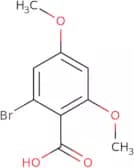
CAS:<p>Versatile small molecule scaffold</p>Formula:C7H7BrN2O2Purity:Min. 95%Molecular weight:231.05 g/mol2-Bromo-4,6-dimethoxybenzoic acid
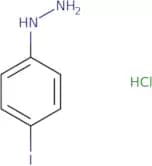
CAS:<p>Versatile small molecule scaffold</p>Formula:C9H9BrO4Purity:Min. 95%Molecular weight:261.07 g/mol4-Iodophenylhydrazine hydrochloride
CAS:<p>4-Iodophenylhydrazine hydrochloride is a phototherapeutic agent that exhibits strong photothermal properties. This compound has been extensively used in the treatment of cancer and, more recently, in the treatment of benign skin lesions such as warts, actinic keratoses, and solar lentigines. 4-Iodophenylhydrazine hydrochloride is synthesized from phenylhydrazine and formaldehyde using sodium hydroxide. The compound is a cyanine dye with a singlet excited state. The photophysical properties of 4-iodophenylhydrazine hydrochloride are sensitive to chlorine gas exposure. 4-Iodophenylhydrazine hydrochloride can be administered topically or intravenously for therapeutic purposes. It has shown efficacy at wavelengths between 650 nm and 850 nm and should not be applied to the eye because it may cause blindness.</p>Formula:C6H8ClIN2Purity:Min. 95%Color and Shape:PowderMolecular weight:270.49 g/mol3-(Chloromethyl)-5H,6H,7H-[1,3]thiazolo[3,2-a]pyrimidine hydrochloride
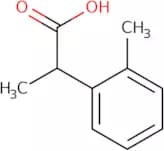
CAS:<p>Versatile small molecule scaffold</p>Formula:C7H10Cl2N2SPurity:Min. 95%Molecular weight:225.14 g/mol2-(2-Methylphenyl)propanoic acid
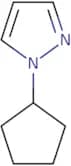
CAS:<p>2-(2-Methylphenyl)propanoic acid is a chiral compound that has the property of racemization. It can be separated into its two enantiomers by countercurrent chromatography, which is based on the principle of countercurrent distribution. The organic layer moves in the opposite direction to the eluent, and this allows for separation of 2-(2-methylphenyl)propanoic acid at any time during the chromatographic process. This is a useful technique for separating stereoisomers, since it can also be used to produce pure enantiomers from racemic mixtures. The formation constant (Kf) and interaction constant (Ki) values were determined using spectrophotometry on a chiral selector and benzene ring respectively.</p>Formula:C10H12O2Purity:Min. 95%Molecular weight:164.2 g/mol1-Cyclopentylpyrazole
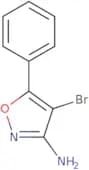
CAS:<p>1-Cyclopentylpyrazole is a chemical compound that belongs to the class of tetrazoles. It can be used as an anticancer agent in skin cancer and other cancers. 1-Cyclopentylpyrazole binds to tyrosine kinases, preventing their activation and blocking the signaling pathway from insulin receptor to insulin receptor substrate (IRS). 1-Cyclopentylpyrazole also inhibits inflammation by inhibiting inflammatory cytokines such as TNF-α and IL-1β. This drug has been shown to have beneficial effects on chronic pain models in rats, with no observed side effects. There are currently no known adverse effects of 1-cyclopentylpyrazole, but it can cause a decrease in HDL cholesterol levels in humans.</p>Formula:C8H12N2Purity:Min. 95%Molecular weight:136.19 g/mol4-Bromo-5-phenyl-1,2-oxazol-3-amine
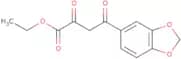
CAS:<p>Versatile small molecule scaffold</p>Formula:C9H7BrN2OPurity:Min. 95%Molecular weight:239.07 g/molEthyl 4-(1,3-dioxaindan-5-yl)-2,4-dioxobutanoate
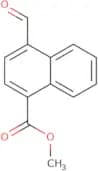
CAS:<p>Versatile small molecule scaffold</p>Formula:C13H12O6Purity:Min. 95%Molecular weight:264.23 g/molMethyl 4-formyl-1-naphthoate
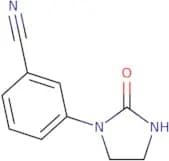
CAS:<p>Versatile small molecule scaffold</p>Formula:C13H10O3Purity:Min. 95%Molecular weight:214.22 g/mol3-(2-Oxoimidazolidin-1-yl)benzonitrile
CAS:<p>Versatile small molecule scaffold</p>Formula:C10H9N3OPurity:Min. 95%Molecular weight:187.2 g/mol12-Hydroxy-4,6,11-trioxatricyclo[7.3.0.0,3,7]dodeca-1,3(7),8-trien-10-one
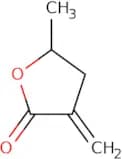
CAS:<p>Versatile small molecule scaffold</p>Formula:C9H6O5Purity:Min. 95%Molecular weight:194.14 g/molα-methylene-γ-valerolactone
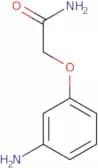
CAS:<p>Alpha-methylene-gamma-valerolactone is a product of furfural, which is produced by the hydrolysis of lignin. Alpha-methylene-gamma-valerolactone can be used as a solvent in the production of plastics and rubbers. It has been shown to be less toxic than other solvents such as acetone and ethanol, and has been proposed as an additive for animal feed to increase protein levels. Alpha-methylene-gamma-valerolactone is also used in biomedicine and as a monomer for molecules such as indole. It has been shown to have no effect on kidney function in animals, even at high doses.</p>Formula:C6H8O2Purity:Min. 95%Color and Shape:Clear LiquidMolecular weight:112.13 g/mol2-(3-Aminophenoxy)acetamide
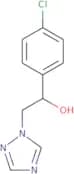
CAS:<p>Versatile small molecule scaffold</p>Formula:C8H10N2O2Purity:Min. 95%Molecular weight:166.18 g/mol1-(4-Chlorophenyl)-2-(1H-1,2,4-triazol-1-yl)ethan-1-ol
CAS:<p>Versatile small molecule scaffold</p>Formula:C10H10ClN3OPurity:Min. 95%Molecular weight:223.66 g/mol2-p-Tolyloxazole
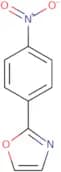
CAS:<p>2-p-Tolyloxazole is a soluble drug, which is a benzyl derivative of p-tolyloxazole. It has an acidic character and can be dissolved in solvents such as dimethyl sulfoxide, dimethylformamide, and acetone. 2-p-Tolyloxazole has been shown to be effective against Gram-positive bacteria such as Staphylococcus aureus and Streptococcus pyogenes. 2-p-Tolyloxazole is also active against Gram negative bacteria such as Escherichia coli and Pseudomonas aeruginosa. The mechanism of action of this compound is not well understood but it is hypothesized that the drug interacts with the ribosome to inhibit protein synthesis.</p>Formula:C10H9NOPurity:Min. 95%Molecular weight:159.18 g/mol2-(4-Nitrophenyl)oxazole
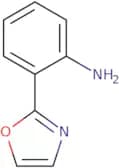
CAS:<p>Versatile small molecule scaffold</p>Formula:C9H6N2O3Purity:Min. 95%Molecular weight:190.16 g/mol2-(1,3-Oxazol-2-yl)aniline
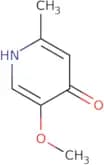
CAS:<p>Versatile small molecule scaffold</p>Formula:C9H8N2OPurity:Min. 95%Molecular weight:160.17 g/mol5-Methoxy-2-methyl-1,4-dihydropyridin-4-one
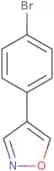
CAS:Versatile small molecule scaffoldFormula:C7H9NO2Purity:Min. 95%Molecular weight:139.15 g/mol4-(4-Bromophenyl)-1,2-oxazole
CAS:<p>Versatile small molecule scaffold</p>Formula:C9H6BrNOPurity:Min. 95%Molecular weight:224.05 g/mol



![4-Hydroxy-7-methyl-[1,8]naphthyridine-3-carboxylic acid](/_next/image/?url=https%3A%2Fstatic.cymitquimica.com%2Fproducts%2F3D%2Fthumb-webp%2FNAA25097.webp&w=3840&q=75)
![[1,2,4]Triazolo[4,3-a]pyrazin-3-amine](/_next/image/?url=https%3A%2Fstatic.cymitquimica.com%2Fproducts%2F3D%2Fthumb-webp%2FNAA25812.webp&w=3840&q=75)
![2-[(2-Methoxyphenyl)amino]benzoic acid](/_next/image/?url=https%3A%2Fstatic.cymitquimica.com%2Fproducts%2F3D%2Fthumb-webp%2FNAA27832.webp&w=3840&q=75)
![1-[(2-Bromoethyl)sulfanyl]-4-chlorobenzene](/_next/image/?url=https%3A%2Fstatic.cymitquimica.com%2Fproducts%2F3D%2Fthumb-webp%2FNAA29031.webp&w=3840&q=75)
![4-[(2-Bromoethyl)sulfanyl]-1,2-dimethylbenzene](/_next/image/?url=https%3A%2Fstatic.cymitquimica.com%2Fproducts%2F3D%2Fthumb-webp%2FNAA29045.webp&w=3840&q=75)
![N-{4-[(4-Bromophenyl)sulfanyl]phenyl}-2-chloroacetamide](/_next/image/?url=https%3A%2Fstatic.cymitquimica.com%2Fproducts%2F3D%2Fthumb-webp%2FNBA00783.webp&w=3840&q=75)
![2-Chloro-N-[4-(4-methylphenoxy)phenyl]acetamide](/_next/image/?url=https%3A%2Fstatic.cymitquimica.com%2Fproducts%2F3D%2Fthumb-webp%2FNBA00832.webp&w=3840&q=75)
![2-Chloro-N-[4-(4-ethoxyphenoxy)phenyl]acetamide](/_next/image/?url=https%3A%2Fstatic.cymitquimica.com%2Fproducts%2F3D%2Fthumb-webp%2FNBA00837.webp&w=3840&q=75)
![2-[Benzyl(methyl)amino]ethane-1-thiol](/_next/image/?url=https%3A%2Fstatic.cymitquimica.com%2Fproducts%2F3D%2Fthumb-webp%2FNBA02552.webp&w=3840&q=75)

![rac-(3aR,6aS)-2H,3H,3aH,4H,6aH-Cyclopenta[b]furan-2-one](/_next/image/?url=https%3A%2Fstatic.cymitquimica.com%2Fproducts%2F3D%2Fthumb-webp%2FNBA11076.webp&w=3840&q=75)
![2-[4-(Acetyloxy)phenyl]acetic acid](/_next/image/?url=https%3A%2Fstatic.cymitquimica.com%2Fproducts%2F3D%2Fthumb-webp%2FNBA17733.webp&w=3840&q=75)
![5-Sulfanyl-8-thia-4,6-diazatricyclo[7.4.0.0,2,7]trideca-1(9),2(7),5-trien-3-one](/_next/image/?url=https%3A%2Fstatic.cymitquimica.com%2Fproducts%2F3D%2Fthumb-webp%2FNBA20160.webp&w=3840&q=75)
![4-Methyl-5-sulfanyl-8-thia-4,6-diazatricyclo[7.4.0.0,2,7]trideca-1(9),2(7),5-trien-3-one](/_next/image/?url=https%3A%2Fstatic.cymitquimica.com%2Fproducts%2F3D%2Fthumb-webp%2FNBA20161.webp&w=3840&q=75)
![5,6-Dimethyl-2-thioxo-2,3-dihydrothieno[2,3-d]pyrimidin-4(1H)-one](/_next/image/?url=https%3A%2Fstatic.cymitquimica.com%2Fproducts%2F3D%2Fthumb-webp%2FNBA20164.webp&w=3840&q=75)


![(2R)-2-Amino-3-[(2-hydroxyethyl)disulfanyl]propanoic acid](/_next/image/?url=https%3A%2Fstatic.cymitquimica.com%2Fproducts%2F3D%2Fthumb-webp%2FNBA25463.webp&w=3840&q=75)
![(1R,2S,4S)-rel-7-Oxabicyclo[2.2.1]heptane-2-carboxylic acid](/_next/image/?url=https%3A%2Fstatic.cymitquimica.com%2Fproducts%2F3D%2Fthumb-webp%2FNBA26356.webp&w=3840&q=75)

![2-{[(tert-butoxy)carbonyl]amino}-4-hydroxybutanoic acid](/_next/image/?url=https%3A%2Fstatic.cymitquimica.com%2Fproducts%2F3D%2Fthumb-webp%2FNBA30892.webp&w=3840&q=75)
![[(Oxolan-2-yl)methyl]urea](/_next/image/?url=https%3A%2Fstatic.cymitquimica.com%2Fproducts%2F3D%2Fthumb-webp%2FNBA33610.webp&w=3840&q=75)
![6-Methyl-3H,4H-thieno[2,3-d][1,2,3]triazin-4-one](/_next/image/?url=https%3A%2Fstatic.cymitquimica.com%2Fproducts%2F3D%2Fthumb-webp%2FNBA35984.webp&w=3840&q=75)
![5,6-Dimethyl-3H,4H-thieno[2,3-d][1,2,3]triazin-4-one](/_next/image/?url=https%3A%2Fstatic.cymitquimica.com%2Fproducts%2F3D%2Fthumb-webp%2FNBA35985.webp&w=3840&q=75)
![[1,2,4]Triazolo[1,5-a]pyrazin-2-amine](/_next/image/?url=https%3A%2Fstatic.cymitquimica.com%2Fproducts%2F3D%2Fthumb-webp%2FNDA00233.webp&w=3840&q=75)
![Methyl imidazo[1,2-a]pyridine-5-carboxylate](/_next/image/?url=https%3A%2Fstatic.cymitquimica.com%2Fproducts%2F3D%2Fthumb-webp%2FNDA04755.webp&w=3840&q=75)

![4-[(Trifluoromethyl)sulphonyl]phenol](/_next/image/?url=https%3A%2Fstatic.cymitquimica.com%2Fproducts%2F3D%2Fthumb-webp%2FAAA43284.webp&w=3840&q=75)


![2-[(3-Fluorophenyl)amino]ethan-1-ol](/_next/image/?url=https%3A%2Fstatic.cymitquimica.com%2Fproducts%2F3D%2Fthumb-webp%2FAAA40495.webp&w=3840&q=75)







![(2E)-3-[5-(4-Bromophenyl)furan-2-yl]prop-2-enoic acid](/_next/image/?url=https%3A%2Fstatic.cymitquimica.com%2Fproducts%2F3D%2Fthumb-webp%2FMCA80635.webp&w=3840&q=75)
![5-[(2-Chlorophenyl)methyl]-1,3-oxazolidin-2-one](/_next/image/?url=https%3A%2Fstatic.cymitquimica.com%2Fproducts%2F3D%2Fthumb-webp%2FMCA82588.webp&w=3840&q=75)
![5-[(2-Methylphenyl)methyl]-1,3-oxazolidin-2-one](/_next/image/?url=https%3A%2Fstatic.cymitquimica.com%2Fproducts%2F3D%2Fthumb-webp%2FMCA82594.webp&w=3840&q=75)
![5-[(3-Fluorophenyl)methyl]-1,3-oxazolidin-2-one](/_next/image/?url=https%3A%2Fstatic.cymitquimica.com%2Fproducts%2F3D%2Fthumb-webp%2FMCA82618.webp&w=3840&q=75)
![2-{[2-(Trifluoromethyl)phenyl]methyl}oxirane](/_next/image/?url=https%3A%2Fstatic.cymitquimica.com%2Fproducts%2F3D%2Fthumb-webp%2FMCA82631.webp&w=3840&q=75)
![2-[(3-Fluorophenyl)methyl]oxirane](/_next/image/?url=https%3A%2Fstatic.cymitquimica.com%2Fproducts%2F3D%2Fthumb-webp%2FMCA82644.webp&w=3840&q=75)
![1-Oxa-6-thiaspiro[2.5]octane 6,6-dioxide](/_next/image/?url=https%3A%2Fstatic.cymitquimica.com%2Fproducts%2F3D%2Fthumb-webp%2FMCA82667.webp&w=3840&q=75)
![3-(Chloromethyl)-5H,6H,7H-[1,3]thiazolo[3,2-a]pyrimidine hydrochloride](/_next/image/?url=https%3A%2Fstatic.cymitquimica.com%2Fproducts%2F3D%2Fthumb-webp%2FMCA83529.webp&w=3840&q=75)
![12-Hydroxy-4,6,11-trioxatricyclo[7.3.0.0,3,7]dodeca-1,3(7),8-trien-10-one](/_next/image/?url=https%3A%2Fstatic.cymitquimica.com%2Fproducts%2F3D%2Fthumb-webp%2FMCA86957.webp&w=3840&q=75)