Building Blocks
This section contains fundamental products for the synthesis of organic and biological compounds. Building blocks are the essential starting materials used to construct complex molecules through various chemical reactions. They play a critical role in drug discovery, material science, and chemical research. At CymitQuimica, we offer a diverse range of high-quality building blocks to support your innovative research and industrial projects, ensuring you have the essential components for successful synthesis.
Subcategories of "Building Blocks"
- Boronic Acids & Boronic Acid Derivatives(5,778 products)
- Chiral Building Blocks(1,242 products)
- Hydrocarbon Building Blocks(6,098 products)
- Organic Building Blocks(61,034 products)
Found 199601 products of "Building Blocks"
Sort by
Purity (%)
0
100
|
0
|
50
|
90
|
95
|
100
4-[1-(tert-Butoxy)-2-methyl-1-oxopropan-2-yl]benzoic acid
CAS:<p>Versatile small molecule scaffold</p>Formula:C15H20O4Purity:Min. 95%Molecular weight:264.32 g/molIR-780 iodide
CAS:<p>IR-780 iodide is a water-soluble drug that has been shown to have significant cytotoxicity against prostate cancer cells. It binds to the mitochondrial membrane potential, which is involved in energy production and the regulation of the cell cycle. IR-780 iodide is taken up by tumor cells, where it inhibits adriamycin uptake and induces apoptosis. In vitro assays have shown that IR-780 iodide can be used as a diagnostic tool for detecting bladder cancer by binding to the mitochondria of cells from patients with bladder cancer. In vivo studies have been done in mice to determine the effectiveness of IR-780 iodide in treating cervical cancer. These studies showed that IR-780 iodide was not significantly effective in vivo, due to its low bioavailability and lack of specificity for cervical cancer cells. Histological analysis showed that IR-780 iodide did not inhibit tumor growth or induce apoptosis in vivo.</p>Formula:C36H44ClIN2Purity:Min. 95%Molecular weight:667.11 g/mol2,6-Dichloro-4-fluorobenzoic acid
CAS:<p>Versatile small molecule scaffold</p>Formula:C7H3Cl2FO2Purity:Min. 95%Molecular weight:209 g/mol5-amino-2-chloropyridin-4-ol
CAS:<p>Versatile small molecule scaffold</p>Formula:C5H5ClN2OPurity:Min. 95%Molecular weight:144.56 g/mol5-Bromo-2-iodopyridine
CAS:<p>5-Bromo-2-iodopyridine is an antibiotic that is used to treat bacterial infections. It has been shown to inhibit the growth of bacteria by binding to the 50S ribosomal subunit. This drug also has a toxic effect on respiratory system cells, which may be due to its ability to induce apoptosis. 5-Bromo-2-iodopyridine interacts with DNA in a triazine ring and inhibits bacterial growth by inhibiting protein synthesis. The drug binds to the 50S ribosomal subunit at a site that is different from that of rifampin and other antibiotics. The reaction is catalyzed by palladium at high temperatures and takes place in organic solvents such as chloroform or benzene. This synthetic process can be made more efficient by using inexpensive starting materials, such as bromine, iodine, and acetone, rather than expensive starting materials like platinum or gold salts.</p>Formula:C5H3BrINPurity:Min. 95%Color and Shape:Slightly Yellow PowderMolecular weight:283.89 g/mol5-bromo-6-methoxy-1h-indole
CAS:<p>5-bromo-6-methoxy-1H-indole is a synthetic, nonsteroidal compound that is structurally related to prednisolone. It has been shown to induce the synthesis of collagen by stimulating fibroblasts in culture. This drug also has anti-inflammatory and modulating effects on s1p receptors, which may be due to its ability to inhibit the production of proinflammatory cytokines such as tumor necrosis factor alpha (TNFα). 5-bromo-6-methoxy-1H-indole is a potent inhibitor of acid methyl esters, which are involved in inflammation and tissue destruction. 5-bromo-6-methoxy-1H--indole also has an effect on dermal cells, which may be due to its ability to inhibit the production of matrix metalloproteinase enzymes. This drug can also cause atrophy in granuloma cells and prevent the development of inflammatory</p>Formula:C9H8BrNOPurity:Min. 95%Molecular weight:226.07 g/moltert-Butyl (3S,5S)-3-amino-5-fluoropiperidine-1-carboxylate
CAS:Versatile small molecule scaffoldFormula:C10H19FN2O2Purity:Min. 95%Molecular weight:218.27 g/molMethyl 2-(chloromethyl)nicotinate
CAS:<p>Methyl 2-(chloromethyl)nicotinate is an organic compound that belongs to the class of esters. It is a reaction product of methyl 3-hydroxybenzoate and nitrous acid. This compound has antimicrobial activity and can be used to treat bacterial infections. Methyl 2-(chloromethyl)nicotinate has been shown to inhibit the growth of various bacteria, including methicillin-resistant Staphylococcus aureus (MRSA), Escherichia coli, Klebsiella pneumoniae, Pseudomonas aeruginosa, Salmonella typhi, and Salmonella typhimurium. The cyano group in this molecule may be responsible for its antibacterial activity. <br>The efficiency of methyl 2-(chloromethyl)nicotinate varies with different types of bacteria. For example, it was more effective against MRSA than against Escherichia coli or Klebsiella pneumoniae</p>Formula:C8H8ClNO2Purity:Min. 95%Molecular weight:185.61 g/mol5,6-Dibromopyridin-2-ol
CAS:<p>Versatile small molecule scaffold</p>Formula:C5H3Br2NOPurity:Min. 95%Molecular weight:252.89 g/mol2-[3-Chloro-5-(trifluoromethyl)-2-pyridinyl]-acetonitrile
CAS:<p>Versatile small molecule scaffold</p>Formula:C8H4ClF3N2Purity:Min. 95%Color and Shape:PowderMolecular weight:220.58 g/mol2-Bromo-4-iodoanisole
CAS:<p>2-Bromo-4-iodoanisole is an electrophilic intermediate that can be synthetically prepared by regioselective halogenations of 4-iodoanisole. It is also a substrate for sequential halogenations with bromine or iodine. The 2-bromo-4-iodoanisole reacts with aluminum to form an aluminate, which can be used as a catalyst in organic synthesis. 2-Bromo-4-iodoanisole has been shown to react with aromatic rings by electrophilically attacking the ring and adding a second bromine atom to the ring, leading to quenching of the molecule and formation of structurally diverse products.</p>Formula:C7H6BrIOPurity:Min. 95%Molecular weight:312.93 g/molH-Glu(OMe)-NHdihydrochloride
CAS:<p>Versatile small molecule scaffold</p>Formula:C6H13ClN2O3Purity:Min. 95%Molecular weight:196.63 g/mol6-Cyanopyridine-2-boronic Acid Pinacol Ester
CAS:<p>Versatile small molecule scaffold</p>Formula:C12H15BN2O2Purity:Min. 95%Molecular weight:230.07 g/mol4-Bromo-2-fluoro-6-methoxybenzonitrile
CAS:<p>Versatile small molecule scaffold</p>Formula:C8H5NOFBrPurity:Min. 95%Molecular weight:230.03 g/mol2,2-Dimethyl-1,3-dioxan-5-ol
CAS:<p>2,2-Dimethyl-1,3-dioxan-5-ol is a chemical compound that has been shown to have catalytic properties. It has also been used as an additive in organic synthesis reactions to activate carboxylic acids. 2,2-Dimethyl-1,3-dioxan-5-ol is an oxygenated compound that can be synthesized by the reaction of pyridine and formaldehyde. This substance can be used in acidic conditions and must be activated by solketal or dioxane before use. The physical properties of this chemical are shown using FTIR spectroscopy on corncob samples and physicochemical parameters were determined using standard techniques.</p>Formula:C6H12O3Purity:Min. 95%Molecular weight:132.16 g/mol4-(Isopropylamino)butanol
CAS:4-(Isopropylamino)butanol is a colorless liquid with an alkaline reaction. It reacts easily with acids and is soluble in water. The boiling point of this substance is 242°C. In the presence of ammonium chloride, the solution becomes acidic. 4-(Isopropylamino)butanol is used as a solvent for paints, varnishes, and lacquers.Formula:C7H17NOPurity:Min. 95%Molecular weight:131.22 g/molMethyl 5-bromo-2-fluoro-4-methylbenzoate
CAS:<p>Versatile small molecule scaffold</p>Formula:C9H8BrFO2Purity:Min. 95%Molecular weight:247.06 g/mol2-(2-Azidoethoxy)acetic Acid
CAS:<p>2-(2-Azidoethoxy)acetic Acid is a hydrophobic antibacterial agent that can be used to inhibit bacterial growth by disrupting the cell membrane. It has been shown to inhibit the growth of Staphylococcus aureus and Escherichia coli, which may be due to its ability to bind to the glutathione moiety in the bacterial cell membrane. 2-(2-Azidoethoxy)acetic Acid has been shown to have antimicrobial activity against both Gram-positive and Gram-negative bacteria in vitro. This compound is also able to cross the cell membrane, inhibiting bacterial replication in vivo.</p>Formula:C4H7N3O3Purity:Min. 95%Molecular weight:145.12 g/mol4-Iodo-1-methyl-1h-pyrazole-5-carbonitrile
CAS:<p>4-Iodo-1-methyl-1H-pyrazole-5-carbonitrile is a tetrazole molecule that has been shown to have potent and selective inhibitory activity against human PCSK9. This compound binds to the catalytic site of PCSK9 and prevents the formation of an active enzyme, therefore inhibiting the production of LDL cholesterol. 4-Iodo-1-methyl-1H-pyrazole-5-carbonitrile is a prodrug that is metabolized by acetaldehyde dehydrogenase to form an active inhibitor. The reaction proceeds in a chiral and enantioselective manner, which allows for the synthesis of racemic mixtures of this drug.</p>Formula:C5H4IN3Purity:Min. 95%Molecular weight:233.01 g/mol4-Bromo-2-ethyliodobenzene
CAS:<p>Versatile small molecule scaffold</p>Formula:C8H8BrIPurity:Min. 95%Molecular weight:310.96 g/mol2-(tert-Butyl)-5-chloroisothiazol-3(2H)-one
CAS:Versatile small molecule scaffoldFormula:C7H10ClNOSPurity:Min. 95%Molecular weight:191.68 g/molMethyl 3-amino-4-(tetramethyl-1,3,2-dioxaborolan-2-yl)benzoate
CAS:<p>Versatile small molecule scaffold</p>Formula:C14H20BNO4Purity:Min. 95%Molecular weight:277.13 g/mol5-Bromo-3-(difluoromethyl)pyridine-2-carboxylic acid
CAS:<p>Versatile small molecule scaffold</p>Formula:C7H4BrF2NO2Purity:Min. 95%Molecular weight:252.01 g/mol[(1S)-1-Ethyl-2-oxopropyl]-1,1-dimethylethyl ester carbamic acid
CAS:<p>Versatile small molecule scaffold</p>Formula:C10H19NO3Purity:Min. 95%Molecular weight:201.26 g/mol6-Chloro-2,8-dimethylimidazo[1,2-b]pyridazine
CAS:Versatile small molecule scaffoldFormula:C8H8ClN3Purity:Min. 95%Molecular weight:181.62 g/moltert-Butyl 3-(trifluoromethyl)piperazine-1-carboxylate
CAS:<p>Versatile small molecule scaffold</p>Formula:C10H17F3N2O2Purity:Min. 95%Molecular weight:254.25 g/moltert-Butyl (4-formylpyridin-2-yl)carbamate
CAS:<p>Versatile small molecule scaffold</p>Formula:C11H14N2O3Purity:Min. 95%Molecular weight:222.2 g/mol4-Bromo-2-chloro-6-fluorobenzaldehyde
CAS:<p>Versatile small molecule scaffold</p>Formula:C7H3BrClFOPurity:Min. 95%Molecular weight:237.45 g/mol4-Bromo-5-chloropyridin-2-amine
CAS:<p>Versatile small molecule scaffold</p>Formula:C5H4BrClN2Purity:Min. 95%Molecular weight:207.46 g/moltert-butyl 6,6-difluoro-1,4-diazepane-1-carboxylate
CAS:<p>Versatile small molecule scaffold</p>Formula:C10H18F2N2O2Purity:Min. 95%Molecular weight:236.3 g/mol2-Amino-4-hydroxypyridine
CAS:<p>2-Amino-4-hydroxypyridine (2AH) is a synthetic, isomeric compound that has been synthesized in two different forms: 3-bromo-5-hydroxypyridine and hydroxy group. 2AH has been shown to be chemically stable at room temperature and pH levels of less than 7. It also withstands the loss of membrane fluidity induced by amides, such as 3-amino-2-bromopyridine. 2AH can be used to synthesize oxindole derivatives, which are found in natural gas, and piperidines. This chemical can also be used for aminations with pyrrole or 2 amino 4 hydroxypyridine.</p>Formula:C5H6N2OPurity:Min. 95%Color and Shape:PowderMolecular weight:110.11 g/mol5-Amino-3-methylisothiazole HCl
CAS:<p>5-Amino-3-methylisothiazole HCl is a pyridine-5-carboxylic acid that inhibits bacterial growth by binding to the 50S ribosomal subunit. It has been shown to inhibit the growth of both aeruginosa and nalidixic acid resistant strains of S. aureus, P. aeruginosa, and P. mirabilis in vitro. 5-Amino-3-methylisothiazole HCl has also been shown to be active against E. coli, quinolone resistant strains of Proteus mirabilis, and methicillin resistant strains of Staphylococcus aureus in vitro.</p>Formula:C4H7ClN2SPurity:Min. 95%Color and Shape:Yellow to red or brown solid.Molecular weight:150.63 g/mol(2R,4R)-1-[(2S)-5-Amino-1-oxo-2-[[(1,2,3,4-tetrahydro-3-methyl-8-quinolinyl)sulfonyl]amino]pentyl]-4-methyl-2-piperidinecarboxylic a cid
CAS:<p>Please enquire for more information about (2R,4R)-1-[(2S)-5-Amino-1-oxo-2-[[(1,2,3,4-tetrahydro-3-methyl-8-quinolinyl)sulfonyl]amino]pentyl]-4-methyl-2-piperidinecarboxylic a cid including the price, delivery time and more detailed product information at the technical inquiry form on this page</p>Formula:C22H34N4O5SPurity:Min. 95%Molecular weight:466.6 g/mol(R)-2-(Methoxymethyl)-morpholine hydrochloride
CAS:<p>Versatile small molecule scaffold</p>Formula:C6H14ClNO2Purity:Min. 95%Molecular weight:167.63 g/mol(R)-1-[3-[4-Amino-3-(4-phenoxyphenyl)-1H-pyrazolo[3,4-d]pyrimidin-1-yl]piperidin-1-yl]-3-chloropropan-1-one
CAS:<p>Please enquire for more information about (R)-1-[3-[4-Amino-3-(4-phenoxyphenyl)-1H-pyrazolo[3,4-d]pyrimidin-1-yl]piperidin-1-yl]-3-chloropropan-1-one including the price, delivery time and more detailed product information at the technical inquiry form on this page</p>Formula:C25H25ClN6O2Purity:Min. 95%Molecular weight:476.96 g/molMethyl 2-chloro-5-iodonicotinate
CAS:<p>Methyl 2-chloro-5-iodonicotinate is a basic and yields a radioligand for use in imaging studies. It is used as a specific activity and solid-phase extraction. Methyl 2-chloro-5-iodonicotinate has been shown to be effective for radiolabeling studies of the brain following intravenous administration.</p>Formula:C7H5ClINO2Purity:Min. 95%Molecular weight:297.48 g/molMethyl amino(2-chlorophenyl)acetate hydrochloride
CAS:<p>Versatile small molecule scaffold</p>Formula:C9H11Cl2NO2Purity:Min. 95%Molecular weight:236.1 g/mol2,2,2-Trifluoroethanesulfinyl chloride
CAS:<p>Please enquire for more information about 2,2,2-Trifluoroethanesulfinyl chloride including the price, delivery time and more detailed product information at the technical inquiry form on this page</p>Formula:C2H2ClF3OSPurity:Min. 95%Color and Shape:Clear LiquidMolecular weight:166.55 g/mol3,3-Diethoxypropan-1-amine
CAS:<p>3,3-Diethoxypropan-1-amine is a synthetic drug that reversibly inhibits the growth of bacteria. It has been shown to be effective against methicillin resistant strains of Staphylococcus aureus and Clostridium perfringens, with no detectable activity against acid-fast bacteria such as Mycobacterium tuberculosis or Mycobacterium avium complex. 3,3-Diethoxypropan-1-amine is a heterobifunctional compound that binds to epidermal growth factor with high affinity. 3,3-Diethoxypropan-1-amine can also bind to collagen and liposomal formulations, which may be useful for the treatment of wounds. This drug has been shown to inhibit δ opioid receptors in mice and rats, which is thought to contribute to its analgesic effects.</p>Formula:C7H17NO2Purity:Min. 95%Molecular weight:147.22 g/molMethacryloxypropyl terminated polydimethylsiloxanes
CAS:<p>MW 20,000 - 30,000</p>Formula:C20H40O6Si3Purity:Min. 95%Molecular weight:460.8 g/mol4-Amino-5-hydroxy-2,7-naphthalenedisulfonic acid
CAS:4-Amino-5-hydroxy-2,7-naphthalenedisulfonic acid (4-AHNDS) is a hydroxyl group and nitrogen containing molecule. It is a reactive compound that can be used to extract anions from water. 4-AHNDS has been shown to react with sodium ions in the presence of water, forming a salt that is soluble in water. This chemical also reacts with organic molecules and forms stable complexes. The reaction mechanism of 4-AHNDS has been studied by kinetic analysis and surface methodology measurements.Formula:C10H9NO7S2Purity:Min. 95%Color and Shape:PowderMolecular weight:319.31 g/mol1,3-Dibenzylurea
CAS:<p>1,3-Dibenzylurea is an organic molecule that has been used as a model system for the study of chemical reactions. This compound has been shown to have inhibitory properties against pain in animal studies and has been used to treat bowel disease. 1,3-Dibenzylurea can inhibit the inflammatory response by preventing the oxidative carbonylation of proteins. It also inhibits the production of inflammatory cytokines and chemokines in vitro. Nucleophilic attack by amines on the carbonyl group is a possible reaction pathway for this molecule.</p>Formula:C15H16N2OPurity:Min. 95%Molecular weight:240.3 g/mol1-[4-(Propan-2-yl)phenyl]ethan-1-ol
CAS:<p>Versatile small molecule scaffold</p>Formula:C11H16OPurity:Min. 95%Molecular weight:164.24 g/mol6-chloro-1H-pyrazolo[3,4-d]pyrimidin-4-amine
CAS:<p>Versatile small molecule scaffold</p>Formula:C5H4ClN5Purity:Min. 95%Molecular weight:169.6 g/mol6-Chloro-1H-benzimidazol-2-amine
CAS:<p>Aminoguanidine is a drug that inhibits the activity of the enzyme guanidinoacetate methyltransferase (GAMT). It is used to treat some types of cancer, such as bladder cancer. Aminoguanidine has been shown to inhibit tumour growth and induce apoptosis in animal models. It has also been reported to be effective in a number of other cancers, including breast cancer, prostate cancer and colon cancer. Aminoguanidine binds with high affinity to protein targets, including x-ray crystallography, magnetic resonance imaging and devices. The binding site on the ligand is highly conserved among different proteins, which may explain the broad spectrum of its activity. Aminoguanidine is dose-dependent and can be administered either stepwise or as one large dose.</p>Formula:C7H6ClN3Purity:Min. 95%Molecular weight:167.6 g/molMonomethyl Glutarate
CAS:<p>Monomethyl glutarate is a monomer for the synthesis of polymers. It has been used in the past as a precursor for the production of polyacrylic acid and its copolymers. Monomethyl glutarate is synthesized by the reaction of hydrochloric acid, high salt, and an expression plasmid containing glutarate dehydrogenase. This compound is also used as a reagent in kinetic studies of fatty acids and glutaric acid. Monomethyl glutarate is an acidic compound with a pKa value of 3.5 at 25°C. It is rapidly hydrolyzed in water to form monomethyl glutarate acid, which has a pKa value of 2.4 at 25°C. Monomethyl glutarate can be ingested orally or applied topically due to its low energy requirements for hydrolysis in water.</p>Formula:C6H10O4Purity:Min. 95%Molecular weight:146.14 g/mol3,6-Dichloropicolinonitrile
CAS:<p>3,6-Dichloropicolinonitrile is a peroxide that is used in the synthesis of organic compounds. It is produced by the reaction of sodium carbonate and hydrochloric acid with nitric acid as a catalyst. 3,6-Dichloropicolinonitrile has been shown to be more selective than other oxidizing agents such as hydrogen peroxide and potassium permanganate. The product can then be purified by adding diacetate, which selectively reacts with the chlorine to form acetyl chloride and glycolic acid. The resulting mixture can then be distilled to produce 3,6-dichloropicolinonitrile in high purity. 3,6-Dichloropicolinonitrile can also be used in electrochemical methods for the synthesis of cyanides or biochemically for virulent products such as pesticides and organic solvents.</p>Formula:C6H2Cl2N2Purity:Min. 95%Molecular weight:173 g/molN-Boc-3-Azetidinol
CAS:This linker is chemically stable and not cleavable under standard intracellular or extracellular conditions. N-Boc-3-Azetidinol is also a versatile organic intermediate used primarily in the pharmaceutical industry for synthesizing a wide range of drugs, including antibacterials, immunosuppressants, and cancer therapies.Formula:C8H15NO3Purity:Min. 95%Molecular weight:173.21 g/mol4-Bromopyridine hydrochloride
CAS:<p>4-Bromopyridine HCl is a chemical compound with the molecular formula C6H5BrN. It is an aromatic heterocycle and is used in organic synthesis as a coupling partner in cross-coupling reactions. The bromine atom of 4-bromopyridine is replaced by chloride, resulting in 4-chloropyridine. The chlorination reaction can be conducted using either hydrochloric acid or thionyl chloride. This process can be done on an industrial scale and the chlorinated product has been used in the manufacture of pharmaceuticals, dyes, and pesticides. The reaction mechanism for this substitution reaction involves a nucleophilic attack by chlorine on the pyridine ring at carbon atom 2 followed by displacement of hydrogen from the adjacent position on nitrogen atom 3. Acylation reactions are oxidation processes that involve conversion of carboxylic acids to acyl halides or acyl chlorides through treatment with acidified halogenating agents such</p>Formula:C5H4BrN•HClPurity:Min. 95%Color and Shape:White PowderMolecular weight:194.46 g/mol5-Bromo-2-dimethylaminopyridine
CAS:Controlled Product<p>Please enquire for more information about 5-Bromo-2-dimethylaminopyridine including the price, delivery time and more detailed product information at the technical inquiry form on this page</p>Formula:C7H9BrN2Purity:Min. 95%Molecular weight:201.01 g/mol3-Bromo-2-fluoro-6-methylpyridine
CAS:<p>Please enquire for more information about 3-Bromo-2-fluoro-6-methylpyridine including the price, delivery time and more detailed product information at the technical inquiry form on this page</p>Formula:C6H5BrFNPurity:Min. 95%Molecular weight:190.01 g/mol5-Bromo-2-fluoro-1,3-dimethylbenzene
CAS:<p>Please enquire for more information about 5-Bromo-2-fluoro-1,3-dimethylbenzene including the price, delivery time and more detailed product information at the technical inquiry form on this page</p>Formula:C8H8BrFPurity:Min. 95%Color and Shape:Clear Colourless To Yellow LiquidMolecular weight:203.05 g/molBenzophenone-4-carboxylic acid
CAS:<p>Organic intermediate</p>Formula:C14H10O3Purity:Min. 98 Area-%Color and Shape:White PowderMolecular weight:226.23 g/mol4-Bromobenzaldehyde
CAS:<p>4-Bromobenzaldehyde is a chemical compound that belongs to the group of aromatic compounds. It has been shown to have a potent stimulatory effect on locomotor activity in mice, which may be due to its ability to increase levels of epidermal growth factor and gamma-aminobutyric acid in the brain. 4-Bromobenzaldehyde can be synthesized from 2,4-dibromophenol and anhydrous copper chloride in the presence of sodium hydroxide. The reaction mechanism for this synthesis is believed to involve an intermediate enamine form of 4-bromobenzaldehyde, which can then undergo hydrolysis into 2,4-dibromophenol and benzaldehyde. This product is used as a reagent in organic synthesis because it can be used to form esters with trifluoroacetic acid or hydrochloric acid in high yield.</p>Formula:C7H5BrOPurity:Min. 90 Area-%Color and Shape:White PowderMolecular weight:185.02 g/mol1-Benzofuran-5-carbaldehyde
CAS:1-Benzofuran-5-carbaldehyde is a synthetic compound that inhibits the enzyme ido1. It has been shown to have potent cytotoxicity, potent inhibition, and neurotrophic properties in a number of cell lines. 1-Benzofuran-5-carbaldehyde also exhibits inhibitory effects on the enzymes hydrolyzing dopamine, which is involved in the synthesis of norepinephrine and epinephrine. The chemical structure of 1-benzofuran-5-carbaldehyde closely resembles that of dopamine and its derivatives, and can be used for the treatment of neurodegenerative diseases such as Parkinson's disease.Formula:C9H6O2Purity:Min. 95%Color and Shape:Yellow To Brown SolidMolecular weight:146.14 g/mol3-Bromo-4-nitropyridine
CAS:<p>3-Bromo-4-nitropyridine is a pyridine compound that has been identified as an environmental contaminant. It is used to synthesize other compounds, such as 4-(3-bromopyridin-2-yl)morpholine, which is used in the synthesis of acetonitrile. 3-Bromo-4-nitropyridine undergoes nucleophilic substitution reactions with amines, leading to homoconjugation and bond cleavage. This reaction may be followed by nitration to give 3-(3'-nitro)pyridine. 3-Bromo-4-nitropyridine can be converted into its n-oxide form or into the ionic form by treatment with acetonitrile.</p>Formula:C5H3BrN2O2Purity:Min. 95%Color and Shape:Yellow PowderMolecular weight:202.99 g/mol3,4-Diaminobenzophenone
CAS:<p>3,4-Diaminobenzophenone is an unsymmetrical compound and a derivative of benzophenone. It is used in the synthesis of other organic compounds, such as pharmaceuticals. 3,4-Diaminobenzophenone is also used as a solubilizing agent for drugs that are insoluble in water. The molecular weight of 3,4-Diaminobenzophenone can be determined by gravimetric analysis or FTIR methods. 3,4-Diaminobenzophenone has been shown to have antioxidative properties. This molecule can bind to hydroxyl groups on biomolecules and protect them from oxidation by reactive oxygen species (ROS).</p>Formula:C13H12N2OPurity:Min 98.5%Color and Shape:PowderMolecular weight:212.25 g/mol3,5-Dihydroxy-4-methylbenzoic acid
CAS:<p>3,5-Dihydroxy-4-methylbenzoic acid is an efficient synthesis of the natural product lucidin. It is a quinone that is found in citrifolia and morindone, compounds which are used as analgesics and antipyretics. This compound has been shown to inhibit the growth of fungi by inhibition of protein synthesis. 3,5-Dihydroxy-4-methylbenzoic acid also inhibits the production of citric acid cycle intermediates such as succinic acid and fumaric acid.</p>Formula:C8H8O4Purity:Min. 80%Color and Shape:PowderMolecular weight:168.15 g/mol3,5-Dihydroxybenzaldehyde
CAS:<p>3,5-Dihydroxybenzaldehyde (DHBA) is a plant metabolite that is classified as a phenolic compound. It is found in many plants and has important biological functions such as the production of carotenoids or the cleavage of carotenoid to form other compounds. DHBA can be extracted from plant tissue with hydrochloric acid or carbon sources. It has been shown that DHBA inhibits the growth of soil bacteria by binding to amines and thus preventing them from reacting with substrates. This may be due to its ability to act as an electron donor, which could also explain its inhibitory activity on carotenoid cleavage.</p>Formula:C7H6O3Purity:Min. 98 Area-%Color and Shape:Off-White To Beige To Brown SolidMolecular weight:138.12 g/mol1H,1H,7H-Dodecafluoroheptanol
CAS:<p>1H,1H,7H-Dodecafluoroheptanol is a perfluorinated compound. It has been shown to be an efficient scavenger of reactive oxygen species (ROS) and to have a protective effect on collagen. The reaction mechanism of 1H,1H,7H-dodecafluoroheptanol is not fully understood. However, it has been shown that the chloride ion plays a key role in the formation of this product from 1H,1H,7F-dodecafluoroheptane. The reaction vessel used in this synthesis is critical because it must be anhydrous to prevent the formation of 1HF3OCl. Magnetic resonance spectroscopy has been used to study the chemical structures of this compound.</p>Formula:C7H4F12OPurity:Min. 95%Color and Shape:Colorless PowderMolecular weight:332.09 g/molDisodium 8-amino-1,3,6-naphthalenetrisulfonate
CAS:Disodium 8-amino-1,3,6-naphthalenetrisulfonate is a fluorescent sensor that can detect albumin in human serum. Disodium 8-amino-1,3,6-naphthalenetrisulfonate selectively detects the molecule albumin in blood with a sensitivity of approximately 1.5 nmol/L and a selectivity of nearly 100%. The fluorescent sensor consists of an immobilized nanometer sized molecule of 8-aminonaphthalene trisulfonic acid on hydrotalcite. The sensor has been shown to be selective for albumin and does not react with other serum proteins such as immunoglobulins or fibrinogen.Formula:C10H9NO9S3•Na2Purity:Min. 98 Area-%Color and Shape:White PowderMolecular weight:429.36 g/mol4-(Methylamino)benzene-1-sulfonamide
CAS:<p>Versatile small molecule scaffold</p>Formula:C7H10N2O2SPurity:Min. 95%Molecular weight:186.23 g/mol3,4-Difluoro-1H-Pyrrole
CAS:<p>3,4-Difluoro-1H-Pyrrole is a neutral compound with a molecular weight of 136.17 g/mol. It has the chemical formula C6H3F2N and it can be found in reactions involving the congener and coordination chemistry. 3,4-Difluoro-1H-Pyrrole is an intermediate in organic synthesis that is used as starting material for other organic compounds such as pharmaceuticals and agrochemicals. The redox potential of 3,4-Difluoro-1H-Pyrrole is -0.42 V for the reaction with chloride solution and its basicity is 0.89 mM at 25°C. This molecule has been studied by X-ray crystallography and by titration calorimetry for hydrogen bonding interactions.</p>Formula:C4H3F2NPurity:Min. 95%Molecular weight:103.07 g/molNerol oxide
CAS:<p>Nerol oxide is a natural compound and fragrance ingredient that has been shown to have anti-aging effects. Nerol oxide is an ester of citronellal, nerolic acid and ethyl decanoate. It is found naturally in orange blossoms and other citrus plants, as well as in lavender oil. Nerol oxide can be extracted from the plant material using solid phase microextraction. The chemical analyses of this extract reveal the presence of various fatty acids, including ethyl esters, fatty acids and their corresponding alcohols. These compounds are used to produce nerol oxide by polymerization with an initiator such as potassium hydroxide or sodium hydroxide at a neutral pH.</p>Formula:C10H16OPurity:Min. 95%Molecular weight:152.23 g/molDimethyl pyridine-3,4-dicarboxylate
CAS:<p>Dimethyl pyridine-3,4-dicarboxylate is an organic compound that is used as a precursor to make other chemicals. It is a pyridinedicarboxylic acid and it can be synthesized from the reduction of pyridine with sodium borohydride in ethanol. Dimethyl pyridine-3,4-dicarboxylate is also used in the production of acetaldehyde by way of hydrosilylation with chloride and chloroform. This chemical has been found to be useful for the synthesis of various drugs such as antiepileptics, antihistamines, antipsychotics, and antidepressants.</p>Formula:C9H9NO4Purity:Min. 95%Molecular weight:195.17 g/mol2-[(6-Chloro-3,4-dihydro-3-methyl-2,4-dioxo-1(2H)-pyrimidinyl)methyl]-benzonitrile
CAS:<p>2-[(6-Chloro-3,4-dihydro-3-methyl-2,4-dioxo-1(2H)-pyrimidinyl)methyl]-benzonitrile is an antibacterial agent that belongs to the group of nitro compounds. It inhibits bacterial growth by blocking the synthesis of proteins and DNA. 2-[(6-Chloro-3,4-dihydro-3-methyl-2,4-dioxo-1(2H)-pyrimidinyl)methyl]-benzonitrile has been shown to be active against a wide range of bacteria including Gram positive and Gram negative organisms. This compound also exhibits metal ion chelating properties and can be used for the removal of heavy metals from water. The square planar geometry of 2-[(6-Chloro-3,4-(dihydro)-3-(methyl)-2,4-(dioxo)-1</p>Formula:C13H10ClN3O2Purity:Min. 95%Molecular weight:275.69 g/molmethyl 4-bromo-3-formylbenzoate
CAS:<p>Versatile small molecule scaffold</p>Formula:C9H7BrO3Purity:Min. 95%Molecular weight:243.1 g/mol3-(4-Hydroxyphenyl)hex-4-ynoic acid
CAS:Versatile small molecule scaffoldFormula:C12H12O3Purity:Min. 95%Molecular weight:204.22 g/molThiophen-3-ylmethanamine hydrochloride
CAS:<p>Versatile small molecule scaffold</p>Formula:C5H8ClNSPurity:Min. 95%Molecular weight:149.64 g/mol4-(Aminomethyl)pyridine-2-carbonitrile hydrochloride
CAS:<p>Versatile small molecule scaffold</p>Formula:C7H8ClN3Purity:Min. 95%Molecular weight:169.61 g/molTert-Butyl 2-(Trifluoromethyl)Piperazine-1-Carboxylate
CAS:<p>Versatile small molecule scaffold</p>Formula:C10H17N2O2F3Purity:Min. 95%Molecular weight:254.24 g/molFmoc-N-methylglycine
CAS:<p>Fmoc-N-methylglycine is a modified form of the amino acid glycine, which has been modified to include a reactive group that can be used to link other molecules. This molecule has gram-negative bacterial activity and exhibits potent antibacterial activity against many gram-positive bacteria. Fmoc-N-methylglycine is also an antimicrobial peptide with binding constants in the nanomolar range. It is also an agent that binds to serotonin, which may explain its effects on mood and sleep. Fmoc-N-methylglycine can be synthesized using stepwise solid phase synthesis methods or by conjugation with other molecules.</p>Formula:C18H17NO4Purity:Min. 95%Molecular weight:311.33 g/molFmoc-L-aspartic acid beta-allyl ester
CAS:<p>Fmoc-L-aspartic acid beta-allyl ester is a specific interaction between an amide and an enzyme target. It has been shown to have anti-inflammatory properties by inhibiting the activity of COX-2, which inhibits the production of prostaglandins. Fmoc-L-aspartic acid beta-allyl ester is a cyclic peptide with a lactam ring system that has been synthesized in a stepwise manner on a solid phase. This molecule interacts with cell line A549 and blocks the proliferation of cancer cells. Fmoc-L-aspartic acid beta-allyl ester also contains a disulfide bond that stabilizes its structure.</p>Formula:C22H21NO6Purity:Min. 95%Molecular weight:395.41 g/mol5-Fluoro-2-hydrazinopyridine
CAS:<p>Please enquire for more information about 5-Fluoro-2-hydrazinopyridine including the price, delivery time and more detailed product information at the technical inquiry form on this page</p>Formula:C5H6FN3Purity:Min. 95%Molecular weight:127.12 g/molL-Glutamic acid 5-benzyl ester
CAS:<p>L-Glutamic acid 5-benzyl ester is an amino acid that has been synthesized to have a lysine residue. It is an ester hydrochloride and has been shown to have broad-spectrum antimicrobial properties. L-glutamic acid 5-benzyl ester's antimicrobial activity is thought to be due to its chemical structure which allows it to act as an antimicrobial peptide, binding to receptors on the surface of bacterial cells and inhibiting their growth. L-glutamic acid 5-benzyl ester also inhibits osteogenic genes in cervical cancer cells, but not in normal cells.</p>Formula:C12H15NO4Purity:Min. 95%Color and Shape:White Off-White PowderMolecular weight:237.25 g/molTimonacic
CAS:<p>Timonacic is an analog of nicotinamide that has been shown to be an effective inhibitor of energy metabolism in the mitochondria. It has antioxidative properties and can protect against the development of heart disease by inhibiting the production of reactive oxygen species. Timonacic's anti-inflammatory properties may be due to its ability to inhibit prostaglandin synthesis. It also has a high affinity for fatty acids, which may contribute to its inhibitory effects on lipid peroxidation. This drug has a carboxy terminal and is used as a sodium salt, which may play a role in its enzyme inhibition activity. Timonacic inhibits the activities of enzymes such as carnitine acetyltransferase and pyruvate dehydrogenase kinase, which are involved in the biosynthesis of fatty acids. The intramolecular hydrogen bonds formed with timonacic may contribute to its inhibitory effect on these enzymes.</p>Formula:C4H7NO2SPurity:Min. 95%Molecular weight:133.17 g/mol4-Hydrazinobenzoic acid hydrochloride
CAS:<p>4-Hydrazinobenzoic acid hydrochloride is a chemical species that has an oxidative effect on DNA. It is a reactive oxygen species (ROS) that changes the hydrogen spectrum of water. The hydrogen bond is broken and the electrons in the molecule are excited to a higher energy level, which results in ROS formation. 4-Hydrazinobenzoic acid hydrochloride also inhibits mitochondrial function and causes heart disease by increasing blood pressure and weakening the heart muscle. This compound can be used as a cancer treatment for human cells, because it suppresses genes that promote cell growth. In addition, 4-hydrazinobenzoic acid hydrochloride may inhibit endothelial cell proliferation in animal experiments.</p>Formula:C7H8N2O2•HClPurity:Min. 95%Color and Shape:PowderMolecular weight:188.61 g/mol1-Phenyl-1-butanol
CAS:<p>1-Phenyl-1-butanol (1PB) is a chiral compound that forms hydrogen bonds with itself. It is a colorless liquid that is soluble in organic solvents and has a boiling point of 61 °C. 1PB has been found to inhibit the growth of Pseudomonas aeruginosa by inhibiting fatty acid synthesis, which may be due to its ability to inhibit β-hydroxylase activity. 1PB also inhibits the growth of some bacteria (e.g., Staphylococcus aureus) by blocking the synthesis of fatty acids, which are important for bacterial cell membrane integrity. The hydroxyl group in 1PB helps it form hydrogen bonds with other molecules, including proteins and DNA strands, which makes it useful for chromatographic separation and as an antioxidant in food preservation.</p>Formula:C10H14OPurity:Min. 95%Molecular weight:150.22 g/mol2-Octyldecanoic acid
CAS:<p>2-Octyldecanoic acid is a fatty acid that is used as a stabilizer in detergent compositions. This stabilizer is also utilizable at high alkali metal concentrations, which makes it suitable for use in hard water conditions. 2-Octyldecanoic acid has a low viscosity at room temperature, and the nature of its hydrocarbon chain leads to increased stability against decomposition when heated or exposed to carbon tetrachloride. It can be synthesized from an aliphatic hydrocarbon, such as octane, to form a macrocyclic ring structure. 2-Octyldecanoic acid also has optical properties that depend on the configuration of the carbon atoms. The molecule has two chiral centers and can exist in four different forms: erythro (E), threo (T), dithreo (D) and meso (M). The optical activity of 2-octyldecanoic acid depends</p>Formula:C18H36O2Purity:Min. 95%Molecular weight:284.5 g/mol5-(3-Hydroxyphenyl)-1H-pyrazole-3-carboxylic acid
CAS:<p>Versatile small molecule scaffold</p>Formula:C10H8N2O3Purity:Min. 95%Molecular weight:204.18 g/mol1-(But-3-yn-1-yl)piperidine
CAS:<p>1-(But-3-yn-1-yl)piperidine is a chiral compound that inhibits the reuptake of serotonin. It has been shown to be an effective inhibitor of the serotonin transporter and to cause an increase in extracellular serotonin levels. 1-(But-3-yn-1-yl)piperidine also has affinity for the dopamine transporter, which may account for its antidepressant effects.</p>Formula:C9H15NPurity:Min. 95%Molecular weight:137.22 g/mol3-Hydroxy-5-methylpyridine
CAS:<p>3-Hydroxy-5-methylpyridine (3HMP) is a chemical substance that has been classified as an amine. It is a product of the metabolism of purines, which are nitrogenous bases found in DNA and RNA. 3HMP is produced by aerogenic bacteria (such as Enterobacter), and can be used to estimate the number of these bacteria present in water samples. 3HMP has been shown to have antiviral properties against influenza virus, and can be used as a biomarker for the presence of other viruses in animals. 3HMP also has mineralization properties, which have been studied extensively, particularly with regards to pancreatic disease.</p>Formula:C6H7NOPurity:Min. 95%Color and Shape:PowderMolecular weight:109.13 g/molH-D-ASN-L-ASP-OH
<p>Please enquire for more information about H-D-ASN-L-ASP-OH including the price, delivery time and more detailed product information at the technical inquiry form on this page</p>Purity:Min. 95%Color and Shape:Powder1-(1-Benzyl-1H-pyrazol-4-yl)-ethanone
CAS:<p>Versatile small molecule scaffold</p>Formula:C12H12N2OPurity:Min. 95%Molecular weight:200.23 g/molDSP-4 hydrochloride
CAS:DSP-4 hydrochloride is a neurotoxin that inhibits the synthesis of norepinephrine. It binds to neurons and prevents the uptake of dopamine, which can lead to neuronal death. DSP-4 hydrochloride affects brain functions by decreasing the concentration of serotonin in the cortex and increasing the concentrations of norepinephrine in the coeruleus. DSP-4 hydrochloride also has estrogenic effects by binding to estrogen receptors and increasing estradiol benzoate concentrations.Formula:C11H16BrCl2NPurity:Min. 95%Molecular weight:313.06 g/mol1-Amino-2,3-dihydro-1H-indene-5-carbonitrile hydrochloride
CAS:<p>Versatile small molecule scaffold</p>Formula:C10H11ClN2Purity:Min. 95%Molecular weight:194.66 g/mol2-Hydroxyethyl octacosanoate
CAS:<p>Please enquire for more information about 2-Hydroxyethyl octacosanoate including the price, delivery time and more detailed product information at the technical inquiry form on this page</p>Purity:Min. 95%tert-Butyl 3-(2-aminoethyl)azetidine-1-carboxylate
CAS:Versatile small molecule scaffoldFormula:C10H20N2O2Purity:Min. 95%Molecular weight:200.28 g/mol6-Hydroxy-1-naphthoic acid
CAS:<p>6-Hydroxy-1-naphthoic acid is a synthetic carboxylate compound with an analog structure that has been shown to be cytotoxic to cancer cells. It inhibits the activity of protein kinases by binding to ATP, which blocks the phosphorylation of tyrosine residues on proteins. 6-Hydroxy-1-naphthoic acid has been shown to inhibit growth factor receptors and induce apoptosis in tumor cells. The mechanism of action for this drug is believed to be through ring opening and hydrolysis of the naphthalene ring, followed by reaction with p-hydroxybenzoic acid. This results in inhibition of histone deacetylase activity, leading to decreased expression of genes involved in cell proliferation.</p>Formula:C11H8O3Purity:Min. 95%Color and Shape:PowderMolecular weight:188.18 g/molIsononyl alcohol
CAS:<p>Isononyl alcohol is a polycarboxylic acid that has been used in the treatment of skin conditions, such as atopic dermatitis and psoriasis. It has been shown to penetrate the skin and stimulate the production of sebum. Isononyl alcohol is also used as a plasticizer for polyvinyl chloride (PVC) and other plastics, which increases their flexibility. This chemical also has a hydrophobic effect, which may be due to its hydroxyl group. The unsaturated alkyl chain on this chemical also makes it susceptible to oxidation by ozone in air and water vapor in air. Isononyl alcohol is metabolized by humans through conjugation with glucuronic acid or sulfate esters.</p>Formula:C9H20OPurity:Min. 95%Color and Shape:Clear LiquidMolecular weight:144.25 g/molMethyl 7-methoxy-4-oxo-1,4-dihydro-6-quinolinecarboxylate
CAS:<p>Versatile small molecule scaffold</p>Formula:C12H11NO4Purity:Min. 95%Molecular weight:233.22 g/mol4-chloropyrimidine-2-carbonitrile
CAS:<p>4-Chloropyrimidine-2-carbonitrile is an industrial chemical that belongs to the class of heterocycles. It is commonly used in the synthesis of amines, phenoxy compounds, and halides. This compound is widely used in research laboratories as a building block for the synthesis of various organic compounds. 4-Chloropyrimidine-2-carbonitrile is available in enantiopure form, making it suitable for chiral chemistry applications. It contains cyano and ethoxycarbonyl functional groups, which make it versatile for further derivatization. This compound exhibits solid catalyst properties and can be used as a methyl ether or amide precursor. Its emission properties make it useful in fluorescence-based assays and imaging techniques.</p>Formula:C5H2ClN3Purity:Min. 95%Molecular weight:139.5 g/mol3-[5-(Aminomethyl)-1-oxo-2,3-dihydro-1H-isoindol-2-yl]piperidine-2,6-dione hydrochloride
CAS:<p>Versatile small molecule scaffold</p>Formula:C14H16ClN3O3Purity:Min. 95%Molecular weight:309.75 g/mol6-Quinolinecarboxylic acid, 4-chloro-7-methoxy-, methyl ester
CAS:<p>Versatile small molecule scaffold</p>Formula:C12H10ClNO3Purity:Min. 95%Molecular weight:251.67 g/mol(S)-2-Methylpiperidine hydrochloride
CAS:<p>(S)-2-Methylpiperidine hydrochloride is a synthetic reagent that can be used in asymmetric synthesis. It is a homochiral amide that can be used as a reagent for the efficient preparation of β-unsaturated piperidines. (S)-2-Methylpiperidine hydrochloride can be synthesized from a Grignard reaction with an aldehyde, which is an important chemical reaction in organic chemistry.</p>Formula:C6H14ClNPurity:Min. 95%Molecular weight:135.64 g/molCbznh-PEG3-OH
CAS:<p>Cbznh-PEG3-OH is a pegylation product that belongs to the family of PEG products. It is a derivative of Cbz-NH-PEG5-OH and Cbz-N-PEG5-OH, which are carboxybenzyl amido PEG compounds. Pegylation is the process of attaching polyethylene glycol (PEG) chains to molecules, such as proteins or drugs, to enhance their stability, solubility, and bioavailability. Cbznh-PEG3-OH can be used in various applications, including drug delivery systems, diagnostics, and biotechnology. Its unique chemical structure allows for precise control over the size and properties of the PEG chains, making it a versatile tool in the field of biomedical research.</p>Formula:C14H21NO5Purity:Min. 95%Molecular weight:283.32 g/moltert-Butyl 1,5-diazocane-1-carboxylate
CAS:<p>Versatile small molecule scaffold</p>Formula:C11H22N2O2Purity:Min. 95%Molecular weight:214.3 g/mol2-(2-Chloro-4-nitrophenyl)acetic acid
CAS:<p>Versatile small molecule scaffold</p>Formula:C8H6ClNO4Purity:Min. 95%Molecular weight:215.59 g/mol4-bromo-1H-imidazole-2-carbaldehyde
CAS:<p>Versatile small molecule scaffold</p>Formula:C4H3BrN2OPurity:Min. 95%Molecular weight:175 g/molThiodiglycolic Anhydride
CAS:<p>Thiodiglycolic anhydride is a synthetic reagent that is used in the synthesis of erdosteine. It also has been used in the synthesis of other products, such as magnetic particles for imaging and therapeutic uses. Thiodiglycolic anhydride can be used to synthesize erdosteine, which is a substrate for the enzyme hydroxylase and contains a hydroxy group in its structure. The hydroxyl group on erdosteine reacts with thiodiglycolic anhydride to form acrylonitrile, which then reacts with benzyl groups to form benzylthio-esters. These benzylthio-esters are then converted into acid transporters.</p>Formula:C4H4O3SPurity:Min. 95%Molecular weight:132.14 g/mol2-Bromo-5-methylpyridin-3-ol
CAS:Versatile small molecule scaffoldFormula:C6H6BrNOPurity:Min. 95%Molecular weight:188.02 g/mol4-cyclopropyl-2-fluorobenzoic acid
CAS:<p>Versatile small molecule scaffold</p>Formula:C10H9FO2Purity:Min. 95%Molecular weight:180.17 g/mol(S)-Laudanosine
CAS:<p>Laudanosine is a gamma-aminobutyric acid (GABA) analog that is metabolized by the liver to form laudanosine. Laudanosine has been shown to be a competitive antagonist of benzodiazepine binding sites, including those of atracurium, mivacurium chloride, and diazepam. Laudanosine has also been shown to inhibit cyclic nucleotide phosphodiesterases in vitro, with clinical relevance for its use as an anti-epileptic drug.</p>Formula:C21H27NO4Purity:Min. 95%Molecular weight:357.44 g/molH-Lys(Boc)-OH
CAS:<p>H-Lys(Boc)-OH is an ε-amino-protected lysine that plays a pivotal role in solution phase peptide synthesis. Strategically protected at the ε-amino group, it allows controlled peptide assembly, and it serves as intermediate for synthesizing β-peptides. The bulky Boc (tert-butyloxycarbonyl) group shields its epsilon amine (NH2) group, acting as a protective measure to prevent unwanted side reactions.</p>Formula:C11H22N2O4Color and Shape:White PowderMolecular weight:246.3 g/molN-alpha-Z-L-lysine methyl ester hydrochloride
CAS:<p>N-alpha-Z-L-lysine methyl ester hydrochloride is a preparation that is used as a methyl ester. It is an ester of lysine and methyl chloride. This product has a molecular weight of 170.16 g/mol and the chemical formula CH3CONHCH2CH(NH)CO2CH3. The structural data has not been confirmed by X-ray crystallography, but it can be assumed to be in the form of a zwitterion. N-alpha-Z-L-lysine methyl ester hydrochloride can be used for the synthesis of peptides, which are building blocks for proteins and enzymes. N-alpha-Z-L-lysine methyl ester hydrochloride is also used in the production of certain kinds of drugs and organic acids such as acetylsalicylic acid (aspirin).</p>Formula:C15H22N2O4·HClPurity:Min. 95%Molecular weight:330.81 g/molLeu-Leu-Leu-OH
CAS:<p>Leu-Leu-Leu-OH is a pentapeptide that is used in cancer treatment to inhibit the growth of cancer cells. It prevents the production of proteins and, as a result, cell division. Leu-Leu-Leu-OH has been shown to be effective against tumor cells with an antibody that binds to the surface of cells. The monoclonal antibody is taken up by the cancer cells through receptor mediated endocytosis, which leads to inhibition of protein synthesis and cell death.</p>Formula:C18H35N3O4Purity:Min. 95%Color and Shape:White PowderMolecular weight:357.49 g/moltert-Butyl 6-amino-3-azabicyclo[3.1.0]hexane-3-carboxylate
CAS:<p>Please enquire for more information about tert-Butyl 6-amino-3-azabicyclo[3.1.0]hexane-3-carboxylate including the price, delivery time and more detailed product information at the technical inquiry form on this page</p>Formula:C10H18N2O2Purity:Min. 95%Molecular weight:198.26 g/mol3,3,5-Trimethylcyclohexanone
CAS:<p>3,3,5-Trimethylcyclohexanone is an intermediate in the synthesis of polymers and polyesters. This compound is a reactive hydrogenation product which can be used to produce polymers with desired properties. The unsaturated side chain of 3,3,5-trimethylcyclohexanone reacts with borohydride to form a ketal. After being converted to the corresponding acid chloride, the 3,3,5-trimethylcyclohexanone can be used for the synthesis of polyesters. This compound has also been shown to be an effective catalyst for producing β-unsaturated ketones from aldehydes and dienes.</p>Formula:C9H16OPurity:Min. 95%Color and Shape:Clear LiquidMolecular weight:140.23 g/molMethyl 3,4-dimethoxybenzoate
CAS:<p>Methyl 3,4-dimethoxybenzoate is an acetate extract that has been shown to inhibit tyrosinase activity. This compound also has a potent inhibitory effect on the production of p-hydroxybenzoic acid. Methyl 3,4-dimethoxybenzoate can be synthesized from protocatechuic acid and methoxy groups. It is a chemical reaction involving three steps: condensation, dehydration, and reduction. Tyrosinase is an enzyme in the melanin biosynthetic pathway that catalyzes the conversion of tyrosine to dopaquinone. Tyrosinase activity can be inhibited by methyl 3,4-dimethoxybenzoate through competitive inhibition or by its ability to reduce the availability of substrate for this enzyme.</p>Formula:C10H12O4Purity:Min. 95%Color and Shape:PowderMolecular weight:196.2 g/mol6-Maleimidocaproic acid N-hydroxysuccinimide ester
CAS:<p>6-Maleimidocaproic acid N-hydroxysuccinimide ester (6MCA-NHS) is a fluorescent probe that reacts with the hydroxyl group of fatty acids in human serum and other biological samples. 6MCA-NHS binds to the carboxylic acid group at the end of a fatty acid molecule, forming a covalent bond. This process generates light emission that can be detected by a fluorescence probe to measure changes in pH or other chemical properties within the solution. 6MCA-NHS has been used as a tumor treatment, where laser ablation is used to break up tumor cells and release 6MCA-NHS into the cytoplasm. The drug can then bind to DNA molecules and inhibit protein synthesis, which results in cell death.</p>Formula:C14H16N2O6Purity:Min. 95%Color and Shape:White Off-White PowderMolecular weight:308.29 g/mol2-Methyl-2H-indazol-5-ylamine
CAS:<p>Please enquire for more information about 2-Methyl-2H-indazol-5-ylamine including the price, delivery time and more detailed product information at the technical inquiry form on this page</p>Formula:C8H9N3Purity:Min. 95%Molecular weight:147.18 g/molPyrazin-2-ylboronic acid
CAS:<p>Pyrazin-2-ylboronic acid is a white crystalline solid that is soluble in water. It is an efficient and economical selenium source for use in the synthesis of selenides and other selenium compounds. Pyrazin-2-ylboronic acid can be produced by the reaction of aniline with borohydride, or by the reaction of pyrazine with borane. This synthetic process also provides a convenient way to produce diaryl compounds.</p>Formula:C4H5BN2O2Purity:Min. 95%Molecular weight:123.91 g/molPolycarbosilane
CAS:<p>Polycarbosilane is a cross-linking agent that can be used to modify the surface properties of polymers. It reacts with the hydroxyl groups on the polymer to form carbosilane bonds, which lead to a change in the viscosity and other physical properties of the material. Polycarbosilane is insoluble in water and has an absorption peak at 350 nm. When reacted with argon gas, polycarbosilane reacts with oxygen or nitrogen to produce carbonyls or amines, respectively. Polycarbosilane can react with x-rays or magnetic resonance spectroscopy to produce elemental analysis data for a variety of elements. This chemical also has optical properties that make it useful as an organic solution for optical devices such as lenses and mirrors. Polycarbosilane is stable under most conditions and can be used as an efficient method for environmental pollution control by removing heavy metals from wastewater streams.</p>Formula:(C2H6Si)nPurity:Min. 95%Color and Shape:Powder(R)-1-Propylpiperidin-3-amine
CAS:Please enquire for more information about (R)-1-Propylpiperidin-3-amine including the price, delivery time and more detailed product information at the technical inquiry form on this pageFormula:C8H18N2Purity:Min. 95%Molecular weight:142.24 g/moltert-Butyl 4-hydroxy-1-oxa-7-azaspiro[4.4]nonane-7-carboxylate
CAS:<p>Versatile small molecule scaffold</p>Formula:C12H21NO4Purity:Min. 95%Molecular weight:243.3 g/mol7-bromo-3-iodoimidazo[1,2-a]pyridine
CAS:<p>Versatile small molecule scaffold</p>Formula:C7H4BrIN2Purity:Min. 95%Molecular weight:322.9 g/mol4-Phenyl-piperidine
CAS:<p>4-Phenyl-piperidine is a nitro compound that has been shown to be toxic for the kidneys and nervous system. 4-Phenyl-piperidine has been shown to inhibit dopamine uptake in the striatum and locomotor activity in rats. It also inhibits the hydrolysis of hydrochloric acid, which produces hydrogen ion (H+) ions, resulting in an acidic environment. The chemical structures of 4-phenyl-piperidine are similar to those of tricyclic antidepressants drugs, such as amitriptyline and imipramine, with a phenyl ring attached to an amine group. This drug is used as a pharmaceutical preparation for treating depression by inhibiting the reuptake of serotonin and norepinephrine, which are neurotransmitters that affect mood.</p>Formula:C11H15NPurity:Min. 95%Molecular weight:161.24 g/molPotassium 3-(phenylsulfonyl)benzenesulfonate
CAS:<p>Potassium 3-(phenylsulfonyl)benzenesulfonate is a chemical compound that is used as an anti-aging agent. It has been shown to reduce the viscosity of acrylonitrile, and is most effective when it is at a concentration of 1%. Potassium 3-(phenylsulfonyl)benzenesulfonate also reduces the strain on polymer fibers, which can be caused by temperatures or deionized water. The optimum temperature for this compound is about 50°C. Potassium 3-(phenylsulfonyl)benzenesulfonate does not have any adverse effects with other chemicals in the production process, and does not react with hexamethylenetetramine or aminopropyl naphthenate. This chemical also has a low cost and high tolerance for additives such as styrene or additives such as resistant</p>Formula:C12H9KO5S2Purity:Min. 95%Color and Shape:PowderMolecular weight:336.43 g/mol3-Pyridylboronic acid pinacol ester
CAS:<p>3-Pyridylboronic acid pinacol ester is a versatile reagent that can be used in the synthesis of polymers with reactive functionalities. This compound is a crosslinker, which means that it reacts with two or more other molecules to form a covalent bond. 3-Pyridylboronic acid pinacol ester has been shown to react with ring-opening methacrylate monomers and expand their polymer backbone, which leads to an increase in the number of reactive groups on the chain. The introduction of 3-pyridylboronic acid pinacol ester can also introduce fluorescent units into polymers for use as probes for biological systems. There are many possible applications for this versatile reagent, including its use in the synthesis of imidazopyridine ligands.</p>Formula:C11H16BNO2Purity:Min. 95%Color and Shape:PowderMolecular weight:205.06 g/mol3-(iodomethyl)oxetane
CAS:<p>Versatile small molecule scaffold</p>Formula:C4H7IOPurity:Min. 95%Molecular weight:198 g/mol(2S)-3-(3,4-dihydroxyphenyl)-2-{[(9H-fluoren-9-ylmethoxy)carbonyl]amino}propanoic acid
CAS:<p>3,4-Dihydroxyphenylalanine (3,4-DOPA) is a non-protein amino acid that is an intermediate in the synthesis of dopamine and norepinephrine. 3,4-DOPA is metabolized by the enzyme dopa decarboxylase to dopamine and then by catechol-O-methyl transferase to norepinephrine. 3,4-DOPA has antioxidant properties and has been shown to have anticancer effects in animals. It also has been shown to interact with other biomolecules such as proteins and nucleic acids. 3,4-DOPA binds strongly to metal ions through its carboxylic acid group and can chelate metals such as copper or iron. This property may be used for coatings on metal surfaces or for interacting with other molecules.br>br> 3,4-Dopa contains a chiral center due to the presence of two stereogenic carbons on the phen</p>Formula:C24H21NO6Purity:Min. 95%Molecular weight:419.4 g/mol8-Quinolinesulfonyl chloride
CAS:<p>8-Quinolinesulfonyl chloride (8QSC) is a quinoline derivative that has been shown to have anticancer activity. 8QSC binds to the receptor site of cells and inhibits the production of amines, which are important for cell growth and proliferation. It also binds to hydrogen bonds, which may be involved in the cytotoxicity observed in pancreatic cancer cells. 8QSC shows significant cytotoxicity against Panc-1 cells, but not against NIH 3T3 cells. This may be due to its ability to form supramolecular aggregates with copper ions and quinoline derivatives.</p>Purity:Min. 95%Bromo-PEG3-azide
CAS:<p>Bromo-PEG3-azide is a PEG compound with two different functional groups (also known as heterobifunctional). Unlike homobifunctional PEG compounds (same functional group on both ends), this type of compounds are more versatile as have two different anchor points. Bromo-PEG3-azide is used as a linker and spacer to add a PEG moiety, via pegylation (a bioconjugation technique) to proteins, peptides, oligonucleotides, small molecules and nanoparticles.</p>Formula:C8H16BrN3O3Purity:Min. 95%Color and Shape:Clear LiquidMolecular weight:282.14 g/molChromane-2-carboxylic Acid
CAS:<p>Chromane-2-carboxylic acid is an amide with a hydroxy group that has inhibitory effects on alkoxyphenols. It has been shown to have the ability to inhibit the growth of cancer cells in mammalian tissue and has been used in synthesizing nitro compounds. Chromane-2-carboxylic acid also inhibits matrix metalloproteinases, which are enzymes that break down proteins in the extracellular matrix and are associated with tumor invasion and metastasis. This compound also has radical scavenging activities, which may be due to its ability to form hydrogen bonds or intramolecular hydrogen bonds with aromatic hydrocarbons or fatty acids.</p>Formula:C10H10O3Purity:Min. 95%Molecular weight:178.18 g/molSodium 4-hydroxybenzenesulfonate dihydrate
CAS:<p>Sodium 4-hydroxybenzenesulfonate dihydrate is a hydrogenated compound with reactive properties. It is used in the production of optical materials and is used to produce hydrogen peroxide, which is a strong oxidizing agent. Sodium 4-hydroxybenzenesulfonate dihydrate has been shown to react with calcium ions to form calcium sulfinates. The luminescence property of this compound can be enhanced by mixing it with other compounds such as x-ray diffraction study, functional groups, or hydrogen peroxide. The reaction time for the formation of sodium 4-hydroxybenzenesulfonate dihydrate can be shortened by adding anions such as sulfamic acid.</p>Formula:C6H5NaO4S·2H2OPurity:Min. 95%Color and Shape:White To Off-White SolidMolecular weight:232.19 g/mol2-(2-Ethoxyphenoxy)acetic acid
CAS:<p>Versatile small molecule scaffold</p>Formula:C10H12O4Purity:Min. 95%Molecular weight:196.2 g/mol2,2',4,4'-tetrahydroxybenzophenone
CAS:<p>2,2',4,4'-tetrahydroxybenzophenone is a hydroxylated benzophenone that has immunomodulatory effects. It binds to the receptor in the immune system and can cause an increase in cytokine production. 2,2',4,4'-tetrahydroxybenzophenone is cytotoxic and has significant toxicity in vitro. The molecule has been shown to disrupt mitochondrial membrane potential. This may be due to its ability to form hydrogen bonds with molecules on the mitochondrial membrane. 2,2',4,4'-tetrahydroxybenzophenone also modulates transcriptional regulation of genes involved in cell proliferation and apoptosis. The drug is detectable at low levels by mass spectrometry and is not known to have any toxicological effects.END>></p>Formula:C13H10O5Purity:Min. 95%Color and Shape:Green PowderMolecular weight:246.22 g/molDL-Valine
CAS:Valine is a non-essential, branched-chain amino acid that is used for the treatment of bowel disease. Valine is a water-soluble, colorless and odorless crystalline powder that has a sour taste. It can be prepared by reacting valeric acid with ammonia in the presence of an alkali or by hydrolysis of proteins. Valine is also widely distributed in animal tissues, where it participates in the biosynthesis of important biological compounds such as coenzyme A. The optimum concentration to achieve maximum electrochemical impedance spectroscopy (EIS) signal was observed at 20 mM. The EIS signal was found to be dependent on the pH and protein content of the solution matrix. Valine binds to human serum albumin and exhibits strong hydrogen bonding interactions. In addition, valine possesses a signal peptide that helps export it from cells into blood plasma.Formula:C5H11NO2Color and Shape:PowderMolecular weight:117.15 g/mol2-Fluoro-4-methyl-5-nitrobenzene-1-sulfonyl chloride
CAS:<p>Versatile small molecule scaffold</p>Formula:C7H5ClFNO4SPurity:Min. 95%Color and Shape:PowderMolecular weight:253.64 g/molp-Isobutylstyrene-d7
CAS:<p>p-Isobutylstyrene-d7 is a solid catalyst that can be used in the synthesis of organic compounds. It has been shown to have good activity for the transfer of acid chloride groups to aromatic ring systems and for the synthesis of thiadiazoles. p-Isobutylstyrene-d7 has been shown to be an excellent catalyst for the conversion of hydrochloric acid into hydrogen chloride, which can then be recycled. The toxicity studies on this compound have shown that it is not toxic to bacterial strains, which may make it a good candidate for use as a catalyst in bioremediation or a growth substrate. This catalyst has also been shown to have photocatalytic activity and may be used in the purification of water contaminated with heavy metals.</p>Formula:C12H9D7Purity:Min. 95%Molecular weight:167.3 g/mol2-Bromo-3-hydroxy-benzaldehyde
CAS:<p>2-Bromo-3-hydroxy-benzaldehyde is a nitrate that has been shown to have anti-cancer properties. It inhibits the growth of cancer cells by binding to bromodomains in their DNA, thereby preventing transcription and replication. 2-Bromo-3-hydroxy-benzaldehyde also inhibits the production of nitric oxide, which may lead to an inhibitory effect on tumour angiogenesis. The stereoisomers of this compound are used as precursors for the synthesis of ammonium nitrate, which is used as a fertilizer and explosive. 2-Bromo-3-hydroxy-benzaldehyde is also used in organic synthesis as a precursor for acetylation or halide reactions with palladium complexes or halides.</p>Formula:C7H5BrO2Purity:Min. 95%Molecular weight:201.02 g/mol2-Methyl-1-(piperazin-1-yl)propan-1-one
CAS:<p>Versatile small molecule scaffold</p>Formula:C8H16N2OPurity:Min. 95%Molecular weight:156.23 g/mol2-Bromocyclopentanone
CAS:<p>2-Bromocyclopentanone is an organic molecule that is used in the synthesis of epoxides. It is also a potential precursor for the synthesis of polymers, dyes, and pharmaceuticals. 2-Bromocyclopentanone has been shown to undergo photolysis when irradiated with ultraviolet light or through chemical reaction with acetonitrile. This product has two conformers with different rotational barriers and corresponding spectral properties. The two conformers can be distinguished by their ultraviolet spectra. The synthetic methods for 2-bromocyclopentanone involve halogenation followed by hydrolysis to yield bromoacetic acid, which is then converted to the desired product by acylation or alkylation.</p>Formula:C5H7BrOPurity:Min. 95%Molecular weight:163.01 g/mol4-{[(tert-butoxy)carbonyl]amino}bicyclo[2.2.2]octane-1-carboxylic acid
CAS:<p>Versatile small molecule scaffold</p>Formula:C14H23NO4Purity:Min. 95%Molecular weight:269.3 g/molMethyl trans-4-bromo-2-butenoate
CAS:<p>Methyl trans-4-bromo-2-butenoate is a synthetic compound that contains a hydroxyl group and two bromine atoms. It is synthesized by the reaction of diethyl succinate, hydrogen, and piperazine in an aqueous solution. Methyl trans-4-bromo-2-butenoate has been shown to have antineoplastic activity in combination with epidermal growth factor (EGF) and carbohydrate conjugates. It also binds to cell surface receptors on the epidermal cells, inhibiting their growth. The structural formula of methyl trans-4-bromo-2-butenoate can be seen below: [[File:Methyltrans4bromobutanoate.png|thumb|300px|left|The structural formula of methyl trans-[4] -[bromo]-[2] -butenoate.]]</p>Formula:C5H7BrO2Purity:Min. 95%Color and Shape:Clear LiquidMolecular weight:179.01 g/molMethyl 3-chloropropionate
CAS:<p>Methyl 3-chloropropionate is an alkyl ether that has been used in clinical studies as a liquid phase ion-pair extraction solvent. It was developed to replace the use of hexane, which is not environmentally friendly and can also cause irritation. Methyl 3-chloropropionate has been shown to have a higher viscosity than hexane at room temperature and is less likely to evaporate than hexane. Methyl 3-chloropropionate has also been used as a synthetic process solvent, with the reaction time being shorter than that of hexane. This compound can be used for chromatography without any effect on the solute or the stationary phase. Methyl 3-chloropropionate has also been shown to be effective in lipase and agarose gel assays, as well as chloride ion extraction from water samples.</p>Formula:C4H7ClO2Purity:Min. 95%Color and Shape:Clear LiquidMolecular weight:122.55 g/mol(2S,6S)-2,6-Dimethylmorpholine
CAS:<p>(2S,6S)-2,6-Dimethylmorpholine is an optically pure compound that can be used to optimize the epoxidase reaction. It belongs to the class of morpholines and has two enantiomers. The (2R,6R)-enantiomer is more active than the (2S,6S)-enantiomer in catalyzing the epoxidase reaction. The temperature optima for both enantiomers are different with the (2R,6R)-enantiomer having a higher optimal temperature than the (2S,6S) enantiomer. This compound can be used as a chiral auxiliary to separate racemic mixtures by focusing on one enantiomer at a time. It can also be used as an analytical method for determining plate number and plate height.</p>Formula:C6H13NOPurity:Min. 95%Molecular weight:115.17 g/mol8-Bromo-6-methoxyisoquinoline
CAS:Versatile small molecule scaffoldFormula:C10H8BrNOPurity:Min. 95%Molecular weight:238.08 g/mol3-(bromomethyl)-5-fluoropyridine hbr
CAS:<p>Versatile small molecule scaffold</p>Formula:C6H6Br2FNPurity:Min. 95%Molecular weight:270.93 g/mol4-bromo-1H-pyrazole-5-carbaldehyde
CAS:<p>Versatile small molecule scaffold</p>Formula:C4H3BrN2OPurity:Min. 95%Molecular weight:175 g/mol(1R)-1-(3-Fluoro-4-methylphenyl)ethan-1-amine hydrochloride
CAS:<p>Versatile small molecule scaffold</p>Formula:C9H13ClFNPurity:Min. 95%Molecular weight:189.66 g/mol6-Bromo-3-fluoropyridine-2-carbonitrile
CAS:<p>Versatile small molecule scaffold</p>Formula:C6H2N2FBrPurity:Min. 95%Molecular weight:200.99 g/mol4-Bromo-5-methoxy-2-methylpyridine
CAS:<p>Versatile small molecule scaffold</p>Formula:C7H8BrNOPurity:Min. 95%Molecular weight:202.05 g/mol4-Bromo-2,5-dimethoxybenzaldehyde
CAS:<p>4-Bromo-2,5-dimethoxybenzaldehyde is a nucleophilic compound that can act as an iminium. It is used in the synthesis of chalcones, which are aromatic compounds that have been found to have anticancer properties. 4-Bromo-2,5-dimethoxybenzaldehyde has two isomers: 2,4-dimethoxybenzaldehyde and 2,5-dimethoxybenzaldehyde. The separation of these compounds can be achieved using chromatography with a silica gel column. This process can be done on both the mixture of the two isomers or on one specific isomer. The synthetic pathway for this product begins with benzylpiperazine and piperazine. These two molecules react to form 3,4-dichlorobenzylpiperazine, which reacts with dimethoxybenzyl chloride to form 4-bromo-2,5-dim</p>Formula:C9H9BrO3Purity:Min. 95%Molecular weight:245.07 g/molFerrocenylmethyl methacrylate
CAS:<p>Ferrocenylmethyl methacrylate is a reactive, irreversible oxidation agent. It is used in the synthesis of hydroxylated polymers and redox-active biological sensors. Ferrocenylmethyl methacrylate has been used as a component in polymerization reactions to produce polymers with recording potential. It has also been used for the detection of cancer cells and for the diagnosis of prostate cancer.</p>Formula:C15H16FeO2Purity:Min. 95%Molecular weight:284.13 g/molHexahydro-1H-pyrrolizin-1-amine
CAS:Hexahydro-1H-pyrrolizin-1-amine is a synthetic compound that is used to control endophytic fungi and fungal diseases in plants. The activity of this molecule is due to the acid molecules that are released when it reacts with plant tissue, which prevents the growth of fungi by inhibiting their cell membranes. Hexahydro-1H-pyrrolizin-1-amine also has an antibacterial effect, which may be due to its ability to bind to bacterial 16S ribosomal RNA and inhibit protein synthesis. This product can be used on plants that are infected with endophytic fungi or fungal diseases. It can also be applied as a preventative measure against future infections.Formula:C7H14N2Purity:Min. 95%Color and Shape:Clear LiquidMolecular weight:126.2 g/mol(S)-3-Aminohexanoic acid hydrochloride ee
CAS:<p>Versatile small molecule scaffold</p>Formula:C6H14ClNO2Purity:Min. 95%Molecular weight:167.63 g/mol2-Bromothieno[3,2-c]pyridin-4(5H)-one
CAS:Versatile small molecule scaffoldFormula:C7H4BrNOSPurity:Min. 95%Molecular weight:230.08 g/molEthyl 4-(hydroxymethyl)-1H-pyrazole-3-carboxylate
CAS:<p>Versatile small molecule scaffold</p>Formula:C7H10N2O3Purity:Min. 95%Molecular weight:170.17 g/mol3-oxo-2,3,5,7-tetrahydro-pyrrolo[3,4-c]pyridazine-6-carboxylic acid tert-butyl ester
CAS:<p>Versatile small molecule scaffold</p>Formula:C11H15N3O3Purity:Min. 95%Molecular weight:237.25 g/mol2-Azaspiro[3.3]heptane-2,6-dicarboxylic acid 2-tert-butyl ester
CAS:<p>Versatile small molecule scaffold</p>Formula:C12H19NO4Purity:Min. 95%Molecular weight:241.28 g/mol1-(4-Chloro-2,6-dimethylphenyl)ethanone
CAS:<p>Versatile small molecule scaffold</p>Formula:C10H11ClOPurity:Min. 95%Molecular weight:182.64 g/mol(4R)-5,7-Difluoro-3,4-dihydro-2H-1-benzopyran-4-ol
CAS:Versatile small molecule scaffoldFormula:C9H8F2O2Purity:Min. 95%Molecular weight:186.15 g/mol(S)-(-)-1-Phenylpropylamine
CAS:<p>(S)-(-)-1-Phenylpropylamine is a compound that can be synthesized by the asymmetric synthesis of 1-phenylethylamine. It is an amine that is used in the production of other compounds and has been shown to be reactive with a number of different compounds. The chemical profile of (S)-(-)-1-Phenylpropylamine consists mainly of aldehydes, amides, amines, and alkylating agents. This chiral molecule can be used for the production of drugs or as a precursor for other chemicals.</p>Formula:C9H13NPurity:Min. 95%Molecular weight:135.21 g/mol8-Bromo-1-chloroisoquinoline
CAS:<p>Versatile small molecule scaffold</p>Formula:C9H5BrClNPurity:Min. 95%Molecular weight:242.5 g/molMethyl 1-methyl-4-oxocyclohexanecarboxylate
CAS:<p>Versatile small molecule scaffold</p>Formula:C9H14O3Purity:Min. 95%Molecular weight:170.21 g/mol4-Chloro-N-methoxy-N-methylbutanamide
CAS:<p>Versatile small molecule scaffold</p>Formula:C6H12ClNO2Purity:Min. 95%Molecular weight:165.62 g/moltert-Butyl 1,8-diazaspiro[4.5]decane-1-carboxylate
CAS:Versatile small molecule scaffoldFormula:C13H24N2O2Purity:Min. 95%Molecular weight:240.3 g/molethyl 3-formyl-1H-pyrrole-2-carboxylate
CAS:<p>Ethyl 3-formyl-1H-pyrrole-2-carboxylate is a formyl compound with the molecular formula C8H8O3. It is a colorless liquid that has a strong odor. The compound can be obtained by the reaction of ethyl acetoacetate and pyrrole in the presence of aluminum chloride. The compound has been studied for its nuclear magnetic resonance (NMR) properties. It has two conformers, which are distinguished by their different chemical shifts, and this difference can be used to study coupling between the carbonyl group and other groups in the molecule.</p>Formula:C8H9NO3Purity:Min. 95%Molecular weight:167.2 g/mol3-Phenylisothiazol-5-amine
CAS:<p>Versatile small molecule scaffold</p>Formula:C9H8N2SPurity:Min. 95%Molecular weight:176.24 g/mol(1-Pyridin-2-yl)piperidin-4-amine
CAS:<p>(1-Pyridin-2-yl)piperidin-4-amine is a drug that acts as an anorexiant. It binds to the serotonin 5HT3 receptor, which is involved in the regulation of appetite and mood. It also blocks the action of serotonin at the 5HT4 receptor, which is involved in mediating intestinal motility. This agent has been shown to have a potent antagonist effect on the 1-4c alkyl group of serotonin receptors. The phenoxy group and methyl group are also responsible for binding with serotonin receptors and blocking their activity.</p>Formula:C10H15N3Purity:Min. 95%Molecular weight:177.25 g/molGSK'547
CAS:GSK'547 is a small molecule that can interact with the ferroptosis pathway, which is involved in both acute and chronic kidney injury. GSK'547 has been shown to inhibit ischemia reperfusion-induced renal dysfunction by suppressing inflammation and oxidative stress. GSK'547 also inhibits cancer cell proliferation and acts as an anti-inflammatory agent. In addition, GSK'547 has been shown to be beneficial for treating tuberculosis infections and cavity diseases. The mechanism of action of GSK'547 involves inhibiting bacterial cell wall synthesis by binding to the beta-subunit of DNA gyrase. This binding prevents the formation of an antibiotic-inhibitor complex with the enzyme cell wall synthesis that is required for cell wall biosynthesis, inhibiting protein synthesis and cell division.Formula:C20H18F2N6OPurity:Min. 95%Molecular weight:396.39 g/moltert-butyl 4-(4,4,5,5-tetramethyl-1,3,2-dioxaborolan-2-yl)phenethylcarbamate
CAS:<p>Versatile small molecule scaffold</p>Formula:C19H30BNO4Purity:Min. 95%Molecular weight:347.26 g/mol1,2-Diazinan-3-one
CAS:<p>Please enquire for more information about 1,2-Diazinan-3-one including the price, delivery time and more detailed product information at the technical inquiry form on this page</p>Formula:C4H8N2OPurity:Min. 95%Molecular weight:100.12 g/molTris(2-cyanoethyl)phosphine
CAS:Tris(2-cyanoethyl)phosphine (TCEP) is a metal carbonyl compound that has been used as a reagent in organic chemistry. TCEP is an amphoteric molecule that can react with both acids and bases, and is stable in the pH range of 5 to 9. It has been shown to have anti-inflammatory properties by inhibiting neutrophil migration. TCEP also has biological properties, such as its ability to inhibit the growth of Cryptococcus neoformans. TCEP binds to the mitochondrial membrane potential, which prevents proton leakage through the membrane and inhibits oxidative phosphorylation. TCEP binds strongly to minerals such as sodium salts, which can be used to isolate this molecule from reaction solutions. TCEP can be obtained by laser ablation or X-ray crystallography techniques.Formula:C9H12N3PPurity:Min. 95 Area-%Molecular weight:193.19 g/mol8-Methylnonan-1-ol
CAS:<p>Please enquire for more information about 8-Methylnonan-1-ol including the price, delivery time and more detailed product information at the technical inquiry form on this page</p>Formula:C10H22OPurity:Min. 95%Molecular weight:158.28 g/mol1-(4-Nitrophenyl)butane-1,3-dione
CAS:<p>1-(4-Nitrophenyl)butane-1,3-dione is a tautomer of 1,4-naphthoquinone. This compound has been reported to have an optical rotation of [alpha]D=+14.2° (C=1 in methanol). The triflate and carbonyl groups are involved in hydrogen bonding with each other. The hydrogen bond is a weak interaction that only occurs between polar molecules. This compound also has an x-ray crystal structure, which can be determined by diffraction studies. It is possible to synthesize this molecule from 1,4-naphthoquinone and butane-1,3-dione or by photolysis of 1-(4-nitrophenyl)-2,5-dioxopentanoic acid. In addition to its optical properties, the intramolecular hydrogen bonds give this molecule interesting optical properties.</p>Formula:C10H9NO4Purity:Min. 95%Molecular weight:207.18 g/mol2-(7-Amino-4-methyl-2-oxo-2H-chromen-3-yl)acetic acid
CAS:<p>2-(7-Amino-4-methyl-2-oxo-2H-chromen-3-yl)acetic acid is a monoclonal antibody that recognizes basic proteins. It is used to study the receptor binding of these proteins and their role in inflammatory diseases. 2-(7-Amino-4-methyl-2-oxo-2H-chromen-3,6-)acetic acid is an amino function that enhances the localization of cholinergic receptors at the apical membrane of epithelial cells. It also inhibits the efflux pump activity of bacteria, which may be useful for treating bacterial infections.</p>Formula:C12H11NO4Purity:Min. 95%Molecular weight:233.22 g/mol3-(p-tolyl)propiolic acid
CAS:<p>3-(p-tolyl)propiolic acid is a functional group that is used in organic chemistry. It is an alkynoic acid with a terminal triple bond. The compound can be synthesized by the reaction of propiolic acid with an alkyne, followed by oxidation. The 3-(p-tolyl)propiolic acid can be used as a surrogate for other functional groups in organic synthesis, and it has been shown to react as an oxidant in biomolecular systems.</p>Formula:C10H8O2Purity:Min. 95%Molecular weight:160.17 g/mol3,4,5-Trimethoxybenzoyl chloride
CAS:<p>3,4,5-Trimethoxybenzoyl Chloride is a reactive, active chemical that is used in the synthesis of cytotoxic amides. It is prepared by reacting 3,4,5-trimethoxybenzoic acid with an amine or ammonia in the presence of a base. The reaction yields an amide substituted at the 3- and 4-positions with trimethoxyphenyl groups.</p>Formula:C10H11ClO4Purity:Min. 95%Molecular weight:230.64 g/molBMS-986165
CAS:Controlled ProductBMS-986165 is a P-glycoprotein (P-gp) inhibitor that has been shown to reduce the absorption of ciclosporin, tacrolimus, and everolimus in vitro. BMS-986165 has an activity index of 100% and inhibits the inflammatory response by inhibiting the production of cytokines. It has been found to be effective for treating bowel diseases, such as ulcerative colitis and Crohn's disease. The drug also may be used for the treatment of autoimmune diseases, such as psoriasis or rheumatoid arthritis. BMS-986165 is administered orally and is rapidly absorbed. It is metabolized by CYP3A4 and excreted in urine as metabolites. END>> END>>Formula:C20H19D3N8O3Purity:Min. 95%Molecular weight:425.46 g/mol4-Benzyloxy-1-butanol
CAS:Controlled Product<p>Versatile small molecule scaffold</p>Formula:C11H16O2Purity:Min. 95%Molecular weight:180.24 g/mol5-Chloro-1H-pyrrolo[2,3-c]pyridine-3-carboxylic acid
CAS:<p>Versatile small molecule scaffold</p>Formula:C8H5ClN2O2Purity:Min. 95%Molecular weight:196.59 g/mol5-Bromo-2-(2,2,2-trifluoroethyl)pyridine
CAS:<p>Versatile small molecule scaffold</p>Formula:C7H5BrF3NPurity:Min. 95%Molecular weight:240.02 g/mol1-(6-Methylpyridin-3-yl)ethanamine
CAS:Versatile small molecule scaffoldFormula:C8H12N2Purity:Min. 95%Molecular weight:136.19 g/mol[(Trimethylsilyl)ethynyl]boronic acid, pinacol ester
CAS:<p>Versatile small molecule scaffold</p>Formula:C11H21BO2SiPurity:Min. 95%Molecular weight:224.2 g/mol1-Methanesulfonyl-1H-pyrazol-4-amine
CAS:<p>Versatile small molecule scaffold</p>Formula:C4H7N3O2SPurity:Min. 95%Molecular weight:161.19 g/mol4-Amino-2,6-dimethoxypyrimidine
CAS:<p>4-Amino-2,6-dimethoxypyrimidine is an organic compound that has been shown to be a methylating agent. It reacts with the hydrogen chloride present in seawater to form methyl chloride and hydrochloric acid. 4-Amino-2,6-dimethoxypyrimidine also interacts with hydrogen bonds and forms hydrogen bonds with other molecules. The molecular modeling study revealed that this compound is soluble in mineral acids such as sulfuric acid and hydrochloric acid. The solubility data also showed that 4-amino-2,6-dimethoxypyrimidine is soluble in water but not in chlorinated water. This drug has shown significant antifungal activity against Cryptococcus neoformans and Gram-negative organisms such as Escherichia coli, Salmonella typhi, Pseudomonas aeruginosa, Klebsiella pneumoniae, Proteus mirabilis, Enterobacter</p>Formula:C6H9N3O2Purity:Min. 95%Molecular weight:155.15 g/mol2-Methyl-2-(4-nitrophenyl)propanoic acid
CAS:<p>Versatile small molecule scaffold</p>Formula:C10H11NO4Purity:Min. 95%Molecular weight:209.2 g/mol5-Bromo-1-methyl-1H-pyrazole-4-carboxylic acid
CAS:<p>Versatile small molecule scaffold</p>Formula:C5H5BrN2O2Purity:Min. 95%Molecular weight:205.01 g/molMethyl 3-((tert-butoxycarbonyl)amino)propanoate
CAS:<p>Versatile small molecule scaffold</p>Formula:C9H17NO4Purity:Min. 95%Molecular weight:203.24 g/mol(2R,3S)-Benzyl 6-oxo-2,3-diphenylmorpholine-4-carboxylate
CAS:<p>(2R,3S)-Benzyl 6-oxo-2,3-diphenylmorpholine-4-carboxylate is a molecule with an enantioselective synthesis and a preparative method. It has been catalysed by chiral reagents such as chiral catalysts, chiral auxiliaries, and chiral ligands. This molecule can be synthesized in racemic form or in the form of its two enantiomers. The two enantiomers have different physical properties and biological activities. (2S,3S)-Benzyl 6-oxo-2,3-diphenylmorpholine-4-carboxylate is known to be an inhibitor of protein kinase C (PKC) that causes the release of intracellular calcium ions from cytoplasmic stores. The other enantiomer (2R,3S)-benzyl 6-oxo-2,3-d</p>Formula:C24H21NO4Purity:Min. 95%Molecular weight:387.43 g/mol1-(4-(4,4,5,5-Tetramethyl-1,3,2-dioxaborolan-2-yl)phenyl)cyclopropanecarbonitrile
CAS:Versatile small molecule scaffoldFormula:C16H20BNO2Purity:Min. 95%Molecular weight:269.15 g/mol5-Bromo-2,4-dimethoxypyridine
CAS:<p>Versatile small molecule scaffold</p>Formula:C7H8BrNO2Purity:Min. 95%Molecular weight:218.05 g/molMethyl 2-cyano-5-fluorobenzoate
CAS:<p>Versatile small molecule scaffold</p>Formula:C9H6FNO2Purity:Min. 95%Molecular weight:179.15 g/molMethyl 5-Hexynoate
CAS:<p>Methyl 5-hexynoate is a synthetic product that can be synthesized from soybean lipoxygenase and hydrogenation reduction. This product has been shown to be a useful synthon for the synthesis of monoclonal antibodies with high binding affinity. The synthetic pathway, which involves cross-coupling and asymmetric synthesis, is outlined in the diagram below. The following are the steps involved in the production of methyl 5-hexynoate: 1) Addition of ethyl bromide to terminal alkynes 2) Addition of hydrochloric acid 3) Reaction with potassium tert-butoxide 4) Hydrogenation reduction 5) Cross-coupling reaction 6) Asymmetric synthesis</p>Formula:C7H10O2Purity:Min. 95%Molecular weight:126.15 g/molMethyl 4-fluorothiophene-2-carboxylate
CAS:<p>Methyl 4-fluorothiophene-2-carboxylate is a fluorinated organic compound that is used as a model compound in polymer chemistry. It has been used to synthesize polymers with stepwise fluorination and diketopyrrolopyrrole moieties. This molecule also has optoelectronic properties and can be converted to a conjugated, monofluorinated, or difluorinated form by the addition of electron-withdrawing groups such as nitro or cyano groups. Methyl 4-fluorothiophene-2-carboxylate is an acceptor for electron transfer reactions.</p>Formula:C6H5FO2SPurity:Min. 95%Molecular weight:160.16 g/mol8-Chlorotetrazolo[1,5-A]pyrazine
CAS:<p>8-Chlorotetrazolo[1,5-A]pyrazine is a chlorine-containing compound. It is a heterocyclic aromatic organic compound and an important intermediate in the synthesis of other compounds. 8-Chlorotetrazolo[1,5-A]pyrazine is not found in nature. The elimination of chlorine from 8-chlorotetrazolo[1,5-A]pyrazine produces benzotriazole and the molecule tetrazole. 8-Chlorotetrazolo[1,5-A]pyrazine is used as a raw material for many organic syntheses.</p>Formula:C4H2N5ClPurity:Min. 95%Molecular weight:155.54 g/mol(S)-2-Bromobutyric acid
CAS:<p>(S)-2-Bromobutyric acid is a chiral compound. It is an enantiomer of the biologically inactive (R)-2-bromobutyric acid. The (S)-enantiomer has been shown to exhibit biological activity, with a kinetic and detectable activity that are similar to those of the parent molecule. This compound can be used as a precursor for pharmaceuticals, such as antibiotics, which would be useful in cases where bacteria have developed resistance to existing antibiotics. The dehalogenase enzyme catalyzes the hydrolysis of halogenated aromatic compounds in a way that produces an alcohol and hydrogen bromide. This reaction can be detected by changes in the chemical properties of the environment or by detecting changes in the optical rotation or fluorescence of the product.</p>Formula:C4H7BrO2Purity:Min. 95%Molecular weight:167 g/mol2-Chloro-2-(chlorodifluoromethoxy)-1,1,1-trifluoroethane
CAS:<p>2-Chloro-2-(chlorodifluoromethoxy)-1,1,1-trifluoroethane (HFC-152a) is a chemical compound that belongs to the group of chlorofluorocarbons. It has been used as a refrigerant and aerosol propellant. HFC-152a is an azeotrope with methyl ethyl ketone and ethyl ketone. It has also been reported to have properties as an ether, acetone, and difluoromethyl.</p>Formula:C3HCl2F5OPurity:Min. 95%Molecular weight:218.94 g/mol1,4-Cubanedicarboxylic acid
CAS:<p>1,4-Cubanedicarboxylic acid is an organic compound that is a diacid. It has been shown to be an inhibitor of chloride secretion in the intestine, and can also decrease the rate at which hydrogen ions are released into the intestinal lumen. 1,4-Cubanedicarboxylic acid is also a cross-linking agent that can be used in organic solvents for large-scale synthesis. The optical properties of 1,4-cubanedicarboxylic acid have been studied using FTIR spectroscopy. This agent has been found to react with intramolecular hydrogen to form a six membered ring.</p>Formula:C10H8O4Purity:Min. 95%Molecular weight:192.17 g/mol3-Pyridineboronic acid
CAS:<p>3-Pyridineboronic acid is an antimicrobial agent that is used to treat bacterial and fungal infections. 3-Pyridineboronic acid is a prodrug that is metabolized to its active form, pyridinium boronate. This drug has been shown to be effective in the treatment of hypoxic tumors in mice, which are resistant to other anticancer drugs. 3-Pyridineboronic acid also has acidic properties and can be used as an antiseptic for the treatment of skin and eye infections. It can also be used as a hydrogen bonding partner when combined with halides, such as chloride or bromide ions. The drug binds to human serum proteins and forms an acidic complex that prevents bacterial growth by inhibiting protein synthesis. 3-Pyridineboronic acid also inhibits prostate cancer cells by competitively inhibiting the enzyme 4-pyridinylboronic acid reductase (4PBAR).</p>Formula:C5H6BNO2Purity:Min. 95%Molecular weight:122.92 g/mol2-Pyridineboronic acid
CAS:<p>2-Pyridineboronic acid is a chemical compound that belongs to the group of quinoline derivatives. It is used in pharmaceutical preparations, including as an intermediate for the synthesis of other compounds. 2-Pyridineboronic acid has been shown to have antiproliferative effects on cancer cells and has been found to be active against nicotinic acetylcholine receptors (NAR). The compound also inhibits lipid kinase activity, which is involved in the production of phosphatidylcholine and phosphatidylethanolamine from phosphatidylserine. 2-Pyridineboronic acid can react with hydrochloric acid and electrochemical impedance spectroscopy to produce a solution that has a detection time of about 10 minutes.</p>Formula:C5H6BNO2Purity:Min. 95%Molecular weight:122.92 g/mol3-iodo-5-(trifluoromethyl)benzoic acid
CAS:Versatile small molecule scaffoldFormula:C8H4F3IO2Purity:Min. 95%Molecular weight:316 g/mol3-Bromo-2-hydroxy-5-iodopyridine
CAS:<p>Versatile small molecule scaffold</p>Formula:C5H3BrINOPurity:Min. 95%Molecular weight:299.89 g/mol4-(Oxazol-2-yl)aniline
CAS:<p>Versatile small molecule scaffold</p>Formula:C9H8N2OPurity:Min. 95%Molecular weight:160.17 g/molPiperazine-2-carboxylic acid dihydrochloride
CAS:<p>Piperazine-2-carboxylic acid dihydrochloride (PZC) is an aminopyrimidine antibiotic that binds to the amine groups of plasma proteins and hydroxyapatite. It has been shown to have a specific interaction with Gram-negative bacteria, such as Escherichia coli and Salmonella typhimurium, as well as cancer cells. PZC can be used as a modifier in the treatment of staphylococcal infections and has been shown to inhibit protein synthesis in mammalian cells. PZC interacts with histidine residues on the surface of bacterial cells and inhibits their growth by binding to sites on DNA called triplexes. This drug also specifically binds to primary amines and reacts with other molecules containing amines such as polyamines, amides, or thiols.</p>Formula:C5H12Cl2N2O2Purity:Min. 95%Color and Shape:PowderMolecular weight:203.07 g/mol(4-Acetylpiperazin-1-yl)acetic acid
CAS:<p>Versatile small molecule scaffold</p>Formula:C8H14N2O3Purity:Min. 95%Molecular weight:186.21 g/molABX464
CAS:<p>ABX464 is a monoclonal antibody that targets bacterial translocation. It has been shown to have clinical efficacy in preventing the recurrence of inflammatory bowel disease. ABX464 binds to the M2 phenotype of macrophages and blocks the binding of chemoattractant protein to its receptor, leading to decreased inflammation and less bacterial translocation. It also prevents HIV infection by blocking viral attachment to CD4 cells and inhibiting HIV-1 replication.</p>Formula:C16H10ClF3N2OPurity:Min. 95%Molecular weight:338.71 g/mol
![4-[1-(tert-Butoxy)-2-methyl-1-oxopropan-2-yl]benzoic acid](/_next/image/?url=https%3A%2Fstatic.cymitquimica.com%2Fproducts%2F3D%2Fthumb-webp%2FNKD15780.webp&w=3840&q=75)


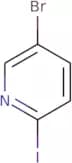

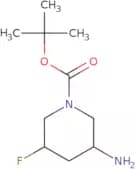

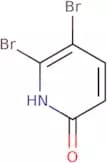
![2-[3-Chloro-5-(trifluoromethyl)-2-pyridinyl]-acetonitrile](/_next/image/?url=https%3A%2Fstatic.cymitquimica.com%2Fproducts%2F3D%2Fthumb-webp%2FHGA76410.webp&w=3840&q=75)
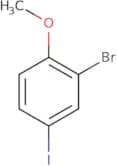
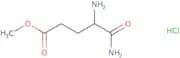
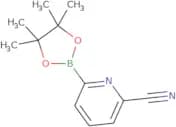
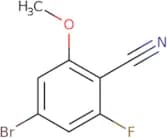
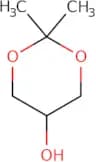
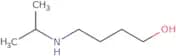
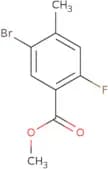
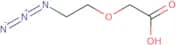

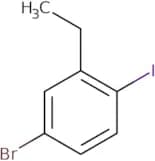

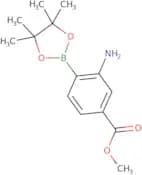

![[(1S)-1-Ethyl-2-oxopropyl]-1,1-dimethylethyl ester carbamic acid](/_next/image/?url=https%3A%2Fstatic.cymitquimica.com%2Fproducts%2F3D%2Fthumb-webp%2FEMA02105.webp&w=3840&q=75)
![6-Chloro-2,8-dimethylimidazo[1,2-b]pyridazine](/_next/image/?url=https%3A%2Fstatic.cymitquimica.com%2Fproducts%2F3D%2Fthumb-webp%2FSAA41223.webp&w=3840&q=75)


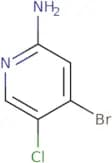
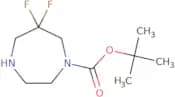
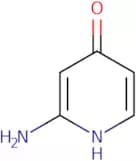
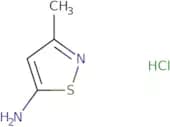
![(2R,4R)-1-[(2S)-5-Amino-1-oxo-2-[[(1,2,3,4-tetrahydro-3-methyl-8-quinolinyl)sulfonyl]amino]pentyl]…](/_next/image/?url=https%3A%2Fstatic.cymitquimica.com%2Fproducts%2F3D%2Fthumb-webp%2FFA182661.webp&w=3840&q=75)
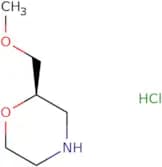
![(R)-1-[3-[4-Amino-3-(4-phenoxyphenyl)-1H-pyrazolo[3,4-d]pyrimidin-1-yl]piperidin-1-yl]-3-chloropro…](/_next/image/?url=https%3A%2Fstatic.cymitquimica.com%2Fproducts%2F3D%2Fthumb-webp%2FFA183174.webp&w=3840&q=75)
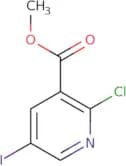

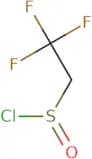

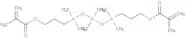
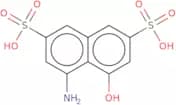
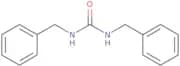
![1-[4-(Propan-2-yl)phenyl]ethan-1-ol](/_next/image/?url=https%3A%2Fstatic.cymitquimica.com%2Fproducts%2F3D%2Fthumb-webp%2FBAA47510.webp&w=3840&q=75)
![6-chloro-1H-pyrazolo[3,4-d]pyrimidin-4-amine](/_next/image/?url=https%3A%2Fstatic.cymitquimica.com%2Fproducts%2F3D%2Fthumb-webp%2FFAA41778.webp&w=3840&q=75)

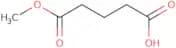

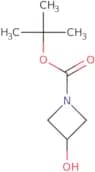


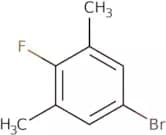


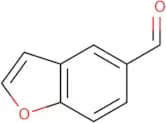
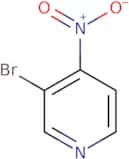
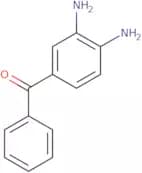
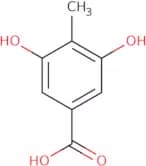
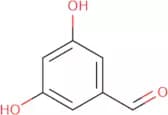

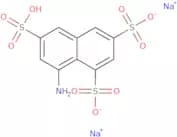


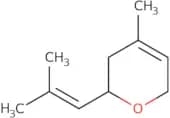

![2-[(6-Chloro-3,4-dihydro-3-methyl-2,4-dioxo-1(2H)-pyrimidinyl)methyl]-benzonitrile](/_next/image/?url=https%3A%2Fstatic.cymitquimica.com%2Fproducts%2F3D%2Fthumb-webp%2FQJB75896.webp&w=3840&q=75)


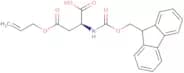

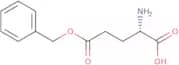

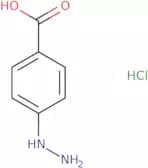


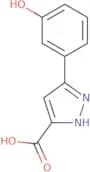


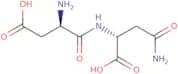


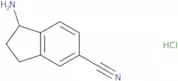

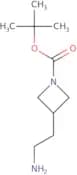

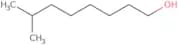

![3-[5-(Aminomethyl)-1-oxo-2,3-dihydro-1H-isoindol-2-yl]piperidine-2,6-dione hydrochloride](/_next/image/?url=https%3A%2Fstatic.cymitquimica.com%2Fproducts%2F3D%2Fthumb-webp%2FIWB26469.webp&w=3840&q=75)


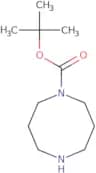


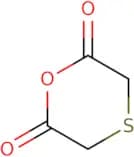

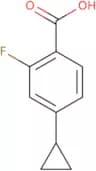
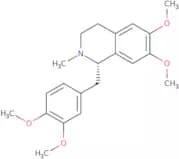
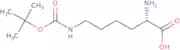

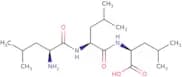
![tert-Butyl 6-amino-3-azabicyclo[3.1.0]hexane-3-carboxylate](/_next/image/?url=https%3A%2Fstatic.cymitquimica.com%2Fproducts%2F3D%2Fthumb-webp%2FFM161190.webp&w=3840&q=75)

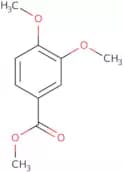


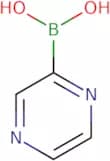

![tert-Butyl 4-hydroxy-1-oxa-7-azaspiro[4.4]nonane-7-carboxylate](/_next/image/?url=https%3A%2Fstatic.cymitquimica.com%2Fproducts%2F3D%2Fthumb-webp%2FXXC50503.webp&w=3840&q=75)
![7-bromo-3-iodoimidazo[1,2-a]pyridine](/_next/image/?url=https%3A%2Fstatic.cymitquimica.com%2Fproducts%2F3D%2Fthumb-webp%2FWZB18455.webp&w=3840&q=75)
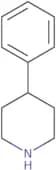
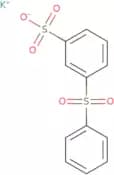
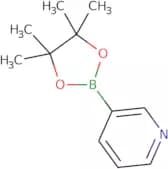

![(2S)-3-(3,4-dihydroxyphenyl)-2-{[(9H-fluoren-9-ylmethoxy)carbonyl]amino}propanoic acid](/_next/image/?url=https%3A%2Fstatic.cymitquimica.com%2Fproducts%2F3D%2Fthumb-webp%2FMFA01893.webp&w=3840&q=75)


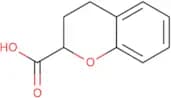


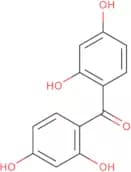

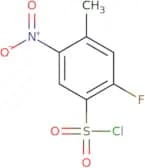
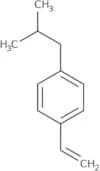
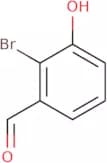

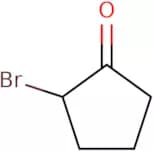
![4-{[(tert-butoxy)carbonyl]amino}bicyclo[2.2.2]octane-1-carboxylic acid](/_next/image/?url=https%3A%2Fstatic.cymitquimica.com%2Fproducts%2F3D%2Fthumb-webp%2FNJB30476.webp&w=3840&q=75)


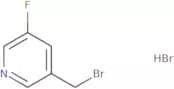
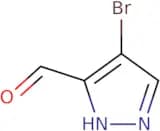

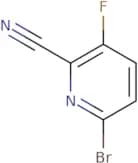
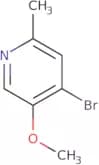
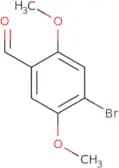
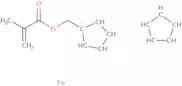

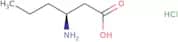
![2-Bromothieno[3,2-c]pyridin-4(5H)-one](/_next/image/?url=https%3A%2Fstatic.cymitquimica.com%2Fproducts%2F3D%2Fthumb-webp%2FDBA94860.webp&w=3840&q=75)
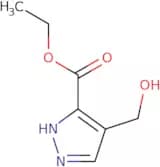
![3-oxo-2,3,5,7-tetrahydro-pyrrolo[3,4-c]pyridazine-6-carboxylic acid tert-butyl ester](/_next/image/?url=https%3A%2Fstatic.cymitquimica.com%2Fproducts%2F3D%2Fthumb-webp%2FVFC49325.webp&w=3840&q=75)
![2-Azaspiro[3.3]heptane-2,6-dicarboxylic acid 2-tert-butyl ester](/_next/image/?url=https%3A%2Fstatic.cymitquimica.com%2Fproducts%2F3D%2Fthumb-webp%2FLYB52653.webp&w=3840&q=75)


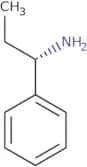
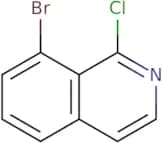

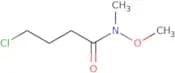
![tert-Butyl 1,8-diazaspiro[4.5]decane-1-carboxylate](/_next/image/?url=https%3A%2Fstatic.cymitquimica.com%2Fproducts%2F3D%2Fthumb-webp%2FKKB27992.webp&w=3840&q=75)
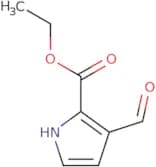

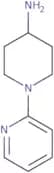
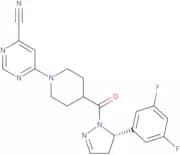
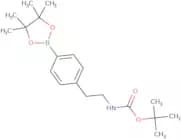
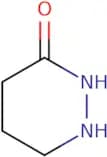
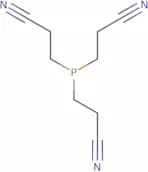
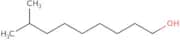
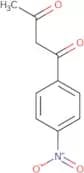


![5-Chloro-1H-pyrrolo[2,3-c]pyridine-3-carboxylic acid](/_next/image/?url=https%3A%2Fstatic.cymitquimica.com%2Fproducts%2F3D%2Fthumb-webp%2FSSB19336.webp&w=3840&q=75)
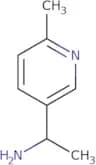
![[(Trimethylsilyl)ethynyl]boronic acid, pinacol ester](/_next/image/?url=https%3A%2Fstatic.cymitquimica.com%2Fproducts%2F3D%2Fthumb-webp%2FJGA08746.webp&w=3840&q=75)

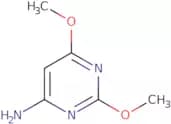
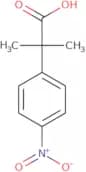

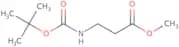

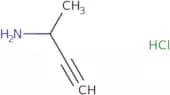


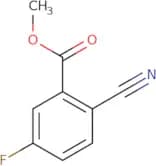

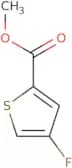
![8-Chlorotetrazolo[1,5-A]pyrazine](/_next/image/?url=https%3A%2Fstatic.cymitquimica.com%2Fproducts%2F3D%2Fthumb-webp%2FCDA88819.webp&w=3840&q=75)