


Building Blocks
Subcategories of "Building Blocks"
- Boronic Acids & Boronic Acid Derivatives(5,781 products)
- Chiral Building Blocks(1,242 products)
- Hydrocarbon Building Blocks(6,101 products)
- Organic Building Blocks(61,033 products)
Found 205320 products of "Building Blocks"
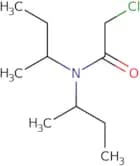
N,N-Bis(butan-2-yl)-2-chloroacetamide
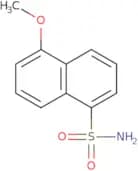
CAS:Versatile small molecule scaffoldFormula:C10H20ClNOPurity:Min. 95%Molecular weight:205.72 g/mol5-methoxynaphthalene-1-sulfonamide
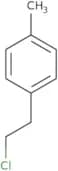
CAS:5-Methoxynaphthalene-1-sulfonamide is a fluorescent substrate that is used in the screening of catalysts for metathesis reactions. 5-Methoxynaphthalene-1-sulfonamide fluoresces when it reacts with a metal catalyst, which can be observed in a microplate assay. The reaction of 5-methoxynaphthalene-1-sulfonamide with a metal catalyst produces two products, one fluorescent and one nonfluorescent. A profluorescent plate assay can be used to validate the results of the microplate assay. The solvents used to dissolve the compounds are also listed as keywords.Formula:C11H11NO3SPurity:Min. 95%Molecular weight:237.28 g/mol1-(2-Chloroethyl)-4-methylbenzene
CAS:Versatile small molecule scaffold
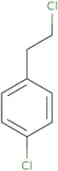
Formula:C9H11ClPurity:Min. 95%Molecular weight:154.63 g/mol1-Chloro-4-(2-chloroethyl)benzene
CAS:1-Chloro-4-(2-chloroethyl)benzene is a yellow, anhydrous, light yellow powder that is a synthetic chemical. It may be used as an intermediate for the synthesis of other chemicals or as a solvent in organic reactions. 1-Chloro-4-(2-chloroethyl)benzene can be prepared by the Friedel-Crafts acylation of benzene with chloroethane and aluminium chloride. The filtration and washing steps are followed by evaporation to yield a crystalline product. Reaction time varies depending on temperature, but generally takes around 24 hours at room temperature. Deionized water and hydrochloric acid are used to dissolve the crystals and produce a clear solution.
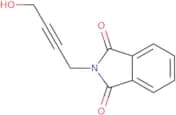
Formula:C8H8Cl2Purity:Min. 95%Molecular weight:175.06 g/mol2-(4-Hydroxybut-2-yn-1-yl)-2,3-dihydro-1H-isoindole-1,3-dione
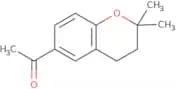
CAS:Versatile small molecule scaffoldFormula:C12H9NO3Purity:Min. 95%Molecular weight:215.2 g/mol1-(2,2-dimethyl-3,4-dihydro-2H-1-benzopyran-6-yl)ethan-1-one
CAS:Versatile small molecule scaffold
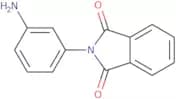
Formula:C13H16O2Purity:Min. 95%Molecular weight:204.27 g/mol2-(3-Aminophenyl)-2,3-dihydro-1H-isoindole-1,3-dione
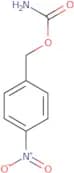
CAS:Versatile small molecule scaffoldFormula:C14H10N2O2Purity:Min. 95%Molecular weight:238.24 g/mol(4-Nitrophenyl)methyl carbamate
CAS:4-Nitrophenylmethyl carbamate (4NP) is a chemical that is activated by nitro groups in biological systems. It is an amine derivative and has been shown to inhibit the growth of solid tumours in mice. 4NP has also been tested for its potential use as an immunosuppressant, with some success. However, it can cause toxic side effects such as weight loss and lethargy. The chemical stability of 4NP makes it a promising candidate for anticancer drug development, although it can cause damage to DNA. 4NP binds to dinucleotide phosphate (DNP) and inhibits the activity of enzyme ribonucleotide reductase, which leads to cell death. It has also been shown to have anti-inflammatory properties, which may be due to its ability to inhibit prostaglandin synthesis.Formula:C8H8N2O4Purity:Min. 95%Molecular weight:196.16 g/molMethyl 3-(oxan-2-yl)propanoate
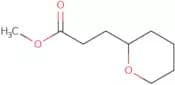
CAS:Versatile small molecule scaffoldFormula:C9H16O3Purity:Min. 95%Molecular weight:172.22 g/mol4-(4-Methoxyphenoxy)butan-2-one
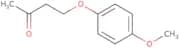
CAS:Versatile small molecule scaffoldFormula:C11H14O3Purity:Min. 95%Molecular weight:194.23 g/mol2-Bromoethyl N-phenylcarbamate
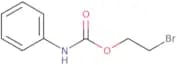
CAS:Versatile small molecule scaffoldFormula:C9H10BrNO2Purity:Min. 95%Molecular weight:244.08 g/molOctadecyl Methacrylate
CAS:Octadecyl methacrylate is a monomer that polymerizes to form poly(octadecyl methacrylate) (POM), a high-resistance, hydrophobic polymer. POM is synthesized by free-radical polymerization of octadecyl methacrylate in the presence of oxygen and heat. The copolymerization reaction mechanism is initiated by the abstraction of an electron from one of the monomers by the other, leading to radical formation. Radical-initiated reactions are often terminated by hydrogen bonding between radicals on adjacent chains. These intermolecular hydrogen bonds are responsible for the high resistance and hydrophobic properties of POM. Octadecyl methacrylate can be used as a sealant for water vapor because it has a low permeability for water vapor due to its hydrophobic properties. It also has potential use as a model system for acrylates and other reactive monomers, due to its high resistance toFormula:C22H42O2Purity:Min. 95%Molecular weight:338.57 g/mol1-(4-Methanesulfinylphenyl)ethan-1-one
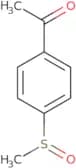
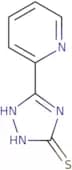
CAS:Versatile small molecule scaffoldFormula:C9H10O2SPurity:Min. 95%Molecular weight:182.24 g/mol5-(Pyridin-2-yl)-1H-1,2,4-triazole-3-thiol
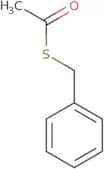
CAS:Versatile small molecule scaffoldFormula:C7H6N4SPurity:Min. 95%Molecular weight:178.22 g/molBenzyl thioacetate
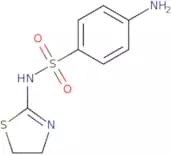
CAS:Benzyl thioacetate is a chemical inhibitor of the enzyme cytosolic acetaldehyde-oxidoreductase. It also has been shown to inhibit the synthesis of diallyl trisulfide, amide, and hydroxyl group. The reactive functional group in benzyl thioacetate is a carbonyl group, which reacts with the nucleophilic amino acid cysteine to form a covalent adduct. This reaction causes a change in the charge on the molecule as well as an increase in its pKa, which makes it more reactive. Benzyl thioacetate is also known to react with nitro groups and hydroxy groups, making it an excellent candidate for cationic polymerization reactions.Formula:C9H10OSPurity:Min. 95%Molecular weight:166.24 g/mol4-Amino-N-(4,5-dihydro-1,3-thiazol-2-yl)benzene-1-sulfonamide
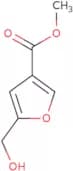
CAS:4-Amino-N-(4,5-dihydro-1,3-thiazol-2-yl)benzene-1-sulfonamide is a nitro compound that has been shown to have antitumor activity. It has been shown to inhibit the production of serotonin in the brain and its biological effects are thought to be related to its ability to block the activation of inflammatory cells by inhibiting the synthesis of arachidonic acid. This drug also has antiinflamatory and antiepileptic properties. 4ATBS inhibits adenosine receptor antagonists, which may be due to its ability to bind with these receptors and prevent them from binding with adenosine. This drug also has antioxidant properties due to its ability to scavenge free radicals. 4ATBS is currently being studied for use in cancer prevention and treatment as well as autoimmune diseases such as multiple sclerosis.Formula:C9H11N3O2S2Purity:Min. 95%Molecular weight:257.3 g/molMethyl 5-(hydroxymethyl)furan-3-carboxylate
CAS:Versatile small molecule scaffold
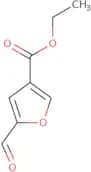
Formula:C7H8O4Purity:Min. 95%Molecular weight:156.14 g/molEthyl 5-formylfuran-3-carboxylate
CAS:Ethyl 5-formylfuran-3-carboxylate is an organic compound that can be synthesized by the intramolecular Diels–Alder reaction of ethyl formate and isoindolone. The synthesis of this compound is efficient and can be carried out in a one pot process. Ethyl 5-formylfuran-3-carboxylate is a modulator that acts as an allosteric modulator of mGluR2. It has been shown to act as an allosteric modulator of the receptor, increasing its affinity for glutamate and enhancing its response to glutamate.Formula:C8H8O4Purity:Min. 95%Molecular weight:168.15 g/molN-Benzyl-N-methylcarbamoyl chloride
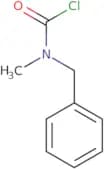
CAS:Versatile small molecule scaffold
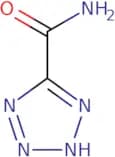
Formula:C9H10ClNOPurity:Min. 95%Molecular weight:183.63 g/mol1H-1,2,3,4-Tetrazole-5-carboxamide
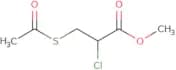
CAS:Versatile small molecule scaffoldFormula:C2H3N5OPurity:Min. 95%Molecular weight:113.08 g/molMethyl 3-(acetylsulfanyl)-2-chloropropanoate
CAS:Versatile small molecule scaffoldFormula:C6H9ClO3SPurity:Min. 95%Molecular weight:196.65 g/mol9-Azatricyclo[9.4.0.0,2,7]pentadeca-1(15),2,4,6,11,13-hexaene hydrochloride
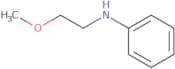
CAS:Versatile small molecule scaffoldFormula:C14H14ClNPurity:Min. 95%Molecular weight:231.72 g/molN-(2-Methoxyethyl)aniline
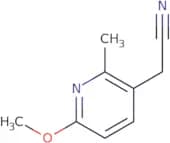
CAS:Versatile small molecule scaffoldFormula:C9H13NOPurity:Min. 95%Molecular weight:151.21 g/mol(6-Methoxy-2-methylpyridin-3-yl)methanol
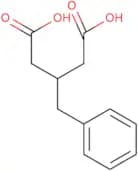
CAS:Versatile small molecule scaffoldFormula:C8H11NO2Purity:Min. 95%Molecular weight:153.18 g/mol3-Benzylpentanedioic acid
CAS:Versatile small molecule scaffoldFormula:C12H14O4Purity:Min. 95%Molecular weight:222.24 g/mol2,3-Dihydro-1H-benzo[de]isoquinoline hydrochloride
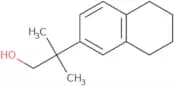
CAS:Versatile small molecule scaffoldFormula:C12H12ClNPurity:Min. 95%Molecular weight:205.68 g/mol2-Methyl-2-(5,6,7,8-tetrahydronaphthalen-2-yl)propan-1-ol
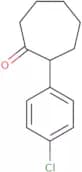
CAS:Versatile small molecule scaffoldFormula:C14H20OPurity:Min. 95%Molecular weight:204.31 g/mol2-(4-Chlorophenyl)cycloheptan-1-one
CAS:Versatile small molecule scaffoldFormula:C13H15ClOPurity:Min. 95%Molecular weight:222.71 g/mol3-{[5-(Propan-2-yl)-1,3,4-thiadiazol-2-yl]carbamoyl}propanoic acid
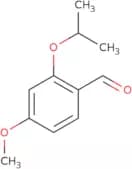
CAS:Versatile small molecule scaffoldFormula:C9H13N3O3SPurity:Min. 95%Molecular weight:243.29 g/mol4-Methoxy-2-(propan-2-yloxy)benzaldehyde
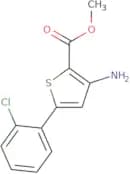
CAS:4-Methoxy-2-(propan-2-yloxy)benzaldehyde is a heterobifunctional linker that can be used to connect two molecules. It inhibits the activity of HCT116 cells and has been shown to be an inhibitor of imidazoline receptors. This compound also has the ability to inhibit the E3 ubiquitin ligase and may be useful in cancer therapy.Formula:C11H14O3Purity:Min. 95%Molecular weight:194.23 g/molMethyl 3-amino-5-(2-chlorophenyl)thiophene-2-carboxylate
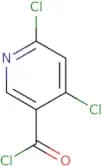
CAS:Versatile small molecule scaffoldFormula:C12H10ClNO2SPurity:Min. 95%Molecular weight:267.73 g/mol4,6-Dichloropyridine-3-carbonyl chloride
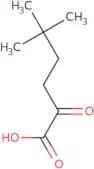
CAS:Versatile small molecule scaffoldFormula:C6H2Cl3NOPurity:Min. 95%Molecular weight:210.4 g/mol5,5-Dimethyl-2-oxohexanoic acid
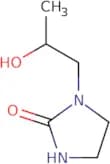
CAS:Versatile small molecule scaffoldFormula:C8H14O3Purity:Min. 95%Color and Shape:PowderMolecular weight:158.19 g/mol1-(2-Hydroxypropyl)imidazolidin-2-one
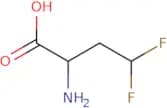
CAS:Versatile small molecule scaffoldFormula:C6H12N2O2Purity:Min. 95%Molecular weight:144.17 g/mol2-Amino-4,4-difluorobutanoic acid
CAS:2-Amino-4,4-difluorobutanoic acid is an amino acid that is the precursor to l-amino acids and δ opioid peptides. It can be synthesized in mammals by the enzyme δ aminobutyric acid (GABA) aminotransferase. This compound has been shown to have analgesic effects in animal models by acting as a δ opioid receptor agonist. 2-Amino-4,4-difluorobutanoic acid has also been shown to inhibit virus replication through inhibition of NS3 protease. Its antiviral activity is selective for influenza A virus and herpes simplex virus type 1 (HSV1). 2-Amino-4,4-difluorobutanoic acid has also been shown to be a competitive inhibitor of enkephalinase, which may contribute to its analgesic effects.Formula:C4H7F2NO2Purity:Min. 95%Molecular weight:139.1 g/mol2-{3H-Imidazo[4,5-b]pyridin-2-yl}acetonitrile
CAS:Versatile small molecule scaffoldFormula:C8H6N4Purity:Min. 95%Molecular weight:158.16 g/molN'-Hydroxy-2-{3H-imidazo[4,5-b]pyridin-2-yl}ethanimidamide
CAS:Versatile small molecule scaffoldFormula:C8H9N5OPurity:Min. 95%Molecular weight:191.19 g/molImidazo[1,2-a]pyridin-2(3H)-one hydrobromide
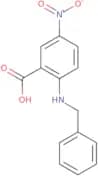
CAS:Versatile small molecule scaffoldFormula:C7H7BrN2OPurity:Min. 95%Molecular weight:215.05 g/mol2-(Benzylamino)-5-nitrobenzoic acid
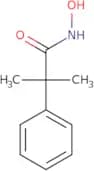
CAS:2-(Benzylamino)-5-nitrobenzoic acid is a catalyst that can be used in amination reactions, which are chemical reactions between an amine and an aldehyde or ketone to form a new compound. This process is used in the synthesis of drugs, such as penicillin. 2-(Benzylamino)-5-nitrobenzoic acid has shown potential for use as a drug by selectively forming aliphatic or aromatic amines from regioselective nitrosation of amines. The isolated yield is high and the reaction does not require any harsh conditions.Formula:C14H12N2O4Purity:Min. 95%Molecular weight:272.26 g/molN-Hydroxy-2-methyl-2-phenylpropanamide
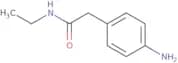
CAS:Versatile small molecule scaffoldFormula:C10H13NO2Purity:Min. 95%Molecular weight:179.22 g/mol2-(4-Aminophenyl)-N-ethylacetamide
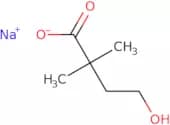
CAS:Versatile small molecule scaffoldFormula:C10H14N2OPurity:Min. 95%Molecular weight:178.23 g/molSodium 4-hydroxy-2,2-dimethylbutanoate
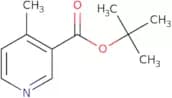
CAS:Versatile small molecule scaffoldFormula:C6H11NaO3Purity:Min. 95%Molecular weight:154.14 g/moltert-Butyl 4-methylpyridine-3-carboxylate
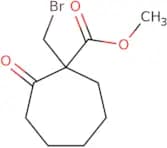
CAS:Versatile small molecule scaffoldFormula:C11H15NO2Purity:Min. 95%Molecular weight:193.24 g/molMethyl 1-(bromomethyl)-2-oxocycloheptane-1-carboxylate
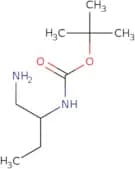
CAS:Versatile small molecule scaffoldFormula:C10H15BrO3Purity:Min. 95%Molecular weight:263.13 g/moltert-butyl N-(1-aminobutan-2-yl)carbamate
CAS:Versatile small molecule scaffoldFormula:C9H20N2O2Purity:Min. 95%Molecular weight:188.3 g/mol2,4-Dichloro-5-[(pyridin-2-ylmethyl)sulfamoyl]benzoic acid
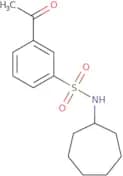
CAS:Versatile small molecule scaffoldFormula:C13H10Cl2N2O4SPurity:Min. 95%Molecular weight:361.2 g/mol3-Acetyl-N-cycloheptylbenzene-1-sulfonamide
CAS:Versatile small molecule scaffoldFormula:C15H21NO3SPurity:Min. 95%Molecular weight:295.4 g/mol(2E)-2-Cyano-3-[2,5-dimethyl-1-(tetrahydrofuran-2-ylmethyl)-1H-pyrrol-3-yl]acrylic acid
CAS:Versatile small molecule scaffoldFormula:C15H18N2O3Purity:Min. 95%Molecular weight:274.31 g/mol2-Chloro-N-{3-[(2-chlorophenyl)methyl]-2,3-dihydro-1,3-thiazol-2-ylidene}acetamide
CAS:Versatile small molecule scaffold
Formula:C12H10Cl2N2OSPurity:Min. 95%Molecular weight:301.2 g/mol4-Acetyl-N-[(2-chlorophenyl)methyl]benzene-1-sulfonamide
CAS:Versatile small molecule scaffoldFormula:C15H14ClNO3SPurity:Min. 95%Molecular weight:323.8 g/mol


![9-Azatricyclo[9.4.0.0,2,7]pentadeca-1(15),2,4,6,11,13-hexaene hydrochloride](/_next/image/?url=https%3A%2Fstatic.cymitquimica.com%2Fproducts%2F3D%2Fthumb-webp%2FHBA37286.webp&w=3840&q=75)
![2,3-Dihydro-1H-benzo[de]isoquinoline hydrochloride](/_next/image/?url=https%3A%2Fstatic.cymitquimica.com%2Fproducts%2F3D%2Fthumb-webp%2FHBA38687.webp&w=3840&q=75)
![3-{[5-(Propan-2-yl)-1,3,4-thiadiazol-2-yl]carbamoyl}propanoic acid](/_next/image/?url=https%3A%2Fstatic.cymitquimica.com%2Fproducts%2F3D%2Fthumb-webp%2FHEA81108.webp&w=3840&q=75)
![2-{3H-Imidazo[4,5-b]pyridin-2-yl}acetonitrile](/_next/image/?url=https%3A%2Fstatic.cymitquimica.com%2Fproducts%2F3D%2Fthumb-webp%2FHEA93297.webp&w=3840&q=75)
![N'-Hydroxy-2-{3H-imidazo[4,5-b]pyridin-2-yl}ethanimidamide](/_next/image/?url=https%3A%2Fstatic.cymitquimica.com%2Fproducts%2F3D%2Fthumb-webp%2FHEA93305.webp&w=3840&q=75)
![Imidazo[1,2-a]pyridin-2(3H)-one hydrobromide](/_next/image/?url=https%3A%2Fstatic.cymitquimica.com%2Fproducts%2F3D%2Fthumb-webp%2FHEA93407.webp&w=3840&q=75)
![2,4-Dichloro-5-[(pyridin-2-ylmethyl)sulfamoyl]benzoic acid](/_next/image/?url=https%3A%2Fstatic.cymitquimica.com%2Fproducts%2F3D%2Fthumb-webp%2FHEB27232.webp&w=3840&q=75)
![(2E)-2-Cyano-3-[2,5-dimethyl-1-(tetrahydrofuran-2-ylmethyl)-1H-pyrrol-3-yl]acrylic acid](/_next/image/?url=https%3A%2Fstatic.cymitquimica.com%2Fproducts%2F3D%2Fthumb-webp%2FHEB29132.webp&w=3840&q=75)
![2-Chloro-N-{3-[(2-chlorophenyl)methyl]-2,3-dihydro-1,3-thiazol-2-ylidene}acetamide](/_next/image/?url=https%3A%2Fstatic.cymitquimica.com%2Fproducts%2F3D%2Fthumb-webp%2FHEB29140.webp&w=3840&q=75)
![4-Acetyl-N-[(2-chlorophenyl)methyl]benzene-1-sulfonamide](/_next/image/?url=https%3A%2Fstatic.cymitquimica.com%2Fproducts%2F3D%2Fthumb-webp%2FHEB29149.webp&w=3840&q=75)