Alcohols
Subcategories of "Alcohols"
Found 5817 products of "Alcohols"
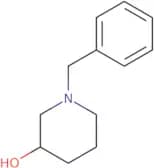
1-Benzyl-3-piperidinol
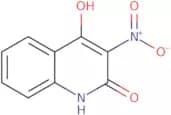
CAS:1-Benzyl-3-piperidinol is a synthetic chemical that has been used as a long-acting calcium antagonist. It is synthesized by the reaction of 1,2-dibromoethane with piperidine and benzaldehyde in the presence of an acid catalyst. The reaction yield is high, and impurities are low. This drug substance is soluble in organic solvents, such as chloroform, ethyl acetate, and ether. The synthesis process uses chiral catalysts to produce the desired enantiomeric form of the drug substance. The use of immobilized catalysts improves the conversion rate, kinetic parameters, and reaction yield of this process.Formula:C12H17NOPurity:Min. 95%Color and Shape:PowderMolecular weight:191.27 g/mol4-Hydroxy-3-nitro-2(1H)-quinolinone
CAS:4-Hydroxy-3-nitro-2(1H)-quinolinone is a quinoline derivative that has been shown to have anticancer activity against cancer cells. It can be used for the treatment of various types of cancer, including lung cancer, breast cancer, and colon cancer. This drug inhibits the growth of cancer cells by blocking the cycle at the G1 phase and inducing apoptosis. It also disrupts mitochondrial membrane potential, leading to an increase in reactive oxygen species and DNA damage. 4-Hydroxy-3-nitro-2(1H)-quinolinone is an epidermal growth factor receptor (EGFR) antagonist and blocks epidermal growth factor signaling through its inhibition of EGFR tyrosine kinase activity. It also downregulates TNFα expression in tumor cells by inhibiting NFκB activation.
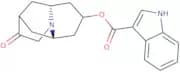
Formula:C9H6N2O4Purity:Min. 95%Molecular weight:206.16 g/molOctahydro-3-oxo-2,6-methano-2H-quinolizin-8-yl ester
CAS:Dolasetron mesylate is a mesylate of the biologically active form of dolasetron, which is an octahydro-3-oxo-2,6-methano-2H-quinolizin-8-yl ester. Dolasetron has been shown to be effective in the treatment of nausea and vomiting caused by cytotoxic chemotherapy or radiation therapy. It has been approved for use in adults with cancer who have not responded to other treatments. Dolasetron is rapidly absorbed from the gastrointestinal tract and is then distributed throughout the body, including into the brain. The elimination half life of dolasetron mesylate is about 2 hours and it binds to plasma proteins. Dolasetron mesylate specifically binds to serotonin receptors, which are found on cells in the gut. This binding inhibits serotonin induced contraction of bowel smooth muscle cells.Formula:C19H20N2O3Purity:Min. 95%Color and Shape:White To Off-White To Grey SolidMolecular weight:324.37 g/mol2,6-Dichlorophenol
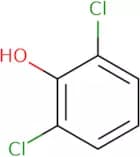
CAS:2,6-Dichlorophenol is a hydrogen-bond inhibitor that inhibits the reaction of receptors with their specific treatment. It has been shown to have an inhibitory effect on the light-induced activation of receptor cells and to inhibit the reaction mechanism of analytical methods. 2,6-Dichlorophenol has also been shown to be effective in synchronous fluorescence spectroscopy as a probe for detecting hydrogen bonds in biological samples. The chemical structure of 2,6-dichlorophenol is C6H4Cl2O. It is soluble in water and reacts with acids to form hydrogen chloride gas and 2,6-dichlorophenol hydrochloride (C6H3Cl2O).Formula:C6H4Cl2OPurity:Min. 95%Color and Shape:White PowderMolecular weight:163 g/mol1,2,3,4-Tetrahydro-4,8-dihydroxy-2-methyl-isoquinoline
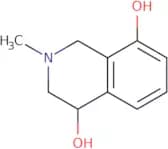
CAS:1,2,3,4-Tetrahydro-4,8-dihydroxy-2-methyl-isoquinoline is a chemical compound that has been used as an intermediate in the synthesis of pharmaceuticals. It is also a useful building block for the production of other chemicals. This compound is soluble in water. 1,2,3,4-Tetrahydro-4,8-dihydroxy-2-methyl-isoquinoline has shown to be a versatile and high quality reagent with many research applications.Formula:C10H13NO2Purity:Min. 95%Color and Shape:Yellow PowderMolecular weight:179.22 g/mol(3',5',7')-Cholane-3,7,24-triol
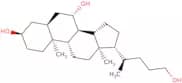
CAS:Controlled ProductPlease enquire for more information about (3',5',7')-Cholane-3,7,24-triol including the price, delivery time and more detailed product information at the technical inquiry form on this pageFormula:C24H42O3Purity:Min. 95%Molecular weight:378.59 g/molFibrinolysis Inhibitng Factor
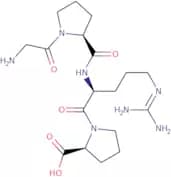
CAS:Fibrinolysis Inhibiting Factor is a surface glycoprotein that belongs to the group of human serum proteins. It has been shown to be involved in the pathogenesis of bowel diseases and is a target for dextran sulfate. Fibrinolysis inhibiting factor binds to the surfaces of cells and blocks blood coagulation by interfering with the conversion of fibrinogen into fibrin. The protein also binds calcium ions and prevents them from being deposited on cell surfaces, thereby preventing inflammatory reactions such as inflammation of the bowel. Fibrinolysis inhibiting factor has been shown to activate monoclonal antibodies in vitro, which may explain its effect on inflammatory bowel disease.Formula:C18H31N7O5Purity:Min. 95%Molecular weight:425.48 g/mol2-Methyl-2-propyl-1,3-propanediol
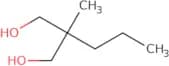
CAS:Propanediol is a chemical compound that is a diol, or a molecule containing two hydroxyl groups. The propanediol molecule contains two alcohol functional groups. It is an organic solvent with a sweet odor and a slightly viscous consistency. Propanediol can be found in cosmetics, pharmaceuticals, and food products as an inactive ingredient and solute. Propanediol has been shown to have anti-allergic properties in experimental studies. This drug also has the ability to modify the properties of other compounds that are mixed with it, such as glycol esters, which are used in pharmaceuticals and cosmetics. 2-Methyl-2-propyl-1,3-propanediol is soluble in water and readily dissolves in most organic solvents at room temperature. It has been shown to be reactive with oxalyl chloride, forming 2-(2-methylpropyl)oxirane chloride: CH3(CHOH)CH(Formula:C7H16O2Purity:Min. 95%Molecular weight:132.2 g/mol(16b,17a)-Estra-1,3,5(10)-triene-3,16,17-triol
CAS:Controlled Product(16b,17a)-Estra-1,3,5(10)-triene-3,16,17-triol is a molecule that belongs to the group of estrogens. Its structure is similar to 17β-estradiol and it has been shown to have inhibitory properties against bacterial growth. This compound has been found in human breast tissue and urine samples. 16b,17a)-Estra-1,3,5(10)-triene-3,16,17-triol has been shown to be active against colistin resistant bacteria. (16b,17a)-Estra-1,3,5(10)-triene-3,16,17-triol is also active against methicillin resistant staphylococcus aureus isolates. The optimum pH for this compound is 4.8 and it can be used for diagnostic purposes as it stains cells with a blue color in Gram's stain test.Formula:C18H24O3Purity:Min. 95%Molecular weight:288.38 g/mol8-Hydroxyquinoline copper(II)
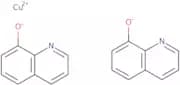
CAS:8-Hydroxyquinoline copper(II) salt is a metal chelate that can be used as an analytical reagent. It is prepared by the reaction of ethylene diamine with 8-hydroxyquinoline and copper(II) chloride. The product has been found to emit light when irradiated with UV light. This product is also used as a substrate for methyl transferase, which is an enzyme involved in the metabolism of drugs. 8-Hydroxyquinoline copper(II) salt has been shown to inhibit the activity of P-glycoprotein (Pgp), which is a drug transporter protein found in mammalian cells that functions to pump xenobiotics from the inside of cells out into the bloodstream. When Pgp is inhibited, it causes cellular accumulation of certain drugs, such as cyclosporin A and tacrolimus.Formula:C18H12CuN2O2Purity:Min. 95%Color and Shape:PowderMolecular weight:351.85 g/mol6-Amino-5,6,7,8-tetrahydronaphthalene-2,3-diol
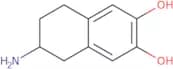
CAS:Controlled Product6-Amino-5,6,7,8-tetrahydronaphthalene-2,3-diol is a potent dopamine D2 receptor antagonist. It has been shown to inhibit the light emission of dopamine in vitro. This compound also has a high affinity for 5-HT receptors and has been shown to be a potent agonist at these sites. 6-Amino-5,6,7,8-tetrahydronaphthalene-2,3-diol has been found to induce pluripotent stem cells from human fibroblasts. These cells can differentiate into virtually any cell type in the body and may be used to study diseases such as Parkinson's disease and cancer.Formula:C10H13NO2Purity:Min. 95%Molecular weight:179.22 g/mol4-[(4-Chlorophenyl)phenylmethyl]-1-piperazineethanol dihydrochloride
CAS:4-[(4-Chlorophenyl)phenylmethyl]-1-piperazineethanol dihydrochloride is a cholinergic drug that is used to treat allergic rhinitis in children and adults. It has been shown to be well tolerated in pediatric patients and geriatric patients, as well as being an innovative, labile, and biopharmaceutical compound. 4-[(4-Chlorophenyl)phenylmethyl]-1-piperazineethanol dihydrochloride is not metabolized by the liver and does not have significant side effects. It has a low potential for abuse because of its low solubility in water. It is an antihistamine that blocks the action of histamine at H1 receptors on smooth muscle cells in the nose, which helps reduce nasal congestion and sneezing.Formula:C19H23ClN2O·2HClPurity:Min. 95%Molecular weight:403.77 g/mol3-Methyl-1-butanethiol
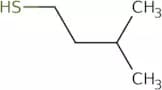
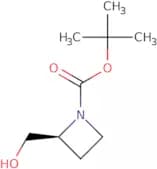
CAS:3-Methyl-1-butanethiol is a chemical compound that belongs to the class of sulfonic acids. It has been shown to be an effective inhibitor of the formation of sulfonated compounds in urine samples. 3-Methyl-1-butanethiol also possesses a hydroxyl group and chlorine atom, which are responsible for its inhibitory effects on the polymerization initiator. The hydroxyl group is involved in the synthesis of 3-methyl-1-butanol and 3,3′,5′-trimethylhexane by reacting with methanol and ethylene oxide respectively. The chlorine atom acts as a nucleophile in the reaction with sodium chloride to form chloroacetic acid. This chemical compound also contains a divalent magnesium ion that can act as a cocatalyst for polymerization reactions.Formula:C5H12SPurity:Min. 95%Molecular weight:104.21 g/mol(S)-1-(tert-Butoxycarbonyl)-2-azetidinemethanol
CAS:Please enquire for more information about (S)-1-(tert-Butoxycarbonyl)-2-azetidinemethanol including the price, delivery time and more detailed product information at the technical inquiry form on this page
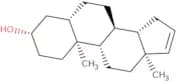
Formula:C9H17NO3Purity:Min. 95%Molecular weight:187.24 g/molAndrost-16-en-3-ol
CAS:Controlled ProductAndrost-16-en-3-ol is a pheromone that is produced by male pigs and has been shown to be a potent stimulant of female pigs. It is also an anti-cancer agent that can inhibit the growth of human cancer cells in culture. Androst-16-en-3-ol has been shown to have high cytotoxicity against human testicular, prostate, breast, and colon cancer cells with IC50 values ranging from 0.1 to 2 microM. This chemical was also found to be a potent inhibitor of protein synthesis in all four cell lines tested. Androstenone can act as a chemical conjugate with sulphates or other molecules, which can be detected by gas chromatography/mass spectrometry (GC/MS) or liquid chromatography/mass spectrometry (LC/MS).Formula:C19H30OPurity:Min. 95%Color and Shape:SolidMolecular weight:274.44 g/mol(S)-5,6,6a,7-Tetrahydro-6-methyl- 4H-dibenzo[de,g]quinoline-10,11-diol hydrochloride
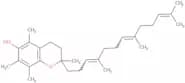
CAS:Controlled ProductPlease enquire for more information about (S)-5,6,6a,7-Tetrahydro-6-methyl- 4H-dibenzo[de,g]quinoline-10,11-diol hydrochloride including the price, delivery time and more detailed product information at the technical inquiry form on this pageFormula:C17H17NO2·HClPurity:Min. 95%Color and Shape:SolidMolecular weight:303.78 g/molD-alpha-Tocotrienol
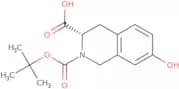
CAS:D-alpha-Tocotrienol is an antioxidant that belongs to the vitamin E family. It has been shown to have many beneficial effects in humans, including lowering of cholesterol and reducing the risk of heart disease. This compound also has antioxidant function and may be used for the prevention of certain cancers. D-alpha-Tocotrienol is a natural form of alpha-tocopherol, which is found in high concentrations in plants. It can be found in lipoproteins, phosphatidylcholine, and vulgare l., as well as hexane.Formula:C29H44O2Purity:Min. 95%Molecular weight:424.66 g/molBoc-(3S)-1,2,3,4-tetrahydroisoquinoline-7-hydroxy-3-carboxylic acid
CAS:Boc-(3S)-1,2,3,4-tetrahydroisoquinoline-7-hydroxy-3-carboxylic acid is a synthetic opioid that is chemically related to morphine. It binds to the δ opioid receptor and has a clinical development in the treatment of pain. The drug has been shown to inhibit the binding of gtpγs, which leads to the suppression of neuronal activity. Boc-(3S)-1,2,3,4-tetrahydroisoquinoline-7-hydroxy-3-carboxylic acid also has low molecular weight and low toxicity.Formula:C15H19NO5Purity:Min. 95%Color and Shape:PowderMolecular weight:293.32 g/mol1-Benzyl-1H-benzimidazole-2-thiol
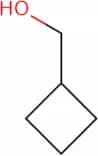
CAS:Please enquire for more information about 1-Benzyl-1H-benzimidazole-2-thiol including the price, delivery time and more detailed product information at the technical inquiry form on this pageFormula:C14H12N2SPurity:Min. 95%Molecular weight:240.32 g/molCyclobutanemethanol
CAS:Cyclobutanemethanol is a drug used to treat inflammatory diseases. It is an uptake inhibitor that blocks the transport of uridine into cells, preventing the activation of G-protein coupled receptors and the subsequent production of inflammatory mediators. Cyclobutanemethanol has been shown to have anti-inflammatory properties by inhibiting the CB2 receptor, which is found in large quantities in inflammatory tissues. Cyclobutanemethanol also prevents dehydration and increases blood flow to inflamed areas by acting on vascular endothelial cells. It can be synthesized from two molecules of hydrochloric acid and one molecule of cyclobutane. The synthesis pathway includes removal of a hydroxy group and addition of an alkynyl group via hydrogen bonding interactions with chloride ions. Cyclobutanemethanol has been shown to inhibit influenza virus replication in vitro, but not in vivo.
Formula:C5H10OPurity:Min. 95%Molecular weight:86.13 g/mol2(2-Ethoxyethoxy)ethanol
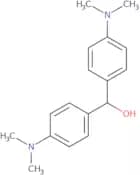
CAS:2(2-Ethoxyethoxy)ethanol is a glycol ether that is used as a substrate film in analytical methods, such as thin layer chromatography. It has been shown to be toxic to the liver and kidney, but not the heart. 2(2-Ethoxyethoxy)ethanol is also an experimental solubility data and can be used to measure the hydrophobic effect of organic compounds. This substance has high values for solubility, which may be due to its glycol ester type. 2(2-Ethoxyethoxy)ethanol does not show toxicity to the heart when administered orally or by inhalation, but does show toxicity to the liver and kidney at high doses.Formula:C6H14O3Purity:Min. 98 Area-%Color and Shape:PowderMolecular weight:134.17 g/mol4,4'-Bis(dimethylamino)diphenyl carbinol
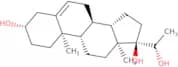
CAS:4,4'-Bis(dimethylamino)diphenyl carbinol is a bathochromic compound that belongs to the group of amines. It has been synthesized from 4,4'-diaminodiphenylmethane and hydrochloric acid. This molecule has been shown to react with protonated nitrogen atoms in an oxidation-reduction reaction. The protonation process occurs via kinetic, thermodynamic, and photophysical mechanisms. 4,4'-Bis(dimethylamino)diphenyl carbinol was used to study the proton transfer reactions between chlorine and nitrogen atoms in molecular modeling studies. On the other hand, this molecule has been shown to have fluorescence properties due to its carbonyl group.Formula:C17H22N2OPurity:Min. 95%Color and Shape:White PowderMolecular weight:270.37 g/mol(3b,20S)-Pregn-5-ene-3,17,20-triol
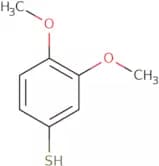
CAS:Controlled Product(3b,20S)-Pregn-5-ene-3,17,20-triol is a metabolite of the adrenal and ovarian hormones dehydroepiandrosterone (DHEA) and pregnenolone, respectively. It can be detected in urine samples for up to 2 days after administration of a single dose of DHEA. The measurement of this metabolite may be used as an aid in the diagnosis of polycystic ovary syndrome (PCOS). In women with PCOS, high levels of 3b,20S)-pregn-5-ene-3,17,20-triol are found in urine samples together with high levels of sulphates.Formula:C21H34O3Purity:Min. 95%Molecular weight:334.49 g/mol3,4-Dimethoxythiophenol
CAS:3,4-Dimethoxythiophenol is a chemical compound that is used as a fluorescence probe to study biological functions in cells. It reacts with hydroxyl groups and other reactive sites on proteins, including sulfhydryl groups, thiols, and amines. 3,4-Dimethoxythiophenol has been shown to inhibit the viability of cancer cells (e.g., prostate cancer cells) by interfering with the function of dehydrogenase enzymes. 3,4-Dimethoxythiophenol also inhibits growth of microglia (cells that protect neurons) in vitro. This inhibition is due to the production of reactive oxygen species by the microglial cells. The chemical structure of this compound includes a hydroxyl group and two methoxy groups.Formula:C8H10O2SPurity:Min. 95%Color and Shape:Clear LiquidMolecular weight:170.23 g/mol5a-Pregnane-3a,20a-diol
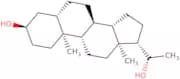
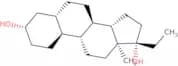
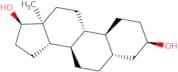
CAS:Controlled Product5a-Pregnane-3a,20a-diol is a gamma-aminobutyric acid (GABA) analogue that is used in the treatment of women with variegated hyperpigmentation. It has inhibitory properties on mutant enzymes such as disulfate reductase and other enzymes involved in the synthesis of prostaglandins. The drug binds to the enzyme GABA transaminase and this binding prevents the formation of GABA from glutamate. 5a-Pregnane-3a,20a-diol also inhibits the synthesis of prostaglandin E2 by binding to cyclooxygenase 2, leading to decreased inflammation and pain. 5a-Pregnane-3a,20a-diol is metabolized by glucuronidation or sulfation and excreted into bile or urine. This drug can also be hydrolyzed by dehydrogenases or other enzymes such as esterases.Formula:C21H36O2Purity:Min. 95%Molecular weight:320.51 g/mol(3b,5a,17a)-19-Norpregnane-3,17-diol
CAS:Controlled ProductPlease enquire for more information about (3b,5a,17a)-19-Norpregnane-3,17-diol including the price, delivery time and more detailed product information at the technical inquiry form on this pageFormula:C20H34O2Purity:Min. 95%Molecular weight:306.48 g/mol3-[4-(2-Chlorophenyl)-9-methyl-6H-thieno[3,2-f][1,2,4]triazolo[4,3-a][1,4]diazepin-2-yl]-2-propyn-1-ol
CAS:Controlled ProductPlease enquire for more information about 3-[4-(2-Chlorophenyl)-9-methyl-6H-thieno[3,2-f][1,2,4]triazolo[4,3-a][1,4]diazepin-2-yl]-2-propyn-1-ol including the price, delivery time and more detailed product information at the technical inquiry form on this pageFormula:C18H13ClN4OSPurity:Min. 95%Molecular weight:368.84 g/mol4-Fluorothiophenol
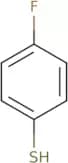
CAS:4-Fluorothiophenol is a reactive chemical that can be used as a monomer for the synthesis of polymers. It has been shown to polymerize with acrylonitrile and methacrylate in the presence of an initiator to form polyacrylonitrile and polymethacrylate, respectively. 4-Fluorothiophenol reacts with unsaturated fatty acids to form thiolates, which are useful intermediates in organic synthesis. 4-Fluorothiophenol also reacts with sulfur transfer agents such as thiourea or mercaptoethanol, leading to S-sulfides that are useful intermediates in organic synthesis. These reactions can be followed by kinetic energy spectroscopy (photoelectron) and nuclear magnetic resonance spectroscopy (NMR). 4-Fluorothiophenol has been shown to undergo intramolecular hydrogen transfer reactions with second order rate constants ranging fromFormula:C6H5FSPurity:Min. 95%Molecular weight:128.17 g/mol1,3-Distearoyl-2-chloropropanediol-d5
CAS:Please enquire for more information about 1,3-Distearoyl-2-chloropropanediol-d5 including the price, delivery time and more detailed product information at the technical inquiry form on this pageFormula:C39H70D5CIO4Purity:Min. 95%Molecular weight:751.95 g/molR-(-)-1,2-Propanediol
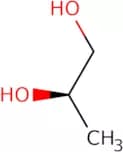
CAS:R-(-)-1,2-Propanediol is a diol that is used as an additive in pharmaceutical preparations. It has been shown to inhibit the growth of several genera of bacteria and fungi, including Actinomyces, Bacillus, Clostridium, Corynebacterium, Enterobacteriaceae (Escherichia coli), Lactobacillus, Micrococcus, Mycobacteria (M. tuberculosis), Nocardia, Pseudomonas aeruginosa. R-(-)-1,2-Propanediol also inhibits the production of carbon source from glucose by inhibiting the enzyme pyruvate dehydrogenase which catalyzes the conversion of pyruvate to acetyl coenzyme A. R-(-)-1,2-Propanediol does not show any significant effect on bacterial growth when it is used at concentrations below 100mM. It has been shown that optimal reaction with R-(-)-
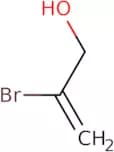
Formula:C3H8O2Purity:Min. 98 Area-%Color and Shape:Colorless Clear LiquidMolecular weight:76.09 g/mol2-Bromoallyl alcohol
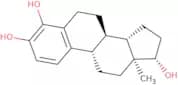
CAS:2-Bromoallyl alcohol is a halogenated aromatic hydrocarbon that is an analyte in the chemical analysis of soil. It is also used as a reagent for the debromination of 2-bromopropane and as a dehalogenating agent for the removal of bromine from organic compounds. 2-Bromoallyl alcohol can be distilled at high temperatures, but it will volatilize if heated to 80°C or higher. It has been reported that 2-bromoallyl alcohol was found to be present in all replicates analyzed. The recovery of this compound ranged from 83% to 114%. 2-Bromoallyl alcohol is used as a reagent in organic synthesis, such as in palladium catalyzed couplings with boronic acids and esters. This compound may also be used to synthesize N-(2-hydroxyethyl)hydroxylamines by reacting with sodium hydroxideFormula:C3H5BrOPurity:Min. 95%Molecular weight:136.98 g/mol4-Hydroxy-17b-estradiol
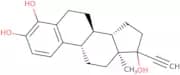
CAS:Controlled Product4-Hydroxy-17β-estradiol (4-OHE2) is a reactive metabolite of 17β-estradiol that binds to DNA and has been shown to have carcinogenic potential. The catechol-o-methyltransferase enzyme catalyzes the conversion of 4-OHE2 to 4-hydroxycatechol, which can then be further methylated by estrogen sulfotransferase or sulfatase to estrone and estrone sulfate. It has been shown that 4-OHE2 may be a potential biomarker for breast cancer. Experimental studies have shown that 4-OHE2 may act as an antioxidant in cancer tissues, but its activity has not been demonstrated in normal tissues. In order to demonstrate the ability of 4-OHE2 as an antioxidant, its activity was tested in vitro using human breast cancer cells (MDA MB 231). Results showed that 4-OHE2 decreased oxidative stress levels in these cells,Formula:C18H24O3Purity:Min. 95%Color and Shape:SolidMolecular weight:288.38 g/mol1-Tetratriacontanol
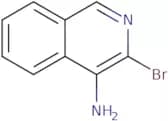
CAS:1-Tetratriacontanol is a natural compound that is found in plants, such as Momilactone. It has been shown to have inhibitory properties on chemical interactions, which may be due to its enhancement of acetate extract. 1-Tetratriacontanol has also been shown to have potent inhibitory activity against human serum and fetal bovine cells. It has a diameter of approximately 1 nm and is composed of fatty acids and phosphatidylcholine. This compound has not yet been studied for its physiological effects.Formula:C34H70OPurity:Min. 95%Molecular weight:494.92 g/mol4-Amino-3-bromoisoquinoline
CAS:4-Amino-3-bromoisoquinoline is an isocyanide that reacts with nucleophilic heteroatoms such as the amino group. It also reacts with bromine to form a bromopyridine. The nitrile group of 4-amino-3-bromoisoquinoline can be reduced with sodium borohydride to produce 4-aminoquinoline. This compound has shown potential for use in chemotherapy and treating bacterial infections.Purity:Min. 95%all-E-Heptaprenol
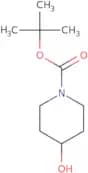
CAS:All-E-Heptaprenol is a polyprenol compound, which is a key intermediate in the biosynthesis of terpenoids. It originates from bacterial sources, where it plays a crucial role in cellular processes. All-E-Heptaprenol functions primarily as a hydrophobic carrier molecule, facilitating the transport of sugar moieties across the lipid bilayer in the assembly of complex biopolymers.Formula:C35H58OPurity:Min. 95%Molecular weight:494.83 g/mol1-Boc-4-piperidinol
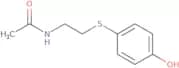
CAS:1-Boc-4-piperidinol is an inhibitor of serine proteases. It also has potent inhibitory activity against 5-HT2A receptors and inhibits the growth of cancer cells. 1-Boc-4-piperidinol is a molecule that contains a hydroxy group and a serine protease inhibitor. It reacts with hydrochloric acid to form 1-boc piperazine, which is then reacted with hydrogen chloride to form the final product. The pharmacokinetic properties of this drug are not known due to the lack of oral bioavailability in rats. However, it does show slow absorption by inhalation and subcutaneous administration, suggesting that it may be absorbed through these routes as well.Formula:C10H19NO3Purity:Min. 95%Color and Shape:Off-White PowderMolecular weight:201.26 g/molN-Acetyl-4-S-cysteaminylphenol
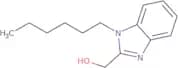
CAS:N-Acetyl-4-S-cysteaminylphenol is a tyrosinase inhibitor that is used in the treatment of skin disorders such as melasma and vitiligo. It slows the production of melanin by inhibiting tyrosinase activity and may be useful for treating some types of skin cancer. N-Acetyl-4-S-cysteaminylphenol also inhibits the growth of tumor cells, but not normal cells, which may be due to its ability to inhibit protein synthesis. This compound has been shown to inhibit cyclic nucleotide phosphodiesterases and cellular processes associated with the proliferation of cancer cells.Formula:C10H13NO2SPurity:Min. 95%Color and Shape:White PowderMolecular weight:211.28 g/mol(1-Hexyl-1H-benzimidazol-2-yl)methanol
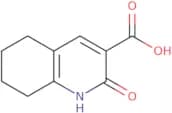
CAS:Controlled ProductPlease enquire for more information about (1-Hexyl-1H-benzimidazol-2-yl)methanol including the price, delivery time and more detailed product information at the technical inquiry form on this pageFormula:C14H20N2OPurity:Min. 95%Molecular weight:232.32 g/mol2-Oxo-1,2,5,6,7,8-hexahydroquinoline-3-carboxylic acid
CAS:Please enquire for more information about 2-Oxo-1,2,5,6,7,8-hexahydroquinoline-3-carboxylic acid including the price, delivery time and more detailed product information at the technical inquiry form on this page
Formula:C10H11NO3Purity:Min. 95%Molecular weight:193.2 g/mol4-Methylquinoline
CAS:4-Methylquinoline is a natural compound that is structurally related to coumarin. It serves as an enzyme substrate for various types of enzymes, and has been shown to inhibit the activity of enzymes such as N-acetyltransferase, indoleamine 2,3-dioxygenase, and tryptophan 2,3-dioxygenase. 4-Methylquinoline has also been shown to be effective against infectious diseases such as toxoplasmosis and leishmaniasis. Furthermore, 4-methylquinoline has been shown to have anti-inflammatory properties in autoimmune diseases such as multiple sclerosis. The mechanism of action of 4-methylquinoline is not fully understood but it may interfere with the production of nitric oxide by inhibiting the enzyme nitric oxide synthase.
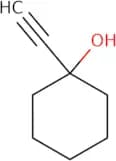
Formula:C10H9NPurity:Min. 95%Molecular weight:143.19 g/mol1-Ethynyl-cyclohexan-1-ol
CAS:1-ethynyl-cyclohexan-1-ol is a silicon sealant that can be used in a variety of industries. 1-ethynyl-cyclohexan-1-ol has high resistance to water, oil and other chemical substances. 1-ethynyl-cyclohexan-1-ol is a molecule with the formula CH2CH(OH)CH2 and it is not soluble in water. It is also chemically stable and does not react with hydrochloric acid. The FTIR spectra show that the carbonyl group in 1-ethynyl cyclohexanone is present as an ester. The nmr spectra indicate that the substrate film contains methyl ethyl silicone and that there are no other components present.
Formula:C8H12OPurity:Min. 95%Color and Shape:PowderMolecular weight:124.18 g/molTrimethylsilylmethanethiol
CAS:Trimethylsilylmethanethiol (TMSET) is a thiol that is used as a reagent in organic synthesis. It is soluble in water and it has a high boiling point, making it useful for reactions that require heat. TMSET has been shown to be an effective antiviral agent against hepatitis C virus (HCV) and influenza A virus by binding to the viral receptor on the cell surface and preventing its entry into the cell. TMSET also inhibits neuronal function by binding to the hydroxy group of proteins, thereby disrupting their structure and function.Formula:C4H12SSiPurity:Min. 95%Molecular weight:120.29 g/molDelta9,11-Dehydro-17b-estradiol 17-valerate
CAS:Controlled ProductPlease enquire for more information about Delta9,11-Dehydro-17b-estradiol 17-valerate including the price, delivery time and more detailed product information at the technical inquiry form on this pageFormula:C23H30O3Purity:Min. 96 Area-%Molecular weight:354.48 g/mol3-Buten-2-ol
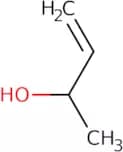
CAS:3-Buten-2-ol is an organic compound that contains a hydroxyl group and a double bond in the form of an alkene. It is a colorless liquid with a sweet odor. 3-Buten-2-ol is used as a chemical intermediate to produce glycol ethers, which are used as solvents for paints and coatings. 3-Buten-2-ol has been shown to inhibit protein synthesis by inhibiting glutamate dehydrogenase, which is required for the conversion of glutamate to α-ketoglutarate in the TCA cycle. The deuterium isotope effect on the kinetic data suggests that 3-buten-2-ol binds to the active site of glutamate dehydrogenase and blocks its access to substrate.
Formula:C4H8OPurity:Min. 95%Color and Shape:Clear LiquidMolecular weight:72.11 g/molGestadienol
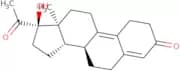
CAS:Controlled ProductGestadienol is a synthetic, reconstituted drug that is used to treat congestive heart failure. Gestadienol is produced by reacting hydrochloric acid with isopropyl palmitate and diluent. The reaction yield of this process can be increased by implanting the drug into animal tissue for a period of time before extraction. Gestadienol binds to glucuronidated compounds in the blood, which may be due to its chemical similarity to estradiol. This binding prevents the glucuronidated compound from being excreted in urine and increases their concentration in the bloodstream. Gestadienol has been shown to increase postnatal development in rats, which may be due to its ability to bind progesterone receptors on cells and inhibit progesterone-mediated effects.Formula:C20H26O3Purity:Min. 95%Molecular weight:314.42 g/molrac-prolinol
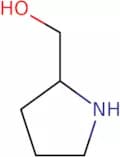
CAS:Rac-prolinol is a picolinic acid derivative that has been shown to inhibit the production of pyrrolidinecarboxylic acid in the form of l-tartaric acid. This inhibition is due to the formation of a hydrogen bond with the hydroxyl group on the substrate molecule, which prevents its conversion into pyrrolidinecarboxylic acid. Rac-prolinol has also been shown to inhibit collagen production in cells. Rac-prolinol binds to receptors that are involved in regulating cell proliferation and differentiation, including transforming growth factor beta receptor and epidermal growth factor receptor. It inhibits collagen synthesis by acting as a competitive inhibitor of proline hydroxylase, an enzyme responsible for catalyzing proline into hydroxyproline. The molecule also inhibits DNA synthesis by binding to the erythrocyte membrane skeleton and blocking ATP synthesis.Formula:C5H11NOPurity:Min. 95%Molecular weight:101.15 g/mol3,3-Diethoxy-1,2-propanediol
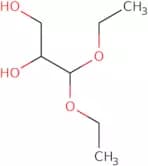
CAS:3,3-Diethoxy-1,2-propanediol is a chemical compound that has been found to have an acidic character and to be an allylation agent. This ingredient also has the ability to form flavonoids and act as a ring-opening polymerization catalyst. It can be used in leaf extract as an astringent or antibacterial. 3,3-Diethoxy-1,2-propanediol is used in the production of this product. The medicinal properties of this compound are scientifically analysed and tested for efficacy. It has been shown to act as a laxative when taken in excessive amounts. 3,3-Diethoxy-1,2-propanediol is not known to have any negative side effects on the human body such as skin irritation or sensitization.Formula:C7H16O4Purity:Min. 95%Molecular weight:164.2 g/molL-Prolinol 2-chlorotrityl resin
Please enquire for more information about L-Prolinol 2-chlorotrityl resin including the price, delivery time and more detailed product information at the technical inquiry form on this page
Purity:Min. 95%Methoxypropoxypropanol
CAS:Methoxypropoxypropanol (MPP) is a highly selective inhibitor of the enzyme picolinic acid carboxylase, which converts L-pyridoxal 5'-phosphate to picolinic acid. MPP has shown good efficacy in reducing disease activity in animal models and is being developed for the treatment of rheumatoid arthritis. This drug also has been shown to be toxicologically safe in both acute and chronic toxicity studies. Methoxypropoxypropanol has also been used as an analytical reagent for the qualitative detection of picolinic acid in urine and blood samples. The use of this compound as a wastewater treatment agent for removal of organic acids from industrial effluents is well studied. MPP has been found to have some beneficial effects on congestive heart failure in rats by lowering their blood pressure and cholesterol levels.Formula:C7H16O3Purity:Min. 95%Color and Shape:Clear LiquidMolecular weight:148.2 g/molDodecane-1-thiol
CAS:Dodecane-1-thiol is a chemical that is used as an ingredient in the production of nanoparticles. It has been shown to have high resistance to sodium salts and is chemically stable. Dodecane-1-thiol can be synthesized by reacting dodecane with hydroxylamine and mercaptan, which are both highly reactive compounds. Dodecane-1-thiol has a hydroxyl group on the thiol group and a dimethyl fumarate molecule attached to it. The hydroxyl group reacts with mercaptan, while the dimethyl fumarate molecule attaches to the thiol group to provide stability. Dodecane-1-thiol can also be synthesized using polymerization reactions.Formula:C12H26SPurity:95%MinMolecular weight:202.4 g/molrac 2-palmitoyl-3-chloropropanediol
CAS:Please enquire for more information about rac 2-palmitoyl-3-chloropropanediol including the price, delivery time and more detailed product information at the technical inquiry form on this page
Formula:C19H37ClO3Purity:Min. 95%Molecular weight:348.95 g/mol3-O-Methyl 4-hydroxy estradiol
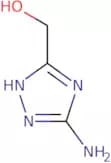
CAS:Controlled ProductPlease enquire for more information about 3-O-Methyl 4-hydroxy estradiol including the price, delivery time and more detailed product information at the technical inquiry form on this pageFormula:C19H26O3Purity:Min. 95%Molecular weight:302.41 g/mol(5-Amino-1H-1,2,4-triazol-3-yl)methanol
CAS:Please enquire for more information about (5-Amino-1H-1,2,4-triazol-3-yl)methanol including the price, delivery time and more detailed product information at the technical inquiry form on this pageFormula:C3H6N4OPurity:Min. 95%Molecular weight:114.11 g/mol1,2-O-Dioctadecyl-rac-glycerol
CAS:1,2-O-Dioctadecyl-rac-glycerol is a lipid that belongs to the class of synthetic lipids. It has been used as a model system for studying the interactions between phosphatidylcholine (PC) and other lipids. The systematic study of the morphology of 1,2-O-dioctadecyl-rac-glycerol in various solvents revealed that it is an amphiphile with an elongated shape. This molecule interacts with PC membranes in a specific manner, which can be detected using optical measurements. The transition from the solid to liquid state causes 1,2-O-dioctadecyl-rac-glycerol to change its shape from a rod to an ellipsoid. This property can be used as a diagnostic tool for identifying transitions in nanomaterials.Formula:C39H80O3Purity:Min. 95%Molecular weight:597.05 g/mol5,6-trans-Calcitriol
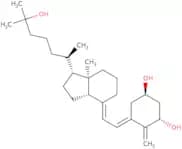
CAS:Calcitriol is a vitamin D metabolite that has an important role in bone health. Calcitriol can be quantified by measuring the amount of calcium that is bound to the molecule. This is done using a detector, which detects the emission of light from the calcitriol. The average recovery value for calcitriol was found to be 98%. The diode array spectrometer and mass spectrometer are used to measure the amount of light emitted and identify specific peaks. A workstation is used to analyze data collected by the detector and chromatographic analysis, respectively. The stability tests were conducted to determine how long calcitriol stays stable at various temperatures.Formula:C27H44O3Purity:Min. 95%Color and Shape:PowderMolecular weight:416.64 g/mol1-Adamantane ethanol
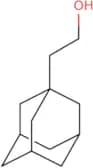
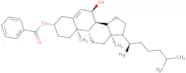
CAS:1-Adamantane ethanol (1AE) is a red blood cell membrane lipid that has been shown to have antimicrobial properties. 1AE is synthesized from 1-adamantanol, which is produced by the hydrolysis of the acyl chain in cholesterol. The acyl chains on 1AE are saturated and contain methoxy groups. The synthesis of 1-adamantanol involves transfer reactions with phthalimides and hydroxide ions. 1-Adamantane ethanol inhibits the growth of staphylococcus, including methicillin resistant strains, through its minimal inhibitory concentrations (MICs). It also has anti-inflammatory effects, inhibiting prostaglandin synthesis in red blood cells.Formula:C12H20OPurity:Min. 95%Color and Shape:PowderMolecular weight:180.29 g/mol(3b,7a)-Cholest-5-ene-3,7-diol 3-benzoate
CAS:Controlled ProductPlease enquire for more information about (3b,7a)-Cholest-5-ene-3,7-diol 3-benzoate including the price, delivery time and more detailed product information at the technical inquiry form on this pageFormula:C34H50O3Purity:Min. 95%Molecular weight:506.76 g/mol3-Bromo-2-nitrophenol
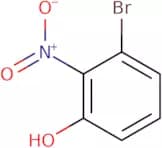
CAS:3-Bromo-2-nitrophenol (3-BNP) is a brominating agent that can be used in the synthesis of a variety of compounds. It is prepared by the refluxing of 3-bromo-2-nitrobenzene with lithium chloride, followed by treatment with trifluoromethanesulfonic anhydride to yield 3-bromo-2-(trifluoromethyl)phenoxyacetic acid. The product can also be obtained from 2,4,6-trinitrophenol and NBS. 3-BNP has shown chemoselectivity for chlorides relative to iodides or fluorides. The yields are higher when it is used in coupling reactions and permutations with lithium or magnesium.Formula:C6H4BrNO3Purity:Min. 95%Molecular weight:218 g/mol2,6-Dibromophenol
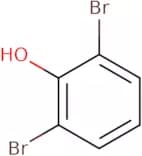
CAS:2,6-Dibromophenol is a chemical compound that is used as an analytical reagent in the determination of bromide ion concentrations. It can be prepared by the debromination of 2-bromophenols using hydrochloric acid and heating to 150°C. This reaction mechanism is best described by kinetic data and a model system. The reaction product of this process is 2,6-dibromo-3-hydroxyphenol. This compound has been shown to have a higher dry weight in strains with high levels of hydroxy group activity.
Formula:C6H4Br2OPurity:Min. 95%Molecular weight:251.9 g/mol2-Methyl-1-propanol
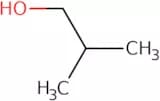
CAS:Controlled Product2-Methyl-1-propanol is a small molecule that inhibits the activity of certain enzymes. It is an inhibitor of alcohol dehydrogenase, which converts ethanol to acetaldehyde. 2-Methyl-1-propanol also inhibits the enzyme pyruvate decarboxylase, which catalyzes the conversion of pyruvic acid to acetaldehyde. These two effects result in increased levels of acetaldehyde in the blood and reduced levels of acetate in the blood. The effect on alcohol dehydrogenase has been shown in recombinant cells and in yeast cells with a mutation that leads to decreased alcohol dehydrogenase activity. 2-Methyl-1-propanol has been shown to inhibit the growth of wild type strains but not mutant strains of Escherichia coli, suggesting that its physiological effects are due to inhibition of alcohol dehydrogenase and pyruvate decarboxylase activities.
Formula:C4H10OPurity:Min. 95%Color and Shape:Clear LiquidMolecular weight:74.12 g/mol1-[(2-Chlorophenyl)-N-(methylimino)methyl]cyclopentanol hydrochloride
CAS:Controlled ProductPlease enquire for more information about 1-[(2-Chlorophenyl)-N-(methylimino)methyl]cyclopentanol hydrochloride including the price, delivery time and more detailed product information at the technical inquiry form on this pageFormula:C13H16ClNO•HClPurity:Min. 95%Molecular weight:274.19 g/molChlormadinol acetate
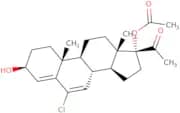
CAS:Controlled ProductChlormadinol acetate is a stable complex of a fatty acid and an antibiotic that is used to treat infections caused by bacteria. It has been shown to have high resistance to antimicrobial agents, including amoxicillin-clavulanic acid, tetracycline, and multidrug efflux pumps. Chlormadinol acetate has also been shown to inhibit the growth of certain cancer cells in vitro and in vivo using gene therapy. This drug also inhibits bacterial protein synthesis by binding to the 30S ribosomal subunit and preventing the formation of a functional 70S ribosome. Chlormadinol acetate has been shown to be clinically relevant in mice when used with amoxicillin-clavulanic acid or tetracycline.Formula:C23H31ClO4Purity:Min. 95%Molecular weight:406.94 g/molEstra-1,3,5(10),6-tetraene-3,17-diol
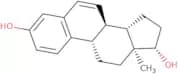
CAS:Controlled ProductEstra-1,3,5(10),6-tetraene-3,17-diol is a sulfonated derivative of estradiol. It is used as a ligand in binding assays to measure the affinity of various compounds for estrogens. Estra-1,3,5(10),6-tetraene-3,17-diol binds with high affinity to 17β-estradiol and other estrogens at the estrogen receptor. The binding of estradiol and its derivatives to the receptor leads to a conformational change that causes dissociation of heat shock proteins from the receptor. This results in an increase in transcriptional activity of the receptor and increased synthesis of mRNA.
Formula:C18H22O2Purity:Min. 95%Molecular weight:270.37 g/molH-Leucinol-2-chlorotrityl resin
Please enquire for more information about H-Leucinol-2-chlorotrityl resin including the price, delivery time and more detailed product information at the technical inquiry form on this page
Purity:Min. 95%Color and Shape:Light (Or Pale) Yellow To Brown Solid3-Dehydro retinol
CAS:3-Dehydro retinol is a carotenoid that is found in the skin. It is derived from retinol, and has been shown to have antioxidant properties. 3-Dehydro retinol can be isolated from the fungus Monascus purpureus by chromatographic methods. The enzyme activities of 3-dehydroretinol are not well understood, but it has been hypothesized that chronic exposure to this compound may lead to an increase in cell proliferation or an increase in cell differentiation. 3-Dehydro retinol has also been shown to inhibit the oxidation of other molecules such as hydrogen chloride.
Formula:C20H28OPurity:90%MinMolecular weight:284.44 g/molα-(2,4-Dichlorophenyl)-1H-imidazole-1-ethanol
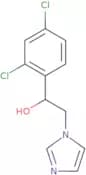
CAS:a-(2,4-Dichlorophenyl)-1H-imidazole-1-ethanol is an analytical reagent that is used to identify the presence of methylbenzene in a sample. It has been used as a drug target in schistosomiasis and interacting with imprinting genes. The synthetic method for this reagent includes sodium carbonate and methylbenzene, which are heated together at low energy to produce a-(2,4-Dichlorophenyl)-1H-imidazole-1-ethanol. The analytical method for this compound involves efficient methods such as high performance liquid chromatography and gas chromatography. Methylbenzene is dissolved in trifluoroacetic acid before being mixed with anhydrous potassium carbonate. This mixture is then heated to produce a-(2,4-Dichlorophenyl)-1H-imidazole-1-ethanol.Formula:C11H10Cl2N2OPurity:Min. 95%Color and Shape:White To Beige SolidMolecular weight:257.12 g/mol8-Bromo-2-methylquinoline
CAS:8-Bromo-2-methylquinoline is a naphthalene derivative that has an oxidant function. It can be used as a solvent for chlorobenzene and as a catalyst for the production of bipyridines and piperazine. 8-Bromo-2-methylquinoline is also used as a ligand in the preparation of metal complexes. This compound reacts with methyl groups, chlorine, and halides to form methyl quinolines and dichloromethanes. 8-Bromo-2-methylquinoline may react with fatty acids to form polyunsaturated acid esters or with polyunsaturated fatty acids to form polyethers.Formula:C10H8BrNPurity:Min. 95%Molecular weight:222.08 g/mol5a-Estrane-3a,17a-diol
CAS:Controlled ProductPlease enquire for more information about 5a-Estrane-3a,17a-diol including the price, delivery time and more detailed product information at the technical inquiry form on this pageFormula:C18H30O2Purity:Min. 95%Molecular weight:278.43 g/mol[1-(3-Methylbutyl)-1H-benzimidazol-2-yl]methanol
CAS:Controlled ProductPlease enquire for more information about [1-(3-Methylbutyl)-1H-benzimidazol-2-yl]methanol including the price, delivery time and more detailed product information at the technical inquiry form on this pageFormula:C13H18N2OPurity:Min. 95%Molecular weight:218.29 g/mol2-(Dimethylamino)ethanol
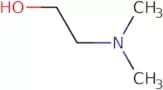
CAS:Controlled Product2-(Dimethylamino)ethanol is a colorless liquid that has a molecular weight of 78.1 g/mol and a boiling point of 176.1 °C. It can be found in many household products as well as cosmetics, pharmaceuticals, and chemical manufacturing. 2-(Dimethylamino)ethanol is a precursor to acetaldehyde and acetic acid, which are important intermediates in the production of polymers such as nylon. It can also be used to synthesize other chemicals such as dimethylformamide, ethylene glycol, and methyl methacrylate. This chemical reacts with calcium to form insoluble calcium 2-(dimethylamino)ethanolate (Ca(DMAE)). This reaction is reversible and the equilibrium can be shifted by changing the pH or adding another reactant such as hydrogen peroxide or hydroxide ions.Formula:C4H11NOPurity:Min. 95%Color and Shape:Clear LiquidMolecular weight:89.14 g/mol(S)-1,2,3,4,5,6,7,8-Octahydro-1-[(4-methoxyphenyl)methyl]isoquinoline (acetate salt )
CAS:(S)-1,2,3,4,5,6,7,8-Octahydro-1-[(4-methoxyphenyl)methyl]isoquinoline (acetate salt ) is a diphosphine that can be used as a catalyst to produce formic acid from methanol and carbon monoxide. This product is an enantiomer of picric acid and has been shown to be an effective additive in the crystallization of picric acid. The acetate salt is also optically pure.Purity:Min. 95%Sorbitan trioleate
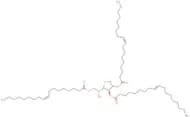
CAS:Sorbitan trioleate is a model system used in pharmaceutical preparations. It is also a particle that consists of three fatty acid chains attached to a hydroxyl group. Sorbitan trioleate has been shown to have many pharmacological effects, including receptor activity and treating allergic reactions. It is also used as a cationic surfactant with magnetic particles for the treatment of bacterial infections. The type strain for this compound is Staphylococcus epidermidis ATCC 12228.
Formula:C60H108O8Color and Shape:Clear LiquidMolecular weight:957.49 g/mol(S)-1,2-Butanediol
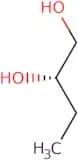
CAS:(S)-1,2-Butanediol is a chemical with formula C4H10O. It is a colorless liquid that is soluble in water and miscible with most organic solvents. The compound has been shown to be an effective solvent for the extraction of proteins, lipids, and other compounds from plants. (S)-1,2-Butanediol has also been used as a reagent in the synthesis of pharmaceuticals such as antibiotics and antihistamines.Formula:C4H10O2Purity:Min. 95%Molecular weight:90.12 g/mol4-Hydroxy ethynyl estradiol
CAS:4-Hydroxy ethynyl estradiol is a synthetic estrogen that is used in the treatment of hormone-dependent cancers, such as breast cancer. It has been shown to induce cellular proliferation and promote tumor growth by binding to estrogen receptors and inhibiting the synthesis of proteins in cells. 4-Hydroxy ethynyl estradiol may be carcinogenic due to its ability to form covalent adducts with DNA, which causes mutations that may lead to cancer. The drug also damages protein targets, including enzymes responsible for regulating cell division or protecting against oxidative stress.Formula:C20H24O3Purity:Min. 95%Molecular weight:312.4 g/mol(S)-(+)-5-Methyl-1-heptanol
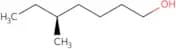
CAS:(S)-(+)-5-Methyl-1-heptanol is a naturally occurring chemical compound that has been found to be effective against bacteria, fungi, and viruses. It is a volatile liquid that is soluble in water. The (S)-(+)-5-Methyl-1-heptanol molecule contains a hydroxyl group, which can bind to the bacterial cell wall and inhibit the synthesis of proteins necessary for cell division. This compound also has the ability to inhibit fungal growth by binding to ergosterol, which is an important component of fungal cell membranes. The (S)-(+)-5-Methyl-1-heptanol molecule inhibits microbial growth by inhibiting protein synthesis and DNA replication.Formula:C8H18OPurity:Min. 95%Molecular weight:130.23 g/mol3,7,11,15-Tetramethyl-1,2,3-hexadecane-triol
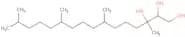
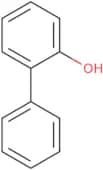
CAS:3,7,11,15-Tetramethyl-1,2,3-hexadecane-triol is a fatty alcohol that is used in detergent compositions. It has been shown to be biocompatible with human skin cells and does not show any carcinogenic potential. 3,7,11,15-Tetramethyl-1,2,3-hexadecane-triol is chemically stable and can be used for sample preparation and light exposure. The particle size of this compound is about 1 micrometer. This substance does not have any toxic effects on skin cells or other cells when it is exposed to light.Formula:C20H42O3Purity:Min. 95%Molecular weight:330.55 g/mol2-Phenylphenol
CAS:2-Phenylphenol is a ferrocenecarboxylic acid with an anhydrous sodium salt. It reacts with water vapor to produce ferric hydroxide and 2-phenylphenolsodium. 2-Phenylphenol is used as a long-term toxicity test for enzyme activities in liver cells, and has shown to cause liver lesions in rats. The hydrophobic effect of 2-Phenylphenol has been shown to be its inhibition of the binding of inhibitors to enzymes. This chemical is also used in analytical methods for determining the concentration of phenols in water samples.
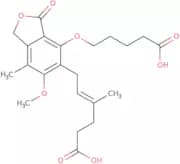
Formula:C12H1OPurity:Min. 95%Molecular weight:161.14 g/molMycophenolic acid carboxybutoxy ether
CAS:Mycophenolic acid carboxybutoxy ether is an active form of mycophenolic acid. It has been shown to activate the immune system by increasing the production of lymphokines, including interleukin-2 and gamma-interferon. Mycophenolic acid carboxybutoxy ether has been shown to be effective in vivo in models for autoimmune diseases and cancer. This compound has a high affinity for glycoside derivatives, which are important for the formation of body tissues, such as collagen and elastin. The drug binds to monoclonal antibodies that are used in diagnostic tests for cervical cancer and other cancers. Mycophenolic acid carboxybutoxy ether also binds to x-ray diffraction data, which aids in the structural analysis of glycoside derivatives. This drug can be analyzed using surface methodology.Formula:C22H28O8Purity:Min. 95%Molecular weight:420.45 g/mol2-Bromobenzo[d]thiazol-6-ol
CAS:2-Bromobenzo[d]thiazol-6-ol is a diagnostic agent that is used in positron emission tomography (PET) scans to detect Alzheimer's disease. 2-Bromobenzo[d]thiazol-6-ol binds to amyloid plaques and deposits of beta amyloid peptide, the hallmark of Alzheimer's disease. It can be synthesized by cross coupling nitro compounds with aminoacids or by alkylation of nitro compounds with alkenes. Other methods for its synthesis include the microwave irradiation of bromobenzene and thiourea in a nitric acid medium. This compound undergoes metabolism via cytochrome P450 enzymes to form benzo[d]thiazole-2,6(3H)-diol, which is then oxidized by NADPH to form benzo[e]thiazole-2,6(3H)-quinone.Formula:C7H4BrNOSPurity:Min. 95%Molecular weight:230.08 g/molMidazolam-d4 maleate - 100 mg/mL in methanol
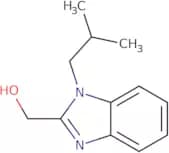
CAS:Controlled ProductPlease enquire for more information about Midazolam-d4 maleate - 100 mg/mL in methanol including the price, delivery time and more detailed product information at the technical inquiry form on this pageFormula:C18D4H9ClFN3·C4H4O4Purity:Min. 95%Molecular weight:445.86 g/mol(1-Isobutyl-1H-benzimidazol-2-yl)methanol
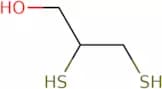
CAS:Controlled ProductPlease enquire for more information about (1-Isobutyl-1H-benzimidazol-2-yl)methanol including the price, delivery time and more detailed product information at the technical inquiry form on this pageFormula:C12H16N2OPurity:Min. 95%Molecular weight:204.27 g/mol2,3-Dimercapto-1-propanol
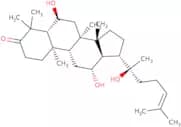
CAS:2,3-Dimercapto-1-propanol (DMPC) is an antibiotic that has been shown to have a potent synergistic effect when used in combination with other antibiotics. DMPC inhibits the enzyme fatty acid synthase and prevents the synthesis of long-chain fatty acids. It also inhibits the uptake of long-chain fatty acids by tissues such as liver, muscle, and fat cells. DMPC is also a reactive chemical that reacts with oxygen from the air to form 2,3-dimercapto-1-propanol peroxyl radicals and hydrogen peroxide. These reactive species are toxic to cells exposed to DMPC in tissue culture or in vivo. This chemical is also a potent inducer of all-trans retinoic acid and dehydroascorbic acid production.Formula:C3H8OS2Purity:Min. 95%Color and Shape:Clear LiquidMolecular weight:124.23 g/mol3-Deoxy-3-oxo-20(S)-protopanaxatriol
CAS:Controlled Product3-Deoxy-3-oxo-20(S)-protopanaxatriol is a compound that has been shown to have cardioprotective effects in vitro. This compound inhibits the production of malondialdehyde (MDA), an end product of lipid peroxidation, and increases the glutathione content of rat heart tissue. 3-Deoxy-3-oxo-20(S)-protopanaxatriol also protects against ischemic injury by lowering creatine kinase levels and preserving the myocardium during reperfusion. It has been shown to inhibit oxidative stress and reduce tissue damage in rats with induced myocardial infarction. 3-Deoxy-3-oxo-20(S)-protopanaxatriol is orally active, but must be injected for pharmacological studies due to its high molecular weight. This molecule has also been shown to have antioxidant properties in vitro, which may be due to its ability toFormula:C30H50O4Purity:Min. 95%Molecular weight:474.72 g/molAndrostanolone
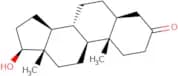
CAS:Controlled ProductDihydrotestosterone is a potent androgen that is used in hormone replacement therapy to treat conditions such as testosterone deficiency, delayed puberty, and impotence. It is also used to treat breast cancer in women and prostate cancer in men. Dihydrotestosterone binds to the androgen receptor, which alters the expression of genes by altering their nucleotide sequences. It has been shown to have anti-tumor effects on prostate cells in vitro, but not on breast or ovarian carcinoma cell lines. The drug has been shown to be active against HIV replication in cell culture models.
Formula:C19H30O2Purity:Min. 95%Color and Shape:SolidMolecular weight:290.44 g/molΔ9,11-estradiol
CAS:Controlled ProductDelta9,11-Estradiol is an estrogen that has been found to bind to the estrogen receptor α. The growth factor activity of this drug is mediated through the binding of this receptor and the activation of various intracellular signaling pathways. This drug is effective in treating eye disorders such as macular degeneration. Delta9,11-Estradiol also has a protective effect on ganglion cells by reducing oxidative stress, inhibiting apoptosis, and modulating inflammatory responses. The hydroxyl group in Delta9,11-Estradiol can be used as a corrosion inhibitor in eye drops and other ophthalmic solutions. It binds to viral gene promoters and inhibits transcriptional activity of these genes.
Formula:C18H22O2Purity:Min. 95%Color and Shape:SolidMolecular weight:270.37 g/mol1-Methylcyclopropanol
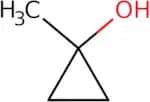
CAS:1-Methylcyclopropanol is a multigram chemical that can be produced on a large scale. It is an organic compound with the molecular formula CH3CCH2OH. It can be synthesized from monomers such as cyclobutanone, amines, and hydrogen bond by ring-opening polymerization to produce polycyclohexane rings. 1-Methylcyclopropanol has been used in the synthesis of polymers such as poly(1-methylcyclopropane). This chemical has also been investigated for use in laser ablation techniques that remove material from surfaces and in laser cutting techniques that cut materials into shapes. 1-Methylcyclopropanol has been found to react with hypobromous acid to form a diol ether product.Formula:C4H8OPurity:80%MinColor and Shape:Clear LiquidMolecular weight:72.11 g/mol3-Caffeoyl-1,5-quinolactone(3-Caffeoyl-gamma-quinide)
CAS:3-Caffeoyl-1,5-quinolactone (3-Caffeoyl-gamma-quinide) is a coffee-derived compound, identified as a phytochemical present in roasted coffee beans. It is primarily formed during the roasting process through the complex transformation of caffeoylquinic acids, which are abundant in green coffee beans. This compound is gaining attention for its notable biological properties, particularly its antioxidant and enzyme inhibitory activities.
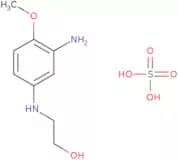
Formula:C16H16O8Purity:Min. 95%Color and Shape:PowderMolecular weight:336.29 g/mol2-((3-Amino-4-methoxyphenyl)amino)ethanol sulfate
CAS:2-((3-Amino-4-methoxyphenyl)amino)ethanol sulfate is a potent antibacterial agent that inhibits the growth of bacteria by binding to the 50S ribosomal subunit. It is also used in dermatology, as an aminophenol, and as an ingredient in cosmetics. 2-((3-Amino-4-methoxyphenyl)amino)ethanol sulfate has been shown to be efficacious against bacterial infections caused by methicillin resistant Staphylococcus aureus (MRSA), Pseudomonas aeruginosa, Proteus mirabilis, and Klebsiella pneumoniae. This compound also has antihistamine properties.Formula:C9H16N2O6SPurity:Min. 95%Molecular weight:280.3 g/molHeptadecan-1-ol
CAS:Heptadecan-1-ol is a long-chain fatty alcohol, which is commonly derived from the reduction of heptadecanoic acid or by hydrogenation of heptadecane. This compound acts primarily as a nonionic surfactant due to its amphiphilic nature, where the hydrophobic alkyl chain and the hydrophilic hydroxyl group interact with diverse components in a system. Its surfactant properties lead to applications in the formulation of emulsions, facilitating improved mixing and stability in complex mixtures.Purity:Min. 95%Kushenol Q
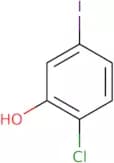
CAS:Kushenol Q is a flavonoid compound, which is derived from the roots of Sophora flavescens, a traditional medicinal plant. This compound exhibits a multifaceted mode of action characterized by its ability to modulate various cellular pathways. Kushenol Q interacts with specific signaling proteins and enzymes, thereby influencing cell proliferation, apoptosis, and inflammatory responses. Notably, its interaction at the molecular level can result in the inhibition of cancer cell growth and the reduction of inflammation.Purity:Min. 95%2-Chloro-5-iodophenol
CAS:Please enquire for more information about 2-Chloro-5-iodophenol including the price, delivery time and more detailed product information at the technical inquiry form on this page
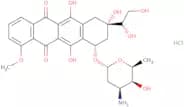
Formula:C6H4ClIOPurity:Min. 95%Molecular weight:254.45 g/molDoxorubicinol hydrochloride - Mixture of Diasteromers
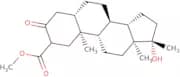
CAS:Please enquire for more information about Doxorubicinol hydrochloride - Mixture of Diasteromers including the price, delivery time and more detailed product information at the technical inquiry form on this pageFormula:C27H32ClNO11Purity:Min. 95%Molecular weight:582 g/mol2-Carboxy mestanolone methyl ester
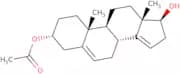
CAS:Controlled ProductPlease enquire for more information about 2-Carboxy mestanolone methyl ester including the price, delivery time and more detailed product information at the technical inquiry form on this pageFormula:C22H34O4Purity:Min. 95%Molecular weight:362.5 g/mol3-O-Acetyl 5,14-androstadiene-3b,17b-diol
CAS:Controlled ProductPlease enquire for more information about 3-O-Acetyl 5,14-androstadiene-3b,17b-diol including the price, delivery time and more detailed product information at the technical inquiry form on this pageFormula:C21H30O3Purity:Min. 95%Molecular weight:330.46 g/mol3-Phenyl-1,2,4-oxadiazol-5-ol
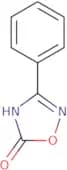
CAS:3-Phenyl-1,2,4-oxadiazol-5-ol is a thione that has been shown to be conjugated with DNA and RNA. It is also able to form complexes with metal ions. This compound is spectroscopically active and can be used for the evaluation of biomolecules in vitro. 3-Phenyl-1,2,4-oxadiazol-5-ol can be used as an alternative to ethidium bromide for the detection of nucleic acids in agarose gel electrophoresis. It has been shown to inhibit protein synthesis in bacteria by binding to ribosomes and inhibiting protein synthesis.
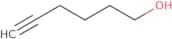
Formula:C8H6N2O2Purity:Min. 95%Molecular weight:162.15 g/mol5-Hexyn-1-ol
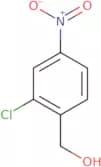
CAS:5-Hexyn-1-ol is a molecule that belongs to the group of organic compounds called fatty acids. It is a colorless liquid with an odor reminiscent of that of hexane. 5-Hexyn-1-ol has been shown to inhibit the proliferation of brain cells and tumor cells in culture. It also inhibits the growth of caco-2 cell lines, which are used as a model for human intestinal epithelial cells. The hydroxyl group in 5-hexyn-1-ol reacts with nitrogen nucleophiles such as picolinic acid and palladium chloride to form an intermediate compound, which can then be transformed into the desired product by addition of a second reactant.Formula:C6H10OPurity:Min. 95%Molecular weight:98.14 g/mol(2-Chloro-4-nitrophenyl)methanol
CAS:Please enquire for more information about (2-Chloro-4-nitrophenyl)methanol including the price, delivery time and more detailed product information at the technical inquiry form on this pageFormula:C7H6ClNO3Purity:Min. 95%Color and Shape:PowderMolecular weight:187.58 g/molCP 55940
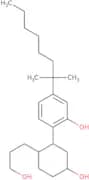
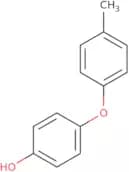
CAS:Controlled ProductCP 55940 is a cannabinoid receptor agonist that inhibits acetylcholine release in the brain and has been shown to cause neuronal death. CP 55940 binds to the α7 nicotinic acetylcholine receptor, which is important for memory and learning. The binding of this drug causes an increase in guanine nucleotide-binding protein (G protein) activity by reducing the rate of GTP hydrolysis, leading to inhibition of adenylyl cyclase activity and subsequent decrease in cAMP levels. CP 55940 has significant up-regulation of toll-like receptors following exposure, which leads to an increased immune response. This drug can also cause bowel disease or side effects such as seizures and psychotic symptoms. CP 55940 can interact with other drugs, including cannabinoids that may lead to serious side effects.Formula:C24H40O3Purity:Min. 95%Molecular weight:376.57 g/mol4-(4-Methylphenoxy)phenol
CAS:Please enquire for more information about 4-(4-Methylphenoxy)phenol including the price, delivery time and more detailed product information at the technical inquiry form on this pageFormula:C13H12O2Purity:Min. 95%Molecular weight:200.23 g/mol


![4-[(4-Chlorophenyl)phenylmethyl]-1-piperazineethanol dihydrochloride](/_next/image/?url=https%3A%2Fstatic.cymitquimica.com%2Fproducts%2F3D%2Fthumb-webp%2FFC53582.webp&w=3840&q=75)
![(S)-5,6,6a,7-Tetrahydro-6-methyl- 4H-dibenzo[de,g]quinoline-10,11-diol hydrochloride](/_next/image/?url=https%3A%2Fstatic.cymitquimica.com%2Fproducts%2F3D%2Fthumb-webp%2FFT46165.webp&w=3840&q=75)


![3-[4-(2-Chlorophenyl)-9-methyl-6H-thieno[3,2-f][1,2,4]triazolo[4,3-a][1,4]diazepin-2-yl]-2-propyn-…](/_next/image/?url=https%3A%2Fstatic.cymitquimica.com%2Fproducts%2F3D%2Fthumb-webp%2FFC20335.webp&w=3840&q=75)











![1-[(2-Chlorophenyl)-N-(methylimino)methyl]cyclopentanol hydrochloride](/_next/image/?url=https%3A%2Fstatic.cymitquimica.com%2Fproducts%2F3D%2Fthumb-webp%2FFC146990.webp&w=3840&q=75)


![[1-(3-Methylbutyl)-1H-benzimidazol-2-yl]methanol](/_next/image/?url=https%3A%2Fstatic.cymitquimica.com%2Fproducts%2F3D%2Fthumb-webp%2FFM135812.webp&w=3840&q=75)
![(S)-1,2,3,4,5,6,7,8-Octahydro-1-[(4-methoxyphenyl)methyl]isoquinoline (acetate salt )](/_next/image/?url=https%3A%2Fstatic.cymitquimica.com%2Fproducts%2F3D%2Fthumb-webp%2FFO29465.webp&w=3840&q=75)
![2-Bromobenzo[d]thiazol-6-ol](/_next/image/?url=https%3A%2Fstatic.cymitquimica.com%2Fproducts%2F3D%2Fthumb-webp%2FFB144121.webp&w=3840&q=75)