Amines
Amines are a set of molecules containing an amino functional group (derived from ammonia). This category includes amines at any level of substitution : primary, secondary, tertiary, and ammonium salts. Amines are fundamental in organic synthesis and are widely used in pharmaceuticals, agrochemicals, and materials science. At CymitQuimica, we provide a comprehensive selection of amines to meet your research and industrial needs. Our range ensures access to various amines for diverse chemical processes and innovative research.
Subcategories of "Amines"
- Nitrosamines(2,606 products)
- Primary Amines(30,821 products)
- Quaternary Ammonium Cations and Salts(1,099 products)
- Secondary Amines(20,817 products)
- Tertiary Amines(17,117 products)
Found 8778 products of "Amines"
Sort by
Purity (%)
0
100
|
0
|
50
|
90
|
95
|
100
3-Amino-3-methylbutanoic acid
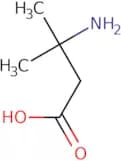
CAS:<p>3-Amino-3-methylbutanoic acid is a carbonaceous compound that can be synthesized from b-alanine and perchloroethylene. It is used in the manufacture of butanoic acid, which is an important industrial chemical. 3-Amino-3-methylbutanoic acid has been shown to exist as four isomers, each with a different molecular weight. The isomers are produced by a synthetic process involving the reaction of b-alanine and perchloroethylene. In an amination reaction, the compounds are heated in the presence of ammonia gas or ammonium chloride to form 3-amino-3-methylbutanoic acid.</p>Formula:C5H11NO2Purity:Min 95%Color and Shape:PowderMolecular weight:117.15 g/mol1,2'-Dinaphthylamine
CAS:<p>1,2'-Dinaphthylamine is a β-lactam antibiotic that can be used as a substitute for ciprofloxacin. It inhibits the production of an enzyme called β-lactamase, which breaks down the antibiotic and makes it ineffective. 1,2'-Dinaphthylamine has been shown to be active against aerogenes and nitrocefin. This drug binds to periplasmic proteins in bacteria by means of an analogy with ciprofloxacin. The conjugates are resistant to efflux pumps and use of efflux inhibitors such as bafilomycin A1 can increase their efficacy.</p>Formula:C20H15NPurity:Min. 95%Color and Shape:PowderMolecular weight:269.34 g/mol3-Aminobutan-1-ol
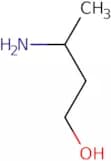
CAS:<p>3-Aminobutan-1-ol is an amine that is synthesized industrially by the reduction of soybean trypsin with borohydride. This chemical has been used as a substrate in asymmetric synthesis and can be detected by high detection sensitivity. 3-Aminobutan-1-ol binds to the carbonyl group of amino acid residues and causes a reaction with chloride ions for detection. The product of this reaction is an enantiomer, which can be separated from other reaction products by purified chiral stationary phases. 3-Aminobutan-1-ol is also involved in the biosynthesis of proteins and enzymes. It reacts with hydrochloric acid to form a salt, which can then be used as an enzyme inhibitor.</p>Formula:C4H11NOPurity:Min. 95%Color and Shape:Clear LiquidMolecular weight:89.14 g/mol5-Amino-2-bromobenzoic acid ethyl ester
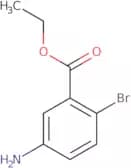
CAS:<p>5-Amino-2-bromobenzoic acid ethyl ester is a chemical compound that can be used for the production of pharmaceuticals and research chemicals. It is a versatile building block that can be used in the synthesis of complex compounds with valuable applications. 5-Amino-2-bromobenzoic acid ethyl ester is a reagent, speciality chemical, and useful building block that can be used in the synthesis of high quality compounds. This compound has been identified as an intermediate in organic reactions and as a reaction component. CAS No. 208176-32-3</p>Formula:C9H10BrNO2Purity:Min. 95%Color and Shape:PowderMolecular weight:244.09 g/molMethyl 5-(aminomethyl)-2-furoate hydrochloride
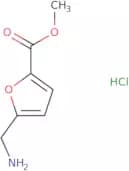
CAS:<p>Methyl 5-(aminomethyl)-2-furoate hydrochloride is a chemical compound that is used as a building block in organic synthesis. It is an aminomethyl derivative of 2-furoic acid and can be used as a versatile intermediate. The compound has been shown to react with alkyl halides, alcohols, and thiols, among other compounds. Methyl 5-(aminomethyl)-2-furoate hydrochloride is also known for its high purity and quality.</p>Formula:C7H9NO3·HClPurity:Min. 95 Area-%Color and Shape:White PowderMolecular weight:191.61 g/molN-(Dithiocarboxy)sarcosine diammonium salt
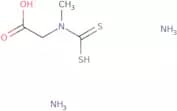
CAS:<p>Dithiocarboxy-sarcosine is a chemical compound that has been used as a reaction component in organic synthesis. It is a fine chemical with CAS number 29664-09-3. Dithiocarboxy-sarcosine can be used as a versatile building block in the synthesis of complex compounds and pharmaceutical intermediates. It is also useful for the preparation of high quality reagents and research chemicals.</p>Formula:C4H13N3O2S2Purity:Min. 95%Color and Shape:PowderMolecular weight:199.3 g/mol2-Amino-4-chlorobenzamide
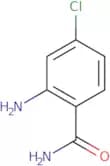
CAS:<p>2-Amino-4-chlorobenzamide is a chemical compound that has been shown to be an effective oxidant in biological systems. It is an oxidative condensation product of 4-chloro-2-nitrobenzoic acid and ammonium chloride, which is formed by the reaction of these two compounds at room temperature. The nature of the functional group on 2-amino-4-chlorobenzamide allows it to be used as a transition state analogue for the study of reactions involving amines and nitrates. This compound can also be used in experiments with isatins, due to its ability to react with ammonia hydroxide to form 2-amino-4,6 dichlorobenzamide.</p>Formula:C7H7ClN2OPurity:Min. 95%Color and Shape:PowderMolecular weight:170.6 g/mol4-Aminophenylacetonitrile
CAS:<p>4-Aminophenylacetonitrile is a molecule that is structurally similar to nitrobenzene. 4-Aminophenylacetonitrile has been shown to be an efficient method for inhibiting faecalis growth and secretory phospholipase A2 (sPLA2) activity in vitro. It also inhibits the population growth of E. coli in vivo, which can be attributed to its ability to inhibit the enzyme catalysed by hydrogen bond formation.</p>Formula:C8H8N2Purity:Min. 95%Color and Shape:PowderMolecular weight:132.16 g/molN,N,N',N'-Ethylenediaminetetrakis
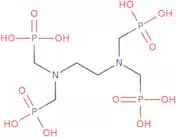
CAS:<p>N,N,N',N'-Ethylenediaminetetrakis (EDTA) is a chelating agent that has been shown to be effective in the treatment of parathyroid tumours. It is administered intravenously and has been shown to bind to phosphonic acid in the body and prevent its accumulation in the bones. This prevents the development of osteoblastic lesions, which may lead to bone pain and fractures. EDTA has also been shown to have relatively low toxicity with no detectable side effects on animals. The biodistribution and uptake of this drug was monitored using scintigraphy following intravenous injection in rats. EDTA was found to be taken up by all tissues equally and distributed evenly throughout the body.</p>Formula:C6H20N2O12P4Molecular weight:436.12 g/molN-(4-Amino-2,5-diethoxyphenyl)-benzamide
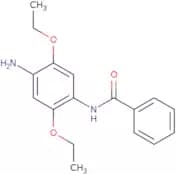
CAS:<p>4-Amino-2,5-diethoxyphenyl)benzamide is a small molecule that inhibits the enzyme activity of polymerase chain reaction (PCR), DNA topoisomerase I, and DNA gyrase. It has been shown to inhibit the growth of human leukemia cells in culture. 4-Amino-2,5-diethoxyphenyl)benzamide also inhibits rat liver microsomes and can be used for the treatment of neurodegenerative diseases.</p>Formula:C17H20N2O3Purity:Min. 95%Color and Shape:PowderMolecular weight:300.35 g/mol3-Amino-4-methoxybenzoic acid methyl ester
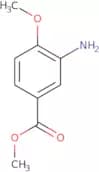
CAS:<p>3-Amino-4-methoxybenzoic acid methyl ester is a modified quinoline derivative that exhibits potent antioxidant activity. It has been shown to inhibit the activation of p38 kinase, which is a proinflammatory enzyme. This leads to decreased levels of inflammatory cytokines and chemokines. 3-Amino-4-methoxybenzoic acid methyl ester also has anti-cancer effects and can be used as an anti-cancer agent in the treatment of cancer, such as lung cancer. It induces apoptosis by inhibiting the synthesis of DNA and proteins. The synthesized drug has been shown to have a chiral center, making it a potential candidate for use in pharmaceuticals.</p>Formula:C9H11NO3Purity:Min. 95%Color and Shape:PowderMolecular weight:181.19 g/molAminoglutethimide
CAS:Controlled Product<p>Aromatase inhibitor; anti-neoplastic</p>Formula:C13H16N2O2Purity:Min. 95%Color and Shape:White PowderMolecular weight:232.28 g/mol3-Methylpyrazin-2-amine
CAS:<p>3-Methylpyrazin-2-amine is an experimental compound that has not been fully characterized. It is a bioactive substance that can be used for the synthesis of other compounds. 3-Methylpyrazin-2-amine may be obtained from the reaction of 2,3-dimethylpyridine with nitroethane and sodium methoxide in methanol. The transformation of 3,4,5-trimethoxypyrazine to 3,4,5,6-tetramethoxypyrazine may also yield 3-methylpyrazin-2-amine as an intermediate product.</p>Formula:C5H7N3Purity:Min. 95%Color and Shape:Off-White PowderMolecular weight:109.13 g/mol4-Cyano-4'-aminobiphenyl
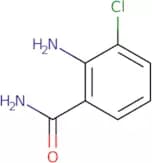
CAS:<p>4-Cyano-4'-aminobiphenyl is a fluorescent dye that exhibits a strong fluorescence under UV irradiation. The dye has an absorption maximum at about 335 nm and a fluorescence emission maximum at about 455 nm, with excitation maxima of 333 nm and 478 nm. It has been used in the development of photocurrent devices, which are used for photochemical reactions and electrochemistry studies. This compound can also be used for the determination of amino groups in organic molecules such as carbostyril. The compound can be synthesized by reacting an amine with an aldehyde in the presence of acid.</p>Formula:C13H10N2Color and Shape:PowderMolecular weight:194.23 g/mol2-Amino-3-chlorobenzamide
CAS:<p>This compound is a benzamide derivative that is oxidized by nature. It has been shown to undergo ring-opening in the presence of reducing agents, such as sodium borohydride, and yields 2-amino-4-chlorobenzaldehyde. This reaction system uses an efficient catalyst such as manganese dioxide to help speed up the rate of this reaction. The product of this reaction is then converted into a variety of isatins depending on the conditions used.</p>Formula:C7H7ClN2OPurity:Min. 95%Color and Shape:Off-White PowderMolecular weight:170.6 g/mol3-[(Dimethylamino)methyl]benzaldehyde
CAS:<p>3-[(Dimethylamino)methyl]benzaldehyde is a fine chemical that is used as a versatile building block in the synthesis of pharmaceuticals. It is also a useful intermediate in the synthesis of complex compounds and research chemicals. This product has been shown to be high quality and can be used as a reagent for many reactions.</p>Formula:C10H13NOPurity:Min. 95%Molecular weight:163.22 g/molN-Methyldibutylamine
CAS:<p>N-Methyldibutylamine is an aliphatic hydrocarbon that has antimicrobial activity. It is a colorless liquid at room temperature and has a boiling point of 78°C. N-Methyldibutylamine can be used as a solvent for polymers and resins, in the manufacture of plastics, and in the production of enamels. It also has potential applications in cancer research due to its ability to inhibit the growth of tumor cells.</p>Formula:C9H21NPurity:Min. 95%Color and Shape:Clear LiquidMolecular weight:143.27 g/mol(1H-Indol-3-yl)methanamine
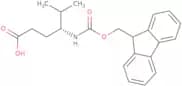
CAS:<p>Indol-3-ylmethanamine is a plant hormone that belongs to the group of indole alkaloids. It inhibits the production of phytoalexins, which are secondary metabolites that protect plants against pathogens. Indol-3-ylmethanamine induces signal pathways and enzyme activities in cells, including hydroxylase activity and polyphenol oxidase activity. Indol-3-ylmethanamine has been shown to be active against 5-HT4 receptors in vitro.</p>Formula:C9H10N2Color and Shape:PowderMolecular weight:146.19 g/molFmoc-(R)-4-amino-5-methylhexanoic acid
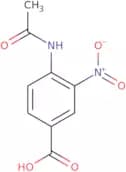
CAS:<p>Fmoc-(R)-4-amino-5-methylhexanoic acid is a versatile building block, useful scaffold, and useful intermediate. It can be used in the synthesis of complex compounds with high quality and purity. Fmoc-(R)-4-amino-5-methylhexanoic acid is also an important reaction component for research chemicals, speciality chemicals, and many other chemical reactions. It can be used as a reagent in organic synthesis.</p>Formula:C22H25NO4Purity:Min. 95%Color and Shape:PowderMolecular weight:367.44 g/mol4-(Acetylamino)-3-nitrobenzoic acid
CAS:<p>4-(Acetylamino)-3-nitrobenzoic acid (AANBA) is a molecule that inhibits the growth of Mycobacterium tuberculosis and influenza virus. It has been shown to have tuberculostatic activity and is able to adsorb to the cavity of the enzyme protein, preventing access by other molecules. AANBA also has antiviral properties that may be due to its ability to inhibit viral particles from binding with a cell surface receptor or inhibiting the synthesis of viral proteins. AANBA binds to the chloride ion in order to maintain the negative charge of the molecule, which is crucial for its antiviral activity.</p>Formula:C9H8N2O5Purity:Min. 95%Color and Shape:Slightly Yellow PowderMolecular weight:224.17 g/molDeferoxamine mesylate
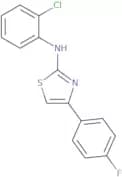
CAS:<p>Deferoxamine mesylate is an iron chelator that is used in the treatment of iron overload and to treat patients with chronic renal failure. Deferoxamine mesylate has been shown to inhibit angiogenesis by inhibiting the basic protein required for this process. It is also known to have a protective effect on myocardial cells, preventing cell death due to lack of oxygen (reactive oxygen species). Deferoxamine mesylate also inhibits neuronal death in a model system.<br>Deferoxamine mesylate binds to DNA and inhibits RNA synthesis, which has led to its use as a fluorescence probe for the detection of DNA binding activity. The drug has also been shown to act as a metal chelate, binding with metals such as iron, copper, and zinc.</p>Formula:C26H52N6O11SPurity:Min. 95 Area-%Color and Shape:PowderMolecular weight:656.79 g/mol(2-chlorophenyl)(4-(4-fluorophenyl)(2,5-thiazolyl))amine
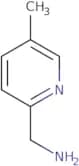
CAS:<p>Please enquire for more information about (2-chlorophenyl)(4-(4-fluorophenyl)(2,5-thiazolyl))amine including the price, delivery time and more detailed product information at the technical inquiry form on this page</p>Purity:Min. 95%(5-Methylpyridin-2-yl)methanamine
CAS:<p>5-Methylpyridin-2-yl)methanamine is a high quality reagent that is used as a building block in the synthesis of complex compounds. It can be used as an intermediate, useful for the preparation of fine chemicals and useful scaffolds. It can also be used as a speciality chemical and is often used as a reaction component in research chemicals.</p>Formula:C7H10N2Purity:Min. 98 Area-%Color and Shape:Clear LiquidMolecular weight:122.17 g/mol3-[(4-Chlorophenyl)amino]-5,5-dimethylcyclohex-2-en-1-one
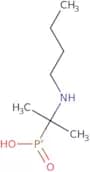
CAS:<p>The compound is a chiral molecule, meaning that it has two different structures. One side of the molecule is the mirror image of the other. The translation and conformation of this molecule are asymmetric because the carbon atoms in its chain are not lined up in a straight line. The hydrogen bonds that form between these chains are also asymmetric, as one side of the molecule has more than one hydrogen bond while the other side only has one hydrogen bond.</p>Formula:C14H16ClNOPurity:Min. 95%Molecular weight:249.74 g/molButaphosphan
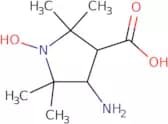
CAS:<p>Butaphosphan is a drug that has been shown to have clinical relevance for the treatment of metabolic disorders. It is a prodrug that is converted into butaprost-diol, which has been shown to improve insulin sensitivity and reduce aminotransferase activity in rats. Butaphosphan can be used as an alternative to aminotransferase inhibitors such as ursodeoxycholic acid and cholestyramine for the treatment of patients with primary biliary cirrhosis. This drug has also been shown to have a protective effect on fatty acid metabolism, which may be due to its ability to inhibit the activity of enzymes involved in fatty acid synthesis. Butaphosphan is metabolized by cytochrome P450 enzymes and hydroxylases and can be detected using LC-MS/MS methods. The drug has also been shown to have beneficial effects on cortisol concentrations and liver histology when administered orally.</p>Formula:C7H18NO2PPurity:Min. 95%Color and Shape:White PowderMolecular weight:179.2 g/molrac trans-3-amino-1-oxyl-2,2,5,5-tetramethylpyrrolidine-4-carboxylic acid
CAS:<p>Rac-trans-3-amino-1-oxyl-2,2,5,5-tetramethylpyrrolidine 4-carboxylic acid (rac TAT) is an axial chiral compound. It has a molecular weight of 246.36 and the empirical formula C11H19N3O4. Rac TAT is soluble in water and alcohols. Rac TAT crystallizes as a racemic mixture of enantiomers (Rac=50% + 50%). Rac TAT has been used as a probe for cyclic secondary amines with high resolution. Rac TAT also shows high selectivity for β-amino acids over α-amino acids. The configuration of the molecule is determined by the configuration of the biphenyl substituents at C4 and C5. Rac TAT can be synthesized from racemic trans 3 amino 1 oxyl 2 2 5 5 tetramethyl pyrrolidin 4</p>Formula:C9H17N2O3Purity:Min. 95%Color and Shape:PowderMolecular weight:201.24 g/molRactopamine hydrochloride, 95%
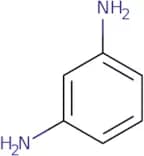
CAS:Controlled Product<p>Ractopamine HCl - 95% is a preparation of the drug Ractopamine, which is used as an animal feed additive to promote muscle growth. The drug is commonly used in pigs, cattle, and turkeys. It binds to the beta-adrenergic receptor and stimulates the release of catecholamines from the adrenal gland. This stimulation leads to an increase in protein synthesis and muscle growth. Ractopamine HCl - 95% can be analyzed by flow assay for antimicrobial resistance, sample preparation, estradiol benzoate, sodium carbonate, camp levels, ractopamine detection sensitivity and electrochemical detector. The matrix effect can be controlled by analyzing acid complex or control analysis with electrochemical impedance spectroscopy.</p>Formula:C18H23NO3•HClPurity:Min. 95%Color and Shape:White PowderMolecular weight:337.84 g/molm-Phenylenediamine
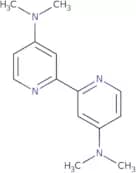
CAS:<p>m-Phenylenediamine is a model system for studying the adsorption mechanism of dyes, pigments, and other organic molecules on solid surfaces. It has been shown to be capable of adsorbing at high concentrations on various materials such as calcium carbonate, sandstone, and kaolinite. The adsorption of m-phenylenediamine is influenced by the thermal expansion coefficient of the surface material. Adsorption is also influenced by the pH of the solution, with optimum concentrations occurring at acidic pH levels. Adsorbed m-phenylenediamine may be transported away from the surface in both water and wastewater treatment systems. Inorganic acids can cause significant degradation to adsorbed m-phenylenediamine due to their ability to hydrolyze hydrogen bonds between adsorbate molecules.<br>A number of electrochemical impedance spectroscopy studies have been performed on this molecule in order to better understand its transport properties and electron transfer mechanisms.</p>Formula:C6H8N2Purity:Min. 95%Color and Shape:PowderMolecular weight:108.14 g/mol4,4' -Bis(N,N-dimethylamino)-2,2' -bipyridine
CAS:<p>4,4' -Bis(N,N-dimethylamino)-2,2' -bipyridine (DMAB) is a ligand that is used in electrochemical studies. It has been shown to have ancillary properties, which means that it does not interact directly with the substrate but modifies its environment. DMAB can form a complex with the proton at the electrode surface and x-ray crystal structures have been obtained for this interaction. These structures demonstrate that DMAB binds to the tetrazole ring of pyridine and stabilizes the molecule by increasing its redox potentials.</p>Formula:C14H18N4Purity:Min. 95%Color and Shape:PowderMolecular weight:242.32 g/molN-[(2-Fluorophenyl)methyl]-4-iodo-2,5-dimethoxybenzeneethanamine
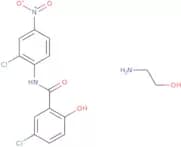
CAS:Controlled Product<p>N-[(2-Fluorophenyl)methyl]-4-iodo-2,5-dimethoxybenzeneethanamine (25I-NBOMe) is a synthetic drug that acts as a potent agonist of the serotonin receptor 5-HT2A. It has been used in bioassays to study the function of this receptor and has been shown to be able to inhibit human liver metabolism. 25I-NBOMe is also an analytical tool for the detection and identification of cannabinoid derivatives, which are often found in synthetic cannabinoids. This compound can be analyzed by liquid chromatography tandem mass spectrometry (LC/MS/MS) methods with modifications that allow for the detection of metabolites.</p>Formula:C17H19FINO2Purity:Min. 95%Molecular weight:415.24 g/molNiclosamide ethanolamine salt
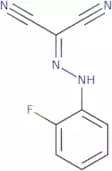
CAS:<p>Chemically a chlorinated salicylanilide, niclosamide is clinically used as an anthelmintic agent. The action of niclosamide has been proven to proceed by inhibiting the STAT3 signaling pathway. Recently, niclosamide, has been considered as an antiproliferative agent in cancer treatment, e.g. melanoma and colorectal cancer. In 2021, niclosamide has been tested for the treatment of COVID-19 patients.</p>Formula:C15H15Cl2N3O5Color and Shape:PowderMolecular weight:388.2 g/mol(aza((2-fluorophenyl)amino)methylene)methane-1,1-dicarbonitrile
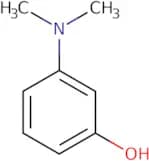
CAS:<p>Please enquire for more information about (aza((2-fluorophenyl)amino)methylene)methane-1,1-dicarbonitrile including the price, delivery time and more detailed product information at the technical inquiry form on this page</p>Formula:C9H5FN4Purity:Min. 95%Color and Shape:PowderMolecular weight:188.16 g/mol3-(Dimethylamino)phenol
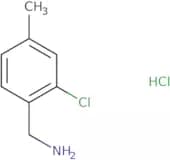
CAS:<p>3-(Dimethylamino)phenol is a chemical that is used as an additive in cosmetics. It has been shown to inhibit the production of epidermal growth factor and to have a growth-inhibiting effect on cells. 3-(Dimethylamino)phenol is found in many different types of products, including sunscreens, hair dyes, shampoos, and skin lotions. It has also been used as a preservative in food products, although it can be toxic at high doses. 3- (Dimethylamino)phenol has been shown to inhibit the production of fatty acids by inhibiting the activity of the enzyme lipoxygenase.</p>Formula:C8H11NOPurity:Min. 98 Area-%Color and Shape:PowderMolecular weight:137.18 g/mol2-Chloro-4-methylbenzylamine hydrochloride
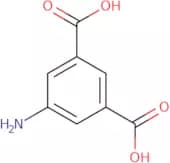
CAS:<p>2-Chloro-4-methylbenzylamine hydrochloride is a fine chemical that is used in the research, development and manufacturing of pharmaceuticals, agrochemicals, polymers and other organic compounds. 2-Chloro-4-methylbenzylamine hydrochloride can be used as an intermediate for the synthesis of a variety of drugs with different structures. It is also useful as a reagent in organic synthesis. The product has been classified by the EU as an SDS (Substances of Very High Concern) due to its potential for use in the production of nerve agents like sarin gas.</p>Formula:C8H10ClN•HClPurity:Min. 95%Molecular weight:192.09 g/mol5-Aminoisophthalic acid
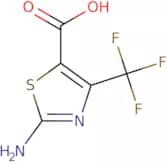
CAS:<p>5-Aminoisophthalic acid is a molecule that belongs to the group of compounds classified as p2, which are characterized by a hydrogen bond. The molecule is synthesized from n-dimethylformamide and glycol ester. It can be used in the synthesis of other compounds, such as 5-aminoisophthalic acid, which has been shown to have hemolytic activity. FTIR spectroscopy analysis reveals that the structure of 5-aminoisophthalic acid has nitrogen atoms in its side chain. This molecule also has an ultraviolet absorption range of about 225 nm to about 300 nm and shows strong absorption bands at around 290 nm and 350 nm.</p>Formula:C8H7NO4Purity:Min. 95%Color and Shape:PowderMolecular weight:181.15 g/mol2-Amino-4-(trifluoromethyl)thiazole-5-carboxylic acid
CAS:<p>Please enquire for more information about 2-Amino-4-(trifluoromethyl)thiazole-5-carboxylic acid including the price, delivery time and more detailed product information at the technical inquiry form on this page</p>Formula:C5H3F3N2O2SPurity:Min. 95%Molecular weight:212.15 g/molBenzo[d]oxazol-7-amine
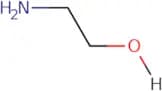
CAS:<p>Benzo[d]oxazol-7-amine is a fine chemical that is used as a versatile building block in the synthesis of complex compounds. It is also used as a reagent and speciality chemical for research purposes. Benzo[d]oxazol-7-amine has been shown to be useful in the synthesis of biologically active compounds, such as sildenafil citrate, which is prescribed to treat erectile dysfunction. This compound was found to have an antihypertensive effect on rats when administered orally. The benzo[d]oxazol-7-amine scaffold can also be used to create novel anti-cancer agents with high cytotoxicity against cancer cells in culture.</p>Formula:C7H6N2OPurity:Min. 95%Color and Shape:PowderMolecular weight:134.14 g/molO-(2-Aminoethyl)polyethylene glycol 3,000
CAS:<p>O-(2-Aminoethyl)polyethylene glycol 3,000 (PEG3K) is a cationic surfactant that has antibiotic-resistant properties. PEG3K can be used to treat cancers and bacterial infections. It is a superparamagnetic iron particles that can be used to target specific cells because of its magnetic properties. This compound is also an acylation reaction with an amine group and an ester bond.</p>Formula:(C2H4O)nC2H7NOPurity:Min. 95%Color and Shape:White Powder6-Amino-7-hydroxy-4-methylcoumarin
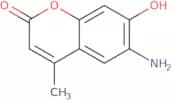
CAS:<p>6-Amino-7-hydroxy-4-methylcoumarin is an antibacterial agent that has been shown to be effective against a range of Gram-positive and Gram-negative bacteria. It is synthesized from coumarins in nature, but also can be synthesized in the laboratory. This compound has been shown to inhibit bacterial growth by forming a covalent bond with the bacterial enzyme DNA gyrase, preventing the synthesis of DNA. 6-Amino-7-hydroxy-4-methylcoumarin has also been shown to have anti cancer properties.</p>Formula:C10H9NO3Purity:Min. 95%Color and Shape:Yellow solid.Molecular weight:191.18 g/mol4-Bromo-2-methylbenzylamine hydrochloride
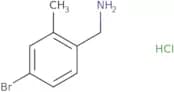
CAS:<p>4-Bromo-2-methylbenzylamine hydrochloride is a high quality, versatile building block that can be used in the synthesis of many different compounds. It is a reagent that can be used as an intermediate in the production of other compounds. 4-Bromo-2-methylbenzylamine hydrochloride is also a fine chemical and speciality chemical that can be used for research purposes. This compound has been shown to be useful as a reaction component in the synthesis of complex compounds.</p>Formula:C8H10BrN·HClPurity:Min. 95%Molecular weight:236.54 g/mol4-N-Hexylbenzylamine
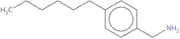
CAS:<p>4-N-Hexylbenzylamine is a fine chemical that is useful as a building block in the synthesis of complex compounds. It can be used as an intermediate in research chemicals, reaction components, and speciality chemicals. 4-N-Hexylbenzylamine has many uses in chemistry, including being a reagent to synthesize other compounds. This compound is also a versatile building block for the preparation of various amines and amides.</p>Formula:C13H21NPurity:Min. 95%Color and Shape:Clear LiquidMolecular weight:191.31 g/molMethyl 3-amino-6-methylthieno[2,3-b]pyridine-2-carboxylate
CAS:<p>Please enquire for more information about Methyl 3-amino-6-methylthieno[2,3-b]pyridine-2-carboxylate including the price, delivery time and more detailed product information at the technical inquiry form on this page</p>Formula:C10H10N2O2SPurity:Min. 95%Molecular weight:222.27 g/molDi-(1-adamantyl)amine hydrochloride
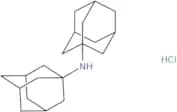
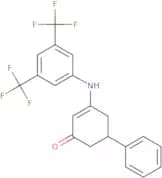
CAS:<p>Di-(1-adamantyl)amine hydrochloride is a fine chemical that is used as a building block in research. It has been shown to be an effective reagent for the preparation of polymers and as a speciality chemical. Di-(1-adamantyl)amine hydrochloride can be used as a reaction component for the synthesis of other compounds and is available in high quality. It is also versatile, being able to react with carboxylic acids, amines, alcohols, phosphorus halides, and thiols. This compound is not listed with CAS No., but it is available from many suppliers.</p>Formula:C20H32ClNPurity:Min. 95%Color and Shape:PowderMolecular weight:321.93 g/mol3-((3,5-bis(trifluoromethyl)phenyl)amino)-5-phenylcyclohex-2-en-1-one
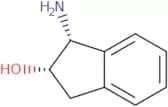
CAS:<p>Please enquire for more information about 3-((3,5-bis(trifluoromethyl)phenyl)amino)-5-phenylcyclohex-2-en-1-one including the price, delivery time and more detailed product information at the technical inquiry form on this page</p>Purity:Min. 95%(1R,2S)-1-Amino-2-indanol
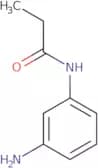
CAS:<p>(1R,2S)-1-Amino-2-indanol is a potential drug candidate that can be used in asymmetric synthesis. It has been shown to inhibit the flow of hydrogen bond and to form an enantiomer. The enantiomer is more active than the racemic mixture, which may be due to the higher binding affinity for the enzyme. This compound has also been shown to inhibit herpes simplex virus and HIV in vitro with a high potency. (1R,2S)-1-Amino-2-indanol is modeled using molecular dynamics simulations and quantum mechanical calculations.</p>Purity:Min. 95%Color and Shape:PowderMolecular weight:149.19 g/mol3'-Aminopropionanilide
CAS:<p>3'-Aminopropionanilide is a synthetic chemical that belongs to the group of aminopropionates. It has been used as a reaction component and reagent in organic synthesis. 3'-Aminopropionanilide is a versatile building block, which can be used to synthesize complex compounds with different functions. This compound is also an intermediate in the synthesis of other chemicals, such as pharmaceuticals or agrochemicals. 3'-Aminopropionanilide has a CAS number of 22987-10-6.</p>Formula:C9H12N2OPurity:Min. 95%Color and Shape:PowderMolecular weight:164.2 g/mol4-((4-(dimethylamino)phenyl)methylene)-3-methyl-1-phenyl-2-pyrazolin-5-one
CAS:<p>Please enquire for more information about 4-((4-(dimethylamino)phenyl)methylene)-3-methyl-1-phenyl-2-pyrazolin-5-one including the price, delivery time and more detailed product information at the technical inquiry form on this page</p>Purity:Min. 95%4-(Dimethylamino)phenylaceticacid
CAS:<p>4-(Dimethylamino)phenylacetic acid (DMAPA) is a chemical inhibitor that binds to fatty acids. It has been shown to have antitumor effects on prostate cancer cells in vitro and in vivo, as well as anti-inflammatory properties. DMAPA also inhibits the synthesis of prostaglandins, which may be due to its binding to amines or the uv irradiation of the molecule. DMAPA has been shown to be effective in preventing the aggregation of serotonin receptors, which may play a role in its potential use for treating depression.</p>Formula:C10H13NO2Purity:Min. 95%Color and Shape:PowderMolecular weight:179.22 g/molAnnexin A1(1-25)(dephosphorylated)(human)ammonium salt
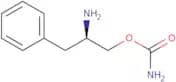
CAS:<p>Annexin A1 is a phospholipid-binding protein that is involved in the regulation of inflammation. It is often found in atherosclerotic lesions and has been shown to be an anti-inflammatory cytokine. Annexin A1 (dephosphorylated) does not inhibit the activity of enzymes such as cyclooxygenase and lipoxygenase, and so it may have therapeutic potential for treatment of autoimmune diseases such as Crohn's disease or bowel disease. Annexin A1 also has anti-inflammatory properties, which may be due to its ability to inhibit the production of proinflammatory cytokines such as IL-6 and TNF-α by inhibiting the activation of NFκB.</p>Formula:C141H210N32O44S·NH4Purity:Min. 97 Area-%Color and Shape:White PowderMolecular weight:3,107.47 g/molSolriamfetol
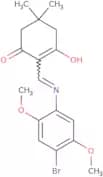
CAS:Controlled Product<p>Solriamfetol is a drug that belongs to the class of psychostimulants. It is used as an adjunct in the treatment of major depressive disorder, and has been shown to be clinically relevant in patients with major depression. Solriamfetol has been shown to have long-term efficacy and stable doses, which may be due to its chemical stability. It also has dose-dependent effects on dopamine release in the striatum, which can lead to increased symptoms of depression. The drug has also been shown to increase cardiac rate, even at stable doses and does not affect renal function. This may be because solriamfetol does not undergo oxidative injury or cause decreased glomerular filtration rate (GFR).</p>Formula:C10H14N2O2Purity:Min. 95%Color and Shape:PowderMolecular weight:194.23 g/mol2-(((4-Bromo-2,5-dimethoxyphenyl)amino)methylene)-5,5-dimethylcyclohexane-1,3-dione
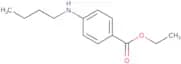
CAS:<p>Please enquire for more information about 2-(((4-Bromo-2,5-dimethoxyphenyl)amino)methylene)-5,5-dimethylcyclohexane-1,3-dione including the price, delivery time and more detailed product information at the technical inquiry form on this page</p>Formula:C17H20BrNO4Purity:Min. 95%Molecular weight:382.25 g/molEthyl 4-(butylamino)benzoate
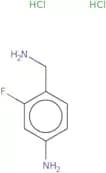
CAS:<p>Ethyl 4-(butylamino)benzoate is a white crystalline solid that has been shown to be an effective local anesthetic. It undergoes hydrolysis by phosphotungstic acid, which releases the active butylamine molecule. The butylamine molecule is then able to form hydrogen bonds with the negatively charged nerve endings in the spine, leading to depolarization and lack of sensation. Ethyl 4-butylamino benzoate has been used for epidural anesthesia, as well as for bronchial and mesomorphic inhalation anaesthetics. This drug also inhibits expiratory flow, which may be due to its ability to form hydrogen bonds with chloride ions in bronchial secretions.</p>Formula:C13H19NO2Purity:Min. 95%Color and Shape:PowderMolecular weight:221.3 g/mol4-Amino-2-fluorobenzylamine dihydrochloride
CAS:<p>4-Amino-2-fluorobenzylamine dihydrochloride is a high quality, complex compound that can be used as a reagent, useful intermediate, or fine chemical. It is a versatile building block that can be used as a reaction component in the synthesis of speciality chemicals such as research chemicals and building blocks for drugs. It is also an important scaffold for drug design and development. 4-Amino-2-fluorobenzylamine dihydrochloride has CAS No. 2200281-02-1 and is useful in the synthesis of many different compounds.</p>Formula:C7H9FN2·2HClPurity:Min. 95%Color and Shape:PowderMolecular weight:213.08 g/mol2’-Epidihydroergotamine
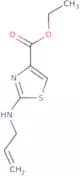
CAS:<p>2'-Epidihydroergotamine is a reagent that is used as an intermediate in the synthesis of ergot alkaloids. 2'-Epidihydroergotamine is a fine chemical that has been used as a building block for the synthesis of other compounds. It has also been used in the production of research chemicals and speciality chemicals such as antihistamines, anticancer agents, and vasoconstrictors. This compound can be used as a versatile building block in organic synthesis reactions.</p>Formula:C33H37N5O5Purity:Min. 95%Color and Shape:PowderMolecular weight:583.68 g/molethyl 4-(prop-2-enylamino)-3,5-thiazolecarboxylate
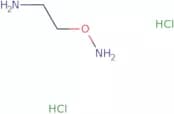
CAS:<p>Please enquire for more information about ethyl 4-(prop-2-enylamino)-3,5-thiazolecarboxylate including the price, delivery time and more detailed product information at the technical inquiry form on this page</p>Purity:Min. 95%2-Aminoethoxyamine dihydrochloride
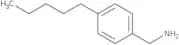
CAS:<p>2-Aminoethoxyamine dihydrochloride is a cardiotonic, which is a chemical agent that acts on the heart to increase contractility. It has been shown to be more efficient and less toxic than other cardiotonics. 2-Aminoethoxyamine dihydrochloride has been found to act as an epoxidizing agent and can be used in the synthesis of istaroxime, an inhibitor of cholesterol biosynthesis.2-Aminoethoxyamine dihydrochloride also reacts with dehydroepiandrosterone to form 2-aminoethoxyamidine hydrochloride.</p>Formula:C2H10Cl2N2OPurity:Min. 95%Color and Shape:PowderMolecular weight:149.02 g/mol4-Pentylbenzylamine
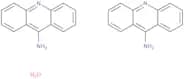
CAS:<p>Please enquire for more information about 4-Pentylbenzylamine including the price, delivery time and more detailed product information at the technical inquiry form on this page</p>Formula:C12H19NPurity:Min. 98.0 Area-%Color and Shape:Clear LiquidMolecular weight:177.29 g/molAcridin-9-amine hemihydrate
CAS:<p>Acridin-9-amine hemihydrate is an organic compound that belongs to the class of acridine dyes. It has an acetylcholine receptor blocking property and is used in the treatment of dyskinesia. Acridin-9-amine hemihydrate has been shown to be effective in animal models for Alzheimer's disease. The structure of this molecule consists of a dipole, which has two tautomers, one with a hydrogen atom on nitrogen and another without it. The tautomeric form without the hydrogen atom is more stable than the other form in acidic conditions, but both forms are present in neutral or basic conditions. Acridin-9-amine hemihydrate is also an antitumour agent with activity against breast cancer cells.</p>Formula:C13H10N2•(H2O)0Purity:Min. 95%Molecular weight:203.23 g/mol2-[(2,4-Dimethylphenyl)amino]nicotinic acid
CAS:<p>Please enquire for more information about 2-[(2,4-Dimethylphenyl)amino]nicotinic acid including the price, delivery time and more detailed product information at the technical inquiry form on this page</p>Formula:C14H14N2O2Purity:Min. 95%Color and Shape:PowderMolecular weight:242.27 g/mol4-[[(2-Amino-1,2-dicyanoethenyl)imino]methyl]benzoic acid
CAS:<p>Please enquire for more information about 4-[[(2-Amino-1,2-dicyanoethenyl)imino]methyl]benzoic acid including the price, delivery time and more detailed product information at the technical inquiry form on this page</p>Formula:C12H8N4O2Purity:Min. 95%Color and Shape:PowderMolecular weight:240.22 g/mol4-Chloro-2-nitrobenzylamine hydrochloride
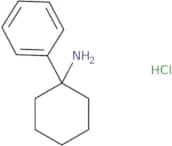
CAS:<p>4-Chloro-2-nitrobenzylamine hydrochloride is a fine chemical that can be used as a reagent or speciality chemical. It is also a versatile building block and reaction component for the preparation of various chemical compounds. 4-Chloro-2-nitrobenzylamine hydrochloride has been used as an intermediate in the synthesis of other chemicals, such as 1,2,3,4,5,6-hexahydrobenzo[e]pyrrolo[1,2-a]pyrazine. This compound has been shown to have antibacterial activity against Escherichia coli and Pseudomonas aeruginosa.</p>Formula:C7H7ClN2O2•HClPurity:Min. 95%Molecular weight:223.06 g/mol1-Phenylcyclohexanamine hydrochloride
CAS:Controlled Product<p>1-Phenylcyclohexanamine hydrochloride is a secondary amine that binds to the nicotinic acetylcholine receptor. It has been shown to inhibit the activity of rat liver microsomes and dopamine, with a primary amino group. The analogs of 1-phenylcyclohexanamine hydrochloride are active and have been shown to inhibit acetylcholinesterase in rat brain tissue. This inhibition leads to an increase in the neurotransmitter acetylcholine, which causes an excitatory effect on the central nervous system. 1-Phenylcyclohexanamine hydrochloride is also used as a molecular model for studying glutamate receptors because of its similar structure.</p>Formula:C12H18ClNPurity:Min. 95%Molecular weight:211.73 g/molImipramine N-oxide hydrate
CAS:Controlled Product<p>Imipramine N-oxide hydrate is a polymer drug that belongs to the group of amines. It inhibits the activity of CYP450 enzymes and has been shown to be effective in treating inflammatory bowel disease (IBD). Imipramine N-oxide hydrate prevents adenosine A3 receptor activation and suppresses the production of dinucleotide phosphate, which may be responsible for its effectiveness in treating IBD. Imipramine N-oxide hydrate also has an effect on liver cells, which may lead to its effectiveness in treating infectious diseases. The drug is not active against autoimmune diseases, but it may have an effect on toll-like receptors.</p>Formula:C19H24N2O·xH2OPurity:Min. 95%Color and Shape:White PowderMolecular weight:296.41 g/mol4-Amino-4H-pyrazolo[3,4-d]pyrimidine
CAS:<p>4-Amino-4H-pyrazolo[3,4-d]pyrimidine is an organic compound that is used as a building block in the synthesis of other compounds. It is a versatile chemical with many applications in research and industry. This compound can be used as a starting material for the synthesis of various other chemicals, such as pharmaceuticals, agrochemicals, and dyes. 4-Amino-4H-pyrazolo[3,4-d]pyrimidine has been shown to inhibit protein phosphatase 1 (PP1) activity and stimulate protein kinase C (PKC) activity.</p>Formula:C5H5N5Purity:Min. 95%Color and Shape:PowderMolecular weight:135.13 g/molN-Boc-N, N-bis(2-bromoethyl)amine
CAS:<p>N-Boc-N, N-bis(2-bromoethyl)amine is a versatile building block which can be used to generate complex compounds. It has been used as a reagent in the synthesis of various research chemicals, and as a speciality chemical in the manufacture of herbicides. N-Boc-N, N-bis(2-bromoethyl)amine is also an intermediate for the production of certain pharmaceuticals and as a scaffold for organic syntheses. This compound is also useful as a reaction component in the synthesis of high quality pharmaceuticals with diverse metabolic profiles.</p>Formula:C9H17O2NBr2Purity:Min. 95%Color and Shape:PowderMolecular weight:331.04 g/mol[(3-Methylphenyl)amino]acetic acid
CAS:<p>[(3-Methylphenyl)amino]acetic acid is a high quality chemical that can be used as a reagent, intermediate, or building block in the synthesis of other compounds. It is useful for the synthesis of complex compounds and has been shown to have a wide range of applications. This compound can be used in research chemicals and as an intermediate in the production of fine chemicals. [(3-Methylphenyl)amino]acetic acid is a versatile building block that can be used to synthesize different types of molecules with diverse properties. It also has many potential uses in medicine as it has been shown to inhibit protein kinase C (PKC), which may provide therapeutic benefits for some diseases.</p>Formula:C9H11NO2Purity:Min. 95%Color and Shape:PowderMolecular weight:165.19 g/molAmmonium trifluoroacetate
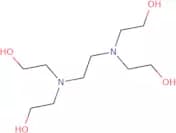
CAS:<p>Ammonium trifluoroacetate is a chemical compound that has two hydroxyl groups. It is used for the treatment of autoimmune diseases, such as rheumatoid arthritis, and in the synthesis of nomegestrol acetate, which is an estrogenic drug. Ammonium trifluoroacetate is also used to study the biological properties of receptors and other proteins. The thermal expansion property of ammonium trifluoroacetate can be used to determine its concentration in a sample. Ammonium trifluoroacetate also has potent antagonistic effects against HIV infection and can be detected with high sensitivity. Studies have shown that ammonium trifluoroacetate is toxic to humans; however, it does not accumulate in the body.</p>Formula:C2H4F3NO2Purity:Min. 95%Color and Shape:PowderMolecular weight:131.05 g/molN,N,N',N'-Tetrakis(2-hydroxyethyl)ethylenediamine
CAS:<p>N,N,N',N'-Tetrakis(2-hydroxyethyl)ethylenediamine is a compound that has been used in the past as a chelating agent for removing heavy metals and radionuclides from water. It is also used as a scavenger of hydroxyl ions, which are responsible for the degradation of proteins and other biomolecules. The receptor binding sites of basic proteins have been shown to be susceptible to N,N,N',N'-tetrakis(2-hydroxyethyl)ethylenediamine. The chemical stability of this molecule has been demonstrated by FTIR spectroscopy, kinetic studies and tryptophan fluorescence quenching in vivo. Air entrainment is an important parameter in the treatment process because it increases the surface area for gas exchange. This product may be beneficial for people with high body mass index (BMI). Amines are known to bind to N,N,N',N</p>Formula:C10H24N2O4Purity:Min. 95%Color and Shape:Colorless Clear LiquidMolecular weight:236.31 g/molImipramine hydrochloride
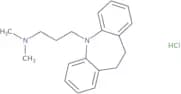
CAS:Controlled Product<p>Imipramine hydrochloride is a hydrochloride salt form of imipramine, a surface active tricyclic drug, a potent inhibitor of serotonin and norepinephrine reuptake. It has a greater affinity for the serotonin and it has more anticholinergic side effects which can be helpful in treating enuresis. Imipramine blocks D-2 receptors, H1 receptors, alpha 1 and alpha 2 adrenergic receptors and muscarinic receptors. It is used for therapy of depression (major and bipolar) and nocturnal enuresis in children. Also it is indicated for dysthymia, attention-deficit disorders, agoraphobia and it is effective in treating anxiety and panic disorders.</p>Formula:C19H25ClN2Purity:Min. 95%Color and Shape:PowderMolecular weight:316.87 g/mol4-Amino-2-benzylamino-6-phenyl-1,3,5-triazine
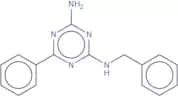
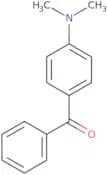
CAS:<p>4-Amino-2-benzylamino-6-phenyl-1,3,5-triazine is a high quality chemical that can be used as a reagent in organic synthesis. This compound is also a useful intermediate and has been used as a building block in the preparation of various pharmaceuticals. 4-Amino-2-benzylamino-6-phenyl-1,3,5-triazine has CAS No. 693241-47-3 and is an important speciality chemical for research purposes. It is also versatile and can be used as a reaction component for the synthesis of other compounds.</p>Formula:C16H15N5Purity:Min. 95%Color and Shape:PowderMolecular weight:277.32 g/mol4-(Dimethylamino)benzophenone
CAS:<p>4-(Dimethylamino)benzophenone is a chemical compound that is used in the synthesis of resins. It is a cationic polymerization initiator and has been shown to be an effective catalyst for the conversion of zirconium oxide into zirconia. 4-(Dimethylamino)benzophenone has been shown to be cytotoxic and genotoxic, with high resistance levels, in hl-60 cells. It can also induce polymerase chain reactions (PCR).</p>Formula:C15H15NOPurity:Min. 95%Color and Shape:PowderMolecular weight:225.29 g/mol1,2-Dioleoyl-3-trimethylammonium-propane, chloride
CAS:<p>1,2-Dioleoyl-3-trimethylammonium-propane, chloride (DOTAP) is a cationic lipid of the phospholipid class. DOTAP has been shown to stimulate the growth and differentiation of hematopoietic cells in vivo. DOTAP also enhances the metastatic potential of tumor cells by increasing their uptake and inhibiting apoptosis. It has been found to be active against skin cancer cells, which may be due to its ability to enhance antitumor response. DOTAP is used as a fluorescent probe for intracellular pH measurements in live cells and can be used as a carrier lipid for liposomal drug delivery systems. The major biological properties of DOTAP are its ability to form vesicles and its capacity for energy metabolism.</p>Formula:C42H80ClNO4Purity:(¹H-Nmr) Min. 95 Area-%Color and Shape:PowderMolecular weight:698.54 g/mol2-[1-(Methylamino)ethyl]indole
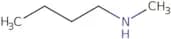
CAS:<p>Please enquire for more information about 2-[1-(Methylamino)ethyl]indole including the price, delivery time and more detailed product information at the technical inquiry form on this page</p>Formula:C11H14N2Purity:Min. 95%Color and Shape:PowderMolecular weight:174.24 g/molN-Methylbutylamine
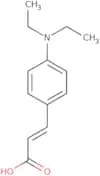
CAS:<p>N-Methylbutylamine is a pharmaceutical drug that belongs to the class of amines. It is used as a hydrogen bond donor in some organic reactions. N-Methylbutylamine has been shown to have cytotoxic effects on prostate cancer cells and has been used for the treatment of this type of cancer. This drug also has a fluorescent derivative, which can be used in the detection of water vapor. The amine group of N-Methylbutylamine is involved in catalysis by enzymes and organometallic compounds. The optimum pH for this molecule is 7, with an activation energy at 20 degrees Celsius of 42 kilojoules per mole.<br>N-Methylbutylamine has also been shown to inhibit kinesin, an important protein involved in cellular transport.</p>Formula:C5H13NPurity:Min. 95%Color and Shape:Clear LiquidMolecular weight:87.17 g/mol4-(N,N-Diethylamino)cinnamic acid
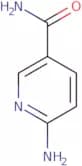
CAS:<p>4-(N,N-Diethylamino)cinnamic acid is a dye-sensitized solar cell sensitizer that has been synthesized from thiophene and acrylic acid. This compound is efficient in dye-sensitized solar cells and can be used to produce solar cells with an efficiency of over 10%.</p>Formula:C13H17NO2Purity:Min. 95%Color and Shape:PowderMolecular weight:219.28 g/mol6-Aminonicotinamide
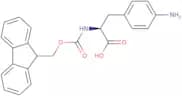
CAS:<p>6-Aminonicotinamide is an experimental drug that has shown promising results in animal studies. This compound may be useful for the treatment of cancer, due to its ability to inhibit reactive oxygen species and maintain mitochondrial membrane potential. 6-Aminonicotinamide also has a protective effect against radiation-induced cell damage, as it prevents oxidative injury to DNA and protein. In addition, 6-aminonicotinamide can stimulate the proliferation of pluripotent cells, which are cells that have the ability to differentiate into any type of cell in the body. Finally, this compound was shown to have antitumor effects by inhibiting squamous carcinoma tumor growth in experimental models.</p>Formula:C6H7N3OPurity:Min. 95%Color and Shape:PowderMolecular weight:137.14 g/molFmoc-4-amino-L-phenylalanine
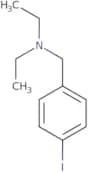
CAS:<p>Fmoc-4-amino-L-phenylalanine is a molecule with the amino acid, aminophenylalanine, that is used in devices to detect epithelial cells. It has been functionalized with a fluoro group and can be used as a fluorescent probe for the detection of epithelial cells. Fmoc-4-amino-L-phenylalanine can also be used to diagnose tumors and tumor cells by detecting their presence in urine samples. This peptide has been shown to have anti-tumor properties when it interacts with the tumor cell membrane, which may be due to its ability to inhibit protein synthesis and induce apoptosis.</p>Formula:C24H22N2O4Purity:Min. 97 Area-%Color and Shape:Off-White PowderMolecular weight:402.44 g/molN,N-Diethyl-N-(4-iodobenzyl)amine
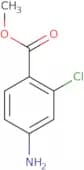
CAS:<p>N,N-Diethyl-N-(4-iodobenzyl)amine is a high quality and versatile building block that is used as a reagent, speciality chemical, or intermediate. The compound has been found to be useful in the synthesis of complex compounds. It can also be used as a reaction component for various organic synthesis reactions. N,N-Diethyl-N-(4-iodobenzyl)amine is commercially available from Sigma Aldrich with CAS No. 914636-94-5.</p>Formula:C11H16INPurity:Min. 95%Color and Shape:PowderMolecular weight:289.16 g/mol4-Amino-2-chlorobenzoic acid methyl ester
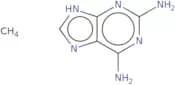
CAS:<p>4-Amino-2-chlorobenzoic acid methyl ester (4ACBME) is a chemical compound that has been used in the treatment of autoimmune diseases. It acts as an immunoreceptor and regulatory molecule by binding to specific receptors on the surface of lymphocytes, which are cells that play a central role in the immune system. 4ACBME also inhibits the production of inflammatory molecules, such as TNF-α, IL-1β, IL-6 and IL-8. The regression of tissue inflammation was observed in animal models after 4ACBME treatment. This compound has been shown to have no genotoxic impurities in vitro studies and its molecular descriptors are consistent with those found for other immunoreceptors.</p>Formula:C8H8ClNO2Purity:Min. 95%Color and Shape:White PowderMolecular weight:185.61 g/mol2,6-Diaminopurine hemisulfate
CAS:<p>2,6-Diaminopurine hemisulfate salt is a fine chemical that can be used as a building block for research chemicals, reagents, and specialty chemicals. It has been shown to be useful in the synthesis of various types of complex compounds. 2,6-Diaminopurine hemisulfate salt is also versatile in the sense that it can be used as an intermediate in reactions or as a scaffold for chemical synthesis. This product has CAS number 69369-16-0.</p>Formula:C5H6N6•(H2O4S)0Purity:Min. 95%Color and Shape:PowderMolecular weight:398.36 g/molN1-(2-Aminoethyl)-N1-methylethane-1,2-diamine
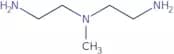
CAS:<p>N1-(2-Aminoethyl)-N1-methylethane-1,2-diamine is a chromatographic cross-linking agent that is used in the preparation of monoclonal antibodies. It contains two amino groups and two ethyleneamine groups. N1-(2-Aminoethyl)-N1-methylethane-1,2-diamine binds to calcium carbonate and forms a chelate ring with the metal ion. The compound has been shown to have diagnostic properties, as it can be detected by nmr spectra and by the use of monoclonal antibody.</p>Formula:C5H15N3Purity:Min. 95%Color and Shape:Clear LiquidMolecular weight:117.19 g/molN-tert-Butoxycarbonyl tyramine
CAS:<p>N-tert-Butoxycarbonyl tyramine is a molecule that has been shown to have anti-tuberculosis properties. It is synthesized by reacting N-Boc-tyrosine with chloroform in the presence of an acid catalyst. The reaction product is a zwitterion, which can be converted to an ionic form by treatment with mineral acids or phosphoric acid. The chloride ion is released from the molecule and reacts with phosphate ions to form hydroxyapatite, which is used as a bone substitute. This compound also has potential for use in cancer treatments due to its ability to inhibit cell proliferation and induce apoptosis in cancer cells.<br>The uptake of this drug was studied using caco-2 cells cultured on plastic membrane inserts in contact with phosphate buffered saline (PBS). The results showed that it had a high uptake rate and concentration in these cells. This compound was also found to have an inhibitory effect on phosphatase</p>Formula:C13H19NO3Purity:Min. 95%Molecular weight:237.29 g/mol[2-(2,3-Dimethylphenoxy)ethyl]amine HCl
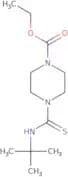
CAS:<p>2-(2,3-Dimethylphenoxy)ethylamine is a versatile building block that can be used for the synthesis of various complex compounds. It has been used as a reagent in research and as a speciality chemical. 2-(2,3-Dimethylphenoxy)ethylamine is useful in the synthesis of pharmaceuticals, agrochemicals, and other chemicals. This product is also a high quality intermediate that can be used for the production of active pharmaceutical ingredients (APIs). 2-(2,3-Dimethylphenoxy)ethylamine can also be used to produce scaffolds for organic syntheses.</p>Formula:C10H15NO·HClPurity:Min. 95%Color and Shape:PowderMolecular weight:201.69 g/molEthyl 4-(((tert-butyl)amino)thioxomethyl)piperazinecarboxylate
CAS:<p>Please enquire for more information about Ethyl 4-(((tert-butyl)amino)thioxomethyl)piperazinecarboxylate including the price, delivery time and more detailed product information at the technical inquiry form on this page</p>Purity:Min. 95%Alkylated diphenylamines
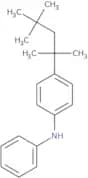
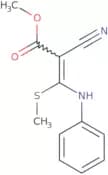
CAS:<p>Alkylated diphenylamines are reactive compounds that have been used as antioxidants in industrial processes. These antioxidants inhibit the propagation of oxidation reactions, which can lead to the degradation of polycarboxylic acids. Alkylated diphenylamines are usually synthesized from phenyl groups and fatty acid esters. They are also known as synthetic antioxidants and are used in a variety of industries, such as food production and textiles. Alkylated diphenylamines have been shown to react with metal hydroxides, such as magnesium oxide or sodium nitrate, to form reaction products that include alkanes and alkenes. The viscosity of these compounds is dependent on the length of their fatty acid chains; the longer the chain length, the lower the viscosity.</p>Purity:Min. 95%Color and Shape:Clear Viscous LiquidMolecular weight:281.4 g/molmethyl 2-nitrilo-3-methylthio-3-(phenylamino)prop-2-enoate
CAS:<p>Please enquire for more information about methyl 2-nitrilo-3-methylthio-3-(phenylamino)prop-2-enoate including the price, delivery time and more detailed product information at the technical inquiry form on this page</p>Purity:Min. 95%5-Fluorotryptamine hydrochloride
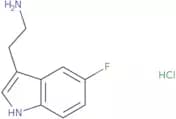
CAS:Controlled Product<p>5-Fluorotryptamine hydrochloride (5FTH) is a chlorinating agent that is used to treat oxidative injury. It has been shown to inhibit tumor growth in animal models. 5FTH is taken up by tissues and reacts with hypochlorous acid to form 5-fluoro-2,4-diaminobenzoic acid and chloride ions. The chloride ions react with the molecule or the radiotracer to produce the thermodynamic depolarization of hydrogen atoms, which leads to hyperpolarization of the molecule and positron emission.</p>Formula:C10H12ClFN2Purity:Min 95%Molecular weight:214.67 g/mol[2-(4-Chlorophenoxy)ethyl]amine hydrochloride
CAS:<p>2-(4-Chlorophenoxy)ethyl]amine hydrochloride is a chemical that can be used as a building block for the synthesis of pharmaceuticals. It is an intermediate in the production of fine chemicals and other reagents. 2-[2-(4-Chlorophenoxy)ethoxy]ethylamine hydrochloride has CAS number 28769-06-4 and can be used for research purposes.</p>Formula:C8H10ClNOPurity:Min. 95 Area-%Color and Shape:Clear LiquidMolecular weight:171.62 g/mol1-Aminohydantoin hydrochloride
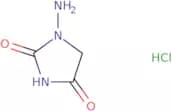
CAS:<p>1-Aminohydantoin hydrochloride is an intermediate in the synthesis of the aminohydantoins, a class of drugs used to treat epilepsy. It is also used as a reagent for preparing monoclonal antibodies. 1-Aminohydantoin hydrochloride is prepared by reacting hydrochloric acid with hydrazine and sodium citrate, followed by purification using distillation and recrystallization. 1-Aminohydantoin hydrochloride can be used to determine the presence of chloride ions in animal tissues by measuring its chemical shift on a mass spectrometer. This drug has been shown to inhibit oxidative DNA damage in rat kidneys, which may be due to its ability to suppress reactive oxygen species production.</p>Formula:C3H6ClN3O2Color and Shape:PowderMolecular weight:151.55 g/mol1-Hydroxy-2,7-diamino mitosene - (mixture cis/trans)
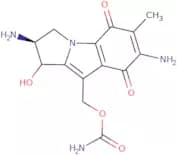
CAS:<p>1-Hydroxy-2,7-diamino mitosene is a versatile building block that can be used in the synthesis of a wide range of complex compounds. This chemical compound is a reagent and speciality chemical that has been used in research and analysis as well as in the manufacture of other chemicals. 1-Hydroxy-2,7-diamino mitosene is a fine chemical with high quality and purity. It has been shown to be useful in the synthesis of new drugs or other chemical compounds. The use of this compound as an intermediate is also possible due to its versatility.</p>Formula:C14H16N4O5Purity:Min. 95%Color and Shape:PowderMolecular weight:320.3 g/mol(E)-N-(3-Methylaminopropyl)-2-thiopheneacrylamide
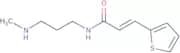
CAS:<p>(E)-N-(3-Methylaminopropyl)-2-thiopheneacrylamide is a high quality chemical that can be used as an intermediate in the synthesis of complex compounds. It is also a useful scaffold and building block for the synthesis of speciality chemicals with versatile reactions.</p>Formula:C11H16N2OSPurity:Min. 95%Color and Shape:Colorless Clear LiquidMolecular weight:224.32 g/mol2-Benzyltryptamine
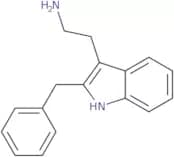
CAS:<p>2-Benzyltryptamine (2BT) is a synthetic substance that has been used as a research chemical in the study of the interactions between serotonergic and dopaminergic neurotransmission. In one study, 2BT was found to inhibit dopamine uptake in rat brain synaptosomes and to bind to both serotonin and dopamine receptors. 2BT has also been shown to have an affinity for melatonin receptors, which may be due to its structural similarity to melatonin.</p>Formula:C17H18N2Purity:Min. 95%Color and Shape:SolidMolecular weight:250.34 g/mol3-Aminobenzamide
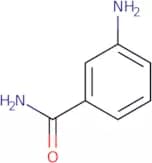
CAS:<p>3-Aminobenzamide is a drug that has been shown to be effective in the treatment of temozolomide-induced neuronal death. 3-Aminobenzamide inhibits the synthesis of ATP and blocks its binding to the atp-binding cassette transporter, which prevents the transport of this nucleotide into cells. This results in cell death due to insufficient energy metabolism and inability to repair DNA damage. 3-Aminobenzamide also increases production of reactive oxygen species, which are involved in reperfusion injury and myocardial infarcts. 3-Aminobenzamide is used as a model system for studying DNA repair and energy metabolism.</p>Formula:C7H8N2OPurity:Min. 95%Color and Shape:PowderMolecular weight:136.15 g/molEthyl 2-(4-((5-chloro-2-methoxyphenyl)amino)-3,5-thiazolyl)acetate
CAS:<p>Please enquire for more information about Ethyl 2-(4-((5-chloro-2-methoxyphenyl)amino)-3,5-thiazolyl)acetate including the price, delivery time and more detailed product information at the technical inquiry form on this page</p>Purity:Min. 95%2-N-Methylaminoethyl chloride·HCl
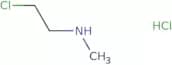
CAS:<p>2-N-Methylaminoethyl chloride·HCl is a nitro compound that has been programmed to inhibit PD-1. It is an inhibitor of this protein, which is involved in the regulation of immune responses. Inhibition of PD-1 can lead to an increase in T cell function and proliferation, as well as the production of cytokines. 2-N-Methylaminoethyl chloride·HCl has been shown to be a potent inhibitor of PD-1 with a Ki value of 2 nM, and it inhibits PD-L1 at concentrations up to 10 μM. This drug also inhibits resorcinol at low concentrations (0.5 μM). It is a synthetic molecule that was generated for screening purposes and does not have any other known biological activity.</p>Formula:C3H8ClN·HClPurity:Min. 95%Color and Shape:PowderMolecular weight:130.02 g/molcis-(+/-)-2-[(N-Benzyl-N-methyl)aminomethyl]-1-(3-methoxyphenyl)cyclohexanol hydrochloride
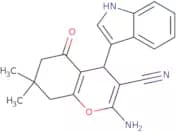
CAS:<p>cis-(+/-)-2-[(N-Benzyl-N-methyl)aminomethyl]-1-(3-methoxyphenyl)cyclohexanol hydrochloride is a versatile building block that can be used in the synthesis of complex compounds. This compound is also a useful reagent, speciality chemical, and reaction component. cis-(+/-)-2-[(N-Benzyl-N-methyl)aminomethyl]-1-(3-methoxyphenyl)cyclohexanol hydrochloride has been shown to be a valuable scaffold for research chemicals with high quality.</p>Formula:C22H30ClNO2Purity:Min. 95 Area-%Color and Shape:PowderMolecular weight:375.93 g/mol2-Amino-4-(1H-indol-3-yl)-7,7-dimethyl-5-oxo-5,6,7,8-tetrahydro-4H-chromene-3-carbonitrile
CAS:Please enquire for more information about 2-Amino-4-(1H-indol-3-yl)-7,7-dimethyl-5-oxo-5,6,7,8-tetrahydro-4H-chromene-3-carbonitrile including the price, delivery time and more detailed product information at the technical inquiry form on this pageFormula:C20H19N3O2Purity:Min. 95%Color and Shape:PowderMolecular weight:333.38 g/mol2-Amino-5-[1-hydroxy-2-(isopropylamino)ethyl]benzonitrile
CAS:<p>2-Amino-5-[1-hydroxy-2-(isopropylamino)ethyl]benzonitrile is a hydrophilic compound that is used as a probe in enzyme activity assays. It can be used to measure the activities of many enzymes, such as those involved in protein synthesis and degradation. 2-Amino-5-[1-hydroxy-2-(isopropylamino)ethyl]benzonitrile is also an excellent substrate for the nitrite reductase enzyme, which catalyzes the reduction of nitrite to ammonia and water. This reaction occurs in two steps: first, the 2-amino group on the molecule is reduced to an amino radical; second, this amino radical reacts with another molecule of nitrite to form ammonia and water. The product of this reaction (ammonia) can be quantified by measuring absorbance at 340 nm. 2-Amino-5-[1-hydroxy--2</p>Formula:C12H17N3OPurity:Min. 95%Color and Shape:White/Off-White SolidMolecular weight:219.28 g/mol1,2-Dioleoyl-sn-glycero-3-phosphatidylethanolamino (+)-biotin
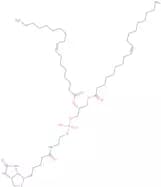
CAS:<p>This is a speciality chemical and is not intended for use in food, drug, or cosmetic applications. This fine chemical is a useful building block, which can be used to synthesize complex compounds. It has been shown to have high reactivity with a variety of reagents, making it an excellent research component.</p>Formula:C51H92N3O10PSPurity:Min. 95%Color and Shape:PowderMolecular weight:970.33 g/mol5-Aminophthalide
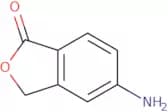
CAS:<p>5-Aminophthalide is a chemical compound that can be found as an oxidation product in cellular structures. It has been shown to have cancer-inhibiting properties and may be used for the treatment of prostate carcinoma. 5-Aminophthalide is a molecule that has two isomers, one with two chlorine atoms and one with three chlorine atoms. The molecule contains functional groups such as carbonyl, amine, and nitro groups. These functional groups are important for its activity and can bind to the enzyme dehydrogenase in bacteria, which is involved in the biosynthesis of guanine nucleotides. 5-Aminophthalide inhibits bacterial growth by binding to this enzyme and preventing it from functioning normally. This causes an accumulation of guanine nucleotides within cells, which prevents them from dividing.</p>Formula:C8H7NO2Purity:Min. 95%Color and Shape:Off-White PowderMolecular weight:149.15 g/mol




![3-[(Dimethylamino)methyl]benzaldehyde](/_next/image/?url=https%3A%2Fstatic.cymitquimica.com%2Fproducts%2F3D%2Fthumb-webp%2FFD124097.webp&w=3840&q=75)



![3-[(4-Chlorophenyl)amino]-5,5-dimethylcyclohex-2-en-1-one](/_next/image/?url=https%3A%2Fstatic.cymitquimica.com%2Fproducts%2F3D%2Fthumb-webp%2FFC123031.webp&w=3840&q=75)

![N-[(2-Fluorophenyl)methyl]-4-iodo-2,5-dimethoxybenzeneethanamine](/_next/image/?url=https%3A%2Fstatic.cymitquimica.com%2Fproducts%2F3D%2Fthumb-webp%2FFF97685.webp&w=3840&q=75)
![Benzo[d]oxazol-7-amine](/_next/image/?url=https%3A%2Fstatic.cymitquimica.com%2Fproducts%2F3D%2Fthumb-webp%2FFB141114.webp&w=3840&q=75)
![Methyl 3-amino-6-methylthieno[2,3-b]pyridine-2-carboxylate](/_next/image/?url=https%3A%2Fstatic.cymitquimica.com%2Fproducts%2F3D%2Fthumb-webp%2FFM142163.webp&w=3840&q=75)


![2-[(2,4-Dimethylphenyl)amino]nicotinic acid](/_next/image/?url=https%3A%2Fstatic.cymitquimica.com%2Fproducts%2F3D%2Fthumb-webp%2FFD136109.webp&w=3840&q=75)
![4-[[(2-Amino-1,2-dicyanoethenyl)imino]methyl]benzoic acid](/_next/image/?url=https%3A%2Fstatic.cymitquimica.com%2Fproducts%2F3D%2Fthumb-webp%2FFA169005.webp&w=3840&q=75)


![4-Amino-4H-pyrazolo[3,4-d]pyrimidine](/_next/image/?url=https%3A%2Fstatic.cymitquimica.com%2Fproducts%2F3D%2Fthumb-webp%2FFA15519.webp&w=3840&q=75)

![[(3-Methylphenyl)amino]acetic acid](/_next/image/?url=https%3A%2Fstatic.cymitquimica.com%2Fproducts%2F3D%2Fthumb-webp%2FFM115478.webp&w=3840&q=75)


![2-[1-(Methylamino)ethyl]indole](/_next/image/?url=https%3A%2Fstatic.cymitquimica.com%2Fproducts%2F3D%2Fthumb-webp%2FFM25773.webp&w=3840&q=75)

![[2-(2,3-Dimethylphenoxy)ethyl]amine HCl](/_next/image/?url=https%3A%2Fstatic.cymitquimica.com%2Fproducts%2F3D%2Fthumb-webp%2FFD133628.webp&w=3840&q=75)
![[2-(4-Chlorophenoxy)ethyl]amine hydrochloride](/_next/image/?url=https%3A%2Fstatic.cymitquimica.com%2Fproducts%2F3D%2Fthumb-webp%2FFC133243.webp&w=3840&q=75)
![cis-(+/-)-2-[(N-Benzyl-N-methyl)aminomethyl]-1-(3-methoxyphenyl)cyclohexanol hydrochloride](/_next/image/?url=https%3A%2Fstatic.cymitquimica.com%2Fproducts%2F3D%2Fthumb-webp%2FFB18402.webp&w=3840&q=75)
![2-Amino-5-[1-hydroxy-2-(isopropylamino)ethyl]benzonitrile](/_next/image/?url=https%3A%2Fstatic.cymitquimica.com%2Fproducts%2F3D%2Fthumb-webp%2FFC20437.webp&w=3840&q=75)