Amines
Subcategories of "Amines"
- Nitrosamines(2,618 products)
- Primary Amines(30,967 products)
- Quaternary Ammonium Cations and Salts(1,102 products)
- Secondary Amines(20,913 products)
- Tertiary Amines(17,219 products)
Found 8794 products of "Amines"
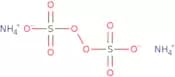
Ammonium persulfate
CAS:Ammonium persulfate is used as a strong oxidizing agent in histological staining to produce an insoluble precipitate of silver sulfide on the tissue. It is also used for the manufacture of glycol ethers, which are solvents that are used in paints, varnishes, and lacquers. The reaction mechanism of ammonium persulfate is complex and involves three stages:
1) Ammonium persulfate reacts with water vapor to form hydrogen peroxide and ammonia gas.
2) Potassium dichromate reacts with hydrogen peroxide to form chromic acid and water.
3) The ammonium ion reacts with chromic acid to form a soluble salt (chromium(III) ammonium nitrate).
The reaction solution contains ammonium ions, which can be detected by electrochemical impedance spectroscopy (EIS).Formula:N2H8S2O8Purity:Min. 95%Color and Shape:PowderMolecular weight:228.2 g/mol2-(2,2-dimethylpropanoyl)-3-(phenylamino)-3-sulfanylprop-2-enenitrile
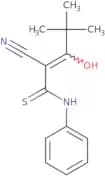
CAS:Please enquire for more information about 2-(2,2-dimethylpropanoyl)-3-(phenylamino)-3-sulfanylprop-2-enenitrile including the price, delivery time and more detailed product information at the technical inquiry form on this pagePurity:Min. 95%N-Methyltryptamine hydrochloride
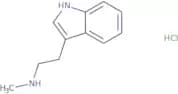
CAS:Controlled ProductN-Methyltryptamine hydrochloride is a chemical that has been shown to be an antagonist of the serotonin receptor 5-HT7 in vivo. This drug is also a potent inhibitor of acetylcholinesterase, which may be due to its ability to inhibit the methylation of serotonergic receptors. It has been shown to have clinical efficacy in treating depression, although it is not currently approved by the FDA for this use. N-Methyltryptamine hydrochloride has been shown to have an antidepressant effect in wild-type mice and in mouse models of depression. It inhibits the growth of cancer cells by inducing apoptosis and inhibiting cell proliferation.Formula:C11H15ClN2Purity:Min. 95%Color and Shape:PowderMolecular weight:210.7 g/mol(S)-1-(2-Fluorophenyl)ethylamine
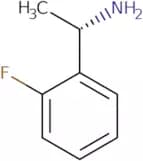
CAS:(S)-1-(2-Fluorophenyl)ethylamine is a fine chemical that is used as a versatile building block and reaction component. It has been shown to be an intermediate in the synthesis of other compounds such as (±) -N-benzyl-2,4-dioxo-3-piperidinamine. This compound can also be used as a reagent for the preparation of other high quality chemicals. The CAS Registry Number for this compound is 68285-25-6.Formula:C8H10FNPurity:Min. 95%Color and Shape:Colorless Clear LiquidMolecular weight:139.17 g/molPropargylamine
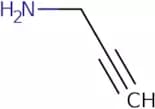
CAS:Propargylamine is an irreversible inhibitor that binds to the active site of the enzyme acetylcholinesterase (AChE) and blocks the breakdown of acetylcholine. This leads to increased levels of acetylcholine in the synaptic cleft, which enhances neurotransmission and causes increased muscle contractions. Propargylamine has been shown to be a potent chemotherapy agent against cancer cells, causing neuronal death. It also inhibits epidermal growth factor receptor (EGFR) signaling pathways, leading to decreased tumor cell proliferation. The drug may also have neurotrophic effects by stimulating nerve growth factors or preventing neuronal apoptosis.Formula:C3H5NPurity:Min. 95%Color and Shape:Colorless Yellow Clear LiquidMolecular weight:55.08 g/mol2-(Boc-amino)-3-methylpyridine
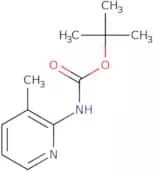
CAS:2-(Boc-amino)-3-methylpyridine is a cytotoxic agent that has been shown to inhibit the proliferation of cancer cells. It is a potent cytotoxic agent that can be used to treat cancer. 2-(Boc-amino)-3-methylpyridine inhibits the growth of cancer cells by inhibiting the activity of B-Raf, a protein involved in cell proliferation and apoptosis. The anticancer properties are due to its ability to inhibit protein synthesis in cells by inhibiting the enzyme carbinolamine N-methyltransferase, which is required for the synthesis of methionine. 2-(Boc-amino)-3-methylpyridine also inhibits DNA and RNA synthesis in cells. This drug has been shown to have antiangiogenic effects, which may be due to its ability to inhibit vascular endothelial growth factor (VEGF) production.
END>Formula:C11H16N2O2Purity:Min. 95%Color and Shape:PowderMolecular weight:208.26 g/mol1-Pyrrolidinecarbodithioic acid,ammonium
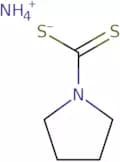
CAS:1-Pyrrolidinecarbodithioic acid, ammonium salt is an inhibitor of the NMDA receptor. It blocks the activation of this receptor by glutamate, a neurotransmitter that plays an important role in pain transmission and memory formation. 1-Pyrrolidinecarbodithioic acid, ammonium salt has been shown to inhibit the growth of human pathogenic fungi in cell culture. The polymerase chain reaction (PCR) technique was used to detect the presence of this drug in solutions and phase microextraction was used for chromatographic analysis. The control method for these experiments was pyrrolidine dithiocarbamate, which is a structural analog of 1-pyrrolidinecarbodithioic acid, ammonium salt. Pyrrolidine dithiocarbamate inhibits NF-κB pathway and is used to treat injury. This drug also has anti-inflammatory properties due to its inhibition of nuclear factor kappa B (NF-Formula:C5H9NS2•NH3Purity:Min. 95%Color and Shape:PowderMolecular weight:164.29 g/molAmino(naphthalen-2-yl)acetic acid
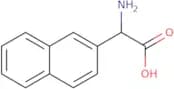
CAS:Amino(naphthalen-2-yl)acetic acid is a versatile chemical building block that can be used in research, industry and as a high quality reagent. It is a useful scaffold for the synthesis of complex compounds. Amino(naphthalen-2-yl)acetic acid has been shown to be an excellent reactant for the production of fine chemicals and is high quality, with a purity of 99%. This product is also used as a speciality chemical for the production of pharmaceuticals, pesticides, and other chemical products.
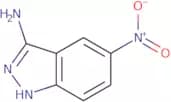
Formula:C12H11NO2Purity:Min. 95%Color and Shape:PowderMolecular weight:201.22 g/mol3-Amino-5-nitroindazole
CAS:3-Amino-5-nitroindazole is an anticancer drug that inhibits the growth of cancer cells. It has been shown to inhibit the growth of cancer cells by blocking the synthesis and repair of DNA, leading to cell death. 3-Amino-5-nitroindazole also blocks the production of new proteins, which are needed for cell division. This drug also acts on pathways that are important for tumor development and progression, such as signaling pathways and transcription factors. This compound has been shown to be selective against human squamous cell carcinoma cells and has been studied in combination with other anticancer drugs in clinical trials.
Formula:C7H6N4O2Purity:Min. 95%Color and Shape:SolidMolecular weight:178.15 g/mol2,6-Dichlorobenzylamine
CAS:2,6-Dichlorobenzylamine (2,6-DCBA) is a potent inhibitor of creatine kinase. It has been shown to be a potent inhibitor of the enzyme in muscle cells. 2,6-DCBA binds to the phosphoryl group of creatine kinase and inhibits its activity. This inhibitory effect on muscle cells causes fatigue and weakness during exercise. 2,6-DCBA also inhibits the enzyme cytosolic creatine kinase from eukaryotes and may be a potential inhibitor for treating Duchenne muscular dystrophy.
Formula:C7H7Cl2NPurity:Min. 95%Color and Shape:Clear LiquidMolecular weight:176.04 g/molDiammonium N-ethylheptadecafluoro-N-[2-(phosphonatooxy)ethyl]octanesulfonamidate
CAS:Controlled ProductDiammonium N-ethylheptadecafluoro-N-[2-(phosphonatooxy)ethyl]octanesulfonamidate is a phosphonic acid that is used in the industrial process of water treatment. It has a high efficiency and low cost, which makes it an appropriate alternative to conventional chemical treatments. Diammonium N-ethylheptadecafluoro-N-[2-(phosphonatooxy)ethyl]octanesulfonamidate has been shown to be safe for the environment and for animals. Studies on its uptake by organisms have been conducted.Formula:C12H9F17NO6PS•(NH4)2Purity:Min. 95%Molecular weight:685.29 g/mol3-[(4-Fluorophenyl)amino]cyclohex-2-en-1-one
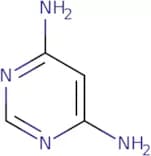
CAS:3-[(4-Fluorophenyl)amino]cyclohex-2-en-1-one is a drug that has been shown to have both inotropic and chronotropic effects on the heart. It also has a hypotensive activity, which may be due to its ability to reduce peripheral resistance by blocking alpha 1 receptors. 3-[(4-Fluorophenyl)amino]cyclohex-2-en-1-one is an anaesthetic agent with the potential for use in surgical procedures. The structural similarity of 3-[(4-Fluorophenyl)amino]cyclohex-2-en-1-one to acrylonitrile suggests that this drug may be toxic to the heart, as acrylonitrile is a known cardiotoxin.Formula:C12H12FNOPurity:Min. 95%Color and Shape:PowderMolecular weight:205.23 g/mol4,6-Diaminopyrimidine
CAS:4,6-Diaminopyrimidine is a potent inhibitor of epidermal growth factor receptor. It has been shown to inhibit the production of soluble guanylate cyclase and cGMP in vitro and in vivo. This drug has also been shown to inhibit cancer cell growth in vitro and in vivo. 4,6-Diaminopyrimidine has potential clinical relevance as an anticancer agent due to its ability to inhibit the kinases necessary for cancer proliferation. This drug also has pharmacokinetic properties that are favorable for anticancer drugs, including low plasma protein binding, high clearance rate, and short half-life. The activity of this drug was tested on hepg2 cells (human hepatoma) with an inhibitory effect on growth factor receptors such as EGFR and PDGFRs
Formula:C4H6N4Purity:Min. 95%Molecular weight:110.12 g/mol2,5-Dimethoxy-N-[(2-methoxyphenyl)methyl]-4-(trifluoromethyl)benzeneethanamine
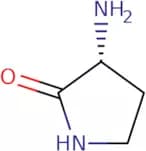
CAS:Controlled Product2,5-Dimethoxy-N-[(2-methoxyphenyl)methyl]-4-(trifluoromethyl)benzeneethanamine is a synthetic drug that belongs to the group of psychotropic drugs. It has been shown to cause death in rats, which is likely due to its ability to inhibit serotonin uptake by neurons. 2,5-Dimethoxy-N-[(2-methoxyphenyl)methyl]-4-(trifluoromethyl)benzeneethanamine also inhibits the enzyme monoamine oxidase and prevents the breakdown of monoamines such as serotonin. This drug has been shown to have both stimulant and depressant properties. 2,5-Dimethoxy-N-[(2-methoxyphenyl)methyl]-4-(trifluoromethyl)benzeneethanamine can be quantified in human blood samples using liquid chromatography with aFormula:C19H22F3NO3Purity:Min. 95%Molecular weight:369.38 g/mol(R)-3-Aminopyrrolidin-2-one
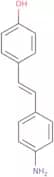
CAS:(R)-3-Aminopyrrolidin-2-one is a versatile building block used as a reagent, intermediate or speciality chemical in research. CAS No. 121010-86-4 is a fine chemical that can be used to synthesize complex compounds. It is an important intermediate for the synthesis of many biologically active compounds and has been extensively studied as a drug candidate for cancer treatment. (R)-3-Aminopyrrolidin-2-one has also been shown to have antiviral effects against HIV and influenza A virus and may be useful in the treatment of viral infections.Formula:C4H8N2OPurity:Min. 95%Color and Shape:PowderMolecular weight:100.12 g/mol4'-Amino-4-hydroxystilbene
CAS:4'-Amino-4-hydroxystilbene is a hydrocarbon that has been extracted from various plant sources. It can be dissolved in acetone and is soluble in alkanes. 4'-Amino-4-hydroxystilbene has been analyzed for its aromatic hydrocarbons, including naphthalene. This chemical can be used as a solvent extraction agent and may also have applications as an analytical reagent.
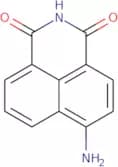
Formula:C14H13NOPurity:Min. 95%Color and Shape:PowderMolecular weight:211.26 g/mol4-Amino-1,8-naphthalimide
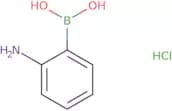
CAS:4-Amino-1,8-naphthalimide is a fluorescent derivative that is used as a probe to detect hydrogen bonds in molecular models. It can be used to study the interactions of molecules with hydrogen bonding partners. 4-Amino-1,8-naphthalimide has been shown to have broad spectrum antimicrobial activity against Gram-positive and Gram-negative bacteria. This compound also enhances the fluorescence of certain compounds by forming an intermolecular hydrogen bond.Formula:C12H8N2O2Purity:Min. 95%Color and Shape:Orange PowderMolecular weight:212.2 g/mol(2-Aminophenyl)boronic acid hydrochloride
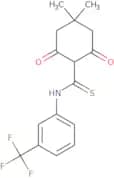
CAS:(2-Aminophenyl)boronic acid hydrochloride is an analytical reagent that is used in the cross-coupling reaction between aryl bromides and organoboron compounds. It has been synthesized from 2-aminophenylboronic acid, which can be produced by the alkylation of phenol with 3-bromoquinoline. This compound has been shown to have antimalarial activity against the human malaria parasite Plasmodium falciparum in vitro. (2-Aminophenyl)boronic acid hydrochloride has also been shown to have a high intestinal absorption rate when given orally to rats. In vivo studies are needed to determine whether this chemical is safe for humans.Formula:C6H9BClNO2Purity:Min. 95%Color and Shape:PowderMolecular weight:173.41 g/mol5,5-dimethyl-2-(thioxo((3-(trifluoromethyl)phenyl)amino)methyl)cyclohexane-1,3-dione
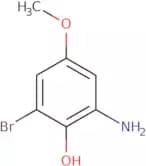
CAS:Please enquire for more information about 5,5-dimethyl-2-(thioxo((3-(trifluoromethyl)phenyl)amino)methyl)cyclohexane-1,3-dione including the price, delivery time and more detailed product information at the technical inquiry form on this pagePurity:Min. 95%2-Amino-6-bromo-4-methoxyphenol
CAS:2-Amino-6-bromo-4-methoxyphenol (2ABMP) is a benzyl compound that can be used as a substitute for 2,4-diaminophenol. It has been shown to have estrogenic activity and may function as an estrogen receptor agonist. 2ABMP has also been shown to inhibit the growth of breast cancer cells in culture. The role of this drug in the treatment of breast cancer is not yet clear, but it may be useful in combination therapy with other drugs.Formula:C7H8BrNO2Purity:Min. 95%Color and Shape:PowderMolecular weight:218.05 g/mol2-(2-(2-Aminoethylamino)ethylamino)ethanol trihydrochloride
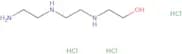
CAS:2-(2-(2-Aminoethylamino)ethylamino)ethanol trihydrochloride is a chemical compound that is used as a reaction component and as a reagent in the synthesis of other chemicals. 2-(2-(2-Aminoethylamino)ethylamino)ethanol trihydrochloride is an intermediate for many organic compounds, including pharmaceuticals and pesticides. It has also been used to synthesize drugs for treating bacterial infections. 2-(2-(2-Aminoethylamino)ethylamino)ethanol trihydrochloride can be used in research or as a specialty chemical.Formula:C6H17N3O·3HClPurity:Min. 95%Color and Shape:PowderMolecular weight:256.6 g/mol2-(2-Methoxyphenoxy)ethylamine hydrochloride
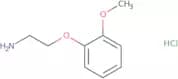
CAS:2-(2-Methoxyphenoxy)ethylamine hydrochloride is a fine chemical with the CAS No. of 64464-07-9. It is a versatile building block that can be used as an intermediate for research chemicals, reaction components and specialty chemicals. This compound has been shown to work as a reagent in high quality synthesis.
Formula:C9H14ClNO2Purity:Min. 95%Color and Shape:PowderMolecular weight:203.67 g/mol5-Chloro-3-pyridinamine
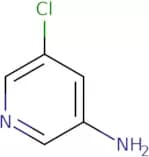
CAS:5-Chloro-3-pyridinamine is a catalyst that is used in the synthesis of polymers. It can be used in ring-opening polymerization reactions and is reactive with a variety of functional groups, including aliphatic and aromatic rings. 5-Chloro-3-pyridinamine also has high activity for ring opening polymerizations, which makes it an ideal choice for the synthesis of polymers. This catalyst can be used to control the molecular weight of polymers by dilution or by altering the amount of catalyst used. 5-Chloro-3-pyridinamine has been shown to be biocompatible and biodegradable, making it a good choice for biomedical applications.
Formula:C5H5ClN2Purity:Min. 95%Color and Shape:PowderMolecular weight:128.56 g/mol1,2,3,4-Tetrahydro-1-naphthylamine hydrochloride
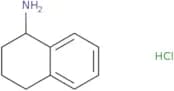
CAS:1,2,3,4-Tetrahydro-1-naphthylamine hydrochloride is a high quality reagent that can be used as an intermediate in the synthesis of various organic compounds. It has been shown to be a useful building block for the synthesis of complex compounds and speciality chemicals. Tetrahydro-1-naphthylamine hydrochloride is also a versatile building block for reactions involving amines or other nucleophiles. Tetrahydro-1-naphthylamine hydrochloride is an interesting scaffold for research chemicals due to its ability to react with various functional groups.Formula:C10H13N•HClPurity:Min. 95%Color and Shape:PowderMolecular weight:183.68 g/mol(2-methoxyethyl)((2-nitrophenyl)sulfonyl)amine
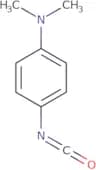
CAS:Please enquire for more information about (2-methoxyethyl)((2-nitrophenyl)sulfonyl)amine including the price, delivery time and more detailed product information at the technical inquiry form on this pagePurity:Min. 95%4-Isocyanato-N,N-dimethyl-benzenamine
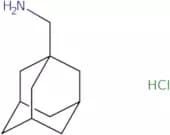
CAS:4-Isocyanato-N,N-dimethyl-benzenamine is a chemical compound that is used as an intermediate for the synthesis of dyes and pigments. It is also used as a reagent in analytical methods involving fatty acids or oxysterols. 4-Isocyanato-N,N-dimethyl-benzenamine can be detected using a variety of techniques, including chromatography with on-line mass spectrometric detection and gas chromatography with electron ionization mass spectrometry. This chemical compound can be found as two stereoisomers: 4-(1'-methylpropyl)phenyl isocyanate; 4-(2'-methylpropyl)phenyl isocyanate.Formula:C9H10N2OPurity:Min. 95%Color and Shape:White To Yellow SolidMolecular weight:162.19 g/mol1-Adamantanemethylamine hydrochloride
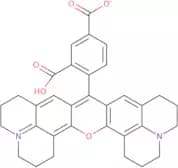
CAS:Rimantadine hydrochloride is a drug that belongs to the class of antiviral agents and is used for the prevention and treatment of influenza. It acts by blocking the uncoating of influenza virus, inhibiting viral RNA synthesis, and preventing virus-induced cytopathic effects in humans and animals. Rimantadine hydrochloride is an amantadine derivative that has been shown to be effective against influenza A viruses in humans. The drug also has a prophylactic efficacy against influenza B viruses. Rimantadine hydrochloride is localized in the lungs due to its intranasal application, which limits its effect on other parts of the body. It is metabolized into ammonium formate, chloride, and formamide before being excreted by the kidneys.Formula:C11H20ClNPurity:Min. 95%Color and Shape:PowderMolecular weight:201.74 g/mol5-Carboxy-X-rhodamine
CAS:Single isomer of 5(6)-ROX is a fluorescent dye used in RT-PCR methods as an internal reference to determine fluorescence variation that is not associated with the amplification process (plastic of the wells, small differences in concentration or volume, instrument measurements). It produces a constant fluorescence emission signal during the PCR process that is used to normalise the emission produced by the reporter. The fluorescence signal is compatible with that of most reporters. It is used to label the 5â end of oligonucleotides as a reporter in the presence of a quencher at the 3â end (dual labelled probe). During the amplification process, the dye is cleaved, and the fluorescence increases proportionally with the amount of the specific sequence amplified during the PCR process. The development of the fluorescence signal is therefore specifically related to the amplification of the target sequence. 6-ROX with NHS-activated carboxylic acids reacts with primary amines.
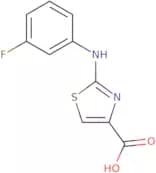
Formula:C33H30N2O5Purity:Min. 95%Color and Shape:PowderMolecular weight:534.6 g/mol2-((3-Fluorophenyl)amino)-1,3-thiazole-4-carboxylic acid
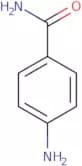
CAS:Please enquire for more information about 2-((3-Fluorophenyl)amino)-1,3-thiazole-4-carboxylic acid including the price, delivery time and more detailed product information at the technical inquiry form on this pageFormula:C10H7FN2O2SPurity:Min. 95%Color and Shape:PowderMolecular weight:238.24 g/mol4-Aminobenzamide
CAS:4-Aminobenzamide is a compound that is used as an anti-tuberculosis drug. It inhibits the activity of aminotransferase, which is an enzyme responsible for converting amino acids into other compounds. 4-Aminobenzamide has been shown to have antimicrobial properties against bacteria, fungi and protozoa. It also has a protective effect on human liver cells, but can cause damage to rat liver cells in vitro. 4-Aminobenzamide also shows some activity against microbial metabolism and can be hydrolyzed by hydrochloric acid to form phenylacetic acid and ammonia. This compound has been shown to inhibit the nervous system disease progression of Huntington's disease in mice.Purity:Min. 95%Color and Shape:PowderMolecular weight:136.15 g/mol[(1,2-Dimethyl-1H-imidazol-5-yl)methyl]amine dihydrochloride
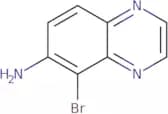
CAS:[(1,2-Dimethyl-1H-imidazol-5-yl)methyl]amine dihydrochloride is a diagnostic agent that is used for the detection of cancer. It reacts with copper oxide to form a green precipitate that can be detected by dissolution in hydrochloric acid. This reaction takes place at a relatively short time and at temperatures as low as 0°C. The use of [(1,2-dimethyl-1H-imidazol-5-yl)methyl]amine dihydrochloride is limited to the diagnosis of pancreatic cancer because it has no effect on any other type of cancer cells.Formula:C6H13Cl2N3Purity:Min. 95%Color and Shape:White PowderMolecular weight:198.09 g/mol6-Amino-5-bromoquinoxaline
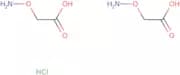
CAS:6-Amino-5-bromoquinoxaline is an inhibitor of serine proteases that has been shown to be effective in cell culture and in wild-type mice. It inhibits the enzyme by binding to the catalytic site, blocking the formation of a covalent bond between polypeptide chain and amino acid substrate. 6-Amino-5-bromoquinoxaline has also been shown to have an inhibitory effect on fibrinogen and polyclonal antibodies and can be used as a buffer for other proteases. In addition, this compound also inhibits caproic acid production from fatty acids via an unknown mechanism.br> 6-Amino-5-bromoquinoxaline is not active against synthetic substrates or monoclonal antibodies.Formula:C8H6BrN3Purity:Min. 95%Color and Shape:PowderMolecular weight:224.05 g/molCarboxymethoxyamine hemihydrochloride
CAS:Carboxymethoxyamine hemihydrochloride (CMAH) is a gamma-aminobutyric acid analogue that has inhibitory properties. It is used in the treatment of syncytial virus infections and has been shown to reduce the severity of symptoms, as well as shorten the course of the disease. CMAH binds to the receptors in cells that are sensitive to gamma-aminobutyric acid. This binding inhibits uptake of calcium ions into cells, thereby reducing intracellular Ca2+ levels and inhibiting synaptic transmission. CMAH also has an effect on aminotransferase activity, which may be due to its ability to inhibit protein synthesis or dephosphorylate proteins.Formula:C2H5NO3HClColor and Shape:White PowderMolecular weight:109.3 g/mol4-Aminobenzoic acid hexyl ester
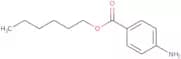
CAS:4-Aminobenzoic acid hexyl ester is a cytoskeletal molecule that interacts with actin and myosin to form filaments. It has been shown to regulate transcriptional activity by reducing the level of reactive oxygen species or hydrogen peroxide, which are thought to induce cell death. 4-Aminobenzoic acid hexyl ester has also been shown to interact with imatinib, which is used in cancer treatment. This interaction may be due to the ability of 4-aminobenzoic acid hexyl ester to inhibit protein–protein interactions between proteins in the Wnt signaling pathway.Formula:C13H19NO2Purity:Min. 95%Color and Shape:PowderMolecular weight:221.3 g/molN,N'-Di-2-naphthyl-1,4-phenylenediamine
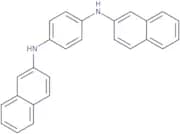
CAS:N,N'-Di-2-naphthyl-1,4-phenylenediamine is a chemical compound that is used in the production of polyvinyl chloride (PVC). It can be used as an antimicrobial agent to prevent the growth of bacteria and fungi. It is also used as a crosslinking agent in the production of PVC. The reaction solution consists of hydrochloric acid and methyl ethyl chloride. The monochloride is then reacted with 2-naphthol, followed by reaction with benzalkonium chloride. The final product is N,N'-di-(2-naphthyl)-1,4-(phenylene) diamine monochloride.
Formula:C26H20N2Purity:Min. 95 Area-%Color and Shape:PowderMolecular weight:360.45 g/molEthyl 3-((4-chlorophenyl)amino)-5-methyl-2,4-thiazolecarboxylate
CAS:Please enquire for more information about Ethyl 3-((4-chlorophenyl)amino)-5-methyl-2,4-thiazolecarboxylate including the price, delivery time and more detailed product information at the technical inquiry form on this page
Purity:Min. 90%7-Bromo-9H-fluoren-2-amine
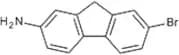
CAS:7-Bromo-9H-fluoren-2-amine is a constant analog of the naturally occurring hormone progesterone. It is used in biological studies as a fluorescence probe for the study of progesterone receptor. 7-Bromo-9H-fluoren-2-amine has been shown to have efficient absorption and emission spectra, as well as photophysical properties. This compound has been shown to enhance the fluorescence of other molecules, such as amines, which may be due to its ability to act as an energy transfer agent. This chemical has also been shown to be pharmacokinetically active and increase the fluorescence emissions from cells in culture.
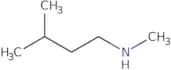
Formula:C13H10BrNPurity:Min. 95%Molecular weight:260.13 g/molN-Methylisoamylamine
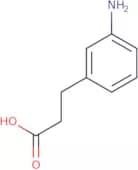
CAS:N-Methylisoamylamine is a molecule that has been found to bind to opioid receptors in the brain, leading to pain relief. It also binds to monoamine oxidase (MAO) and prevents it from breaking down neurotransmitters such as dopamine and serotonin. The drug is an enantiomer of methylamine. This means that it has two chiral centers, which are not identical. N-Methylisoamylamine binds to phosphine in deionized water, forming a cycloaliphatic compound. This reaction is catalyzed by aminotriazole, which is present in tobacco leaves. N-Methylisoamylamine can be used as a binder for hydrogen peroxide and hydrochloric acid, or as a peroxide decomposition catalyst for sulfophenyl compounds. It may also be used as a silicon additive in the manufacturing of semiconductors.Formula:C6H15NPurity:Min. 97 Area-%Color and Shape:Clear LiquidMolecular weight:101.19 g/molβ-(3-Aminophenyl)propionic acid
CAS:Beta-(3-aminophenyl)propionic acid (BAPA) is a β-amino acid that inhibits the formation of nitric oxide and other reactive oxygen species by binding to a receptor on the surface of cells. BAPA also has inhibitory properties against certain enzymes, such as aminopyrine N-demethylase and carbonic anhydrase. It is used in analytical methods for amines, malonic acid, and hydrochloride salts. Carbon sources that are metabolized by fungi can be converted into BAPA through the process of asymmetric synthesis. This compound is also used as a precursor for gamma-aminobutyric acid (GABA), which is a neurotransmitter in the central nervous system.
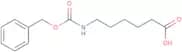
Formula:C9H11NO2Purity:Min. 95%Color and Shape:PowderMolecular weight:165.19 g/molN-Benzyloxycarbonyl-6-aminocaproic acid
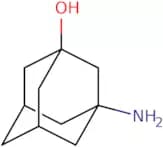
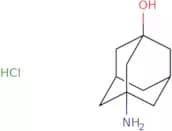
CAS:N-Benzyloxycarbonyl-6-aminocaproic acid is a synthetic molecule that has been shown to inhibit ubiquitin ligases. It may be used as an antigen for the detection of cancer cells, and it can also serve as a potential drug for inhibiting the growth of cancer cells. This molecule is a peptidomimetic that mimics the structure of ubiquitin. N-Benzyloxycarbonyl-6-aminocaproic acid binds to ubiquitin through hydrogen bonding interactions and can interfere with the protein's function by forming crosslinks with other proteins. N-Benzyloxycarbonyl-6-aminocaproic acid has been found to have a high molecular weight (MW) and viscosity, which makes it difficult to use in biological systems. However, this molecule can be used as an e3 ubiquitin ligase inhibitor in supramolecular systems because it does not interfere with otherFormula:C14H19NO4Purity:Min. 95%Color and Shape:White PowderMolecular weight:265.31 g/mol3-Amino-1-adamantanol
CAS:Intermediate in the synthesis of vildagliptin
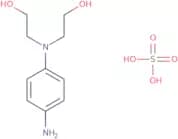
Purity:Min. 95%Color and Shape:PowderMolecular weight:167.25 g/molN,N-Bis(2-hydroxyethyl)-p-phenylenediamine sulphate
CAS:N,N-Bis(2-hydroxyethyl)-p-phenylenediamine sulphate is a chemical that is used in the production of textile dyes. It has been shown to have haematological and histological effects on rats, but it is not known whether these effects are also present in humans. The compound can cause irritation of the skin and eyes. In vivo studies have shown that exposure to N,N-bis(2-hydroxyethyl)-p-phenylenediamine sulphate can lead to DNA damages and histological changes in the liver and kidney. The use of this substance should be terminated if it shows any signs of being an irritant or damaging to tissues.Formula:C10H16N2O2·H2SO4Purity:Min. 95%Color and Shape:White PowderMolecular weight:294.33 g/molDL-Aminobutyric acid
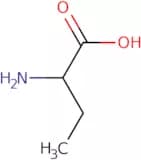
CAS:DL-Aminobutyric acid is an analog of amino acids and a potent inhibitor of protease activity. It has been shown to inhibit the proteolytic activity of amyloid protein in human serum, most likely by competitive inhibition. DL-Aminobutyric acid also inhibits the enzyme activities that are responsible for the production of ammonia from amino acids. DL-Aminobutyric acid is an analyte in blood sampling and has a pH optimum of 8.0. It has been shown to have inhibitory properties on bacteria strains including Staphylococcus aureus and Streptococcus pneumoniae, but not Mycobacterium tuberculosis or Escherichia coli.
Formula:C4H9NO2Purity:Min 97%Color and Shape:PowderMolecular weight:103.12 g/mol[2-(2,3-Dimethylphenoxy)ethyl]amine HCl
CAS:2-(2,3-Dimethylphenoxy)ethylamine is a versatile building block that can be used for the synthesis of various complex compounds. It has been used as a reagent in research and as a speciality chemical. 2-(2,3-Dimethylphenoxy)ethylamine is useful in the synthesis of pharmaceuticals, agrochemicals, and other chemicals. This product is also a high quality intermediate that can be used for the production of active pharmaceutical ingredients (APIs). 2-(2,3-Dimethylphenoxy)ethylamine can also be used to produce scaffolds for organic syntheses.
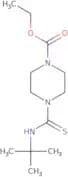
Formula:C10H15NO·HClPurity:Min. 95%Color and Shape:PowderMolecular weight:201.69 g/molEthyl 4-(((tert-butyl)amino)thioxomethyl)piperazinecarboxylate
CAS:Please enquire for more information about Ethyl 4-(((tert-butyl)amino)thioxomethyl)piperazinecarboxylate including the price, delivery time and more detailed product information at the technical inquiry form on this pagePurity:Min. 95%Furfurylamine
CAS:Furfurylamine is a model system of fatty acid. It is an organic compound with the chemical formula C4H6O2, which belongs to the group of amines. Furfurylamine has been shown to have significant interactions with autoimmune diseases and infectious diseases. Furfurylamine has been shown to inhibit the production of prostaglandin E2 (PGE2) in animal models and may be effective at treating inflammatory diseases such as asthma and arthritis. Furfurylamine also displays anti-inflammatory properties that are independent of its effects on PGE2 production.Formula:C5H7NOPurity:Min. 99.0 Area-%Color and Shape:Colorless Yellow Clear LiquidMolecular weight:97.12 g/mol8-Aza-2,6-diaminopurine sulfate (1:x)
CAS:8-Aza-2,6-diaminopurine sulfate (1:x) is a sulfate salt that is soluble in water. The molecular mass of the compound is 581.10 g/mol and it has a molecular formula of C5H7N3O4S. The crystal structure of the compound consists of an asymmetric unit containing one molecule. The 8-aza-2,6-diaminopurine monohydrate salt has a solubility of 1 g/100 mL in water at 25°C. It also has a melting point of 190°C and a boiling point of 340°C.
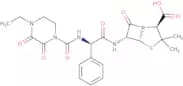
Formula:C4H5N7·xH2SO4Purity:Min. 95%Color and Shape:Slightly Yellow PowderMolecular weight:151.13 g/molPiperacillin
CAS:Piperacillin is a β-lactam antibiotic that inhibits the synthesis of bacterial cell walls by binding to penicillin-binding proteins. It is used for the treatment of serious infections caused by gram-negative organisms such as Aerogenes, Enterobacter, and Klebsiella. Piperacillin has a high MIC90 value against Staphylococcus and other gram-positive bacteria, but it is not active against β-lactamase producing strains of bacteria such as E. coli or Klebsiella pneumoniae. The MIC90 values are determined through an analytical method on different strains of bacteria and validated with a sample preparation before use in clinical trials.Formula:C23H27N5O7SPurity:Min. 95 Area-%Color and Shape:White PowderMolecular weight:517.56 g/mol4,4'-Dimethyldiphenylamine
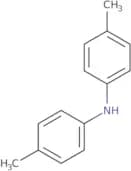
CAS:4,4'-Dimethyldiphenylamine is an organic compound that has the chemical formula C9H12N2. It is a colorless liquid with a sweet smell. The molecule consists of two benzene rings joined by a methyl group and an amine group. 4,4'-Dimethyldiphenylamine is used in the production of dyes and plastics. It can react with other compounds to form different products depending on the reaction system, such as oxidation or reduction reactions. Kinetic analysis has shown that activation energies for these reactions are 13-14 kJ/mol. This product also has functional theory applications in the study of molecules with amines or nitro groups. Mass spectrometric analysis indicates that this product does not contain any chlorine atoms or ionic bonds. Deionized water can be added to this product during its production process to reduce oxidation products from forming during storage.Formula:C14H15NPurity:Min. 95%Color and Shape:White PowderMolecular weight:197.28 g/mol3-Amino-2-hydroxy-5-methylacetophenone
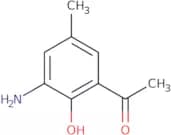
CAS:3-Amino-2-hydroxy-5-methylacetophenone is a reagent for organic synthesis, which is used as a building block for the preparation of various chemical compounds. 3-Amino-2-hydroxy-5-methylacetophenone has been shown to be an intermediate in the synthesis of pharmaceuticals. Due to its versatility, this compound can be used as a reaction component, and is also used as a building block in the preparation of speciality chemicals. This product has high quality, and can be used as a useful scaffold or building block in research chemicals. The CAS number for 3-amino-2 hydroxy 5 methyl acetophenone is 70977 71 8.Formula:C9H11NO2Purity:Min. 95%Molecular weight:165.19 g/mol4-(N,N-Diethylamino)salicylaldehyde
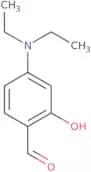
CAS:4-(N,N-Diethylamino)salicylaldehyde is a coumarin derivative that has been shown to be a fluorescent probe for proton transfer. It emits light at around 400 nm when the probe is excited by light of wavelength greater than 300 nm. The emission spectrum changes from green to red as the pH increases. 4-(N,N-Diethylamino)salicylaldehyde also exhibits fluorescence enhancement in the presence of metal ions such as Fe3+, Cu2+, or Cr3+. This compound can be used as a fluorescent probe for hydrogen bonding interactions and metal hydroxides.Formula:C11H15NO2Purity:Min. 95%Color and Shape:PowderMolecular weight:193.24 g/mol1,3-Dipalmitoyl-glycero-2-phosphoethanolamine
CAS:Please enquire for more information about 1,3-Dipalmitoyl-glycero-2-phosphoethanolamine including the price, delivery time and more detailed product information at the technical inquiry form on this page
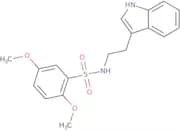
Formula:C37H74NO8PPurity:ReportedColor and Shape:White/Off-White SolidMolecular weight:691.96 g/mol((2,5-dimethoxyphenyl)sulfonyl)(2-indol-3-ylethyl)amine
CAS:Please enquire for more information about ((2,5-dimethoxyphenyl)sulfonyl)(2-indol-3-ylethyl)amine including the price, delivery time and more detailed product information at the technical inquiry form on this pagePurity:Min. 95%(S)-(-)-3-tert-Butylamino-1,2-propanediol
CAS:(S)-(-)-3-tert-Butylamino-1,2-propanediol is a hydrophobic liquid that has been used as a stationary phase in chromatography. It interacts with nonaromatic compounds and has been used for the validation of high performance liquid chromatography (HPLC) detection sensitivity. It is also used as a ligand for ternary complexes and as an anion in chromatographic science. This compound's interactions are studied using evaporative light scattering, which can be used to determine the molecular weight of the compound.
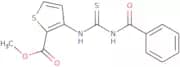
Formula:C7H17NO2Purity:Min. 95%Molecular weight:147.22 g/molMethyl 3-(((phenylcarbonylamino)thioxomethyl)amino)thiophene-2-carboxylate
CAS:Please enquire for more information about Methyl 3-(((phenylcarbonylamino)thioxomethyl)amino)thiophene-2-carboxylate including the price, delivery time and more detailed product information at the technical inquiry form on this pageFormula:C14H12N2O3S2Purity:Min. 95%Color and Shape:PowderMolecular weight:320.39 g/molAmmonium acetate
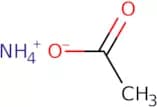
CAS:Ammonium acetate is a salt that is used in the laboratory to synthesize ubiquitin ligases. It has been shown to have receptor activity and can be used to study the interaction between ammonium ions and sodium citrate. Ammonium acetate is a chemical reagent that is used to synthesize ubiquitin ligases, which are proteins that are involved in the degradation of other proteins. Ammonium acetate can also be used as an experimental model for myocardial infarct. The reaction between ammonium and water vapor yields ammonia gas, which can be analyzed with electrochemical impedance spectroscopy (EIS). A solution of ammonium acetate and palladium on zirconium oxide is suitable for coupling reactions, such as amination reactions. This compound has been used as an analytical method for the structural analysis of organic compounds.
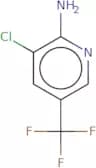
Formula:C2H7NO2Color and Shape:White Clear LiquidMolecular weight:77.08 g/mol2-Amino-3-chloro-5-(trifluoromethyl)pyridine
CAS:2-Amino-3-chloro-5-(trifluoromethyl)pyridine is a versatile building block that can be used in the synthesis of complex compounds. It is a useful intermediate for synthetic organic chemistry, and can be used as a reagent or speciality chemical. This compound has shown to have high quality and is useful as a scaffold in the synthesis of research chemicals.Formula:C6H4ClF3N2Purity:Min. 95%Color and Shape:PowderMolecular weight:196.56 g/mol2-Amino-5-iodobenzoic acid ethyl ester
CAS:2-Amino-5-iodobenzoic acid ethyl ester is a chemical reagent that is used to prepare 2-chloro-5-iodobenzoic acid. It can be prepared by the hydrolysis of 2,4,6-trinitrobenzene with an aqueous solution of sodium hydroxide. The iodination reaction proceeds in two steps: (1) chlorination of methyl anthranilate with chlorine and (2) addition of the resultant product to 2,4,6-trinitrobenzene. In the first step, methyl anthranilate reacts with chlorine to form 2-chloro-5-iodobenzoic acid ethyl ester and hydrogen chloride gas. In the second step, this product reacts with 2,4,6-trinitrobenzene to form 2-amino 5 -iodobenzoic acid ethyl ester and nitrogen gas
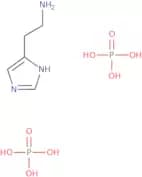
Formula:C9H10INO2Purity:Min. 95%Color and Shape:PowderMolecular weight:291.09 g/molHistamine diphosphate monohydrate
CAS:Controlled ProductEndogenous ligand for histamine receptors; neurotransmitterFormula:C5H9N3·2H3PO4·H2OPurity:Min. 95%Color and Shape:White/Off-White SolidMolecular weight:325.15 g/mol2-Amino-5-methylbenzamide
CAS:2-Amino-5-methylbenzamide (2AMB) is a potent inhibitor of the enzyme dihydropyrimidine dehydrogenase and is used in cancer research for its ability to inhibit tumor cell line growth. 2AMB has been shown to inhibit the synthesis of DNA, RNA, and protein in various human cell lines. The mechanism of this inhibition is not well understood, but it may be due to its ability to inhibit the activity of synthetases involved in nucleotide biosynthesis or by inhibiting the reaction system that converts hydration into ATP.Formula:C8H10N2OPurity:Min. 95%Color and Shape:PowderMolecular weight:150.18 g/mol2-Aminobiphenyl
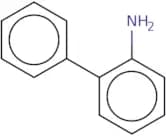
CAS:2-Aminobiphenyl is a chemical compound with the molecular formula C6H5CH2NH. It has been found to be carcinogenic in animals. 2-Aminobiphenyl is metabolized by the liver and excreted in urine, and is also excreted into breast milk. 2-Aminobiphenyl binds to epidermal growth factor receptors (EGFR) and triggers the activation of cell proliferation. The tissue culture studies show that it induces tumor formation at higher doses, but not at lower doses. 2-Aminobiphenyl has been shown to bind to DNA through intramolecular hydrogen bonds and form adducts with guanine bases. This binding leads to an increase in DNA strand breaks and inhibition of DNA synthesis, which may lead to cancer or other diseases affecting cells that divide rapidly such as bladder cancer or cancer of the skin.
Formula:C12H11NPurity:Min. 95%Color and Shape:White PowderMolecular weight:169.22 g/mol3-Methoxybenzylamine
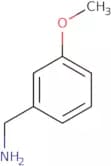
CAS:3-Methoxybenzylamine is a fatty acid amide that is synthesized from benzylamine derivatives. The compound is a viscosity enhancer and antioxidant, and has been shown to inhibit the reaction of 3-hydroxybutyric acid with hydrochloric acid. 3-Methoxybenzylamine has also been used as a dietary supplement in tissue samples to reduce the effects of oxidation on the fatty acid chains. This compound has an asymmetric synthesis, which can be achieved by reacting an amine with an acyl chain.
Formula:C8H11NOPurity:Min. 95%Color and Shape:Clear LiquidMolecular weight:137.18 g/molTicarcillin disodium
CAS:Ticarcillin is a bactericidal antibiotic that is used to treat many types of infections caused by gram-positive bacteria, such as Streptococcus pneumoniae, Enterococcus faecalis and Enterococcus faecium. Ticarcillin has been shown to be effective against antibiotic-resistant strains of bacteria, including multidrug efflux pumps. This drug also has been shown to inhibit the growth of gram-negative bacteria such as Escherichia coli and Pseudomonas aeruginosa. Ticarcillin is used in combination with clavulanic acid for the treatment of infections caused by beta-lactamase producing organisms. It is also used in wastewater treatment to inhibit the growth of gram-negative bacteria that are resistant to other antibiotics. Ticarcillin can interfere with other medications by inhibiting their metabolism through cytochrome P450 enzymes or through competition for protein binding sites.Formula:C15H16N2Na2O6S2Purity:Min. 80.0 Area-%Color and Shape:White PowderMolecular weight:430.41 g/mol5-Nitro-m-phenylenediamine
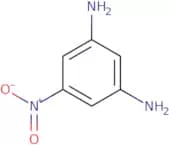
CAS:5-Nitro-m-phenylenediamine is an organic compound that has the chemical formula CHNO. It is a white crystalline solid with a melting point of 158 °C. The compound is soluble in water and other polar solvents but insoluble in nonpolar solvents such as hexane. 5-Nitro-m-phenylenediamine can be prepared by nitration of m-phenylenediamine, which produces the desired product in about 30% yield and with impurities that must be removed by fractional crystallization. The compound is used as an intermediate for making dyes and pharmaceuticals.Formula:C6H7N3O2Purity:Min. 95%Color and Shape:PowderMolecular weight:153.14 g/mol(S)-(-)-3-Aminoquinuclidine 2HCl
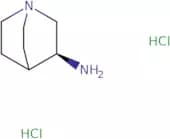
CAS:(S)-(-)-3-Aminoquinuclidine 2HCl is a cholinergic agonist that has been shown to be effective in inducing the release of acetylcholine from brain synaptosomes. This drug binds to the nicotinic acetylcholine receptor (nAChR) and inhibits the action of the enzyme acetylcholinesterase, thereby increasing the concentration of acetylcholine in the synaptic cleft. The drug is also able to cross the blood-brain barrier and bind to receptors on neurons. It has been shown that this drug can be used as an imaging agent for molecular magnetic resonance tomography (MRT), with high sensitivity and specificity.
Formula:C7H16Cl2N2Purity:Min. 95%Color and Shape:White PowderMolecular weight:199.12 g/mol2-Amino-6-bromo-3-formylchromone
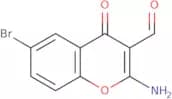
CAS:2-Amino-6-bromo-3-formylchromone is a chemical compound with the molecular formula CHNO. It has a vibrational frequency of 1426.81 cm−1 and a potential energy of −29.35 kcal/mol. The molecule can be classified as an aromatic compound, due to the presence of one or more benzene rings in its structure, and is colored red or orange in solution. 2-Amino-6-bromo-3-formylchromone can be used to produce other compounds that have different spectral properties than it does, such as 2-(2-(2-(2-(2-(2-(benzoyloxy)ethoxy)ethoxy)ethoxy)ethoxy)ethoxy)-4'-nitroacetophenone.
Formula:C10H6BrNO3Purity:Min. 95%Color and Shape:PowderMolecular weight:268.06 g/mol1-Amino-4,5-dihydroxy-8-(methylamino)anthraquinone
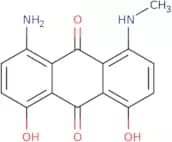
CAS:Please enquire for more information about 1-Amino-4,5-dihydroxy-8-(methylamino)anthraquinone including the price, delivery time and more detailed product information at the technical inquiry form on this page
Formula:C15H12N2O4Purity:Technical Grade ReportedMolecular weight:284.27 g/mol4,6-Dimethyl-N-phenylpyrimidin-2-amine
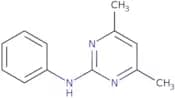
CAS:4,6-Dimethyl-N-phenylpyrimidin-2-amine is a fungicide that is effective against the production of nitrite ion in the liver. It has been shown to be a potent inhibitor of hepatic steatosis. 4,6-Dimethyl-N-phenylpyrimidin-2-amine was also shown to have an inhibitory effect on the growth of fungal strains in vitro. This compound has been demonstrated to be active against a number of plant pathogens and may be useful in postharvest applications. 4,6-Dimethyl-N-phenylpyrimidin-2-amine interacts with the hippocampus formation and may play a role in preventing neurodegenerative diseases such as Alzheimer's disease or Parkinson's disease.Formula:C12H13N3Purity:Min. 95%Color and Shape:PowderMolecular weight:199.25 g/mol5-Cyclobutyl-1,2,4-oxadiazol-3-amine
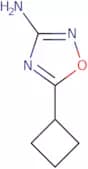
CAS:5-Cyclobutyl-1,2,4-oxadiazol-3-amine is a fine chemical that is a useful scaffold and versatile building block. It has been used as an intermediate in the synthesis of other compounds with potential uses in research chemicals and as a reaction component in the synthesis of complex compounds. The compound is also useful as a building block for the production of high quality reagents.
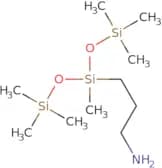
Formula:C6H9N3OPurity:Min. 95%Color and Shape:PowderMolecular weight:139.16 g/mol3-Aminopropyldiisopropylethoxysilane
CAS:3-Aminopropyldiisopropylethoxysilane (APDS) is a monolayer chemical that is used to modify the surface properties of a variety of substrates. This chemical can be used for patterning, functionalization, and immobilization of biomolecules. APDS has been shown to have a protective effect on cells in culture by preventing oxidation and denaturation of proteins. APDS also has been used for detection methods such as electron microscopy and photoelectron spectroscopy.
Formula:C10H29NO2Si3Purity:Min. 95%Color and Shape:Clear LiquidMolecular weight:279.6 g/mol2,3-Diaminopropionicacid
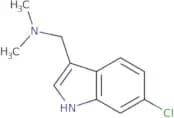
CAS:2,3-Diaminopropionic acid is an antimicrobial peptide with significant cytotoxicity against cancer cells. This compound has two amine groups that are able to form hydrogen bonds with each other. The x-ray crystal structures of this molecule reveal that it forms a beta sheet structure and an alpha helix, which is essential for the stability of this compound. 2,3-Diaminopropionic acid has been shown to have strong antibacterial activity against Gram-positive bacteria and good activity against Gram-negative bacteria such as Escherichia coli and Salmonella enterica. This compound also inhibits the synthesis of proteins in bacterial cells by inhibiting the enzyme protein synthesis. 2,3-Diaminopropionic acid is stable under normal conditions but can be hydrolyzed in water vapor or ester hydrochloride. It reacts with nitrogen atoms on the surface of biological molecules to form amides.Formula:C3H8N2O2Purity:Min. 95%Molecular weight:104.11 g/mol6-Chlorogramine
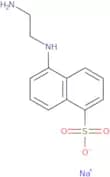
CAS:6-Chlorogramine is a chemical compound with the molecular formula CHN. It is a colorless liquid that is soluble in organic solvents, such as dimethylformamide and chloroform. 6-Chlorogramine can be used as a source of dimethylamine, which is used for the production of various amines. This compound also reacts with formaldehyde to produce cyanide.Formula:C11H13ClN2Purity:Min. 95%Molecular weight:208.69 g/molN-(Aminoethyl)-5-naphthylamine-1-sulfonic acid sodium
CAS:N-(Aminoethyl)-5-naphthylamine-1-sulfonic acid sodium salt (NAES) is a fluorescent dye that has been used to study the structure of proteins. NAES binds to acceptor sites on the protein, which can be either amino acid side chains or other ions in solution. The fluorescence of NAES depends on the environment and the number of acceptors present. This dye has been used in assays for staphylococcus, as it is resistant to staining by Gram stain and stains brightly with fluorescence assay. NAES has also been shown to have a high kinetic rate and sensitivity, making it an effective virus assay.
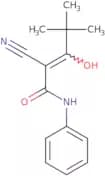
Formula:C12H14N2O3S•NaPurity:Min. 95%Molecular weight:289.31 g/mol2-(2,2-dimethylpropanoyl)-3-hydroxy-3-(phenylamino)prop-2-enenitrile
CAS:Please enquire for more information about 2-(2,2-dimethylpropanoyl)-3-hydroxy-3-(phenylamino)prop-2-enenitrile including the price, delivery time and more detailed product information at the technical inquiry form on this page
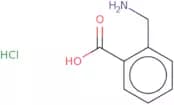
Purity:Min. 95%(3-Aminomethyl)benzoic acid hydrochloride
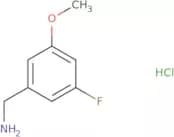
CAS:(3-Aminomethyl)benzoic acid hydrochloride is a high-quality, versatile compound that can be used as a reagent or scaffold for the synthesis of complex compounds. It is a fine chemical that can be used as an intermediate in organic chemistry and has been shown to be useful in the synthesis of speciality chemicals. The CAS number for this chemical is 876-03-9. This chemical is also a versatile building block for reactions, and has been shown to be an excellent reaction component for research purposes.Formula:C8H9NO2•HClPurity:Min. 95%Color and Shape:PowderMolecular weight:187.62 g/mol3-Fluoro-5-methoxybenzylamine hydrochloride
CAS:3-Fluoro-5-methoxybenzylamine hydrochloride is a chemical building block that can be used in organic synthesis. It is a versatile building block and can be used to synthesize complex compounds. 3-Fluoro-5-methoxybenzylamine hydrochloride is used as a reaction component and reagent for the production of pharmaceuticals, agricultural chemicals, and other organic compounds. It has CAS number 1158269-22-7 and can be found in the Chemical Abstract Services database.
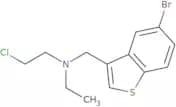
Formula:C8H10FNO•HClPurity:Min. 95%Color and Shape:Clear LiquidMolecular weight:191.63 g/molMitotenamine
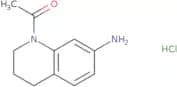
CAS:Please enquire for more information about Mitotenamine including the price, delivery time and more detailed product information at the technical inquiry form on this pageFormula:C13H15BrClNSPurity:Min. 95%Molecular weight:332.69 g/mol1-Acetyl-1,2,3,4-tetrahydroquinolin-7-amine hydrochloride
CAS:1-Acetyl-1,2,3,4-tetrahydroquinolin-7-amine hydrochloride is a versatile building block that can be used in the synthesis of complex compounds with high quality and as a speciality chemical. This compound is useful as a reagent and reaction component in organic synthesis. It has been shown to be useful in the synthesis of new scaffolds for drug discovery.
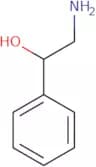
Formula:C11H14N2O·HClPurity:Min. 95%Color and Shape:Off-White PowderMolecular weight:226.7 g/molDL-Phenylethanolamine
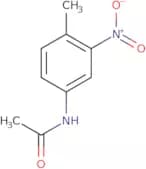
CAS:DL-Phenylethanolamine is a hydroxy amine that is used in the synthesis of other chemicals. It is obtained by reacting phenylacetic acid with hydroxylamine. DL-Phenylethanolamine is an intermediate in the synthesis of the anti-inflammatory drug Indomethacin. This molecule contains a asymmetric carbon atom, which can be distinguished using infrared spectroscopy. The uptake of DL-phenylethanolamine into cells can be measured by detecting the release of amines from lysosomes and mitochondria. In addition, this molecule has conformational properties that can be detected by NMR spectroscopy, making it useful for detection sensitivity and identification purposes.Formula:C8H11NOPurity:(%) Min. 90%Color and Shape:PowderMolecular weight:137.18 g/molN-(4-Methyl-3-nitrophenyl)acetamide
CAS:3-Methyl-4-nitro-N-acetylbenzeneamine is a biodegradable chemical that acts as an inhibitor of the growth rate of bacteria in wastewater treatment. It has been shown to be effective in both aerobic and anaerobic environments. 3-Methyl-4-nitro-N-acetylbenzeneamine is a racemic mixture, consisting of two isomers that are easily separated by chromatography. The primary mechanism for degradation of this chemical is acetylation, which converts it into acetic acid and methyl acetate. 3-Methyl-4-nitro-N-acetylbenzeneamine can also be degraded by aerobic soil bacteria with the help of fatty acids. This chemical is not toxic to humans or animals and does not affect crop plants.br>Formula:C9H10N2O3Purity:Min. 95%Color and Shape:PowderMolecular weight:194.19 g/mol2-[(2,6-Dichlorophenyl)amino]-N,N-dimethylbenzeneacetamide
CAS:2-[(2,6-Dichlorophenyl)amino]-N,N-dimethylbenzeneacetamide is a reagent, complex compound and useful intermediate with a CAS number of 21789-06-0. It is a fine chemical that can be used as a building block in the synthesis of other compounds. It has been shown to be useful in the production of speciality chemicals and research chemicals. The versatility of this compound makes it an excellent scaffold for the synthesis of other compounds. This product is not intended for human or animal use.Formula:C16H16Cl2N2OPurity:Min. 95%Color and Shape:PowderMolecular weight:323.22 g/mol4,6-Diaminoresorcinol dihydrochloride
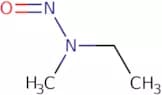
CAS:4,6-Diaminoresorcinol dihydrochloride is a white solid that has viscosity and hydrochloric acid as its structural formula. It is soluble in water and reacts with proton, monosodium salt to form a precipitate. 4,6-Diaminoresorcinol dihydrochloride reacts with phosphorus pentoxide to form the sulfonation product. The thermal expansion of this material is 2.8 x 10^-5/K and it has shown chemical stability at high temperatures up to 450°C. This compound has been found to be an element analysis for chloride (Cl), hydrogen chloride (HCl) and morphology.Formula:C6H10N2O2Cl2Purity:Min. 98 Area-%Molecular weight:213.06 g/molN-Nitrosoethylmethylamine
CAS:N-Nitrosoethylmethylamine (NMMA) is a nitrosamine that can be found in water vapor. It has been shown to cause cell lysis and has been detected by LC-MS/MS using an in vitro assay. NMMA is readily soluble in water, making it a suitable candidate for wastewater treatment. This molecule is not cytotoxic or mutagenic but does have carcinogenic potential. NMMA also exhibits matrix effects that are dependent on the type of solvent used for extraction, as well as fluorescence spectrometry results. It was found to be a potent inducer of enzymes such as beta-lactamase, DNA gyrase, and topoisomerase IV, which may be useful for studying gene expression. Dispersive solid phase extraction can be used to extract NMMA from water sources such as soil and drinking water samples.
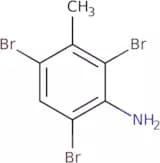
Formula:C3H8N2OPurity:Min. 95%Color and Shape:Clear LiquidMolecular weight:88.11 g/mol3-Amino-2,4,6-tribromotoluene
CAS:3-Amino-2,4,6-tribromotoluene is a reactive organic compound that is a highly flammable additive. It has been used as an oxidizing agent in the production of polymeric materials and as a catalyst in the vulcanization of rubber. 3-Amino-2,4,6-tribromotoluene can react with hydrogen peroxide to form bromophenols and hydrochloric acid. When heated or exposed to light, 3-amino-2,4,6-tribromotoluene can produce toxic fumes such as hydrogen bromide and phosphorus pentoxide. This substance has been shown to be toxic to animals and humans if ingested or inhaled.Formula:C7H6Br3NPurity:Min. 95%Color and Shape:PowderMolecular weight:343.84 g/mol(2-indol-3-ylethyl)((2-(trifluoromethyl)phenyl)sulfonyl)amine
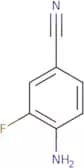
CAS:Please enquire for more information about (2-indol-3-ylethyl)((2-(trifluoromethyl)phenyl)sulfonyl)amine including the price, delivery time and more detailed product information at the technical inquiry form on this pageFormula:C17H15F3N2O2SPurity:Min. 95%Color and Shape:PowderMolecular weight:368.38 g/mol4-Amino-3-fluorobenzonitrile
CAS:4-Amino-3-fluorobenzonitrile is an agonist of the DPP-4 enzyme. It has been shown to decrease blood glucose levels in a rat model. 4-Amino-3-fluorobenzonitrile binds to the active site of DPP-4, increasing its activity and inhibiting the breakdown of incretin hormones such as glucagon-like peptide 1 (GLP1) and glucose-dependent insulinotropic polypeptide (GIP). 4-Amino-3-fluorobenzonitrile inhibits glucagon secretion from pancreatic alpha cells, which leads to a decrease in blood glucose levels. The compound also inhibits GLP1 secretion from intestinal L cells, leading to decreased appetite and weight loss. 4-Amino-3-fluorobenzonitrile has been shown to be an agonist with biphenyl, which may explain its agonistic activity.
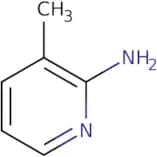
Formula:C7H5FN2Purity:Min. 95%Color and Shape:PowderMolecular weight:136.13 g/mol2-Amino-3-methylpyridine
CAS:2-Amino-3-methylpyridine is a colorless crystalline compound. It has the molecular formula of CHN and a molecular weight of 115.2 g/mol. 2-Amino-3-methylpyridine has an asymmetric carbon atom, so it is chiral and can be found in two different forms, enantiomers. The intermolecular hydrogen bond between nitrogen atoms is responsible for the high melting point of -40°C. The coordination geometry of group P2 is pyramidal with the nitrogen atom at the apex and two hydrogen atoms bonded to each other on either side of the nitrogen atom at 120° angles. X ray crystal structures have shown that 2-amino-3-methylpyridine exists as a molecule with an acylation reaction mechanism and intramolecular hydrogen bonding. Methanol solvent was used in this study to dissolve 2 amino 3 methyl pyridine because it does not react with copper chloride
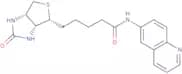
Formula:C6H8N2Purity:Min. 98 Area-%Color and Shape:Solidified MassMolecular weight:108.14 g/molBiotinyl-6-aminoquinoline
CAS:Biotinyl-6-aminoquinoline is a synthetic chemical that has been shown to inhibit the growth of cancer cells in laboratory mice. It was synthesized to be a substrate for the enzyme quinolinate synthase, which is involved in the synthesis of nicotinic acid. Biotinyl-6-aminoquinoline is an analytical method that has been used in urinary samples from patients with bladder cancer as well as healthy individuals. The sequences of each individual were determined and analyzed using an algorithm that performs logistic regression, which can predict whether or not the patient has bladder cancer.
Formula:C19H22N4O2SPurity:Min. 95 Area-%Color and Shape:PowderMolecular weight:370.47 g/mol3-Amino-1-adamantanol hydrochloride
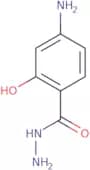
CAS:3-Amino-1-adamantanol hydrochloride (3AAAH) is a versatile building block that can be used for the synthesis of complex compounds. It has been shown to have a high quality and is useful as a reagent, research chemical, speciality chemical, or useful scaffold in organic synthesis.Formula:C10H17NO·HClPurity:Min. 95%Molecular weight:203.71 g/mol4-Aminosalicylic acid hydrazide
CAS:4-Aminosalicylic acid hydrazide is a reactive functional group that is used as an intermediate in organic synthesis. It has a structural formula of C6H7N3O2 and is a white solid. 4-Aminosalicylic acid hydrazide has been shown to be highly resistant to mycobacterium avium, and can be used for the treatment of tuberculosis. The reactivity of this compound was studied by gravimetric analysis. This reaction is also degradable due to the presence of chloride ions and amido groups.
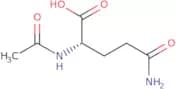
Formula:C7H9N3O2Purity:Min. 95%Color and Shape:PowderMolecular weight:167.17 g/molAcetyl-L-glutamine
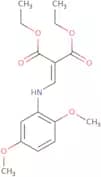
CAS:Acetyl-L-glutamine is a naturally occurring amino acid that is synthesized by the body and can be found in various foods. It has been shown to have many beneficial effects, such as the prevention of bowel disease. Acetyl-L-glutamine has also been shown to stimulate the production of neurotrophic factors, which are proteins that promote neuron growth and survival. This amino acid is used in therapy groups for people with neurodegenerative diseases, such as Parkinson's disease and Alzheimer's disease. Acetyl-L-glutamine may be effective against acute brain injury or stroke due to its ability to increase neuronal survival and inhibit neuronal death. The therapeutic effect of acetyl-L-glutamine on neuronal death may be due to its ability to inhibit apoptosis by preventing reactive oxygen species from binding to DNA. Acetyl-L-glutamine also promotes nerve cell growth and protects against damage caused by ischemia–reperfFormula:C7H12N2O4Purity:Min. 95%Color and Shape:PowderMolecular weight:188.18 g/moldiethyl 2-(((2,5-dimethoxyphenyl)amino)methylene)propane-1,3-dioate
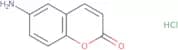
CAS:Please enquire for more information about diethyl 2-(((2,5-dimethoxyphenyl)amino)methylene)propane-1,3-dioate including the price, delivery time and more detailed product information at the technical inquiry form on this pagePurity:Min. 95%6-Aminocoumarin HCl
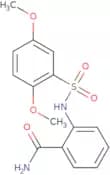
CAS:Use as a positive control when detecting nitroreductase activityFormula:C9H7NO2·HClPurity:Min. 95%Molecular weight:197.62 g/mol2-(((2,5-dimethoxyphenyl)sulfonyl)amino)benzamide
CAS:Please enquire for more information about 2-(((2,5-dimethoxyphenyl)sulfonyl)amino)benzamide including the price, delivery time and more detailed product information at the technical inquiry form on this page
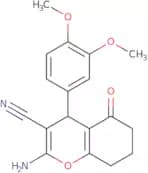
Purity:Min. 95%2-amino-4-(3,4-dimethoxyphenyl)-5-oxo-4,6,7,8-tetrahydro2H-chromene-3-carbonitrile
CAS:Please enquire for more information about 2-amino-4-(3,4-dimethoxyphenyl)-5-oxo-4,6,7,8-tetrahydro2H-chromene-3-carbonitrile including the price, delivery time and more detailed product information at the technical inquiry form on this page
Formula:C18H18N2O4Purity:Min. 95%Color and Shape:PowderMolecular weight:326.35 g/mol(2-Imidazo[2,1-b][1,3]thiazol-6-ylethyl)amine dihydrochloride
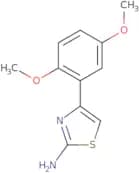
CAS:2-Imidazo[2,1-b][1,3]thiazol-6-ylethyl)amine dihydrochloride is a high quality reagent that is used as a useful intermediate in the synthesis of complex compounds with possible pharmaceutical applications. It can also be used as a useful scaffold to create new and interesting molecules of interest. This chemical has been shown to be useful in the synthesis of speciality chemicals, research chemicals, and versatile building blocks. 2-Imidazo[2,1-b][1,3]thiazol-6-ylethyl)amine dihydrochloride is a versatile building block that has been used for the synthesis of various types of reaction components.Formula:C7H9N3S·2HClPurity:Min. 95%Color and Shape:Brown PowderMolecular weight:240.15 g/mol4-(2,5-Dimethoxyphenyl)-1,3-thiazol-2-amine
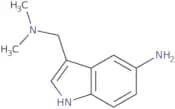
CAS:Please enquire for more information about 4-(2,5-Dimethoxyphenyl)-1,3-thiazol-2-amine including the price, delivery time and more detailed product information at the technical inquiry form on this pageFormula:C11H12N2O2SPurity:Min. 95%Molecular weight:236.29 g/mol5-Aminogramine
CAS:5-Aminogramine is a fine chemical that is used as a versatile building block for the synthesis of complex compounds. 5-Aminoguanidine is an aminoguanidine compound that has been reported to be useful in the synthesis of reagents and speciality chemicals, such as heterocycles, polymers, and pharmaceuticals. 5-Aminoguanidine has been used as a reactant in the preparation of high quality products with various applications. It is also known to be a useful intermediate for reactions involving nucleophiles or electrophiles. Furthermore, it can be used as a scaffold for the synthesis of other compounds.
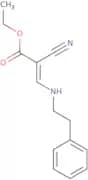
Formula:C11H15N3Purity:Min. 95%Color and Shape:PowderMolecular weight:189.26 g/molethyl 2-nitrilo-3-((2-phenylethyl)amino)prop-2-enoate
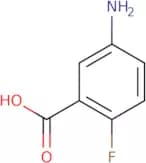
CAS:Please enquire for more information about ethyl 2-nitrilo-3-((2-phenylethyl)amino)prop-2-enoate including the price, delivery time and more detailed product information at the technical inquiry form on this pagePurity:Min. 85%5-Amino-2-fluorobenzoic acid
CAS:5-Amino-2-fluorobenzoic acid (5AFBA) is a synthetic aniline that is used as a fluoroquinolone antibiotic. 5AFBA inhibits the synthesis of trehalose, which is vital for bacterial growth. This drug also has been shown to be active against Mycobacterium tuberculosis and Mycobacterium avium complex. 5AFBA has also been shown to have antifungal properties, inhibiting the synthesis of ergosterol in the fungal cell membrane. 5AFBA can be modified by alkylation with geranyl groups or N-methylation at the amino group. These modifications have been shown to increase its antibacterial activity against Pseudomonas aeruginosa.
Formula:C7H6FNO2Color and Shape:PowderMolecular weight:155.13 g/mol


![Diammonium N-ethylheptadecafluoro-N-[2-(phosphonatooxy)ethyl]octanesulfonamidate](/_next/image/?url=https%3A%2Fstatic.cymitquimica.com%2Fproducts%2F3D%2Fthumb-webp%2FFD100565.webp&w=3840&q=75)
![3-[(4-Fluorophenyl)amino]cyclohex-2-en-1-one](/_next/image/?url=https%3A%2Fstatic.cymitquimica.com%2Fproducts%2F3D%2Fthumb-webp%2FFF123027.webp&w=3840&q=75)
![2,5-Dimethoxy-N-[(2-methoxyphenyl)methyl]-4-(trifluoromethyl)benzeneethanamine](/_next/image/?url=https%3A%2Fstatic.cymitquimica.com%2Fproducts%2F3D%2Fthumb-webp%2FFD100429.webp&w=3840&q=75)
![[(1,2-Dimethyl-1H-imidazol-5-yl)methyl]amine dihydrochloride](/_next/image/?url=https%3A%2Fstatic.cymitquimica.com%2Fproducts%2F3D%2Fthumb-webp%2FFD124269.webp&w=3840&q=75)
![[2-(2,3-Dimethylphenoxy)ethyl]amine HCl](/_next/image/?url=https%3A%2Fstatic.cymitquimica.com%2Fproducts%2F3D%2Fthumb-webp%2FFD133628.webp&w=3840&q=75)








![2-[(2,6-Dichlorophenyl)amino]-N,N-dimethylbenzeneacetamide](/_next/image/?url=https%3A%2Fstatic.cymitquimica.com%2Fproducts%2F3D%2Fthumb-webp%2FFD21691.webp&w=3840&q=75)


![(2-Imidazo[2,1-b][1,3]thiazol-6-ylethyl)amine dihydrochloride](/_next/image/?url=https%3A%2Fstatic.cymitquimica.com%2Fproducts%2F3D%2Fthumb-webp%2FFI126807.webp&w=3840&q=75)