Amines
Amines are a set of molecules containing an amino functional group (derived from ammonia). This category includes amines at any level of substitution : primary, secondary, tertiary, and ammonium salts. Amines are fundamental in organic synthesis and are widely used in pharmaceuticals, agrochemicals, and materials science. At CymitQuimica, we provide a comprehensive selection of amines to meet your research and industrial needs. Our range ensures access to various amines for diverse chemical processes and innovative research.
Subcategories of "Amines"
- Nitrosamines(2,606 products)
- Primary Amines(30,805 products)
- Quaternary Ammonium Cations and Salts(1,099 products)
- Secondary Amines(20,809 products)
- Tertiary Amines(17,111 products)
Found 8777 products of "Amines"
Sort by
Purity (%)
0
100
|
0
|
50
|
90
|
95
|
100
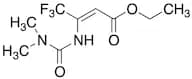
Ethyl (Z)-3-(Dimethylcarbamoylamino)-4,4,4-trifluoro-but-2-enoate
CAS:Controlled Product<p>Applications Ethyl (Z)-3-(Dimethylcarbamoylamino)-4,4,4-trifluoro-but-2-enoate is an intermediate in the synthesis of Tiafenacil (T436300), which is a uracil herbicide used as a pesticide for the prevention and control of plants.<br>References Peng, X., et al. Faming Zhuanli Shenqing, 68pp Patent 2018 CODEN:CNXXEV<br></p>Formula:C9H13F3N2O3Color and Shape:NeatMolecular weight:254.206Ecamsule Triethanolamine
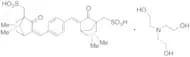
CAS:Controlled Product<p>Applications Ecamsule Triethanolamine is used in the preparation of sunscreens providing a UV filter.<br>References Salvador, A. et al.: Anal. Achim. Acta., 537, 15 (2005);<br></p>Formula:C28H34O8S2C6H15NO3Color and Shape:NeatMolecular weight:861.071N-Hydroxybenzylamine Hydrochloride
CAS:Controlled Product<p>Applications N-Hydroxybenzylamine Hydrochloride, is a versatile intermediate for the synthesis of various pharmaceutical compounds. It is used for the preparation of Ticagrelor (T437700) derivatives as novel antiplatelet agents.<br>References Zhang, H., et al.: Bioorg. Med. Chem. Lett., 22, 3598 (2012); Jakubowski, J., et al.: Cardiovasc. Drug Rev., 25, 357 (2007);<br></p>Formula:C7H10ClNOColor and Shape:NeatMolecular weight:159.616-Amino-5-nitrouracil
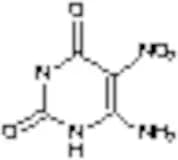
CAS:Controlled Product<p>Applications 6-Amino-5-nitrouracil (cas# 3346-22-3) is a compound useful in organic synthesis.<br>References Graves, A., et al.: J. Mol. Biol., 377, 914 (2008),<br></p>Formula:C4H4N4O4Color and Shape:NeatMolecular weight:172.103-Allyl-6-amino-1-ethyluracil
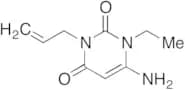
CAS:Controlled ProductFormula:C9H13N3O2Color and Shape:NeatMolecular weight:195.218(Benzyloxy)(methyl)amine
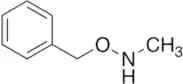
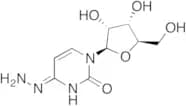
CAS:Controlled Product<p>Applications (benzyloxy)(methyl)amine (cas# 22513-22-0) is a useful research chemical.<br></p>Formula:C8H11NOColor and Shape:NeatMolecular weight:137.17N4-Aminocytidine
CAS:Controlled Product<p>Applications N4-Aminocytidine (cas# 57294-74-3) is a useful research chemical.<br></p>Formula:C9H14N4O5Color and Shape:NeatMolecular weight:258.23Dihydrorhodamine 123
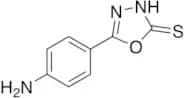
CAS:Controlled ProductFormula:C21H18N2O3Color and Shape:NeatMolecular weight:346.385-(4-aminophenyl)-1,3,4-oxadiazole-2-thiol
CAS:Controlled Product<p>Applications 5-(4-aminophenyl)-1,3,4-oxadiazole-2-thiol (cas# 32058-82-5) is a useful research chemical.<br></p>Formula:C8H7N3OSColor and Shape:NeatMolecular weight:193.22Methyl (2S)-2-amino-3-[(triphenylmethyl)sulfanyl]propanoate
CAS:Controlled Product<p>Applications Methyl (2S)-2-amino-3-[(triphenylmethyl)sulfanyl]propanoate<br></p>Formula:C23H23NO2SColor and Shape:NeatMolecular weight:377.5[1-(Trifluoromethyl)cyclobutyl]methanamine Hydrochloride
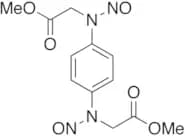
CAS:Controlled ProductFormula:C6H10F3N•HClColor and Shape:NeatMolecular weight:153.15 + 36.46N,N-Dinitroso-p-phenylenediamine-N,N-diacetic Acid Dimethyl Ester
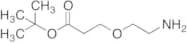
CAS:Controlled Product<p>Applications A caged, photolabile Nitric Oxide donor that is useful for delivering nitric oxide into intracellular compartments in microsecond time scale without any cytotoxic effects.<br>References Namiki, S., et al.: Bioorg. Med. Chem., 7, 1695 (1999),<br></p>Formula:C12H14N4O6Color and Shape:Off-WhiteMolecular weight:310.26Amino-peg1-t-butyl Ester
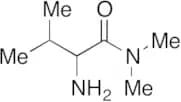
CAS:Controlled Product<p>Applications Amino-peg1-t-butyl Ester is a reagent used in the preparation of β2 adrenergic receptor agonists and muscarinic receptor activity antagonists.<br>References Donald, D. K., et al.: PCT Int. Appl., WO 2011048409 A1 WO2010-GB51751 (2011)<br></p>Formula:C9H19NO3Color and Shape:NeatMolecular weight:189.252-Amino-N,N,3-trimethyl-butanamide
CAS:Controlled ProductFormula:C7H16N2OColor and Shape:NeatMolecular weight:144.215Ammonium Bromide
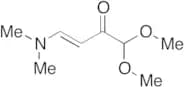
CAS:Controlled Product<p>Applications Ammonium Bromide is used as a bromide activated chloramine biocide for effective control of volatile fatty acids and catalase and biofilm elimination in paper making industry. Also applied in biopharmaceuticals and dosage form designs.<br>References Bharati, S., et al.: Appita J., 56, 426 92003); Torosian, G., et al.: Am. J. Hosp. Pharm., 30, 716 (1973)<br></p>Formula:BrH4NColor and Shape:NeatMolecular weight:97.944-Dimethylamino-1,1-dimethoxybut-3-en-2-one
CAS:Controlled ProductFormula:C8H15NO3Color and Shape:NeatMolecular weight:173.21N-(4-Bromophenyl)-[1,1-biphenyl]-4-amine
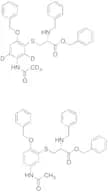
CAS:Controlled Product<p>Applications N-(4-Bromophenyl)-[1,1-biphenyl]-4-amine is a useful reagent for preparing carbazole and dibenzofuran-linked tertiary arylamine compounds, which may improve electroluminescent properties.<br>References Ito, H., et al.: Jpn. Kokai Tokkyo Koho (2020), JP 2020093979 A<br></p>Formula:C18H14BrNColor and Shape:NeatMolecular weight:324.22(R)-Benzyl 3-((5-Acetamido-2-(benzyloxy)phenyl)thio-2-(benzylamino)propanoate
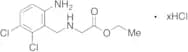
Controlled ProductFormula:C32H32N2O4SColor and Shape:NeatMolecular weight:540.673Ethyl-2-(6-amino-2,3-dichlorobenzylamino)acetate Hydrochloride
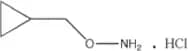
CAS:Controlled ProductFormula:C11H14Cl2N2O2·ClHColor and Shape:NeatMolecular weight:313.61O-Cyclopropylmethyl-hydroxylamine, Hydrochloride
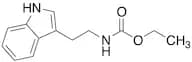
CAS:Controlled Product<p>Applications O-Cyclopropylmethyl-hydroxylamine, Hydrochloride (cas# 74124-04-2) is a compound useful in organic synthesis.<br></p>Formula:C4H9NO·ClHColor and Shape:NeatMolecular weight:123.58N10-(Ethoxycarbonyl)tryptamine
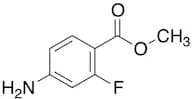
CAS:Controlled Product<p>Applications N10-(Ethoxycarbonyl)tryptamine is an intermediate in the synthesis of N-Methyltryptamine-d3 (M331922), which is a labeled N-Methyltryptamine, a N-monomethylated derivative of tryptamine. N-Methyltryptamine, unlike its unmethylated counterpart, does not produce any psychoactive effects. High levels of N-Methyltryptamine have been found in cisternal cerebrospinal fluid of patients with acute paranoid schizophrenia.<br>References Schmid, C. et al.: J. Neurosci., 30, 13513 (2010); Uebelhack, R. et al.: Biomed. Biochim. Acta, 42, 1343 (1983);<br></p>Formula:C13H16N2O2Color and Shape:NeatMolecular weight:232.278Methyl 4-amino-2-fluorobenzoate
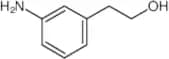
CAS:Controlled Product<p>Applications Methyl 4-amino-2-fluorobenzoate<br></p>Formula:C8H8FNO2Color and Shape:NeatMolecular weight:169.152-(3-Aminophenyl)ethanol
CAS:Controlled Product<p>Applications 2-(3-Aminophenyl)ethanol is a useful compound for the synthesis of indolines and dihydrobenzofurans via iron and copper-catalyzed iodination and cyclization.<br>References Henry, M. C., et al.: J. Org. Chem., 84, 346 (2019)<br></p>Formula:C8H11NOColor and Shape:NeatMolecular weight:137.18(S)-2-(((1S,2S)-1-Hydroxy-1-phenylpropan-2-yl)(methyl)amino)propanoic Acid
Controlled ProductFormula:C13H19NO3Color and Shape:NeatMolecular weight:212.203N-[[(2R,3S,4R)-4-[Bis[(3-cyanophenyl)methyl]amino]-3-hydroxyoxolan-2-yl]methyl]cyclopropanecarboxamide
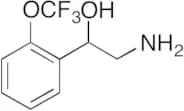
CAS:Controlled ProductFormula:C25H26N4O3Color and Shape:NeatMolecular weight:430.499α-(Aminomethyl)-2-(trifluoromethoxy)benzenemethanol
CAS:Controlled Product<p>Applications α-(Aminomethyl)-2-(trifluoromethoxy)benzenemethanol is an analog of α-(Aminomethyl)-3-(trifluoromethoxy)benzenemethanol (A630745); a compound that is used as a reagent in the synthesis of potent and selective ethanolamine inhibitors of bacterial phenylalanyl tRNA synthetase. It is also used as a reagent in the synthesis of 1-aryl-2-((6-aryl)pyrimidin-4-yl)amino)ethanols as competitive inhibitors of fatty acid amide hydrolase.<br>References Jarvest, R.L., et al.: Bioorg. Med. Chem. Lett., 15, 2305 (2005); Keith, J.M., et al.: Bioorg. Med. Chem. Lett., 24, 1280 (2014)<br></p>Formula:C9H10F3NO2Color and Shape:NeatMolecular weight:221.181,4-Diaminobutane
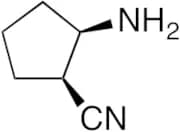
CAS:Controlled Product<p>Applications 1,4-Diaminobutane is an amino acid degradation product. Used in the preparation of hexahydropyrimidines as novel hepatitis C virus inhibitors. Also a reagent in the synthesis of antibacterial castor oil-based polyurethane membranes.<br> Not a dangerous good if item is equal to or less than 1g/ml and there is less than 100g/ml in the package<br>References Hwang, J. et al.: Eur. J. Med. Chem., 70, 315 (2013); Yari, A. et al.: J. Biomed. Mat. Res., 102A, 84 (2014);<br></p>Formula:C4H12N2Color and Shape:Colourless To Off-WhiteMolecular weight:88.15cis-2-Aminocyclopentanecarbonitrile
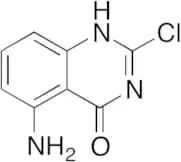
CAS:Controlled ProductFormula:C6H10N2Color and Shape:NeatMolecular weight:110.1575-Amino-2-chloroquinazolin-4(1H)-one
CAS:Controlled Product<p>Applications 5-Amino-2-chloroquinazolin-4(1H)-one is a synthetic reagent.<br></p>Formula:C8H6ClN3OColor and Shape:NeatMolecular weight:195.6063,4-Bis(phenylmethoxy)benzeneethanamine
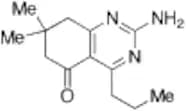
CAS:Controlled Product<p>Applications 3,4-Bis(phenylmethoxy)benzeneethanamine is an intermediate used in the synthesis of S-(-)-Tretoquinol Hydrochloride (T798100), which belongs to the class of adrenergic inhalants, selective β-2-adrenoreceptor agonists. S-(-)-Tretoquinol is used in the treatment of obstructive airway diseases. S-(-)-Tretoquinol is a bronchodilator.<br>References Meshi, et al.: Biochem. Pharmacol., 19, 2937 (1970), Satoh, et al.: Chem. Pharm. Bull., 19, 667 (1971),<br></p>Formula:C22H23NO2Color and Shape:NeatMolecular weight:333.4232-Amino-7,8-dihydro-7,7-dimethyl-4-propyl-5(6H)quinazolinone
CAS:Controlled Product<p>Applications: 2-Amino-7,8-dihydro-7,7-dimethyl-4-propyl-5(6H)quinazolinone (cas# 331966-05-3) is a compound useful in organic synthesis.<br></p>Formula:C13H19N3OColor and Shape:NeatMolecular weight:233.319-Dimethylamino Minocycline
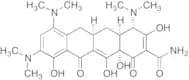
CAS:Controlled ProductFormula:C25H32N4O7Color and Shape:NeatMolecular weight:500.5441-Phenyl-2-(p-tolyl)ethylamine
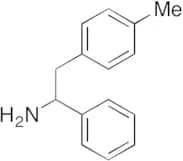
CAS:<p>Applications 1-Phenyl-2-(p-tolyl)ethylamine is an intermediate used to prepare γ-nitroaldehydes with quaternary stereogenic centers.<br>References Angewandte Chemie, International Edition, 52, 7228 (2013)<br></p>Formula:C15H17NColor and Shape:NeatMolecular weight:211.302Ammonium Alkylbenzenesulfonate (Mixture of different chain lengths)
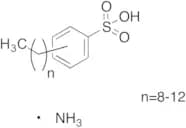
CAS:Controlled Product<p>Applications It can be used in the preparation of sanitizer for use in factories.<br>References Yuan, H., et al.: Sanitizer used in factory and preparation method thereof, CN 106038470 (2016)<br></p>Formula:C11H10BrClN4Color and Shape:NeatO-Benzylmetaraminol
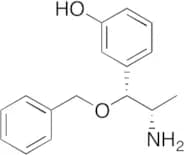
Controlled Product<p>Applications O-Benzylmetaraminol is an impurity of M225565.<br></p>Formula:C16H19NO2Color and Shape:NeatMolecular weight:257.3284-Amino-2,3,5-trimethylphenol
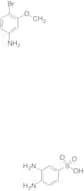
CAS:Controlled ProductFormula:C9H13NOColor and Shape:NeatMolecular weight:151.2063,4-Diaminobenzenesulfonic Acid
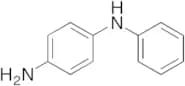
CAS:Controlled Product<p>Applications 3,4-Diaminobenzenesulfonic Acid is a useful organic synthetic reagent and a sulfonate-aminium zwitterion.<br> Not a dangerous good if item is equal to or less than 1g/ml and there is less than 100g/ml in the package<br>References Liu, J., et al.: Acta Crystallogr. B., 66, 3281 (2010)<br></p>Formula:C6H8N2O3SColor and Shape:NeatMolecular weight:188.2N-Phenyl-p-phenylenediamine(p-Anilinoaniline)
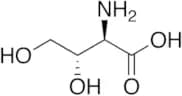
CAS:Controlled Product<p>Applications p-Anilinoaniline is an antioxidant that has shown to cause a reduction of NOx emissions from soybean biodiesel powered DI diesel engines but has increased CO and HC emissions.<br> Not a dangerous good if item is equal to or less than 1g/ml and there is less than 100g/ml in the package<br>References Varatharajan, K., Cheralathan, M.: Fuel Process Technol., 106, 526 (2013)<br></p>Formula:C12H12N2Color and Shape:NeatMolecular weight:184.242-Amino-2-deoxy-D-erythronic Acid
CAS:Controlled ProductFormula:C4H9NO4Color and Shape:NeatMolecular weight:135.1192-[6-(Acetylphenylamino)-1,3,5-hexatrienyl]-1,1-dimethyl-3-sulfobutyl-1H-benz[e]indolium Inner Salt
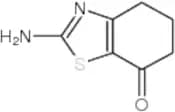
CAS:<p>Applications 2-[6-(Acetylphenylamino)-1,3,5-hexatrienyl]-1,1-dimethyl-3-sulfobutyl-1H=-benz[e]indolium Inner Salt is a reactant used in the preparation of indocyanine green as an infrared probe.<br>References Suganami, A. et al.: Bioorg. Med. Chem. Lett., 22, 7481 (2012); Doi, T. et al.: Synlett., 23, 306 (2012);<br></p>Formula:C32H34N2O4SColor and Shape:NeatMolecular weight:542.692-Amino-5,6-dihydro-4h-benzothiazol-7-one
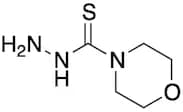
CAS:Controlled Product<p>Applications 2-Amino-5,6-dihydro-4h-benzothiazol-7-one<br></p>Formula:C7H8N2OSColor and Shape:NeatMolecular weight:168.22N-Aminomorpholine-4-carbothioamide
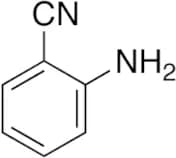
CAS:Controlled Product<p>Applications N-aminomorpholine-4-carbothioamide (cas# 6499-15-6) is a useful research chemical.<br></p>Formula:C5H11N3OSColor and Shape:NeatMolecular weight:161.222-Aminobenzonitrile
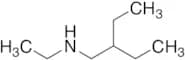
CAS:Controlled Product<p>Applications Used for induction of nitrilase activity in Arthrobacter. Used as radioprotective agent.<br>References Houseman, A., et al.: Biochem. 32, 4430 (1993),<br></p>Formula:C7H6N2Color and Shape:NeatMolecular weight:118.14ethyl(2-ethylbutyl)amine
CAS:Controlled ProductFormula:C8H19N·HClColor and Shape:NeatMolecular weight:165.714-N,N-Diphenylamino-ß-phenylstilbene
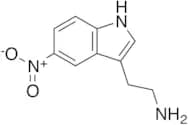
CAS:Controlled Product<p>Applications 4-N,N-Diphenylamino-ß-phenylstilbene (cas# 89114-90-9) is a compound useful in organic synthesis.<br></p>Formula:C32H25NColor and Shape:NeatMolecular weight:423.552-(5-Nitro-1H-indol-3-yl)ethanamine
CAS:Controlled ProductFormula:C10H11N3O2Color and Shape:NeatMolecular weight:205.213(S)-2-Phenyl-1-propanamine
CAS:Controlled Product<p>Applications (s)-2-phenyl-1-propanamine (cas# 17596-79-1) is a useful research chemical.<br></p>Formula:C9H13NColor and Shape:NeatMolecular weight:135.21DL-threo-β-Phenylserine
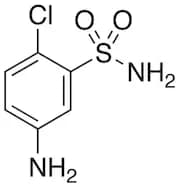
CAS:Controlled Product<p>Applications 2-amino-3-hydroxy-3-phenylpropanoic acid (cas# 7695-56-9) is a useful research chemical.<br></p>Formula:C9H11NO3Color and Shape:NeatMolecular weight:181.195-Amino-2-chlorobenzenesulfonamide
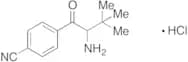
CAS:Controlled Product<p>Applications 5-Amino-2-chlorobenzenesulfonamide (cas# 2015-19-2) is a compound useful in organic synthesis.<br>References Somers, F., et al.: Pharm. Pharmacol. Commun., 6, 89 (2000), D'Ambrosio, K., et al.: J. Med. Chem., 51, 3230 (2008),<br></p>Formula:C6H7ClN2O2SColor and Shape:NeatMolecular weight:206.65rac-4-(2-Amino-3,3-dimethyl-1-oxobutyl)benzonitrile Hydrochloride
CAS:Controlled Product<p>Applications 4-(2-Amino-3,3-dimethyl-1-oxobutyl)benzonitrile hydrochloride is used as a reagent to synthesize phenyloxobutanylpyridinylpiperazinecarboxamide derivatives, compounds that have TRPA1 receptor antagonistic properties.<br>References Svensson, M. & Weigelt, D. Preparation of Phenyloxobutanylpyridinylpiperazinecarboxamide Derivatives for Use as TRPA1 Receptor Antagonist. PCT Int. Appl. 2012050512. Apr 19, 2012.<br></p>Formula:C13H16N2O·HClColor and Shape:NeatMolecular weight:252.74N-[(2,4-Difluorophenyl)methylene]-2,4-difluoro-benzenemethanamine
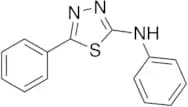
CAS:Controlled Product<p>Applications N-[(2,4-Difluorophenyl)methylene]-2,4-difluoro-benzenemethanamine is derived from 2,4-Difluorobenzylamine (D450850), which acts as a reagent for the design of pyrazole derivatives as non-nucleoside heptatitis B virus inhibitors. It is also used as a reagent in the preparation, HIV antiviral activity, SAR, and molecular modelling of hydroxypyridonecarboxylic acids as HIV reverse transcriptase inhibitors.<br>References Jia, H., et al.: Eur. J. Med. Chem., 123, 202 (2016); Kankanala, J., et al.: J. Med. Chem., 59, 5051 (2016)<br></p>Formula:C14H9F4NColor and Shape:NeatMolecular weight:267.222N,5-diphenyl-1,3,4-thiadiazol-2-amine
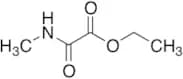
CAS:Controlled Product<p>Applications N,5-diphenyl-1,3,4-thiadiazol-2-amine (cas# 1437-57-6) is a useful research chemical.<br></p>Formula:C14H11N3SColor and Shape:NeatMolecular weight:253.322ethyl 2-(methylamino)-2-oxoacetate
CAS:Controlled Product<p>Applications ethyl 2-(methylamino)-2-oxoacetate (cas# 18522-95-7) is a useful research chemical.<br></p>Formula:C5H9NO3Color and Shape:NeatMolecular weight:131.12Di-[2-(2,3-dichlorophenyl)aminoethyl]amine
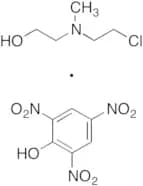
CAS:Controlled Product<p>Applications Di-[2-(2,3-dichlorophenyl)aminoethyl]amine is prepared from 1-Bromo-2,3-dichlorobenzene(B687435) and Diethylenetriamine (D444255). 1-Bromo-2,3-dichlorobenzene is a reagent used in the preparation of selective nonpeptidic inhibitors of striatal-enriched protein tryosine phosphatase.<br>References Baguley, T.D., et al.: J. Med. Chem., 56, 7636 (2013)<br></p>Formula:C16H17Cl4N3Color and Shape:NeatMolecular weight:393.138N-(2-Chloroethyl)-N-(2-hydroxyethyl) Methylamine Picrate
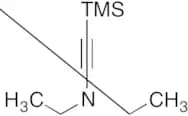
CAS:Controlled ProductFormula:C5H12ClNO•C6H3N3O7Color and Shape:NeatMolecular weight:137.61+(229.10)N,N-Diethyl-2-(trimethylsilyl)ethynamine
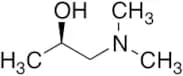
CAS:Controlled ProductFormula:C9H19NSiColor and Shape:NeatMolecular weight:169.339(2R)-1-(dimethylamino)propan-2-ol
CAS:Controlled ProductFormula:C5H13NOColor and Shape:NeatMolecular weight:103.1631-(5-Methyl-1,2,4-oxadiazol-3-yl)cyclohexanamine hydrochloride
CAS:Controlled Product<p>Please enquire for more information about 1-(5-Methyl-1,2,4-oxadiazol-3-yl)cyclohexanamine hydrochloride including the price, delivery time and more detailed product information at the technical inquiry form on this page</p>Formula:C9H16N3OClPurity:Min. 95%Molecular weight:217.7 g/mol5-Fluoro-2-Indanamine
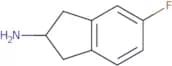
CAS:Controlled Product<p>Please enquire for more information about 5-Fluoro-2-Indanamine including the price, delivery time and more detailed product information at the technical inquiry form on this page</p>Formula:C9H10FNPurity:Min. 95%Molecular weight:151.18 g/mol5-Amino-3,7-dimethylxanthine
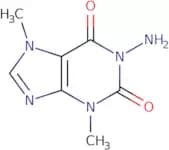
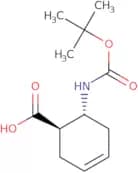
CAS:Controlled Product<p>Please enquire for more information about 5-Amino-3,7-dimethylxanthine including the price, delivery time and more detailed product information at the technical inquiry form on this page</p>Formula:C7H9N5O2Purity:Min. 95%Molecular weight:195.18 g/molBoc-trans-1,2-aminocyclohex-4-ene carboxylic acid
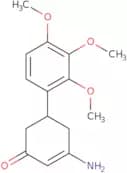
CAS:<p>Please enquire for more information about Boc-trans-1,2-aminocyclohex-4-ene carboxylic acid including the price, delivery time and more detailed product information at the technical inquiry form on this page</p>Formula:C12H19NO4Purity:Min. 95%Molecular weight:241.28 g/mol3-Amino-5-(2,3,4-trimethoxyphenyl)cyclohex-2-en-1-one
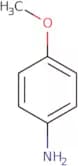
CAS:Controlled Product<p>Please enquire for more information about 3-Amino-5-(2,3,4-trimethoxyphenyl)cyclohex-2-en-1-one including the price, delivery time and more detailed product information at the technical inquiry form on this page</p>Formula:C15H19NO4Purity:Min. 95%Molecular weight:277.32 g/mol4-Aminoanisole
CAS:<p>4-Aminoanisole is a solvent that is used in analytical chemistry. 4-Aminoanisole has been shown to be an optimum concentration for x-ray diffraction data, sodium carbonate, and trifluoroacetic acid. It has been shown to have a redox potential of -0.14 V vs. NHE at pH 7.4 and a hydrogen bonding interaction with co2 gas. 4-Aminoanisole is used as a solvent in analytical chemistry and is also found in rat liver microsomes where it may play a role in the metabolism of certain drugs through its ability to inhibit cytochrome P450 enzymes.</p>Formula:C7H9NOPurity:Min. 95%Color and Shape:Dark Grey To Brown SolidMolecular weight:123.15 g/mol[2-(1,2-Dimethyl-1H-indol-3-yl)ethyl]amine hydrochloride
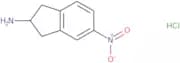
CAS:Controlled Product<p>Please enquire for more information about [2-(1,2-Dimethyl-1H-indol-3-yl)ethyl]amine hydrochloride including the price, delivery time and more detailed product information at the technical inquiry form on this page</p>Formula:C12H16N2Purity:Min. 95%Molecular weight:188.27 g/mol2-Amino-5-nitroindan hydrochloride
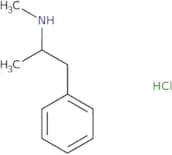
CAS:Controlled Product<p>Please enquire for more information about 2-Amino-5-nitroindan hydrochloride including the price, delivery time and more detailed product information at the technical inquiry form on this page</p>Formula:C9H10N2O2·HClPurity:Min. 95%Molecular weight:214.65 g/molR-(-)-Methamphetamine hydrochloride
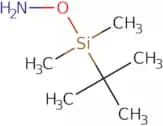
CAS:Controlled Product<p>Please enquire for more information about R-(-)-Methamphetamine hydrochloride including the price, delivery time and more detailed product information at the technical inquiry form on this page</p>Formula:C10H15N•HClPurity:Min. 95%Color and Shape:PowderMolecular weight:185.69 g/molO-(Tert-Butyldimethylsilyl)hydroxylamine
CAS:<p>O-(Tert-butyldimethylsilyl)hydroxylamine is a stereospecific, oxidized, insoluble, tautomeric hydroxamic acid. It is used as a reagent in organic synthesis to form lactams by reaction with hexamethylenetetramine. The compound can be prepared by treatment of hydroxylamine with diacetate in the presence of aluminium chloride. The product is an orange liquid that crystallizes from water, but is not soluble in most organic solvents.</p>Formula:C6H17NOSiPurity:Min. 95%Molecular weight:147.29 g/mol7-[(3R)-3-[(N-Acetyl)amino]-1-oxo-4-(2,4,5-trifluorophenyl)butyl]-5,6,7,8-tetrahydro-3-(trifluoromethyl)-1,2,4-triazolo[4,3-a]pyrazi ne
CAS:<p>Please enquire for more information about 7-[(3R)-3-[(N-Acetyl)amino]-1-oxo-4-(2,4,5-trifluorophenyl)butyl]-5,6,7,8-tetrahydro-3-(trifluoromethyl)-1,2,4-triazolo[4,3-a]pyrazi ne including the price, delivery time and more detailed product information at the technical inquiry form on this page</p>Formula:C18H17F6N5O2Purity:Min. 95%Molecular weight:449.35 g/molTetramethylrhodamine isothiocyanate - mixed isomers
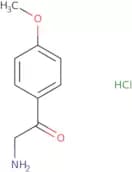
CAS:<p>Tetramethylrhodamine isothiocyanate - mixed isomers (TMR-MI) is a fluorescent probe that can be used to study the interactions between cells and particles. TMR-MI binds to DNA and RNA molecules and has been used as a model system for studying enzyme inhibition. TMR-MI has also been shown to inhibit bowel disease in animal models, but it is not specific to any one cell type. This compound has been used extensively in biomedical research, including studies of autoimmune diseases, cancer, and tissue culture. It has also been used as a marker for detecting reactive oxygen species in laser ablation experiments in mitochondria. TMR-MI can be used to enhance the detection sensitivity of analytical chemistry measurements.</p>Formula:C25H21N3O3SPurity:Min. 95%Color and Shape:PowderMolecular weight:443.52 g/mol2-Amino-4'-methoxyacetophenone hydrochloride
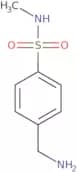
CAS:Controlled Product<p>Please enquire for more information about 2-Amino-4'-methoxyacetophenone hydrochloride including the price, delivery time and more detailed product information at the technical inquiry form on this page</p>Formula:C9H11NO2·HClPurity:Min. 95%Color and Shape:PowderMolecular weight:201.65 g/mol4-(Aminomethyl)-N-Methylbenzenesulfonamide
CAS:<p>Please enquire for more information about 4-(Aminomethyl)-N-Methylbenzenesulfonamide including the price, delivery time and more detailed product information at the technical inquiry form on this page</p>Formula:C8H12N2O2SPurity:Min. 95%Molecular weight:200.26 g/mol[3-(1-Isopropyl-1H-benzimidazol-2-yl)propyl]amine dihydrochloride
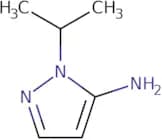
CAS:Controlled Product<p>Please enquire for more information about [3-(1-Isopropyl-1H-benzimidazol-2-yl)propyl]amine dihydrochloride including the price, delivery time and more detailed product information at the technical inquiry form on this page</p>Formula:C13H19N3Purity:Min. 95%Molecular weight:217.31 g/mol1-Isopropyl-1h-pyrazol-5-amine
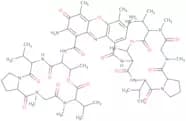
CAS:<p>1-Isopropyl-1H-pyrazol-5-amine is an organic compound that is a colorless liquid with a strong odor. It has a cyclic structure and is optimized for carboxylates, amines, and heterocyclic amines. 1-Isopropyl-1H-pyrazol-5-amine can be used to synthesize carboxylates, lactones, and esters. The synthesis of isoquinolinones from 1-isopropylpyrazol 5 amine isomeric mixture yields two different pyrazoles in the ratio 3:2 respectively.</p>Formula:C6H11N3Purity:Min. 95%Color and Shape:PowderMolecular weight:125.17 g/mol7-Aminoactinomycin D
CAS:<p>7-Aminoactinomycin D is a fluorescent DNA dye that is commonly used for the detection or exclusion of non-viable cells in flow cytometric analysis, as it is generally excluded by live cells</p>Formula:C62H87N13O16Purity:Min. 95%Molecular weight:1,270.43 g/molN-Trifluoroacetyl (S)-amphetamine
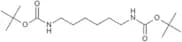
CAS:Controlled Product<p>Please enquire for more information about N-Trifluoroacetyl (S)-amphetamine including the price, delivery time and more detailed product information at the technical inquiry form on this page</p>Formula:C11H12F3NOPurity:Min. 95%Molecular weight:231.21 g/mol1,6-Bis(tert-butoxycarbonylamino)hexane
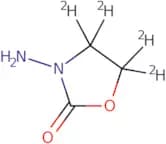
CAS:<p>Please enquire for more information about 1,6-Bis(tert-butoxycarbonylamino)hexane including the price, delivery time and more detailed product information at the technical inquiry form on this page</p>Formula:C16H32N2O4Purity:Min. 95%Molecular weight:316.44 g/mol3-Amino-2-oxazolidinone-d4
CAS:Controlled Product<p>3-Amino-2-oxazolidinone-d4 is a methanol solvent that can be used to analyze the muscle tissue. 3-Amino-2-oxazolidinone-d4 can be synthesized by reacting oxalyl chloride and 2 nitrobenzaldehyde in acetonitrile. It can also be prepared by dehydrating and analyzing the synthesis of 3 amino 2 oxazolidinones in chloroform and bromoacetic acid. 3 - Amino - 2 - oxazolidinone - d4 is deuterated, which means it has an extra neutron in its nucleus.</p>Formula:C3H2D4N2O2Purity:Min. 95%Molecular weight:106.11 g/mol(S)-tert-Butyl 3-(methylamino)pyrrolidine-1-carboxylate
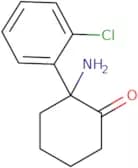
CAS:<p>(S)-tert-Butyl 3-(methylamino)pyrrolidine-1-carboxylate is a research chemical that can be used as a versatile building block for the synthesis of complex compounds. It is also a reaction component in the synthesis of speciality chemicals and useful scaffolds. It has been shown to have high quality, reagent grade and purity.</p>Formula:C10H20N2O2Purity:Min. 95%Color and Shape:PowderMolecular weight:200.28 g/mol2-Amino-2-(2-chlorophenyl)cyclohexan-1-one
CAS:Controlled Product<p>2-Amino-2-(2-chlorophenyl)cyclohexan-1-one is an anesthetic drug that belongs to the group of ketamine. It is a chiral compound and has been shown to have central nervous system depressant effects, which are more pronounced than those of ketamine. This drug also affects the cardiovascular system and can cause respiratory depression. 2-Amino-2-(2-chlorophenyl)cyclohexan-1-one has been shown to be metabolized in humans by cytochrome P450 (CYP3A4). It may potentiate the effect of drugs that induce CYP3A4 activity such as erythromycin, rifampin, and phenobarbital.<br> 2-Amino-2-(2-chlorophenyl)cyclohexan-1-one is not active against MRSA or methicillin resistant pseudomonas aeruginosa (MR</p>Formula:C12H14ClNOPurity:Min. 95%Color and Shape:PowderMolecular weight:223.7 g/mol4-Amino-3,5-difluorobenzoic Acid
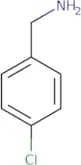
CAS:<p>4-Amino-3,5-difluorobenzoic Acid is a chemical compound that is used to manufacture dyes and pharmaceuticals. It is prepared by the reaction of dimethyl formamide with bromobenzoate and hydrobromic acid. The reaction product is decompressed to remove the toxic hydrogen cyanide gas and then reacted with sodium borohydride in liquid ammonia. This process yields 4-amino-3,5-difluorobenzoic acid which can be purified by recrystallization from water or chloroform.</p>Formula:C7H5F2NO2Purity:Min. 95%Molecular weight:173.12 g/mol4-Chlorobenzylamine
CAS:<p>4-Chlorobenzylamine is a chemical that is used as an intermediate in the synthesis of other compounds. It has low bioavailability, which may be due to its reactive site. The chemical can be characterized using nmr spectra and potent inhibitory activity. 4-Chlorobenzylamine has been found to react with nitrogen atoms, and this reaction is highly acidic. FT-IR spectroscopy can also be used to characterize this compound. Intermolecular hydrogen bonding and hydroxyl group are two of the major interactions of 4-chlorobenzylamine with other molecules. This chemical reacts with serine protease, glyoxal, and other substances in a manner that depends on the molecule's structure.</p>Formula:C7H8ClNPurity:Min. 95%Molecular weight:141.6 g/mol1-(Boc-amino)-4,9-dioxa-12-dodecanamine
CAS:Controlled Product<p>Please enquire for more information about 1-(Boc-amino)-4,9-dioxa-12-dodecanamine including the price, delivery time and more detailed product information at the technical inquiry form on this page</p>Formula:C15H32N2O4Purity:Min. 95%Molecular weight:304.43 g/mol2-(Trifluoroacetamido)Ethylamine Hydrochloride
CAS:<p>Please enquire for more information about 2-(Trifluoroacetamido)Ethylamine Hydrochloride including the price, delivery time and more detailed product information at the technical inquiry form on this page</p>Formula:C4H7F3N2OPurity:Min. 95%Molecular weight:156.11 g/mol4,6-Diaminobenzene-1,3-dicarboxylic acid
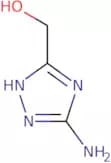
CAS:<p>4,6-Diaminobenzene-1,3-dicarboxylic acid is an inorganic copper compound that is used as a copper salt. It has been shown to be effective as a chelating agent for the treatment of copper toxicity. 4,6-Diaminobenzene-1,3-dicarboxylic acid binds to metal ions and forms a complex with them. This complex can then be excreted from the body through urine or bile.</p>Formula:C8H8N2O4Purity:Min. 95%Molecular weight:196.16 g/mol(5-Amino-1H-1,2,4-triazol-3-yl)methanol
CAS:<p>Please enquire for more information about (5-Amino-1H-1,2,4-triazol-3-yl)methanol including the price, delivery time and more detailed product information at the technical inquiry form on this page</p>Formula:C3H6N4OPurity:Min. 95%Molecular weight:114.11 g/mol2-Amino-5-chloropyridine
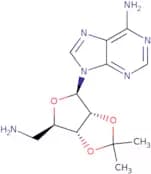
CAS:<p>2-Amino-5-chloropyridine is an organic compound that is a metabolite of nicotinic acid. 2-Amino-5-chloropyridine has been detected in urine samples and can be extracted from urine with hydrochloric acid. It can also be prepared by the reaction of picolinic acid and malonic acid, which are both found in the human body. The compound has been shown to have pharmacokinetic properties, including a half life of approximately 1 hour and a volume of distribution of 0.3 L/kg. 2-Amino-5-chloropyridine has also been shown to have structural analysis and binding properties with hydrogen bonding interactions. The structure was determined by X-ray crystal structures, which revealed the presence of a reactive group p2 and the absence of any other reactive groups. 2-Amino-5-chloropyridine is used as an analytical method for fluorescence detection in combination</p>Purity:Min. 95%Color and Shape:White To Off-White SolidMolecular weight:128.56 g/mol5'-Amino-5'-deoxy-2',3'-O-(1-methylethylidene)-adenosine
CAS:<p>Please enquire for more information about 5'-Amino-5'-deoxy-2',3'-O-(1-methylethylidene)-adenosine including the price, delivery time and more detailed product information at the technical inquiry form on this page</p>Formula:C13H18N6O3Purity:Min. 95%Molecular weight:306.32 g/mol2-Aminomethyl-18-crown-6
CAS:<p>2-Aminomethyl-18-crown-6 is a crown ether that can be used to transport molecules across membranes. It has been shown to form ionic or nonionic complexes with single-stranded DNA, as well as having bifunctional properties. It can also be used to immobilize organic molecules on surfaces and can be synthesized in the laboratory by reacting an imine with sodium salts. The crown ethers have the ability to solvate hydrophobic molecules and are able to form hydrogen bonds with water. 2-Aminomethyl-18-crown-6 has been shown to have synergistic effects with other drugs, including antibiotics, due to its ability to bind divalent cations such as magnesium and calcium. This molecule has functional groups that are reactive towards nucleophilic attack, which makes it a good candidate for molecular modeling studies of proteins and peptides.br>br> 2-Aminomethyl-18</p>Formula:C13H27NO6Purity:Min. 94.0 Area-%Color and Shape:Clear LiquidMolecular weight:293.36 g/mol2-Hydroxybenzylamine
CAS:<p>2-Hydroxybenzylamine is a dietary supplement that is used to prevent atherosclerosis and cardiovascular disease. It inhibits the oxidation of fatty acids and decreases the production of reactive oxygen species. This drug has been shown to have an effect on cardiac hypertrophy and blood pressure. 2-Hydroxybenzylamine has been shown to reduce the levels of 4-hydroxybutyric acid, malondialdehyde, and reactive oxygen species in cultured cells. These effects may be due to its ability to inhibit the enzyme fatty acid synthase. 2HBA also has a protective effect against oxidative injury by reducing the release of reactive oxygen species from mitochondria in cultured cells.</p>Formula:C7H9NOPurity:Min. 95%Molecular weight:123.15 g/mol4-Aminotetrahydropyran
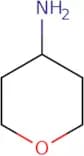
CAS:<p>4-Aminotetrahydropyran is a synthetic chemical that is used as a biochemical reagent. It has been shown to inhibit the ATP-driven efflux pump in Gram-negative bacteria, which causes an increase in intracellular concentration of hydroxide and hydrogen ions. This inhibition leads to an acidic pH, which disrupts the cell membrane and causes cell death. 4-Aminotetrahydropyran has been shown to be a potent inhibitor of the functional groups found on enzymes with transfer mechanisms such as kinases.</p>Formula:C5H11NOPurity:Min. 95%Color and Shape:Clear LiquidMolecular weight:101.15 g/molDiethyl[2-(4-nitrophenoxy)ethyl]amine
CAS:Controlled Product<p>Please enquire for more information about Diethyl[2-(4-nitrophenoxy)ethyl]amine including the price, delivery time and more detailed product information at the technical inquiry form on this page</p>Formula:C12H18N2O3Purity:Min. 95%Molecular weight:238.28 g/mol4-Methoxybenzylamine
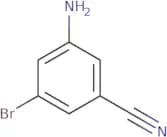
CAS:<p>4-Methoxybenzylamine is an organic amine that has a redox potential of -0.14 V (vs. SHE) and a pK a of 10.5. It is used in the synthesis of trifluoroacetic acid esters, which are used as pharmaceutical intermediates. 4-Methoxybenzylamine has been shown to be effective in alleviating pain in animal models, and its mechanism of action may be due to inhibition of the enzyme cyclooxygenase. The kinetic data for this reaction were obtained by studying the deuterium isotope effect, which is characterized by a low energy barrier and rapid reaction rate. The hydrolysis step is also important for the reaction mechanism, with protocatechuic acid being an intermediate product. Hydrochloric acid is needed for dehydration of the reactants, while an aryl halide can be used instead in some cases. In these reactions, there are many possible reaction</p>Formula:C8H11NOPurity:Min. 95%Molecular weight:137.18 g/mol3-Amino-5-bromobenzonitrile
CAS:<p>Please enquire for more information about 3-Amino-5-bromobenzonitrile including the price, delivery time and more detailed product information at the technical inquiry form on this page</p>Formula:C7H5BrN2Purity:Min. 95%Molecular weight:197.03 g/molAmmonium titanyl oxalate monohydrate
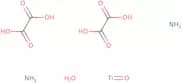
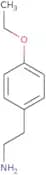
CAS:<p>Ammonium titanyl oxalate monohydrate is a compound that can be used as an antioxidant in a composition, including an electrophotographic composition. It has been shown to prevent photoreduction and nucleophilic attack on the surface of the photoconductor, as well as to reduce the magnitude of carboxylation reactions with transfer mechanism. Ammonium titanyl oxalate monohydrate may also be used for rechargeable batteries, which are devices that use electric current to generate chemical reactions. The addition of ammonium titanyl oxalate monohydrate to these batteries increases their capacity by reducing the number of cycles required before recharging. This compound also exhibits photocatalytic activity on metal surfaces in the presence of UV irradiation.</p>Formula:C4H10N2O10TiPurity:Min. 97%Molecular weight:294 g/mol(4-Ethoxyphenyl)ethylamine
CAS:Controlled Product<p>Please enquire for more information about (4-Ethoxyphenyl)ethylamine including the price, delivery time and more detailed product information at the technical inquiry form on this page</p>Formula:C10H15NOPurity:Min. 95%Molecular weight:165.23 g/mol3,4-Diaminobenzotrifluoride
CAS:<p>3,4-Diaminobenzotrifluoride is a photophysical agent that emits light of a specific wavelength when irradiated with ultraviolet light. It has been shown to inhibit the growth of human cervical carcinoma cells in vitro and to cause apoptosis in these cells. 3,4-Diaminobenzotrifluoride also inhibits the proliferation of human liver and lung cancer cells in vitro. The mechanism by which this agent causes cell death is unknown. 3,4-Diaminobenzotrifluoride is an acid catalyst and stabilizes the chloride ion. This agent may inhibit DNA synthesis or affect proteins that are involved in signal transduction pathways for cell proliferation.</p>Formula:C7H7F3N2Purity:Min. 95%Color and Shape:PowderMolecular weight:176.14 g/molDinonylamine
CAS:<p>Dinonylamine is an industrial chemical that is used as a solvent for waxes and resins. It has been used as a substrate film for the production of polycarbonate plastics and in the manufacture of amines, nitroaromatic compounds, and fluoropolymers. Dinonylamine has been shown to have an inhibitory effect on the growth of microorganisms by reacting with their aromatic hydrocarbons. This chemical reacts with carbonyl groups to form hydroxyl groups, which are toxic to bacteria. It also reacts with radiation to form a patterned surface that can be used to immobilize enzymes or other proteins.br>br> br>br> Dinonylamine is used in industrial processes as a precursor for amines and hydroxy groups, which are important components in many organic molecules including pharmaceuticals. These reactions take place in solvent vapor phase reaction vessels at high temperatures.br>br> br>br> Din</p>Formula:C18H39NPurity:Min. 95%Color and Shape:PowderMolecular weight:269.51 g/mol



![Methyl (2S)-2-amino-3-[(triphenylmethyl)sulfanyl]propanoate](/_next/image/?url=https%3A%2Fstatic.cymitquimica.com%2Fproducts%2FTR%2Fthumb-webp%2FM331033.webp&w=3840&q=75)
![[1-(Trifluoromethyl)cyclobutyl]methanamine Hydrochloride](/_next/image/?url=https%3A%2Fstatic.cymitquimica.com%2Fproducts%2FTR%2Fthumb-webp%2FT899373.webp&w=3840&q=75)

![N-(4-Bromophenyl)-[1,1-biphenyl]-4-amine](/_next/image/?url=https%3A%2Fstatic.cymitquimica.com%2Fproducts%2FTR%2Fthumb-webp%2FB678643.webp&w=3840&q=75)

![N-[[(2R,3S,4R)-4-[Bis[(3-cyanophenyl)methyl]amino]-3-hydroxyoxolan-2-yl]methyl]cyclopropanecarboxa…](/_next/image/?url=https%3A%2Fstatic.cymitquimica.com%2Fproducts%2FTR%2Fthumb-webp%2FB400145.webp&w=3840&q=75)



![2-[6-(Acetylphenylamino)-1,3,5-hexatrienyl]-1,1-dimethyl-3-sulfobutyl-1H-benz[e]indolium Inner Salt](/_next/image/?url=https%3A%2Fstatic.cymitquimica.com%2Fproducts%2FTR%2Fthumb-webp%2FA187940.webp&w=3840&q=75)



![N-[(2,4-Difluorophenyl)methylene]-2,4-difluoro-benzenemethanamine](/_next/image/?url=https%3A%2Fstatic.cymitquimica.com%2Fproducts%2FTR%2Fthumb-webp%2FD448128.webp&w=3840&q=75)
![Di-[2-(2,3-dichlorophenyl)aminoethyl]amine](/_next/image/?url=https%3A%2Fstatic.cymitquimica.com%2Fproducts%2FTR%2Fthumb-webp%2FD441740.webp&w=3840&q=75)


![[2-(1,2-Dimethyl-1H-indol-3-yl)ethyl]amine hydrochloride](/_next/image/?url=https%3A%2Fstatic.cymitquimica.com%2Fproducts%2F3D%2Fthumb-webp%2FFD135164.webp&w=3840&q=75)
![7-[(3R)-3-[(N-Acetyl)amino]-1-oxo-4-(2,4,5-trifluorophenyl)butyl]-5,6,7,8-tetrahydro-3-(trifluorom…](/_next/image/?url=https%3A%2Fstatic.cymitquimica.com%2Fproducts%2F3D%2Fthumb-webp%2FFA104169.webp&w=3840&q=75)

![[3-(1-Isopropyl-1H-benzimidazol-2-yl)propyl]amine dihydrochloride](/_next/image/?url=https%3A%2Fstatic.cymitquimica.com%2Fproducts%2F3D%2Fthumb-webp%2FFI126427.webp&w=3840&q=75)








![Diethyl[2-(4-nitrophenoxy)ethyl]amine](/_next/image/?url=https%3A%2Fstatic.cymitquimica.com%2Fproducts%2F3D%2Fthumb-webp%2FFD21808.webp&w=3840&q=75)