Amines
Amines are a set of molecules containing an amino functional group (derived from ammonia). This category includes amines at any level of substitution : primary, secondary, tertiary, and ammonium salts. Amines are fundamental in organic synthesis and are widely used in pharmaceuticals, agrochemicals, and materials science. At CymitQuimica, we provide a comprehensive selection of amines to meet your research and industrial needs. Our range ensures access to various amines for diverse chemical processes and innovative research.
Subcategories of "Amines"
- Nitrosamines(2,606 products)
- Primary Amines(30,821 products)
- Quaternary Ammonium Cations and Salts(1,099 products)
- Secondary Amines(20,817 products)
- Tertiary Amines(17,117 products)
Found 8778 products of "Amines"
Sort by
Purity (%)
0
100
|
0
|
50
|
90
|
95
|
100
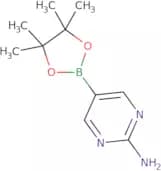
2-Aminopyrimidine-5-boronic acid pinacol ester
CAS:<p>2-Aminopyrimidine-5-boronic acid pinacol ester is a boronic acid derivative that has been shown to inhibit the activity of protein kinase C. This compound is also an effective linker for cross-coupling reactions and has a low reactivity with nucleophiles, which makes it safer than other boronic acids. 2-Aminopyrimidine-5-boronic acid pinacol ester has been shown to be potent against cancer cells in vitro and in vivo and synthetic cells. 2-Aminopyrimidine-5-boronic acid pinacol ester inhibits the growth of cancer cells by binding to the ATP site on protein kinase C, thereby inhibiting its function.</p>Formula:C10H16BN3O2Purity:Min. 95 Area-%Color and Shape:PowderMolecular weight:221.06 g/molTriisopropanolamine Borate
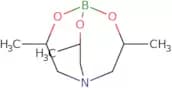
CAS:<p>Triisopropanolamine borate is an organic compound with the formula (CH3)3N(CH2)3OH. It is a colorless liquid with a sweet, amine-like odor. Triisopropanolamine borate is widely used as a cross-linking agent in coatings, and as a reactive functional group in polycarboxylic acid synthesis and cationic polymerization. It also has been used as a blood pressure lowering agent and to treat high calcium levels in the blood. The chemical structure of triisopropanolamine borate can be seen below: Triisopropanolamine Borate, Chemical Structure The chemical formula for triisopropanolamine borate is CH3N(CH2)3OH. Triisopropanolamine borate has many applications due to its reactive functional groups, including cross-linking agents for coatings and polycarboxylic acid synthesis</p>Formula:C9H18BNO3Purity:Min. 95%Molecular weight:199.06 g/mol5-Iodo-2-aminoindane
CAS:Controlled Product<p>5-Iodo-2-aminoindane is a chemical pesticide that belongs to the group of diallyl trisulfide. It is used for the control of fruit pests such as Drosophila, Ceratitis capitata, and Rhagoletis pomonella. 5-Iodo-2-aminoindane has been shown to inhibit the growth of these pests through in vitro assay. The synthetic cannabinoid activity of 5-iodo-2-aminoindane may be due to its ability to inhibit fatty acid uptake by binding to the fatty acid transporter protein at the cell membrane.</p>Formula:C9H10INPurity:Min. 95%Molecular weight:259.09 g/mol[(4-Methyl-1,3-thiazol-2-yl)methyl]amine dihydrochloride
CAS:<p>Please enquire for more information about [(4-Methyl-1,3-thiazol-2-yl)methyl]amine dihydrochloride including the price, delivery time and more detailed product information at the technical inquiry form on this page</p>Formula:C5H8N2SPurity:Min. 95%Molecular weight:128.2 g/mol2,3-Difluorobenzyl amine
CAS:<p>2,3-Difluorobenzyl amine is a versatile building block that is used in the synthesis of complex organic compounds. It is a high quality reagent and can be used as a reaction component. 2,3-Difluorobenzyl amine can be synthesized from 3-fluoroaniline and difluoroacetic acid using a nitrite salt as the oxidant. The reaction yields the desired product in good yield with no side products.</p>Formula:C7H7F2NPurity:Min. 95%Color and Shape:Colorless PowderMolecular weight:143.13 g/mol[(4-Methyl-1H-imidazol-5-yl)methyl]amine hydrochloride
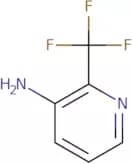
CAS:<p>Please enquire for more information about [(4-Methyl-1H-imidazol-5-yl)methyl]amine hydrochloride including the price, delivery time and more detailed product information at the technical inquiry form on this page</p>Formula:C5H9N3Purity:Min. 95%Molecular weight:111.15 g/mol2-(Trifluoromethyl)pyridin-3-amine
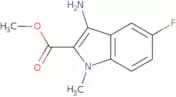
CAS:<p>2-(trifluoromethyl)pyridin-3-amine is an industrial chemical that is used as a reagent in the synthesis of other chemicals. It is synthesized from benzene and an acid ethyl ester in a complex reaction. 2-(trifluoromethyl)pyridin-3-amine is toxic, with industrial uses such as the synthesis of dyes and pesticides.</p>Formula:C6H5F3N2Purity:Min. 95%Color and Shape:PowderMolecular weight:162.11 g/molMethyl 3-amino-5-fluoro-1-methyl-1H-indole-2-carboxylate
CAS:Controlled Product<p>Please enquire for more information about Methyl 3-amino-5-fluoro-1-methyl-1H-indole-2-carboxylate including the price, delivery time and more detailed product information at the technical inquiry form on this page</p>Formula:C11H11FN2O2Purity:Min. 95%Molecular weight:222.22 g/mol1-Benzyl-3-[3-(diethylamino)propoxy]-1H-indazole
CAS:Controlled Product<p>Please enquire for more information about 1-Benzyl-3-[3-(diethylamino)propoxy]-1H-indazole including the price, delivery time and more detailed product information at the technical inquiry form on this page</p>Formula:C21H27N3OPurity:Min. 98 Area-%Color and Shape:Clear LiquidMolecular weight:337.46 g/molN,N,N',N'-Tetramethyl-1,3-diaminopropane
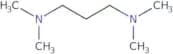
CAS:<p>N,N,N',N'-Tetramethyl-1,3-diaminopropane is a chemical compound that is used as a cross-linking agent. It reacts with fatty acids and hydroxyl groups in the presence of sodium citrate to form cross-links between molecules. This reaction is useful for modifying the transport properties of fat cells. N,N,N',N'-Tetramethyl-1,3-diaminopropane can also be used as a reactive chemical in the synthesis of other compounds such as selenium compounds.</p>Formula:C7H18N2Purity:Min. 98.0 Area-%Color and Shape:Clear LiquidMolecular weight:130.23 g/mol4-Amino-3-(trifluoromethoxy)benzoic acid
CAS:<p>Please enquire for more information about 4-Amino-3-(trifluoromethoxy)benzoic acid including the price, delivery time and more detailed product information at the technical inquiry form on this page</p>Formula:C8H6F3NO3Purity:Min. 95%Molecular weight:221.13 g/mol5-(Aminomethyl)-2-furoic acid hydrochloride
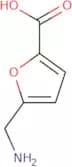
CAS:<p>5-(Aminomethyl)-2-furoic acid hydrochloride is a molecule that belongs to the group of carboxylates. It has a molecular weight of 191.2 g/mol and a chemical formula of CHNO. The structure of 5-(aminomethyl)-2-furoic acid hydrochloride is similar to that of hexamethylenetetramine, a common organic compound with the formula (CH)N(H)CH. 5-(Aminomethyl)-2-furoic acid hydrochloride can be used as an acceptor in hydrogen chloride gas generation reactions, which are used in the synthesis of some pharmaceutical drugs and other organic compounds. The molecule also has potential use in telomerase research because it is structurally similar to natural telomeres. In addition, this molecule has been shown to have anti-inflammatory properties due to its ability to inhibit prostaglandin synthesis.</p>Formula:C6H7NO3Purity:Min. 95%Molecular weight:141.12 g/molN,N'-Bis(2-hydroxyethyl)propane-1,3-diamine
CAS:<p>Please enquire for more information about N,N'-Bis(2-hydroxyethyl)propane-1,3-diamine including the price, delivery time and more detailed product information at the technical inquiry form on this page</p>Formula:C7H18N2O2Purity:Min. 95%Molecular weight:162.23 g/mol(1R,2S)-(-)-2-Amino-1,2-diphenylethanol
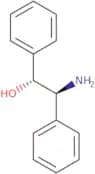
CAS:Controlled Product<p>The compound is a stereoselective amine. The molecule has two diastereomers, one of which is the (1R,2S) configuration and the other of which is the (1S,2R) configuration. The compound is an efficient method for preparing fatty acid esters with aromatic hydrocarbons.<br>The chemical structure of the molecule provides a cavity that can be used to bind with ethyl bromoacetate. This cavity has been shown in x-ray crystal structures to be able to bind with ethyl bromoacetate and provide an efficient method for preparing fatty acid esters with aromatic hydrocarbons.</p>Formula:C14H15NOPurity:Min. 95%Molecular weight:213.28 g/mol(2-Cyclohexyl-1-methylethyl)methylamine
CAS:Controlled Product<p>2-Cyclohexyl-1-methylethyl)methylamine is a monoethyl ether of (2-cyclohexyl-1-methylethyl)amine. It is used as a nasal decongestant and has been shown to be effective against respiratory disorders such as bronchitis, sinusitis, and allergies. The drug can also be used for the diagnosis and prognosis of congestive heart failure. 2-Cyclohexyl-1-methylethyl)methylamine has been shown to bind to calcium ions in the nasal mucosa, thereby inhibiting the production of inflammatory mediators such as prostaglandins and leukotrienes. This drug also has an inhibitory effect on receptor activity for histamine, which leads to relief from allergic symptoms by reducing inflammation in the nose.</p>Formula:C10H22BrNPurity:Min. 95%Molecular weight:236.19 g/mol(2S,3S)-3-Boc-amino-1,2-epoxy-4-phenylbutane
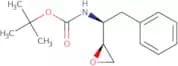
CAS:<p>(2S,3S)-3-Boc-amino-1,2-epoxy-4-phenylbutane is a potent and selective inhibitor of HIV protease. It binds to the active site of the enzyme and prevents the formation of an enzyme-substrate complex, which inhibits protein synthesis. (2S,3S)-3-Boc-amino-1,2-epoxy-4-phenylbutane has been shown to be a potent inhibitor for other serine proteases such as chymotrypsin and trypsin. This compound has also been shown to be effective in inhibiting a number of proteases from bacteria such as Bacillus subtilis and Pseudomonas aeruginosa. Inhibitors have also been found against nonenzymatic protein inhibitors such as bacitracin, polymyxin B, colistin sulfate, vancomycin, and daptomycin</p>Formula:C15H21NO3Purity:Min. 95%Color and Shape:PowderMolecular weight:263.33 g/mol1-Aminobenzene-3,4,5-tricarboxylic acid
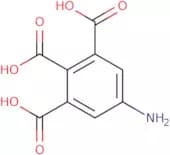
CAS:<p>1-Aminobenzene-3,4,5-tricarboxylic acid is a transport inhibitor that is used to block the uptake of 1-aminobenzene by cells. It has been shown to have a diameter of 6 nm and chemical stability. This substance can be dissolved in water, alcohols, and polar organic solvents. The particles are spherical with an average size of 10 nm. This compound exhibits strong absorption in the ultraviolet region. It is fluorescent and has high fluorescence properties. 1-Aminobenzene-3,4,5-tricarboxylic acid can enter cells through passive diffusion or active transport mechanisms. It binds to metal ions and multi-walled carbon nanotubes which can be used for uv irradiation.</p>Formula:C9H7NO6Purity:Min. 95%Color and Shape:PowderMolecular weight:225.16 g/mol2-(2-Aminoethyl)-3',6'-bis(diethylaMino)spiro[isoindoline-1,9'-xanthen]-3-one
CAS:<p>Please enquire for more information about 2-(2-Aminoethyl)-3',6'-bis(diethylaMino)spiro[isoindoline-1,9'-xanthen]-3-one including the price, delivery time and more detailed product information at the technical inquiry form on this page</p>Purity:Min. 95%4-(3-Amino-2-hydroxypropoxy)phenylacetamide
CAS:<p>4-(3-Amino-2-hydroxypropoxy)phenylacetamide is a sweetener that is used as an artificial sweetener. It can be found in many foods and drinks and is often used to replace sucralose due to its lower cost. 4-(3-Amino-2-hydroxypropoxy)phenylacetamide is a white powder with a melting point of 133°C. This product has been shown to be safe for human consumption, although it may cause headaches, drowsiness, or dizziness in some people.</p>Formula:C11H16N2O3Purity:Min. 95%Molecular weight:224.26 g/molDL-1-Phenylethylamine
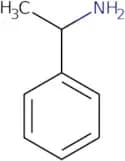
CAS:Controlled Product<p>DL-1-phenylethylamine is a chiral compound that has been studied for its biological properties. It can exist in either of two forms, or stereoisomers. DL-1-phenylethylamine is an amide and a methyl ester of phenethylamine hydrochloride. This compound has shown to have a high affinity for copper chloride and copper sulfate, and the 1R form is more soluble in water than the 2S form. The biological properties of DL-1-phenylethylamine are not fully understood but it may play a role in autoimmune diseases because it acts as an immunosuppressant and has anti-inflammatory activities.</p>Formula:C8H11NPurity:Min. 95%Molecular weight:121.18 g/mol4-Amino-2-(1,3-benzoxazol-2-yl)phenol
CAS:<p>4-Amino-2-(1,3-benzoxazol-2-yl)phenol (4APB) is a fluorescent compound that has been used to study the fungal cell wall. It has shown to cause morphological changes in the conidia of some fungi, including transfer and swelling of the contents. 4APB has also been used to study the transfer mechanism of conidia by fluorescence microscopy and epifluorescence microscopy. This chemical can be stained with tosylates, which are reagents used for staining proteins and other molecules that contain sulfur atoms.</p>Formula:C13H10N2O2Purity:Min. 95%Molecular weight:226.23 g/molDiammonium hydrogen citrate
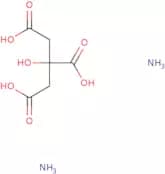
CAS:<p>Diammonium hydrogen citrate is a nutrient solution that contains copper chloride, sodium citrate, and hydrogen fluoride. It is used in surface methodology to separate hydroxyl groups from the surface of an object. Diammonium hydrogen citrate has been shown to be effective in enhancing iron homeostasis in skin cells. It also has been shown to have anti-malarial properties that are due to its ability to chelate copper ions and prevent the formation of free radicals. The reaction solution can be used for the synthesis of diammonium citrate, which is a monoclonal antibody.</p>Formula:C6H14N2O7Purity:Min. 95%Color and Shape:White PowderMolecular weight:226.18 g/molDiethylamine hydrochloride
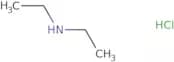
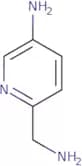
CAS:Controlled Product<p>Diethylamine hydrochloride is a chemical compound that is used as an intermediate in the manufacture of other chemicals. It can be used to treat metabolic disorders such as diabetes, hypothyroidism, and osteoporosis. Diethylamine hydrochloride has been shown to inhibit group P2 phosphodiesterases (PDEs) and prevent their degradation by the enzyme dipeptidyl peptidase-IV (DPP-IV). This inhibition leads to increased levels of cyclic AMP in cells, which contributes to its anti-inflammatory activity. The structural analysis of diethylamine hydrochloride has been performed using x-ray diffraction data and x-ray crystal structures.</p>Formula:C4H12ClNPurity:Min. 95%Molecular weight:109.6 g/mol6-(Aminomethyl)pyridin-3-amine
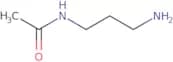
CAS:<p>Please enquire for more information about 6-(Aminomethyl)pyridin-3-amine including the price, delivery time and more detailed product information at the technical inquiry form on this page</p>Purity:Min. 95%N-(3-Aminopropyl)acetamide
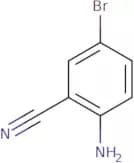
CAS:<p>N-(3-Aminopropyl)acetamide is a secondary amine that is used as a reagent in the profiling of tissues. It has been shown to inhibit the growth of Thermus thermophilus and other bacteria, including Staphylococcus aureus, Escherichia coli, and Pseudomonas aeruginosa. N-(3-Aminopropyl)acetamide has also been shown to inhibit the growth of cancer cells in cell culture. It was found to be effective against logarithmic growth phase cells and not against stationary phase cells. However, its mechanism of action is unknown.</p>Formula:C5H12N2OPurity:Min. 95%Color and Shape:Colorless PowderMolecular weight:116.16 g/mol2-Amino-5-bromobenzonitrile
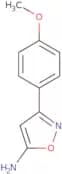
CAS:<p>2-Amino-5-bromobenzonitrile is a bioactive substance that belongs to the class of amines. It is used as an intermediate in the production of other industrial chemicals, such as polyurethanes and polyamides. 2-Amino-5-bromobenzonitrile can be found in faeces at a concentration of approximately 1 µg/g. The metabolic pathway for 2-amino-5-bromobenzonitrile has been shown to be cyp3a5 dependent.</p>Formula:C7H5BrN2Purity:Min. 95%Color and Shape:Brown PowderMolecular weight:197.03 g/mol3-(4-Methoxyphenyl)-1,2-oxazol-5-amine
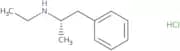
CAS:<p>Please enquire for more information about 3-(4-Methoxyphenyl)-1,2-oxazol-5-amine including the price, delivery time and more detailed product information at the technical inquiry form on this page</p>Formula:C10H10N2O2Purity:Min. 95%Molecular weight:190.2 g/mol(S)-N-Ethyl amphetamine hydrochloride
CAS:Controlled Product<p>Please enquire for more information about (S)-N-Ethyl amphetamine hydrochloride including the price, delivery time and more detailed product information at the technical inquiry form on this page</p>Formula:C11H18ClNPurity:Min. 95%Molecular weight:199.72 g/molZ-(R,S)-3-amino-5-cyclohexyl-2-oxo-1,4-benzodiazepine
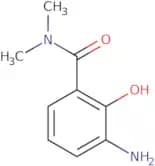
CAS:Controlled Product<p>Please enquire for more information about Z-(R,S)-3-amino-5-cyclohexyl-2-oxo-1,4-benzodiazepine including the price, delivery time and more detailed product information at the technical inquiry form on this page</p>Formula:C23H25N3O3Purity:Min. 95%Molecular weight:391.46 g/mol3-Amino-2-hydroxy-N,N-dimethylbenzamide
CAS:<p>Please enquire for more information about 3-Amino-2-hydroxy-N,N-dimethylbenzamide including the price, delivery time and more detailed product information at the technical inquiry form on this page</p>Formula:C9H12N2O2Purity:Min. 95%Molecular weight:180.2 g/mol[2-(2,5-Dimethyl-1H-indol-3-yl)ethyl]amine hydrochloride
CAS:Controlled Product<p>Please enquire for more information about [2-(2,5-Dimethyl-1H-indol-3-yl)ethyl]amine hydrochloride including the price, delivery time and more detailed product information at the technical inquiry form on this page</p>Formula:C12H16N2Purity:Min. 95%Molecular weight:188.27 g/mol3,5-Diamino-2,4,6-trimethylbenzenesulfonicacid
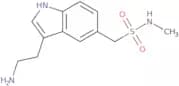
CAS:<p>3,5-Diamino-2,4,6-trimethylbenzenesulfonic acid (DTMS) is an aromatic hydrocarbon that has been found in the environment. DTMS is used as a chlorine scavenger in water treatment plants and wastewater treatment facilities to remove chlorinated organics from the water. It has been shown to be a ligand for uranium. DTMS reacts with cyanuric acid to form 3,5-dichloro-2,4,6-trimethylbenzenesulfonyl chloride (CAS No. 52834-57-1). DTMS also exhibits affinity for metal ions such as copper and nickel.</p>Formula:C9H14N2O3SPurity:90%NmrMolecular weight:230.29 g/mol3-(2-Aminoethyl)-N-methyl-1H-indole-5-methanesulfonamide
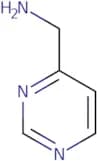
CAS:<p>3-(2-Aminoethyl)-N-methyl-1H-indole-5-methanesulfonamide (AMIS) is an intermediate in the preparation of medicaments. It is a stable process and can be used as an intermediate for other compounds. AMIS is prepared by reacting methanesulfonic acid with methanol and ammonium carbonate, which produces methanesulfonamide, succinic acid and ammonium hydroxide. The reaction liquid is then heated to produce a crystalline solid. The crystals are then recrystallized to yield AMIS as a white solid.</p>Formula:C12H17N3O2SPurity:Min. 95%Color and Shape:Off-White To Beige To Light Brown SolidMolecular weight:267.35 g/mol(Pyrimidin-4-ylmethyl)amine dihydrochloride
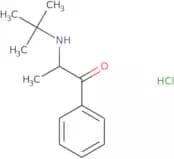
CAS:<p>Pyrimidin-4-ylmethyl)amine dihydrochloride is a drug that belongs to the class of drugs known as kinase inhibitors. Pyrimidin-4-ylmethyl)amine dihydrochloride inhibits the kinase activity of Jak3, which is involved in regulating inflammation and immune response. This inhibitor has been shown to be effective against chronic inflammatory diseases such as asthma, psoriasis, and rheumatoid arthritis. Pyrimidin-4-ylmethyl)amine dihydrochloride has an affinity for ATP binding sites and can be used to regulate kinase activity by competing with ATP for these binding sites.</p>Formula:C5H7N3Purity:Min. 95%Molecular weight:109.13 g/mol2-(tert-Butylamino)propiophenone hydrochloride
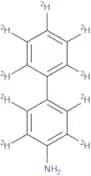
CAS:Controlled Product<p>Please enquire for more information about 2-(tert-Butylamino)propiophenone hydrochloride including the price, delivery time and more detailed product information at the technical inquiry form on this page</p>Formula:C13H20ClNOPurity:Min. 95%Molecular weight:241.76 g/mol4-Aminobiphenyl-D9
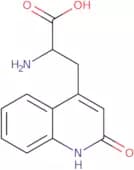
CAS:Controlled Product<p>4-Aminobiphenyl is a chemical compound that belongs to the group of aromatic amines. It is a human carcinogen and has been shown to cause cancer in animals. 4-Aminobiphenyl has been detected in the environment as an environmental pollutant and can be found in small quantities at low levels in food, air, and water. 4-Aminobiphenyl can be hydrolyzed by acid or alkaline hydrolysis to form its hydrolysate, which contains nitroarenes that are not present in the original compound. The DNA modification caused by 4-aminophenol may be due to its ability to modify DNA bases through reactive metabolites such as nitroarenes.</p>Formula:C12H2D9NPurity:Min. 95%Molecular weight:178.27 g/mol2-Amino-3-(1.2-dihydro-2-oxoquinoline-4-yl)propanoic acid
CAS:<p>Please enquire for more information about 2-Amino-3-(1.2-dihydro-2-oxoquinoline-4-yl)propanoic acid including the price, delivery time and more detailed product information at the technical inquiry form on this page</p>Formula:C12H12N2O3Purity:Min. 95%Molecular weight:232.24 g/mol3-Aminobenzotrifluoride
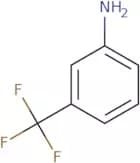
CAS:<p>3-Aminobenzotrifluoride is a chemical substance that can be used as an intermediate in the synthesis of pharmaceuticals. It is an aryl halide and has been shown to react with hydrogen fluoride, hydrochloric acid, nitrous acid, and trifluoroacetic acid to produce 3-aminobenzotrifluoride derivatives. This product is not readily bioavailable due to its low solubility in water and high lipophilicity. The preparation of 3-aminobenzotrifluoride requires a sample preparation step such as diazonium salt or diphenyl ether. Magnetic resonance spectroscopy has been used to identify the chemical structures of 3-aminobenzotrifluoride derivatives.</p>Formula:C7H6F3NPurity:Min. 95%Color and Shape:Colorless Clear LiquidMolecular weight:161.12 g/molTris(dimethylaminomethyl)phenol
CAS:<p>Tris(dimethylaminomethyl)phenol (TDAP) is a compound that has been used as an additive in detergents, paints, and sealants. TDAP is a reactive chemical with the potential to cause adverse effects in humans such as allergic reactions and environmental pollution. TDAP is classified as an extremely hazardous substance by the United States Environmental Protection Agency. TDAP can be found in many household products and building materials, including paint and sealants. TDAP can also be found in cosmetics such as shampoos, lotions, and deodorant. TDAP may also be found in some types of food packaging materials. Long-term exposure to TDAP may lead to calcium carbonate deposits on the lungs or kidney stones due to increased levels of boron nitride-induced calcium oxalate crystals in urine.</p>Formula:C15H27N3OPurity:Min. 95%Color and Shape:Clear LiquidMolecular weight:265.39 g/mol5-[3-Methoxy-4-(4-methoxy-benzyloxy)-benzyl]-pyrimidine-2,4-diamine
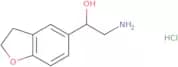
CAS:<p>5-[3-Methoxy-4-(4-methoxy-benzyloxy)-benzyl]-pyrimidine-2,4-diamine is a monoclonal antibody that blocks the signal of CTLA-4, a receptor on T cells. It has been shown to be effective in inhibiting skin cancer and primary breast cancers. This drug also has immunomodulatory effects and can be used to treat autoimmune diseases. 5-[3-Methoxy-4-(4-methoxy-benzyloxy)-benzyl]-pyrimidine-2,4-diamine binds to ctla-4 with high affinity and specificity, preventing the interaction of ctla-4 with its ligands such as CD80 (B7.1) and CD86 (B7.2). This prevents the activation of T cells by antigen presenting cells and suppresses the immune response.</p>Formula:C20H22N4O3Purity:Min. 95%Molecular weight:366.41 g/mol2-Amino-1-(2,3-dihydro-benzofuran-5-yl)-ethanolHydrochloride
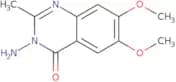
CAS:Controlled Product<p>Please enquire for more information about 2-Amino-1-(2,3-dihydro-benzofuran-5-yl)-ethanolHydrochloride including the price, delivery time and more detailed product information at the technical inquiry form on this page</p>Formula:C10H14ClNO2Purity:Min. 95%Molecular weight:215.68 g/mol3-Amino-6,7-dimethoxy-2-methylquinazolin-4(3H)-one
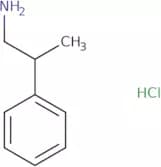
CAS:Controlled Product<p>Please enquire for more information about 3-Amino-6,7-dimethoxy-2-methylquinazolin-4(3H)-one including the price, delivery time and more detailed product information at the technical inquiry form on this page</p>Formula:C11H13N3O3Purity:Min. 95%Molecular weight:235.24 g/mol2-Phenylpropan-1-amine hydrochloride
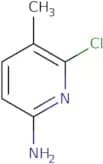
CAS:Controlled Product<p>Please enquire for more information about 2-Phenylpropan-1-amine hydrochloride including the price, delivery time and more detailed product information at the technical inquiry form on this page</p>Formula:C9H14ClNPurity:Min. 95%Molecular weight:171.67 g/mol6-Chloro-5-methylpyridin-2-amine
CAS:<p>6-Amino-2-chloro-3-methylpyridine is a heteroaromatic compound that belongs to the class of imidazopyridine. It is a monomer used in research, and can be transformed into the cross-coupling reaction with electron irradiation, which provides an efficient method for synthesizing other heteroaromatic compounds. 6-Amino-2-chloro-3-methylpyridine has low ionization potential and can be used as a drug discovery agent.</p>Formula:C6H7ClN2Purity:Min. 95%Molecular weight:142.59 g/mol1-Aminopiperidine
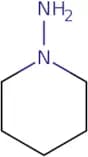
CAS:<p>1-Aminopiperidine is a hydrochloric acid derivative that is used to treat tuberculosis. It inhibits the enzyme catalysis of phospholipase A2 (PLA2) and blocks the release of arachidonic acid from cell membranes. 1-Aminopiperidine has been shown to have tuberculostatic activity in vivo by inhibiting PLA2 and blocking the release of arachidonic acid. This agent also exhibits antitumor properties, which may be due to its ability to inhibit the production of prostaglandin E2 (PGE2), an inflammatory mediator that can stimulate tumor growth. 1-Aminopiperidine binds to cannabinoid receptors, but does not bind to opioid or benzodiazepine receptors. This drug also exhibits antagonist activity against rimonabant, a type of receptor blocker for cannabinoid receptors.</p>Formula:C5H12N2Purity:Min. 95%Color and Shape:Clear LiquidMolecular weight:100.16 g/mol4-Chlorophenyl 2-aminobenzoate
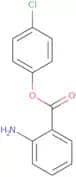
CAS:Controlled Product<p>Please enquire for more information about 4-Chlorophenyl 2-aminobenzoate including the price, delivery time and more detailed product information at the technical inquiry form on this page</p>Formula:C13H10ClNO2Purity:Min. 95%Molecular weight:247.68 g/mol3,3'-Diaminodiphenylmethane
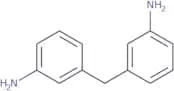
CAS:<p>3,3'-Diaminodiphenylmethane is a diamine that is used in organic synthesis as an electron-deficient ligand. It is used to prepare metal complexes and as a catalyst for the preparation of various organic compounds. 3,3'-Diaminodiphenylmethane has been used as an imprinting agent to generate fluorescent labels on proteins, nucleotides, and peptides. 3,3'-Diaminodiphenylmethane also emits fluorescence when irradiated with ultraviolet light. This compound can be used to identify amines in urine samples by reacting with them under acidic conditions.</p>Formula:C13H14N2Purity:Min. 95%Color and Shape:White To Tan To Orange SolidMolecular weight:198.26 g/molN-Boc-1,6-diaminohexane hydrochloride
CAS:<p>Please enquire for more information about N-Boc-1,6-diaminohexane hydrochloride including the price, delivery time and more detailed product information at the technical inquiry form on this page</p>Formula:C11H24N2O2•HClPurity:Min. 95%Molecular weight:252.78 g/mol2-Dimethylaminoisopropyl chloride hydrochloride
CAS:<p>2-Dimethylaminoisopropyl chloride hydrochloride is a fluorescent molecule that emits light at wavelengths of 370-430 nm. It has a number of uses, such as detecting the presence or absence of chloride ions in water samples, determining the composition of petroleum products, and measuring the concentration of sodium ions in electrolytes. 2-Dimethylamino-1-propanesulfonic acid chloride hydrochloride can be used to identify the transition metal (Cu) in a sample, because it absorbs light at wavelengths below 450 nm.</p>Formula:C5H12ClN·HClPurity:Min. 95%Color and Shape:White to off-white solid.Molecular weight:158.07 g/mol2-(Chloromethoxyethyl)trimethyl silane - stabilized with ca. 0.1% Diisopropylethylamine
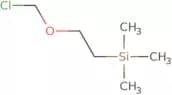
CAS:<p>Silyl protecting group for alcohols; reagent for introducing protected C atom</p>Formula:C6H15ClOSiPurity:Min. 95%Color and Shape:Colorless Clear LiquidMolecular weight:166.72 g/mol


![[(4-Methyl-1,3-thiazol-2-yl)methyl]amine dihydrochloride](/_next/image/?url=https%3A%2Fstatic.cymitquimica.com%2Fproducts%2F3D%2Fthumb-webp%2FFM124176.webp&w=3840&q=75)

![[(4-Methyl-1H-imidazol-5-yl)methyl]amine hydrochloride](/_next/image/?url=https%3A%2Fstatic.cymitquimica.com%2Fproducts%2F3D%2Fthumb-webp%2FFM125220.webp&w=3840&q=75)
![1-Benzyl-3-[3-(diethylamino)propoxy]-1H-indazole](/_next/image/?url=https%3A%2Fstatic.cymitquimica.com%2Fproducts%2F3D%2Fthumb-webp%2FFB162091.webp&w=3840&q=75)



![2-(2-Aminoethyl)-3',6'-bis(diethylaMino)spiro[isoindoline-1,9'-xanthen]-3-one](/_next/image/?url=https%3A%2Fstatic.cymitquimica.com%2Fproducts%2F3D%2Fthumb-webp%2FFA39948.webp&w=3840&q=75)


![[2-(2,5-Dimethyl-1H-indol-3-yl)ethyl]amine hydrochloride](/_next/image/?url=https%3A%2Fstatic.cymitquimica.com%2Fproducts%2F3D%2Fthumb-webp%2FFD118369.webp&w=3840&q=75)

![5-[3-Methoxy-4-(4-methoxy-benzyloxy)-benzyl]-pyrimidine-2,4-diamine](/_next/image/?url=https%3A%2Fstatic.cymitquimica.com%2Fproducts%2F3D%2Fthumb-webp%2FFM31223.webp&w=3840&q=75)