Amines
Amines are a set of molecules containing an amino functional group (derived from ammonia). This category includes amines at any level of substitution : primary, secondary, tertiary, and ammonium salts. Amines are fundamental in organic synthesis and are widely used in pharmaceuticals, agrochemicals, and materials science. At CymitQuimica, we provide a comprehensive selection of amines to meet your research and industrial needs. Our range ensures access to various amines for diverse chemical processes and innovative research.
Subcategories of "Amines"
- Nitrosamines(2,603 products)
- Primary Amines(30,805 products)
- Quaternary Ammonium Cations and Salts(1,099 products)
- Secondary Amines(20,809 products)
- Tertiary Amines(17,111 products)
Found 8777 products of "Amines"
Sort by
Purity (%)
0
100
|
0
|
50
|
90
|
95
|
100
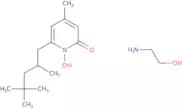
Piroctone olamine
CAS:<p>Piroctone olamine is a detergent composition that has been used to treat skin conditions and in the laboratory as an experimental infection model. It is a fatty acid that belongs to the family of ester compounds, which are antimicrobial agents. Piroctone olamine has been shown to decrease dry weight by inhibiting lipid synthesis. It is also an environmental pollutant that can be found in water, soil, and air. There are no known adverse effects in humans or animals when piroctone olamine is used at low concentrations.</p>Formula:C14H23NO2·C2H7NOPurity:Min. 96 Area-%Color and Shape:PowderMolecular weight:298.42 g/mol3-Amino-2-methoxy-dibenzofuran
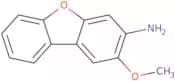
CAS:<p>3-Amino-2-methoxy-dibenzofuran (3AMD) is a cytotoxic agent that is used in the treatment of bladder carcinoma. 3AMD inhibits DNA synthesis, leading to cell death by inhibiting the production of proteins vital for cell division. 3AMD has been shown to be a potent inhibitor of cyclen-dependent kinases and to induce DNA damage in human cells. 3AMD also has significant cytotoxicity against malignant cells and has been shown to inhibit the growth of tumours in mice. 3AMD may have carcinogenic potential due to its structural similarity with other carcinogens such as aniline and aminobiphenyl.</p>Purity:Min. 95%Molecular weight:213.23 g/molN1-Glutathionyl-spermidine disulfide [
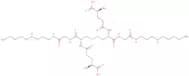
CAS:<p>N1-Glutathionyl-spermidine disulfide (N1-GS) is a molecule that has been shown to have clinical use in the treatment of chronic hepatitis C infection. The N1-GS molecule is composed of a glutathione (GSH) scaffold with two sulfhydryl groups and an amino acid side chain. N1-GS has a hydrophobic nature, which allows it to penetrate the cellular membrane and enter cells. It is also able to form hydrogen bonds and act as a catalyst for reactions. Fluorescence analysis revealed that this molecule is selective for disulfides over thiols, amines, or alcohols. Disulfides are very important in biological systems since they can be found in enzymes, proteins, and cellular membranes. The insolubility of the N1-GS molecule makes it difficult to analyze its structure using traditional methods such as gas chromatography or nuclear magnetic resonance spectroscopy. However, fluorescence</p>Formula:C34H66N12O10S2Purity:Min. 95%Molecular weight:867.09 g/mol2-Amino-3,5-dibromobenzonitrile
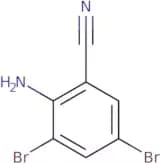
CAS:<p>2-Amino-3,5-dibromobenzonitrile is an electrophile that is used to synthesize various boronic acid derivatives. It also inhibits butyrylcholinesterase and 2-aminobenzonitrile, enhancing the activity of organophosphorus cholinesterase inhibitors. 2-Amino-3,5-dibromobenzonitrile has been shown to react with nucleophiles at the alpha position to form a stable intermediate. This reaction has been shown to be reversible in aqueous solution. The compound has been evaluated as a potential chemotherapeutic agent against cancer cells in vitro.</p>Formula:C7H4Br2N2Purity:Min. 95%Molecular weight:275.93 g/mol3-Amino-5-chloropyrazine-2-carbonitrile
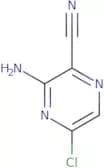
CAS:<p>Please enquire for more information about 3-Amino-5-chloropyrazine-2-carbonitrile including the price, delivery time and more detailed product information at the technical inquiry form on this page</p>Formula:C5H3ClN4Purity:Min. 95%Molecular weight:154.56 g/mol2-(5-Bromo-2-pyridylazo)-5-(diethylamino)phenol
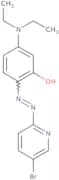
CAS:<p>2-(5-Bromo-2-pyridylazo)-5-(diethylamino)phenol is a chemical that is used for the detection of hydrochloric acid in water vapor. It reacts with zirconium oxide, which generates a red fluorescing complex. The reaction can be detected by using a fluorescence spectrometer with a test sample. 2-(5-Bromo-2-pyridylazo)-5-(diethylamino)phenol is also used to detect the presence of nitrogen atoms and sodium citrate in samples by reacting with them. This chemical reacts with an acid complex to form stable complexes. The analytical method is based on measuring the redox potential of this reaction. The flow system of this technique allows for dehydration of dehydroascorbic acid (DHA).</p>Formula:C15H17BrN4OPurity:Min. 95%Color and Shape:PowderMolecular weight:349.23 g/mol2-Amino-3-fluorobenzoic acid ethyl ester
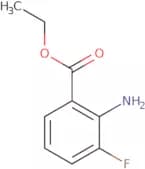
CAS:<p>Please enquire for more information about 2-Amino-3-fluorobenzoic acid ethyl ester including the price, delivery time and more detailed product information at the technical inquiry form on this page</p>Formula:C9H10FNO2Purity:Min. 95%Color and Shape:PowderMolecular weight:183.18 g/molMethylamine hydrochloride
CAS:Controlled Product<p>Methylamine hydrochloride is a biologically active chemical that can be used to treat eye disorders. It is a p-nitrophenyl phosphate substrate and its optimum concentration in the reaction solution is 0.5 mg/mL. The compound reacts with methylamine, which is produced by the hydrolysis of peptide hormones in the human body, to form a bicyclic heterocycle. The bicyclic heterocycle reacts with hydrogen fluoride in the model system to produce an analytical method for determining plasma mass spectrometry. Methylamine hydrochloride has been shown to inhibit biological activity at high concentrations and stimulate it at low concentrations.</p>Formula:CH6ClNColor and Shape:White PowderMolecular weight:67.52 g/molFmoc-4-(neopentyloxysulfonyl)-Abu-OH (S)-2-(Fmoc-amino)-4-neopentyloxysulfonyl-butyric acid
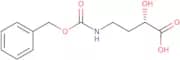
CAS:<p>Please enquire for more information about Fmoc-4-(neopentyloxysulfonyl)-Abu-OH (S)-2-(Fmoc-amino)-4-neopentyloxysulfonyl-butyric acid including the price, delivery time and more detailed product information at the technical inquiry form on this page</p>Formula:C24H29NO7SPurity:Min. 95%Molecular weight:475.56 g/mol(S)-N-Carbobenzyloxy-4-amino-2-hydroxybutyric acid
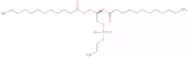
CAS:<p>(S)-N-Carbobenzyloxy-4-amino-2-hydroxybutyric acid is a benzene ring with a carboxylic acid group. It has the ability to modify polylactic acid, polycarbonate, and other polymers. The chain can be modified to include amino groups or antibacterial groups. (S)-N-Carbobenzyloxy-4-amino-2-hydroxybutyric acid also has antibacterial properties and is compatible with polylactic acid, which makes it ideal for use in polymer modifications.</p>Formula:C12H15NO5Purity:Min. 95%Molecular weight:253.25 g/mol1,2-Dilauroyl-sn-glycero-3-phosphoethanolamine
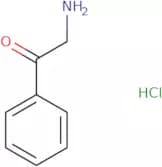
CAS:<p>1,2-Dilauroyl-sn-glycero-3-phosphoethanolamine (DLPE) is a lipid molecule that can induce phase transition in aqueous solutions. DLPE is an active ingredient in nonsteroidal anti-inflammatory drugs and has been shown to inhibit the activity of enzymes such as cyclooxygenase and lipoxygenase. DLPE also inhibits the growth of infectious organisms such as Escherichia coli and HIV by inhibiting receptor activity. DLPE binds to receptors on the surface of cells, which prevents these cells from releasing inflammatory cytokines.</p>Formula:C29H58NO8PPurity:Min. 95%Color and Shape:PowderMolecular weight:579.75 g/mol2-Aminoacetophenone hydrochloride
CAS:Controlled Product<p>2-Aminoacetophenone hydrochloride is a chemical compound that is used in analytical chemistry as a reagent for the determination of protein and amino acid concentrations. This reagent can be prepared in various forms, depending on the type of analysis being performed. 2-Aminoacetophenone hydrochloride is used to determine the concentration of free amino acids in a sample by binding to it. It can also be used for determining the concentration of bound amino acids by reacting with them with hydrochloric acid. 2-Aminoacetophenone hydrochloride is an excellent substrate for matrix effect, which may cause errors in measurement due to interference from other substances present in the sample. The use of light exposure reduces this problem by removing interfering substances from the sample.</p>Formula:C8H9NO·HClPurity:Min. 95%Color and Shape:PowderMolecular weight:171.62 g/molAc-p-amino-Phe-OMe
CAS:<p>Please enquire for more information about Ac-p-amino-Phe-OMe including the price, delivery time and more detailed product information at the technical inquiry form on this page</p>Formula:C12H16N2O3Purity:Min. 95%Molecular weight:236.27 g/mol(7-Diethylaminocoumarin-3-yl)carbonyl-Amyloid b-Protein (1-40) trifluoroacetate salt
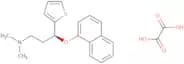
CAS:<p>Please enquire for more information about (7-Diethylaminocoumarin-3-yl)carbonyl-Amyloid b-Protein (1-40) trifluoroacetate salt including the price, delivery time and more detailed product information at the technical inquiry form on this page</p>Formula:C208H308N54O61SPurity:Min. 95%Molecular weight:4,573.06 g/molS-(+)-N,N-Dimethyl-3-(1-naphthalenyloxy)-3-(2-thienyl)-1-propanamine oxalate
CAS:<p>Please enquire for more information about S-(+)-N,N-Dimethyl-3-(1-naphthalenyloxy)-3-(2-thienyl)-1-propanamine oxalate including the price, delivery time and more detailed product information at the technical inquiry form on this page</p>Purity:Min. 95%(2S)-2-Amino-4-methyl-1-[(2R)-2-methyloxiranyl]-1-pentanone trifluoroacetate
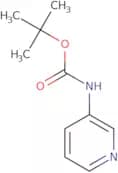
CAS:Controlled Product<p>Please enquire for more information about (2S)-2-Amino-4-methyl-1-[(2R)-2-methyloxiranyl]-1-pentanone trifluoroacetate including the price, delivery time and more detailed product information at the technical inquiry form on this page</p>Formula:C9H17NO2•C2HF3O2Purity:Min. 95%Color and Shape:PowderMolecular weight:285.26 g/mol3-(Boc-amino)pyridine
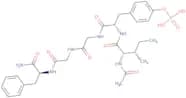
CAS:<p>3-(Boc-amino)pyridine is a glycine derivative with a trigonal, chelate ring. It can be hydrolyzed by acid to form 3-aminopyridine. 3-(Boc-amino)pyridine has been shown to react with trimethyltin chloride to form an intramolecular complex in the presence of alkyllithiums. This reaction proceeds through lithiation and methylation of the carboxyl group of 3-(Boc-amino)pyridine. The interaction between 3-(Boc-amino)pyridine and trimethyltin chloride forms an antiaromatic six membered ring that resembles a benzene molecule.</p>Formula:C10H14N2O2Purity:Min. 95%Molecular weight:194.23 g/molAc-Ile-Tyr(PO3H2)-Gly-Glu-Phe-NH2 ammonium salt
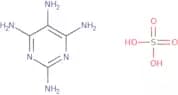
CAS:<p>Please enquire for more information about Ac-Ile-Tyr(PO3H2)-Gly-Glu-Phe-NH2 ammonium salt including the price, delivery time and more detailed product information at the technical inquiry form on this page</p>Formula:C33H45N6O12PPurity:Min. 95%Molecular weight:748.72 g/mol2,4,5,6-Tetraaminopyrimidine sulphate
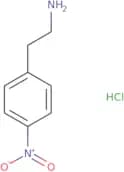
CAS:<p>2,4,5,6-Tetraaminopyrimidine sulphate is a chemical compound that is used for the treatment of leukemic mice. It has shown to have anti-inflammatory and anti-cancer properties. This drug binds to the enzyme p-hydroxybenzoic acid that is involved in the synthesis of collagen and elastin. It also suppresses the production of inflammatory cytokines such as TNF-α and IL-1β. 2,4,5,6-Tetraaminopyrimidine sulphate has been used in clinical trials for the treatment of autoimmune diseases and inflammatory diseases such as psoriasis. The drug is currently being researched for use in cancer treatments due to its ability to inhibit cell division and induce apoptosis. 2,4,5,6-Tetraaminopyrimidine sulphate has also been shown to be effective when applied topically on skin as a cosmetic agent or when administered orally as a supplement for</p>Formula:C4H10N6O4SPurity:Min. 95%Color and Shape:Slightly Yellow PowderMolecular weight:238.23 g/mol4-Nitrophenethylamine HCl
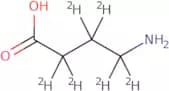
CAS:Controlled Product<p>Intermediate in the synthesis of mirabegron</p>Formula:C8H10N2O2·HClPurity:Min. 95%Color and Shape:Off-White PowderMolecular weight:202.64 g/mol4-Aminobutyric-2,2,3,3,4,4-D6
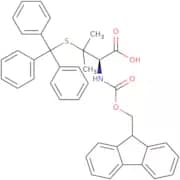
CAS:Controlled Product<p>4-Aminobutyric-2,2,3,3,4,4-D6 is a metabolic precursor to glutamate that can be used as a marker for neuronal activity. It has been found that 4-aminobutyric acid is present in the cerebrospinal fluid of mice and humans. 4-Aminobutyric acid is synthesized from l-glutamic acid by the enzyme glutamic acid decarboxylase and can be used as an indicator of neurotransmitter activity. The measurement of 4-aminobutyric acid levels can be used for biochemical studies on tissues or cells and also for the diagnosis of diseases related to neurotransmission such as epilepsy.</p>Formula:C4H3D6NO2Purity:Min. 95%Color and Shape:PowderMolecular weight:109.15 g/molFmoc-S-trityl-L-penicillamine
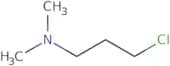
CAS:<p>Fmoc-S-trityl-L-penicillamine is a coordination compound that contains a thiolate and amide group. It has been used as a model system for studying the interaction between proteins and metal ions, with the cyclic structure mimicking the active site of enzymes. The coordination of Fmoc-S-trityl-L-penicillamine to proteins is affected by trypsin, an enzyme that cleaves peptides at carboxyl side chains. Trypsin can also lead to dehydration of Fmoc-S-trityl-L-penicillamine, forming an eliminations product. This compound also reacts with lysine residues in proteins, resulting in an alkene byproduct that can be removed by hydrogenation.</p>Formula:C39H35NO4SPurity:Min. 95%Color and Shape:PowderMolecular weight:613.77 g/mol3-Chloro-N,N-dimethylpropan-1-amine
CAS:<p>3-Chloro-N,N-dimethylpropan-1-amine (3CMP) is a chemical that belongs to the group of organic solvents. It is soluble in water and has a low toxicity for mammals. 3CMP has been shown to have antimicrobial properties against typhimurium and other bacteria. 3CMP binds to the hydroxyl group of biomembranes and interferes with bacterial replication by inhibiting RNA synthesis. The mechanism of this inhibition may be due to the chloride ions that are released from the membrane or may be due to an increase in cell size, which can lead to hypertrophy. 3CMP binds to the chloride ion on bacterial membranes, which inhibits the synthesis of RNA by blocking its ability to bind with the ribosome. This leads to cell death by inhibiting protein synthesis and cell division.</p>Formula:C5H12ClNPurity:Min. 95%Molecular weight:121.61 g/mol2-Methoxy-5-[[(phenylmethyl)sulfonyl]methyl]benzenamine
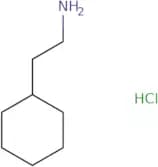
CAS:<p>3-Amino-4-methoxybenzyl sulphone is a high quality, versatile building block that is used in the synthesis of complex compounds. It is a reagent that can be used for reactions such as the coupling of amines and carboxylic acids. 3-Amino-4-methoxybenzyl sulphone is also useful in the synthesis of pharmaceuticals and speciality chemicals. The compound has been shown to react with other substances, such as thiols and alcohols, to form new materials with interesting properties.</p>Formula:C15H17NO3SPurity:Min. 95%Color and Shape:PowderMolecular weight:291.37 g/mol2-Cyclohexylethanamine hydrochloride
CAS:<p>Please enquire for more information about 2-Cyclohexylethanamine hydrochloride including the price, delivery time and more detailed product information at the technical inquiry form on this page</p>Formula:C8H18ClNPurity:Min. 95%Color and Shape:PowderMolecular weight:163.69 g/mol2-Amino-a-(methoxyimino)-4-thiazoleacetic acid
CAS:<p>2-Amino-a-(methoxyimino)-4-thiazoleacetic acid is a reaction product of cefotaxime and n-dimethyl formamide. It has been shown to be an effective agent for the treatment of wastewater with a high organic content. 2-Amino-a-(methoxyimino)-4-thiazoleacetic acid also reacts with chloride ions to form cleavage products that are soluble in water, making it an ideal choice for wastewater treatment. This compound is not toxic and can be used as a drug to treat patients with infections caused by bacteria resistant to other antibiotics. 2-Amino-a-(methoxyimino)-4-thiazoleacetic acid binds to mismatched base pairs in DNA, inhibiting DNA synthesis and causing cell death by apoptosis.</p>Formula:C6H7N3O3SPurity:Min. 95%Molecular weight:201.2 g/mol(alphaR)-α-[[[2-(4-Nitrophenyl)ethyl]amino]methyl]benzenemethanol hydrochloride
CAS:<p>Intermediate in the synthesis of mirabegron</p>Formula:C16H18N2O3·HClPurity:Min. 95%Molecular weight:322.79 g/molEthyl 3-(pyridin-2-ylamino)propanoate
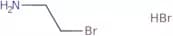
CAS:<p>Ethyl 3-(pyridin-2-ylamino)propanoate is a thrombin inhibitor that can be used for the treatment of cancer. Ethyl 3-(pyridin-2-ylamino)propanoate is a reactive, profile compound with electrons and hydrogen bonds. It has been shown to have anticancer activity in vitro and in vivo, inhibiting tumor cell growth by inhibiting DNA synthesis. This molecule also has anti-inflammatory properties, which may be due to its ability to inhibit platelet aggregation.</p>Formula:C10H14N2O2Purity:Min. 95 Area-%Color and Shape:PowderMolecular weight:194.23 g/mol2-Bromoethylamine hydrobromide
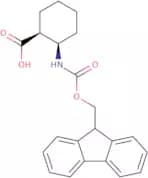
CAS:<p>2-Bromoethylamine HBr is a nonsteroidal anti-inflammatory drug that is used to treat inflammation and pain. It is a prodrug that is hydrolyzed in vivo to its active form, 2-bromoethylamine. The bound form of this drug has been shown to inhibit the development of cell nuclei in the nucleus of cells. This drug also inhibits the production of nitric oxide, which leads to cell death by necrosis. 2-Bromoethylamine HBr has been shown to have an inhibitory effect on the activity of glycol ethers, which are used as solvents for resins in coatings and adhesives. It also has the ability to form body tissue (e.g., papillary) and can be used as an experimental model for studying necrosis.</p>Formula:C2H6BrN•HBrPurity:Min. 95%Color and Shape:White PowderMolecular weight:204.89 g/mol(1S,2R)-Fmoc-aminocyclohexane carboxylic acid
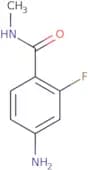
CAS:<p>Please enquire for more information about (1S,2R)-Fmoc-aminocyclohexane carboxylic acid including the price, delivery time and more detailed product information at the technical inquiry form on this page</p>Formula:C22H23NO4Purity:Min. 95%Molecular weight:365.42 g/molN-Methyl-2-fluoro-4-aminobenzamide
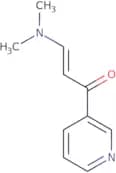
CAS:<p>N-Methyl-2-fluoro-4-aminobenzamide is a toxic compound that is commonly used as a reagent in chemical synthesis and research. It has been studied for its potential use in medicine, particularly in the treatment of castration-resistant prostate cancer. N-Methyl-2-fluoro-4-aminobenzamide acts as a nucleophilic agent, participating in reactions that involve the addition of an acyl group to a target molecule. Its stable formyl group allows for efficient reaction yields and reliable results. However, due to its toxic nature, caution must be exercised when handling this compound.</p>Formula:C8H9FN2OPurity:Min. 95%Molecular weight:168.17 g/mol3-Dimethylamino-1-(3-pyridyl)-2-propen-1-one
CAS:<p>3-Dimethylamino-1-(3-pyridyl)-2-propen-1-one is a synthetic anticancer compound. It is an amide derivative of 3-dimethylamino-1-(3-pyridyl)-2-propenal, which is synthesized by reacting 3,5,6,7 tetrahydrobenzo[b]thiophene with 3-(dimethylamino)acrylic acid chloride. The synthesis of 3DAP was reported in 1974 by Novartis Pharmaceuticals Corporation and it has been used as a lead compound for the development of other anticancer agents. This drug can inhibit the growth of myelogenous leukemia cells and has been shown to be effective against cancer cells that are resistant to imatinib.</p>Formula:C10H12N2OPurity:Min. 95%Color and Shape:Off-White To Yellow SolidMolecular weight:176.22 g/mol2-Dimethylaminoethanol (+)-bitartrate salt
CAS:Controlled Product<p>2-Dimethylaminoethanol (+)-bitartrate salt is a potent, reversible inhibitor of protein synthesis that binds reversibly to the 50S ribosomal subunit. It is used in regulatory toxicology and clinical pathology as a positive control for the study of chronic toxicity and long-term effects. 2-Dimethylaminoethanol (+)-bitartrate salt has shown no treatment effect on ovary weight or estrous cycle length in female Sprague-Dawley rats after chronic exposure and long-term exposure at doses up to 1,000 mg/kg/day. This drug has also shown no effect on rat fertility or reproductive performance, indicating it does not cause reproductive toxicity.</p>Formula:C4H11NO·C4H6O6Color and Shape:White Off-White PowderMolecular weight:239.22 g/mol[5-(5,6-Dimethyl-1,3-benzoxazol-2-yl)-2-methylphenyl]amine
CAS:<p>[5-(5,6-Dimethyl-1,3-benzoxazol-2-yl)-2-methylphenyl]amine is a high quality chemical used in the research and development of new drugs. It is useful as a building block or intermediate for complex compounds, such as pharmaceuticals, agrochemicals, and dyes. It is also used as an intermediate to produce other chemicals with antimicrobial properties. This compound can be used in the production of many different types of products.</p>Formula:C16H16N2OPurity:Min. 95%Color and Shape:Beige PowderMolecular weight:252.31 g/mol(3S)-3-(tert-Butoxycarbonyl)amino-1-chloro-4-phenyl-2-butanone
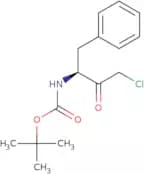
CAS:<p>(3S)-3-(tert-Butoxycarbonyl)amino-1-chloro-4-phenyl-2-butanone is an organic compound that belongs to the class of carbonyl reductase. It is used as a catalyst for the transformation of secondary alcohols to ketones or aldehydes, including isopropyl alcohol. The reaction proceeds via an intermediate carboxylic acid. The enzyme has been found in various microorganisms, and can be purified from Bacillus megaterium and Streptomyces lividans. The enzyme’s activity can be inhibited by steric effects, metal ions, or other compounds. (3S)-3-(tert-Butoxycarbonyl)amino-1-chloro-4-phenyl-2-butanone crystallizes in two forms: one with the chiral center at the 3 position and one with it at the 4 position.</p>Purity:Min. 95%N-Methyl-N-boc-aminopropan-3-ol
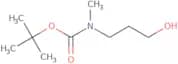
CAS:<p>N-Methyl-N-boc-aminopropan-3-ol is a fine chemical with CAS No. 98642-44-5 that is used in the synthesis of complex compounds, as a reagent for research chemicals, and as a speciality chemical. It is also used in the synthesis of versatile building blocks, reaction components and scaffolds. N-Methyl-N-boc-aminopropan-3-ol has a high quality and can be used as a versatile intermediate or a useful scaffold.</p>Formula:C9H19NO3Purity:Min. 95%Color and Shape:Colourless To Pale Yellow LiquidMolecular weight:189.25 g/mol4,4'-Diaminostilbene
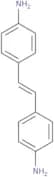
CAS:<p>4,4'-Diaminostilbene is a chemical compound that is stable in the presence of alkali metals. It also has been shown to be titrated with sodium salts and to have a cavity that can be analyzed by fluorescence. 4,4'-Diaminostilbene has been used for the detection of beta-cyclodextrin and sodium ion in analytical methods. The intensity of its fluorescence depends on the concentration of aniline and protonated amines. This compound has been used as a reagent for nmr spectroscopy analysis.</p>Formula:C14H14N2Purity:Min. 95%Color and Shape:PowderMolecular weight:210.27 g/molBenzhydrylamine resin (200-400 mesh)·HCl
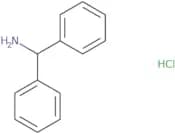
<p>Please enquire for more information about Benzhydrylamine resin (200-400 mesh)·HCl including the price, delivery time and more detailed product information at the technical inquiry form on this page</p>Purity:Min. 95%5-Bromoquinolin-8-amine
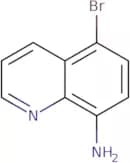
CAS:<p>5-Bromoquinolin-8-amine is a topoisomerase inhibitor that can be used as an antitumor agent. It has been shown to inhibit the growth of tumor cell lines and suppress the growth of colon carcinoma cells in rats and human colon carcinomas in mice. 5-Bromoquinolin-8-amine interacts with DNA, specifically inhibiting the formation of supercoiled DNA. This interaction may lead to the inhibition of tumor cell growth. 5-Bromoquinolin-8-amine also inhibits protein synthesis by interacting with proteins at the ribosomal level, leading to inhibited cell growth.</p>Formula:C9H7BrN2Purity:Min. 95%Molecular weight:223.07 g/mol2-Chloro-4-hydroxybenzylamine hydrochloride
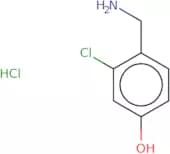
CAS:<p>2-Chloro-4-hydroxybenzylamine hydrochloride is a versatile chemical that can be used as a reaction component, reagent, or useful scaffold in the synthesis of many organic compounds. It has a CAS number of 2418727-24-7 and is a fine chemical. This compound has been shown to be useful in the manufacture of other chemical products such as pharmaceuticals, pesticides, and dyestuffs.</p>Formula:C7H8ClNO·HClPurity:Min. 95%Color and Shape:Brown PowderMolecular weight:194.06 g/mol7-Diethylamino-4-methylcoumarin
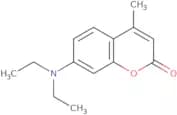
CAS:<p>7-Diethylamino-4-methylcoumarin is a fluorescence probe that can be used in applications such as the study of hydrogen bonding interactions. It is excited by laser light and emits a red-shifted fluorescent light. 7-Diethylamino-4-methylcoumarin is a hydroxyl group analogue of coumarin, which has been shown to have physiological effects on the liver cells. The absorption spectrum of 7-Diethylamino-4-methylcoumarin is sensitive to changes in pH and chemical stability. A decrease in pH increases the intensity of the emission while an increase in pH decreases the intensity of the emission. This compound can also be used to label nucleic acids during polymerase chain reactions (PCR) or for sample preparation before analysis using nuclear magnetic resonance spectroscopy (NMR).</p>Formula:C14H17NO2Purity:Min. 98 Area-%Color and Shape:PowderMolecular weight:231.29 g/mol3-[(2-Aminoethyl)dithio]propionic acid
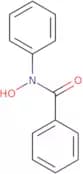
CAS:<p>Dithiobis(3-mercaptopropionate) is an analog of 3-[(2-Aminoethyl)dithio]propionic acid (DTA). It has been used as a cross-linking agent for the synthesis of polymers with acidic pH. Dithiobis(3-mercaptopropionate) is also used for the synthesis of conjugates and bifunctional molecules. Dithiobis(3-mercaptopropionate) can be synthesized by reacting bis(sulfanylmethyl)amine with sodium azide in an acidic solution. The cross-linking reaction will produce a disulfide bond, which is a covalent linkage between two cysteine residues in two different polypeptides or proteins. This crosslink is irreversible, so it cannot be broken down by chemical processes, but can be broken down by enzymatic digestion.</p>Formula:C5H11NO2S2Purity:(%) Min. 95%Color and Shape:PowderMolecular weight:181.28 g/molN-Benzoyl-N-phenylhydroxylamine
CAS:<p>N-Benzoyl-N-phenylhydroxylamine is a compound that has been shown to be an optimum concentration for the production of molybdenum. It is a model system for the extraction and separation of molybdenum from other metals. The extraction process involves acidification with nitric acid, followed by precipitation with sodium benzoate. N-Benzoyl-N-phenylhydroxylamine is extracted using an electrode and then purified with a metal chelate. This compound has been shown to have synergistic effects when combined with vanadium, which may be due to their similar chemical properties.</p>Formula:C13H11NO2Purity:Min. 95%Molecular weight:213.23 g/molO-Bis(2-aminoethoxy)benzene
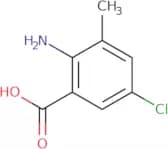
CAS:<p>O-Bis(2-aminoethoxy)benzene is a cyclic compound that has a predominantly thionyl character. It has an amide group, which is formed by the condensation of two carboxylic acids. O-Bis(2-aminoethoxy)benzene can act as a ligand for metal ions in the form of an anion or chloride ion, and it also interacts with neutral ligands. This compound can be used to prepare ferrocenyl derivatives through alkylation. The interaction between O-Bis(2-aminoethoxy)benzene and ferrocene was studied using voltammetry.</p>Formula:C10H16N2O2Purity:Min. 95%Molecular weight:196.25 g/mol2-Amino-5-chloro-3-methylbenzoic acid
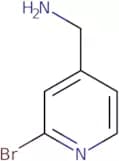
CAS:<p>2-Amino-5-chloro-3-methylbenzoic acid (ACMB) is a substructure of the insecticidal compound chlorantraniliprole. It is a solid at room temperature and has a molecular weight of 142.15 g/mol. ACMB can be extracted from n-hexane, chlorantraniliprole, or xylene using gravimetric analysis. The bioactivity of ACMB can be determined by an anthranilic assay, while its solubility data are available in the literature. ACMB has been shown to have insecticidal activity against lepidoptera larvae and cyanuric activity against mosquito larvae.</p>Formula:C8H8ClNO2Purity:Min. 95%Molecular weight:185.61 g/mol(2-Bromopyridin-4-yl)methanamine
CAS:<p>Please enquire for more information about (2-Bromopyridin-4-yl)methanamine including the price, delivery time and more detailed product information at the technical inquiry form on this page</p>Purity:Min. 95%DABCYL-(Asn670,Leu671)-Amyloid b/A4 Protein Precursor770 (661-675)-EDANS ammonium salt
CAS:<p>Please enquire for more information about DABCYL-(Asn670,Leu671)-Amyloid b/A4 Protein Precursor770 (661-675)-EDANS ammonium salt including the price, delivery time and more detailed product information at the technical inquiry form on this page</p>Formula:C103H146N22O32SPurity:Min. 95%Molecular weight:2,236.46 g/mol2-[4-(Diethylamino)-2-hydroxybenzoyl]benzoic acid hexyl ester
CAS:<p>2-[4-(Diethylamino)-2-hydroxybenzoyl]benzoic acid hexyl ester is a sunscreen agent that has been shown to be effective against the formation of skin cancer. This compound is a white powder that can be used as a cream or lotion and is typically applied to the skin before going out in the sun. 2-[4-(Diethylamino)-2-hydroxybenzoyl]benzoic acid hexyl ester absorbs ultraviolet radiation, preventing it from penetrating the skin and causing damage. The compound also acts as an antioxidant, protecting cells from oxidative stress.</p>Formula:C24H31NO4Purity:Min. 95%Color and Shape:PowderMolecular weight:397.51 g/mol2-Chloro-N-[2-(diethylamino)ethyl]-4-quinolinecarboxamide
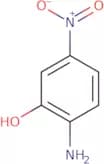
CAS:<p>2-Chloro-N-[2-(diethylamino)ethyl]-4-quinolinecarboxamide is a carboxamide analog of dibucaine. It is synthesized from chloroacetyl chloride and isatin in the presence of sodium hydroxide. The synthesis has been scaled to an industrial level. 2-Chloro-N-[2-(diethylamino)ethyl]-4-quinolinecarboxamide has been shown to have analgesic properties, similar to those of dibucaine. Radiolysis of this compound gives a carboxylic acid and a heterocyclic ring product.</p>Formula:C16H20ClN3OPurity:95%MinColor and Shape:PowderMolecular weight:305.8 g/mol5-Nitro-2-aminophenol
CAS:<p>5-Nitro-2-aminophenol is an aminophenol that has been shown to be a carcinogen in animal studies. It can cause allergic reactions and has been shown to have oxidative DNA damage, which can lead to cancer. 5-Nitro-2-aminophenol is used as a chemical intermediate in the preparation of other chemicals and pharmaceuticals. This chemical has been studied extensively for its analytical properties and is used as a reagent in chromatography. The coordination geometry of 5-nitro-2-aminophenol is octahedral, with nitro groups occupying one axial site each. The toxicity of this compound in animals has been studied extensively, including carcinogenic potential and mutagenicity studies, and it has been shown to inhibit the growth of cultured cells at high concentrations.</p>Formula:C6H6N2O3Purity:Min. 95%Molecular weight:154.12 g/mol




![(2S)-2-Amino-4-methyl-1-[(2R)-2-methyloxiranyl]-1-pentanone trifluoroacetate](/_next/image/?url=https%3A%2Fstatic.cymitquimica.com%2Fproducts%2F3D%2Fthumb-webp%2FFA100028.webp&w=3840&q=75)
![2-Methoxy-5-[[(phenylmethyl)sulfonyl]methyl]benzenamine](/_next/image/?url=https%3A%2Fstatic.cymitquimica.com%2Fproducts%2F3D%2Fthumb-webp%2FFA70820.webp&w=3840&q=75)

![(alphaR)-α-[[[2-(4-Nitrophenyl)ethyl]amino]methyl]benzenemethanol hydrochloride](/_next/image/?url=https%3A%2Fstatic.cymitquimica.com%2Fproducts%2F3D%2Fthumb-webp%2FFN156825.webp&w=3840&q=75)


![[5-(5,6-Dimethyl-1,3-benzoxazol-2-yl)-2-methylphenyl]amine](/_next/image/?url=https%3A%2Fstatic.cymitquimica.com%2Fproducts%2F3D%2Fthumb-webp%2FFD134975.webp&w=3840&q=75)
![3-[(2-Aminoethyl)dithio]propionic acid](/_next/image/?url=https%3A%2Fstatic.cymitquimica.com%2Fproducts%2F3D%2Fthumb-webp%2FFA17745.webp&w=3840&q=75)


![2-[4-(Diethylamino)-2-hydroxybenzoyl]benzoic acid hexyl ester](/_next/image/?url=https%3A%2Fstatic.cymitquimica.com%2Fproducts%2F3D%2Fthumb-webp%2FFD161840.webp&w=3840&q=75)
![2-Chloro-N-[2-(diethylamino)ethyl]-4-quinolinecarboxamide](/_next/image/?url=https%3A%2Fstatic.cymitquimica.com%2Fproducts%2F3D%2Fthumb-webp%2FFC20289.webp&w=3840&q=75)