Amines
Amines are a set of molecules containing an amino functional group (derived from ammonia). This category includes amines at any level of substitution : primary, secondary, tertiary, and ammonium salts. Amines are fundamental in organic synthesis and are widely used in pharmaceuticals, agrochemicals, and materials science. At CymitQuimica, we provide a comprehensive selection of amines to meet your research and industrial needs. Our range ensures access to various amines for diverse chemical processes and innovative research.
Subcategories of "Amines"
- Nitrosamines(2,608 products)
- Primary Amines(30,798 products)
- Quaternary Ammonium Cations and Salts(1,099 products)
- Secondary Amines(20,785 products)
- Tertiary Amines(17,108 products)
Found 8776 products of "Amines"
Sort by
Purity (%)
0
100
|
0
|
50
|
90
|
95
|
100
N-Methyl-N-((3R,4R)-4-methylpiperidin-3-yl)-7H-pyrrolo[2,3-d]pyrimidin-4-amine
CAS:<p>Intermediate in the synthesis of tofacitinib</p>Formula:C13H19N5Purity:Min. 95%Molecular weight:245.32 g/mol1-[(3,3-Diphenylpropyl)methylamino]-2-methyl-2-propanol
CAS:<p>1-[(3,3-Diphenylpropyl)methylamino]-2-methyl-2-propanol is an epoxy that can be synthesized from benzene and lercanidipine. It has been used in the production of cinnamic acid and other molecules. This molecule can be prepared by reacting cinnamic acid with chloromethyl methyl ether in a ring-opening reaction. The chloride ion is utilized as a nucleophile to react with the amide nitrogen atom of the cinnamic acid molecule to form the amide bond. The large-scale production of 1-[(3,3-diphenylpropyl)methylamino]-2-methyl-2-propanol utilizes refluxing to remove water and other byproducts that are formed during the process.</p>Formula:C20H27NOPurity:Min. 95%Molecular weight:297.43 g/mol2-Thien-2-ylethanamine
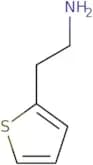
CAS:Controlled Product<p>2-Thien-2-ylethanamine is an ethylene diamine that inhibits the production of hydrochloric acid. It has been shown to have potent antitumor activity and inhibitory effects on infectious diseases, such as malaria, caused by Plasmodium falciparum. 2-Thien-2-ylethanamine has also been shown to be a mitochondrial membrane potential inhibitor. These properties may be due to its ability to inhibit the action of malonic acid and other molecules that are involved in mitochondrial function. The inhibition of polycystic ovarian syndrome (PCOS) is also thought to be related to the inhibition of mitochondrial function.</p>Formula:C6H9NSPurity:Min. 95%Molecular weight:127.21 g/molN1-Glutathionyl-spermidine disulfide [
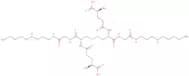
CAS:<p>N1-Glutathionyl-spermidine disulfide (N1-GS) is a molecule that has been shown to have clinical use in the treatment of chronic hepatitis C infection. The N1-GS molecule is composed of a glutathione (GSH) scaffold with two sulfhydryl groups and an amino acid side chain. N1-GS has a hydrophobic nature, which allows it to penetrate the cellular membrane and enter cells. It is also able to form hydrogen bonds and act as a catalyst for reactions. Fluorescence analysis revealed that this molecule is selective for disulfides over thiols, amines, or alcohols. Disulfides are very important in biological systems since they can be found in enzymes, proteins, and cellular membranes. The insolubility of the N1-GS molecule makes it difficult to analyze its structure using traditional methods such as gas chromatography or nuclear magnetic resonance spectroscopy. However, fluorescence</p>Formula:C34H66N12O10S2Purity:Min. 95%Molecular weight:867.09 g/molAc-p-amino-Phe-OMe
CAS:<p>Please enquire for more information about Ac-p-amino-Phe-OMe including the price, delivery time and more detailed product information at the technical inquiry form on this page</p>Formula:C12H16N2O3Purity:Min. 95%Molecular weight:236.27 g/mol4-Aminopicolinic acid
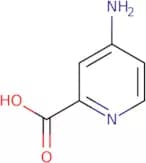
CAS:<p>4-Aminopicolinic acid is a synthetic amine that has been shown to activate plant science. 4-Aminopicolinic acid is a cyclic peptide with two subunits, one of which is 4-amino-3-pyridinecarboxylic acid. This compound has been synthesized from picolinic acid, an agriculturally important compound that is found in plant and animal tissues. The synthesis of 4-aminopicolinic acid involves the reaction of picolinic acid with nitrous oxide, followed by hydrolysis and oxidation to form the desired product. Hplc analyses have confirmed the presence of picolinic acid in extracts from various plants containing this compound.</p>Formula:C6H6N2O2Purity:Min. 95%Color and Shape:White To Beige Or Pink To Light Brown SolidMolecular weight:138.12 g/molMethyl 3-amino-4-bromo-2-nitrobenzoate
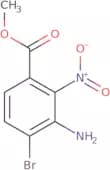
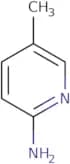
CAS:<p>Please enquire for more information about Methyl 3-amino-4-bromo-2-nitrobenzoate including the price, delivery time and more detailed product information at the technical inquiry form on this page</p>Formula:C8H7BrN2O4Purity:Min. 95%Molecular weight:275.06 g/mol2-Amino-5-methylpyridine
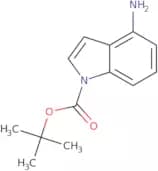
CAS:<p>2-Amino-5-methylpyridine is a chemical compound that belongs to the group of methyl ketones. It has a nitrogen atom and an oxygen atom in its structure, which allows it to form hydrogen bonds with other molecules. 2-Amino-5-methylpyridine can be obtained by reacting hydrochloric acid and xanthone in the presence of a base. The compound is highly reactive and has been shown to have antiinflammatory properties. This can be attributed to its ability to inhibit prostaglandin synthesis. 2-Amino-5-methylpyridine also has fluorescence properties that are sensitive to pH changes and can be used as a probe for metal ions.<br>2-Amino-5-methylpyridine is an organic compound that contains a methyl group, two nitrogen atoms, and one oxygen atom in its chemical structure. This molecule can form hydrogen bonds with other molecules due to its nitrogen atoms and oxygen atom,</p>Formula:C6H8N2Purity:Min. 95%Color and Shape:PowderMolecular weight:108.14 g/mol1-Boc-4-aminoindole
CAS:<p>Please enquire for more information about 1-Boc-4-aminoindole including the price, delivery time and more detailed product information at the technical inquiry form on this page</p>Formula:C13H16N2O2Purity:Min. 95%Molecular weight:232.28 g/mol1-Oleoyl-3-palmitoyl-rac-glycero-2-phosphoethanolamine
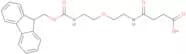
CAS:<p>Please enquire for more information about 1-Oleoyl-3-palmitoyl-rac-glycero-2-phosphoethanolamine including the price, delivery time and more detailed product information at the technical inquiry form on this page</p>Formula:C39H76NO8PPurity:Min. 95%Molecular weight:718 g/molN-(Fmoc-5-amino-3-oxa-pentyl)succinamic acid
CAS:<p>N-(Fmoc-5-amino-3-oxa-pentyl)succinamic acid is a high quality chemical that is used as an intermediate in the production of pharmaceuticals and other fine chemicals. It is also a reagent for use in peptide synthesis. N-(Fmoc-5-amino-3-oxa-pentyl)succinamic acid has a CAS No. 669073-62-5 and can be used as a useful scaffold for the production of complex compounds. This compound is also useful for research purposes, due to its versatility as a building block with speciality chemical applications.</p>Formula:C23H26N2O6Purity:Min. 95%Molecular weight:426.46 g/molAmmonium isothiocyanate
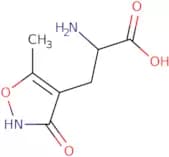
CAS:<p>Ammonium thiocyanate is a natural compound that is found in the blood of humans and animals. It binds to an antigen-binding molecule and has been shown to be effective against infectious diseases. Ammonium thiocyanate is toxic, so it should only be administered as a last resort for treatment. The toxicity of ammonium thiocyanate can be reduced by complexing with copper chloride or zirconium oxide. Ammonium thiocyanate has also been shown to have high redox potentials, which are indicative of its ability to donate electrons. These properties make ammonium thiocyanate an ideal candidate for use in electrochemical impedance spectroscopy experiments.</p>Formula:CH4N2SPurity:Min. 95%Color and Shape:PowderMolecular weight:76.12 g/mol(R,S)-α-Amino-3-hydroxy-5-methyl-4-isoxazolepropionic acid hydrobromide
CAS:<p>(R,S)-AMPA is a synthetic analog of the excitatory neurotransmitter glutamate, specifically designed to activate AMPA receptors, a subtype of ionotropic glutamate receptors. These receptors are pivotal in mediating fast synaptic transmission in the central nervous system. (R,S)-AMPA serves as a prototypical agonist for AMPA receptors, facilitating the study of receptor function and synaptic plasticity.</p>Formula:C7H10N2O4•HBrPurity:Min. 95%Molecular weight:267.08 g/molL-2,3-Diaminopropionicacid
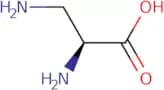
CAS:<p>L-2,3-Diaminopropionic acid is a diamine with an asymmetric carbon atom. It has been used to synthesize antimicrobial peptides and has also shown hemolytic activity in vitro. L-2,3-Diaminopropionic acid is stable when exposed to water vapor, which may make it useful for the treatment of cancer tissues. This molecule has been shown to have significant cytotoxicity against human leukemia cells and is able to inhibit the growth of various bacteria by inhibiting protein synthesis in the ribosome. L-2,3-Diaminopropionic acid also inhibits the enzyme enolase and reduces the production of ATP in cells.</p>Formula:C3H8N2O2Purity:Min. 95%Molecular weight:104.11 g/molN-(3-Dimethylaminopropyl)acrylamide, stabilized with MEHQ
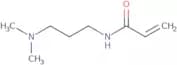
CAS:<p>N-(3-Dimethylaminopropyl)acrylamide is a polymerization initiator that is used in the synthesis of polymers. It is also a model protein, which can be used to study bacterial growth rates and tissue metabolism. N-(3-Dimethylaminopropyl)acrylamide has been shown to have biological properties similar to human serum, as well as to serve as a model for primary cells. The FT-IR spectroscopy of N-(3-Dimethylaminopropyl)acrylamide reveals the presence of chloride ions in its molecular structure. The reaction mechanism for this compound has been determined by deionized water and ionic reactions with chloride ions.</p>Formula:C8H16N2OPurity:Min. 95%Molecular weight:156.23 g/mol4-Amino-N-(4-methylpyrimidin-2-yl)benzenesulfonamide
CAS:<p>4-Amino-N-(4-methylpyrimidin-2-yl)benzenesulfonamide (AMBPS) is a sulfonamide antimicrobial agent that belongs to the group of sulfa drugs. It is a potent inhibitor of tetracycline resistance in bacterial cells, and has been shown to be effective against infectious diseases such as tuberculosis, leprosy and pneumonia. AMBPS has also been used in wastewater treatment and biological studies with high values. This drug binds to sulfamerazine, which inhibits bacterial growth by inhibiting RNA synthesis. The hydrogen bonding interactions between AMBPS and sulfadiazine are thought to be responsible for the effects on congestive heart failure.</p>Formula:C11H12N4O2SPurity:Min. 95%Molecular weight:264.3 g/molBenzyltrimethylammonium dichloroiodate
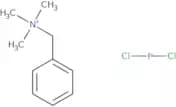
CAS:<p>Benzyltrimethylammonium dichloroiodate (BTMD) is an aliphatic hydrocarbon with a molecular weight of 278.32 g/mol. It has a basic fibroblast growth factor and has been shown to have anti-inflammatory properties. BTMD has also been shown to have a kinetic, reactive, and aromatic hydrocarbon as well as a carboxyl group. BTMD is postulated to bind to the serine protease and inhibit its activity, which may be due to the carbonyl group.</p>Formula:C10H16Cl2INPurity:Min. 95%Color and Shape:Yellow solid.Molecular weight:348.05 g/molN-Des(2-diethylamino) metoclopramide acetic acid
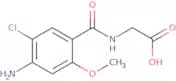
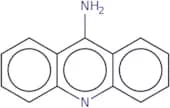
CAS:<p>N-Des(2-diethylamino) metoclopramide acetic acid is a benzyl ester of metoclopramide, a prodrug that is metabolized to the active form in the body. It has been shown to be effective against healthy human subjects and hplc analyses of biological samples have shown it to be a metabolite of metoclopramide. N-Des(2-diethylamino) metoclopramide acetic acid is used as a catalyst for catalytic hydrogenation reactions, such as the conversion of methyl esters into ethyl or butyl esters. It can also be used for catalytic hydrogenation reactions with diazomethane, such as those required for the synthesis of quinolones.</p>Formula:C10H11ClN2O4Purity:Min. 95%Molecular weight:258.66 g/mol9-Aminoacridine
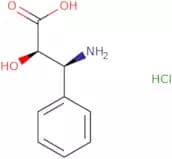
CAS:<p>9-Aminoacridine is a potential anticancer agent that intercalates into the DNA and prevents the replication process. It has been shown to inhibit the growth of bacteria resistant to tetracycline by interfering with bacterial DNA replication. 9-Aminoacridine also has anti-inflammatory properties, which may be due to its inhibition of prostaglandin synthesis.</p>Formula:C13H10N2Purity:Min. 95%Molecular weight:194.23 g/mol(2R,3S)-3-Amino-2-hydroxy-3-phenylpropanoic acid hydrochloride
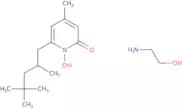
CAS:<p>(2R,3S)-3-Amino-2-hydroxy-3-phenylpropanoic acid hydrochloride is an organic compound that is used in the manufacture of taxol, an anticancer drug. It is synthesized by reacting chloroacetic acid with a metal hydroxide, such as sodium hydroxide or potassium hydroxide. The reaction proceeds spontaneously to form the enantiomerically pure (2R,3S) form and unreacted (2S,3R) form. The (2R,3S) enantiomer has been found to be more reactive than the (2S,3R) form. Quaternary ammonium salts are formed when the (2R,3S) enantiomer reacts with quaternary ammonium compounds such as benzyltrimethylammonium chloride. This compound can also be used in catalytic reactions to produce drugs such as carbapenems and pen</p>Formula:C9H12ClNO3Purity:Min. 95%Molecular weight:217.65 g/molPiroctone olamine
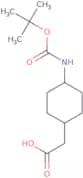
CAS:<p>Piroctone olamine is a detergent composition that has been used to treat skin conditions and in the laboratory as an experimental infection model. It is a fatty acid that belongs to the family of ester compounds, which are antimicrobial agents. Piroctone olamine has been shown to decrease dry weight by inhibiting lipid synthesis. It is also an environmental pollutant that can be found in water, soil, and air. There are no known adverse effects in humans or animals when piroctone olamine is used at low concentrations.</p>Formula:C14H23NO2·C2H7NOPurity:Min. 96 Area-%Color and Shape:PowderMolecular weight:298.42 g/molBoc-trans-4-aminocyclohexane acetic acid
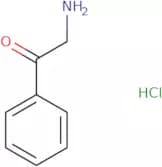
CAS:<p>Please enquire for more information about Boc-trans-4-aminocyclohexane acetic acid including the price, delivery time and more detailed product information at the technical inquiry form on this page</p>Formula:C13H23NO4Molecular weight:257.33 g/mol2-Aminoacetophenone hydrochloride
CAS:Controlled Product<p>2-Aminoacetophenone hydrochloride is a chemical compound that is used in analytical chemistry as a reagent for the determination of protein and amino acid concentrations. This reagent can be prepared in various forms, depending on the type of analysis being performed. 2-Aminoacetophenone hydrochloride is used to determine the concentration of free amino acids in a sample by binding to it. It can also be used for determining the concentration of bound amino acids by reacting with them with hydrochloric acid. 2-Aminoacetophenone hydrochloride is an excellent substrate for matrix effect, which may cause errors in measurement due to interference from other substances present in the sample. The use of light exposure reduces this problem by removing interfering substances from the sample.</p>Formula:C8H9NO·HClPurity:Min. 95%Color and Shape:PowderMolecular weight:171.62 g/mol2-Dimethylaminoethanol (+)-bitartrate salt
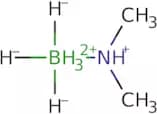
CAS:Controlled Product<p>2-Dimethylaminoethanol (+)-bitartrate salt is a potent, reversible inhibitor of protein synthesis that binds reversibly to the 50S ribosomal subunit. It is used in regulatory toxicology and clinical pathology as a positive control for the study of chronic toxicity and long-term effects. 2-Dimethylaminoethanol (+)-bitartrate salt has shown no treatment effect on ovary weight or estrous cycle length in female Sprague-Dawley rats after chronic exposure and long-term exposure at doses up to 1,000 mg/kg/day. This drug has also shown no effect on rat fertility or reproductive performance, indicating it does not cause reproductive toxicity.</p>Formula:C4H11NO·C4H6O6Color and Shape:White Off-White PowderMolecular weight:239.22 g/molBorane dimethylamine complex
CAS:<p>Please enquire for more information about Borane dimethylamine complex including the price, delivery time and more detailed product information at the technical inquiry form on this page</p>Formula:C2H10BNPurity:Min. 95%Color and Shape:White Clear LiquidMolecular weight:58.92 g/molDABCYL-(Asn670,Leu671)-Amyloid b/A4 Protein Precursor770 (661-675)-EDANS ammonium salt
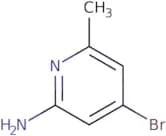
CAS:<p>Please enquire for more information about DABCYL-(Asn670,Leu671)-Amyloid b/A4 Protein Precursor770 (661-675)-EDANS ammonium salt including the price, delivery time and more detailed product information at the technical inquiry form on this page</p>Formula:C103H146N22O32SPurity:Min. 95%Molecular weight:2,236.46 g/mol4-Bromo-6-methyl-2-pyridinamine
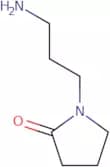
CAS:<p>4-Bromo-6-methyl-2-pyridinamine is a small molecule that binds to the bromodomain of the human protein BRD4. This binding inhibits the interaction between BRD4 and acetylated lysine residues on histones, thereby inhibiting transcriptional activation. 4-Bromo-6-methyl-2-pyridinamine has been shown to be a potent inhibitor of the activity of BRD4, which may be due to its chemical stability and ability to inhibit protein synthesis. The compound's potency in inhibition assays and its lack of biochemical toxicity make it an attractive lead compound for further study.</p>Formula:C6H7BrN2Purity:Min. 95%Molecular weight:187.04 g/mol1-(3-Aminopropyl)-2-pyrrolidinone
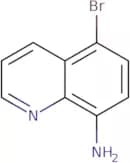
CAS:<p>1-(3-Aminopropyl)-2-pyrrolidinone is a chemical compound that has been used as a chemotherapeutic treatment for heart disease and polyamine oxidase deficiency. The compound has also been shown to have a direct effect on the synthesis of fatty acids in the body, which may lead to the development of new treatments for diabetes. 1-(3-Aminopropyl)-2-pyrrolidinone can be formulated into conjugates with other molecules, such as chloride ions or fatty acids, in order to target specific cells or tissues. This method of delivery is efficient and has been shown to be able to cross the blood-brain barrier. 1-(3-Aminopropyl)-2-pyrrolidinone is an amino acid derivative that contains an aminoguanidine functional group. Aminoguanidine inhibits polyamine oxidase activity in vitro by reacting with the carbonyl group at position C</p>Formula:C7H14N2OPurity:Min. 95%Color and Shape:Colorless Clear LiquidMolecular weight:142.2 g/mol5-Bromoquinolin-8-amine
CAS:<p>5-Bromoquinolin-8-amine is a topoisomerase inhibitor that can be used as an antitumor agent. It has been shown to inhibit the growth of tumor cell lines and suppress the growth of colon carcinoma cells in rats and human colon carcinomas in mice. 5-Bromoquinolin-8-amine interacts with DNA, specifically inhibiting the formation of supercoiled DNA. This interaction may lead to the inhibition of tumor cell growth. 5-Bromoquinolin-8-amine also inhibits protein synthesis by interacting with proteins at the ribosomal level, leading to inhibited cell growth.</p>Formula:C9H7BrN2Purity:Min. 95%Molecular weight:223.07 g/molFmoc-N-(4-boc-aminobutyl)glycine
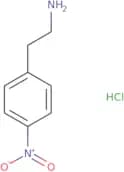
CAS:<p>Please enquire for more information about Fmoc-N-(4-boc-aminobutyl)glycine including the price, delivery time and more detailed product information at the technical inquiry form on this page</p>Formula:C26H32N2O6Purity:Min. 95%Molecular weight:468.54 g/mol4-Nitrophenethylamine HCl
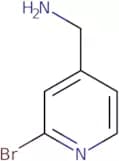
CAS:Controlled Product<p>Intermediate in the synthesis of mirabegron</p>Formula:C8H10N2O2·HClPurity:Min. 95%Color and Shape:Off-White PowderMolecular weight:202.64 g/mol(2-Bromopyridin-4-yl)methanamine
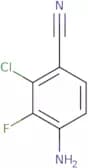
CAS:<p>Please enquire for more information about (2-Bromopyridin-4-yl)methanamine including the price, delivery time and more detailed product information at the technical inquiry form on this page</p>Purity:Min. 95%4-Amino-2-chloro-3-fluorobenzonitrile
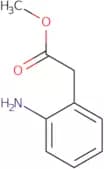
CAS:<p>Please enquire for more information about 4-Amino-2-chloro-3-fluorobenzonitrile including the price, delivery time and more detailed product information at the technical inquiry form on this page</p>Formula:C7H4ClFN2Purity:Min. 95%Molecular weight:170.57 g/molMethyl 2-(2-aminophenyl)acetate
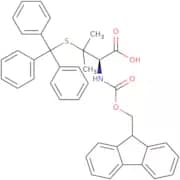
CAS:<p>Methyl 2-(2-aminophenyl)acetate is a synthetic compound that can be activated with nanomolar concentrations of cyanide. It is a potent cytotoxic agent that exhibits minimal activity in the presence of cells. Methyl 2-(2-aminophenyl)acetate has shown to have antiviral and antitumor properties, as well as potential use in cancer therapy. Methyl 2-(2-aminophenyl)acetate is synthesized by reacting an aldehyde group with a primary amine to produce an amide bond. This reaction also produces a linker molecule, which can be used for immobilization. Immobilization occurs when the chemical is bound to an insoluble support or carrier, such as silica gel or glass beads. Immobilization can increase the stability of the reactant, decrease its rate of degradation, and facilitate separation from unreacted components.</p>Formula:C9H11NO2Purity:Min. 95%Molecular weight:165.19 g/molFmoc-S-trityl-L-penicillamine
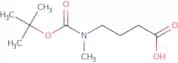
CAS:<p>Fmoc-S-trityl-L-penicillamine is a coordination compound that contains a thiolate and amide group. It has been used as a model system for studying the interaction between proteins and metal ions, with the cyclic structure mimicking the active site of enzymes. The coordination of Fmoc-S-trityl-L-penicillamine to proteins is affected by trypsin, an enzyme that cleaves peptides at carboxyl side chains. Trypsin can also lead to dehydration of Fmoc-S-trityl-L-penicillamine, forming an eliminations product. This compound also reacts with lysine residues in proteins, resulting in an alkene byproduct that can be removed by hydrogenation.</p>Formula:C39H35NO4SPurity:Min. 95%Color and Shape:PowderMolecular weight:613.77 g/molBoc-N-Methyl-γ-aMinobutyric acid
CAS:<p>Please enquire for more information about Boc-N-Methyl-gaMMa-aMinobutyric acid including the price, delivery time and more detailed product information at the technical inquiry form on this page</p>Formula:C10H19NO4Purity:Min. 95%Molecular weight:217.26 g/mol2-Amino-4-fluorobenzonitrile
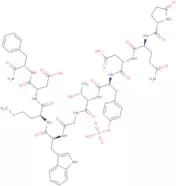
CAS:<p>2-Amino-4-fluorobenzonitrile is a chemical compound that can be used as a radioprotectant. It is also an intermediate in the synthesis of other compounds, such as methoxycyanamides and hypervalent amines. 2-Amino-4-fluorobenzonitrile has shown to have anti-tumour effects by scavenging free radicals. This chemical can be used to produce formic acid or bisphosphonates.</p>Formula:C7H5FN2Purity:Min. 95%Color and Shape:PowderMolecular weight:136.13 g/molCaerulein triammonium
CAS:<p>Caerulein is a hormone that has been shown to have cardiotoxic effects. It is a potent agent that stimulates the release of pancreatic enzymes and causes an increase in the concentration of glucose in blood plasma. Caerulein ammonium salt is used as a pharmacological agent for the treatment of acute pancreatitis and other inflammatory diseases, such as myocardial infarct and infectious diseases. The compound has also been shown to be effective in experimental models of infectious diseases, such as acute pancreatitis.</p>Formula:C58H73N13O21S2•(H3N)3Purity:Min. 95%Color and Shape:PowderMolecular weight:1,403.5 g/mol2,5-Diaminoterephthalic acid
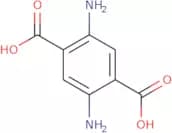
CAS:<p>2,5-Diaminoterephthalic acid is a synthetic organic compound that is used as a building block for the synthesis of polyamides. It has been shown to have high salt adsorption properties and low detection limits for certain analytes. 2,5-Diaminoterephthalic acid has also been found to have photocatalytic activity and can be used in the treatment of cancer. This chemical reacts with nitro groups on nucleophilic attack to form the carcinogenic nitrosamine. The formation rate of this nitrosamine depends on the presence of methoxy groups and nitrogen atoms in 2,5-diaminoterephthalic acid.</p>Formula:C8H8N2O4Purity:Min. 95%Molecular weight:196.16 g/molGly-Amyloid b-Protein (15-25)-Gly-ε-aminocaproyl(-Lys)6
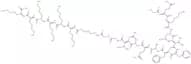
CAS:<p>Please enquire for more information about Gly-Amyloid b-Protein (15-25)-Gly-epsilon-aminocaproyl(-Lys)6 including the price, delivery time and more detailed product information at the technical inquiry form on this page</p>Formula:C105H178N28O26Purity:Min. 95%Molecular weight:2,248.71 g/mol2-Amino-5,6-dihydro-4H-benzothiazol-7-one
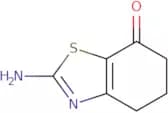
CAS:<p>2-Amino-5,6-dihydro-4H-benzothiazol-7-one is a thiourea that is used as a reactant in the synthesis of brominated compounds. It reacts with ethanol to form 2,5,6-triaminopyrimidine and hydrogen bromide. This reaction occurs in the presence of acid such as hydrochloric acid or acetic acid. The reflux reaction is commonly conducted at elevated temperatures and pressures.</p>Purity:Min. 95%5-Chloro-2-nitrodiphenylamine
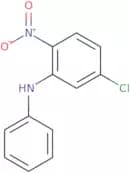
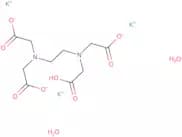
CAS:<p>5-Chloro-2-nitrodiphenylamine is a synthetic dyestuff that belongs to the class of acridones. It can be used as an anti-epileptic drug, although it has not been approved for this use in any country. 5-Chloro-2-nitrodiphenylamine is manufactured by reacting a 6-carboxylic acid with an organic solvent and ammonolysis. This chemical is also known as 6'-chloroacridone and is used in the production of dyes and pigments. The manufacturing process produces impurities such as chloride, which must be removed by evaporation. Nitro groups are introduced during the manufacturing process to improve the dye's stability and color fastness under light exposure.</p>Formula:C12H9ClN2O2Purity:Min. 95%Color and Shape:Orange To Red SolidMolecular weight:248.66 g/molEthylenediaminetetraacetic acid tripotassium salt dihydrate
CAS:<p>Ethylenediaminetetraacetic acid tripotassium salt dihydrate is an anticoagulant that can be used as a coagulant for blood samples. It is often used in polymerase chain reactions to synthesize DNA, or to isolate and purify genomic DNA. This compound has ferroelectric properties and can be used as a target cell in optical imaging applications. Ethylenediaminetetraacetic acid tripotassium salt dihydrate is also used in the production of polyurethanes and as a polymerization inhibitor in cinnamon oil.</p>Formula:C10H13K3N2O8·2H2OPurity:Min. 95%Molecular weight:442.54 g/mol4-Piperidylacetylaminomethyl resin (200-400 mesh)
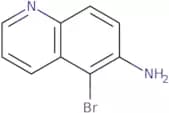
<p>Please enquire for more information about 4-Piperidylacetylaminomethyl resin (200-400 mesh) including the price, delivery time and more detailed product information at the technical inquiry form on this page</p>Purity:Min. 95%5-Bromoquinolin-6-amine
CAS:<p>Please enquire for more information about 5-Bromoquinolin-6-amine including the price, delivery time and more detailed product information at the technical inquiry form on this page</p>Formula:C9H7BrN2Purity:Min. 95%Molecular weight:223.07 g/mol(7-Diethylaminocoumarin-3-yl)carbonyl-Amyloid b-Protein (1-40) trifluoroacetate salt
CAS:<p>Please enquire for more information about (7-Diethylaminocoumarin-3-yl)carbonyl-Amyloid b-Protein (1-40) trifluoroacetate salt including the price, delivery time and more detailed product information at the technical inquiry form on this page</p>Formula:C208H308N54O61SPurity:Min. 95%Molecular weight:4,573.06 g/mol3-(Boc-amino)pyridine
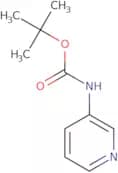
CAS:<p>3-(Boc-amino)pyridine is a glycine derivative with a trigonal, chelate ring. It can be hydrolyzed by acid to form 3-aminopyridine. 3-(Boc-amino)pyridine has been shown to react with trimethyltin chloride to form an intramolecular complex in the presence of alkyllithiums. This reaction proceeds through lithiation and methylation of the carboxyl group of 3-(Boc-amino)pyridine. The interaction between 3-(Boc-amino)pyridine and trimethyltin chloride forms an antiaromatic six membered ring that resembles a benzene molecule.</p>Formula:C10H14N2O2Purity:Min. 95%Molecular weight:194.23 g/mol4,4'-Diaminostilbene
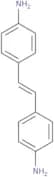
CAS:<p>4,4'-Diaminostilbene is a chemical compound that is stable in the presence of alkali metals. It also has been shown to be titrated with sodium salts and to have a cavity that can be analyzed by fluorescence. 4,4'-Diaminostilbene has been used for the detection of beta-cyclodextrin and sodium ion in analytical methods. The intensity of its fluorescence depends on the concentration of aniline and protonated amines. This compound has been used as a reagent for nmr spectroscopy analysis.</p>Formula:C14H14N2Purity:Min. 95%Color and Shape:PowderMolecular weight:210.27 g/molOM99-2trifluoroacetate salt
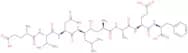
CAS:<p>Please enquire for more information about OM99-2trifluoroacetate salt including the price, delivery time and more detailed product information at the technical inquiry form on this page</p>Formula:C41H64N8O14Purity:Min. 95%Molecular weight:892.99 g/mol3-Amino-4-hydroxybenzoic acid hydrochloride
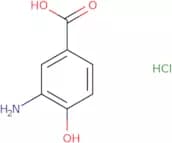
CAS:<p>3-Amino-4-hydroxybenzoic acid hydrochloride (3ABA) is a crystalline compound with a molecular formula of C6H5NO2. It is an acidic compound that is soluble in water and alcohol, but not in ether. 3ABA has been used as the starting material for the synthesis of many other organic compounds. It can be obtained by reacting phenol with chlorobenzoyl chloride to form the chlorobenzoate salt, which on hydrolysis yields 3ABA. This compound has also been used as a reagent for synthesizing carbon nanotubes. The crystal structure of 3ABA was determined using X-ray diffraction data from crystallographic studies, and it was found to have three independent molecules per unit cell. Diffraction indicated that each molecule is composed of two benzene rings joined by a single bond between carbon atoms 1 and 2 and another bond between carbon atoms 2 and 3.</p>Formula:C7H8ClNO3Purity:Min. 95%Molecular weight:189.6 g/mol
![N-Methyl-N-((3R,4R)-4-methylpiperidin-3-yl)-7H-pyrrolo[2,3-d]pyrimidin-4-amine](/_next/image/?url=https%3A%2Fstatic.cymitquimica.com%2Fproducts%2F3D%2Fthumb-webp%2FFM154245.webp&w=3840&q=75)

![1-[(3,3-Diphenylpropyl)methylamino]-2-methyl-2-propanol](/_next/image/?url=https%3A%2Fstatic.cymitquimica.com%2Fproducts%2F3D%2Fthumb-webp%2FFD22513.webp&w=3840&q=75)