


Amines
Subcategories of "Amines"
- Nitrosamines(2,646 products)
- Primary Amines(30,948 products)
- Quaternary Ammonium Cations and Salts(1,101 products)
- Secondary Amines(20,887 products)
- Tertiary Amines(17,195 products)
Found 8790 products of "Amines"
3-Amino-1-diphenylmethylazetidine
CAS:3-Amino-1-diphenylmethylazetidine (3ADM) is a dopaminergic antagonist that binds to the D4 receptor. This compound has been shown to have affinity for the D4 receptor and can inhibit the binding of dopamine to its receptors, thereby blocking its effects. 3ADM is a potent antagonist of the dopaminergic system and has been shown to be effective in animal models.
Formula:C16H18N2Purity:Min. 95%Molecular weight:238.33 g/molRef: 3D-FA143893
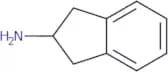
Discontinued product2-Aminoindan
CAS:Controlled Product2-Aminoindan is a compound that has inhibitory properties against the human liver enzyme dopamine β-hydroxylase. It binds to the active site of the enzyme and inhibits its activity, which decreases the production of dopamine and other monoamines in the body. 2-Aminoindan has been shown to be effective in animal models of Parkinson's disease by reducing oxidative stress and restoring dopamine levels. The drug also has a chemical diversity, with many different possible structures for medicinal use. 2-Aminoindan has been shown to inhibit the formation of carbonic acid, which is used by mammalian tissue as a buffer for pH regulation. This property may account for its inhibitory effect on carbonic anhydrase II (CAII), an enzyme involved in tissue respiration and acid-base balance. 2-Aminoindan has also been shown to have inhibitory effects on two bacterial enzymes: ddpP and ddpD, which are involved
Formula:C9H11NPurity:Min. 95%Molecular weight:133.19 g/molRef: 3D-FA17764
Discontinued productN,N'-Bis(3-aminopropyl)-1,3-propanediamine
CAS:N,N'-Bis(3-aminopropyl)-1,3-propanediamine is a polyamine that is used in the chromatographic analysis of oligopeptides and proteins. This compound has been shown to inhibit the activities of enzymes involved in the synthesis of polyamines. N,N'-Bis(3-aminopropyl)-1,3-propanediamine also inhibits human serum albumin from binding to DNA and causes cell nuclei to condense. It has been shown that this drug can inhibit antitumor responses and induce apoptosis in cancer cells. In addition, this compound has been shown to be an inhibitor for both polyamine oxidase and spermidine synthase.
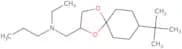
Formula:C9H24N4Purity:Min. 95%Color and Shape:Clear LiquidMolecular weight:188.31 g/molSpiroxamine
CAS:Spiroxamine is a glycol ether compound that is used as a pesticide. Spiroxamine inhibits the synthesis of proteins and nucleic acids, which are essential for cellular function. This antibiotic has been shown to have synergistic effects with tebuconazole and prothioconazole in wild-type strains of fungi. It can also be used as an analytical tool to measure protein content in cell lysates by preparative high-performance liquid chromatography (HPLC).
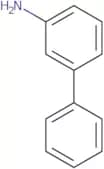
Formula:C18H35NO2Purity:Min. 97%Color and Shape:Slightly Yellow Clear LiquidMolecular weight:297.48 g/mol3-Aminobiphenyl
CAS:3-Aminobiphenyl is a biphenyl compound that is used in the production of dyes and pesticides. It has been detected in human urine samples using an analytical method based on chemical ionization. 3-Aminobiphenyl can be detoxified by conjugation with glutathione, but the conjugation process can be inhibited by the presence of amines such as caffeine, which competitively bind to glutathione. 3-Aminobiphenyl may also cause cancer, but there is no evidence for this theory at present.
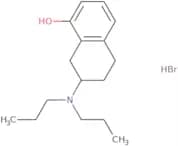
Formula:C12H11NPurity:Min. 95%Molecular weight:169.22 g/molrac-8-hydroxy-2-dipropylaminotetralin hydrobromide
CAS:Controlled ProductRac-8-hydroxy-2-dipropylaminotetralin hydrobromide is a potent 5-HT agonist that has been shown to inhibit the release of prolactin in the serum of rats. Rac-8-hydroxy-2-dipropylaminotetralin hydrobromide was found to be an antagonist of 5HT receptors, with a potency comparable to that of 8-OHDPAT and WAY 100635. Rac rac8-hydroxy-2-dipropylaminotetralin hydrobromide also inhibits locomotor activity induced by the 5HT1A agonist 8OHDPAT. Experiments in vivo have shown that rac rac8-hydroxy-2-dipropylaminotetralin hydrobromide binds to benzodiazepine binding sites and has a low affinity for dopamine receptors. It also blocks cholinergic transmission in the brain, which may explain its
Formula:C16H26BrNOPurity:Min. 95%Molecular weight:328.29 g/molRef: 3D-FR27627
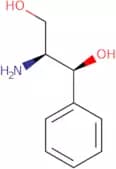
Discontinued product(1S,2S)-(+)-2-Amino-1-phenyl-1,3-propanediol
CAS:(1S,2S)-(+)-2-Amino-1-phenyl-1,3-propanediol is a synthetic compound that has been synthesized and studied as an amide. It has a hydroxy group on the skeleton of the molecule. The enantiomer of this compound is (1R,2R)-(-)-2-amino-1-phenyl-1,3-propanediol. This compound contains two chiral centers and four stereoisomers. These stereoisomers are not mirror images of each other. (1S,2S)-(+)-2-Amino-1-phenyl-1,3-propanediol has been shown to be effective against cryptococcus neoformans in cell culture experiments.
Formula:C9H13NO2Purity:Min. 95%Molecular weight:167.21 g/molRef: 3D-FA37317
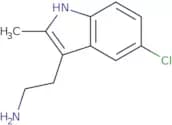
Discontinued product2-(5-chloro-2-methyl-1H-indol-3-yl)ethanamine
CAS:Controlled ProductPlease enquire for more information about 2-(5-chloro-2-methyl-1H-indol-3-yl)ethanamine including the price, delivery time and more detailed product information at the technical inquiry form on this pageFormula:C11H13ClN2Purity:Min. 95%Molecular weight:208.69 g/molCyclopentylamine
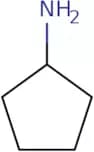
CAS:Cyclopentylamine is a chemical compound with the molecular formula C9H14N. It is an organic amine that has the chemical properties of both a primary and secondary amine. Cyclopentylamine can be synthesized from cyclopentanone and ammonia, which are reacted in the presence of hydrochloric acid as a catalyst. Cyclopentylamine has been shown to inhibit DPP-IV, an enzyme that breaks down proteins in the intestines. This may contribute to its anti-inflammatory effects. It has also been shown to have anti-inflammatory effects by inhibiting production of prostaglandins, which are substances involved in inflammation. Cyclopentylamine is used as a starting material for synthesis of other chemical compounds such as pharmaceuticals, pesticides, and herbicides.
Formula:C5H11NPurity:Min. 95%Color and Shape:Colorless Clear LiquidMolecular weight:85.15 g/molRef: 3D-FC35865
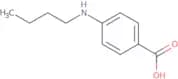
Discontinued product4-(Butylamino)benzoic acid
CAS:4-(Butylamino)benzoic acid is a non-steroidal anti-inflammatory drug (NSAID) that has been used to treat pain. It is a prodrug, which is metabolized in the liver to 4-(butylamino)-phenylacetic acid, its active form. The 4-(butylamino)benzoic acid molecule has a hydrophobic effect and binds to chloride ions. This binding inhibits the production of prostaglandins, which are mediators of pain. 4-(Butylamino)benzoic acid also reduces the activity of plasma cells that produce antibodies and increases the activity of lymphocytes and platelets, leading to an increase in immunoglobulin levels.
Formula:C11H15NO2Purity:Min. 95%Color and Shape:PowderMolecular weight:193.24 g/molRef: 3D-FB133577
Discontinued product4,6-Diaminobenzene-1,3-dicarboxylic acid
CAS:4,6-Diaminobenzene-1,3-dicarboxylic acid is an inorganic copper compound that is used as a copper salt. It has been shown to be effective as a chelating agent for the treatment of copper toxicity. 4,6-Diaminobenzene-1,3-dicarboxylic acid binds to metal ions and forms a complex with them. This complex can then be excreted from the body through urine or bile.Formula:C8H8N2O4Purity:Min. 95%Molecular weight:196.16 g/mol2-Amino-1-(2,3-dihydro-benzofuran-5-yl)-ethanol
CAS:Controlled ProductPlease enquire for more information about 2-Amino-1-(2,3-dihydro-benzofuran-5-yl)-ethanol including the price, delivery time and more detailed product information at the technical inquiry form on this pageFormula:C10H13NO2Purity:Min. 95%Molecular weight:179.22 g/molRef: 3D-FA151846
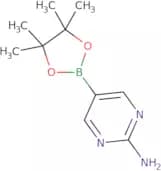
Discontinued product2-Aminopyrimidine-5-boronic acid pinacol ester
CAS:2-Aminopyrimidine-5-boronic acid pinacol ester is a boronic acid derivative that has been shown to inhibit the activity of protein kinase C. This compound is also an effective linker for cross-coupling reactions and has a low reactivity with nucleophiles, which makes it safer than other boronic acids. 2-Aminopyrimidine-5-boronic acid pinacol ester has been shown to be potent against cancer cells in vitro and in vivo and synthetic cells. 2-Aminopyrimidine-5-boronic acid pinacol ester inhibits the growth of cancer cells by binding to the ATP site on protein kinase C, thereby inhibiting its function.
Formula:C10H16BN3O2Purity:Min. 95 Area-%Color and Shape:PowderMolecular weight:221.06 g/molRef: 3D-FA33574
Discontinued product2-(4-Aminophenoxy)acetamide
CAS:2-(4-Aminophenoxy)acetamide is a chemical compound that belongs to the class of acetamides. It is used in the production of polyester fibers and dyes. 2-(4-Aminophenoxy)acetamide is a colorless, crystalline solid that has not been identified in nature.
Formula:C8H10N2O2Purity:Min. 95%Molecular weight:166.18 g/molRef: 3D-FA118868
Discontinued product4-Methoxybenzylamine
CAS:4-Methoxybenzylamine is an organic amine that has a redox potential of -0.14 V (vs. SHE) and a pK a of 10.5. It is used in the synthesis of trifluoroacetic acid esters, which are used as pharmaceutical intermediates. 4-Methoxybenzylamine has been shown to be effective in alleviating pain in animal models, and its mechanism of action may be due to inhibition of the enzyme cyclooxygenase. The kinetic data for this reaction were obtained by studying the deuterium isotope effect, which is characterized by a low energy barrier and rapid reaction rate. The hydrolysis step is also important for the reaction mechanism, with protocatechuic acid being an intermediate product. Hydrochloric acid is needed for dehydration of the reactants, while an aryl halide can be used instead in some cases. In these reactions, there are many possible reaction
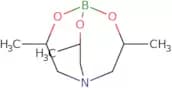
Formula:C8H11NOPurity:Min. 95%Molecular weight:137.18 g/molTriisopropanolamine Borate
CAS:Triisopropanolamine borate is an organic compound with the formula (CH3)3N(CH2)3OH. It is a colorless liquid with a sweet, amine-like odor. Triisopropanolamine borate is widely used as a cross-linking agent in coatings, and as a reactive functional group in polycarboxylic acid synthesis and cationic polymerization. It also has been used as a blood pressure lowering agent and to treat high calcium levels in the blood. The chemical structure of triisopropanolamine borate can be seen below: Triisopropanolamine Borate, Chemical Structure The chemical formula for triisopropanolamine borate is CH3N(CH2)3OH. Triisopropanolamine borate has many applications due to its reactive functional groups, including cross-linking agents for coatings and polycarboxylic acid synthesis
Formula:C9H18BNO3Purity:Min. 95%Molecular weight:199.06 g/molRef: 3D-FT159810
Discontinued product[4-(4-Aminophenoxy)(2-pyridyl)]-N-methylcarboxamide
CAS:4-(4-Aminophenoxy)(2-pyridyl)]-N-methylcarboxamide is a chemical compound that inhibits the growth of cancer cells by binding to the active site of b-raf and blocking its activity. It has been shown in a pharmacokinetics study that 4-(4-aminophenoxy)(2-pyridyl)]-N-methylcarboxamide is absorbed rapidly through the oral administration, excreted in urine, and eliminated rapidly from the body. The optimal reaction for this drug was found to be at pH 7.0 with an ionic strength of 0.1 M (sodium chloride). This drug also has significant inhibitory activities against human cervical carcinoma and breast cancer cell lines (MDA-MB-231).Formula:C13H13N3O2Purity:Min. 95%Color and Shape:Off-White To Beige To Light Brown SolidMolecular weight:243.26 g/molRef: 3D-FA17813
Discontinued product5-Amino-3,4-dimethylisoxazole
CAS:5-Amino-3,4-dimethylisoxazole (5AIDMI) is a choline analog that is a substrate for the reaction rate with heterocyclic amines to form carcinogenic compounds. It has been shown to have an inhibitory effect on sulfathiazole uptake and hydrolysis by protonation. 5AIDMI also inhibits the uptake of amines in the brain by oriented molecules and fatty acid dihedrals. 5AIDMI has also been shown to be effective against gamma-aminobutyric acid (GABA) receptors and is used as a research tool for studying GABA receptor function.
Formula:C5H8N2OPurity:Min. 95%Molecular weight:112.13 g/molRef: 3D-FA17495
Discontinued product4-Methoxybenzene-1,3-diamine sulfate
CAS:Controlled Product4-Methoxybenzene-1,3-diamine sulfate (4MBD) is a chemical substance that inhibits the activity of cytochrome P450 enzymes. It has been shown to inhibit the activity of rat liver microsomal p-450 enzymes, and is used in studies on the effects of chemicals on protein synthesis. When 4MBD is administered to rats at dietary concentrations, it causes an increase in thyroid hormone levels and a decrease in renal function. The enzyme inhibition caused by 4MBD may be due to its ability to acylate amines, which are located near the active site of the enzyme. Linear regression analysis showed that there was a strong correlation between dietary concentrations and the inhibition of protein synthesis caused by 4MBD.
Formula:C7H12N2O5SPurity:Min. 95%Molecular weight:236.25 g/molRef: 3D-FM140848
Discontinued productrac-N-ethyl amphetamine hydrochloride
CAS:Controlled ProductRacemic amphetamine is a psychoactive substance that has been extensively used in the past as a stimulant, for example in the treatment of ADHD and narcolepsy. Racemic amphetamine is typically used to monitor drug use or to identify adulterants in urine samples. It is also used in the analysis of psychoactive substances and for the detection of phenylpropanolamine (PPA) and formic acid. Racemic amphetamine is a controlled substance that can be found in various forms, including methanolic solution, dilution, analyze, and reaction monitoring. Its use has been shown to be linear and it can be quantified by high-performance liquid chromatography.Formula:C11H18ClNPurity:Min. 95%Molecular weight:199.72 g/molRef: 3D-FR27648
Discontinued product1-Octadecylamine
CAS:1-Octadecylamine is a chemical compound that can be used as a raw material for the synthesis of colloidal gold. It has been shown to have significant cytotoxicity and hypoglycemic effects, and is also used in the preparation of liposomes. 1-Octadecylamine is a component of polymer compositions that are used in the treatment of bowel disease. It has been shown to increase water vapor permeability and has an electrochemical impedance spectroscopy profile with a rate constant of 0.4 s−1. It also shows significant antimicrobial activity against Gram-positive bacteria such as Staphylococcus aureus, Streptococcus pyogenes, and Clostridium difficile, but not against Gram-negative bacteria such as Escherichia coli or Pseudomonas aeruginosa.
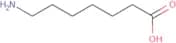
Formula:C18H39NPurity:Min. 95%Color and Shape:White/Off-White SolidMolecular weight:269.51 g/mol7-Aminoheptanoic acid
CAS:7-Aminoheptanoic acid is a fatty acid that contains a hydroxyl group on the seventh carbon of its chain. This compound has been shown to bind to and activate the receptor GPR120. It is also used in the synthesis of pharmaceuticals, such as anti-inflammatory agents, and in analytical methods for detecting peptides. 7-Aminoheptanoic acid can be synthesized by reacting hydrochloric acid with an amine or amide, followed by reaction with an ester hydrochloride. The compound can be purified using preparative high performance liquid chromatography (HPLC).
Formula:C7H15NO2Purity:Min. 95%Molecular weight:145.2 g/molRef: 3D-FA30974
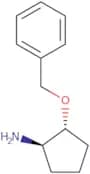
Discontinued product(1R,2R)-1-Amino-2-benzyloxycyclopentane
CAS:(1R,2R)-1-Amino-2-benzyloxycyclopentane is achiral. It is a synthetic chemical that has been used as an initiator for polymerization of amines and hexafluoroisopropanol. The synthesis of this compound can be achieved through a chiral technique known as interfacial polymerization. (1R,2R)-1-Amino-2-benzyloxycyclopentane is an initiator for the production of polymers with alternating helical chains. This process relies on the presence of achiral molecules to initiate the polymerization process.
Formula:C12H17NOPurity:Min. 95%Color and Shape:Clear LiquidMolecular weight:191.27 g/molRef: 3D-FA149716
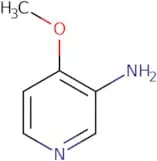
Discontinued product3-Amino-4-methoxypyridine
CAS:3-Amino-4-methoxypyridine is a molecule that has been shown to have anesthetic activity. It has been shown to inhibit the uptake of glycogen by glioblastoma cells and decrease the rate of glycogen synthesis in these cells. 3-Amino-4-methoxypyridine also inhibits the production of ATP in cardiac muscle cells, which may be due to its ability to inhibit glycogen synthase kinase-3 (GSK3) and glycogen synthase. This drug also inhibits cancer cell growth by inhibiting protein synthesis, as well as inflammatory disease progression by inhibiting NFκB activation and cytokine production. 3-Amino-4-methoxypyridine can be synthesized from aminopyridines such as isonicotinic acid or nicotinic acid, which are oxidized with hydrogen peroxide and sodium nitrite in the presence of a base catalyst.
Formula:C6H8N2OPurity:Min. 95%Molecular weight:124.14 g/molRef: 3D-FA46267
Discontinued productChloro[2-(di-tert-butylphosphino)-2',4',6'-triisopropyl-1,1'-biphenyl][2-(2-aminoethyl)phenyl)]palladium(II)
CAS:Controlled ProductChloro[2-(di-tert-butylphosphino)-2',4',6'-triisopropyl-1,1'-biphenyl][2-(2-aminoethyl)phenyl)]palladium(II) is a molecule that inhibits the adenosine receptor in autoimmune diseases and cancer. It also has an inhibitory effect on the membrane transport of glucose, glucosan, and aziridine. This drug can be used to treat inflammatory diseases such as diabetes, asthma, and inflammatory bowel disease. The geometric isomers of this molecule are not identical in shape or size and can have different effects on the body.
Formula:C37H55ClNPPdPurity:Min. 95%Molecular weight:686.69 g/molRef: 3D-FC156938
Discontinued productDimethylammonium dichlorotri(mu-chloro)bis[(R)-(+)-5,5'-bis(diphenylphosphino)-4,4'-bi-1,3-benzodioxole]diruthenate(II)
CAS:Controlled ProductPlease enquire for more information about Dimethylammonium dichlorotri(mu-chloro)bis[(R)-(+)-5,5'-bis(diphenylphosphino)-4,4'-bi-1,3-benzodioxole]diruthenate(II) including the price, delivery time and more detailed product information at the technical inquiry form on this pageFormula:C78H64Cl5O8P4Ru2NPurity:Min. 95%Molecular weight:1,646.64 g/molRef: 3D-FD167216
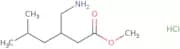
Discontinued productMethyl 3-(aminomethyl)-5-methylhexanoate hydrochloride
CAS:Controlled ProductPlease enquire for more information about Methyl 3-(aminomethyl)-5-methylhexanoate hydrochloride including the price, delivery time and more detailed product information at the technical inquiry form on this page
Purity:Min. 95%Ref: 3D-FM143145
Discontinued product3-Amino-1,2,4-triazole
CAS:3-Amino-1,2,4-triazole is a fine chemical that has been used as a versatile building block in the synthesis of complex compounds. It reacts with many different types of molecules to form covalent bonds, and can also be used as a reactant in many organic reactions, such as the formation of amides. 3-Amino-1,2,4-triazole is not currently available commercially but can be synthesized in the laboratory from readily available starting materials. 3-Amino-1,2,4-triazole is a high quality chemical with few impurities that is suitable for use in research or industrial settings.
Formula:C2H4N4Molecular weight:84.08 g/molRef: 3D-A-7200
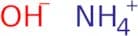
Discontinued productAmmonium hydroxide - 28% NH3 in H2O
CAS:Controlled ProductAmmonium hydroxide is a chemical compound that is used to remove sodium salts from water in the treatment of wastewater. Ammonium hydroxide is also an analytical reagent for the determination of ammonium ions by titration, and is used as a polymerization catalyst. It can be used to produce glycol ethers, which are solvents with low toxicity and high boiling points. The reaction mechanism involves the conversion of hydrogen fluoride (HF) to hydrofluoric acid (HF), which reacts with ammonia to form ammonium fluoride (NH4F). This reaction produces heat and gives off water vapor. Ammonium hydroxide is a weak base, so it will react with any strong acid, such as hydrochloric acid or sulfuric acid, but not with weak acids such as acetic acid or phosphoric acid.
Formula:NH4OHPurity:Min. 95%Color and Shape:Clear LiquidMolecular weight:35.05 g/molRef: 3D-FA35279
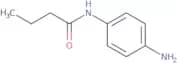
Discontinued productN-(4-Aminophenyl)butanamide
CAS:Please enquire for more information about N-(4-Aminophenyl)butanamide including the price, delivery time and more detailed product information at the technical inquiry form on this page
Formula:C10H14N2OPurity:Min. 95%Molecular weight:178.23 g/molRef: 3D-FA134121
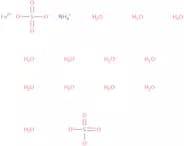
Discontinued productAmmonium iron(III) sulfate dodecahydrate
CAS:Ammonium iron(III) sulfate dodecahydrate is a water-soluble inorganic salt that can be used as an oxidizing agent to reduce the color of stains. It has been shown to have good growth kinetics and is easy to use. Ammonium iron(III) sulfate dodecahydrate is an inorganic acid that can be used as a reagent for extractions. It has been found to have good extraction yield and particle size, which makes it ideal for use in polymer films. Ammonium iron(III) sulfate dodecahydrate reacts with hydroxyl groups and forms p-hydroxybenzoic acid, which can be used in clinical pathology tests.
Formula:NH4Fe(SO4)2•(H2O)12Purity:Min. 95%Color and Shape:PowderMolecular weight:482.19 g/molRef: 3D-FA40933
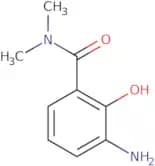
Discontinued product3-Amino-2-hydroxy-N,N-dimethylbenzamide
CAS:Please enquire for more information about 3-Amino-2-hydroxy-N,N-dimethylbenzamide including the price, delivery time and more detailed product information at the technical inquiry form on this page
Formula:C9H12N2O2Purity:Min. 95%Molecular weight:180.2 g/molRef: 3D-FA141220
Discontinued product[2-(2,5-Dimethyl-1H-indol-3-yl)ethyl]amine hydrochloride
CAS:Controlled ProductPlease enquire for more information about [2-(2,5-Dimethyl-1H-indol-3-yl)ethyl]amine hydrochloride including the price, delivery time and more detailed product information at the technical inquiry form on this pageFormula:C12H16N2Purity:Min. 95%Molecular weight:188.27 g/molRef: 3D-FD118369
Discontinued product7-Amino-4-(trifluoromethyl)coumarin
CAS:7-Amino-4-(trifluoromethyl)coumarin is a coumarin derivative that has been used as a fluorescence probe for the study of enzyme activities. It can be used as a potential biomarker for autoimmune diseases, and has also been shown to have tyrosine kinase domain binding activity. 7-Amino-4-(trifluoromethyl)coumarin can bind to the hydroxyl group in tyrosine residues with high affinity, and binds to the nitrogen atoms in protein kinases with low affinity. This compound is able to form intermolecular hydrogen bonds and steric interactions with peptide hormones.
Formula:C10H6F3NO2Purity:Min. 95%Molecular weight:229.16 g/molRef: 3D-FA74300
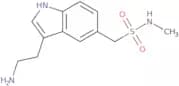
Discontinued product3-(2-Aminoethyl)-N-methyl-1H-indole-5-methanesulfonamide
CAS:3-(2-Aminoethyl)-N-methyl-1H-indole-5-methanesulfonamide (AMIS) is an intermediate in the preparation of medicaments. It is a stable process and can be used as an intermediate for other compounds. AMIS is prepared by reacting methanesulfonic acid with methanol and ammonium carbonate, which produces methanesulfonamide, succinic acid and ammonium hydroxide. The reaction liquid is then heated to produce a crystalline solid. The crystals are then recrystallized to yield AMIS as a white solid.
Formula:C12H17N3O2SPurity:Min. 95%Color and Shape:Off-White To Beige To Light Brown SolidMolecular weight:267.35 g/mol1-(2-Aminoethyl)-3-Phenylurea Hydrochloride
CAS:Please enquire for more information about 1-(2-Aminoethyl)-3-Phenylurea Hydrochloride including the price, delivery time and more detailed product information at the technical inquiry form on this page
Formula:C9H13N3O·HClPurity:Min. 95%Molecular weight:215.68 g/molRef: 3D-FA53557
Discontinued product(S)-2-Amino-5-methoxytetralin (S)-mandelate
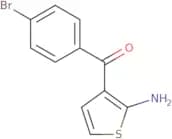
CAS:Controlled ProductPlease enquire for more information about (S)-2-Amino-5-methoxytetralin (S)-mandelate including the price, delivery time and more detailed product information at the technical inquiry form on this pageFormula:C19H23NO4Purity:Min. 95%Molecular weight:329.39 g/mol(2-Aminothiophen-3-yl)(4-bromophenyl)methanone
CAS:2-Aminothiophen-3-yl)(4-bromophenyl)methanone is a new compound that is being developed as a potential antiviral agent. Covid-19, the trade name for 2-aminothiophen-3-yl)(4-bromophenyl)methanone, prevents the replication of viruses by binding to their nucleic acids and blocking their ability to produce proteins. Covid-19 has been shown to be effective against both influenza A and B viruses in cellular and animal models. The antiviral activity of Covid-19 is due to its ability to bind to viral nucleic acid, preventing the production of proteins vital for viral replication. This compound has also been shown to have anti-inflammatory properties, which may be due to its ability to inhibit the production of amyloid plaques in mice with Alzheimer's disease.
Formula:C11H8BrNOSPurity:Min. 95%Molecular weight:282.16 g/molRef: 3D-FA54199
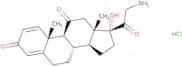
Discontinued product21-Amino-17-hydroxypregna-1,4-diene-3,11,20-trioneHydrochloride
CAS:Controlled ProductPlease enquire for more information about 21-Amino-17-hydroxypregna-1,4-diene-3,11,20-trioneHydrochloride including the price, delivery time and more detailed product information at the technical inquiry form on this pageFormula:C21H28ClNO4Purity:Min. 95%Molecular weight:393.9 g/molRef: 3D-FA150828
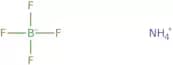
Discontinued productAmmonium tetrafluoroborate
CAS:Ammonium tetrafluoroborate is a salt of the organic compound tetrafluoroborate and ammonium. It is a colorless solid that can be used as a chemical reagent. Ammonium tetrafluoroborate has a higher chemical stability than other salts of tetrafluoroborate, such as ammonium hexafluorophosphate and ammonium hexafluoroarsenate. Ammonium tetrafluoroborate is used to make the dinucleotide phosphate, which is an important component in DNA synthesis. In a redox potential test, ammonium tetrafluoroborate showed no electrochemical activity in water vapor at pH 7. Ammonium tetrafluoroborate reacts with trifluoroacetic acid to produce hydrogen fluoride and ammonium chloride. This reaction is reversible, which means that it can be used for the synthesis of ammonia gas from hydrogen and nitrogen gases or for the
Formula:NH4BF4Purity:Min. 98%Color and Shape:White PowderMolecular weight:104.84 g/molRef: 3D-FA55588
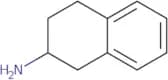
Discontinued product1,2,3,4-Tetrahydronaphthalen-2-amine hydrobromide
CAS:Controlled Product1,2,3,4-Tetrahydronaphthalen-2-amine hydrobromide (THNA) is an amine that inhibits the enzyme tyrosine hydroxylase. This inhibition leads to a decrease in the synthesis of dopamine and norepinephrine. THNA has been shown to have inhibitory properties on locomotor activity, acid complex formation, and aminotransferases. It also exhibits receptor binding and agonist binding site activity. One study found that THNA had no effect on rat striatal tissue. The drug has been shown to be effective in metabolic disorders such as obesity.
Formula:C10H13NPurity:Min. 95%Molecular weight:147.22 g/molRef: 3D-FT133201
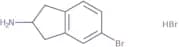
Discontinued product5-Bromo-2,3-dihydro-1H-inden-2-amine hydrobromide
CAS:Controlled ProductPlease enquire for more information about 5-Bromo-2,3-dihydro-1H-inden-2-amine hydrobromide including the price, delivery time and more detailed product information at the technical inquiry form on this page
Formula:C9H10BrN·HBrPurity:Min. 95%Molecular weight:293 g/molRef: 3D-FB52073
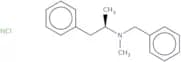
Discontinued product(R)-Benzphetamine hydrochloride
CAS:Controlled ProductPlease enquire for more information about (R)-Benzphetamine hydrochloride including the price, delivery time and more detailed product information at the technical inquiry form on this page
Formula:C17H22ClNPurity:Min. 95%Molecular weight:275.82 g/molRef: 3D-FB18259
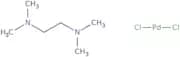
Discontinued productcis-Dichloro(N,N,N',N'-tetramethylethylenediamine)palladium(II)
CAS:Controlled ProductPlease enquire for more information about cis-Dichloro(N,N,N',N'-tetramethylethylenediamine)palladium(II) including the price, delivery time and more detailed product information at the technical inquiry form on this pageFormula:C6H16Cl2N2PdPurity:Min. 95%Molecular weight:293.53 g/molRef: 3D-FD149470
Discontinued productBis(hydroxyethyl)methylamine
CAS:Controlled ProductBis(hydroxyethyl)methylamine is a chemical compound that is used in wastewater treatment. It is a strong base that can be used to remove nitrogen compounds, such as ammonia and nitrite, from wastewater. The process optimization of the thermal expansion of Bis(hydroxyethyl)methylamine has been studied. This chemical has been found to inhibit the growth of bacteria and fungi, which may be due to its ability to disrupt protein synthesis by interfering with the enzyme fatty acid synthase.
Formula:C5H13NO2Purity:Min. 95%Molecular weight:119.16 g/molRef: 3D-FB18727
Discontinued product2-[(Dimethylamino)methylene]-5-(2,3,4-trimethoxyphenyl)cyclohexane-1,3-dione
CAS:Controlled ProductPlease enquire for more information about 2-[(Dimethylamino)methylene]-5-(2,3,4-trimethoxyphenyl)cyclohexane-1,3-dione including the price, delivery time and more detailed product information at the technical inquiry form on this pageFormula:C18H23NO5Purity:Min. 95%Molecular weight:333.38 g/molRef: 3D-FD134779
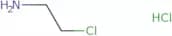
Discontinued product2-Chloroethylamine hydrochloride
CAS:2-Chloroethylamine hydrochloride is a chemical compound that has a hydroxyl group, which is an epoxide. It reacts with itself to form aziridine and amines, which are genotoxic compounds. 2-Chloroethylamine hydrochloride is used as an analytical method for the determination of the concentration of epoxides in air samples and can be produced by reacting chlorine with ethylamine. The reaction mechanism for this process is not well understood but it may involve coordination geometry and particle formation. This chemical compound can also be found in pharmaceutical drugs designed to treat cancer or heart disease.
Formula:C2H6ClN•HClPurity:Min. 95%Color and Shape:PowderMolecular weight:115.99 g/molPhenylpropylmethylamine hydrochloride
CAS:Controlled ProductPhenylpropylmethylamine hydrochloride is a chemical compound with the molecular formula CHClN. It is soluble in water and organic solvents. Phenylpropylmethylamine hydrochloride can be prepared by reacting chloropropane with hydrogen chloride, or by reacting phenylpropanolamine with hydrochloric acid in the presence of dodecyl mercaptan and sodium hydroxide solution. The impurities present in this product include chloropropane, chloride gas, and hydroxide ions. The reactions involved are exothermic reactions that require cooling to prevent overheating. Impurities may also form if this product is not reacted under an inert atmosphere of nitrogen gas. The following are some common uses for Phenylpropylmethylamine hydrochloride: -as a solvent in the production of certain types of plastics -in the manufacture of dyes, drugs, rubber products, and soaps -in researchFormula:C10H16ClNPurity:Min. 95%Color and Shape:PowderMolecular weight:185.69 g/mol4-Aminobicyclo[2.2.2]octan-1-ol hydrochloride
CAS:Please enquire for more information about 4-Aminobicyclo[2.2.2]octan-1-ol hydrochloride including the price, delivery time and more detailed product information at the technical inquiry form on this page
Formula:C8H15NO•HClPurity:Min. 95%Molecular weight:177.67 g/molRef: 3D-FA63102
Discontinued product2-(Aminomethyl)-1,3-benzothiazole hydrochloride
CAS:Please enquire for more information about 2-(Aminomethyl)-1,3-benzothiazole hydrochloride including the price, delivery time and more detailed product information at the technical inquiry form on this page
Formula:C8H8N2S·HClPurity:Min. 95%Molecular weight:200.69 g/molRef: 3D-FA76419
Discontinued product







![[4-(4-Aminophenoxy)(2-pyridyl)]-N-methylcarboxamide](/_next/image/?url=https%3A%2Fstatic.cymitquimica.com%2Fproducts%2F3D%2Fthumb-webp%2FFA17813.webp&w=3840&q=75)



![Chloro[2-(di-tert-butylphosphino)-2',4',6'-triisopropyl-1,1'-biphenyl][2-(2-aminoethyl)phenyl)]pal…](/_next/image/?url=https%3A%2Fstatic.cymitquimica.com%2Fproducts%2F3D%2Fthumb-webp%2FFC156938.webp&w=3840&q=75)


![[2-(2,5-Dimethyl-1H-indol-3-yl)ethyl]amine hydrochloride](/_next/image/?url=https%3A%2Fstatic.cymitquimica.com%2Fproducts%2F3D%2Fthumb-webp%2FFD118369.webp&w=3840&q=75)




![2-[(Dimethylamino)methylene]-5-(2,3,4-trimethoxyphenyl)cyclohexane-1,3-dione](/_next/image/?url=https%3A%2Fstatic.cymitquimica.com%2Fproducts%2F3D%2Fthumb-webp%2FFD134779.webp&w=3840&q=75)

![4-Aminobicyclo[2.2.2]octan-1-ol hydrochloride](/_next/image/?url=https%3A%2Fstatic.cymitquimica.com%2Fproducts%2F3D%2Fthumb-webp%2FFA63102.webp&w=3840&q=75)
